
Chlorine Dioxide Kitchen Cleaning — Safe, Effective, and Science-Backed Guide
Cooking at home should be joyful — not a worry about hidden bacteria, stubborn odors, or lingering food contamination. Chlorine dioxide (ClO₂) kitchen cleaning provides a powerful oxidation-based solution that removes microbes and odors without harsh chemical residue or strong fumes. This guide explains how chlorine dioxide works, how to use it safely in the kitchen, and why it is a superior alternative to many traditional cleaning products.
Why Chlorine Dioxide Works So Well in the Kitchen
Chlorine dioxide is an oxidizing biocide known for its ability to destroy bacteria, viruses, and organic odor molecules at the molecular level. Unlike bleach, which relies on chlorination and often leaves residues and strong fumes, chlorine dioxide works through selective oxidation. This makes it particularly well suited for food-preparation environments where cleanliness and safety matter most.
Because chlorine dioxide breaks down into simple salts after use, it does not leave sticky films or chemical buildup on kitchen surfaces.
Also Read 👉🏼How Do You Eliminate Odors Safely & Effectively With CLO2?
How Chlorine Dioxide Works (Mechanism of Action)
Chlorine dioxide penetrates microbial cell walls and oxidizes key amino acids and structural components within bacteria, viruses, and mold. This oxidation process disrupts cellular function and destroys biofilms — microscopic protective layers where microbes often hide. Because chlorine dioxide does not chlorinate surfaces, it avoids the formation of harmful chlorinated byproducts and rinses away cleanly when needed.
Step-by-Step: Safe Kitchen Cleaning With Chlorine Dioxide Tablets
1. Mix the Right Solution
| Use Case | Tablet Size | Water | Effective ppm |
|---|---|---|---|
| General surface cleaning | 1g | 1–2 L | 50–100 ppm |
| Food contact surfaces | 1g | 1 L | 100–200 ppm |
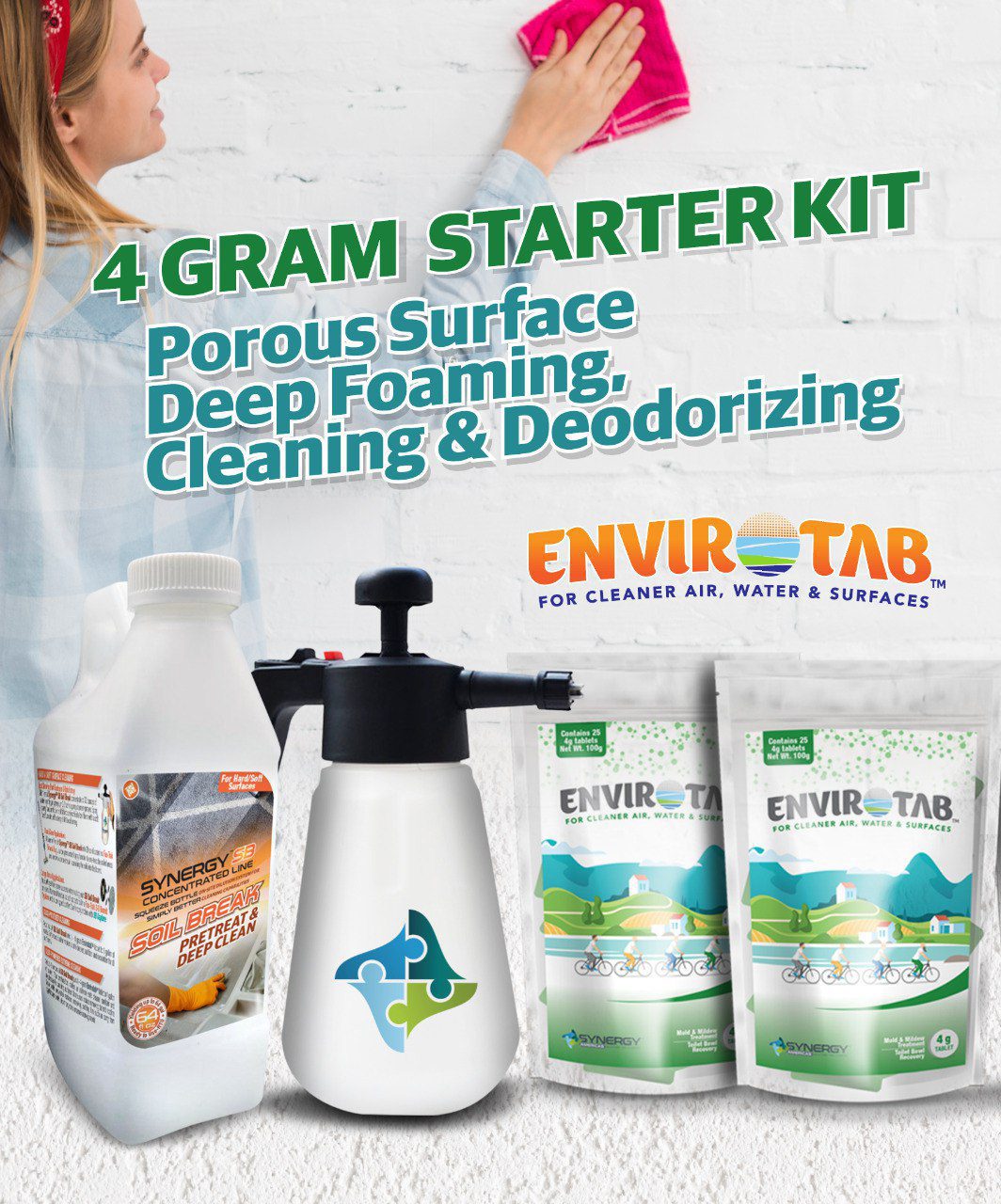
| Heavy contamination | 4g | 1 L | 500 ppm |
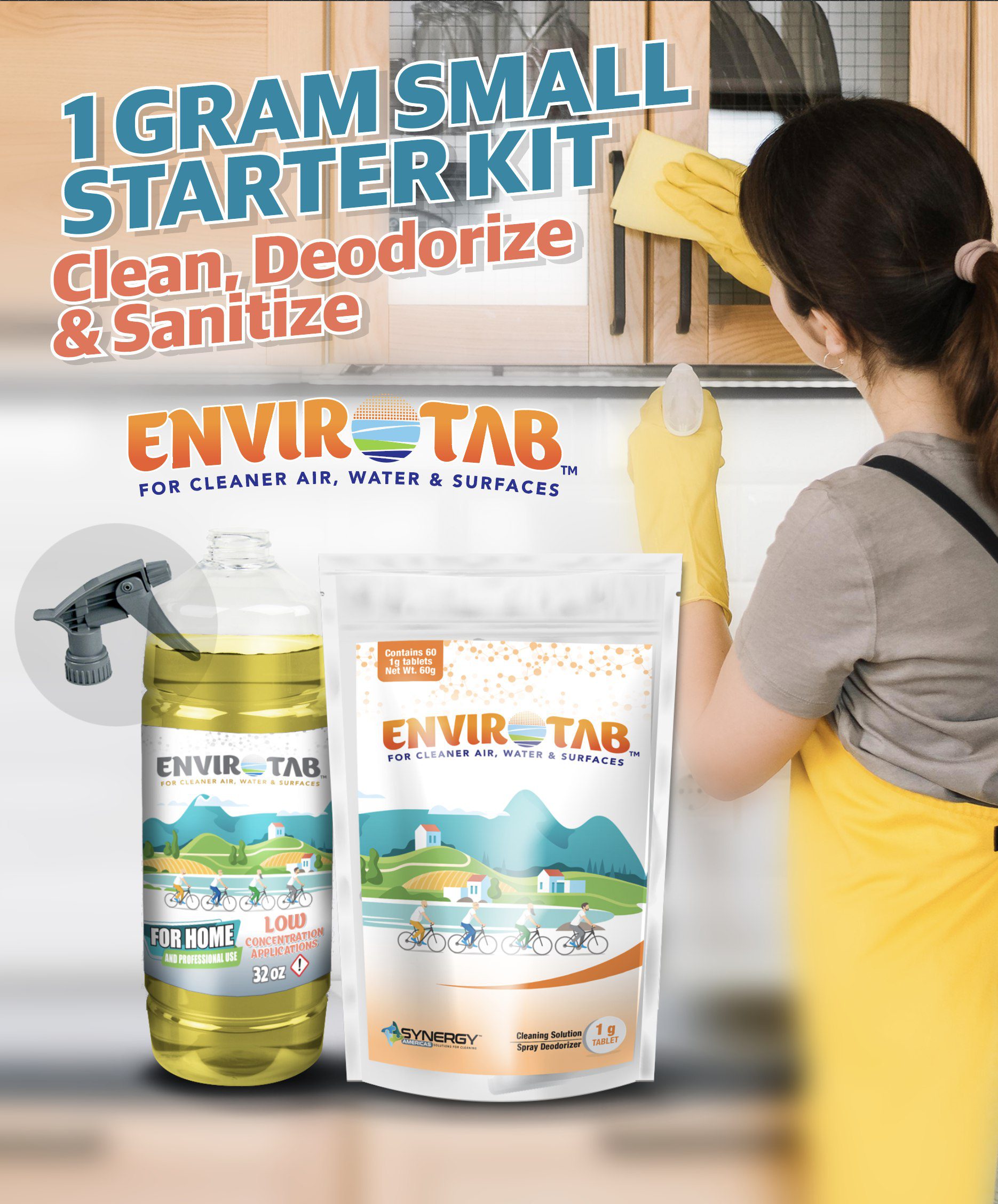
For general kitchen surface cleaning, dissolve one 1-gram chlorine dioxide tablet in 1 to 2 liters of water to achieve approximately 50–100 ppm.
For food-contact surfaces such as cutting boards and countertops, dissolve one 1-gram tablet in 1 liter of water for a stronger 100–200 ppm solution.
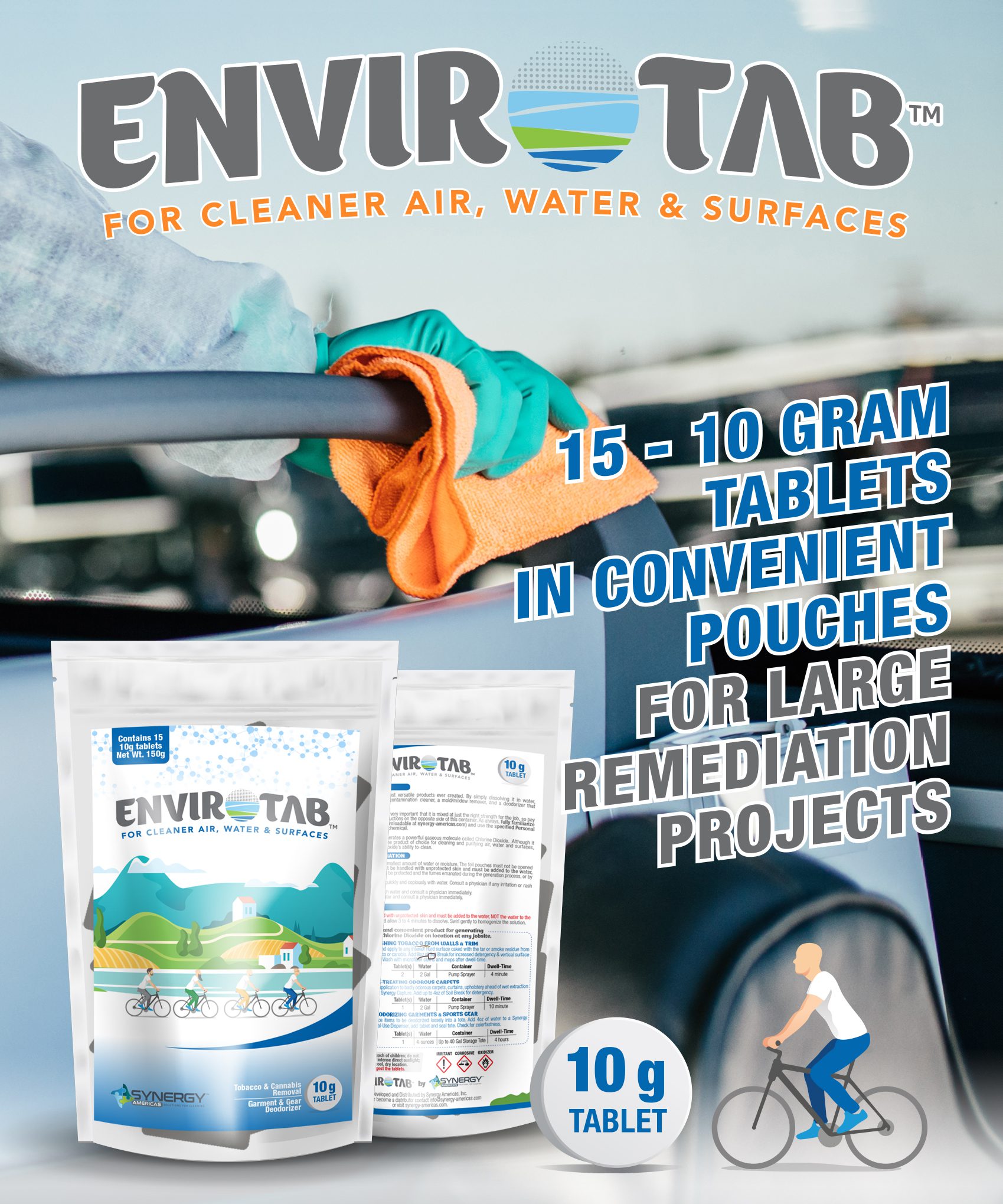
For heavy contamination or deep sanitation, higher concentrations may be used with proper ventilation and safety precautions.
2. Activate the Solution
Allow the tablet to fully dissolve and activate for one minute. The solution will turn a light amber or yellow color when activation is complete.
3. Apply to Kitchen Surfaces
Apply the activated solution using a spray bottle or clean cloth to countertops, sinks, cutting boards, faucet handles, appliance doors, and backsplashes. Allow the surface to remain wet for five to ten minutes to ensure effective microbial reduction.
4. Rinse When Necessary
If the surface will come into direct contact with food, rinse with clean water after the contact time, especially when using concentrations above 200 ppm.
ClO₂ vs. Traditional Kitchen Cleaners
| Feature | ClO₂ Tablets | Bleach | Quat Cleaners |
|---|---|---|---|
| Odor Neutralization | ✔️ | ❌ | ❌ |
| Microbial Kill | ✔️ High | ✔️ Moderate | ✔️ Moderate |
| Residue | ✔️ None | ❌ Sticky/Film | ⚠️ Residue |
| Food Surface Safe | ✔️ With rinse | ⚠️ Strong fumes | ⚠️ Film |
| Fume Irritation | ✔️ Low | ❌ High | ⚠️ Moderate |
Chlorine Dioxide Compared to Traditional Kitchen Cleaners
Chlorine dioxide neutralizes odors at their source, rather than masking them. It provides strong microbial control without leaving sticky residue or strong fumes, unlike bleach or quaternary ammonium cleaners. When used correctly, it is gentler on surfaces while still delivering professional-grade sanitation.
Safety and Best Practices
Always mix chlorine dioxide tablets according to instructions and never guess at concentrations. Never mix chlorine dioxide with bleach, ammonia, vinegar, acids, or other cleaning chemicals. Use basic ventilation when working with stronger solutions. Wear gloves if you have sensitive skin, and keep children and pets away from wet surfaces until they are dry. Store tablets in a dry, sealed container away from moisture.
Also Read 👉🏼Chlorine Dioxide Safety: Myths vs. Science | Complete Safe-Use Guide
When Not to Use Chlorine Dioxide in the Kitchen
Chlorine dioxide should not be used in humidifiers, diffusers, or devices that aerosolize chemicals. It should not be applied in small, enclosed spaces without ventilation, and highly porous or delicate materials should always be tested before use.
Quick Summary
Chlorine dioxide tablets make kitchen cleaning simple, effective, and science-backed. By oxidizing microbes and odor-causing molecules, chlorine dioxide cleans surfaces thoroughly without harsh fumes or residue. With proper dilution, activation, and application, it is a safe and powerful tool for maintaining a cleaner, healthier kitchen.
For safe, effective kitchen cleaning solutions, explore professional-grade chlorine dioxide tablets at Clo2Tablets.com and upgrade your everyday cleaning routine.
FAQ
1. Is chlorine dioxide safe for kitchen cleaning?
Yes. When diluted properly (typically 50–200 ppm), chlorine dioxide is safe for cleaning kitchen surfaces. It is widely used in food-processing and sanitation environments. Rinse food-contact surfaces if using higher concentrations.
2. Can chlorine dioxide be used on food preparation surfaces?
Yes. Chlorine dioxide is effective on countertops, cutting boards, and prep areas. For direct food-contact surfaces, rinse with clean water after the recommended contact time.
3. Does chlorine dioxide leave residue or a chemical taste?
No. Chlorine dioxide breaks down into simple salts and oxygen-related compounds, leaving no sticky residue or lingering chemical taste when used correctly.
4. How does chlorine dioxide compare to bleach for kitchen cleaning?
Unlike bleach, chlorine dioxide works through selective oxidation, produces fewer fumes, does not chlorinate surfaces, and leaves no residue. It is often gentler on surfaces while remaining highly effective against microbes.
5. Is chlorine dioxide effective against kitchen bacteria and viruses?
Yes. Chlorine dioxide is effective against a wide range of bacteria, viruses, and biofilms commonly found in kitchens, including those that cause foodborne illness.
6. Can chlorine dioxide remove kitchen odors?
Yes. Chlorine dioxide neutralizes odor-causing molecules at the source rather than masking them, making it very effective for food, garbage, and drain odors.
7. How long should chlorine dioxide stay on a kitchen surface?
Allow a contact time of 5–10 minutes for general cleaning and disinfection. This ensures effective microbial reduction before wiping or rinsing.
8. Is chlorine dioxide safe to use around children and pets in the kitchen?
Yes, when used at proper concentrations and allowed to dry. Keep children and pets away from wet surfaces and never allow ingestion of the solution.
9. Can I mix chlorine dioxide with other kitchen cleaners?
No. Chlorine dioxide should never be mixed with bleach, ammonia, vinegar, acids, or other cleaning chemicals, as this can create unsafe reactions.
10. How often can I use chlorine dioxide for kitchen cleaning?
Chlorine dioxide can be used daily at low concentrations for routine kitchen cleaning and sanitizing without damaging surfaces or creating buildup.