

ClO2 for Greenhouses, Grow Rooms & Garden Sanitation
Greenhouses, grow rooms, and high tunnels create ideal conditions for moisture-related microbial pressure. Chlorine dioxide supports sanitation of benches, trays, tools, and enclosed growing environments while helping manage odors and organic buildup in controlled agricultural spaces.
High Temperatures, High Humidity - The Perfect Storm for Biofilm, Odors & Fungal Growth.
The Unique Challenges Faced by Greehouse Growers
Greenhouses, indoor grow rooms, high tunnels, and controlled-environment agriculture spaces create ideal conditions for plant growth — and for moisture-driven microbial buildup.
Warm temperatures, high humidity, irrigation runoff, and organic plant material create environments where:
- Biofilm develops on tools and irrigation components
- Residue accumulates on benches and trays
- Odors develop in enclosed rooms
- Airborne microbial pressure increases
Chlorine dioxide (ClO2) provides a versatile sanitation approach for surfaces, irrigation components, tools, and airspace hygiene in controlled agricultural environments.
This page outlines structured sanitation strategies and practical ppm ranges for growers.
Surface & Infrastructure Sanitation in Growing Environments
Surfaces in grow rooms accumulate:
- Organic residue
- Irrigation splash back
- Nutrient solution films
- Plant debris
- Condensation-driven buildup
Regular sanitation helps maintain cleaner infrastructure between crop cycles and during active growth.
Recommended ClO2 Surface Cleaning Ranges
Routine Surface Wipe-Downs:
50–100 ppm ClO2
Used for:
- Benches
- Propagation trays
- Hand tools
- Non-porous surfaces
- Light reflectors
- Irrigation manifolds
Application method:
- Apply via sprayer or wipe
- Allow several minutes contact time
- Air dry or wipe clean
This range supports ongoing sanitation during active production.
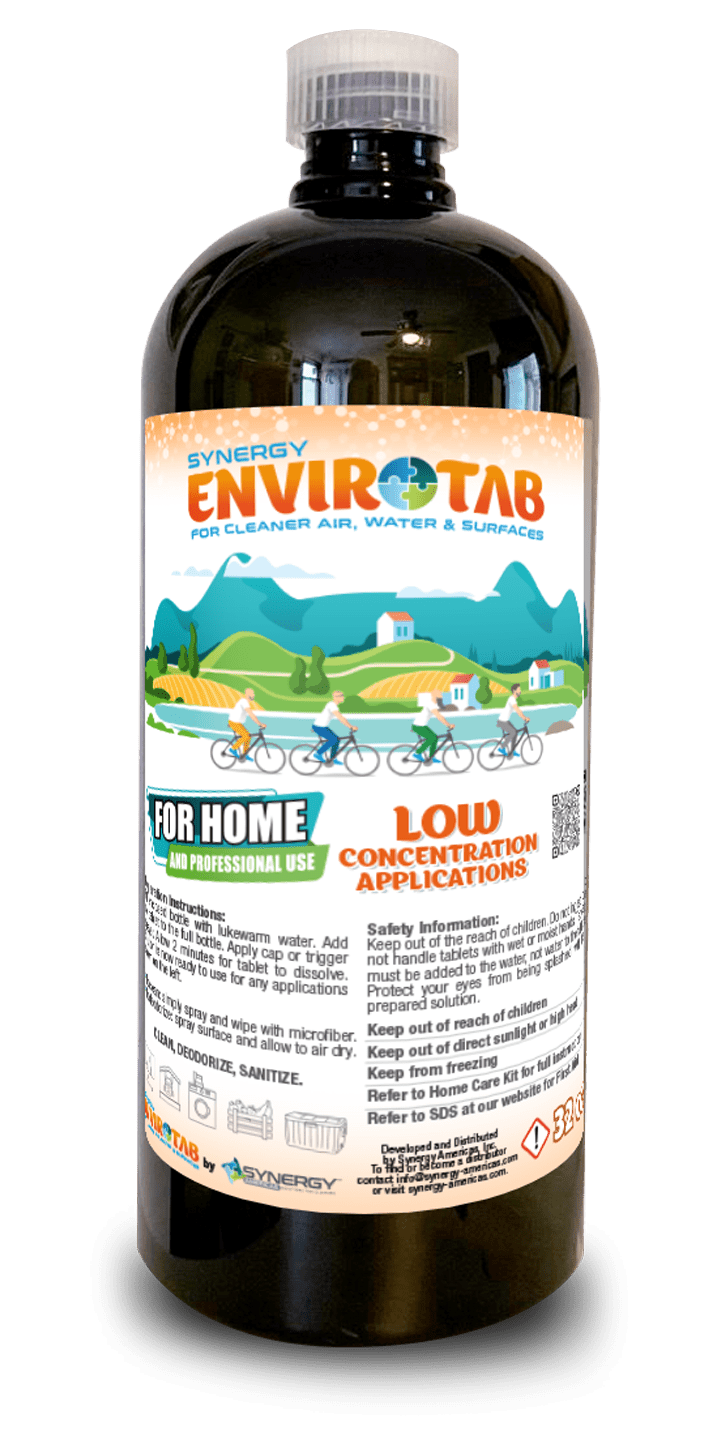
To Begin a Program Like Described...
Using a quart trigger bottle and a 1g tablet, as found together in our Envirotab 1g Small Starter Kit, you would add just (1) 1g tablet to 32oz of water in a trigger sprayer.
Corrective Cleaning / Visible Residue: 100–200 ppm ClO2
Used for:
- Nutrient film buildup
- Persistent organic residue
- Post-harvest bed cleaning
- Between-cycle sanitation
Application method:
- Thorough wetting of surfaces
- 1–2-minute contact time
- Follow with clean water rinse if desired
In many cases, this lower range concentration - 100ppm, can even be used to remove contaminates from leaves and other non-edible plant parts.
To Begin a Program Like Described...
Using a quart trigger bottle and a 1g tablet, as found together in our Envirotab 1g Small Starter Kit, you would add just (2) 1g tablet to 32oz of water in a trigger sprayer.
Tool & Bed Reset Protocol:
200-400 ppm ClO2 (short contact)
Used for:
- Between crop cycles
- Deep sanitation of propagation beds
- Hard-surface tool soaking
- Pruning shears, stakes, trellis components
Application method:
- Pre-clean debris
- Fully wet surfaces
- 5–10-minute contact time
- Rinse and dry before reusing
In most cases, this would be accomplished with a 10g tablet dissolved in a gallon of water to achieve 250ppm.
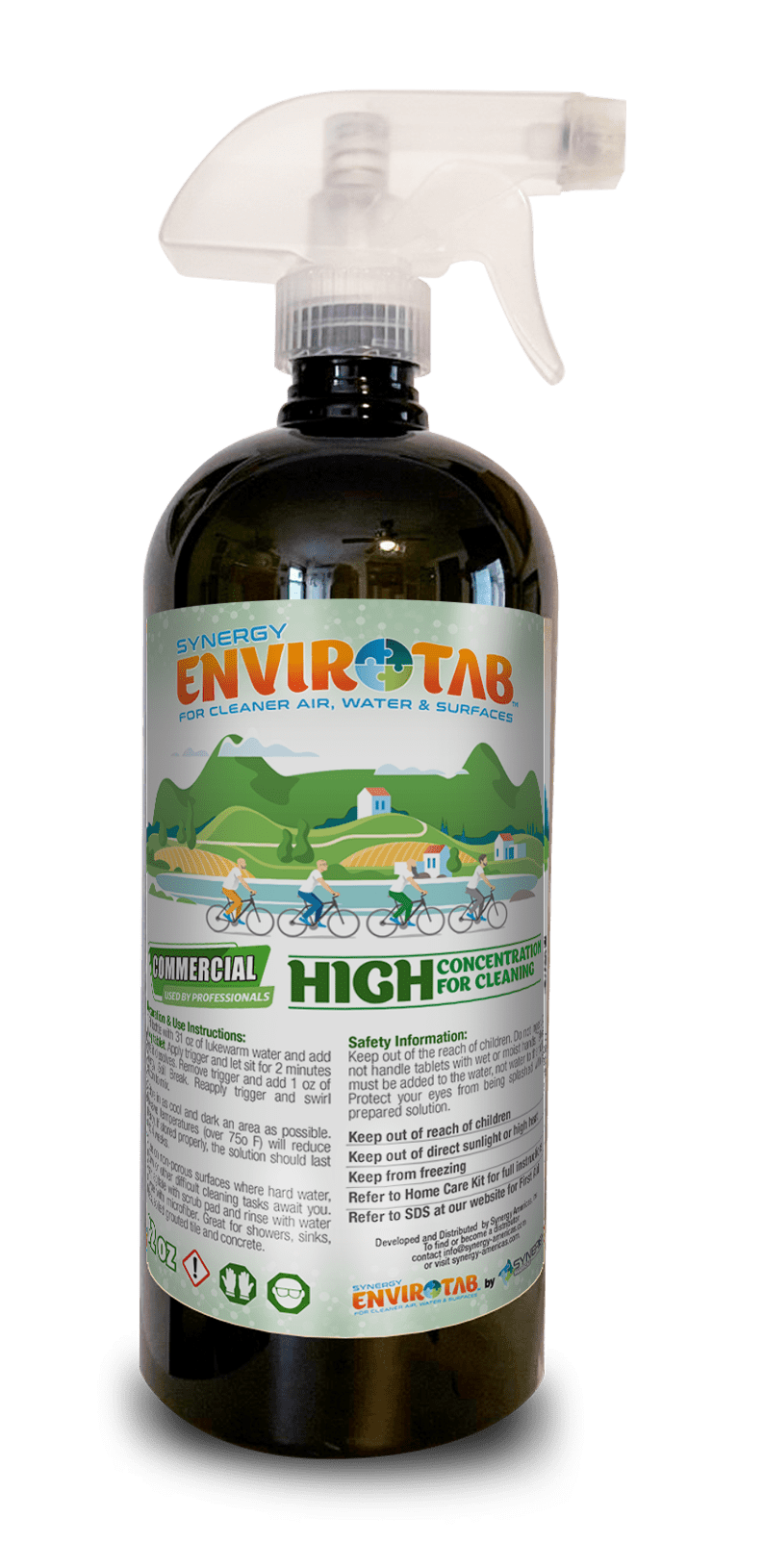
To Test a Program Like Described...
Using a quart trigger bottle and a 4g tablet, as found together in our Envirotab 4g Small Starter Kit, you would add just (1) 4g tablet to 32oz of water in a trigger sprayer.
Grow Room Floor & Drain Sanitation
Floors and drains often harbor:
- Standing water
- Nutrient runoff
- Slime accumulation
- Odor sources
Recommended approach: Using 100–200 ppm Solution Strength
- Apply to floor surfaces
- Scrub high-traffic areas
- Flush drains with treated solution
- Repeat as part of weekly maintenance in high-humidity environments
To achieve this concentration use (1) 4g Envirotab Tablet per every 1/2 - 1 gallon of water, depending on degree of odor.
Airspace Hygiene & Odor Control
Air recirculation is common in:
- Cannabis grow rooms
- Indoor vegetable production
- Propagation rooms
- Drying rooms
High humidity and dense canopy growth can increase airborne microbial pressure and odor intensity.

Clean Air Cure 90 Deployment

Clean Air Cure 90 is designed for low-dose airspace infusion of chlorine dioxide gas for whole-room hygiene support.
It may be used in:
- Enclosed grow rooms
- Drying rooms
- Greenhouses during off-cycle periods
- Equipment storage areas
Typical applications include:
- Odor reduction
- Airspace sanitation support
- Post-harvest room reset
- Between-cycle environmental refresh
Deployment considerations:
- Place units in central airflow areas
- Use during unoccupied periods when possible
- Follow label guidance for cubic footage
- Ensure adequate ventilation after treatment cycle
This approach allows low-level diffusion throughout the airspace without liquid application to plant material.
Between-Cycle Cannabis Grow Room Reset Protocol
Many cannabis and indoor growers implement a full reset between crop cycles.
A structured approach may include:
- Remove all plant material.
- Dry sweep debris.
- Clean surfaces at 150–200 ppm.
- Treat tools at 200–300 ppm short soak.
- Flush irrigation lines (see Agricultural Water Systems page).
- Deploy Clean Air Cure 90 for room-wide air hygiene.
This layered approach addresses:
- Surfaces - Cleaning at 200-250 ppm (most practical concentration)
- Tools - Soaking at 200-300 ppm (10g tablet in 1 gallon of water)
- Plumbing - Treating drainage runs with 100ppm solution
- Airspace - Treating with released gaseous ClO2 (requires specialized products not sold on site) or Low-Dose, long-term release Clean Air Cure 90.
All accomplished without relying on toxic detergents or leaving heavy chemical residues.

Our Most Frequently Asked Questions on ClO2 on Greenhouses & Grow Rooms
What ppm is commonly used for greenhouse surface sanitation?
Routine surface wipe-down typically ranges from 50–100 ppm, while corrective cleaning may use 100–200 ppm depending on residue load.
Can ClO2 be used in cannabis grow rooms? And if so, to what benefit?
Chlorine dioxide is used in ANY controlled-environment agriculture for surface sanitation and airspace hygiene support when applied according to label guidance.
How is Clean Air Cure 90 used in grow rooms to reduce airborne microbial load?
Clean Air Cure 90 units are placed within enclosed spaces to release low-dose chlorine dioxide for airspace sanitation and odor control, working 'round the clock.

Our Social Media Links:

P.O. Box 34 Winterport, Maine 04496
If you need more information, or are a commercial buyer, please visit this parent site.