

Employing Chlorine Dioxide to Clean the Air
A Different Approach to Improving the Air You Breathe
Most indoor air “purification” technologies focus on capture: trapping particles in filters, absorbing gases into carbon, or masking odors with fragrance. Chlorine dioxide (ClO₂) works differently.
It oxidizes airborne contaminants at the molecular level, breaking down odor-causing compounds, neutralizing allergens, degrading volatile organic compounds (VOCs), and inactivating airborne microbes — without relying on filtration alone and without leaving residues behind.
This page explains:
- How chlorine dioxide interacts with airborne pollutants
- What research tells us about oxidation of allergens, odors, VOCs, and microbes
- How those principles are applied in real indoor environments using three purpose-built products
How Chlorine Dioxide Can Be Used to Clean the Air in Your Home or Office
Oxidation vs. Filtration
Filtration removes particles from the air stream.
Oxidation chemically alters contaminants, so they are no longer biologically active, odorous, or chemically reactive.
Chlorine dioxide is a selective oxidizer, meaning:
- It reacts primarily with electron-rich compounds
- It does not chlorinate surfaces or form persistent residues
- It remains effective at very low concentrations in air
This makes it uniquely suited for continuous, low-level air treatment rather than shock disinfection.
Why Selective Oxidation Matters Indoors
In occupied buildings, aggressive oxidizers (ozone, high-concentration peroxide fogging) can:
- Damage materials
- Irritate respiratory tissue
- Require evacuation
Chlorine dioxide, when properly generated and dosed, has been shown to:
- Oxidize contaminants without surface bleaching
- Decompose back into benign chloride byproducts
- Function in air, on surfaces, and within HVAC air streams
Oxidation of Airborne Allergens

What Makes Allergens Harmful
Airborne allergens such as:
- Mold spores
- Dust mite fragments
- Pollen proteins
- Animal dander
Trigger immune responses because of specific protein structures on their surface.
Oxidation disrupts these protein structures, reducing allergenic activity rather than simply relocating the particles.
What the Research Shows
Multiple laboratory and environmental studies indicate that chlorine dioxide:
- Oxidizes amino acids and sulfur-containing proteins
- Alters allergenic epitopes responsible for immune response
- Can reduce and maintain low biological activity
Studies examining protein oxidation by ClO₂ show structural denaturation that correlates with loss of biological function rather than simple particle removal.
This is functional neutralization, not just air “freshening.”
Product Applications for Allergens
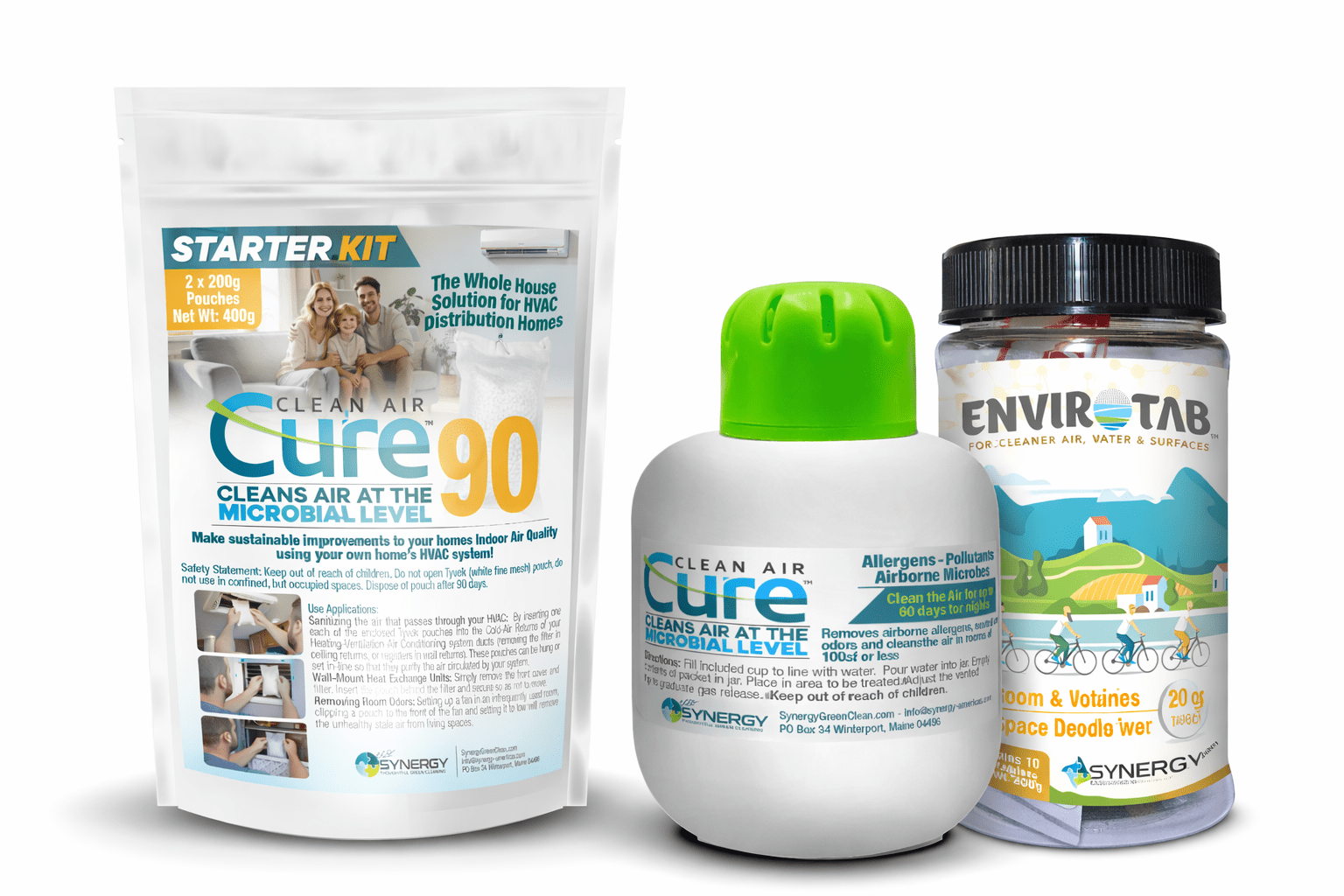
Envirotab 2 × 20g Air Space Deodorizing Kit
Ideal for unoccupied or intermittently occupied rooms with known allergen load (basements, seasonal rooms, remediation zones).
Clean Air Cure Starter Kit
Designed for continuous allergen reduction using HVAC air circulation without disrupting occupants.
Clean Air Cure 90 HVAC Kit
Whole-home approach for forced-air systems, allowing ongoing oxidation of allergens as air recirculates.
Oxidation of Odor Molecules

Odors Are Chemical Compounds, Not Smells
Odors are caused by volatile organic and inorganic compounds, often sulfur- or nitrogen-based.
Masking agents add fragrance.
Absorbents temporarily bind molecules.
Chlorine dioxide chemically breaks odor molecules apart.
Scholarly Findings on Odor Oxidation
Research in industrial hygiene and food processing environments demonstrates that ClO₂:
- Oxidizes sulfur compounds responsible for decay odors
- Neutralizes amines and aldehydes linked to persistent smells
- Continues reacting until the odor-causing molecule is no longer intact
This explains why chlorine dioxide is widely used in:
- Food storage facilities
- Wastewater odor control
- Disaster restoration environments
Product Alignment for Odor Control
Envirotab 20g Air Kits → Targeted room deodorization
Clean Air Cure Starter Kit → Recirculated odor reduction
Clean Air Cure 90 HVAC Kit → Whole-home odor management via ductwork
Oxidation of Volatile Organic Compounds (VOC's)

Why VOCs Are Hard to Remove
VOC's from:
- Cleaning products
- Building materials
- Furnishings
- Combustion processes
Are often too small for mechanical filtration and may persist for months or years.
Chlorine Dioxide and VOC Degradation
Studies examining ClO₂ reactions with VOCs show:
- Oxidative cleavage of double bonds
- Conversion of reactive VOCs into less volatile compounds
- Reduction in measured total VOC concentrations in treated spaces
- Unlike activated carbon, oxidation does not rely on saturation capacity.
Best Use Cases
- Newly renovated spaces
- Newly furnished homes
- HVAC-distributed VOC accumulation
→ Clean Air Cure 90 HVAC Kit is particularly suited here.

Oxidation of Airborne Microbes (Bacteria, Mold & Viruses)
This is not a specific statement of microbial deactivation by our products, simply a general discussion as to what has been found true concerning Chlorine Dioxide.

Microbial Inactivation in Air
Chlorine dioxide damages microbes by:
- Oxidizing cell membranes
- Disrupting enzymatic function
- Inactivating viral capsid proteins
Importantly, it does so without needing direct liquid contact.
What Peer-Reviewed Research Indicates
Controlled studies show ClO₂ gas:
- Inactivates airborne bacteria and viruses at low ppm levels
- Remains effective in humid and dry air
- Outperforms some UV systems in shaded or turbulent airflow zones
This explains its use in:
- Healthcare air disinfection
- Biosecurity environments
- Mold remediation projects
Some of the most prominent studies from our archives:
Three Products: Three Air-Cleaning Strategies

Rapid Restoration
For rapidly reducing the presence of offensive airborne particulates and contaminates, consider this Kit.
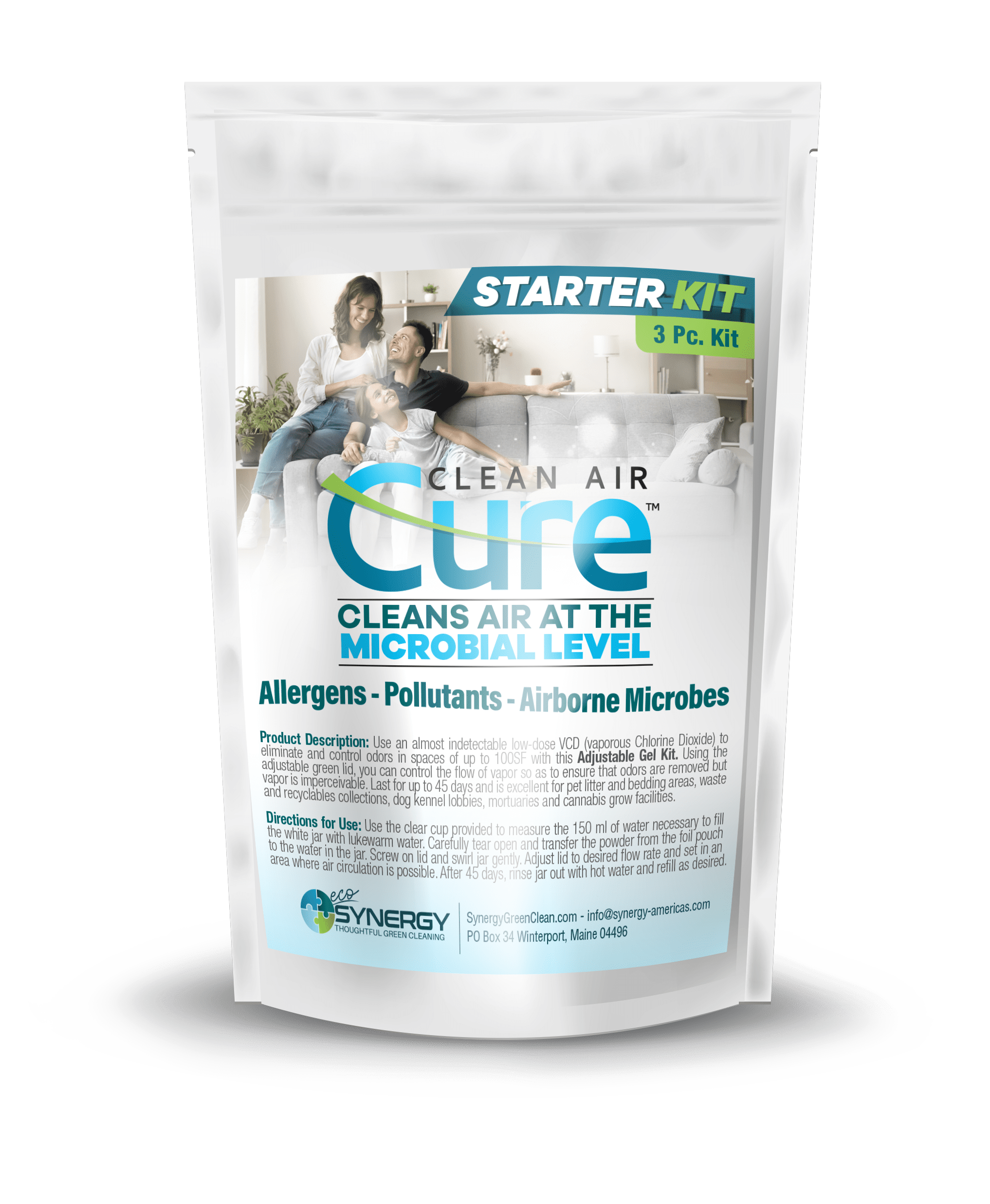
Local & Controllable
For localized application of a low-dose release of chlorine dioxide to purify air spaces, consider this Kit.
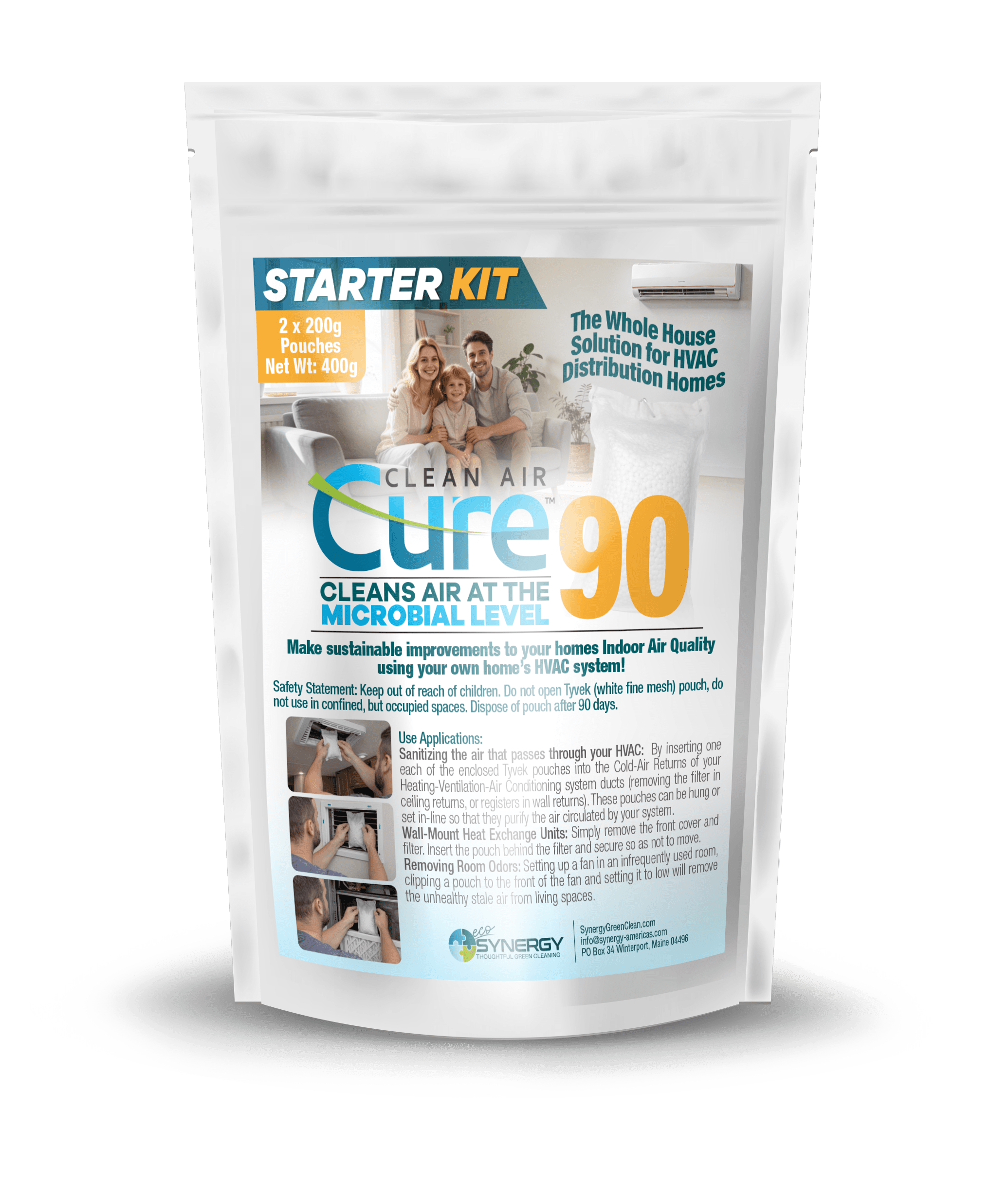
Whole House Quarterly
For regular purifying and sanitizing of air throughout your home, using your central HVAC system, consider this Kit.
Articles on Air Cleaning with Envirotab:


Our Social Media Links:

P.O. Box 34 Winterport, Maine 04496
If you need more information, or are a commercial buyer, please visit this parent site.