
Chlorine Dioxide for Fighting Allergens in the Home & Workplace
Allergens aren’t just “killed” — they must be neutralized. Chlorine dioxide works at the molecular level to deactivate allergenic proteins in the air, on surfaces, and in moisture-prone areas. By selectively oxidizing the compounds that trigger allergic reactions and leaving no residue behind, ClO₂ provides a cleaner, safer way to reduce allergen exposure without fragrances, films, or harsh chemicals.
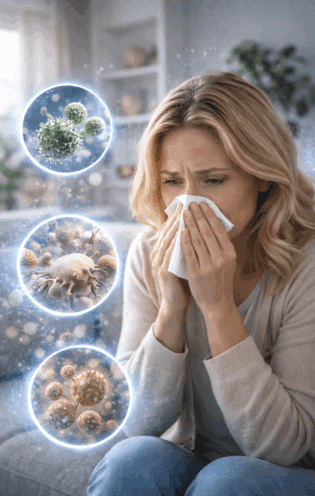
Allergens are not living organisms that can simply be “killed.” They are microscopic proteins and organic fragments—often left behind after pollen, mold spores, dust mites, pet dander, or microbes break apart.
Traditional cleaning methods frequently:
- Kill microbes but leave allergenic proteins behind
- Mask allergens with fragrances
- Redistribute allergens into the air through wiping or vacuuming
- Leave chemical residues that can become irritants themselves
Effective allergen control requires neutralization and removal, not just disinfection.
Chlorine dioxide (ClO₂) is a selective oxidizer, meaning it reacts with specific organic compounds rather than indiscriminately attacking everything it contacts. This distinction matters greatly for allergen control.
Oxidation at the Molecular Level
ClO₂ works by:
- Oxidizing sulfur- and nitrogen-containing amino acids
- Altering the molecular structure of allergenic proteins
- Rendering allergens non-reactive to the human immune system
Rather than coating or masking allergens, chlorine dioxide chemically deactivates them.
Fighting Allergens in the Air
Many allergens are airborne or become airborne through movement, HVAC systems, or cleaning activity.
Chlorine dioxide gas (used at appropriate low concentrations for deodorization):
- Travels wherever air flows
- Penetrates soft materials like fabric, carpet, and upholstery
- Reacts with airborne allergen particles rather than settling on surfaces
This allows allergen reduction beyond what wiping alone can reach, especially in rooms, vehicles, and enclosed spaces.
Fighting Allergens on Surfaces
Hard surfaces are a major reservoir for allergens, especially touchpoints and horizontal surfaces where particles settle.
When chlorine dioxide is used in solution:
- Allergenic proteins are oxidized on contact
- No sticky or sensitizing residue remains
Surfaces are left clean, neutral, and ready for microfiber removal
The Importance of Residue-Free Cleaning
Residues from soaps, quats, or fragranced cleaners can:
- Trap allergens
- Attract dust
- Trigger respiratory or skin sensitivity
Chlorine dioxide breaks down into chloride and oxygen—leaving no film to hold allergens in place.
Fighting Allergens in Water
Bathrooms, kitchens, humidifiers, and drains are common allergen hotspots due to moisture and biofilm buildup.
ClO₂ excels in these environments by:
- Penetrating biofilms that harbor allergen-producing microbes
- Preventing regrowth rather than temporarily suppressing it
- Remaining effective across a wide pH range
This makes chlorine dioxide especially useful for mold-related allergen reduction, without relying on harsh bleach or acids.
Safer for Sensitive Individuals
Because chlorine dioxide:
- Is used at very low effective concentrations
- Does not rely on fragrances or surfactants
- Leaves no lingering chemical residue
It is widely favored in environments where allergen sensitivity is a concern, such as:
- Homes with children or pets
- Healthcare and dental offices
- Hospitality and short-term rentals
- Wellness-focused cleaning programs
A Systematic Approach
True allergen reduction is not a single step—it’s a system.
Chlorine dioxide fits into a modern allergen-control strategy by supporting:
- Air treatment for hard-to-reach allergens
- Surface oxidation followed by microfiber removal
- Moisture management to prevent allergen regeneration
Rather than overpowering allergens, ClO₂ removes the conditions that allow them to persist.
Practical Applications in the Fight Against Allergens
In many cases, allergens are heavier than air and settle on horizontal surfaces like countertops, tables and floors. When breezes pass through a room, or someone walks by, shuffles their feet or sweeps a floor, these particles again become airborne. The allergens are then breathed in and trigger negative reactions. The very best thing you can do for yourself, your family and your employees is to implement a program that employs microfiber and aqueous or gaseous ClO₂ products from Envirotab and ClO2Tablets.com.
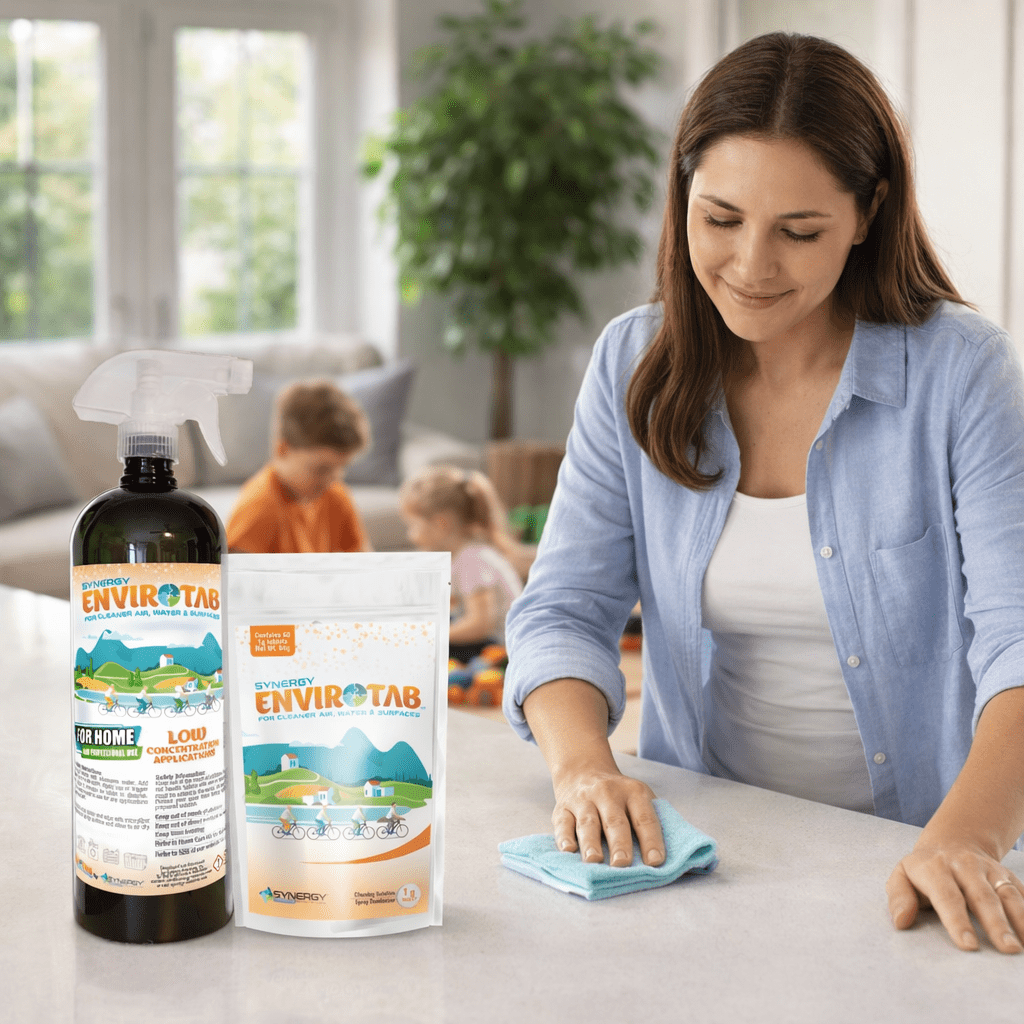
Removing Settled Allergens on Surfaces
Using residue-free cleaning methods that include microfiber cloths and 100ppm solutions made with Envirotab 1g Tablets is the very best way to clean for health in your home, your office or anywhere allergen control is required.
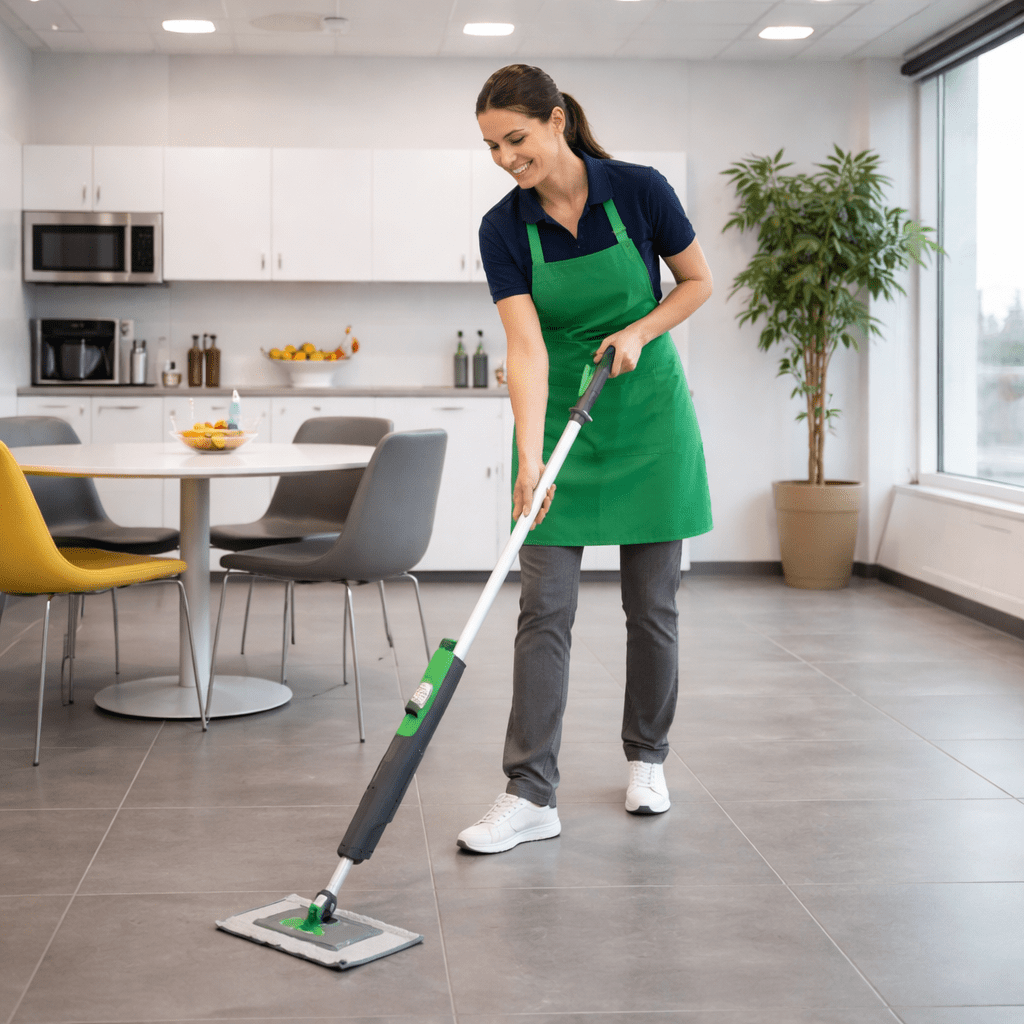
Removing Settled Allergens on Floors
The very same tablets and solution strength can be employed in a mopping solution for your hard floor surfaces, where fallen and settled particles are constantly being stirred up by foot traffic. Consider the convenience and durability of a Synergy Ergonomic Mop today.

Inactivating Allergens in the Air
Neutralizing allergens in the air is easy with either (or both) of our Clean Air Cure products. Our original Starter Kit allows for targeted, local control of allergens right where you live, and our Clean Air Cure 90 pouches use your HVAC system to treat large areas.

Our Social Media Links:

P.O. Box 34 Winterport, Maine 04496
If you need more information, or are a commercial buyer, please visit this parent site.