

ClO2 for Farmers & Homesteaders
Chlorine dioxide offers small farms and homesteaders a powerful tool for managing sanitation across water systems, growing environments, and post-harvest handling areas. From irrigation lines and storage tanks to greenhouses and packing sheds, ClO2 supports cleaner systems, reduced biofilm buildup, and effective odor control.
Small farms and homesteads operate as complete ecosystems. Water systems, growing environments, and harvest areas are all interconnected — and sanitation in one area affects the others. Chlorine dioxide (ClO2) provides a flexible, system-based sanitation approach for agricultural water management, greenhouse hygiene, and post-harvest handling. When used properly, it supports cleaner infrastructure, reduced biofilm buildup, and better control of moisture-related odors and organic residue across farm operations.
This page provides an overview of how chlorine dioxide can support sanitation practices for small-scale agriculture.
Why Sanitation Matters on Small Farms & Homesteads
Fight the Unseen Elements on a Farm Can be Harder than the Seen
Unlike large commercial operations with full-time compliance teams, homesteaders and small growers manage everything themselves — irrigation, storage tanks, seed trays, harvest bins, and packing spaces.
Common challenges include:
- Biofilm buildup inside irrigation lines
- Algae growth in rain barrels and storage tanks
- Slime formation in drip systems
- Humidity-related microbial pressure in greenhouses
- Odor development in wash areas and storage spaces
- Organic residue accumulation on tools and surfaces
Sanitation is not just about cleaning surfaces. It is about maintaining the entire system, so it continues operating efficiently.
Chlorine dioxide supports this systems-based approach.
A System-Based Approach to Agricultural Hygiene
Effective sanitation on a small farm typically falls into three operational zones:
Agricultural Water Systems
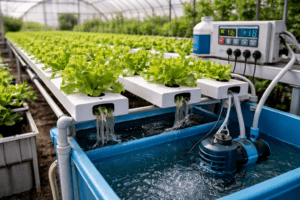
Water moves through storage tanks, rain barrels, hoses, drip lines, hydroponic reservoirs, and sprayers. Over time, organic matter and microbial films can accumulate inside these systems.
ClO2 is commonly used to support:
- Irrigation line hygiene
- Drip emitter maintenance
- Water storage tank sanitation
- Rainwater catchment management
- Biofilm control in enclosed plumbing
Learn more about water system applications here:
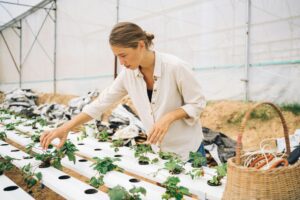
Garden & Greenhouse Hygiene
Greenhouses and grow rooms create warm, humid conditions ideal for plant growth — and for unwanted microbial buildup.
Sanitation considerations include:
- Seed trays and propagation benches
- Tools and hand equipment
- High tunnel surfaces
- Hydroponic system components
- Odor control in enclosed growing spaces
Chlorine dioxide supports sanitation practices that help maintain cleaner surfaces and reduce organic residue in controlled growing environments.
Learn more about water system applications here:
Post-Harvest Sanitation
After harvest, attention shifts to wash water, bins, packing areas, and storage spaces. Organic matter and moisture can quickly lead to odor and residue buildup if not managed consistently.
ClO2 can support:
- Produce wash system sanitation
- Plastic crate pre & post-sanitization
- Harvest bin cleaning
- Packing table and surface hygiene
- Cold storage odor control
- Equipment sanitation between harvest cycles
Learn more about water system applications here:
Why Chlorine Dioxide Fits Small-Scale Agriculture
Small, Convenient Tablets & Packaging at a Reasonable Cost is Perfect for Homesteaders & Small Farms
Homesteaders and small farmers often look for sanitation tools that are:
- Portable
- Mix-on-demand
- Residue-conscious
- Effective at low concentrations
- Suitable for enclosed environments
- Practical for seasonal operations
Chlorine dioxide is valued for its ability to function as a dissolved gas in water, allowing it to penetrate biofilms and organic films in ways traditional oxidizers may struggle to achieve.
Because it works at relatively low use concentrations, it can be integrated into routine sanitation practices without heavy chemical handling infrastructure.
Common Agricultural Sanitation Challenges ClO2 Can Support
Combatting Biofilm, Slime, Algae & Odor - ClO2 Does it All!
While every farm is different, chlorine dioxide is commonly used in support of:
- Biofilm management in plumbing
- Slime control in irrigation systems
- Algae reduction in storage containers
- Odor neutralization in damp environments
- Surface sanitation of non-porous equipment
- Cleaning between crop cycles
It is not a substitute for good agricultural practices — but it can be a valuable part of them.
Best Practices & Safety Considerations
Like Any Chemical on The Farm - Know Your Tools
As with any oxidizing sanitation tool:
- Follow label instructions carefully
- Mix at appropriate concentrations for the intended use.
- Ensure adequate ventilation when used in enclosed spaces.
- Store tablets securely and away from moisture until use.
Chlorine dioxide should be used as part of a structured sanitation protocol, not as a reactive measure after problems escalate.
Building a Cleaner, More Resilient Farm System
Chlorine Dioxide - Treasured for Its Simplicity & Diversity of Application
Small-scale agriculture relies on prevention more than correction.
Clean water systems, maintained irrigation lines, sanitized surfaces, and well-managed wash areas all contribute to smoother seasonal transitions and fewer operational disruptions.
Chlorine dioxide offers farmers and homesteaders a flexible sanitation tool that can support hygiene across multiple agricultural zones — from water to harvest.
Explore the three core application areas below to learn how ClO2 may fit into your farm sanitation strategy.
A Few of Our Most Frequently Asked Questions on ClO2 & Agriculture
Is chlorine dioxide safe for use around gardens and greenhouses?
When used according to label directions and proper dilution guidelines, chlorine dioxide is commonly used in agricultural sanitation practices involving irrigation systems and enclosed growing spaces.
Can ClO2 be used in irrigation lines?
Chlorine dioxide is frequently used to support irrigation line hygiene and biofilm management in agricultural water systems. Proper concentration and system flushing procedures are important.
Is chlorine dioxide suitable for post-harvest sanitation?
Chlorine dioxide is widely used in agricultural settings to support sanitation of wash systems, bins, surfaces, and storage areas when applied correctly and according to guidance.
Articles on Chlorine Dioxide Application in Agriculture



Our Social Media Links:

P.O. Box 34 Winterport, Maine 04496
If you need more information, or are a commercial buyer, please visit this parent site.