
ClO2 & Post-Harvest Sanitation
Post-harvest handling areas require consistent sanitation to reduce organic residue, odors, and cross-contamination risk. Chlorine dioxide supports produce wash systems, harvest bin cleaning, packing shed surfaces, and cold storage hygiene for small-scale growers and homesteaders.
Shifting from plant care to a produce handling protocol
Wash tanks, harvest bins, packing tables, drains, and cold storage rooms all experience:
- Organic debris accumulation
- Moisture buildup
- Odor development
- Surface residue
- Recirculated wash water contamination
Without structured sanitation, these areas can quickly become the highest microbial-load zones on a small farm.
Chlorine dioxide (ClO2) is widely used in agricultural hygiene systems to support post-harvest sanitation practices involving wash water, surfaces, and enclosed storage spaces.
This page outlines structured produce sanitation strategies and practical ppm ranges for growers & harvesters.
Chlorine Dioxide & After the Harvest Measures
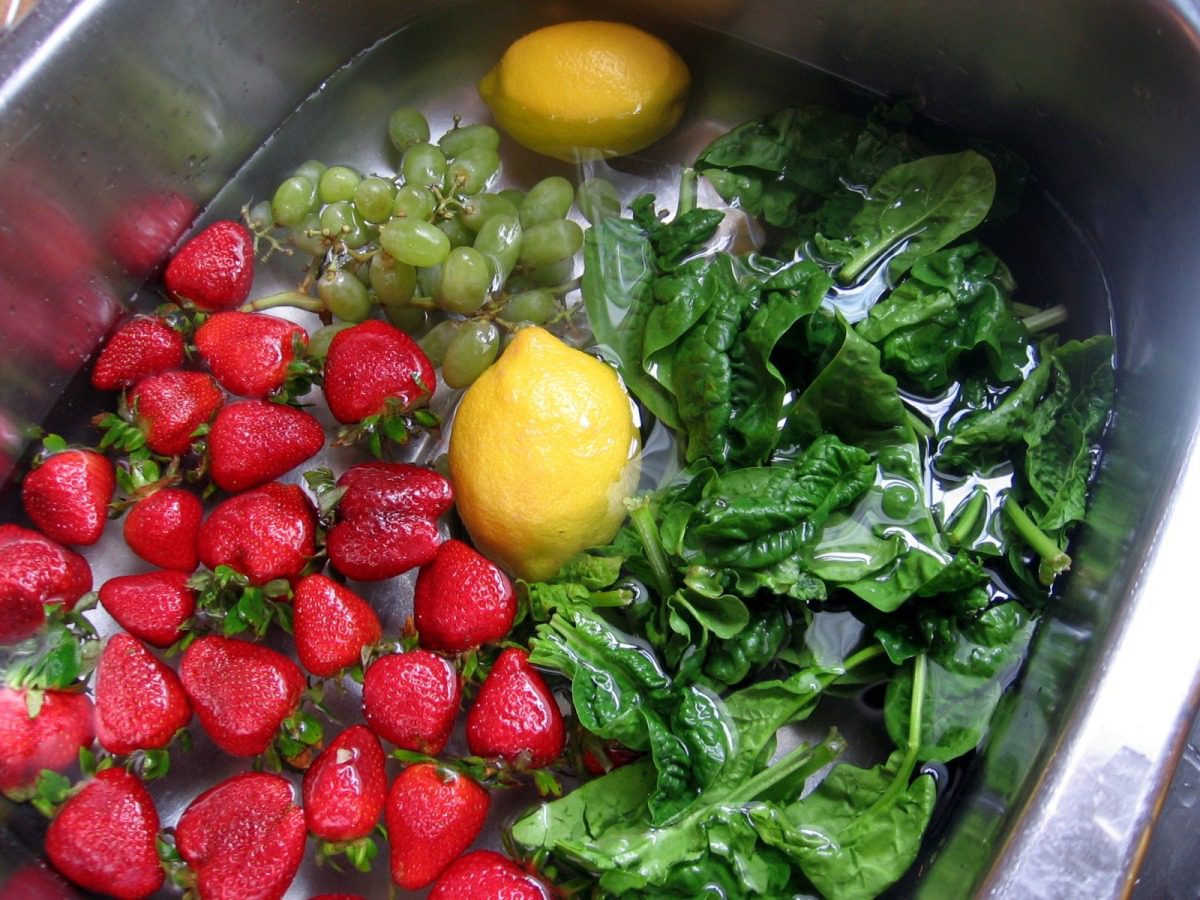
Produce Wash Systems
Systems Including:
- Dunk tanks
- Flume systems
- Spray wash tables
- Recirculated rinse tanks
These systems accumulate soil, plant matter, and organic runoff.
Harvest Bins & Containers
Reusable containers can retain:
- Soil particles
- Moisture
- Organic films
- Odor
Stacked bins in humid environments are especially vulnerable.
Packing Surfaces & Tools
This would include:
- Stainless tables
- Conveyor belts
- Cutting tools
- Sorting trays
- Scales
These surfaces require consistent wipe-down and between-cycle sanitation.

Cold Storage & Coolers
Cool, damp environments may develop:
- Odor buildup
- Surface condensation films
- Drain residue
Air circulation in enclosed storage areas also plays a role in overall hygiene.
Recommended ClO2 ppm Ranges for Post-Harvest Applications
Below are general-use reference ranges used in agricultural sanitation systems. Always follow product label guidance.
Wash Water Maintenance
2-5 ppm of ClO2
Used for:
- Produce wash tanks
- Flume recirculation systems
- Rinse water management
Purpose:
- Support reduction of organic load in water
- Maintain cleaner wash systems
- Manage odor in standing water
Test ppm levels periodically during active washing cycles.
Harvest Bins & Containers
50-100 ppm of ClO2
Application:
- Spray application
- 4-minute contact time
- Air dry or rinse
Used for:
- Plastic harvest bins
- Totes
- Crates
- Reusable picking containers
Pre-clean visible debris before application.
Packing Surfaces & Tools
100-200 ppm of ClO2
Application:
- Full surface wetting
- 2-4-minute contact time
- Rinse if required
Used for:
- Stainless steel surfaces
- Non-porous equipment
- Conveyor belts
- Cutting tools
This range is commonly used between harvest runs.
Cold Storage & Coolers
200-400 ppm of ClO2
Used for:
- Full facility reset
- Seasonal shutdown
- High organic load cleanup
Application:
- Pre-clean debris
- Apply thoroughly
- 2-minute contact time
- Rinse and ventilate
This range is reserved for between seasons and end-of-year.
Our Most Frequently Asked Questions on ClO2 & Post-Harvest Sanitizing
What ppm is typically used in produce wash systems?
Many agricultural wash systems operate within a 2–5 ppm range for maintenance of wash water hygiene. This concentration bears no skin-contact hazards.
Can ClO2 be used to clean harvest bins, shelving and other food-contact surfaces?
Chlorine dioxide solutions between 50–150 ppm are commonly used for non-porous container & other surface sanitation following debris removal.
Is ClO2 suitable for cold storage odor control should fruit or produce spoil?
Chlorine dioxide is often used to support odor management and airspace hygiene in enclosed storage environments when applied according to label guidance.

Our Social Media Links:

P.O. Box 34 Winterport, Maine 04496
If you need more information, or are a commercial buyer, please visit this parent site.