
Tag: airborne flu prevention

  • 3-Step Flu Defense Plan for Home & Workplace

    3-Step Flu Defense Plan for Home & Workplace

    What is the best ways to defend against the flu this year?

    Flu season can be overwhelming, but prevention doesn’t have to be complicated. The most effective approach is a layered strategy that addresses flu germs at every point of exposure—from high-touch surfaces to the air you breathe, and even personal habits.

    This 3-step flu defense plan is designed for home and workplace environments, combining practical actions with eco-friendly solutions like chlorine dioxide (ClO₂) to create a safer, healthier environment for your family and coworkers.
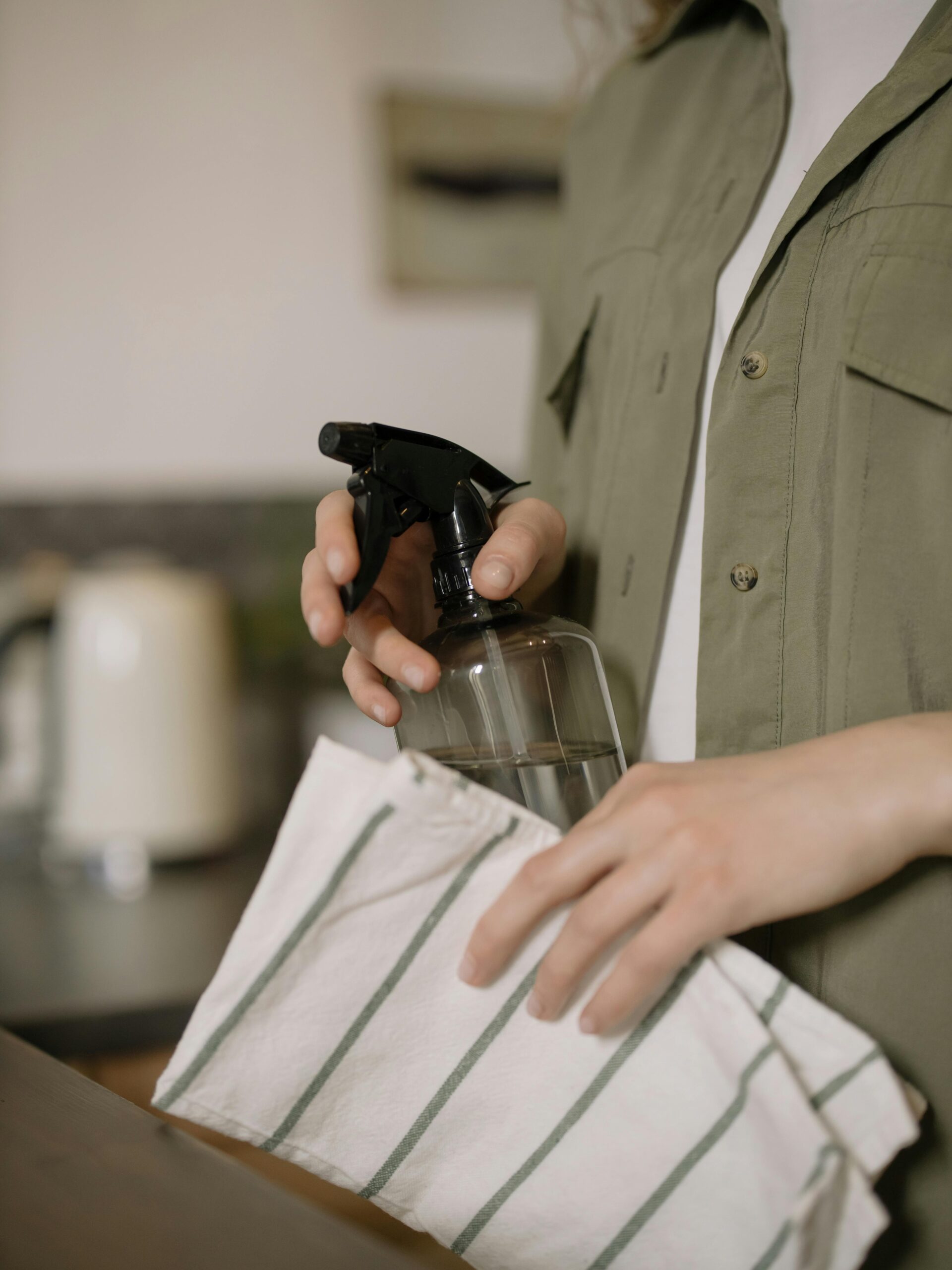

    Keeping surfaces clean with clo2 stays ahead of the game, keeping germs down and the transmission of the flu low.Step 1: Clean & Disinfect Surfaces

    The first line of defense is high-touch surface disinfection. Germs on doorknobs, keyboards, phones, light switches, and kitchen appliances are primary vectors for flu transmission.

    • Daily cleaning routine: Focus on frequently touched items.

    • Use ClO₂ disinfectant: Kills bacteria, viruses, and flu pathogens quickly and safely.

    • Deep clean weekly: Don’t forget soft surfaces like pillowcases, couch arms, and curtains—they can harbor viruses too.

    Quick tip: Keep ClO₂ wipes or sprays in common areas to make daily disinfection effortless.


    Step 2: Purify the Air

    Flu viruses are airborne, making air quality a critical factor. Poor ventilation can trap viral droplets and increase infection risk.

    • Ventilate your space: Open windows or use fans to improve airflow.

    • Use ClO₂ air solutions or purifiers: Neutralizes airborne germs and odors, creating a cleaner, safer indoor environment.

    • Control humidity: Keep indoor humidity around 40–60% to reduce virus survival.

    Combining these steps ensures germs are removed from both surfaces and the air, tackling flu threats from multiple angles.
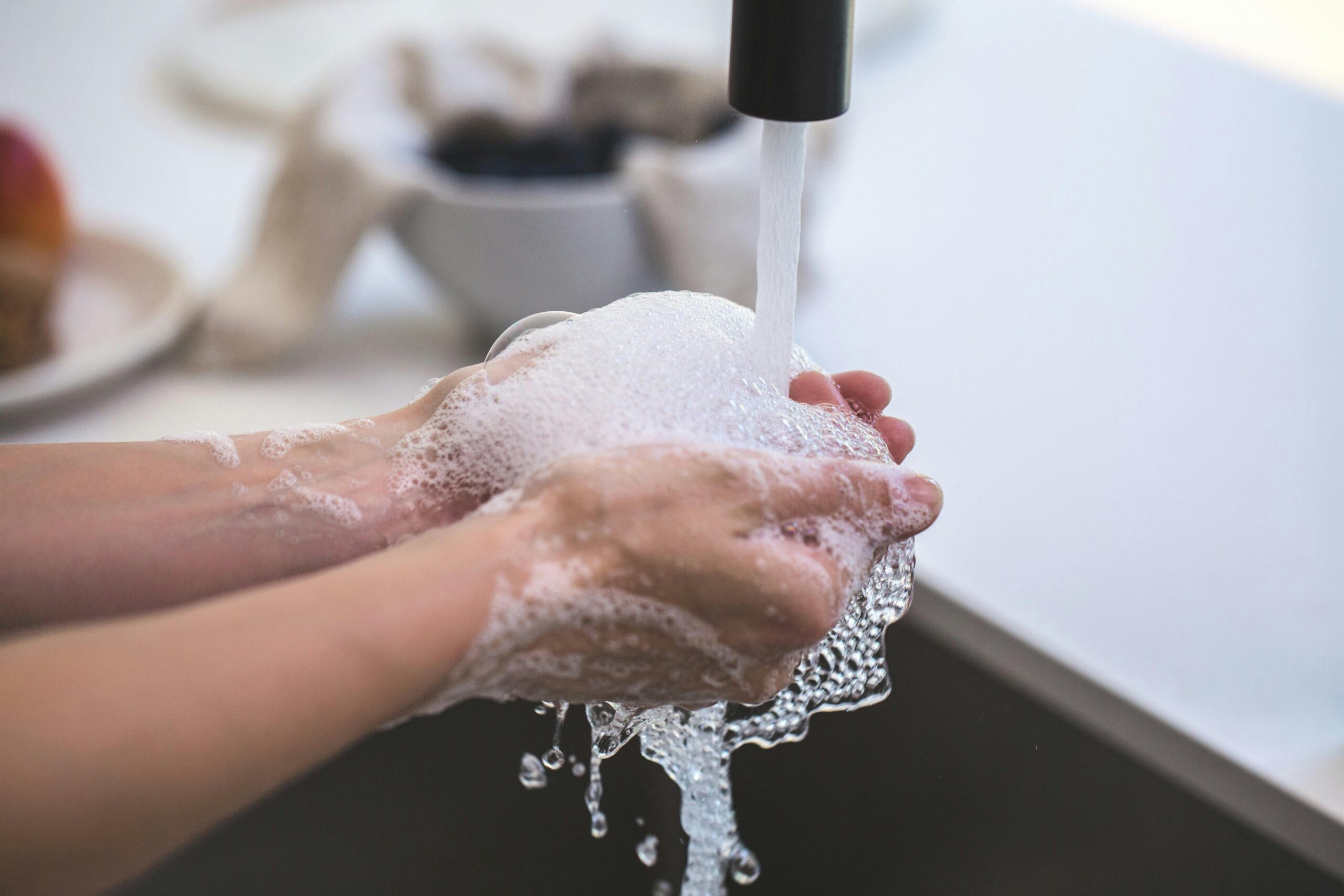

    washing hands is an important part of preventing the spread of the flu virus.Step 3: Personal Hygiene & Behavioral Habits

    The third step is personal prevention. Even with clean surfaces and air, flu viruses can still spread through hands and close contact.

    • Frequent handwashing: Wash for at least 20 seconds, especially after public exposure.

    • Cover coughs and sneezes: Use tissues or elbows to prevent droplets from spreading.

    • Avoid touching your face: Germs enter through eyes, nose, and mouth.

    • Educate family and coworkers: Awareness and consistent habits reduce transmission.

    Bonus: Encourage mask use in crowded indoor spaces if someone is symptomatic.
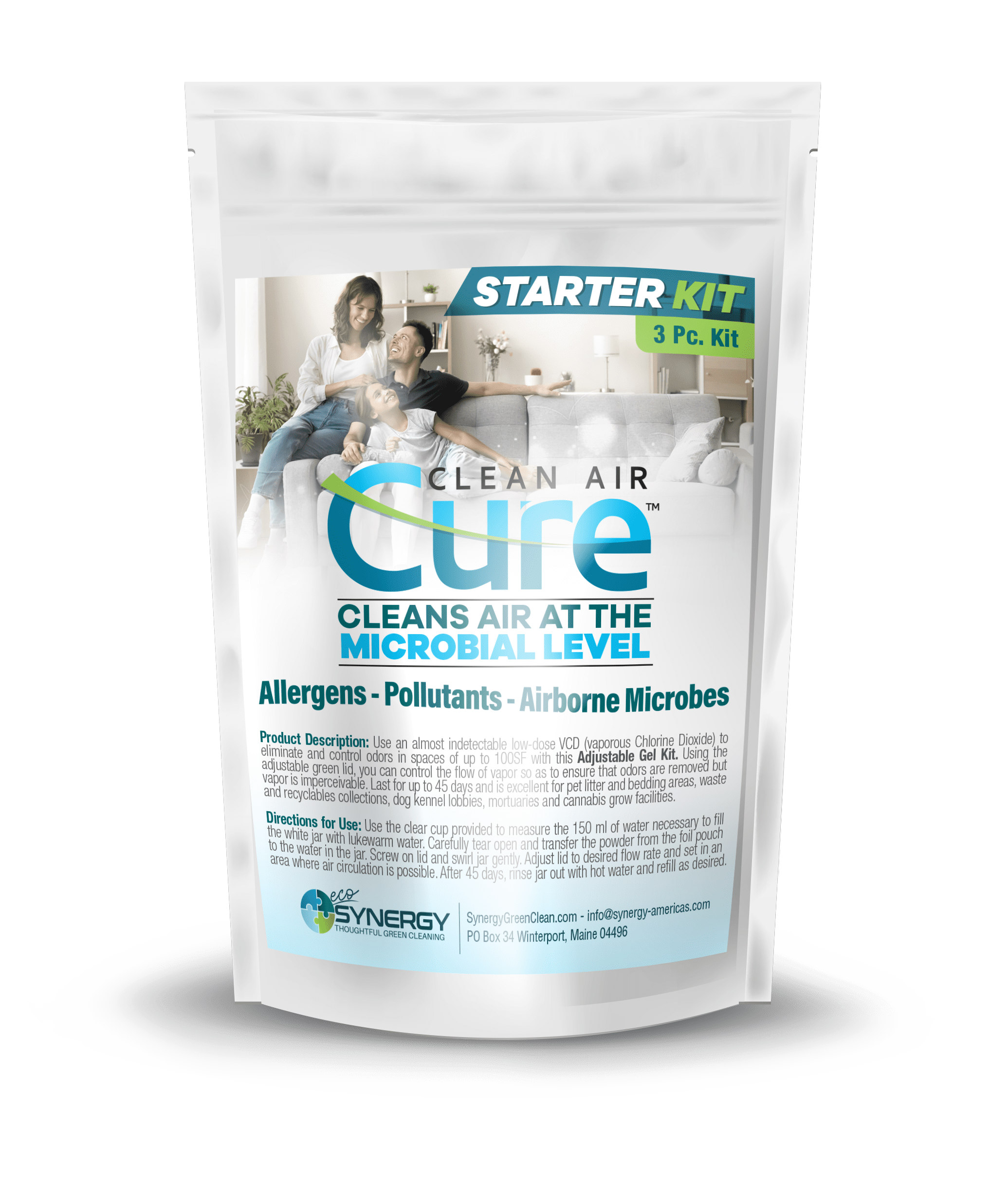

    Cure Gels is one of our newest line of air purifications to help aid during flu seasonWhy ClO₂ Is Central to Your Flu Defense

    Chlorine dioxide is eco-friendly, fast-acting, and effective against both surface and airborne viruses:

    • Kills flu viruses on contact

    • Neutralizes odors indicating bacterial or viral buildup

    • Safe for children, pets, and office environments

    • Works in multiple applications: surfaces, fabrics, and air

    Using ClO₂ as part of this 3-step plan creates a protective barrier around your home or workplace, making flu prevention simple and effective.


    Putting It All Together

    1. Clean & disinfect surfaces daily with ClO₂.

    2. Purify the air and improve ventilation to eliminate airborne germs.

    3. Practice strong personal hygiene and teach others to do the same.

    Consistency is key. Implementing these steps together builds a layered defense that dramatically lowers your risk of catching or spreading the flu.

    By addressing every route of exposure, you create a flu-safe environment that protects your family, coworkers, and visitors alike.

    💡 Tip: Keep ClO₂ products readily available for easy, eco-friendly application throughout your home or office.


    Questions People Ask

    1. Q: What is the simplest way to start a flu defense plan at home?
    A: Begin with daily cleaning and disinfection of high-touch surfaces using ClO₂.

    2. Q: How does air purification help prevent flu?
    A: It removes airborne virus droplets and reduces the chance of inhaling flu viruses.

    3. Q: Can ClO₂ be used safely around children and pets?
    A: Yes! It’s eco-friendly and safe when used according to instructions.

    4. Q: How often should I disinfect surfaces during flu season?
    A: Daily for high-touch surfaces, weekly for soft surfaces like pillows and curtains.

    5. Q: Does ventilation really make a difference?
    A: Absolutely. Fresh air reduces the concentration of flu viruses indoors.

    6. Q: How important is personal hygiene in flu prevention?
    A: Critical. Handwashing, covering coughs, and avoiding face-touching significantly reduce transmission.

    7. Q: Can I combine ClO₂ with other cleaning methods?
    A: Yes, it works alongside regular cleaning for enhanced germ control.

    8. Q: How do I teach my coworkers or family about flu prevention?
    A: Provide clear routines, signage, and reminders about hygiene and surface cleaning.

    9. Q: Are soft surfaces a significant flu risk?
    A: Yes. Viruses can linger on fabrics, so regular washing or ClO₂ treatment is recommended.

    10. Q: What makes a layered flu defense plan more effective?
    A: Addressing surfaces, air quality, and personal habits together provides multiple barriers against flu viruses.CLO2 is a healthy alternative to Bleach and other chemical household cleaners

  • The Hidden Role of Air Quality in Flu Prevention

    The Hidden Role of Air Quality in Flu Prevention

    Flu Season & Air Quality: Why Indoor Air Matters

    When flu season hits, most people focus on washing hands and cleaning surfaces. But there’s one hidden factor that’s often overlooked: the air we breathe. Influenza viruses are airborne pathogens, which means they can linger in enclosed spaces for hours. Poor indoor air quality not only spreads flu germs more effectively but can also make your home and office environments unhealthy for everyone.

    Using eco-friendly disinfectants like our new CURE chlorine dioxide (ClO₂) clean air system can neutralize germs in the air and reduce the risk of airborne transmission. Combined with proper ventilation and cleaning routines, you can dramatically cut your exposure to flu viruses.


    How Air Quality Affects Flu Transmission

    Airborne flu viruses are tiny droplets released when someone sneezes, coughs, or even talks. These droplets can:

    • Stay suspended in the air for several hours

    • Travel distances beyond 6 feet, especially in poorly ventilated rooms

    • Settle on surfaces later, contributing to indirect transmission

    High-risk indoor areas include:

    • Offices and classrooms with limited airflow

    • Densely populated apartments or homes

    • Small meeting rooms and break areas

    Poor air circulation not only allows viruses to linger, but also traps dust, allergens, and odors, creating a breeding ground for bacteria and additional pathogens.


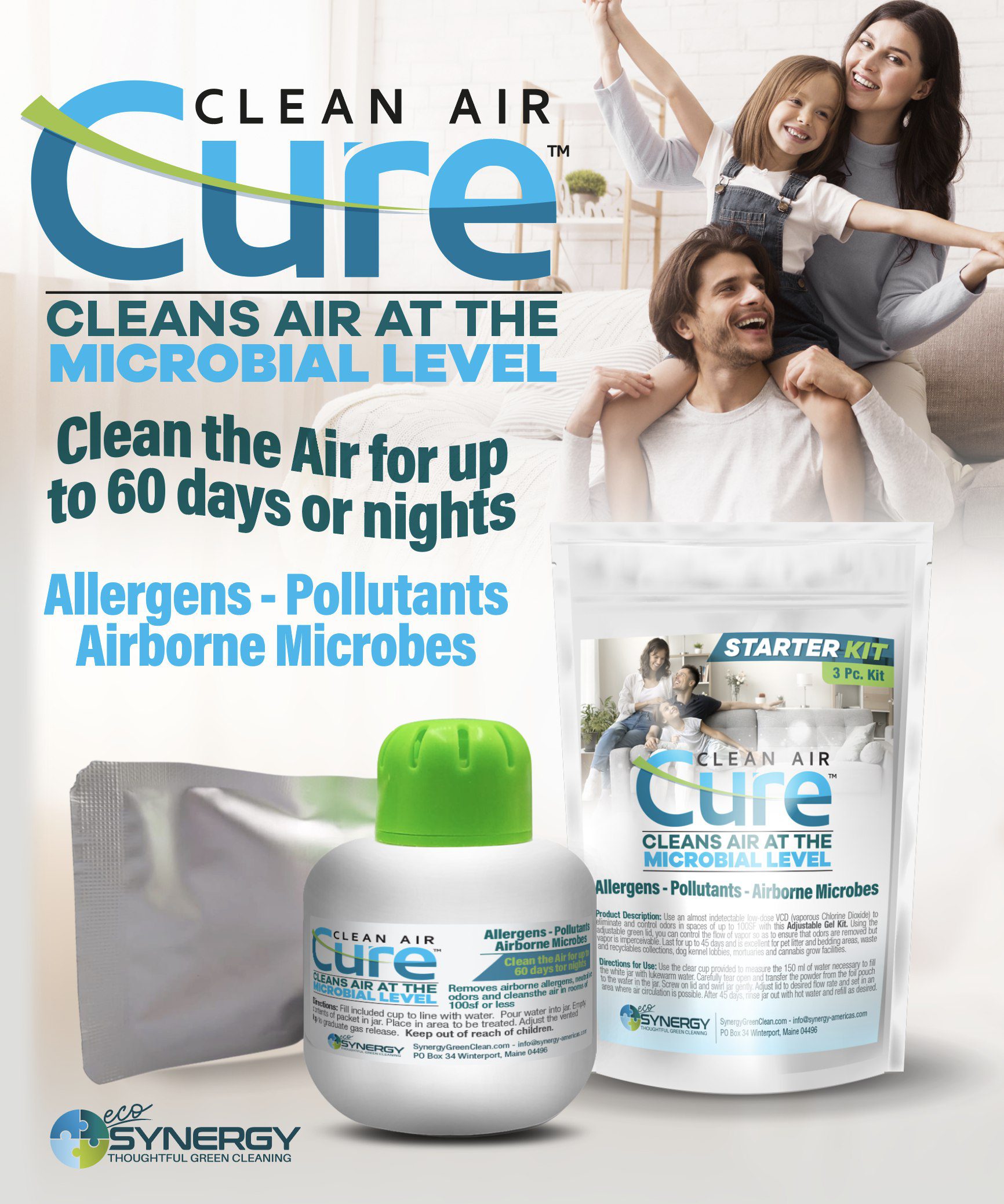
    Cure Gels is one of our newest line of air purifications to help aid during flu seasonPractical Steps to Improve Air Quality

    1. Ventilation is Key

    Open windows and doors whenever possible to create cross-ventilation. Even 15–30 minutes a day can reduce indoor flu virus concentrations.

    2. Use Air Purifiers

    HEPA filters capture airborne particles, including virus-laden droplets. Adding ClO₂ solutions like our newest like of clean air Cure can neutralize odors and disinfect the air simultaneously.

    3. Reduce Indoor Contaminants

    Dust, mold, and allergens worsen indoor air quality. Regular cleaning of vents, ducts, and filters combined with ClO₂ treatments keeps air fresh and safe.

    4. Control Humidity

    Flu viruses thrive in dry air. Maintaining humidity around 40–60% can reduce viral survival while keeping respiratory passages healthy.


    Clean Air CURE with ClO₂ Benefits for Air Quality

    Chlorine dioxide is a versatile disinfectant for indoor environments:

    • Eliminates viruses and bacteria in the air and on surfaces

    • Neutralizes odors from cooking, pets, and stale air

    • Eco-friendly and safe for daily use around children and pets

    Adding ClO₂ tablets or sprays in offices, classrooms, and homes creates a layer of protection against flu germs that goes beyond handwashing and surface cleaning.


    CURE cleans the air up to 60 days and nights for clean pure air.Combining Surface & Air Protection

    For full flu prevention, it’s not enough to clean surfaces alone. Combine:

    • Daily high-touch surface cleaning with ClO₂

    • Regular air purification using ClO₂ solutions or HEPA filters

    • Good personal hygiene, including handwashing and mask use in high-risk situations

    Together, these steps dramatically lower the likelihood of flu transmission at home, school, or the workplace.


    Conclusion

    Flu prevention is more than handwashing and disinfecting surfaces—it’s about creating a healthy indoor environment. By improving ventilation, controlling humidity, and using ClO₂ for air purification, you can reduce airborne flu germs and protect your family and coworkers.

    Remember: healthy air = healthy people. Make your home and office safe this flu season


    Questions People Ask

    1. Q: Can flu viruses stay airborne for hours?
    A: Yes, influenza viruses can linger in the air for several hours, especially in poorly ventilated spaces.

    2. Q: How does indoor air quality affect flu transmission?
    A: Poor air quality allows flu viruses to remain airborne, increasing the risk of infection.

    3. Q: Are air purifiers effective against flu viruses?
    A: HEPA filters capture virus-laden droplets, and adding ClO₂ solutions can further disinfect the air.

    4. Q: How often should I ventilate my home?
    A: Even 15–30 minutes a day of cross-ventilation helps reduce airborne virus concentrations.

    5. Q: Can ClO₂ be used safely in offices and classrooms?
    A: Yes, ClO₂ is safe for daily use and eco-friendly, making it ideal for shared indoor spaces.

    6. Q: Does humidity affect flu virus survival?
    A: Yes, maintaining indoor humidity between 40–60% can reduce flu virus viability.

    7. Q: What indoor areas are high-risk for airborne flu?
    A: Offices, classrooms, meeting rooms, and small, crowded spaces with limited airflow.

    8. Q: How does ClO₂ improve indoor air?
    A: It eliminates airborne germs, neutralizes odors, and disinfects surfaces.

    9. Q: Should air purification replace surface cleaning?
    A: No. Air purification complements surface cleaning to provide a complete flu prevention strategy.

    10. Q: How can I make my home air flu-safe?
    A: Ventilate regularly, control humidity, clean surfaces with ClO₂, and consider ClO₂ air treatments.