The Hidden Risk in Reusing Seed Trays
Reusable seed trays are standard practice for small farms, greenhouses, homesteaders, and controlled environment growers. They are efficient, economical, and sustainable.
They are also one of the most overlooked sources of early crop failure.
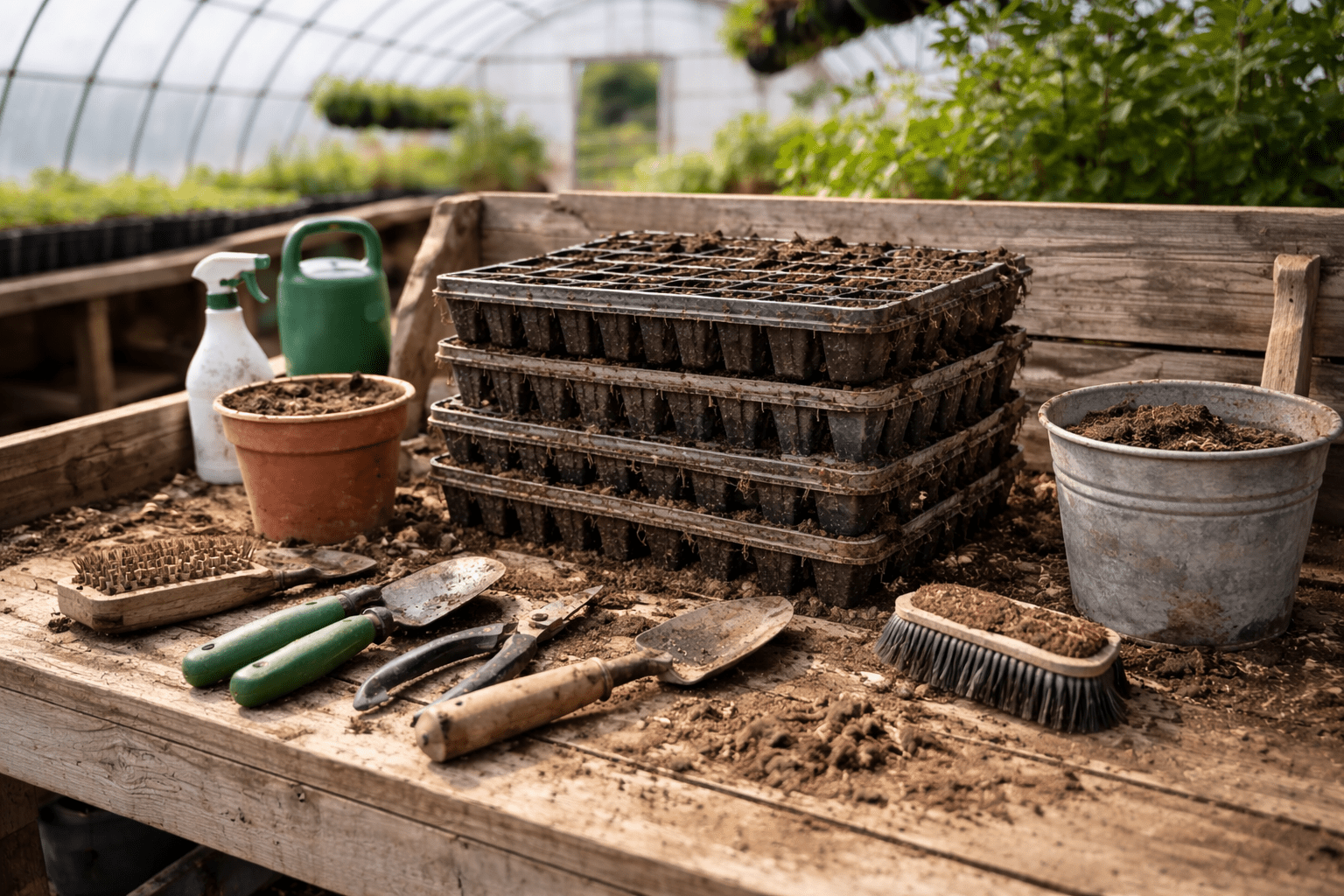
Propagation trays retain:
- Root fragments embedded in plastic cells
- Dried organic matter
- Mineral deposits from irrigation
- Residual biofilm layers
- Dormant fungal spores
When trays are reused without proper sanitation, microbial populations from previous crop cycles carry forward into the most vulnerable stage of plant development.
Seedlings do not fail dramatically. They fail quietly — uneven germination, thinning stems, damping-off at soil line, patchy trays.
By the time symptoms appear, the contamination occurred days earlier.
Understanding Damping-Off and Microbial Load
Damping-off is commonly associated with fungal organisms such as Pythium and Rhizoctonia species. These organisms thrive in:
- High humidity
- Saturated media
- Organic debris
- Poor airflow
Propagation trays create ideal micro-environments for these conditions. When trays contain residual contamination, microbial load increases before seedlings even emerge.
“Microbial load” refers to the total concentration of microorganisms present on a surface. Reducing that baseline load before planting reduces the probability of early-stage disease pressure.
Sanitation is not about eliminating all microbes. It is about lowering the environmental threshold that allows opportunistic pathogens to dominate.
Also Read 🌱How Should You Sanitize a Greenhouse Before Seedling Season?
Why Rinsing Is Not Enough
Many growers rinse trays with water and consider them clean.
Water removes visible soil. It does not remove:
- Embedded spores
- Biofilm layers
- Oxidizable organic residues
- Microbial colonies protected in plastic pores
Biofilm is particularly persistent. It forms when microorganisms attach to surfaces and produce a protective matrix. Once established, biofilm resists simple rinsing and can reduce the effectiveness of future sanitation attempts.
Mechanical cleaning must come first.
Step-by-Step Seed Tray Cleaning Protocol
A structured approach to seed tray sanitation improves consistency between crop cycles.
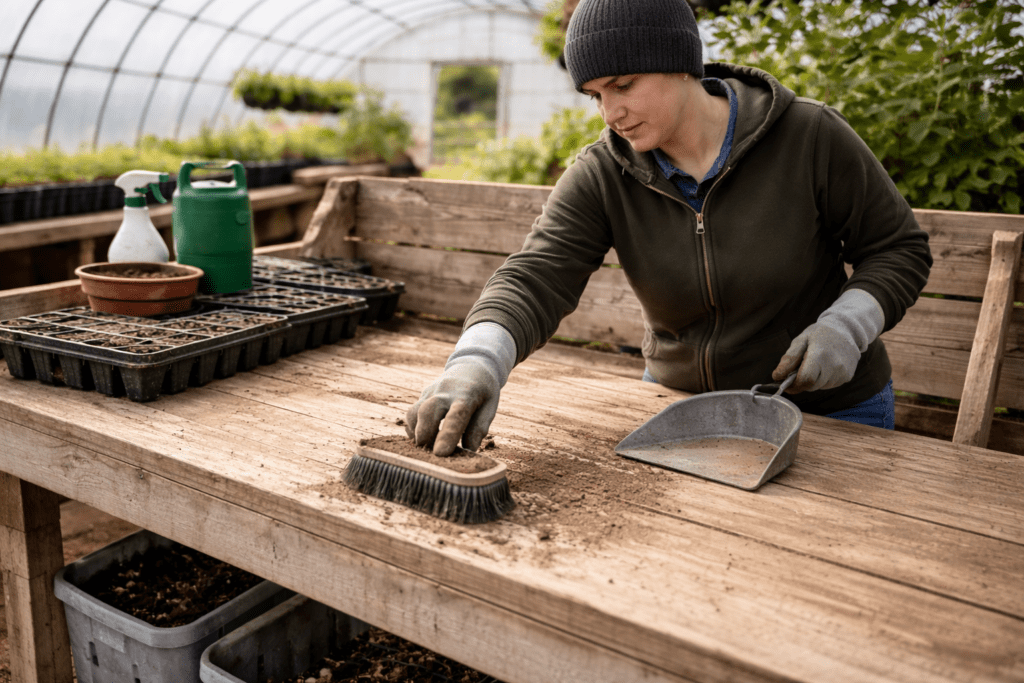
Step 1: Remove Debris
- Shake out residual soil
- Physically scrub trays with a brush
- Rinse with water to remove loose material
Mechanical friction disrupts organic buildup and improves disinfectant contact.
Step 2: Apply a Properly Diluted Sanitizing Solution
After debris removal, trays can be:
- Sprayed thoroughly
- Soaked for appropriate contact time
- Allowed to air dry completely
An oxidizing sanitation solution, such as properly diluted chlorine dioxide, works by disrupting microbial cell walls and oxidizing organic residues without forming heavy chlorinated byproducts.
Unlike traditional bleach-based approaches, chlorine dioxide does not rely on hypochlorous acid chemistry and produces fewer persistent residues when used correctly.
For enclosed propagation environments, residue control matters.
Step 3: Complete Drying
Drying is frequently skipped.
Moisture remaining in tray cells can allow microbial rebound. Allowing trays to dry fully before filling with media reduces the chance of immediate recolonization.
This final step is a stability control measure.
Seed Tray Hygiene and Operational Consistency
For commercial growers and small-scale farmers alike, early-stage crop losses carry disproportionate impact.
Propagation setbacks mean:
- Delayed transplant schedules
- Uneven crop maturity
- Lost bench space
- Increased labor costs
In controlled environment agriculture, sanitation protocols are increasingly integrated into Standard Operating Procedures (SOPs).
By 2026 and beyond, small and mid-scale growers are adopting structured hygiene documentation similar to larger commercial facilities. Food safety compliance expectations and water quality oversight continue to expand in certain agricultural sectors.
Tray sanitation is becoming operational best practice rather than optional cleaning.
The Role of Chlorine Dioxide in Propagation Hygiene
Chlorine dioxide (ClO₂) is used globally in agricultural water treatment, produce processing, and infrastructure sanitation due to its selective oxidizing properties.
For seed tray applications, chlorine dioxide tablets allow growers to mix controlled concentrations for:
- Tray soaking between cycles
- Surface spraying
- Tool sanitation
- Humidity dome treatment
When used according to dilution guidelines, chlorine dioxide breaks down into inert salts and does not leave heavy residues on plastic surfaces.
For growers seeking consistent sanitation without persistent chemical films, oxidizing solutions offer a balanced approach.
Also Read 🌱Hydroponics with ClO₂ — Cleaner Water, Healthier Crops
Common Mistakes in Seed Tray Sanitation
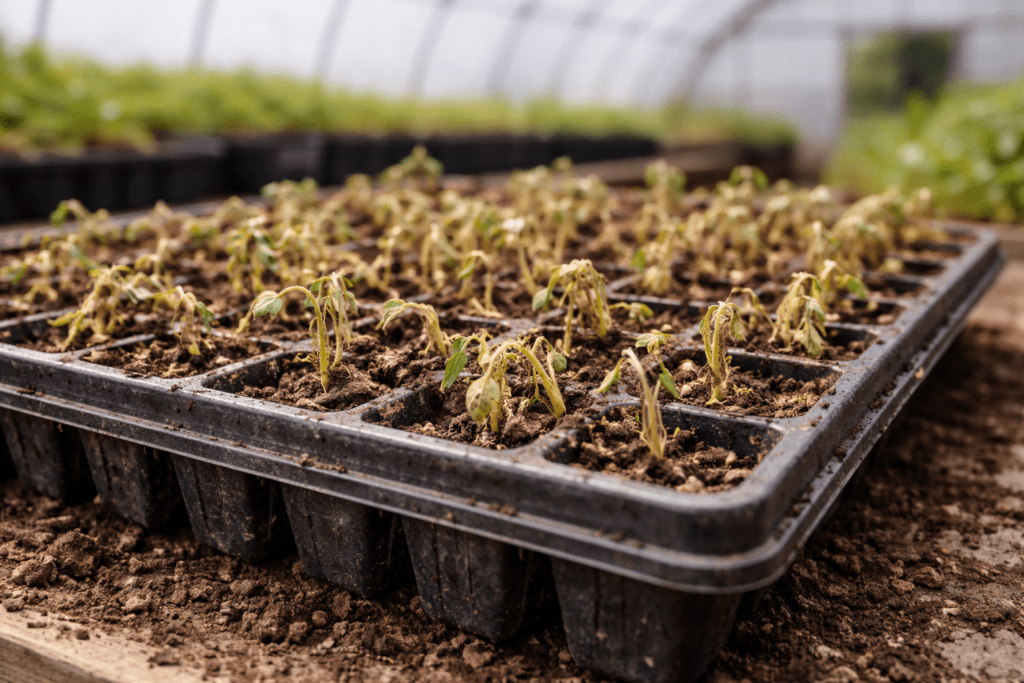
Even growers who sanitize may encounter recurring issues due to:
- Skipping mechanical cleaning
- Using improper dilution ratios
- Insufficient contact time
- Reusing trays while still damp
- Ignoring tool and bench cross-contamination
Propagation hygiene works best as a system — trays, benches, tools, and irrigation components should align in sanitation timing.
Isolated cleaning rarely solves recurring pressure.
Conclusion: Strong Starts Begin with Clean Infrastructure
Seedlings are biologically vulnerable. They rely on stable environmental conditions during their earliest growth phase.
Reusing trays without proper sanitation increases microbial load and introduces preventable variability into propagation systems.
Structured seed tray cleaning reduces cross-cycle contamination, lowers mold pressure, and supports more consistent germination and early development.
Clean trays do not guarantee perfect crops — but they remove one of the most controllable risk factors in early-stage production.
In greenhouse management, consistency compounds. Seed tray sanitation is one of the simplest places to start.
(FAQs)
1. Why should seed trays be sanitized between crops?
Reusable trays can retain organic debris and microbial contamination that increase disease pressure in new seedlings.
2. What causes damping-off in seedlings?
Damping-off is typically caused by soilborne fungi that thrive in moist, organic-rich environments.
3. Is rinsing seed trays enough before reuse?
No. Rinsing removes visible debris but does not eliminate embedded spores or biofilm.
4. How long should trays soak in a sanitizing solution?
Contact time depends on the product and concentration used. Always follow dilution and application guidelines.
5. Can biofilm form on plastic seed trays?
Yes. Biofilm can develop on plastic surfaces and protect microorganisms from simple rinsing.
6. Is chlorine dioxide used in agriculture?
Yes. Chlorine dioxide is widely used for water treatment and surface sanitation in agricultural and food production settings.
7. Should seed trays be completely dry before planting?
Allowing trays to dry reduces the likelihood of immediate microbial regrowth before media is added.
8. How often should propagation equipment be sanitized?
Sanitation is recommended between crop cycles and whenever contamination is suspected.
9. Does sanitation guarantee disease-free seedlings?
No. Sanitation reduces risk but does not eliminate all biological variables.
10. Can poor tray hygiene affect germination rates?
Yes. Elevated microbial load can contribute to uneven germination and early seedling stress.

 The Seed of Success: Starting Clean
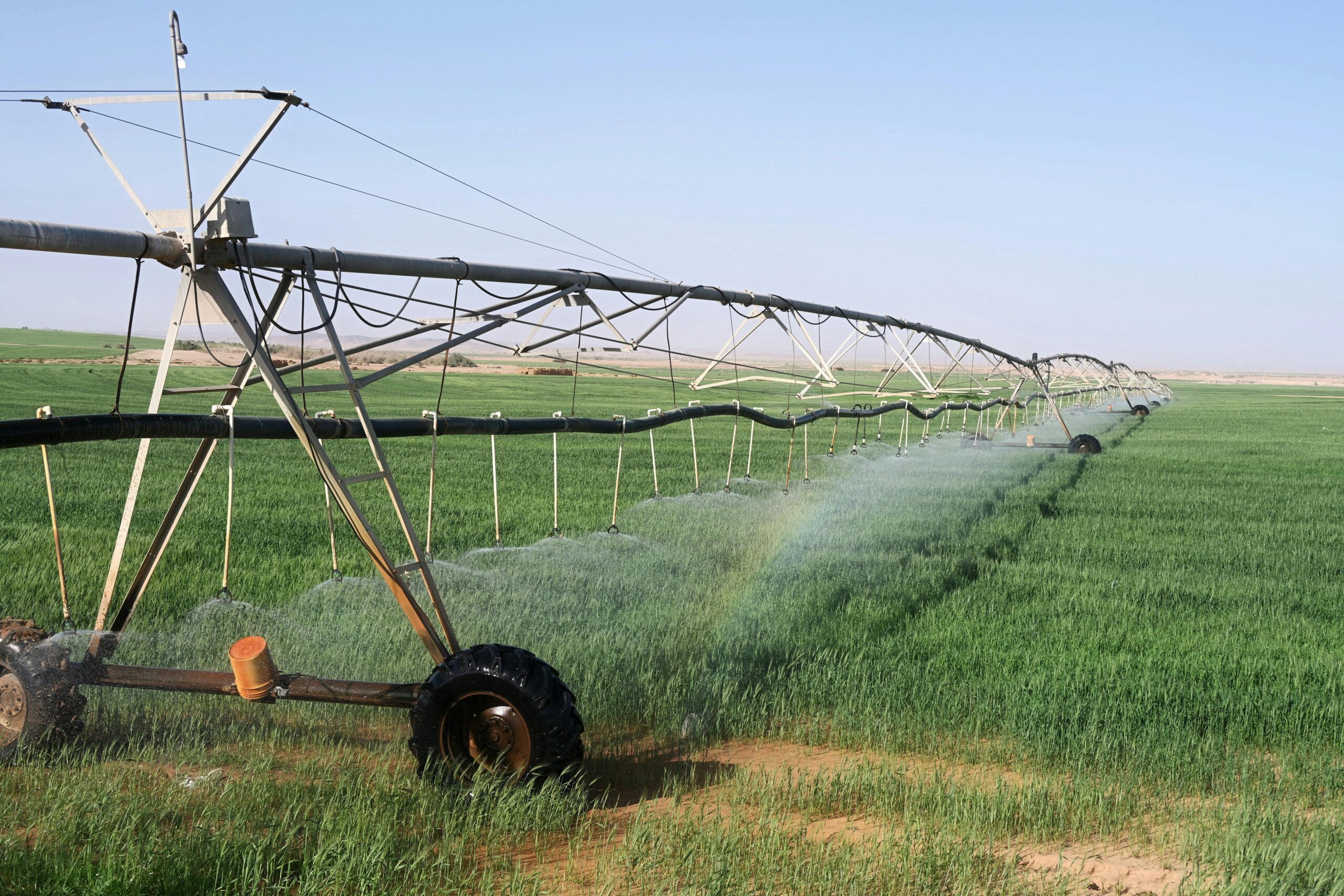 Clean Water, Strong Roots
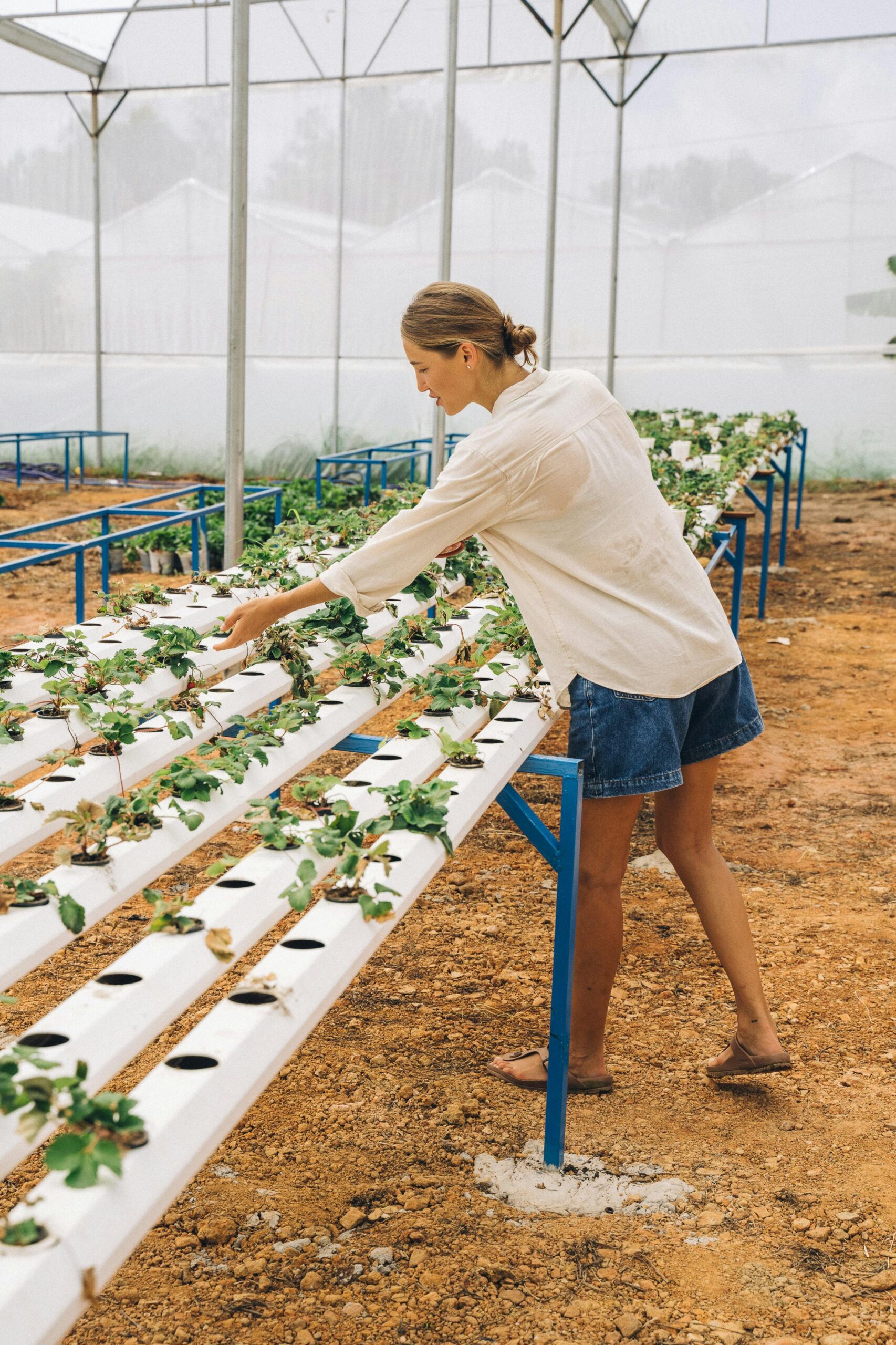 Safe for Soil, Safe for People