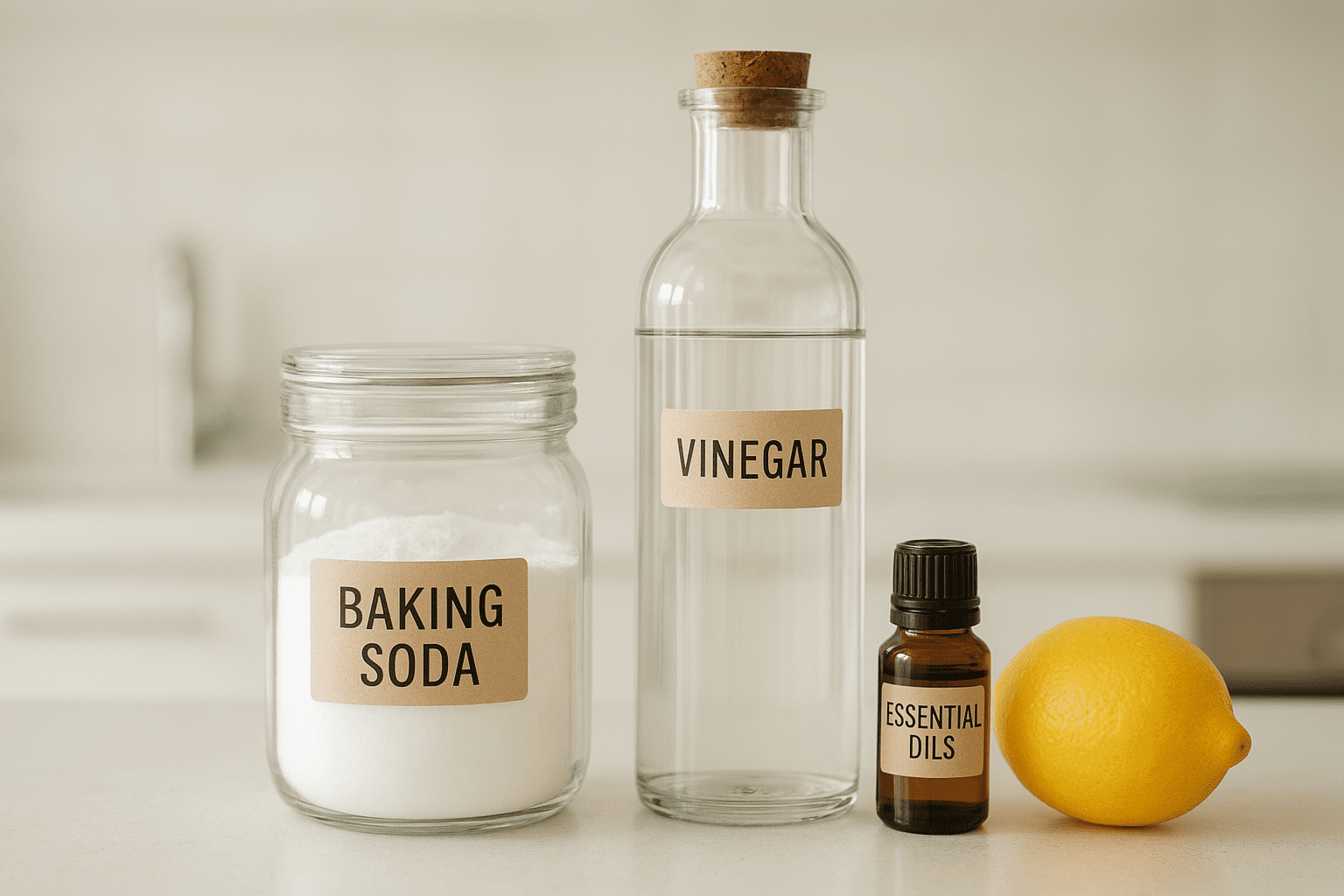
DIY Mold Remedies vs. Science: Why Vinegar & Baking Soda Don’t Work
🍋 The Myth of the Magic Pantry Fix
It’s the rainy season, and you notice that all-too-familiar musty smell in the basement. You do what many homeowners do: grab a box of baking soda, a jug of vinegar, or maybe a bottle of essential oils. After all, Grandma swore by vinegar for everything, and Pinterest promises that a few drops of tea tree oil will keep mold away forever.
It feels good, right? A quick fix you already have in your kitchen. You sprinkle, you spray, you dab, and for a moment—it smells fresh again.
But here’s the truth: that’s surface-level comfort. Beneath the smell, the mold spores are still alive, active, and ready to spread.
 🧂 Baking Soda – The Odor Absorber, Not the Mold Slayer
Baking soda has a reputation for being a cure-all. People use it in refrigerators, laundry, even as toothpaste. When it comes to mold, though, baking soda is more of a band-aid than a cure.
-
Why people believe it works: Baking soda absorbs odors and creates a less hospitable environment for some microbes.
-
The science: While it can temporarily reduce musty smells, it doesn’t kill mold spores or penetrate porous surfaces. Mold isn’t just on the surface—it roots deep into wood, drywall, fabric, and insulation.
- What is it good for: While not all is lost, Baking soda is good for making a paste with water to scrub sinks, tubs, or stovetops, Combine with vinegar to help clear minor clogs, Adds extra cleaning power to regular laundry, and makes for a great natural toothpaste powder.
Bottom line: baking soda can freshen your fridge, but it won’t stop mold colonies from growing behind your walls.
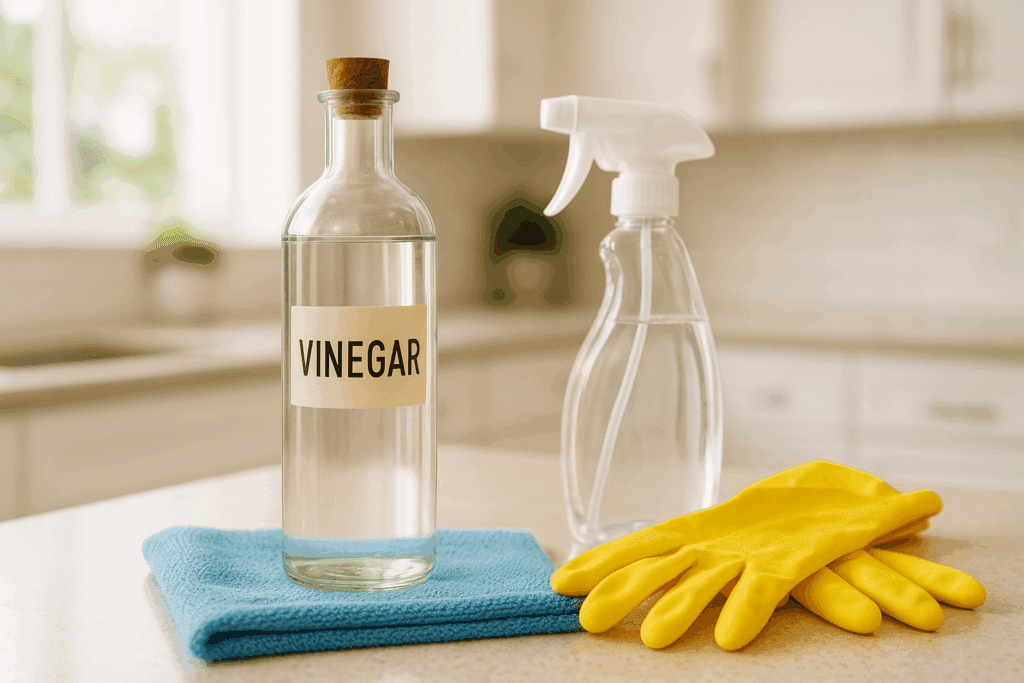 🧴 Vinegar – The Half-Truth Cleaner
Vinegar is the most popular DIY mold solution floating around the internet. “Just spray vinegar, and the mold dies!” sounds convincing.
-
Why people believe it works: Vinegar is acidic, and in some lab conditions, it can slow down certain types of mold.
-
The science: Vinegar can reduce surface-level mold but doesn’t neutralize all strains, especially the tougher, allergenic, or toxic molds. Plus, vinegar doesn’t stop spore regrowth. Think of it like mowing the lawn—the blades look gone, but the roots are still there, ready to return.
- What is it good for: Mix with water for streak-free shine on glass and mirrors, Cuts grease and grime (avoid natural stone like marble) on countertops and sinks, Steam vinegar to loosen gunk in your microwave, and add it to your laundry as it naturally softens without chemicals.
That’s why a week after your vinegar spray-down, the same black spots creep back on the bathroom ceiling.
🌿 Essential Oils – The Feel-Good Fix
Who doesn’t love the smell of eucalyptus or tea tree oil? They make a house smell spa-like and clean. But when it comes to mold? The benefits are more myth than reality.
-
Why people believe it works: Essential oils have antimicrobial properties in controlled conditions and lab tests. Plus, they smell amazing, so we associate them with cleanliness.
-
The science: Oils might mask musty odors and offer some temporary inhibition, but they cannot reach deep-rooted mold colonies. Mold spores also thrive in places oils can’t reach—inside drywall, insulation, vents, or carpets.
- What is it good for: Create a calming or uplifting home atmosphere, Combine oils with water in a spray bottle for a natural room spray. Add a few drops to laundry or dryer balls for a pleasant scent. and adding lavender or cedar oils in drawers are an excellent Natural moth repellant.
At best, oils are mood-lifters, not mold-busters.
🧪 The Reality: Mold is Tougher Than Your Pantry
Here’s the truth that often gets lost in the DIY advice cycle: mold spores are microscopic, resilient, and thrive in damp, hidden places. To truly eliminate mold, you need something that can:
✔ Penetrate porous surfaces
✔ Kill spores at their source
✔ Prevent regrowth
That’s why baking soda, vinegar, and essential oils just don’t measure up. They may give you peace of mind for a day or two, but they don’t deliver long-term safety for your family’s health.
🌊 The Science-Backed Solution: Chlorine Dioxide
Unlike DIY hacks, chlorine dioxide (ClO₂) is scientifically proven to destroy mold spores at the molecular level. It works differently than bleach or vinegar—it penetrates, oxidizes, and eliminates mold without leaving harmful residues.
-
Safe for homes, basements, HVAC systems, and storage areas
-
Breaks down into salt and water, leaving no toxic leftovers
-
Effective against hidden mold growth and lingering odors
When mold becomes a household guest, you don’t just want to cover up the smell—you want to show it the door for good.

⚖️ The Final Reality Check
DIY remedies are comforting, but comfort doesn’t equal safety.
The musty smell returning week after week isn’t just annoying—it’s a warning sign.
Reality in one sentence: Vinegar, baking soda, and oils can make your home smell better, but only chlorine dioxide makes your home healthier.
👉 Ready to ditch DIY myths and tackle mold at the source? Discover our eco-friendly chlorine dioxide tablets today.
❓ FAQ: Home Remedies vs. Real Protection
Q: Do vinegar and baking soda really disinfect my home?
👉 They can help clean surfaces, but they don’t fully kill bacteria, mold, or viruses. Vinegar can cut grease and reduce odors, and baking soda is great for scrubbing—but together, they’re more about shine than true sanitation.
Q: What about lemon juice—doesn’t its acidity kill germs?
🍋 Lemon juice has some antibacterial properties, but it’s not strong enough to eliminate pathogens that cause illness. It’s better at deodorizing and leaving a fresh scent than providing full protection.
Q: Can essential oils replace disinfectants?
🌿 Essential oils like tea tree, eucalyptus, or lavender smell wonderful and may inhibit some microbes in lab settings. But in real-world home use, they’re not broad-spectrum killers of viruses, mold spores, or dangerous bacteria.
Q: Why should I be cautious about DIY remedies?
⚠️ Many DIY “green cleaning hacks” leave behind a false sense of security. Your counters may look and smell clean, but microscopic threats can still linger—and those are the ones that affect your family’s health.
Q: So, what’s the safer alternative?
✅ For true peace of mind, use a proven solution like Chlorine Dioxide (ClO₂). It’s scientifically backed, eco-friendly, and powerful enough to handle the germs, odors, and mold that vinegar or lemons simply can’t touch.
Other articles to check out!
https://clo2tablets.com/%f0%9f%a7%aa-how-safe-is-chlorine-dioxide-for-indoor-use-around-people-and-pets/
 🔬 What Makes ClO₂ So Powerful?
 🚀 Trusted by NASA, Hospitals, and Cities