
Tag: ClO₂ disinfectant

  • The Hidden Role of Air Quality in Flu Prevention

    The Hidden Role of Air Quality in Flu Prevention

    Flu Season & Air Quality: Why Indoor Air Matters

    When flu season hits, most people focus on washing hands and cleaning surfaces. But there’s one hidden factor that’s often overlooked: the air we breathe. Influenza viruses are airborne pathogens, which means they can linger in enclosed spaces for hours. Poor indoor air quality not only spreads flu germs more effectively but can also make your home and office environments unhealthy for everyone.

    Using eco-friendly disinfectants like our new CURE chlorine dioxide (ClO₂) clean air system can neutralize germs in the air and reduce the risk of airborne transmission. Combined with proper ventilation and cleaning routines, you can dramatically cut your exposure to flu viruses.


    How Air Quality Affects Flu Transmission

    Airborne flu viruses are tiny droplets released when someone sneezes, coughs, or even talks. These droplets can:

    • Stay suspended in the air for several hours

    • Travel distances beyond 6 feet, especially in poorly ventilated rooms

    • Settle on surfaces later, contributing to indirect transmission

    High-risk indoor areas include:

    • Offices and classrooms with limited airflow

    • Densely populated apartments or homes

    • Small meeting rooms and break areas

    Poor air circulation not only allows viruses to linger, but also traps dust, allergens, and odors, creating a breeding ground for bacteria and additional pathogens.
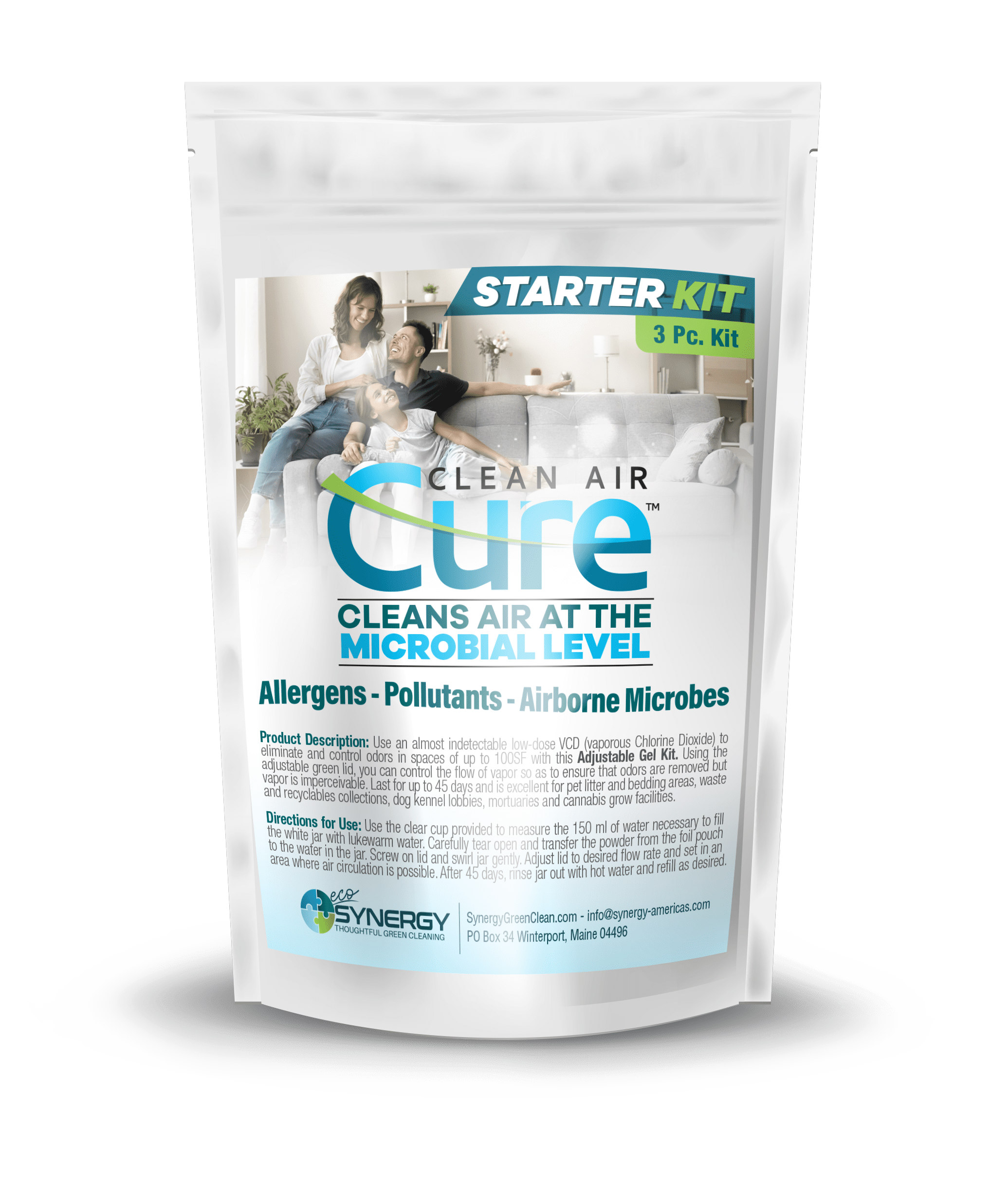

    Cure Gels is one of our newest line of air purifications to help aid during flu seasonPractical Steps to Improve Air Quality

    1. Ventilation is Key

    Open windows and doors whenever possible to create cross-ventilation. Even 15–30 minutes a day can reduce indoor flu virus concentrations.

    2. Use Air Purifiers

    HEPA filters capture airborne particles, including virus-laden droplets. Adding ClO₂ solutions like our newest like of clean air Cure can neutralize odors and disinfect the air simultaneously.

    3. Reduce Indoor Contaminants

    Dust, mold, and allergens worsen indoor air quality. Regular cleaning of vents, ducts, and filters combined with ClO₂ treatments keeps air fresh and safe.

    4. Control Humidity

    Flu viruses thrive in dry air. Maintaining humidity around 40–60% can reduce viral survival while keeping respiratory passages healthy.


    Clean Air CURE with ClO₂ Benefits for Air Quality

    Chlorine dioxide is a versatile disinfectant for indoor environments:

    • Eliminates viruses and bacteria in the air and on surfaces

    • Neutralizes odors from cooking, pets, and stale air

    • Eco-friendly and safe for daily use around children and pets

    Adding ClO₂ tablets or sprays in offices, classrooms, and homes creates a layer of protection against flu germs that goes beyond handwashing and surface cleaning.
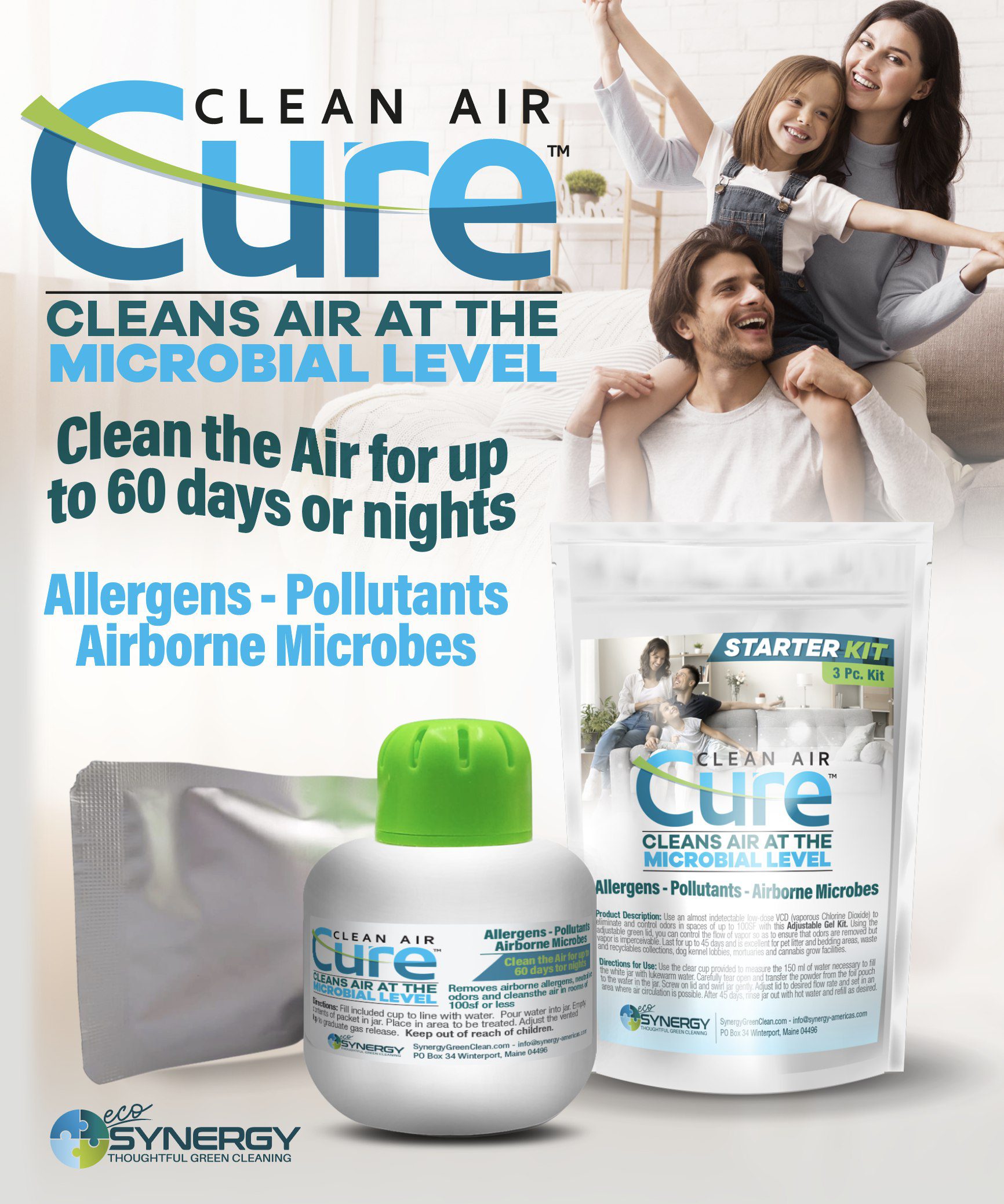

    CURE cleans the air up to 60 days and nights for clean pure air.Combining Surface & Air Protection

    For full flu prevention, it’s not enough to clean surfaces alone. Combine:

    • Daily high-touch surface cleaning with ClO₂

    • Regular air purification using ClO₂ solutions or HEPA filters

    • Good personal hygiene, including handwashing and mask use in high-risk situations

    Together, these steps dramatically lower the likelihood of flu transmission at home, school, or the workplace.


    Conclusion

    Flu prevention is more than handwashing and disinfecting surfaces—it’s about creating a healthy indoor environment. By improving ventilation, controlling humidity, and using ClO₂ for air purification, you can reduce airborne flu germs and protect your family and coworkers.

    Remember: healthy air = healthy people. Make your home and office safe this flu season


    Questions People Ask

    1. Q: Can flu viruses stay airborne for hours?
    A: Yes, influenza viruses can linger in the air for several hours, especially in poorly ventilated spaces.

    2. Q: How does indoor air quality affect flu transmission?
    A: Poor air quality allows flu viruses to remain airborne, increasing the risk of infection.

    3. Q: Are air purifiers effective against flu viruses?
    A: HEPA filters capture virus-laden droplets, and adding ClO₂ solutions can further disinfect the air.

    4. Q: How often should I ventilate my home?
    A: Even 15–30 minutes a day of cross-ventilation helps reduce airborne virus concentrations.

    5. Q: Can ClO₂ be used safely in offices and classrooms?
    A: Yes, ClO₂ is safe for daily use and eco-friendly, making it ideal for shared indoor spaces.

    6. Q: Does humidity affect flu virus survival?
    A: Yes, maintaining indoor humidity between 40–60% can reduce flu virus viability.

    7. Q: What indoor areas are high-risk for airborne flu?
    A: Offices, classrooms, meeting rooms, and small, crowded spaces with limited airflow.

    8. Q: How does ClO₂ improve indoor air?
    A: It eliminates airborne germs, neutralizes odors, and disinfects surfaces.

    9. Q: Should air purification replace surface cleaning?
    A: No. Air purification complements surface cleaning to provide a complete flu prevention strategy.

    10. Q: How can I make my home air flu-safe?
    A: Ventilate regularly, control humidity, clean surfaces with ClO₂, and consider ClO₂ air treatments.

  • Top 5 Germ Hotspots in Your Home (and How to Keep Them Clean)

    Top 5 Germ Hotspots in Your Home (and How to Keep Them Clean)

    Your home is supposed to be a safe haven—but during flu season, it can quickly become a hotspot for germs. Many people clean the obvious areas like floors and counters, but the flu virus thrives on everyday objects that we touch constantly.

    Studies show that high-touch surfaces like door handles, remotes, and keyboards harbor viruses and bacteria, increasing the risk of transmission. The good news is that with proper cleaning, you can reduce germs significantly. One of the most effective solutions is chlorine dioxide (ClO₂), an eco-friendly, fast-acting disinfectant that works on surfaces, fabrics, and even in the air.


    Laptops, cellphone and remote controls are all germ hotspots that we forget to wipe down!The Top 5 Germ Hotspots in Your Home

    1. Remote Controls

    Your living room remote control is handled by every member of the family and often never cleaned. Studies have found that these small devices carry more bacteria than a toilet seat. Wipe down daily with ClO₂ disinfectant to keep viruses at bay.

    2. Light Switches

    Often ignored during cleaning, light switches are touched multiple times a day by different household members. Daily disinfection with a ClO₂ spray or wipe prevents germ buildup.

    3. Refrigerator & Microwave Handles

    Handles in your kitchen are high-traffic areas. They are touched before and after food prep, which can easily transfer flu viruses. Clean handles at least once a day using eco-friendly ClO₂ solutions.

    4. Smartphones & Tablets

    Our devices travel with us everywhere—shopping carts, work desks, public transport. Regular cleaning with ClO₂ wipes or sprays kills lingering viruses without damaging electronics.

    5. Keyboards & Desks

    Whether you work from home or have children doing homework, keyboards, desks, and office equipment are loaded with germs. A weekly ClO₂ disinfectant routine is essential.


    Additional Tips for Reducing Home Germs

    • Establish a routine: Create a weekly cleaning checklist targeting high-touch areas.

    • Use ClO₂ regularly: Beyond surfaces, ClO₂ eliminates odors and airborne germs.

    • Encourage family participation: Teaching children to sanitize their hands and devices helps reduce spread.

    • Don’t forget fabrics: Phones, remotes, and handles are obvious, but soft surfaces like couch arms, pillowcases, and curtains also harbor germs.


    ClO₂ Advantages for Home Cleaning

    • Kills 99.9% of bacteria and viruses: Fast-acting and effective against flu viruses.

    • Eco-friendly: Safe for children, pets, and surfaces.

    • Versatile: Can be used on kitchen surfaces, electronics, bathroom fixtures, and even laundry.


    Conclusion

    Flu prevention starts at home, and targeting high-touch surfaces is one of the most effective ways to protect your family. By combining consistent cleaning routines with the power of ClO₂ (chlorine dioxide), you can create a healthier, germ-reduced environment that keeps flu viruses from taking hold.

    Stay vigilant, stay consistent, and keep your home flu-safe all season long.


    CLO2 is a healthy alternative to Bleach and other chemical household cleanersWhat People Also Ask

    1. Q: What are the most common germ hotspots in the home?
    A: Remote controls, light switches, fridge handles, smartphones, and keyboards are the top five.

    2. Q: How often should I clean remote controls?
    A: Daily during flu season using a ClO₂-based disinfectant.

    3. Q: Are kitchen handles really that dirty?
    A: Yes! Handles are touched before and after food prep and often harbor flu viruses.

    4. Q: Can ClO₂ be used safely on electronics?
    A: Yes! It’s safe for phones, tablets, and keyboards when applied as directed.

    5. Q: Should I disinfect my desk at home?
    A: Absolutely. Desks are high-touch areas and can harbor bacteria from multiple sources.

    6. Q: Do soft surfaces need ClO₂ cleaning?
    A: Yes. Couch arms, pillows, and curtains can carry germs. ClO₂ disinfects safely and effectively.

    7. Q: Can kids help with home disinfection?
    A: Yes! Teach them to wipe high-touch surfaces and sanitize devices under supervision.

    8. Q: How long does ClO₂ take to kill germs?
    A: ClO₂ works in minutes, rapidly eliminating viruses and bacteria on contact.

    9. Q: Can ClO₂ prevent flu at home?
    A: While no product guarantees 100% prevention, ClO₂ significantly reduces the presence of flu viruses on surfaces and in the air.

    10. Q: How do I create a cleaning routine that works?
    A: Focus on high-touch areas daily, soft surfaces weekly, and supplement with ClO₂ for consistent protection.