Tag: ClO2 cleaning tablets

  • How Do I Get Rid of Strange Odors in My Clothes for Good?

    How Do I Get Rid of Strange Odors in My Clothes for Good?

    😳 How Embarrassing When Your Clothes Have Strange Odors!

    Wearing clothes with funky or persistent odors isn’t just annoying—it can be downright mortifying. Whether it’s in a boardroom, a social gathering, or just running errands, no one wants to be “that person” people remember for the wrong reasons. 👃

    Odor in clothing isn’t just a laundry issue—it’s a confidence killer. But with the right tools and a little know-how, it doesn’t have to be. Let’s dive into why clothes smell and how CLO2 can eliminate those odors for good—so your clothes are just as fresh as you are. 🌿


    🧼 Why Clothes Develop Persistent Odors

    There’s science behind the stink. 👨‍🔬

    • Sweat and body oils can seep deep into fabric fibers
    • Environmental smells like smoke or food odors can cling to clothes
    • Mold and mildew love damp clothes and laundry left too long
    • Regular detergents often mask rather than eliminate odors

    The worst part? Once bacteria settle into your clothes, they can keep producing odors long after the fabric feels “clean.” That’s where CLO2 changes the game. It targets the source, not the scent.


    🌬️ How CLO2 Gets the Job Done

    CLO2 tablets dissolve in water, releasing chlorine dioxide gas—a powerful yet fabric-safe disinfectant. Unlike sprays or scented detergents, CLO2 neutralizes odor-causing molecules by breaking them down at the molecular level.

    It reaches deep into fabric fibers, removing:

    • Sweat
    • Smoke
    • Pet smells
    • Mold and mildew
    • That musty gym-bag funk that never seems to go away

    Plus, it leaves no heavy perfumes, just clean, breathable fabric. 👕


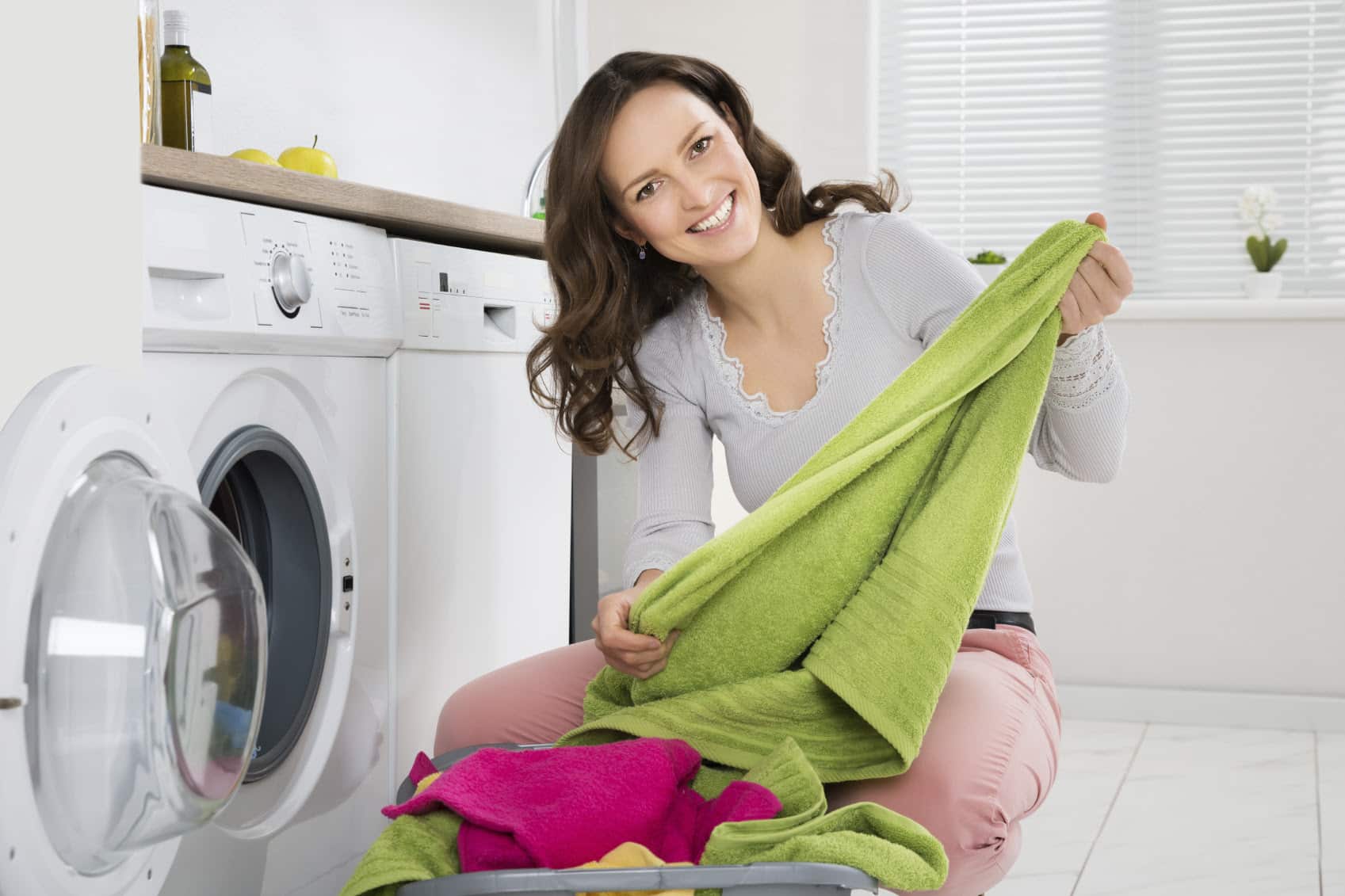
    🧺 How to Wash Clothes With CLO2 Tablets

    Step 1: Prep Your Laundry

    ✔️ Sort clothes by color and fabric type
    ✔️ Rinse lightly to remove debris
    ✔️ Pre-treat any visible stains with detergent

    This pre-wash routine allows the CLO2 to target what really matters—odor molecules hidden deep inside the fabric.


    Step 2: Dissolve CLO2 Tablets

    Fill a clean container or sink with water, then drop in the CLO2 tablets per the instructions. As they dissolve, chlorine dioxide gas is released into the water, creating a deep-penetrating odor eliminator.

    Tip: Stir gently. Use the solution immediately for best results.


    Step 3: Soak the Clothes

    Submerge your garments fully. Ensure every inch is soaked—this is how the magic happens. 🪄 Let them sit for the recommended amount of time so the CLO2 can break down those stubborn molecules.

    For stronger smells, gently agitate the clothes in the solution.


    Step 4: Rinse and Dry Thoroughly

    Rinse clothes in cold water until the water runs clear. Gently squeeze (don’t wring!) and hang dry or tumble dry on a low setting.

    Important: Make sure garments are fully dry before storing to avoid any returning odors. ✅


    🧪 Can Vinegar and Baking Soda Compete?

    Short answer: not really.

    • Vinegar can reduce some odors but leaves its own behind 👃
    • Baking soda helps a little, but doesn’t eliminate bacteria
    • Traditional detergents can clean dirt—but may leave odor molecules behind

    When it comes to deep, persistent smells, CLO2 tablets are the gold standard. They don’t just mask odors—they obliterate them. 💥

    Want even better results? Pair with our Micro Wash detergent—specially formulated to work with CLO2 for long-lasting freshness.


    🛡️ How to Prevent Odors from Returning

    Keep your clothes fresher, longer, with a few simple habits:

    • Always air out sweaty or damp clothing promptly
    • Wash after strong exposure to food, smoke, or sweat
    • Store in dry, ventilated spaces
    • Use a dehumidifier if you’re in a humid climate
    • Use CLO2 for occasional deep cleans
    • Switch to Micro Wash, our detergent that keeps working deep in fabric fibers to eliminate odor at the source

    Your clothes deserve to stay as clean as the day you bought them—and your peace of mind does too.


    ✅ Final Thoughts: Say Goodbye to Embarrassing Odors

    Whether it’s gym gear, everyday outfits, or that favorite shirt that never smells right, you don’t have to live with embarrassing odors anymore. CLO2 is your secret weapon to deep-cleaning success—paired with Micro Wash detergent, it’s the ultimate tag team for fresh, odor-free laundry.

    No more rewashing. No more cover-ups. Just confidence, comfort, and clean clothes. 💪👕
     

  • Why DIY Mold Remedies Like Baking Soda, Vinegar & Oils Fail!

    Why DIY Mold Remedies Like Baking Soda, Vinegar & Oils Fail!

    DIY Mold Remedies vs. Science: Why Vinegar & Baking Soda Don’t Work

    🍋 The Myth of the Magic Pantry Fix

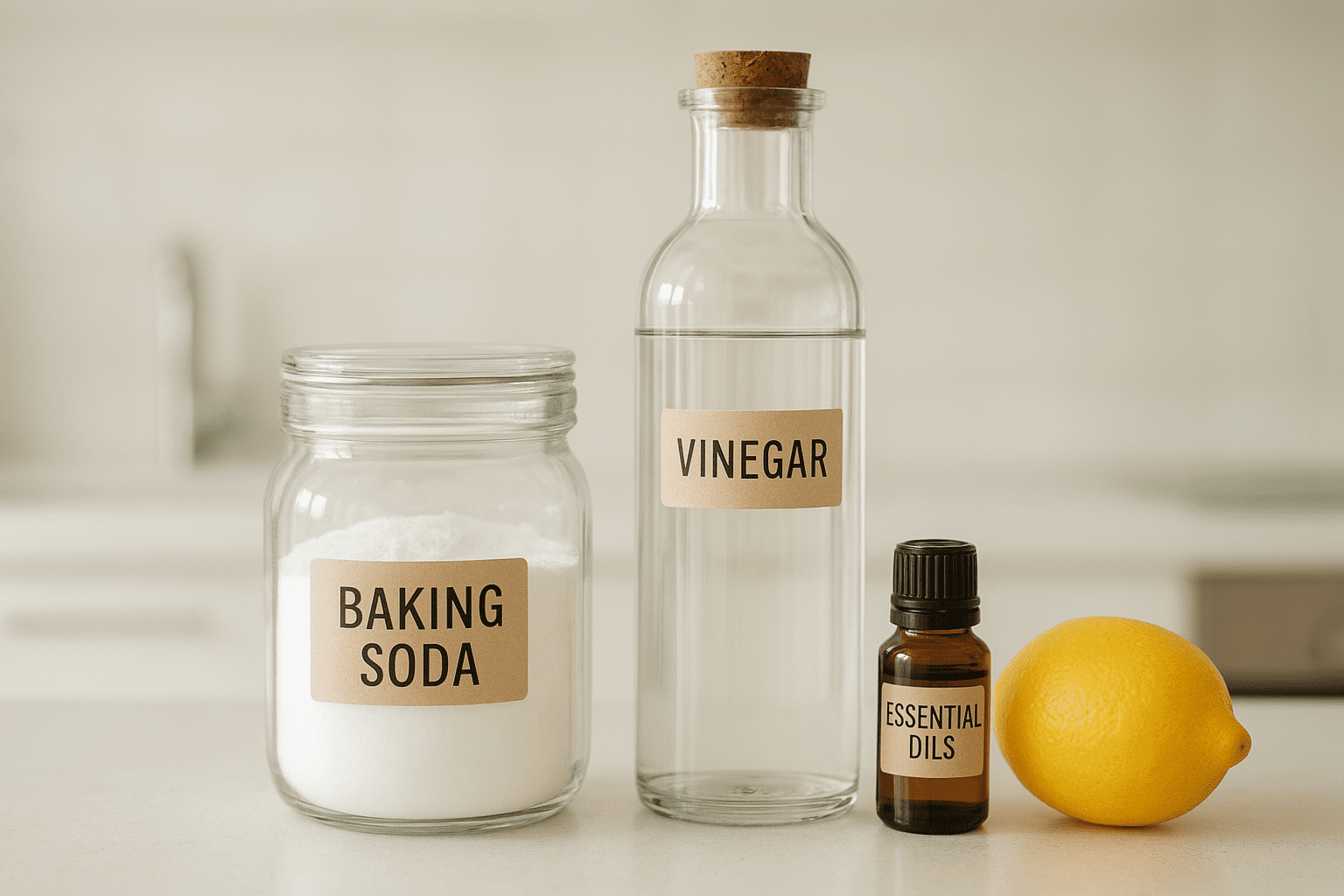
    It’s the rainy season, and you notice that all-too-familiar musty smell in the basement. You do what many homeowners do: grab a box of baking soda, a jug of vinegar, or maybe a bottle of essential oils. After all, Grandma swore by vinegar for everything, and Pinterest promises that a few drops of tea tree oil will keep mold away forever.

    It feels good, right? A quick fix you already have in your kitchen. You sprinkle, you spray, you dab, and for a moment—it smells fresh again.

    But here’s the truth: that’s surface-level comfort. Beneath the smell, the mold spores are still alive, active, and ready to spread.


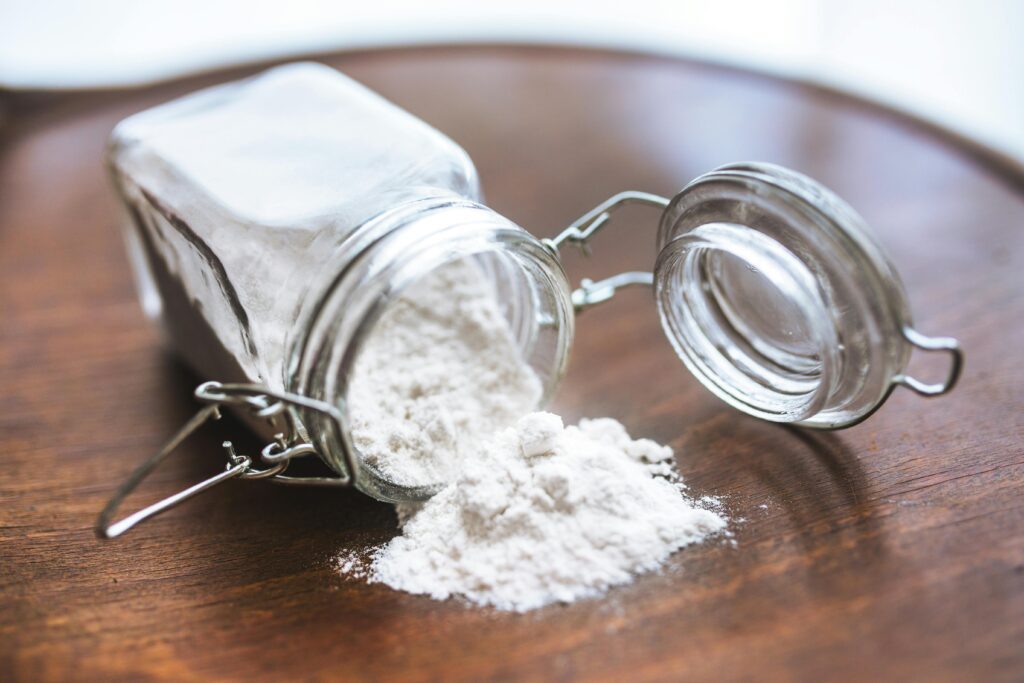
    Backing soda is a great rubbing compound and excellent tooth polish but has no benefits to removing mold.🧂 Baking Soda – The Odor Absorber, Not the Mold Slayer
    Baking soda has a reputation for being a cure-all. People use it in refrigerators, laundry, even as toothpaste. When it comes to mold, though, baking soda is more of a band-aid than a cure.

    • Why people believe it works: Baking soda absorbs odors and creates a less hospitable environment for some microbes.

    • The science: While it can temporarily reduce musty smells, it doesn’t kill mold spores or penetrate porous surfaces. Mold isn’t just on the surface—it roots deep into wood, drywall, fabric, and insulation.

    • What is it good for: While not all is lost, Baking soda is good for making a paste with water to scrub sinks, tubs, or stovetops, Combine with vinegar to help clear minor clogs, Adds extra cleaning power to regular laundry, and makes for a great natural toothpaste powder.

    Bottom line: baking soda can freshen your fridge, but it won’t stop mold colonies from growing behind your walls.


    Vinegar is excellent for removing grease and gives a great shine to surfaces but won't cut to the core to remove bacteria and mold that makes you sick.🧴 Vinegar – The Half-Truth Cleaner

    Vinegar is the most popular DIY mold solution floating around the internet. “Just spray vinegar, and the mold dies!” sounds convincing.

    • Why people believe it works: Vinegar is acidic, and in some lab conditions, it can slow down certain types of mold.

    • The science: Vinegar can reduce surface-level mold but doesn’t neutralize all strains, especially the tougher, allergenic, or toxic molds. Plus, vinegar doesn’t stop spore regrowth. Think of it like mowing the lawn—the blades look gone, but the roots are still there, ready to return.

    • What is it good for: Mix with water for streak-free shine on glass and mirrors, Cuts grease and grime (avoid natural stone like marble) on countertops and sinks,  Steam vinegar to loosen gunk in your microwave, and add it to your laundry as it naturally softens without chemicals.

    That’s why a week after your vinegar spray-down, the same black spots creep back on the bathroom ceiling.


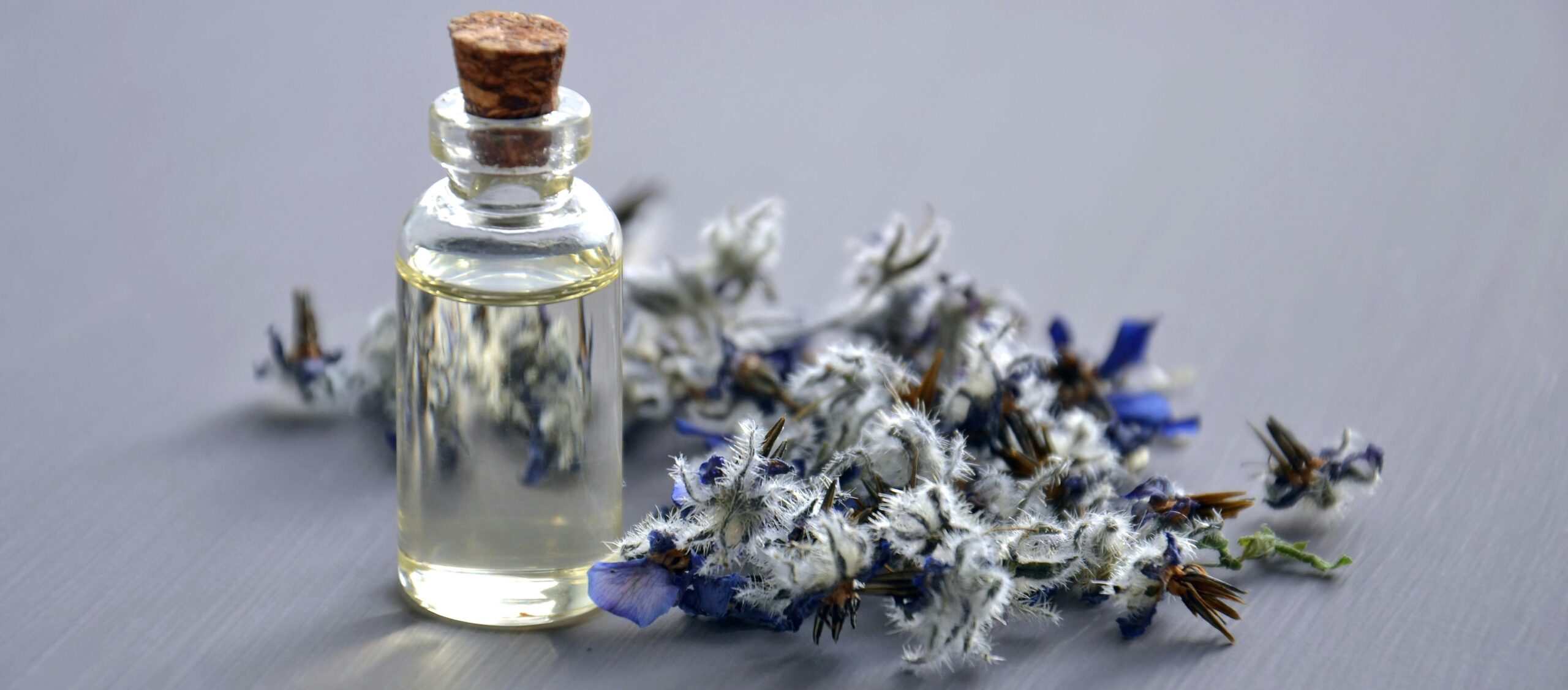
    🌿 Essential Oils – The Feel-Good Fix

    Who doesn’t love the smell of eucalyptus or tea tree oil? They make a house smell spa-like and clean. But when it comes to mold? The benefits are more myth than reality.

    • Why people believe it works: Essential oils have antimicrobial properties in controlled conditions and lab tests. Plus, they smell amazing, so we associate them with cleanliness.

    • The science: Oils might mask musty odors and offer some temporary inhibition, but they cannot reach deep-rooted mold colonies. Mold spores also thrive in places oils can’t reach—inside drywall, insulation, vents, or carpets.

    • What is it good for: Create a calming or uplifting home atmosphere, Combine oils with water in a spray bottle for a natural room spray. Add a few drops to laundry or dryer balls for a pleasant scent. and adding lavender or cedar oils in drawers are an excellent Natural moth repellant.

    At best, oils are mood-lifters, not mold-busters.

    essential oils smell good, promote inner balance and are just expensive!


    🧪 The Reality: Mold is Tougher Than Your Pantry

    Here’s the truth that often gets lost in the DIY advice cycle: mold spores are microscopic, resilient, and thrive in damp, hidden places. To truly eliminate mold, you need something that can:

    ✔ Penetrate porous surfaces
    ✔ Kill spores at their source
    ✔ Prevent regrowth

    That’s why baking soda, vinegar, and essential oils just don’t measure up. They may give you peace of mind for a day or two, but they don’t deliver long-term safety for your family’s health.


    🌊 The Science-Backed Solution: Chlorine Dioxide

    Unlike DIY hacks, chlorine dioxide (ClO₂) is scientifically proven to destroy mold spores at the molecular level. It works differently than bleach or vinegar—it penetrates, oxidizes, and eliminates mold without leaving harmful residues.

    • Safe for homes, basements, HVAC systems, and storage areas

    • Breaks down into salt and water, leaving no toxic leftovers

    • Effective against hidden mold growth and lingering odors

    When mold becomes a household guest, you don’t just want to cover up the smell—you want to show it the door for good.

    CLO2 is a healthy alternative to Bleach and other chemical household cleaners


    ⚖️ The Final Reality Check

    DIY remedies are comforting, but comfort doesn’t equal safety.
    The musty smell returning week after week isn’t just annoying—it’s a warning sign.

    Reality in one sentence: Vinegar, baking soda, and oils can make your home smell better, but only chlorine dioxide makes your home healthier.

    👉 Ready to ditch DIY myths and tackle mold at the source? Discover our eco-friendly chlorine dioxide tablets today.

    ❓ FAQ: Home Remedies vs. Real Protection

    Q: Do vinegar and baking soda really disinfect my home?
    👉 They can help clean surfaces, but they don’t fully kill bacteria, mold, or viruses. Vinegar can cut grease and reduce odors, and baking soda is great for scrubbing—but together, they’re more about shine than true sanitation.


    Q: What about lemon juice—doesn’t its acidity kill germs?
    🍋 Lemon juice has some antibacterial properties, but it’s not strong enough to eliminate pathogens that cause illness. It’s better at deodorizing and leaving a fresh scent than providing full protection.


    Q: Can essential oils replace disinfectants?
    🌿 Essential oils like tea tree, eucalyptus, or lavender smell wonderful and may inhibit some microbes in lab settings. But in real-world home use, they’re not broad-spectrum killers of viruses, mold spores, or dangerous bacteria.


    Q: Why should I be cautious about DIY remedies?
    ⚠️ Many DIY “green cleaning hacks” leave behind a false sense of security. Your counters may look and smell clean, but microscopic threats can still linger—and those are the ones that affect your family’s health.


    Q: So, what’s the safer alternative?
    ✅ For true peace of mind, use a proven solution like Chlorine Dioxide (ClO₂). It’s scientifically backed, eco-friendly, and powerful enough to handle the germs, odors, and mold that vinegar or lemons simply can’t touch.

    Other articles to check out!

    How Can I Kill Mold and Eliminate Musty Odors at Home

    https://clo2tablets.com/%f0%9f%a7%aa-how-safe-is-chlorine-dioxide-for-indoor-use-around-people-and-pets/

  • How do I Use CLO₂ Tablets for Cleaning, Odor Removal & Mold?

    How do I Use CLO₂ Tablets for Cleaning, Odor Removal & Mold?

    💥 From Air Quality to Mold Removal: Discover How CLO₂ Tablets Transform Your Home, Gear & Workspace

    🧪 What Are CLO₂ Tablets?

    CLO₂ tablets—also known as chlorine dioxide tablets—release chlorine dioxide gas when dissolved in water. This gas is a powerful, selective oxidizer that kills bacteria, viruses, mold, and odors without leaving harmful residues.

    They’re ideal for:
    ✅ Water purification
    ✅ Surface disinfection
    ✅ Air quality improvement
    ✅ Odor elimination
    ✅ Mold & mildew remediation
    ✅ Medical & industrial sanitation

    👉 Buy Professional-Grade CLO₂ Tablets Here


    ✅ How to Use CLO₂ Tablets Properly

    ✔️ Read the package instructions. Dosage varies by task.
    ✔️ Dissolve in the correct volume of water.
    ✔️ Work in a ventilated area—CLO₂ gas can be strong.
    ✔️ Wear gloves when handling the solution.
    ✔️ Store tablets in a cool, dry place—away from kids and pets.


    💧 Water Purification with CLO₂

    Perfect for camping, travel, or emergencies. These tablets kill waterborne bacteria, viruses, and parasites—without altering taste.

    🟢 Drop 1 tablet into 1 liter of water
    🟢 Wait 30 minutes before drinking
    🟢 Ensure your container is clean

    👉 Related: How To Remove Urine Odor From Hard Wood Floors?


    🧼 Disinfecting Surfaces Safely

    Ideal for high-touch surfaces: countertops, doorknobs, bathrooms, and more.

    1. Mix CLO₂ tablets with water
    2. Apply with cloth or spray bottle
    3. Let sit for 10 minutes
    4. Wipe dry with a clean cloth

    👉 Pro Tip: Always wear gloves.


    🌬️ Eliminating Bad Odors

    CLO₂ doesn’t mask—it neutralizes odors at the molecular level.

    • Mix solution and place in an open container for air treatment
    • Mist areas like cars, closets, and pet zones
    • Ventilate afterward for best results

    👉 Related: How To Eliminate Bad Odor From Refrigerator?


    🏥 Treating Medical Equipment

    Keep tools clean—without harsh, corrosive chemicals.

    • Prepare solution per instructions
    • Soak or wipe down equipment
    • Let sit for 10 minutes
    • Rinse and dry if required

    Great for stethoscopes, thermometers, and non-electric tools.


    🥦 Preserving Fresh Produce

    Disinfect fruits and vegetables to extend shelf life naturally.

    • Soak produce in CLO₂ solution for a few minutes
    • Rinse with clean water
    • Let air-dry before storage

    👉 Related: Benefits Of CLO₂ Tablets In Food Processing Sector


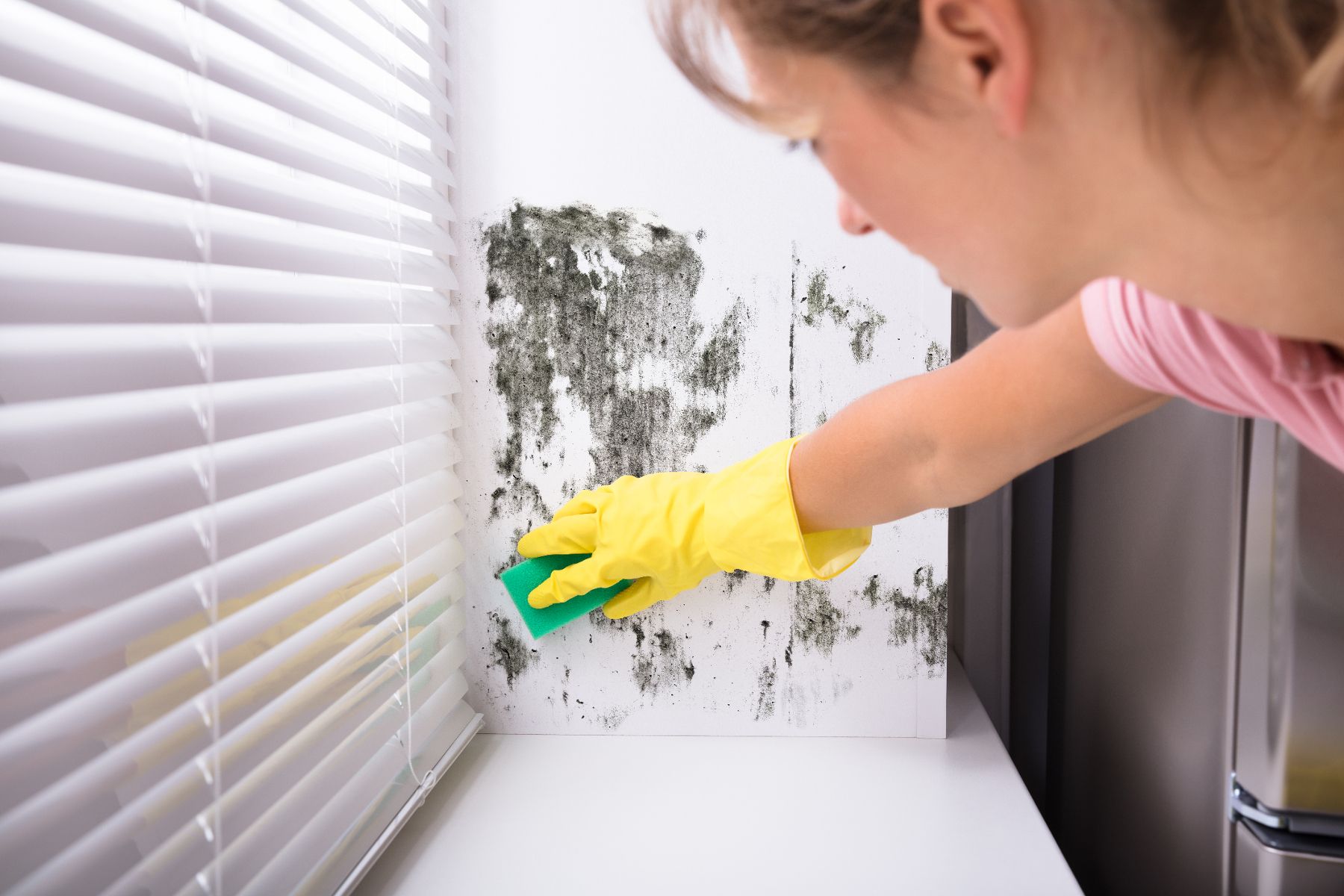
    🧽 Removing Mold and Mildew

    Target mold in bathrooms, basements, or crawl spaces.

    • Spray affected areas with CLO₂ solution
    • Let sit for 10–15 minutes
    • Scrub and wipe clean
    • Ventilate area afterward

    👉 Related: How To Remediate Mold In Crawl Spaces?


    🏭 Industrial Cleaning Applications

    Trusted by:
    ✅ Food processing plants (surfaces, tools, packaging lines)
    ✅ Hospitals (room disinfection, medical sanitation)
    ✅ Water treatment facilities (biofilm & microbial control)

    👉 Related: How Can CLO2 Tablets Improve Factory Cleaning Efficiency?


    🌱 Enhance the Air You Breathe

    Drop a tablet in water to release a deodorizing, germ-killing gas. Ideal for:
    🐾 Pet odors
    🔥 Smoke smells
    🏚️ Moldy basements

    ✅ Fast. ✅ Fresh. ✅ Effective.

    👉 Order Now: 1g CLO₂ Tablets for Cleaning, Deodorizing, and Sanitizing


    ✨ Final Thoughts

    CLO₂ tablets are more than just a cleaning hack—they’re a smart, eco-conscious solution for modern sanitation. When used correctly, they safely eliminate contaminants in water, air, and on surfaces.

    ✅ Ready to clean smarter, not harder?
    Visit 👉 clo2tablets.com and get the same powerful, professional-grade CLO₂ used in hospitals, farms, and industrial facilities.