Tag: disinfectant safety

  • Chlorine Dioxide Safety: Myths vs. Science | Complete Safe-Use Guide

    Chlorine Dioxide Safety: Myths vs. Science | Complete Safe-Use Guide

    Chlorine Dioxide Safety: Separating Real Science from Common Myths

    Chlorine dioxide (ClO₂) has been praised, misunderstood, feared, misrepresented, and misused — often all at the same time. Some people claim it’s too strong, others believe it’s dangerous, while professionals in water treatment and sanitation use it safely every single day. So where is the truth?
    This article breaks down the real science behind ClO₂ safety, clears away misinformation, and explains exactly how to use chlorine dioxide tablets responsibly and effectively.


    What Are The Quick Facts?

    • Chlorine dioxide is an EPA-recognized disinfectant widely used in water treatment, sanitation, and odor control.
    • At proper dilutions, ClO₂ is safe for residential and commercial cleaning, producing fewer harmful byproducts than bleach.
    • Most fears about ClO₂ come from misuse, misinformation, or confusion with chlorine bleach.
    • ClO₂ works through selective oxidation, not chlorination — which is why it leaves no residue or bleaching damage.
    • Safe use requires correct mixing, ventilation at higher concentrations, and never mixing with other chemicals.
    • ClO₂ is not meant for ingestion or high-concentration enclosed use.

    Also Read 👉🏻Chlorine Dioxide Tablets for House Cleaning | Complete FAQ & Safety Guide
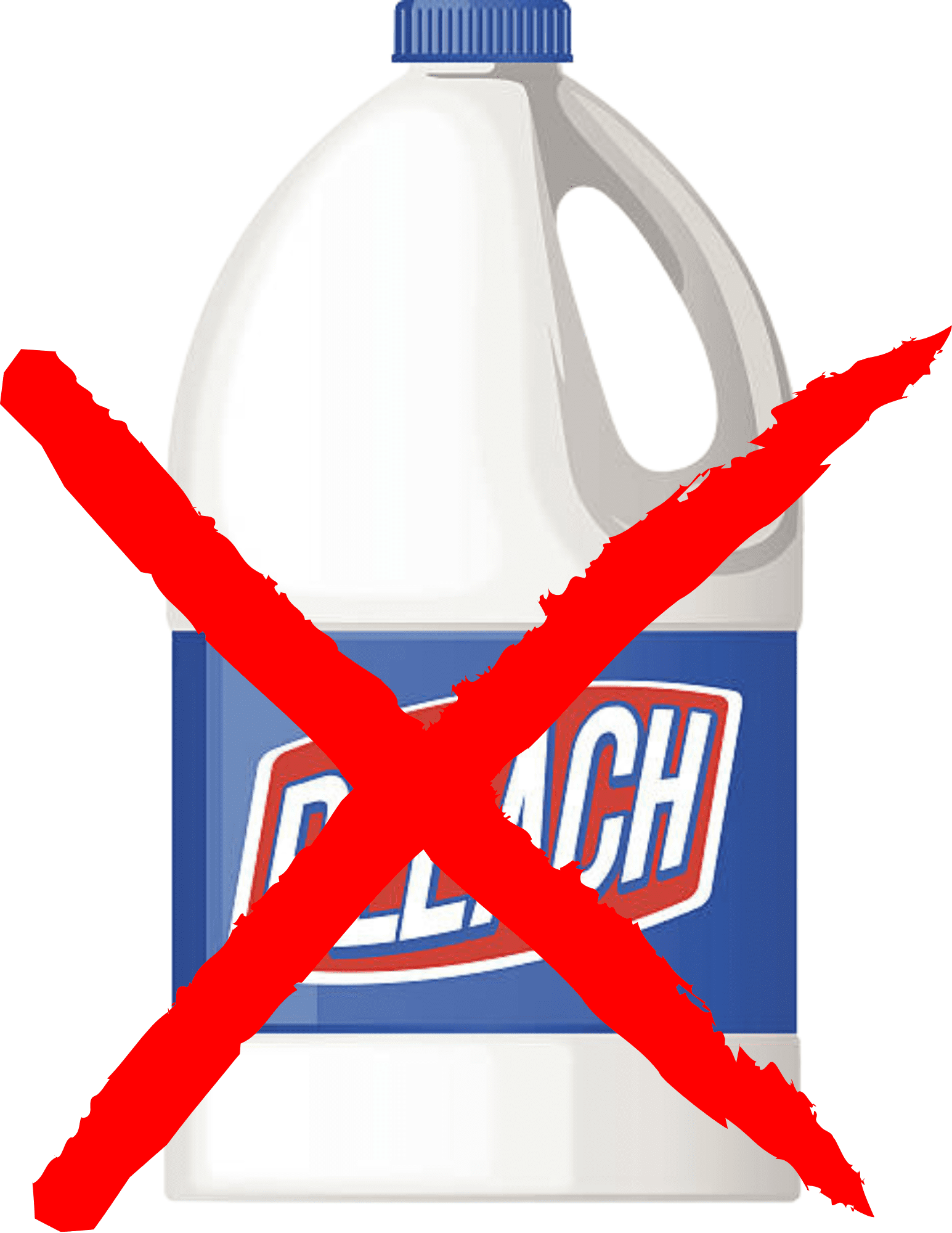

    Here’s a myth worth clearing up: chlorine dioxide is not chlorine bleach. Yes, they sound similar, but their chemistry couldn’t be more different.Myth #1 — “Chlorine dioxide is just another form of bleach.”

    The Myth:

    ClO₂ sounds like “chlorine,” so many assume it behaves like bleach.

    The Science:

    Bleach (sodium hypochlorite) disinfects through chlorination, creating chlorinated byproducts and strong fumes.
    ClO₂ disinfects through selective oxidation, a completely different mechanism.

    Key Differences:

    Feature Chlorine Dioxide Chlorine Bleach
    Action Selective oxidation Chlorination
    Fumes Very low Strong, irritating
    Residue Evaporates cleanly Leaves film, can discolor
    Byproducts Minimal Chlorinated byproducts
    Surface safety Broad and gentle Corrosive to metals, fabrics

    Verdict:
    ClO₂ is not bleach — it is chemically and functionally different.

    Also Read 👉🏻From Bleach to Breakthrough: Why Smart Cleaners Are Choosing CLO₂


    Infectious control and preventing the spread of HAIs is top on the list for healthcare organizations.Myth #2 — “Chlorine dioxide is unsafe for indoor use.”

    The Myth:

    People hear “oxidizer” and assume ClO₂ is dangerous indoors.

    The Science:

    At proper cleaning dilutions, ClO₂ has extremely low vapor presence and evaporates cleanly, which is why it’s used in:

    • Hospitals
    • Food-processing sanitation
    • Drinking water treatment
    • Schools and commercial buildings

    ClO₂ becomes unsafe only when:

    • Concentrations are too high
    • Used in enclosed, unventilated spaces
    • Misused as vapor/gas treatments without controls

    With correct dilution and ventilation, ClO₂ is safe indoors.

    Also Read 👉🏻Improve Winter Indoor Air Quality with ClO₂
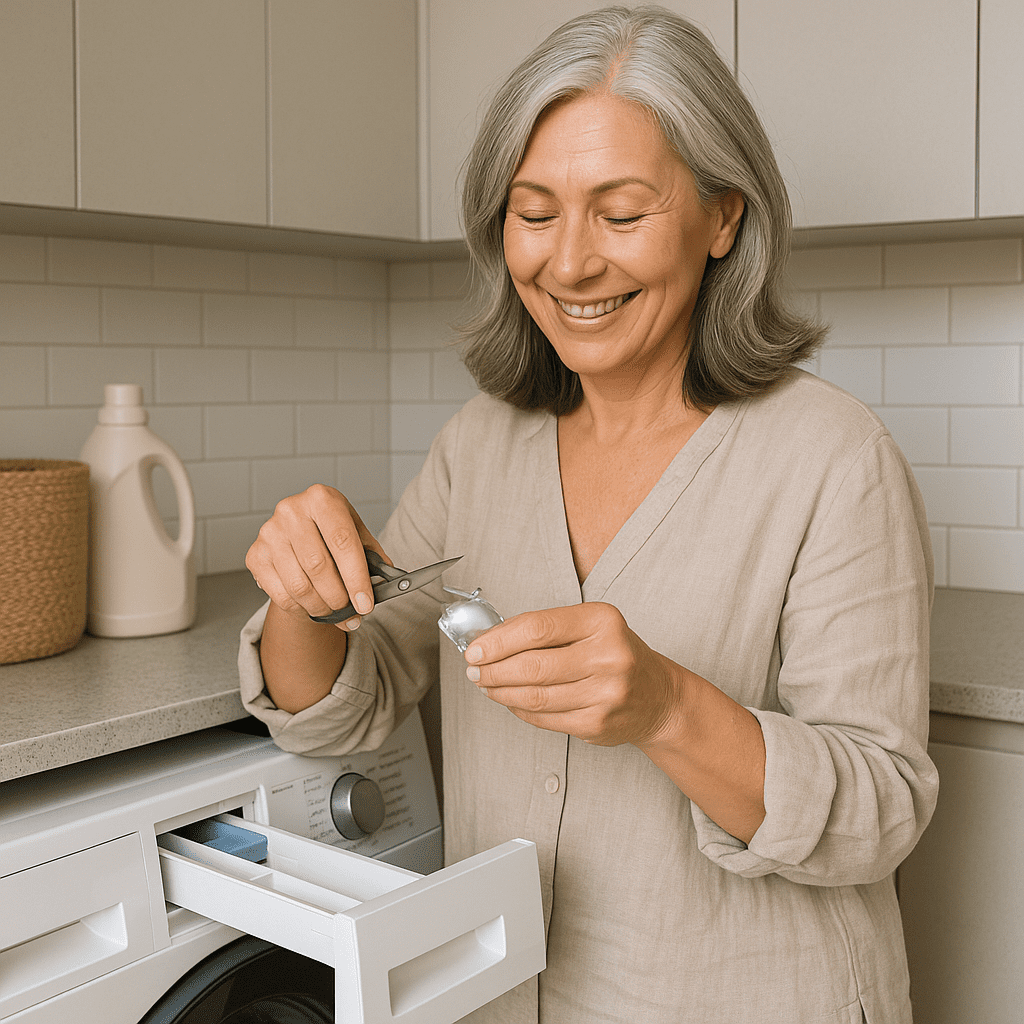

    Deodorizing your washing machine with CLO2Myth #3 — “Chlorine dioxide is toxic even in small amounts.”

    The Myth:

    Because concentrated industrial ClO₂ gas is hazardous, people think all ClO₂ is dangerous.

    The Science:

    High-concentration ClO₂ gas = dangerous.
    Low-concentration ClO₂ water solutions = safe when used correctly.

    Everyday safe uses include:

    • Cleaning kitchen counters
    • Disinfecting hard surfaces
    • Neutralizing odors
    • Removing mold/mildew
    • Sanitizing restrooms
    • Treating drinking water in emergencies

    Dose matters.
    Concentration matters.
    Context matters.

    Also Read 👉🏻Chlorine Dioxide for Advanced Water Treatment: A Safer, Smarter Alternative to Bleach


    How Chlorine Dioxide Actually Works

    ClO₂ penetrates microbial cells and oxidizes essential amino acids and biomolecules. This disrupts metabolic function and destroys pathogens — including those protected by biofilms. Unlike chlorine bleach, ClO₂ does not chlorinate surfaces or form harmful trihalomethanes.

    This makes ClO₂ both powerful and clean to use when mixed properly.


    Real Science Behind ClO₂ Safety

    Regulatory bodies worldwide approve controlled ClO₂ use, including:

    • EPA — for surface disinfection and water treatment
    • CDC — acknowledges ClO₂ as an effective disinfectant
    • WHO — supports ClO₂ for drinking-water disinfection within safe limits
    • Food-processing industry — uses ClO₂ for sanitizing produce, equipment, and surfaces

    ClO₂ used at 50–200 ppm for cleaning is well below thresholds used in industrial sanitation.
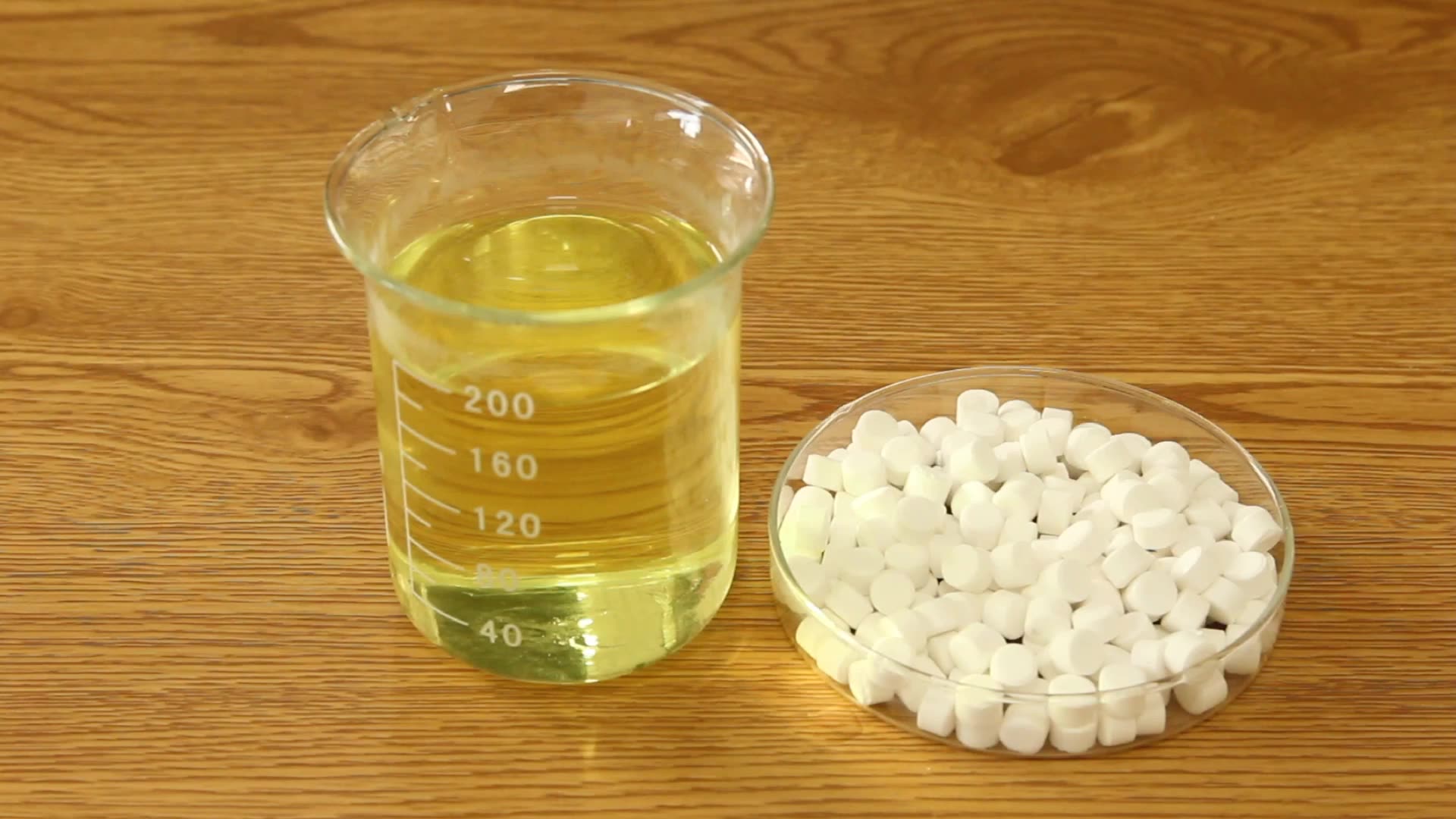

    chlorine dioxide tablets and glass of water on table surfaceWhen Chlorine Dioxide Is NOT Safe to Use

    ClO₂ is not recommended for:

    • Ingestion (never consume ClO₂)
    • Undiluted use or overly strong concentrations
    • Enclosed rooms without ventilation
    • CPAP machines
    • Mixing with any other chemical (bleach, acids, ammonia, peroxide)
    • Sensitive fabrics without patch testing
    • Heavy chemical contamination (non-microbial pollutants)

    Using ClO₂ safely requires respecting concentration and context.


    Do’s & Don’ts for Safe ClO₂ Use

    ✔️ DO

    • Mix exactly as directed
    • Allow full activation (water turns yellow/amber)
    • Use gloves for higher concentrations
    • Ventilate when using strong solutions
    • Patch-test delicate surfaces
    • Store tablets dry & sealed
    • Rinse food-contact surfaces when needed

    ❌ DON’T

    • Mix with bleach, acids, vinegar, ammonia, or peroxide
    • Seal activation containers tightly
    • Use in humidifiers or misting devices
    • Apply high concentrations in small enclosed spaces
    • Use expired (deactivated) solutions
    • Allow kids or pets access to concentrated solutions

    Summary — Science Wins, Myths Don’t

    Chlorine dioxide is a powerful, safe, and clean disinfectant when used correctly.
    Fear-based myths arise from misunderstanding chemistry or confusing ClO₂ with bleach.
    The truth: ClO₂ is used globally in water treatment, sanitation, and food safety — because it works and produces fewer harmful byproducts than many common cleaners.

    Use it responsibly, and it becomes one of the safest, most effective cleaning tools available.

    Ready to experience safe, science-backed cleaning with ClO₂?
    Browse our disinfecting tablets at Clo2Tablets.com and upgrade your cleaning confidence today.


    Frequently Asked Questions

    1. Is chlorine dioxide safe to use indoors?

    Yes — at proper cleaning concentrations with basic ventilation.

    using clo2 in the sanitation process at distilleries breaks down and biofilms that can cause who batches to spoil.2. Does it bleach surfaces?

    No — ClO₂ does NOT bleach or chlorinate.

    3. Is it safe for pets?

    Yes, once surfaces are dry. Keep pets away from concentrated mixtures.

    4. Can I use ClO₂ on food surfaces?

    Yes — rinse if using above 200 ppm.

    5. Is ClO₂ safe to breathe?

    Not in high concentrations. Normal cleaning dilutions pose minimal vapor exposure.

    6. Can I mix ClO₂ with other cleaners?

    No — never mix ClO₂ with bleach, acids, ammonia, or peroxide.

    7. How long does activated solution stay potent?

    A couple weeks when stored away from light and heat.

    8. Will ClO₂ remove mold?

    Yes — especially effective at 500+ ppm with proper contact time.

    9. Is ClO₂ environmentally friendly?

    Yes — it breaks down into harmless salts and oxygen-related compounds.

    10. Is ClO₂ safe for septic systems?

    Yes — diluted ClO₂ does not disrupt septic biology.


  • Safe Use of Chlorine Dioxide Tablets | Guidelines, PPE & Mixing Instructions

    Safe Use of Chlorine Dioxide Tablets | Guidelines, PPE & Mixing Instructions

    Safe Use of Chlorine Dioxide Tablets: Science-Based Guidelines for Home & Commercial Cleaning

    Chlorine dioxide tablets offer one of the safest and most effective ways to clean, deodorize, and sanitize surfaces — but like any professional cleaning tool, they work best when used correctly. Whether you’re a homeowner, facility manager, remediation contractor, or industrial cleaner, understanding how to use ClO₂ safely ensures maximum performance with minimal risk.
    Let’s break safety down scientifically, clearly, and confidently.


    What Makes Chlorine Dioxide Safe When Used Properly?

    Chlorine dioxide (ClO₂) is an EPA-recognized oxidizing biocide used in drinking water treatment, food-contact sanitizing, industrial disinfection, odor elimination, and environmental cleaning. Unlike bleach, which forms chlorinated byproducts and can react dangerously with other chemicals, ClO₂ works through selective oxidation, a controlled process that destroys pathogens without damaging most surfaces or leaving harmful residues.

    Safe use depends on choosing the right concentration, applying solutions responsibly, and following basic ventilation and handling principles — all of which we outline here.


    Biofilms are the microbial equivalent of fortified cities—complex, slimy structures where bacteria, fungi, and other microorganisms encase themselves in a protective extracellular matrix.Understanding Chlorine Dioxide Safety

    Here is the essential science behind ClO₂ safety:

    Chlorine Dioxide Mechanism Summary:
    ClO₂ penetrates microbial cells, oxidizes amino acids and structural biomolecules, and collapses metabolic processes while leaving no chlorinated byproducts. It does not chlorinate surfaces and is far less reactive than bleach in typical cleaning applications.

    Because ClO₂ evaporates cleanly and breaks down into non-toxic byproducts, it is considered safe for surface cleaning, odor removal, and controlled environmental treatments when mixed and applied properly.


    Benefits of Using ClO₂ Tablets Safely

    Using ClO₂ correctly provides:

    • Low-residue, food-safe sanitization
    • Powerful odor elimination without masking
    • Broad-spectrum pathogen reduction
    • Biofilm penetration
    • Low corrosivity at use strength
    • Stable and precise dosing
    • No bleach fumes, no quats, no sticky residues

    Safe handling transforms ClO₂ into one of the most dependable disinfectants available.

    Also Read 👉🏼Why Use Chlorine Dioxide Tablets for Cleaning | ClO₂ Benefits & Uses Guide


    Safe Handling Guidelines for Chlorine Dioxide Tablets

    Below is the official recommended safety protocol.


    1. Store Tablets Properly

    • Keep tablets dry, sealed, and out of direct sunlight.
    • Avoid storing near acids or reactive chemicals.
    • Keep out of reach of children and pets.

    2. Use the Correct Concentration for the Job

    Improper concentration is the #1 cause of misuse.

    Here is the updated dosage chart:

    Chlorine Dioxide Safety Mixing Guide

    Application Type Recommended ppm Tablet Size Water Amount Notes
    Light Cleaning / General Use 50–100 ppm 1g 1–2 liters Safe for daily wiping, glass, counters
    Standard Surface Disinfection 100–200 ppm 1g 1 liter Suitable for home & commercial surfaces
    Heavy Cleaning / Mold / Odors 500 ppm 4g 1 liter Requires ventilation; avoid long skin contact
    Shock Treatments 1000 ppm 4g 500 mL Professional-level; avoid enclosed spaces

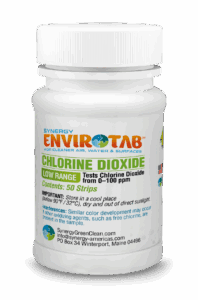
    Buy our ClO2 Test strips here 👉🏻0-2500 ppm


    3. Allow Proper Activation Time

    ClO₂ tablets activate within 1 minute.
    A fully active solution turns amber-yellow.

    Never seal containers tightly during activation — mild gas expansion is normal.


    4. Use in Well-Ventilated Areas

    At typical cleaning concentrations (50–200 ppm), ClO₂ has extremely low vapor presence.
    For stronger mixtures:

    • Open windows or doors
    • Use fans in enclosed rooms
    • Avoid inhaling vapors directly from the container

    Ventilation = comfort and safety.


    5. Avoid Mixing With Other Chemicals

    Never mix ClO₂ with:

    • Bleach (sodium hypochlorite)
    • Acids
    • Vinegar
    • Hydrogen peroxide
    • Ammonia
    • Quats

    ClO₂ is meant to work alone, not in chemical cocktails.


    6. Personal Protective Equipment (Optional but Recommended)

    At normal cleaning strengths:

    • Gloves are recommended
    • Eye protection is optional unless splashing is possible
    • No respirator needed unless using shock concentrations in enclosed areas

    For high-concentration odor or mold remediation:

    • Use gloves
    • Provide room ventilation
    • Avoid prolonged skin exposure

    7. Application Safety Tips

    • Do not spray ClO₂ toward pets or people.
    • Always allow surfaces to dry before re-entering.
    • Rinse food-contact equipment if using >200 ppm.
    • Store activated solution properly (away from sunlight).

    Comparison Table — ClO₂ Safety vs Other Cleaners

    Safety Feature ClO₂ Tablets Bleach Quats Peroxides
    Fume Severity Very low High Low Moderate
    Residue Left None High Sticky Low
    Surface Compatibility Excellent Can stain/corrode Leaves film Can etch
    Reactivity Risk Low High Moderate Moderate
    Odor Safety Neutral Strong chlorine Chemical Mild
    Ease of Handling High Moderate High Moderate

    Regulatory & Compliance Notes

    • The EPA recognizes chlorine dioxide as a powerful disinfectant when used as directed within approved concentrations.

    • ClO₂ has long-standing use in drinking water treatment, meaning it has one of the strongest safety profiles among disinfectants when used at correct levels.

    • For food-contact surfaces, follow industry guidelines:

    • Below 200 ppm → no rinse required
    • Above 200 ppm → rinse recommended
    • Always follow local safety protocols for chemical handling.


    Today’s cleaning standards demand smart, safe, and sustainable solutions — products that protect health without sacrificing performance. Enter CLO₂ — the breakthrough alternative that’s redefining what clean truly means.Best Practices for Safe Use

    • Activate ClO₂ away from children and pets.
    • Label spray bottles clearly (“Chlorine Dioxide Solution – Do Not Mix”).
    • Use the right strength for the task — more is not always better.
    • Dispose of unused solution after 48–72 hours if mixed in open containers.
    • Never store activated solution in airtight glass bottles.

    Also Read 👉🏼Chlorine Dioxide Safety: Myths vs. Science | Complete Safe-Use Guide


    Chlorine dioxide tablets are safe for home, commercial, and industrial cleaning when mixed and applied at proper concentrations. They work through selective oxidation, leaving no harmful residues and producing minimal fumes. Safe use requires correct dosing, ventilation at higher strengths, and avoiding chemical mixing. When these simple guidelines are followed, ClO₂ is one of the most effective and user-friendly disinfectants available.


    Frequently Asked Questions

    1. Are chlorine dioxide fumes dangerous?

    Not at typical cleaning levels (50–200 ppm). Use ventilation for high-strength solutions.

    2. Can I use ClO₂ around pets?

    Yes. Allow surfaces to dry before pets re-enter.

    3. Does ClO₂ irritate skin?

    Mild irritation is possible at high concentrations. Gloves recommended.

    4. Can I use it on food-contact surfaces?

    Yes — rinse only if using above 200 ppm.

    5. Can ClO₂ discolor fabrics?

    No. It does not bleach like chlorine.

    6. What happens if I breathe in vapors?

    Low concentrations typically cause no harm; high concentrations may cause throat irritation. Step back and ventilate.

    7. Is it safe to dispose of ClO₂ solution down the drain?

    Yes — diluted ClO₂ breaks down harmlessly.

    8. How should I store unused tablets?

    Keep them dry, sealed, and away from direct heat.

    9. Can ClO₂ be used in enclosed spaces?

    Yes, but only at appropriate concentrations and with ventilation.

    10. Is ClO₂ safer than bleach?

    Yes in most applications — fewer fumes, no chlorinated byproducts, no bleaching.


    Call to Action

    For safe, reliable, and science-backed cleaning solutions, explore our full line of chlorine dioxide tablets at Clo2Tablets.com. From light home cleaning to industrial sanitation, we provide the right tablet strength for every job.