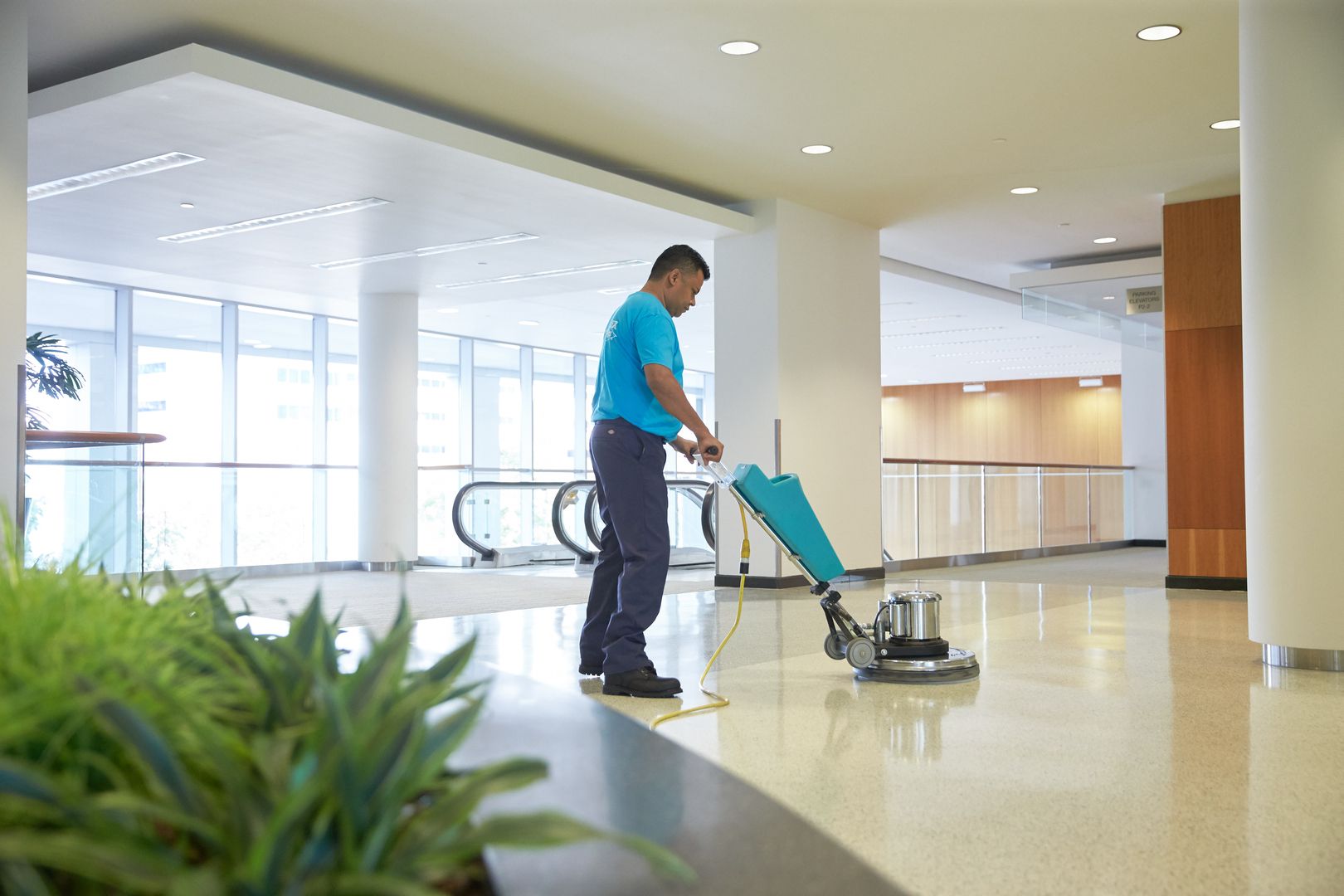
✨ How To Clean A Building Effectively — The Smart, Eco-Friendly Way with ClO₂
Cleaning a building might sound like a huge chore, but with the right strategy, tools, and eco-friendly cleaning products, it can actually be efficient, satisfying, and even enjoyable. 🧹✨ From offices and schools to retail stores and multi-use facilities, a clean building is more than just appearances—it’s a health safeguard.
At the center of modern, safe, and eco-friendly cleaning is chlorine dioxide (ClO₂), a powerful disinfectant that not only eliminates germs and bacteria but also neutralizes odors, volatile organic compounds (VOCs), and allergens. 🌿
This guide will give you a step-by-step system for cleaning any building effectively, along with detailed instructions on using ClO₂ tablets safely, advanced tips for floors, windows, and dusting, and answers to the most common questions about eco-friendly cleaning.
🧺 Step 1: Declutter and Prep the Space
Before you pick up a mop or spray a single cleaner, prep is key. Removing clutter not only makes cleaning easier but also reduces dust accumulation and allows cleaning solutions to reach every surface.
Decluttering Checklist:
- Empty trash and recycling bins. ♻️
- Remove old paperwork, boxes, and items blocking surfaces.
- Store personal items, office supplies, or decorative pieces safely.
💡 Pro Tip: Create a “cleaning station” with your tools, ClO₂ tablets, spray bottles, and microfiber cloths. Having everything organized saves time and keeps cleaning efficient.
🧹 Step 2: Dusting — The Unsung Hero of Clean Buildings
Dust might look harmless, but it carries bacteria, allergens, and mold spores. Regular dusting with eco-friendly products is essential for a healthy indoor environment.
Effective Dusting Techniques:
- Top-Down Approach: Start with ceiling fans, high shelves, and light fixtures. Dust falls downward, so you can finish with lower surfaces last.
- Use Microfiber Cloths: These trap dust instead of spreading it around. For added cleaning power, lightly spray with a ClO₂ solution, which kills microbes on contact.
- Don’t Forget Baseboards & Corners: Dirt collects here, often out of sight. A damp cloth or a vacuum with an attachment works well.
- Hard-to-Reach Areas: Long-handled dusters or extendable microfiber wands help reach vents, blinds, and the tops of tall furniture.
✨ Pro Tip: Regularly launder your dusting cloths and vacuum attachments to prevent redistributing dust and germs.
Advanced Tip: Use a ClO₂ misting solution in areas prone to bacteria accumulation (break rooms, bathrooms, conference rooms). It’s safe for surfaces and the air, helping maintain a fresher environment throughout the day.
🧼 Step 3: Smart Floor Cleaning
Floors see the most traffic, which means they accumulate dirt, bacteria, and organic matter quickly. Using ClO₂ for floors gives you a thorough clean while remaining gentle on surfaces.
Step-by-Step Floor Cleaning:
- Sweep or Vacuum: Remove loose debris first. For hardwood floors, use a soft-bristled broom to avoid scratches.
- Mix ClO₂ Solution: One tablet per recommended amount of warm water dissolves to create a safe, effective cleaner.
- Mop Thoroughly: Use a figure-eight motion for even coverage. Pay extra attention to high-traffic areas.
- Dry Floors Completely: Allowing floors to dry reduces streaks and prevents slips.
Special Tips:
- For tiles and stone floors, ClO₂ helps prevent mold and mildew in grout lines.
- Use entrance mats or rugs to reduce the amount of dirt tracked inside. Clean these mats daily.
- Place felt pads under furniture to prevent scratches when moving pieces for cleaning.
Pro Tip: For stubborn stains or spills, let ClO₂ solution sit for 5–10 minutes before scrubbing—it oxidizes and neutralizes contaminants, giving a deep clean without harsh chemicals.
🚻 Step 4: Bathroom Deep Cleaning
Bathrooms are breeding grounds for germs, making effective disinfecting a priority. ClO₂ is ideal because it kills bacteria, mold, and viruses safely, without damaging surfaces or leaving chemical residues.
Bathroom Cleaning Checklist:
- Toilets: Scrub with ClO₂ solution; drop a tablet in the bowl and let it sit before flushing.
- Sinks and Countertops: Spray and wipe; pay attention to faucets and handles.
- Showers and Tubs: Use a non-abrasive sponge soaked in ClO₂ solution; rinse after cleaning.
- Floors: Mop with ClO₂ solution to disinfect and remove odors.
- Trash & Recyclables: Empty daily to prevent buildup.
💡 Pro Tip: For odor control, spray ClO₂ solution in the air or on surfaces that often retain smells. It neutralizes odors at the molecular level rather than masking them.
🪟 Step 5: Windows and Glass — Crystal Clear Every Time
Windows are more than decorative—they let in natural light, which improves mood and energy in a building. But streaks, dust, and smudges can ruin the effect.
Window Cleaning Tools:
- Squeegee with a sharp rubber blade
- Microfiber cloths for drying
- Bucket with ClO₂ solution for frames and ledges only
- Non-abrasive scrubber or sponge
- Extension pole for tall windows
Cleaning Steps:
- Pre-clean windows by removing dust, cobwebs, and debris.
- Apply ClO₂ cleaning solution with a sponge to window frames and ledges
- Use the squeegee from top to bottom, slightly overlapping each stroke on the glass with a window cleaner (we recommend one from synergygreenclean.com).
- Dry edges and frames with a microfiber cloth.
Advanced Tip: Use ClO₂ solution for window frames and ledges—it disinfects hidden corners where germs thrive. Using CLO2 on the glass itself isn’t recommended.
🌿 Step 6: Eco-Friendly Cleaning Products and ClO₂
Switching to eco-friendly cleaners is not just a trend—it’s a smart health and sustainability choice.
Why ClO₂ is Perfect:
- Biodegradable and environmentally friendly
- Kills 99.9% of bacteria, mold, viruses, and odor-causing compounds
- Safe for children, pets, and people with chemical sensitivities
- Does not corrode surfaces like bleach
💡 Pro Tip: Always follow the tablet’s instructions for concentration. Too strong isn’t necessary, and too weak won’t disinfect properly.
Recommended Uses:
- Floors, counters, and tables
- Bathrooms and showers
- Kitchen areas and prep surfaces
- HVAC vents and high-touch areas
🧪 Step 7: How to Use ClO₂ Tablets for Building Cleaning
You’ll need:
- ClO₂ tablets
- Water
- Gloves
- Bucket or spray bottle
- Cleaning cloths
Step-by-Step Instructions:
- Wear gloves to protect skin.
- Dissolve the tablet in water according to instructions.
- Pour into a spray bottle for easy application.
- Spray and wipe all surfaces—tables, counters, doorknobs, and more.
- Allow surfaces to air dry to maximize disinfecting power.
- Dispose of leftover solution safely; rinse containers after use.
Safety Notes:
- Never ingest ClO₂ solutions.
- Avoid contact with eyes and mucous membranes.
- Store tablets safely, away from children and pets.
🧑🔧 Step 8: Professional Cleaning Services
For larger facilities, hiring professional cleaning services that utilize ClO₂ can save time and provide consistent results.
Benefits:
- Access to specialized equipment like ClO₂ foggers
- Experts who understand surface-specific cleaning
- Thorough disinfecting and odor neutralization
- Time-saving for building managers
💡 Pro Tip: Regular professional cleanings combined with daily maintenance using ClO₂ tablets creates a healthier, longer-lasting clean.
🌸 Step 9: Maintaining a Healthy Building Environment
A clean building isn’t just about aesthetics; it’s about long-term health, productivity, and safety. Here’s how to maintain your building:
- Daily: Empty trash, wipe high-touch surfaces with ClO₂ solution
- Weekly: Mop floors, dust surfaces, clean bathrooms thoroughly
- Monthly: Deep clean windows, vents, and hard-to-reach areas
- Quarterly: Professional cleaning and HVAC inspection
Extra Tip: Keep a supply of ClO₂ tablets in strategic areas—like kitchens, restrooms, and janitorial closets—for quick touch-ups.
💬 Top 15 FAQs About Building Cleaning with ClO₂
-
What is ClO₂?
Chlorine dioxide is an eco-friendly disinfectant that oxidizes germs and neutralizes odors without toxic residues. -
Is ClO₂ safe for daily use?
Yes, when used according to package instructions. It’s gentle on surfaces and safe for people. -
Can ClO₂ replace bleach?
Absolutely. It disinfects more effectively without damaging surfaces or producing harsh fumes. -
Can I use ClO₂ on wood and metal?
Yes, it is safe for most surfaces, including hardwood, metal, tile, and laminate. -
Does ClO₂ remove odors?
Yes, it neutralizes odors at a molecular level, rather than just masking them. -
How long does a ClO₂ solution last?
Use within 24 hours after activation for optimal efficacy. -
Can ClO₂ clean HVAC systems or vents?
Yes, it’s excellent for deodorizing and disinfecting ductwork and ventilation. -
Is ClO₂ environmentally safe?
Yes, it’s biodegradable and does not create harmful byproducts. -
Can ClO₂ be used around pets and children?
Yes, when used properly in diluted form, it is safe. -
How do I store ClO₂ tablets?
Store in a dry, cool place, away from sunlight, children, and pets. -
What concentration should I use for heavy-duty cleaning?
Follow the tablet instructions; typical concentrations for buildings are 100–200 ppm. -
Can ClO₂ prevent mold growth?
Yes, regular use on high-moisture areas reduces mold and mildew development. -
Is professional cleaning necessary if I use ClO₂ daily?
Professional cleaning complements daily maintenance by reaching deeper or high-risk areas. -
Can I use ClO₂ on carpets or upholstery?
Yes, in diluted form, it can sanitize fabrics without staining or damaging fibers. -
Where can I buy ClO₂ tablets?
Visit clo2tablets.com for high-quality tablets and cleaning guides.
🌟 Conclusion: Clean Smarter, Live Healthier
Cleaning a building doesn’t have to be overwhelming. By combining smart preparation, regular maintenance, and eco-friendly ClO₂ solutions, you can maintain a building that’s safe, fresh, and welcoming.
From dusting and mopping to disinfecting bathrooms and windows, ClO₂ simplifies the process, protects the environment, and keeps everyone healthier. 🌿💧
Remember: a clean building is more than appearances—it’s a commitment to wellness, productivity, and peace of mind.