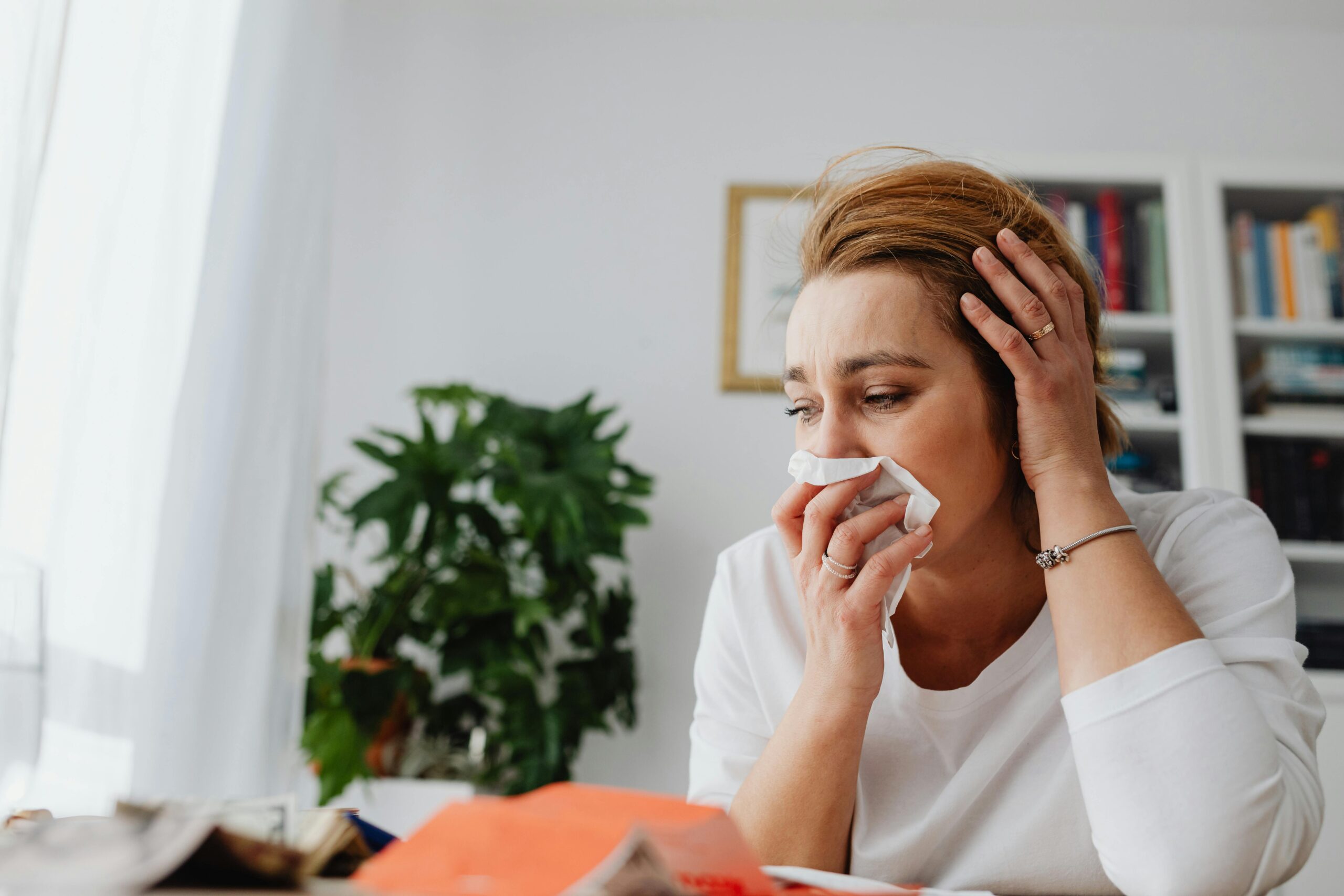
Why Flu Season Hits So Hard
Flu season is here, and it’s not just a minor inconvenience—it’s a reminder of how easily germs can infiltrate every part of our lives. Whether it’s at home, in the office, or at your child’s school, flu viruses spread faster than most people realize. According to the CDC, influenza viruses can survive on surfaces for up to 48 hours, meaning the doorknob someone touched yesterday could infect someone today. That’s why understanding how flu spreads is critical for protecting your family and yourself.
You might think washing your hands is enough, but flu prevention is a multi-layered process. From airborne droplets to high-touch surfaces to the unseen germs lingering in the air, flu viruses exploit every weakness in our daily routines.
Fortunately, with eco-friendly cleaning methods, air purification, and effective disinfectants like chlorine dioxide (ClO₂), you can dramatically reduce the risk of infection.
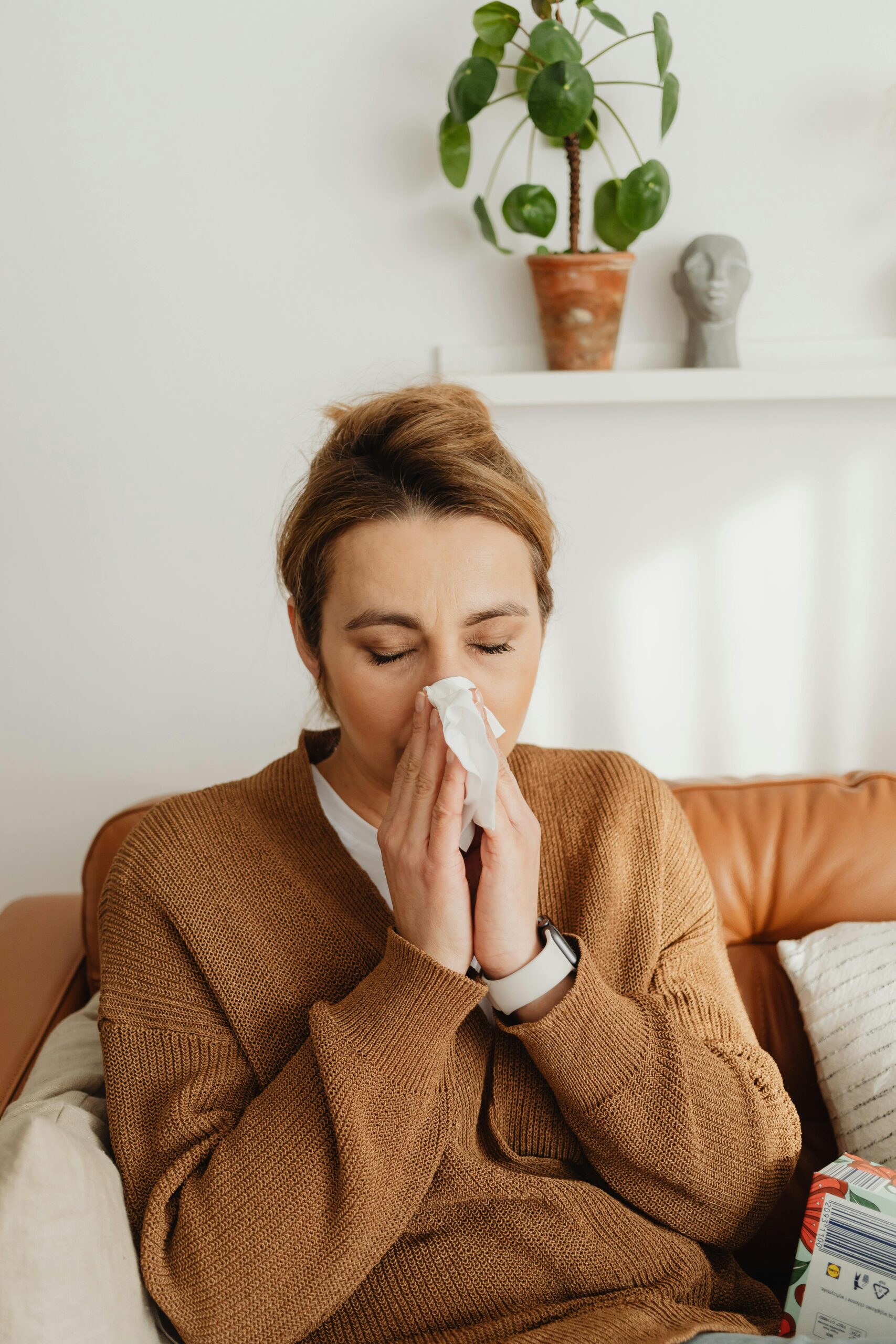 How Flu Germs Spread
Understanding the pathways of flu transmission is essential for effective prevention. There are three main ways flu germs move from person to person:
1. Airborne Transmission
When someone sneezes, coughs, or even talks, they release tiny droplets carrying the influenza virus. These droplets can travel several feet and linger in the air for hours, especially in enclosed, poorly ventilated spaces. That’s why offices, classrooms, and public transportation are high-risk zones during flu season.
2. Surface Transmission
Flu viruses are resilient. They can live on hard surfaces like doorknobs, light switches, counters, and keyboards for up to two days. That means even if you avoid sick people, touching contaminated surfaces can spread germs quickly.
3. Direct Contact
Handshakes, hugs, or shared objects like pens, cups, or phones can transfer flu germs from person to person. Kids are particularly susceptible because they touch surfaces constantly and often forget to wash their hands.
Pro Tip: Think of flu prevention as building layers of defense. Handwashing, surface cleaning, and air purification all work together to keep germs at bay.
The Home: Your First Line of Defense
Your home can either be a safe haven or a germ hotspot. To protect your family during flu season:
-
High-touch surfaces: Wipe down doorknobs, light switches, refrigerator handles, faucets, and remote controls with ClO₂ disinfectant.
-
Shared electronics: Phones, tablets, and laptops are notorious germ carriers—sanitize them daily.
-
Kitchen and dining areas: Clean counters, cutting boards, and sinks thoroughly after food prep.
-
Bathrooms: Beyond the obvious, pay attention to faucet handles and toilet flush levers.
Daily cleaning routines combined with targeted disinfecting can cut down the flu’s ability to spread. Even better, ClO₂ is eco-friendly, fast-acting, and effective against flu viruses and bacteria alike.
Office & Workplace Flu Prevention
Workplaces are prime environments for flu virus transmission. Offices often have high-density spaces, shared equipment, and limited ventilation. Key strategies include:
-
Disinfecting high-touch areas: Phones, keyboards, desks, conference tables, and door handles.
-
Promoting hand hygiene: Encourage employees to wash hands frequently and provide sanitizer stations.
-
Air quality control: Use ClO₂ solutions to neutralize airborne germs and odors in meeting rooms and break areas.
-
Flexible sick policies: Encourage employees to stay home when sick—reducing the risk of an outbreak.
Common Misconceptions About Flu Prevention
Many people underestimate the importance of airborne prevention or think that a quick wipe is enough. Here are some myths:
-
Myth 1: Handwashing alone prevents flu.
-
Myth 2: Only visibly dirty surfaces carry germs.
-
Myth 3: Masks are only for sick people.
Using Chlorine Dioxide (ClO₂) for Flu Protection
Chlorine dioxide is a powerful, eco-friendly disinfectant that eliminates flu viruses on surfaces and in the air. Here’s why it works:
-
Rapid action: Kills bacteria, viruses, and mold in minutes.
-
Safe for home use: Non-toxic when used as directed and environmentally friendly.
-
Versatile applications: Works on hard surfaces, fabrics, and even in odor control solutions.
Whether it’s your kitchen counters, your child’s backpack, or the office breakroom, ClO₂ provides a layer of protection that ordinary cleaners can’t match.
 Practical Flu Prevention Checklist
Here’s a simple checklist to keep your home and workplace flu-safe:
-
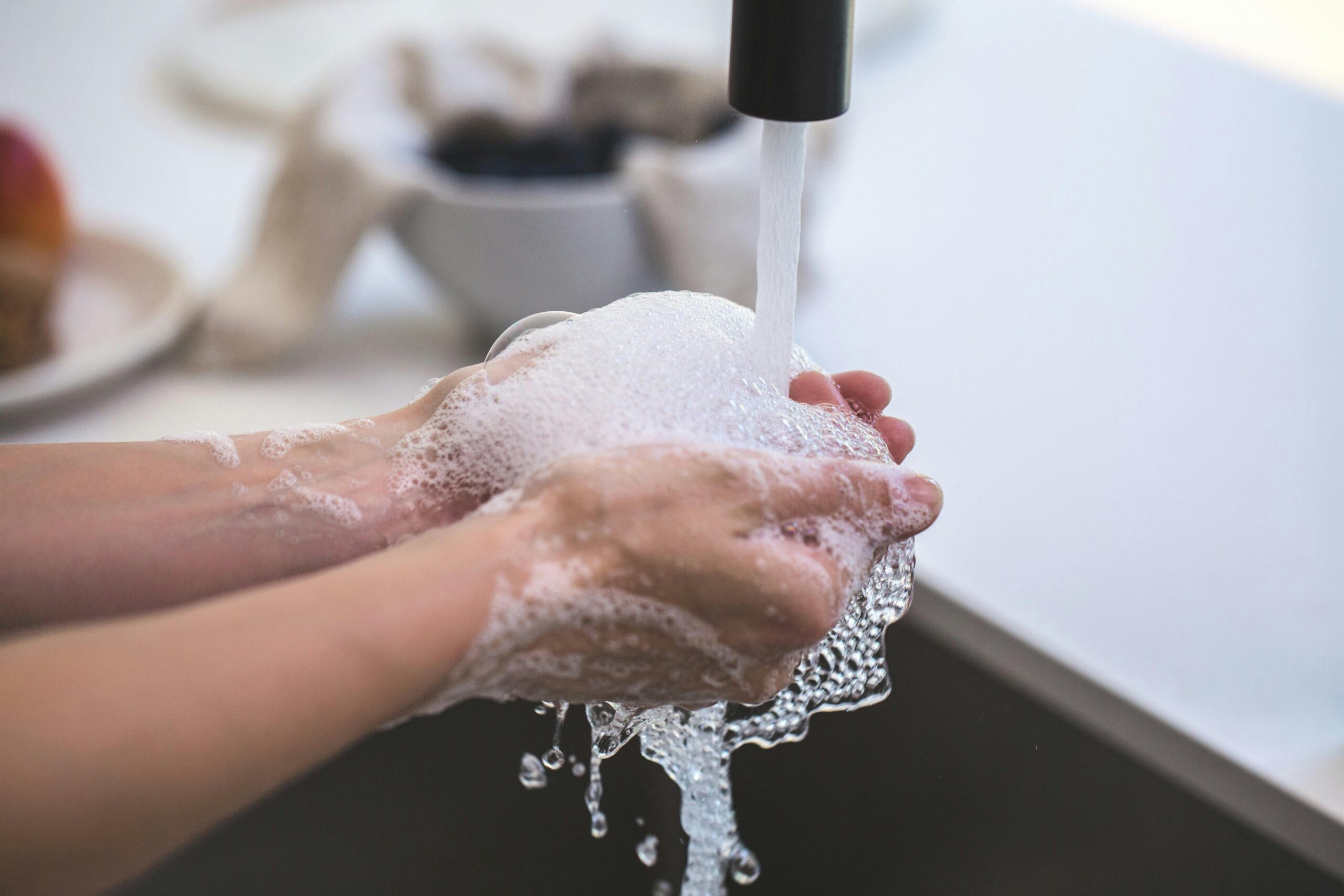
Wash hands regularly with soap and water for at least 20 seconds.
-
Wipe high-touch surfaces daily with ClO₂ disinfectant.
-
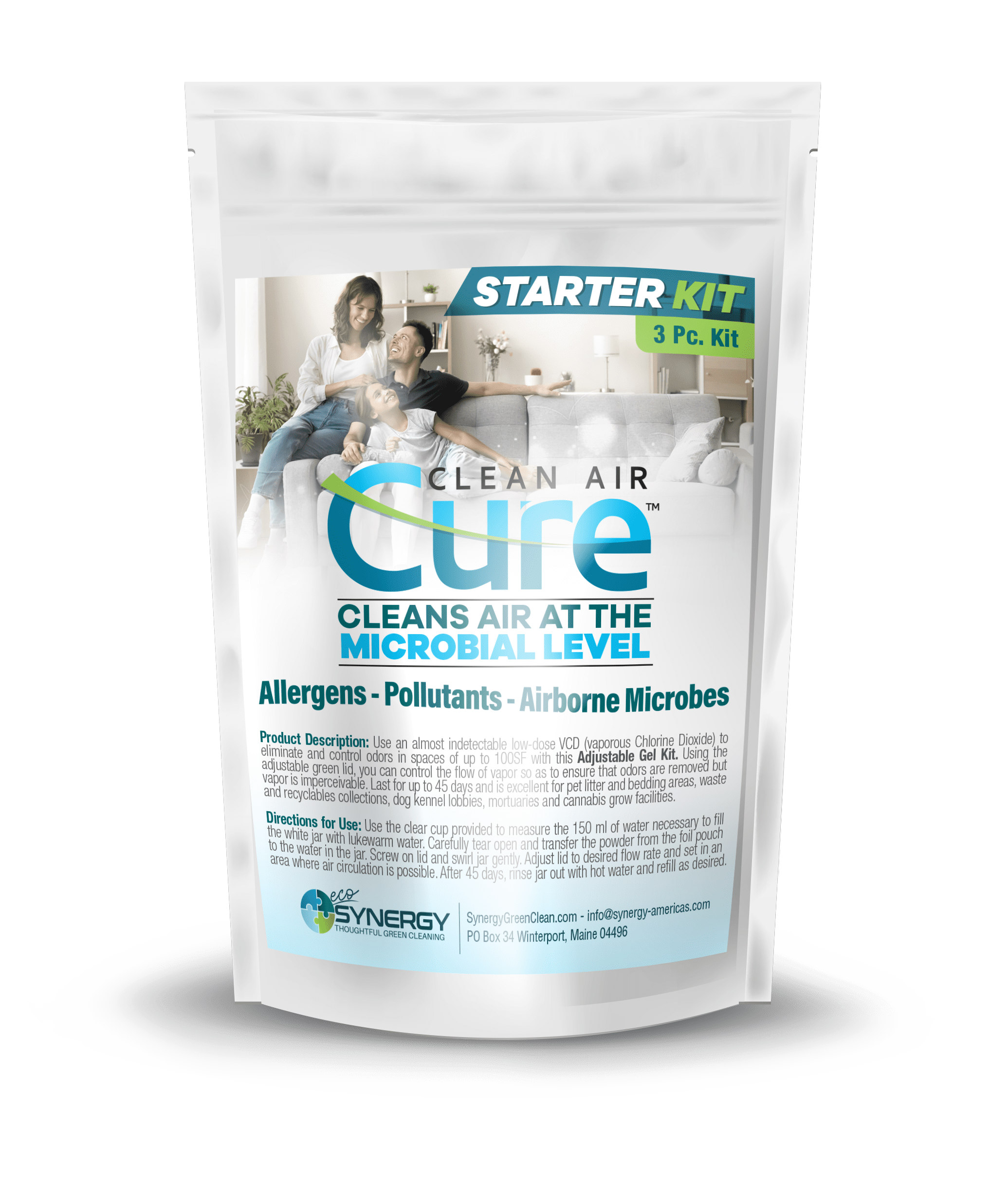
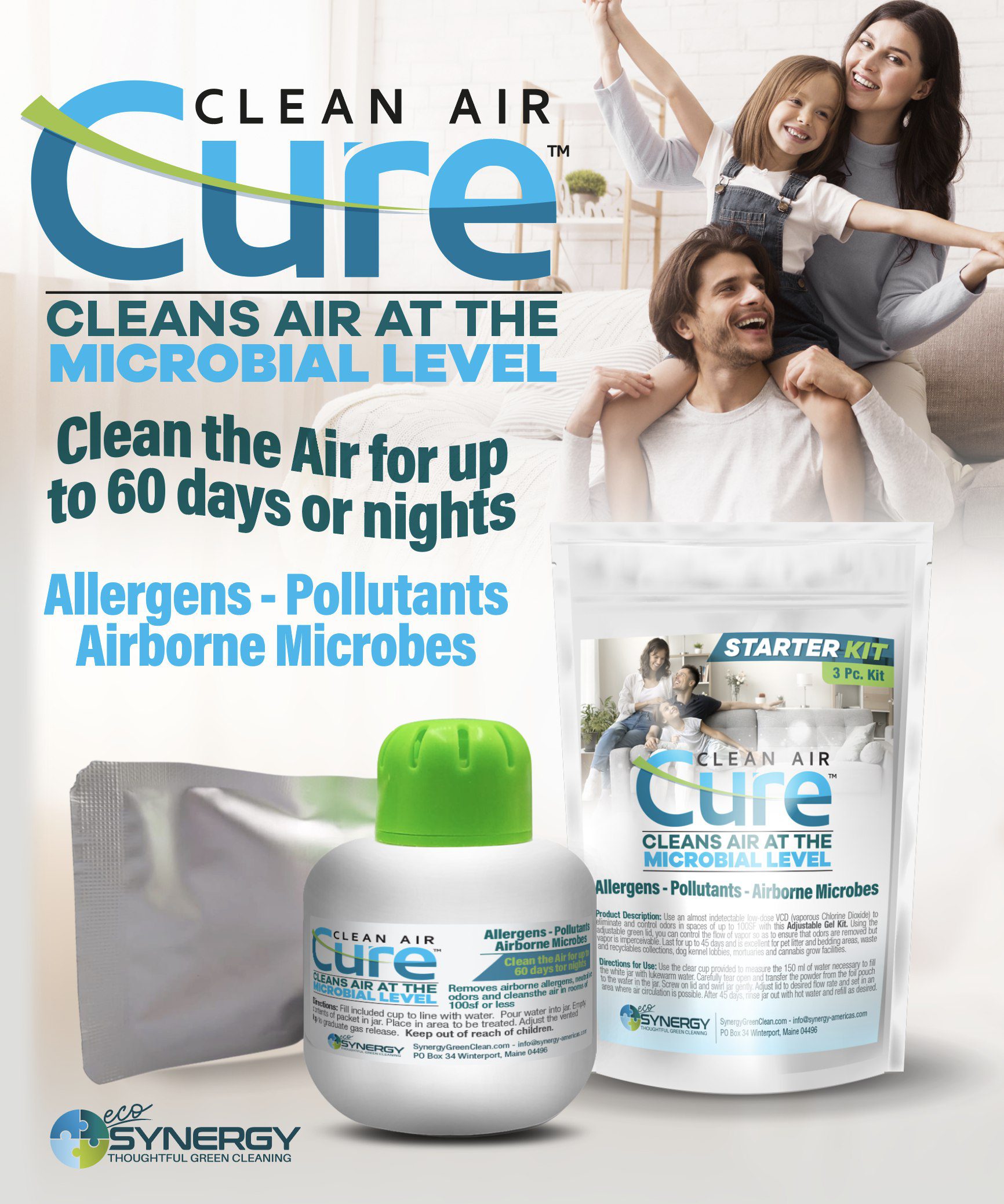
Use air purifiers or ClO₂ solutions to keep indoor air clean.
-
Encourage proper respiratory hygiene (covering sneezes and coughs).
-
Maintain healthy habits: sleep, nutrition, hydration, and exercise.
-
Keep sick family members or employees isolated until fully recovered.
Conclusion: Building a Flu-Safe Environment
Flu season doesn’t have to dominate your life. By understanding how germs spread, creating cleaning routines, and leveraging eco-friendly disinfectants like ClO₂, you can protect your home, family, and workplace effectively.
Remember: flu prevention is about layers, not luck. Combine surface cleaning, air quality control, and healthy habits, and you’ll dramatically reduce your risk this season.
What People Also ask
1. Q: How do flu germs spread so quickly?
A: Flu germs spread through airborne droplets, contaminated surfaces, and direct contact. Even small sneezes or touching shared objects can transmit the virus.
2. Q: How long can flu viruses survive on surfaces?
A: Flu viruses can survive on hard surfaces for up to 48 hours, which is why disinfecting high-touch areas is critical.
3. Q: Can I get the flu from the air in my home?
A: Yes, especially in poorly ventilated areas. Airborne droplets from coughs or sneezes can linger for hours. Using ClO₂ solutions helps purify the air and reduce germs.
4. Q: Which household surfaces carry the most germs?
A: Common hotspots include doorknobs, light switches, keyboards, remote controls, fridge handles, and faucet handles.
5. Q: Are natural cleaning products effective against flu germs?
A: Some natural cleaners work, but chlorine dioxide (ClO₂) is proven to eliminate flu viruses and bacteria efficiently, making it ideal for home and office use.
6. Q: How often should I disinfect my home during flu season?
A: Focus on daily disinfection of high-touch surfaces and weekly deep cleaning of larger areas. Consistency is key.
7. Q: Can ClO₂ be used safely around children and pets?
A: Yes! When used as directed, ClO₂ is safe for homes with kids and pets, making it a practical eco-friendly solution.
8. Q: Does washing hands alone prevent the flu?
A: Handwashing is crucial, but flu prevention also requires cleaning surfaces, purifying air, and avoiding contact with sick individuals.
9. Q: How can I protect my workplace from flu outbreaks?
A: Disinfect shared equipment, provide sanitizer stations, improve ventilation, and encourage sick employees to stay home. Adding ClO₂ air solutions can further reduce airborne germs.
10. Q: Are there signs my home’s air quality is contributing to flu risk?
A: Musty odors, poor airflow, or stagnant air can indicate bacteria or virus buildup. Using ClO₂ tablets for air purification helps keep your environment healthier.

 Practical Steps to Improve Air Quality
 Combining Surface & Air Protection