Tag: germ-free home

  • Hidden Germ Zones in Your Home & Natural ClO₂ Cleaning Solutions

    Hidden Germ Zones in Your Home & Natural ClO₂ Cleaning Solutions

    Did you Know Your Home Isn’t as Clean as You Think?

    You might be cleaning your home daily, but are you really reaching the places where germs hide? Remote controls, light switches, and even your fridge interior are breeding grounds for bacteria and viruses. Traditional cleaners can be harsh, toxic, and still miss these hotspots. That’s where ClO₂ comes in — a safe, eco-friendly solution that effectively sanitizes without harmful fumes or residues.

    Here’s a step-by-step guide to disinfecting the most overlooked germ zones in your home using ClO₂ solutions.


    remote controls are always over looked for cleaning and not de-germing.1. Remote Controls — Quick Wipes for Maximum Sanitation

    Solution: ClO₂ Wipe Solution (prepared from 1g ClO₂ tablet and 32oz water)
    Steps:

    1. Mix a small batch of ClO₂ solution and soke our Quick wipes till solution is fully absorbed.
    2. Remove from solution and unwrap the towelette.
    3. Gently wipe all buttons and surfaces of the remote control.
    4. Allow to air dry. Safe for electronics and highly effective against germs.

    2. Light Switches & Other High-Touch Hard Surfaces

    Solution: ClO₂ Spray (from 1g ClO₂ tablet and 1 32oz spray bottle Starter Kit)
    Steps:

    1. Prepare ClO₂ spray according to your starter kit instructions.
    2. Spray directly onto a clean cloth.
    3. Wipe down thoroughly, paying special attention to edges and corners.
    4. Let dry naturally — no rinsing required.

    3. Refrigerator Interior

    Solution: ClO₂ Refrigerator Kit (found on our Synergy Green Clean website) , 1 CLO2 32oz spray bottle solution
    Steps:

    1. Empty the refrigerator and remove shelves/trays.
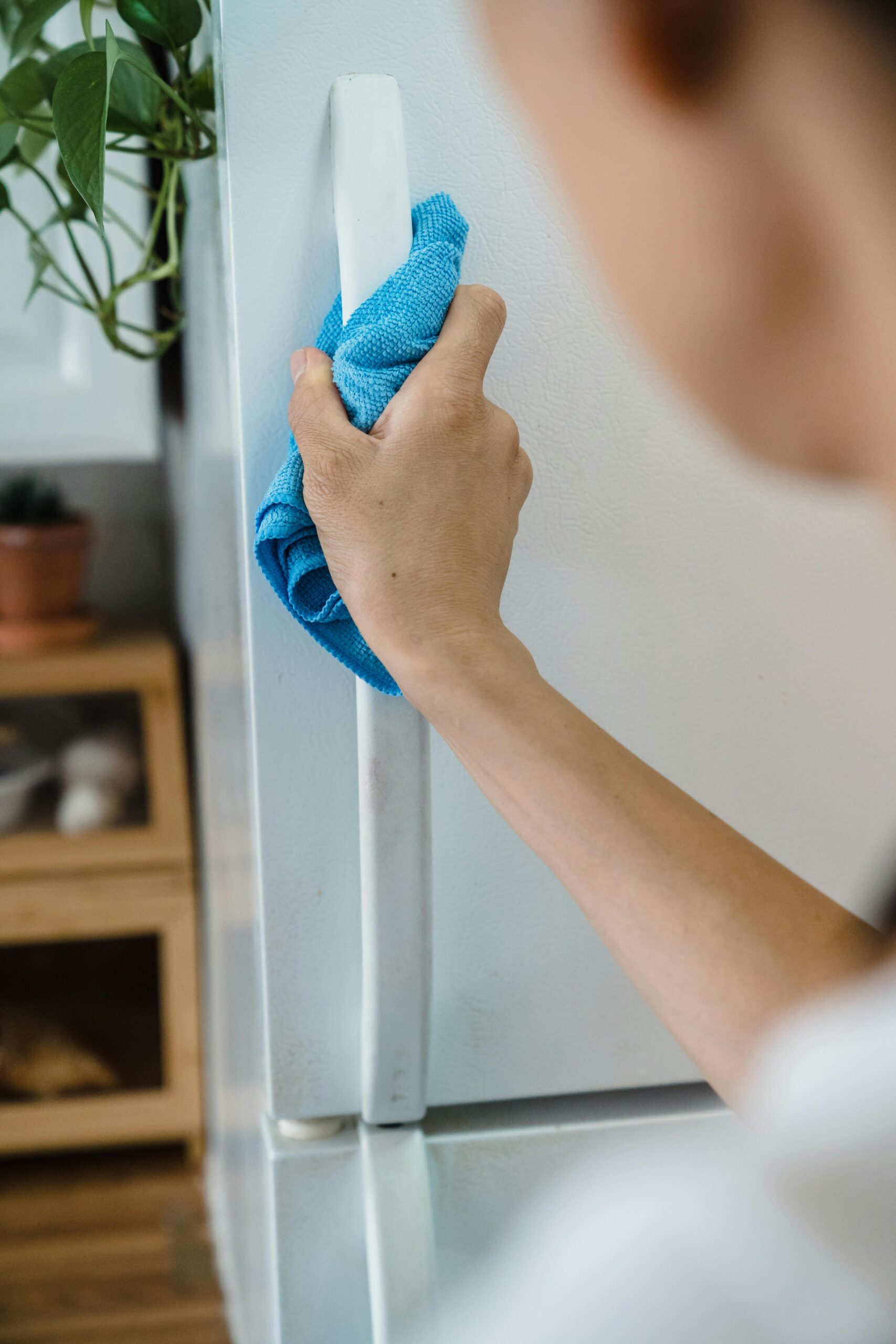
    2. Use a ClO₂ solution in your 32oz spray bottle and a microfiber cloth.
    3. Wipe all surfaces, trays, and compartments with the dampened cloth.
    4. Rinse shelves with clean water if desired, then return items.
    5. Open the silver packet and place the CLO2 bag into the white cabinet.
    6. Place in the back of the refrigerator or in a crisper drawer to absorb any new odors.
    7. Leave the fridge door open briefly to air dry and refresh the interior.

    Today’s cleaning standards demand smart, safe, and sustainable solutions — products that protect health without sacrificing performance. Enter CLO₂ — the breakthrough alternative that’s redefining what clean truly means.4. Kitchen Countertops & Dining Tables

    Solution: ClO₂ Spray Bottle Solution and Microfiber Cloth
    Steps:

    1. Spray ClO₂ solution directly onto the surface.
    2. Let it sit for 2–3 minutes to kill germs effectively.
    3. Wipe with a clean cloth or paper towel.
    4. Safe for food prep areas, including cutting boards and gentle on all countertops.

    5.  Door Handles & Faucets

    Solution: ClO₂ Solution in a 32oz Spray Bottle

    Steps:

    1. Keep a small, ready-to-use ClO₂ spray near entrances and sinks.
    2. Spray handles and faucets lightly, wipe with a cloth.
    3. Repeat daily or after heavy use to prevent bacterial buildup.
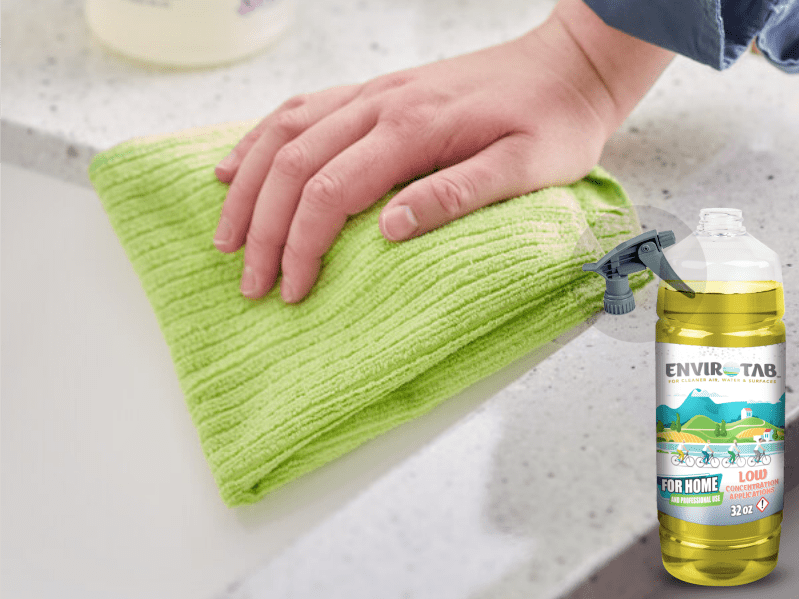
    bathroom cleaning with ClO2 and microfiber both cleans and deodorizes6. Bathroom Surfaces (Sink, Toilet, Shower)

    Solution: ClO₂ Cleaner in a 32oz Spray Bottle
    Steps:

    1. Apply ClO₂ solution to sink, faucet, and shower handles.
    2. Wipe or scrub lightly as needed.
    3. For toilets, put a 1 gram ClO₂ tablet inside the bowl, let sit 5–10 minutes, swish then flush.
    4. No harsh chemicals, bleach, or ammonia needed.
    5. Safe on Septic tanks

    Conclusion

    Cleaning doesn’t have to be harsh, complicated, or toxic. By targeting the hidden germ zones in your home with ClO₂, you can keep your family safe, healthy, and surrounded by a fresh, eco-friendly environment.

    Pro Tip: Keep a small ClO₂ spray bottle in high-traffic areas for quick, daily touch-ups. Small steps lead to a cleaner, healthier home — naturally.


    cutting board10 FAQs About Cleaning with ClO₂

    Is ClO₂ safe for all surfaces?
    Yes! When diluted according to instructions, ClO₂ is safe for electronics, countertops, stainless steel, plastics, and more.

    Can I use ClO₂ around pets and children?
    Absolutely. ClO₂ is non-toxic at proper concentrations, making it safe for households with kids and pets.

    Do I need to rinse after using ClO₂?
    For most surfaces, no. It evaporates safely. For food-contact surfaces like cutting boards, a quick rinse is optional.

    How long does ClO₂ stay effective?
    Freshly prepared solutions work best. Typically, solutions remain active for several hours to a day depending on storage.

    Can ClO₂ replace bleach?
    Yes! ClO₂ is a safer, eco-friendly alternative that disinfects effectively without harsh fumes or residues.

    Is ClO₂ suitable for electronics like remotes?
    Yes. Use a cloth dampened with the solution, never pour directly.

    Can I use ClO₂ for mold and mildew?
    Yes! It’s effective on surfaces prone to mold and mildew, including bathrooms and basements.

    How often should I clean high-touch areas?
    Daily touch-ups are ideal for light switches, handles, and faucets; weekly deep cleans for appliances like fridges.

    Does ClO₂ leave any smell?
    No. It’s virtually odorless and won’t leave chemical residues.

    Can I mix ClO₂ with other cleaners?
    No. Use ClO₂ alone to maintain effectiveness and safety.

    CLO2 is a healthy alternative to Bleach and other chemical household cleaners

  • The Hidden Role of Air Quality in Flu Prevention

    The Hidden Role of Air Quality in Flu Prevention

    Flu Season & Air Quality: Why Indoor Air Matters

    When flu season hits, most people focus on washing hands and cleaning surfaces. But there’s one hidden factor that’s often overlooked: the air we breathe. Influenza viruses are airborne pathogens, which means they can linger in enclosed spaces for hours. Poor indoor air quality not only spreads flu germs more effectively but can also make your home and office environments unhealthy for everyone.

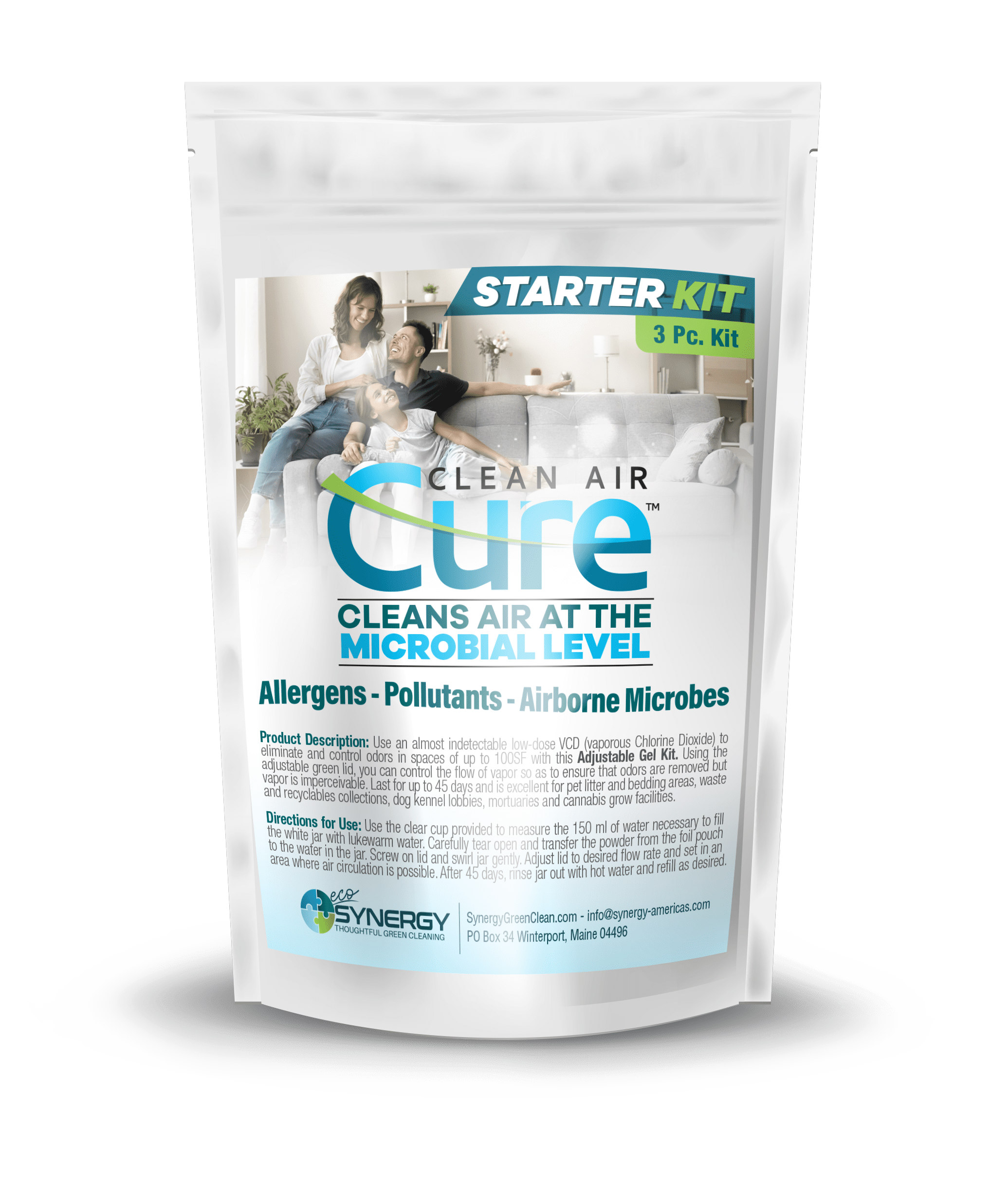
    Using eco-friendly disinfectants like our new CURE chlorine dioxide (ClO₂) clean air system can neutralize germs in the air and reduce the risk of airborne transmission. Combined with proper ventilation and cleaning routines, you can dramatically cut your exposure to flu viruses.


    How Air Quality Affects Flu Transmission

    Airborne flu viruses are tiny droplets released when someone sneezes, coughs, or even talks. These droplets can:

    • Stay suspended in the air for several hours

    • Travel distances beyond 6 feet, especially in poorly ventilated rooms

    • Settle on surfaces later, contributing to indirect transmission

    High-risk indoor areas include:

    • Offices and classrooms with limited airflow

    • Densely populated apartments or homes

    • Small meeting rooms and break areas

    Poor air circulation not only allows viruses to linger, but also traps dust, allergens, and odors, creating a breeding ground for bacteria and additional pathogens.


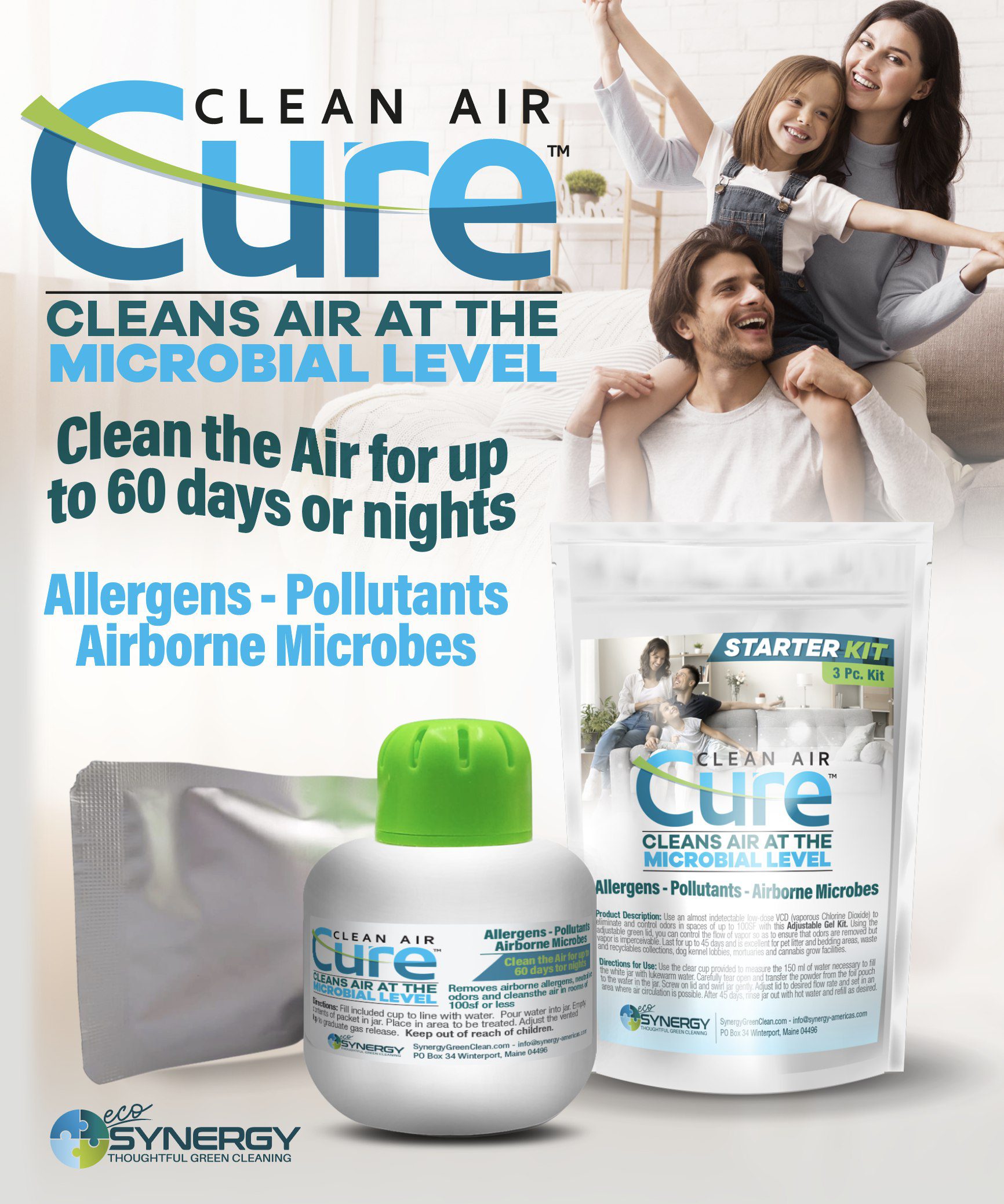
    Cure Gels is one of our newest line of air purifications to help aid during flu seasonPractical Steps to Improve Air Quality

    1. Ventilation is Key

    Open windows and doors whenever possible to create cross-ventilation. Even 15–30 minutes a day can reduce indoor flu virus concentrations.

    2. Use Air Purifiers

    HEPA filters capture airborne particles, including virus-laden droplets. Adding ClO₂ solutions like our newest like of clean air Cure can neutralize odors and disinfect the air simultaneously.

    3. Reduce Indoor Contaminants

    Dust, mold, and allergens worsen indoor air quality. Regular cleaning of vents, ducts, and filters combined with ClO₂ treatments keeps air fresh and safe.

    4. Control Humidity

    Flu viruses thrive in dry air. Maintaining humidity around 40–60% can reduce viral survival while keeping respiratory passages healthy.


    Clean Air CURE with ClO₂ Benefits for Air Quality

    Chlorine dioxide is a versatile disinfectant for indoor environments:

    • Eliminates viruses and bacteria in the air and on surfaces

    • Neutralizes odors from cooking, pets, and stale air

    • Eco-friendly and safe for daily use around children and pets

    Adding ClO₂ tablets or sprays in offices, classrooms, and homes creates a layer of protection against flu germs that goes beyond handwashing and surface cleaning.


    CURE cleans the air up to 60 days and nights for clean pure air.Combining Surface & Air Protection

    For full flu prevention, it’s not enough to clean surfaces alone. Combine:

    • Daily high-touch surface cleaning with ClO₂

    • Regular air purification using ClO₂ solutions or HEPA filters

    • Good personal hygiene, including handwashing and mask use in high-risk situations

    Together, these steps dramatically lower the likelihood of flu transmission at home, school, or the workplace.


    Conclusion

    Flu prevention is more than handwashing and disinfecting surfaces—it’s about creating a healthy indoor environment. By improving ventilation, controlling humidity, and using ClO₂ for air purification, you can reduce airborne flu germs and protect your family and coworkers.

    Remember: healthy air = healthy people. Make your home and office safe this flu season


    Questions People Ask

    1. Q: Can flu viruses stay airborne for hours?
    A: Yes, influenza viruses can linger in the air for several hours, especially in poorly ventilated spaces.

    2. Q: How does indoor air quality affect flu transmission?
    A: Poor air quality allows flu viruses to remain airborne, increasing the risk of infection.

    3. Q: Are air purifiers effective against flu viruses?
    A: HEPA filters capture virus-laden droplets, and adding ClO₂ solutions can further disinfect the air.

    4. Q: How often should I ventilate my home?
    A: Even 15–30 minutes a day of cross-ventilation helps reduce airborne virus concentrations.

    5. Q: Can ClO₂ be used safely in offices and classrooms?
    A: Yes, ClO₂ is safe for daily use and eco-friendly, making it ideal for shared indoor spaces.

    6. Q: Does humidity affect flu virus survival?
    A: Yes, maintaining indoor humidity between 40–60% can reduce flu virus viability.

    7. Q: What indoor areas are high-risk for airborne flu?
    A: Offices, classrooms, meeting rooms, and small, crowded spaces with limited airflow.

    8. Q: How does ClO₂ improve indoor air?
    A: It eliminates airborne germs, neutralizes odors, and disinfects surfaces.

    9. Q: Should air purification replace surface cleaning?
    A: No. Air purification complements surface cleaning to provide a complete flu prevention strategy.

    10. Q: How can I make my home air flu-safe?
    A: Ventilate regularly, control humidity, clean surfaces with ClO₂, and consider ClO₂ air treatments.