Tag: how to test chlorine in tap water

  • Bleach Test Strips – Is Your Water Contaminated?

    Bleach Test Strips – Is Your Water Contaminated?

    Bleach Test Strips – Is Your Water Contaminated?

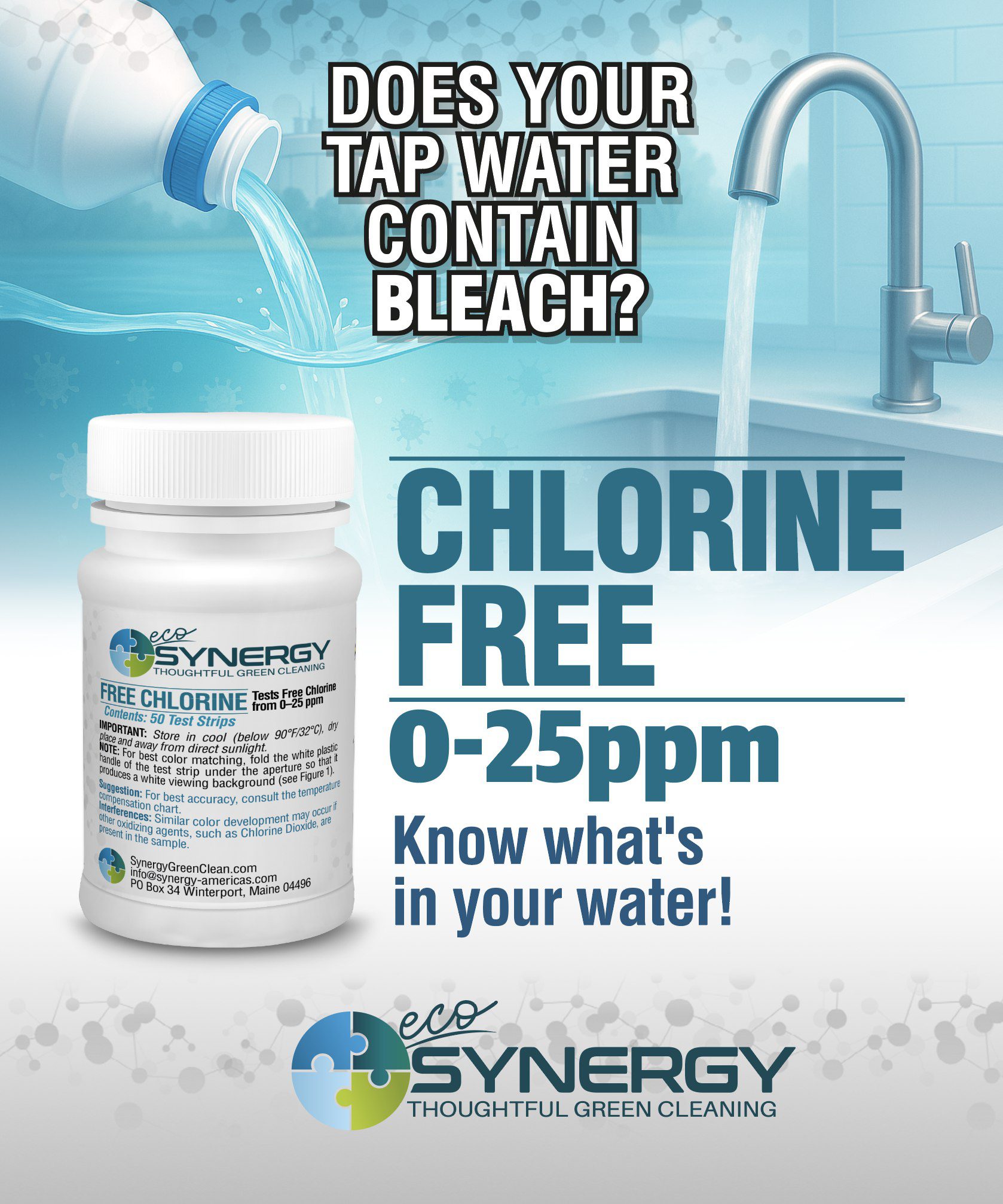
    Does your tap water contain bleach? Bleach, when used by wastewater treatment facilities for sanitizing can sometimes leave behind trace elements of this chemical. As the bleach comes into contact with organic matter, it can form very hazardous byproducts, and well as interact with other products you use in your home.

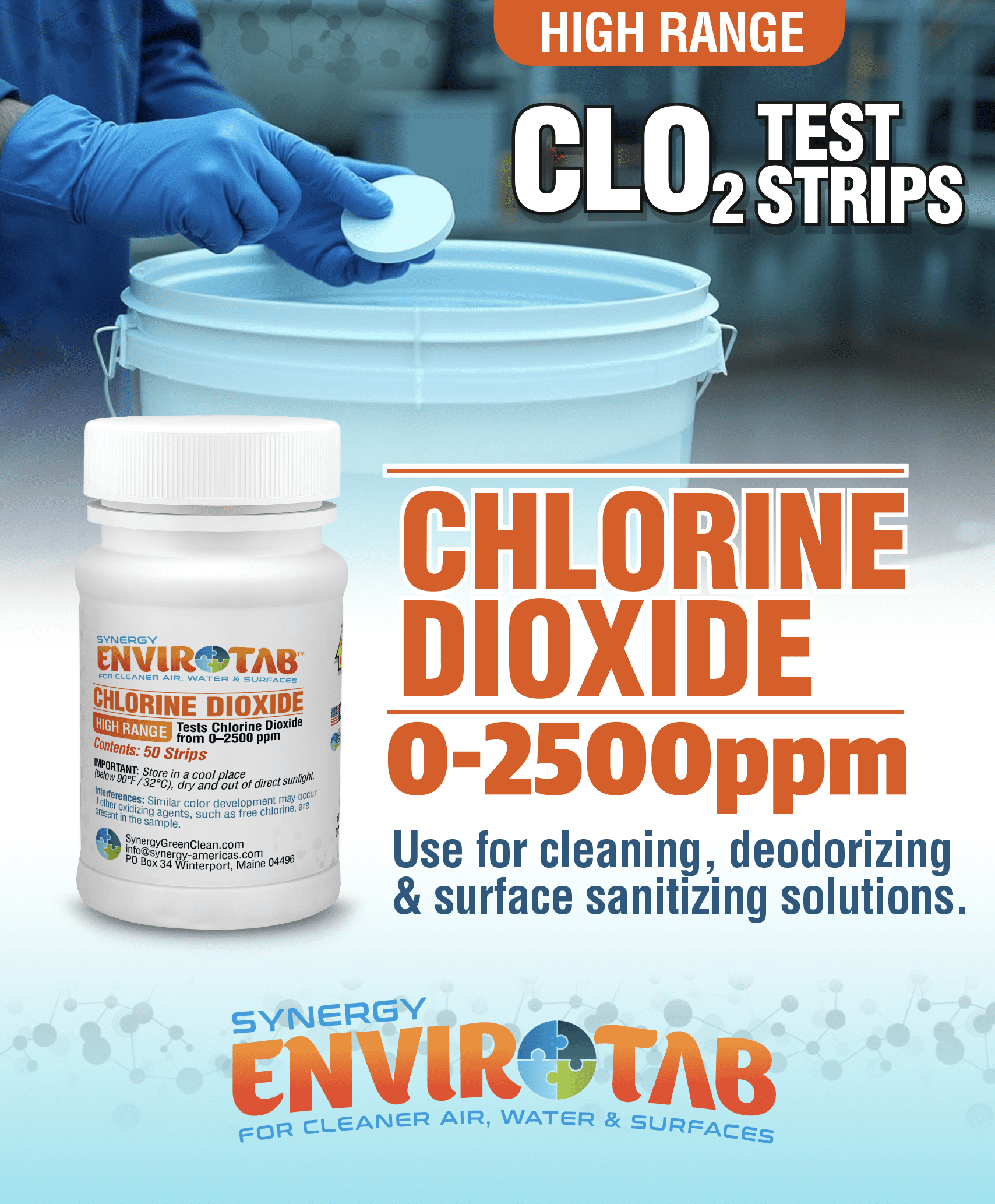
    ClO2 Concentrations Values Are Important: Read our Specification Sheet Here.
    Bleach Test Strips – Is Your Water Contaminated?

    Your Price: $ 18.95

    Each Container holds 50 Bleach Test Strips

    Product Specifications:
    Testing Your Public Water Supply for Bleach & Its Potentially Toxic Byproducts.

    Our FAC Low-Range Test Strips are designed to accurately measure the free available chlorine levels in water, specifically in the range of 0-25ppm. These test strips are essential for ensuring that water is properly disinfected and safe for use in various applications such as swimming pools, spas, and drinking water.

    Bleach, which is commonly used as a disinfectant to kill bacteria and other harmful microorganisms, can leave behind residue in water if not properly diluted or neutralized. This residue can react with other compounds in the water to form potentially toxic byproducts such as chloramines and trihalomethanes. These byproducts can pose serious health risks if consumed or inhaled, leading to issues such as respiratory problems, skin irritation, and even cancer in the long term.

    Regularly testing the free available chlorine levels in water using our FAC Low-Range Test Strips can help prevent the buildup of harmful chlorine byproducts and ensure that water remains safe for use. By monitoring and maintaining proper chlorine levels, you can protect yourself and others from the potential hazards associated with bleach residue in water.

    Want to Learn More? Consider Reading these Latest Posts:

    You May Also Like:
  • Why Your Water Is Clean But Not Safe: Know Your FAC’s

    Why Your Water Is Clean But Not Safe: Know Your FAC’s

    Clean Water Doesn’t Always Mean Safe Water

    Public water is treated with bleach (chlorine) for safety, but it may leave behind harmful byproducts. Discover how chlorine affects your health and home—and how to easily test for it.

    Thanks to chlorination, public water systems have drastically reduced diseases like cholera and typhoid. But here’s the rub: chlorinated water is chemically “clean”—not biologically harmful—but it may still pose chemical health risks.

    If your water smells like a swimming pool, your pipes are corroding, or your skin is chronically dry, chlorine could be part of the problem. And worse—so could the toxic byproducts it creates.


    🤔What Is Chlorine Doing in Your Water?

    Water treatment facilities add chlorine bleach (usually as sodium hypochlorite, calcium hypochlorite, or chlorine gas) to eliminate dangerous microbes. The chlorine that remains as water moves through the system is called Free Available Chlorine (FAC).

    This includes:

    • Hypochlorous acid (HOCl)
    • Hypochlorite ion (OCl⁻)

    These oxidizers continue killing bacteria as water travels to your tap.


    😮The Hidden Risks of Chlorinated Tap Water

    🧪 Formation of Toxic Byproducts

    When chlorine reacts with organic material (like dead vegetation or natural minerals), it forms Disinfection Byproducts (DBPs) including:

    • Trihalomethanes (THMs) – Linked to cancer, liver toxicity, and reproductive issues
    • Haloacetic Acids (HAAs) – Associated with developmental and organ damage
    • Chlorite & Bromate – Byproducts tied to thyroid dysfunction and nervous system issues

    💧 Daily Exposure Routes

    You’re exposed to chlorine and DBPs through:

    • Drinking unfiltered tap water
    • Showering (inhalation and skin absorption)
    • Cooking, washing, and even humidifiers

    🛠️ Impact on Home Systems

    Chlorine doesn’t just affect health—it also:

    • Corrodes plumbing and fixtures
    • Damages water heaters and appliances
    • Degrades rubber seals and gaskets
    • Accelerates lead and copper leaching in older pipes

    🕵🏻‍♀️You Can’t Always See It—But You Can Test It

    Here’s where your FAC Test Strips come in.

    🧪 FAC Test Strips – Free Chlorine Residue #E-TS-FAC50
    These strips detect chlorine levels from 0 to 25 ppm—right in the range that can cause DBPs to form.

    ✅ Why They Matter:

    • Fast results in under 60 seconds
    • No special equipment or tech needed
    • Ideal for households, schools, restaurants, and healthcare facilities
    • Detect chlorine after pipe stagnation or system flushing
    • Help reduce long-term exposure to chemical byproducts

    Simply dip the strip into 1 oz of water for 5 seconds, wait 30 seconds, and match the color to the chart. That’s it.

    📦 Each kit contains 50 test strips—small investment, huge peace of mind.


    🏡What Homeowners Can Do to Stay Safe

    1. 💧 Test Your Water Monthly
      Especially after plumbing work, water system flushes, or long periods of non-use.
    2. 🚿 Install Shower Filters & Kitchen Tap Filters
      These remove chlorine vapor, which can irritate lungs and skin.
    3. 🛠 Upgrade to Whole-House Filtration Systems
      ✨Reverse osmosis and activated carbon can drastically reduce DBPs, chlorine, heavy metals, and more.

    🧠 Final Thought: Just Because It’s Clear Doesn’t Mean It’s Clean

    Public water chlorination is necessary. But once that water hits your tap, the responsibility is yours.

    Without testing and filtering, you’re trusting that the same chemicals killing bacteria aren’t slowly affecting your family’s health or your home’s infrastructure.


    🛒 Ready to Take Control?

    Start with FAC Test Strips to measure what you’re really drinking—
    then explore Chlorine Dioxide Tablets for a better, safer clean.

    👉 Shop Water Safety Solutions