Tag: hydroponic system sanitation

  • How Do You Maintain Hygiene in Hydroponic Systems?

    How Do You Maintain Hygiene in Hydroponic Systems?

    The Invisible Layer Inside Every Irrigation System

    Hydroponic and irrigation systems appear clean from the outside. Clear tubing. Flowing water. Measured nutrients.

    Inside those lines, however, conditions are ideal for microbial growth.

    Warm nutrient solution + oxygen + dissolved organic matter = microbial opportunity.

    Over time, microorganisms attach to interior surfaces and form biofilm — a structured microbial community embedded in a protective matrix. Biofilm does not float freely in water. It adheres to surfaces and protects the organisms within it from environmental stress.

    Once established, biofilm can:

    • Reduce flow efficiency
    • Harbor bacteria and fungi
    • Contribute to odor formation
    • Interfere with nutrient consistency
    • Increase overall mold pressure in enclosed environments

    Hydroponic hygiene is not about water clarity. It is about system integrity.


    What Is Biofilm and Why Does It Matter?

    Biofilm forms when microorganisms attach to surfaces and begin producing extracellular polymeric substances — essentially a protective glue-like matrix.

    In hydroponic systems, this occurs inside:

    • Reservoir walls
    • Drip lines
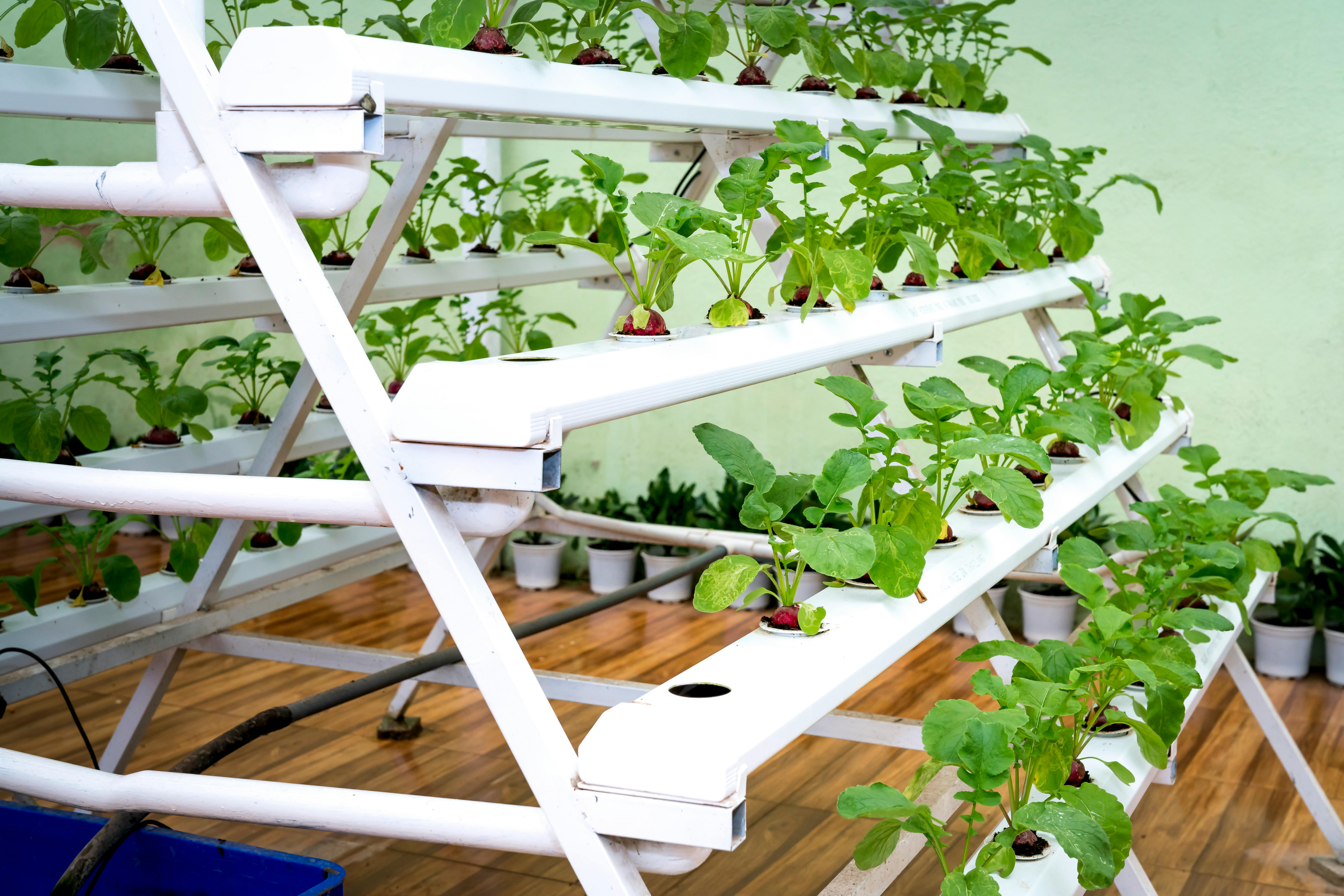
    • NFT channels
    • Emitters and misting heads
    • Return lines

    Once biofilm develops, it becomes more resistant to simple flushing.

    This matters because biofilm acts as a microbial reservoir. Even if water appears clean, biofilm can continually seed new microorganisms back into the system.

    Hydroponic sanitation is therefore not a one-time rinse. It is a controlled oxidation strategy.

    Also Read 🌱Biofilm Research & Odor Control: Breaking the Invisible Barriers with Chlorine Dioxide


    Signs Your Hydroponic System Needs Sanitation
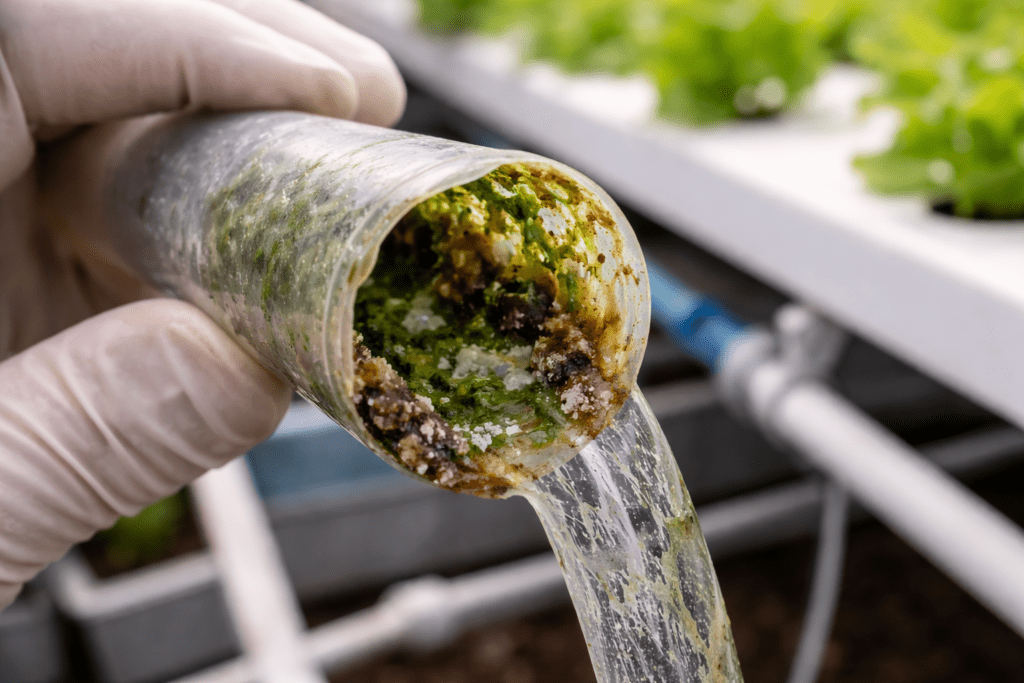
    Hydroponic tubing interior showing algae growth and biofilm accumulation, highlighting irrigation line sanitation, reservoir hygiene, and mold pressure control in controlled environment agriculture.

    Growers may notice subtle indicators before major problems occur:

    • Reduced or uneven emitter flow
    • Slime-like residue inside tubing
    • Musty or sour odors in reservoir areas
    • Cloudy nutrient solution
    • Inconsistent plant growth patterns

    These are not always dramatic failures. They are early indicators of increasing microbial load.

    In controlled environment agriculture, small inconsistencies compound over time.


    Cleaning vs. Sanitizing: A Critical Distinction

    Mechanical cleaning removes physical debris and sediment.

    Sanitizing reduces microbial load.

    For hydroponic systems, both are necessary.
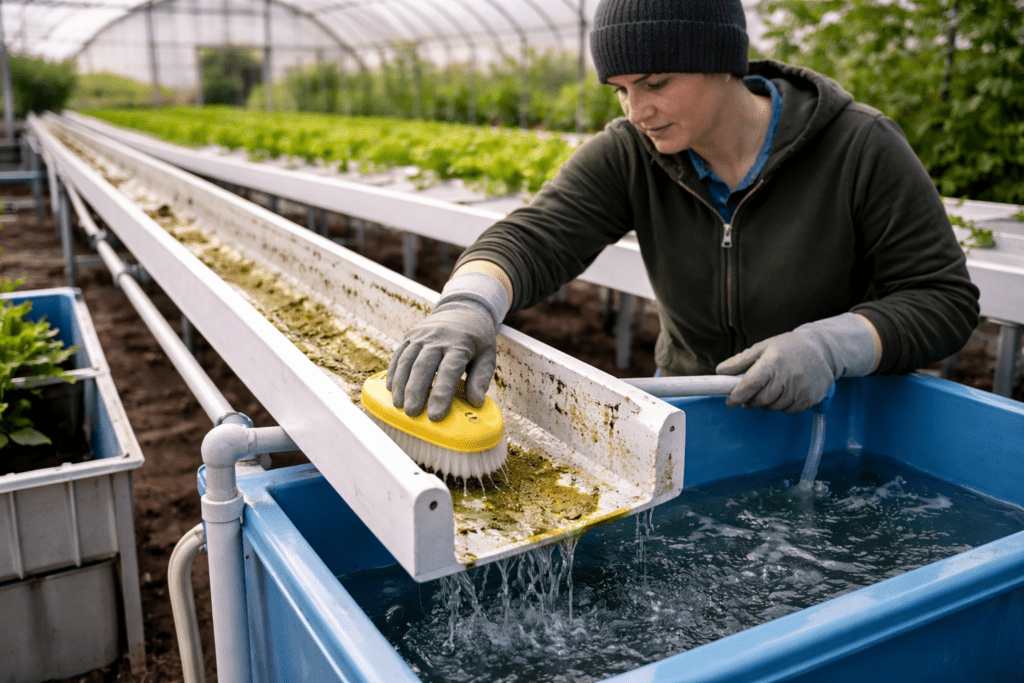
    Worker physically cleaning a drained hydroponic system with a brush, removing algae and biofilm to support hydroponic sanitation, reservoir hygiene, and mold pressure control in greenhouse production.

    Step 1: Drain and Physically Clean Reservoirs

    • Remove nutrient solution
    • Scrub interior surfaces
    • Remove sediment buildup
    • Inspect for mineral scaling

    Physical removal improves the effectiveness of sanitizing agents.

    Step 2: Flush Irrigation Lines

    Flushing lines with clean water removes loose debris but does not eliminate biofilm.

    Step 3: Apply an Oxidizing Sanitation Solution

    Oxidizing agents disrupt biofilm structure by breaking down organic compounds and damaging microbial cell walls.

    Chlorine dioxide (ClO₂) is widely used in water treatment because it:

    • Functions as a selective oxidizer
    • Penetrates biofilm layers
    • Does not rely on hypochlorous acid chemistry
    • Produces fewer chlorinated byproducts compared to traditional chlorine

    When properly diluted and circulated through irrigation systems between crop cycles, chlorine dioxide can help reduce biofilm mass and lower microbial pressure before new nutrient solutions are introduced.

    Always follow recommended dilution and application guidelines.


    Hydroponic Hygiene and Mold Pressure in Greenhouses
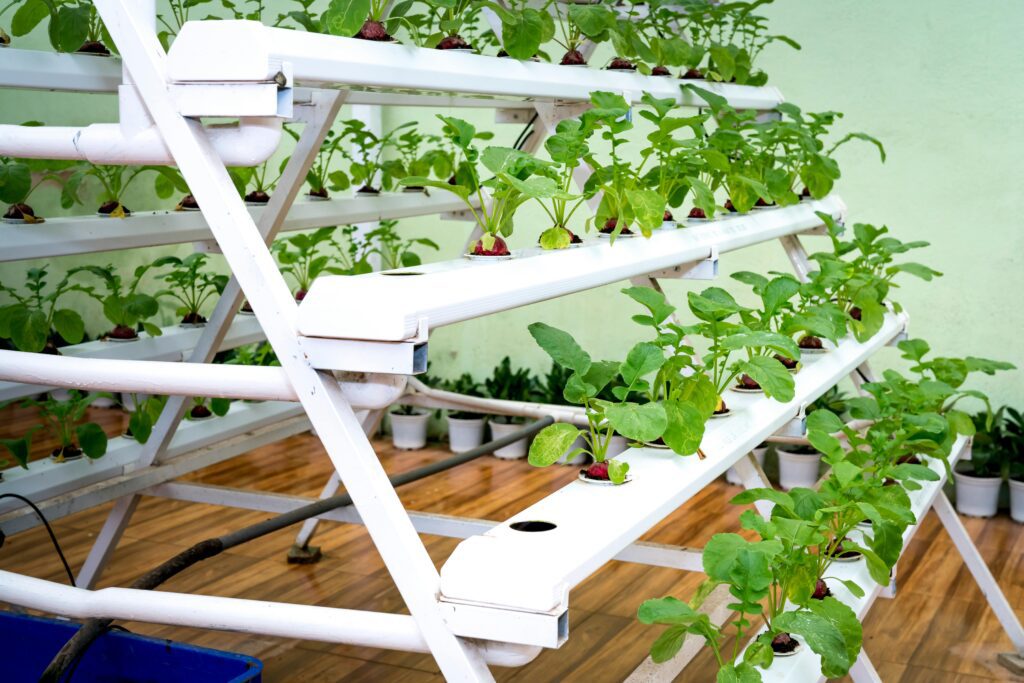
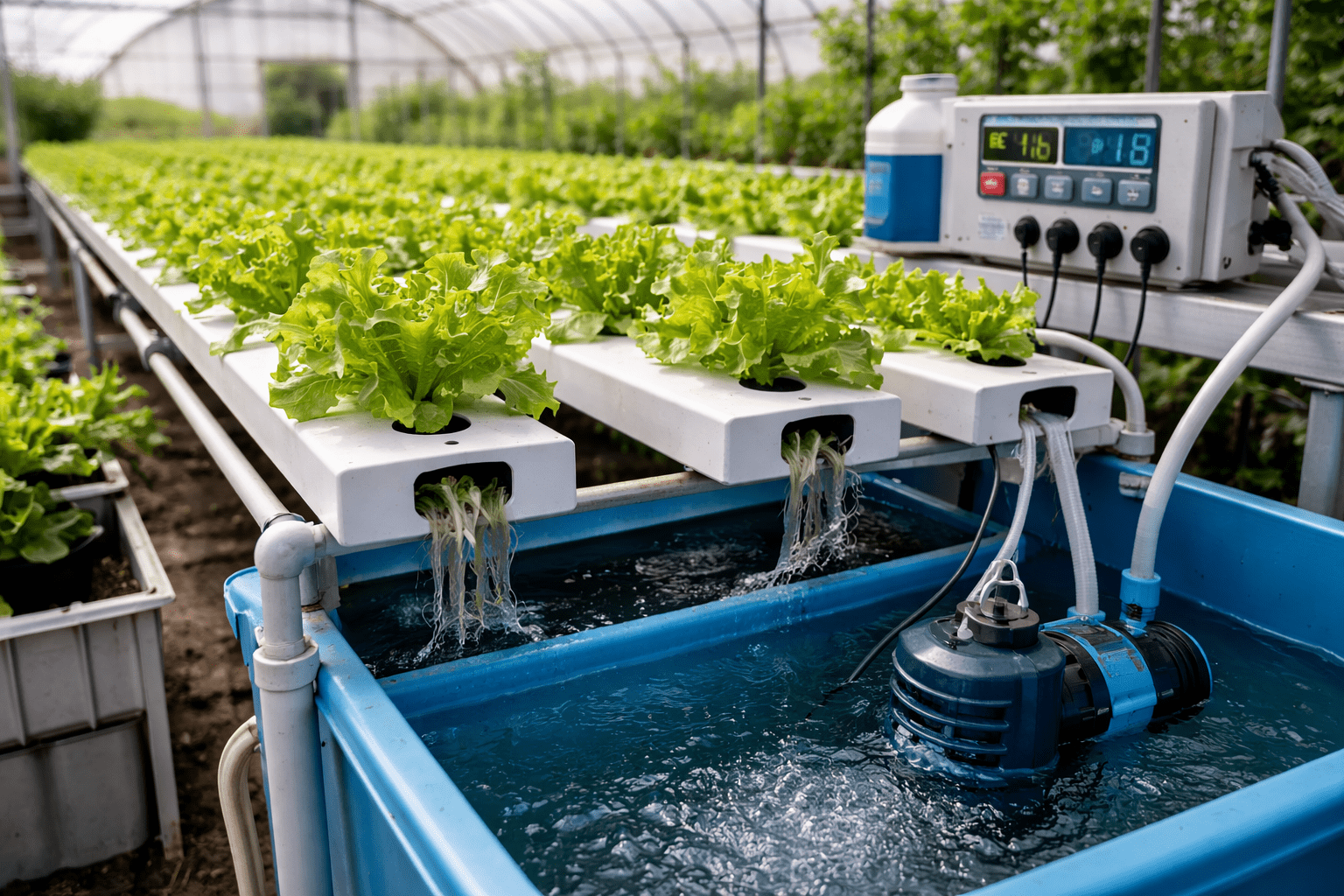
    Hydroponics has transformed modern agriculture. By growing plants in nutrient-rich water rather than soil, growers achieve faster growth, higher yields, and precise control over plant nutrition. 

    Greenhouses amplify moisture. When irrigation systems contribute to elevated microbial load, airborne spores and condensation zones compound the effect.

    In enclosed growing environments:

    • Evaporation increases ambient humidity
    • Aerosolized droplets can distribute microorganisms
    • Condensation surfaces provide new colonization points

    System sanitation therefore supports not just water quality, but overall greenhouse hygiene.

    Managing hydroponic biofilm is part of managing mold pressure.


    2026 and Beyond: Water Quality Scrutiny Is Increasing

    Agricultural water quality standards continue evolving in response to food safety expectations and controlled environment agriculture expansion.

    Growers — even small-scale operators — are increasingly:

    • Documenting sanitation procedures
    • Monitoring water quality metrics
    • Integrating system flush protocols into SOPs
    • Seeking sanitation solutions with lower residue profiles

    Hydroponic hygiene is shifting from reactive troubleshooting to proactive infrastructure management.

    Sanitation planning between crop cycles is becoming operational best practice.


    Common Mistakes in Hydroponic Sanitation

    Even experienced growers can undermine system hygiene by:

    • Only treating reservoirs but not lines
    • Ignoring return lines
    • Using incorrect dilution ratios
    • Skipping contact time
    • Reintroducing nutrients immediately without proper flushing

    Hydroponic sanitation works best when applied systematically across the entire water pathway.

    Partial cleaning leaves microbial strongholds intact.

    Also Read 🌱Hydroponics with ClO₂ — Cleaner Water, Healthier Crops


    Conclusion: Clean Water Pathways Support Consistent Growth

    Hydroponic systems deliver life directly to plant roots. That delivery system deserves structured hygiene attention.

    Biofilm development is natural. Left unmanaged, it becomes a source of microbial instability and operational inconsistency.

    Draining, cleaning, flushing, and applying properly diluted oxidizing solutions between crop cycles reduces microbial load and supports cleaner infrastructure.

    In controlled environment agriculture, invisible systems often matter most.

    Hydroponic hygiene is not an emergency response. It is part of building a more consistent growing operation.


    (FAQs)

    1. What is biofilm in a hydroponic system?
    Biofilm is a structured microbial community that attaches to surfaces inside reservoirs and irrigation lines.

    2. Why do hydroponic systems develop slime buildup?
    Slime buildup is often a sign of biofilm formation caused by microorganisms feeding on dissolved organic material.

    3. How often should hydroponic systems be sanitized?
    Sanitation is commonly performed between crop cycles and whenever microbial buildup is suspected.

    4. Can biofilm affect plant growth?
    Yes. Biofilm can interfere with nutrient delivery consistency and increase microbial pressure.

    5. Is flushing with water enough to clean irrigation lines?
    No. Water flushing removes debris but does not eliminate established biofilm.

    6. Is chlorine dioxide used for water sanitation?
    Yes. Chlorine dioxide is widely used in municipal and agricultural water treatment applications.

    7. What causes odor in hydroponic reservoirs?
    Odor often results from microbial growth and organic decomposition within the system.

    8. Does sanitation remove all microorganisms?
    No. Sanitation reduces microbial load but does not sterilize systems completely.

    9. Should irrigation lines be cleaned between crops?
    Yes. Cleaning between crop cycles reduces cross-contamination and buildup.

    10. Can poor system hygiene increase mold pressure in greenhouses?
    Yes. Elevated microbial load in irrigation systems can contribute to overall environmental mold pressure.
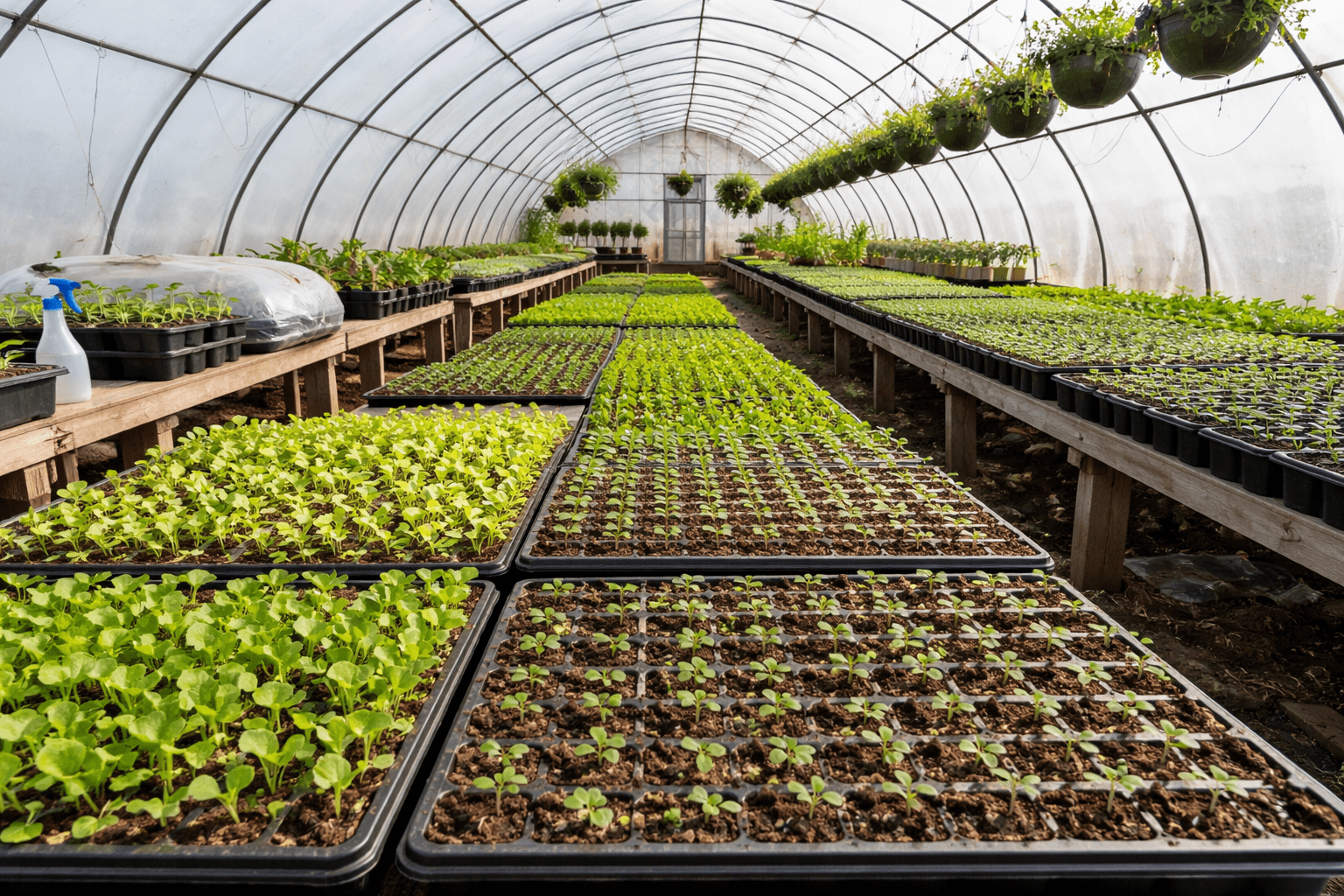
  • How Should You Sanitize a Greenhouse Before Seedling Season?

    How Should You Sanitize a Greenhouse Before Seedling Season?

    Why Pre-Season Greenhouse Sanitation Matters More Than Most Growers Realize

    Early spring brings rising humidity, increased irrigation cycles, and enclosed warmth — ideal conditions for seedlings and for microbial buildup. During winter downtime, organic debris, algae films, dormant spores, and biofilm residues quietly accumulate on benches, walls, trays, and irrigation lines.

    When temperatures rise, those residues become active.

    Greenhouse sanitation is not simply cosmetic cleaning. It is environmental load management. Every enclosed growing structure — high tunnels, poly greenhouses, grow rooms, propagation houses — creates a controlled microclimate. That control works both ways. Moisture stays in. Air stagnation zones form. Condensation develops on poly film and structural framing.

    Without a pre-season reset, growers start the year with elevated microbial pressure already present.


    Understanding Mold Pressure in Enclosed Growing Environments

    “Mold pressure” refers to the overall concentration of mold spores and organic substrates that allow fungal growth to establish quickly. It is not about one visible outbreak. It is about environmental readiness for microbial expansion.

    Greenhouses create three ideal conditions for mold development:

    • Persistent moisture
    • Organic debris accumulation
    • Limited air exchange zones

    Overwintered plant residue under benches, algae buildup on floors, and residue in irrigation lines create nutrient sources. When seedlings are introduced, the microbial ecosystem is already active.

    Sanitation before seedling season lowers that baseline pressure.

    Also Read 🌱Proper CLO2 PPM for Safe & Effective Use In Agriculture


    Step 1: Remove Organic Residue Before Disinfection

    Disinfection without cleaning is ineffective. Organic matter neutralizes many sanitizing agents and shields microorganisms.

    Before applying any sanitizing solution:

    • Remove old plant material and growing media debris
    • Sweep and vacuum benches and structural ledges
    • Scrub algae from floors and low walls
    • Flush out sediment from drainage areas

    Mechanical cleaning reduces the organic load. Sanitation solutions work best on physically clean surfaces.

    This is infrastructure maintenance, not just hygiene.


    Step 2: Sanitize Benches, Walls, and Structural Surfaces

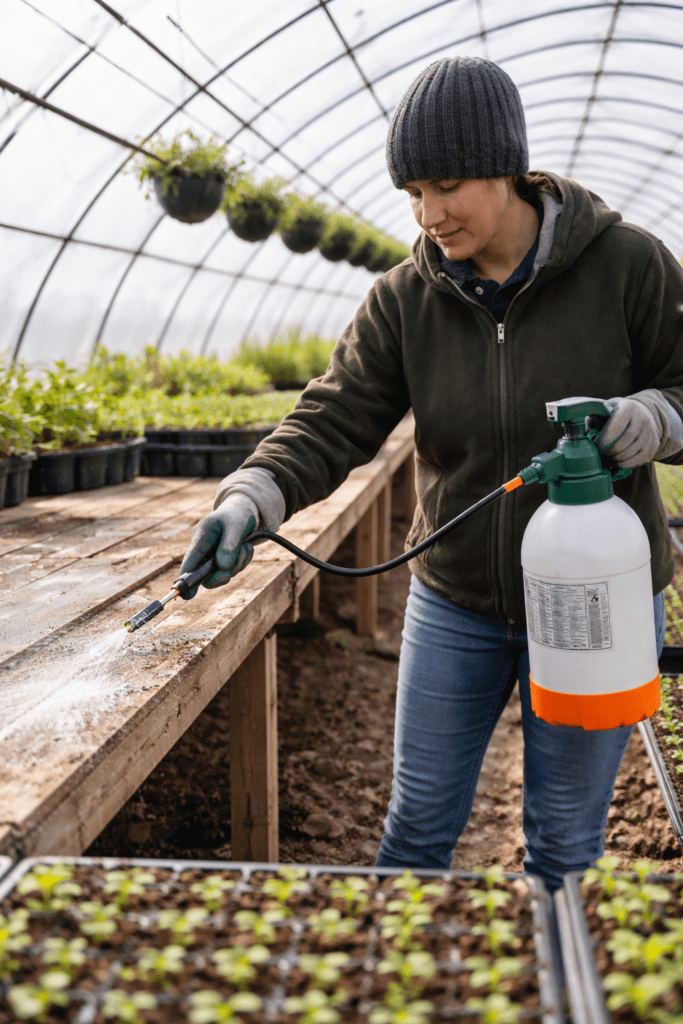
    Greenhouse worker applying sanitizing solution with a pump sprayer to benches and work surfaces, supporting greenhouse sanitation and mold pressure reduction.

    Benches and work surfaces are high-contact zones for trays and tools. Poly film walls and framing collect condensation droplets that can harbor spores.

    Key areas to address:

    • Propagation benches
    • Tool staging areas
    • Door handles and carts
    • Structural supports where condensation forms

    An oxidizing sanitation approach can help reduce residual biofilm and organic buildup without leaving heavy chemical residues. Chlorine dioxide, when properly diluted and applied, functions as a selective oxidizer that disrupts microbial cell walls while breaking down organic odor-causing compounds.

    Unlike traditional chlorine bleach, chlorine dioxide does not rely primarily on hypochlorous acid chemistry and does not form the same chlorinated byproducts. For enclosed spaces, residue control and ventilation considerations matter.


    Step 3: Address Seed Trays and Propagation Equipment

    Reusable seed trays are common sources of cross-cycle contamination.

    Plug trays and humidity domes often retain:

    • Root fragments
    • Biofilm residues
    • Mineral scale
    • Fungal spores embedded in plastic pores

    Proper seed tray cleaning involves:

    1. Physical washing to remove media debris
    2. Soaking or spraying with a properly diluted sanitizing solution
    3. Complete drying before reuse

    Drying is often overlooked. Residual moisture allows microbial rebound before seeds are even planted.

    For small farmers and homesteaders, tray sanitation can significantly reduce early-stage losses linked to damping-off organisms.


    Step 4: Sanitize Irrigation Components and Reservoirs

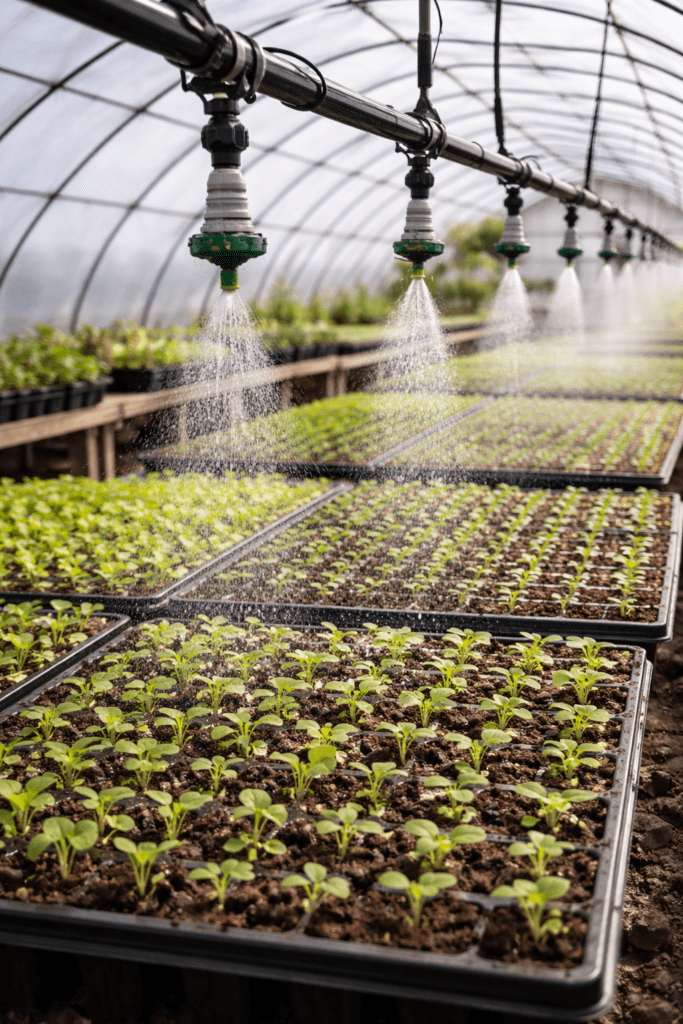
    Greenhouse overhead irrigation system watering seedling trays, illustrating hydroponic system sanitation and moisture management in controlled environment agriculture.


    Irrigation systems are frequently ignored during pre-season cleaning. Drip emitters, misting lines, reservoirs, and hydroponic channels can accumulate biofilm — a structured microbial community embedded in a protective matrix.

    Biofilm:

    • Reduces flow efficiency
    • Harbors bacteria and fungi
    • Contributes to odor formation
    • Interferes with nutrient delivery consistency

    Flushing irrigation lines with an appropriate oxidizing solution before nutrient introduction can help remove organic buildup and reduce biofilm mass.

    This step supports long-term system performance, not just sanitation.

    Also Read 🌱Hydroponics with ClO₂ — Cleaner Water, Healthier Crops


    The Role of Chlorine Dioxide in Greenhouse Sanitation

    Chlorine dioxide (ClO₂) is a dissolved gas used globally for water treatment, food processing sanitation, and infrastructure hygiene. As an oxidizer, it disrupts microbial cells without functioning as a traditional chlorinating agent.

    For greenhouse applications, chlorine dioxide tablets allow controlled mixing for:

    • Surface sanitation
    • Tray soaking
    • Irrigation line flushing
    • Odor management in enclosed grow rooms

    When used according to proper dilution guidelines, chlorine dioxide breaks down into inert salts and does not leave heavy residues on treated surfaces.

    In 2026 and beyond, growers are increasingly prioritizing sanitation solutions that balance microbial control with residue awareness and environmental compatibility.


    Future-Proofing Greenhouse Sanitation Practices

    Controlled environment agriculture is expanding rapidly. Indoor farming, hydroponic systems, and high-efficiency greenhouse operations require consistent infrastructure hygiene.

    Emerging trends include:

    • Increased regulatory attention to water quality in produce operations
    • Greater scrutiny of sanitation documentation in commercial farms
    • Adoption of oxidizing technologies that reduce byproduct formation
    • Integrated hygiene planning between crop cycles

    Pre-season sanitation will continue shifting from “optional cleaning” to standardized operational protocol.

    Small growers who adopt structured sanitation routines now build more consistent growing systems over time.


    Conclusion: Start Clean, Grow Consistent

    Greenhouses are designed to amplify plant growth. They also amplify moisture and microbial activity.

    A structured sanitation reset before seedling season reduces mold pressure, removes organic residue, and supports cleaner infrastructure. From benches and trays to irrigation lines and reservoirs, every surface contributes to the microbial baseline of the growing environment.

    Starting the season clean does not guarantee perfect crops — agriculture is never that simple. But it improves environmental consistency and reduces avoidable pressure points.

    Greenhouse sanitation is not about reacting to outbreaks. It is about building a more manageable growing space from the beginning of the season.


    (FAQs)

    1. What is greenhouse sanitation?
    Greenhouse sanitation is the process of cleaning and disinfecting surfaces, tools, trays, and irrigation systems to reduce microbial buildup and organic residue before and during crop cycles.

    2. Why is pre-season greenhouse cleaning important?
    Pre-season cleaning lowers mold pressure and removes overwintered debris that can contribute to early crop losses.

    3. How often should a greenhouse be sanitized?
    A full sanitation reset is recommended between crop cycles, with ongoing maintenance cleaning during active growing periods.

    4. What causes mold pressure in greenhouses?
    Persistent humidity, organic debris, and limited airflow create conditions that allow mold spores to multiply rapidly.

    5. Can irrigation lines harbor bacteria and fungi?
    Yes. Biofilm can form inside irrigation lines and reservoirs, reducing efficiency and increasing microbial load.

    6. Is chlorine dioxide safe for greenhouse sanitation?
    When properly diluted and applied according to guidelines, chlorine dioxide is used globally for water and surface sanitation in agricultural settings.

    7. Do seed trays need to be sanitized every season?
    Reusable trays should be cleaned and sanitized between crop cycles to reduce cross-contamination.

    8. Does bleach work for greenhouse sanitation?
    Bleach can disinfect surfaces but may leave residues and form byproducts. Some growers prefer oxidizing alternatives that reduce residue concerns.

    9. What is biofilm in irrigation systems?
    Biofilm is a structured microbial community that adheres to surfaces and protects microorganisms from environmental stress.

    10. Can sanitation improve crop consistency?
    Reducing microbial load and organic residue supports more consistent growing conditions, though sanitation alone does not eliminate all crop risks.

  • Hydroponics with ClO₂ — Cleaner Water, Healthier Crops

    Hydroponics with ClO₂ — Cleaner Water, Healthier Crops

    The Hidden Challenges of Hydroponic Growing

    Hydroponics has transformed modern agriculture. By growing plants in nutrient-rich water rather than soil, growers achieve faster growth, higher yields, and precise control over plant nutrition.

    But hydroponics comes with unique challenges: biofilm, algae, mold, root rot, and bacterial contamination can spread quickly through a closed water system, threatening the entire crop. One contaminated reservoir can compromise weeks of work.

    Enter chlorine dioxide (ClO₂) — a powerful, safe, and eco-friendly solution that ensures clean water, healthy roots, and robust plant growth in hydroponic systems. From seedlings to harvest, ClO₂ is revolutionizing hydroponic cultivation.


    Seedling Stage: Clean Water from the Start

    The first step in hydroponics is establishing a healthy root zone. Seeds and seedlings are especially vulnerable to bacterial or fungal contamination in water reservoirs.

    ClO₂ provides:

    • Pathogen control: Eliminates harmful bacteria, fungi, and algae in nutrient water.

    • Enhanced germination: Healthy seedlings sprout uniformly without early stress.

    • Root protection: Prevents damping-off and other waterborne diseases.

    Starting with clean water ensures the roots grow strong and healthy, creating the foundation for a successful hydroponic cycle.


    During vegetative growth, plants demand constant oxygen and nutrient delivery. Contaminated water slows growth, reduces nutrient absorption, and can lead to root stress.Vegetative Stage: Maintaining a Healthy Hydroponic System
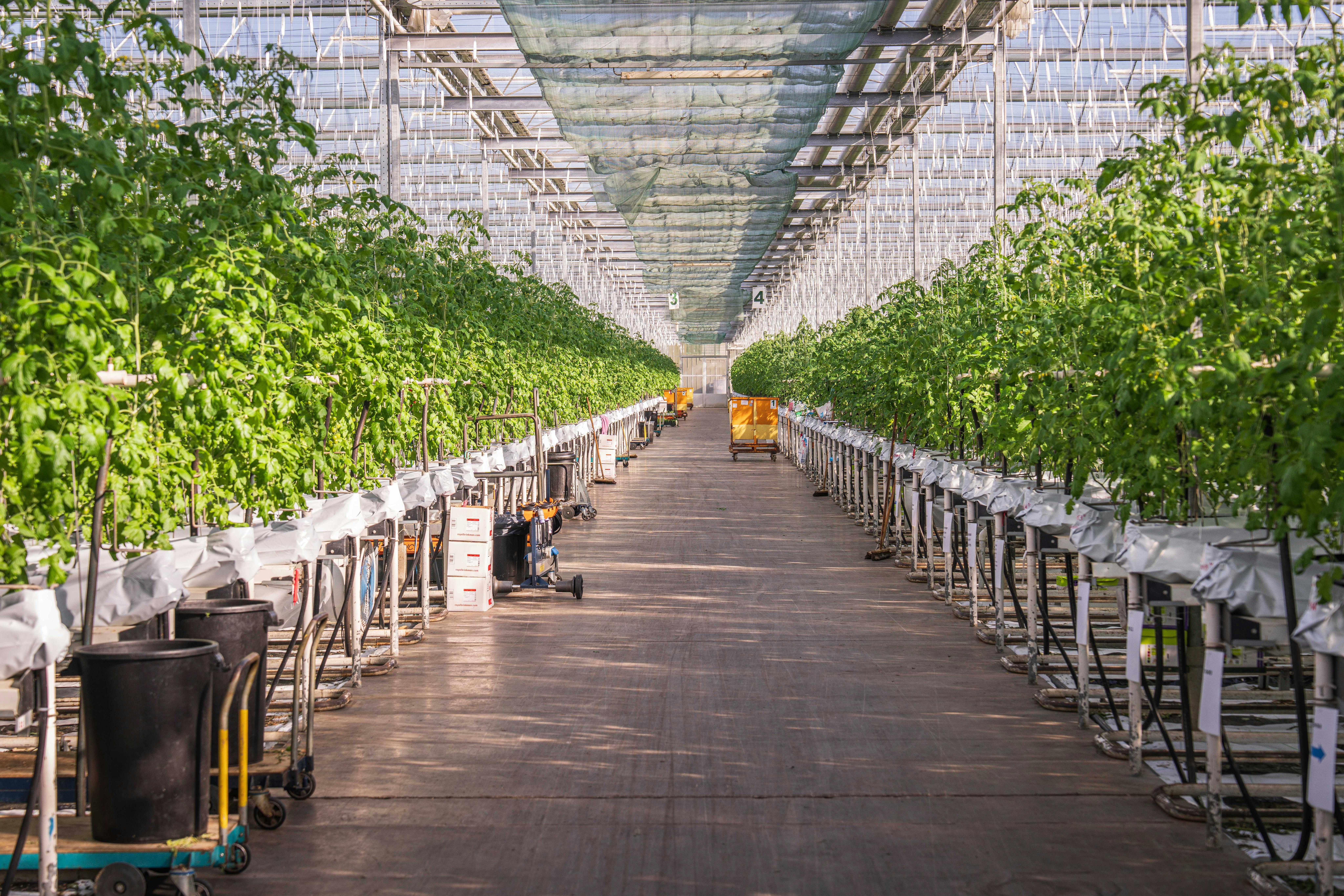
    During vegetative growth, plants demand constant oxygen and nutrient delivery. Contaminated water slows growth, reduces nutrient absorption, and can lead to root stress.

    Using ClO₂ in hydroponic reservoirs helps:

    • Break down biofilm: Removes buildup on pipes, tanks, and tubing.

    • Prevent algae and bacteria: Stops pathogens from spreading through the system.

    • Support root health: Promotes oxygenation and nutrient uptake.

    Unlike chlorine, ClO₂ does not create harmful chloramines and leaves no chemical residues, making it ideal for edible crops, medicinal plants, and high-value vegetables.


    Flowering/Production Stage: Protecting Buds and Fruits

    As plants transition to flowering or fruit production, they become more sensitive to water quality issues. Pathogens can stunt growth, reduce yield, or compromise product safety.

    ClO₂ provides:

    • Air and water sanitation: Reduces airborne spores and eliminates microbes in the water.

    • Bud and fruit protection: Prevents mold, mildew, and bacterial growth.

    • Sustained growth: Ensures plants receive consistent nutrients without contamination risk.

    By maintaining clean water and equipment, growers can maximize both yield and quality, protecting the investment in hydroponic systems.


    Hydroponic systems require careful maintenance — tanks, tubing, and reservoirs are all susceptible to microbial growth.System Maintenance: Clean, Safe, and Sustainable
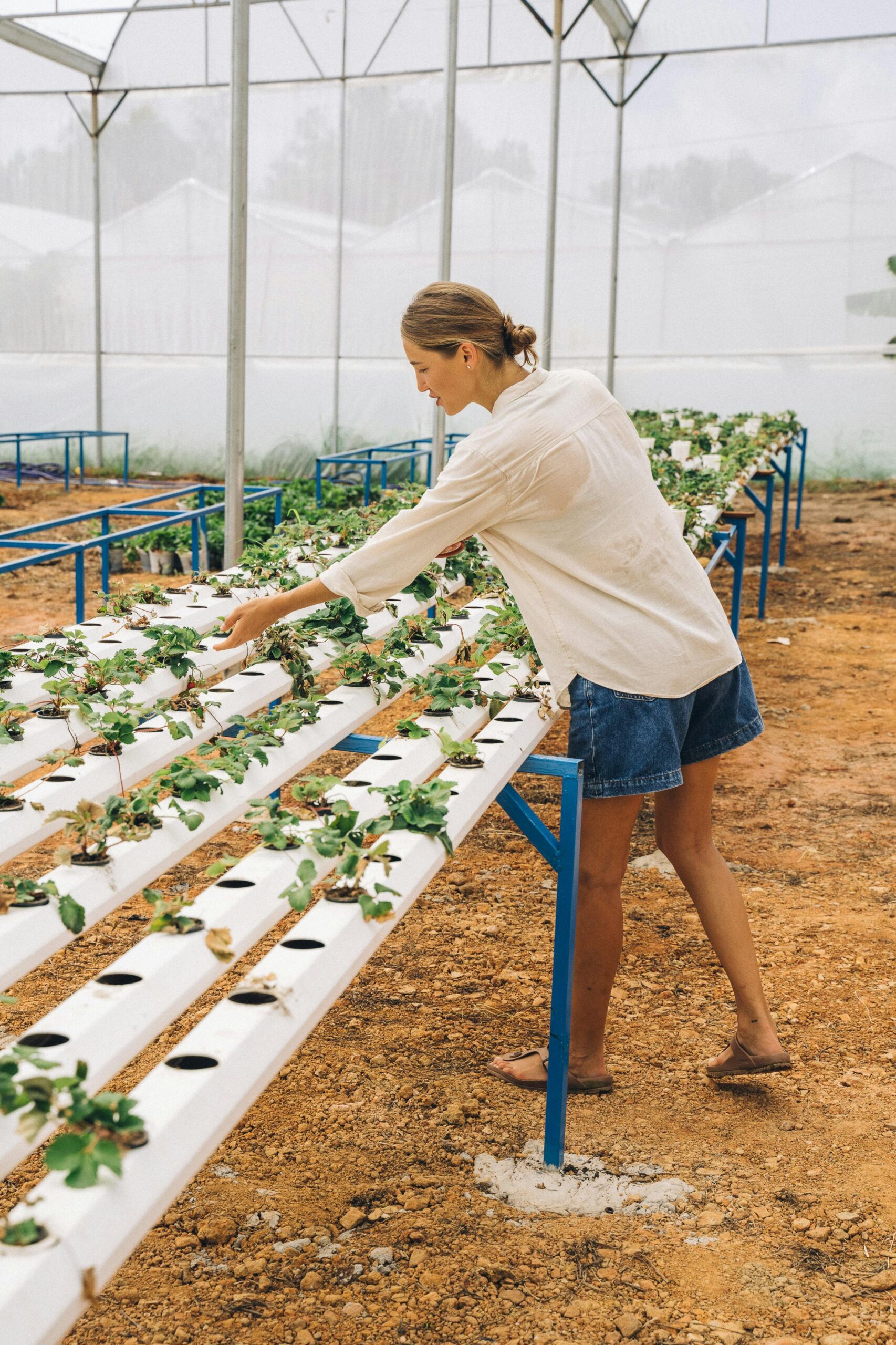
    Hydroponic systems require careful maintenance — tanks, tubing, and reservoirs are all susceptible to microbial growth.

    ClO₂ simplifies ongoing care:

    • Reservoir treatment: Periodic ClO₂ dosing keeps water free of pathogens.

    • Equipment sanitation: Keeps pumps, tubing, and tanks free from biofilm.

    • Environmental safety: Non-toxic and biodegradable, leaving no harmful residues.

    By integrating ClO₂ into routine hydroponic maintenance, growers reduce system failures, protect crops, and optimize yields sustainably.


    Benefits of Using ClO₂ in Hydroponics

    • Eliminates bacteria, fungi, and algae without harming plants

    • Supports consistent nutrient delivery and root oxygenation

    • Prevents root rot and damping-off disease

    • Safe for edible crops, medicinal plants, and high-value produce

    • Reduces biofilm buildup in closed systems

    • Eco-friendly, leaving no harmful residues


    Traditional agricultural disinfectants often rely on harsh chemicals that damage soil health and pollute waterways. ClO₂ breaks that pattern — it’s biodegradable, eco-friendly, and sustainable.More Questions About Hydroponics with ClO₂

    1️⃣ Is ClO₂ safe for hydroponic plants?
    Yes, at proper concentrations, ClO₂ targets pathogens without harming roots or leaves.

    2️⃣ Can ClO₂ prevent algae in hydroponic reservoirs?
    Absolutely. ClO₂ breaks down biofilm and prevents algae from proliferating.

    3️⃣ How often should ClO₂ be added to the system?
    Frequency depends on water volume and system type; generally, a low dose every 1–2 weeks or continuous low-level treatment is effective.

    4️⃣ Will ClO₂ affect nutrient solutions?
    No. ClO₂ does not react negatively with standard hydroponic nutrients.

    5️⃣ Can ClO₂ improve crop yields?
    Yes. Healthier roots and cleaner water contribute to stronger plant growth and higher-quality yields.

    6️⃣ Is it safe for edible or medicinal crops?
    Yes, ClO₂ leaves no harmful residues and is safe for human consumption.

    7️⃣ Can ClO₂ be used in NFT, DWC, and drip systems?
    Yes, it is compatible with all hydroponic system types when properly dosed.

    8️⃣ Does ClO₂ replace all cleaning protocols?
    It complements routine cleaning and disinfection, reducing pathogen buildup between cycles.

    9️⃣ Is ClO₂ environmentally friendly?
    Yes, it degrades into harmless salts and is biodegradable.

    🔟 Can ClO₂ be used for seedlings and mature plants?
    Yes, it is effective at all stages, protecting both young and mature crops.


    Conclusion: Cleaner Water, Stronger Hydroponic Growth

    Hydroponic cultivation is only as strong as the water that feeds it. Chlorine dioxide (ClO₂) empowers growers to eliminate hidden pathogens, prevent algae and biofilm, and maintain healthy roots throughout every growth stage. By integrating ClO₂, cultivators protect their crops, improve yields, and grow sustainably — without harsh chemicals or residual toxins. Stronger roots, cleaner systems, and higher-quality harvests aren’t just possible; they’re achievable. Hydroponic growers can finally focus on what matters most: healthy plants and thriving crops, every cycle. 💧🌱

    Call today for your Free consult!