Understanding Biofilms: Complex Microbial Fortresses
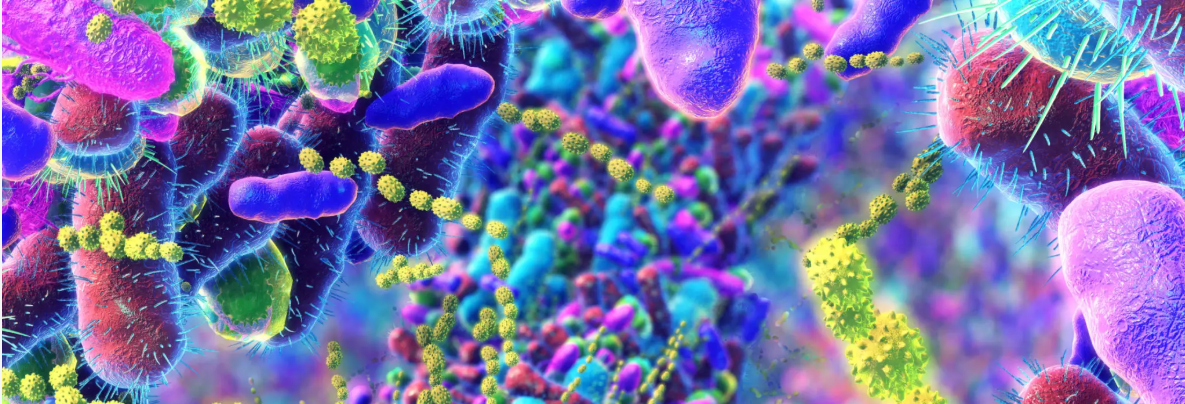
Biofilms are highly organized microbial ecosystems in which bacteria, fungi, and archaea attach to surfaces and embed themselves within a self-secreted matrix known as the extracellular polymeric substance (EPS). This matrix, composed of polysaccharides, proteins, lipids, and extracellular DNA, forms a highly resilient barrier that protects resident microbes from environmental stressors, chemical disinfectants, and even physical abrasion.
Unlike planktonic (free-floating) microbes, biofilm communities engage in quorum sensing, communicating chemically to coordinate metabolic activity, resistance gene transfer, and structural reinforcement. This communication allows biofilms to dynamically respond to threats, making them far more resistant than surface-level contamination.
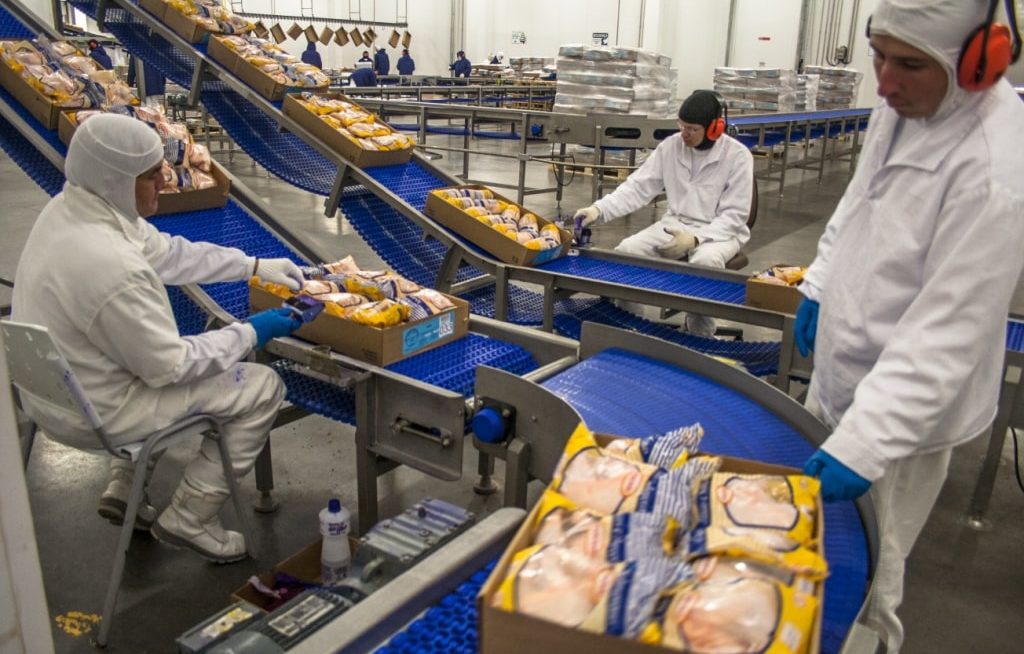
Biofilms are ubiquitous. In industrial systems, they form on pipelines, storage tanks, and cooling towers. In hospitality and clinical settings, biofilms colonize drains, sinks, HVAC systems, and even medical equipment. Once established, they are a persistent source of contamination and operational risk.
The Odor-Biofilm Connection
Biofilms are not only a microbial threat but also a primary source of persistent odors. Microbial metabolism within biofilms produces volatile organic compounds (VOCs) and reduced sulfur species, such as hydrogen sulfide, dimethyl sulfide, and methanethiol. These compounds generate characteristic odors ranging from musty and rotten to sulfurous and pungent.
Traditional cleaning and masking agents fail because they primarily address surface residues. The biofilm’s EPS matrix shields underlying microbial populations, allowing them to continue producing VOCs long after surface cleaning. In food service, industrial, and healthcare environments, this hidden odor source can indicate ongoing microbial contamination with implications for hygiene, safety, and regulatory compliance.
 Breaking the Biofilm Barrier — Why Structural Disruption Is Critical
Biofilms are not static. They grow, shed cells, and spread, creating a reservoir of pathogenic and odor-producing microbes. To truly sanitize a surface, one must dismantle the EPS matrix to prevent recolonization.
Breaking down biofilms is essential because:
- The EPS barrier protects microbes from chemical sanitizers.
- Microbial shedding spreads contamination to other surfaces.
- Odor molecules are trapped within the matrix and remain after superficial cleaning.
Mechanical scrubbing alone is often insufficient. Chemical disruption is required at the molecular level to oxidize and destabilize the matrix, allowing full microbial inactivation.
Chlorine Dioxide vs. Traditional Sanitation Methods
Chlorine dioxide (ClO₂) is a true molecular oxidant, unlike chlorine bleach or peroxides, which function primarily through chlorination or free radical generation. Its neutral charge and small molecular size allow it to penetrate deep into biofilms, attacking both the microbial cells and the structural EPS network.
Mechanism of Action
- Electron Transfer Oxidation: ClO₂ disrupts cellular components, oxidizes sulfur and nitrogen bonds, and neutralizes VOCs.
- Deep Penetration: Its neutral molecular charge enables diffusion through dense biofilm matrices.
- Non-Corrosive: At operational concentrations, ClO₂ does not degrade metals, plastics, or surfaces.
- Broad Spectrum: Effective against bacteria (Gram-positive and Gram-negative), fungi, viruses, and spores.
Comparative Analysis
| Sanitizer | Mechanism | Biofilm Penetration | Residue/Corrosivity | Odor Neutralization | Environmental Profile |
|---|---|---|---|---|---|
| Bleach (NaOCl) | Chlorination | Surface only | High, corrosive | Poor | Low |
| Quats | Membrane disruption | Limited | Residual buildup | Masking only | Moderate |
| Hydrogen Peroxide | Free radical oxidation | Moderate | Oxidative damage possible | Partial | High |
| Alcohols | Protein denaturation | Surface only | Evaporates | Ineffective | Moderate |
| Chlorine Dioxide (ClO₂) | Electron oxidation | Deep | Non-corrosive | Excellent | Excellent |
ClO₂’s ability to oxidize EPS and VOCs simultaneously sets it apart as a complete biofilm and odor elimination tool, rather than a surface-level sanitizer.
Applications Across Industries
Industrial
- ClO₂ penetrates cooling towers, pipelines, and tanks, eliminating microbial biofilms that threaten operational efficiency and safety.
- Gas-phase application ensures treatment of interior surfaces unreachable by liquids.
Hospitality
- Drains, kitchens, and HVAC systems often harbor biofilms causing persistent odors.
- ClO₂ disrupts microbial matrices, neutralizing odors and improving sanitation without damaging surfaces or leaving harmful residues.
Clinical & Medical
- High-touch surfaces, surgical instruments, and ventilation systems can harbor resistant biofilms.
- ClO₂ eliminates pathogens and reduces infection risk while being safe for sensitive equipment.
Public Infrastructure
- Wastewater treatment, plumbing, and restrooms benefit from biofilm removal.
- ClO₂ prevents biofilm-related corrosion and VOC release.
Molecular-Level Sanitation and Microbiome Reset
ClO₂ does more than kill microbes—it resets microbial ecosystems. By breaking down biofilms:
- Quorum sensing collapses, halting microbial communication.
- Biofilm fragments are oxidized, preventing regrowth.
- Odor-causing VOCs are neutralized, leaving environments both biologically and olfactorily clean.
This precision cleaning ensures that sanitation is effective, sustainable, and measurable, redefining modern standards in industrial, hospitality, and medical environments.
What does this all mean?
 What is Quorum Sensing?
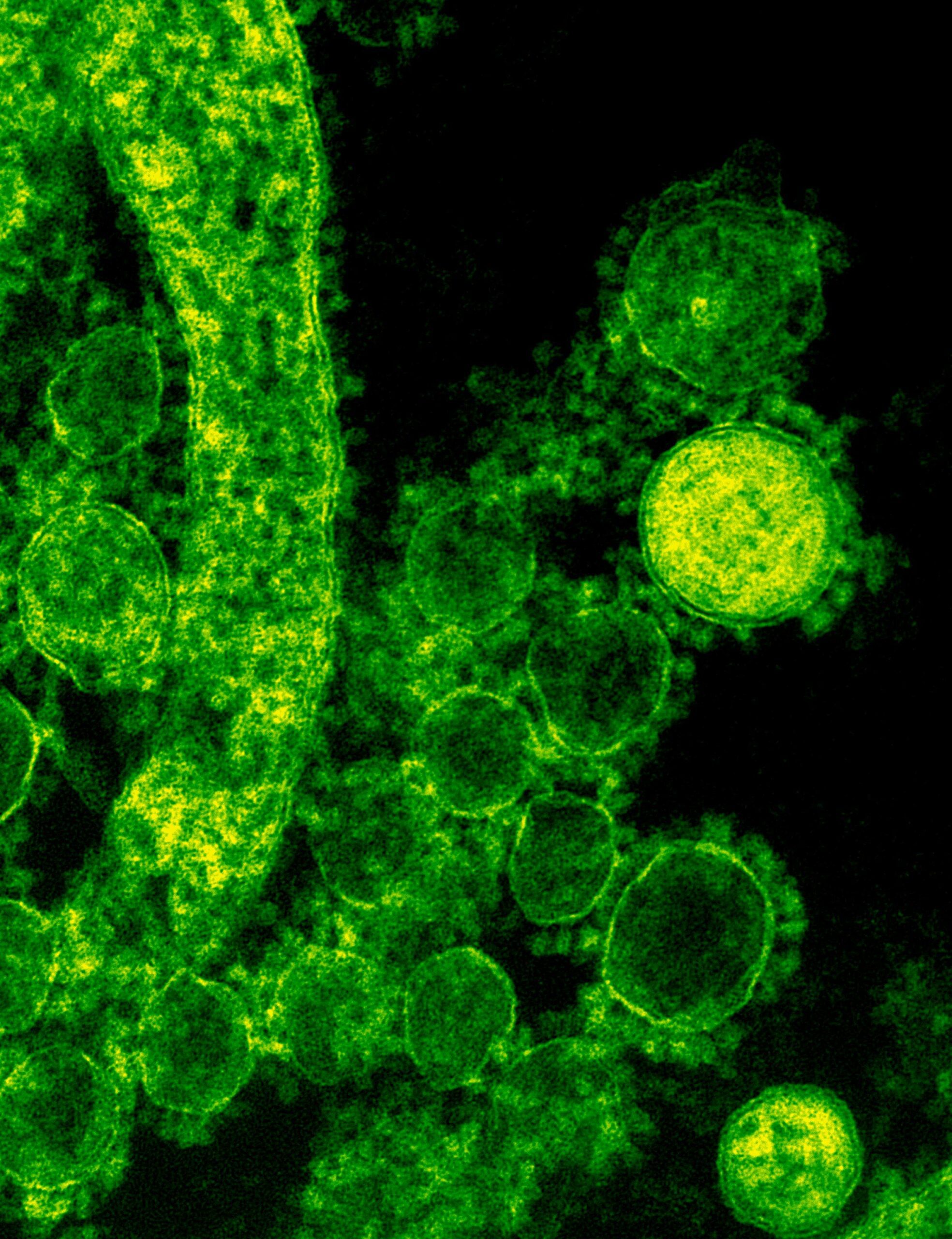
Quorum sensing (QS) is a cell-to-cell communication system used by bacteria (and some fungi) to coordinate collective behavior based on population density. Microbes produce and release small chemical signaling molecules called autoinducers. When these molecules reach a threshold concentration—indicating a critical mass of microbes—the bacteria collectively alter gene expression to activate group behaviors.
In biofilms, quorum sensing regulates:
- EPS (extracellular polymeric substance) production: Builds and maintains the biofilm “matrix” that shields microbes.
- Virulence factor expression: Makes pathogens more resistant to immune responses or chemical disinfectants.
- Sporulation and stress responses: Increases survival under adverse conditions.
- Biofilm expansion and detachment: Allows cells to spread to new surfaces.
Essentially, QS is how microbial colonies “coordinate” like a city, deciding when to grow, defend, or send out microbial “explorers.”
What Does “Quorum Sensing Collapses” Mean?
When a biofilm is treated with chlorine dioxide (ClO₂), its EPS matrix and microbial cells are oxidized. This has several consequences for quorum sensing:
-
Signaling molecules are destroyed or diluted
-
ClO₂ oxidizes small chemical autoinducers, so bacteria can no longer “hear” each other.
-
-
Cell death disrupts population density
-
Quorum sensing requires a critical population. Killing microbes reduces numbers below the threshold, preventing collective behavior.
-
-
EPS degradation prevents localized concentration
-
Autoinducers are often concentrated within the biofilm matrix. When ClO₂ breaks down the EPS, these molecules diffuse away or are oxidized, collapsing the localized communication network.
-
The result:
- Microbes cannot coordinate defense mechanisms.
- Production of protective EPS and virulence factors halts.
- Biofilm structural integrity weakens.
- Dispersal and recolonization are significantly reduced.
In short, quorum sensing collapse is like cutting off the city’s power grid—microbes become disorganized, vulnerable, and unable to maintain their protective stronghold. This is why ClO₂ doesn’t just kill surface microbes—it dismantles the entire biofilm community at a molecular and behavioral level.
Biofilm Fragments Explained
Biofilms are not static—they’re dynamic communities. During growth or after partial disruption, pieces of the biofilm can detach. These are called biofilm fragments or planktonic clumps, and they carry living bacteria capable of colonizing new surfaces.
Even if you kill microbes on the surface, these fragments can travel via air, water, or equipment and reattach elsewhere, forming new biofilms. This is a key reason why many cleaning methods fail—biofilms spread even after initial sanitation, making contamination persistent.
What “Oxidized” Means in This Context
Chlorine dioxide (ClO₂) is a powerful oxidizing agent. When biofilm fragments are exposed to ClO₂:
-
The extracellular polymeric substance (EPS) is chemically broken down
-
Proteins, polysaccharides, and DNA in the EPS are oxidized. This destroys the “scaffolding” holding the microbes together.
-
-
Microbial cells within fragments are disrupted
-
Cell membranes, enzymes, and metabolic molecules are oxidized, killing or inactivating the microbes.
-
-
Signaling molecules (autoinducers) are neutralized
-
Fragments lose the ability to coordinate quorum sensing, so they cannot organize into new biofilms effectively.
-
Why This Prevents Regrowth
- No structural foundation: Oxidation destroys the EPS, so fragments cannot reattach to surfaces in an organized biofilm.
- Microbes are inactivated: Bacteria within fragments are killed or severely weakened, so even if they settle somewhere new, they cannot establish a healthy colony.
- Disruption of quorum sensing: Without communication, surviving cells cannot coordinate biofilm formation, halting regrowth at the molecular level.
Think of it like removing the bricks from a building and scattering the occupants—they can’t rebuild without structure or coordination. ClO₂ does this at the molecular scale, ensuring that fragments are no longer a threat for recolonization and odor production.
What Are Odor-Causing VOCs?
VOCs, or volatile organic compounds, are small molecules that easily vaporize at room temperature. In biofilms, microbes metabolize nutrients anaerobically (without oxygen) and produce VOCs as byproducts. Common examples include:
- Sulfur compounds: hydrogen sulfide (H₂S), methanethiol, dimethyl disulfide — responsible for rotten egg or sewage-like odors.
- Nitrogen compounds: ammonia, amines — responsible for pungent, urine-like smells.
- Organic acids: acetic, butyric acids — sour or musty odors.
These VOCs are trapped inside the biofilm matrix, slowly releasing over time and causing persistent odors that traditional cleaners cannot eliminate.
What Does “Neutralized” Mean?
Chlorine dioxide (ClO₂) is a selective oxidizing agent, meaning it reacts with and chemically alters VOC molecules. This neutralization involves:
-
Breaking molecular bonds
-
Sulfur, nitrogen, and carbon bonds in VOCs are oxidized, rendering them chemically inert.
-
-
Preventing volatilization
-
Once oxidized, these compounds no longer vaporize and produce odors.
-
-
Removing the source of smell, not masking it
-
Unlike air fresheners or masking agents, ClO₂ eliminates the odor molecules themselves, rather than just covering them up.
-
Why This Leaves Environments Biologically and Olfactorily Clean
- Biologically clean: Microbes in biofilms are disrupted or destroyed, halting further VOC production.
- Olfactorily clean: Existing VOCs are chemically neutralized, so the environment no longer smells.
Effectively, ClO₂ attacks both the microbial source and the chemical byproducts simultaneously. This is why it is so effective in:
- Industrial settings (pipes, cooling towers, tanks)
- Hospitality (drains, kitchens, HVAC systems)
- Clinical and medical environments (surgical rooms, restrooms, equipment)
The result is an environment that is scientifically sanitized and free from lingering odors, not just superficially “fresh.”
 Conclusion — The Paradigm Shift in Sanitation
Traditional disinfectants often address only the surface symptoms of contamination and odors, leaving the underlying biofilm intact. This incomplete approach allows microbial fortresses to persist, continually producing odor-causing volatile compounds (VOCs) and seeding new contamination sites through biofilm fragments.
Chlorine dioxide (ClO₂) represents a fundamental shift in sanitation science. It penetrates biofilms at the molecular level, dismantling the extracellular polymeric substance (EPS) that protects microbial communities. In the process, quorum sensing collapses: microbial communication networks fail, halting the coordinated defense and virulence behaviors that allow pathogens to survive and regrow.
At the same time, biofilm fragments are oxidized, destroying both their structural framework and the microbes contained within. This prevents detached fragments from establishing new colonies elsewhere, effectively blocking the propagation and regrowth of biofilms.
Additionally, ClO₂ neutralizes odor-causing VOCs. Sulfur, nitrogen, and carbon-based volatile molecules are chemically oxidized, eliminating odors at their source rather than merely masking them. The result is an environment that is not only biologically clean—with the microbial population reset—but also olfactorily neutral, free from persistent and harmful odors.
For industrial managers, hospitality operators, and healthcare professionals, ClO₂ is more than a cleaner: it is a comprehensive biofilm-level eradication system, delivering molecular-level microbial disruption, prevention of regrowth, and total odor neutralization. This scientifically validated solution provides risk mitigation, regulatory compliance, and operational reliability, transforming sanitation from a superficial practice into a precision, evidence-based process that addresses contamination at its structural and chemical roots.
15 Frequently Asked Questions About Biofilms & ClO₂
- What exactly is a biofilm?
A structured microbial community encased in a self-produced matrix of polymers, adhering to surfaces. - Why are biofilms resistant to regular cleaning?
Their matrix blocks disinfectants, allowing bacteria to survive and regrow. - What causes biofilm-related odors?
Anaerobic metabolism releases sulfur compounds and VOCs. - Can bleach remove biofilms?
No. It disinfects surface bacteria but doesn’t penetrate the biofilm matrix. - How does chlorine dioxide penetrate biofilms?
As a neutral gas, it diffuses through the matrix, oxidizing cells and bonds internally. - Is ClO₂ safe for food-contact surfaces?
Yes, when used correctly; it decomposes into non-toxic byproducts. - Does it remove VOC-based odors permanently?
Yes, by oxidizing the compounds themselves rather than masking them. - What industries benefit most from ClO₂?
Industrial sanitation, food processing, hospitality, healthcare, and wastewater management. - Can ClO₂ replace bleach or quats?
Yes, it outperforms them in both efficacy and environmental safety. - Is ClO₂ corrosive to metals or plastics?
No, it’s non-corrosive at operational concentrations. - Does ClO₂ harm beneficial microbes?
It resets microbial balance rather than sterilizing completely. - Can it be used in HVAC or duct systems?
Yes, as a gas-phase treatment, it removes microbial and odor buildup. - How fast does it work?
Within minutes for odors; biofilm breakdown may require extended exposure depending on thickness. - Is ClO₂ eco-friendly?
Extremely. It breaks down into oxygen, water, and simple salts. - Where can I learn more or purchase ClO₂ tablets?
Visit https://clo2tablets.com for scientific data and products.