Tag: plant pathogen control

  • Hydroponics with ClO₂ — Cleaner Water, Healthier Crops

    Hydroponics with ClO₂ — Cleaner Water, Healthier Crops

    The Hidden Challenges of Hydroponic Growing

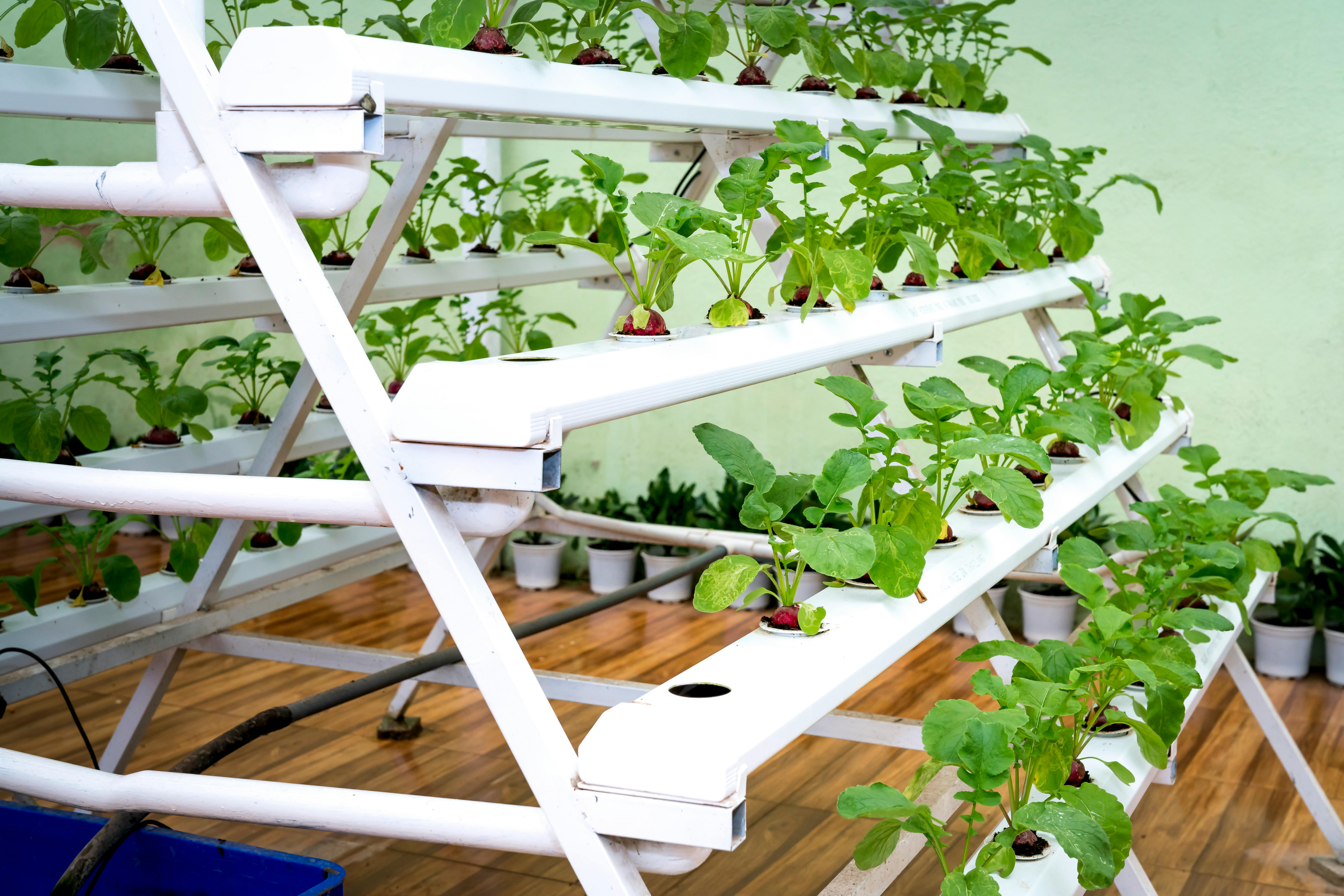
    Hydroponics has transformed modern agriculture. By growing plants in nutrient-rich water rather than soil, growers achieve faster growth, higher yields, and precise control over plant nutrition.

    But hydroponics comes with unique challenges: biofilm, algae, mold, root rot, and bacterial contamination can spread quickly through a closed water system, threatening the entire crop. One contaminated reservoir can compromise weeks of work.

    Enter chlorine dioxide (ClO₂) — a powerful, safe, and eco-friendly solution that ensures clean water, healthy roots, and robust plant growth in hydroponic systems. From seedlings to harvest, ClO₂ is revolutionizing hydroponic cultivation.


    Seedling Stage: Clean Water from the Start

    The first step in hydroponics is establishing a healthy root zone. Seeds and seedlings are especially vulnerable to bacterial or fungal contamination in water reservoirs.

    ClO₂ provides:

    • Pathogen control: Eliminates harmful bacteria, fungi, and algae in nutrient water.

    • Enhanced germination: Healthy seedlings sprout uniformly without early stress.

    • Root protection: Prevents damping-off and other waterborne diseases.

    Starting with clean water ensures the roots grow strong and healthy, creating the foundation for a successful hydroponic cycle.
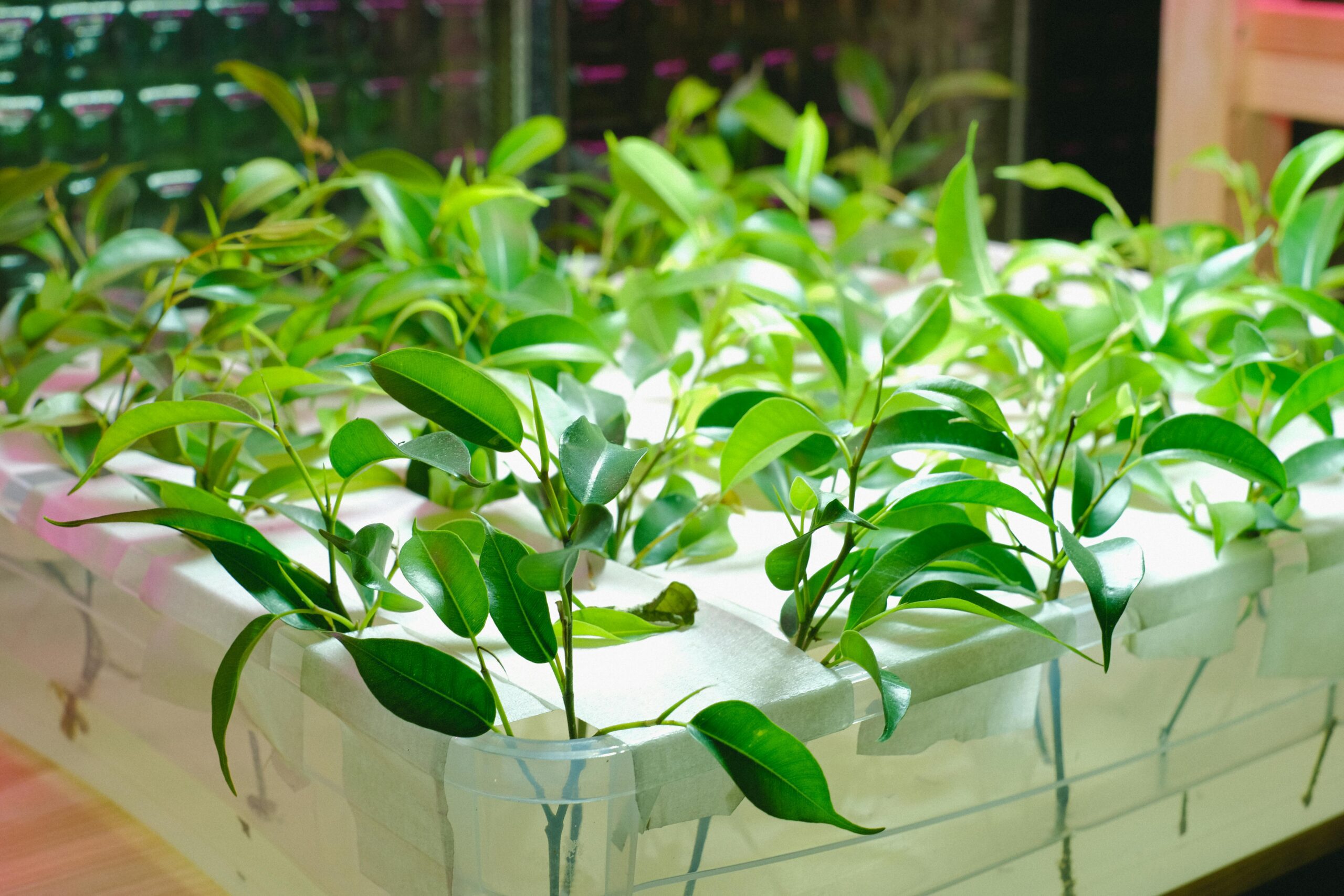

    During vegetative growth, plants demand constant oxygen and nutrient delivery. Contaminated water slows growth, reduces nutrient absorption, and can lead to root stress.Vegetative Stage: Maintaining a Healthy Hydroponic System

    During vegetative growth, plants demand constant oxygen and nutrient delivery. Contaminated water slows growth, reduces nutrient absorption, and can lead to root stress.

    Using ClO₂ in hydroponic reservoirs helps:

    • Break down biofilm: Removes buildup on pipes, tanks, and tubing.

    • Prevent algae and bacteria: Stops pathogens from spreading through the system.

    • Support root health: Promotes oxygenation and nutrient uptake.

    Unlike chlorine, ClO₂ does not create harmful chloramines and leaves no chemical residues, making it ideal for edible crops, medicinal plants, and high-value vegetables.


    Flowering/Production Stage: Protecting Buds and Fruits

    As plants transition to flowering or fruit production, they become more sensitive to water quality issues. Pathogens can stunt growth, reduce yield, or compromise product safety.

    ClO₂ provides:

    • Air and water sanitation: Reduces airborne spores and eliminates microbes in the water.

    • Bud and fruit protection: Prevents mold, mildew, and bacterial growth.

    • Sustained growth: Ensures plants receive consistent nutrients without contamination risk.

    By maintaining clean water and equipment, growers can maximize both yield and quality, protecting the investment in hydroponic systems.
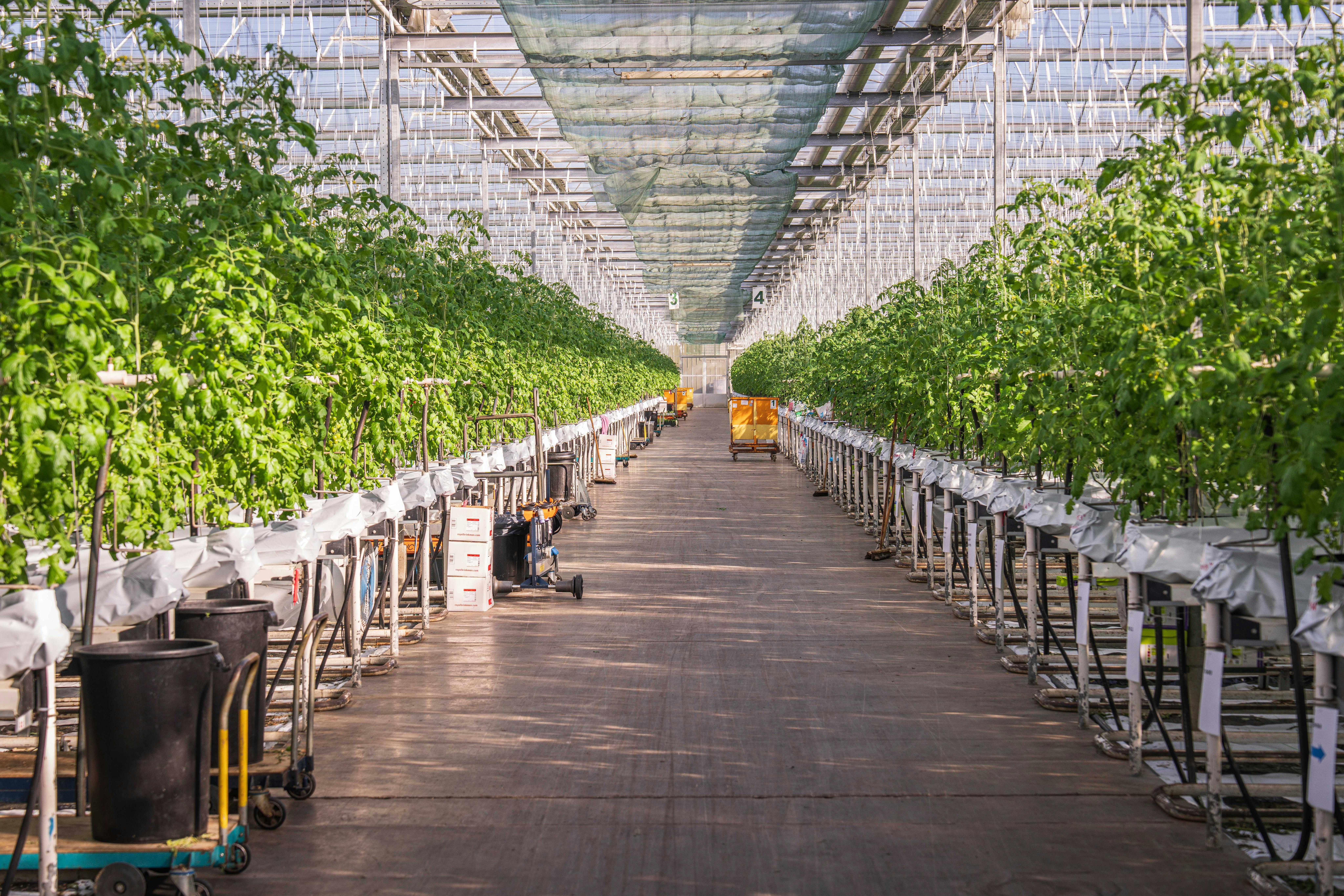

    Hydroponic systems require careful maintenance — tanks, tubing, and reservoirs are all susceptible to microbial growth.System Maintenance: Clean, Safe, and Sustainable

    Hydroponic systems require careful maintenance — tanks, tubing, and reservoirs are all susceptible to microbial growth.

    ClO₂ simplifies ongoing care:

    • Reservoir treatment: Periodic ClO₂ dosing keeps water free of pathogens.

    • Equipment sanitation: Keeps pumps, tubing, and tanks free from biofilm.

    • Environmental safety: Non-toxic and biodegradable, leaving no harmful residues.

    By integrating ClO₂ into routine hydroponic maintenance, growers reduce system failures, protect crops, and optimize yields sustainably.


    Benefits of Using ClO₂ in Hydroponics

    • Eliminates bacteria, fungi, and algae without harming plants

    • Supports consistent nutrient delivery and root oxygenation

    • Prevents root rot and damping-off disease

    • Safe for edible crops, medicinal plants, and high-value produce

    • Reduces biofilm buildup in closed systems

    • Eco-friendly, leaving no harmful residues
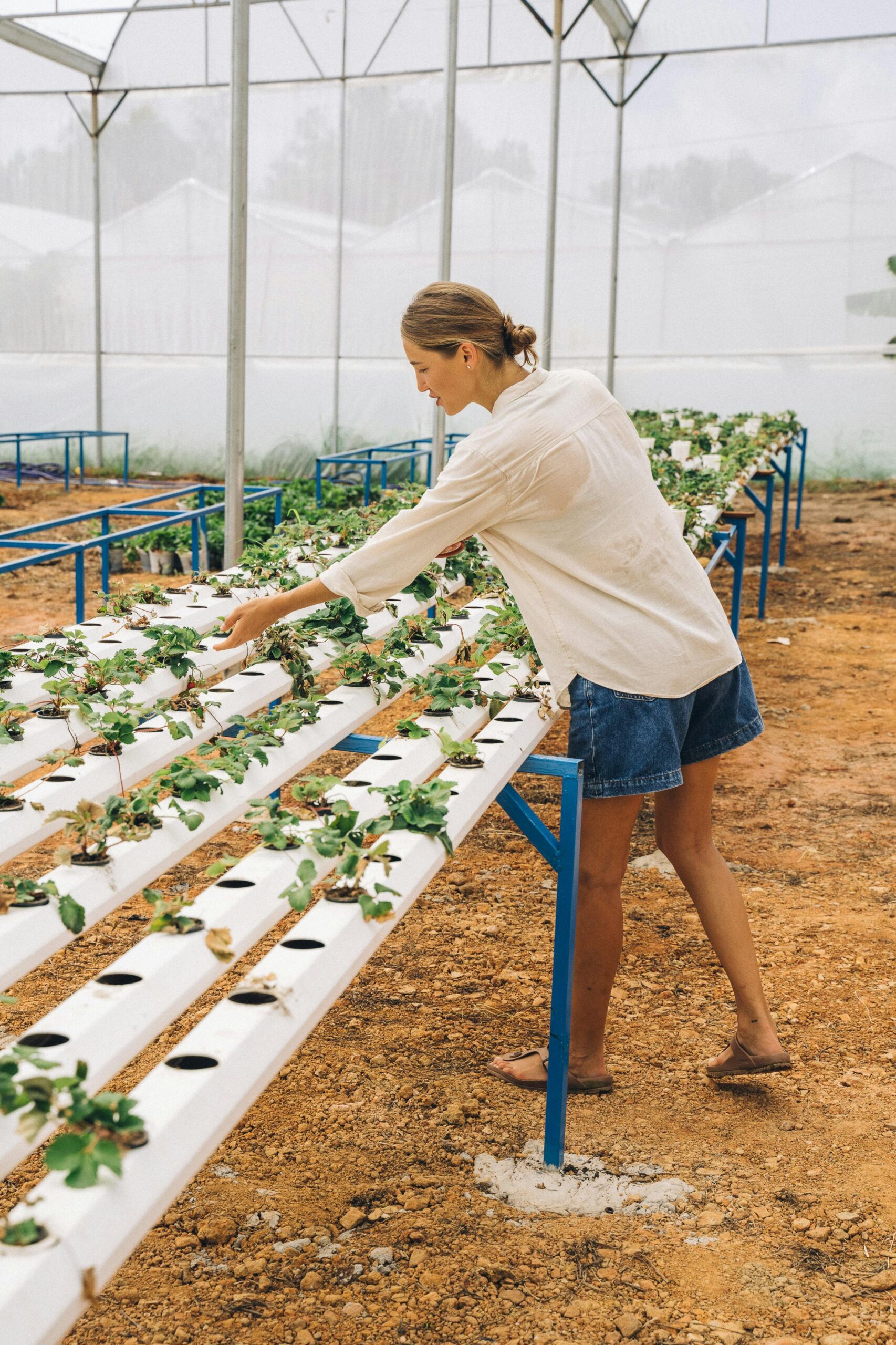

    Traditional agricultural disinfectants often rely on harsh chemicals that damage soil health and pollute waterways. ClO₂ breaks that pattern — it’s biodegradable, eco-friendly, and sustainable.More Questions About Hydroponics with ClO₂

    1️⃣ Is ClO₂ safe for hydroponic plants?
    Yes, at proper concentrations, ClO₂ targets pathogens without harming roots or leaves.

    2️⃣ Can ClO₂ prevent algae in hydroponic reservoirs?
    Absolutely. ClO₂ breaks down biofilm and prevents algae from proliferating.

    3️⃣ How often should ClO₂ be added to the system?
    Frequency depends on water volume and system type; generally, a low dose every 1–2 weeks or continuous low-level treatment is effective.

    4️⃣ Will ClO₂ affect nutrient solutions?
    No. ClO₂ does not react negatively with standard hydroponic nutrients.

    5️⃣ Can ClO₂ improve crop yields?
    Yes. Healthier roots and cleaner water contribute to stronger plant growth and higher-quality yields.

    6️⃣ Is it safe for edible or medicinal crops?
    Yes, ClO₂ leaves no harmful residues and is safe for human consumption.

    7️⃣ Can ClO₂ be used in NFT, DWC, and drip systems?
    Yes, it is compatible with all hydroponic system types when properly dosed.

    8️⃣ Does ClO₂ replace all cleaning protocols?
    It complements routine cleaning and disinfection, reducing pathogen buildup between cycles.

    9️⃣ Is ClO₂ environmentally friendly?
    Yes, it degrades into harmless salts and is biodegradable.

    🔟 Can ClO₂ be used for seedlings and mature plants?
    Yes, it is effective at all stages, protecting both young and mature crops.


    Conclusion: Cleaner Water, Stronger Hydroponic Growth

    Hydroponic cultivation is only as strong as the water that feeds it. Chlorine dioxide (ClO₂) empowers growers to eliminate hidden pathogens, prevent algae and biofilm, and maintain healthy roots throughout every growth stage. By integrating ClO₂, cultivators protect their crops, improve yields, and grow sustainably — without harsh chemicals or residual toxins. Stronger roots, cleaner systems, and higher-quality harvests aren’t just possible; they’re achievable. Hydroponic growers can finally focus on what matters most: healthy plants and thriving crops, every cycle. 💧🌱

    Call today for your Free consult!
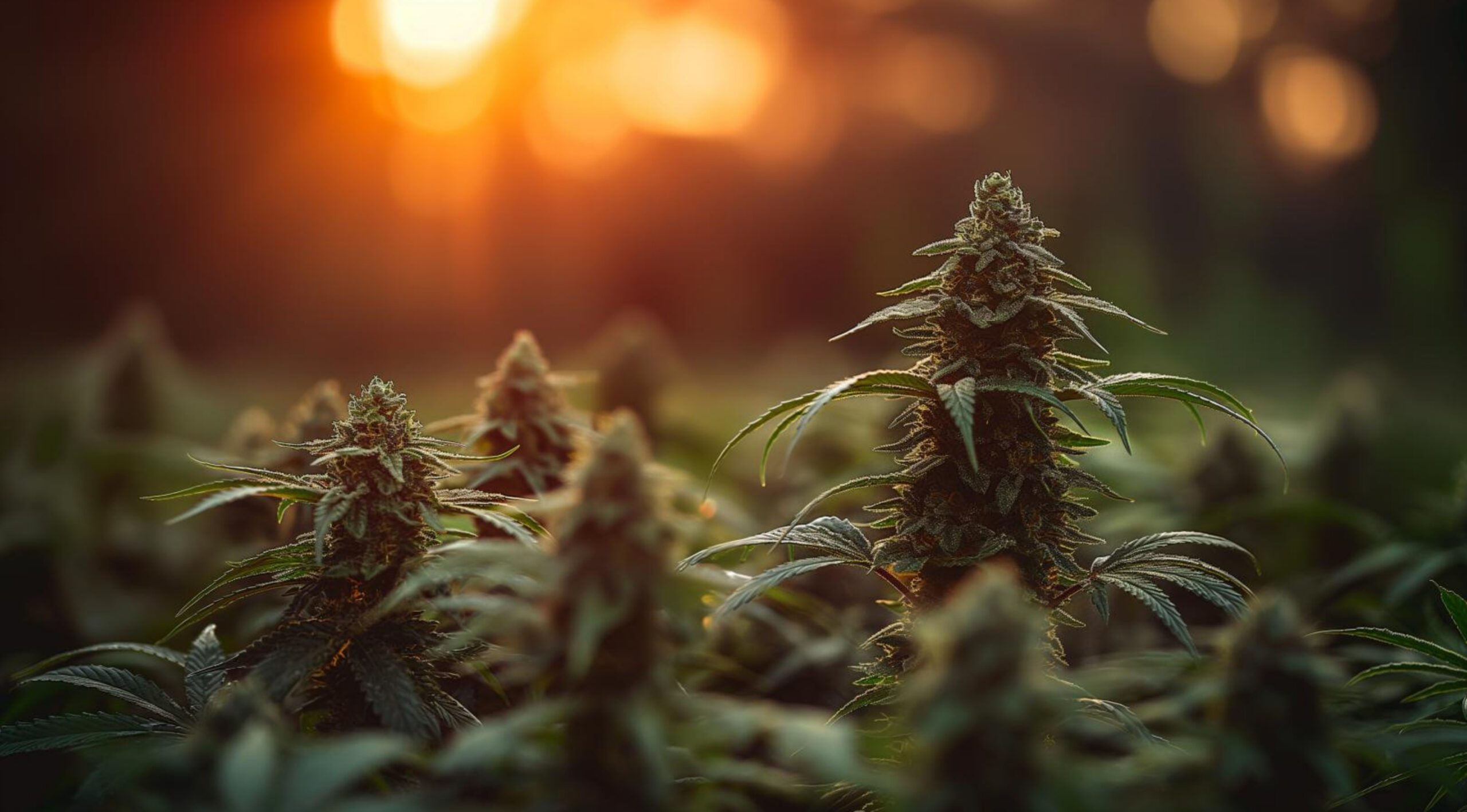
  • Growing Cleaner Cannabis — How ClO₂ Protects Your Crop from Seedling to Harvest

    Growing Cleaner Cannabis — How ClO₂ Protects Your Crop from Seedling to Harvest

    The Hidden Threats in Cannabis Cultivation

    Cannabis cultivation is an art and a science. Growers carefully manage light cycles, nutrients, humidity, and airflow to produce the healthiest plants and the most potent buds. Yet, even with perfect conditions, invisible enemies lurk beneath the surface: root rot, mold, mildew, and bacterial infestations.

    A single outbreak can compromise an entire crop, costing weeks of care, hundreds of dollars in lost yield, and months of frustration. Many cultivators focus on visible signs — adjusting water, nutrients, and airflow — but often, the real problem begins before a leaf turns yellow or a bud shows signs of mold.

    Enter chlorine dioxide (ClO₂) — a safe, eco-friendly, and highly effective solution trusted in agriculture, food safety, and water treatment, now revolutionizing cannabis cultivation. From seedling protection to post-harvest storage, ClO₂ eliminates the pathogens that threaten plant health, giving growers stronger roots, healthier foliage, and cleaner, higher-quality yields.


    The journey to a thriving cannabis crop begins at the seed. Even a healthy-looking seed can harbor bacterial or fungal spores on its surface. Without intervention, these pathogens can attack roots, stunt growth, and reduce germination success.

    Seedling Stage: Starting Clean

    The journey to a thriving cannabis crop begins at the seed. Even a healthy-looking seed can harbor bacterial or fungal spores on its surface. Without intervention, these pathogens can attack roots, stunt growth, and reduce germination success.

    Using ClO₂ at this stage provides a simple yet powerful advantage:

    • Surface sterilization: A gentle ClO₂ solution eliminates bacteria, mold, and fungi without harming the seed.

    • Improved germination: Healthy seeds sprout faster and more uniformly, giving seedlings a strong start.

    • Disease prevention: Early exposure to pathogens is minimized, reducing the risk of root rot and damping-off disease.

    ClO₂ treatment allows growers to start with a clean slate, ensuring plants can thrive without early microbial interference.


    Vegetative Stage: Strengthening Roots and Leaves

    During the vegetative stage, cannabis plants are especially sensitive to pathogens in soil and water. Pythium, Fusarium, and other root pathogens can silently attack, weakening plants before any symptoms appear above ground.

    Integrating ClO₂ into irrigation water or misting systems provides:

    • Root protection: Eliminates waterborne pathogens without harming beneficial microbes.

    • Leaf and foliage safety: Prevents mold and mildew on leaves in humid grow environments.

    • Consistent growth: Plants develop strong, healthy roots and foliage, reducing stress and vulnerability.

    Unlike chlorine bleach or other harsh chemicals, ClO₂ breaks down safely into non-toxic salts, leaving no residue that could harm plants or the environment.


    The flowering stage is critical — buds are forming, and plants are most susceptible to bud rot (Botrytis), mold, and mildew. A single outbreak can destroy weeks of work.

    Flowering Stage: Protecting Your Yield

    The flowering stage is critical — buds are forming, and plants are most susceptible to bud rot (Botrytis), mold, and mildew. A single outbreak can destroy weeks of work.

    ClO₂ provides:

    • Airborne pathogen control: Treating the grow space reduces spores in the air that can land on buds.

    • Surface sanitation: Tools, trellises, and greenhouse surfaces are disinfected safely.

    • Humidity management: ClO₂ mitigates mold growth in high-humidity zones without toxic chemical sprays.

    By using ClO₂ during flowering, growers protect the crop’s integrity, potency, and market value — all while maintaining compliance with eco-friendly and sustainable growing practices.


    Post-Harvest: Storage and Sanitation

    Even after harvest, cannabis is vulnerable. Buds can develop mold during drying, curing, or storage, reducing potency and shelf life. ClO₂ ensures:

    • Storage protection: Treating storage rooms with controlled ClO₂ eliminates residual spores.

    • Tool and container sanitation: Harvesting equipment stays clean without leaving chemical residues.

    • Extended shelf life: Cannabis remains fresh and potent, free from microbial contamination.


    Benefits of ClO₂ in Cannabis Cultivation

    • Non-toxic to plants and safe for humans

    • Highly effective against mold, mildew, fungi, and bacteria

    • Supports sustainable and organic cultivation practices

    • Improves germination and plant growth rates

    • Extends shelf life and quality of harvested buds

    • Reduces the need for harsh chemical treatments


    By using ClO₂ during flowering, growers protect the crop’s integrity, potency, and market value — all while maintaining compliance with eco-friendly and sustainable growing practices.Questions That Cannabis Cultivators Have About ClO₂

    1️⃣ Is ClO₂ safe for cannabis plants?
    Yes. At proper concentrations, ClO₂ targets pathogens without harming roots, leaves, or buds.

    2️⃣ Can ClO₂ prevent root rot?
    Absolutely. It disinfects irrigation water and soil, reducing waterborne pathogens like Pythium.

    3️⃣ How should ClO₂ be applied during growth?
    Diluted solutions can be used for seed soaking, irrigation, foliar misting, and environmental air treatment.

    4️⃣ Does it affect plant taste or potency?
    No, ClO₂ leaves no residue, maintaining natural flavor, aroma, and cannabinoid content.

    5️⃣ Can ClO₂ be used in hydroponic systems?
    Yes. It keeps nutrient lines and water reservoirs free of slime and pathogens.

    6️⃣ How often should ClO₂ be used?
    Frequency depends on system type and environmental conditions; generally once every 1–2 weeks for irrigation and continuous low-level air treatment.

    7️⃣ Is ClO₂ compatible with organic cultivation?
    Yes. It is a safe, non-toxic solution suitable for organic operations when used correctly.

    8️⃣ Can ClO₂ help prevent bud mold during flowering?
    Yes. Air and surface treatments reduce spores and minimize bud rot risk.

    9️⃣ Is ClO₂ harmful to workers?
    No. When used per manufacturer instructions, it’s safe for humans and animals.

    🔟 Can ClO₂ improve overall crop yield?
    Yes. By preventing disease and promoting healthy growth, ClO₂ contributes to stronger plants, better yields, and higher-quality buds.


    In Conclusion

    From seedling to harvest, the path to a thriving cannabis crop is full of potential threats — root rot, mold, mildew, and bacterial contamination. But with chlorine dioxide (ClO₂), growers now have a safe, effective, and eco-friendly tool to protect their plants at every stage. By starting clean, maintaining healthy roots, and sanitizing the environment, ClO₂ empowers cultivators to maximize yields, enhance bud quality, and grow with confidence. This isn’t just a matter of plant health — it’s about sustainable, responsible cultivation that respects both the crop and the planet. Embracing ClO₂ means embracing a cleaner, smarter, and more resilient future for cannabis cultivation. 🌱✨

    Call today for your Free Consult!

    clo2 is safe when used in proper dilutions.