Chlorine Dioxide Safety: Separating Real Science from Common Myths
Chlorine dioxide (ClO₂) has been praised, misunderstood, feared, misrepresented, and misused — often all at the same time. Some people claim it’s too strong, others believe it’s dangerous, while professionals in water treatment and sanitation use it safely every single day. So where is the truth?
This article breaks down the real science behind ClO₂ safety, clears away misinformation, and explains exactly how to use chlorine dioxide tablets responsibly and effectively.
What Are The Quick Facts?
- Chlorine dioxide is an EPA-recognized disinfectant widely used in water treatment, sanitation, and odor control.
- At proper dilutions, ClO₂ is safe for residential and commercial cleaning, producing fewer harmful byproducts than bleach.
- Most fears about ClO₂ come from misuse, misinformation, or confusion with chlorine bleach.
- ClO₂ works through selective oxidation, not chlorination — which is why it leaves no residue or bleaching damage.
- Safe use requires correct mixing, ventilation at higher concentrations, and never mixing with other chemicals.
- ClO₂ is not meant for ingestion or high-concentration enclosed use.
Also Read 👉🏻Chlorine Dioxide Tablets for House Cleaning | Complete FAQ & Safety Guide
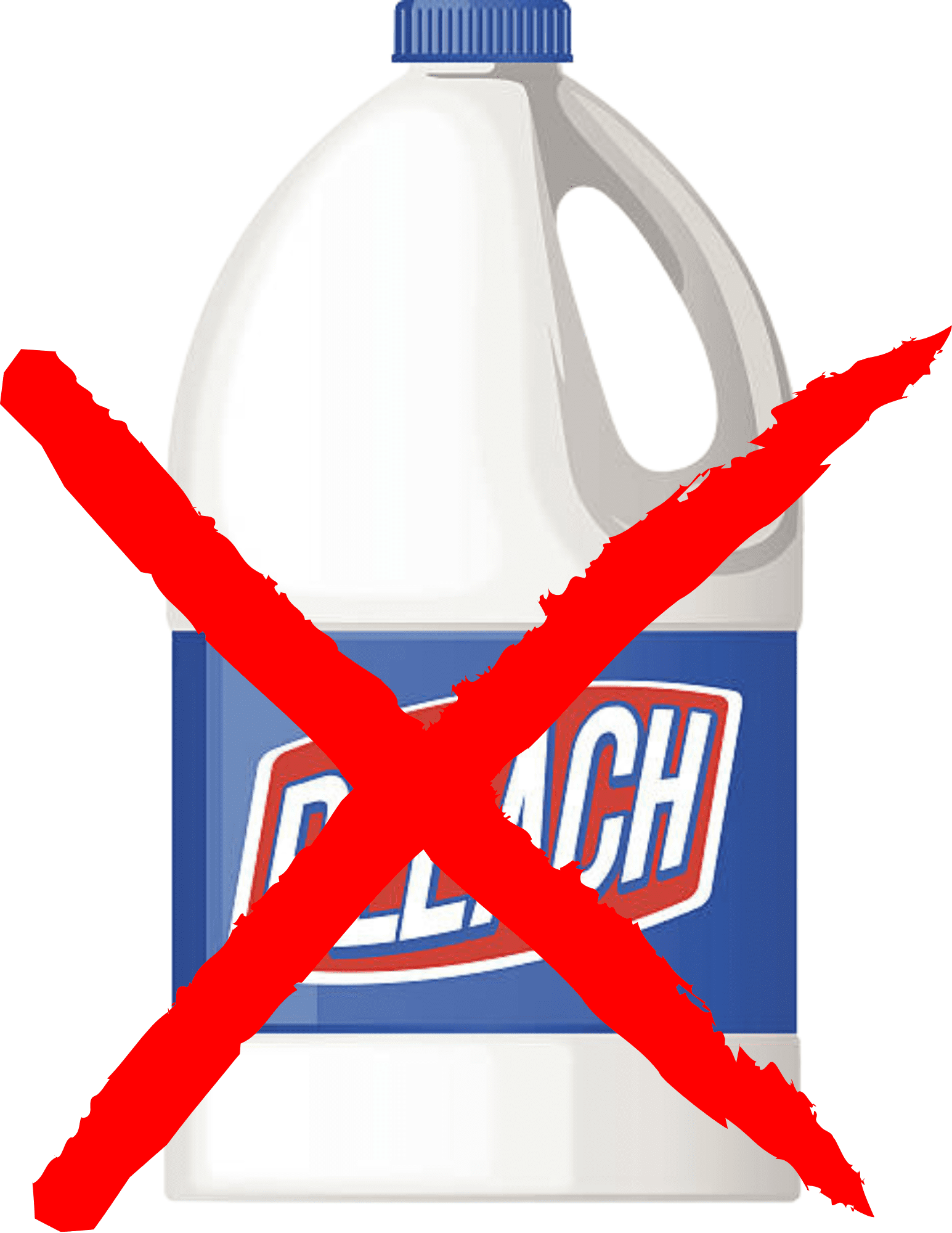 Myth #1 — “Chlorine dioxide is just another form of bleach.”
The Myth:
ClO₂ sounds like “chlorine,” so many assume it behaves like bleach.
The Science:
Bleach (sodium hypochlorite) disinfects through chlorination, creating chlorinated byproducts and strong fumes.
ClO₂ disinfects through selective oxidation, a completely different mechanism.
Key Differences:
| Feature | Chlorine Dioxide | Chlorine Bleach |
|---|---|---|
| Action | Selective oxidation | Chlorination |
| Fumes | Very low | Strong, irritating |
| Residue | Evaporates cleanly | Leaves film, can discolor |
| Byproducts | Minimal | Chlorinated byproducts |
| Surface safety | Broad and gentle | Corrosive to metals, fabrics |
Verdict:
ClO₂ is not bleach — it is chemically and functionally different.
Also Read 👉🏻From Bleach to Breakthrough: Why Smart Cleaners Are Choosing CLO₂
 Myth #2 — “Chlorine dioxide is unsafe for indoor use.”
The Myth:
People hear “oxidizer” and assume ClO₂ is dangerous indoors.
The Science:
At proper cleaning dilutions, ClO₂ has extremely low vapor presence and evaporates cleanly, which is why it’s used in:
- Hospitals
- Food-processing sanitation
- Drinking water treatment
- Schools and commercial buildings
ClO₂ becomes unsafe only when:
- Concentrations are too high
- Used in enclosed, unventilated spaces
- Misused as vapor/gas treatments without controls
With correct dilution and ventilation, ClO₂ is safe indoors.
Also Read 👉🏻Improve Winter Indoor Air Quality with ClO₂
 Myth #3 — “Chlorine dioxide is toxic even in small amounts.”
The Myth:
Because concentrated industrial ClO₂ gas is hazardous, people think all ClO₂ is dangerous.
The Science:
High-concentration ClO₂ gas = dangerous.
Low-concentration ClO₂ water solutions = safe when used correctly.
Everyday safe uses include:
- Cleaning kitchen counters
- Disinfecting hard surfaces
- Neutralizing odors
- Removing mold/mildew
- Sanitizing restrooms
- Treating drinking water in emergencies
Dose matters.
Concentration matters.
Context matters.
Also Read 👉🏻Chlorine Dioxide for Advanced Water Treatment: A Safer, Smarter Alternative to Bleach
How Chlorine Dioxide Actually Works
ClO₂ penetrates microbial cells and oxidizes essential amino acids and biomolecules. This disrupts metabolic function and destroys pathogens — including those protected by biofilms. Unlike chlorine bleach, ClO₂ does not chlorinate surfaces or form harmful trihalomethanes.
This makes ClO₂ both powerful and clean to use when mixed properly.
Real Science Behind ClO₂ Safety
Regulatory bodies worldwide approve controlled ClO₂ use, including:
- EPA — for surface disinfection and water treatment
- CDC — acknowledges ClO₂ as an effective disinfectant
- WHO — supports ClO₂ for drinking-water disinfection within safe limits
- Food-processing industry — uses ClO₂ for sanitizing produce, equipment, and surfaces
ClO₂ used at 50–200 ppm for cleaning is well below thresholds used in industrial sanitation.
 When Chlorine Dioxide Is NOT Safe to Use
ClO₂ is not recommended for:
- Ingestion (never consume ClO₂)
- Undiluted use or overly strong concentrations
- Enclosed rooms without ventilation
- CPAP machines
- Mixing with any other chemical (bleach, acids, ammonia, peroxide)
- Sensitive fabrics without patch testing
- Heavy chemical contamination (non-microbial pollutants)
Using ClO₂ safely requires respecting concentration and context.
Do’s & Don’ts for Safe ClO₂ Use
✔️ DO
- Mix exactly as directed
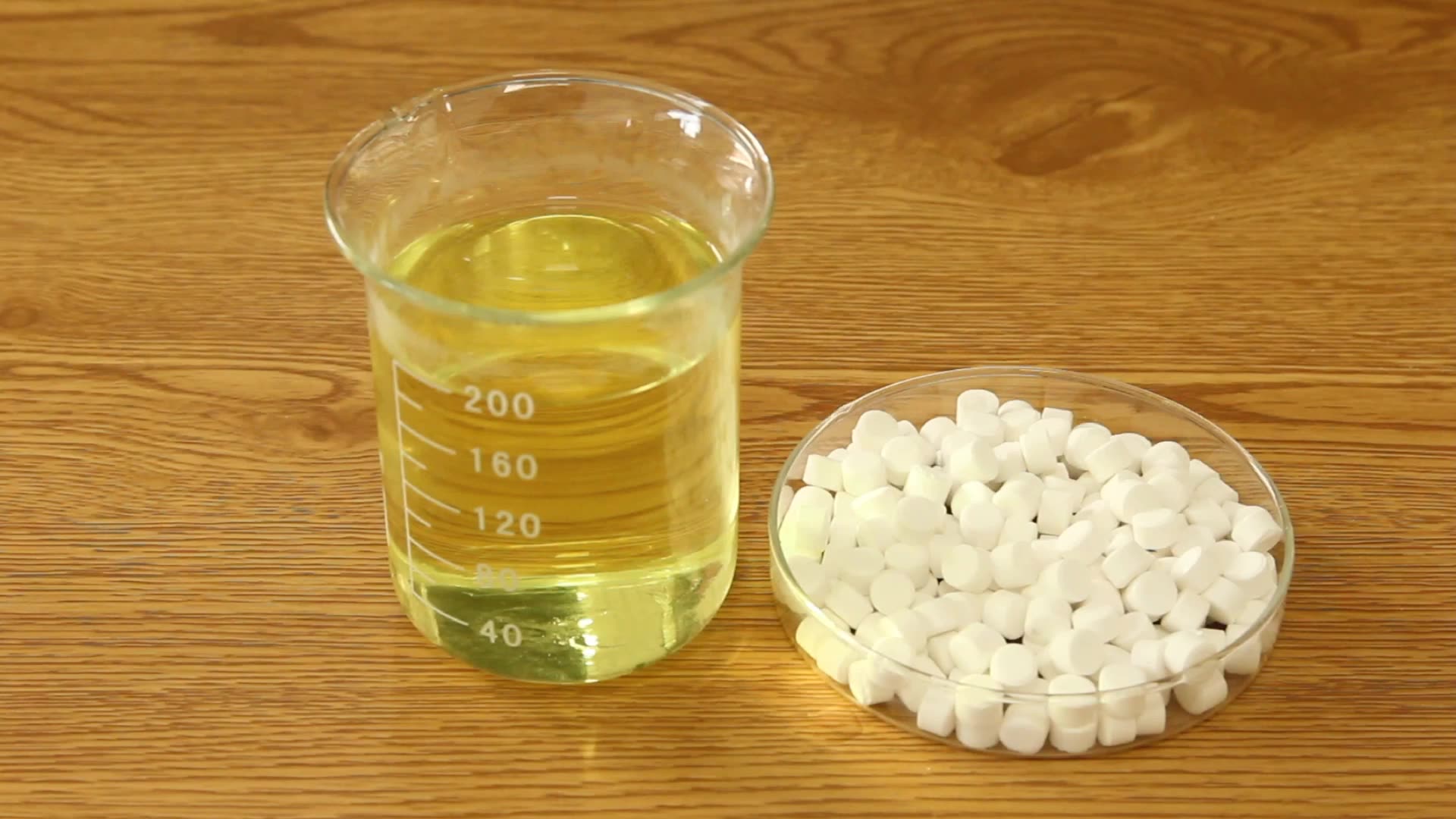
- Allow full activation (water turns yellow/amber)
- Use gloves for higher concentrations
- Ventilate when using strong solutions
- Patch-test delicate surfaces
- Store tablets dry & sealed
- Rinse food-contact surfaces when needed
❌ DON’T
- Mix with bleach, acids, vinegar, ammonia, or peroxide
- Seal activation containers tightly
- Use in humidifiers or misting devices
- Apply high concentrations in small enclosed spaces
- Use expired (deactivated) solutions
- Allow kids or pets access to concentrated solutions
Summary — Science Wins, Myths Don’t
Chlorine dioxide is a powerful, safe, and clean disinfectant when used correctly.
Fear-based myths arise from misunderstanding chemistry or confusing ClO₂ with bleach.
The truth: ClO₂ is used globally in water treatment, sanitation, and food safety — because it works and produces fewer harmful byproducts than many common cleaners.
Use it responsibly, and it becomes one of the safest, most effective cleaning tools available.
Ready to experience safe, science-backed cleaning with ClO₂?
Browse our disinfecting tablets at Clo2Tablets.com and upgrade your cleaning confidence today.
Frequently Asked Questions
1. Is chlorine dioxide safe to use indoors?
Yes — at proper cleaning concentrations with basic ventilation.
 2. Does it bleach surfaces?
No — ClO₂ does NOT bleach or chlorinate.
3. Is it safe for pets?
Yes, once surfaces are dry. Keep pets away from concentrated mixtures.
4. Can I use ClO₂ on food surfaces?
Yes — rinse if using above 200 ppm.
5. Is ClO₂ safe to breathe?
Not in high concentrations. Normal cleaning dilutions pose minimal vapor exposure.
6. Can I mix ClO₂ with other cleaners?
No — never mix ClO₂ with bleach, acids, ammonia, or peroxide.
7. How long does activated solution stay potent?
A couple weeks when stored away from light and heat.
8. Will ClO₂ remove mold?
Yes — especially effective at 500+ ppm with proper contact time.
9. Is ClO₂ environmentally friendly?
Yes — it breaks down into harmless salts and oxygen-related compounds.
10. Is ClO₂ safe for septic systems?
Yes — diluted ClO₂ does not disrupt septic biology.