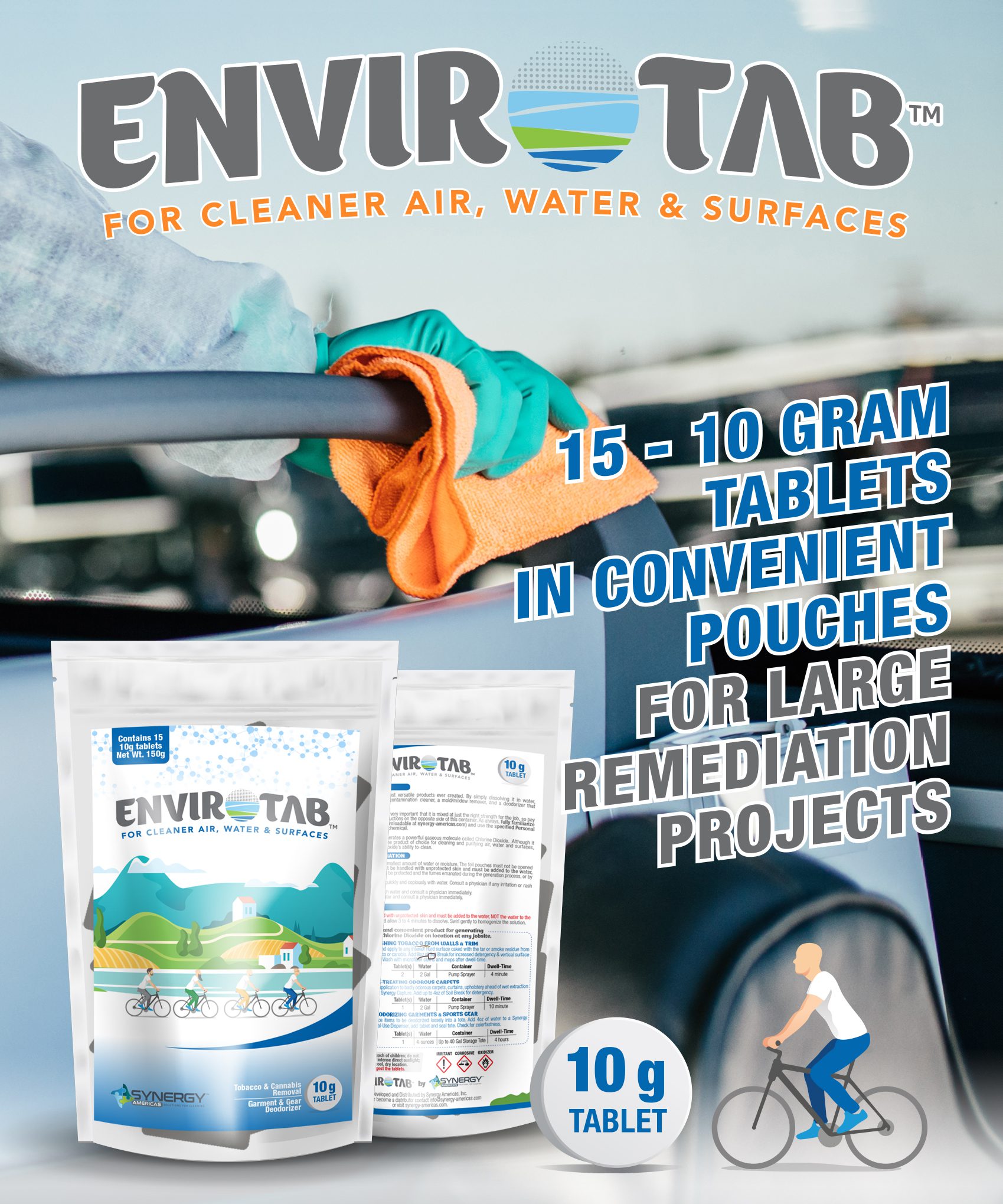

Cleaning & Disinfecting Hard Surfaces with Chlorine Dioxide Tablets: A Complete Guide
Hard surfaces collect everything — bacteria, viruses, biofilms, grease, odors, and organic residue. Traditional cleaners often smear contamination around without fully eliminating it. Chlorine dioxide tablets offer a smarter, science-backed method for cleaning and disinfecting hard surfaces safely, effectively, and without residue. This guide shows exactly how to mix, apply, and optimize ClO₂ for any hard surface in your home or business.
Why Chlorine Dioxide Is Ideal for Hard-Surface Cleaning
Chlorine dioxide (ClO₂) is an EPA-recognized oxidizing biocide used worldwide for disinfecting food-processing equipment, hospital environments, water treatment systems, and odor remediation projects. Its ability to penetrate biofilms and destroy microbial contamination sets it apart from bleach, quats, and peroxides.
Hard surfaces — countertops, stainless steel, tile, grout, appliances, tools, equipment, and sealed flooring — benefit from ClO₂’s residue-free cleaning power. This article breaks down how it works, how to use it, and why it’s one of the highest-performing sanitizers available.
 What Problem Are We Solving?
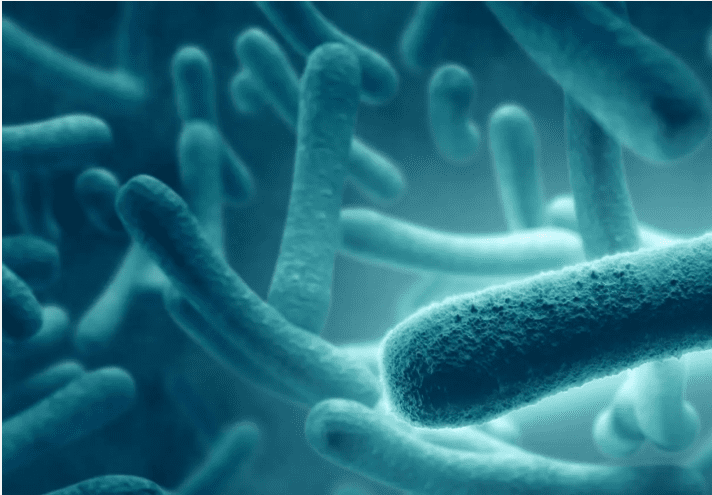
Hard surfaces collect contaminants on a microscopic level. Even surfaces that look clean may hold:
- Biofilms
- Grease and organic deposits
- Odor-causing bacteria
- Mold spores
- Viruses and allergens
Most household cleaners struggle with biofilm, which acts as a protective layer for microorganisms.
ClO₂ penetrates that layer, oxidizing the organisms and the film itself — leaving surfaces cleaner and safer.
How Chlorine Dioxide Works
ClO₂ penetrates microbial cell walls and biofilms, oxidizes amino acids and structural molecules, disrupts metabolic function, and leaves no harmful residues. Unlike bleach, it does not chlorinate surfaces or create toxic byproducts.
This selective oxidation makes it ideal for hard surfaces that require both cleaning and disinfecting.
 Why ClO₂ Tablets Are Superior for Hard Surfaces
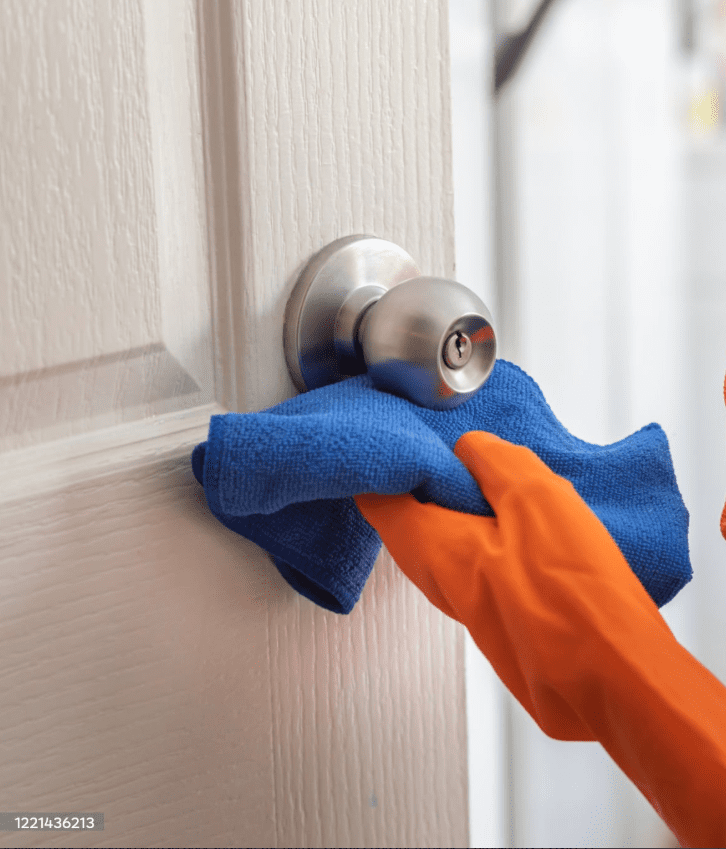 Why ClO₂ Tablets Are Superior for Hard Surfaces
Residue-Free Cleaning
Evaporates cleanly with no sticky film or chemical buildup.
Biofilm Penetration
Destroys the protective layer that shields microorganisms.
Odor Neutralization
Eliminates odors at their molecular source.
Surface Compatibility
Safe for:
- Stainless steel
- Tile
- Grout
- Granite (sealed)
- Plastic
- Glass
- Painted surfaces
- Tools & equipment
Low Corrosivity at Use Strength
Won’t corrode metal or damage surfaces like bleach.
Easy, Controlled Mixing
Tablets produce precise, reliable concentrations every time.
How to Clean & Disinfect Hard Surfaces with ClO₂ Tablets
Step 1: Select the Correct Concentration
Use the chart below for best results:
| Cleaning Need | Recommended ppm | Tablet Size | Water Amount |
|---|---|---|---|
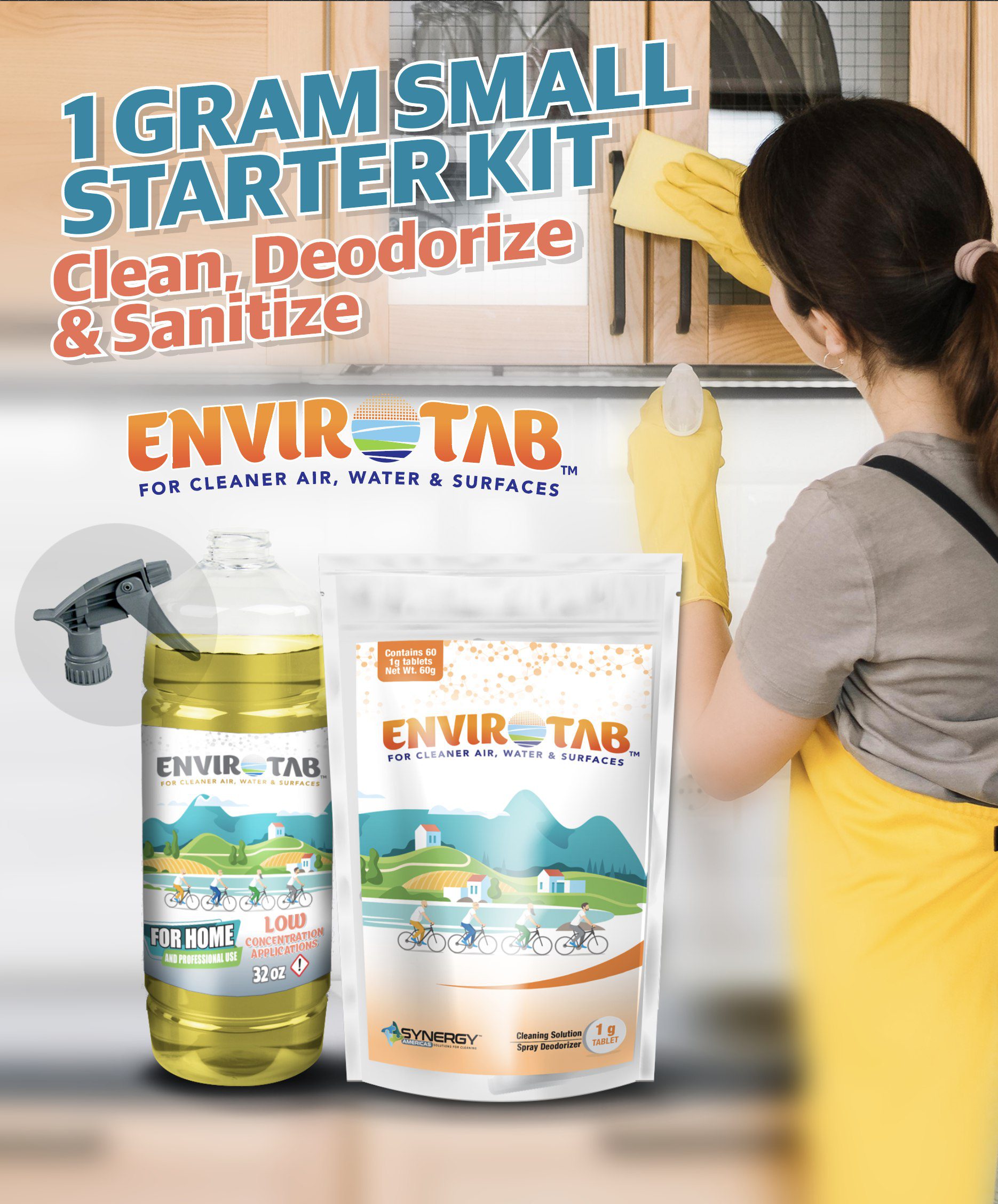
| Daily Surface Cleaning | 50–100 ppm | 1g | 1–2 liters |
| General Disinfection | 100–200 ppm | 1g | 1 liter |
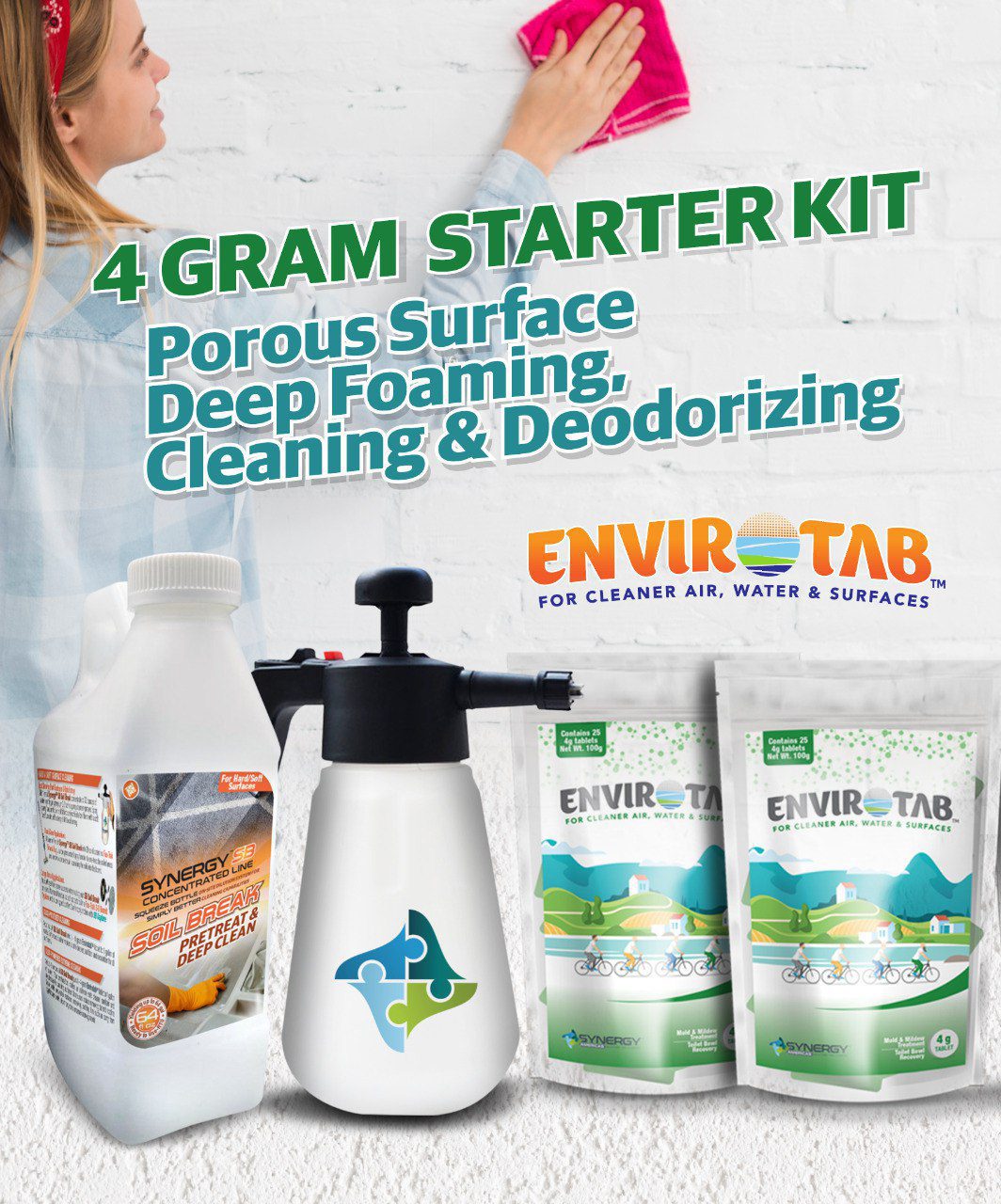
| Deep Cleaning (Odor, Biofilm, Grease) | 500 ppm | 4g | 1 liter |
| Serious Contamination or Heavy Odor | 1,000 ppm | 4g | 500 mL |
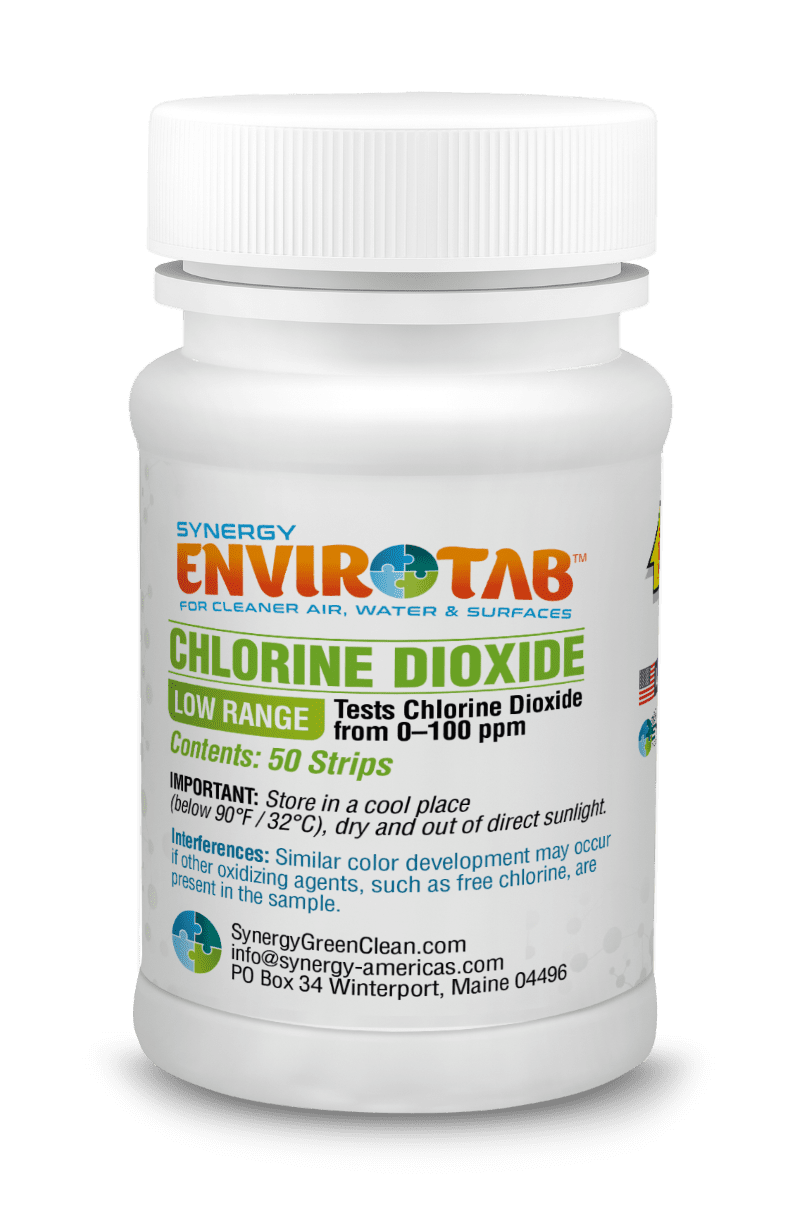
Purchase our CLO2 Test Strips here 👉🏻0-2500 ppm
Step 2: Activate the Solution
 Step 2: Activate the Solution
-
Place tablet in water
-
Allow 1 minute to fully activate
-
Solution turns amber-yellow when ready
Do NOT tightly seal containers during activation.
Step 3: Pre-Clean if Surface Is Visibly Dirty
ClO₂ works best on surfaces free from heavy debris.
Wipe or scrape off dirt, food, dust, or grease.
Step 4: Apply ClO₂ Solution
Use a:
- Spray bottle
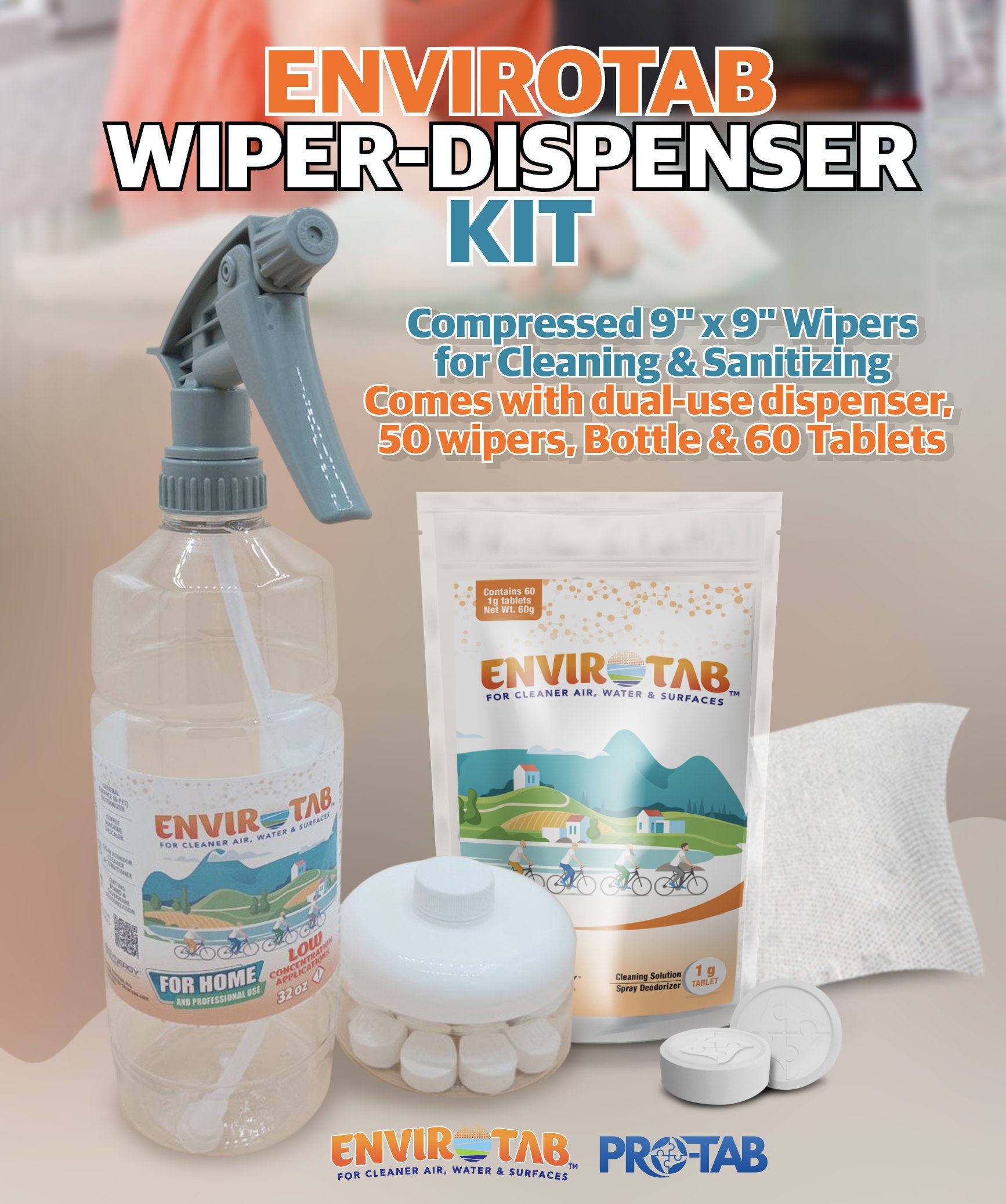
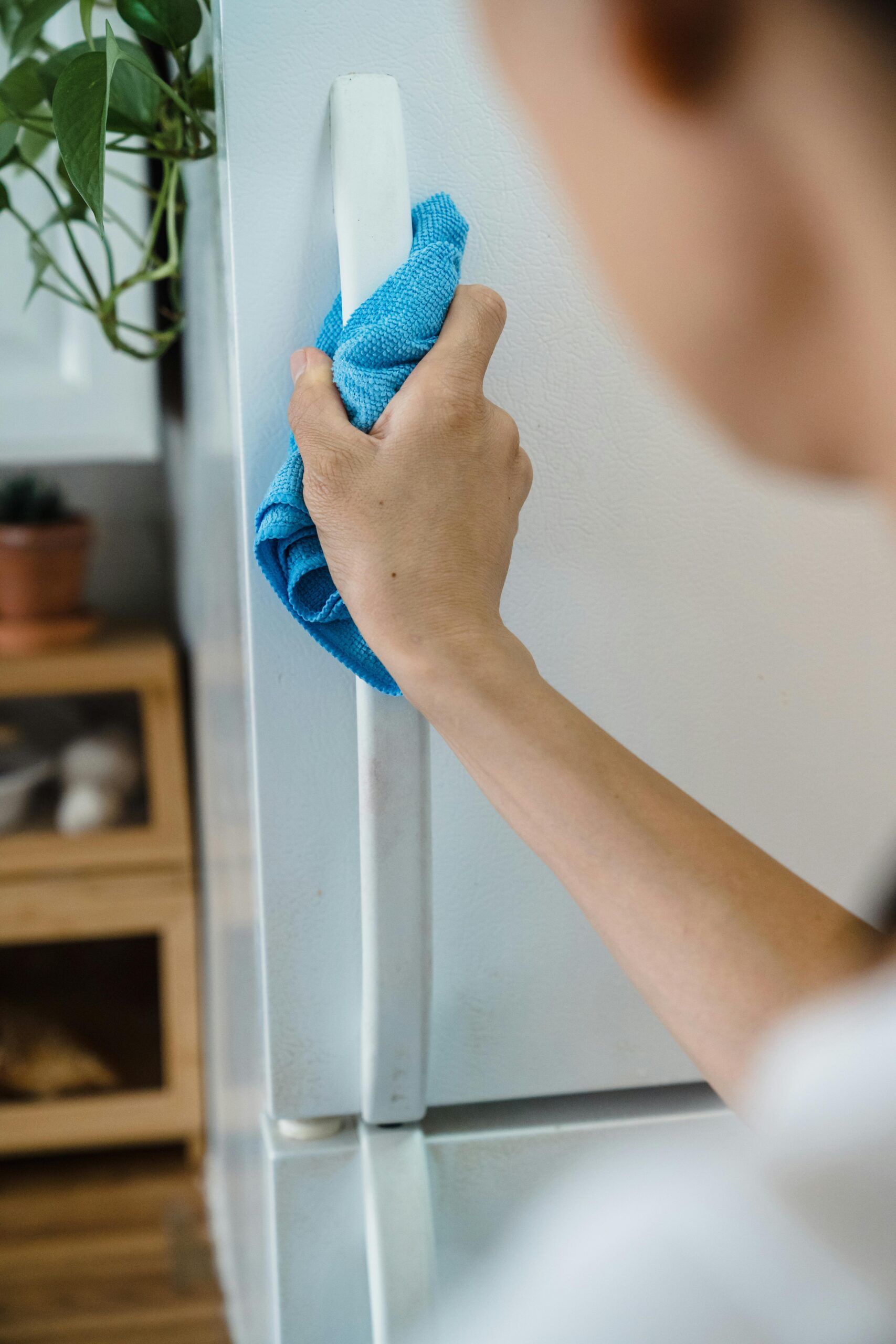
- Microfiber cloth
- Mop bucket
- Pump sprayer
Fully wet the surface. Do not oversaturate electronics.
Step 5: Allow Contact Time
For full disinfection:
-
5–10 minutes for routine cleaning
-
10–30 minutes for odors, biofilm, or deep contamination
ClO₂ must remain in contact during this time.
Step 6: Rinse Only When Necessary
Rinse if:
-
You used above 200 ppm on food-contact surfaces
-
You’re cleaning extremely sensitive materials
Otherwise, no rinse required — residue-free cleaning is a major benefit.
Comparison Table — ClO₂ vs Other Hard-Surface Cleaners
| Feature | ClO₂ Tablets | Bleach | Quats | Peroxides |
|---|---|---|---|---|
| Biofilm Removal | ✔️ Excellent | ❌ Poor | ❌ None | ⚠️ Limited |
| Residue | ✔️ None | ❌ High | ❌ Sticky | ✔️ Low |
| Surface Safety | ✔️ Excellent | ❌ Corrosive | ⚠️ Leaves film | ⚠️ Can discolor |
| Odor Neutralization | ✔️ Strong | ❌ Weak | ❌ Weak | ⚠️ Mild |
| User Comfort | ✔️ Low fumes | ❌ Strong fumes | ⚠️ Chemical odor | ✔️ Mild |
| Compatibility | Very high | Low | Medium | Medium |
Safety, Compliance & Regulatory Considerations
 Safety, Compliance & Regulatory Considerations
- ClO₂ is approved by the EPA for disinfection when used according to label instructions.
- At typical cleaning strengths, fumes are low and safe for indoor use.
- For high concentrations (500–1,000 ppm), use ventilation.
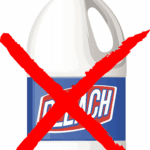
- Avoid mixing ClO₂ with any other chemicals — especially bleach, acids, or ammonia.
- Rinse food-contact surfaces only when using higher strengths.
Best Practices for Cleaning Hard Surfaces
- Use microfiber cloths for maximum adhesion and dirt removal.
- Allow proper contact time — wiping too soon reduces effectiveness.
- For grout and tile, scrub lightly to help break up biofilm.
- Store activated solution away from sunlight to maintain potency.
- Use fresh solution every 48–72 hours.
Chlorine dioxide tablets provide powerful, residue-free cleaning for hard surfaces through selective oxidation and biofilm penetration. Mix concentrations according to need, allow full activation, apply generously, and maintain proper contact time. ClO₂ outperforms bleach, quats, and peroxides while remaining surface-safe and easy to use.
Experience residue-free, professional-grade hard-surface cleaning with chlorine dioxide tablets from Clo2Tablets.com. Choose the right concentration for your needs and enjoy unmatched cleaning performance in every room or facility.
Frequently Asked Questions
 Frequently Asked Questions
1. Can ClO₂ be used on kitchen counters?
Yes — safe for granite, quartz, stainless steel, and most sealed surfaces.
2. Will ClO₂ discolor grout or tile?
No. It does not bleach or chlorinate materials.
3. Is ventilation required?
Not for 50–200 ppm. Higher ppm solutions benefit from airflow.
4. Can ClO₂ remove mold from hard surfaces?
Yes — especially at 500+ ppm. Contact time improves results.
5. Does ClO₂ kill viruses?
Yes. It is effective against a broad range of viruses when used at disinfecting concentrations.
6. Is rinsing required after cleaning?
Only for food-contact surfaces when using above 200 ppm.
7. Can I use ClO₂ on stainless steel appliances?
Absolutely — it’s one of the safest disinfectants for stainless steel.
8. Is it safe around pets once dry?
Yes — allow surfaces to dry fully before re-entry.
9. How long does activated solution remain effective?
48–72 hours in a sealed, light-protected container.
10. Can I mix ClO₂ with soap?
No — ClO₂ must be used alone for full effectiveness.