
How to Use Chlorine Dioxide Tablets for Cleaning: A Complete Scientific & Practical Guide
Cleaning products come in every shape and scent, yet few actually solve the root problem: microbial contamination, biofilm, and odor-causing compounds. Chlorine dioxide tablets offer a modern, science-driven solution that’s safer, stronger, and more versatile than traditional cleaners. This guide shows you exactly how to use ClO₂ tablets correctly—whether you’re cleaning your home, business, equipment, tools, or high-touch surfaces.
Understanding Chlorine Dioxide in Modern Cleaning
Chlorine dioxide (ClO₂) is an oxidizing biocide used worldwide for sanitization, odor removal, and pathogen control. Unlike bleach or quaternary ammonium compounds (quats), it destroys microorganisms by oxidizing biomolecules, including those hidden inside biofilms, where pathogens typically shelter.
Regulatory agencies including the EPA, CDC, and global water treatment authorities recognize ClO₂ as a powerful disinfectant for food-contact surfaces, industrial sanitation, water purification, odor mitigation, and mold remediation.
This article breaks down how ClO₂ tablets work, how to mix them safely, how to apply them, and when to use which concentration for optimal results.
 What Problem Are We Solving?
Surfaces collect bacteria, viruses, mold spores, organic residues, grease, and odor-causing compounds. Traditional cleaners often mask or smear contaminants without truly destroying them—especially when biofilms protect microorganisms.
ClO₂ solves this by:
- Penetrating and oxidizing biofilm layers
- Eliminating microorganisms at a molecular level
- Leaving no harmful or sticky residues
- Neutralizing odors directly instead of masking them
- Remaining effective across a wide pH range
This makes ClO₂ ideal for homes, businesses, food prep areas, restrooms, industrial tools, and odor-prone spaces.
How Chlorine Dioxide Works
Chlorine Dioxide Mechanism in a nutshell:
ClO₂ penetrates microbial cell walls, oxidizes amino acids and vital cellular components, collapses metabolic pathways, and destroys biofilms while preventing regrowth. Because it acts via selective oxidation (not chlorination), it does not create harmful chlorinated byproducts.
 Why Chlorine Dioxide Tablets Are Superior for Cleaning
 Why Chlorine Dioxide Tablets Are Superior for Cleaning
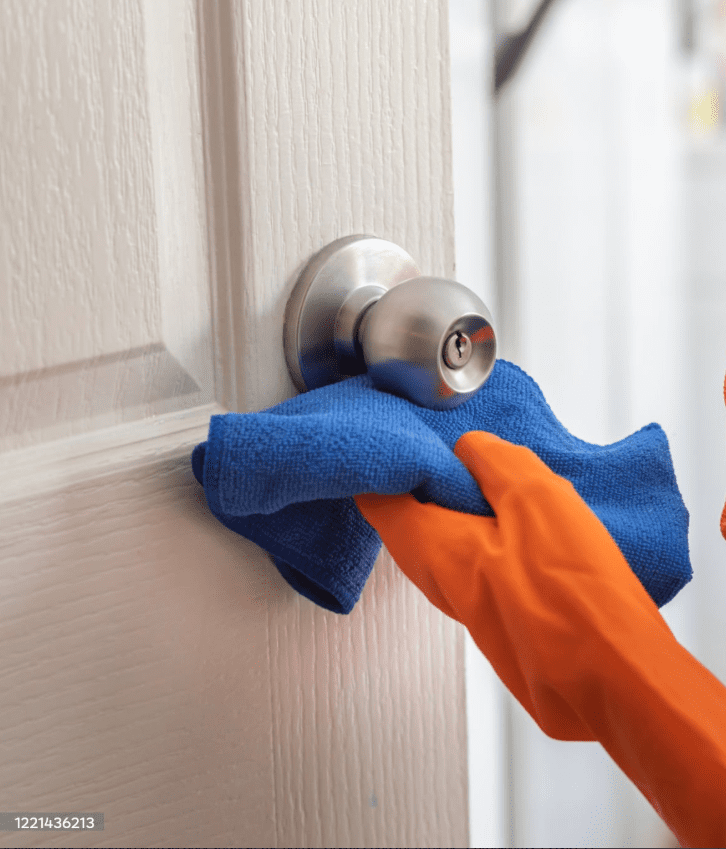
ClO₂ tablets outperform bleach and quats in several key areas:
- Powerful Broad-Spectrum Action
Effective against bacteria, viruses, mold, mildew, and spores. - Biofilm Penetration
Pierces protective layers where pathogens hide. - No Harmful Residues
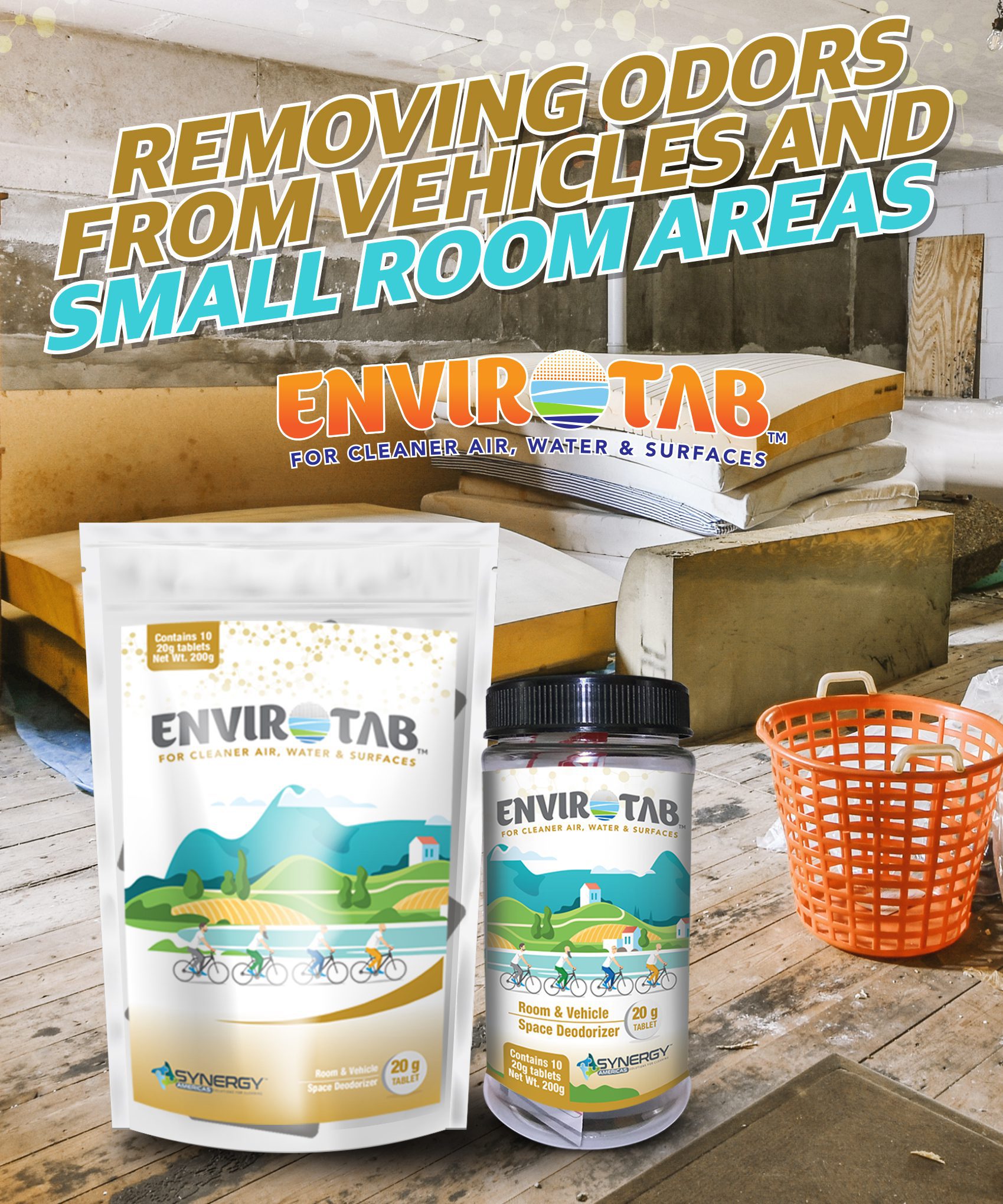
Evaporates cleanly — ideal for food-contact surfaces. - Neutralizes Odors at the Source
Destroys odor-causing molecules rather than masking them. - Stable, Portable, and Easy to Mix
Tablets produce accurate, consistent concentrations. - Non-Corrosive at Use Strength
Safe for most surfaces when properly mixed.
Step-by-Step: How to Use Chlorine Dioxide Tablets for Cleaning
1. Gather Your Supplies
You’ll need:
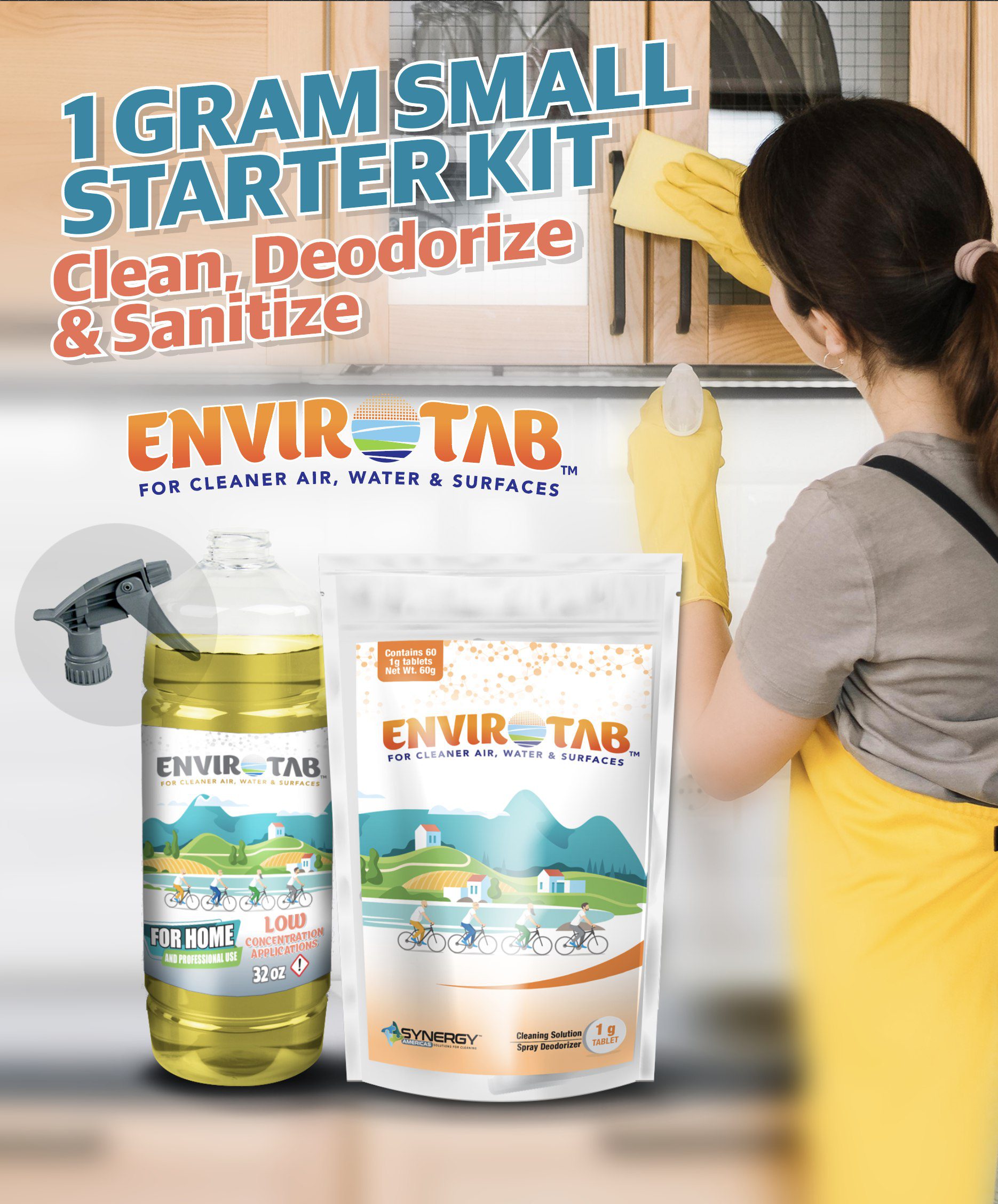
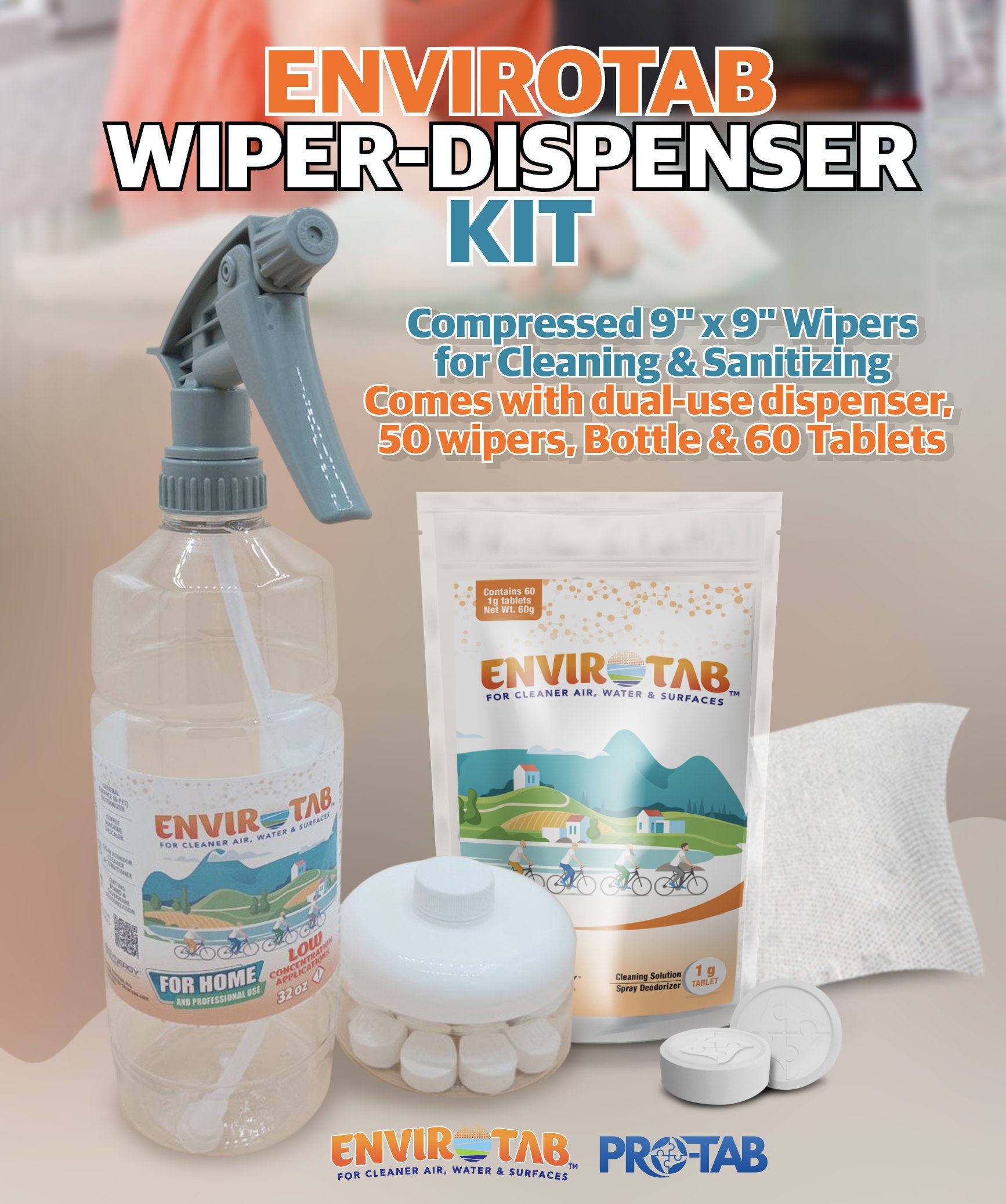
- CLO2 tablets from Clo2Tablets.com
- Clean container, spray bottle or mop bucket.
- Water (distilled or tap)
- Gloves (optional for sensitive skin)
2. Choose Your Strength (Mixing Instructions)
Below is the ideal quick-reference mixing table.
Chlorine Dioxide Mixing & Dosage Table
| Cleaning Strength | Tablet Size | Water Amount | Ideal For |
|---|---|---|---|
| 50–100 ppm (Light Cleaning) | 1g | 1–2 liters | Daily cleaning, wiping surfaces, counters, glass, tools |
| 100–200 ppm (General Cleaning) | 1g | 1 liter | Kitchens, bathrooms, odor removal, household disinfection |
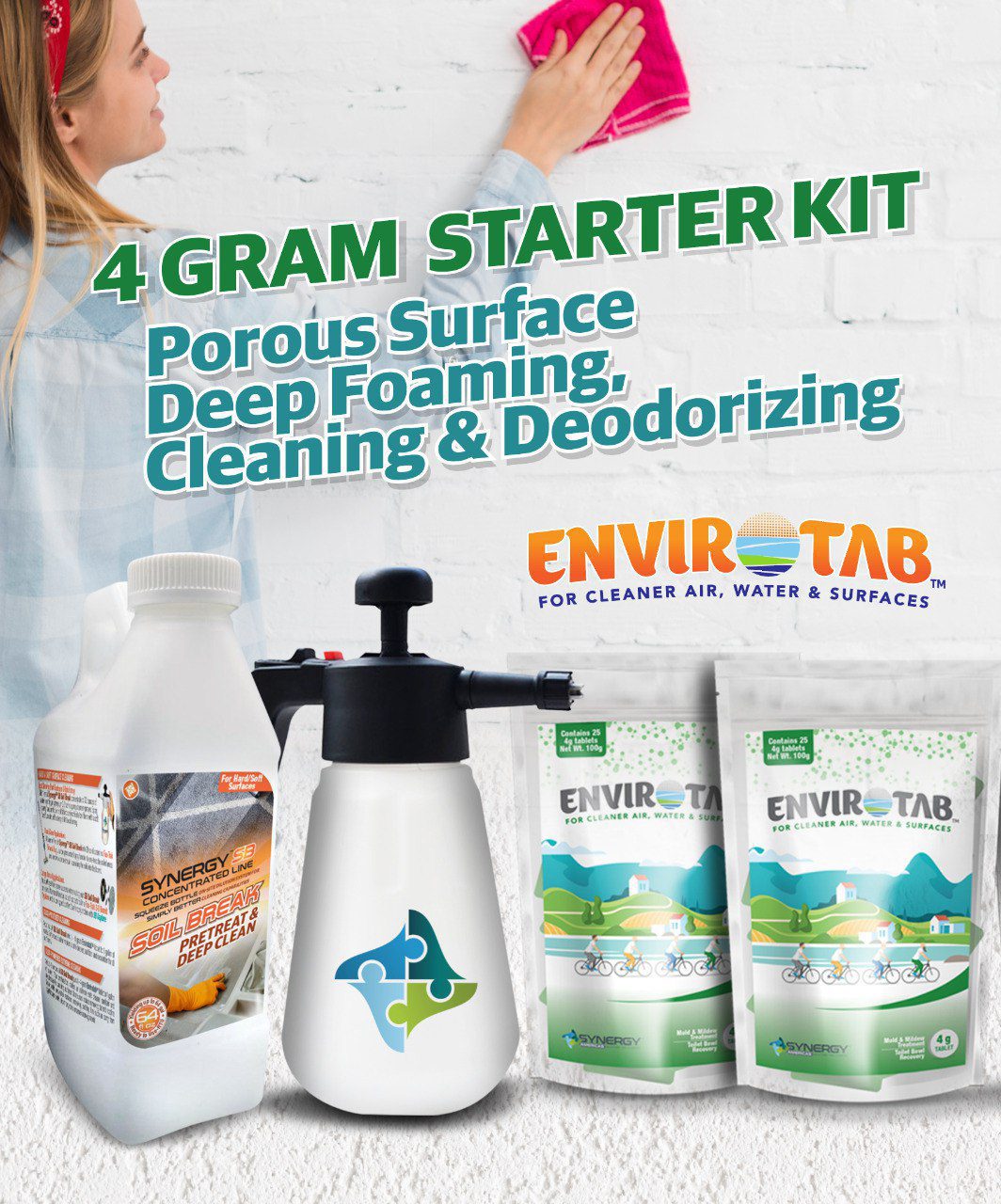
| 500 ppm (Heavy Cleaning) | 4g tablet | 1 liter | Mold, mildew, organic contamination, pet odors, grime |
| 1,000 ppm (Shock Cleaning) | 4g | 500 mL | Severe odors, equipment sanitation, professional use |
Tip: Higher concentrations should never be used without ventilation and responsible handling.
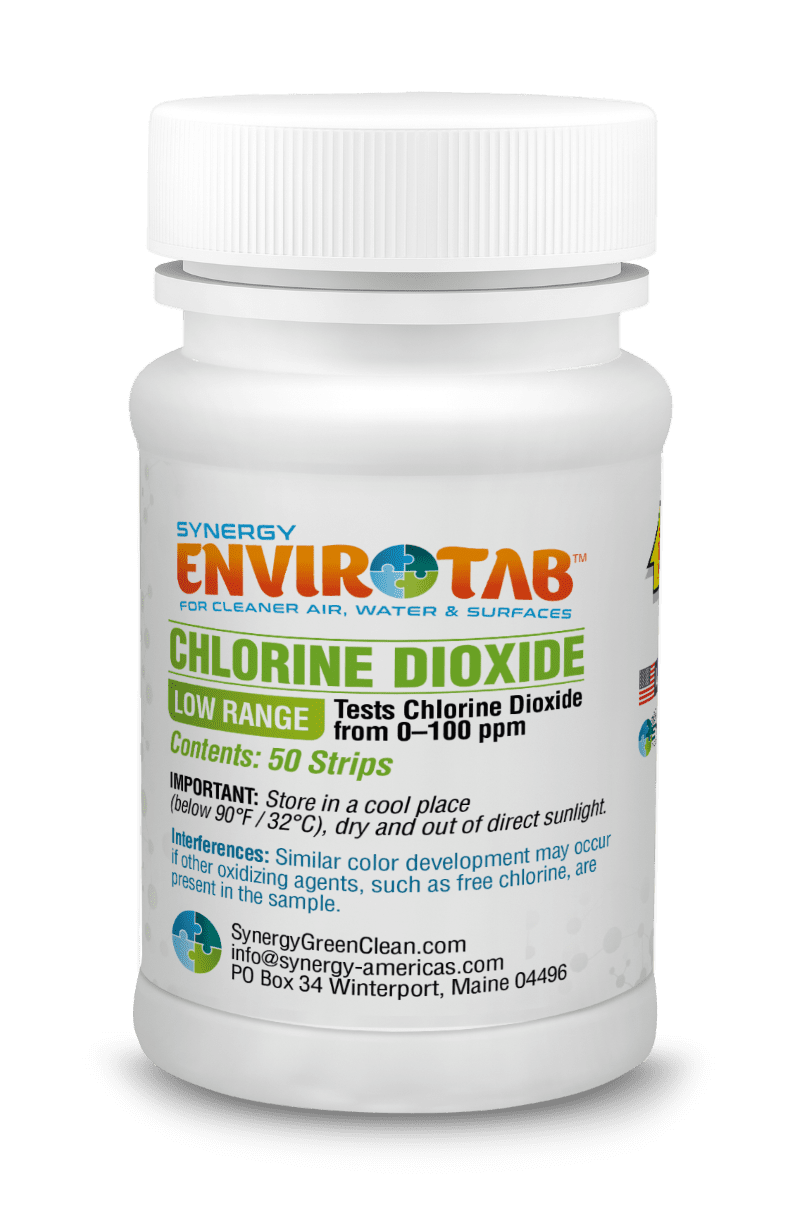 Buy our CLO2 testing strips for accurate measurements here 👉🏻 0-2500 ppm
3. Allow the Tablet to Activate
ClO₂ tablets activate in less than a minute, depending on strength.
Solution turns amber-yellow when ready.
4. Apply to Surfaces
Use: Allow 5–10 minutes of surface contact time for routine cleaning, longer (10–30 minutes) for odor or contamination-heavy areas.
5. Rinse (Only If Needed)
Most surfaces do not require rinsing after ClO₂ use.
Rinse only on:
- Food-contact surfaces when using >200 ppm
- Sensitive electronics (use minimal dampness)
Comparison Table — ClO₂ vs. Other Cleaners
| Feature | ClO₂ Tablets | Bleach | Quats | Peroxides |
|---|---|---|---|---|
| Biofilm Removal | ✔️ Excellent | ❌ Poor | ❌ None | ⚠️ Limited |
| Odor Removal | ✔️ Neutralizes at source | ❌ Masking only | ❌ Weak | ⚠️ Mild |
| Surface Residue | ✔️ None | ❌ High | ❌ Sticky | ✔️ Low |
| Corrosiveness | Low | High | Low | Medium |
| Mix Stability | Very stable | Unstable | Stable | Moderate |
| Application Versatility | Extremely versatile | Limited | Limited | Moderate |
Safety, Compliance & Regulatory Notes
- ClO₂ is recognized by the EPA as an effective disinfectant when used within regulated concentrations.
- Safe for use on food-contact surfaces when rinsed at high concentrations.
- Always store tablets in a dry, cool location.
- Do not mix activated solutions with other chemicals.
- Ventilate when using high-strength solutions (>500 ppm).
Best Practices for Optimal Results
- Mix fresh solutions every 48–72 hours for maximum potency.
- Higher contamination levels require higher ppm and longer contact times.
- Pre-clean visibly dirty surfaces before disinfecting.
- Always allow ClO₂ to fully activate (yellow color).
- Store unused tablets in their original packaging.
Chlorine dioxide tablets provide powerful, residue-free cleaning through selective oxidation. Mix 50–200 ppm for daily cleaning, 500 ppm for heavy contamination, or 1,000 ppm for shock treatments. Apply via spray or cloth, allow 5–10 minutes contact time, and rinse only on food-contact surfaces when using high concentrations. Safe, stable, and effective on odors, bacteria, mold, and biofilms.
Frequently Asked Questions
 Frequently Asked Questions
1. How long does chlorine dioxide stay active once mixed?
Typically 48–72 hours when stored in a sealed container away from sunlight.
2. Do ClO₂ tablets leave residue?
No — they evaporate cleanly and leave surfaces residue-free.
3. Can I use ClO₂ on food-contact surfaces?
Yes, but rinse if you used concentrations above 200 ppm.
4. Is ClO₂ safe around pets?
Yes when used correctly and allowed to dry before pets re-enter the area.
5. Does it discolor fabrics?
No — unlike bleach, ClO₂ is non-chlorinating and non-bleaching.
6. Can I mix ClO₂ with bleach or peroxide?
Never mix ClO₂ with other chemicals.
7. Does ClO₂ remove mold?
Yes. Higher ppm solutions (500–1,000) penetrate and oxidize mold and mildew.
8. Does it eliminate odors permanently?
Yes — ClO₂ chemically destroys odor molecules.
9. What happens if the solution doesn’t turn yellow?
Either the activation time isn’t complete or the water quality interfered. Wait longer or use a clean container.
10. Can I store activated solution?
Yes for up to 72 hours, though potency slowly declines.
Call to Action
Upgrade your cleaning routine with professional-grade chlorine dioxide tablets from Clo2Tablets.com. Whether you need daily cleaning strength or powerful odor-removal concentrations, our tablets deliver dependable, science-backed results every time.
About the Author
 About the Author
Michele Matthews creates scientific, practical sanitation guides for commercial and residential cleaners. Her work focuses on chlorine dioxide chemistry, industrial hygiene workflows, odor-remediation science, and environmental safety best practices.