
How Should Chlorine Dioxide Tablets Be Used for Effective Cleaning in 2026?
Chlorine dioxide tablets should be used by dissolving them in water at manufacturer-specified concentrations, applying the activated solution to pre-cleaned surfaces, allowing proper contact time for oxidation to occur, and then rinsing if required—especially on food-contact areas. In 2026, chlorine dioxide tablets are recognized as a precision disinfectant that neutralizes microbes, biofilms, and odors without leaving harmful residues when used correctly.
The Cleaning Landscape Has Changed—Chemistry Now Matters
Cleaning in 2026 is no longer about making surfaces look clean. It’s about measurable microbial reduction, odor neutralization at the molecular level, and compliance with evolving health, safety, and sustainability expectations.
Traditional disinfectants often rely on harsh chlorination, fragrance masking, or surface-level sanitizing. These approaches can leave residues, create resistant biofilms, and introduce unnecessary chemical exposure.
Chlorine dioxide (ClO₂) tablets represent a different class of cleaner altogether.
Used globally in water treatment, food sanitation, healthcare environments, and industrial hygiene programs, chlorine dioxide operates through selective oxidation—a mechanism that targets microorganisms and odor-causing compounds directly without breaking down into harmful chlorinated byproducts.
That difference is exactly why ClO₂ tablets have moved from niche industrial use into mainstream professional and household cleaning strategies.
Learn more about the science behind chlorine dioxide at
👉 https://clo2tablets.com
What Makes Chlorine Dioxide Tablets Scientifically Different?
Chlorine dioxide is not bleach. While both contain chlorine atoms, their chemistry—and behavior—are fundamentally different.
Bleach disinfects through chlorination, which can create trihalomethanes and other residual compounds. Chlorine dioxide disinfects through electron transfer oxidation, disrupting microbial cell walls, viral protein coats, and biofilm matrices without forming persistent residues.
This makes chlorine dioxide particularly effective against:
- Bacteria
- Viruses
- Fungi and mold spores
- Biofilms
- Sulfur-based and nitrogen-based odor molecules
Because it works in both liquid and gaseous phases, ClO₂ can reach microscopic crevices where conventional cleaners fail.
Step-by-Step: How to Use Chlorine Dioxide Tablets Correctly
Step 1: Always Review Product-Specific Instructions
Before activating any tablet, read the manufacturer’s dilution and use instructions carefully. Chlorine dioxide effectiveness depends entirely on correct concentration.
Too weak and it won’t disinfect properly.
Too strong and it can be wasteful or potentially damage sensitive materials.
Each clo2tablets.com product includes concentration guidance designed for safe, effective use.
Step 2: Activate the Tablets with Clean Water
Place the recommended number of tablets into clean water. As the tablets dissolve, chlorine dioxide is released into the solution.
This activation process creates a freshly generated disinfectant—one of the reasons ClO₂ is so effective compared to pre-mixed chemical cleaners that degrade over time.
Use the solution shortly after mixing for best results.
Step 3: Pre-Clean Heavily Soiled Surfaces
Chlorine dioxide is a disinfectant, not a degreaser. If surfaces are visibly dirty, remove grease, dirt, or organic matter first.
This ensures the ClO₂ solution can directly contact microbes rather than being consumed by surface debris.
Step 4: Apply the Solution Thoroughly
Apply the activated solution using:
- Spray bottles
- Microfiber cloths
- Mops
- Sponges
Ensure full surface coverage. Chlorine dioxide works on contact, so even distribution matters.
Allow the solution to remain on the surface for the recommended contact time. This dwell period allows oxidation to disrupt microbial structures and neutralize odors completely.
Step 5: Rinse When Required and Allow to Dry
For food-contact surfaces such as countertops, cutting boards, or processing equipment, rinse with clean water after disinfection.
Non-food surfaces can typically air dry without rinsing, depending on application guidelines.
Step 6: Dispose of Remaining Solution Safely
Unused solution can be safely poured down a drain with running water. Store unused tablets in a cool, dry location, sealed and away from children or pets.
Safety Considerations in 2026: Respect the Chemistry
When used correctly, chlorine dioxide tablets are safe and effective. Still, best practices matter.
- Never mix chlorine dioxide with bleach, ammonia, acids, or other cleaners
- Use in well-ventilated areas
- Wear gloves and eye protection when working with higher concentrations
- Store tablets properly to prevent premature activation
These guidelines are not about fear—they’re about precision.
Where Chlorine Dioxide Tablets Excel
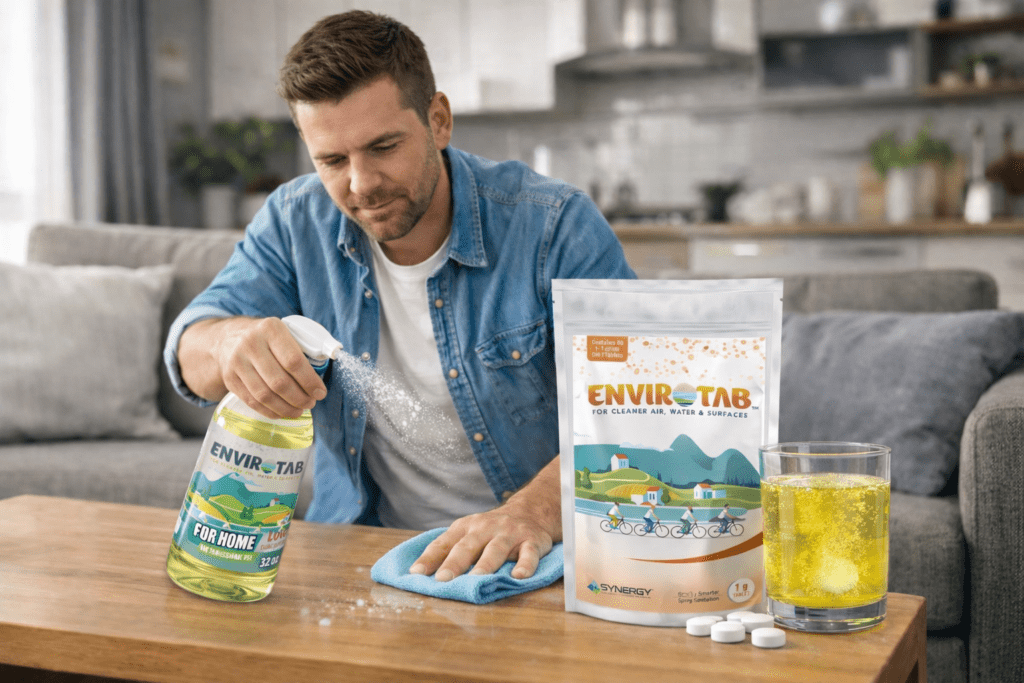
Chlorine dioxide tablets are uniquely versatile. They perform exceptionally well in:
- Kitchens and food-prep areas
- Bathrooms and high-moisture environments
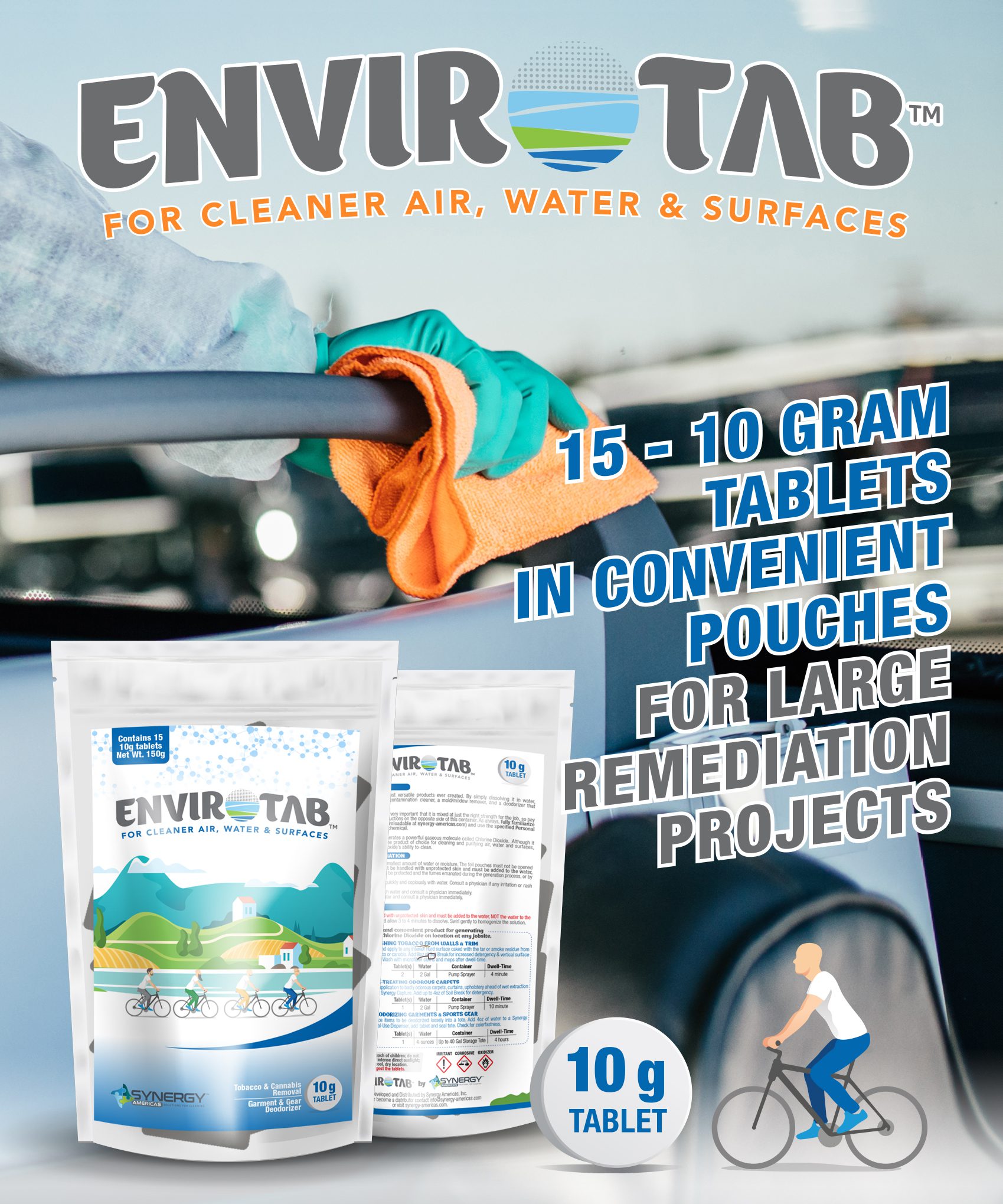
- High-touch surfaces (handles, switches, railings)
- Commercial and institutional facilities
- Odor remediation without masking fragrances
- Mold-prone and biofilm-heavy areas
Unlike fragrance-based cleaners, ClO₂ eliminates odors by destroying the molecules that cause them.
The Future of Cleaning Is Measurable, Targeted, and Smarter
As regulations tighten and consumers demand safer, more effective sanitation, chlorine dioxide tablets are positioned as a cornerstone technology in modern cleaning.
They offer:
- Broad-spectrum efficacy
- Minimal residue
- Reduced chemical load
- Proven industrial and municipal adoption
- Scalable use from home to enterprise
In 2026 and beyond, effective cleaning isn’t about harsher chemicals—it’s about better chemistry.
Explore chlorine dioxide tablets and application guidance at
👉 https://clo2tablets.com
FAQs
1. Are chlorine dioxide tablets safe for home use?
Yes, when used according to manufacturer instructions, they are safe and effective for household cleaning.
2. Is chlorine dioxide the same as bleach?
No. Chlorine dioxide disinfects through oxidation, not chlorination, and does not produce the same byproducts as bleach.
3. Can chlorine dioxide tablets remove odors permanently?
Yes. They neutralize odor-causing molecules instead of masking them.
4. Do I need to rinse after using chlorine dioxide?
Rinsing is recommended for food-contact surfaces but often unnecessary for non-food areas.
5. How long does the solution remain effective?
Freshly mixed solutions are most effective and should be used shortly after activation.
6. Can chlorine dioxide kill mold?
It can neutralize mold spores and disrupt biofilms when used at proper concentrations.
7. Is chlorine dioxide environmentally friendly?
When used correctly, it breaks down into harmless components and leaves minimal residue.
8. Can I mix chlorine dioxide with other cleaners?
No. It should only be mixed with water.
9. What industries use chlorine dioxide tablets?
Water treatment, healthcare, food processing, hospitality, and industrial sanitation.
10. Why are chlorine dioxide tablets gaining popularity in 2026?
Because they combine effectiveness, safety, sustainability, and precision cleaning in one solution.