
Safe Use of Chlorine Dioxide Tablets: Science-Based Guidelines for Home & Commercial Cleaning
Chlorine dioxide tablets offer one of the safest and most effective ways to clean, deodorize, and sanitize surfaces — but like any professional cleaning tool, they work best when used correctly. Whether you’re a homeowner, facility manager, remediation contractor, or industrial cleaner, understanding how to use ClO₂ safely ensures maximum performance with minimal risk.
Let’s break safety down scientifically, clearly, and confidently.
What Makes Chlorine Dioxide Safe When Used Properly?
Chlorine dioxide (ClO₂) is an EPA-recognized oxidizing biocide used in drinking water treatment, food-contact sanitizing, industrial disinfection, odor elimination, and environmental cleaning. Unlike bleach, which forms chlorinated byproducts and can react dangerously with other chemicals, ClO₂ works through selective oxidation, a controlled process that destroys pathogens without damaging most surfaces or leaving harmful residues.
Safe use depends on choosing the right concentration, applying solutions responsibly, and following basic ventilation and handling principles — all of which we outline here.
 Understanding Chlorine Dioxide Safety
Here is the essential science behind ClO₂ safety:
Chlorine Dioxide Mechanism Summary:
ClO₂ penetrates microbial cells, oxidizes amino acids and structural biomolecules, and collapses metabolic processes while leaving no chlorinated byproducts. It does not chlorinate surfaces and is far less reactive than bleach in typical cleaning applications.
Because ClO₂ evaporates cleanly and breaks down into non-toxic byproducts, it is considered safe for surface cleaning, odor removal, and controlled environmental treatments when mixed and applied properly.
Benefits of Using ClO₂ Tablets Safely
Using ClO₂ correctly provides:
- Low-residue, food-safe sanitization
- Powerful odor elimination without masking
- Broad-spectrum pathogen reduction
- Biofilm penetration
- Low corrosivity at use strength
- Stable and precise dosing
- No bleach fumes, no quats, no sticky residues
Safe handling transforms ClO₂ into one of the most dependable disinfectants available.
Also Read 👉🏼Why Use Chlorine Dioxide Tablets for Cleaning | ClO₂ Benefits & Uses Guide
Safe Handling Guidelines for Chlorine Dioxide Tablets
Below is the official recommended safety protocol.
1. Store Tablets Properly
- Keep tablets dry, sealed, and out of direct sunlight.
- Avoid storing near acids or reactive chemicals.
- Keep out of reach of children and pets.
2. Use the Correct Concentration for the Job
Improper concentration is the #1 cause of misuse.
Here is the updated dosage chart:
Chlorine Dioxide Safety Mixing Guide
| Application Type | Recommended ppm | Tablet Size | Water Amount | Notes |
|---|---|---|---|---|
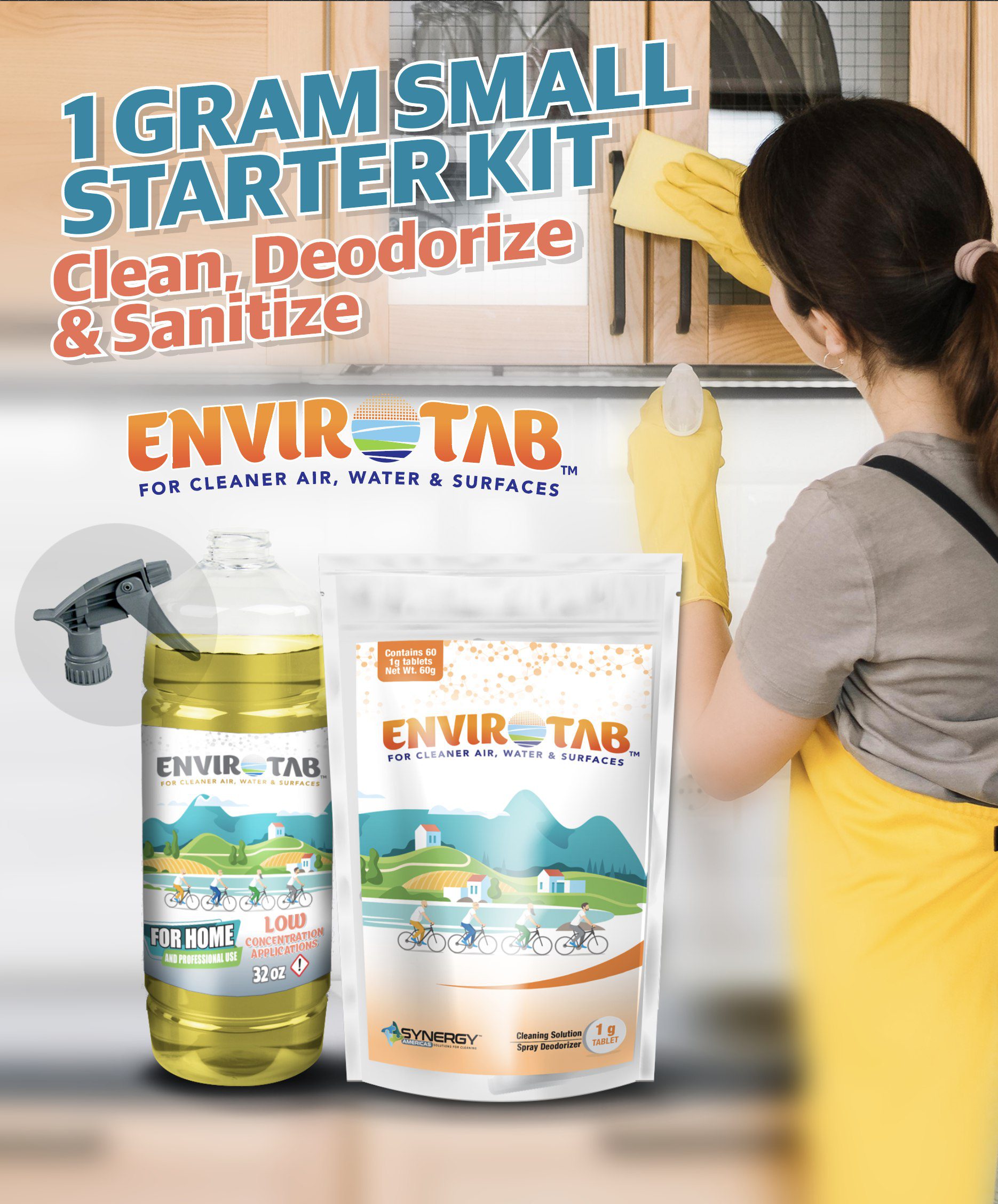
| Light Cleaning / General Use | 50–100 ppm | 1g | 1–2 liters | Safe for daily wiping, glass, counters |
| Standard Surface Disinfection | 100–200 ppm | 1g | 1 liter | Suitable for home & commercial surfaces |
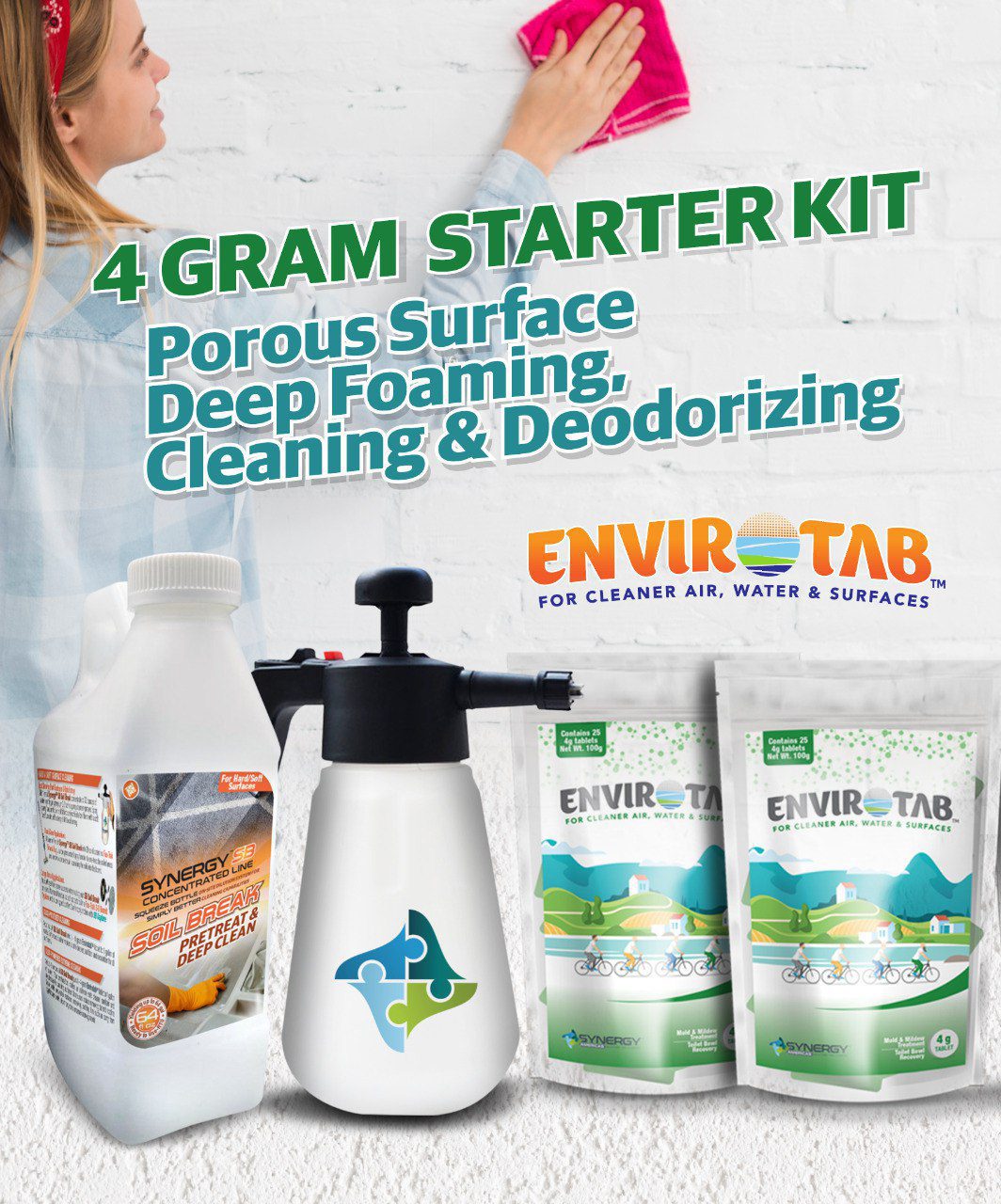
| Heavy Cleaning / Mold / Odors | 500 ppm | 4g | 1 liter | Requires ventilation; avoid long skin contact |
| Shock Treatments | 1000 ppm | 4g | 500 mL | Professional-level; avoid enclosed spaces |
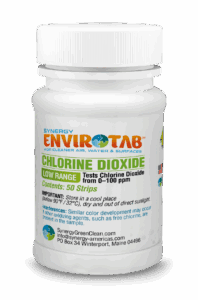
Buy our ClO2 Test strips here 👉🏻0-2500 ppm
 3. Allow Proper Activation Time
 3. Allow Proper Activation Time
ClO₂ tablets activate within 1 minute.
A fully active solution turns amber-yellow.
Never seal containers tightly during activation — mild gas expansion is normal.
4. Use in Well-Ventilated Areas
At typical cleaning concentrations (50–200 ppm), ClO₂ has extremely low vapor presence.
For stronger mixtures:
- Open windows or doors
- Use fans in enclosed rooms
- Avoid inhaling vapors directly from the container
Ventilation = comfort and safety.
5. Avoid Mixing With Other Chemicals
Never mix ClO₂ with:
- Bleach (sodium hypochlorite)
- Acids
- Vinegar
- Hydrogen peroxide
- Ammonia
- Quats
ClO₂ is meant to work alone, not in chemical cocktails.
6. Personal Protective Equipment (Optional but Recommended)
At normal cleaning strengths:
- Gloves are recommended
- Eye protection is optional unless splashing is possible
- No respirator needed unless using shock concentrations in enclosed areas
For high-concentration odor or mold remediation:
- Use gloves
- Provide room ventilation
- Avoid prolonged skin exposure
7. Application Safety Tips
- Do not spray ClO₂ toward pets or people.
- Always allow surfaces to dry before re-entering.
- Rinse food-contact equipment if using >200 ppm.
- Store activated solution properly (away from sunlight).
Comparison Table — ClO₂ Safety vs Other Cleaners
| Safety Feature | ClO₂ Tablets | Bleach | Quats | Peroxides |
|---|---|---|---|---|
| Fume Severity | Very low | High | Low | Moderate |
| Residue Left | None | High | Sticky | Low |
| Surface Compatibility | Excellent | Can stain/corrode | Leaves film | Can etch |
| Reactivity Risk | Low | High | Moderate | Moderate |
| Odor Safety | Neutral | Strong chlorine | Chemical | Mild |
| Ease of Handling | High | Moderate | High | Moderate |
Regulatory & Compliance Notes
-
The EPA recognizes chlorine dioxide as a powerful disinfectant when used as directed within approved concentrations.
-
ClO₂ has long-standing use in drinking water treatment, meaning it has one of the strongest safety profiles among disinfectants when used at correct levels.
-
For food-contact surfaces, follow industry guidelines:
- Below 200 ppm → no rinse required
- Above 200 ppm → rinse recommended
-
Always follow local safety protocols for chemical handling.
Best Practices for Safe Use
 Best Practices for Safe Use
- Activate ClO₂ away from children and pets.
- Label spray bottles clearly (“Chlorine Dioxide Solution – Do Not Mix”).
- Use the right strength for the task — more is not always better.
- Dispose of unused solution after 48–72 hours if mixed in open containers.
- Never store activated solution in airtight glass bottles.
Also Read 👉🏼Chlorine Dioxide Safety: Myths vs. Science | Complete Safe-Use Guide
Chlorine dioxide tablets are safe for home, commercial, and industrial cleaning when mixed and applied at proper concentrations. They work through selective oxidation, leaving no harmful residues and producing minimal fumes. Safe use requires correct dosing, ventilation at higher strengths, and avoiding chemical mixing. When these simple guidelines are followed, ClO₂ is one of the most effective and user-friendly disinfectants available.
Frequently Asked Questions
1. Are chlorine dioxide fumes dangerous?
Not at typical cleaning levels (50–200 ppm). Use ventilation for high-strength solutions.
2. Can I use ClO₂ around pets?
Yes. Allow surfaces to dry before pets re-enter.
3. Does ClO₂ irritate skin?
Mild irritation is possible at high concentrations. Gloves recommended.
4. Can I use it on food-contact surfaces?
Yes — rinse only if using above 200 ppm.
5. Can ClO₂ discolor fabrics?
No. It does not bleach like chlorine.
6. What happens if I breathe in vapors?
Low concentrations typically cause no harm; high concentrations may cause throat irritation. Step back and ventilate.
7. Is it safe to dispose of ClO₂ solution down the drain?
Yes — diluted ClO₂ breaks down harmlessly.
8. How should I store unused tablets?
Keep them dry, sealed, and away from direct heat.
9. Can ClO₂ be used in enclosed spaces?
Yes, but only at appropriate concentrations and with ventilation.
10. Is ClO₂ safer than bleach?
Yes in most applications — fewer fumes, no chlorinated byproducts, no bleaching.
Call to Action
For safe, reliable, and science-backed cleaning solutions, explore our full line of chlorine dioxide tablets at Clo2Tablets.com. From light home cleaning to industrial sanitation, we provide the right tablet strength for every job.