Tag: chlorine dioxide safety

  • How To Use Chlorine Dioxide Tablets For Effective Cleaning?

    How To Use Chlorine Dioxide Tablets For Effective Cleaning?

    How Should Chlorine Dioxide Tablets Be Used for Effective Cleaning in 2026?

    Chlorine dioxide tablets should be used by dissolving them in water at manufacturer-specified concentrations, applying the activated solution to pre-cleaned surfaces, allowing proper contact time for oxidation to occur, and then rinsing if required—especially on food-contact areas. In 2026, chlorine dioxide tablets are recognized as a precision disinfectant that neutralizes microbes, biofilms, and odors without leaving harmful residues when used correctly.


    The Cleaning Landscape Has Changed—Chemistry Now Matters

    Cleaning in 2026 is no longer about making surfaces look clean. It’s about measurable microbial reduction, odor neutralization at the molecular level, and compliance with evolving health, safety, and sustainability expectations.

    Traditional disinfectants often rely on harsh chlorination, fragrance masking, or surface-level sanitizing. These approaches can leave residues, create resistant biofilms, and introduce unnecessary chemical exposure.

    Chlorine dioxide (ClO₂) tablets represent a different class of cleaner altogether.

    Used globally in water treatment, food sanitation, healthcare environments, and industrial hygiene programs, chlorine dioxide operates through selective oxidation—a mechanism that targets microorganisms and odor-causing compounds directly without breaking down into harmful chlorinated byproducts.

    That difference is exactly why ClO₂ tablets have moved from niche industrial use into mainstream professional and household cleaning strategies.

    Learn more about the science behind chlorine dioxide at
    👉 https://clo2tablets.com


    What Makes Chlorine Dioxide Tablets Scientifically Different?

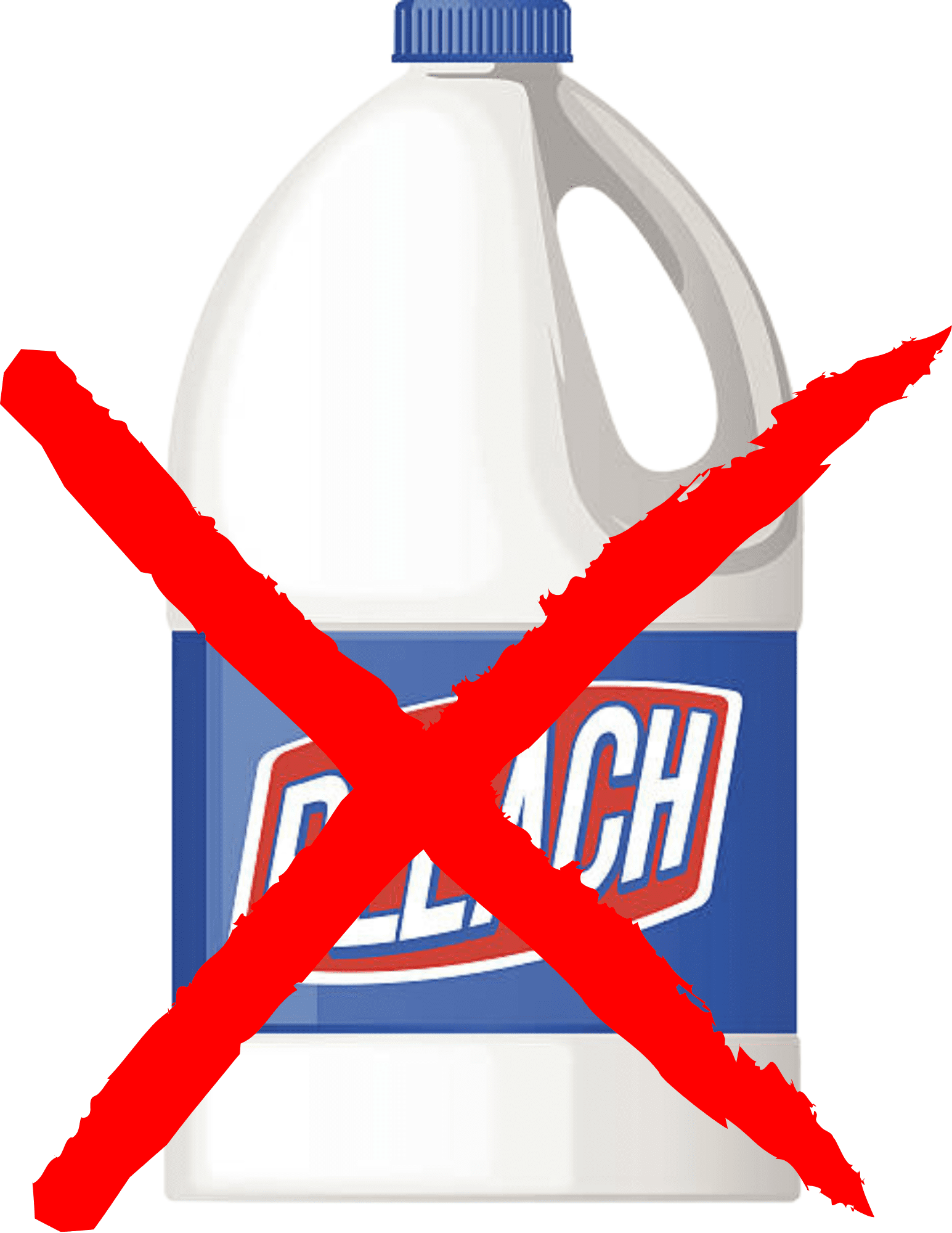
    Chlorine dioxide is not bleach. While both contain chlorine atoms, their chemistry—and behavior—are fundamentally different.

    Bleach disinfects through chlorination, which can create trihalomethanes and other residual compounds. Chlorine dioxide disinfects through electron transfer oxidation, disrupting microbial cell walls, viral protein coats, and biofilm matrices without forming persistent residues.

    This makes chlorine dioxide particularly effective against:

    • Bacteria
    • Viruses
    • Fungi and mold spores
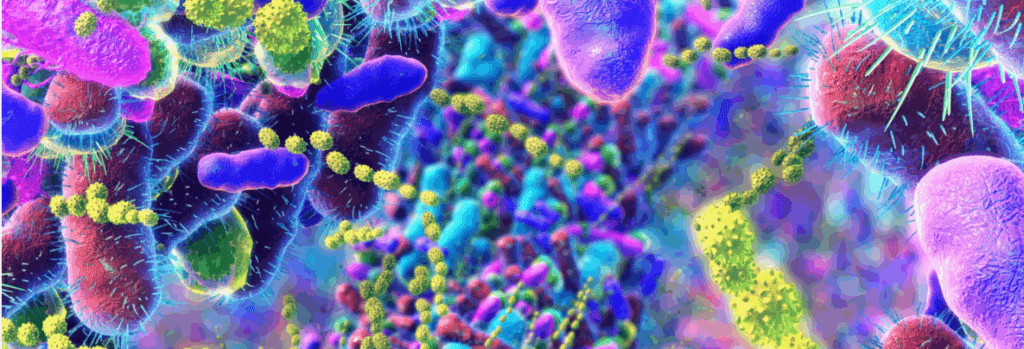
    • Biofilms
    • Sulfur-based and nitrogen-based odor molecules

    Because it works in both liquid and gaseous phases, ClO₂ can reach microscopic crevices where conventional cleaners fail.


    Step-by-Step: How to Use Chlorine Dioxide Tablets Correctly

    Step 1: Always Review Product-Specific Instructions

    Before activating any tablet, read the manufacturer’s dilution and use instructions carefully. Chlorine dioxide effectiveness depends entirely on correct concentration.

    Too weak and it won’t disinfect properly.
    Too strong and it can be wasteful or potentially damage sensitive materials.

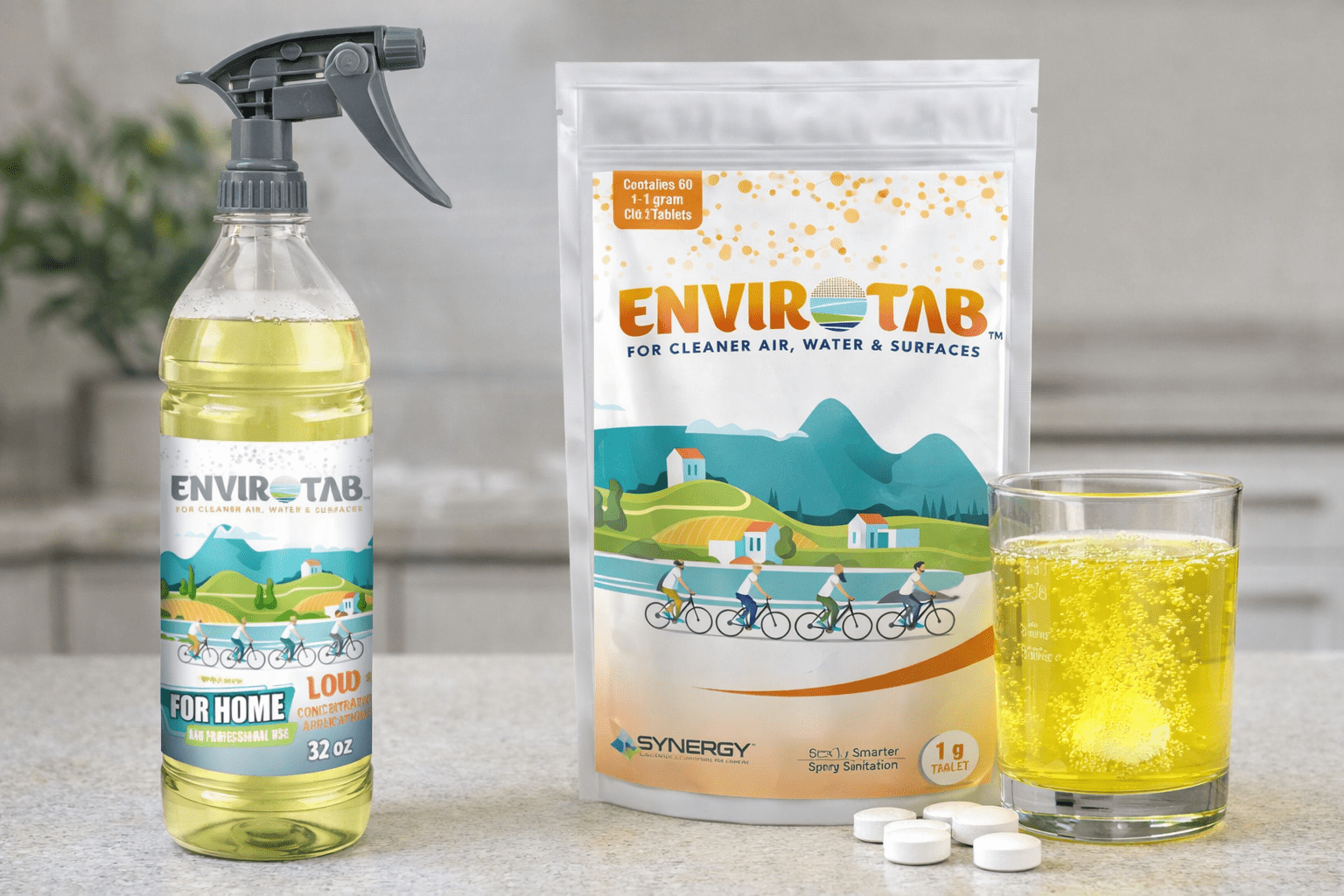
    Each clo2tablets.com product includes concentration guidance designed for safe, effective use.


    Step 2: Activate the Tablets with Clean Water

    Place the recommended number of tablets into clean water. As the tablets dissolve, chlorine dioxide is released into the solution.

    This activation process creates a freshly generated disinfectant—one of the reasons ClO₂ is so effective compared to pre-mixed chemical cleaners that degrade over time.

    Use the solution shortly after mixing for best results.


    Step 3: Pre-Clean Heavily Soiled Surfaces

    Chlorine dioxide is a disinfectant, not a degreaser. If surfaces are visibly dirty, remove grease, dirt, or organic matter first.

    This ensures the ClO₂ solution can directly contact microbes rather than being consumed by surface debris.


    Step 4: Apply the Solution Thoroughly

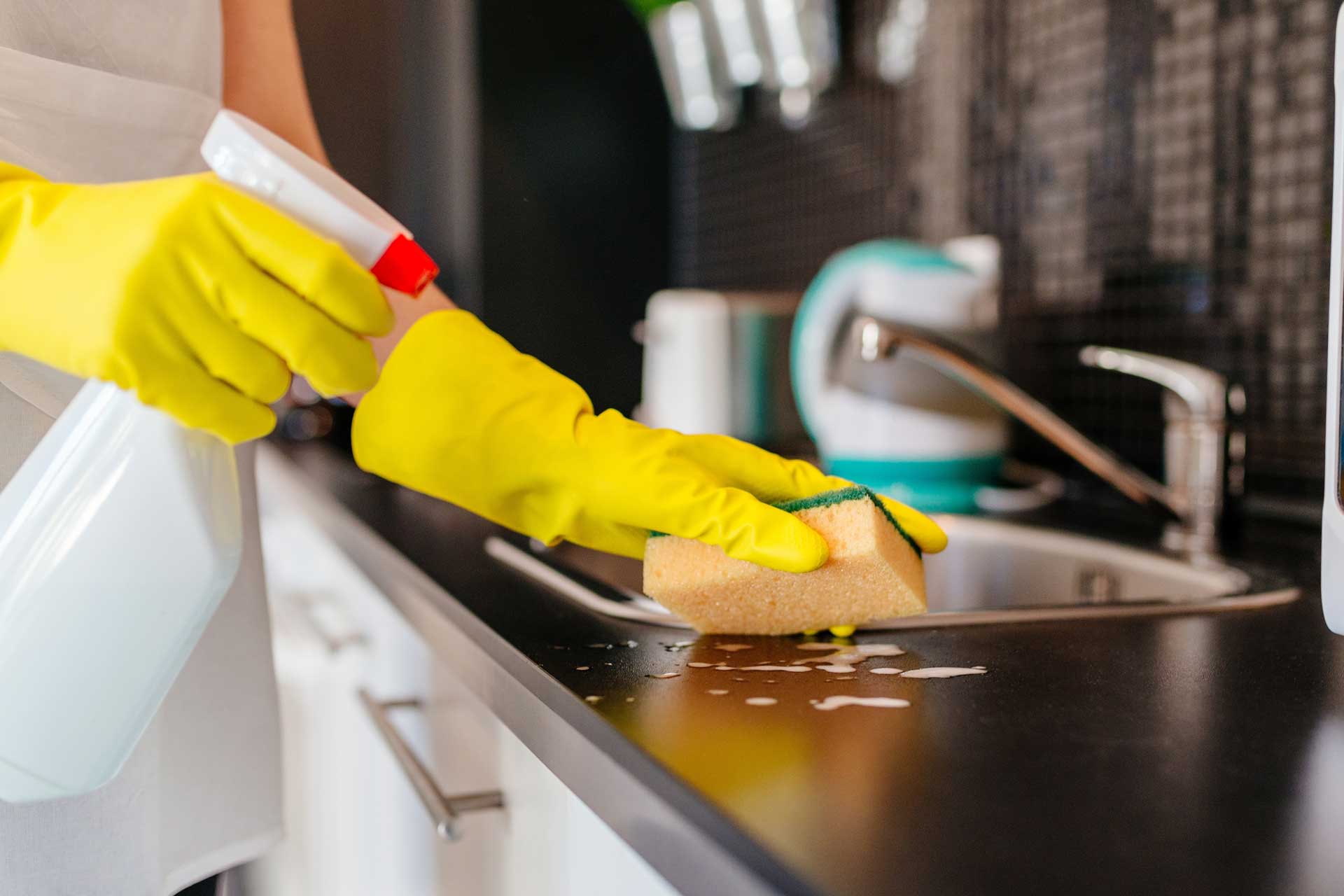
    Apply the activated solution using:

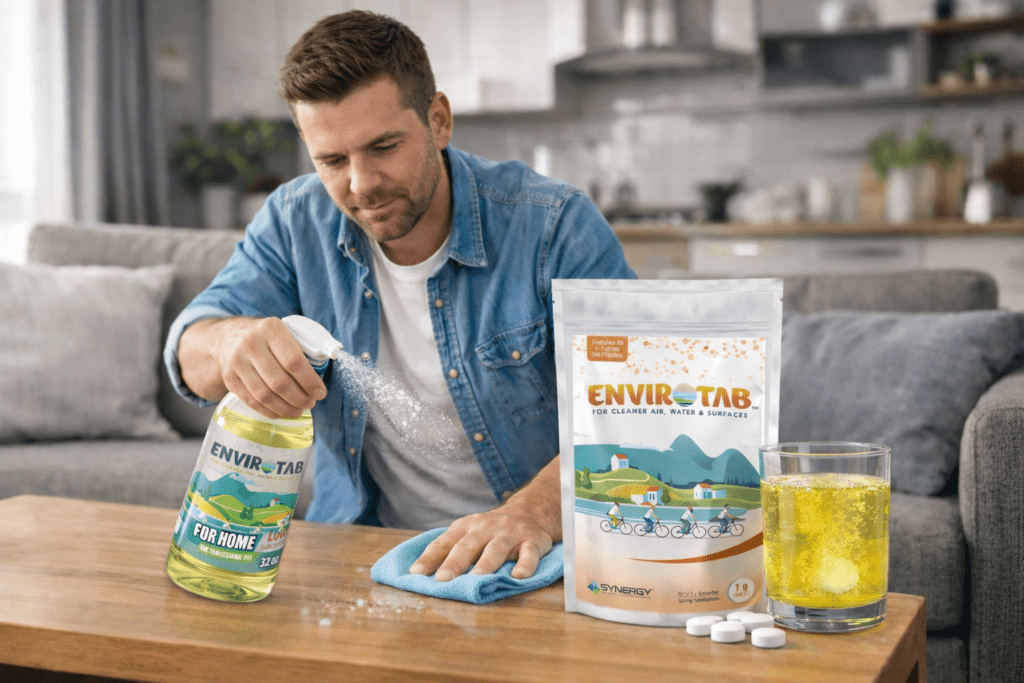
    • Spray bottles
    • Microfiber cloths
    • Mops
    • Sponges

    Ensure full surface coverage. Chlorine dioxide works on contact, so even distribution matters.

    Allow the solution to remain on the surface for the recommended contact time. This dwell period allows oxidation to disrupt microbial structures and neutralize odors completely.


    Step 5: Rinse When Required and Allow to Dry

    For food-contact surfaces such as countertops, cutting boards, or processing equipment, rinse with clean water after disinfection.

    Non-food surfaces can typically air dry without rinsing, depending on application guidelines.


    Step 6: Dispose of Remaining Solution Safely

    Unused solution can be safely poured down a drain with running water. Store unused tablets in a cool, dry location, sealed and away from children or pets.


    Safety Considerations in 2026: Respect the Chemistry

    When used correctly, chlorine dioxide tablets are safe and effective. Still, best practices matter.

    • Never mix chlorine dioxide with bleach, ammonia, acids, or other cleaners
    • Use in well-ventilated areas
    • Wear gloves and eye protection when working with higher concentrations
    • Store tablets properly to prevent premature activation

    These guidelines are not about fear—they’re about precision.


    Where Chlorine Dioxide Tablets Excel
    Unlike fragrance-based cleaners, ClO₂ eliminates odors by destroying the molecules that cause them.

    Chlorine dioxide tablets are uniquely versatile. They perform exceptionally well in:

    • Kitchens and food-prep areas
    • Bathrooms and high-moisture environments
    • High-touch surfaces (handles, switches, railings)
    • Commercial and institutional facilities
    • Odor remediation without masking fragrances
    • Mold-prone and biofilm-heavy areas

    Unlike fragrance-based cleaners, ClO₂ eliminates odors by destroying the molecules that cause them.


    The Future of Cleaning Is Measurable, Targeted, and Smarter

    As regulations tighten and consumers demand safer, more effective sanitation, chlorine dioxide tablets are positioned as a cornerstone technology in modern cleaning.

    They offer:

    • Broad-spectrum efficacy
    • Minimal residue
    • Reduced chemical load
    • Proven industrial and municipal adoption
    • Scalable use from home to enterprise

    In 2026 and beyond, effective cleaning isn’t about harsher chemicals—it’s about better chemistry.

    Explore chlorine dioxide tablets and application guidance at
    👉 https://clo2tablets.com


    FAQs

    1. Are chlorine dioxide tablets safe for home use?
    Yes, when used according to manufacturer instructions, they are safe and effective for household cleaning.

    2. Is chlorine dioxide the same as bleach?
    No. Chlorine dioxide disinfects through oxidation, not chlorination, and does not produce the same byproducts as bleach.

    3. Can chlorine dioxide tablets remove odors permanently?
    Yes. They neutralize odor-causing molecules instead of masking them.

    4. Do I need to rinse after using chlorine dioxide?
    Rinsing is recommended for food-contact surfaces but often unnecessary for non-food areas.

    5. How long does the solution remain effective?
    Freshly mixed solutions are most effective and should be used shortly after activation.

    6. Can chlorine dioxide kill mold?
    It can neutralize mold spores and disrupt biofilms when used at proper concentrations.

    7. Is chlorine dioxide environmentally friendly?
    When used correctly, it breaks down into harmless components and leaves minimal residue.

    8. Can I mix chlorine dioxide with other cleaners?
    No. It should only be mixed with water.

    9. What industries use chlorine dioxide tablets?
    Water treatment, healthcare, food processing, hospitality, and industrial sanitation.

    10. Why are chlorine dioxide tablets gaining popularity in 2026?
    Because they combine effectiveness, safety, sustainability, and precision cleaning in one solution.


  • Benefits Of Using Chlorine Dioxide Tablets For Home Environment

    Benefits Of Using Chlorine Dioxide Tablets For Home Environment

    Can Chlorine Dioxide Tablets Transform Your Home Environment in 2026?

    Answer: When used properly and in the right concentrations, chlorine dioxide (ClO₂) tablets can significantly improve home sanitation, disinfect water, neutralize odors, and inhibit mold growth — all while minimizing harmful residues and environmental impact compared to many traditional cleaners. clo2tablets.com+1


    Why Chlorine Dioxide Matters in Today’s Clean­ing Landscape

    As cleaning science advances, homeowners are demanding solutions that balance powerful microbial control with environmental and occupant safety. Chlorine dioxide (ClO₂) is not just another “bleach alternative.” It’s a selective oxidizing agent — meaning it disrupts microbial cells through oxidation rather than by simple chlorination — and leaves minimal residues on treated surfaces and in water. clo2tablets.com


    What Chlorine Dioxide Tablets Are and How They Work

    Chlorine dioxide tablets are solid forms of a chemical precursor that, once dissolved in water, generate ClO₂. That gas dissolves into a disinfecting solution that:

    • Oxidizes and destroys bacteria, viruses, fungi, and spores.
    • Neutralizes volatile organic compounds (VOCs) and odors instead of just masking them.
    • Breaks down without forming hazardous chlorinated by-products common to bleach. clo2tablets.com

    This mechanism makes ClO₂ highly effective across multiple sanitation tasks while remaining gentle on materials and air quality when used as directed. clo2tablets.com


    Realistic, Science-Backed Benefits for Home Environments

    1. Broad-Spectrum Water Disinfection
    Chlorine dioxide is used worldwide in municipal water treatment due to its ability to kill a wide range of waterborne pathogens, including bacteria, viruses, and protozoa — often more reliably than simple chlorine alone.
    In homes with private wells or during travel/camping, tablets allow you to purify water on demand, making it safe to drink and use without heavy chemical odor or taste.

    2. Effective Odor Neutralization
    Unlike many fragrances or masking sprays, ClO₂ breaks down odor molecules at the chemical level. This means foul smells from trash bins, pet areas, or humidity don’t just disappear temporarily — they’re neutralized. clo2tablets.com

    3. Mold & Mildew Control
    Mold thrives in humidity and porous materials. ClO₂’s oxidative action reaches beyond surface dirt into spore structures, helping suppress mold growth and reducing associated allergens when used correctly. clo2tablets.com

    4. Versatility Across Cleaning Tasks
    From surface sanitation in kitchens and bathrooms to neutralizing air contaminants and deodorizing fabrics, ClO₂ tablets can tackle diverse home needs with one chemistry rather than dozens of different products. clo2tablets.com

    5. Cost-Effective & Eco-Friendly
    Tablets are lightweight, easy to store, and require minimal packaging. Because ClO₂ dissolves cleanly and degrades into salt and water after use — unlike many harsher disinfectants — its environmental footprint is smaller when responsibly applied. clo2tablets.com


    The best trend is to use natural cleaning products. Include ClO2 among that list.

    Safe Use: What Every Homeowner Should Know

    Chlorine dioxide is a powerful antimicrobial, but that power comes with responsibility:

    • Always follow manufacturer instructions on dilution and contact time.
    • Use in well-ventilated areas, especially when deploying solutions for air or surface sanitation.
    • Do not mix with other chemicals, which can inadvertently generate hazardous compounds.
    • Store tablets securely and dry to preserve potency and prevent accidental exposure. clo2tablets.com

    ClO₂’s safety is rooted in proper application, not in casual or unsupervised use — especially not ingestion. Regulatory agencies have warned against internal consumption of concentrated chlorine dioxide products, which can cause serious health effects if misused.


    Everyday Scenarios Where ClO₂ Tablets Shine

    Imagine you’re prepping for a summer BBQ and notice a musty basement smell from last winter’s leaks — a properly diluted ClO₂ solution can help break down airborne odor molecules. Or you’re filling your emergency water supply: tablets give you broad-spectrum disinfection without a heavy chemical taste. These are practical, scientifically grounded use cases that make ClO₂ a modern home sanitation tool rather than a gimmick. clo2tablets.com+1


    Bottom Line for 2026 Homeowners

    Chlorine dioxide tablets offer real, measurable benefits for home sanitation when used intelligently and safely. They bring together wide-range microbial control, odor neutralization, mold mitigation, and environmental care in a compact, cost-effective format. For anyone serious about a cleaner, healthier home — without heavy chemistry or harsh fumes — ClO₂ tablets deserve a spot on your cleaning shelf. clo2tablets.com

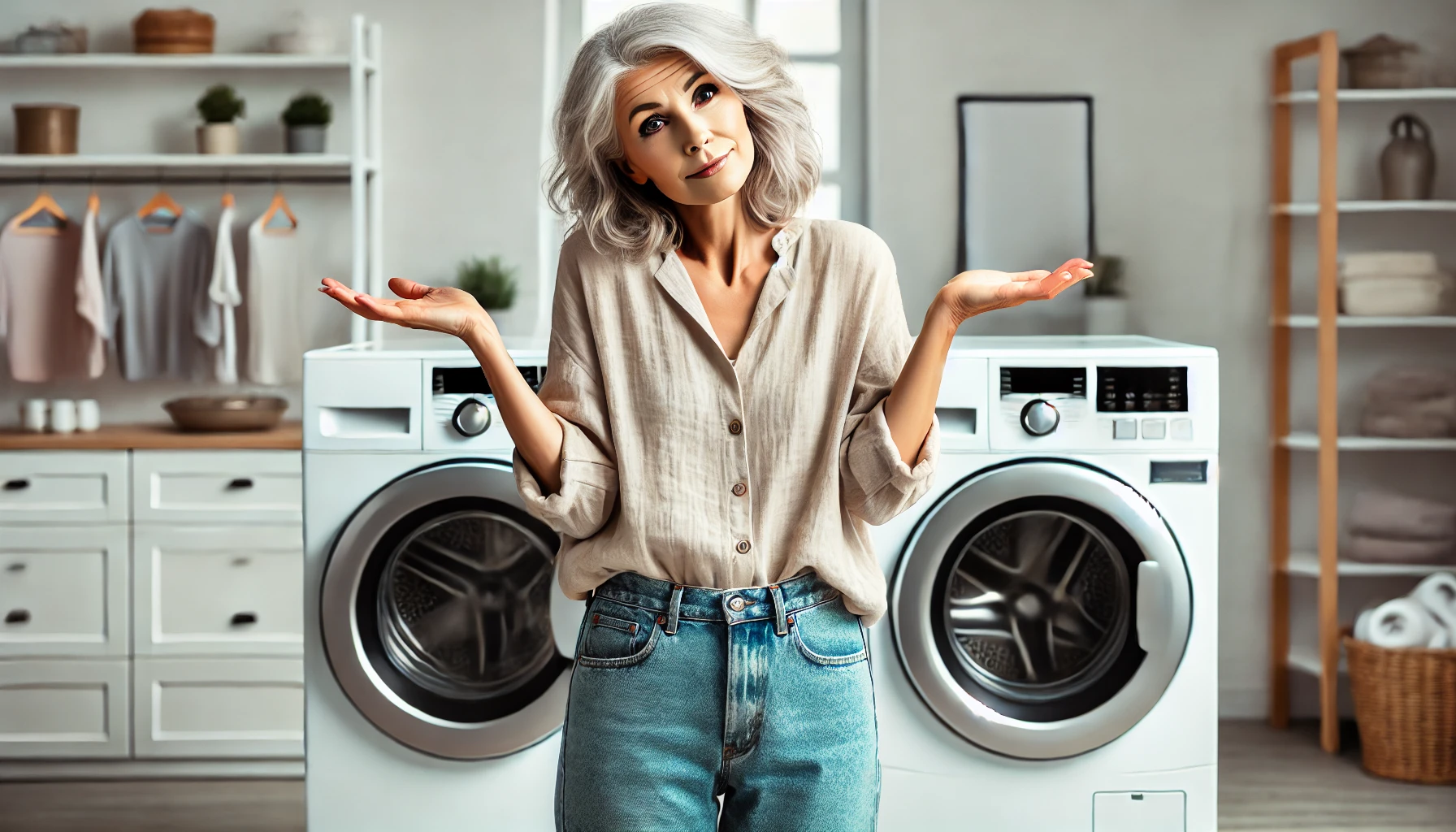
    woman standing in akimbo posture, she has one chlorine dioxide tablet spray in a spray bottle in her hand and a cleaning cloth in her second hand.

    FAQs

    1. What are chlorine dioxide tablets used for in homes?
    Chlorine dioxide tablets are used to disinfect water, sanitize surfaces, neutralize odors, and help control mold and mildew in residential environments when diluted and applied according to instructions.

    2. Are chlorine dioxide tablets safe to use indoors?
    Yes, when used at proper concentrations and with adequate ventilation, chlorine dioxide solutions are considered safe for indoor use and leave minimal chemical residue.

    3. How do chlorine dioxide tablets differ from bleach?
    Chlorine dioxide disinfects through oxidation rather than chlorination, making it effective at lower concentrations and less likely to form harmful by-products compared to bleach.

    4. Can chlorine dioxide tablets kill viruses and bacteria?
    Yes. Chlorine dioxide is effective against a wide range of bacteria, viruses, fungi, and spores, which is why it is used in municipal water treatment and healthcare settings.

    5. Do chlorine dioxide tablets remove odors or just mask them?
    They remove odors at the molecular level by breaking down odor-causing compounds rather than masking smells with fragrances.

    6. Are chlorine dioxide tablets effective against mold?
    Chlorine dioxide can inhibit mold growth and neutralize mold odors by oxidizing mold spores and organic material when used properly.

    7. Can chlorine dioxide tablets be used for drinking water?
    Yes, when used specifically for water purification and following manufacturer dosage instructions, they can disinfect drinking water in homes, wells, and emergency situations.

    8. Is chlorine dioxide environmentally friendly?
    When used responsibly, chlorine dioxide breaks down into salt and water, making it more environmentally friendly than many persistent chemical disinfectants.

    9. Do chlorine dioxide tablets leave residue on surfaces?
    No significant residue is left when properly diluted, making them suitable for kitchens, bathrooms, and frequently touched surfaces.

    10. Who should use chlorine dioxide tablets at home?
    Homeowners looking for effective sanitation, odor control, mold management, or water purification — especially those seeking alternatives to harsher chemical cleaners — can benefit from chlorine dioxide tablets.

  • Chlorine Dioxide Safety: Myths vs. Science | Complete Safe-Use Guide

    Chlorine Dioxide Safety: Myths vs. Science | Complete Safe-Use Guide

    Chlorine Dioxide Safety: Separating Real Science from Common Myths

    Chlorine dioxide (ClO₂) has been praised, misunderstood, feared, misrepresented, and misused — often all at the same time. Some people claim it’s too strong, others believe it’s dangerous, while professionals in water treatment and sanitation use it safely every single day. So where is the truth?
    This article breaks down the real science behind ClO₂ safety, clears away misinformation, and explains exactly how to use chlorine dioxide tablets responsibly and effectively.


    What Are The Quick Facts?

    • Chlorine dioxide is an EPA-recognized disinfectant widely used in water treatment, sanitation, and odor control.
    • At proper dilutions, ClO₂ is safe for residential and commercial cleaning, producing fewer harmful byproducts than bleach.
    • Most fears about ClO₂ come from misuse, misinformation, or confusion with chlorine bleach.
    • ClO₂ works through selective oxidation, not chlorination — which is why it leaves no residue or bleaching damage.
    • Safe use requires correct mixing, ventilation at higher concentrations, and never mixing with other chemicals.
    • ClO₂ is not meant for ingestion or high-concentration enclosed use.

    Also Read 👉🏻Chlorine Dioxide Tablets for House Cleaning | Complete FAQ & Safety Guide


    Here’s a myth worth clearing up: chlorine dioxide is not chlorine bleach. Yes, they sound similar, but their chemistry couldn’t be more different.Myth #1 — “Chlorine dioxide is just another form of bleach.”

    The Myth:

    ClO₂ sounds like “chlorine,” so many assume it behaves like bleach.

    The Science:

    Bleach (sodium hypochlorite) disinfects through chlorination, creating chlorinated byproducts and strong fumes.
    ClO₂ disinfects through selective oxidation, a completely different mechanism.

    Key Differences:

    Feature Chlorine Dioxide Chlorine Bleach
    Action Selective oxidation Chlorination
    Fumes Very low Strong, irritating
    Residue Evaporates cleanly Leaves film, can discolor
    Byproducts Minimal Chlorinated byproducts
    Surface safety Broad and gentle Corrosive to metals, fabrics

    Verdict:
    ClO₂ is not bleach — it is chemically and functionally different.

    Also Read 👉🏻From Bleach to Breakthrough: Why Smart Cleaners Are Choosing CLO₂


    Infectious control and preventing the spread of HAIs is top on the list for healthcare organizations.Myth #2 — “Chlorine dioxide is unsafe for indoor use.”
    The Myth:

    People hear “oxidizer” and assume ClO₂ is dangerous indoors.

    The Science:

    At proper cleaning dilutions, ClO₂ has extremely low vapor presence and evaporates cleanly, which is why it’s used in:

    • Hospitals
    • Food-processing sanitation
    • Drinking water treatment
    • Schools and commercial buildings

    ClO₂ becomes unsafe only when:

    • Concentrations are too high
    • Used in enclosed, unventilated spaces
    • Misused as vapor/gas treatments without controls

    With correct dilution and ventilation, ClO₂ is safe indoors.

    Also Read 👉🏻Improve Winter Indoor Air Quality with ClO₂


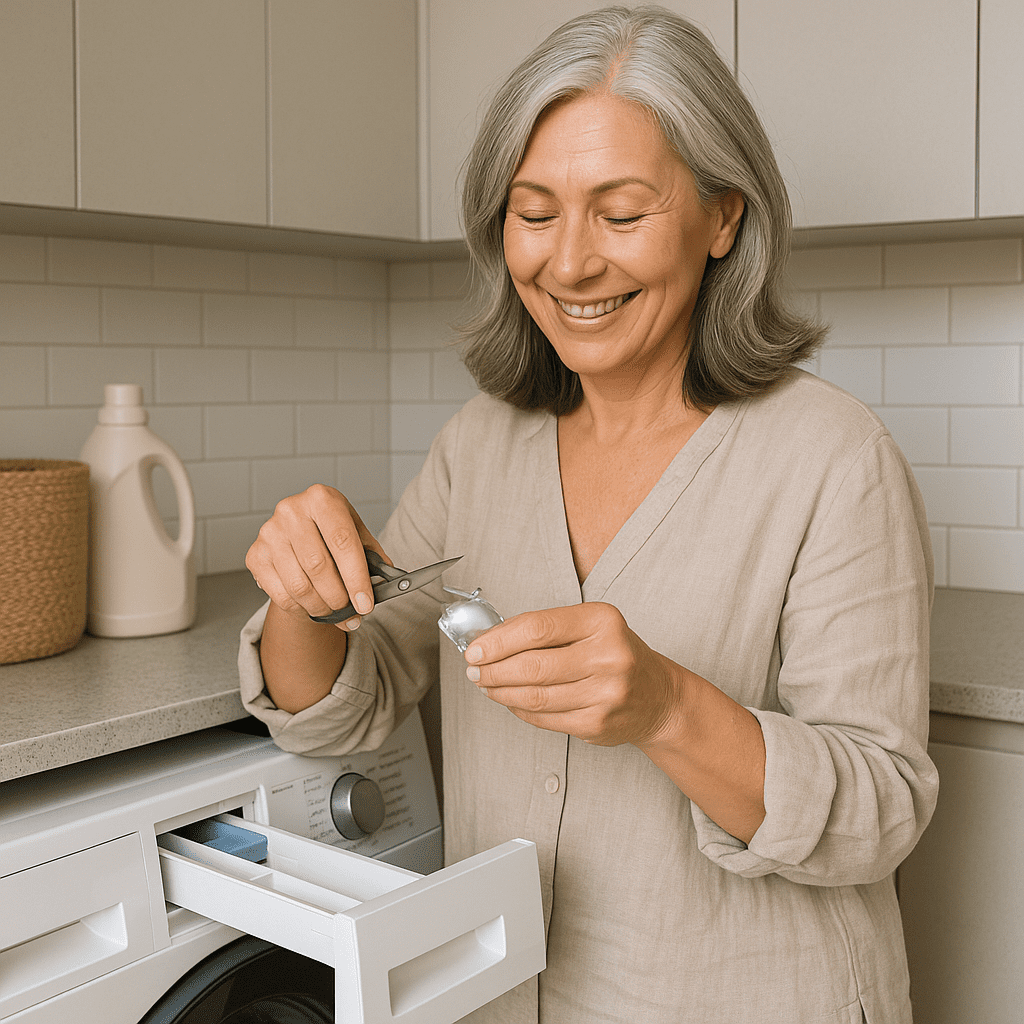
    Deodorizing your washing machine with CLO2Myth #3 — “Chlorine dioxide is toxic even in small amounts.”
    The Myth:

    Because concentrated industrial ClO₂ gas is hazardous, people think all ClO₂ is dangerous.

    The Science:

    High-concentration ClO₂ gas = dangerous.
    Low-concentration ClO₂ water solutions = safe when used correctly.

    Everyday safe uses include:

    • Cleaning kitchen counters
    • Disinfecting hard surfaces
    • Neutralizing odors
    • Removing mold/mildew
    • Sanitizing restrooms
    • Treating drinking water in emergencies

    Dose matters.
    Concentration matters.
    Context matters.

    Also Read 👉🏻Chlorine Dioxide for Advanced Water Treatment: A Safer, Smarter Alternative to Bleach


    How Chlorine Dioxide Actually Works

    ClO₂ penetrates microbial cells and oxidizes essential amino acids and biomolecules. This disrupts metabolic function and destroys pathogens — including those protected by biofilms. Unlike chlorine bleach, ClO₂ does not chlorinate surfaces or form harmful trihalomethanes.

    This makes ClO₂ both powerful and clean to use when mixed properly.


    Real Science Behind ClO₂ Safety

    Regulatory bodies worldwide approve controlled ClO₂ use, including:

    • EPA — for surface disinfection and water treatment
    • CDC — acknowledges ClO₂ as an effective disinfectant
    • WHO — supports ClO₂ for drinking-water disinfection within safe limits
    • Food-processing industry — uses ClO₂ for sanitizing produce, equipment, and surfaces

    ClO₂ used at 50–200 ppm for cleaning is well below thresholds used in industrial sanitation.


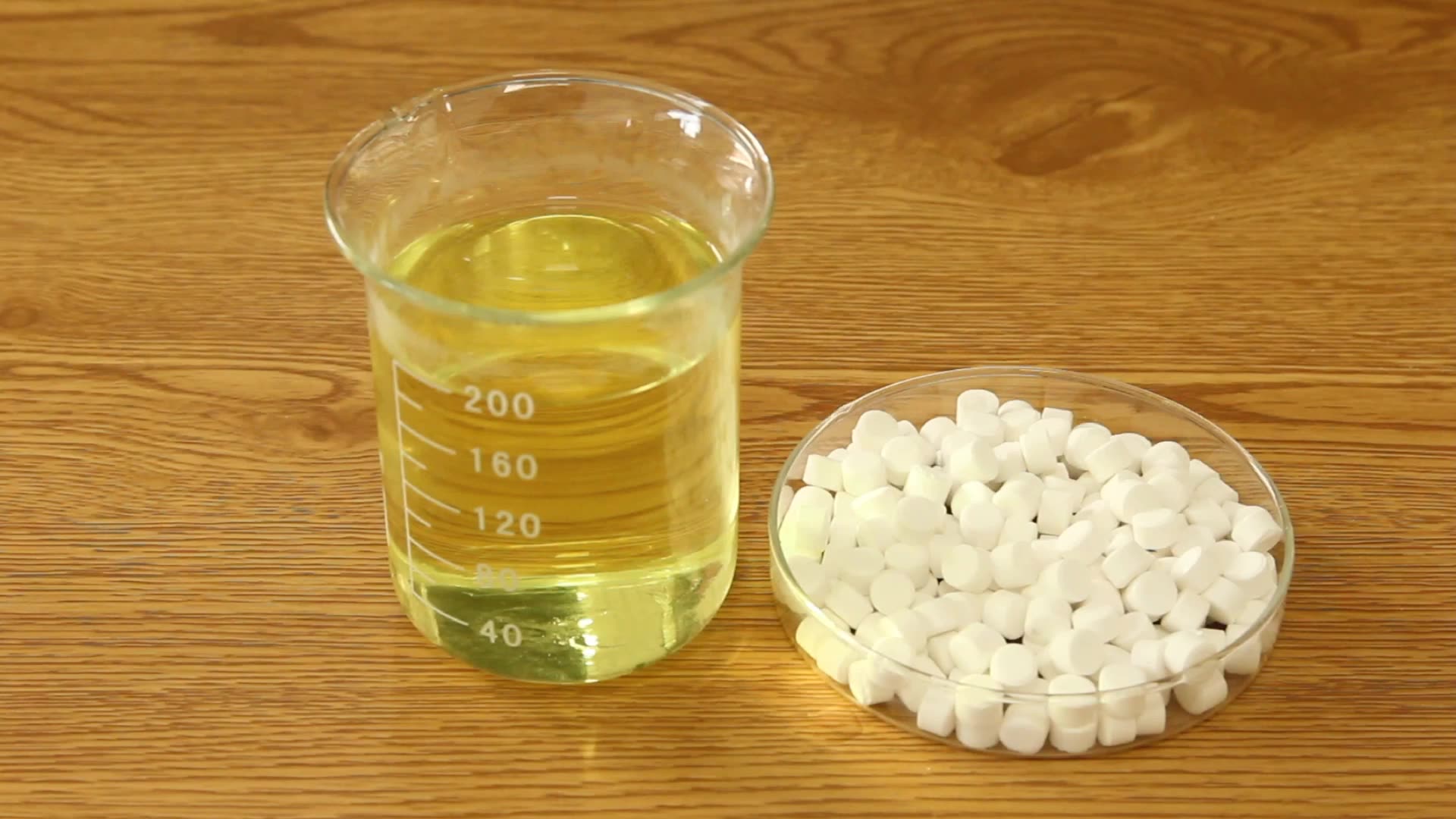
    chlorine dioxide tablets and glass of water on table surfaceWhen Chlorine Dioxide Is NOT Safe to Use

    ClO₂ is not recommended for:

    • Ingestion (never consume ClO₂)
    • Undiluted use or overly strong concentrations
    • Enclosed rooms without ventilation
    • CPAP machines
    • Mixing with any other chemical (bleach, acids, ammonia, peroxide)
    • Sensitive fabrics without patch testing
    • Heavy chemical contamination (non-microbial pollutants)

    Using ClO₂ safely requires respecting concentration and context.


    Do’s & Don’ts for Safe ClO₂ Use

    ✔️ DO

    • Mix exactly as directed
    • Allow full activation (water turns yellow/amber)
    • Use gloves for higher concentrations
    • Ventilate when using strong solutions
    • Patch-test delicate surfaces
    • Store tablets dry & sealed
    • Rinse food-contact surfaces when needed

    ❌ DON’T

    • Mix with bleach, acids, vinegar, ammonia, or peroxide
    • Seal activation containers tightly
    • Use in humidifiers or misting devices
    • Apply high concentrations in small enclosed spaces
    • Use expired (deactivated) solutions
    • Allow kids or pets access to concentrated solutions

    Summary — Science Wins, Myths Don’t

    Chlorine dioxide is a powerful, safe, and clean disinfectant when used correctly.
    Fear-based myths arise from misunderstanding chemistry or confusing ClO₂ with bleach.
    The truth: ClO₂ is used globally in water treatment, sanitation, and food safety — because it works and produces fewer harmful byproducts than many common cleaners.

    Use it responsibly, and it becomes one of the safest, most effective cleaning tools available.

    Ready to experience safe, science-backed cleaning with ClO₂?
    Browse our disinfecting tablets at Clo2Tablets.com and upgrade your cleaning confidence today.


    Frequently Asked Questions

    1. Is chlorine dioxide safe to use indoors?

    Yes — at proper cleaning concentrations with basic ventilation.

    using clo2 in the sanitation process at distilleries breaks down and biofilms that can cause who batches to spoil.2. Does it bleach surfaces?

    No — ClO₂ does NOT bleach or chlorinate.

    3. Is it safe for pets?

    Yes, once surfaces are dry. Keep pets away from concentrated mixtures.

    4. Can I use ClO₂ on food surfaces?

    Yes — rinse if using above 200 ppm.

    5. Is ClO₂ safe to breathe?

    Not in high concentrations. Normal cleaning dilutions pose minimal vapor exposure.

    6. Can I mix ClO₂ with other cleaners?

    No — never mix ClO₂ with bleach, acids, ammonia, or peroxide.

    7. How long does activated solution stay potent?

    A couple weeks when stored away from light and heat.

    8. Will ClO₂ remove mold?

    Yes — especially effective at 500+ ppm with proper contact time.

    9. Is ClO₂ environmentally friendly?

    Yes — it breaks down into harmless salts and oxygen-related compounds.

    10. Is ClO₂ safe for septic systems?

    Yes — diluted ClO₂ does not disrupt septic biology.


  • Safe Use of Chlorine Dioxide Tablets | Guidelines, PPE & Mixing Instructions

    Safe Use of Chlorine Dioxide Tablets | Guidelines, PPE & Mixing Instructions

    Safe Use of Chlorine Dioxide Tablets: Science-Based Guidelines for Home & Commercial Cleaning

    Chlorine dioxide tablets offer one of the safest and most effective ways to clean, deodorize, and sanitize surfaces — but like any professional cleaning tool, they work best when used correctly. Whether you’re a homeowner, facility manager, remediation contractor, or industrial cleaner, understanding how to use ClO₂ safely ensures maximum performance with minimal risk.
    Let’s break safety down scientifically, clearly, and confidently.


    What Makes Chlorine Dioxide Safe When Used Properly?

    Chlorine dioxide (ClO₂) is an EPA-recognized oxidizing biocide used in drinking water treatment, food-contact sanitizing, industrial disinfection, odor elimination, and environmental cleaning. Unlike bleach, which forms chlorinated byproducts and can react dangerously with other chemicals, ClO₂ works through selective oxidation, a controlled process that destroys pathogens without damaging most surfaces or leaving harmful residues.

    Safe use depends on choosing the right concentration, applying solutions responsibly, and following basic ventilation and handling principles — all of which we outline here.


    Biofilms are the microbial equivalent of fortified cities—complex, slimy structures where bacteria, fungi, and other microorganisms encase themselves in a protective extracellular matrix.Understanding Chlorine Dioxide Safety

    Here is the essential science behind ClO₂ safety:

    Chlorine Dioxide Mechanism Summary:
    ClO₂ penetrates microbial cells, oxidizes amino acids and structural biomolecules, and collapses metabolic processes while leaving no chlorinated byproducts. It does not chlorinate surfaces and is far less reactive than bleach in typical cleaning applications.

    Because ClO₂ evaporates cleanly and breaks down into non-toxic byproducts, it is considered safe for surface cleaning, odor removal, and controlled environmental treatments when mixed and applied properly.


    Benefits of Using ClO₂ Tablets Safely

    Using ClO₂ correctly provides:

    • Low-residue, food-safe sanitization
    • Powerful odor elimination without masking
    • Broad-spectrum pathogen reduction
    • Biofilm penetration
    • Low corrosivity at use strength
    • Stable and precise dosing
    • No bleach fumes, no quats, no sticky residues

    Safe handling transforms ClO₂ into one of the most dependable disinfectants available.

    Also Read 👉🏼Why Use Chlorine Dioxide Tablets for Cleaning | ClO₂ Benefits & Uses Guide


    Safe Handling Guidelines for Chlorine Dioxide Tablets

    Below is the official recommended safety protocol.


    1. Store Tablets Properly

    • Keep tablets dry, sealed, and out of direct sunlight.
    • Avoid storing near acids or reactive chemicals.
    • Keep out of reach of children and pets.

    2. Use the Correct Concentration for the Job

    Improper concentration is the #1 cause of misuse.

    Here is the updated dosage chart:

    Chlorine Dioxide Safety Mixing Guide

    Application Type Recommended ppm Tablet Size Water Amount Notes
    Light Cleaning / General Use 50–100 ppm 1g 1–2 liters Safe for daily wiping, glass, counters
    Standard Surface Disinfection 100–200 ppm 1g 1 liter Suitable for home & commercial surfaces
    Heavy Cleaning / Mold / Odors 500 ppm 4g 1 liter Requires ventilation; avoid long skin contact
    Shock Treatments 1000 ppm 4g 500 mL Professional-level; avoid enclosed spaces

    Buy our ClO2 Test strips here 👉🏻0-2500 ppm


    3. Allow Proper Activation Time

    ClO₂ tablets activate within 1 minute.
    A fully active solution turns amber-yellow.

    Never seal containers tightly during activation — mild gas expansion is normal.


    4. Use in Well-Ventilated Areas

    At typical cleaning concentrations (50–200 ppm), ClO₂ has extremely low vapor presence.
    For stronger mixtures:

    • Open windows or doors
    • Use fans in enclosed rooms
    • Avoid inhaling vapors directly from the container

    Ventilation = comfort and safety.


    5. Avoid Mixing With Other Chemicals

    Never mix ClO₂ with:

    • Bleach (sodium hypochlorite)
    • Acids
    • Vinegar
    • Hydrogen peroxide
    • Ammonia
    • Quats

    ClO₂ is meant to work alone, not in chemical cocktails.


    6. Personal Protective Equipment (Optional but Recommended)

    At normal cleaning strengths:

    • Gloves are recommended
    • Eye protection is optional unless splashing is possible
    • No respirator needed unless using shock concentrations in enclosed areas

    For high-concentration odor or mold remediation:

    • Use gloves
    • Provide room ventilation
    • Avoid prolonged skin exposure

    7. Application Safety Tips

    • Do not spray ClO₂ toward pets or people.
    • Always allow surfaces to dry before re-entering.
    • Rinse food-contact equipment if using >200 ppm.
    • Store activated solution properly (away from sunlight).

    Comparison Table — ClO₂ Safety vs Other Cleaners

    Safety Feature ClO₂ Tablets Bleach Quats Peroxides
    Fume Severity Very low High Low Moderate
    Residue Left None High Sticky Low
    Surface Compatibility Excellent Can stain/corrode Leaves film Can etch
    Reactivity Risk Low High Moderate Moderate
    Odor Safety Neutral Strong chlorine Chemical Mild
    Ease of Handling High Moderate High Moderate

    Regulatory & Compliance Notes

    • The EPA recognizes chlorine dioxide as a powerful disinfectant when used as directed within approved concentrations.

    • ClO₂ has long-standing use in drinking water treatment, meaning it has one of the strongest safety profiles among disinfectants when used at correct levels.

    • For food-contact surfaces, follow industry guidelines:

    • Below 200 ppm → no rinse required
    • Above 200 ppm → rinse recommended
    • Always follow local safety protocols for chemical handling.


    Today’s cleaning standards demand smart, safe, and sustainable solutions — products that protect health without sacrificing performance. Enter CLO₂ — the breakthrough alternative that’s redefining what clean truly means.Best Practices for Safe Use

    • Activate ClO₂ away from children and pets.
    • Label spray bottles clearly (“Chlorine Dioxide Solution – Do Not Mix”).
    • Use the right strength for the task — more is not always better.
    • Dispose of unused solution after 48–72 hours if mixed in open containers.
    • Never store activated solution in airtight glass bottles.

    Also Read 👉🏼Chlorine Dioxide Safety: Myths vs. Science | Complete Safe-Use Guide


    Chlorine dioxide tablets are safe for home, commercial, and industrial cleaning when mixed and applied at proper concentrations. They work through selective oxidation, leaving no harmful residues and producing minimal fumes. Safe use requires correct dosing, ventilation at higher strengths, and avoiding chemical mixing. When these simple guidelines are followed, ClO₂ is one of the most effective and user-friendly disinfectants available.


    Frequently Asked Questions

    1. Are chlorine dioxide fumes dangerous?

    Not at typical cleaning levels (50–200 ppm). Use ventilation for high-strength solutions.

    2. Can I use ClO₂ around pets?

    Yes. Allow surfaces to dry before pets re-enter.

    3. Does ClO₂ irritate skin?

    Mild irritation is possible at high concentrations. Gloves recommended.

    4. Can I use it on food-contact surfaces?

    Yes — rinse only if using above 200 ppm.

    5. Can ClO₂ discolor fabrics?

    No. It does not bleach like chlorine.

    6. What happens if I breathe in vapors?

    Low concentrations typically cause no harm; high concentrations may cause throat irritation. Step back and ventilate.

    7. Is it safe to dispose of ClO₂ solution down the drain?

    Yes — diluted ClO₂ breaks down harmlessly.

    8. How should I store unused tablets?

    Keep them dry, sealed, and away from direct heat.

    9. Can ClO₂ be used in enclosed spaces?

    Yes, but only at appropriate concentrations and with ventilation.

    10. Is ClO₂ safer than bleach?

    Yes in most applications — fewer fumes, no chlorinated byproducts, no bleaching.


    Call to Action

    For safe, reliable, and science-backed cleaning solutions, explore our full line of chlorine dioxide tablets at Clo2Tablets.com. From light home cleaning to industrial sanitation, we provide the right tablet strength for every job.


  • How Safe Is Chlorine Dioxide for Indoor Use Around People and Pets?

    How Safe Is Chlorine Dioxide for Indoor Use Around People and Pets?

    How Safe Is Chlorine Dioxide (ClO₂) for Indoor Use Around People and Pets?

    Cleaning indoors — whether at home, in an office, or commercial space — shouldn’t force you to choose between germ control and the health of your family, coworkers, or pets. Chlorine dioxide (ClO₂) tablets offer powerful sanitation with a safety profile that, when used correctly, is highly compatible with occupied spaces. This article explains the science, safety guidelines, regulatory backing, and practical use of ClO₂ around people and animals — no hype, no guesswork.


    What This Article Covers

    Chlorine dioxide is a widely used oxidizing disinfectant in water treatment, food processing, and institutional cleaning. Its mechanism of action — selective oxidation — distinguishes it from harsher or more reactive chemicals. Knowing how ClO₂ behaves helps you use it effectively and safely indoors around humans and pets.

    We’ll explore the science behind its safety, safe concentration ranges, how to use it responsibly, and common misconceptions.


    What exactly is a biofilm? A structured microbial community encased in a self-produced matrix of polymers, adhering to surfaces.The Science of Safety — How ClO₂ Works

    Chlorine dioxide dissolves in water and forms reactive oxidative species that attack microbial cells by oxidizing essential amino acids and biomolecules. Unlike chlorine bleach, ClO₂ doesn’t chlorinate surfaces, doesn’t produce the same kinds of harmful byproducts, and evaporates cleanly when applied at appropriate concentrations.

    This mechanism allows ClO₂ to inactivate bacteria, viruses, fungi, and odor-causing compounds without leaving a sticky or harmful chemical coat — a key reason it can be used safely in indoor spaces when mixed correctly.

    Also Read 👉🏻Chlorine Dioxide Safety: Myths vs. Science | Complete Safe-Use Guide


    ClO₂ vs. Common Cleaning Chemicals — Safety Comparison

    Safety Aspect ClO₂ Tablets Bleach (Sodium Hypochlorite) Quats Peroxide-Based Cleaners
    Fume Severity Very low at use strength High Moderate Low to moderate
    Residue None High Sticky Low
    Surface Corrosivity Low at proper concentration High Moderate Variable
    Odor Neutralization Strong (oxidation) Masking/chemical smell Mild Mild
    Indoor Safety Around People & Pets High when diluted correctly Needs ventilation Moderate Moderate
    Biofilm Penetration Excellent Poor Weak Moderate
    By-Product Risk Minimal Chlorinated byproducts Variable Moderate

    This comparison shows that when ClO₂ is used at recommended concentrations, it tends to be gentler, less odorous, and less likely to cause irritation than many traditional cleaners.

    Also Read 👉🏻From Bleach to Breakthrough: Why Smart Cleaners Are Choosing CLO₂


    Regulatory Context & Safety Standards

    Chlorine dioxide’s safety profile is not based on marketing — it’s grounded in regulatory acceptance:

    • The EPA recognizes ClO₂ as an effective disinfectant when used at appropriate concentrations for surfaces and water treatment.
    • The CDC includes ClO₂ among effective sanitizing agents in healthcare and institutional settings.
    • Water treatment authorities globally use ClO₂ in controlled doses to disinfect drinking water — a real-world safety testament.

    These regulatory endorsements suggest that, when used according to instructions, ClO₂ is safe for applications where humans and pets are present.


    What are the best ways to keep my family safe from the virus that linger outside my home?How Safe Is It Around People? What the Data Says
    ClO₂ gas at high concentration (industrial levels) is dangerous — but that’s not how ClO₂ tablets are used. When tablets are dissolved in water at typical cleaning concentrations, the amount of free ClO₂ gas in the air is extremely low.

    In essence:

    At cleaning strengths (e.g., 50–200 ppm), ClO₂ does not pose measurable respiratory risk to most people in well-ventilated indoor areas.
    • Unlike bleach, it doesn’t produce irritating chlorine fumes that can trigger coughing, chest tightness, or asthma symptoms.
    • The minimal vapor presence is one reason ClO₂ is used in hospitals and commercial buildings where people are present.

    Also Read 👉🏻Is Chlorine Dioxide Safe to Use at Home for Disinfecting Surfaces & Air?


    How Safe Is It Around Pets?

    Pets have smaller airways and different sensitivities than humans, so caution is good. However:

    ✔ ClO₂ solutions at recommended dilutions are safe around pets once applied and allowed to dry.
    ✔ Pet areas can benefit from ClO₂’s odor neutralization and microbial control.
    ✔ Always keep pets away from wet applications — not because of ClO₂’s toxicity, but to prevent ingestion or wet chemical contact.

    Key point: ClO₂ tablets do not need to be harmful to pets when used properly — and many pet owners use ClO₂ to neutralize pet odors and sanitize pet spaces with no issues.

    Also Read 👉🏻Safe Use of Chlorine Dioxide Tablets | Guidelines, PPE & Mixing Instructions


    Proper Indoor Use — Safe Practices You Must Follow

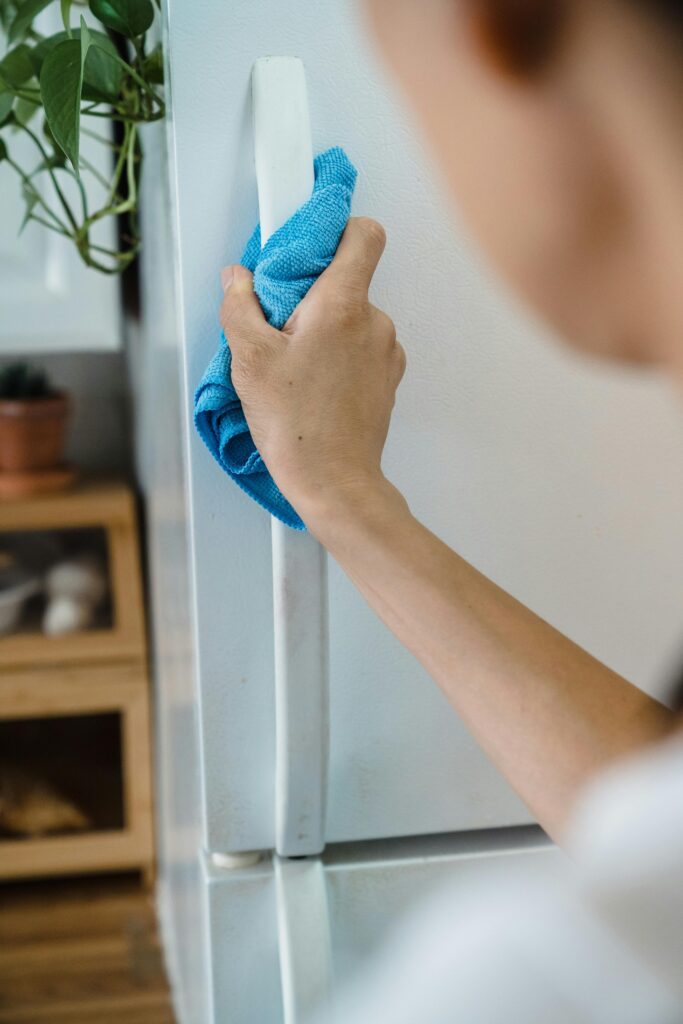
    Keeping high touch surfaces clean with clo2 lowers the transmission of germs,1. Use Correct Dilutions

    Preparing ClO₂ solution at recommended ppm (e.g., 50–200 ppm for routine cleaning) is essential.

    2. Allow Full Activation

    Let tablets dissolve fully (solution becomes amber/yellow) before use.

    3. Ventilate When Using Higher Strengths

    For odor control or deep cleaning (e.g., 500 ppm), open windows or turn on fans — especially in smaller spaces.

    4. Inform People & Pets

    If possible, let people and pets leave the room briefly during application — helpful for comfort, not because of inherent danger.

    5. Avoid Direct Inhalation

    Don’t spray the solution directly toward people or pets’ faces. Typical room applications cause minimal vapor.

    6. Rinse Sensitive Surfaces

    For food contact or delicate materials, rinse after cleaning.

    7. Never Mix Chemicals

    Never combine ClO₂ solution with bleach, acids, ammonia, or other cleaners.


    Limitations — Balanced & Transparent Context

    ClO₂ is powerful, but it’s not perfect in every scenario:

    Not intended for ingestion. ClO₂ tablets are not food or drinking water additives unless explicitly labeled for water use with safe dosing guidelines.
    Not for sealed, high-pressure diffusion. Devices such as humidifiers or foggers can create small droplets or micro-aerosols that differ from surface cleaning applications.
    Not a replacement for ventilation. Even at safe dilutions, fresh air improves comfort.
    Not effective on all stains. ClO₂ sanitizes and deodorizes — it does not replace mechanical scrubbing for heavy grime or stubborn stains.


    Do’s & Don’ts — Indoor Safety Checklist

    ✔️ DO

    • Mix tablets according to instructions
    • Activate solution fully (amber color)
    • Ventilate for higher strength uses
    • Patch-test delicate surfaces
    • Rinse food-contact areas when needed
    • Store tablets sealed and dry

    ❌ DON’T

    • Mix ClO₂ with other chemicals (bleach, acids, ammonia)
    • Spray directly at people or pets
    • Use in humidifiers or household diffusers
    • Apply high concentrations in unventilated spaces
    • Leave wet solution accessible to pets

    Chlorine dioxide (ClO₂) is safe for indoor use around people and pets when mixed and applied at proper cleaning concentrations. It works through selective oxidation, producing minimal fumes and leaving no harmful residues. At 50–200 ppm, ClO₂ is suitable for routine indoor cleaning, odor control, and surface disinfection with lower irritation risk than bleach or harsh chemicals.

    Safe indoor use requires:
    • Correct dilution
    • Basic ventilation (especially at higher strengths)
    • Avoiding chemical mixing
    • Keeping pets and children away from wet solution
    • Allowing surfaces to dry before re-entry

    ClO₂ becomes unsafe only when misused — such as at high concentrations, in sealed unventilated spaces, or when mixed with other chemicals. When used correctly, it is one of the most effective and surface-safe disinfectants available for homes and commercial spaces.

    Ready for powerful, safe indoor cleaning? Explore our range of chlorine dioxide tablets at Clo2Tablets.com — confidence in every clean.


    Frequently Asked Questions

    1. Is chlorine dioxide safe to use around children?

    Yes — at recommended concentrations and with ventilation, it’s safe around kids. Keep them away until surfaces are dry.

    Chlorine Dioxide is safe around children at recommended concentrations and with ventilation, it’s safe around kids. Keep them away until surfaces are dry.2. Can pets be in the room while I clean with ClO₂?

    Yes, at normal cleaning strengths, though it’s best to avoid direct wet spray on pets.

    3. Does ClO₂ produce strong fumes?

    Not at typical cleaning dilutions — much less than bleach.

    4. Will ClO₂ damage my furniture or floors?

    No — when used at recommended strength and rinsed when needed.

    5. How long should I air a room after cleaning?

    5–10 minutes of ventilation is usually sufficient.

    6. Do I need a respirator to use ClO₂ indoors?

    No — not at normal concentrations.

    7. Can I use ClO₂ in small apartments?

    Yes — just maintain basic ventilation.

    8. Can ClO₂ help with pet odor?

    Yes — ClO₂ oxidizes odor molecules, not just masks them.

    9. Is it safe near food prep areas?

    Yes — rinse if using higher concentrations.

    10. Does ClO₂ accumulate in air?

    No — it dissipates quickly once solution dries.


    Michele writes for Envirotab and synergy-americas.About the Author

    Michele Matthews creates science-forward sanitation guides for homeowners, commercial cleaners, and facility managers. Her expertise bridges practical cleaning applications with rigorous safety science, making complex chemistry accessible and useful.