Tag: Chlorine dioxide

  • Ways to Prevent Persistent Odors From Returning for Good In 2026

    Ways to Prevent Persistent Odors From Returning for Good In 2026

    Making Sure Odors Stay Away In 2026

    Your home is your sanctuary. It should smell clean, calm, and unmistakably healthy.
    Yet nothing breaks that illusion faster than conquering an odor—only to have it creep back days later like it never got the memo.

    Here’s the truth that still holds in 2026:

    The presence of an odor is the presence of a problem.

    Odor behaves like the check engine light of your home. You can ignore it. You can cover it up. But it will not turn off until the underlying issue is addressed. And just like your car, homes now require preventative maintenance, not emergency reactions.

    The good news? With modern IAQ (Indoor Air Quality) strategies, advanced chlorine dioxide technology, and smarter household habits, odors don’t have to be recurring guests.

    Below are the 2026-aligned, science-supported ways to stop odors from returning—permanently.


    1. Prioritize Continuous Air Circulation, Not Just “Fresh Scents”

    Fresh air is not a luxury—it’s a necessity for odor prevention.

    Opening windows and doors regularly allows stale, odor-laden air to escape and brings in oxygen-rich outdoor air. This simple habit dramatically reduces the concentration of airborne odor-causing compounds.

    For days when outdoor airflow isn’t practical, fans and modern air circulation systems keep air moving so odor molecules don’t stagnate and settle into fabrics, walls, and soft surfaces.

    Scented candles and air fresheners may provide temporary relief, but in 2026 they are widely recognized as masking agents—not solutions. Overuse can actually worsen indoor air quality by adding VOCs (volatile organic compounds) into the environment.

    Rule of thumb:
    If something needs to be covered up, it hasn’t been resolved.

    Also Read 👉🏼Winter IAQ Solutions: Stop Wood Smoke, Dry Air & Stale Indoor Odors

    a woman opening curtains with a smiling face.


    2. Build Daily Cleaning Into Your Odor-Prevention Strategy

    Odors don’t start as smells.
    They start as bacteria, mold spores, and organic residue.

    Daily cleaning routines—wiping surfaces, removing food debris, managing laundry—interrupt odor formation before it begins. Consistency matters more than intensity.

    Modern chlorine dioxide (ClO₂) cleaning solutions are particularly effective because they neutralize odor-causing microbes at the molecular level instead of simply disinfecting surfaces.

    Using microfiber cloths enhances this process by reaching microscopic surface imperfections where bacteria and mold love to hide.

    In 2026, the goal is no longer “clean enough to look good.”
    It’s clean enough to disrupt microbial ecosystems.


    3. Control Moisture to Eliminate Mold and Mildew Odors at the Source

    Moisture is the silent enabler of persistent odor problems.

    Mold and mildew thrive in damp environments—bathrooms, kitchens, basements, crawl spaces—and once established, they continuously emit musty odors even after visible growth is removed.

    Dehumidifiers help maintain optimal humidity levels, while prompt repairs of leaks, drips, and condensation prevent moisture accumulation in the first place.

    Targeted chlorine dioxide mold-remediation products go a step further by destroying mold spores and preventing regrowth, rather than simply cleaning visible residue.

    Dry air is hostile air—to mold.

    Also Read 👉🏼Mold Remediation in Crawl Spaces | Identify, Remediate & Protect with ClO₂


    4. Manage Pet Hygiene as an IAQ Issue, Not a Cosmetic One

    Pet odors are not “just part of having animals.”
    They are biological odors caused by bacteria, dander, oils, and moisture.

    Regular pet bathing, brushing, and bedding sanitation dramatically reduce odor load. In controlled concentrations, chlorine dioxide solutions (such as 100 ppm formulations) are safe and effective for neutralizing pet-related odors without masking or irritation.

    Cleaning pet bedding and toys with fragrance-free, biodegradable detergents prevents odor buildup while protecting sensitive respiratory systems—both human and animal.

    In 2026, pet-friendly homes are defined by odor neutrality, not perfume.


    5. Dispose of Garbage Strategically—Not Passively
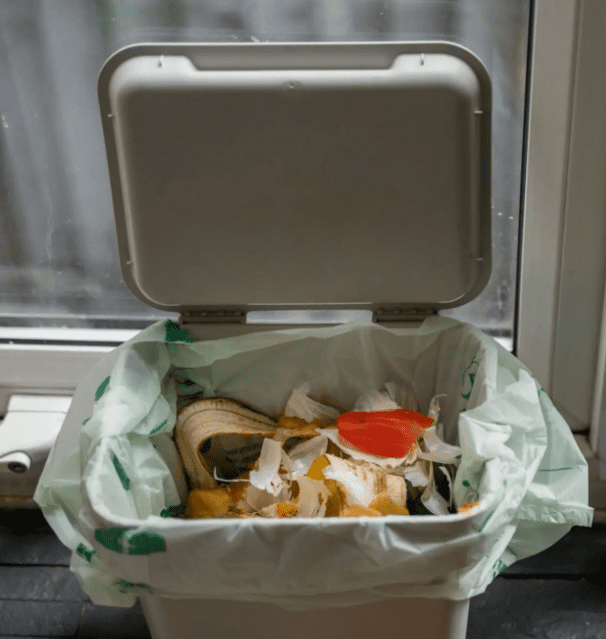
    Using CLO2 on your trash can can not only kill the odor but also break down the biome that is creating the odor.

    Trash odors escalate quickly because decomposing organic matter produces sulfur compounds and microbial gases.

    Best practices include:

    • Prompt disposal after meals
    • Sealing trash bags before removal
    • Routine cleaning of trash cans and surrounding areas

    Chlorine dioxide tablets are especially effective here, as they eliminate odor-causing microbes rather than layering fragrance on top of decay.

    Odors ignored in waste areas rarely stay contained.


    6. Designate and Maintain Smoking Areas With Intentional Remediation

    Smoke and nicotine residues are notoriously persistent. They bond to walls, fabrics, ceilings, and ventilation systems.

    Designated smoking areas reduce cross-contamination, but only if those areas are actively cleaned and remediated. Chlorine dioxide products are uniquely effective at breaking down nicotine residues and smoke-related soils at the molecular level.

    In 2026, smoke odor management is about containment, neutralization, and prevention—not ventilation alone.

    Also Read 👉🏼Why Does My Leather Sofa Smell & How Do I Get Rid of It for Good?


    7. Use ClO₂ Tablets and Granules in High-Risk Odor Zones

    Certain areas act as odor reservoirs: closets, basements, storage rooms, trash areas, and utility spaces.

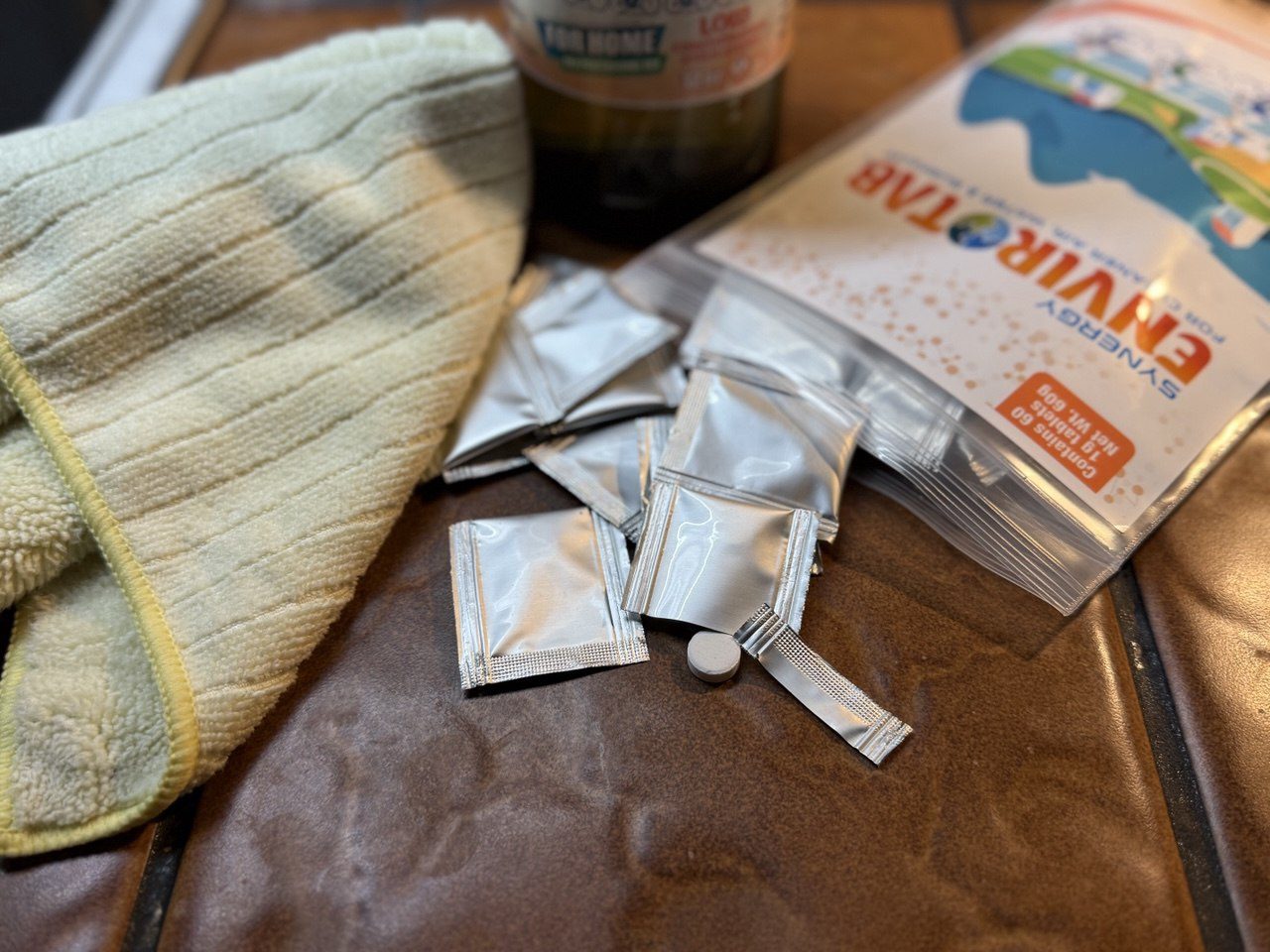
    Dissolving a 1-gram Envirotab tablet in water and allowing it to off-gas safely creates a powerful, residue-free deodorization environment that works without introducing new fragrances.

    Chlorine dioxide is effective precisely because it does not smell like a “cover-up.”
    It eliminates the problem rather than announcing its presence.


    8. Improve Whole-Home Air Quality With Modern Air Purification

    Air purifiers are no longer optional accessories—they are foundational IAQ tools.

    High-quality systems remove airborne particulates, allergens, microbial fragments, and odor molecules before they settle. Granule and powder deodorization technologies add another layer by absorbing persistent odors in larger spaces.

    Clean air smells like…nothing.
    That’s the goal.


    9. Schedule Periodic Inspections to Catch Hidden Odor Sources Early

    Some odor problems are invisible.

    Leaks behind walls, microbial growth in HVAC systems, or organic buildup in rarely accessed spaces can quietly sabotage your efforts. Periodic professional inspections—often using tools like UV or black-light detection—identify problems before odors become entrenched.

    Addressing issues early is always easier, healthier, and less expensive than reactive remediation.


    Take Back Your Home—And Keep It That Way

    A consistently fresh-smelling home isn’t achieved through one-time fixes.
    It’s built through systems, habits, and preventative strategies that work together to maintain healthy indoor air.

    In 2026, odor control is no longer about fighting smells.
    It’s about engineering an environment where odors can’t survive.

    When the source is addressed, the smell doesn’t return—and your sanctuary stays exactly that.

    FAQS

    1. Why do household odors keep coming back after cleaning?
    Household odors return when the underlying source—such as bacteria, mold, moisture, or trapped organic residue—was not fully eliminated. Cleaning alone removes surface soil but may not neutralize odor-causing microbes.

    2. What is the most effective way to prevent persistent odors?
    The most effective approach is source control combined with airflow management, moisture regulation, and microbial neutralization using technologies like chlorine dioxide.

    3. Are air fresheners effective for long-term odor control?
    No. Air fresheners only mask odors temporarily and can add VOCs to indoor air. Long-term odor control requires eliminating the odor source rather than covering it.

    4. How does moisture contribute to recurring odors?
    Excess moisture allows mold and bacteria to grow, which continuously release odor-causing compounds. Controlling humidity prevents these organisms from thriving.

    5. Can chlorine dioxide permanently remove odors?
    Yes. Chlorine dioxide neutralizes odor-causing microbes and organic compounds at the molecular level, preventing odors from returning when used correctly.

    6. Are pet odors preventable without strong fragrances?
    Yes. Regular pet hygiene, bedding sanitation, and microbial odor control eliminate pet odors without relying on perfumes or masking agents.

    7. How often should air purifiers be used to control odors?
    Air purifiers should run daily, especially in high-traffic or enclosed spaces, to continuously remove airborne odor particles before they settle.

    8. Why do trash areas smell even after the garbage is removed?
    Odors linger because bacteria and residue remain on trash cans and surrounding surfaces. These areas require cleaning and microbial neutralization, not just emptying.

    9. Do smoking odors require professional treatment?
    Often, yes. Smoke residues bond to surfaces and require targeted remediation using advanced deodorization methods such as chlorine dioxide for full removal.

    10. When should a professional odor inspection be considered?
    Professional inspections are recommended when odors persist despite cleaning, as hidden sources like leaks, HVAC contamination, or microbial growth may be present.
  • Why Use Chlorine Dioxide Tablets for Cleaning | ClO₂ Benefits & Uses Guide

    Why Use Chlorine Dioxide Tablets for Cleaning | ClO₂ Benefits & Uses Guide

    Why Use Chlorine Dioxide Tablets for Cleaning — 8 Science-Backed Reasons & How They Outperform Traditional Cleaners

    When you clean, you want more than just “looks clean.” You want real sanitization — deep deodorizing, pathogen elimination, biofilm disruption, and minimal residue. Chlorine dioxide (ClO₂) tablets deliver exactly that. Whether for a home kitchen, commercial facility, or industrial site, ClO₂ gives you powerful, versatile cleaning that works — and is safe when used properly.


    Quorum sensing (QS) is a cell-to-cell communication system used by bacteria (and some fungi) to coordinate collective behavior based on population density. Microbes produce and release small chemical signaling molecules called autoinducers.What Makes ClO₂ Cleaning Different

    Chlorine dioxide is a proven oxidizing biocide used across water treatment, food-processing sanitation, environmental disinfection, and microbial control worldwide.

    Unlike bleach or conventional disinfectants, ClO₂ acts through selective oxidation rather than chlorination. It oxidizes microbial cells — bacteria, viruses, fungi, even biofilms — without leaving harmful or sticky residues, and without creating toxic chlorinated byproducts.

    Because of its chemistry and versatility, ClO₂ tablets stand out as a premium choice for cleaning, sanitizing, odor control, and sanitation across multiple environments. Below are the primary reasons many professionals and households trust them.


    8 Key Advantages of Using Chlorine Dioxide Tablets for Cleaning

    1. Broad-Spectrum Microbial Disinfection

    ClO₂ is effective against a wide range of harmful organisms — bacteria, viruses, mold, fungi, spores — making it a “universal disinfectant.”

    What is that terrible odor in my Washing Machine?2. Biofilm Penetration & Deep Sanitization
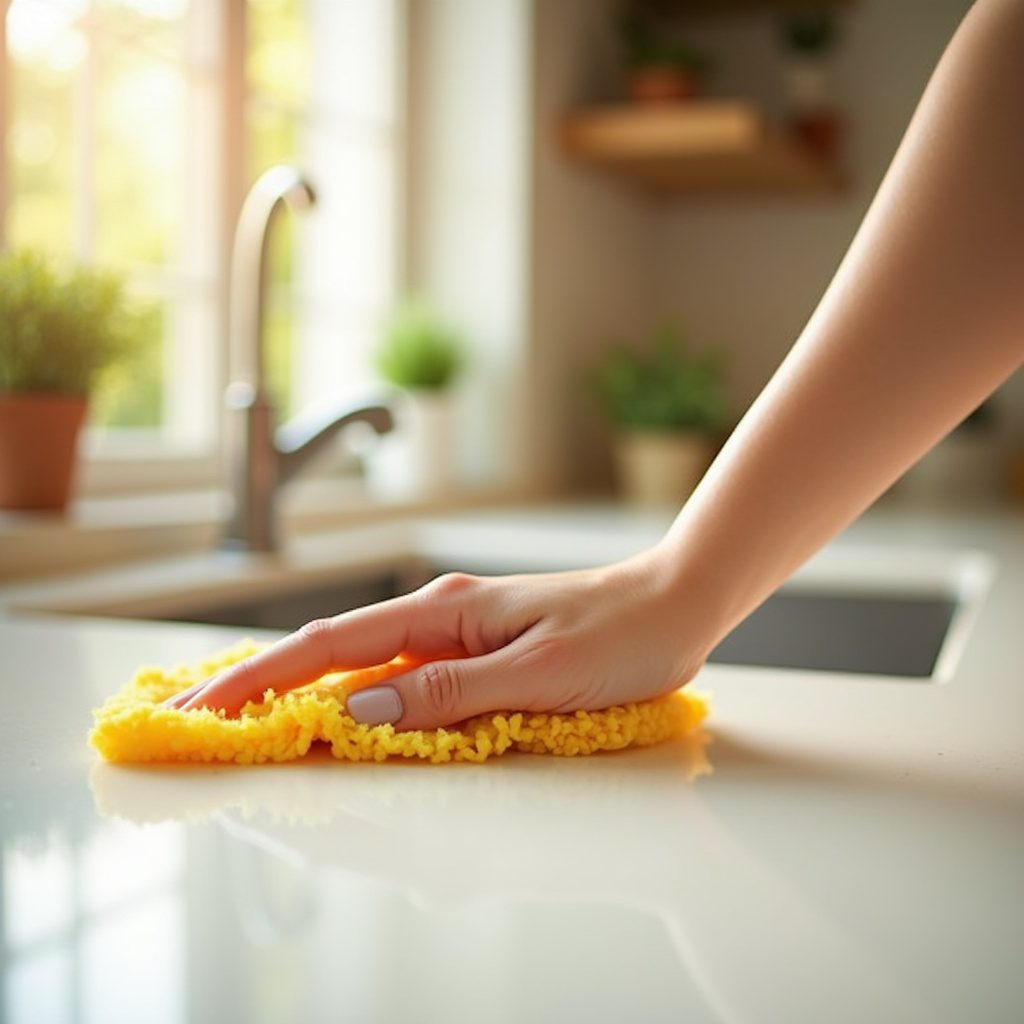
    Biofilms protect microbes on surfaces. ClO₂’s oxidizing nature allows it to penetrate and destroy biofilms — eliminating hidden pathogens that many standard cleaners miss. This makes ClO₂ especially effective in challenging environments: hospitals, food-prep zones, industrial equipment, etc.

    3. Residue-Free & Safe for Many Surfaces

    Once dissolved and used correctly, ClO₂ leaves no sticky film, no crust, no white residue, unlike bleach or some quats. That makes it ideal for sensitive surfaces — stainless steel, food-contact surfaces, equipment, tools, and more.

    4. Odor Neutralization (Not Masking)

    ClO₂ doesn’t simply cover up smells — it oxidizes odor-causing molecules. Whether it’s pet smells, moldy basements, garbage odors, or stale air, ClO₂ can neutralize odors at their molecular source.

    5. Wide Versatility & Use Cases

    ClO₂ tablets are one of the few disinfectants that adapt across multiple environments and use-cases: homes, commercial buildings, hospitals, food processing, water treatment, odor control, mold remediation, tools, equipment sanitization — even water purification.

    6. Convenient, Shelf-Stable, Easy to Use

    Unlike liquid disinfectants with shelf-life concerns or complicated dosing, ClO₂ tablets are compact, stable, portable, and simple: dissolve to the correct concentration and go. That makes them ideal for janitorial closets, travel kits, small businesses, and remote work sites.

    7. Lower Corrosivity and Safer Fumes Compared to Bleach

    ClO₂ is generally less corrosive than bleach and does not release harsh chlorine fumes. This improves safety, comfort, and surface longevity — especially important in spaces with frequent cleaning, sensitive equipment, or frequent human presence.

    ClO₂ degrades more cleanly than many traditional disinfectants. It doesn’t produce harmful chlorinated byproducts (when used properly) and breaks down without creating long-lasting chemical residue — making it a more environmentally conscious cleaning option.


    Think your home is clean? Think again! Remote controls, light switches, fridge interiors, and door handles are germ magnets. With ClO₂ , you can sanitize safely, effectively, and eco-friendly:When & Where to Use Chlorine Dioxide Tablets

    ClO₂ tablets excel in a wide range of environments. Consider using them for:

    • Kitchens (countertops, appliances, food-contact surfaces)
    • Bathrooms (tile, grout, fixtures)
    • Institutional & commercial facilities (offices, hospitals, schools, gyms)
    • Industrial equipment and tools
    • Water treatment or water-contact systems
    • Odor-prone environments — basements, trash areas, pet zones
    • Mold or mildew-prone areas (bathrooms, basements, storage)
    • Travel, RV, or remote sanitation kits
    • Pet bedding, cages, kennels — after drying

    Because of their adaptability and broad effectiveness, ClO₂ tablets can replace multiple cleaning products in a standard cleaning arsenal — simplifying supply, reducing chemical load, and boosting cleaning efficacy.


    Safety & Best-Practice Essentials When Using ClO₂ Tablets

    To maximize benefits while ensuring safety:

    • Always dissolve tablets in the correct water volume per instructions. Over-concentrating can lead to unnecessary chemical exposure.
    • Use freshly prepared solutions. Don’t store mixed solutions long-term — potency decreases, and stability can drift.
    • Avoid mixing with other cleaners (bleach, acids, ammonia, peroxides) — ClO₂ should be used alone.
    • For food-contact surfaces or sensitive materials, rinse after treatment (especially if higher strength was used).
    • Ventilate when using higher concentrations or in enclosed spaces.
    • Wear gloves or PPE if handling concentrated solutions that are higher than 200 ppm.
    • Store tablets dry, sealed, and away from children/pets.

    When used responsibly, ClO₂ tablets deliver powerful cleaning with minimal risk.


    Comparison — ClO₂ Tablets vs Traditional Cleaning Products

    Feature / Use-Case ClO₂ Tablets Bleach Quats / Standard Disinfectants
    Biofilm Penetration ✅ Excellent ❌ Poor ❌ None or weak
    Odor Neutralization ✅ Strong (molecular) ❌ Weak (masking or chlorine smell) ❌ Weak or masking
    Residue / Film ✅ None ❌ Often sticky or corrosive ⚠️ Residue or buildup possible
    Surface Compatibility ✅ Very broad ⚠️ Corrosive / can discolor ⚠️ Varies by formulation
    Ease of Storage & Use ✅ High (tablet form) Moderate (liquid bleach) Moderate to high
    Fumes / Irritation ✅ Low (when used properly) ❌ High (chlorine fumes) ⚠️ Moderate
    Environmental Impact ✅ Lower (degrades cleanly) ❌ Creates chlorinated byproducts ⚠️ Variable chemical load

    Chlorine dioxide tablets combine powerful disinfection, odor neutralization, biofilm penetration, and surface-safe cleaning — all in a simple, portable, and environmentally friendly format. From kitchens to industrial facilities, from water treatment to odor mitigation — ClO₂ offers unmatched versatility and efficacy. When used correctly, it’s one of the smartest, most flexible cleaning tools available today.

    Ready to experience smarter, safer, and more effective cleaning? Explore our full range of chlorine dioxide tablets at Clo2Tablets.com — from everyday surface cleaning to heavy-duty sanitation and odor removal. Clean smarter, not harder.

    🔗 Grab your tablets today at clo2tablets.com and step into a cleaner, safer world!


    Frequently Asked Questions (FAQ)

    1. Are ClO₂ tablets better than bleach for everyday cleaning?

    Yes — thanks to lower residue, wide surface compatibility, biofilm penetration, and fewer harmful fumes, ClO₂ is often a safer and more thorough option.

    cutting board2. Is ClO₂ safe for food-contact surfaces?
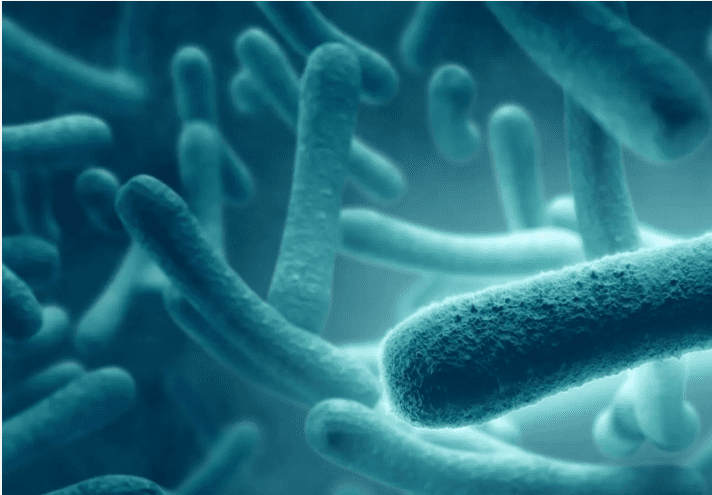
    Yes — especially when diluted correctly. Always rinse when using higher concentrations to ensure food safety.

    3. Can ClO₂ tablets remove odors instead of masking them?

    Yes — ClO₂ oxidizes odor molecules, destroying them rather than simply covering the smell.

    4. Do I need special equipment to use ClO₂ tablets?

    No. Just clean water, a container or spray bottle, and basic PPE (gloves) if desired. Tablets are straightforward and user-friendly.

    5. Will ClO₂ damage surfaces like stainless steel, tile, or sealed surfaces?

    No — when used at recommended concentrations, ClO₂ is gentle and surface-safe, unlike bleach which can corrode or discolor some materials.

    6. Can ClO₂ tablets replace multiple cleaning products?

    Yes. Because of their versatility, ClO₂ tablets often replace multiple cleaners — disinfectants, odor removers, water sanitizers — simplifying cleaning routines.

    7. Are ClO₂ tablets environmentally friendly?

    Yes. They degrade cleanly with minimal chemical byproducts, reducing long-term environmental impact compared to many traditional cleaners.

    8. Are they safe to use around pets and children?

    When mixed and used correctly (ventilated area, proper concentration, allowed to dry), ClO₂ is generally considered safe for household use around people and pets.

    9. Can ClO₂ tablets handle tough jobs — mold, mildew, heavy contamination?

    Yes — at appropriate concentrations and with correct contact time, ClO₂ penetrates biofilms and sanitizes heavy contamination zones, mold-prone areas, and industrial equipment.

    10. How do I store and handle ClO₂ tablets for best safety and longevity?

    Keep them sealed, dry, and away from moisture, heat, and direct sunlight. Store out of reach of children and pets.


  • How to Use Chlorine Dioxide Tablets for Cleaning | Mixing, Safety & Application

    How to Use Chlorine Dioxide Tablets for Cleaning | Mixing, Safety & Application

    How to Use Chlorine Dioxide Tablets for Cleaning: A Complete Scientific & Practical Guide

    Cleaning products come in every shape and scent, yet few actually solve the root problem: microbial contamination, biofilm, and odor-causing compounds. Chlorine dioxide tablets offer a modern, science-driven solution that’s safer, stronger, and more versatile than traditional cleaners. This guide shows you exactly how to use ClO₂ tablets correctly—whether you’re cleaning your home, business, equipment, tools, or high-touch surfaces.


    Understanding Chlorine Dioxide in Modern Cleaning

    Chlorine dioxide (ClO₂) is an oxidizing biocide used worldwide for sanitization, odor removal, and pathogen control. Unlike bleach or quaternary ammonium compounds (quats), it destroys microorganisms by oxidizing biomolecules, including those hidden inside biofilms, where pathogens typically shelter.

    Regulatory agencies including the EPA, CDC, and global water treatment authorities recognize ClO₂ as a powerful disinfectant for food-contact surfaces, industrial sanitation, water purification, odor mitigation, and mold remediation.

    This article breaks down how ClO₂ tablets work, how to mix them safely, how to apply them, and when to use which concentration for optimal results.


    What exactly is a biofilm? A structured microbial community encased in a self-produced matrix of polymers, adhering to surfaces.What Problem Are We Solving?

    Surfaces collect bacteria, viruses, mold spores, organic residues, grease, and odor-causing compounds. Traditional cleaners often mask or smear contaminants without truly destroying them—especially when biofilms protect microorganisms.

    ClO₂ solves this by:

    • Penetrating and oxidizing biofilm layers
    • Eliminating microorganisms at a molecular level
    • Leaving no harmful or sticky residues
    • Neutralizing odors directly instead of masking them
    • Remaining effective across a wide pH range

    This makes ClO₂ ideal for homes, businesses, food prep areas, restrooms, industrial tools, and odor-prone spaces.


    How Chlorine Dioxide Works

    Chlorine Dioxide Mechanism in a nutshell:
    ClO₂ penetrates microbial cell walls, oxidizes amino acids and vital cellular components, collapses metabolic pathways, and destroys biofilms while preventing regrowth. Because it acts via selective oxidation (not chlorination), it does not create harmful chlorinated byproducts.


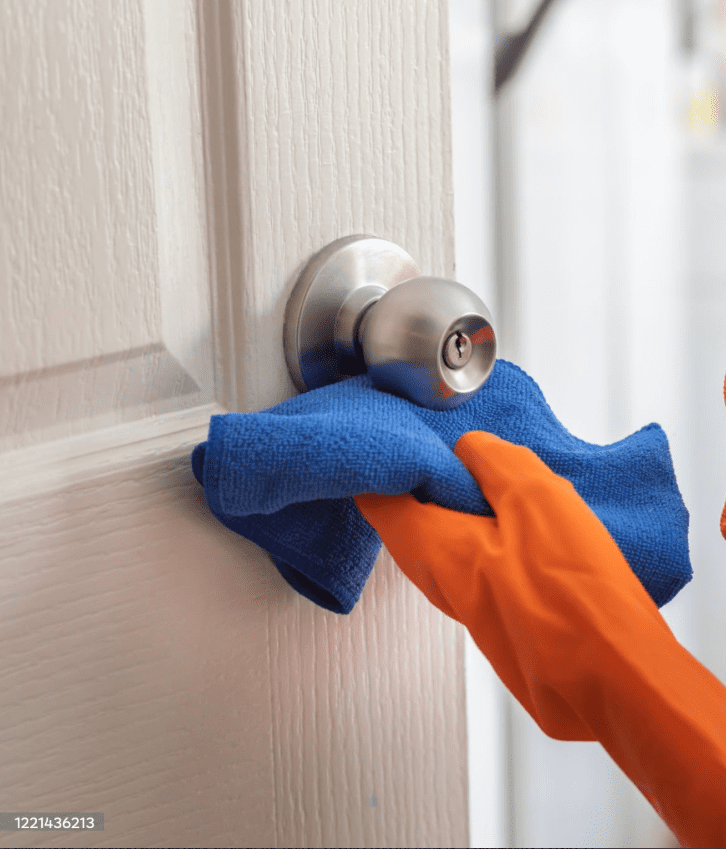
    wiping door handles daily will cut down significantly on colds and fever.Why Chlorine Dioxide Tablets Are Superior for Cleaning
    ClO₂ tablets outperform bleach and quats in several key areas:

    • Powerful Broad-Spectrum Action
      Effective against bacteria, viruses, mold, mildew, and spores.
    • Biofilm Penetration
      Pierces protective layers where pathogens hide.
    • No Harmful Residues
      Evaporates cleanly — ideal for food-contact surfaces.
    • Neutralizes Odors at the Source
      Destroys odor-causing molecules rather than masking them.
    • Stable, Portable, and Easy to Mix
      Tablets produce accurate, consistent concentrations.
    • Non-Corrosive at Use Strength
      Safe for most surfaces when properly mixed.

    Step-by-Step: How to Use Chlorine Dioxide Tablets for Cleaning

    1. Gather Your Supplies

    You’ll need:

    • CLO2 tablets from Clo2Tablets.com
    • Clean container, spray bottle or mop bucket.
    • Water (distilled or tap)
    • Gloves (optional for sensitive skin)

    2. Choose Your Strength (Mixing Instructions)

    Below is the ideal quick-reference mixing table.


    Chlorine Dioxide Mixing & Dosage Table

    Cleaning Strength Tablet Size Water Amount Ideal For
    50–100 ppm (Light Cleaning) 1g 1–2 liters Daily cleaning, wiping surfaces, counters, glass, tools
    100–200 ppm (General Cleaning) 1g 1 liter Kitchens, bathrooms, odor removal, household disinfection
    500 ppm (Heavy Cleaning) 4g tablet 1 liter Mold, mildew, organic contamination, pet odors, grime
    1,000 ppm (Shock Cleaning) 4g 500 mL Severe odors, equipment sanitation, professional use

    Tip: Higher concentrations should never be used without ventilation and responsible handling.

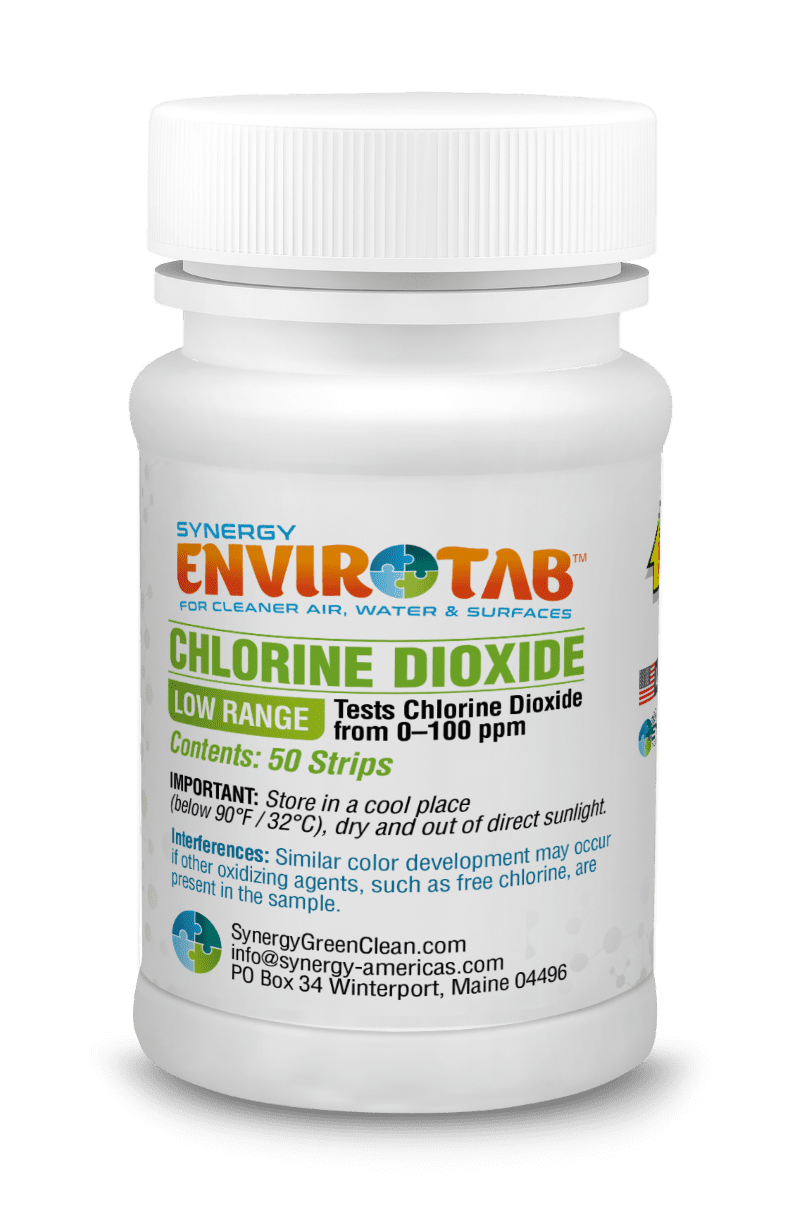
    Low Range Test Strip BottleBuy our CLO2 testing strips for accurate measurements here 👉🏻 0-2500 ppm


    3. Allow the Tablet to Activate

    ClO₂ tablets activate in less than a minute, depending on strength.
    Solution turns amber-yellow when ready.


    4. Apply to Surfaces

    Use: Allow 5–10 minutes of surface contact time for routine cleaning, longer (10–30 minutes) for odor or contamination-heavy areas.


    5. Rinse (Only If Needed)

    Most surfaces do not require rinsing after ClO₂ use.
    Rinse only on:

    • Food-contact surfaces when using >200 ppm
    • Sensitive electronics (use minimal dampness)

    Comparison Table — ClO₂ vs. Other Cleaners

    Feature ClO₂ Tablets Bleach Quats Peroxides
    Biofilm Removal ✔️ Excellent ❌ Poor ❌ None ⚠️ Limited
    Odor Removal ✔️ Neutralizes at source ❌ Masking only ❌ Weak ⚠️ Mild
    Surface Residue ✔️ None ❌ High ❌ Sticky ✔️ Low
    Corrosiveness Low High Low Medium
    Mix Stability Very stable Unstable Stable Moderate
    Application Versatility Extremely versatile Limited Limited Moderate

    Safety, Compliance & Regulatory Notes

    • ClO₂ is recognized by the EPA as an effective disinfectant when used within regulated concentrations.
    • Safe for use on food-contact surfaces when rinsed at high concentrations.
    • Always store tablets in a dry, cool location.
    • Do not mix activated solutions with other chemicals.
    • Ventilate when using high-strength solutions (>500 ppm).

    Best Practices for Optimal Results

    • Mix fresh solutions every 48–72 hours for maximum potency.
    • Higher contamination levels require higher ppm and longer contact times.
    • Pre-clean visibly dirty surfaces before disinfecting.
    • Always allow ClO₂ to fully activate (yellow color).
    • Store unused tablets in their original packaging.

    Chlorine dioxide tablets provide powerful, residue-free cleaning through selective oxidation. Mix 50–200 ppm for daily cleaning, 500 ppm for heavy contamination, or 1,000 ppm for shock treatments. Apply via spray or cloth, allow 5–10 minutes contact time, and rinse only on food-contact surfaces when using high concentrations. Safe, stable, and effective on odors, bacteria, mold, and biofilms.


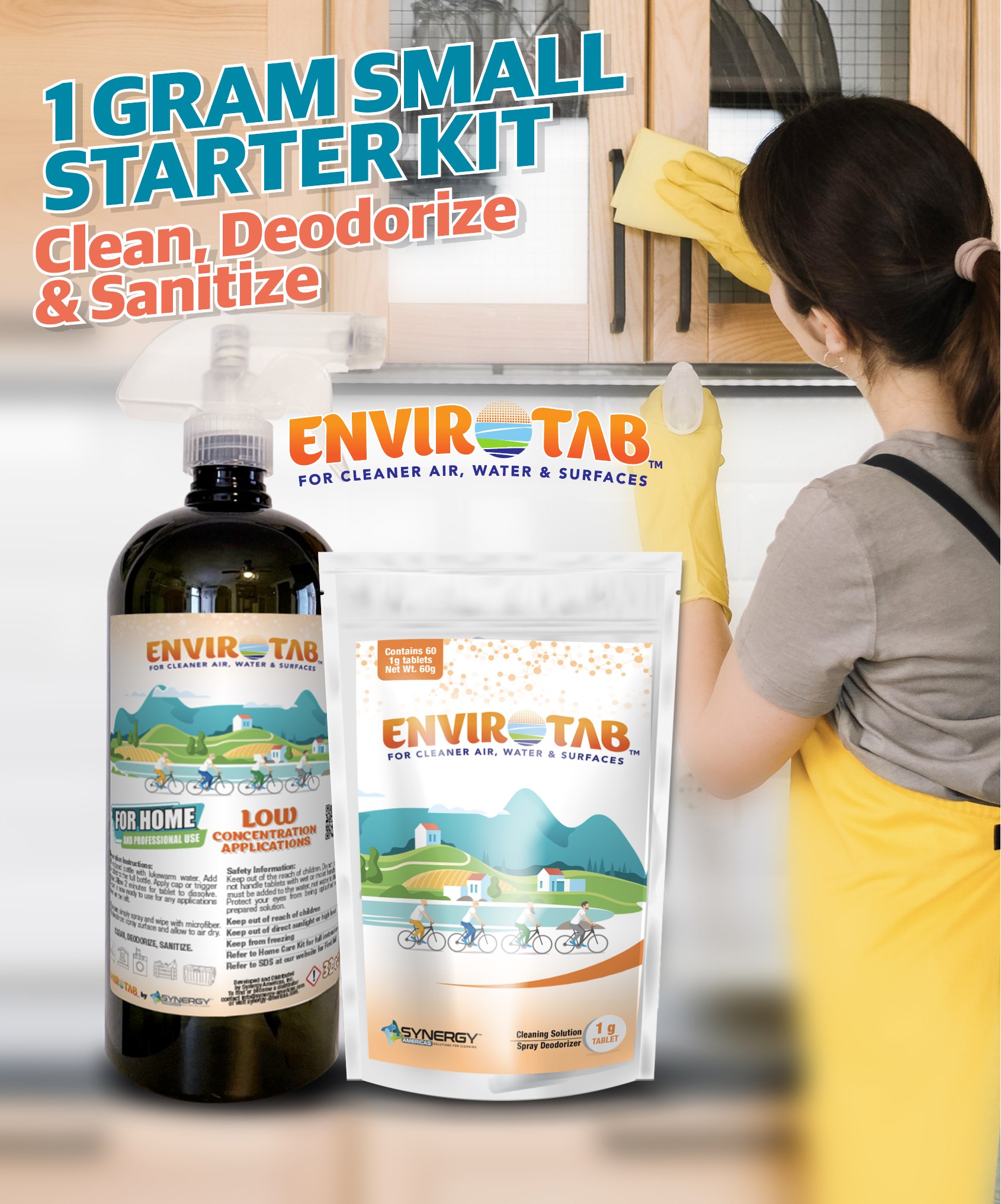
    1g Small Starter Kit PanelFrequently Asked Questions

    1. How long does chlorine dioxide stay active once mixed?

    Typically 48–72 hours when stored in a sealed container away from sunlight.

    2. Do ClO₂ tablets leave residue?

    No — they evaporate cleanly and leave surfaces residue-free.

    3. Can I use ClO₂ on food-contact surfaces?

    Yes, but rinse if you used concentrations above 200 ppm.

    4. Is ClO₂ safe around pets?

    Yes when used correctly and allowed to dry before pets re-enter the area.

    5. Does it discolor fabrics?

    No — unlike bleach, ClO₂ is non-chlorinating and non-bleaching.

    6. Can I mix ClO₂ with bleach or peroxide?

    Never mix ClO₂ with other chemicals.

    7. Does ClO₂ remove mold?

    Yes. Higher ppm solutions (500–1,000) penetrate and oxidize mold and mildew.

    8. Does it eliminate odors permanently?

    Yes — ClO₂ chemically destroys odor molecules.

    9. What happens if the solution doesn’t turn yellow?

    Either the activation time isn’t complete or the water quality interfered. Wait longer or use a clean container.

    10. Can I store activated solution?

    Yes for up to 72 hours, though potency slowly declines.


    Call to Action

    Upgrade your cleaning routine with professional-grade chlorine dioxide tablets from Clo2Tablets.com. Whether you need daily cleaning strength or powerful odor-removal concentrations, our tablets deliver dependable, science-backed results every time.


    Michele writes for Envirotab and synergy-americas.About the Author

    Michele Matthews creates scientific, practical sanitation guides for commercial and residential cleaners. Her work focuses on chlorine dioxide chemistry, industrial hygiene workflows, odor-remediation science, and environmental safety best practices.

  • Biofilm Research & Odor Control: Breaking the Invisible Barriers with Chlorine Dioxide

    Biofilm Research & Odor Control: Breaking the Invisible Barriers with Chlorine Dioxide

    Understanding Biofilms: Complex Microbial Fortresses

    Biofilms are highly organized microbial ecosystems in which bacteria, fungi, and archaea attach to surfaces and embed themselves within a self-secreted matrix known as the extracellular polymeric substance (EPS). This matrix, composed of polysaccharides, proteins, lipids, and extracellular DNA, forms a highly resilient barrier that protects resident microbes from environmental stressors, chemical disinfectants, and even physical abrasion.

    Unlike planktonic (free-floating) microbes, biofilm communities engage in quorum sensing, communicating chemically to coordinate metabolic activity, resistance gene transfer, and structural reinforcement. This communication allows biofilms to dynamically respond to threats, making them far more resistant than surface-level contamination.

    Biofilms are ubiquitous. In industrial systems, they form on pipelines, storage tanks, and cooling towers. In hospitality and clinical settings, biofilms colonize drains, sinks, HVAC systems, and even medical equipment. Once established, they are a persistent source of contamination and operational risk.


    The Odor-Biofilm Connection

    Biofilms are not only a microbial threat but also a primary source of persistent odors. Microbial metabolism within biofilms produces volatile organic compounds (VOCs) and reduced sulfur species, such as hydrogen sulfide, dimethyl sulfide, and methanethiol. These compounds generate characteristic odors ranging from musty and rotten to sulfurous and pungent.

    Traditional cleaning and masking agents fail because they primarily address surface residues. The biofilm’s EPS matrix shields underlying microbial populations, allowing them to continue producing VOCs long after surface cleaning. In food service, industrial, and healthcare environments, this hidden odor source can indicate ongoing microbial contamination with implications for hygiene, safety, and regulatory compliance.


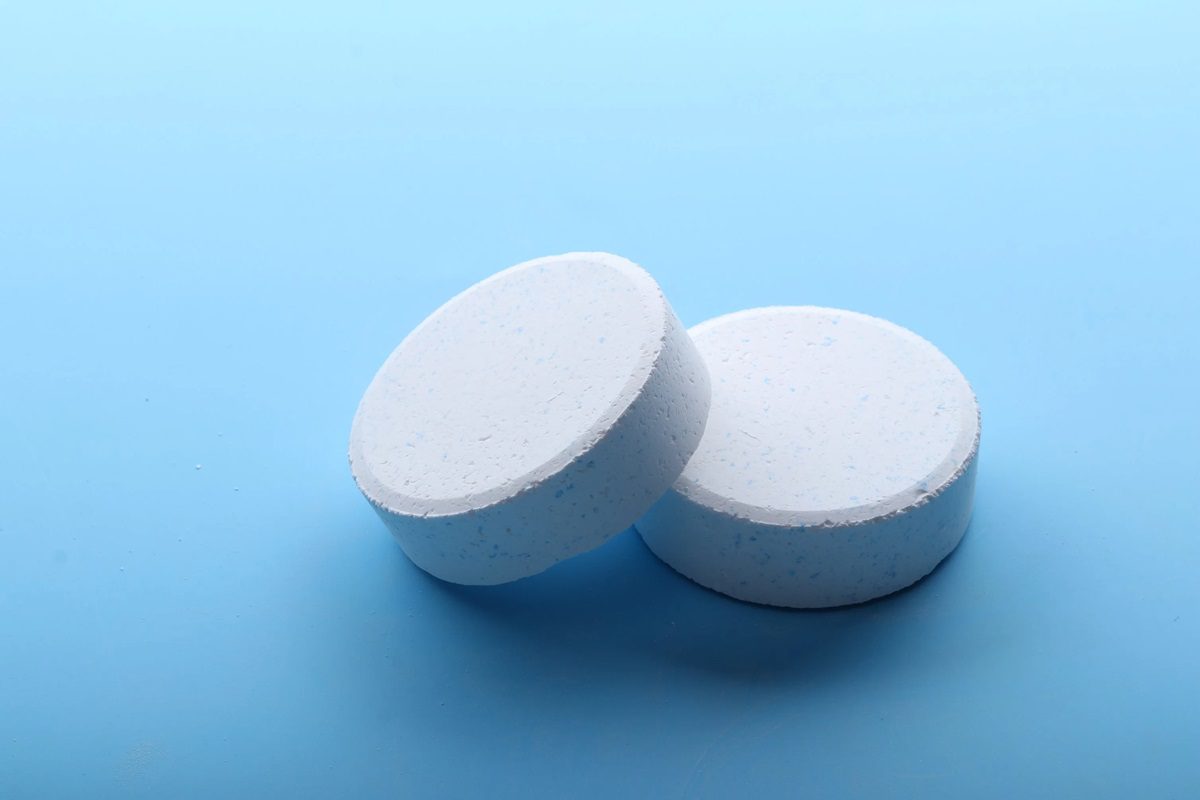
    chlorine dioxide tablets in pictureBreaking the Biofilm Barrier — Why Structural Disruption Is Critical
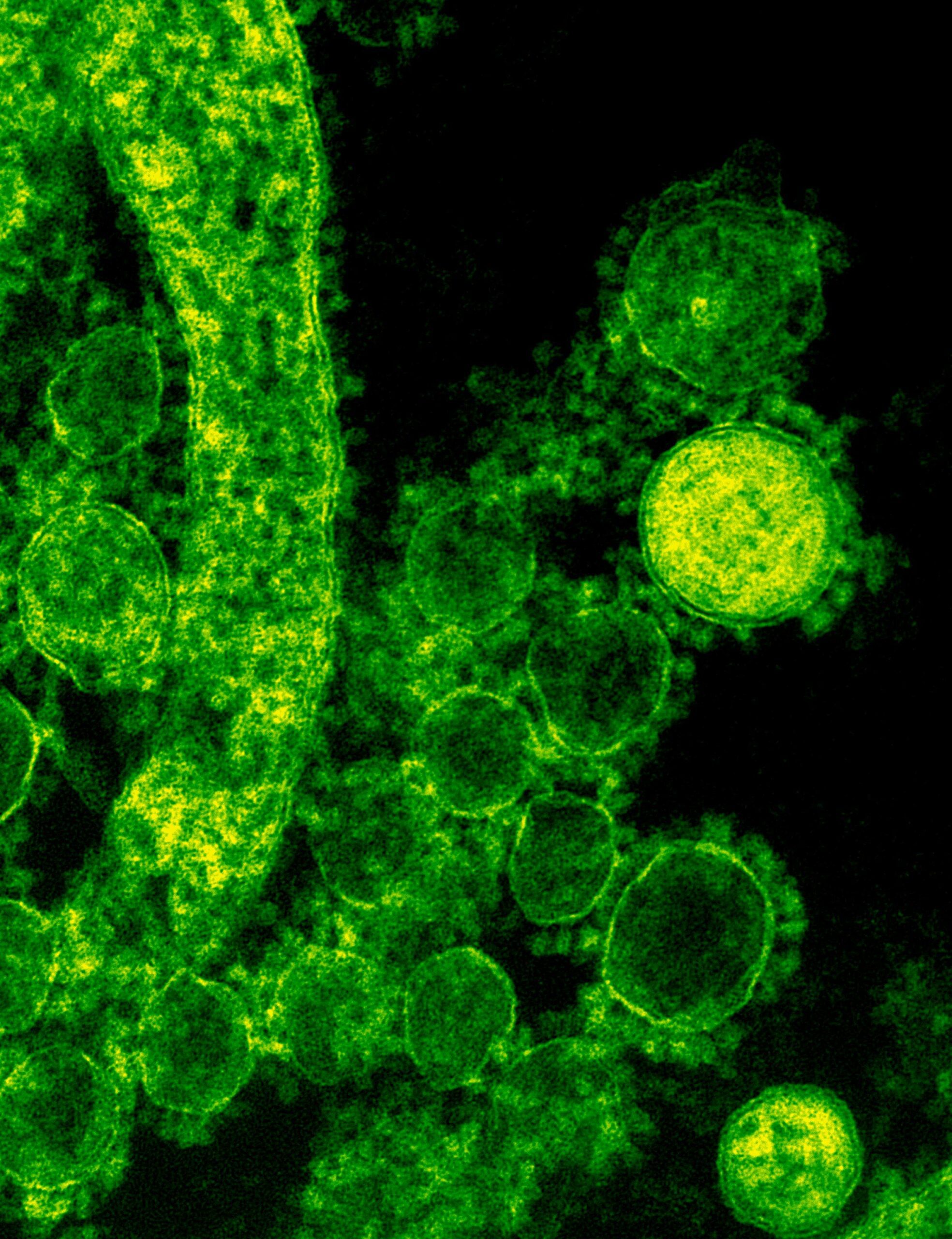
    Biofilms are not static. They grow, shed cells, and spread, creating a reservoir of pathogenic and odor-producing microbes. To truly sanitize a surface, one must dismantle the EPS matrix to prevent recolonization.

    Breaking down biofilms is essential because:

    • The EPS barrier protects microbes from chemical sanitizers.
    • Microbial shedding spreads contamination to other surfaces.
    • Odor molecules are trapped within the matrix and remain after superficial cleaning.

    Mechanical scrubbing alone is often insufficient. Chemical disruption is required at the molecular level to oxidize and destabilize the matrix, allowing full microbial inactivation.


    Chlorine Dioxide vs. Traditional Sanitation Methods

    Chlorine dioxide (ClO₂) is a true molecular oxidant, unlike chlorine bleach or peroxides, which function primarily through chlorination or free radical generation. Its neutral charge and small molecular size allow it to penetrate deep into biofilms, attacking both the microbial cells and the structural EPS network.

    Mechanism of Action

    • Electron Transfer Oxidation: ClO₂ disrupts cellular components, oxidizes sulfur and nitrogen bonds, and neutralizes VOCs.
    • Deep Penetration: Its neutral molecular charge enables diffusion through dense biofilm matrices.
    • Non-Corrosive: At operational concentrations, ClO₂ does not degrade metals, plastics, or surfaces.
    • Broad Spectrum: Effective against bacteria (Gram-positive and Gram-negative), fungi, viruses, and spores.

    Comparative Analysis

    Sanitizer Mechanism Biofilm Penetration Residue/Corrosivity Odor Neutralization Environmental Profile
    Bleach (NaOCl) Chlorination Surface only High, corrosive Poor Low
    Quats Membrane disruption Limited Residual buildup Masking only Moderate
    Hydrogen Peroxide Free radical oxidation Moderate Oxidative damage possible Partial High
    Alcohols Protein denaturation Surface only Evaporates Ineffective Moderate
    Chlorine Dioxide (ClO₂) Electron oxidation Deep Non-corrosive Excellent Excellent

    ClO₂’s ability to oxidize EPS and VOCs simultaneously sets it apart as a complete biofilm and odor elimination tool, rather than a surface-level sanitizer.


    Applications Across Industries

    Industrial

    • ClO₂ penetrates cooling towers, pipelines, and tanks, eliminating microbial biofilms that threaten operational efficiency and safety.
    • Gas-phase application ensures treatment of interior surfaces unreachable by liquids.

    Hospitality

    • Drains, kitchens, and HVAC systems often harbor biofilms causing persistent odors.
    • ClO₂ disrupts microbial matrices, neutralizing odors and improving sanitation without damaging surfaces or leaving harmful residues.

    Clinical & Medical

    • High-touch surfaces, surgical instruments, and ventilation systems can harbor resistant biofilms.
    • ClO₂ eliminates pathogens and reduces infection risk while being safe for sensitive equipment.

    Public Infrastructure

    • Wastewater treatment, plumbing, and restrooms benefit from biofilm removal.
    • ClO₂ prevents biofilm-related corrosion and VOC release.

    Molecular-Level Sanitation and Microbiome Reset

    ClO₂ does more than kill microbes—it resets microbial ecosystems. By breaking down biofilms:

    • Quorum sensing collapses, halting microbial communication.
    • Biofilm fragments are oxidized, preventing regrowth.
    • Odor-causing VOCs are neutralized, leaving environments both biologically and olfactorily clean.

      This precision cleaning ensures that sanitation is effective, sustainable, and measurable, redefining modern standards in industrial, hospitality, and medical environments.

    What does this all mean?


    Quorum sensing (QS) is a cell-to-cell communication system used by bacteria (and some fungi) to coordinate collective behavior based on population density. Microbes produce and release small chemical signaling molecules called autoinducers.What is Quorum Sensing?

    Quorum sensing (QS) is a cell-to-cell communication system used by bacteria (and some fungi) to coordinate collective behavior based on population density. Microbes produce and release small chemical signaling molecules called autoinducers. When these molecules reach a threshold concentration—indicating a critical mass of microbes—the bacteria collectively alter gene expression to activate group behaviors.

    In biofilms, quorum sensing regulates:

    • EPS (extracellular polymeric substance) production: Builds and maintains the biofilm “matrix” that shields microbes.
    • Virulence factor expression: Makes pathogens more resistant to immune responses or chemical disinfectants.
    • Sporulation and stress responses: Increases survival under adverse conditions.
    • Biofilm expansion and detachment: Allows cells to spread to new surfaces.

    Essentially, QS is how microbial colonies “coordinate” like a city, deciding when to grow, defend, or send out microbial “explorers.”


    What Does “Quorum Sensing Collapses” Mean?

    When a biofilm is treated with chlorine dioxide (ClO₂), its EPS matrix and microbial cells are oxidized. This has several consequences for quorum sensing:

    1. Signaling molecules are destroyed or diluted

      • ClO₂ oxidizes small chemical autoinducers, so bacteria can no longer “hear” each other.

    2. Cell death disrupts population density

      • Quorum sensing requires a critical population. Killing microbes reduces numbers below the threshold, preventing collective behavior.

    3. EPS degradation prevents localized concentration

      • Autoinducers are often concentrated within the biofilm matrix. When ClO₂ breaks down the EPS, these molecules diffuse away or are oxidized, collapsing the localized communication network.

    The result:

    • Microbes cannot coordinate defense mechanisms.
    • Production of protective EPS and virulence factors halts.
    • Biofilm structural integrity weakens.
    • Dispersal and recolonization are significantly reduced.

    In short, quorum sensing collapse is like cutting off the city’s power grid—microbes become disorganized, vulnerable, and unable to maintain their protective stronghold. This is why ClO₂ doesn’t just kill surface microbes—it dismantles the entire biofilm community at a molecular and behavioral level.


    Biofilm Fragments Explained

    Biofilms are not static—they’re dynamic communities. During growth or after partial disruption, pieces of the biofilm can detach. These are called biofilm fragments or planktonic clumps, and they carry living bacteria capable of colonizing new surfaces.

    Even if you kill microbes on the surface, these fragments can travel via air, water, or equipment and reattach elsewhere, forming new biofilms. This is a key reason why many cleaning methods fail—biofilms spread even after initial sanitation, making contamination persistent.


    What “Oxidized” Means in This Context

    Chlorine dioxide (ClO₂) is a powerful oxidizing agent. When biofilm fragments are exposed to ClO₂:

    1. The extracellular polymeric substance (EPS) is chemically broken down

      • Proteins, polysaccharides, and DNA in the EPS are oxidized. This destroys the “scaffolding” holding the microbes together.

    2. Microbial cells within fragments are disrupted

      • Cell membranes, enzymes, and metabolic molecules are oxidized, killing or inactivating the microbes.

    3. Signaling molecules (autoinducers) are neutralized

      • Fragments lose the ability to coordinate quorum sensing, so they cannot organize into new biofilms effectively.


    Why This Prevents Regrowth

    • No structural foundation: Oxidation destroys the EPS, so fragments cannot reattach to surfaces in an organized biofilm.
    • Microbes are inactivated: Bacteria within fragments are killed or severely weakened, so even if they settle somewhere new, they cannot establish a healthy colony.
    • Disruption of quorum sensing: Without communication, surviving cells cannot coordinate biofilm formation, halting regrowth at the molecular level.

    Think of it like removing the bricks from a building and scattering the occupants—they can’t rebuild without structure or coordination. ClO₂ does this at the molecular scale, ensuring that fragments are no longer a threat for recolonization and odor production.


    What Are Odor-Causing VOCs?

    VOCs, or volatile organic compounds, are small molecules that easily vaporize at room temperature. In biofilms, microbes metabolize nutrients anaerobically (without oxygen) and produce VOCs as byproducts. Common examples include:

    • Sulfur compounds: hydrogen sulfide (H₂S), methanethiol, dimethyl disulfide — responsible for rotten egg or sewage-like odors.
    • Nitrogen compounds: ammonia, amines — responsible for pungent, urine-like smells.
    • Organic acids: acetic, butyric acids — sour or musty odors.

    These VOCs are trapped inside the biofilm matrix, slowly releasing over time and causing persistent odors that traditional cleaners cannot eliminate.


    What Does “Neutralized” Mean?

    Chlorine dioxide (ClO₂) is a selective oxidizing agent, meaning it reacts with and chemically alters VOC molecules. This neutralization involves:

    1. Breaking molecular bonds

      • Sulfur, nitrogen, and carbon bonds in VOCs are oxidized, rendering them chemically inert.

    2. Preventing volatilization

      • Once oxidized, these compounds no longer vaporize and produce odors.

    3. Removing the source of smell, not masking it

      • Unlike air fresheners or masking agents, ClO₂ eliminates the odor molecules themselves, rather than just covering them up.


    Why This Leaves Environments Biologically and Olfactorily Clean

    • Biologically clean: Microbes in biofilms are disrupted or destroyed, halting further VOC production.
    • Olfactorily clean: Existing VOCs are chemically neutralized, so the environment no longer smells.

    Effectively, ClO₂ attacks both the microbial source and the chemical byproducts simultaneously. This is why it is so effective in:

    • Industrial settings (pipes, cooling towers, tanks)
    • Hospitality (drains, kitchens, HVAC systems)
    • Clinical and medical environments (surgical rooms, restrooms, equipment)

    The result is an environment that is scientifically sanitized and free from lingering odors, not just superficially “fresh.”


    Chlorine dioxide (ClO₂) represents a fundamental shift in sanitation science. It penetrates biofilms at the molecular level, dismantling the extracellular polymeric substance (EPS) that protects microbial communities.Conclusion — The Paradigm Shift in Sanitation

    Traditional disinfectants often address only the surface symptoms of contamination and odors, leaving the underlying biofilm intact. This incomplete approach allows microbial fortresses to persist, continually producing odor-causing volatile compounds (VOCs) and seeding new contamination sites through biofilm fragments.

    Chlorine dioxide (ClO₂) represents a fundamental shift in sanitation science. It penetrates biofilms at the molecular level, dismantling the extracellular polymeric substance (EPS) that protects microbial communities. In the process, quorum sensing collapses: microbial communication networks fail, halting the coordinated defense and virulence behaviors that allow pathogens to survive and regrow.

    At the same time, biofilm fragments are oxidized, destroying both their structural framework and the microbes contained within. This prevents detached fragments from establishing new colonies elsewhere, effectively blocking the propagation and regrowth of biofilms.

    Additionally, ClO₂ neutralizes odor-causing VOCs. Sulfur, nitrogen, and carbon-based volatile molecules are chemically oxidized, eliminating odors at their source rather than merely masking them. The result is an environment that is not only biologically clean—with the microbial population reset—but also olfactorily neutral, free from persistent and harmful odors.

    For industrial managers, hospitality operators, and healthcare professionals, ClO₂ is more than a cleaner: it is a comprehensive biofilm-level eradication system, delivering molecular-level microbial disruption, prevention of regrowth, and total odor neutralization. This scientifically validated solution provides risk mitigation, regulatory compliance, and operational reliability, transforming sanitation from a superficial practice into a precision, evidence-based process that addresses contamination at its structural and chemical roots.


    15 Frequently Asked Questions About Biofilms & ClO₂

    1. What exactly is a biofilm?
      A structured microbial community encased in a self-produced matrix of polymers, adhering to surfaces.
    2. Why are biofilms resistant to regular cleaning?
      Their matrix blocks disinfectants, allowing bacteria to survive and regrow.
    3. What causes biofilm-related odors?
      Anaerobic metabolism releases sulfur compounds and VOCs.
    4. Can bleach remove biofilms?
      No. It disinfects surface bacteria but doesn’t penetrate the biofilm matrix.
    5. How does chlorine dioxide penetrate biofilms?
      As a neutral gas, it diffuses through the matrix, oxidizing cells and bonds internally.
    6. Is ClO₂ safe for food-contact surfaces?
      Yes, when used correctly; it decomposes into non-toxic byproducts.
    7. Does it remove VOC-based odors permanently?
      Yes, by oxidizing the compounds themselves rather than masking them.
    8. What industries benefit most from ClO₂?
      Industrial sanitation, food processing, hospitality, healthcare, and wastewater management.
    9. Can ClO₂ replace bleach or quats?
      Yes, it outperforms them in both efficacy and environmental safety.
    10. Is ClO₂ corrosive to metals or plastics?
      No, it’s non-corrosive at operational concentrations.
    11. Does ClO₂ harm beneficial microbes?
      It resets microbial balance rather than sterilizing completely.
    12. Can it be used in HVAC or duct systems?
      Yes, as a gas-phase treatment, it removes microbial and odor buildup.
    13. How fast does it work?
      Within minutes for odors; biofilm breakdown may require extended exposure depending on thickness.
    14. Is ClO₂ eco-friendly?
      Extremely. It breaks down into oxygen, water, and simple salts.
    15. Where can I learn more or purchase ClO₂ tablets?
      Visit https://clo2tablets.com for scientific data and products.CLO2 is a healthy alternative to Bleach and other chemical household cleaners
  • Mold Remediation in Crawl Spaces | Identify, Remediate & Protect with ClO₂

    Mold Remediation in Crawl Spaces | Identify, Remediate & Protect with ClO₂

    Deep Dive & Defeat: Mold Remediation in Crawl Spaces That Actually Works 💪

    It’s time to face it: the dark, quiet crawl space under your home might look like a low-priority spot—but tucked away in that damp, hidden zone lies a real risk to your home’s health and your family’s wellness. Mold loves places that are damp, poorly ventilated, and rarely visited. Left unchecked, it can harm structural materials, trigger allergies or respiratory issues, and create lingering musty smells that just won’t go away.

    But here’s the good news: with the right strategy, you can take control, remediate the mold, and keep your crawl space dry, safe, and mold-free. And when you combine that with the power of Chlorine Dioxide (ClO₂) tablets from the team at Envirotab, you’re bringing a modern, scientifically supported tool into the fight. (Yes—you, the savvy business owner and eco-cleaning advocate, totally own this.)

    In this guide we’ll walk you through a full, step-by-step process: assessment and safety, identifying and eliminating moisture sources, chemical/ClO₂ treatment, improving ventilation, monitoring, and finally a proactive prevention plan—so you can stop the mold now and prevent it from coming back. Let’s get to it. 🧼🌱


    1. Assessment & Safety Precautions

    Before you break out your gear, it’s critical to take stock and set up for safety.

    What to inspect

    • Enter the crawl space (carefully!) and inspect all surfaces—underfloor joists, foundation walls, underside of the sub-floor, insulation, vapor barriers, ductwork and exposed soil. Note any visible mold growth (black/green/white fuzzy or slimy patches), water stains, discoloration, or musty odors.
    • Determine how widespread the problem is: is it a small isolated patch or is the entire space showing signs of mold? This will affect how aggressive your remediation plan needs to be.
    • Document conditions: take photos, measure relative humidity (with a moisture/hygrometer), check for signs of condensation, pooling water, or past leak damage.

    Safety first

    • Mold spores in crawl spaces can become airborne; disturbance without protection may exacerbate the issue or pose health risks.
    • Gear up with PPE: gloves (nitrile or heavy duty), goggles or face shield, respirator (NIOSH-rated N95 or better—especially if disturbance is high), protective coveralls or at least long sleeves/trousers.
    • Ensure proper ventilation while working and consider isolating the space if large remediation is required (i.e., sealing off access temporarily).
    • If structural damage is present (e.g., sagging joists, extensive rot) or contamination is severe (e.g., black-mold mycotoxin risk), consult a certified remediation professional.

    By starting with a thorough assessment ― and protecting yourself ― you’re laying the foundation for a safe, effective remediation effort.


    2. Identify the Source of Moisture

    Mold doesn’t just appear out of nowhere—it grows where there’s moisture, stagnation and darkness. To fix the mold, you’ve got to remove the moisture.

    Common moisture sources in crawl spaces

    • Leaking pipes or plumbing fixtures overhead or nearby.
    • Roof or gutter leaks leading to water intrusion.
    • Rainwater or groundwater seepage through foundation walls or an unsealed floor.
    • High humidity in the region intruding into the crawl space via vents or gaps.
    • Standing moisture or damp soil when there’s no vapor barrier or poor drainage.
    • Condensation on ductwork or sub-floor undersides due to inadequate insulation.

    Key steps to identify moisture sources

    1. Look for leaks – Check pipes, fittings, HVAC lines, especially in cooling mode (condensation lines), for signs of dripping, pooling, corrosion or stains.
    2. Inspect gutters & downspouts – Ensure water is being directed away from the foundation, and that no overflow or clog is dumping near the crawl space.
    3. Check for cracks/gaps – Inspect the foundation walls, sill plates, rim joists, and flooring for gaps where water or humid air can enter. Seal these with suitable caulk, concrete patch, or foam sealant.
    4. Examine ventilation – Ensure crawl space vents are clear of debris, not blocked by insulation, and that they enable airflow. If closed, consider mechanical ventilation or encapsulation.
    5. Assess drainage – The ground slope around your home should fall away from the foundation; if it doesn’t, water may pool and seep under. Fix grading or add a perimeter drain if necessary.
    6. Consider waterproofing – In more severe cases, installation of a sump pump, foundation interior drainage system, or heavy-duty vapor barrier may be required.
    7. Monitor moisture levels – Use a moisture meter or hygrometer to measure both surface moisture and air relative humidity. If relative humidity in the crawl space remains above ~60% long-term, mold will often take root.

    Unless you remove or significantly curb the moisture source, even the best remediation may fail—spot treatments will offer temporary relief, but the mold will likely return.

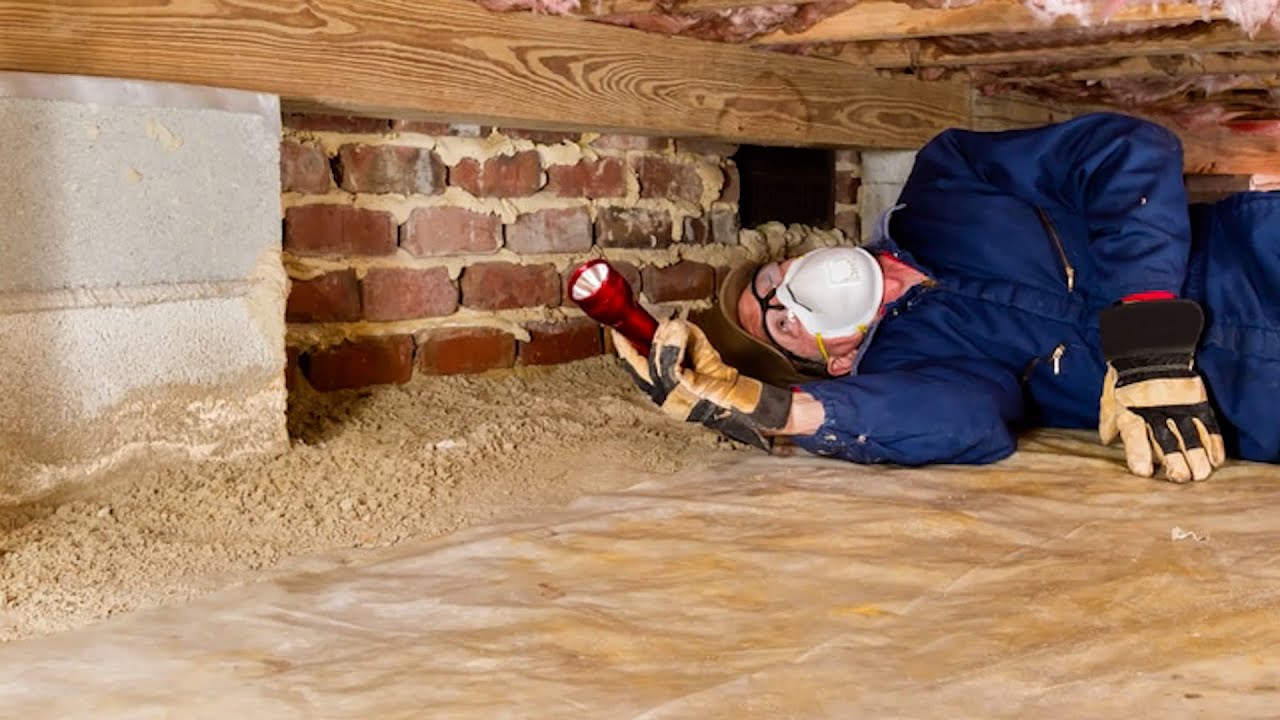
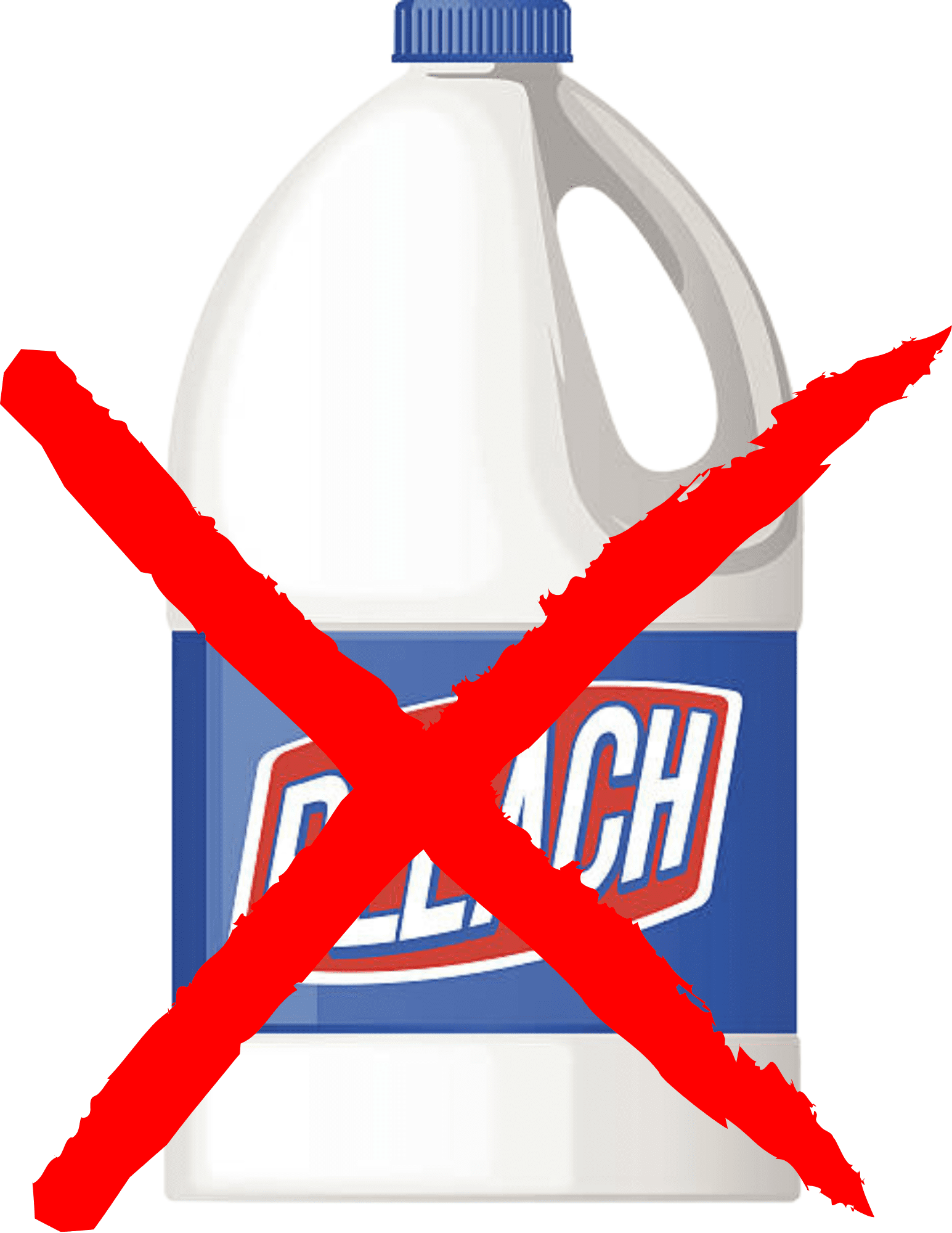
    a mold inspector identifying mold in a crawl space with a torch.

    3. Mold Treatment: Biocides / Fungicides & ClO₂ Tablets

    Now, you’ve assessed the scene and reduced moisture inputs. Next: treat the mold itself.

    Using traditional biocides/fungicides

    • After visible mold is identified, apply Biocide/fungicide solution following the manufacturer’s instructions. This breaks down mold hyphae and spores on contact and provide some residual protection.
    • Example: Spray emulsifiable on mold-infested wood, insulation, sub-floor, etc. Wait the recommended dwell time, then remove any residual mats or mold-damaged materials if necessary.
    • Important: Biocide/fungicide alone is not enough if moisture remains. Treat the mold, yes—but treat the cause.

    Enter the high-tech hero: ClO₂ tablets

    Here’s where your business angle (and eco-cleaning credibility) shines. Envirotab’s ClO₂ (chlorine dioxide) tablets offer a compelling, scientifically supported method to go beyond surface cleaning.

    • ClO₂ is a powerful oxidizing agent that can penetrate porous materials, attack mold spores and mycotoxins at the root, and reach hidden spaces that typical cleaners can’t. Mold Help For You+1
    • Compared to bleach, ClO₂ offers distinct advantages: penetrates porous surfaces, leaves no harmful residue, neutralizes odors and VOCs, and remains effective in challenging spaces. clo2tablets.com+1
    • Process (sample): Dissolve one or more tablets in warm water per label instructions → apply via spray, fogger, or controlled release in the crawl space → allow dwell time → ensure ventilation and safe re-entry. clo2tablets.com

    Application steps with ClO₂ tablets

    1. Prepare the solution: Follow the specific label for your tablet count to water ratio.
    2. Apply thoroughly: Use a sprayer or fogger and make sure to cover underside of the sub-floor, joists, foundation wall surfaces, insulation, and any accessible soil or vapor barrier surfaces.
    3. Wait for dwell time: Allow the solution or gas to penetrate and act as directed.
    4. Ventilate & purge: After application, allow fresh air into the crawl space to clear residual ClO₂ gas. Confirm safe re-entry.
    5. Repeat if needed: For heavy contamination, a second pass may be warranted.
    6. Post-treatment inspection: Use moisture/humidity meters, visual checks, and possibly air sampling (if professional) to confirm mitigation.

    The result? A crawl space where the mold risk is drastically reduced, odors eliminated, and future growth blocked out by the combination of moisture control + advanced chemistry.


    4. Improving Ventilation and Air Flow

    Even with moisture sources reduced and mold treated, if air is stagnant the space remains vulnerable. Ventilation is your next line of defense.

    Why ventilation matters

    • Good airflow helps remove moisture-laden air, reduces condensation, and limits the micro-climate mold thrives in.
    • Without adequate ventilation, even a dry crawl space may suffer from pockets of high humidity, hidden mold growth, and odor build-up.
    • For older homes or homes in high-humidity coastal zones (hello Maine tidal waters!), passive vents often don’t cut it.

    Practical upgrades

    • Install vents or upgrading existing ones: Ensure each vent opening is clear of debris, graded such that fresh air enters and stale air exits.
    • Add mechanical ventilation: In some cases a small fan or crawl-space blow-through system (ideally linked to a humidity sensor) is ideal.
    • Install a dehumidifier: In enclosed or encapsulated crawl spaces, a dedicated dehumidifier can maintain relative humidity under ~55%.
    • Encapsulate the crawl space: Lining the floor and walls with a heavy-duty vapor barrier, sealing perimeter walls, insulating rim joists and potentially turning the crawl into a conditioned space.
    • Ensure insulation and ductwork are properly managed: Insulate cold ducts and ensure no leaks dump cool air into warm crawl space causing condensation.
    • Maintain ongoing monitoring: Set a schedule (monthly/quarterly) to check humidity, visible signs of moisture, and ensure vents/fans remain unblocked and functional.

    When airflow, moisture management and remediation are all integrated, you’re moving from “fixing a problem” to “securing the system” for long-term health.


    5. Monitoring & Preventive Maintenance

    Remediation is not a “one-and-done” event—it’s a system that requires monitoring and regular care. Here’s how to stay ahead of mold in your crawl space.

    Key metrics & checks

    • Relative humidity (RH) in the crawl space—ideally under ~55% in most climates; <60% at minimum.
    • Surface moisture or standing water—check after heavy rain, spring thaws, or major storms.
    • Vapor barrier integrity—inspect for tears, displacement, or mold growth on or behind the liner.
    • Ventilation efficacy—are the vents open, clear, fans working, ductwork sealed?
    • Visual inspections—biannual walk-throughs to check for new growth, discoloration, musty odors, insulation issues, piping condensation.
    • Record-keeping—maintain logs of inspections, humidity readings, actions taken. This is especially valuable if you manage multiple properties or will look to scale this as part of your eco-cleaning service offering.

    Preventive actions

    • After any significant leak or flooding event, do an immediate inspection and treatment if needed.
    • Annual application of ClO₂ or other maintenance chemical treatment in high-risk zones may prevent re-growth of hidden spores.
    • Ensure landscaping and grading stay effective—remove vegetation near foundation that may trap moisture; keep downspouts extended away.
    • If you discover new plumbing or HVAC runs under the house, ensure they are insulated, sealed, and installed without introducing new condensation risk.
    • Educate occupants or maintenance teams: no storing cardboard, wood, or other moisture-absorbing items directly on crawl space floor; keep it as clear and breathable as possible.

    By turning your crawl space into a monitored, managed environment, you protect your home, health and investment.


    6. Why This Matters for Homeowners — and for Your Business

    As the owner of Synergy‑Americas and marketing manager for eco-cleaning products, you know that educating your market is key. Here’s why tackling crawl space mold is a strategic win:

    • Health & safety: Mold in crawl spaces can unleash spores and mycotoxins into the home’s HVAC and living spaces—impacting indoor air quality, allergies, asthma and general health.
    • Property value & longevity: A dry, mold-free crawl space protects structural materials—joists, sub-floor, insulation—from rot and degradation. That means fewer repairs, longer lifespan, higher resale value.
    • Eco-friendly cleaning credibility: Using advanced solutions like ClO₂ tablets positions your brand as forward-thinking, scientifically grounded and eco-responsible—key differentiators in today’s market.
    • Market expansion opportunity: Homeowners with older homes, homes in humid zones, or rental/management properties all represent ideal segments for your message. The crawl space is an often overlooked “frontier” for cleaning/remediation services.
    • Content marketing & thought leadership: This deep dive article positions you as a subject-matter expert. It can be repurposed into LinkedIn posts, Google Business Profile articles, email newsletters and campaign landing pages.

    Conclusion: From Hidden Threat to Healthy Home 🌱✨

    A crawl space might be out of sight — but it should never be out of mind. Beneath your home lies an ecosystem that directly impacts your air quality, structural integrity, and long-term investment. Mold doesn’t just “happen”; it thrives when we ignore the warning signs — moisture, poor ventilation, and neglect.

    By following the steps we’ve outlined — assessment, moisture control, treatment with ClO₂, improved ventilation, and continuous monitoring — you’re not just cleaning a space; you’re restoring balance to your home’s foundation. You’re eliminating health risks before they spiral, protecting your property from decay, and setting a new standard for how we care for our living environments.

    Using ClO₂ tablets transforms mold remediation from a reactive cleanup into a proactive science. It’s eco-friendly, powerful, and forward-thinking — a perfect reflection of what modern home care should be. Traditional methods may mask the problem, but ClO₂ tackles it at the molecular level — neutralizing mold, bacteria, and odors while leaving no harsh residues behind. That’s clean technology meeting real-world need.

    Remember:

    The health of your home begins where you rarely look.
    Don’t wait for musty smells, soft floors, or allergies to tell you something’s wrong.

    If you suspect crawl space mold — act fast. Inspect. Treat. Protect. And keep your home’s underbelly as clean and cared for as the rooms you live in.

    Whether you’re a homeowner safeguarding your family or a cleaning professional elevating your service standards, it’s time to move from surface-level cleaning to structural health. The difference is lasting, measurable, and worth every bit of effort.

    Take back control.
    Take back the air you breathe.
    And let your home — from top to crawl space — truly shine. 🌎✨


    10 Frequently Asked Questions About Model Remediation in Crawl Spaces (FAQs)

    1. Q: How do I know if my crawl space has mold?
      A: Look for visible discoloration or fuzzy growth on walls, joists or sub-floor, musty odors, elevated humidity readings (>60 %), or health symptoms in occupants (allergy, respiratory issues). A professional inspection can include air sampling.

    2. Q: Can I treat crawl space mold myself or do I need a professional?
      A: For small, isolated patches and when you can manage moisture sources and safety gear, a homeowner can treat it. But if the infestation is large (>10 sq.ft.), structural damage is present, or you detect black-mold/mycotoxin risk, a professional is advised.

    3. Q: Why do we address moisture first? Is that really that important?
      A: Absolutely. Mold needs moisture to grow. If you remove visible mold but leave the moisture source intact (leaks, high RH, poor drainage), the mold will likely return. Fixing moisture is fundamental.

    4. Q: How do ClO₂ tablets differ from bleach or standard fungicides?
      A: ClO₂ is a strong oxidizing agent that penetrates porous materials, kills spores and can eliminate mycotoxins and odors. Bleach often only acts on surface mold, leaves residue and doesn’t reach hidden spaces well. clo2tablets.com+1

    5. Q: Is ClO₂ safe to use in a crawl space?
      A: Yes—when used according to label instructions, with proper ventilation and safety gear. It leaves no harmful residues and has been shown effective for mold remediation. That said, always follow manufacturer guidelines and local regulations.

    6. Q: How often should I monitor my crawl space after remediation?
      A: At minimum, inspect twice a year (spring and fall). Also check after major weather events or plumbing/HVAC changes. Maintain humidity logs monthly if possible.

    7. Q: What level of relative humidity is safe for a crawl space?
      A: Aim for RH < 55% in most climates. If it remains above ~60% long-term, you are at increased risk of mold growth.

    8. Q: Will drywall or insulation need to be replaced after mold remediation?
      A: Possibly. If mold has penetrated insulation or drywall to the point where removal is more cost-efficient than cleaning, replacement is often the best choice. Treated materials should be approved/cleared for reuse.

    9. Q: What’s the difference between passive venting and encapsulation of a crawl space?
      A: Passive venting uses air-vents to allow outdoor air flow; works sometimes in cooler, dry climates. Encapsulation involves sealing the crawl space, installing a vapor barrier, often a dehumidifier and turning the space into a more managed environment. Encapsulation is typically more effective in humid zones.

    10. Q: Can I include this crawl space remediation service in my marketing for eco-cleaning?
      A: Yes—and strongly should. Highlight the hidden risks of crawl space mold, the health benefit, the structural protection, and your use of advanced tools like ClO₂ tablets. Use case-studies, before/after photos and emphasize your holistic approach: moisture control → remediation → monitoring.

  • Chlorine Dioxide Tablets: Revolutionizing Food Safety & Shelf Life

    Chlorine Dioxide Tablets: Revolutionizing Food Safety & Shelf Life

    Redefining Food Safety with Smart Sanitation

    The food industry is in constant motion — processing, packaging, transporting, and serving millions of meals every single day. With every step, the stakes are high: foodborne illnesses, spoilage, and contamination are risks that can cost lives and reputations. Enter chlorine dioxide tablets — the next-generation sanitation powerhouse that’s rewriting the rules of hygiene and safety across the global food sector.

    Unlike traditional chlorine bleach or quaternary disinfectants, chlorine dioxide (ClO₂) offers targeted, residue-free, and highly effective sanitization. It neutralizes pathogens like Salmonella, E. coli, Listeria, and viruses — all while being gentle on surfaces, safe for food contact, and environmentally friendly.

    In this comprehensive guide, we’ll explore how ClO₂ tablets are transforming food safety, prolonging shelf life, enhancing compliance, and protecting public health from farm to fork.


    1. Pathogen Control with Chlorine Dioxide Tablets

    Foodborne pathogens are microscopic invaders that can cause serious illness and massive recalls. From Listeria monocytogenes in ready-to-eat foods to E. coli in fresh produce, contamination risks are everywhere.

    Chlorine dioxide tablets deliver a clean, simple solution. When dissolved in water, they release a precise dose of ClO₂ gas — a broad-spectrum oxidizing agent that destroys bacteria, fungi, and viruses at the cellular level. It works by rupturing the microbial cell wall and disrupting metabolic processes, ensuring full disinfection without resistance buildup.

    This powerful yet safe action makes ClO₂ ideal for:

    • Fresh produce washing

    • Poultry and seafood processing

    • Food contact surface sanitation

    • Beverage and ice machine disinfection

    ClO₂ even targets biofilms, those slimy, invisible layers that bacteria form on processing equipment. Eliminating biofilms means eliminating hidden contamination threats that often go unnoticed.


    2. Extending Shelf Life in Food Processing

    Every day, tons of food are lost to spoilage — not because it wasn’t stored properly, but because microbes worked faster than we could. Chlorine dioxide tablets change that timeline.

    By drastically reducing microbial load, ClO₂ helps keep produce fresher, meats safer, and packaged goods more stable during transit. It minimizes oxidation and bacterial degradation, extending product life without the need for artificial preservatives.

    For example:

    • Fresh-cut fruit processors use ClO₂ rinses to prevent browning and extend freshness.

    • Meat packers apply ClO₂ solutions to eliminate spoilage bacteria before packaging.

    • Cold storage operators use ClO₂ gas treatments to keep stored apples, citrus, and berries mold-free.

    This smart technology means fewer recalls, longer shelf life, and greater profit margins — all while reducing waste.

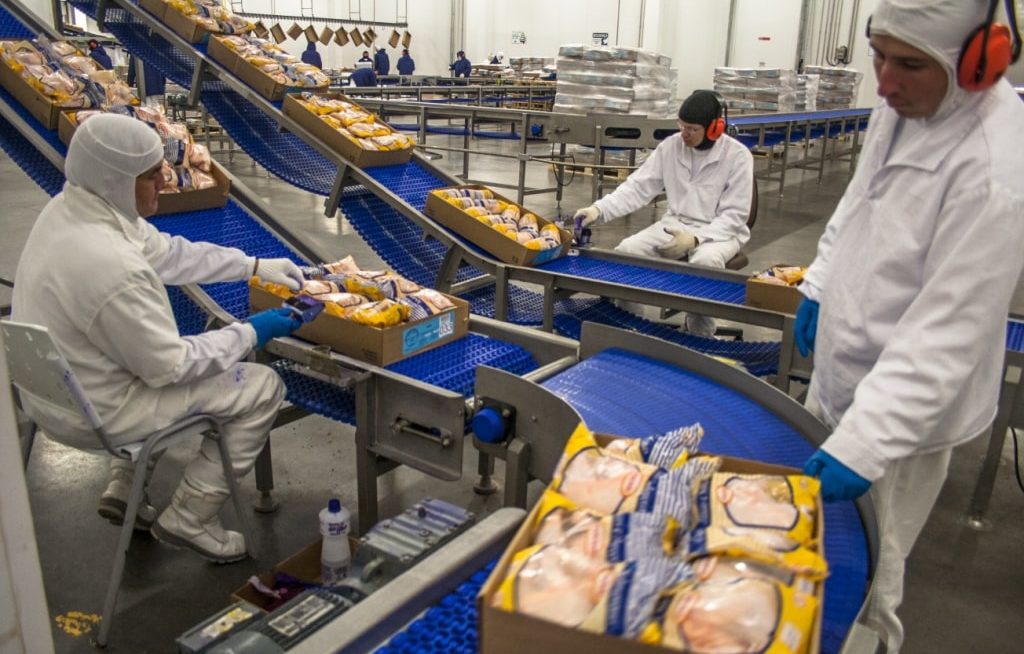
    three workers wearing safety gear and processing and packing breads.

    3. Residue-Free Disinfection for Food Safety

    Traditional disinfectants often leave chemical residues that can alter taste, corrode equipment, and pose regulatory challenges. Chlorine dioxide doesn’t.

    ClO₂ breaks down into chloride ions and water, leaving no harmful by-products or lingering taste. It’s recognized by regulatory bodies, including the FDA and EPA, as a safe and effective sanitizer for food and beverage contact surfaces.

    In practice, this means your sanitation process doesn’t compromise flavor, fragrance, or compliance. Consumers get food that’s safe and natural-tasting — a major trust factor in today’s clean-label market.


    4. Improving Standards with ClO₂’s Consistent Performance

    Food safety isn’t just about cleaning; it’s about consistency. Chlorine dioxide provides that reliability.

    When you use ClO₂ tablets in your daily sanitation routine, you achieve measurable results every time — whether it’s a fruit rinse, floor sanitation, or clean-in-place (CIP) system. It ensures microbial kill rates remain above 99.9%, helping companies meet HACCP, FDA, and USDA standards effortlessly.

    The uniform release and easy-to-measure dose of tablet-based ClO₂ eliminate guesswork, ensuring that safety protocols are repeatable and audit-friendly.


    5. Preserving Taste and Odor Naturally

    Unlike bleach or quaternary sanitizers that can leave chemical smells, ClO₂ neutralizes odors at the molecular level without covering them up. It eliminates volatile organic compounds (VOCs) and sulfur compounds responsible for spoilage odors.

    The result? Fruits, vegetables, and packaged foods maintain their natural aroma and fresh taste. This is why many beverage companies and produce processors prefer ClO₂ — it safeguards both quality and sensory experience.


    The versatility of chlorine dioxide tablets makes them indispensable in multiple food environments. They can be used for produce washing and sanitation.6. Versatile Applications in the Food Industry

    The versatility of chlorine dioxide tablets makes them indispensable in multiple food environments.
    They can be used for:

    • Produce washing and storage sanitation

    • Meat, poultry, and seafood processing

    • Bakery, dairy, and beverage production

    • Equipment, conveyor, and container disinfection

    • Water purification and CIP systems

    • Air and surface sanitation in cold storage facilities

    Beyond food, ClO₂ tablets are widely used in hospitals, farms, and hospitality settings, showcasing their broad disinfection potential.


    7. Cost-Effective Sanitization that Saves Time and Money

    Efficiency meets economy with ClO₂. The tablets dissolve quickly, produce controlled-release ClO₂ gas, and deliver superior microbial kill rates using less product than most traditional sanitizers.

    Benefits include:

    • Lower labor costs (no complicated mixing or dosing systems)

    • Reduced chemical waste

    • Less equipment corrosion

    • Longer operational uptime

    • Compact storage and low shipping weight

    ClO₂ tablets like Envirotab for Surfaces and Envirotab for Odor Elimination deliver industrial performance at an affordable cost — making them ideal for farms, processing plants, restaurants, and catering facilities.


    8. Ensuring Regulatory Compliance with Ease

    In today’s food sector, compliance is the golden rule. From HACCP and FSMA to ISO and FDA guidelines, facilities must demonstrate safe handling and documentation of every sanitation step.

    Chlorine dioxide simplifies that process. Because it’s already recognized as a safe and approved sanitizer, facilities using ClO₂ align naturally with global standards. The residue-free profile also makes export and certification processes smoother, eliminating delays due to residual testing.

    By adopting ClO₂, companies not only stay compliant — they elevate their credibility in the marketplace.


    9. Boosting Food Quality Through Science and Safety

    At its core, chlorine dioxide is not just a sanitizer — it’s a quality assurance tool. It ensures that food remains microbiologically safe, visually appealing, and organoleptically consistent.

    The science is clear: ClO₂ effectively inactivates microbial contaminants while maintaining texture, flavor, and color integrity. This makes it a preferred sanitization solution for brands that value both safety and sensory quality.

    When consumers see “processed using chlorine dioxide sanitation,” it communicates advanced care, cleanliness, and transparency — three traits that define modern food brands.


    10. Supporting Sustainable and Eco-Friendly Operations

    ClO₂ is part of a greener sanitation future.

    • It reduces chemical waste and water consumption.

    • It biodegrades safely into natural ions.

    • It replaces harsh, corrosive sanitizers with a cleaner chemistry.

    For companies pursuing ESG goals, sustainability certifications, or carbon footprint reduction, chlorine dioxide offers measurable progress toward eco-friendly manufacturing.


    Conclusion: The Smart Future of Food Safety

    The food industry’s success depends on trust — and trust begins with safety.
    Chlorine dioxide tablets have emerged as the modern answer to an age-old challenge: how to keep food safe, fresh, and compliant without sacrificing quality or sustainability.

    Whether you’re a grower, packer, processor, or distributor, integrating ClO₂ into your sanitation program can deliver cleaner food, longer shelf life, and stronger brand confidence.

    👉 Learn more or order your supply today at clo2tablets.com — where science meets sustainability in food protection.


    10 Frequently Asked Questions About Chlorine Dioxide Tablets in the Food Sector

    1. What are chlorine dioxide tablets made of?
    They’re composed of stabilized sodium chlorite and activators that generate ClO₂ gas when mixed with water.

    2. Are ClO₂ tablets safe for food contact?
    Yes, when used as directed. ClO₂ is approved by the EPA and FDA for disinfecting food contact surfaces and produce washes.

    3. Can chlorine dioxide affect the taste of food?
    No. It neutralizes odor-causing compounds without leaving chemical residues or altering taste.

    4. How do chlorine dioxide tablets kill germs?
    They oxidize and destroy microbial cell walls and disrupt DNA synthesis, leading to complete inactivation of pathogens.

    5. Is chlorine dioxide better than bleach?
    Yes. ClO₂ is more effective at lower concentrations, leaves no residue, and doesn’t produce harmful chlorinated by-products.

    6. Can ClO₂ tablets be used to wash fruits and vegetables?
    Absolutely. Many farms and processors use ClO₂ washes to eliminate bacteria and extend produce shelf life.

    7. Are ClO₂ tablets environmentally friendly?
    Yes. They decompose into harmless ions and water, making them safe for the environment.

    8. How long does chlorine dioxide remain active after mixing?
    Typically, 24–48 hours depending on storage conditions, concentration, and exposure to light.

    9. Is chlorine dioxide safe for workers to handle?
    Yes, when handled according to safety instructions — always use in well-ventilated areas and avoid direct inhalation of concentrated vapors.

    10. Where can I buy chlorine dioxide tablets?
    You can order directly from clo2tablets.com — available in various tablet sizes and packaging for industrial and household applications.

  • The Science of Safe Air | How ClO₂ Purifies Without Harm

    The Science of Safe Air | How ClO₂ Purifies Without Harm

    The Science of Safe Air — How ClO₂ Neutralizes Airborne Pathogens Without Harming Your Lungs

    The Hidden Problem in “Clean” Air

    Let’s start with an uncomfortable truth: most air fresheners and cleaners aren’t cleaning at all. They’re disguising.
    That citrus “burst of freshness” or “mountain breeze” is often a cocktail of synthetic fragrances and volatile organic compounds (VOCs) — chemicals that can irritate lungs, trigger allergies, and even disrupt hormones.

    The irony? We use them to feel safe and clean, yet we’re often filling our homes and workplaces with the very contaminants we’re trying to avoid.

    Our bodies weren’t made to breathe chemical residue. They were made to breathe air that’s crisp, light, and naturally clean — the kind of air you can almost taste after a summer rain.

    That’s where chlorine dioxide (ClO₂) steps in — not as a masking agent, but as a true neutralizer of what doesn’t belong in your air.


    What Is ClO₂ and Why Does It Work So Well?

    ClO₂, or chlorine dioxide, is a small but mighty molecule with an impressive resume. It’s been used for decades to disinfect hospitals, purify municipal drinking water, sanitize food surfaces, and control mold in agricultural settings.

    Unlike chlorine bleach (which corrodes, stains, and leaves harsh residues), ClO₂ acts with surgical precision. It oxidizes harmful microorganisms by targeting their cell walls, breaking down their internal structure, and neutralizing them completely — all without producing toxic byproducts.

    This precision makes it incredibly effective yet surprisingly gentle.

    When you drop a ClO₂ tablet into water, it activates a slow-release gas that permeates air and surfaces, seeking out unwanted contaminants — bacteria, viruses, mold spores, VOCs, and odors — and dismantles them at the molecular level.

    It doesn’t mask.
    It doesn’t overpower.
    It simply restores your air to what it’s meant to be: pure, clean, breathable.


    Here’s a myth worth clearing up: chlorine dioxide is not chlorine bleach. Yes, they sound similar, but their chemistry couldn’t be more different.ClO₂ Is Not Bleach — It’s Better Science

    Here’s a myth worth clearing up: chlorine dioxide is not chlorine bleach.
    Yes, they sound similar, but their chemistry couldn’t be more different.

    • Bleach (Sodium Hypochlorite) – Highly reactive, corrosive, and can produce harmful chlorinated byproducts.

    • Chlorine Dioxide (ClO₂) – A stable gas that releases controlled oxidation energy, eliminating pathogens without damaging materials or producing toxic residue.

    This distinction is crucial. ClO₂ doesn’t corrode metals, stain fabrics, or irritate lungs — making it a favorite for sensitive environments like hospitals, schools, and food production facilities.

    In short: bleach cleans surfaces; ClO₂ cleans environments.


    How ClO₂ Cleans the Air You Breathe

    Most cleaning products stop at the surface. ClO₂ goes beyond.

    When released into the air, it diffuses evenly throughout the space — a property that makes it ideal for neutralizing airborne pathogens in areas traditional cleaning can’t reach.

    🦠 Destroys airborne bacteria and viruses: ClO₂ ruptures cell walls and disrupts viral protein structures, eliminating threats before they reach your lungs.
    🌿 Removes odors at their source: From smoke to pet smells to musty basements — ClO₂ breaks down odor molecules instead of masking them.
    🌫️ Reduces mold spores and allergens: It penetrates deep into porous materials and HVAC systems, preventing regrowth.
    💨 Leaves zero toxic residue: After doing its job, ClO₂ naturally breaks down into trace salts and oxygen.

    This makes it a game-changer for people with asthma, allergies, or chemical sensitivities — and a breath of relief for anyone tired of trading “clean scent” for coughing fits.


    Hospitals HAIs protocals are failing and here's what CLO2 can do about it.Real-World Applications: Clean Air Everywhere
    ClO₂ isn’t a lab-only concept. It’s trusted in every industry that values true sterilization:

    🏥 Hospitals & Clinics: For disinfecting surgical rooms, patient areas, and medical tools without residue.
    🚜 Agriculture & Farming: Used to sanitize irrigation lines, livestock areas, and food storage facilities safely.
    🏠 Homes: Neutralizes musty basements, post-flood mildew, pet odors, and everyday bacteria on surfaces and in air.
    🚗 Vehicles & Boats: Removes smoke smell, mold, and bacteria in enclosed cabins.
    🏢 Businesses & Hotels: Keeps indoor air fresh for guests and employees without relying on synthetic fragrances.

    Every environment that demands true clean benefits from ClO₂.


    The Human Side of Clean Air

    Clean air isn’t just about science — it’s about comfort, health, and peace of mind.

    Think of the last time you walked into a freshly cleaned hotel room. You probably smelled “clean.” But did it feel clean?
    ClO₂ removes that uncertainty. There’s a psychological calm in knowing that the air around you isn’t just perfumed — it’s purified.

    For families, it means your kids can play on the carpet without inhaling chemical residues.
    For allergy sufferers, it means waking up without that tight, scratchy feeling in your chest.
    For business owners, it means customers walk in and actually notice the freshness — not an artificial cover-up.

    That’s what real clean air does. It lets you breathe differently.


    Safety First: Why ClO₂ Is Trusted Globally

    When it comes to air purification, safety isn’t optional. That’s why organizations like the EPA and WHO recognize ClO₂ as a powerful yet safe disinfectant when used properly.

    Its track record spans over half a century of use in sensitive environments — including water treatment facilities and food plants — because it leaves no harmful residues and no bioaccumulation risk.

    At ClO₂ Tablets, we’ve adapted that same industrial-grade chemistry into an easy, home-safe formula that puts scientific control in your hands.

    Each tablet is carefully measured to release the perfect concentration for household and commercial use, providing long-lasting purification without risk.


    Cure Gels is one of our newest line of air purifications to help aid during flu seasonHow to Use ClO₂ Tablets for Air Purification
    The process is elegantly simple:

    1️⃣ Drop a tablet into the recommended amount of water (based on room size).
    2️⃣ Place the container in the center of the room and allow the gas to circulate for several hours.
    3️⃣ Let the magic happen. ClO₂ gas molecules seek and destroy airborne and surface-level contaminants.
    4️⃣ Return to a truly fresh space — one that smells like nothing at all.

    Also try our NEW product Clean Air Cure Starter Kit!

    No wiping, no spraying, no harsh aftereffects.
    Just clean air the way nature intended it.


    Eco-Friendly by Design

    The beauty of ClO₂ lies in its minimal footprint. It breaks down into harmless compounds and doesn’t pollute waterways, fabrics, or air systems.

    In an age where sustainability and safety must go hand in hand, ClO₂ stands as the gold standard for responsible cleaning. It’s proof that effective doesn’t have to mean aggressive — and that chemistry, when done right, can actually heal instead of harm.


    Breathe Easy — The Future of Clean Is Already Here

    At ClO₂ Tablets, we believe “clean” should mean safe, effective, and sustainable.

    We’re proud to lead the movement toward better indoor air quality and to bring hospital-grade purification into homes, offices, farms, and businesses everywhere.

    Because when you change the air you breathe, you change the way you live.

    It’s not bleach.
    It’s not perfume.
    It’s not another chemical cocktail.

    It’s ClO₂ — chemistry with a conscience.
    And it’s the clean your lungs have been waiting for.

    Other Questions People Ask:

    1️⃣ What exactly are ClO₂ Tablets?
    ClO₂ tablets are small, solid tablets that dissolve in water to produce chlorine dioxide gas, a highly effective and scientifically proven disinfectant for air, surfaces, and water. They are eco-friendly, non-toxic, and safe for daily use in homes, offices, and agricultural settings. Unlike bleach or harsh chemical cleaners, they neutralize pathogens at the molecular level, providing real cleaning power rather than just masking odors.

    2️⃣ Is chlorine dioxide safe for humans and pets?
    Yes! When used according to directions, ClO₂ is non-toxic, non-irritating, and safe for humans, pets, and even plants. It has been trusted in hospitals, schools, and farms for decades because it kills bacteria, viruses, and mold without leaving harmful residues, making it ideal for households with children and animals.

    3️⃣ Can I use ClO₂ Tablets to purify drinking water?
    Absolutely. ClO₂ is widely used worldwide for municipal water treatment to safely eliminate bacteria, viruses, and biofilms. At home, it can be used to purify well water, emergency water supplies, and even water used for gardening or livestock, when dosed according to instructions. This makes it a practical and safe option for families and small businesses.

    4️⃣ How do ClO₂ Tablets work to clean the air?
    When dissolved in water, ClO₂ tablets release a controlled gas that circulates throughout the room, targeting bacteria, viruses, mold spores, and odor molecules at the molecular level. Unlike traditional air fresheners that mask smells, ClO₂ eliminates the source of contamination, leaving the air truly clean. It works in homes, offices, vehicles, and other enclosed spaces, improving indoor air quality naturally.

    5️⃣ Do ClO₂ Tablets have a smell?
    No. ClO₂ is odorless at the concentrations used for air and surface purification. You won’t notice any chemical smell, perfume, or harsh odor — just the difference in how fresh and clean the space feels. This makes it ideal for sensitive individuals, allergy sufferers, and anyone seeking a non-toxic, natural cleaning solution.

    6️⃣ How long does it take for a room to be purified?
    Typically, ClO₂ tablets take 2–6 hours to fully purify a room, depending on size, ventilation, and the number of tablets used. For example, a medium-sized office may take around 3 hours, while a larger basement might need closer to 6. Following the manufacturer’s dosage instructions ensures maximum effectiveness and safety for all indoor spaces.

    7️⃣ Can ClO₂ Tablets remove mold and mildew?
    Yes. ClO₂ effectively neutralizes mold spores and prevents regrowth on surfaces, HVAC systems, and hidden corners where mold often hides. Unlike harsh chemical sprays, ClO₂ penetrates deep without corroding materials or leaving stains, making it perfect for basements, bathrooms, kitchens, and even boats. This is a green cleaning solution for anyone seeking safe, lasting mold control.

    8️⃣ Are ClO₂ Tablets environmentally friendly?
    Absolutely. ClO₂ breaks down into harmless salts and oxygen after use, leaving no pollutants, chemical residues, or long-term environmental impact. It’s considered an eco-friendly disinfectant and a responsible choice for home, office, and agricultural applications. Using ClO₂ helps reduce reliance on toxic cleaning chemicals that harm the planet and indoor air quality.

    9️⃣ Can I use ClO₂ Tablets around children?
    Yes, they are safe when used as directed. The controlled release of ClO₂ gas ensures effective air and surface purification without exposure to harmful chemicals. Parents can feel confident using it in bedrooms, playrooms, and nurseries, knowing it neutralizes bacteria, viruses, and allergens safely.

    🔟 Can ClO₂ Tablets be used in offices and vehicles?
    Yes! ClO₂ tablets are perfect for enclosed spaces like offices, cars, RVs, and boats, eliminating odors, bacteria, and mold without leaving toxic residue or chemical fumes. Many businesses use ClO₂ to improve indoor air quality for employees and clients, creating a healthier, more productive environment that feels fresh naturally.

  • Flu Season Germs: How They Spread & How to Stop Them

    Flu Season Germs: How They Spread & How to Stop Them

    Why Flu Season Hits So Hard

    Flu season is here, and it’s not just a minor inconvenience—it’s a reminder of how easily germs can infiltrate every part of our lives. Whether it’s at home, in the office, or at your child’s school, flu viruses spread faster than most people realize. According to the CDC, influenza viruses can survive on surfaces for up to 48 hours, meaning the doorknob someone touched yesterday could infect someone today. That’s why understanding how flu spreads is critical for protecting your family and yourself.

    You might think washing your hands is enough, but flu prevention is a multi-layered process. From airborne droplets to high-touch surfaces to the unseen germs lingering in the air, flu viruses exploit every weakness in our daily routines.

    Fortunately, with eco-friendly cleaning methods, air purification, and effective disinfectants like chlorine dioxide (ClO₂), you can dramatically reduce the risk of infection.


    Staying home when you are not feeling well is an important part of not spreading the virus.How Flu Germs Spread

    Understanding the pathways of flu transmission is essential for effective prevention. There are three main ways flu germs move from person to person:

    1. Airborne Transmission

    When someone sneezes, coughs, or even talks, they release tiny droplets carrying the influenza virus. These droplets can travel several feet and linger in the air for hours, especially in enclosed, poorly ventilated spaces. That’s why offices, classrooms, and public transportation are high-risk zones during flu season.

    2. Surface Transmission

    Flu viruses are resilient. They can live on hard surfaces like doorknobs, light switches, counters, and keyboards for up to two days. That means even if you avoid sick people, touching contaminated surfaces can spread germs quickly.

    3. Direct Contact

    Handshakes, hugs, or shared objects like pens, cups, or phones can transfer flu germs from person to person. Kids are particularly susceptible because they touch surfaces constantly and often forget to wash their hands.

    Pro Tip: Think of flu prevention as building layers of defense. Handwashing, surface cleaning, and air purification all work together to keep germs at bay.


    The Home: Your First Line of Defense

    Your home can either be a safe haven or a germ hotspot. To protect your family during flu season:

    • High-touch surfaces: Wipe down doorknobs, light switches, refrigerator handles, faucets, and remote controls with ClO₂ disinfectant.

    • Shared electronics: Phones, tablets, and laptops are notorious germ carriers—sanitize them daily.

    • Kitchen and dining areas: Clean counters, cutting boards, and sinks thoroughly after food prep.

    • Bathrooms: Beyond the obvious, pay attention to faucet handles and toilet flush levers.

    Daily cleaning routines combined with targeted disinfecting can cut down the flu’s ability to spread. Even better, ClO₂ is eco-friendly, fast-acting, and effective against flu viruses and bacteria alike.


    Office & Workplace Flu Prevention

    Workplaces are prime environments for flu virus transmission. Offices often have high-density spaces, shared equipment, and limited ventilation. Key strategies include:

    1. Disinfecting high-touch areas: Phones, keyboards, desks, conference tables, and door handles.

    2. Promoting hand hygiene: Encourage employees to wash hands frequently and provide sanitizer stations.

    3. Air quality control: Use ClO₂ solutions to neutralize airborne germs and odors in meeting rooms and break areas.

    4. Flexible sick policies: Encourage employees to stay home when sick—reducing the risk of an outbreak.


    Common Misconceptions About Flu Prevention

    Many people underestimate the importance of airborne prevention or think that a quick wipe is enough. Here are some myths:

    • Myth 1: Handwashing alone prevents flu.

      • Truth: Handwashing is essential but must be combined with surface disinfection and air purification.

    • Myth 2: Only visibly dirty surfaces carry germs.

      • Truth: Flu viruses can survive on clean-looking surfaces for days.

    • Myth 3: Masks are only for sick people.

      • Truth: Wearing a mask in crowded indoor spaces can significantly reduce exposure to airborne flu viruses.


    Using Chlorine Dioxide (ClO₂) for Flu Protection

    Chlorine dioxide is a powerful, eco-friendly disinfectant that eliminates flu viruses on surfaces and in the air. Here’s why it works:

    • Rapid action: Kills bacteria, viruses, and mold in minutes.

    • Safe for home use: Non-toxic when used as directed and environmentally friendly.

    • Versatile applications: Works on hard surfaces, fabrics, and even in odor control solutions.

    Whether it’s your kitchen counters, your child’s backpack, or the office breakroom, ClO₂ provides a layer of protection that ordinary cleaners can’t match.


    washing hands is an important part of preventing the spread of the flu virus.Practical Flu Prevention Checklist

    Here’s a simple checklist to keep your home and workplace flu-safe:

    1. Wash hands regularly with soap and water for at least 20 seconds.

    2. Wipe high-touch surfaces daily with ClO₂ disinfectant.

    3. Use air purifiers or ClO₂ solutions to keep indoor air clean.

    4. Encourage proper respiratory hygiene (covering sneezes and coughs).

    5. Maintain healthy habits: sleep, nutrition, hydration, and exercise.

    6. Keep sick family members or employees isolated until fully recovered.


    Conclusion: Building a Flu-Safe Environment

    Flu season doesn’t have to dominate your life. By understanding how germs spread, creating cleaning routines, and leveraging eco-friendly disinfectants like ClO₂, you can protect your home, family, and workplace effectively.

    Remember: flu prevention is about layers, not luck. Combine surface cleaning, air quality control, and healthy habits, and you’ll dramatically reduce your risk this season.

    What People Also ask

    1. Q: How do flu germs spread so quickly?
    A: Flu germs spread through airborne droplets, contaminated surfaces, and direct contact. Even small sneezes or touching shared objects can transmit the virus.

    2. Q: How long can flu viruses survive on surfaces?
    A: Flu viruses can survive on hard surfaces for up to 48 hours, which is why disinfecting high-touch areas is critical.

    3. Q: Can I get the flu from the air in my home?
    A: Yes, especially in poorly ventilated areas. Airborne droplets from coughs or sneezes can linger for hours. Using ClO₂ solutions helps purify the air and reduce germs.

    4. Q: Which household surfaces carry the most germs?
    A: Common hotspots include doorknobs, light switches, keyboards, remote controls, fridge handles, and faucet handles.

    5. Q: Are natural cleaning products effective against flu germs?
    A: Some natural cleaners work, but chlorine dioxide (ClO₂) is proven to eliminate flu viruses and bacteria efficiently, making it ideal for home and office use.

    6. Q: How often should I disinfect my home during flu season?
    A: Focus on daily disinfection of high-touch surfaces and weekly deep cleaning of larger areas. Consistency is key.

    7. Q: Can ClO₂ be used safely around children and pets?
    A: Yes! When used as directed, ClO₂ is safe for homes with kids and pets, making it a practical eco-friendly solution.

    8. Q: Does washing hands alone prevent the flu?
    A: Handwashing is crucial, but flu prevention also requires cleaning surfaces, purifying air, and avoiding contact with sick individuals.

    9. Q: How can I protect my workplace from flu outbreaks?
    A: Disinfect shared equipment, provide sanitizer stations, improve ventilation, and encourage sick employees to stay home. Adding ClO₂ air solutions can further reduce airborne germs.

    10. Q: Are there signs my home’s air quality is contributing to flu risk?
    A: Musty odors, poor airflow, or stagnant air can indicate bacteria or virus buildup. Using ClO₂ tablets for air purification helps keep your environment healthier.

  • Farm Animal Health & Water Sanitation | ClO₂ Tablets for Livestock

    Farm Animal Health & Water Sanitation | ClO₂ Tablets for Livestock

    From Barn to Herd Health: How Chlorine Dioxide Protects Farm Animals and Prevents Disease

    Clean water. Strong hooves. Healthy herds. Safe barns. Sanitized farm equipment. Every farmer knows that animal health is the backbone of productivity. Yet on farms large and small, pathogens lurk in water, equipment, soil, and even in the air. These invisible threats don’t just reduce performance—they cost time, money, and sometimes entire herds.

    Enter Chlorine Dioxide (ClO₂): a powerful, eco-friendly, and versatile disinfectant that has become the gold standard for livestock sanitation. Unlike harsh chemicals or antibiotics, ClO₂ works safely across the farm—from drinking water to wound care—without toxic residues.

    Below, we’ll dive deep into seven vital areas where ClO₂ and farming work hand in hand to protect animals, reduce disease risk, and create healthier, more productive farms.

    A Global Farming Standard—But New to the U.S.

    Worldwide, farmers have been relying on chlorine dioxide for decades to keep livestock healthy, water clean, and barns disease-free. From Europe to South America, ClO₂ is already a trusted tool in the agriculture industry, valued for its ability to reduce antibiotic use while improving herd productivity. Yet here in the United States, adoption has been slow—meaning our agriculture sector is significantly missing out on one of the most effective, natural ways to protect our greatest investment: healthy animals. By embracing ClO₂, U.S. farmers can finally catch up with a global best practice that is safer, smarter, and long overdue.


    Sanitized drinking water ensures that livestock maintains a healthy gut and prevents pathogens and pests from entering the animals system.1. Clean Water, Healthy Herd

    Why It Matters

    Water is the most important nutrient for livestock, yet it’s often the most overlooked. Contaminated troughs, lines, and ponds can harbor bacteria, algae, protozoa, and viruses. These waterborne pathogens lead to diarrhea, weight loss, reproductive problems, and even death in severe cases.

    • Cattle & Dairy Herds: Poor water quality reduces milk production and body condition.

    • Poultry: Dirty water lines quickly spread infections like Salmonella.

    • Swine: Stale water reduces feed intake and growth rates.

    • Horses & Goats: Algae and biofilm discourage drinking, leading to dehydration.

    How ClO₂ Helps

    When ClO₂ tablets are added to water, they release chlorine dioxide gas, which destroys bacteria, algae, fungi, protozoa, and biofilm. Unlike bleach, it doesn’t produce harmful byproducts like trihalomethanes (THMs).

    • Safe & Effective: Works at low concentrations (ppm level).

    • Taste Neutral: Animals don’t detect bitter or chemical flavors.

    • Biofilm Killer: Penetrates slimy buildup inside pipes and troughs.

    Result: Animals drink more, stay healthier, and perform better—without risk of chemical residues.


    Proper cleaning and sanitation is very important on farming equipment so as to not spread pathogens and disease from one animal to the next.

    2. Farm Equipment & Surface Sanitation

    Why It Matters

    Milking machines, feeding buckets, handling tools, hoof trimming crushes, and even tractor cabs can be reservoirs for pathogens. When not cleaned properly, equipment spreads infections from animal to animal—or even from farm to farm.

    Common culprits include:

    • Mastitis-causing bacteria living in milking clusters.

    • Swine influenza viruses hitching a ride on tools.

    • Fungal spores contaminating feed bins.


    How ClO₂ Helps

    ClO₂ is effective as a broad-spectrum surface sanitizer that kills pathogens on contact without corroding equipment or leaving toxic residues. Farmers can:

    • Spray down pens, stalls, and poultry houses.

    • Disinfect feeding and watering equipment.

    • Sanitize transport vehicles between herds.

    Result: Improved biosecurity, reduced farm-to-farm transmission, and peace of mind for producers.


    Hoof baths in CLO2 prevent infections, clean out the manure from cracks and crevasses and help to maintain healthy hoof formation and structure.3. Foot Baths for Hoof Health

    Why It Matters

    Hoof problems are one of the most costly and painful conditions in livestock. Diseases like hoof rot, sole ulcers, toe necrosis and digital dermatitis cause lameness, weight loss, and lower fertility. In dairy cows, lameness is the second most costly health issue after mastitis.

    How ClO₂ Helps

    Farmers use ClO₂ in foot baths to disinfect hooves and prevent infections from spreading in moist, manure-rich environments. Unlike copper sulfate or formalin—which can be harmful to both animals and handlers—ClO₂ is safer, more effective, and environmentally friendly.

    Benefits:

    • Kills pathogens that cause hoof rot.

    • Reduces the spread of contagious hoof diseases.

    • Promotes healing in small cracks and lesions.

    Result: Stronger hooves, fewer lame animals, and reduced culling rates.


    mastitis is the #2 most common disease amongst cattle. proper care and cleaning is important.4. Mastitis Prevention in Nursing Cows

    Why It Matters

    Mastitis is one of the most expensive and common diseases in dairy cows, causing pain, milk loss, and sometimes early culling. It’s often spread by dirty udders, bedding, or contaminated milking equipment.

    How ClO₂ Helps

    ClO₂ works as a sanitizing solution for udders and milking equipment. Farmers use it to:

    • Wash udders pre- and post-milking.

    • Disinfect teat dips.

    • Sanitize bedding areas.

    Because ClO₂ leaves no harmful residues, it doesn’t affect milk quality or taste. Its fast kill rate against mastitis-causing pathogens (like Staphylococcus aureus and Streptococcus agalactiae) makes it a safer, greener alternative to iodine or harsh chemicals.

    Result: Lower infection rates, healthier cows, higher milk quality, and less antibiotic use.


    Clo2 can help ease wounds like hotspots and infections. 5. Wound Care on the Farm

    Why It Matters

    On a farm, cuts and abrasions are part of daily life—for both animals and humans. Left untreated, small wounds become entry points for bacteria, leading to infections, abscesses, or systemic illness.

    How ClO₂ Helps

    As a gentle disinfectant, ClO₂ can be applied to animal wounds to clean, deodorize, and promote healing. Farmers use ClO₂ sprays or diluted solutions for:

    • Cuts and scrapes on cattle, goats, and horses.

    • Injuries from fencing, equipment, or rough terrain.

    • Cleaning surgical sites or post-dehorning wounds.

    Because it’s non-cytotoxic at proper dilutions, ClO₂ doesn’t damage healthy tissue—making it safer than iodine or alcohol-based treatments.

    Result: Faster healing, reduced infections, healthier animals, and fewer vet calls.


    Using CLO2 to sanitize your clothing and wash down your boots at the end of the day will further prevent pathogens from entering your home.6. Barn-to-House Biosecurity

    Why It Matters

    Farms are dynamic ecosystems. Pathogens don’t stop at the barn—they hitchhike on boots, clothes, tools, and even pet fur. Without proper sanitation, farmers risk bringing infections from one barn—or farm—into another.

    How ClO₂ Helps

    ClO₂ can be applied across the farm-to-home environment:

    • Boot & Tool Dips: Farmers use ClO₂ at entrances to barns or between pens.

    • Air & Surface Sanitization: Deodorize and disinfect barns, poultry houses, or stables.

    • Pet & Companion Animal Care: Keep kennels, runs, and pet dishes odor- and bacteria-free.

    • Household Safety: Use ClO₂ to sanitize farm clothes, boots, and equipment before entering the home.

    Result: A complete biosecurity shield that protects livestock, pets, and family members.


    7. Cyst Cleansing & Skin Wash for Animals

    Why It Matters

    Just like humans, animals are vulnerable to skin irritations, fungal infections, and cyst buildup. Moist environments, mud, manure, sweat, and tight living conditions can cause yeast, fungus, and bacterial growth on the skin. Left untreated, these conditions can lead to discomfort, hair loss, odor, and secondary infections.

    This is especially common in:

    • Dogs & Cats: Ear yeast, hot spots, and skin folds.

    • Cattle & Goats: Moist skin under udders or in creases around the legs.

    • Horses: Rain rot, mud fever, and fungal dermatitis.

    • Poultry: Feather loss and fungal growth around skin folds.

    How ClO₂ Helps

    As a cleansing skin wash, diluted ClO₂ solutions can be applied directly to affected areas to:

    • Gently cleanse cysts and abscesses.

    • Reduce yeast and fungal buildup on skin and hair.

    • Soothe irritations without stinging or harming tissue.

    • Eliminate unpleasant odors caused by microbial growth.

    Farmers and pet owners can use ClO₂ washes during routine grooming or targeted treatments. It’s safe when used correctly and far less harsh than iodine, hydrogen peroxide, or alcohol-based solutions, which can damage tissue.

    Benefits

    • Pets: Keeps coats shiny, reduces itching, and prevents yeast overgrowth.

    • Livestock: Prevents fungal dermatitis, improves skin health, and supports wound healing.

    • Show Animals: Maintains a healthy, clean appearance without strong chemical odors.

    Result: Healthier skin, fewer infections, happier animals—from the family dog to the dairy herd.


    farmers trust CLO2 because of it's dependability to keep their farms pathogen free. Why Farmers Trust ClO₂

    • Kills 99.9% of pathogens including bacteria, viruses, fungi, and protozoa.

    • Residue-free & eco-friendly: Breaks down into simple salts.

    • Safe for animals & humans when used correctly.

    • Multi-use: Works for water, surfaces, wounds, skin, and air.

    • Proven worldwide: Used in agriculture, healthcare, and water treatment for decades.


    The Gold Standard in Farm Sanitation

    From hoof baths to hydration, from mastitis prevention to wound and skin care, ClO₂ covers every corner of the farm. It’s more than just a disinfectant—it’s a proactive farming strategy that improves animal health, reduces costs, and increases productivity.

    👉 Ready to protect your animals from waterborne pathogens, hoof rot, mastitis, skin infections, and farm-to-farm diseases? Explore our ClO₂ tablets today and experience the gold standard in farm sanitation.

    CLO2 is a healthy alternative to Bleach and other chemical household cleaners

  • Chlorine Dioxide for Advanced Water Treatment: A Safer, Smarter Alternative to Bleach

    Chlorine Dioxide for Advanced Water Treatment: A Safer, Smarter Alternative to Bleach

    Chlorine Dioxide vs. Bleach in Water Treatment – Scientific & Industrial Guide

    Walk into any treatment plant control room and you’ll hear the same refrain: “Safe water isn’t negotiable.” From municipal utilities supplying millions of gallons per day to private wells tucked behind rural homes, the stakes are identical—water free of pathogenic risk, harmful by-products, and off-flavors.

    Yet chlorine dioxide (ClO₂) still prompts the inevitable question: “Isn’t that just bleach?”
    The chemistry—and decades of industrial data—say otherwise. This article hopefully demystifies ClO₂ for water professionals, explains the disinfection pathway, contrasts it with sodium hypochlorite, and explores when a homeowner might legitimately look beyond simple filtration.

    For decades, sodium hypochlorite—household bleach—was the default answer to microbial control in municipal and industrial water. It was inexpensive, familiar, and good enough for the regulatory standards of its time. But “good enough” is a dangerous comfort in an era of stricter discharge limits, higher uptime expectations, and infrastructure lifespans measured in decades.

    Plant operators across the U.S. are now asking harder questions: Are we doing more harm than good to our pipes? Are we leaving compliance gaps with our current chemistry? Around those questions, a quiet revolution has been building. Chlorine dioxide (ClO₂), once considered exotic, is fast becoming the benchmark for serious water professionals.

    1. Why This Comparison Matters

    Clean, microbially safe water is the heartbeat of municipalities, food processors, cooling towers, and commercial buildings. For decades, sodium hypochlorite (NaOCl – “bleach”) has been the go-to oxidant, yet its pH sensitivity, corrosiveness, and carcinogenic by-products are driving operators to search for a better way. Enter chlorine dioxide (ClO₂), a selective oxidant lauded by regulators, utilities, and innovators like Scotmas, FILTEC, and ProMinent for its broad-spectrum kill, low by-product profile, and biofilm-busting prowess.


    2. Chemistry at a Glance

    Property Chlorine Dioxide (ClO₂) Sodium Hypochlorite (NaOCl)
    Oxidation Mechanism Selective, single-electron transfer Non-selective, forms HOCl
    Effective pH Range 4–10 (broad) Narrow, best 6–7
    By-Products Minimal chlorinated organics THMs, HAAs, chloramines
    Volatility Gas, generated on-site Liquid, decays in storage
    Odor/Taste Clean, neutral “Chlorinous,” medicinal

    ClO₂ is a neutral free radical. It attacks cell walls via one-electron oxidation, sparing many organic molecules yet obliterating microbial enzymes. Bleach produces hypochlorous acid, a blunt multi-electron oxidant that reacts indiscriminately, raising by-product risk.


    3. What Each Kills – and How Fast

    Microbe / Challenge Chlorine Dioxide (ClO₂) Sodium Hypochlorite (Bleach)
    Gram-negative bacteria Pseudomonas, E. coli, Legionella – rapid 4-6 log kill Effective but slower at high pH
    Gram-positive bacteria Staphylococcus, Listeria – high susceptibility Good kill, but inhibited by organics
    Protozoa / Cysts Giardia, Cryptosporidium – inactivation documented (AWWA) Poor Cryptosporidium control
    Viruses Enteric, rotavirus, norovirus – high log reductions Broad activity, slower at pH >7.5
    Biofilms Penetrates EPS matrix, dismantles colonies Surface kill only, penetration poor
    Sulfide / Iron / Mn slime Oxidizes & strips films, reduces staining Partial oxidation, precipitates form
    Taste & Odor Neutralizes phenols, sulfides, algae compounds Produces chlorophenols (“swimming pool”)

    Bottom line: ClO₂ consistently achieves 3–6 log reductions of bacteria and viruses even in turbid water, and retains power at alkaline pH where bleach falters.


    4. By-Products & Safety

    • ClO₂ → chlorite, chlorate (non-carcinogenic; EPA MCL 1.0 mg/L).
    • Bleachtrihalomethanes (THMs), halo acetic acids (HAAs), chloramines—regulated DBPs linked to bladder cancer risk.

    Peer-reviewed studies show THM levels 14–30× higher with chlorine than with ClO₂ at equal microbial kill.


    5. Operational & Environmental Factors

    Factor ClO₂ Advantage Bleach Limitation
    Corrosivity Mild; minimal impact on metals Aggressive; escalates pipe degradation
    pH Sensitivity Stable 4–10 Efficacy plunges >7.5
    Storage Generated on demand (no long decay curve) Shelf-life shortens with heat & light
    Residual Control Predictable ppm dosing Unstable residuals in ammonia/organics
    Environmental Breaks to chlorite/chlorate Chlorinated organics persist

    6. Providers & Technology Landscape

    Scotmas (UK/Global) – modular ClO₂ generators for municipal, food, and cooling towers.

    FILTEC – advanced disinfection skids for drinking, process, and wastewater.

    Purita Water (TERSUS®) – compact 3 g/h–120 kg/h units, plug-and-play.

    International Dioxcide (Anthium™) – NSF-certified chemistries for municipal & industrial.

    Nalco Water (PURATE™) – onsite ClO₂ from sodium chlorate + peroxide; tight process control.

    ProMinent (Bello Zon) – healthcare & hotel Legionella programs.

    Dioxide Pacific, ZI-CHEM, SVS Aqua – niche and engineered systems for industrial, food, and agriculture.

    Industrial-scale ClO₂ systems cost $25k–$250k depending on flow (g/h capacity), but pay back via lower chemical consumption, less corrosion, and DBP compliance.


    7. Residential Perspective

    Dedicated home ClO₂ generators are rare today. Small kits (~$30) sanitize cisterns, RVs, or odor issues but do not provide continuous metered residuals. Industrial “mini” generators exist ($2k–$6k) yet lack NSF/UL consumer approvals. Expect compact, smart-metered ClO₂ systems to reach residential wells within the next 3–5 years as regulators formalize standards.


    8. Case Applications

    • Municipal – distribution network DBP compliance, nitrification control.
    • Cooling Towers – biofilm & Legionella prevention without pH swings.
    • Food & Beverage – produce wash, CIP, and membrane protection.
    • Industrial Wastewater – oxidizes phenols, cyanides, sulfides at low dose.

    9. Quick Reference Table

    Feature Chlorine Dioxide (ClO₂) Sodium Hypochlorite
    Microbial Efficacy High, broad, cysticidal Good, pH-limited
    DBP Formation Minimal High THMs/HAAs
    Biofilm Control Excellent (penetrates) Poor (surface only)
    Corrosivity Low Higher
    Residual Stability Predictable Unstable in organics
    Infrastructure Gentle Accelerates decay
    Environmental Risk Low Higher, persistent

    10. Conclusion

    When weighed scientifically, chlorine dioxide outperforms bleach in log kill, DBP avoidance, biofilm penetration, and long-term asset protection. Bleach still “works,” but its chemical baggage makes compliance harder and infrastructure costlier. Forward-leaning utilities, processors, and building engineers are pivoting to ClO₂ for regulatory confidence and cleaner chemistry.


    11. Next Steps

    Pilot, don’t ponder. Contact Envirotab and Synergy Green Clean,  to model ClO₂ dosing on your site. From Legionella mitigation to DBP-free municipal compliance, we’ll discuss the right move forward.