Tag: ClO₂

  • How to Clean Your Electric Tea Kettle | Remove Mineral Buildup & Restore Flavor

    How to Clean Your Electric Tea Kettle | Remove Mineral Buildup & Restore Flavor

    How to Clean Your Electric Tea Kettle (and Protect the Flavor of Every Beautiful Cup of Tea)

    Did you know that tea was a happy mistake that is over 2700 years old?Did you know that tea has one of the most fascinating histories of any beverage. According to legend, it was discovered in 2737 BCE when dried leaves accidentally blew into Emperor Shen Nong’s boiling water — a happy mistake that launched thousands of years of tea culture. Archaeologists even found tea leaves buried with Emperor Jing of Han, proving tea was enjoyed by royalty over 2,000 years ago. The world’s most expensive tea, Da-Hong Pao, can sell for over $1 million per kilogram, making it literally worth more than gold. From ancient rituals to modern mugs, tea has always been a treasure.

    Tea has a way of slowing life down. There’s something comforting about listening to that soft rumble as the kettle warms, feeling the steam rise, and finally taking that first sip. Whether you’re a full–blown tea connoisseur who can identify delicate notes of jasmine or bergamot, or you simply enjoy a quiet cup before the world wakes up, the experience depends on more than just good tea leaves.

    It depends on the water
    And the truth is… your electric tea kettle might be quietly sabotaging your tea.

    If your kettle has mineral rings, chalky buildup on the bottom, white flakes floating in the water, or a slightly “metallic” smell that wasn’t there before — your tea is already paying the price.
    Fortunately, restoring your kettle to its pristine, tea-honoring glory is easier than you think. And you don’t need harsh chemicals or aggressive scrubbing. A chlorine dioxide cleaning tablet handles the dirty work for you, leaving your kettle fresh, clean, and ready to brew something delicious.


    The Secret Influence Your Tea Kettle Has on Flavor

    Tea drinkers know that flavor is delicate. High-quality teas — the ones with floral, earthy, woody, or fruity notes — can shift dramatically depending on water purity. Even casual tea drinkers notice when something tastes “off,” “flat,” or strangely bitter.

    Mineral buildup inside a kettle does far more than look unpleasant:

    • It changes the mineral balance of the water itself.
    • Scale can introduce metallic or chalky flavors.
    • Deposits cause uneven heating, which affects extraction.
    • Biofilm (yes, it forms even in kettles) can create odor contamination.

    Tea enthusiasts spend good money on loose-leaf blends, herbal infusions, green teas, and specialty oolongs. But if the water comes from a kettle coated with scale, the most exquisite tea becomes mediocre. Imagine pairing an expensive wine with a plastic cup — technically it works, but it doesn’t honor the experience.

    A clean kettle brings the water back to neutral — pure, balanced, flavorless — the ideal canvas for your tea.


    Why Electric Tea Kettles Build Up Mineral Deposits

    Most households and small businesses use water that contains a mix of dissolved minerals such as:

    • Calcium
    • Magnesium
    • Silica
    • Iron trace minerals

    When the kettle heats water, these minerals separate and harden into the chalky, crusty layer commonly known as “scale.” Over time, scale can:

    • Form thick white or brown patches
    • Create cloudy films along the inner walls
    • Slow the kettle’s heating efficiency
    • Reduce the lifespan of the heating element
    • Make water taste metallic, stale, or dusty

    If you run a small café, spa, boutique hotel, or office breakroom, a poorly maintained kettle isn’t just a nuisance — it affects customer experience. And if you’re brewing tea for yourself at home, it can dull the magic of a peaceful moment.

    Luckily, you can easily reverse all of this.


    Traditional Ways People Try to Clean Mineral Buildup — and Why They Fail

    Most households (and plenty of small businesses) fight mineral deposits using whatever’s already in the pantry: vinegar, lemon juice, baking soda, citric acid — the usual suspects. They can help a little, but they rarely solve the deeper problem. Here’s why.


    1. Vinegar

    Vinegar is the go-to method because it’s cheap and mildly acidic, so it dissolves surface minerals.

    Why it falls short:

    • It only removes the top layer of scale.
    • Thick chalky rings often stay behind, especially in hard-water areas.
    • It does nothing to break down biofilm, the invisible slimy layer bacteria create that traps new minerals.
    • The smell lingers inside the kettle — and no one wants vinegar-steamed tea.
    • Repeated vinegar use can wear down rubber seals in some appliances.

    Result:
    The buildup comes back fast, sometimes within just a few boil cycles.


    2. Lemon Juice

    A natural acid that smells better than vinegar and loosens light deposits.

    Why it falls short:

    • It’s too weak for dense scale.
    • It doesn’t sanitize.
    • It can’t penetrate stubborn mineral layers.
    • It leaves a sticky residue if not rinsed thoroughly.

    Result:
    Great for freshening, not great for true descaling.


    3. Baking Soda

    People love it because it deodorizes and feels safe, but baking soda is alkaline — the opposite of what dissolves mineral scale.

    Why it falls short:

    • It doesn’t dissolve minerals at all.
    • It can actually react with mineral deposits to create a gritty paste that’s harder to rinse out.
    • It also has zero sanitizing power.

    Result:
    Your kettle might smell better… but it won’t be cleaner.


    4. Citric Acid Powder

    Citric acid is stronger than lemon juice and more effective at loosening scale.

    Why it falls short:

    • It still won’t tackle biofilm.
    • It struggles with thick, layered mineral buildup.
    • It doesn’t neutralize odors.
    • Multiple treatments are often needed.

    Result:
    Better than vinegar, but still incomplete.


    5. Harsh Chemical De-scalers

    Some people use commercial descaling liquids meant for coffee machines.

    Why they fall short:

    • Many contain corrosive chemicals that aren’t ideal for kettles with exposed heating elements.
    • They smell strong and require excessive rinsing.
    • They sanitize somewhat but still don’t break through biofilm effectively.

    Result:
    They work, but they’re messy, smelly, and not always kettle-safe.


    Traditional methods fail to properly clean the minerals out of tea pots, souring the beautiful flavors of the tea leaves.So What’s the Real Problem With These Methods?

    Traditional cleaners — even acidic ones — only address mineral scale, not the biofilm underneath.
    Biofilm is the thin, invisible layer where bacteria cling and minerals reattach. If you don’t break it down:

    • scale returns
    • odors return
    • discoloration remains
    • heating efficiency drops again

    Think of biofilm like double-sided tape:
    You can peel off the outer stuff, but if the sticky layer stays behind, everything sticks right back on.

    That’s why you clean your kettle… and the buildup comes back like it never left.


    Why Chlorine Dioxide Succeeds Where Others Fail

    Chlorine dioxide penetrates both:

    • the mineral layers
    • the biofilm underneath

    It oxidizes the residue at a molecular level, leaving surfaces clean, odor-free, and smooth — so minerals have nothing to cling to next time.

    It’s not just cleaning.
    It’s resetting the kettle to like-new condition.


    How to Clean Your Electric Tea Kettle Using a Chlorine Dioxide Tablet

    This method is safe, simple, and highly effective because chlorine dioxide (CLO₂) works differently than vinegar, citric acid, or typical de-scalers. It penetrates mineral buildup, dissolves biofilm, neutralizes odors, and sanitizes surfaces — all without the harshness of bleach or fumes.

    Let’s walk through it step by step.
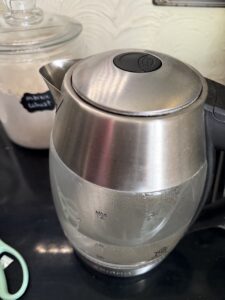

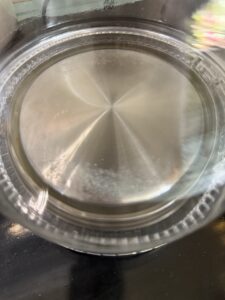
    Let the Kettle Cool and Empty It Completely You will be able to see the mineral deposit build up on the bottom very easily at this point.

    Step 1 — Let the Kettle Cool and Empty It Completely

    Unplug the kettle and make sure it’s not warm. Pour out any remaining water.
    This ensures the cleaning tablet dissolves evenly and safely.

    You will be able to see the mineral deposit build up on the bottom very easily at this point.
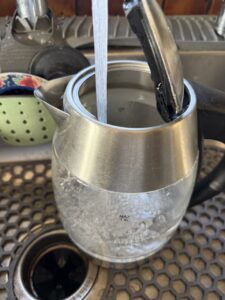

    Fill the Kettle Halfway with Warm Water

    Step 2 — Fill the Kettle Halfway with Warm Water

    Warm water activates the tablet faster, helping it dissolve evenly and boosting cleaning strength.
    Avoid boiling water — that’s too hot and unnecessary.
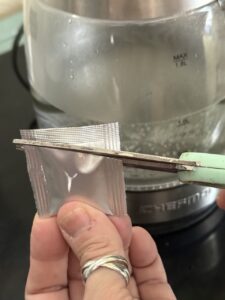

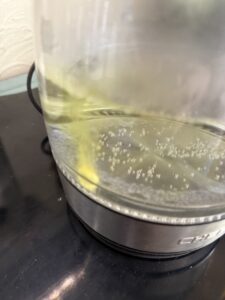
    All you need is 1 gram tablet of CLO2 to remove months of mineral build up. Drop in One Chlorine Dioxide Cleaning Tablet and let it dissolve

    Step 3 —Drop in One Chlorine Dioxide Cleaning Tablet

    A 1 gram CLO₂ tablet begins working immediately. As it dissolves, it releases active oxygen that breaks apart:

    • Mineral scale
    • Cloudy deposits
    • Tea tannin stains
    • Biofilm layers
    • Odors and organic residue

    You don’t need to stir. You don’t need to scrub.
    Just let the science do the heavy lifting.

    🛒Buy your 1gram tablets today!
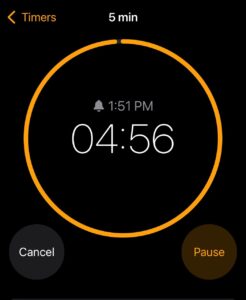

    set a timer for 5 minutes and let sit.

    Step 4 — Let the Kettle Soak for 5 Minutes

    This is the part where the magic happens. You may even see bits of scale lifting and floating upward — a strangely satisfying sight.
    For severe buildup, you can let it soak longer without damaging the kettle.

    If this is the first time and you have heavy build up I would suggest 20 – 30 minutes to soak.
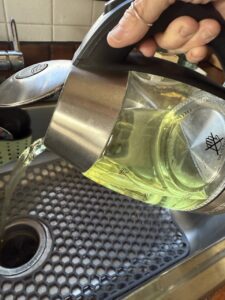

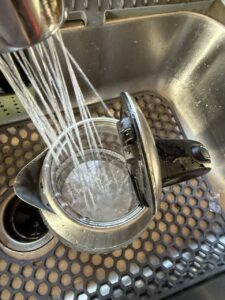
    Dump the Solution and Rinse Thoroughly Rinse thoroughly.

    Step 5 — Dump the Solution and Rinse Thoroughly

    Pour out the solution and rinse several times with fresh water.
    If any loose mineral flakes remain, they’ll wash right out.


    Wipe Away Remaining Residue

    Step 6 — Wipe Away Remaining Residue

    If you’ve had years of scale buildup, use a soft cloth or sponge to wipe the interior.
    No abrasives. No metal scrapers.
    The tablet already loosened everything — consider this just a finishing touch.
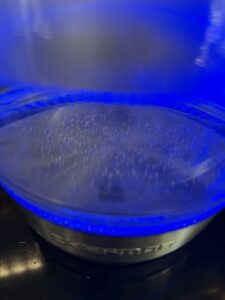

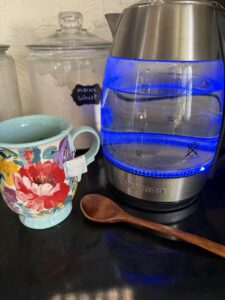
    Do a Fresh-Water Boil and Pour It Out This final step resets the kettle and prepares it for perfect, flavor-neutral brewing.

    Step 7 — Do a Fresh-Water Boil and Pour It Out

    Fill the kettle with clean water, bring it to a boil, then discard it.
    This final step resets the kettle and prepares it for perfect, flavor-neutral brewing.

    Your kettle is now:

    • Clean
    • Descaled
    • Odor-free
    • Sanitized
    • Ready to bring out the true character of your tea

    👉🏼Also Read How to Clean a Keurig with a 1-Gram ClO₂ Tablet | Fast, Safe & No Aftertaste


    A Cozy Little Tea Moment (Because Cleaning Should Also Inspire Brewing)

    Imagine this: It’s early morning. The house is quiet. You fill your newly cleaned kettle, and instead of that faint metallic smell, all you notice is the soft scent of steam. You scoop your favorite loose-leaf tea — maybe something fruity, maybe something deep and earthy — and as it steeps, the aroma fills the room in a way it hasn’t in months.

    Tea lovers know the nuances: grassy green teas, buttery oolongs, floral whites, smokey lapsang souchong.
    Some can taste mineral notes. Some detect the terroir — the soil and climate where the leaves grew. Some can even tell the difference between spring and autumn harvests.

    But no matter how sophisticated (or simple!) your tea preferences are, one truth remains beautifully universal:

    If your water isn’t clean, your tea can never reach its full potential.

    A clean kettle brings back those delicate flavors — the crispness, the clarity, the purity — letting every tea leaf shine exactly the way nature intended.


    How Often Should You Clean Your Tea Kettle?

    For home use:
    Every 2-4 weeks depending on your water hardness.

    For small businesses:
    Weekly is ideal, especially for cafés, salons, spas, and offices where the kettle runs multiple times a day.

    For hard-water regions:
    You may need light descaling every 5–7 days.
    (Your kettle will start telling you — heating slows, and white spots return.)


    Why CLO₂ Tablets Beat Vinegar or Citric Acid

    Vinegar leaves a strong smell and often requires repeat rinsing.
    Citric acid is gentler but doesn’t fully sanitize or break down biofilm.

    Chlorine dioxide offers a deeper, more complete clean because:

    • It destroys odor-causing molecules
    • Breaks apart tough mineral scale
    • Penetrates microscopic layers of residue
    • Sanitizes without corrosive bleaching
    • Leaves no aftertaste

    Your kettle returns to “like new” condition — fast.


    Small Business Bonus: Impress Customers With Better Tea & Coffee

    If you’re in hospitality, a clean kettle means:

    • Better tasting customer beverages
    • Longer appliance lifespan
    • Improved sanitation standards
    • Fewer complaints about “odd tasting water”

    It’s a tiny maintenance task with a surprisingly large impact on customer satisfaction.


    Conclusion

    Tea is one of life’s simplest pleasures — and it deserves clean, pure water. With a quick soak using a chlorine dioxide cleaning tablet, your kettle stays bright, odorless, scale-free, and fully ready to elevate every cup you brew. Whether you’re making tea for yourself, your family, or your customers, a clean kettle protects flavor, supports appliance health, and turns every sip into something worth savoring.

    And now that your kettle is freshly refreshed… what tea are you brewing next?

    🛒Buy your 1gram tablets today!


    10 Frequently Asked Questions 
    Tea drinkers know that flavor is delicate. High-quality teas — the ones with floral, earthy, woody, or fruity notes — can shift dramatically depending on water purity. Even casual tea drinkers notice when something tastes “off,” “flat,” or strangely bitter.1. Can I use chlorine dioxide tablets in stainless steel kettles?
    Yes! CLO₂ is safe for stainless steel, glass, silicone, and most modern kettle interiors.

    2. Will the tablet leave a smell or taste?
    No — once rinsed and boiled once, your kettle will be neutral and clean.

    3. Is this safe for kettles with heating elements inside?
    Yes. The solution works on internal elements without harming them.

    4. How often should I descale my kettle?
    Most households: every 1–2 weeks.
    Heavy use or hard water: weekly.

    5. Is CLO₂ better than vinegar?
    It removes odors, biofilm, and heavy scale more completely — without the lingering vinegar smell.

    6. Can this method help with rust spots?
    It can lighten them if they’re mineral-related, but true corrosion needs manufacturer care.

    7. Will it sanitize my kettle?
    Yes — CLO₂ is an excellent sanitizer for surfaces and food-contact appliances.

    8. Can I use cold water instead of warm?
    Yes, but warm water helps dissolve the tablet faster.

    9. Can I soak it overnight?
    Absolutely — it won’t harm the kettle and may help with severe buildup.

    10. Is this safe for households with children and pets?
    Yes, as long as tablets are used according to instructions and stored out of reach.

  • Improve Winter Indoor Air Quality with ClO₂

    Improve Winter Indoor Air Quality with ClO₂

    Winter Indoor Air Quality: Why Most Homes and Small Businesses Get It Wrong — And How ClO₂ Can Change Everything

    Winter feels cozy. Hot drinks, warm blankets, fireplaces glowing… the perfect time to stay indoors.

    But here’s the truth most people don’t realize: winter is the worst enemy of indoor air quality (IAQ).

    As soon as the first frost hits, homes and small businesses across the northern hemisphere start suffering from:

    • Mud, snow, and salt tracked in from outside.
    • Dust accumulation kicked up by heaters and forced air systems.
    • Lingering odors from cooking, pets, or closed-up spaces.
    • Poor ventilation trapping bacteria, mold spores, and volatile organic compounds (VOCs) inside.

    For homeowners, that means your favorite leafy greens or fresh berries could spoil faster, your living space may feel “stale,” and odors can linger despite hours of cleaning.

    For small business owners, poor IAQ can impact employees, customers, and even revenue. No one enjoys a musty break room or a workspace that smells like yesterday’s lunch.

    Here’s the shocking part: most people think the solution is cleaning more or spraying fragrances. But that’s not just ineffective — it’s masking the problem, not solving it.


    The Top 1% Expert Perspective: What Most People Don’t Know

    I spoke to an expert in indoor environmental hygiene — someone in the top 0.1% of professionals in this field worldwide — and their insight is eye-opening:

    “Winter indoor air quality is not a surface problem. Most homeowners and small businesses fight the symptoms — dust, odors, and spoilage — but ignore the root cause: airborne microbial load and chemical contamination trapped inside cold, closed spaces. Cleaning alone only scratches the surface. To truly solve the problem, you need a continuous, micro-level solution that neutralizes contaminants at the source.”

    In other words, the reason your home or small business still smells stale in winter isn’t because you’re lazy or your cleaners are ineffective — it’s because most winter IAQ problems happen in the air, not on the surfaces.

    This changes everything. If you understand this, you’ll stop wasting hours on repetitive cleaning and start investing in solutions that actually target the problem.


    Why Ordinary Winter Cleaning Fails

    Let’s break it down. You might:

    • Mop floors daily.
    • Wipe counters and cabinets.
    • Spray disinfectants or air fresheners.
    • Run your HVAC filters on high.

    And yet, by February, that same musty odor returns. Your produce spoils faster. Your office break room smells stale again.

    Why? Because:

    1. Odors are airborne: They linger in invisible bacteria, mold spores, and VOCs — not just on the floor or fridge shelves.
    2. Fragrances mask, don’t remove: Sprays cover odors with chemicals that don’t neutralize the microbial or chemical sources.
    3. Cold weather traps contaminants: Windows are closed. Ventilation is reduced. Heating systems spread dust and allergens rather than eliminating them.
    4. Surface cleaning can’t reach everywhere: HVAC ducts, fridge compartments, and enclosed storage areas harbor unseen bacteria and mold that release odors constantly.

    You’re basically fighting an invisible opponent with only 50% of the weapons. That’s why so many people feel like they’re cleaning twice for the same result.


    Reframing the Problem: What If You Could Solve It Once?

    Here’s where most homeowners and small business owners shift from frustration to control:

    Imagine a solution that works continuously, quietly, and invisibly — neutralizing odors and reducing bacteria without your constant intervention.

    Instead of:

    • Cleaning the fridge every few days
    • Re-wiping counters constantly
    • Replacing filters weekly

    You could:

    • Set up a micro-level solution that works 24/7
    • Reduce spoilage in your fridge and pantry
    • Keep break rooms and workspaces smelling fresh
    • Cut hours off your repetitive cleaning schedule

    That’s not a pipe dream. That’s exactly what ClO₂ (chlorine dioxide) does.


    How ClO₂ Changes Winter Indoor Air Quality

    ClO₂ is a low-dose oxidizing gas that targets the root causes of odors and poor IAQ:

    • Airborne bacteria and mold spores: ClO₂ neutralizes them at the molecular level, stopping odors before they reach your nose.
    • Volatile Organic Compounds (VOCs): Common in closed winter environments, these are broken down instead of just masked.
    • Surface contamination: Even surfaces that appear clean can harbor microorganisms that contribute to spoilage and odors.

    The beauty of ClO₂ is that it works continuously. Once installed in a fridge, HVAC vent, break room, or enclosed area, it quietly purifies the air and neutralizes odors for weeks at a time, drastically reducing the need for repetitive cleaning.


    Practical Applications for Homeowners and Small Businesses

    1. Refrigerators & Freezers

    • Winter is peak time for produce, dairy, and leftovers.
    • ClO₂ stops odors before they mingle — so pumpkin pie doesn’t taste like last night’s stuffing.
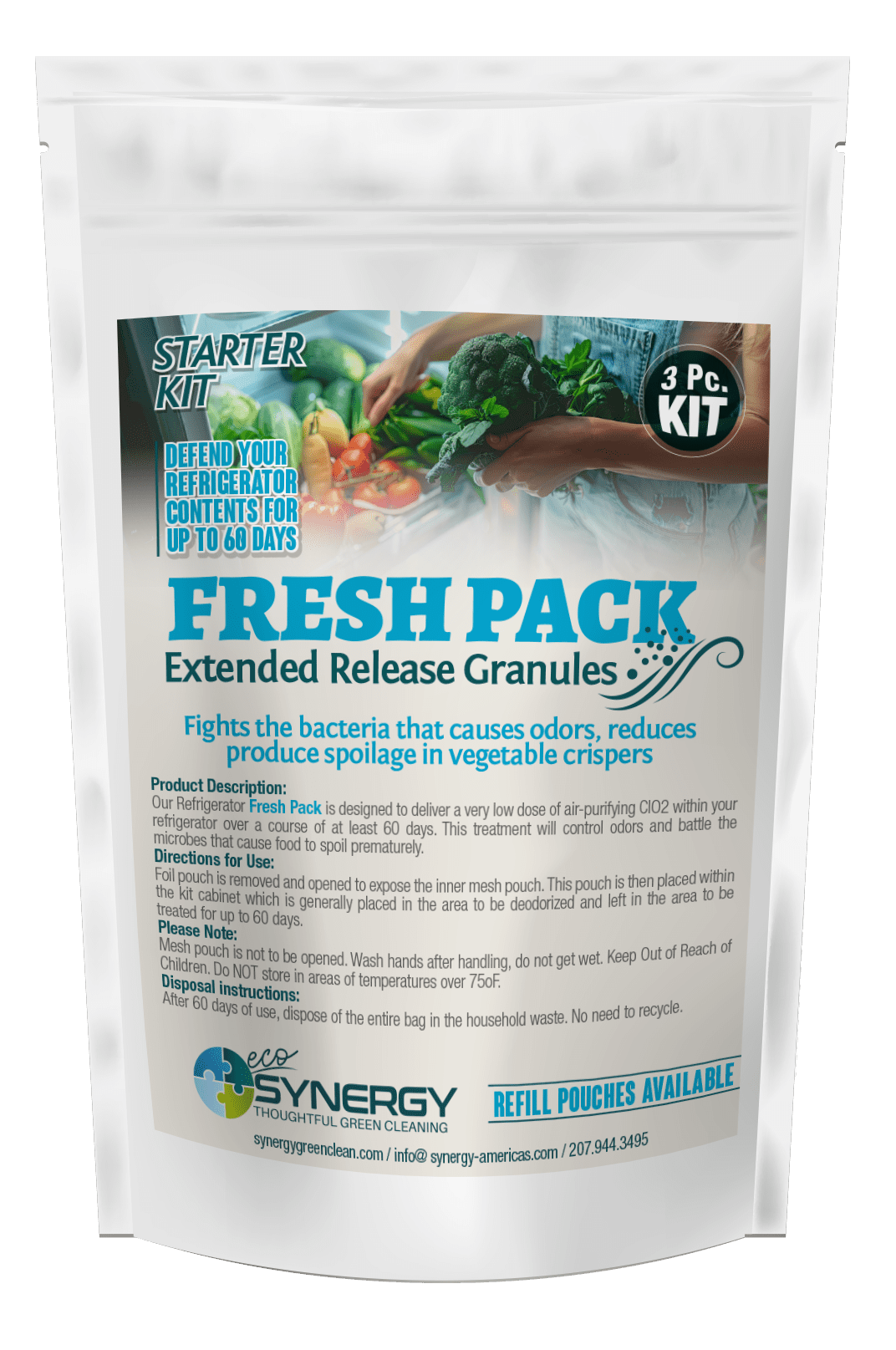
    • Use our Refrigerator Fresh Pack and place in the crispers and at the back of the Frig.

    Also Read 👉🏻How To Remove Bad Odor From Refrigerator?

    2. Kitchens & Pantries

    • Tracks in mud, salt, and pet dander.
    • ClO₂ neutralizes bacteria and airborne contaminants that can cause lingering smells.
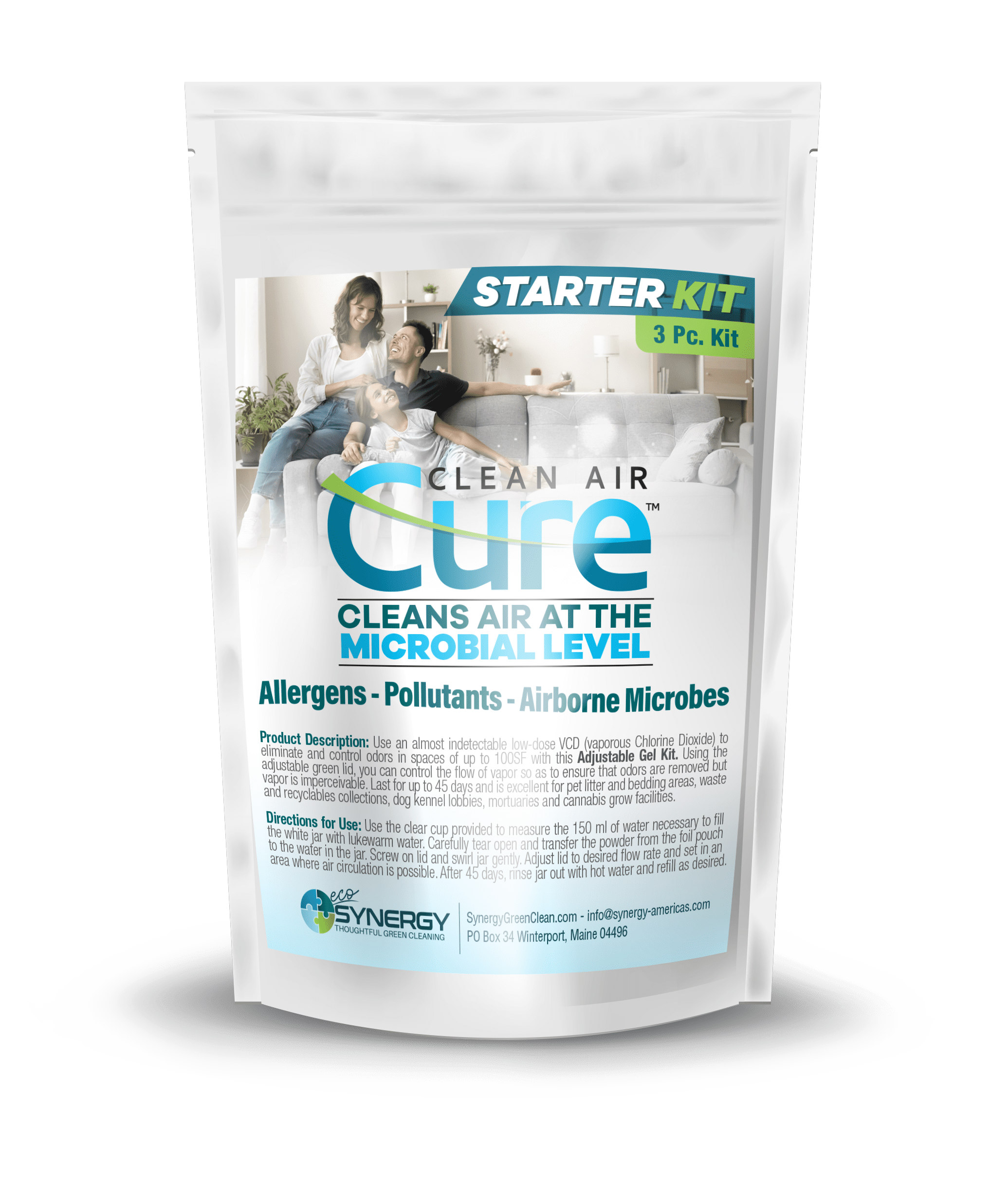
    • Use our Clean Air Cure and place strategically in the cabinets and in your pantry.

    3. HVAC Systems

    • Cold weather reduces airflow and traps contaminants.
    • A small ClO₂ unit in the system or vent eliminates microbial buildup.
    • Place a CLO2 fresh pack pouch in the ventilation system or near a vent for continued freshness.

    Also Read 👉🏻“How do I Use Chlorine Dioxide Tablets to Clean & Sanitize HVAC Systems, Ducts, & Drain Lines”

    4. Break Rooms & Small Offices

    • Coffee, snacks, and closed windows = stale smells.
    • ClO₂ keeps air clean and employees happier.
    • Use our Clean Air Cure and Place strategically through out the office or in the breakroom where heavy odors persist.

    5. Small Storage Spaces or Closets

    • Perfect for lockers, supply closets, and pantries that stay closed for days.
    • Use our Clean Air Cure by placing it on a closet shelf or on the closet floor.

    Also Read 👉🏻How do I Use CLO₂ Tablets for Cleaning, Odor Removal & Mold?


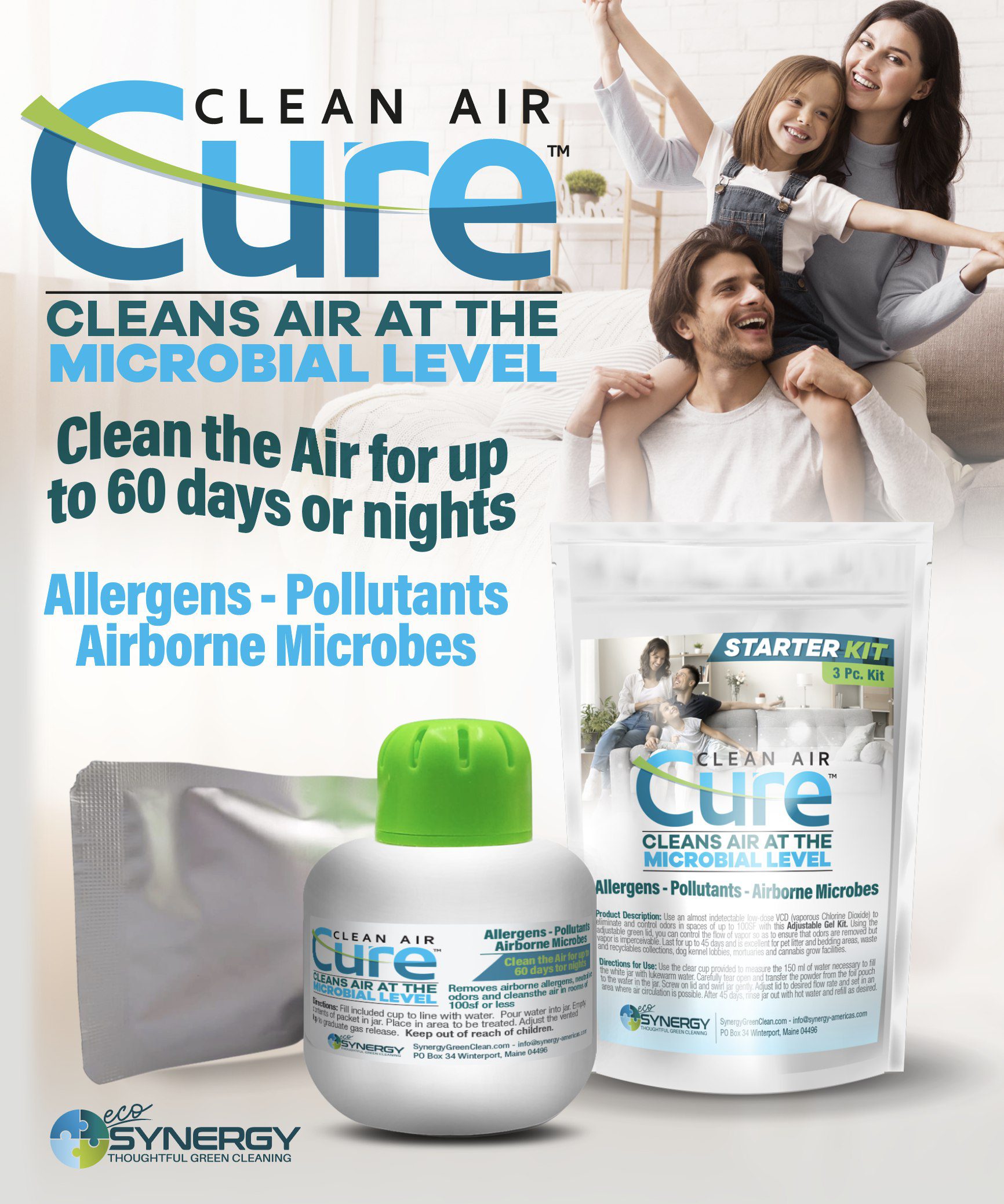
    Cure Gels is one of our newest line of air purifications to help aid during flu seasonCURE cleans the air up to 60 days and nights for clean pure air.


    The Secret to Doing It Once and Being Done

    This is the part most people miss. You don’t need to clean more often; you need to clean smarter.

    • Deploy ClO₂ in key problem areas
    • Let it neutralize odors at the source
    • Reduce repetitive scrubbing, spraying, and masking scents

    In other words, winter cleaning stops being a chore and becomes a set-it-and-forget-it solution — your air stays fresh, your food lasts longer, and your space feels healthier.


    Why This Matters

    • Health: Reduces exposure to bacteria, mold, and VOCs that can trigger allergies or respiratory issues.
    • Efficiency: Less repetitive cleaning means more time for what matters — family, work, or running your business.
    • Economics: Less spoilage, less waste, fewer cleaning supplies.
    • Comfort: A fresher environment keeps everyone happy and productive.

    Final Thought: The Winter IAQ Shift You Can Make Today

    Winter doesn’t have to be a battle against stale air, spoiled produce, or constant cleaning. Understanding the root causes of odors and poor IAQ — and using ClO₂ strategically — completely reframes the problem.

    No more fighting the same battle twice. No more masking smells. No more wasted hours.

    By investing in a ClO₂ solution for your home or small business, you can finally:

    • Neutralize odors at the source
    • Reduce microbial contamination
    • Extend the freshness of foods
    • Save time on winter cleaning
    • Maintain a healthier, more pleasant environment for everyone

    It’s a simple, smart, and proven way to take winter indoor air quality into your own hands — without endless effort.

    Winter may be cold outside, but inside your home or business, freshness is now under your control.

    CLO2 is a healthy alternative to Bleach and other chemical household cleaners

    F&Q

    1. What causes indoor air quality problems during winter?

    During winter, homes and businesses tend to be more sealed, with windows and doors closed to retain heat. This reduces ventilation, allowing dust, mold spores, bacteria, and volatile organic compounds (VOCs) to accumulate in the air. In addition, mud, snow, salt, and debris tracked inside, combined with heating systems that stir up particles, contribute to poor air quality. Without proper mitigation, these conditions lead to lingering odors, faster spoilage of perishable foods, and potential respiratory irritants.


    2. Why do refrigerators and enclosed spaces smell worse in winter?

    Cold temperatures slow air circulation and trap odors, while moisture from produce, leftovers, and condensation increases bacterial growth. Closed spaces, like fridges, freezers, or storage closets, create microenvironments where odor-causing bacteria and mold thrive. Even frequent cleaning often doesn’t fully remove these airborne contaminants, which is why odors tend to persist.


    3. How does chlorine dioxide (ClO₂) improve winter indoor air quality?

    ClO₂ is a low-dose oxidizing agent that neutralizes airborne bacteria, mold spores, and VOCs without masking them with fragrances. Unlike traditional cleaners or air fresheners, ClO₂ targets the root cause of odors and microbial contamination. It works continuously, creating a safer, fresher indoor environment while reducing repetitive cleaning tasks.


    4. Is ClO₂ safe to use around food and pets?

    Yes. When used according to manufacturer instructions, ClO₂ emits ultra-low doses specifically formulated for enclosed spaces, including refrigerators, kitchens, and break rooms. It’s residue-free, fragrance-free, and safe for food storage areas. Many homeowners and small businesses use it to protect perishables without concern for contamination or harsh chemical exposure.


    5. How long does a single ClO₂ unit last in a refrigerator or small space?

    Most ClO₂ deodorizing kits, like the Fresh Pack™, provide continuous odor control for up to 60 days. The controlled-release system gradually emits ClO₂ vapor, neutralizing odors and reducing microbial load over time. This means you don’t need to constantly check, refill, or manually scrub — one installation lasts for weeks.


    6. Can ClO₂ help extend the shelf life of food?

    Yes. Odor-causing bacteria and mold spores often contribute to premature spoilage of sensitive foods like berries, leafy greens, herbs, vegetables, and dairy. By reducing these microorganisms in the air and on surfaces, ClO₂ supports longer freshness and reduces waste, helping homeowners and small businesses save money and maintain healthier food.


    7. Will ClO₂ replace my regular cleaning routine?

    Not entirely. ClO₂ complements cleaning, rather than replacing it. Surface cleaning is still necessary to remove visible dirt, spills, and debris. However, ClO₂ reduces the frequency and intensity of cleaning needed to maintain freshness and odor control, saving time and preventing the frustration of “cleaning the same space twice.”


    8. Can ClO₂ be used in small offices or business break rooms?

    Absolutely. Enclosed areas such as break rooms, pantries, and storage rooms often suffer from lingering odors caused by food, moisture, and poor ventilation. ClO₂ units neutralize odors without masking scents, creating a fresher, healthier environment for employees and customers, while requiring minimal maintenance.


    9. How do I install a ClO₂ deodorizing system in my home or small business?

    Most systems are simple to install. For example, the Fresh Pack™ includes a mountable cabinet and pre-measured granule pouches. Simply mount the cabinet in a refrigerator, small pantry, or enclosed space, insert the pouch, and let the controlled-release system do its work. No power source or complex setup is required.


    10. Why should I invest in ClO₂ solutions instead of relying on air fresheners or fragrances?

    Air fresheners and scented sprays only mask odors — they do not remove the root cause: bacteria, mold, or VOCs. ClO₂ works at the source, neutralizing contaminants and maintaining continuous freshness. This leads to long-lasting odor control, healthier air, and extended food shelf life, making it a smarter investment for both homeowners and small businesses.

    Also Read 👉🏻Winter IAQ Solutions: Stop Wood Smoke, Dry Air & Stale Indoor Odors

  • 7 Ways ClO₂ Saves Time for Commercial Cleaning Crews

    7 Ways ClO₂ Saves Time for Commercial Cleaning Crews

    Running a commercial cleaning operation is all about efficiency.

    You’re managing tight schedules, fast turnarounds, picky clients, and constant pressure to deliver perfect results every single time. Time wasted is money lost — and in this industry, every minute counts.

    That’s exactly why so many cleaning companies are turning to ClO₂ (chlorine dioxide) as their secret weapon. It doesn’t just clean better — it shortens the entire workflow from start to finish.

    Let’s break down exactly how chlorine dioxide saves cleaning teams time while improving results.


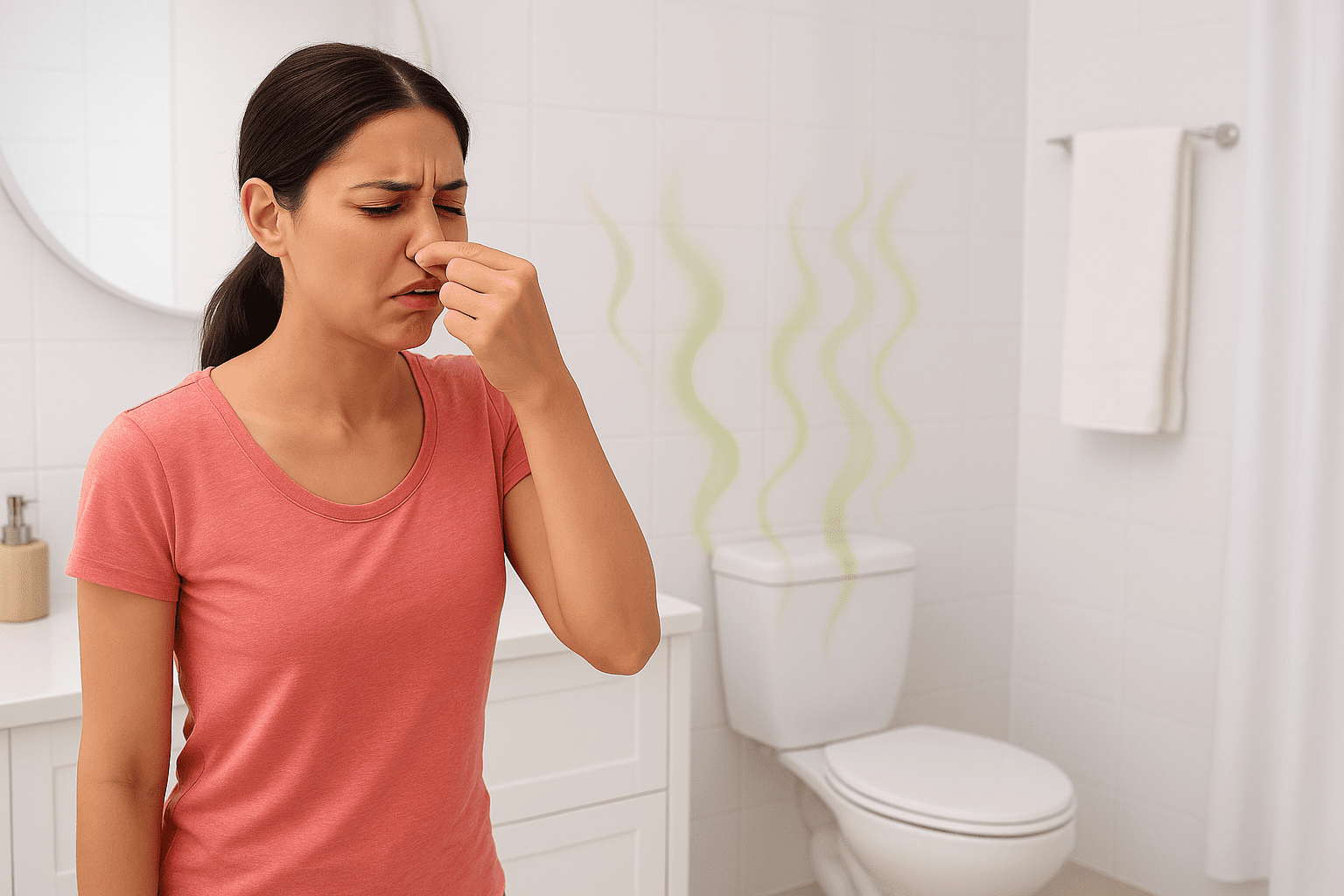
    A clean, fresh-smelling bathroom isn’t just pleasant—it signals health, care and good home hygiene.⏱️ 1. ClO₂ Eliminates Odors Instead of Masking Them — Saving Hours of Repeat Work
    Traditional deodorizing?
    Spray… hope… repeat.

    And repeat.
    And repeat again when clients complain the smell “came back.”

    ClO₂ oxidizes odor molecules at the source. That means:
    ✔ No follow-up visits
    ✔ No multi-step deodorizing routines
    ✔ No need to “re-clean” rooms with lingering smells

    What used to take hours becomes a simple, effective, one-step treatment.


    ⏱️ 2. Faster Turnover for Hotels, Offices, Rentals & Schools

    Commercial cleaners understand this pain:
    Slow turnover = lost revenue… and frustrated clients.

    With chlorine dioxide, crews can:
    ✔ Treat entire rooms in less time
    ✔ Freshen occupied spaces overnight
    ✔ Reduce scrubbing time with fewer products
    ✔ Get in-and-out without delays

    For hotels, this is a game-changer — especially when dealing with:
    • Smoke odor
    • Food smells
    • Pet rooms
    • Musty suites

    ClO₂ wipes out the odors that normally slow down cleaning crews.


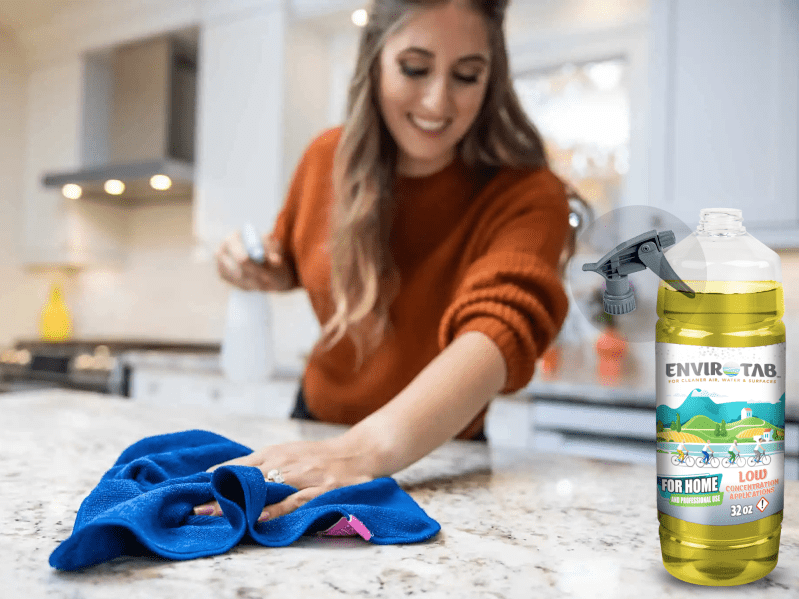
    All surface cleaner with Envirotab ClO2 Solution⏱️ 3. One Product Replaces Five (Or More)

    Most commercial teams carry way too many products:
    🚫 Odor neutralizers
    🚫 Mold sprays
    🚫 Disinfectants
    🚫 Surface sprays
    🚫 Bathroom cleaners

    With ClO₂, one solution does the heavy lifting of multiple chemicals.

    Fewer products =
    ✔ Less setup time
    ✔ Faster workflow
    ✔ Lower supply costs
    ✔ Simpler training for staff

    Commercial cleaning crews love anything that eliminates complexity — and ClO₂ does exactly that.


    ⏱️ 4. Less Scrubbing, Less Labor, Less Backtracking

    Chlorine dioxide breaks down organic matter, biofilm, bacteria, and odors quickly — which means cleaning crews aren’t fighting with stubborn surfaces or “mystery smells.”

    This translates to:
    ✔ Less manual labor
    ✔ Shorter cleaning cycles
    ✔ Fewer deep-clean sessions
    ✔ Reduced re-clean call-backs

    Instead of spending 20 minutes scrubbing “that one spot,” ClO₂ handles it in a fraction of the time.


    ⏱️ 5. Lower Training Time for New Staff

    Commercial teams deal with high turnover. Training new staff can drain productivity fast.

    By switching to ClO₂ systems, training becomes far easier:
    ✔ Straightforward instructions
    ✔ Safe when used properly
    ✔ Repeatable processes
    ✔ Less room for error

    Crews can get up to speed faster — which means more jobs completed and fewer mistakes.


    a woman opening curtains with a smiling face.⏱️ 6. Fewer Customer Complaints = Fewer Costly Callbacks

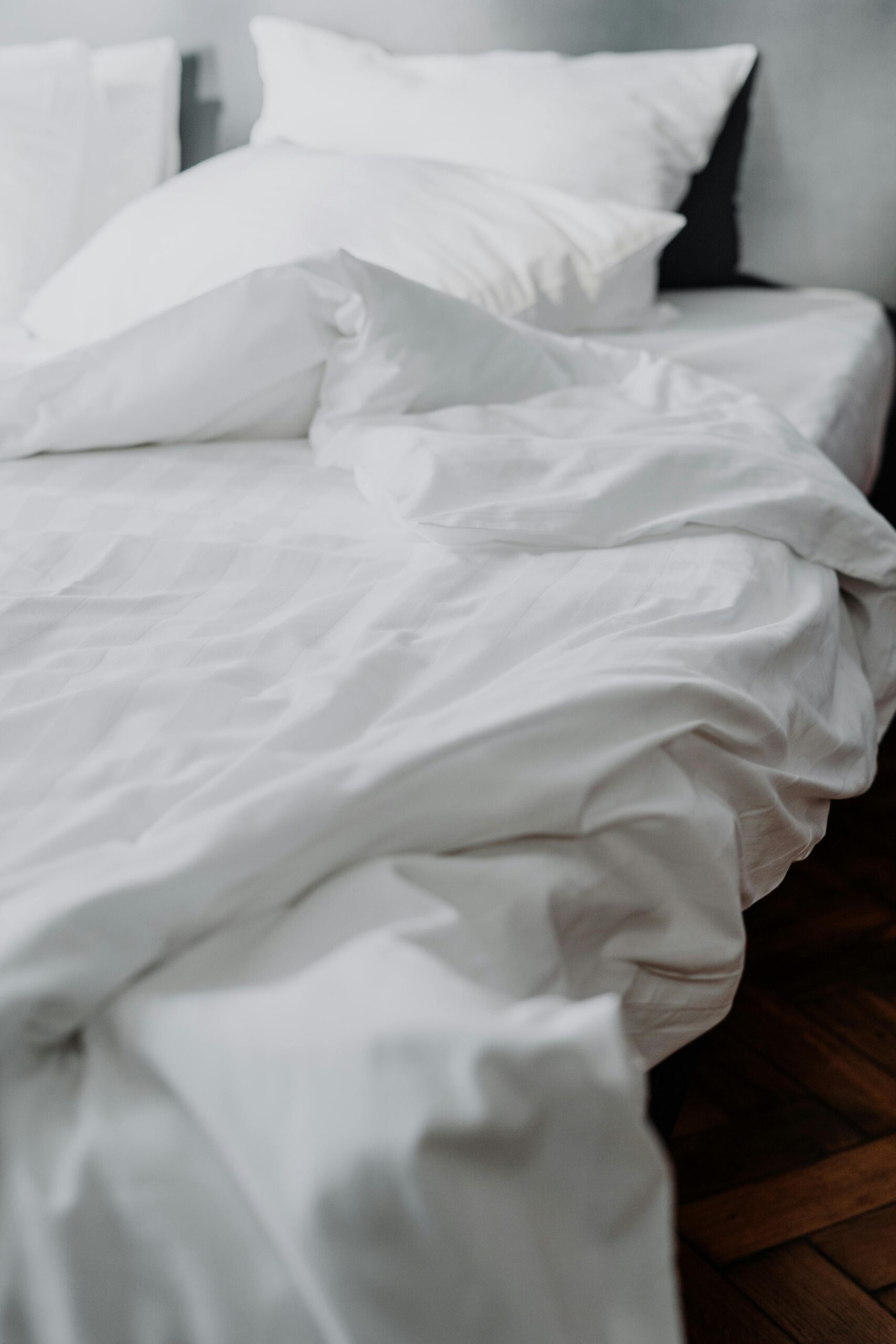
    Callbacks eat up time. Clients demand fixes, rooms must be re-cleaned, and crews lose precious hours.

    ClO₂ dramatically reduces:
    • Odor complaints
    • Musty rooms
    • Smoke-smell returns
    • Mold smell issues
    • Pet odor challenges

    Fewer complaints means:
    ✔ More satisfied clients
    ✔ Better reviews
    ✔ More contracts
    ✔ More efficiency
    ✔ More profits


    ⏱️ 7. Works While You Work — Passive Cleaning Power

    One of the biggest advantages?

    ClO₂ works while the crew handles other tasks.
    Set up a treatment ➝ Clean another area ➝ Return to a fresh room.

    This creates:
    ✔ Overlapping cleaning cycles
    ✔ Faster building-wide sanitation
    ✔ Higher job throughput

    Commercial crews instantly gain an efficiency multiplier.


    🚀 Final Thought: ClO₂ Makes Cleaning Crews Faster, Better, and More Profitable

    In the commercial cleaning world, the most valuable currency is time.
    And the biggest advantage is efficiency.

    Chlorine dioxide delivers both.

    If cleaning companies want to:
    ✔ Reduce labor
    ✔ Speed up turnover
    ✔ Win more clients
    ✔ Deliver consistent results
    ✔ Eliminate odors for good

    Then ClO₂ isn’t just an upgrade — it’s a competitive advantage.

    CLO2 is a healthy alternative to Bleach and other chemical household cleaners

  • How to Sanitize Your Mattress After the Flu | Envirotab ClO₂ Solutions

    How to Sanitize Your Mattress After the Flu | Envirotab ClO₂ Solutions

    Why Mattress Sanitization Matters After the Flu

    We’ve all been there—the fever, the chills, the achy muscles, the upset stomach. All you want is to crawl into bed, pull the blankets up, and let sleep wash over you like a healing balm. Your bed becomes your sanctuary, your comfort zone, the place where your body fights back and slowly starts to feel like yourself again.

    But here’s the thing: while you’re resting and regaining your strength, your mattress is quietly holding onto more than just your dreams. Influenza viruses, bacteria, and allergens can linger on soft surfaces for hours—or even days—turning your sanctuary into a potential hotspot for reinfection. That’s why giving your mattress the proper care after the flu isn’t just a chore—it’s an act of self-care, a way to protect your health, your family, and your well-being.

    This is where Envirotab ClO₂ tablets come in. They offer a safe, modern, and highly effective way to disinfect your mattress, eliminating germs and odors without damaging fabrics or leaving harmful residues. Because a truly clean bed means a healthy, peaceful place to rest—and the comfort of knowing your sanctuary is safe.


    Start by stripping all bedding—sheets, blankets, pillowcases, and mattress protectors.Step 1: Prepping Your Mattress for Cleaning
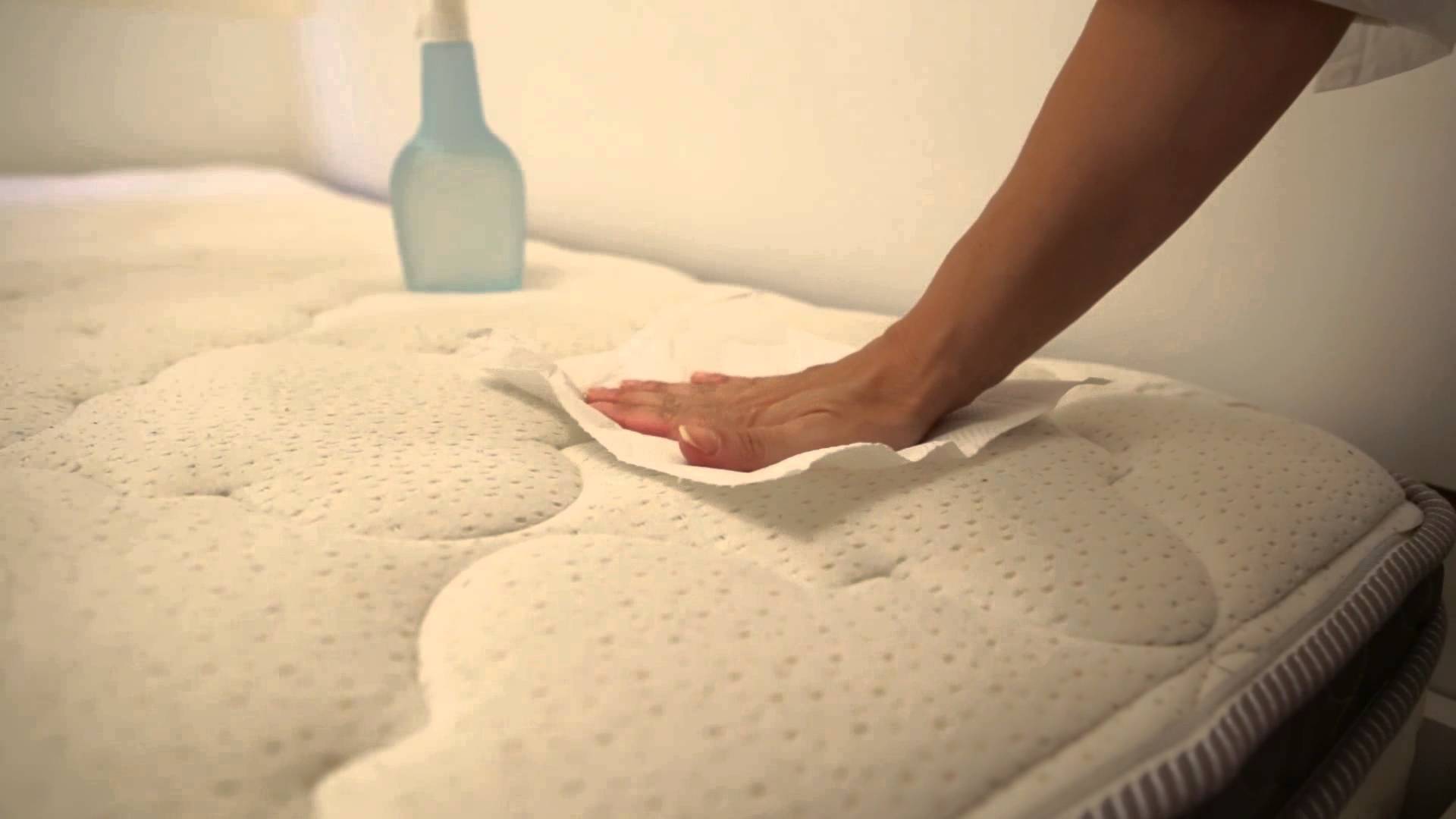

    Start by stripping all bedding—sheets, blankets, pillowcases, and mattress protectors. Wash these in hot water (at least 140°F / 60°C) to kill flu viruses and bacteria. For delicate fabrics, ensure you follow care labels but use the highest safe water temperature.

    Next, vacuum the mattress thoroughly. Use a vacuum with a clean nozzle and go over the entire surface, including seams, edges, and corners where dust, skin flakes, and viral particles tend to accumulate.

    If weather permits, place the mattress in a sunlit room or near a window for fresh air exposure. Sunlight’s natural UV rays can help reduce microbial load. A few hours in the sun can complement your ClO₂ treatment for maximum cleanliness.


    Step 2: Vacuuming to Remove Surface Dust

    Even minor dust accumulation can harbor germs and allergens. Vacuuming your mattress should be done carefully:

    1. Use slow, overlapping passes to cover every inch of the mattress.
    2. Flip the mattress to clean the opposite side.
    3. Focus on seams and edges where dust and viral particles tend to hide.

    Daily or weekly vacuuming is a preventive habit that keeps your bed fresh and reduces the risk of flu recurrence in your home.


    Step 3: Using Mattress Cleaning Sprays

    After vacuuming, a mattress disinfectant spray adds an extra layer of protection. Follow these steps:

    1. Shake the spray well and hold it approximately 6 inches from the mattress surface.
    2. Spray lightly and evenly; avoid soaking the mattress.
    3. Allow the spray to sit for 10–15 minutes to neutralize viruses and bacteria.
    4. Wipe the surface gently with a clean cloth to remove excess liquid and any dirt lifted by the spray.
    5. Ensure the mattress dries completely before reapplying bedding.

    For best results, use sprays compatible with chlorine dioxide treatments or eco-friendly disinfectants to maintain safe indoor air quality.


    Step 4: Deep Cleaning with Steam

    Steam cleaning is a highly effective way to disinfect a mattress without chemicals. Influenza viruses are sensitive to high temperatures, and steam penetrates soft surfaces where sprays may not reach.

    • Fill your steam cleaner with water and allow it to reach the recommended temperature.
    • Move the steam nozzle slowly over the mattress surface, ensuring full coverage.
    • Allow the mattress to dry completely before making the bed to prevent moisture-related mold or mildew growth.

    Steam cleaning is particularly valuable for memory foam or thick mattresses, where germs can hide deep in the material.


    sanitizing-mattress-with-sanitizer.

    Step 5: Introduction to Envirotab ClO₂ Tablets

    Envirotab chlorine dioxide (ClO₂) tablets provide an advanced, safe, and highly effective method to disinfect mattresses after flu exposure. When dissolved in water, these tablets generate a powerful cleaning solution capable of neutralizing viruses, bacteria, mold, and odor-causing microbes without leaving harmful residues.

    Key benefits of Envirotab ClO₂ solutions:

    • Effective Virus and Bacteria Neutralization: Kills influenza viruses and other common pathogens.
    • Safe on Fabrics: Gentle on all mattress types without discoloration or damage.
    • Versatile Use: Perfect for mattresses, bedding, toys, floors, and high-touch surfaces.
    • Environmentally Friendly: Breaks down into harmless byproducts, leaving no chemical footprint.
    • Convenient and Cost-Effective: Easy to prepare and store, saving time and money.

    Step 6: Using Envirotab ClO₂ Tablets for Mattress Sanitization

    Follow these steps for safe and effective mattress disinfection with Envirotab:

    1. Prepare the Solution: Dissolve one Envirotab ClO₂ tablet in the recommended amount of water. Allow it to fully activate according to the packet instructions.
    2. Apply Evenly: Pour or lightly spray the solution over the mattress surface. Ensure every inch, seam, and edge is treated.
    3. Dry Completely: Let the mattress air dry fully before replacing sheets or bedding.
    4. Safety Precautions: Wear gloves while handling the solution, and avoid direct skin or eye contact.

    This method ensures your mattress is disinfected at the molecular level, tackling flu viruses where other methods may fall short.


    Step 7: Additional Tips for Mattress Hygiene

    • Use a Mattress Protector: Washable protectors add a protective layer against viruses, bacteria, and allergens.
    • Frequent Washing: Clean bedding weekly, especially during flu season.
    • Maintain Airflow: Proper ventilation helps reduce microbial growth and keeps your mattress fresher longer.
    • Combine Methods: Use a combination of vacuuming, steam, and ClO₂ treatment for comprehensive sanitation.

    Why Envirotab ClO₂ Tablets Are a Smart Choice

    • Long-Lasting Protection: ClO₂ continues to inhibit microbial growth even after the initial cleaning.
    • Scientifically Proven: Research shows chlorine dioxide effectively neutralizes influenza viruses and other respiratory pathogens.
    • Eco-Conscious: Safer for you and your family than bleach or harsh chemical disinfectants.
    • User-Friendly: No complicated machinery or harmful fumes—just dissolve, spray, and disinfect.

    Conclusion

    Sanitizing your mattress after flu exposure is critical for maintaining a healthy home environment. While vacuuming, steam cleaning, and disinfectant sprays provide layers of protection, Envirotab ClO₂ tablets offer unmatched effectiveness, convenience, and safety. By incorporating ClO₂ treatments into your cleaning routine, you can confidently rest knowing your mattress is free of flu viruses, bacteria, and other harmful microbes.

    Healthy sleep starts with a clean bed—and with Envirotab, you can keep your home safe, fresh, and flu-free.

    Healthy sleep starts with a clean bed—and with Envirotab, you can keep your home safe, fresh, and flu-free.


    10 FAQs About Bedding, the Flu, and the Essential Role of ClO₂

    1. Can the flu virus survive on bedding?

    Yes. Influenza viruses can survive on soft surfaces like sheets, blankets, and mattresses for hours to days, depending on humidity, temperature, and fabric type. This makes bedding a potential source of reinfection or cross-contamination for family members. While washing sheets in hot water is effective, viruses can still hide in seams, folds, and mattress fibers, which is why surface disinfection using ClO₂ solutions like Envirotab is essential.

    2. Why is mattress sanitation important after someone has had the flu?

    Even after symptoms disappear, a mattress may harbor residual viruses, bacteria, and allergens. These microbes can affect your recovery or make others in the household sick. Sanitizing your mattress with ClO₂ not only eliminates these pathogens but also removes odors and restores your bed to a clean, safe state. It’s a proactive step in creating a healthy sleep environment.

    3. How does chlorine dioxide (ClO₂) work to kill flu viruses?

    Chlorine dioxide is a powerful oxidizing agent. It attacks the cell walls and genetic material of bacteria and viruses, including influenza viruses, effectively neutralizing them. Unlike bleach, ClO₂ is safe for fabrics, does not leave toxic residues, and is environmentally friendly. Using ClO₂ tablets like Envirotab ensures deep, molecular-level disinfection, reaching places that ordinary washing or sprays may miss.

    4. Can washing sheets alone get rid of flu viruses?

    Washing sheets in hot water (at least 140°F / 60°C) significantly reduces viral load, but it doesn’t sanitize the mattress itself. Influenza viruses can remain in mattress fibers and seams. Combining washing with a ClO₂ treatment ensures complete disinfection, making your entire bed safe and hygienic.

    5. Are ClO₂ tablets safe for all types of mattresses?

    Yes. ClO₂ solutions generated from Envirotab tablets are gentle on fabrics, including memory foam, pillow-top, latex, and hybrid mattresses. They sanitize without bleaching or damaging fibers, making them suitable for repeated use as part of regular mattress maintenance.

    6. Can ClO₂ help prevent future flu spread in the home?

    Absolutely. ClO₂ provides residual protection on treated surfaces, meaning it continues to inhibit microbial growth after application. Regular use on mattresses, bedding, and high-touch surfaces can significantly reduce household transmission of influenza and other respiratory viruses.

    7. How often should I use ClO₂ to sanitize my mattress and bedding?

    • After illness: Always disinfect the mattress after someone has had the flu.
    • Seasonal maintenance: During flu season, a monthly or biweekly treatment can help reduce viral load and allergens.
    • Routine hygiene: Combine ClO₂ treatments with regular washing of sheets and pillowcases for optimal protection.

    8. Can ClO₂ be used on pillows and other bedding items?

    Yes. ClO₂ solutions from Envirotab tablets are safe for use on pillows, duvets, blankets, and even mattress protectors. Simply apply a light, even mist and allow items to dry completely. This ensures comprehensive sanitation and reduces allergens, dust mites, and lingering viruses.

    9. How is ClO₂ different from traditional disinfectants like bleach or sprays?

    ClO₂ is more targeted and fabric-friendly than bleach. While bleach can damage fabrics, leave toxic residues, and cause fading, ClO₂:

    • Penetrates deep into fibers without harming them
    • Kills viruses, bacteria, and odor-causing microbes
    • Breaks down into harmless byproducts, making it safer for you and the environment
      This makes it ideal for mattresses and other soft surfaces where traditional disinfectants fall short.

    10. What are the additional benefits of using ClO₂ tablets beyond flu prevention?

    ClO₂ doesn’t just neutralize flu viruses—it also:

    • Eliminates odors caused by sweat, bacteria, or pets
    • Reduces allergens like dust mites and mold spores
    • Can be used safely throughout your home on toys, furniture, and floors
    • Supports a clean, healthy indoor environment, enhancing sleep quality and overall wellness

    Summary:
    Using ClO₂ (Envirotab) as part of your bedding and mattress sanitation routine is not optional—it’s essential for reducing flu spread, protecting family members, and maintaining a healthy home. Combined with routine washing and vacuuming, ClO₂ provides peace of mind, safety, and comfort.

  • From Bleach to Breakthrough: Why Smart Cleaners Are Choosing CLO₂

    From Bleach to Breakthrough: Why Smart Cleaners Are Choosing CLO₂

    The Era of Smart Cleaning is Here

    The days of harsh, chemical-laden bleach are fading fast — and for good reason. Studies now show that prolonged bleach exposure can lead to respiratory damage, immune system stress, and even neurological effects from poor indoor air quality. Those “clean” fumes that sting your nose and eyes are actually chlorine vapors irritating your lungs and airways, and the residues left behind can disrupt your body’s natural balance. It’s no wonder that homes, schools, and businesses are saying enough is enough.

    Today’s cleaning standards demand smart, safe, and sustainable solutions — products that protect health without sacrificing performance. Enter CLO₂ — the breakthrough alternative that’s redefining what clean truly means. Whether you’re a facility manager safeguarding staff, a homeowner protecting family, or a sustainability advocate driving change, the message is clear: your cleaning choices matter — to your people, your air, and your planet.


    Here’s a myth worth clearing up: chlorine dioxide is not chlorine bleach. Yes, they sound similar, but their chemistry couldn’t be more different.1. The Evolution of Cleaning: From Harsh Chemicals to Smart Solutions
    Traditional bleach has been the industry standard for decades. But here’s the problem: it’s toxic, corrosive, and harsh on surfaces — not to mention the lingering chemical smell that no one enjoys.

    Trends today show:

    • Consumers and businesses are moving toward eco-conscious alternatives.

    • Regulations are tightening around chemical use in homes, schools, hospitals, and food handling.

    • Employees and families are demanding safer environments — without compromising cleanliness.

    The shift is no longer optional. It’s a necessity. And CLO₂ is leading the charge.


    2. Green Cleaning 2025: What Makes a Product Truly Sustainable

    Smart cleaners are not just replacing bleach — they are rethinking cleaning itself.

    Here’s what makes a modern cleaning solution truly sustainable:

    • Non-toxic ingredients: Safe for children, pets, and staff.

    • Versatile application: Works on glass, metal, ceramic, fabrics — all without damage.

    • Minimal environmental footprint: Reduced packaging, biodegradable components, and lower water usage.

    • Proven efficacy: Effective against bacteria, viruses, mold, and biofilm without harsh chemicals.

    CLO₂ ticks every box. It’s non-toxic, safe, environmentally friendly, and highly effective — the complete green cleaning solution.


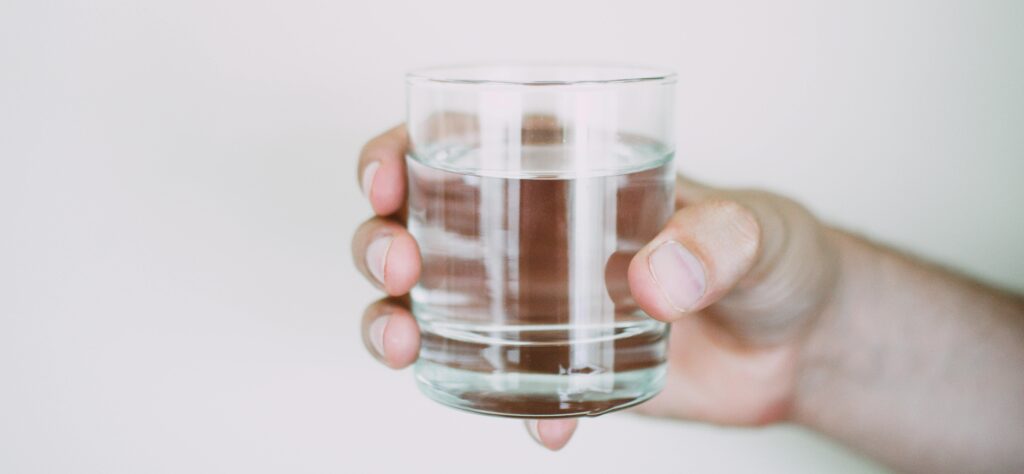
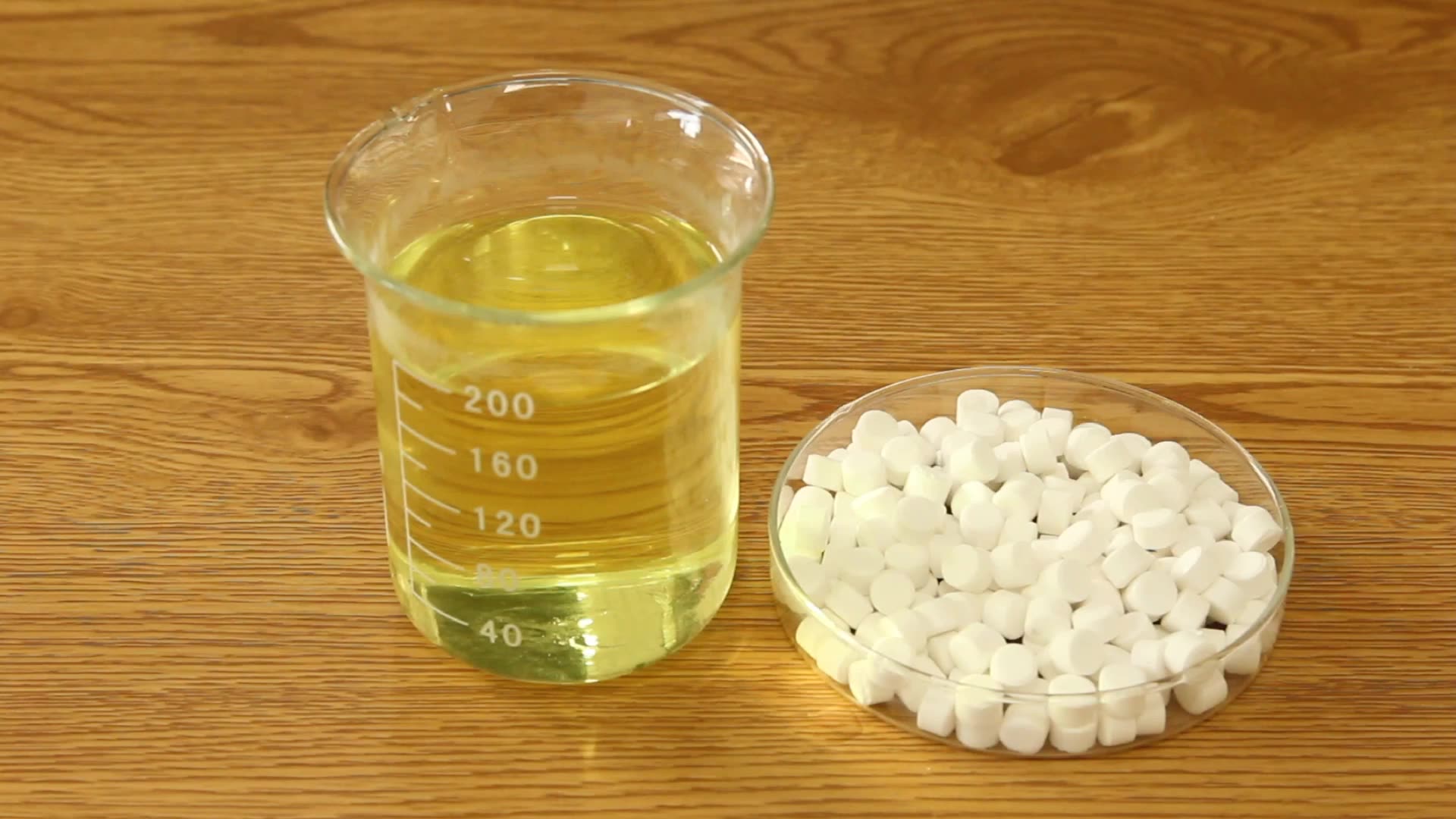
    chlorine dioxide tablets and glass of water on table surface3. Meet CLO₂: The Science Behind the Breakthrough

    Chlorine dioxide (CLO₂) is a powerhouse disinfectant used in hospitals, food industries, and now, modern homes. Here’s why smart cleaners are making the switch:

    • Potent yet safe: Unlike bleach, CLO₂ is non-corrosive and won’t release toxic fumes.

    • Multi-surface use: From countertops to fabrics, it handles cleaning and disinfecting in one step.

    • Environmentally responsible: Breaks down into harmless compounds after use — no chemical residue.

    • Economical: Tablets dissolve into solution on demand, reducing storage and transport costs.

    In short: CLO₂ isn’t just a cleaner. It’s a revolution in hygiene and sustainability.


    4. How Businesses and Homes Can Adopt CLO₂ Today

    Switching from bleach to CLO₂ doesn’t have to be complicated. Here’s a practical roadmap:

    1. Start small: Replace bleach in high-touch areas — kitchens, bathrooms, and office spaces.

    2. Educate staff or household members: Share safety and efficacy benefits to encourage adoption.

    3. Leverage multi-purpose applications: Use CLO₂ for laundry, glass, and sanitizing surfaces.

    4. Market your eco-conscious shift: If you’re a business, showcase your commitment to green cleaning in your social media, website, and store signage.

    5. Monitor and optimize: Track results and feedback to fine-tune your cleaning program.

    By adopting CLO₂ today, you’re leading your industry, protecting health, and supporting the planet — all at once.


    CLO2 can be safely used around Children and pets if used as directed.5. Why Now? The Urgency of Going Green

    Every day that businesses or households continue using harsh chemicals is a day lost in credibility, safety, and sustainability. Early adopters of green cleaning solutions are gaining trust, recognition, and even regulatory compliance advantages.

    Act now, because:

    • Green certifications and eco-friendly branding influence customer choice.

    • Safety concerns are rising — especially in public spaces and schools.

    • Competitive advantage is gained by being the first to switch to safe, effective, modern disinfectants.

    The future of cleaning is here, and it’s chlorine dioxide.


    Conclusion: From Bleach to Breakthrough

    The world is evolving — and so must the way we clean it. Bleach may have written the first chapter of modern sanitation, but its story has reached the end. The future belongs to solutions that clean deeply without compromise — solutions that protect people, preserve surfaces, and respect the environment.

    CLO₂ stands at the crossroads of science and sustainability — a product born from innovation, refined by necessity, and chosen by those who refuse to trade health for hygiene. Every drop used, every surface restored, and every breath of cleaner air represents a quiet revolution in how we define “clean.”

    So as you close this page and look around your space — your home, your business, your world — ask yourself: Is my cleaning helping me move forward, or keeping me stuck in the past?

    Smart cleaners already know the answer. The breakthrough isn’t coming — it’s here. Choose EnviroTab CLO₂ tablets and be part of the movement that’s changing clean for good.

    CLO2 is a healthy alternative to Bleach and other chemical household cleaners

  • Top 5 Germ Hotspots in Your Home (and How to Keep Them Clean)

    Top 5 Germ Hotspots in Your Home (and How to Keep Them Clean)

    Your home is supposed to be a safe haven—but during flu season, it can quickly become a hotspot for germs. Many people clean the obvious areas like floors and counters, but the flu virus thrives on everyday objects that we touch constantly.

    Studies show that high-touch surfaces like door handles, remotes, and keyboards harbor viruses and bacteria, increasing the risk of transmission. The good news is that with proper cleaning, you can reduce germs significantly. One of the most effective solutions is chlorine dioxide (ClO₂), an eco-friendly, fast-acting disinfectant that works on surfaces, fabrics, and even in the air.


    Laptops, cellphone and remote controls are all germ hotspots that we forget to wipe down!The Top 5 Germ Hotspots in Your Home

    1. Remote Controls

    Your living room remote control is handled by every member of the family and often never cleaned. Studies have found that these small devices carry more bacteria than a toilet seat. Wipe down daily with ClO₂ disinfectant to keep viruses at bay.

    2. Light Switches

    Often ignored during cleaning, light switches are touched multiple times a day by different household members. Daily disinfection with a ClO₂ spray or wipe prevents germ buildup.

    3. Refrigerator & Microwave Handles

    Handles in your kitchen are high-traffic areas. They are touched before and after food prep, which can easily transfer flu viruses. Clean handles at least once a day using eco-friendly ClO₂ solutions.

    4. Smartphones & Tablets

    Our devices travel with us everywhere—shopping carts, work desks, public transport. Regular cleaning with ClO₂ wipes or sprays kills lingering viruses without damaging electronics.

    5. Keyboards & Desks

    Whether you work from home or have children doing homework, keyboards, desks, and office equipment are loaded with germs. A weekly ClO₂ disinfectant routine is essential.


    Additional Tips for Reducing Home Germs

    • Establish a routine: Create a weekly cleaning checklist targeting high-touch areas.

    • Use ClO₂ regularly: Beyond surfaces, ClO₂ eliminates odors and airborne germs.

    • Encourage family participation: Teaching children to sanitize their hands and devices helps reduce spread.

    • Don’t forget fabrics: Phones, remotes, and handles are obvious, but soft surfaces like couch arms, pillowcases, and curtains also harbor germs.


    ClO₂ Advantages for Home Cleaning

    • Kills 99.9% of bacteria and viruses: Fast-acting and effective against flu viruses.

    • Eco-friendly: Safe for children, pets, and surfaces.

    • Versatile: Can be used on kitchen surfaces, electronics, bathroom fixtures, and even laundry.


    Conclusion

    Flu prevention starts at home, and targeting high-touch surfaces is one of the most effective ways to protect your family. By combining consistent cleaning routines with the power of ClO₂ (chlorine dioxide), you can create a healthier, germ-reduced environment that keeps flu viruses from taking hold.

    Stay vigilant, stay consistent, and keep your home flu-safe all season long.


    CLO2 is a healthy alternative to Bleach and other chemical household cleanersWhat People Also Ask

    1. Q: What are the most common germ hotspots in the home?
    A: Remote controls, light switches, fridge handles, smartphones, and keyboards are the top five.

    2. Q: How often should I clean remote controls?
    A: Daily during flu season using a ClO₂-based disinfectant.

    3. Q: Are kitchen handles really that dirty?
    A: Yes! Handles are touched before and after food prep and often harbor flu viruses.

    4. Q: Can ClO₂ be used safely on electronics?
    A: Yes! It’s safe for phones, tablets, and keyboards when applied as directed.

    5. Q: Should I disinfect my desk at home?
    A: Absolutely. Desks are high-touch areas and can harbor bacteria from multiple sources.

    6. Q: Do soft surfaces need ClO₂ cleaning?
    A: Yes. Couch arms, pillows, and curtains can carry germs. ClO₂ disinfects safely and effectively.

    7. Q: Can kids help with home disinfection?
    A: Yes! Teach them to wipe high-touch surfaces and sanitize devices under supervision.

    8. Q: How long does ClO₂ take to kill germs?
    A: ClO₂ works in minutes, rapidly eliminating viruses and bacteria on contact.

    9. Q: Can ClO₂ prevent flu at home?
    A: While no product guarantees 100% prevention, ClO₂ significantly reduces the presence of flu viruses on surfaces and in the air.

    10. Q: How do I create a cleaning routine that works?
    A: Focus on high-touch areas daily, soft surfaces weekly, and supplement with ClO₂ for consistent protection.

  • Flu Season Germs: How They Spread & How to Stop Them

    Flu Season Germs: How They Spread & How to Stop Them

    Why Flu Season Hits So Hard

    Flu season is here, and it’s not just a minor inconvenience—it’s a reminder of how easily germs can infiltrate every part of our lives. Whether it’s at home, in the office, or at your child’s school, flu viruses spread faster than most people realize. According to the CDC, influenza viruses can survive on surfaces for up to 48 hours, meaning the doorknob someone touched yesterday could infect someone today. That’s why understanding how flu spreads is critical for protecting your family and yourself.

    You might think washing your hands is enough, but flu prevention is a multi-layered process. From airborne droplets to high-touch surfaces to the unseen germs lingering in the air, flu viruses exploit every weakness in our daily routines.

    Fortunately, with eco-friendly cleaning methods, air purification, and effective disinfectants like chlorine dioxide (ClO₂), you can dramatically reduce the risk of infection.


    Staying home when you are not feeling well is an important part of not spreading the virus.How Flu Germs Spread

    Understanding the pathways of flu transmission is essential for effective prevention. There are three main ways flu germs move from person to person:

    1. Airborne Transmission

    When someone sneezes, coughs, or even talks, they release tiny droplets carrying the influenza virus. These droplets can travel several feet and linger in the air for hours, especially in enclosed, poorly ventilated spaces. That’s why offices, classrooms, and public transportation are high-risk zones during flu season.

    2. Surface Transmission

    Flu viruses are resilient. They can live on hard surfaces like doorknobs, light switches, counters, and keyboards for up to two days. That means even if you avoid sick people, touching contaminated surfaces can spread germs quickly.

    3. Direct Contact

    Handshakes, hugs, or shared objects like pens, cups, or phones can transfer flu germs from person to person. Kids are particularly susceptible because they touch surfaces constantly and often forget to wash their hands.

    Pro Tip: Think of flu prevention as building layers of defense. Handwashing, surface cleaning, and air purification all work together to keep germs at bay.


    The Home: Your First Line of Defense

    Your home can either be a safe haven or a germ hotspot. To protect your family during flu season:

    • High-touch surfaces: Wipe down doorknobs, light switches, refrigerator handles, faucets, and remote controls with ClO₂ disinfectant.

    • Shared electronics: Phones, tablets, and laptops are notorious germ carriers—sanitize them daily.

    • Kitchen and dining areas: Clean counters, cutting boards, and sinks thoroughly after food prep.

    • Bathrooms: Beyond the obvious, pay attention to faucet handles and toilet flush levers.

    Daily cleaning routines combined with targeted disinfecting can cut down the flu’s ability to spread. Even better, ClO₂ is eco-friendly, fast-acting, and effective against flu viruses and bacteria alike.


    Office & Workplace Flu Prevention

    Workplaces are prime environments for flu virus transmission. Offices often have high-density spaces, shared equipment, and limited ventilation. Key strategies include:

    1. Disinfecting high-touch areas: Phones, keyboards, desks, conference tables, and door handles.

    2. Promoting hand hygiene: Encourage employees to wash hands frequently and provide sanitizer stations.

    3. Air quality control: Use ClO₂ solutions to neutralize airborne germs and odors in meeting rooms and break areas.

    4. Flexible sick policies: Encourage employees to stay home when sick—reducing the risk of an outbreak.


    Common Misconceptions About Flu Prevention

    Many people underestimate the importance of airborne prevention or think that a quick wipe is enough. Here are some myths:

    • Myth 1: Handwashing alone prevents flu.

      • Truth: Handwashing is essential but must be combined with surface disinfection and air purification.

    • Myth 2: Only visibly dirty surfaces carry germs.

      • Truth: Flu viruses can survive on clean-looking surfaces for days.

    • Myth 3: Masks are only for sick people.

      • Truth: Wearing a mask in crowded indoor spaces can significantly reduce exposure to airborne flu viruses.


    Using Chlorine Dioxide (ClO₂) for Flu Protection

    Chlorine dioxide is a powerful, eco-friendly disinfectant that eliminates flu viruses on surfaces and in the air. Here’s why it works:

    • Rapid action: Kills bacteria, viruses, and mold in minutes.

    • Safe for home use: Non-toxic when used as directed and environmentally friendly.

    • Versatile applications: Works on hard surfaces, fabrics, and even in odor control solutions.

    Whether it’s your kitchen counters, your child’s backpack, or the office breakroom, ClO₂ provides a layer of protection that ordinary cleaners can’t match.


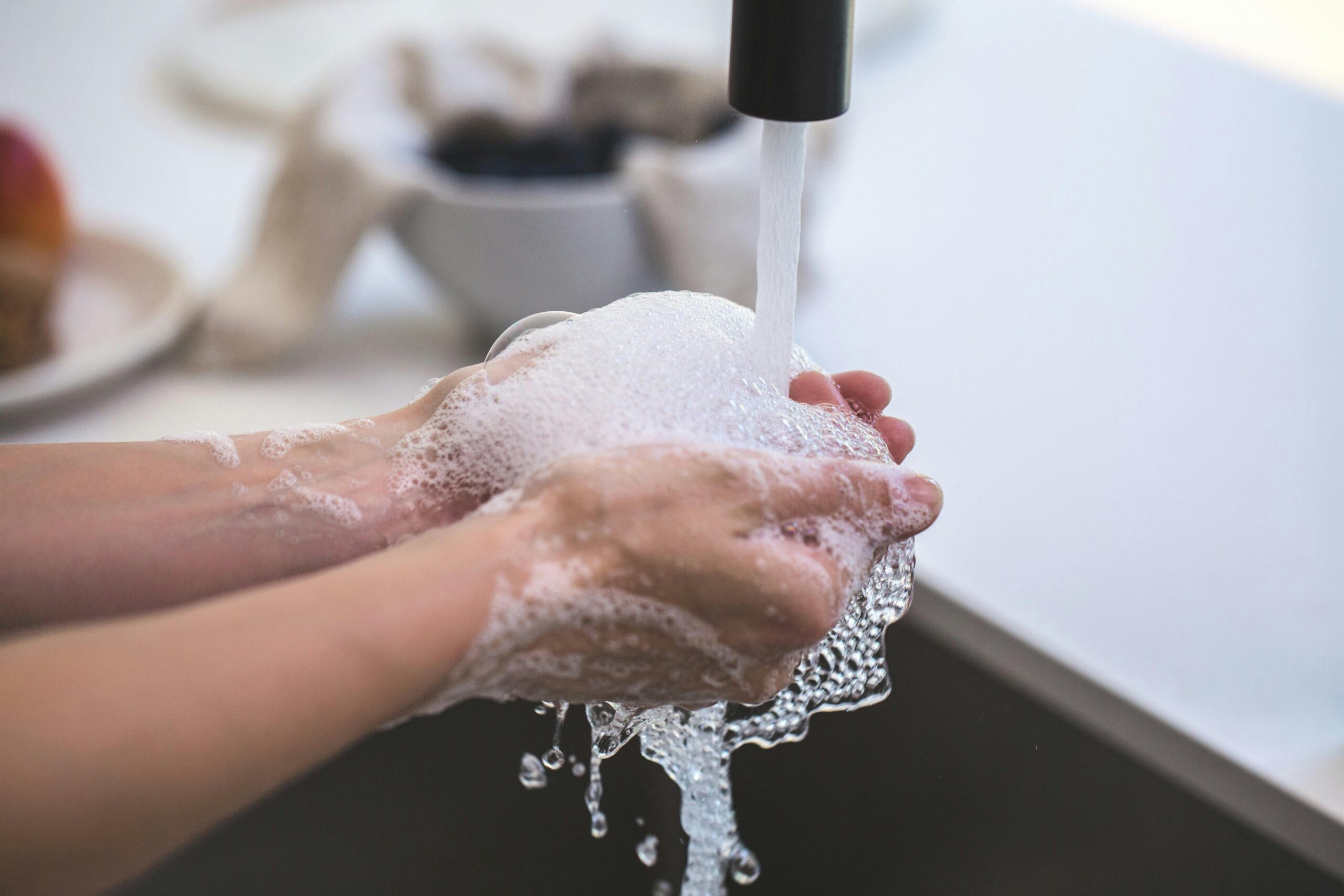
    washing hands is an important part of preventing the spread of the flu virus.Practical Flu Prevention Checklist

    Here’s a simple checklist to keep your home and workplace flu-safe:

    1. Wash hands regularly with soap and water for at least 20 seconds.

    2. Wipe high-touch surfaces daily with ClO₂ disinfectant.

    3. Use air purifiers or ClO₂ solutions to keep indoor air clean.

    4. Encourage proper respiratory hygiene (covering sneezes and coughs).

    5. Maintain healthy habits: sleep, nutrition, hydration, and exercise.

    6. Keep sick family members or employees isolated until fully recovered.


    Conclusion: Building a Flu-Safe Environment

    Flu season doesn’t have to dominate your life. By understanding how germs spread, creating cleaning routines, and leveraging eco-friendly disinfectants like ClO₂, you can protect your home, family, and workplace effectively.

    Remember: flu prevention is about layers, not luck. Combine surface cleaning, air quality control, and healthy habits, and you’ll dramatically reduce your risk this season.

    What People Also ask

    1. Q: How do flu germs spread so quickly?
    A: Flu germs spread through airborne droplets, contaminated surfaces, and direct contact. Even small sneezes or touching shared objects can transmit the virus.

    2. Q: How long can flu viruses survive on surfaces?
    A: Flu viruses can survive on hard surfaces for up to 48 hours, which is why disinfecting high-touch areas is critical.

    3. Q: Can I get the flu from the air in my home?
    A: Yes, especially in poorly ventilated areas. Airborne droplets from coughs or sneezes can linger for hours. Using ClO₂ solutions helps purify the air and reduce germs.

    4. Q: Which household surfaces carry the most germs?
    A: Common hotspots include doorknobs, light switches, keyboards, remote controls, fridge handles, and faucet handles.

    5. Q: Are natural cleaning products effective against flu germs?
    A: Some natural cleaners work, but chlorine dioxide (ClO₂) is proven to eliminate flu viruses and bacteria efficiently, making it ideal for home and office use.

    6. Q: How often should I disinfect my home during flu season?
    A: Focus on daily disinfection of high-touch surfaces and weekly deep cleaning of larger areas. Consistency is key.

    7. Q: Can ClO₂ be used safely around children and pets?
    A: Yes! When used as directed, ClO₂ is safe for homes with kids and pets, making it a practical eco-friendly solution.

    8. Q: Does washing hands alone prevent the flu?
    A: Handwashing is crucial, but flu prevention also requires cleaning surfaces, purifying air, and avoiding contact with sick individuals.

    9. Q: How can I protect my workplace from flu outbreaks?
    A: Disinfect shared equipment, provide sanitizer stations, improve ventilation, and encourage sick employees to stay home. Adding ClO₂ air solutions can further reduce airborne germs.

    10. Q: Are there signs my home’s air quality is contributing to flu risk?
    A: Musty odors, poor airflow, or stagnant air can indicate bacteria or virus buildup. Using ClO₂ tablets for air purification helps keep your environment healthier.

  • Fall Mold Prevention with ClO₂ | Envirotab Solutions

    Fall Mold Prevention with ClO₂ | Envirotab Solutions

    Fall Mold Season: Why Autumn Is the Perfect Storm for Mold (and How ClO₂ Protects Your Home)

    Autumn is a magical season: the leaves turn brilliant shades of red, orange, and gold, the air grows crisp, and the scent of apple cider and pumpkin spice fills the home. Yet beneath the beauty lies a hidden danger: mold season is upon us. As trees shed their leaves, temperatures drop, and moisture increases, your home becomes a perfect breeding ground for mold spores.

    Mold isn’t just unsightly — it can damage structures, furniture, fabrics, and even impact your health. From sneezing and allergies to respiratory issues, mold can silently compromise your living environment. But here’s the good news: with the right approach, you can prevent mold before it starts.

    ClO₂ (chlorine dioxide) is a powerful, safe, and environmentally-friendly solution that helps homeowners keep mold at bay, especially during the fall. In this comprehensive guide, we’ll cover why fall is prime mold season, how mold spreads, and step-by-step prevention strategies using ClO₂ for a clean, safe home.


    Why Fall is the Perfect Mold Season

    Several factors converge in autumn to create ideal mold conditions:

    1. Falling Leaves and Decay
      The carpet of leaves in your yard or around gutters doesn’t just look beautiful — it’s organic matter that retains moisture. Mold loves decomposing leaves and can migrate indoors if not managed.

    2. Cooler Temperatures and Higher Humidity
      As temperatures drop, condensation increases on windows, in basements, and on other cold surfaces. The combination of moisture and cooler air triggers mold spores to germinate.

    3. Shorter Days, Less Sunlight
      Sunlight naturally inhibits mold growth. With shorter fall days, indoor areas like basements and attics get less natural light, creating dark, damp environments perfect for spores.

    4. Seasonal Gear and Storage
      Fall means sleeping bags, tents, coats, and outdoor gear are being put away. If stored damp, these items can harbor mold and spread it indoors when unpacked.

    5. HVAC Systems
      Heating systems are often turned on for the first time in fall. Dust and moisture in ducts can contribute to indoor mold growth if filters or ducts aren’t properly maintained.


    Fall always is greeted with awe and splendor as we admire the colors, but with it comes mold.Understanding Mold: What You Need to Know

    Mold is a type of fungus that reproduces via microscopic spores. These spores are everywhere — in the air, soil, and even on surfaces in your home. When they find a moist, dark, and nutrient-rich environment, they germinate and multiply. Common indoor molds include Aspergillus, Cladosporium, and Penicillium, each with its own characteristics.

    Health risks vary depending on exposure and sensitivity:

    • Mild: sneezing, congestion, itchy eyes, skin irritation

    • Moderate: persistent allergies, fatigue, headaches

    • Severe: respiratory infections, asthma exacerbation, immune system complications

    Mold can also compromise the structure of your home, slowly eating away at drywall, insulation, wood, and fabrics. Early prevention is critical — and that’s where ClO₂ comes in.


    Why ClO₂ is Your Best Fall Mold Defense

    Chlorine dioxide (ClO₂) is a potent oxidizer that neutralizes mold spores before they can grow. Unlike bleach, ClO₂ penetrates porous materials, kills bacteria, and leaves surfaces safe and residue-free.

    Key advantages of ClO₂ for fall mold prevention:

    • Versatile: Use on floors, walls, fabrics, and outdoor gear

    • Safe: Non-toxic at proper concentrations, safe around pets and children

    • Effective: Targets spores at the source, stopping mold before it spreads

    • Eco-Friendly: Breaks down into harmless compounds after use


    Step-by-Step Fall Mold Prevention Plan

    1. Inspect Your Home Thoroughly

    • Check basements, attics, crawl spaces, and garages for moisture or visible mold

    • Look behind furniture, under sinks, and around windows

    2. Manage Moisture

    • Use dehumidifiers in damp areas

    • Fix leaks promptly (roof, plumbing, windows)

    • Ensure proper ventilation in bathrooms and kitchens

    3. Clean Organic Debris

    • Remove fallen leaves, sticks, and debris from gutters, yards, and walkways

    • Keep areas around the home dry and aerated

    4. Treat Surfaces with ClO₂

    • Dissolve Envirotab ClO₂ tablets in water as directed

    • Wipe down hard surfaces, fabrics, and stored gear

    • For tough areas (basements, crawl spaces), spray lightly to penetrate cracks

    5. Proper Storage of Seasonal Gear

    • Ensure tents, sleeping bags, and jackets are completely dry before storing

    • Use breathable containers rather than plastic bags for moisture control

    • Apply ClO₂ treatment to fabrics if stored for extended periods

    6. Monitor and Maintain HVAC Systems

    • Replace filters regularly

    • Clean ducts to prevent mold spores from circulating indoors

    7. Regularly Check and Reapply ClO₂ as Needed

    • Maintain a fall schedule: biweekly or monthly depending on humidity

    • Keep treated surfaces dry to maximize effectiveness


    Case Studies: Real-World Fall Mold Prevention with ClO₂

    Basement Success Story:
    A Maine homeowner noticed dampness and a musty smell in her basement every fall. Using Envirotab ClO₂ solution, she cleaned the foundation walls, floors, and storage bins. Within days, the musty odor disappeared, and no visible mold grew during the season.

    Outdoor Gear Protection:
    A camping enthusiast applied ClO₂ to sleeping bags and tents before winter storage. The items remained fresh, mold-free, and ready for spring adventures — no more mildew or odors.

    HVAC System Maintenance:
    A small business used ClO₂ to treat air ducts during fall startup. Mold spores and bacteria were neutralized, improving indoor air quality for employees and customers.


    Mold in the fall is the most over looked idea. With the fall rains and decaying leaves mold can really mess with your allergies.FAQs – Fall Mold Season & ClO₂

    1. What causes mold to grow more in fall?
      Increased moisture, decaying leaves, cooler temperatures, and shorter sunlight hours all create ideal conditions.

    2. Is ClO₂ safe around kids and pets?
      Yes, when used according to instructions, ClO₂ is non-toxic and safe for households.

    3. How often should I treat my basement with ClO₂?
      Typically every 2–4 weeks during fall, or after periods of heavy rain or humidity.

    4. Can ClO₂ remove existing mold or just prevent it?
      ClO₂ can both prevent and eliminate early-stage mold growth; severe infestations may require professional remediation.

    5. What’s the best way to store autumn gear to avoid mold?
      Ensure all items are dry, store in breathable containers, and consider a light ClO₂ treatment for long-term storage.

    6. Are leaves near my home a real risk factor for mold?
      Yes, wet leaves can retain moisture and become a breeding ground for spores.

    7. How does ClO₂ compare to bleach for mold prevention?
      ClO₂ penetrates porous surfaces, doesn’t leave harmful residues, and works at lower concentrations without harsh fumes.

    8. Can ClO₂ be used on fabrics and clothing?
      Yes, ClO₂ is safe on most fabrics and helps prevent mildew during storage.

    9. How quickly does mold appear in damp fall conditions?
      Mold can start growing within 24–48 hours under ideal conditions.

    10. Can ClO₂ improve indoor air quality while preventing mold?
      Yes, by neutralizing spores and bacteria, ClO₂ contributes to a healthier, fresher indoor environment.


    Stay Ahead of Fall Mold with ClO₂

    Autumn’s beauty comes with hidden risks — damp leaves, cooler temperatures, and dark corners create the perfect environment for mold. Left unchecked, mold can damage your home, your belongings, and your health.

    The good news? You don’t have to wait until mold appears. By taking proactive steps — from proper cleaning and storage to using ClO₂ for safe, effective prevention — you can protect your home and family all season long.

    💡 Action Steps:

    1. Inspect and clean damp areas regularly

    2. Keep seasonal gear dry and treated

    3. Apply ClO₂ to surfaces and fabrics to neutralize spores before they spread

    This fall, don’t just admire the changing leaves — take control of mold before it takes control of your home. A clean, safe, and healthy environment is just a few steps (and a ClO₂ treatment) away.

  • Hospital-Acquired Infections: How CLO₂ Can Help Healthcare Facilities Save Lives and Costs

    Hospital-Acquired Infections: How CLO₂ Can Help Healthcare Facilities Save Lives and Costs

    Preventing HAIs with CLO₂ – Safer Hospitals, Smarter ESG Compliance

    🏥 Hospital-Acquired Infections (HAIs): A Billion-Dollar Challenge

    Every year, hospital-acquired infections (HAIs) silently claim thousands of lives and cost the healthcare system billions of dollars. From surgical site infections to deadly bloodstream pathogens, these infections are not just statistics—they are lives lost, recoveries prolonged, and reputations jeopardized.

    Healthcare facilities are under relentless scrutiny: regulators demand compliance, insurers tighten coverage, and patients expect hospitals to be safe. Yet, even with standard infection control protocols in place, gaps remain—and every unprotected surface, every missed pathogen is a risk your hospital cannot afford.

    The question is no longer if your facility will face these challenges—it’s when—and the decisions you make today can mean the difference between preventable outbreaks and lives saved.

    HAIs are one of the top killers in the healthcare feild.📊 HAI Statistics

    • Prevalence: On any given day, about one in 31 hospital patients has at least one healthcare-associated infection.

    • Surgical Site Infections (SSIs): In 2023, there was a 2% increase in the standardized infection ratio (SIR) related to all National Healthcare Safety Network (NHSN) operative procedure categories combined compared to the previous year.

    • Catheter-Associated Urinary Tract Infections (CAUTIs): In 2023, 17,370 CAUTIs were reported across 3,774 general acute care hospitals.

    • Central Line-Associated Bloodstream Infections (CLABSIs): Data on CLABSI rates can be found in the CDC’s HAI Progress Reports.

    • Methicillin-Resistant Staphylococcus aureus (MRSA) Bloodstream Infections: Information on MRSA bloodstream infections is available in the CDC’s HAI Progress Reports.

    • Clostridioides difficile (C. difficile) Infections: Data on C. difficile infections can be found in the CDC’s HAI Progress Reports.

    🧼 Current Infection Control Standards

    The Centers for Disease Control and Prevention (CDC) provides guidelines for infection control in healthcare settings. Key components include:

    • Standard Precautions: These are infection prevention practices that apply to all patients, regardless of their diagnosis or presumed infection status. They include hand hygiene, use of personal protective equipment (PPE), safe injection practices, and environmental cleaning.

    • Core Infection Prevention and Control Practices: These practices are designed to reduce the risk of healthcare-associated infections and include education and training of healthcare personnel, injection and medication safety, and the use of appropriate personal protective equipment.

    • Environmental Infection Control: Recommendations for environmental cleaning and disinfection in healthcare facilities to prevent the spread of infections.

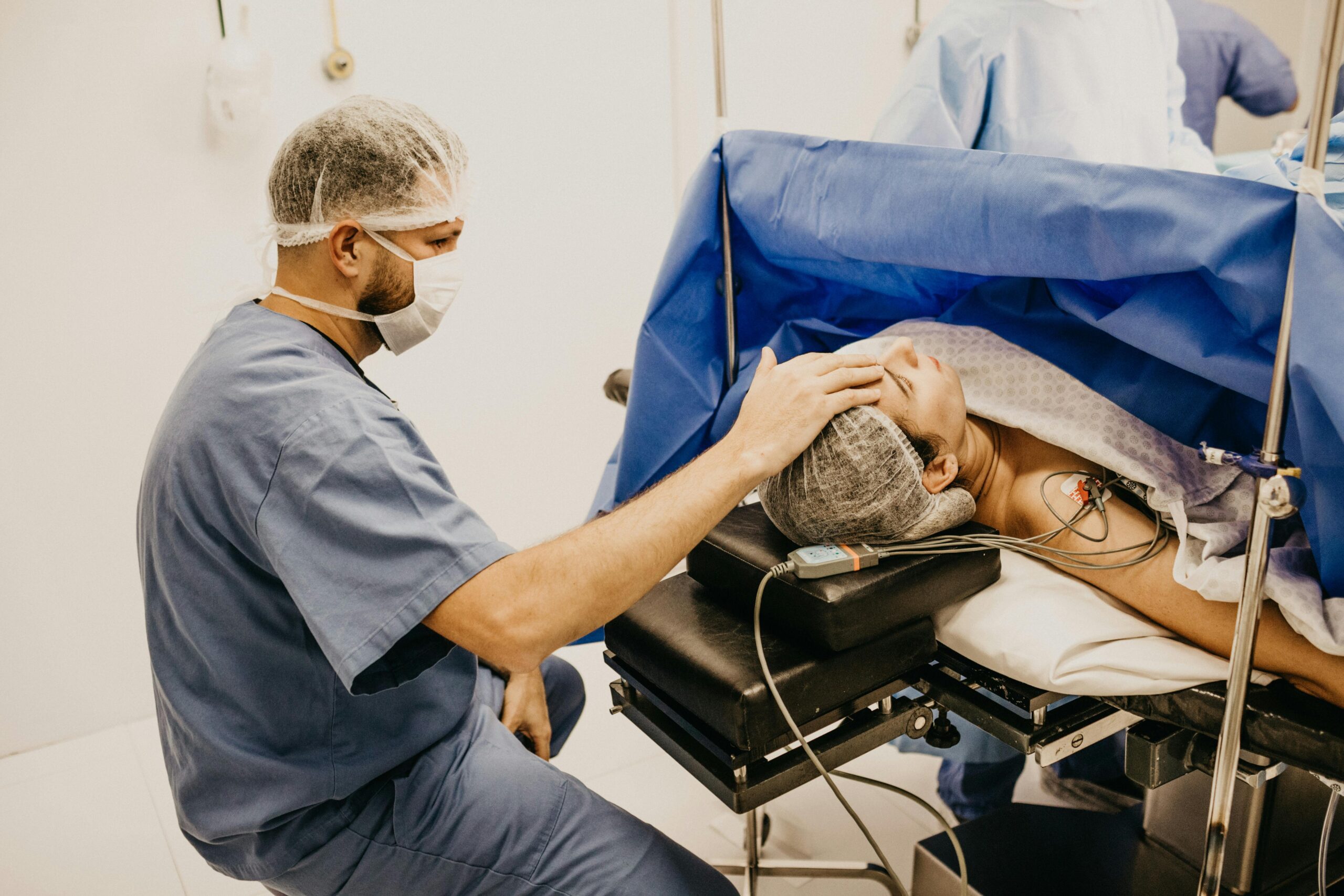
    Giving blood and intravenous infections

    ⚠️ Why Current Standards May Be Falling Short

    Despite the implementation of these standards, several factors contribute to the persistence of HAIs:

    • Antimicrobial Resistance: The overuse and misuse of antibiotics have led to the development of resistant pathogens, making infections more difficult to treat.

    • Inadequate Environmental Cleaning: Traditional cleaning methods may not effectively eliminate all pathogens, especially in high-risk areas.

    • Staffing Challenges: High turnover rates and insufficient training can lead to lapses in infection control practices.

    • Increased Patient Acuity: More complex patient conditions can increase the risk of infections.


     Enter Chlorine Dioxide (CLO₂): Science-Backed Protection

    Chlorine dioxide isn’t just another disinfectant—it’s a precision tool for hospitals. Here’s how it specifically supports healthcare organizations and enhances infection control where existing standards sometimes fall short:

    1️⃣ High-Touch Surfaces

    • Problem: Door handles, bed rails, light switches, and nurse stations are notorious for harboring pathogens. Even with standard cleaning protocols, these areas can remain contaminated between cleanings.

    • CLO₂ Advantage: Its rapid action kills bacteria, viruses, and fungi within minutes, providing continuous protection in high-traffic areas. Hospitals can drastically reduce surface contamination, lowering the risk of HAIs.

    2️⃣ Medical Equipment

    • Problem: Reusable medical devices (like stethoscopes, blood pressure cuffs, and surgical tools) are often vectors for infection. Traditional disinfectants may leave residues or require long contact times, making them impractical for fast-paced clinical environments.

    • CLO₂ Advantage: CLO₂ disinfects effectively with shorter dwell times and leaves no harmful residue, ensuring medical equipment is both safe and ready for immediate use—critical in operating rooms and ICUs.

    3️⃣ Critical Care and Isolation Areas

    • Problem: ICU and immunocompromised patient units are high-risk zones. Airborne pathogens and surface microbes can spread rapidly, and conventional cleaning may miss microscopic reservoirs.

    • CLO₂ Advantage: Chlorine dioxide gas or solution can penetrate hard-to-reach areas, including air-handling systems and tight crevices, reducing microbial load in environments where vulnerable patients are at greatest risk.

    4️⃣ Water Systems and Biofilm Control

    • Problem: Hospital plumbing systems and cooling towers can harbor biofilms, which are resistant to many disinfectants and can cause outbreaks (e.g., Legionella).

    • CLO₂ Advantage: CLO₂ is highly effective against biofilms, keeping water systems safer for both patients and staff, while preventing costly outbreaks that traditional disinfectants often fail to control.

    5️⃣ Gap-Filling Where Standards Are Falling Short

    Hospitals HAIs protocals are failing and here's what CLO2 can do about it.Even with CDC-recommended protocols, hospitals still struggle with:

    • Missed micro-contaminated areas due to manual cleaning limitations

    • Pathogen resistance to traditional chemical disinfectants

    • Time constraints for repeated cleaning in high-traffic zones

    CLO₂ fills these gaps by:

    • Offering broad-spectrum, rapid disinfection with minimal labor

    • Reaching areas standard cleaning cannot, including airborne pathogens and biofilms

    • Being eco-friendly and non-toxic, supporting staff and patient safety while reducing chemical exposure

    🌱 ESG and Compliance Goals Aligned

    Healthcare organizations are increasingly measured on ESG standards. CLO₂ supports these goals by:

    • Reducing chemical waste compared to traditional disinfectants

    • Lowering environmental toxicity

    • Maintaining regulatory compliance for infection control

    • Supporting staff and patient safety with a non-toxic alternative

    🏥 Strict Current ESG Standards for Healthcare Organizations

    Healthcare providers are under intense scrutiny to meet ESG standards, which encompass:

    • Environmental Impact: Reducing greenhouse gas emissions, energy consumption, and waste generation.

    • Social Responsibility: Ensuring equitable access to care, promoting patient safety, and fostering a diverse and inclusive workforce.

    • Governance: Upholding ethical standards, transparency, and accountability in operations and decision-making.

    These standards are enforced through various regulations and reporting requirements, such as the Corporate Sustainability Reporting Directive (CSRD) in Europe and proposed climate disclosure requirements from the U.S. Securities and Exchange Commission (SEC) .

    Infectious control and preventing the spread of HAIs is top on the list for healthcare organizations.⚠️ Challenges in Meeting ESG Standards

    Hospitals face several challenges in achieving ESG compliance:

    • Complex Regulatory Landscape: Navigating diverse and evolving regulations across regions can be overwhelming.

    • Resource Constraints: Limited budgets and staffing can hinder the implementation of comprehensive ESG initiatives.

    • Data Management: Collecting, analyzing, and reporting ESG data accurately requires robust systems and processes.

    • Stakeholder Expectations: Balancing the demands of patients, regulators, and investors can be challenging.

    📅 Frequency of ESG Audits and Potential Fines

    Hospitals are subject to regular audits to assess ESG compliance:

    • Internal Audits: Conducted periodically to evaluate adherence to internal policies and procedures.

    • External Audits: Performed by regulatory bodies or third-party organizations to ensure compliance with legal and industry standards.

    Non-compliance can result in:

    • Fines and Penalties: Regulatory bodies may impose financial penalties for violations.

    • Reputational Damage: Negative publicity can erode public trust and patient confidence.

    • Legal Consequences: In severe cases, legal actions may be taken against the organization .


    🌿 How CLO₂ Helps Exceed ESG Expectations

    Implementing CLO₂ in healthcare settings offers several benefits:

    • Environmental Impact: CLO₂ is effective in reducing chemical waste and lowering environmental toxicity compared to traditional disinfectants.

    • Regulatory Compliance: CLO₂’s efficacy supports infection control standards, aiding in meeting regulatory requirements.

    • Social Responsibility: By providing a non-toxic alternative, CLO₂ enhances staff and patient safety.

    • Governance: Demonstrating a commitment to sustainable practices can improve transparency and accountability.

    By integrating CLO₂ into cleaning protocols, healthcare organizations can not only meet but exceed ESG standards, positioning themselves as leaders in sustainability and patient care.

    🔹 Partnering with Synergy Green Clean and Envirotab: Your Strategic Advantage in Infection Control

    In today’s healthcare environment, every infection avoided is a life saved—and every outbreak prevented is a financial win measured in millions. At Synergy, we don’t just provide cleaning products; we deliver science-backed, results-driven solutions that help hospitals reduce healthcare-acquired infections, protect vulnerable patients, and ensure staff safety.

    CLO₂ isn’t a “nice-to-have” addition—it’s a strategic tool for hospitals that want to stay ahead of regulatory pressures, ESG mandates, and operational risks. Unlike traditional disinfectants that leave gaps in protection, CLO₂ provides broad-spectrum, rapid action, penetrates areas standard cleaning can’t reach, and reduces chemical waste—all while maintaining a safe, sustainable environment.

    Choosing Synergy means choosing a partner who understands that infection control is not just compliance—it’s a competitive advantage. Protect your patients, safeguard your staff, enhance your ESG profile, and secure your facility’s reputation with a solution trusted by science.

    CTA:
    💧 Take the next step toward safer, smarter healthcare.
    Explore our hospital-grade CLO₂ solutions and discover how Synergy can help your facility exceed infection control standards, achieve ESG goals, and redefine patient safety.


    Bottom Line for Hospitals:

    Integrating CLO₂ into routine cleaning and disinfection programs doesn’t replace current standards—it enhances and strengthens them, giving healthcare organizations a science-backed advantage in infection prevention, ESG compliance, and patient safety.

    CLO2 is a healthy alternative to Bleach and other chemical household cleaners

    🏥 FAQ: Hospital-Acquired Infections (HAIs) & Prevention

    Q: What exactly are Hospital-Acquired Infections (HAIs)?
    A: HAIs are infections patients contract while receiving medical treatment in a hospital or healthcare facility. They often involve bacteria, fungi, or viruses that thrive in clinical settings.

    Q: How serious are HAIs?
    A: Extremely. HAIs cause thousands of preventable deaths annually and cost the U.S. healthcare system billions of dollars. They also extend hospital stays and increase readmission rates.

    Q: Which infections are most common in hospitals?
    A: Surgical site infections, respiratory infections, bloodstream infections, and urinary tract infections rank among the most frequent.

    Q: Why are HAIs such a major concern for hospitals?
    A: Beyond the human cost, HAIs bring regulatory fines, lawsuits, and damaged reputations—making infection prevention a financial and ethical priority.

    Q: Aren’t hospitals already disinfecting regularly?
    A: Yes, but many traditional disinfectants fall short against biofilms, resistant pathogens, and hidden contamination hotspots.

    Q: What role does chlorine dioxide (ClO₂) play in prevention?
    A: ClO₂ is a powerful, eco-friendly disinfectant that penetrates biofilms, kills pathogens at the source, and works across surfaces and air without leaving toxic residues.

    Q: Is ClO₂ safer than bleach or harsh chemicals?
    A: Absolutely. Unlike bleach, ClO₂ breaks down into salt and water, leaving no harmful byproducts—making it safer for patients, staff, and sensitive equipment.

    Q: Can ClO₂ help reduce costs for hospitals?
    A: Yes. By preventing infections and reducing outbreaks, ClO₂ lowers patient readmissions, saves on extended care costs, and protects hospitals from regulatory penalties.

    Q: How quickly does ClO₂ work?
    A: In minutes. ClO₂ rapidly eliminates bacteria, viruses, and spores—even those resistant to conventional disinfectants.

    Q: How can hospitals adopt ClO₂ solutions effectively?
    A: Partnering with trusted providers ensures EPA-compliant ClO₂ protocols for room treatments, surface disinfection, and air quality control—delivering measurable reductions in HAIs.

  • Are Your Waterlines Making People Sick? The Untold Risk Lurking in Pipes

    Are Your Waterlines Making People Sick? The Untold Risk Lurking in Pipes

    The Hidden Danger in Facility Waterlines & How Chlorine Dioxide Stops It

    Waterlines are everywhere—hospitals, dental offices, schools, restaurants, gyms. Yet behind the clean-looking faucets and taps lies an invisible threat: biofilm buildup.

    Biofilm is a slimy layer of bacteria, fungi, and other microorganisms that clings to pipes and water systems. It thrives in stagnant or low-flow areas—and once established, it’s incredibly hard to remove.

    The result? Outbreaks of Legionella, Pseudomonas, and even fungal infections traced directly to contaminated waterlines.

    Real Outbreaks, Real Consequences

    • Dental Waterlines – Studies show that dental unit waterlines often exceed safe microbial counts, putting patients and staff at risk.

    • Hospital Systems – Legionella outbreaks tied to waterlines have caused serious illness and even death in vulnerable patients.

    • Schools & Public Facilities – Aging pipes + seasonal stagnation = ideal breeding ground for pathogens.

    💡 When biofilm forms, flushing with water or using basic cleaners doesn’t work—it only peels the surface, leaving the colony alive and well beneath.

    Recent Outbreaks That Changed Communities

    • New Orleans, 2023: Legionella bacteria spread through waterlines, sparking public health alerts.

    • Jackson, Mississippi, 2022: Infrastructure failure left thousands without safe drinking water.

    • Camden, New Jersey, 2021: Contaminated distribution lines resulted in residents advised to boil water.

    These stories are not distant headlines—they’re warnings. Every family, school, hospital, and facility is vulnerable if their water isn’t properly treated.

    Exposure to contaminated waterWhat Happens If Someone Drinks or Uses Contaminated Water?
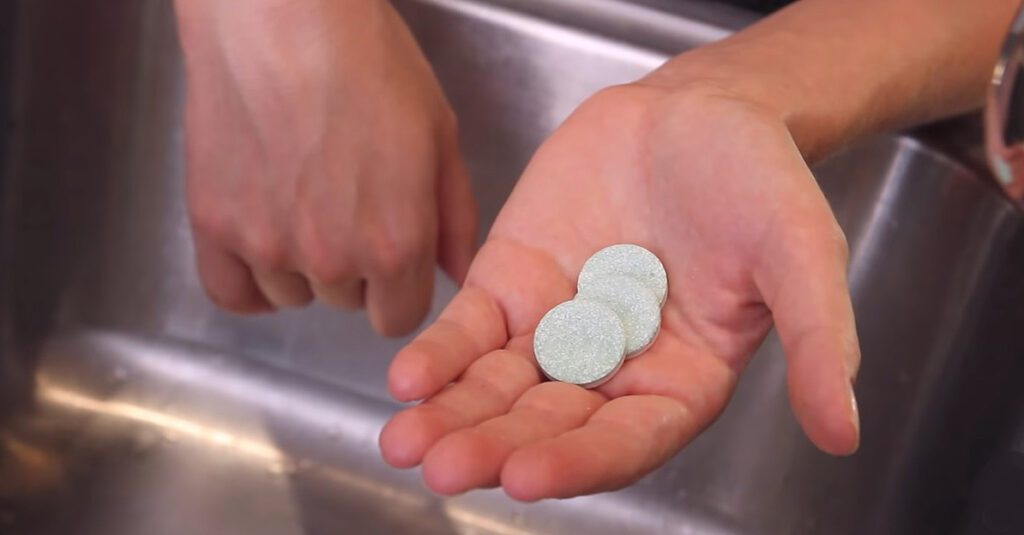
    Exposure to unsafe water can cause serious health risks, often without immediate warning. Symptoms depend on the contaminant but may include:

    • Gastrointestinal issues: nausea, vomiting, diarrhea, stomach cramps

    • Fever and fatigue: signs of infection from bacteria or parasites

    • Skin rashes or irritation: from bathing or washing in contaminated water

    • Respiratory problems: cough, chest tightness, or pneumonia if inhaling vaporized contaminated water (e.g., Legionella)

    • Neurological symptoms: in severe cases, parasites or toxins can cause headaches, confusion, or seizures

    What Should They Do If They Suspect Water Contamination?

    1. Stop drinking the water immediately. Switch to bottled or properly treated water until safety is confirmed.

    2. Boil water if advised. Heat to a rolling boil for at least 1 minute (3 minutes at higher altitudes) to kill most microbes.

    3. Use chlorine dioxide treatment. ClO₂ tablets are effective at killing bacteria, viruses, and parasites in water sources.

    4. Seek medical care. If symptoms appear, especially diarrhea, fever, or breathing issues, contact a healthcare provider.

    5. Report concerns. Notify your local health department so testing and community alerts can be issued.

    Why Traditional Methods Fail

    Bleach, harsh chemicals, or routine flushing are temporary at best—and damaging at worst. They either:

    • Fail to penetrate biofilm,

    • Leave harmful residues, or

    • Corrode pipes, faucets, and sensitive equipment.

    This is why outbreaks keep happening: facilities rely on methods that don’t actually solve the problem.

    Why Chlorine Dioxide Is Different

    Unlike chlorine bleach, which leaves harmful byproducts, chlorine dioxide is selective and powerful. It destroys dangerous pathogens—including those resistant to chlorine—without creating toxic residues. That means safer water for families, businesses, and communities.

    chlorine dioxide tablets in hand.The Power of Chlorine Dioxide (ClO₂)

    Unlike bleach or chlorine, ClO₂ penetrates biofilm at the molecular level, dismantling the slimy structure and neutralizing pathogens.

    Here’s why facilities worldwide are turning to ClO₂ for waterline safety:

    • Biofilm Penetration – Destroys hidden colonies where pathogens multiply.

    • Broad-Spectrum Kill – Effective against bacteria, fungi, viruses, and spores.

    • Eco-Friendly – Breaks down into salt and water, leaving no harmful residue.

    • Non-Corrosive – Safe for pipes, fittings, and sensitive equipment.

    What Businesses Can Do Now

    If your facility relies on clean, safe waterlines—waiting until an outbreak isn’t an option.

    🔑 Steps to Protect Your Facility:

    1. Audit your waterline maintenance protocols.

    2. Test microbial levels regularly.

    3. Replace bleach-based cleaners with ClO₂ solutions.

    4. Train staff on proper use and compliance.

    5. Establish a preventative treatment plan.

    Protecting Families, Protecting Their Future

    Every outbreak is a reminder: safe water is never guaranteed. But with awareness, preparedness, and science-backed tools like ClO₂ tablets, you can stay ahead of contamination risks.

    👉 Be proactive. Educate your community. And never take “clean water” for granted.

    The Bottom Line 💧

    Whether you manage a dental practice, hospital, gym, or public facility—your reputation and people’s health are on the line.

    ClO₂ tablets are a proven, safe, and eco-friendly way to eliminate biofilm and protect your water systems from dangerous outbreaks.

    👉 Don’t wait for a headline-making outbreak. Protect your facility today.

    is your water really clean?