Tag: CLO2 tablets

  • Cleaning and Sanitizing Hard Surfaces with ClO2

    Cleaning and Sanitizing Hard Surfaces with ClO2

    Cleaning & Disinfecting Hard Surfaces with Chlorine Dioxide Tablets: A Complete Guide

    Hard surfaces collect everything — bacteria, viruses, biofilms, grease, odors, and organic residue. Traditional cleaners often smear contamination around without fully eliminating it. Chlorine dioxide tablets offer a smarter, science-backed method for cleaning and disinfecting hard surfaces safely, effectively, and without residue. This guide shows exactly how to mix, apply, and optimize ClO₂ for any hard surface in your home or business.


    Why Chlorine Dioxide Is Ideal for Hard-Surface Cleaning

    Chlorine dioxide (ClO₂) is an EPA-recognized oxidizing biocide used worldwide for disinfecting food-processing equipment, hospital environments, water treatment systems, and odor remediation projects. Its ability to penetrate biofilms and destroy microbial contamination sets it apart from bleach, quats, and peroxides.

    Hard surfaces — countertops, stainless steel, tile, grout, appliances, tools, equipment, and sealed flooring — benefit from ClO₂’s residue-free cleaning power. This article breaks down how it works, how to use it, and why it’s one of the highest-performing sanitizers available.
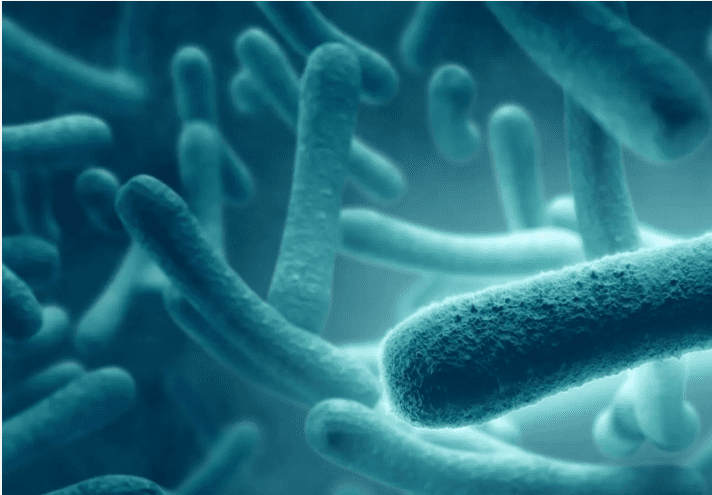

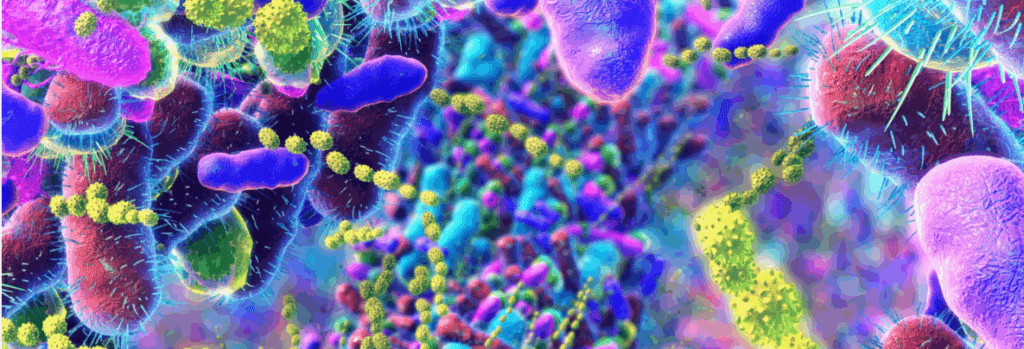
    What exactly is a biofilm? A structured microbial community encased in a self-produced matrix of polymers, adhering to surfaces.What Problem Are We Solving?

    Hard surfaces collect contaminants on a microscopic level. Even surfaces that look clean may hold:

    • Biofilms
    • Grease and organic deposits
    • Odor-causing bacteria
    • Mold spores
    • Viruses and allergens

    Most household cleaners struggle with biofilm, which acts as a protective layer for microorganisms.
    ClO₂ penetrates that layer, oxidizing the organisms and the film itself — leaving surfaces cleaner and safer.


    How Chlorine Dioxide Works

    ClO₂ penetrates microbial cell walls and biofilms, oxidizes amino acids and structural molecules, disrupts metabolic function, and leaves no harmful residues. Unlike bleach, it does not chlorinate surfaces or create toxic byproducts.

    This selective oxidation makes it ideal for hard surfaces that require both cleaning and disinfecting.
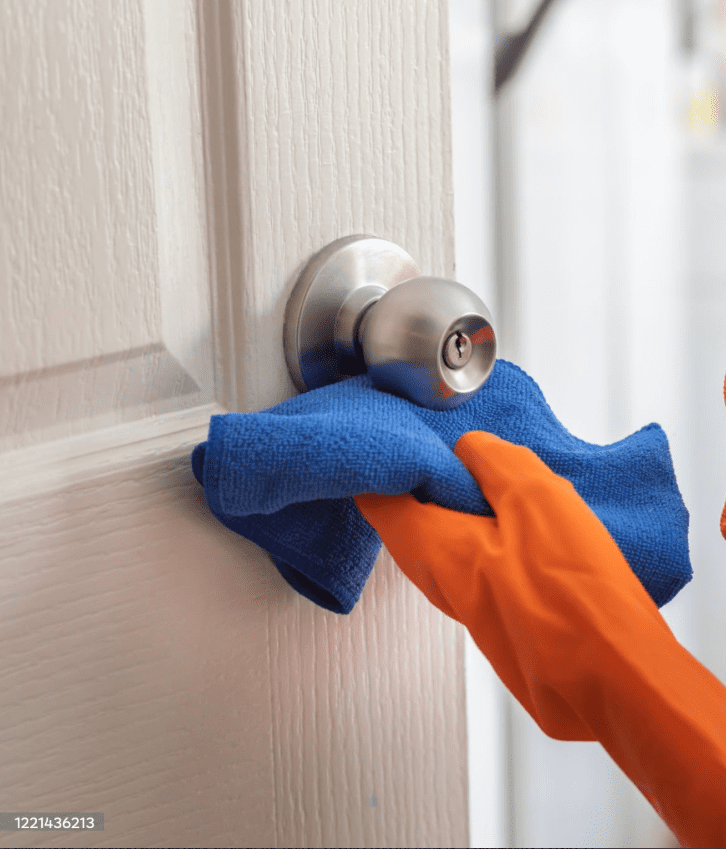

    wiping door handles daily will cut down significantly on colds and fever.Why ClO₂ Tablets Are Superior for Hard Surfaces

    Residue-Free Cleaning

    Evaporates cleanly with no sticky film or chemical buildup.

    Biofilm Penetration

    Destroys the protective layer that shields microorganisms.

    Odor Neutralization

    Eliminates odors at their molecular source.

    Surface Compatibility

    Safe for:

    • Stainless steel
    • Tile
    • Grout
    • Granite (sealed)
    • Plastic
    • Glass
    • Painted surfaces
    • Tools & equipment

    Low Corrosivity at Use Strength

    Won’t corrode metal or damage surfaces like bleach.

    Easy, Controlled Mixing

    Tablets produce precise, reliable concentrations every time.


    How to Clean & Disinfect Hard Surfaces with ClO₂ Tablets

    Step 1: Select the Correct Concentration

    Use the chart below for best results:

    Cleaning Need Recommended ppm Tablet Size Water Amount
    Daily Surface Cleaning 50–100 ppm 1g 1–2 liters
    General Disinfection 100–200 ppm 1g 1 liter
    Deep Cleaning (Odor, Biofilm, Grease) 500 ppm 4g 1 liter
    Serious Contamination or Heavy Odor 1,000 ppm 4g 500 mL

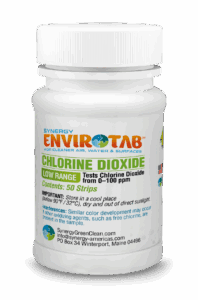
    Purchase our CLO2 Test Strips here 👉🏻0-2500 ppm
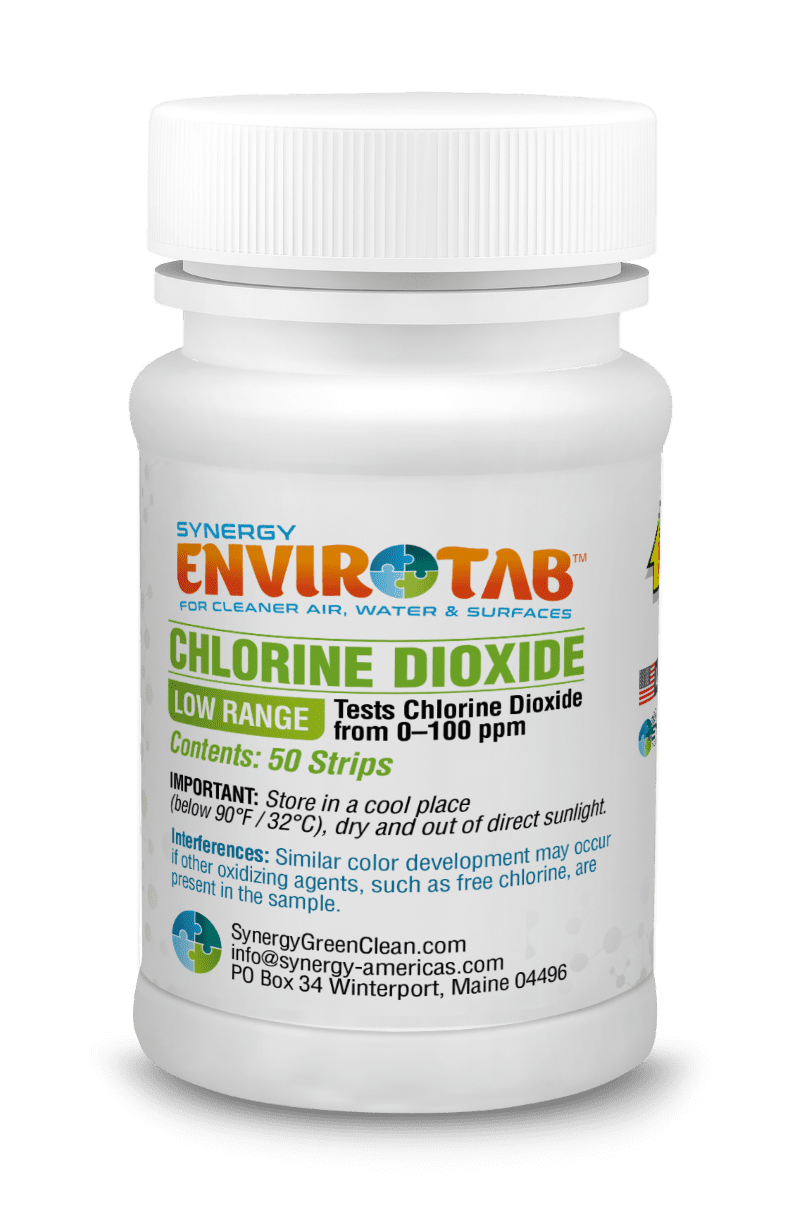

    Low Range Test Strip BottleStep 2: Activate the Solution

    • Place tablet in water

    • Allow 1 minute to fully activate

    • Solution turns amber-yellow when ready

    Do NOT tightly seal containers during activation.


    Step 3: Pre-Clean if Surface Is Visibly Dirty

    ClO₂ works best on surfaces free from heavy debris.
    Wipe or scrape off dirt, food, dust, or grease.


    Step 4: Apply ClO₂ Solution

    Use a:

    • Spray bottle
    • Microfiber cloth
    • Mop bucket
    • Pump sprayer

    Fully wet the surface. Do not oversaturate electronics.


    Step 5: Allow Contact Time

    For full disinfection:

    • 5–10 minutes for routine cleaning

    • 10–30 minutes for odors, biofilm, or deep contamination

    ClO₂ must remain in contact during this time.


    Step 6: Rinse Only When Necessary

    Rinse if:

    • You used above 200 ppm on food-contact surfaces

    • You’re cleaning extremely sensitive materials

    Otherwise, no rinse required — residue-free cleaning is a major benefit.


    Comparison Table — ClO₂ vs Other Hard-Surface Cleaners

    Feature ClO₂ Tablets Bleach Quats Peroxides
    Biofilm Removal ✔️ Excellent ❌ Poor ❌ None ⚠️ Limited
    Residue ✔️ None ❌ High ❌ Sticky ✔️ Low
    Surface Safety ✔️ Excellent ❌ Corrosive ⚠️ Leaves film ⚠️ Can discolor
    Odor Neutralization ✔️ Strong ❌ Weak ❌ Weak ⚠️ Mild
    User Comfort ✔️ Low fumes ❌ Strong fumes ⚠️ Chemical odor ✔️ Mild
    Compatibility Very high Low Medium Medium

    Here’s a myth worth clearing up: chlorine dioxide is not chlorine bleach. Yes, they sound similar, but their chemistry couldn’t be more different.Safety, Compliance & Regulatory Considerations

    • ClO₂ is approved by the EPA for disinfection when used according to label instructions.
    • At typical cleaning strengths, fumes are low and safe for indoor use.
    • For high concentrations (500–1,000 ppm), use ventilation.
    • Avoid mixing ClO₂ with any other chemicals — especially bleach, acids, or ammonia.
    • Rinse food-contact surfaces only when using higher strengths.

    Best Practices for Cleaning Hard Surfaces

    • Use microfiber cloths for maximum adhesion and dirt removal.
    • Allow proper contact time — wiping too soon reduces effectiveness.
    • For grout and tile, scrub lightly to help break up biofilm.
    • Store activated solution away from sunlight to maintain potency.
    • Use fresh solution every 48–72 hours.

    Chlorine dioxide tablets provide powerful, residue-free cleaning for hard surfaces through selective oxidation and biofilm penetration. Mix concentrations according to need, allow full activation, apply generously, and maintain proper contact time. ClO₂ outperforms bleach, quats, and peroxides while remaining surface-safe and easy to use.

    Experience residue-free, professional-grade hard-surface cleaning with chlorine dioxide tablets from Clo2Tablets.com. Choose the right concentration for your needs and enjoy unmatched cleaning performance in every room or facility.
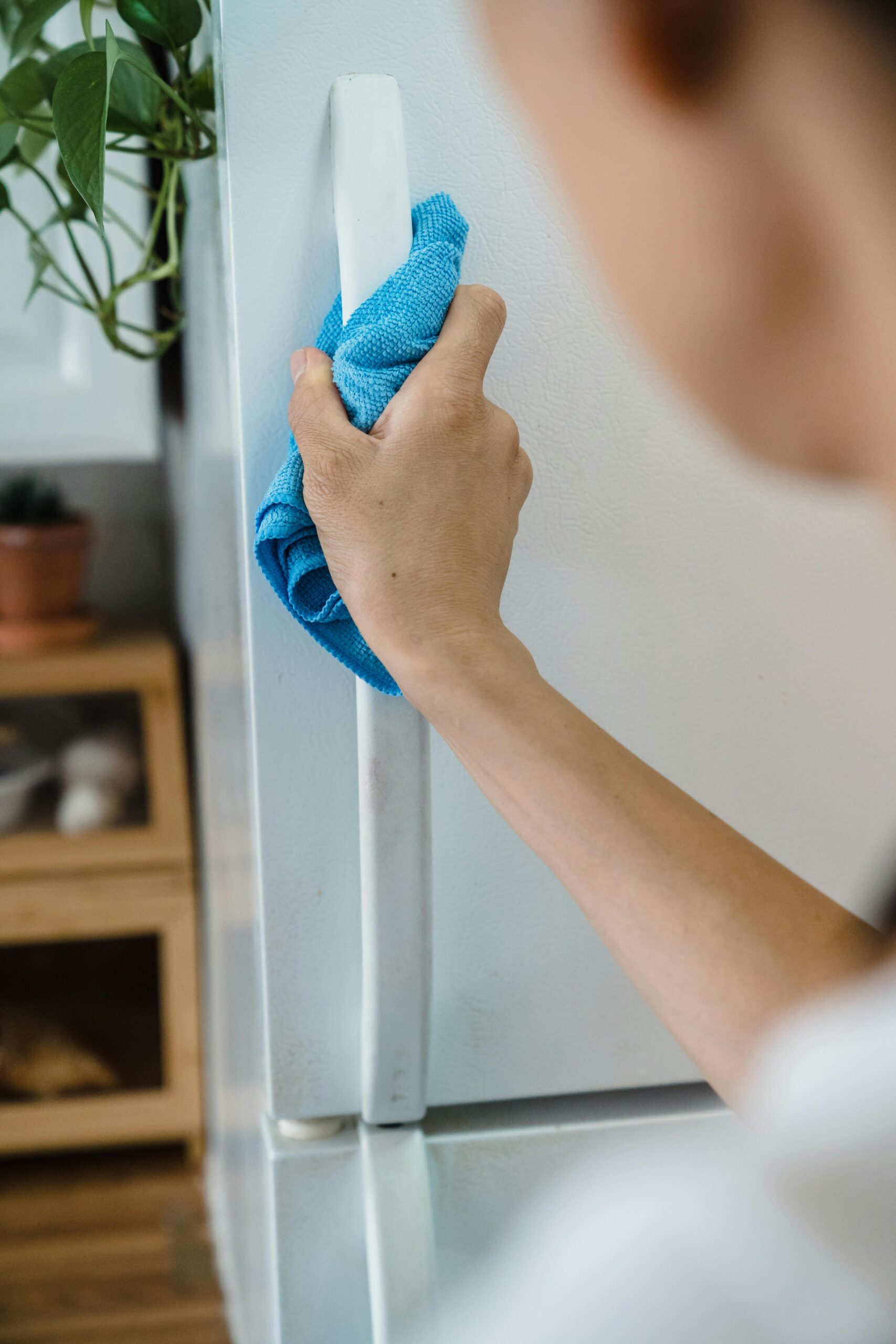

    Keeping high touch surfaces clean with clo2 lowers the transmission of germs,Frequently Asked Questions

    1. Can ClO₂ be used on kitchen counters?

    Yes — safe for granite, quartz, stainless steel, and most sealed surfaces.

    2. Will ClO₂ discolor grout or tile?

    No. It does not bleach or chlorinate materials.

    3. Is ventilation required?

    Not for 50–200 ppm. Higher ppm solutions benefit from airflow.

    4. Can ClO₂ remove mold from hard surfaces?

    Yes — especially at 500+ ppm. Contact time improves results.

    5. Does ClO₂ kill viruses?

    Yes. It is effective against a broad range of viruses when used at disinfecting concentrations.

    6. Is rinsing required after cleaning?

    Only for food-contact surfaces when using above 200 ppm.

    7. Can I use ClO₂ on stainless steel appliances?

    Absolutely — it’s one of the safest disinfectants for stainless steel.

    8. Is it safe around pets once dry?

    Yes — allow surfaces to dry fully before re-entry.

    9. How long does activated solution remain effective?

    48–72 hours in a sealed, light-protected container.

    10. Can I mix ClO₂ with soap?

    No — ClO₂ must be used alone for full effectiveness.

  • Safe Use of Chlorine Dioxide Tablets | Guidelines, PPE & Mixing Instructions

    Safe Use of Chlorine Dioxide Tablets | Guidelines, PPE & Mixing Instructions

    Safe Use of Chlorine Dioxide Tablets: Science-Based Guidelines for Home & Commercial Cleaning

    Chlorine dioxide tablets offer one of the safest and most effective ways to clean, deodorize, and sanitize surfaces — but like any professional cleaning tool, they work best when used correctly. Whether you’re a homeowner, facility manager, remediation contractor, or industrial cleaner, understanding how to use ClO₂ safely ensures maximum performance with minimal risk.
    Let’s break safety down scientifically, clearly, and confidently.


    What Makes Chlorine Dioxide Safe When Used Properly?

    Chlorine dioxide (ClO₂) is an EPA-recognized oxidizing biocide used in drinking water treatment, food-contact sanitizing, industrial disinfection, odor elimination, and environmental cleaning. Unlike bleach, which forms chlorinated byproducts and can react dangerously with other chemicals, ClO₂ works through selective oxidation, a controlled process that destroys pathogens without damaging most surfaces or leaving harmful residues.

    Safe use depends on choosing the right concentration, applying solutions responsibly, and following basic ventilation and handling principles — all of which we outline here.


    Biofilms are the microbial equivalent of fortified cities—complex, slimy structures where bacteria, fungi, and other microorganisms encase themselves in a protective extracellular matrix.Understanding Chlorine Dioxide Safety

    Here is the essential science behind ClO₂ safety:

    Chlorine Dioxide Mechanism Summary:
    ClO₂ penetrates microbial cells, oxidizes amino acids and structural biomolecules, and collapses metabolic processes while leaving no chlorinated byproducts. It does not chlorinate surfaces and is far less reactive than bleach in typical cleaning applications.

    Because ClO₂ evaporates cleanly and breaks down into non-toxic byproducts, it is considered safe for surface cleaning, odor removal, and controlled environmental treatments when mixed and applied properly.


    Benefits of Using ClO₂ Tablets Safely

    Using ClO₂ correctly provides:

    • Low-residue, food-safe sanitization
    • Powerful odor elimination without masking
    • Broad-spectrum pathogen reduction
    • Biofilm penetration
    • Low corrosivity at use strength
    • Stable and precise dosing
    • No bleach fumes, no quats, no sticky residues

    Safe handling transforms ClO₂ into one of the most dependable disinfectants available.

    Also Read 👉🏼Why Use Chlorine Dioxide Tablets for Cleaning | ClO₂ Benefits & Uses Guide


    Safe Handling Guidelines for Chlorine Dioxide Tablets

    Below is the official recommended safety protocol.


    1. Store Tablets Properly

    • Keep tablets dry, sealed, and out of direct sunlight.
    • Avoid storing near acids or reactive chemicals.
    • Keep out of reach of children and pets.

    2. Use the Correct Concentration for the Job

    Improper concentration is the #1 cause of misuse.

    Here is the updated dosage chart:

    Chlorine Dioxide Safety Mixing Guide

    Application Type Recommended ppm Tablet Size Water Amount Notes
    Light Cleaning / General Use 50–100 ppm 1g 1–2 liters Safe for daily wiping, glass, counters
    Standard Surface Disinfection 100–200 ppm 1g 1 liter Suitable for home & commercial surfaces
    Heavy Cleaning / Mold / Odors 500 ppm 4g 1 liter Requires ventilation; avoid long skin contact
    Shock Treatments 1000 ppm 4g 500 mL Professional-level; avoid enclosed spaces

    Buy our ClO2 Test strips here 👉🏻0-2500 ppm


    3. Allow Proper Activation Time

    ClO₂ tablets activate within 1 minute.
    A fully active solution turns amber-yellow.

    Never seal containers tightly during activation — mild gas expansion is normal.


    4. Use in Well-Ventilated Areas

    At typical cleaning concentrations (50–200 ppm), ClO₂ has extremely low vapor presence.
    For stronger mixtures:

    • Open windows or doors
    • Use fans in enclosed rooms
    • Avoid inhaling vapors directly from the container

    Ventilation = comfort and safety.


    5. Avoid Mixing With Other Chemicals

    Never mix ClO₂ with:

    • Bleach (sodium hypochlorite)
    • Acids
    • Vinegar
    • Hydrogen peroxide
    • Ammonia
    • Quats

    ClO₂ is meant to work alone, not in chemical cocktails.


    6. Personal Protective Equipment (Optional but Recommended)

    At normal cleaning strengths:

    • Gloves are recommended
    • Eye protection is optional unless splashing is possible
    • No respirator needed unless using shock concentrations in enclosed areas

    For high-concentration odor or mold remediation:

    • Use gloves
    • Provide room ventilation
    • Avoid prolonged skin exposure

    7. Application Safety Tips

    • Do not spray ClO₂ toward pets or people.
    • Always allow surfaces to dry before re-entering.
    • Rinse food-contact equipment if using >200 ppm.
    • Store activated solution properly (away from sunlight).

    Comparison Table — ClO₂ Safety vs Other Cleaners

    Safety Feature ClO₂ Tablets Bleach Quats Peroxides
    Fume Severity Very low High Low Moderate
    Residue Left None High Sticky Low
    Surface Compatibility Excellent Can stain/corrode Leaves film Can etch
    Reactivity Risk Low High Moderate Moderate
    Odor Safety Neutral Strong chlorine Chemical Mild
    Ease of Handling High Moderate High Moderate

    Regulatory & Compliance Notes

    • The EPA recognizes chlorine dioxide as a powerful disinfectant when used as directed within approved concentrations.

    • ClO₂ has long-standing use in drinking water treatment, meaning it has one of the strongest safety profiles among disinfectants when used at correct levels.

    • For food-contact surfaces, follow industry guidelines:

    • Below 200 ppm → no rinse required
    • Above 200 ppm → rinse recommended
    • Always follow local safety protocols for chemical handling.


    Today’s cleaning standards demand smart, safe, and sustainable solutions — products that protect health without sacrificing performance. Enter CLO₂ — the breakthrough alternative that’s redefining what clean truly means.Best Practices for Safe Use

    • Activate ClO₂ away from children and pets.
    • Label spray bottles clearly (“Chlorine Dioxide Solution – Do Not Mix”).
    • Use the right strength for the task — more is not always better.
    • Dispose of unused solution after 48–72 hours if mixed in open containers.
    • Never store activated solution in airtight glass bottles.

    Also Read 👉🏼Chlorine Dioxide Safety: Myths vs. Science | Complete Safe-Use Guide


    Chlorine dioxide tablets are safe for home, commercial, and industrial cleaning when mixed and applied at proper concentrations. They work through selective oxidation, leaving no harmful residues and producing minimal fumes. Safe use requires correct dosing, ventilation at higher strengths, and avoiding chemical mixing. When these simple guidelines are followed, ClO₂ is one of the most effective and user-friendly disinfectants available.


    Frequently Asked Questions

    1. Are chlorine dioxide fumes dangerous?

    Not at typical cleaning levels (50–200 ppm). Use ventilation for high-strength solutions.

    2. Can I use ClO₂ around pets?

    Yes. Allow surfaces to dry before pets re-enter.

    3. Does ClO₂ irritate skin?

    Mild irritation is possible at high concentrations. Gloves recommended.

    4. Can I use it on food-contact surfaces?

    Yes — rinse only if using above 200 ppm.

    5. Can ClO₂ discolor fabrics?

    No. It does not bleach like chlorine.

    6. What happens if I breathe in vapors?

    Low concentrations typically cause no harm; high concentrations may cause throat irritation. Step back and ventilate.

    7. Is it safe to dispose of ClO₂ solution down the drain?

    Yes — diluted ClO₂ breaks down harmlessly.

    8. How should I store unused tablets?

    Keep them dry, sealed, and away from direct heat.

    9. Can ClO₂ be used in enclosed spaces?

    Yes, but only at appropriate concentrations and with ventilation.

    10. Is ClO₂ safer than bleach?

    Yes in most applications — fewer fumes, no chlorinated byproducts, no bleaching.


    Call to Action

    For safe, reliable, and science-backed cleaning solutions, explore our full line of chlorine dioxide tablets at Clo2Tablets.com. From light home cleaning to industrial sanitation, we provide the right tablet strength for every job.


  • Why Use Chlorine Dioxide Tablets for Cleaning | ClO₂ Benefits & Uses Guide

    Why Use Chlorine Dioxide Tablets for Cleaning | ClO₂ Benefits & Uses Guide

    Why Use Chlorine Dioxide Tablets for Cleaning — 8 Science-Backed Reasons & How They Outperform Traditional Cleaners

    When you clean, you want more than just “looks clean.” You want real sanitization — deep deodorizing, pathogen elimination, biofilm disruption, and minimal residue. Chlorine dioxide (ClO₂) tablets deliver exactly that. Whether for a home kitchen, commercial facility, or industrial site, ClO₂ gives you powerful, versatile cleaning that works — and is safe when used properly.


    Quorum sensing (QS) is a cell-to-cell communication system used by bacteria (and some fungi) to coordinate collective behavior based on population density. Microbes produce and release small chemical signaling molecules called autoinducers.What Makes ClO₂ Cleaning Different

    Chlorine dioxide is a proven oxidizing biocide used across water treatment, food-processing sanitation, environmental disinfection, and microbial control worldwide.

    Unlike bleach or conventional disinfectants, ClO₂ acts through selective oxidation rather than chlorination. It oxidizes microbial cells — bacteria, viruses, fungi, even biofilms — without leaving harmful or sticky residues, and without creating toxic chlorinated byproducts.

    Because of its chemistry and versatility, ClO₂ tablets stand out as a premium choice for cleaning, sanitizing, odor control, and sanitation across multiple environments. Below are the primary reasons many professionals and households trust them.


    8 Key Advantages of Using Chlorine Dioxide Tablets for Cleaning

    1. Broad-Spectrum Microbial Disinfection

    ClO₂ is effective against a wide range of harmful organisms — bacteria, viruses, mold, fungi, spores — making it a “universal disinfectant.”

    What is that terrible odor in my Washing Machine?2. Biofilm Penetration & Deep Sanitization
    Biofilms protect microbes on surfaces. ClO₂’s oxidizing nature allows it to penetrate and destroy biofilms — eliminating hidden pathogens that many standard cleaners miss. This makes ClO₂ especially effective in challenging environments: hospitals, food-prep zones, industrial equipment, etc.

    3. Residue-Free & Safe for Many Surfaces

    Once dissolved and used correctly, ClO₂ leaves no sticky film, no crust, no white residue, unlike bleach or some quats. That makes it ideal for sensitive surfaces — stainless steel, food-contact surfaces, equipment, tools, and more.

    4. Odor Neutralization (Not Masking)

    ClO₂ doesn’t simply cover up smells — it oxidizes odor-causing molecules. Whether it’s pet smells, moldy basements, garbage odors, or stale air, ClO₂ can neutralize odors at their molecular source.

    5. Wide Versatility & Use Cases

    ClO₂ tablets are one of the few disinfectants that adapt across multiple environments and use-cases: homes, commercial buildings, hospitals, food processing, water treatment, odor control, mold remediation, tools, equipment sanitization — even water purification.

    6. Convenient, Shelf-Stable, Easy to Use

    Unlike liquid disinfectants with shelf-life concerns or complicated dosing, ClO₂ tablets are compact, stable, portable, and simple: dissolve to the correct concentration and go. That makes them ideal for janitorial closets, travel kits, small businesses, and remote work sites.

    7. Lower Corrosivity and Safer Fumes Compared to Bleach

    ClO₂ is generally less corrosive than bleach and does not release harsh chlorine fumes. This improves safety, comfort, and surface longevity — especially important in spaces with frequent cleaning, sensitive equipment, or frequent human presence.

    ClO₂ degrades more cleanly than many traditional disinfectants. It doesn’t produce harmful chlorinated byproducts (when used properly) and breaks down without creating long-lasting chemical residue — making it a more environmentally conscious cleaning option.


    Think your home is clean? Think again! Remote controls, light switches, fridge interiors, and door handles are germ magnets. With ClO₂ , you can sanitize safely, effectively, and eco-friendly:When & Where to Use Chlorine Dioxide Tablets

    ClO₂ tablets excel in a wide range of environments. Consider using them for:

    • Kitchens (countertops, appliances, food-contact surfaces)
    • Bathrooms (tile, grout, fixtures)
    • Institutional & commercial facilities (offices, hospitals, schools, gyms)
    • Industrial equipment and tools
    • Water treatment or water-contact systems
    • Odor-prone environments — basements, trash areas, pet zones
    • Mold or mildew-prone areas (bathrooms, basements, storage)
    • Travel, RV, or remote sanitation kits
    • Pet bedding, cages, kennels — after drying

    Because of their adaptability and broad effectiveness, ClO₂ tablets can replace multiple cleaning products in a standard cleaning arsenal — simplifying supply, reducing chemical load, and boosting cleaning efficacy.


    Safety & Best-Practice Essentials When Using ClO₂ Tablets

    To maximize benefits while ensuring safety:

    • Always dissolve tablets in the correct water volume per instructions. Over-concentrating can lead to unnecessary chemical exposure.
    • Use freshly prepared solutions. Don’t store mixed solutions long-term — potency decreases, and stability can drift.
    • Avoid mixing with other cleaners (bleach, acids, ammonia, peroxides) — ClO₂ should be used alone.
    • For food-contact surfaces or sensitive materials, rinse after treatment (especially if higher strength was used).
    • Ventilate when using higher concentrations or in enclosed spaces.
    • Wear gloves or PPE if handling concentrated solutions that are higher than 200 ppm.
    • Store tablets dry, sealed, and away from children/pets.

    When used responsibly, ClO₂ tablets deliver powerful cleaning with minimal risk.


    Comparison — ClO₂ Tablets vs Traditional Cleaning Products

    Feature / Use-Case ClO₂ Tablets Bleach Quats / Standard Disinfectants
    Biofilm Penetration ✅ Excellent ❌ Poor ❌ None or weak
    Odor Neutralization ✅ Strong (molecular) ❌ Weak (masking or chlorine smell) ❌ Weak or masking
    Residue / Film ✅ None ❌ Often sticky or corrosive ⚠️ Residue or buildup possible
    Surface Compatibility ✅ Very broad ⚠️ Corrosive / can discolor ⚠️ Varies by formulation
    Ease of Storage & Use ✅ High (tablet form) Moderate (liquid bleach) Moderate to high
    Fumes / Irritation ✅ Low (when used properly) ❌ High (chlorine fumes) ⚠️ Moderate
    Environmental Impact ✅ Lower (degrades cleanly) ❌ Creates chlorinated byproducts ⚠️ Variable chemical load

    Chlorine dioxide tablets combine powerful disinfection, odor neutralization, biofilm penetration, and surface-safe cleaning — all in a simple, portable, and environmentally friendly format. From kitchens to industrial facilities, from water treatment to odor mitigation — ClO₂ offers unmatched versatility and efficacy. When used correctly, it’s one of the smartest, most flexible cleaning tools available today.

    Ready to experience smarter, safer, and more effective cleaning? Explore our full range of chlorine dioxide tablets at Clo2Tablets.com — from everyday surface cleaning to heavy-duty sanitation and odor removal. Clean smarter, not harder.

    🔗 Grab your tablets today at clo2tablets.com and step into a cleaner, safer world!


    Frequently Asked Questions (FAQ)

    1. Are ClO₂ tablets better than bleach for everyday cleaning?

    Yes — thanks to lower residue, wide surface compatibility, biofilm penetration, and fewer harmful fumes, ClO₂ is often a safer and more thorough option.

    cutting board2. Is ClO₂ safe for food-contact surfaces?
    Yes — especially when diluted correctly. Always rinse when using higher concentrations to ensure food safety.

    3. Can ClO₂ tablets remove odors instead of masking them?

    Yes — ClO₂ oxidizes odor molecules, destroying them rather than simply covering the smell.

    4. Do I need special equipment to use ClO₂ tablets?

    No. Just clean water, a container or spray bottle, and basic PPE (gloves) if desired. Tablets are straightforward and user-friendly.

    5. Will ClO₂ damage surfaces like stainless steel, tile, or sealed surfaces?

    No — when used at recommended concentrations, ClO₂ is gentle and surface-safe, unlike bleach which can corrode or discolor some materials.

    6. Can ClO₂ tablets replace multiple cleaning products?

    Yes. Because of their versatility, ClO₂ tablets often replace multiple cleaners — disinfectants, odor removers, water sanitizers — simplifying cleaning routines.

    7. Are ClO₂ tablets environmentally friendly?

    Yes. They degrade cleanly with minimal chemical byproducts, reducing long-term environmental impact compared to many traditional cleaners.

    8. Are they safe to use around pets and children?

    When mixed and used correctly (ventilated area, proper concentration, allowed to dry), ClO₂ is generally considered safe for household use around people and pets.

    9. Can ClO₂ tablets handle tough jobs — mold, mildew, heavy contamination?

    Yes — at appropriate concentrations and with correct contact time, ClO₂ penetrates biofilms and sanitizes heavy contamination zones, mold-prone areas, and industrial equipment.

    10. How do I store and handle ClO₂ tablets for best safety and longevity?

    Keep them sealed, dry, and away from moisture, heat, and direct sunlight. Store out of reach of children and pets.


  • Chlorine Dioxide Tablets for House Cleaning | Complete FAQ & Safety Guide

    Chlorine Dioxide Tablets for House Cleaning | Complete FAQ & Safety Guide

    Chlorine Dioxide (ClO₂) Tablets for House Cleaning — Complete FAQ, Safety Guide & Usage Checklist

    Keeping your home clean shouldn’t require a shelf full of harsh chemicals or complicated systems. Chlorine dioxide (ClO₂) tablets offer an efficient, science-backed way to kill germs, neutralize odors, and sanitize surfaces — all while leaving no sticky residues or overpowering smells. This guide brings you every essential detail: safety, usage, surface compatibility, limitations, storage, and best practices.


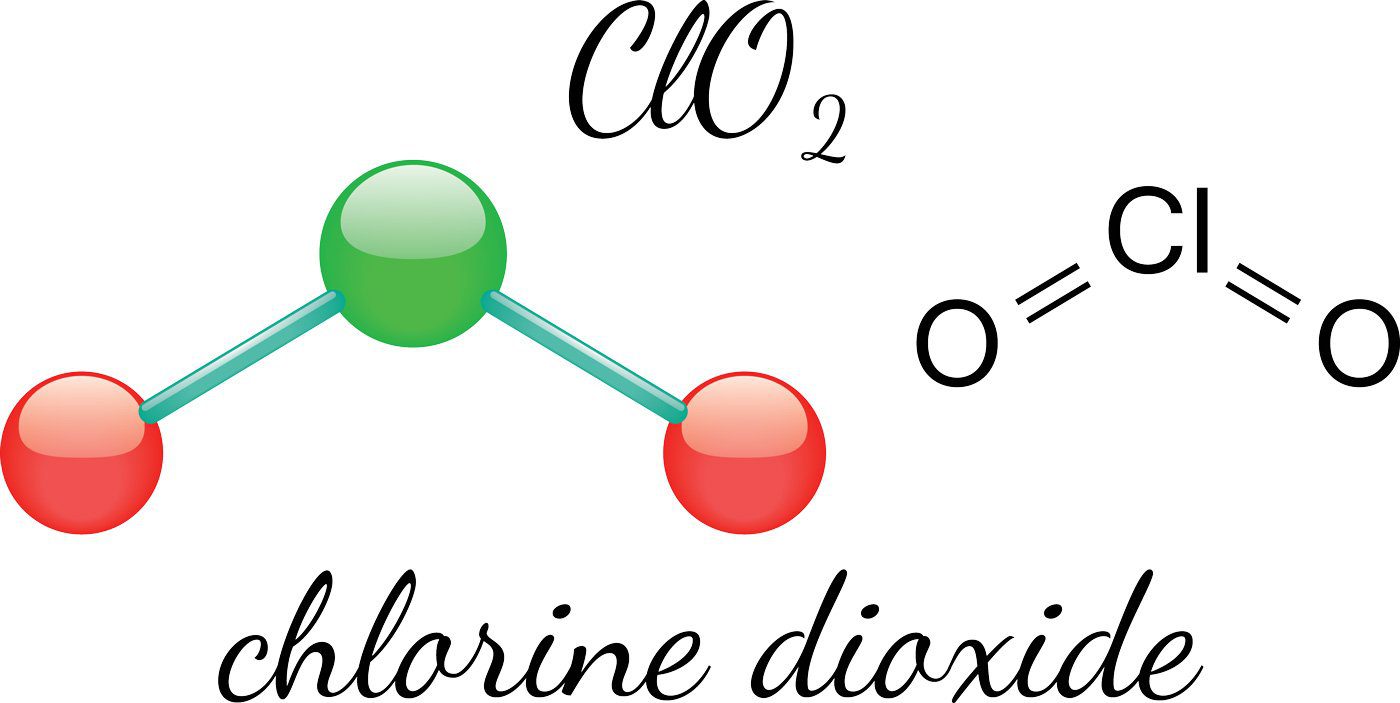
    Chlorine dioxide dissolves in water and releases reactive oxidative molecules that penetrate microbial cell walls and biofilms. It oxidizes amino acids and essential biomolecules, disrupting cellular metabolism and causing rapid microbial inactivation. Because it oxidizes rather than chlorinates, it avoids creating harmful chlorinated byproducts and breaks down cleanly after use.What Are Chlorine Dioxide Tablets and Why Do They Work So Well?
    Chlorine dioxide (ClO₂) is an oxidizing biocide used around the world for:

    • Water treatment
    • Food-processing sanitation
    • Medical facility disinfection
    • Mold remediation
    • Odor neutralization
    • Household cleaning and deodorizing

    Unlike bleach, which disinfects through chlorination, ClO₂ works through selective oxidation — targeting and destroying bacteria, viruses, mold spores, and odor-causing molecules without damaging most surfaces or creating harmful byproducts.

    When ClO₂ tablets dissolve in water, they create a controlled-release solution that:

    • Penetrates biofilms (where germs hide)
    • Neutralizes odors at the molecular level
    • Leaves no sticky residue
    • Evaporates cleanly
    • Performs well across surface types

    This combination makes them uniquely effective for home cleaning.


    Mechanism of Action

    Chlorine dioxide dissolves in water and releases reactive oxidative molecules that penetrate microbial cell walls and biofilms. It oxidizes amino acids and essential biomolecules, disrupting cellular metabolism and causing rapid microbial inactivation. Because it oxidizes rather than chlorinates, it avoids creating harmful chlorinated byproducts and breaks down cleanly after use.

    This is why ClO₂ is trusted in high-stakes environments like hospitals and water treatment plants — and why it’s safe and effective for home cleaning when used properly.


    Frequently Asked Questions (FAQ)

    1. Are chlorine dioxide tablets safe for house cleaning?

    Yes — when mixed at the correct concentrations, ClO₂ is safe and highly effective for general household cleaning. Provide ventilation for higher-strength solutions and avoid enclosed spaces.

    Also Read 👉🏻 How Safe Is Chlorine Dioxide for Indoor Use Around People and Pets?


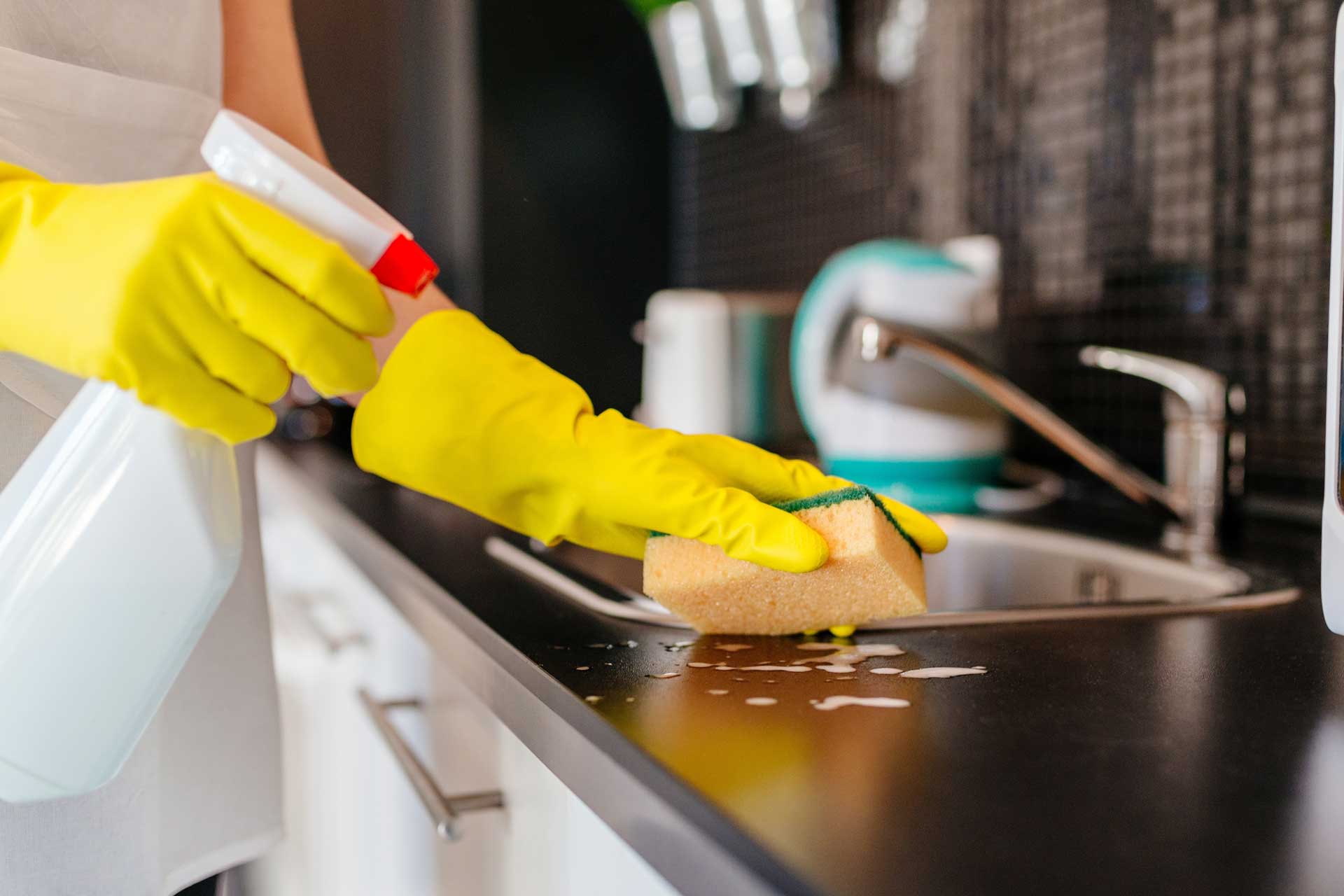
    cleaning with sponge near sink in kitchen2. What surfaces can ClO₂ be used on?

    ClO₂ is safe for most non-porous household surfaces, including:

    • Countertops
    • Tile, grout, sinks, and tubs
    • Stainless steel
    • Sealed wood
    • Plastic and laminate
    • Appliances
    • High-touch surfaces

    Always patch-test delicate materials first.

    Also Read 👉🏻Cleaning and Sanitizing Hard Surfaces with ClO2


    3. Does ClO₂ remove odors?

    Yes — unlike fragrance-based cleaners, ClO₂ neutralizes odor molecules from:

    • Mold & mildew
    • Pets
    • Smoke
    • Bathrooms
    • Trash areas
    • Damp or stale rooms

    It removes the source of the smell instead of masking it.

    Also Read 👉🏻Biofilm Research & Odor Control: Breaking the Invisible Barriers with Chlorine Dioxide


    a person cleaning toilet seat wearing yellow gloves and cleaning toilet seat with orange color cloth.4. Will ClO₂ disinfect surfaces?

    Yes. When mixed at disinfecting strength, ClO₂ kills:

    • Bacteria
    • Viruses
    • Fungi
    • Mold spores
    • Biofilm-protected microorganisms

    This is why ClO₂ is used in hospitals and water treatment.

    Also read 👉🏻Is Chlorine Dioxide Safe to Use at Home for Disinfecting Surfaces & Air?


    close shot of a hand with magnifying glass seeing vegetables.5. Can I use ClO₂ tablets to clean dishes, produce, or food?
    ClO₂ is used commercially in food sanitation, but home use requires caution. Avoid using concentrated ClO₂ directly on produce or ingestible items. For high concentrations, always rinse thoroughly.

    Also Read 👉🏻Food Safety & Produce Washing with ClO₂ | Seasonal Guide


    6. Do chlorine dioxide tablets harm the environment?

    No — ClO₂ breaks down into simple salts and oxygen-related compounds, producing far fewer chemical residues than bleach or ammonia-based cleaners.

    Also Read 👉🏻Are Chlorine Dioxide Tablets Eco-Friendly?


    7. Can ClO₂ replace all household cleaners?

    No. It is a disinfectant and odor eliminator, not a grease-cutter or stain remover. You may still need degreasers or detergents for heavy grime.

    Also Read 👉🏻How To Clean a Building Effectively Using Eco-Friendly ClO₂ Solutions


    8. How should I store ClO₂ tablets?

    Store tablets:

    • In a cool, dry place
    • In sealed original packaging
    • Away from heat or moisture
    • Out of reach of children and pets

    Moisture exposure will degrade the tablet before use.

    Also read 👉🏻Safe Use of Chlorine Dioxide Tablets | Guidelines, PPE & Mixing Instructions


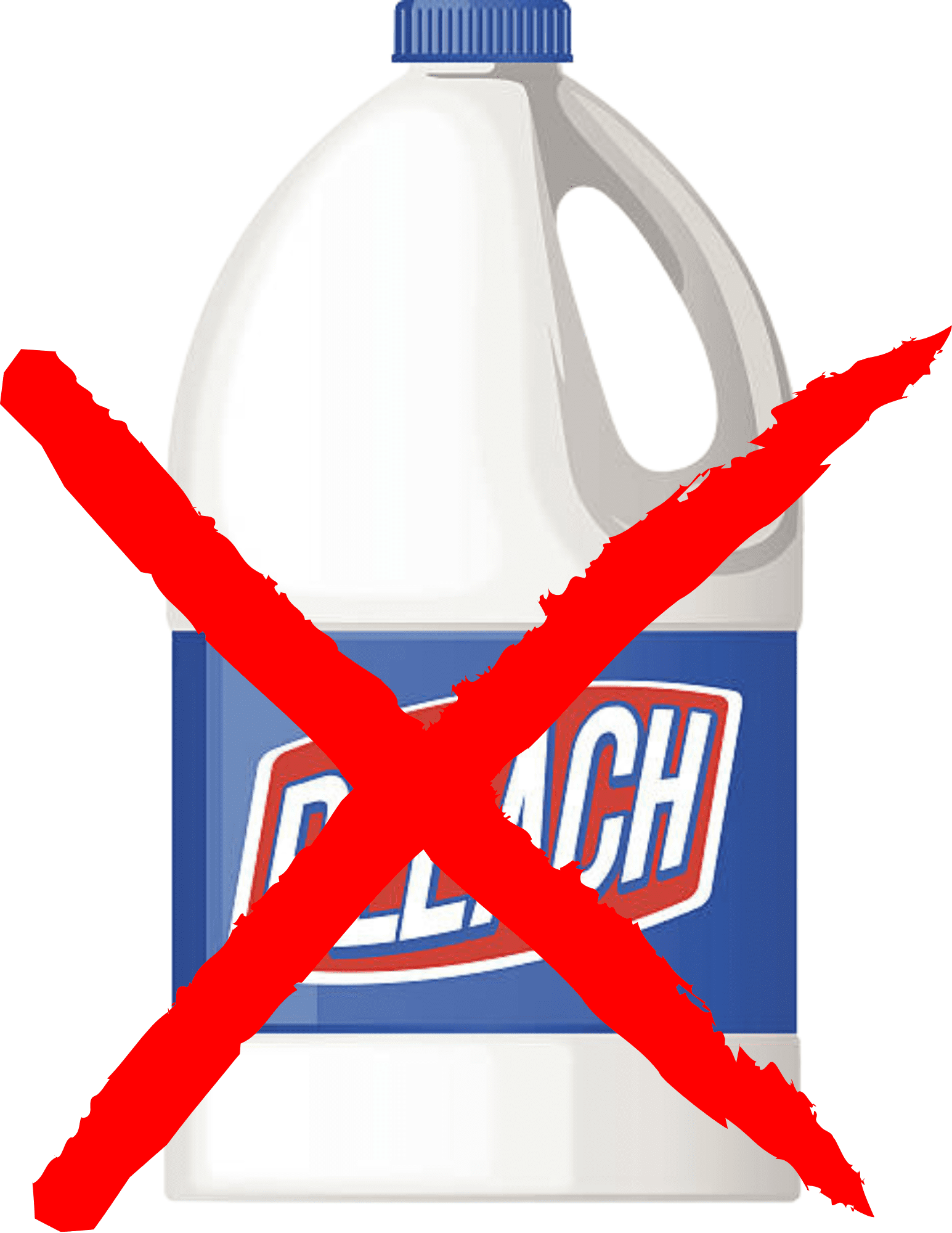
    Here’s a myth worth clearing up: chlorine dioxide is not chlorine bleach. Yes, they sound similar, but their chemistry couldn’t be more different.9. Can I mix ClO₂ with other cleaners?

    Never.
    Do not mix with:

    • Bleach
    • Vinegar or acids
    • Ammonia
    • Hydrogen peroxide
    • Any other cleaning chemical

    Mixing can cause dangerous reactions.

    Also read 👉🏻From Bleach to Breakthrough: Why Smart Cleaners Are Choosing CLO₂


    10. Can I use ClO₂ tablets in humidifiers or diffusers?

    Yes — But, only use  ClO₂ solutions of 1gram per 1 gallon. Do not mix it any stronger as these machines are not meant to have higher amounts run through them.

    Also Read 👉🏻How to Remove Wildfire Smoke Smell Indoors—Effectively


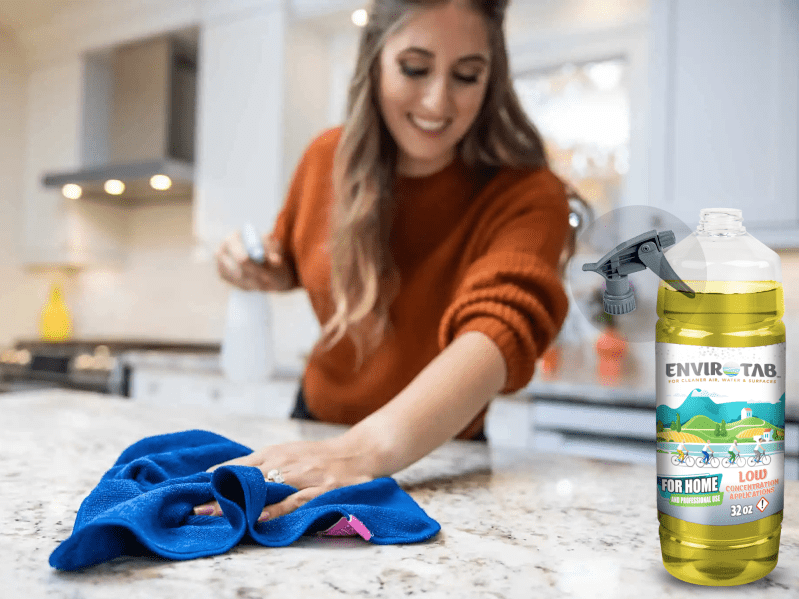
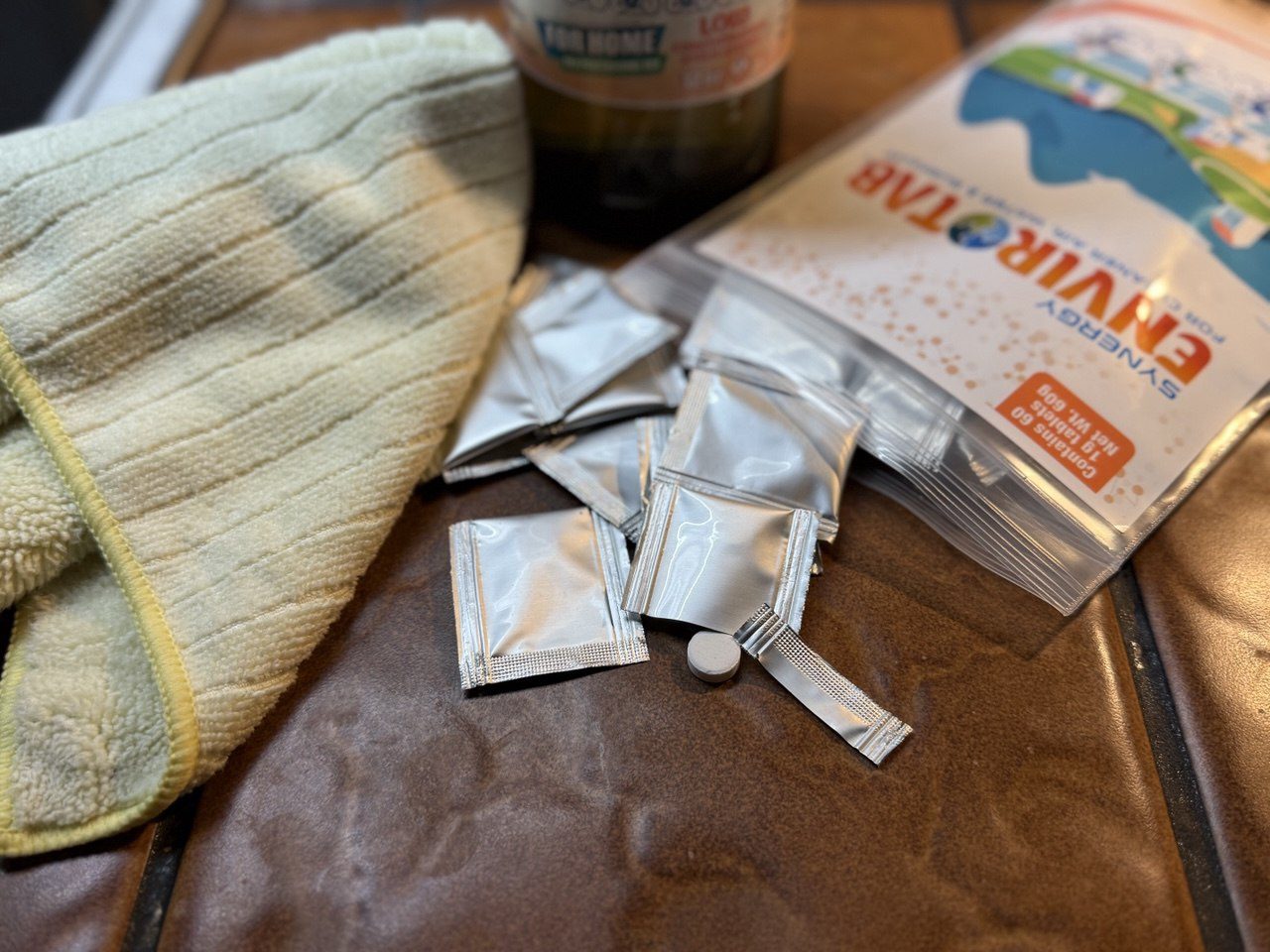
    All surface cleaner with Envirotab ClO2 SolutionDo’s & Don’ts — Safe Home Use Checklist

    ✔️ DO

    • Mix tablets exactly as directed
    • Allow full activation (solution turns yellow)
    • Wear gloves for concentrated solutions
    • Ventilate enclosed rooms
    • Patch-test sensitive surfaces
    • Rinse food-contact surfaces when needed
    • Use plastic or glass containers
    • Store tablets dry and sealed
    • Dispose of old solution after 48–72 hours

    ❌ DON’T

    • Don’t mix ClO₂ with bleach, acids, vinegar, ammonia, or peroxide
    • Don’t activate solution in an airtight container
    • Don’t use in humidifiers, diffusers, or CPAP machines
    • Don’t use excessive concentrations in small rooms
    • Don’t use on fabrics without testing
    • Don’t allow kids or pets near concentrated solutions
    • Don’t expect ClO₂ to remove heavy stains or grease

    Rule of Thumb:

    Use the right concentration, never mix chemicals, and ventilate when needed — ClO₂ becomes one of the safest, most effective cleaners you own.


    Chlorine dioxide tablets are an effective, residue-free way to clean, disinfect, and deodorize household surfaces. They work through selective oxidation — killing pathogens and neutralizing odors at their source. Safe when diluted properly, ClO₂ is ideal for kitchens, bathrooms, pet areas, mold-prone rooms, and high-touch cleaning. Never mix with other chemicals, and always provide ventilation for stronger solutions.

    Ready for a safer, smarter way to clean your home? Explore high-quality chlorine dioxide tablets at Clo2Tablets.com — powerful, effective cleaning made simple.


    Michele writes for Envirotab and synergy-americas.About the Author

    Michele Matthews develops science-based sanitation and cleaning guides for consumers, commercial cleaners, and industrial operators. Her expertise includes chlorine dioxide chemistry, environmental hygiene, odor remediation, and safe-use procedures for disinfectants.

  • How to Use Chlorine Dioxide Tablets for Cleaning | Mixing, Safety & Application

    How to Use Chlorine Dioxide Tablets for Cleaning | Mixing, Safety & Application

    How to Use Chlorine Dioxide Tablets for Cleaning: A Complete Scientific & Practical Guide

    Cleaning products come in every shape and scent, yet few actually solve the root problem: microbial contamination, biofilm, and odor-causing compounds. Chlorine dioxide tablets offer a modern, science-driven solution that’s safer, stronger, and more versatile than traditional cleaners. This guide shows you exactly how to use ClO₂ tablets correctly—whether you’re cleaning your home, business, equipment, tools, or high-touch surfaces.


    Understanding Chlorine Dioxide in Modern Cleaning

    Chlorine dioxide (ClO₂) is an oxidizing biocide used worldwide for sanitization, odor removal, and pathogen control. Unlike bleach or quaternary ammonium compounds (quats), it destroys microorganisms by oxidizing biomolecules, including those hidden inside biofilms, where pathogens typically shelter.

    Regulatory agencies including the EPA, CDC, and global water treatment authorities recognize ClO₂ as a powerful disinfectant for food-contact surfaces, industrial sanitation, water purification, odor mitigation, and mold remediation.

    This article breaks down how ClO₂ tablets work, how to mix them safely, how to apply them, and when to use which concentration for optimal results.


    What exactly is a biofilm? A structured microbial community encased in a self-produced matrix of polymers, adhering to surfaces.What Problem Are We Solving?

    Surfaces collect bacteria, viruses, mold spores, organic residues, grease, and odor-causing compounds. Traditional cleaners often mask or smear contaminants without truly destroying them—especially when biofilms protect microorganisms.

    ClO₂ solves this by:

    • Penetrating and oxidizing biofilm layers
    • Eliminating microorganisms at a molecular level
    • Leaving no harmful or sticky residues
    • Neutralizing odors directly instead of masking them
    • Remaining effective across a wide pH range

    This makes ClO₂ ideal for homes, businesses, food prep areas, restrooms, industrial tools, and odor-prone spaces.


    How Chlorine Dioxide Works

    Chlorine Dioxide Mechanism in a nutshell:
    ClO₂ penetrates microbial cell walls, oxidizes amino acids and vital cellular components, collapses metabolic pathways, and destroys biofilms while preventing regrowth. Because it acts via selective oxidation (not chlorination), it does not create harmful chlorinated byproducts.


    wiping door handles daily will cut down significantly on colds and fever.Why Chlorine Dioxide Tablets Are Superior for Cleaning

    ClO₂ tablets outperform bleach and quats in several key areas:

    • Powerful Broad-Spectrum Action
      Effective against bacteria, viruses, mold, mildew, and spores.
    • Biofilm Penetration
      Pierces protective layers where pathogens hide.
    • No Harmful Residues
      Evaporates cleanly — ideal for food-contact surfaces.
    • Neutralizes Odors at the Source
      Destroys odor-causing molecules rather than masking them.
    • Stable, Portable, and Easy to Mix
      Tablets produce accurate, consistent concentrations.
    • Non-Corrosive at Use Strength
      Safe for most surfaces when properly mixed.

    Step-by-Step: How to Use Chlorine Dioxide Tablets for Cleaning

    1. Gather Your Supplies

    You’ll need:

    • CLO2 tablets from Clo2Tablets.com
    • Clean container, spray bottle or mop bucket.
    • Water (distilled or tap)
    • Gloves (optional for sensitive skin)

    2. Choose Your Strength (Mixing Instructions)

    Below is the ideal quick-reference mixing table.


    Chlorine Dioxide Mixing & Dosage Table

    Cleaning Strength Tablet Size Water Amount Ideal For
    50–100 ppm (Light Cleaning) 1g 1–2 liters Daily cleaning, wiping surfaces, counters, glass, tools
    100–200 ppm (General Cleaning) 1g 1 liter Kitchens, bathrooms, odor removal, household disinfection
    500 ppm (Heavy Cleaning) 4g tablet 1 liter Mold, mildew, organic contamination, pet odors, grime
    1,000 ppm (Shock Cleaning) 4g 500 mL Severe odors, equipment sanitation, professional use

    Tip: Higher concentrations should never be used without ventilation and responsible handling.

    Low Range Test Strip BottleBuy our CLO2 testing strips for accurate measurements here 👉🏻 0-2500 ppm


    3. Allow the Tablet to Activate

    ClO₂ tablets activate in less than a minute, depending on strength.
    Solution turns amber-yellow when ready.


    4. Apply to Surfaces

    Use: Allow 5–10 minutes of surface contact time for routine cleaning, longer (10–30 minutes) for odor or contamination-heavy areas.


    5. Rinse (Only If Needed)

    Most surfaces do not require rinsing after ClO₂ use.
    Rinse only on:

    • Food-contact surfaces when using >200 ppm
    • Sensitive electronics (use minimal dampness)

    Comparison Table — ClO₂ vs. Other Cleaners

    Feature ClO₂ Tablets Bleach Quats Peroxides
    Biofilm Removal ✔️ Excellent ❌ Poor ❌ None ⚠️ Limited
    Odor Removal ✔️ Neutralizes at source ❌ Masking only ❌ Weak ⚠️ Mild
    Surface Residue ✔️ None ❌ High ❌ Sticky ✔️ Low
    Corrosiveness Low High Low Medium
    Mix Stability Very stable Unstable Stable Moderate
    Application Versatility Extremely versatile Limited Limited Moderate

    Safety, Compliance & Regulatory Notes

    • ClO₂ is recognized by the EPA as an effective disinfectant when used within regulated concentrations.
    • Safe for use on food-contact surfaces when rinsed at high concentrations.
    • Always store tablets in a dry, cool location.
    • Do not mix activated solutions with other chemicals.
    • Ventilate when using high-strength solutions (>500 ppm).

    Best Practices for Optimal Results

    • Mix fresh solutions every 48–72 hours for maximum potency.
    • Higher contamination levels require higher ppm and longer contact times.
    • Pre-clean visibly dirty surfaces before disinfecting.
    • Always allow ClO₂ to fully activate (yellow color).
    • Store unused tablets in their original packaging.

    Chlorine dioxide tablets provide powerful, residue-free cleaning through selective oxidation. Mix 50–200 ppm for daily cleaning, 500 ppm for heavy contamination, or 1,000 ppm for shock treatments. Apply via spray or cloth, allow 5–10 minutes contact time, and rinse only on food-contact surfaces when using high concentrations. Safe, stable, and effective on odors, bacteria, mold, and biofilms.


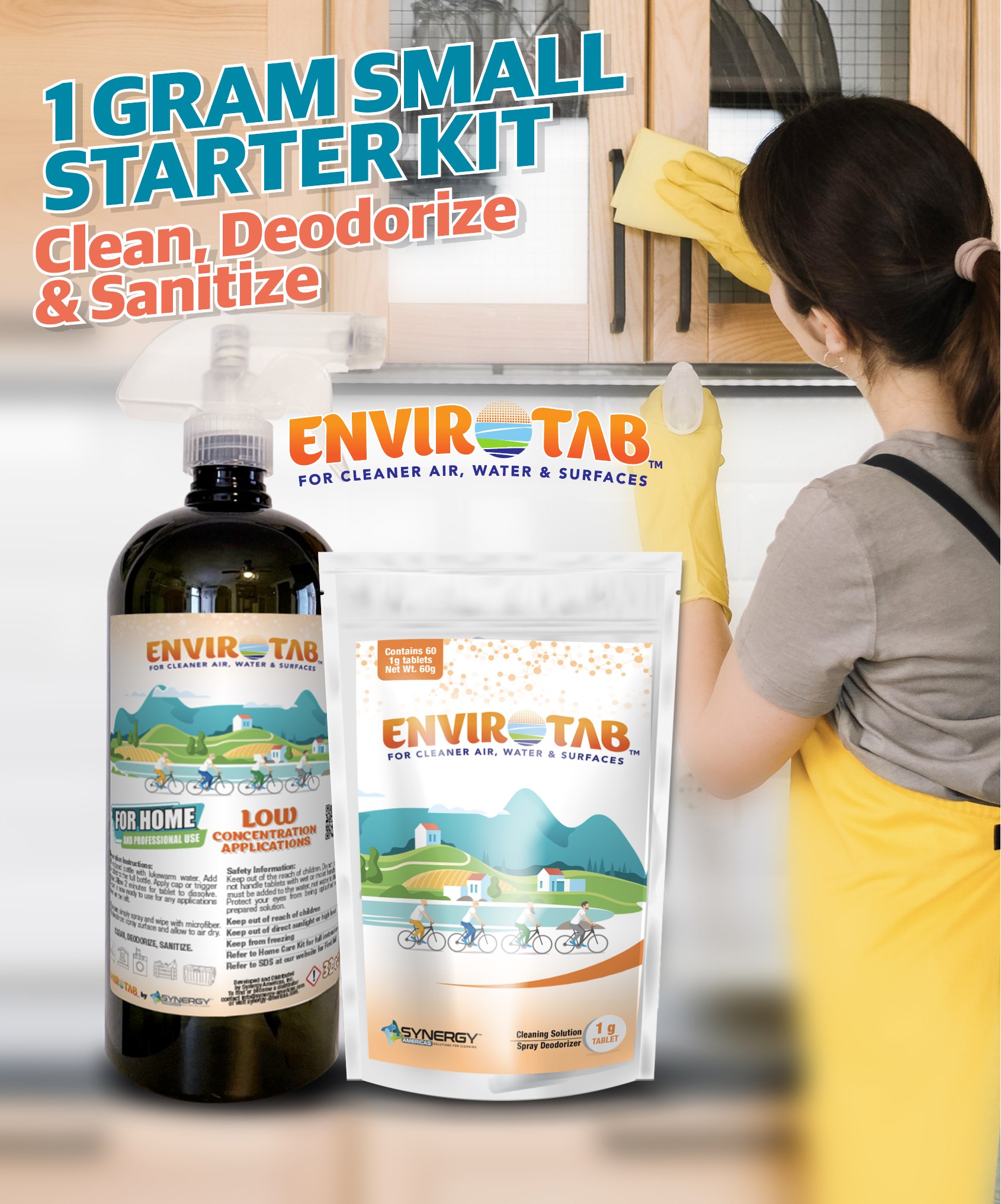
    1g Small Starter Kit PanelFrequently Asked Questions

    1. How long does chlorine dioxide stay active once mixed?

    Typically 48–72 hours when stored in a sealed container away from sunlight.

    2. Do ClO₂ tablets leave residue?

    No — they evaporate cleanly and leave surfaces residue-free.

    3. Can I use ClO₂ on food-contact surfaces?

    Yes, but rinse if you used concentrations above 200 ppm.

    4. Is ClO₂ safe around pets?

    Yes when used correctly and allowed to dry before pets re-enter the area.

    5. Does it discolor fabrics?

    No — unlike bleach, ClO₂ is non-chlorinating and non-bleaching.

    6. Can I mix ClO₂ with bleach or peroxide?

    Never mix ClO₂ with other chemicals.

    7. Does ClO₂ remove mold?

    Yes. Higher ppm solutions (500–1,000) penetrate and oxidize mold and mildew.

    8. Does it eliminate odors permanently?

    Yes — ClO₂ chemically destroys odor molecules.

    9. What happens if the solution doesn’t turn yellow?

    Either the activation time isn’t complete or the water quality interfered. Wait longer or use a clean container.

    10. Can I store activated solution?

    Yes for up to 72 hours, though potency slowly declines.


    Call to Action

    Upgrade your cleaning routine with professional-grade chlorine dioxide tablets from Clo2Tablets.com. Whether you need daily cleaning strength or powerful odor-removal concentrations, our tablets deliver dependable, science-backed results every time.


    Michele writes for Envirotab and synergy-americas.About the Author

    Michele Matthews creates scientific, practical sanitation guides for commercial and residential cleaners. Her work focuses on chlorine dioxide chemistry, industrial hygiene workflows, odor-remediation science, and environmental safety best practices.

  • How Do I Use Chlorine Dioxide Tablets for Mold Removal?

    How Do I Use Chlorine Dioxide Tablets for Mold Removal?

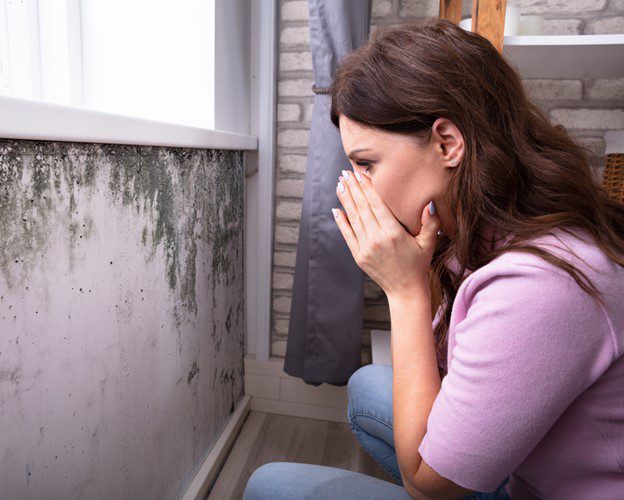
    🚫 Mold and Mildew: The Hidden Threat in Your Home

    Mold and mildew love hiding in warm, moist spaces—basements, bathrooms, crawlspaces, closets. And when they show up, they bring more than an ugly stain.

    They can:

    • Damage walls, ceilings, wood, and insulation

    • Trigger allergies, skin irritation, and respiratory issues

    • Create musty, lingering odors that regular cleaners just can’t touch

    Standard bleach? It bleaches the surface, but leaves spores behind—allowing mold to return with a vengeance.

    Want real results? Time to meet chlorine dioxide tablets.


    🌟 What Makes Chlorine Dioxide Tablets So Effective?

    Chlorine Dioxide (ClO₂) is a powerful oxidizing agent—not just a surface cleaner. It penetrates porous materials and targets mold and mildew at their roots, killing spores and eliminating odors at the molecular level.

    Kills mold, mildew, AND the spores that cause regrowth
    Neutralizes musty odors completely
    Safe for use around families, pets, and fabrics
    Eco-friendly—no bleach, no fumes, no harsh residue


    🧪 Why ClO₂ Beats Bleach Every Time

    Feature Chlorine Dioxide Bleach
    Penetrates porous materials ✅ Yes ❌ No
    Kills mold and spores ✅ Yes ❌ No
    Eliminates odors permanently ✅ Yes ❌ No
    Safe around people/pets ✅ Yes ❌ No
    Eco-friendly & biodegradable ✅ Yes ❌ No

    💡 How to Use Chlorine Dioxide Tablets for Mold & Mildew Removal

    Simple. Safe. Effective. Here’s the basic process:

    1. Dissolve: Drop 1–2 tablets in warm water (follow label for ratio).

    2. Apply: Use a spray bottle, sponge, or cloth on moldy surfaces.

    3. Wait: Let sit for the recommended time (5–15 minutes).

    4. Rinse or Wipe Clean: Especially on kitchen/bathroom surfaces.

    5. Dry the Area Thoroughly: Prevent future growth with airflow.

    ✔️ Pro Tip: For larger infestations or stubborn spots, seal off the area and use an enclosed gas release method with a container and lid. Always follow safety guidelines.


    🏠 Safe for Use On:

    • Tile, grout, drywall

    • Wood and subfloor

    • Clothing and upholstery

    • HVAC systems

    • Boats, campers, and RVs

    • Attics, basements, and crawlspaces


    💨 Bonus Benefit: No More Musty Smell

    ClO₂ doesn’t just mask the odor—it neutralizes the actual molecules responsible for that classic “moldy” smell. Your space will not only look cleaner but smell like a fresh start.


    🧼 Use ClO₂ for Prevention, Too

    Want to stop mold before it starts?
    Add chlorine dioxide tablets to your monthly cleaning routine in moisture-prone areas. Regular use creates a hostile environment for mold and mildew, keeping them from taking hold.


    🛒 Ready to Get Rid of Mold for Good?

    👉 Try Our Professional-Grade Tablets Today:
    ✔️ Buy Chlorine Dioxide Tablets – Fast Mold & Odor Removal

    • Trusted by restoration pros and homeowners alike

    • Ships fast and easy to store

    • Multiple sizes available for small or large jobs


    💬 Final Word

    Mold and mildew don’t have to be a constant battle. With chlorine dioxide tablets, you can win the war at the source—safely, effectively, and without harsh chemicals. Whether you’re remediating after a leak or proactively protecting a basement, ClO₂ tablets offer an advanced, eco-conscious way to keep your home fresh and fungus-free.

    Ditch the bleach. Kill the mold. Reclaim your air.
    👉 Shop now at clo2tablets.com

  • How To Clean a Building Effectively Using Eco-Friendly ClO₂ Solutions

    How To Clean a Building Effectively Using Eco-Friendly ClO₂ Solutions

    ✨ How To Clean A Building Effectively — The Smart, Eco-Friendly Way with ClO₂

    Cleaning a building might sound like a huge chore, but with the right strategy, tools, and eco-friendly cleaning products, it can actually be efficient, satisfying, and even enjoyable. 🧹✨ From offices and schools to retail stores and multi-use facilities, a clean building is more than just appearances—it’s a health safeguard.

    At the center of modern, safe, and eco-friendly cleaning is chlorine dioxide (ClO₂), a powerful disinfectant that not only eliminates germs and bacteria but also neutralizes odors, volatile organic compounds (VOCs), and allergens. 🌿

    This guide will give you a step-by-step system for cleaning any building effectively, along with detailed instructions on using ClO₂ tablets safely, advanced tips for floors, windows, and dusting, and answers to the most common questions about eco-friendly cleaning.


    🧺 Step 1: Declutter and Prep the Space

    Before you pick up a mop or spray a single cleaner, prep is key. Removing clutter not only makes cleaning easier but also reduces dust accumulation and allows cleaning solutions to reach every surface.

    Decluttering Checklist:

    • Empty trash and recycling bins. ♻️
    • Remove old paperwork, boxes, and items blocking surfaces.
    • Store personal items, office supplies, or decorative pieces safely.

    💡 Pro Tip: Create a “cleaning station” with your tools, ClO₂ tablets, spray bottles, and microfiber cloths. Having everything organized saves time and keeps cleaning efficient.


    🧹 Step 2: Dusting — The Unsung Hero of Clean Buildings

    Dust might look harmless, but it carries bacteria, allergens, and mold spores. Regular dusting with eco-friendly products is essential for a healthy indoor environment.

    Effective Dusting Techniques:

    • Top-Down Approach: Start with ceiling fans, high shelves, and light fixtures. Dust falls downward, so you can finish with lower surfaces last.
    • Use Microfiber Cloths: These trap dust instead of spreading it around. For added cleaning power, lightly spray with a ClO₂ solution, which kills microbes on contact.
    • Don’t Forget Baseboards & Corners: Dirt collects here, often out of sight. A damp cloth or a vacuum with an attachment works well.
    • Hard-to-Reach Areas: Long-handled dusters or extendable microfiber wands help reach vents, blinds, and the tops of tall furniture.

    Pro Tip: Regularly launder your dusting cloths and vacuum attachments to prevent redistributing dust and germs.

    Advanced Tip: Use a ClO₂ misting solution in areas prone to bacteria accumulation (break rooms, bathrooms, conference rooms). It’s safe for surfaces and the air, helping maintain a fresher environment throughout the day.


    🧼 Step 3: Smart Floor Cleaning

    Floors see the most traffic, which means they accumulate dirt, bacteria, and organic matter quickly. Using ClO₂ for floors gives you a thorough clean while remaining gentle on surfaces.

    Step-by-Step Floor Cleaning:

    • Sweep or Vacuum: Remove loose debris first. For hardwood floors, use a soft-bristled broom to avoid scratches.
    • Mix ClO₂ Solution: One tablet per recommended amount of warm water dissolves to create a safe, effective cleaner.
    • Mop Thoroughly: Use a figure-eight motion for even coverage. Pay extra attention to high-traffic areas.
    • Dry Floors Completely: Allowing floors to dry reduces streaks and prevents slips.

    Special Tips:

    • For tiles and stone floors, ClO₂ helps prevent mold and mildew in grout lines.
    • Use entrance mats or rugs to reduce the amount of dirt tracked inside. Clean these mats daily.
    • Place felt pads under furniture to prevent scratches when moving pieces for cleaning.

    Pro Tip: For stubborn stains or spills, let ClO₂ solution sit for 5–10 minutes before scrubbing—it oxidizes and neutralizes contaminants, giving a deep clean without harsh chemicals.


    🚻 Step 4: Bathroom Deep Cleaning

    Bathrooms are breeding grounds for germs, making effective disinfecting a priority. ClO₂ is ideal because it kills bacteria, mold, and viruses safely, without damaging surfaces or leaving chemical residues.

    Bathroom Cleaning Checklist:

    • Toilets: Scrub with ClO₂ solution; drop a tablet in the bowl and let it sit before flushing.
    • Sinks and Countertops: Spray and wipe; pay attention to faucets and handles.
    • Showers and Tubs: Use a non-abrasive sponge soaked in ClO₂ solution; rinse after cleaning.
    • Floors: Mop with ClO₂ solution to disinfect and remove odors.
    • Trash & Recyclables: Empty daily to prevent buildup.

    💡 Pro Tip: For odor control, spray ClO₂ solution in the air or on surfaces that often retain smells. It neutralizes odors at the molecular level rather than masking them.


    🪟 Step 5: Windows and Glass — Crystal Clear Every Time

    Windows are more than decorative—they let in natural light, which improves mood and energy in a building. But streaks, dust, and smudges can ruin the effect.

    Window Cleaning Tools:

    • Squeegee with a sharp rubber blade
    • Microfiber cloths for drying
    • Bucket with ClO₂ solution for frames and ledges only
    • Non-abrasive scrubber or sponge
    • Extension pole for tall windows

    Cleaning Steps:

    • Pre-clean windows by removing dust, cobwebs, and debris.
    • Apply ClO₂ cleaning solution with a sponge to window frames and ledges
    • Use the squeegee from top to bottom, slightly overlapping each stroke on the glass with a window cleaner (we recommend one from synergygreenclean.com).
    • Dry edges and frames with a microfiber cloth.

    Advanced Tip: Use ClO₂ solution for window frames and ledges—it disinfects hidden corners where germs thrive. Using CLO2 on the glass itself isn’t recommended.


    🌿 Step 6: Eco-Friendly Cleaning Products and ClO₂

    Switching to eco-friendly cleaners is not just a trend—it’s a smart health and sustainability choice.

    Why ClO₂ is Perfect:

    • Biodegradable and environmentally friendly
    • Kills 99.9% of bacteria, mold, viruses, and odor-causing compounds
    • Safe for children, pets, and people with chemical sensitivities
    • Does not corrode surfaces like bleach

    💡 Pro Tip: Always follow the tablet’s instructions for concentration. Too strong isn’t necessary, and too weak won’t disinfect properly.

    Recommended Uses:

    • Floors, counters, and tables
    • Bathrooms and showers
    • Kitchen areas and prep surfaces
    • HVAC vents and high-touch areas

    🧪 Step 7: How to Use ClO₂ Tablets for Building Cleaning

    You’ll need:

    • ClO₂ tablets
    • Water
    • Gloves
    • Bucket or spray bottle
    • Cleaning cloths

    Step-by-Step Instructions:

    • Wear gloves to protect skin.
    • Dissolve the tablet in water according to instructions.
    • Pour into a spray bottle for easy application.
    • Spray and wipe all surfaces—tables, counters, doorknobs, and more.
    • Allow surfaces to air dry to maximize disinfecting power.
    • Dispose of leftover solution safely; rinse containers after use.

    Safety Notes:

    • Never ingest ClO₂ solutions.
    • Avoid contact with eyes and mucous membranes.
    • Store tablets safely, away from children and pets.

    🧑‍🔧 Step 8: Professional Cleaning Services

    For larger facilities, hiring professional cleaning services that utilize ClO₂ can save time and provide consistent results.

    Benefits:

    • Access to specialized equipment like ClO₂ foggers
    • Experts who understand surface-specific cleaning
    • Thorough disinfecting and odor neutralization
    • Time-saving for building managers

    💡 Pro Tip: Regular professional cleanings combined with daily maintenance using ClO₂ tablets creates a healthier, longer-lasting clean.


    🌸 Step 9: Maintaining a Healthy Building Environment

    A clean building isn’t just about aesthetics; it’s about long-term health, productivity, and safety. Here’s how to maintain your building:

    • Daily: Empty trash, wipe high-touch surfaces with ClO₂ solution
    • Weekly: Mop floors, dust surfaces, clean bathrooms thoroughly
    • Monthly: Deep clean windows, vents, and hard-to-reach areas
    • Quarterly: Professional cleaning and HVAC inspection

    Extra Tip: Keep a supply of ClO₂ tablets in strategic areas—like kitchens, restrooms, and janitorial closets—for quick touch-ups.


    💬 Top 15 FAQs About Building Cleaning with ClO₂

    1. What is ClO₂?
      Chlorine dioxide is an eco-friendly disinfectant that oxidizes germs and neutralizes odors without toxic residues.

    2. Is ClO₂ safe for daily use?
      Yes, when used according to package instructions. It’s gentle on surfaces and safe for people.

    3. Can ClO₂ replace bleach?
      Absolutely. It disinfects more effectively without damaging surfaces or producing harsh fumes.

    4. Can I use ClO₂ on wood and metal?
      Yes, it is safe for most surfaces, including hardwood, metal, tile, and laminate.

    5. Does ClO₂ remove odors?
      Yes, it neutralizes odors at a molecular level, rather than just masking them.

    6. How long does a ClO₂ solution last?
      Use within 24 hours after activation for optimal efficacy.

    7. Can ClO₂ clean HVAC systems or vents?
      Yes, it’s excellent for deodorizing and disinfecting ductwork and ventilation.

    8. Is ClO₂ environmentally safe?
      Yes, it’s biodegradable and does not create harmful byproducts.

    9. Can ClO₂ be used around pets and children?
      Yes, when used properly in diluted form, it is safe.

    10. How do I store ClO₂ tablets?
      Store in a dry, cool place, away from sunlight, children, and pets.

    11. What concentration should I use for heavy-duty cleaning?
      Follow the tablet instructions; typical concentrations for buildings are 100–200 ppm.

    12. Can ClO₂ prevent mold growth?
      Yes, regular use on high-moisture areas reduces mold and mildew development.

    13. Is professional cleaning necessary if I use ClO₂ daily?
      Professional cleaning complements daily maintenance by reaching deeper or high-risk areas.

    14. Can I use ClO₂ on carpets or upholstery?
      Yes, in diluted form, it can sanitize fabrics without staining or damaging fibers.

    15. Where can I buy ClO₂ tablets?
      Visit clo2tablets.com for high-quality tablets and cleaning guides.


    🌟 Conclusion: Clean Smarter, Live Healthier

    Cleaning a building doesn’t have to be overwhelming. By combining smart preparation, regular maintenance, and eco-friendly ClO₂ solutions, you can maintain a building that’s safe, fresh, and welcoming.

    From dusting and mopping to disinfecting bathrooms and windows, ClO₂ simplifies the process, protects the environment, and keeps everyone healthier. 🌿💧

    Remember: a clean building is more than appearances—it’s a commitment to wellness, productivity, and peace of mind.

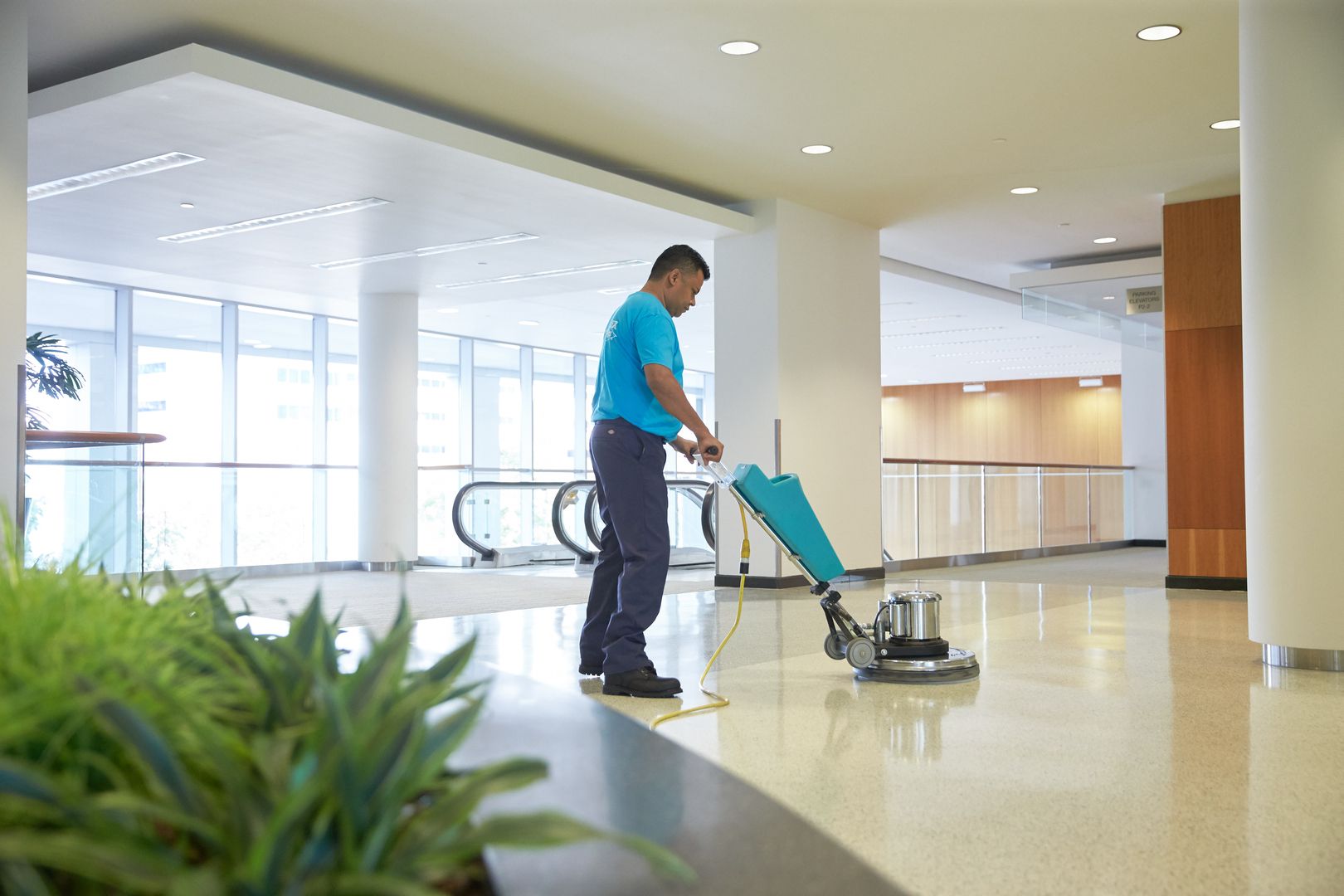
    a cleaner polishing tiles with a scrubbing machine in a commercial building.


  • Mold Remediation in Crawl Spaces | Identify, Remediate & Protect with ClO₂

    Mold Remediation in Crawl Spaces | Identify, Remediate & Protect with ClO₂

    Deep Dive & Defeat: Mold Remediation in Crawl Spaces That Actually Works 💪

    It’s time to face it: the dark, quiet crawl space under your home might look like a low-priority spot—but tucked away in that damp, hidden zone lies a real risk to your home’s health and your family’s wellness. Mold loves places that are damp, poorly ventilated, and rarely visited. Left unchecked, it can harm structural materials, trigger allergies or respiratory issues, and create lingering musty smells that just won’t go away.

    But here’s the good news: with the right strategy, you can take control, remediate the mold, and keep your crawl space dry, safe, and mold-free. And when you combine that with the power of Chlorine Dioxide (ClO₂) tablets from the team at Envirotab, you’re bringing a modern, scientifically supported tool into the fight. (Yes—you, the savvy business owner and eco-cleaning advocate, totally own this.)

    In this guide we’ll walk you through a full, step-by-step process: assessment and safety, identifying and eliminating moisture sources, chemical/ClO₂ treatment, improving ventilation, monitoring, and finally a proactive prevention plan—so you can stop the mold now and prevent it from coming back. Let’s get to it. 🧼🌱


    1. Assessment & Safety Precautions

    Before you break out your gear, it’s critical to take stock and set up for safety.

    What to inspect

    • Enter the crawl space (carefully!) and inspect all surfaces—underfloor joists, foundation walls, underside of the sub-floor, insulation, vapor barriers, ductwork and exposed soil. Note any visible mold growth (black/green/white fuzzy or slimy patches), water stains, discoloration, or musty odors.
    • Determine how widespread the problem is: is it a small isolated patch or is the entire space showing signs of mold? This will affect how aggressive your remediation plan needs to be.
    • Document conditions: take photos, measure relative humidity (with a moisture/hygrometer), check for signs of condensation, pooling water, or past leak damage.

    Safety first

    • Mold spores in crawl spaces can become airborne; disturbance without protection may exacerbate the issue or pose health risks.
    • Gear up with PPE: gloves (nitrile or heavy duty), goggles or face shield, respirator (NIOSH-rated N95 or better—especially if disturbance is high), protective coveralls or at least long sleeves/trousers.
    • Ensure proper ventilation while working and consider isolating the space if large remediation is required (i.e., sealing off access temporarily).
    • If structural damage is present (e.g., sagging joists, extensive rot) or contamination is severe (e.g., black-mold mycotoxin risk), consult a certified remediation professional.

    By starting with a thorough assessment ― and protecting yourself ― you’re laying the foundation for a safe, effective remediation effort.


    2. Identify the Source of Moisture

    Mold doesn’t just appear out of nowhere—it grows where there’s moisture, stagnation and darkness. To fix the mold, you’ve got to remove the moisture.

    Common moisture sources in crawl spaces

    • Leaking pipes or plumbing fixtures overhead or nearby.
    • Roof or gutter leaks leading to water intrusion.
    • Rainwater or groundwater seepage through foundation walls or an unsealed floor.
    • High humidity in the region intruding into the crawl space via vents or gaps.
    • Standing moisture or damp soil when there’s no vapor barrier or poor drainage.
    • Condensation on ductwork or sub-floor undersides due to inadequate insulation.

    Key steps to identify moisture sources

    1. Look for leaks – Check pipes, fittings, HVAC lines, especially in cooling mode (condensation lines), for signs of dripping, pooling, corrosion or stains.
    2. Inspect gutters & downspouts – Ensure water is being directed away from the foundation, and that no overflow or clog is dumping near the crawl space.
    3. Check for cracks/gaps – Inspect the foundation walls, sill plates, rim joists, and flooring for gaps where water or humid air can enter. Seal these with suitable caulk, concrete patch, or foam sealant.
    4. Examine ventilation – Ensure crawl space vents are clear of debris, not blocked by insulation, and that they enable airflow. If closed, consider mechanical ventilation or encapsulation.
    5. Assess drainage – The ground slope around your home should fall away from the foundation; if it doesn’t, water may pool and seep under. Fix grading or add a perimeter drain if necessary.
    6. Consider waterproofing – In more severe cases, installation of a sump pump, foundation interior drainage system, or heavy-duty vapor barrier may be required.
    7. Monitor moisture levels – Use a moisture meter or hygrometer to measure both surface moisture and air relative humidity. If relative humidity in the crawl space remains above ~60% long-term, mold will often take root.

    Unless you remove or significantly curb the moisture source, even the best remediation may fail—spot treatments will offer temporary relief, but the mold will likely return.

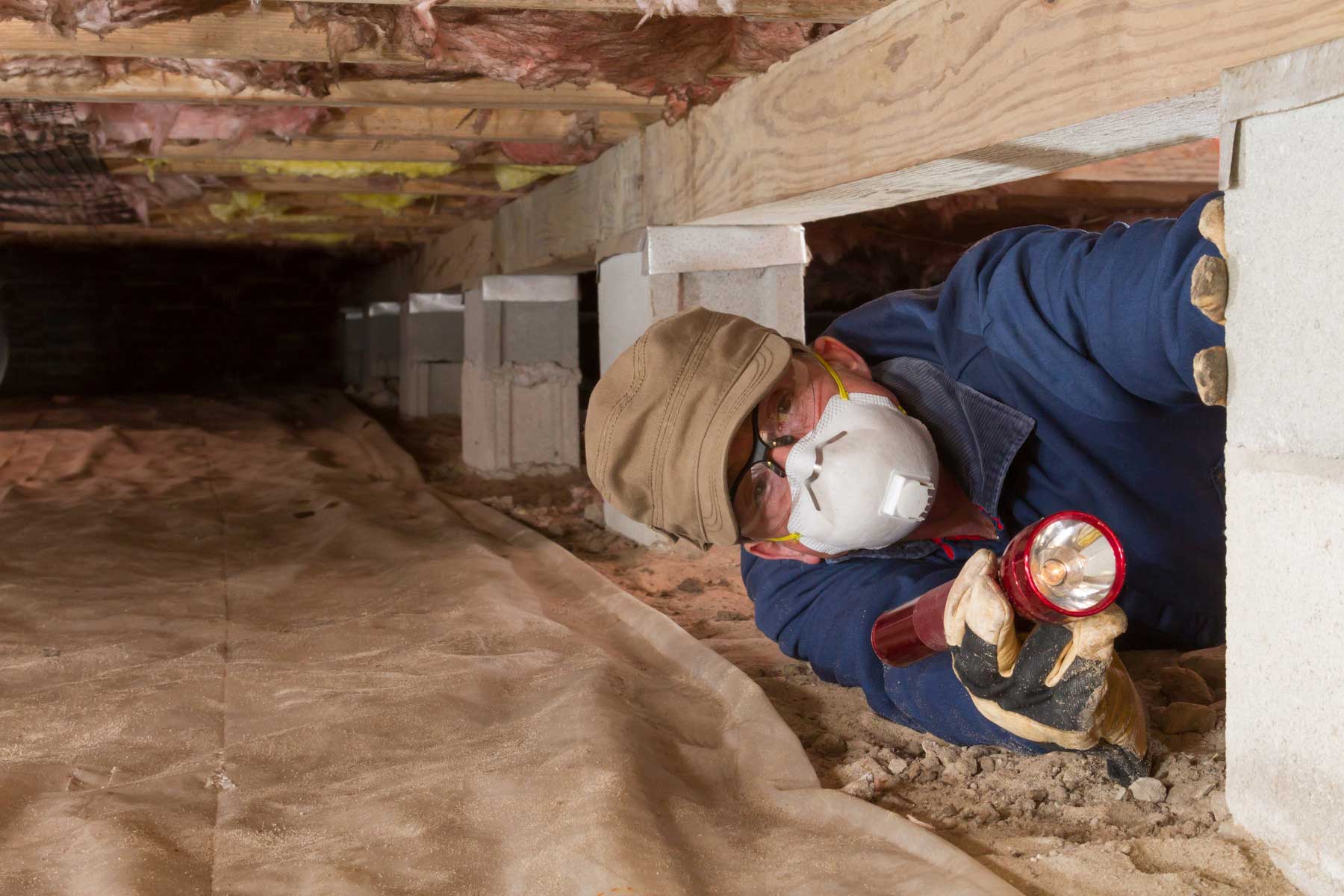
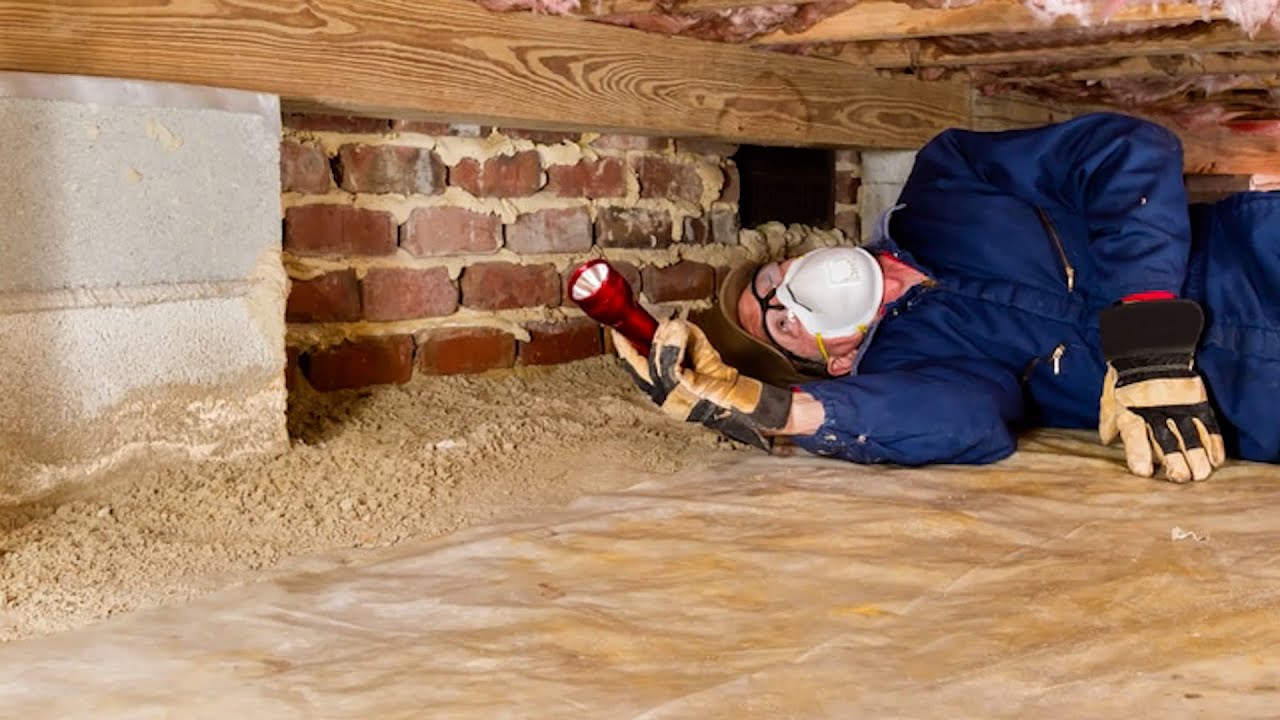
    a mold inspector identifying mold in a crawl space with a torch.

    3. Mold Treatment: Biocides / Fungicides & ClO₂ Tablets

    Now, you’ve assessed the scene and reduced moisture inputs. Next: treat the mold itself.

    Using traditional biocides/fungicides

    • After visible mold is identified, apply Biocide/fungicide solution following the manufacturer’s instructions. This breaks down mold hyphae and spores on contact and provide some residual protection.
    • Example: Spray emulsifiable on mold-infested wood, insulation, sub-floor, etc. Wait the recommended dwell time, then remove any residual mats or mold-damaged materials if necessary.
    • Important: Biocide/fungicide alone is not enough if moisture remains. Treat the mold, yes—but treat the cause.

    Enter the high-tech hero: ClO₂ tablets

    Here’s where your business angle (and eco-cleaning credibility) shines. Envirotab’s ClO₂ (chlorine dioxide) tablets offer a compelling, scientifically supported method to go beyond surface cleaning.

    • ClO₂ is a powerful oxidizing agent that can penetrate porous materials, attack mold spores and mycotoxins at the root, and reach hidden spaces that typical cleaners can’t. Mold Help For You+1
    • Compared to bleach, ClO₂ offers distinct advantages: penetrates porous surfaces, leaves no harmful residue, neutralizes odors and VOCs, and remains effective in challenging spaces. clo2tablets.com+1
    • Process (sample): Dissolve one or more tablets in warm water per label instructions → apply via spray, fogger, or controlled release in the crawl space → allow dwell time → ensure ventilation and safe re-entry. clo2tablets.com

    Application steps with ClO₂ tablets

    1. Prepare the solution: Follow the specific label for your tablet count to water ratio.
    2. Apply thoroughly: Use a sprayer or fogger and make sure to cover underside of the sub-floor, joists, foundation wall surfaces, insulation, and any accessible soil or vapor barrier surfaces.
    3. Wait for dwell time: Allow the solution or gas to penetrate and act as directed.
    4. Ventilate & purge: After application, allow fresh air into the crawl space to clear residual ClO₂ gas. Confirm safe re-entry.
    5. Repeat if needed: For heavy contamination, a second pass may be warranted.
    6. Post-treatment inspection: Use moisture/humidity meters, visual checks, and possibly air sampling (if professional) to confirm mitigation.

    The result? A crawl space where the mold risk is drastically reduced, odors eliminated, and future growth blocked out by the combination of moisture control + advanced chemistry.


    4. Improving Ventilation and Air Flow

    Even with moisture sources reduced and mold treated, if air is stagnant the space remains vulnerable. Ventilation is your next line of defense.

    Why ventilation matters

    • Good airflow helps remove moisture-laden air, reduces condensation, and limits the micro-climate mold thrives in.
    • Without adequate ventilation, even a dry crawl space may suffer from pockets of high humidity, hidden mold growth, and odor build-up.
    • For older homes or homes in high-humidity coastal zones (hello Maine tidal waters!), passive vents often don’t cut it.

    Practical upgrades

    • Install vents or upgrading existing ones: Ensure each vent opening is clear of debris, graded such that fresh air enters and stale air exits.
    • Add mechanical ventilation: In some cases a small fan or crawl-space blow-through system (ideally linked to a humidity sensor) is ideal.
    • Install a dehumidifier: In enclosed or encapsulated crawl spaces, a dedicated dehumidifier can maintain relative humidity under ~55%.
    • Encapsulate the crawl space: Lining the floor and walls with a heavy-duty vapor barrier, sealing perimeter walls, insulating rim joists and potentially turning the crawl into a conditioned space.
    • Ensure insulation and ductwork are properly managed: Insulate cold ducts and ensure no leaks dump cool air into warm crawl space causing condensation.
    • Maintain ongoing monitoring: Set a schedule (monthly/quarterly) to check humidity, visible signs of moisture, and ensure vents/fans remain unblocked and functional.

    When airflow, moisture management and remediation are all integrated, you’re moving from “fixing a problem” to “securing the system” for long-term health.


    5. Monitoring & Preventive Maintenance

    Remediation is not a “one-and-done” event—it’s a system that requires monitoring and regular care. Here’s how to stay ahead of mold in your crawl space.

    Key metrics & checks

    • Relative humidity (RH) in the crawl space—ideally under ~55% in most climates; <60% at minimum.
    • Surface moisture or standing water—check after heavy rain, spring thaws, or major storms.
    • Vapor barrier integrity—inspect for tears, displacement, or mold growth on or behind the liner.
    • Ventilation efficacy—are the vents open, clear, fans working, ductwork sealed?
    • Visual inspections—biannual walk-throughs to check for new growth, discoloration, musty odors, insulation issues, piping condensation.
    • Record-keeping—maintain logs of inspections, humidity readings, actions taken. This is especially valuable if you manage multiple properties or will look to scale this as part of your eco-cleaning service offering.

    Preventive actions

    • After any significant leak or flooding event, do an immediate inspection and treatment if needed.
    • Annual application of ClO₂ or other maintenance chemical treatment in high-risk zones may prevent re-growth of hidden spores.
    • Ensure landscaping and grading stay effective—remove vegetation near foundation that may trap moisture; keep downspouts extended away.
    • If you discover new plumbing or HVAC runs under the house, ensure they are insulated, sealed, and installed without introducing new condensation risk.
    • Educate occupants or maintenance teams: no storing cardboard, wood, or other moisture-absorbing items directly on crawl space floor; keep it as clear and breathable as possible.

    By turning your crawl space into a monitored, managed environment, you protect your home, health and investment.


    6. Why This Matters for Homeowners — and for Your Business

    As the owner of Synergy‑Americas and marketing manager for eco-cleaning products, you know that educating your market is key. Here’s why tackling crawl space mold is a strategic win:

    • Health & safety: Mold in crawl spaces can unleash spores and mycotoxins into the home’s HVAC and living spaces—impacting indoor air quality, allergies, asthma and general health.
    • Property value & longevity: A dry, mold-free crawl space protects structural materials—joists, sub-floor, insulation—from rot and degradation. That means fewer repairs, longer lifespan, higher resale value.
    • Eco-friendly cleaning credibility: Using advanced solutions like ClO₂ tablets positions your brand as forward-thinking, scientifically grounded and eco-responsible—key differentiators in today’s market.
    • Market expansion opportunity: Homeowners with older homes, homes in humid zones, or rental/management properties all represent ideal segments for your message. The crawl space is an often overlooked “frontier” for cleaning/remediation services.
    • Content marketing & thought leadership: This deep dive article positions you as a subject-matter expert. It can be repurposed into LinkedIn posts, Google Business Profile articles, email newsletters and campaign landing pages.

    Conclusion: From Hidden Threat to Healthy Home 🌱✨

    A crawl space might be out of sight — but it should never be out of mind. Beneath your home lies an ecosystem that directly impacts your air quality, structural integrity, and long-term investment. Mold doesn’t just “happen”; it thrives when we ignore the warning signs — moisture, poor ventilation, and neglect.

    By following the steps we’ve outlined — assessment, moisture control, treatment with ClO₂, improved ventilation, and continuous monitoring — you’re not just cleaning a space; you’re restoring balance to your home’s foundation. You’re eliminating health risks before they spiral, protecting your property from decay, and setting a new standard for how we care for our living environments.

    Using ClO₂ tablets transforms mold remediation from a reactive cleanup into a proactive science. It’s eco-friendly, powerful, and forward-thinking — a perfect reflection of what modern home care should be. Traditional methods may mask the problem, but ClO₂ tackles it at the molecular level — neutralizing mold, bacteria, and odors while leaving no harsh residues behind. That’s clean technology meeting real-world need.

    Remember:

    The health of your home begins where you rarely look.
    Don’t wait for musty smells, soft floors, or allergies to tell you something’s wrong.

    If you suspect crawl space mold — act fast. Inspect. Treat. Protect. And keep your home’s underbelly as clean and cared for as the rooms you live in.

    Whether you’re a homeowner safeguarding your family or a cleaning professional elevating your service standards, it’s time to move from surface-level cleaning to structural health. The difference is lasting, measurable, and worth every bit of effort.

    Take back control.
    Take back the air you breathe.
    And let your home — from top to crawl space — truly shine. 🌎✨


    10 Frequently Asked Questions About Model Remediation in Crawl Spaces (FAQs)

    1. Q: How do I know if my crawl space has mold?
      A: Look for visible discoloration or fuzzy growth on walls, joists or sub-floor, musty odors, elevated humidity readings (>60 %), or health symptoms in occupants (allergy, respiratory issues). A professional inspection can include air sampling.

    2. Q: Can I treat crawl space mold myself or do I need a professional?
      A: For small, isolated patches and when you can manage moisture sources and safety gear, a homeowner can treat it. But if the infestation is large (>10 sq.ft.), structural damage is present, or you detect black-mold/mycotoxin risk, a professional is advised.

    3. Q: Why do we address moisture first? Is that really that important?
      A: Absolutely. Mold needs moisture to grow. If you remove visible mold but leave the moisture source intact (leaks, high RH, poor drainage), the mold will likely return. Fixing moisture is fundamental.

    4. Q: How do ClO₂ tablets differ from bleach or standard fungicides?
      A: ClO₂ is a strong oxidizing agent that penetrates porous materials, kills spores and can eliminate mycotoxins and odors. Bleach often only acts on surface mold, leaves residue and doesn’t reach hidden spaces well. clo2tablets.com+1

    5. Q: Is ClO₂ safe to use in a crawl space?
      A: Yes—when used according to label instructions, with proper ventilation and safety gear. It leaves no harmful residues and has been shown effective for mold remediation. That said, always follow manufacturer guidelines and local regulations.

    6. Q: How often should I monitor my crawl space after remediation?
      A: At minimum, inspect twice a year (spring and fall). Also check after major weather events or plumbing/HVAC changes. Maintain humidity logs monthly if possible.

    7. Q: What level of relative humidity is safe for a crawl space?
      A: Aim for RH < 55% in most climates. If it remains above ~60% long-term, you are at increased risk of mold growth.

    8. Q: Will drywall or insulation need to be replaced after mold remediation?
      A: Possibly. If mold has penetrated insulation or drywall to the point where removal is more cost-efficient than cleaning, replacement is often the best choice. Treated materials should be approved/cleared for reuse.

    9. Q: What’s the difference between passive venting and encapsulation of a crawl space?
      A: Passive venting uses air-vents to allow outdoor air flow; works sometimes in cooler, dry climates. Encapsulation involves sealing the crawl space, installing a vapor barrier, often a dehumidifier and turning the space into a more managed environment. Encapsulation is typically more effective in humid zones.

    10. Q: Can I include this crawl space remediation service in my marketing for eco-cleaning?
      A: Yes—and strongly should. Highlight the hidden risks of crawl space mold, the health benefit, the structural protection, and your use of advanced tools like ClO₂ tablets. Use case-studies, before/after photos and emphasize your holistic approach: moisture control → remediation → monitoring.

  • Hydroponics with ClO₂ — Cleaner Water, Healthier Crops

    Hydroponics with ClO₂ — Cleaner Water, Healthier Crops

    The Hidden Challenges of Hydroponic Growing

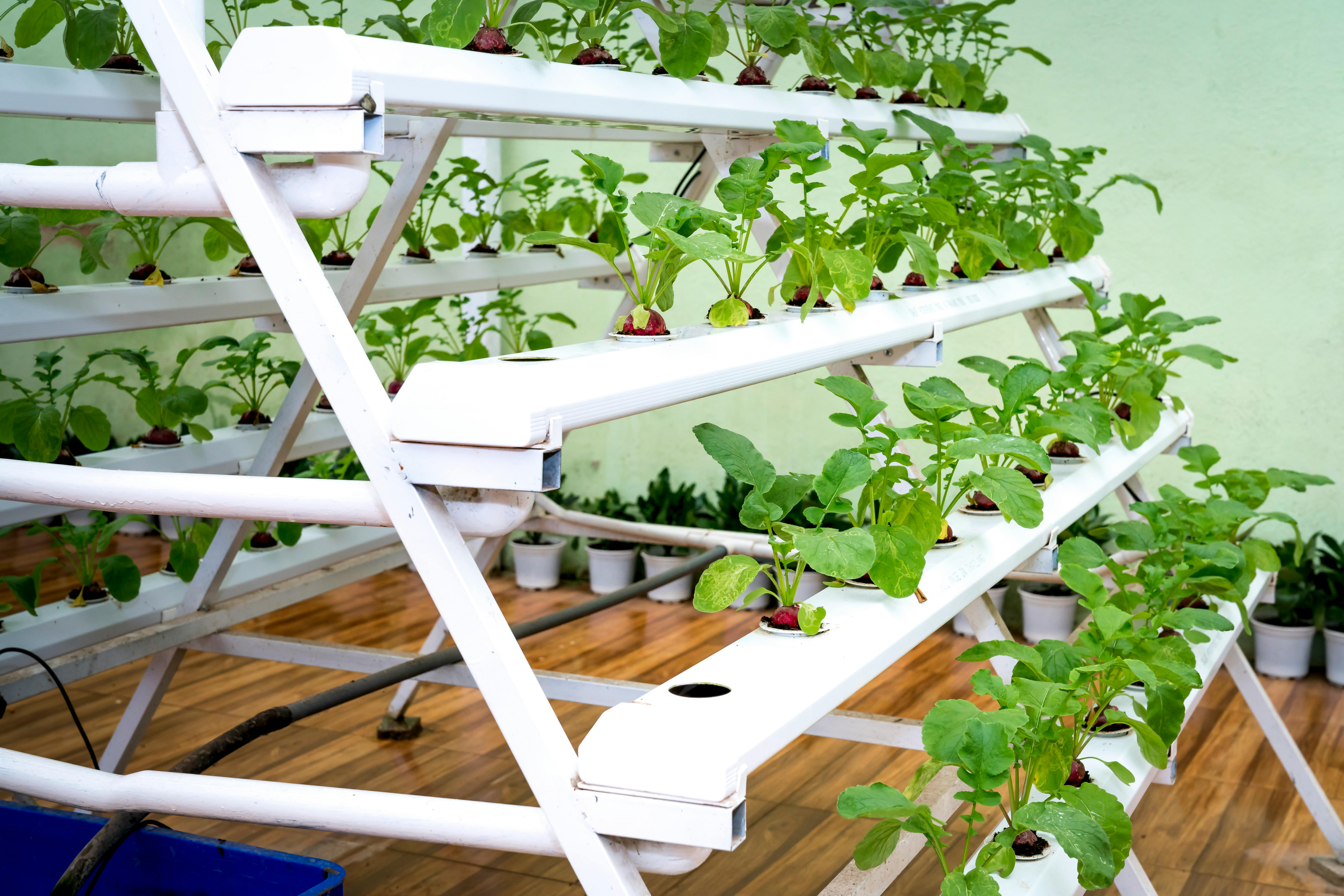
    Hydroponics has transformed modern agriculture. By growing plants in nutrient-rich water rather than soil, growers achieve faster growth, higher yields, and precise control over plant nutrition.

    But hydroponics comes with unique challenges: biofilm, algae, mold, root rot, and bacterial contamination can spread quickly through a closed water system, threatening the entire crop. One contaminated reservoir can compromise weeks of work.

    Enter chlorine dioxide (ClO₂) — a powerful, safe, and eco-friendly solution that ensures clean water, healthy roots, and robust plant growth in hydroponic systems. From seedlings to harvest, ClO₂ is revolutionizing hydroponic cultivation.


    Seedling Stage: Clean Water from the Start

    The first step in hydroponics is establishing a healthy root zone. Seeds and seedlings are especially vulnerable to bacterial or fungal contamination in water reservoirs.

    ClO₂ provides:

    • Pathogen control: Eliminates harmful bacteria, fungi, and algae in nutrient water.

    • Enhanced germination: Healthy seedlings sprout uniformly without early stress.

    • Root protection: Prevents damping-off and other waterborne diseases.

    Starting with clean water ensures the roots grow strong and healthy, creating the foundation for a successful hydroponic cycle.


    During vegetative growth, plants demand constant oxygen and nutrient delivery. Contaminated water slows growth, reduces nutrient absorption, and can lead to root stress.Vegetative Stage: Maintaining a Healthy Hydroponic System
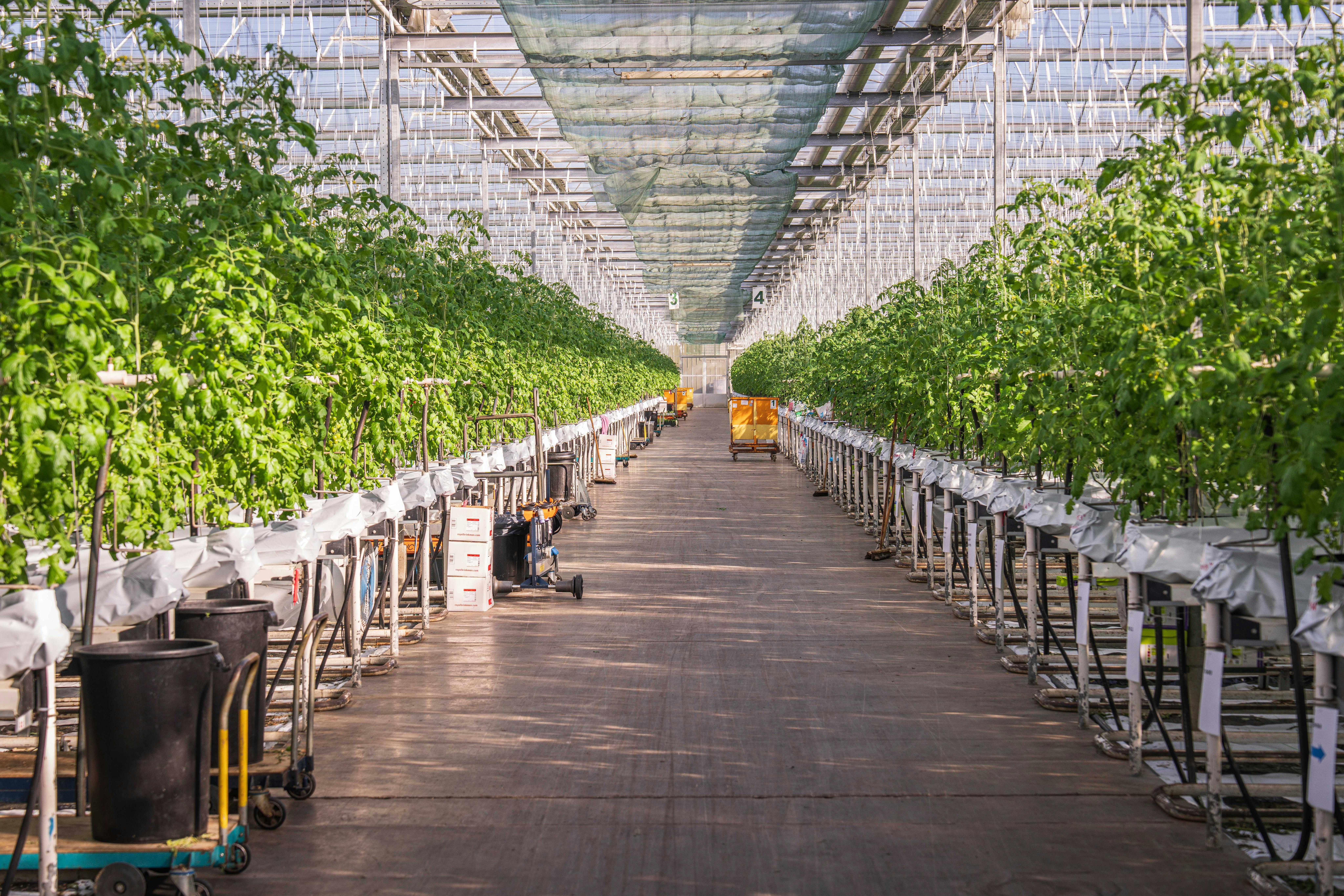
    During vegetative growth, plants demand constant oxygen and nutrient delivery. Contaminated water slows growth, reduces nutrient absorption, and can lead to root stress.

    Using ClO₂ in hydroponic reservoirs helps:

    • Break down biofilm: Removes buildup on pipes, tanks, and tubing.

    • Prevent algae and bacteria: Stops pathogens from spreading through the system.

    • Support root health: Promotes oxygenation and nutrient uptake.

    Unlike chlorine, ClO₂ does not create harmful chloramines and leaves no chemical residues, making it ideal for edible crops, medicinal plants, and high-value vegetables.


    Flowering/Production Stage: Protecting Buds and Fruits

    As plants transition to flowering or fruit production, they become more sensitive to water quality issues. Pathogens can stunt growth, reduce yield, or compromise product safety.

    ClO₂ provides:

    • Air and water sanitation: Reduces airborne spores and eliminates microbes in the water.

    • Bud and fruit protection: Prevents mold, mildew, and bacterial growth.

    • Sustained growth: Ensures plants receive consistent nutrients without contamination risk.

    By maintaining clean water and equipment, growers can maximize both yield and quality, protecting the investment in hydroponic systems.


    Hydroponic systems require careful maintenance — tanks, tubing, and reservoirs are all susceptible to microbial growth.System Maintenance: Clean, Safe, and Sustainable

    Hydroponic systems require careful maintenance — tanks, tubing, and reservoirs are all susceptible to microbial growth.

    ClO₂ simplifies ongoing care:

    • Reservoir treatment: Periodic ClO₂ dosing keeps water free of pathogens.

    • Equipment sanitation: Keeps pumps, tubing, and tanks free from biofilm.

    • Environmental safety: Non-toxic and biodegradable, leaving no harmful residues.

    By integrating ClO₂ into routine hydroponic maintenance, growers reduce system failures, protect crops, and optimize yields sustainably.


    Benefits of Using ClO₂ in Hydroponics

    • Eliminates bacteria, fungi, and algae without harming plants

    • Supports consistent nutrient delivery and root oxygenation

    • Prevents root rot and damping-off disease

    • Safe for edible crops, medicinal plants, and high-value produce

    • Reduces biofilm buildup in closed systems

    • Eco-friendly, leaving no harmful residues


    Traditional agricultural disinfectants often rely on harsh chemicals that damage soil health and pollute waterways. ClO₂ breaks that pattern — it’s biodegradable, eco-friendly, and sustainable.More Questions About Hydroponics with ClO₂


    1️⃣ Is ClO₂ safe for hydroponic plants?
    Yes, at proper concentrations, ClO₂ targets pathogens without harming roots or leaves.

    2️⃣ Can ClO₂ prevent algae in hydroponic reservoirs?
    Absolutely. ClO₂ breaks down biofilm and prevents algae from proliferating.

    3️⃣ How often should ClO₂ be added to the system?
    Frequency depends on water volume and system type; generally, a low dose every 1–2 weeks or continuous low-level treatment is effective.

    4️⃣ Will ClO₂ affect nutrient solutions?
    No. ClO₂ does not react negatively with standard hydroponic nutrients.

    5️⃣ Can ClO₂ improve crop yields?
    Yes. Healthier roots and cleaner water contribute to stronger plant growth and higher-quality yields.

    6️⃣ Is it safe for edible or medicinal crops?
    Yes, ClO₂ leaves no harmful residues and is safe for human consumption.

    7️⃣ Can ClO₂ be used in NFT, DWC, and drip systems?
    Yes, it is compatible with all hydroponic system types when properly dosed.

    8️⃣ Does ClO₂ replace all cleaning protocols?
    It complements routine cleaning and disinfection, reducing pathogen buildup between cycles.

    9️⃣ Is ClO₂ environmentally friendly?
    Yes, it degrades into harmless salts and is biodegradable.

    🔟 Can ClO₂ be used for seedlings and mature plants?
    Yes, it is effective at all stages, protecting both young and mature crops.


    Conclusion: Cleaner Water, Stronger Hydroponic Growth

    Hydroponic cultivation is only as strong as the water that feeds it. Chlorine dioxide (ClO₂) empowers growers to eliminate hidden pathogens, prevent algae and biofilm, and maintain healthy roots throughout every growth stage. By integrating ClO₂, cultivators protect their crops, improve yields, and grow sustainably — without harsh chemicals or residual toxins. Stronger roots, cleaner systems, and higher-quality harvests aren’t just possible; they’re achievable. Hydroponic growers can finally focus on what matters most: healthy plants and thriving crops, every cycle. 💧🌱

    Call today for your Free consult!

  • Growing Cleaner Cannabis — How ClO₂ Protects Your Crop from Seedling to Harvest

    Growing Cleaner Cannabis — How ClO₂ Protects Your Crop from Seedling to Harvest

    The Hidden Threats in Cannabis Cultivation

    Cannabis cultivation is an art and a science. Growers carefully manage light cycles, nutrients, humidity, and airflow to produce the healthiest plants and the most potent buds. Yet, even with perfect conditions, invisible enemies lurk beneath the surface: root rot, mold, mildew, and bacterial infestations.

    A single outbreak can compromise an entire crop, costing weeks of care, hundreds of dollars in lost yield, and months of frustration. Many cultivators focus on visible signs — adjusting water, nutrients, and airflow — but often, the real problem begins before a leaf turns yellow or a bud shows signs of mold.

    Enter chlorine dioxide (ClO₂) — a safe, eco-friendly, and highly effective solution trusted in agriculture, food safety, and water treatment, now revolutionizing cannabis cultivation. From seedling protection to post-harvest storage, ClO₂ eliminates the pathogens that threaten plant health, giving growers stronger roots, healthier foliage, and cleaner, higher-quality yields.


    The journey to a thriving cannabis crop begins at the seed. Even a healthy-looking seed can harbor bacterial or fungal spores on its surface. Without intervention, these pathogens can attack roots, stunt growth, and reduce germination success.

    Seedling Stage: Starting Clean

    The journey to a thriving cannabis crop begins at the seed. Even a healthy-looking seed can harbor bacterial or fungal spores on its surface. Without intervention, these pathogens can attack roots, stunt growth, and reduce germination success.

    Using ClO₂ at this stage provides a simple yet powerful advantage:

    • Surface sterilization: A gentle ClO₂ solution eliminates bacteria, mold, and fungi without harming the seed.

    • Improved germination: Healthy seeds sprout faster and more uniformly, giving seedlings a strong start.

    • Disease prevention: Early exposure to pathogens is minimized, reducing the risk of root rot and damping-off disease.

    ClO₂ treatment allows growers to start with a clean slate, ensuring plants can thrive without early microbial interference.


    Vegetative Stage: Strengthening Roots and Leaves

    During the vegetative stage, cannabis plants are especially sensitive to pathogens in soil and water. Pythium, Fusarium, and other root pathogens can silently attack, weakening plants before any symptoms appear above ground.

    Integrating ClO₂ into irrigation water or misting systems provides:

    • Root protection: Eliminates waterborne pathogens without harming beneficial microbes.

    • Leaf and foliage safety: Prevents mold and mildew on leaves in humid grow environments.

    • Consistent growth: Plants develop strong, healthy roots and foliage, reducing stress and vulnerability.

    Unlike chlorine bleach or other harsh chemicals, ClO₂ breaks down safely into non-toxic salts, leaving no residue that could harm plants or the environment.


    The flowering stage is critical — buds are forming, and plants are most susceptible to bud rot (Botrytis), mold, and mildew. A single outbreak can destroy weeks of work.

    Flowering Stage: Protecting Your Yield

    The flowering stage is critical — buds are forming, and plants are most susceptible to bud rot (Botrytis), mold, and mildew. A single outbreak can destroy weeks of work.

    ClO₂ provides:

    • Airborne pathogen control: Treating the grow space reduces spores in the air that can land on buds.

    • Surface sanitation: Tools, trellises, and greenhouse surfaces are disinfected safely.

    • Humidity management: ClO₂ mitigates mold growth in high-humidity zones without toxic chemical sprays.

    By using ClO₂ during flowering, growers protect the crop’s integrity, potency, and market value — all while maintaining compliance with eco-friendly and sustainable growing practices.


    Post-Harvest: Storage and Sanitation

    Even after harvest, cannabis is vulnerable. Buds can develop mold during drying, curing, or storage, reducing potency and shelf life. ClO₂ ensures:

    • Storage protection: Treating storage rooms with controlled ClO₂ eliminates residual spores.

    • Tool and container sanitation: Harvesting equipment stays clean without leaving chemical residues.

    • Extended shelf life: Cannabis remains fresh and potent, free from microbial contamination.


    Benefits of ClO₂ in Cannabis Cultivation

    • Non-toxic to plants and safe for humans

    • Highly effective against mold, mildew, fungi, and bacteria

    • Supports sustainable and organic cultivation practices

    • Improves germination and plant growth rates

    • Extends shelf life and quality of harvested buds

    • Reduces the need for harsh chemical treatments


    By using ClO₂ during flowering, growers protect the crop’s integrity, potency, and market value — all while maintaining compliance with eco-friendly and sustainable growing practices.Questions That Cannabis Cultivators Have About ClO₂

    1️⃣ Is ClO₂ safe for cannabis plants?
    Yes. At proper concentrations, ClO₂ targets pathogens without harming roots, leaves, or buds.

    2️⃣ Can ClO₂ prevent root rot?
    Absolutely. It disinfects irrigation water and soil, reducing waterborne pathogens like Pythium.

    3️⃣ How should ClO₂ be applied during growth?
    Diluted solutions can be used for seed soaking, irrigation, foliar misting, and environmental air treatment.

    4️⃣ Does it affect plant taste or potency?
    No, ClO₂ leaves no residue, maintaining natural flavor, aroma, and cannabinoid content.

    5️⃣ Can ClO₂ be used in hydroponic systems?
    Yes. It keeps nutrient lines and water reservoirs free of slime and pathogens.

    6️⃣ How often should ClO₂ be used?
    Frequency depends on system type and environmental conditions; generally once every 1–2 weeks for irrigation and continuous low-level air treatment.

    7️⃣ Is ClO₂ compatible with organic cultivation?
    Yes. It is a safe, non-toxic solution suitable for organic operations when used correctly.

    8️⃣ Can ClO₂ help prevent bud mold during flowering?
    Yes. Air and surface treatments reduce spores and minimize bud rot risk.

    9️⃣ Is ClO₂ harmful to workers?
    No. When used per manufacturer instructions, it’s safe for humans and animals.

    🔟 Can ClO₂ improve overall crop yield?
    Yes. By preventing disease and promoting healthy growth, ClO₂ contributes to stronger plants, better yields, and higher-quality buds.


    In Conclusion

    From seedling to harvest, the path to a thriving cannabis crop is full of potential threats — root rot, mold, mildew, and bacterial contamination. But with chlorine dioxide (ClO₂), growers now have a safe, effective, and eco-friendly tool to protect their plants at every stage. By starting clean, maintaining healthy roots, and sanitizing the environment, ClO₂ empowers cultivators to maximize yields, enhance bud quality, and grow with confidence. This isn’t just a matter of plant health — it’s about sustainable, responsible cultivation that respects both the crop and the planet. Embracing ClO₂ means embracing a cleaner, smarter, and more resilient future for cannabis cultivation. 🌱✨

    Call today for your Free Consult!

    clo2 is safe when used in proper dilutions.