Tag: eco-friendly cleaning

  • How To Clean a Building Effectively Using Eco-Friendly ClO₂ Solutions

    How To Clean a Building Effectively Using Eco-Friendly ClO₂ Solutions

    ✨ How To Clean A Building Effectively — The Smart, Eco-Friendly Way with ClO₂

    Cleaning a building might sound like a huge chore, but with the right strategy, tools, and eco-friendly cleaning products, it can actually be efficient, satisfying, and even enjoyable. 🧹✨ From offices and schools to retail stores and multi-use facilities, a clean building is more than just appearances—it’s a health safeguard.

    At the center of modern, safe, and eco-friendly cleaning is chlorine dioxide (ClO₂), a powerful disinfectant that not only eliminates germs and bacteria but also neutralizes odors, volatile organic compounds (VOCs), and allergens. 🌿

    This guide will give you a step-by-step system for cleaning any building effectively, along with detailed instructions on using ClO₂ tablets safely, advanced tips for floors, windows, and dusting, and answers to the most common questions about eco-friendly cleaning.


    🧺 Step 1: Declutter and Prep the Space

    Before you pick up a mop or spray a single cleaner, prep is key. Removing clutter not only makes cleaning easier but also reduces dust accumulation and allows cleaning solutions to reach every surface.

    Decluttering Checklist:

    • Empty trash and recycling bins. ♻️
    • Remove old paperwork, boxes, and items blocking surfaces.
    • Store personal items, office supplies, or decorative pieces safely.

    💡 Pro Tip: Create a “cleaning station” with your tools, ClO₂ tablets, spray bottles, and microfiber cloths. Having everything organized saves time and keeps cleaning efficient.


    🧹 Step 2: Dusting — The Unsung Hero of Clean Buildings

    Dust might look harmless, but it carries bacteria, allergens, and mold spores. Regular dusting with eco-friendly products is essential for a healthy indoor environment.

    Effective Dusting Techniques:

    • Top-Down Approach: Start with ceiling fans, high shelves, and light fixtures. Dust falls downward, so you can finish with lower surfaces last.
    • Use Microfiber Cloths: These trap dust instead of spreading it around. For added cleaning power, lightly spray with a ClO₂ solution, which kills microbes on contact.
    • Don’t Forget Baseboards & Corners: Dirt collects here, often out of sight. A damp cloth or a vacuum with an attachment works well.
    • Hard-to-Reach Areas: Long-handled dusters or extendable microfiber wands help reach vents, blinds, and the tops of tall furniture.

    Pro Tip: Regularly launder your dusting cloths and vacuum attachments to prevent redistributing dust and germs.

    Advanced Tip: Use a ClO₂ misting solution in areas prone to bacteria accumulation (break rooms, bathrooms, conference rooms). It’s safe for surfaces and the air, helping maintain a fresher environment throughout the day.


    🧼 Step 3: Smart Floor Cleaning

    Floors see the most traffic, which means they accumulate dirt, bacteria, and organic matter quickly. Using ClO₂ for floors gives you a thorough clean while remaining gentle on surfaces.

    Step-by-Step Floor Cleaning:

    • Sweep or Vacuum: Remove loose debris first. For hardwood floors, use a soft-bristled broom to avoid scratches.
    • Mix ClO₂ Solution: One tablet per recommended amount of warm water dissolves to create a safe, effective cleaner.
    • Mop Thoroughly: Use a figure-eight motion for even coverage. Pay extra attention to high-traffic areas.
    • Dry Floors Completely: Allowing floors to dry reduces streaks and prevents slips.

    Special Tips:

    • For tiles and stone floors, ClO₂ helps prevent mold and mildew in grout lines.
    • Use entrance mats or rugs to reduce the amount of dirt tracked inside. Clean these mats daily.
    • Place felt pads under furniture to prevent scratches when moving pieces for cleaning.

    Pro Tip: For stubborn stains or spills, let ClO₂ solution sit for 5–10 minutes before scrubbing—it oxidizes and neutralizes contaminants, giving a deep clean without harsh chemicals.


    🚻 Step 4: Bathroom Deep Cleaning

    Bathrooms are breeding grounds for germs, making effective disinfecting a priority. ClO₂ is ideal because it kills bacteria, mold, and viruses safely, without damaging surfaces or leaving chemical residues.

    Bathroom Cleaning Checklist:

    • Toilets: Scrub with ClO₂ solution; drop a tablet in the bowl and let it sit before flushing.
    • Sinks and Countertops: Spray and wipe; pay attention to faucets and handles.
    • Showers and Tubs: Use a non-abrasive sponge soaked in ClO₂ solution; rinse after cleaning.
    • Floors: Mop with ClO₂ solution to disinfect and remove odors.
    • Trash & Recyclables: Empty daily to prevent buildup.

    💡 Pro Tip: For odor control, spray ClO₂ solution in the air or on surfaces that often retain smells. It neutralizes odors at the molecular level rather than masking them.


    🪟 Step 5: Windows and Glass — Crystal Clear Every Time

    Windows are more than decorative—they let in natural light, which improves mood and energy in a building. But streaks, dust, and smudges can ruin the effect.

    Window Cleaning Tools:

    • Squeegee with a sharp rubber blade
    • Microfiber cloths for drying
    • Bucket with ClO₂ solution for frames and ledges only
    • Non-abrasive scrubber or sponge
    • Extension pole for tall windows

    Cleaning Steps:

    • Pre-clean windows by removing dust, cobwebs, and debris.
    • Apply ClO₂ cleaning solution with a sponge to window frames and ledges
    • Use the squeegee from top to bottom, slightly overlapping each stroke on the glass with a window cleaner (we recommend one from synergygreenclean.com).
    • Dry edges and frames with a microfiber cloth.

    Advanced Tip: Use ClO₂ solution for window frames and ledges—it disinfects hidden corners where germs thrive. Using CLO2 on the glass itself isn’t recommended.


    🌿 Step 6: Eco-Friendly Cleaning Products and ClO₂

    Switching to eco-friendly cleaners is not just a trend—it’s a smart health and sustainability choice.

    Why ClO₂ is Perfect:

    • Biodegradable and environmentally friendly
    • Kills 99.9% of bacteria, mold, viruses, and odor-causing compounds
    • Safe for children, pets, and people with chemical sensitivities
    • Does not corrode surfaces like bleach

    💡 Pro Tip: Always follow the tablet’s instructions for concentration. Too strong isn’t necessary, and too weak won’t disinfect properly.

    Recommended Uses:

    • Floors, counters, and tables
    • Bathrooms and showers
    • Kitchen areas and prep surfaces
    • HVAC vents and high-touch areas

    🧪 Step 7: How to Use ClO₂ Tablets for Building Cleaning

    You’ll need:

    • ClO₂ tablets
    • Water
    • Gloves
    • Bucket or spray bottle
    • Cleaning cloths

    Step-by-Step Instructions:

    • Wear gloves to protect skin.
    • Dissolve the tablet in water according to instructions.
    • Pour into a spray bottle for easy application.
    • Spray and wipe all surfaces—tables, counters, doorknobs, and more.
    • Allow surfaces to air dry to maximize disinfecting power.
    • Dispose of leftover solution safely; rinse containers after use.

    Safety Notes:

    • Never ingest ClO₂ solutions.
    • Avoid contact with eyes and mucous membranes.
    • Store tablets safely, away from children and pets.

    🧑‍🔧 Step 8: Professional Cleaning Services

    For larger facilities, hiring professional cleaning services that utilize ClO₂ can save time and provide consistent results.

    Benefits:

    • Access to specialized equipment like ClO₂ foggers
    • Experts who understand surface-specific cleaning
    • Thorough disinfecting and odor neutralization
    • Time-saving for building managers

    💡 Pro Tip: Regular professional cleanings combined with daily maintenance using ClO₂ tablets creates a healthier, longer-lasting clean.


    🌸 Step 9: Maintaining a Healthy Building Environment

    A clean building isn’t just about aesthetics; it’s about long-term health, productivity, and safety. Here’s how to maintain your building:

    • Daily: Empty trash, wipe high-touch surfaces with ClO₂ solution
    • Weekly: Mop floors, dust surfaces, clean bathrooms thoroughly
    • Monthly: Deep clean windows, vents, and hard-to-reach areas
    • Quarterly: Professional cleaning and HVAC inspection

    Extra Tip: Keep a supply of ClO₂ tablets in strategic areas—like kitchens, restrooms, and janitorial closets—for quick touch-ups.


    💬 Top 15 FAQs About Building Cleaning with ClO₂

    1. What is ClO₂?
      Chlorine dioxide is an eco-friendly disinfectant that oxidizes germs and neutralizes odors without toxic residues.

    2. Is ClO₂ safe for daily use?
      Yes, when used according to package instructions. It’s gentle on surfaces and safe for people.

    3. Can ClO₂ replace bleach?
      Absolutely. It disinfects more effectively without damaging surfaces or producing harsh fumes.

    4. Can I use ClO₂ on wood and metal?
      Yes, it is safe for most surfaces, including hardwood, metal, tile, and laminate.

    5. Does ClO₂ remove odors?
      Yes, it neutralizes odors at a molecular level, rather than just masking them.

    6. How long does a ClO₂ solution last?
      Use within 24 hours after activation for optimal efficacy.

    7. Can ClO₂ clean HVAC systems or vents?
      Yes, it’s excellent for deodorizing and disinfecting ductwork and ventilation.

    8. Is ClO₂ environmentally safe?
      Yes, it’s biodegradable and does not create harmful byproducts.

    9. Can ClO₂ be used around pets and children?
      Yes, when used properly in diluted form, it is safe.

    10. How do I store ClO₂ tablets?
      Store in a dry, cool place, away from sunlight, children, and pets.

    11. What concentration should I use for heavy-duty cleaning?
      Follow the tablet instructions; typical concentrations for buildings are 100–200 ppm.

    12. Can ClO₂ prevent mold growth?
      Yes, regular use on high-moisture areas reduces mold and mildew development.

    13. Is professional cleaning necessary if I use ClO₂ daily?
      Professional cleaning complements daily maintenance by reaching deeper or high-risk areas.

    14. Can I use ClO₂ on carpets or upholstery?
      Yes, in diluted form, it can sanitize fabrics without staining or damaging fibers.

    15. Where can I buy ClO₂ tablets?
      Visit clo2tablets.com for high-quality tablets and cleaning guides.


    🌟 Conclusion: Clean Smarter, Live Healthier

    Cleaning a building doesn’t have to be overwhelming. By combining smart preparation, regular maintenance, and eco-friendly ClO₂ solutions, you can maintain a building that’s safe, fresh, and welcoming.

    From dusting and mopping to disinfecting bathrooms and windows, ClO₂ simplifies the process, protects the environment, and keeps everyone healthier. 🌿💧

    Remember: a clean building is more than appearances—it’s a commitment to wellness, productivity, and peace of mind.
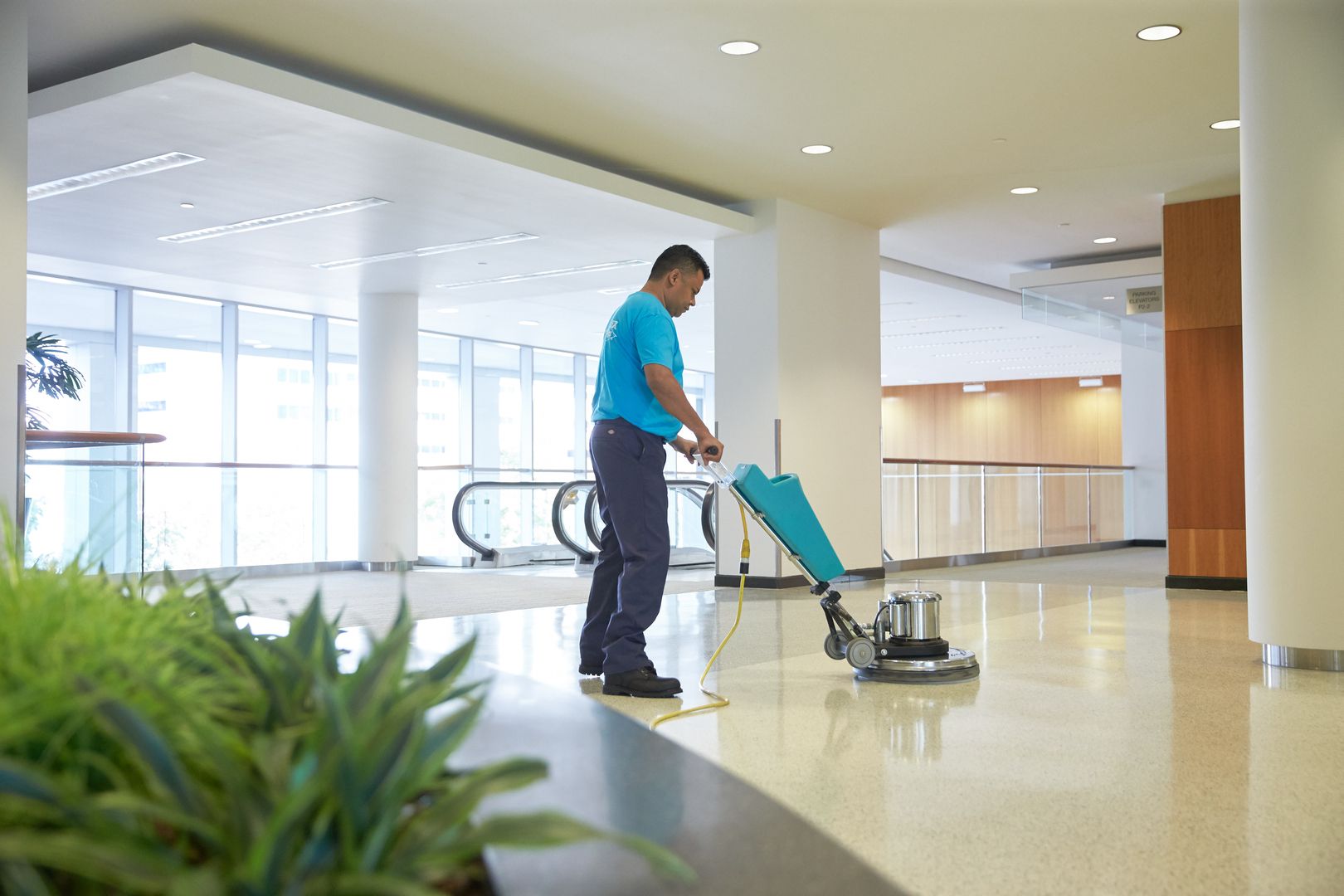

    a cleaner polishing tiles with a scrubbing machine in a commercial building.


  • From Bleach to Breakthrough: Why Smart Cleaners Are Choosing CLO₂

    From Bleach to Breakthrough: Why Smart Cleaners Are Choosing CLO₂

    The Era of Smart Cleaning is Here

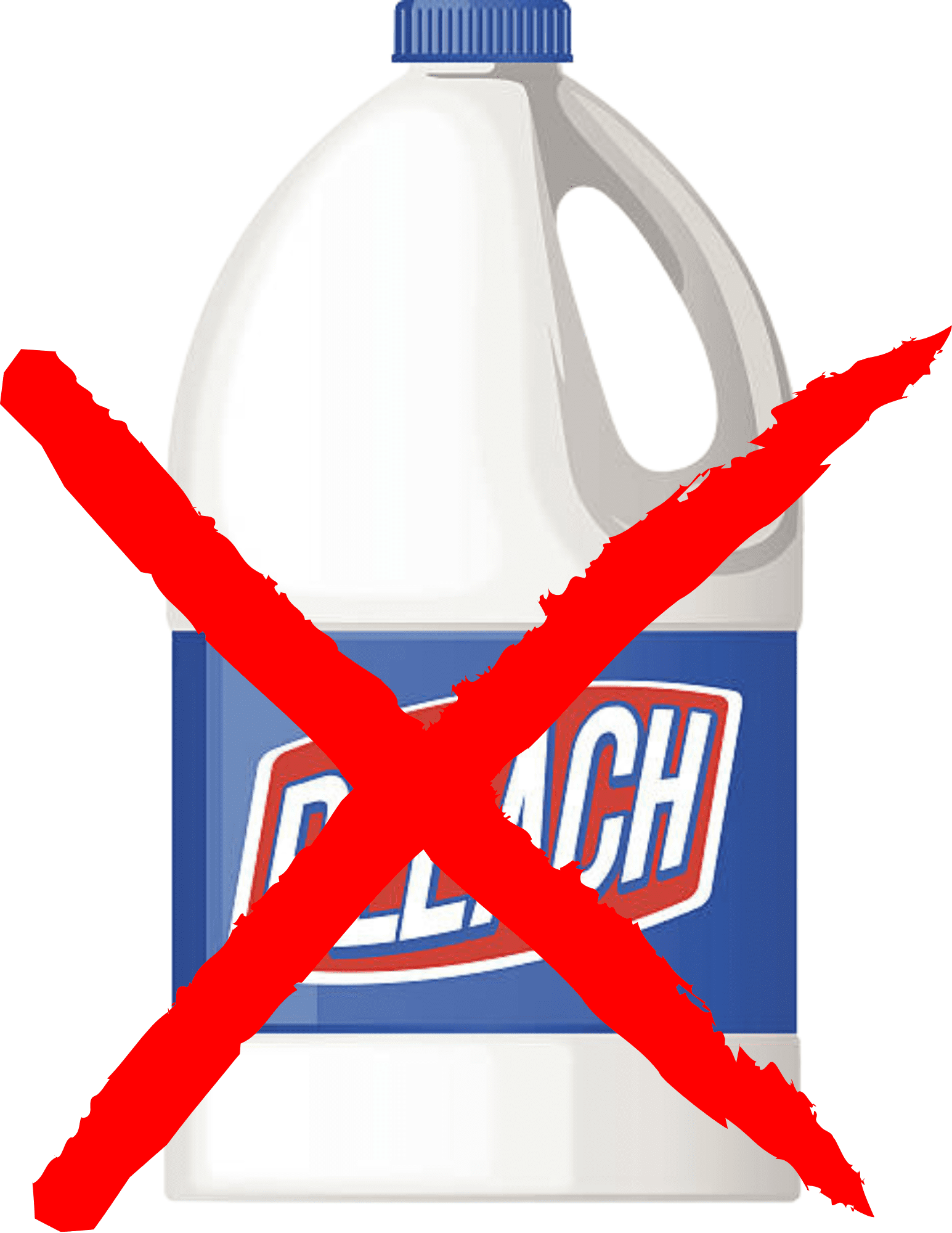
    The days of harsh, chemical-laden bleach are fading fast — and for good reason. Studies now show that prolonged bleach exposure can lead to respiratory damage, immune system stress, and even neurological effects from poor indoor air quality. Those “clean” fumes that sting your nose and eyes are actually chlorine vapors irritating your lungs and airways, and the residues left behind can disrupt your body’s natural balance. It’s no wonder that homes, schools, and businesses are saying enough is enough.

    Today’s cleaning standards demand smart, safe, and sustainable solutions — products that protect health without sacrificing performance. Enter CLO₂ — the breakthrough alternative that’s redefining what clean truly means. Whether you’re a facility manager safeguarding staff, a homeowner protecting family, or a sustainability advocate driving change, the message is clear: your cleaning choices matter — to your people, your air, and your planet.


    Here’s a myth worth clearing up: chlorine dioxide is not chlorine bleach. Yes, they sound similar, but their chemistry couldn’t be more different.1. The Evolution of Cleaning: From Harsh Chemicals to Smart Solutions
    Traditional bleach has been the industry standard for decades. But here’s the problem: it’s toxic, corrosive, and harsh on surfaces — not to mention the lingering chemical smell that no one enjoys.

    Trends today show:

    • Consumers and businesses are moving toward eco-conscious alternatives.

    • Regulations are tightening around chemical use in homes, schools, hospitals, and food handling.

    • Employees and families are demanding safer environments — without compromising cleanliness.

    The shift is no longer optional. It’s a necessity. And CLO₂ is leading the charge.


    2. Green Cleaning 2025: What Makes a Product Truly Sustainable

    Smart cleaners are not just replacing bleach — they are rethinking cleaning itself.

    Here’s what makes a modern cleaning solution truly sustainable:

    • Non-toxic ingredients: Safe for children, pets, and staff.

    • Versatile application: Works on glass, metal, ceramic, fabrics — all without damage.

    • Minimal environmental footprint: Reduced packaging, biodegradable components, and lower water usage.

    • Proven efficacy: Effective against bacteria, viruses, mold, and biofilm without harsh chemicals.

    CLO₂ ticks every box. It’s non-toxic, safe, environmentally friendly, and highly effective — the complete green cleaning solution.


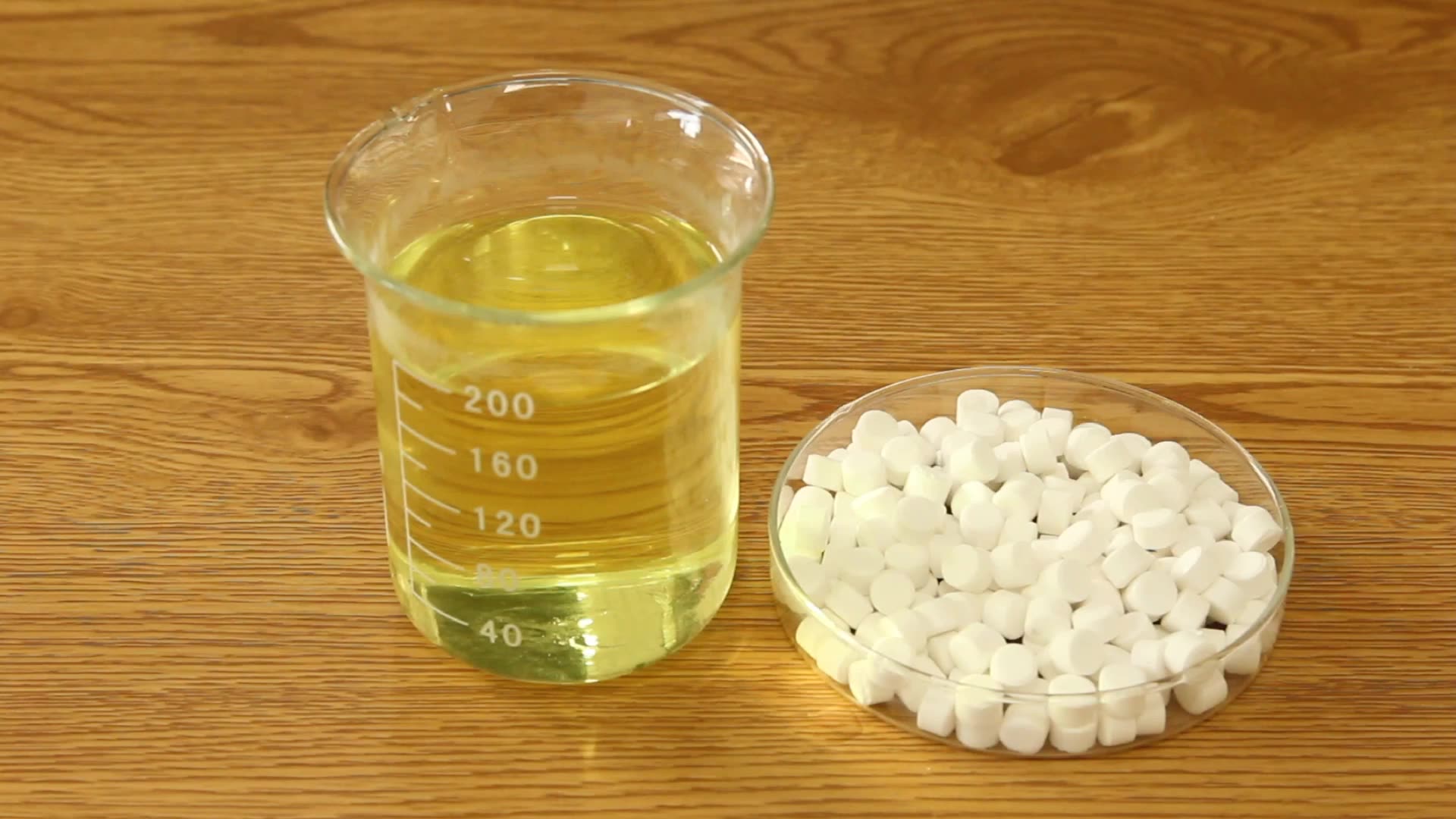
    chlorine dioxide tablets and glass of water on table surface3. Meet CLO₂: The Science Behind the Breakthrough

    Chlorine dioxide (CLO₂) is a powerhouse disinfectant used in hospitals, food industries, and now, modern homes. Here’s why smart cleaners are making the switch:

    • Potent yet safe: Unlike bleach, CLO₂ is non-corrosive and won’t release toxic fumes.

    • Multi-surface use: From countertops to fabrics, it handles cleaning and disinfecting in one step.

    • Environmentally responsible: Breaks down into harmless compounds after use — no chemical residue.

    • Economical: Tablets dissolve into solution on demand, reducing storage and transport costs.

    In short: CLO₂ isn’t just a cleaner. It’s a revolution in hygiene and sustainability.


    4. How Businesses and Homes Can Adopt CLO₂ Today

    Switching from bleach to CLO₂ doesn’t have to be complicated. Here’s a practical roadmap:

    1. Start small: Replace bleach in high-touch areas — kitchens, bathrooms, and office spaces.

    2. Educate staff or household members: Share safety and efficacy benefits to encourage adoption.

    3. Leverage multi-purpose applications: Use CLO₂ for laundry, glass, and sanitizing surfaces.

    4. Market your eco-conscious shift: If you’re a business, showcase your commitment to green cleaning in your social media, website, and store signage.

    5. Monitor and optimize: Track results and feedback to fine-tune your cleaning program.

    By adopting CLO₂ today, you’re leading your industry, protecting health, and supporting the planet — all at once.


    CLO2 can be safely used around Children and pets if used as directed.5. Why Now? The Urgency of Going Green
    Every day that businesses or households continue using harsh chemicals is a day lost in credibility, safety, and sustainability. Early adopters of green cleaning solutions are gaining trust, recognition, and even regulatory compliance advantages.

    Act now, because:

    • Green certifications and eco-friendly branding influence customer choice.

    • Safety concerns are rising — especially in public spaces and schools.

    • Competitive advantage is gained by being the first to switch to safe, effective, modern disinfectants.

    The future of cleaning is here, and it’s chlorine dioxide.


    Conclusion: From Bleach to Breakthrough

    The world is evolving — and so must the way we clean it. Bleach may have written the first chapter of modern sanitation, but its story has reached the end. The future belongs to solutions that clean deeply without compromise — solutions that protect people, preserve surfaces, and respect the environment.

    CLO₂ stands at the crossroads of science and sustainability — a product born from innovation, refined by necessity, and chosen by those who refuse to trade health for hygiene. Every drop used, every surface restored, and every breath of cleaner air represents a quiet revolution in how we define “clean.”

    So as you close this page and look around your space — your home, your business, your world — ask yourself: Is my cleaning helping me move forward, or keeping me stuck in the past?

    Smart cleaners already know the answer. The breakthrough isn’t coming — it’s here. Choose EnviroTab CLO₂ tablets and be part of the movement that’s changing clean for good.

    CLO2 is a healthy alternative to Bleach and other chemical household cleaners

  • Stopping Germs at the Source: Protecting Your Family and Workplace

    Stopping Germs at the Source: Protecting Your Family and Workplace

    Stop Germs at the Source: Home & Workplace Flu Prevention

    Flu season isn’t just about avoiding sick coworkers or handwashing. The most effective flu prevention starts at the source. Germs spread quickly through shared surfaces, close contact, and even airborne droplets.

    Whether it’s your home or workplace, targeting germs at the source is the best strategy for keeping your family, employees, and yourself healthy. Using chlorine dioxide (ClO₂) for eco-friendly cleaning adds a powerful layer of protection.


    Why Germs Spread So Quickly

    Germs thrive where humans congregate. Even small actions—touching a doorknob, opening a fridge, or sharing a keyboard—can spread viruses rapidly. In workplaces, high-density areas, shared devices, and breakrooms increase flu transmission risk. At home, everyday objects like remote controls, phones, and backpacks carry germs across surfaces and into hands.

    Airborne germs also contribute. Sneezes, coughs, and even talking can release droplets that linger in the air for hours, making it critical to combine surface cleaning with air purification.


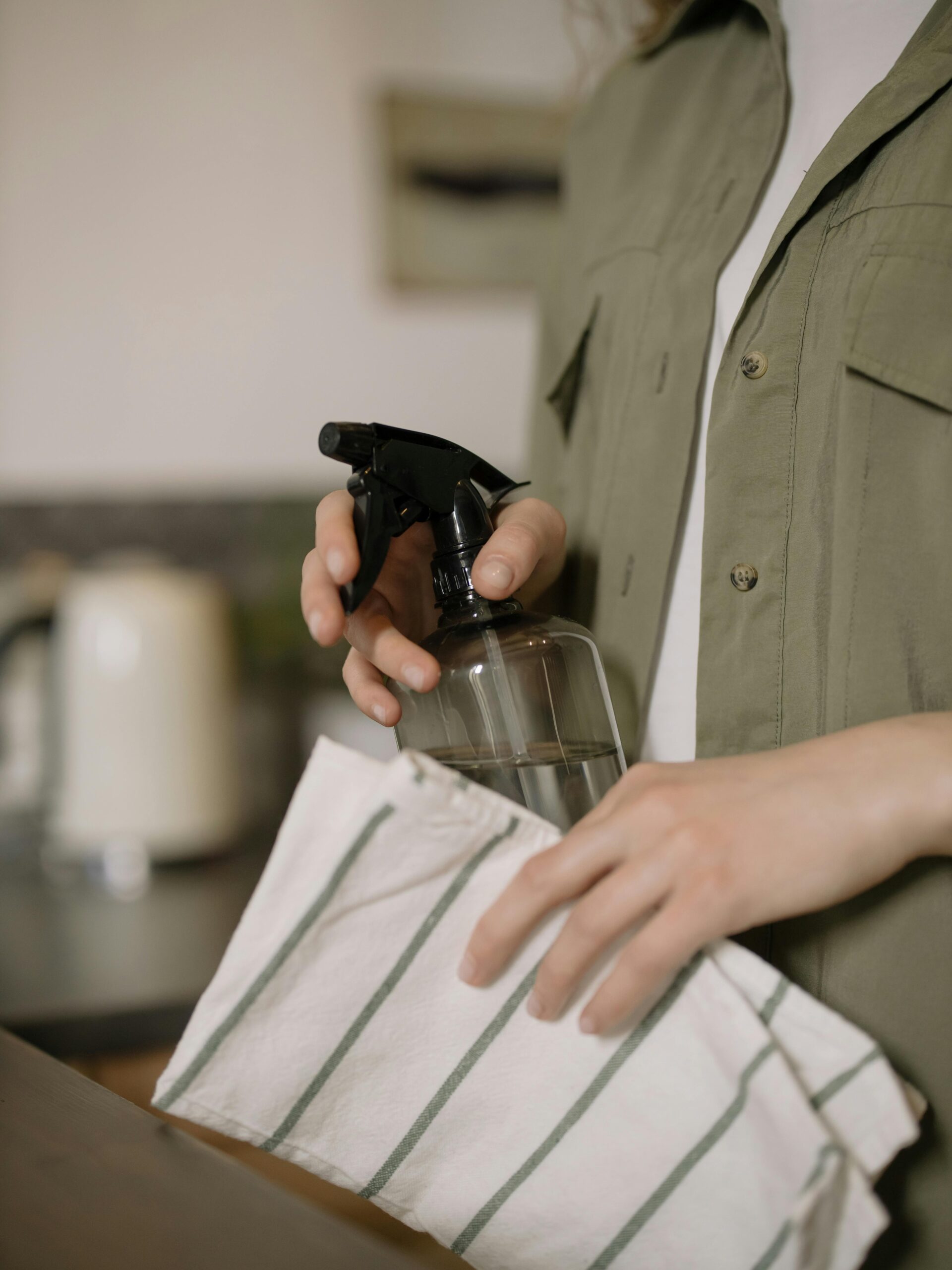
    Keeping high touch surfaces clean with clo2 lowers the transmission of germs,Top Strategies to Stop Germs at the Source
    1. Home Protection

    • High-touch surfaces: Disinfect doorknobs, faucets, remote controls, and kitchen handles daily using ClO₂ sprays or wipes.

    • Shared devices: Clean smartphones, tablets, and laptops frequently.

    • Laundry & fabrics: Wash pillowcases, towels, and kids’ backpacks weekly; ClO₂ can safely sanitize some fabrics.

    • Hands-on hygiene: Encourage family members to wash hands after coming in from public spaces.

    2. Workplace Protection

    • Shared equipment: Phones, copiers, and conference tables should be disinfected daily.

    • Break rooms & kitchens: Clean counters, refrigerator handles, and microwaves frequently.

    • Air quality: Use ClO₂ air solutions or purifiers to reduce airborne germs in offices and classrooms.

    • Flexible sick policies: Encourage employees to stay home when ill to prevent workplace outbreaks.


    Why ClO₂ Works for Source Prevention

    • Eliminates bacteria and viruses on surfaces and in the air – including flu viruses.

    • Safe for homes and offices – children, pets, and employees are protected.

    • Eco-friendly – avoids harsh chemicals while maintaining maximum germ-killing power.

    • Odor neutralization – removes musty or stale smells that indicate germs.


    Practical Home & Workplace Routine

    1. Daily cleaning: Focus on high-touch surfaces with ClO₂.

    2. Weekly deep cleaning: Target less obvious germ areas like keyboards, vents, and window sills.

    3. Air purification: Open windows or use ClO₂-based air solutions.

    4. Personal hygiene: Wash hands frequently, cover coughs, and encourage proper mask use if needed.

    5. Educate family or employees: Awareness is a crucial defense against flu spread.


    Conclusion

    Stopping flu germs at the source is all about proactive habits. Target high-touch surfaces, purify indoor air, and leverage the power of ClO₂ (chlorine dioxide) for a germ-safe environment at home and at work.

    Flu season doesn’t have to mean disruption or illness. By building a layered prevention strategy, you protect your family, coworkers, and yourself effectively and safely.

    💡 Next in our series: Learn how to stay healthy this flu season with a simple 3-step germ defense plan that’s practical and actionable.


    Keeping surfaces clean with clo2 stays ahead of the game, keeping germs down and the transmission of the flu low.Questions People Ask

    1. Q: What does “stopping germs at the source” mean?
    A: It means targeting areas where viruses and bacteria are most likely to spread—high-touch surfaces, shared devices, and airborne germs.

    2. Q: How often should I clean high-touch surfaces at home?
    A: Daily during flu season, especially doorknobs, kitchen handles, faucets, and electronics.

    3. Q: Can ClO₂ be used in offices safely?
    A: Yes! ClO₂ is eco-friendly and safe for children, pets, and employees when used as directed.

    4. Q: Should air purification be part of source control?
    A: Absolutely. Airborne flu viruses can linger, and ClO₂ solutions help neutralize them effectively.

    5. Q: How do I prevent flu spread in break rooms?
    A: Clean shared surfaces, disinfect appliances, and provide hand sanitizer. Consider ClO₂ sprays for additional protection.

    6. Q: Are fabrics a source of germs?
    A: Yes. Wash pillowcases, towels, and backpacks regularly. ClO₂ can also safely disinfect some fabrics.

    7. Q: How can flexible sick policies reduce flu in the workplace?
    A: Encouraging employees to stay home when ill prevents spreading germs to coworkers.

    8. Q: Can ClO₂ eliminate both surface and airborne germs?
    A: Yes. It’s effective against bacteria, viruses, and mold in multiple environments.

    9. Q: How do I teach family members about germ prevention?
    A: Create simple, clear routines for handwashing, surface cleaning, and proper etiquette for sneezing/coughing.

    10. Q: Is source control more effective than handwashing alone?
    A: Yes. Handwashing is essential but works best alongside surface cleaning, air purification, and ClO₂ disinfection.

  • Top 5 Germ Hotspots in Your Home (and How to Keep Them Clean)

    Top 5 Germ Hotspots in Your Home (and How to Keep Them Clean)

    Your home is supposed to be a safe haven—but during flu season, it can quickly become a hotspot for germs. Many people clean the obvious areas like floors and counters, but the flu virus thrives on everyday objects that we touch constantly.

    Studies show that high-touch surfaces like door handles, remotes, and keyboards harbor viruses and bacteria, increasing the risk of transmission. The good news is that with proper cleaning, you can reduce germs significantly. One of the most effective solutions is chlorine dioxide (ClO₂), an eco-friendly, fast-acting disinfectant that works on surfaces, fabrics, and even in the air.


    Laptops, cellphone and remote controls are all germ hotspots that we forget to wipe down!The Top 5 Germ Hotspots in Your Home

    1. Remote Controls

    Your living room remote control is handled by every member of the family and often never cleaned. Studies have found that these small devices carry more bacteria than a toilet seat. Wipe down daily with ClO₂ disinfectant to keep viruses at bay.

    2. Light Switches

    Often ignored during cleaning, light switches are touched multiple times a day by different household members. Daily disinfection with a ClO₂ spray or wipe prevents germ buildup.

    3. Refrigerator & Microwave Handles

    Handles in your kitchen are high-traffic areas. They are touched before and after food prep, which can easily transfer flu viruses. Clean handles at least once a day using eco-friendly ClO₂ solutions.

    4. Smartphones & Tablets

    Our devices travel with us everywhere—shopping carts, work desks, public transport. Regular cleaning with ClO₂ wipes or sprays kills lingering viruses without damaging electronics.

    5. Keyboards & Desks

    Whether you work from home or have children doing homework, keyboards, desks, and office equipment are loaded with germs. A weekly ClO₂ disinfectant routine is essential.


    Additional Tips for Reducing Home Germs

    • Establish a routine: Create a weekly cleaning checklist targeting high-touch areas.

    • Use ClO₂ regularly: Beyond surfaces, ClO₂ eliminates odors and airborne germs.

    • Encourage family participation: Teaching children to sanitize their hands and devices helps reduce spread.

    • Don’t forget fabrics: Phones, remotes, and handles are obvious, but soft surfaces like couch arms, pillowcases, and curtains also harbor germs.


    ClO₂ Advantages for Home Cleaning

    • Kills 99.9% of bacteria and viruses: Fast-acting and effective against flu viruses.

    • Eco-friendly: Safe for children, pets, and surfaces.

    • Versatile: Can be used on kitchen surfaces, electronics, bathroom fixtures, and even laundry.


    Conclusion

    Flu prevention starts at home, and targeting high-touch surfaces is one of the most effective ways to protect your family. By combining consistent cleaning routines with the power of ClO₂ (chlorine dioxide), you can create a healthier, germ-reduced environment that keeps flu viruses from taking hold.

    Stay vigilant, stay consistent, and keep your home flu-safe all season long.


    CLO2 is a healthy alternative to Bleach and other chemical household cleanersWhat People Also Ask

    1. Q: What are the most common germ hotspots in the home?
    A: Remote controls, light switches, fridge handles, smartphones, and keyboards are the top five.

    2. Q: How often should I clean remote controls?
    A: Daily during flu season using a ClO₂-based disinfectant.

    3. Q: Are kitchen handles really that dirty?
    A: Yes! Handles are touched before and after food prep and often harbor flu viruses.

    4. Q: Can ClO₂ be used safely on electronics?
    A: Yes! It’s safe for phones, tablets, and keyboards when applied as directed.

    5. Q: Should I disinfect my desk at home?
    A: Absolutely. Desks are high-touch areas and can harbor bacteria from multiple sources.

    6. Q: Do soft surfaces need ClO₂ cleaning?
    A: Yes. Couch arms, pillows, and curtains can carry germs. ClO₂ disinfects safely and effectively.

    7. Q: Can kids help with home disinfection?
    A: Yes! Teach them to wipe high-touch surfaces and sanitize devices under supervision.

    8. Q: How long does ClO₂ take to kill germs?
    A: ClO₂ works in minutes, rapidly eliminating viruses and bacteria on contact.

    9. Q: Can ClO₂ prevent flu at home?
    A: While no product guarantees 100% prevention, ClO₂ significantly reduces the presence of flu viruses on surfaces and in the air.

    10. Q: How do I create a cleaning routine that works?
    A: Focus on high-touch areas daily, soft surfaces weekly, and supplement with ClO₂ for consistent protection.

  • Hospital-Acquired Infections: How CLO₂ Can Help Healthcare Facilities Save Lives and Costs

    Hospital-Acquired Infections: How CLO₂ Can Help Healthcare Facilities Save Lives and Costs

    Preventing HAIs with CLO₂ – Safer Hospitals, Smarter ESG Compliance

    🏥 Hospital-Acquired Infections (HAIs): A Billion-Dollar Challenge

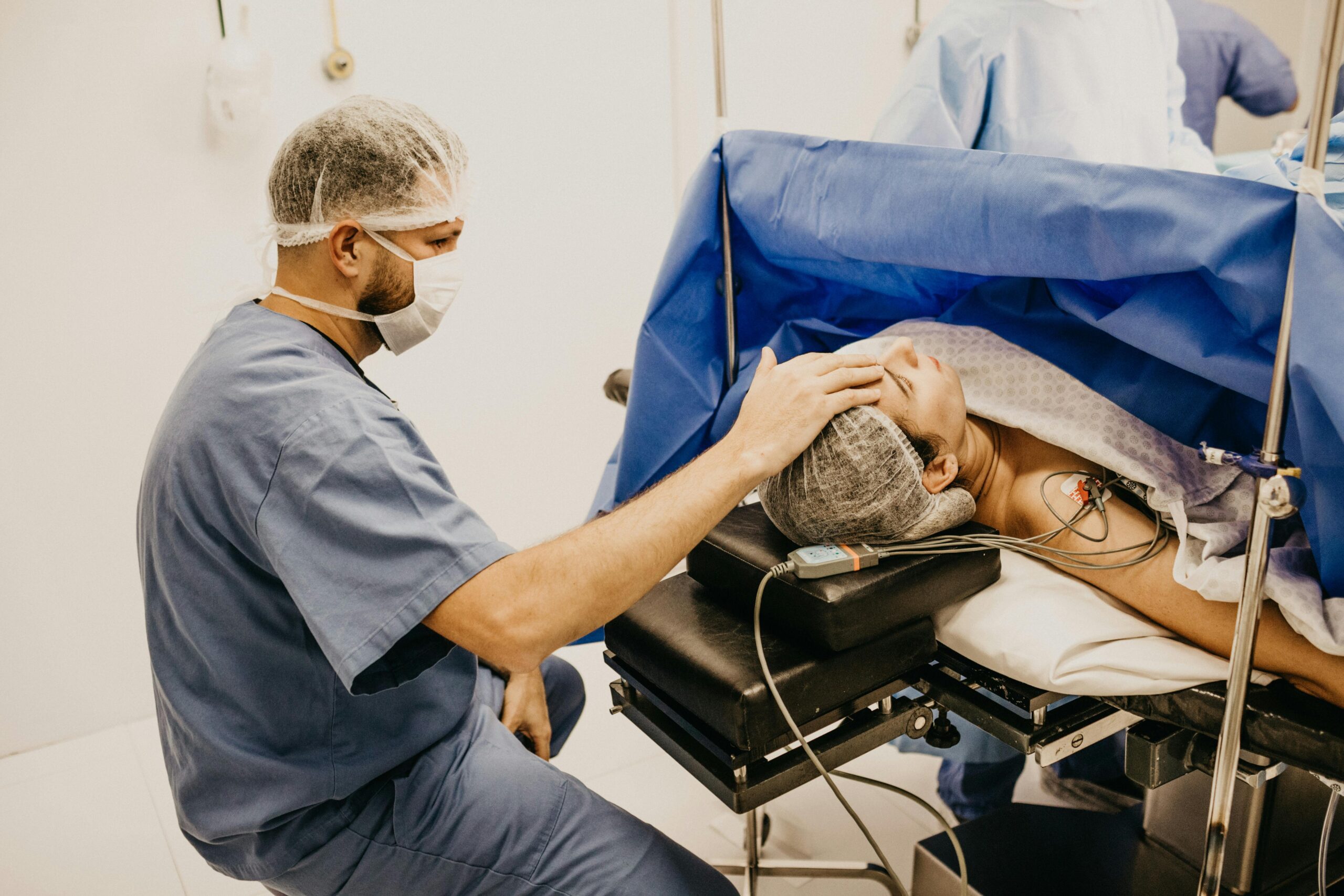
    Every year, hospital-acquired infections (HAIs) silently claim thousands of lives and cost the healthcare system billions of dollars. From surgical site infections to deadly bloodstream pathogens, these infections are not just statistics—they are lives lost, recoveries prolonged, and reputations jeopardized.

    Healthcare facilities are under relentless scrutiny: regulators demand compliance, insurers tighten coverage, and patients expect hospitals to be safe. Yet, even with standard infection control protocols in place, gaps remain—and every unprotected surface, every missed pathogen is a risk your hospital cannot afford.

    The question is no longer if your facility will face these challenges—it’s when—and the decisions you make today can mean the difference between preventable outbreaks and lives saved.

    HAIs are one of the top killers in the healthcare feild.📊 HAI Statistics

    • Prevalence: On any given day, about one in 31 hospital patients has at least one healthcare-associated infection.

    • Surgical Site Infections (SSIs): In 2023, there was a 2% increase in the standardized infection ratio (SIR) related to all National Healthcare Safety Network (NHSN) operative procedure categories combined compared to the previous year.

    • Catheter-Associated Urinary Tract Infections (CAUTIs): In 2023, 17,370 CAUTIs were reported across 3,774 general acute care hospitals.

    • Central Line-Associated Bloodstream Infections (CLABSIs): Data on CLABSI rates can be found in the CDC’s HAI Progress Reports.

    • Methicillin-Resistant Staphylococcus aureus (MRSA) Bloodstream Infections: Information on MRSA bloodstream infections is available in the CDC’s HAI Progress Reports.

    • Clostridioides difficile (C. difficile) Infections: Data on C. difficile infections can be found in the CDC’s HAI Progress Reports.

    🧼 Current Infection Control Standards

    The Centers for Disease Control and Prevention (CDC) provides guidelines for infection control in healthcare settings. Key components include:

    • Standard Precautions: These are infection prevention practices that apply to all patients, regardless of their diagnosis or presumed infection status. They include hand hygiene, use of personal protective equipment (PPE), safe injection practices, and environmental cleaning.

    • Core Infection Prevention and Control Practices: These practices are designed to reduce the risk of healthcare-associated infections and include education and training of healthcare personnel, injection and medication safety, and the use of appropriate personal protective equipment.

    • Environmental Infection Control: Recommendations for environmental cleaning and disinfection in healthcare facilities to prevent the spread of infections.

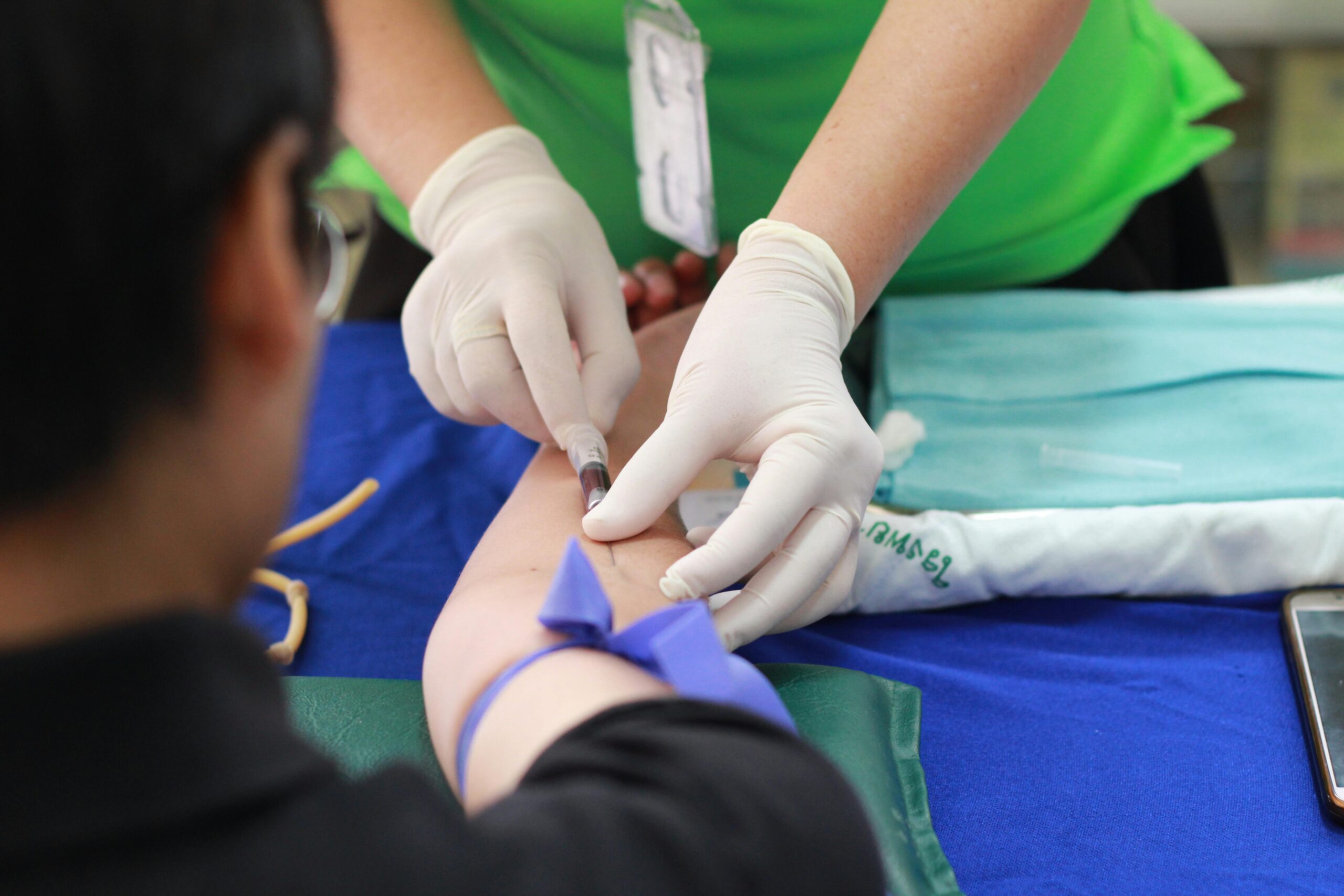
    Giving blood and intravenous infections

    ⚠️ Why Current Standards May Be Falling Short

    Despite the implementation of these standards, several factors contribute to the persistence of HAIs:

    • Antimicrobial Resistance: The overuse and misuse of antibiotics have led to the development of resistant pathogens, making infections more difficult to treat.

    • Inadequate Environmental Cleaning: Traditional cleaning methods may not effectively eliminate all pathogens, especially in high-risk areas.

    • Staffing Challenges: High turnover rates and insufficient training can lead to lapses in infection control practices.

    • Increased Patient Acuity: More complex patient conditions can increase the risk of infections.


     Enter Chlorine Dioxide (CLO₂): Science-Backed Protection

    Chlorine dioxide isn’t just another disinfectant—it’s a precision tool for hospitals. Here’s how it specifically supports healthcare organizations and enhances infection control where existing standards sometimes fall short:

    1️⃣ High-Touch Surfaces

    • Problem: Door handles, bed rails, light switches, and nurse stations are notorious for harboring pathogens. Even with standard cleaning protocols, these areas can remain contaminated between cleanings.

    • CLO₂ Advantage: Its rapid action kills bacteria, viruses, and fungi within minutes, providing continuous protection in high-traffic areas. Hospitals can drastically reduce surface contamination, lowering the risk of HAIs.

    2️⃣ Medical Equipment

    • Problem: Reusable medical devices (like stethoscopes, blood pressure cuffs, and surgical tools) are often vectors for infection. Traditional disinfectants may leave residues or require long contact times, making them impractical for fast-paced clinical environments.

    • CLO₂ Advantage: CLO₂ disinfects effectively with shorter dwell times and leaves no harmful residue, ensuring medical equipment is both safe and ready for immediate use—critical in operating rooms and ICUs.

    3️⃣ Critical Care and Isolation Areas

    • Problem: ICU and immunocompromised patient units are high-risk zones. Airborne pathogens and surface microbes can spread rapidly, and conventional cleaning may miss microscopic reservoirs.

    • CLO₂ Advantage: Chlorine dioxide gas or solution can penetrate hard-to-reach areas, including air-handling systems and tight crevices, reducing microbial load in environments where vulnerable patients are at greatest risk.

    4️⃣ Water Systems and Biofilm Control

    • Problem: Hospital plumbing systems and cooling towers can harbor biofilms, which are resistant to many disinfectants and can cause outbreaks (e.g., Legionella).

    • CLO₂ Advantage: CLO₂ is highly effective against biofilms, keeping water systems safer for both patients and staff, while preventing costly outbreaks that traditional disinfectants often fail to control.

    5️⃣ Gap-Filling Where Standards Are Falling Short

    Hospitals HAIs protocals are failing and here's what CLO2 can do about it.Even with CDC-recommended protocols, hospitals still struggle with:

    • Missed micro-contaminated areas due to manual cleaning limitations

    • Pathogen resistance to traditional chemical disinfectants

    • Time constraints for repeated cleaning in high-traffic zones

    CLO₂ fills these gaps by:

    • Offering broad-spectrum, rapid disinfection with minimal labor

    • Reaching areas standard cleaning cannot, including airborne pathogens and biofilms

    • Being eco-friendly and non-toxic, supporting staff and patient safety while reducing chemical exposure

    🌱 ESG and Compliance Goals Aligned

    Healthcare organizations are increasingly measured on ESG standards. CLO₂ supports these goals by:

    • Reducing chemical waste compared to traditional disinfectants

    • Lowering environmental toxicity

    • Maintaining regulatory compliance for infection control

    • Supporting staff and patient safety with a non-toxic alternative

    🏥 Strict Current ESG Standards for Healthcare Organizations

    Healthcare providers are under intense scrutiny to meet ESG standards, which encompass:

    • Environmental Impact: Reducing greenhouse gas emissions, energy consumption, and waste generation.

    • Social Responsibility: Ensuring equitable access to care, promoting patient safety, and fostering a diverse and inclusive workforce.

    • Governance: Upholding ethical standards, transparency, and accountability in operations and decision-making.

    These standards are enforced through various regulations and reporting requirements, such as the Corporate Sustainability Reporting Directive (CSRD) in Europe and proposed climate disclosure requirements from the U.S. Securities and Exchange Commission (SEC) .

    Infectious control and preventing the spread of HAIs is top on the list for healthcare organizations.⚠️ Challenges in Meeting ESG Standards

    Hospitals face several challenges in achieving ESG compliance:

    • Complex Regulatory Landscape: Navigating diverse and evolving regulations across regions can be overwhelming.

    • Resource Constraints: Limited budgets and staffing can hinder the implementation of comprehensive ESG initiatives.

    • Data Management: Collecting, analyzing, and reporting ESG data accurately requires robust systems and processes.

    • Stakeholder Expectations: Balancing the demands of patients, regulators, and investors can be challenging.

    📅 Frequency of ESG Audits and Potential Fines

    Hospitals are subject to regular audits to assess ESG compliance:

    • Internal Audits: Conducted periodically to evaluate adherence to internal policies and procedures.

    • External Audits: Performed by regulatory bodies or third-party organizations to ensure compliance with legal and industry standards.

    Non-compliance can result in:

    • Fines and Penalties: Regulatory bodies may impose financial penalties for violations.

    • Reputational Damage: Negative publicity can erode public trust and patient confidence.

    • Legal Consequences: In severe cases, legal actions may be taken against the organization .


    🌿 How CLO₂ Helps Exceed ESG Expectations

    Implementing CLO₂ in healthcare settings offers several benefits:

    • Environmental Impact: CLO₂ is effective in reducing chemical waste and lowering environmental toxicity compared to traditional disinfectants.

    • Regulatory Compliance: CLO₂’s efficacy supports infection control standards, aiding in meeting regulatory requirements.

    • Social Responsibility: By providing a non-toxic alternative, CLO₂ enhances staff and patient safety.

    • Governance: Demonstrating a commitment to sustainable practices can improve transparency and accountability.

    By integrating CLO₂ into cleaning protocols, healthcare organizations can not only meet but exceed ESG standards, positioning themselves as leaders in sustainability and patient care.

    🔹 Partnering with Synergy Green Clean and Envirotab: Your Strategic Advantage in Infection Control

    In today’s healthcare environment, every infection avoided is a life saved—and every outbreak prevented is a financial win measured in millions. At Synergy, we don’t just provide cleaning products; we deliver science-backed, results-driven solutions that help hospitals reduce healthcare-acquired infections, protect vulnerable patients, and ensure staff safety.

    CLO₂ isn’t a “nice-to-have” addition—it’s a strategic tool for hospitals that want to stay ahead of regulatory pressures, ESG mandates, and operational risks. Unlike traditional disinfectants that leave gaps in protection, CLO₂ provides broad-spectrum, rapid action, penetrates areas standard cleaning can’t reach, and reduces chemical waste—all while maintaining a safe, sustainable environment.

    Choosing Synergy means choosing a partner who understands that infection control is not just compliance—it’s a competitive advantage. Protect your patients, safeguard your staff, enhance your ESG profile, and secure your facility’s reputation with a solution trusted by science.

    CTA:
    💧 Take the next step toward safer, smarter healthcare.
    Explore our hospital-grade CLO₂ solutions and discover how Synergy can help your facility exceed infection control standards, achieve ESG goals, and redefine patient safety.


    Bottom Line for Hospitals:

    Integrating CLO₂ into routine cleaning and disinfection programs doesn’t replace current standards—it enhances and strengthens them, giving healthcare organizations a science-backed advantage in infection prevention, ESG compliance, and patient safety.

    CLO2 is a healthy alternative to Bleach and other chemical household cleaners

    🏥 FAQ: Hospital-Acquired Infections (HAIs) & Prevention

    Q: What exactly are Hospital-Acquired Infections (HAIs)?
    A: HAIs are infections patients contract while receiving medical treatment in a hospital or healthcare facility. They often involve bacteria, fungi, or viruses that thrive in clinical settings.

    Q: How serious are HAIs?
    A: Extremely. HAIs cause thousands of preventable deaths annually and cost the U.S. healthcare system billions of dollars. They also extend hospital stays and increase readmission rates.

    Q: Which infections are most common in hospitals?
    A: Surgical site infections, respiratory infections, bloodstream infections, and urinary tract infections rank among the most frequent.

    Q: Why are HAIs such a major concern for hospitals?
    A: Beyond the human cost, HAIs bring regulatory fines, lawsuits, and damaged reputations—making infection prevention a financial and ethical priority.

    Q: Aren’t hospitals already disinfecting regularly?
    A: Yes, but many traditional disinfectants fall short against biofilms, resistant pathogens, and hidden contamination hotspots.

    Q: What role does chlorine dioxide (ClO₂) play in prevention?
    A: ClO₂ is a powerful, eco-friendly disinfectant that penetrates biofilms, kills pathogens at the source, and works across surfaces and air without leaving toxic residues.

    Q: Is ClO₂ safer than bleach or harsh chemicals?
    A: Absolutely. Unlike bleach, ClO₂ breaks down into salt and water, leaving no harmful byproducts—making it safer for patients, staff, and sensitive equipment.

    Q: Can ClO₂ help reduce costs for hospitals?
    A: Yes. By preventing infections and reducing outbreaks, ClO₂ lowers patient readmissions, saves on extended care costs, and protects hospitals from regulatory penalties.

    Q: How quickly does ClO₂ work?
    A: In minutes. ClO₂ rapidly eliminates bacteria, viruses, and spores—even those resistant to conventional disinfectants.

    Q: How can hospitals adopt ClO₂ solutions effectively?
    A: Partnering with trusted providers ensures EPA-compliant ClO₂ protocols for room treatments, surface disinfection, and air quality control—delivering measurable reductions in HAIs.

  • Are CLO2 Tablets the Secret to a Cleaner, Healthier Home?

    Are CLO2 Tablets the Secret to a Cleaner, Healthier Home?

    🌿 Discover Why CLO₂ Is the Eco-Friendly Powerhouse Your Cleaning Routine Needs
    🧼 Clean Deeper, Live Healthier—with the Power of CLO₂

    Keeping a home clean isn’t just about appearances—it’s about creating a healthy environment for your family 👨‍👩‍👧‍👦. But with so many cleaning products out there (many packed with questionable ingredients ⚠️), how do you choose the right one?

    More and more homeowners are turning to chlorine dioxide tablets—a powerful, versatile, and eco-friendly cleaning solution 🌱 that’s changing the game in household care.


    🦠 Next-Level Disinfection, Without the Drama

    Chlorine dioxide is a powerhouse disinfectant 💥. When dissolved in water 💧, these tablets release a potent gas that kills bacteria, viruses, fungi, and other harmful microbes.

    🧽 Use it on:
    🍽️ Kitchen counters
    🚽 Bathroom surfaces
    🚪 High-touch areas like door handles, light switches, and remotes

    Where traditional cleaners fall short, CLO₂ delivers medical-grade sanitation—right at home. 🏡✨


    👃 Neutralize Odors at the Source

    Forget the floral-scented cover-ups 🌸❌.
    Chlorine dioxide tablets break down the molecules causing foul smells, permanently removing:

    🐕 Pet odors
    🍳 Cooking smells
    🌫️ Musty basement funk

    No masking. No residues. Just clean, breathable air 🌬️.


    🚫 Mold & Mildew? Not in This House

    Bathrooms, basements, and damp corners are breeding grounds for mold and mildew 🦠.
    CLO₂ tablets work at the microbial level, not just wiping the surface but helping stop the problem at its root.

    🌿 A quick treatment can:
    ✅ Eliminate existing mold
    ✅ Prevent new growth
    ✅ Improve air quality for allergy sufferers 🤧


    🛡️ Non-Toxic. Non-Carcinogenic. Totally Peace-of-Mind Friendly.

    Say goodbye to harsh, chemical-laden cleaners 👋🧪.
    When used as directed, chlorine dioxide is:

    ✅ Non-toxic
    ✅ Non-corrosive
    ✅ Biodegradable
    ✅ Safe around pets and kids 🐾👶

    It breaks down into salt and water—strong for germs, gentle on your space 💚.


    🧪 No Mess. No Measuring. Just Drop & Go.

    With pre-measured CLO₂ tablets, there’s no guessing 🎯.
    Just drop the tablet into water, wait a minute or two ⏱️, and get cleaning like a pro.

    💡 Perfect for:
    🚿 Quick disinfecting
    🧴 Room-wide odor removal
    🌀 Fogging or soaking stubborn spots


    🔄 More Than Just a Surface Cleaner

    The versatility of chlorine dioxide tablets is unmatched 🔥.

    🧼 Use them for:
    🚰 Purifying drinking water
    🍎 Rinsing fruits and veggies
    🛥️ Freshening RVs, boats, garages, and more

    One tablet. Countless applications. All clean. 🌟


    💥 The Verdict? This Tiny Tablet Packs a Massive Punch

    From eliminating pathogens 🦠 to deodorizing your space 🌀, chlorine dioxide tablets are your ultimate cleaning companion.
    They’re safe, powerful, eco-conscious, and oh-so-easy to use.

    👉 Ready to transform your cleaning game?
    Grab your Envirotab 1g ClO₂ Tablets here and experience the kind of clean that actually means clean. 🧽🌍💧


    Let me know when you’re ready for your next blog post emoji infusion!

  • Can Chlorine Dioxide Tablets Remove Stains and Odors for Good?

    Can Chlorine Dioxide Tablets Remove Stains and Odors for Good?

    🧼 Say Goodbye to Stubborn Stains and Lingering Odors with ClO₂ 💨

    Let’s face it—some stains and smells are just plain rude. 😤 Whether it’s the aftermath of a red wine spill 🍷, pet-related “oopsies” 🐶💩, or musty mold creeping in the bathroom 🚿, you’ve probably tried everything short of an exorcism 👻 to get rid of them.

    That’s where chlorine dioxide tablets come in. These powerful, eco-conscious cleaning heroes 🌱 don’t just mask messes—they obliterate them at the source. 💣✨


    🧪 What Are Chlorine Dioxide Tablets, Really?

    Chlorine dioxide (ClO₂) is not your average cleaner. 🚫🧴 When activated with water 💧, these tablets release a potent gas that penetrates deep into porous surfaces. Unlike bleach (which can be toxic and leave behind harmful residues ☠️), ClO₂ tablets are selective in their action, breaking down stains and odors without damaging surfaces—or your lungs. 💨💚


    🎯 How ClO₂ Handles Stains Like a Pro

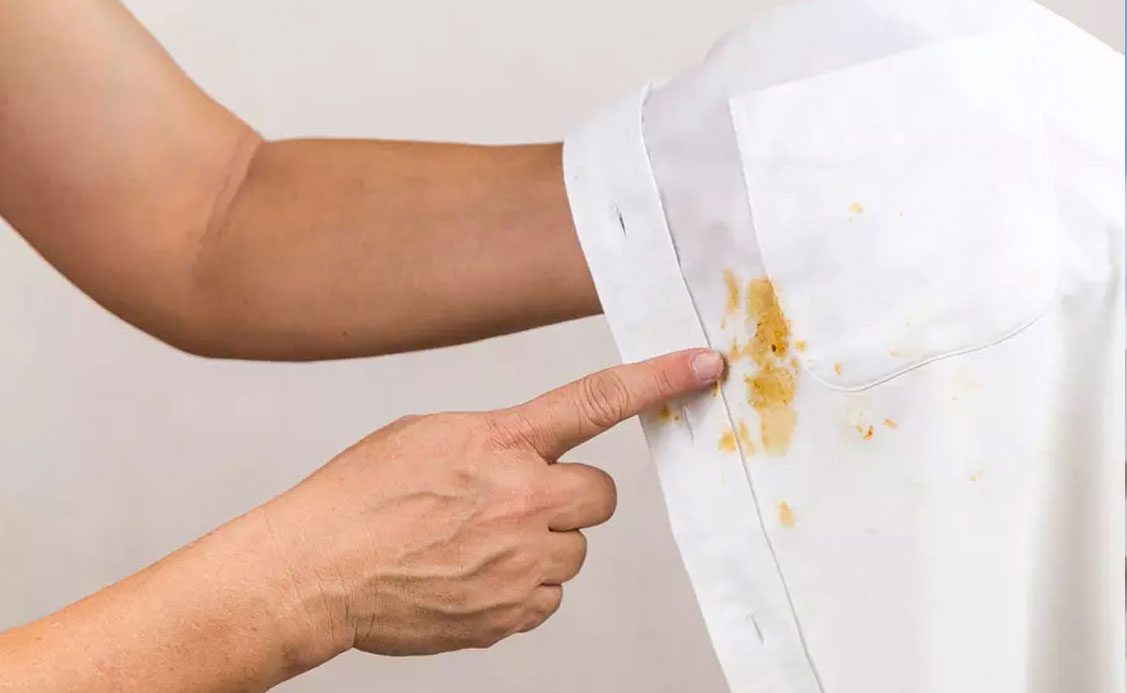
    From mold on your shower tiles 🦠 to coffee on your couch ☕🛋️, chlorine dioxide works on a molecular level. It breaks apart stain-causing compounds so they can be gently lifted from surfaces. You can use ClO₂ tablets on:

    ✅ Tile and grout
    ✅ Carpets and rugs
    ✅ Upholstery and fabric
    ✅ Countertops and walls

    🛑 No scrubbing.
    🛑 No surface damage.
    ✅ Just results.


    🚫 Odor Elimination: Not Just a Cover-Up

    Air fresheners? Cute. But temporary. 🙄
    Chlorine dioxide goes deeper—neutralizing odor molecules in the air and on surfaces. From pet accidents 🐾 to cigarette smoke 🚬, food spills 🍕, or musty basements 🕸️, ClO₂ leaves the area fresh—not fake-scented.

    Bonus: No sticky residue or chemical fog. Just clean air 🌬️ thanks to Envirotab ClO₂ tablets.


    🔧 Easy to Use, Wherever You Need It

    ClO₂ tablets are pre-measured, portable, and foolproof. Just add water and let the magic happen. ✨ Use them for:

    🧴 Spot treatments in containers
    🌫️ Whole-room deodorizing
    🛁 Fogging or soaking for deep cleans

    You don’t need a science degree or a hazmat suit—just a tablet and a plan. 🧠🧽


    🦠 Stop Mold & Mildew Before They Start

    Damp environments are playgrounds for mold and mildew. 💦 But chlorine dioxide doesn’t just clean—it prevents. Regular treatments in bathrooms 🚽, basements 🏚️, RVs 🚐, and crawlspaces can keep those troublemakers away for good.


    👨‍👩‍👧‍👦 Safe for Families, Pets, and the Planet 🌎

    ClO₂ tablets break down into salt and water—nothing toxic, nothing harmful. 🧂💧
    Safer than bleach, gentle on surfaces, and pet- and kid-friendly when used correctly. 🐕👶
    That’s a win across the board. 🏆


    💥 Final Thoughts: A Small Tablet, A Big Clean

    If you’re tired of fighting the same stains and odors over and over, it’s time to bring in the real MVP of eco-cleaning. 🌟
    Chlorine dioxide tablets are safe, strong, and shockingly effective.

    Whether you’re restoring a moldy basement 🏚️ or freshening up after Fido’s latest accident 🐾, ClO₂ has your back.

    👉 Ready to give stubborn stains the boot?
    Grab your Envirotab Chlorine Dioxide Tablets here and clean smarter—not harder. 🧼💪


  • What are Some Effective Home Deodorizing Tips Using CLO2?

    What are Some Effective Home Deodorizing Tips Using CLO2?

    Identify The Best ClO2 Tablets for Powerful Odor Removal 🧼✨

    Why ClO2 Tablets Are Your Home’s New Best Friend for Odor Removal 🦸‍♀️🏠

    Let’s cut to the chase — odors don’t just disappear by masking them. You need a scientific knockout 🥊 that targets the very molecules causing those nasty smells. That’s where chlorine dioxide (ClO2) tablets come in. When mixed with water, these little powerhouses release chlorine dioxide gas, a natural odor destroyer that breaks down smell molecules instead of covering them up. Your kitchen, bathroom, carpets, furniture, and even the garage can get a fresh breath of air thanks to ClO2. 🌬️✨


    How Do ClO2 Tablets Work Their Magic? 🎩✨

    ClO2 tablets dissolve in water and release chlorine dioxide gas, a potent sanitizer that hunts down bacteria, mold, and other stinky culprits hiding in tiny crevices. This gas doesn’t just mask odors; it chemically breaks down the molecules causing them — poof — odor gone! 🪄💨

    You can spray, wipe, or simply let the gas circulate in the room. It’s fast, effective, and perfect for tackling stubborn odors that just won’t quit. 🚀


    Step 1: Prep Your Home Like a Pro Before Using ClO2 Tablets 🧹🧼

    Before you unleash the power of ClO2, clean visible messes: vacuum carpets, wipe surfaces, and wash fabrics. This removes dirt blocking the gas from reaching the source of odors.
    Pro Tip: Ventilate well — open windows and run fans to help the gas do its job safely and effectively. 🌬️🪟


    Step 2: Use ClO2 Tablets Safely — Because Safety Comes First 🧤😷

    • Follow the package instructions — no improvising! 📜
    • Wear gloves and masks if recommended. 🧤😷
    • Keep children and pets away from the treatment area. 🚫🐾👶
    • Never mix ClO2 with other chemicals — this is no chemistry experiment! ⚠️🔬

    With these precautions, ClO2 tablets become your safe, odor-busting superheroes. 🦸‍♂️🦸‍♀️


    Targeted Odor Solutions Using ClO2 Tablets 🎯🧴

    Smoke Odors? Clean surfaces first, then spray or place a bowl of ClO2 solution in the room. The gas penetrates walls and furniture to break down smoke molecules — goodbye smoky reminders! 🚬❌

    Pet Odors? Vacuum and wash pet bedding and toys, then treat affected areas with ClO2. It neutralizes urine, dander, and all those “pets-were-here” smells. 🐕🐈💨

    Mold & Mildew? Scrub visible mold, then use ClO2 tablets to kill hidden spores and banish the musty smell from bathrooms and basements. 🛁🕸️💥

    Carpets & Rugs? Vacuum thoroughly. Spray ClO2 solution evenly and let dry. Repeat if needed. Your floors will thank you. 🧼🧽🧹

    Furniture & Upholstery? Vacuum, then spray with ClO2 solution. Let it sit and dry — odors disappear like magic. 🛋️✨


    Keep Your Home Fresh All Year Long with These Tips 🌿🏡

    • Use ClO2 tablets regularly in odor-prone areas. 🔄
    • Clean spills and messes immediately. 🧴🧹
    • Ventilate daily with fresh air and fans. 🌬️🪟
    • Wash curtains and cushions often. 🧼🛋️
    • Consider HEPA air purifiers for an extra layer of freshness. 🌬️🌀

    Ready to Breathe Easy? 😌🌸

    ClO2 tablets don’t just fight odors—they annihilate them. They’re the eco-friendly, science-backed solution you need to reclaim your home’s freshness. Don’t let stubborn smells stick around another day — start using ClO2 tablets and experience the power of clean like never before. 💪🏽✨