Tag: Indoor Air Quality

  • Maintaining a Healthy Indoor Environment

    Maintaining a Healthy Indoor Environment

    Maintaining a Healthier Indoor Environment Starts at the Source

    Your home should feel clean—not just look clean.

    But here’s the truth most people don’t realize:
    👉 A large percentage of indoor air issues don’t come from visible dirt—they come from microscopic odor-causing compounds embedded in air, fabrics, and surfaces.

    That lingering pet smell…
    That musty basement odor…
    That “something’s off” feeling in the air…

    Those are signs of molecular-level contamination, not surface-level problems.

    This is where chlorine dioxide tablets change the game.


    What Are Chlorine Dioxide Tablets (and Why They Work Differently)
    Is ClO2 Safe for Cleaning Header

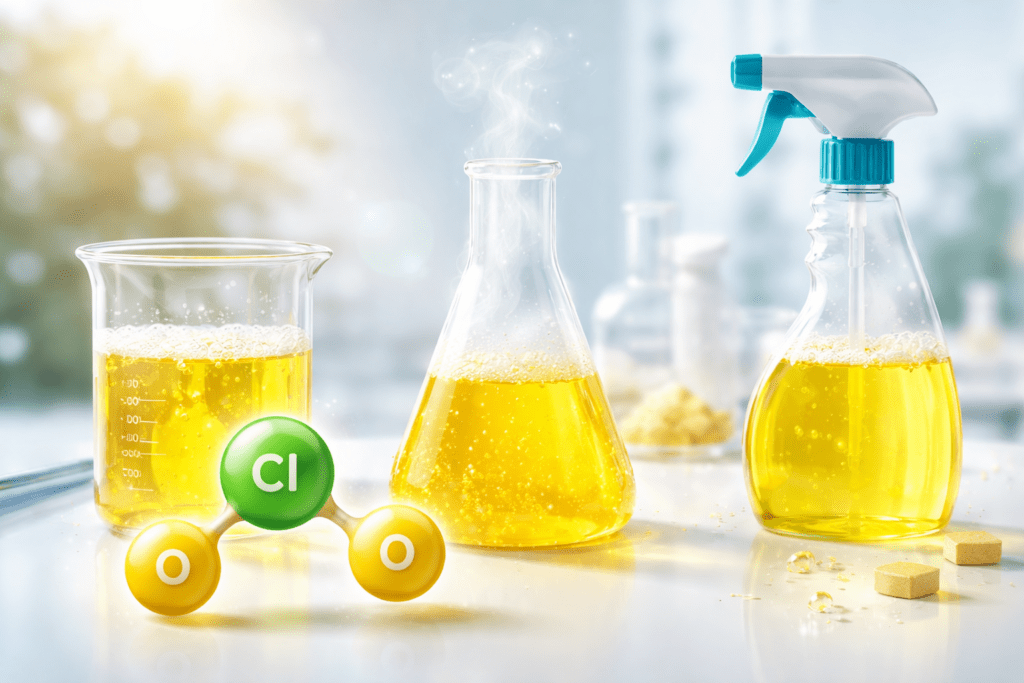
    Chlorine dioxide (ClO₂) is a selective oxidizing gas—and that word selective matters.

    Unlike traditional cleaning products that:

    • Mask odors with fragrance
    • Or attempt surface-level cleaning

    Chlorine dioxide works by:
    ✔ Penetrating into the airspace
    ✔ Reaching porous materials (carpet, drywall, fabrics)
    ✔ Breaking down odor-causing molecules at their source

    This is why it’s been trusted for decades in:

    • Water treatment systems
    • Food processing environments
    • Industrial odor control applications

    Now, that same technology is available in a controlled-release tablet format, making it practical for real-world indoor environments.


    The Real Problem: Why Odors Keep Coming Back

    Most homeowners unknowingly fight odor problems the wrong way.

    Common mistake:

    Using sprays, candles, or surface cleaners that only cover the smell

    The reality:

    Odors are caused by volatile organic compounds (VOCs) and other airborne molecules embedded in:

    • Carpets
    • Upholstery
    • Subflooring
    • HVAC systems
    • Wall materials

    If those molecules aren’t broken down at a chemical level,
    👉 the odor will return.


    How Chlorine Dioxide Eliminates Odors (Not Masks Them)

    Chlorine dioxide works through oxidation at the molecular level.

    Instead of adding scent, it:

    • Alters the chemical structure of odor molecules
    • Neutralizes their ability to produce smell
    • Leaves the space truly odor-free—not fragranced

    Real-world use cases:

    • 🐶 Pet odors embedded in carpet and padding
    • 🚬 Smoke odor in walls and fabrics
    • 🏚 Musty or damp basement environments
    • 🚗 Vehicle interior odor removal
    • 🏠 Pre-sale home odor treatment

    Use-Case Domination: Where These Tablets Excel
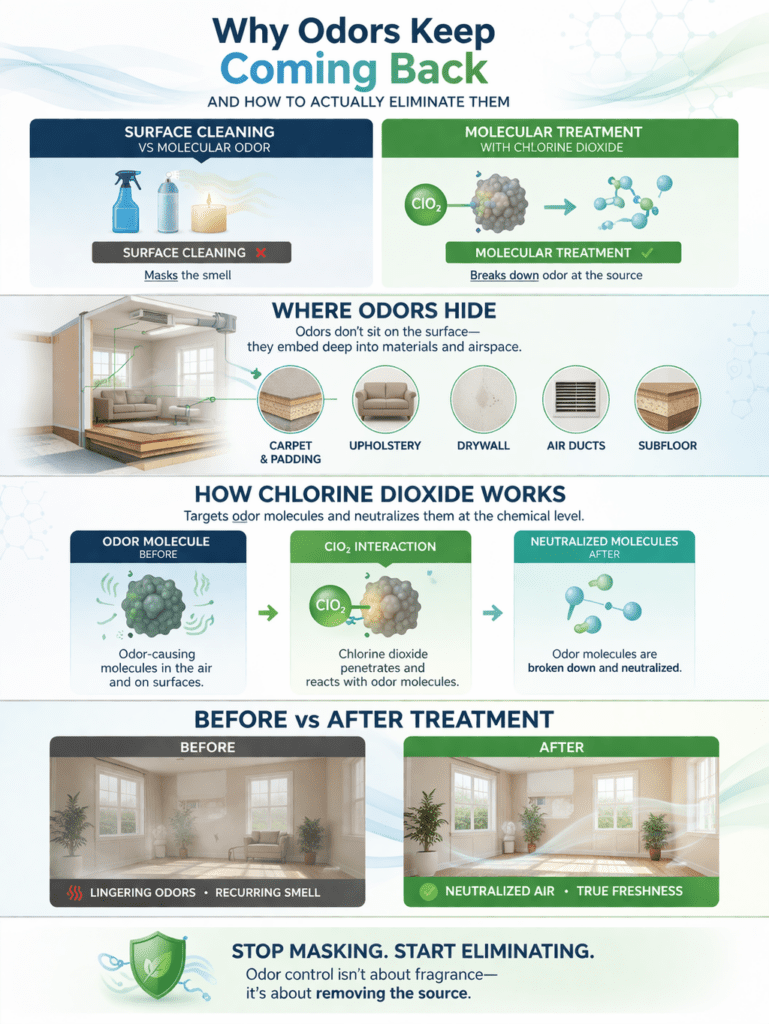
    infograph showing Understanding and neutralizing odor sources

    This is where chlorine dioxide tablets outperform traditional solutions:

    1. Whole-Room Odor Treatment

    Unlike sprays, the gas disperses evenly, reaching:

    • Airspace
    • Hidden corners
    • Porous materials

    2. Hard-to-Reach Areas

    Perfect for:

    • Closets
    • Crawl spaces
    • HVAC zones
    • Storage areas

    3. Persistent Odor Situations

    Ideal when odors:

    • Keep returning
    • Are embedded deep in materials
    • Haven’t responded to cleaning

    Is It Safe? Let’s Address the Big Question

    Let’s be direct—this is where people get cautious (and rightly so).

    Chlorine dioxide is not the same as chlorine bleach.
    They behave very differently.

    When used as directed in controlled-release applications:

    • It disperses at low, controlled levels
    • It does not accumulate like heavy chemical residues
    • It breaks down into simple compounds after use

    👉 The key is proper use and following instructions—just like any effective environmental treatment.


    Eco Considerations & Residue Profile

    One of the overlooked advantages:

    ✔ Leaves no heavy chemical residue
    ✔ Breaks down after treatment
    ✔ Does not rely on artificial fragrances
    ✔ Reduces the need for repeated product use

    This makes it a low-waste, high-efficiency solution compared to traditional odor masking products.


    Why This Matters Now More Than Ever

    Indoor environments are changing:

    • Homes are more tightly sealed than ever
    • Air circulation is reduced
    • People are spending more time indoors

    At the same time:

    • Sensitivity to indoor air quality is rising
    • Buyers and renters notice odor immediately
    • First impressions matter more than ever

    👉 Odor is no longer just a comfort issue—it’s a property value and livability issue


    Why Chlorine Dioxide Tablets Stand Out
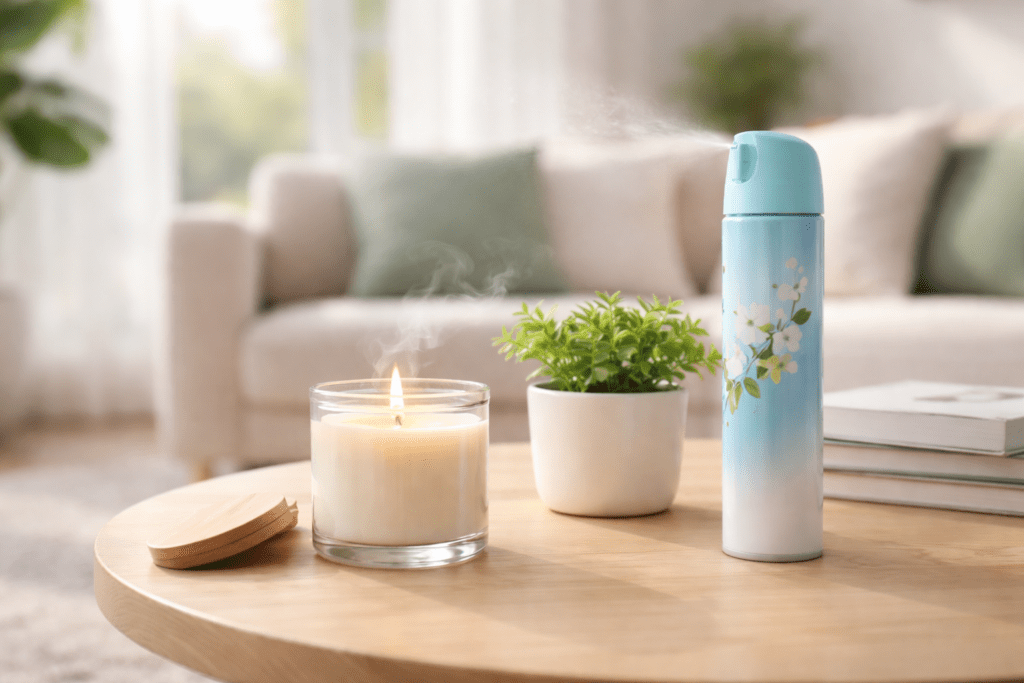
    Close-up of scented candle and air freshener on coffee table showing common odor masking products in home environment

    Let’s call it what it is:

    Most solutions treat the symptom.
    Chlorine dioxide targets the source.

    Traditional Methods:

    • Mask odors ❌
    • Short-term results ❌
    • Require constant reapplication ❌

    Chlorine Dioxide Approach:

    • Breaks down odor molecules ✔
    • Reaches hidden contamination ✔
    • Delivers longer-lasting results ✔

    Simple, Controlled Application

    One of the biggest advantages is ease of use.

    There’s no complicated system:

    • Place the tablet as directed
    • Allow controlled release over time
    • Let the environment be treated passively

    No spraying.
    No scrubbing.
    No guesswork.


    Final Thoughts: A Smarter Way to Treat Indoor Environments

    If your goal is:

    • A truly fresh indoor environment
    • Long-lasting odor elimination
    • A solution that works beyond the surface

    Then chlorine dioxide tablets offer something most products don’t:

    👉 A molecular-level solution to an invisible problem


    Call to Action

    If you’re tired of odors coming back no matter what you try, it may be time to stop masking the issue—and start eliminating it at the source.

    Explore how chlorine dioxide tablets can help you take control of your indoor environment with a smarter, more effective approach.

    (FAQs)

    1. What do chlorine dioxide tablets actually do?

    Chlorine dioxide tablets release a controlled amount of chlorine dioxide gas that interacts with odor-causing compounds in the air and on surfaces, breaking them down at the molecular level rather than masking them.


    2. Are chlorine dioxide tablets safe to use in homes?

    When used according to manufacturer instructions, chlorine dioxide tablets are designed for controlled environmental treatment. Proper use, ventilation guidance, and adherence to directions are essential for safe application.


    3. Do chlorine dioxide tablets remove odors permanently?

    They target and neutralize odor-causing molecules at the source, which can result in long-lasting odor elimination. However, results depend on the severity of the odor and whether the source has been fully addressed.


    4. What types of odors can chlorine dioxide eliminate?

    Chlorine dioxide is effective against a wide range of odors, including pet odors, smoke, musty smells, food odors, and odors caused by organic matter embedded in materials.


    5. How are chlorine dioxide tablets different from air fresheners?

    Air fresheners mask odors with fragrance, while chlorine dioxide tablets break down odor molecules chemically, eliminating the smell rather than covering it.


    6. Can chlorine dioxide reach hidden odor sources?

    Yes. As a gas, it disperses throughout enclosed spaces and can penetrate porous materials like carpets, fabrics, and wall surfaces where odor molecules often reside.


    7. How long does it take for chlorine dioxide to work?

    Treatment time varies depending on the size of the space and the intensity of the odor, but noticeable improvement often occurs within hours to a few days.


    8. Will chlorine dioxide leave any residue behind?

    No heavy residues are left behind. Chlorine dioxide breaks down into simple compounds after use, making it a clean treatment option compared to many traditional products.


    9. Can chlorine dioxide tablets help with musty or damp environments?

    Yes, they are commonly used in areas like basements, crawl spaces, and storage areas where musty odors develop due to moisture and limited airflow.


    10. Do I need to clean before using chlorine dioxide tablets?

    Basic cleaning is recommended, but chlorine dioxide tablets are designed to address odors embedded beyond surface level, making them effective even when traditional cleaning falls short.

  • Ways to Prevent Persistent Odors From Returning for Good In 2026

    Ways to Prevent Persistent Odors From Returning for Good In 2026

    Making Sure Odors Stay Away In 2026

    Your home is your sanctuary. It should smell clean, calm, and unmistakably healthy.
    Yet nothing breaks that illusion faster than conquering an odor—only to have it creep back days later like it never got the memo.

    Here’s the truth that still holds in 2026:

    The presence of an odor is the presence of a problem.

    Odor behaves like the check engine light of your home. You can ignore it. You can cover it up. But it will not turn off until the underlying issue is addressed. And just like your car, homes now require preventative maintenance, not emergency reactions.

    The good news? With modern IAQ (Indoor Air Quality) strategies, advanced chlorine dioxide technology, and smarter household habits, odors don’t have to be recurring guests.

    Below are the 2026-aligned, science-supported ways to stop odors from returning—permanently.


    1. Prioritize Continuous Air Circulation, Not Just “Fresh Scents”

    Fresh air is not a luxury—it’s a necessity for odor prevention.

    Opening windows and doors regularly allows stale, odor-laden air to escape and brings in oxygen-rich outdoor air. This simple habit dramatically reduces the concentration of airborne odor-causing compounds.

    For days when outdoor airflow isn’t practical, fans and modern air circulation systems keep air moving so odor molecules don’t stagnate and settle into fabrics, walls, and soft surfaces.

    Scented candles and air fresheners may provide temporary relief, but in 2026 they are widely recognized as masking agents—not solutions. Overuse can actually worsen indoor air quality by adding VOCs (volatile organic compounds) into the environment.

    Rule of thumb:
    If something needs to be covered up, it hasn’t been resolved.

    Also Read 👉🏼Winter IAQ Solutions: Stop Wood Smoke, Dry Air & Stale Indoor Odors

    a woman opening curtains with a smiling face.


    2. Build Daily Cleaning Into Your Odor-Prevention Strategy

    Odors don’t start as smells.
    They start as bacteria, mold spores, and organic residue.

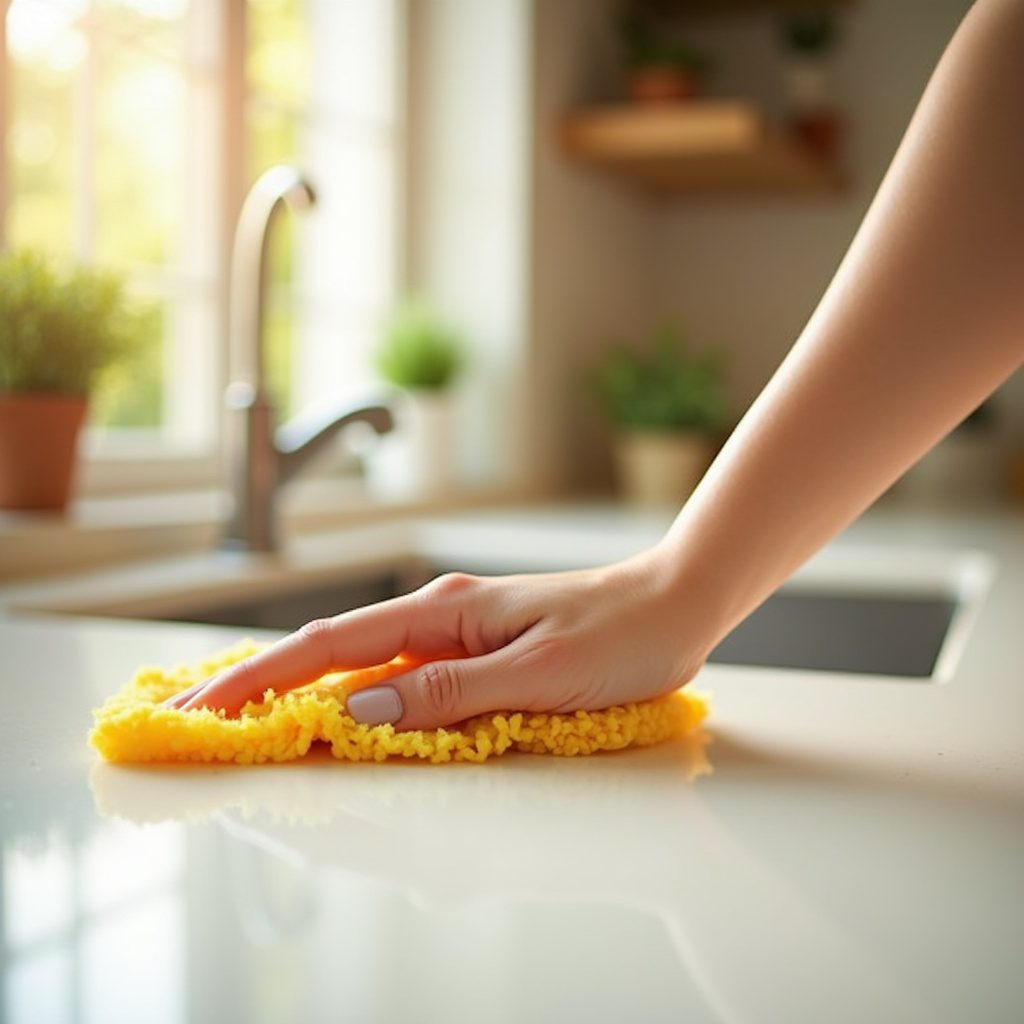
    Daily cleaning routines—wiping surfaces, removing food debris, managing laundry—interrupt odor formation before it begins. Consistency matters more than intensity.

    Modern chlorine dioxide (ClO₂) cleaning solutions are particularly effective because they neutralize odor-causing microbes at the molecular level instead of simply disinfecting surfaces.

    Using microfiber cloths enhances this process by reaching microscopic surface imperfections where bacteria and mold love to hide.

    In 2026, the goal is no longer “clean enough to look good.”
    It’s clean enough to disrupt microbial ecosystems.


    3. Control Moisture to Eliminate Mold and Mildew Odors at the Source

    Moisture is the silent enabler of persistent odor problems.

    Mold and mildew thrive in damp environments—bathrooms, kitchens, basements, crawl spaces—and once established, they continuously emit musty odors even after visible growth is removed.

    Dehumidifiers help maintain optimal humidity levels, while prompt repairs of leaks, drips, and condensation prevent moisture accumulation in the first place.

    Targeted chlorine dioxide mold-remediation products go a step further by destroying mold spores and preventing regrowth, rather than simply cleaning visible residue.

    Dry air is hostile air—to mold.

    Also Read 👉🏼Mold Remediation in Crawl Spaces | Identify, Remediate & Protect with ClO₂


    4. Manage Pet Hygiene as an IAQ Issue, Not a Cosmetic One

    Pet odors are not “just part of having animals.”
    They are biological odors caused by bacteria, dander, oils, and moisture.

    Regular pet bathing, brushing, and bedding sanitation dramatically reduce odor load. In controlled concentrations, chlorine dioxide solutions (such as 100 ppm formulations) are safe and effective for neutralizing pet-related odors without masking or irritation.

    Cleaning pet bedding and toys with fragrance-free, biodegradable detergents prevents odor buildup while protecting sensitive respiratory systems—both human and animal.

    In 2026, pet-friendly homes are defined by odor neutrality, not perfume.


    5. Dispose of Garbage Strategically—Not Passively

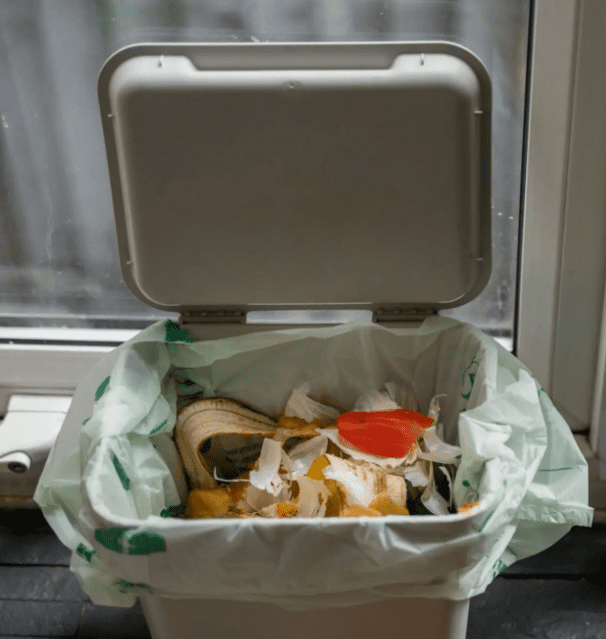
    Using CLO2 on your trash can can not only kill the odor but also break down the biome that is creating the odor.

    Trash odors escalate quickly because decomposing organic matter produces sulfur compounds and microbial gases.

    Best practices include:

    • Prompt disposal after meals
    • Sealing trash bags before removal
    • Routine cleaning of trash cans and surrounding areas

    Chlorine dioxide tablets are especially effective here, as they eliminate odor-causing microbes rather than layering fragrance on top of decay.

    Odors ignored in waste areas rarely stay contained.


    6. Designate and Maintain Smoking Areas With Intentional Remediation

    Smoke and nicotine residues are notoriously persistent. They bond to walls, fabrics, ceilings, and ventilation systems.

    Designated smoking areas reduce cross-contamination, but only if those areas are actively cleaned and remediated. Chlorine dioxide products are uniquely effective at breaking down nicotine residues and smoke-related soils at the molecular level.

    In 2026, smoke odor management is about containment, neutralization, and prevention—not ventilation alone.

    Also Read 👉🏼Why Does My Leather Sofa Smell & How Do I Get Rid of It for Good?


    7. Use ClO₂ Tablets and Granules in High-Risk Odor Zones

    Certain areas act as odor reservoirs: closets, basements, storage rooms, trash areas, and utility spaces.

    Dissolving a 1-gram Envirotab tablet in water and allowing it to off-gas safely creates a powerful, residue-free deodorization environment that works without introducing new fragrances.

    Chlorine dioxide is effective precisely because it does not smell like a “cover-up.”
    It eliminates the problem rather than announcing its presence.


    8. Improve Whole-Home Air Quality With Modern Air Purification

    Air purifiers are no longer optional accessories—they are foundational IAQ tools.

    High-quality systems remove airborne particulates, allergens, microbial fragments, and odor molecules before they settle. Granule and powder deodorization technologies add another layer by absorbing persistent odors in larger spaces.

    Clean air smells like…nothing.
    That’s the goal.


    9. Schedule Periodic Inspections to Catch Hidden Odor Sources Early

    Some odor problems are invisible.

    Leaks behind walls, microbial growth in HVAC systems, or organic buildup in rarely accessed spaces can quietly sabotage your efforts. Periodic professional inspections—often using tools like UV or black-light detection—identify problems before odors become entrenched.

    Addressing issues early is always easier, healthier, and less expensive than reactive remediation.


    Take Back Your Home—And Keep It That Way

    A consistently fresh-smelling home isn’t achieved through one-time fixes.
    It’s built through systems, habits, and preventative strategies that work together to maintain healthy indoor air.

    In 2026, odor control is no longer about fighting smells.
    It’s about engineering an environment where odors can’t survive.

    When the source is addressed, the smell doesn’t return—and your sanctuary stays exactly that.

    FAQS

    1. Why do household odors keep coming back after cleaning?
    Household odors return when the underlying source—such as bacteria, mold, moisture, or trapped organic residue—was not fully eliminated. Cleaning alone removes surface soil but may not neutralize odor-causing microbes.

    2. What is the most effective way to prevent persistent odors?
    The most effective approach is source control combined with airflow management, moisture regulation, and microbial neutralization using technologies like chlorine dioxide.

    3. Are air fresheners effective for long-term odor control?
    No. Air fresheners only mask odors temporarily and can add VOCs to indoor air. Long-term odor control requires eliminating the odor source rather than covering it.

    4. How does moisture contribute to recurring odors?
    Excess moisture allows mold and bacteria to grow, which continuously release odor-causing compounds. Controlling humidity prevents these organisms from thriving.

    5. Can chlorine dioxide permanently remove odors?
    Yes. Chlorine dioxide neutralizes odor-causing microbes and organic compounds at the molecular level, preventing odors from returning when used correctly.

    6. Are pet odors preventable without strong fragrances?
    Yes. Regular pet hygiene, bedding sanitation, and microbial odor control eliminate pet odors without relying on perfumes or masking agents.

    7. How often should air purifiers be used to control odors?
    Air purifiers should run daily, especially in high-traffic or enclosed spaces, to continuously remove airborne odor particles before they settle.

    8. Why do trash areas smell even after the garbage is removed?
    Odors linger because bacteria and residue remain on trash cans and surrounding surfaces. These areas require cleaning and microbial neutralization, not just emptying.

    9. Do smoking odors require professional treatment?
    Often, yes. Smoke residues bond to surfaces and require targeted remediation using advanced deodorization methods such as chlorine dioxide for full removal.

    10. When should a professional odor inspection be considered?
    Professional inspections are recommended when odors persist despite cleaning, as hidden sources like leaks, HVAC contamination, or microbial growth may be present.


  • How Can Chlorine Dioxide Tablets Sanitize & Deodorize Carpets Safely?

    How Can Chlorine Dioxide Tablets Sanitize & Deodorize Carpets Safely?

    The Hidden Reality Inside Carpets and Upholstery

    Carpets and upholstered furnishings are comfort features, acoustic buffers, and design anchors—but from a microbial perspective, they are also high-surface-area reservoirs. Every footstep, pet nap, spill, and airborne particle embeds itself into fibers where conventional cleaners often fail to reach.

    Independent indoor air quality studies consistently show that carpets can harbor:

    • Bacteria and viruses tracked in from shoes
    • Mold spores and mildew in humid environments
    • Dust mites and allergens bound to fibers
    • Organic odor compounds from pets, food, and smoke

    By 2026, cleaning standards are shifting away from appearance-only metrics toward microbial load reduction and air quality outcomes. This is where chlorine dioxide becomes uniquely relevant.


    Why Traditional Carpet Deodorizers Fall Short

    Most carpet cleaning products rely on one of three outdated strategies:

    1. Fragrance masking, which adds volatile compounds without removing odor sources
    2. Surfactant cleaning, which lifts soil but does not neutralize microbes
    3. Quaternary disinfectants, which struggle to penetrate dense fibers and may leave residues

    These approaches often improve appearance temporarily while leaving odor-causing chemistry intact. As consumer expectations evolve and regulatory scrutiny increases, these methods are increasingly viewed as insufficient.


    The Chemistry Behind Chlorine Dioxide (ClO₂)

    Chlorine dioxide is not chlorine. It is a selective oxidizing gas with a well-documented history in water treatment, healthcare sanitation, food processing, and industrial hygiene.

    When chlorine dioxide tablets are activated in water:

    • They release ClO₂ gas in controlled, low-concentration levels
    • The gas penetrates porous materials, including carpet fibers and upholstery foam
    • It oxidizes microorganisms and odor molecules at the molecular level

    Unlike bleach or fragrances, chlorine dioxide destroys odor sources instead of covering them.

    Also Read 👉🏼Why Use Chlorine Dioxide Tablets for Cleaning | ClO₂ Benefits & Uses Guide


    How Chlorine Dioxide Sanitizes Carpet Fibers

    Sanitization occurs through oxidative disruption. Chlorine dioxide breaks down:

    • Bacterial cell walls
    • Viral protein coats
    • Mold and mildew structures
    • Biofilms that protect odor-producing microbes

    Because ClO₂ is a gas in solution, it reaches areas that liquid disinfectants cannot, making it particularly effective for thick pile carpets and upholstered cushions.

    This mechanism aligns with emerging 2026 cleaning frameworks emphasizing true sanitization over cosmetic cleaning.


    Deodorization Without Fragrance or Residue


    Odors persist because organic compounds remain chemically intact. Chlorine dioxide neutralizes odors by altering their molecular structure, rendering them non-odorous.

    This makes it exceptionally effective for:

    • Pet urine and dander odors
    • Smoke and cooking smells
    • Musty or mildew-related odors
    • Commercial spaces with heavy foot traffic

    The result is a clean-neutral scent, not a perfumed one—an increasingly preferred outcome in healthcare, hospitality, and eco-conscious environments.


    Step-by-Step: Using Chlorine Dioxide Tablets on Carpets & Upholstery

    1. Thoroughly vacuum to remove loose debris and particulate matter
    2. Activate chlorine dioxide tablets according to manufacturer specifications
    3. Apply the solution evenly using a fine mist sprayer
    4. Allow proper dwell time for oxidation to occur
    5. Extract or blot excess moisture as needed

    This process supports both sanitization and odor neutralization without damaging fibers when used as directed.


    Safety, Compliance, and Best Practices

    Think your home is clean? Think again! Remote controls, light switches, fridge interiors, and door handles are germ magnets. With ClO₂ , you can sanitize safely, effectively, and eco-friendly:

    Chlorine dioxide is safe when used correctly, but professional standards matter.

    Best practices include:

    • Ensuring adequate ventilation during application
    • Avoiding direct inhalation of concentrated gas
    • Spot-testing delicate or dyed fabrics
    • Following precise dilution ratios

    From a regulatory standpoint, chlorine dioxide aligns well with future-proof cleaning strategies, particularly as agencies move away from persistent chemical residues.

    Also Read👉🏼Safe Use of Chlorine Dioxide Tablets | Guidelines, PPE & Mixing Instructions


    Why Chlorine Dioxide Is a 2026-Ready Solution

    Cleaning professionals and informed homeowners are no longer asking, “Does it smell clean?”
    They are asking, “Is it actually clean?”

    Chlorine dioxide answers that question with:

    • Broad-spectrum efficacy
    • No fragrance masking
    • No harmful residues
    • Compatibility with green and low-VOC programs

    It represents a shift from traditional carpet care toward science-based indoor hygiene.


    Conclusion: A Smarter Way to Care for Soft Surfaces

    Chlorine Dioxide is safe around children at recommended concentrations and with ventilation, it’s safe around kids. Keep them away until surfaces are dry.

    Carpets and upholstery require more than soap and scent. They demand chemistry that can penetrate fibers, neutralize microbes, and eliminate odors at their source.

    Chlorine dioxide tablets offer a modern, effective, and responsible solution—one aligned with where cleaning standards are heading, not where they have been.

    By integrating chlorine dioxide into carpet and upholstery care routines, spaces become cleaner, healthier, and genuinely refreshed—without compromise.


    FAQ 

    1. Is chlorine dioxide safe for carpets?
    Yes, when properly diluted and applied according to instructions, it is safe for most carpet fibers.

    2. Will chlorine dioxide bleach or discolor carpets?
    It does not bleach like chlorine but spot-testing is always recommended for dyed fabrics.

    3. Does chlorine dioxide leave a scent behind?
    No. It neutralizes odors rather than masking them with fragrance.

    4. Can it remove pet urine odors permanently?
    Yes, it oxidizes the odor-causing compounds rather than covering them.

    5. Is chlorine dioxide effective against mold in carpets?
    It is effective against mold spores and mildew when properly applied.

    6. Can homeowners use chlorine dioxide tablets?
    Yes, provided they follow safety and dilution guidelines.

    7. How long does the deodorizing effect last?
    Because odors are chemically neutralized, results are long-lasting.

    8. Is chlorine dioxide environmentally friendly?
    It breaks down into benign byproducts and leaves no persistent residues.

    9. Can it be used in commercial carpet cleaning?
    Absolutely. It is increasingly used in hospitality, healthcare, and facilities management.

    10. How does it compare to traditional carpet cleaners?
    Traditional cleaners clean surfaces; chlorine dioxide sanitizes and deodorizes at a molecular level.


  • Improve Winter Indoor Air Quality with ClO₂

    Improve Winter Indoor Air Quality with ClO₂

    Winter Indoor Air Quality: Why Most Homes and Small Businesses Get It Wrong — And How ClO₂ Can Change Everything

    Winter feels cozy. Hot drinks, warm blankets, fireplaces glowing… the perfect time to stay indoors.

    But here’s the truth most people don’t realize: winter is the worst enemy of indoor air quality (IAQ).

    As soon as the first frost hits, homes and small businesses across the northern hemisphere start suffering from:

    • Mud, snow, and salt tracked in from outside.
    • Dust accumulation kicked up by heaters and forced air systems.
    • Lingering odors from cooking, pets, or closed-up spaces.
    • Poor ventilation trapping bacteria, mold spores, and volatile organic compounds (VOCs) inside.

    For homeowners, that means your favorite leafy greens or fresh berries could spoil faster, your living space may feel “stale,” and odors can linger despite hours of cleaning.

    For small business owners, poor IAQ can impact employees, customers, and even revenue. No one enjoys a musty break room or a workspace that smells like yesterday’s lunch.

    Here’s the shocking part: most people think the solution is cleaning more or spraying fragrances. But that’s not just ineffective — it’s masking the problem, not solving it.


    The Top 1% Expert Perspective: What Most People Don’t Know

    I spoke to an expert in indoor environmental hygiene — someone in the top 0.1% of professionals in this field worldwide — and their insight is eye-opening:

    “Winter indoor air quality is not a surface problem. Most homeowners and small businesses fight the symptoms — dust, odors, and spoilage — but ignore the root cause: airborne microbial load and chemical contamination trapped inside cold, closed spaces. Cleaning alone only scratches the surface. To truly solve the problem, you need a continuous, micro-level solution that neutralizes contaminants at the source.”

    In other words, the reason your home or small business still smells stale in winter isn’t because you’re lazy or your cleaners are ineffective — it’s because most winter IAQ problems happen in the air, not on the surfaces.

    This changes everything. If you understand this, you’ll stop wasting hours on repetitive cleaning and start investing in solutions that actually target the problem.


    Why Ordinary Winter Cleaning Fails

    Let’s break it down. You might:

    • Mop floors daily.
    • Wipe counters and cabinets.
    • Spray disinfectants or air fresheners.
    • Run your HVAC filters on high.

    And yet, by February, that same musty odor returns. Your produce spoils faster. Your office break room smells stale again.

    Why? Because:

    1. Odors are airborne: They linger in invisible bacteria, mold spores, and VOCs — not just on the floor or fridge shelves.
    2. Fragrances mask, don’t remove: Sprays cover odors with chemicals that don’t neutralize the microbial or chemical sources.
    3. Cold weather traps contaminants: Windows are closed. Ventilation is reduced. Heating systems spread dust and allergens rather than eliminating them.
    4. Surface cleaning can’t reach everywhere: HVAC ducts, fridge compartments, and enclosed storage areas harbor unseen bacteria and mold that release odors constantly.

    You’re basically fighting an invisible opponent with only 50% of the weapons. That’s why so many people feel like they’re cleaning twice for the same result.


    Reframing the Problem: What If You Could Solve It Once?

    Here’s where most homeowners and small business owners shift from frustration to control:

    Imagine a solution that works continuously, quietly, and invisibly — neutralizing odors and reducing bacteria without your constant intervention.

    Instead of:

    • Cleaning the fridge every few days
    • Re-wiping counters constantly
    • Replacing filters weekly

    You could:

    • Set up a micro-level solution that works 24/7
    • Reduce spoilage in your fridge and pantry
    • Keep break rooms and workspaces smelling fresh
    • Cut hours off your repetitive cleaning schedule

    That’s not a pipe dream. That’s exactly what ClO₂ (chlorine dioxide) does.


    How ClO₂ Changes Winter Indoor Air Quality

    ClO₂ is a low-dose oxidizing gas that targets the root causes of odors and poor IAQ:

    • Airborne bacteria and mold spores: ClO₂ neutralizes them at the molecular level, stopping odors before they reach your nose.
    • Volatile Organic Compounds (VOCs): Common in closed winter environments, these are broken down instead of just masked.
    • Surface contamination: Even surfaces that appear clean can harbor microorganisms that contribute to spoilage and odors.

    The beauty of ClO₂ is that it works continuously. Once installed in a fridge, HVAC vent, break room, or enclosed area, it quietly purifies the air and neutralizes odors for weeks at a time, drastically reducing the need for repetitive cleaning.


    Practical Applications for Homeowners and Small Businesses

    1. Refrigerators & Freezers

    • Winter is peak time for produce, dairy, and leftovers.
    • ClO₂ stops odors before they mingle — so pumpkin pie doesn’t taste like last night’s stuffing.
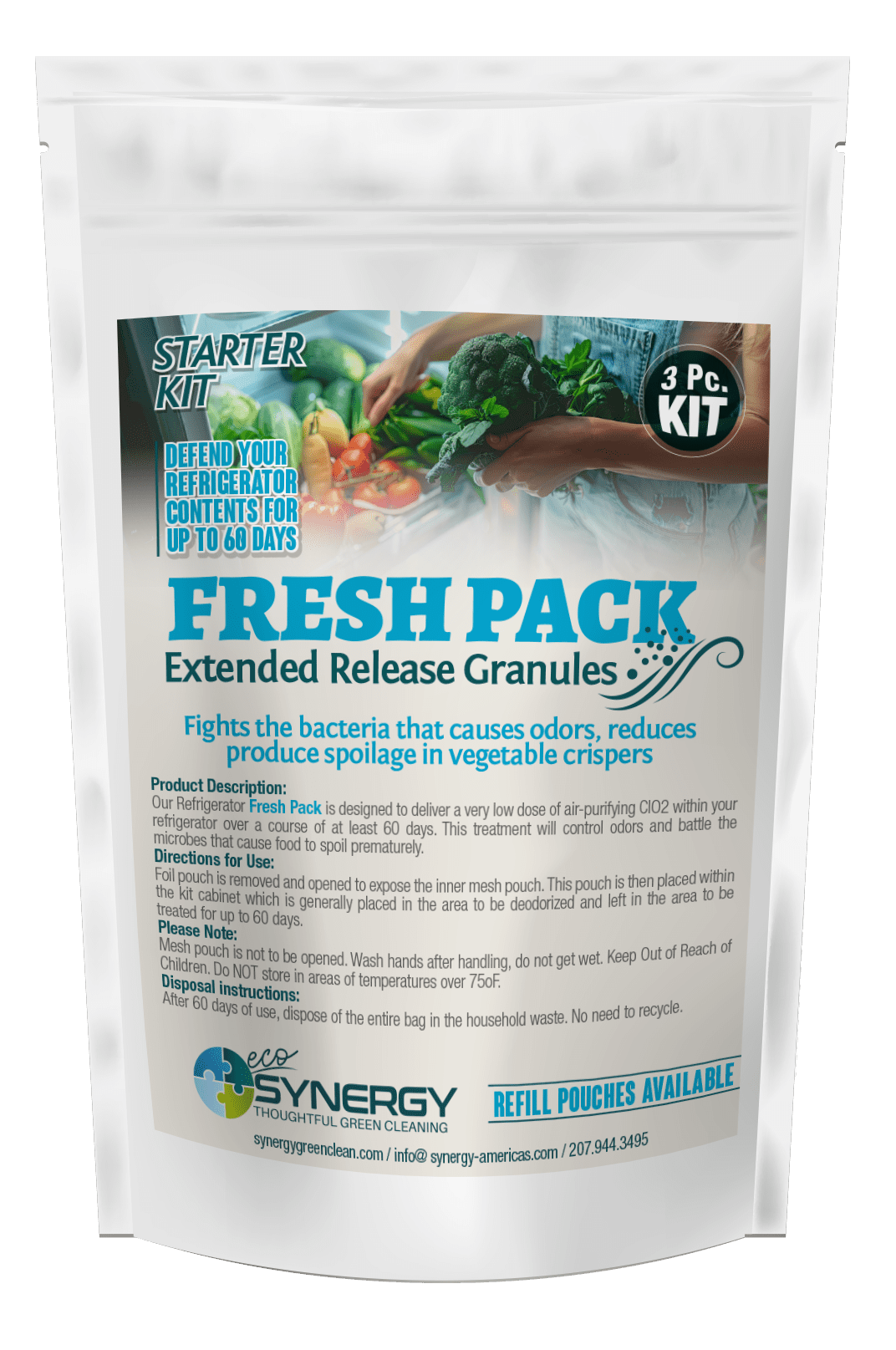
    • Use our Refrigerator Fresh Pack and place in the crispers and at the back of the Frig.

    Also Read 👉🏻How To Remove Bad Odor From Refrigerator?

    2. Kitchens & Pantries

    • Tracks in mud, salt, and pet dander.
    • ClO₂ neutralizes bacteria and airborne contaminants that can cause lingering smells.
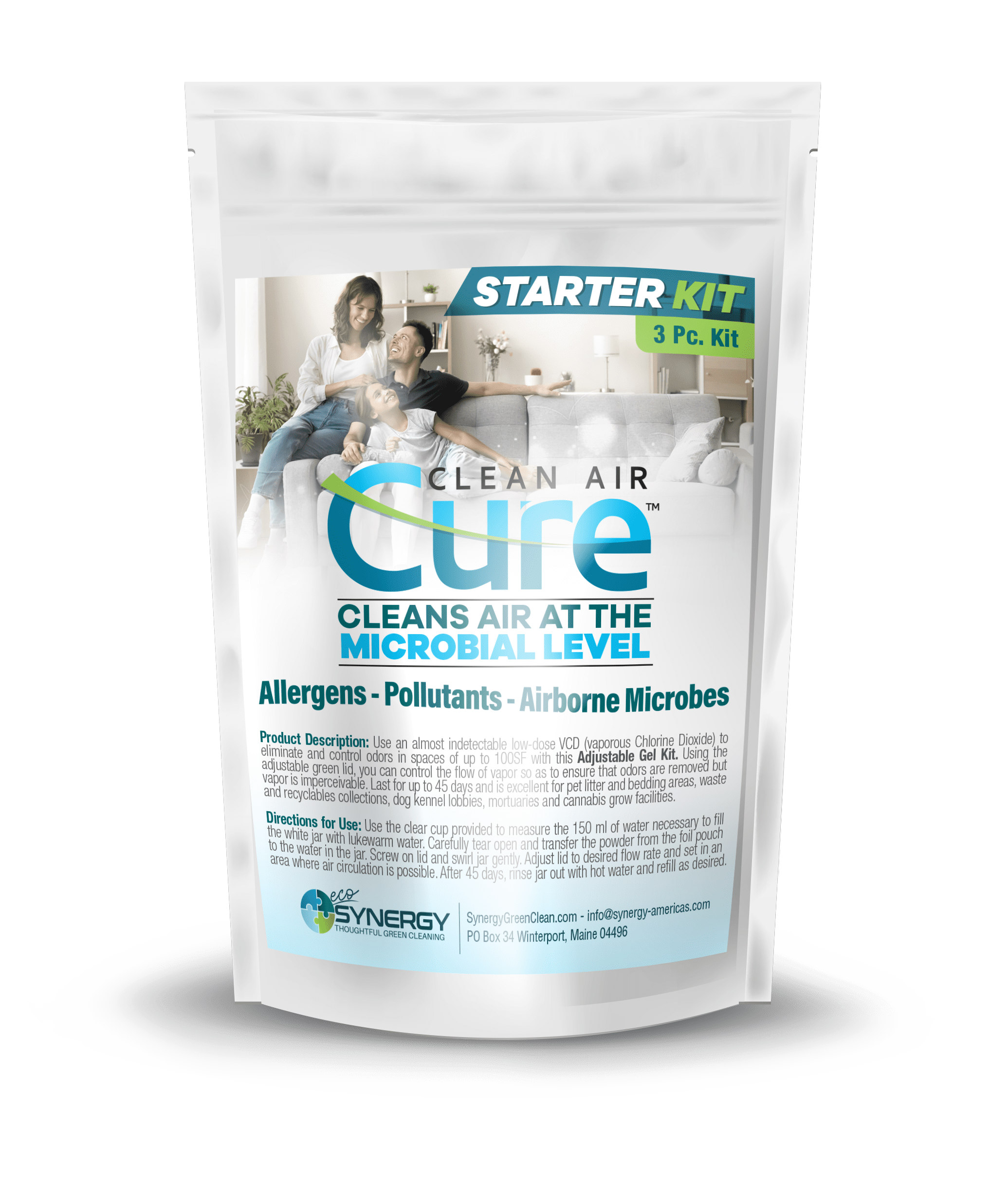
    • Use our Clean Air Cure and place strategically in the cabinets and in your pantry.

    3. HVAC Systems

    • Cold weather reduces airflow and traps contaminants.
    • A small ClO₂ unit in the system or vent eliminates microbial buildup.
    • Place a CLO2 fresh pack pouch in the ventilation system or near a vent for continued freshness.

    Also Read 👉🏻“How do I Use Chlorine Dioxide Tablets to Clean & Sanitize HVAC Systems, Ducts, & Drain Lines”

    4. Break Rooms & Small Offices

    • Coffee, snacks, and closed windows = stale smells.
    • ClO₂ keeps air clean and employees happier.
    • Use our Clean Air Cure and Place strategically through out the office or in the breakroom where heavy odors persist.

    5. Small Storage Spaces or Closets

    • Perfect for lockers, supply closets, and pantries that stay closed for days.
    • Use our Clean Air Cure by placing it on a closet shelf or on the closet floor.

    Also Read 👉🏻How do I Use CLO₂ Tablets for Cleaning, Odor Removal & Mold?


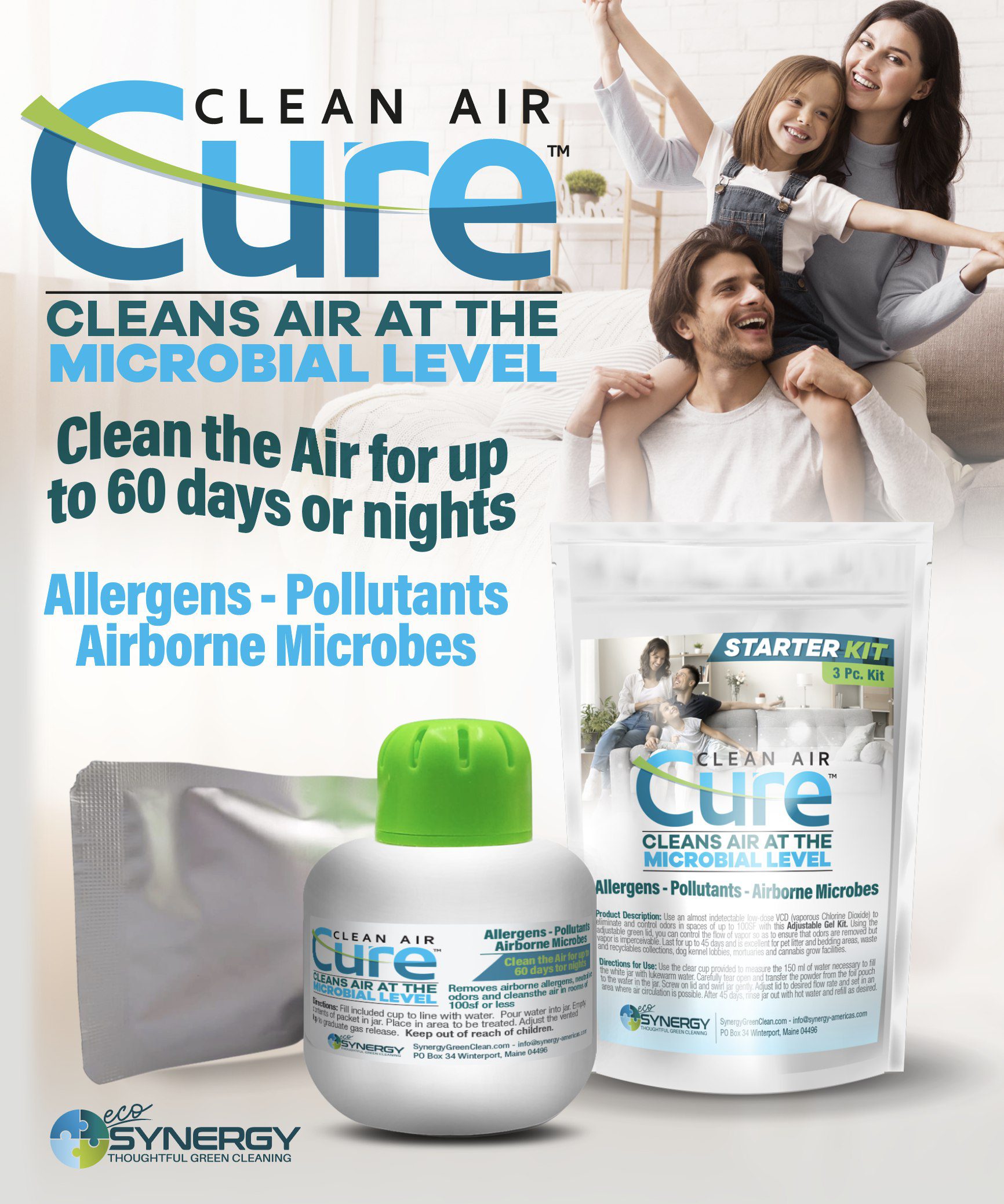
    Cure Gels is one of our newest line of air purifications to help aid during flu seasonCURE cleans the air up to 60 days and nights for clean pure air.


    The Secret to Doing It Once and Being Done

    This is the part most people miss. You don’t need to clean more often; you need to clean smarter.

    • Deploy ClO₂ in key problem areas
    • Let it neutralize odors at the source
    • Reduce repetitive scrubbing, spraying, and masking scents

    In other words, winter cleaning stops being a chore and becomes a set-it-and-forget-it solution — your air stays fresh, your food lasts longer, and your space feels healthier.


    Why This Matters

    • Health: Reduces exposure to bacteria, mold, and VOCs that can trigger allergies or respiratory issues.
    • Efficiency: Less repetitive cleaning means more time for what matters — family, work, or running your business.
    • Economics: Less spoilage, less waste, fewer cleaning supplies.
    • Comfort: A fresher environment keeps everyone happy and productive.

    Final Thought: The Winter IAQ Shift You Can Make Today

    Winter doesn’t have to be a battle against stale air, spoiled produce, or constant cleaning. Understanding the root causes of odors and poor IAQ — and using ClO₂ strategically — completely reframes the problem.

    No more fighting the same battle twice. No more masking smells. No more wasted hours.

    By investing in a ClO₂ solution for your home or small business, you can finally:

    • Neutralize odors at the source
    • Reduce microbial contamination
    • Extend the freshness of foods
    • Save time on winter cleaning
    • Maintain a healthier, more pleasant environment for everyone

    It’s a simple, smart, and proven way to take winter indoor air quality into your own hands — without endless effort.

    Winter may be cold outside, but inside your home or business, freshness is now under your control.

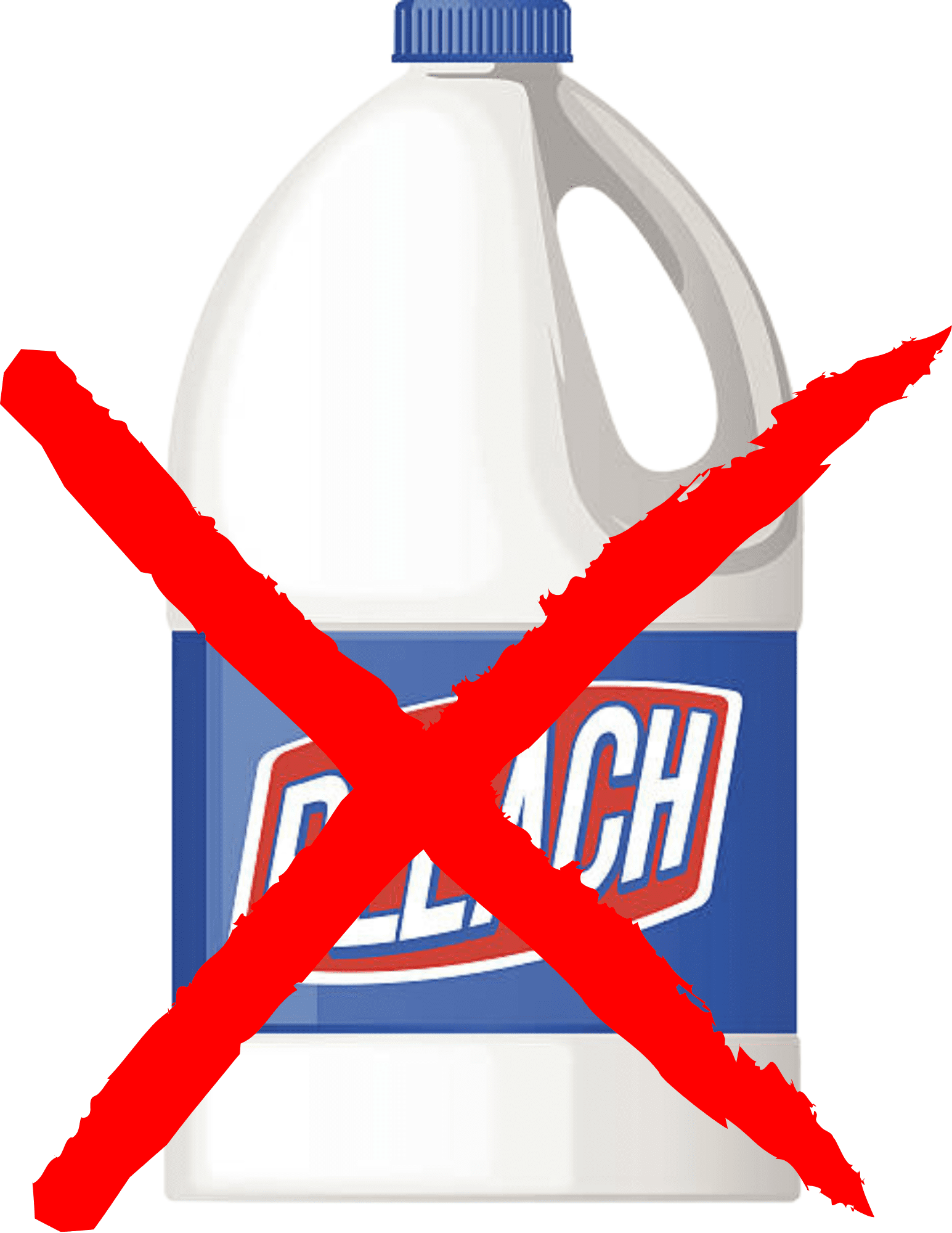
    CLO2 is a healthy alternative to Bleach and other chemical household cleaners

    F&Q

    1. What causes indoor air quality problems during winter?

    During winter, homes and businesses tend to be more sealed, with windows and doors closed to retain heat. This reduces ventilation, allowing dust, mold spores, bacteria, and volatile organic compounds (VOCs) to accumulate in the air. In addition, mud, snow, salt, and debris tracked inside, combined with heating systems that stir up particles, contribute to poor air quality. Without proper mitigation, these conditions lead to lingering odors, faster spoilage of perishable foods, and potential respiratory irritants.


    2. Why do refrigerators and enclosed spaces smell worse in winter?

    Cold temperatures slow air circulation and trap odors, while moisture from produce, leftovers, and condensation increases bacterial growth. Closed spaces, like fridges, freezers, or storage closets, create microenvironments where odor-causing bacteria and mold thrive. Even frequent cleaning often doesn’t fully remove these airborne contaminants, which is why odors tend to persist.


    3. How does chlorine dioxide (ClO₂) improve winter indoor air quality?

    ClO₂ is a low-dose oxidizing agent that neutralizes airborne bacteria, mold spores, and VOCs without masking them with fragrances. Unlike traditional cleaners or air fresheners, ClO₂ targets the root cause of odors and microbial contamination. It works continuously, creating a safer, fresher indoor environment while reducing repetitive cleaning tasks.


    4. Is ClO₂ safe to use around food and pets?

    Yes. When used according to manufacturer instructions, ClO₂ emits ultra-low doses specifically formulated for enclosed spaces, including refrigerators, kitchens, and break rooms. It’s residue-free, fragrance-free, and safe for food storage areas. Many homeowners and small businesses use it to protect perishables without concern for contamination or harsh chemical exposure.


    5. How long does a single ClO₂ unit last in a refrigerator or small space?

    Most ClO₂ deodorizing kits, like the Fresh Pack™, provide continuous odor control for up to 60 days. The controlled-release system gradually emits ClO₂ vapor, neutralizing odors and reducing microbial load over time. This means you don’t need to constantly check, refill, or manually scrub — one installation lasts for weeks.


    6. Can ClO₂ help extend the shelf life of food?

    Yes. Odor-causing bacteria and mold spores often contribute to premature spoilage of sensitive foods like berries, leafy greens, herbs, vegetables, and dairy. By reducing these microorganisms in the air and on surfaces, ClO₂ supports longer freshness and reduces waste, helping homeowners and small businesses save money and maintain healthier food.


    7. Will ClO₂ replace my regular cleaning routine?

    Not entirely. ClO₂ complements cleaning, rather than replacing it. Surface cleaning is still necessary to remove visible dirt, spills, and debris. However, ClO₂ reduces the frequency and intensity of cleaning needed to maintain freshness and odor control, saving time and preventing the frustration of “cleaning the same space twice.”


    8. Can ClO₂ be used in small offices or business break rooms?

    Absolutely. Enclosed areas such as break rooms, pantries, and storage rooms often suffer from lingering odors caused by food, moisture, and poor ventilation. ClO₂ units neutralize odors without masking scents, creating a fresher, healthier environment for employees and customers, while requiring minimal maintenance.


    9. How do I install a ClO₂ deodorizing system in my home or small business?

    Most systems are simple to install. For example, the Fresh Pack™ includes a mountable cabinet and pre-measured granule pouches. Simply mount the cabinet in a refrigerator, small pantry, or enclosed space, insert the pouch, and let the controlled-release system do its work. No power source or complex setup is required.


    10. Why should I invest in ClO₂ solutions instead of relying on air fresheners or fragrances?

    Air fresheners and scented sprays only mask odors — they do not remove the root cause: bacteria, mold, or VOCs. ClO₂ works at the source, neutralizing contaminants and maintaining continuous freshness. This leads to long-lasting odor control, healthier air, and extended food shelf life, making it a smarter investment for both homeowners and small businesses.

    Also Read 👉🏻Winter IAQ Solutions: Stop Wood Smoke, Dry Air & Stale Indoor Odors

  • Mold Remediation in Crawl Spaces | Identify, Remediate & Protect with ClO₂

    Mold Remediation in Crawl Spaces | Identify, Remediate & Protect with ClO₂

    Deep Dive & Defeat: Mold Remediation in Crawl Spaces That Actually Works 💪

    It’s time to face it: the dark, quiet crawl space under your home might look like a low-priority spot—but tucked away in that damp, hidden zone lies a real risk to your home’s health and your family’s wellness. Mold loves places that are damp, poorly ventilated, and rarely visited. Left unchecked, it can harm structural materials, trigger allergies or respiratory issues, and create lingering musty smells that just won’t go away.

    But here’s the good news: with the right strategy, you can take control, remediate the mold, and keep your crawl space dry, safe, and mold-free. And when you combine that with the power of Chlorine Dioxide (ClO₂) tablets from the team at Envirotab, you’re bringing a modern, scientifically supported tool into the fight. (Yes—you, the savvy business owner and eco-cleaning advocate, totally own this.)

    In this guide we’ll walk you through a full, step-by-step process: assessment and safety, identifying and eliminating moisture sources, chemical/ClO₂ treatment, improving ventilation, monitoring, and finally a proactive prevention plan—so you can stop the mold now and prevent it from coming back. Let’s get to it. 🧼🌱


    1. Assessment & Safety Precautions

    Before you break out your gear, it’s critical to take stock and set up for safety.

    What to inspect

    • Enter the crawl space (carefully!) and inspect all surfaces—underfloor joists, foundation walls, underside of the sub-floor, insulation, vapor barriers, ductwork and exposed soil. Note any visible mold growth (black/green/white fuzzy or slimy patches), water stains, discoloration, or musty odors.
    • Determine how widespread the problem is: is it a small isolated patch or is the entire space showing signs of mold? This will affect how aggressive your remediation plan needs to be.
    • Document conditions: take photos, measure relative humidity (with a moisture/hygrometer), check for signs of condensation, pooling water, or past leak damage.

    Safety first

    • Mold spores in crawl spaces can become airborne; disturbance without protection may exacerbate the issue or pose health risks.
    • Gear up with PPE: gloves (nitrile or heavy duty), goggles or face shield, respirator (NIOSH-rated N95 or better—especially if disturbance is high), protective coveralls or at least long sleeves/trousers.
    • Ensure proper ventilation while working and consider isolating the space if large remediation is required (i.e., sealing off access temporarily).
    • If structural damage is present (e.g., sagging joists, extensive rot) or contamination is severe (e.g., black-mold mycotoxin risk), consult a certified remediation professional.

    By starting with a thorough assessment ― and protecting yourself ― you’re laying the foundation for a safe, effective remediation effort.


    2. Identify the Source of Moisture

    Mold doesn’t just appear out of nowhere—it grows where there’s moisture, stagnation and darkness. To fix the mold, you’ve got to remove the moisture.

    Common moisture sources in crawl spaces

    • Leaking pipes or plumbing fixtures overhead or nearby.
    • Roof or gutter leaks leading to water intrusion.
    • Rainwater or groundwater seepage through foundation walls or an unsealed floor.
    • High humidity in the region intruding into the crawl space via vents or gaps.
    • Standing moisture or damp soil when there’s no vapor barrier or poor drainage.
    • Condensation on ductwork or sub-floor undersides due to inadequate insulation.

    Key steps to identify moisture sources

    1. Look for leaks – Check pipes, fittings, HVAC lines, especially in cooling mode (condensation lines), for signs of dripping, pooling, corrosion or stains.
    2. Inspect gutters & downspouts – Ensure water is being directed away from the foundation, and that no overflow or clog is dumping near the crawl space.
    3. Check for cracks/gaps – Inspect the foundation walls, sill plates, rim joists, and flooring for gaps where water or humid air can enter. Seal these with suitable caulk, concrete patch, or foam sealant.
    4. Examine ventilation – Ensure crawl space vents are clear of debris, not blocked by insulation, and that they enable airflow. If closed, consider mechanical ventilation or encapsulation.
    5. Assess drainage – The ground slope around your home should fall away from the foundation; if it doesn’t, water may pool and seep under. Fix grading or add a perimeter drain if necessary.
    6. Consider waterproofing – In more severe cases, installation of a sump pump, foundation interior drainage system, or heavy-duty vapor barrier may be required.
    7. Monitor moisture levels – Use a moisture meter or hygrometer to measure both surface moisture and air relative humidity. If relative humidity in the crawl space remains above ~60% long-term, mold will often take root.

    Unless you remove or significantly curb the moisture source, even the best remediation may fail—spot treatments will offer temporary relief, but the mold will likely return.

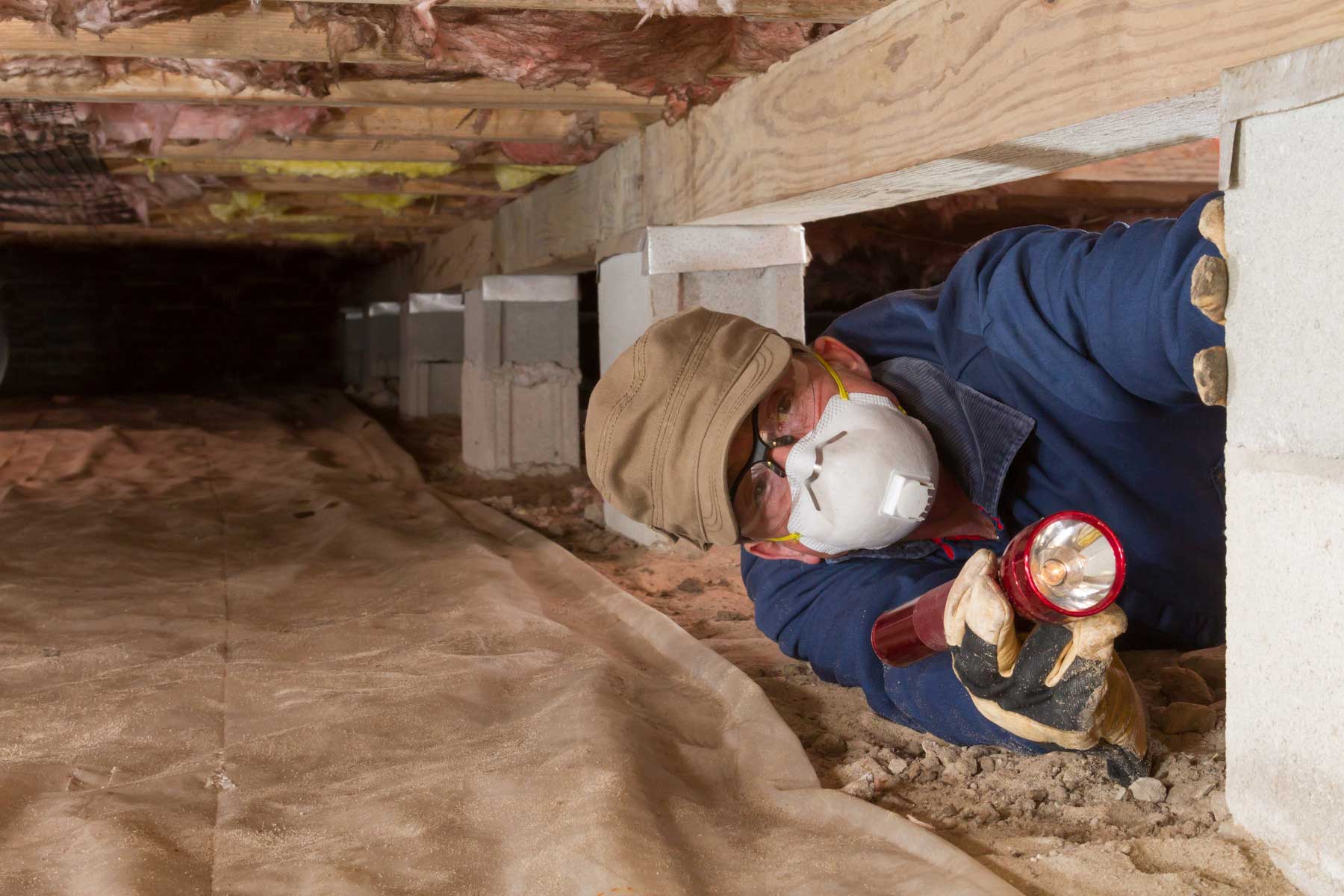
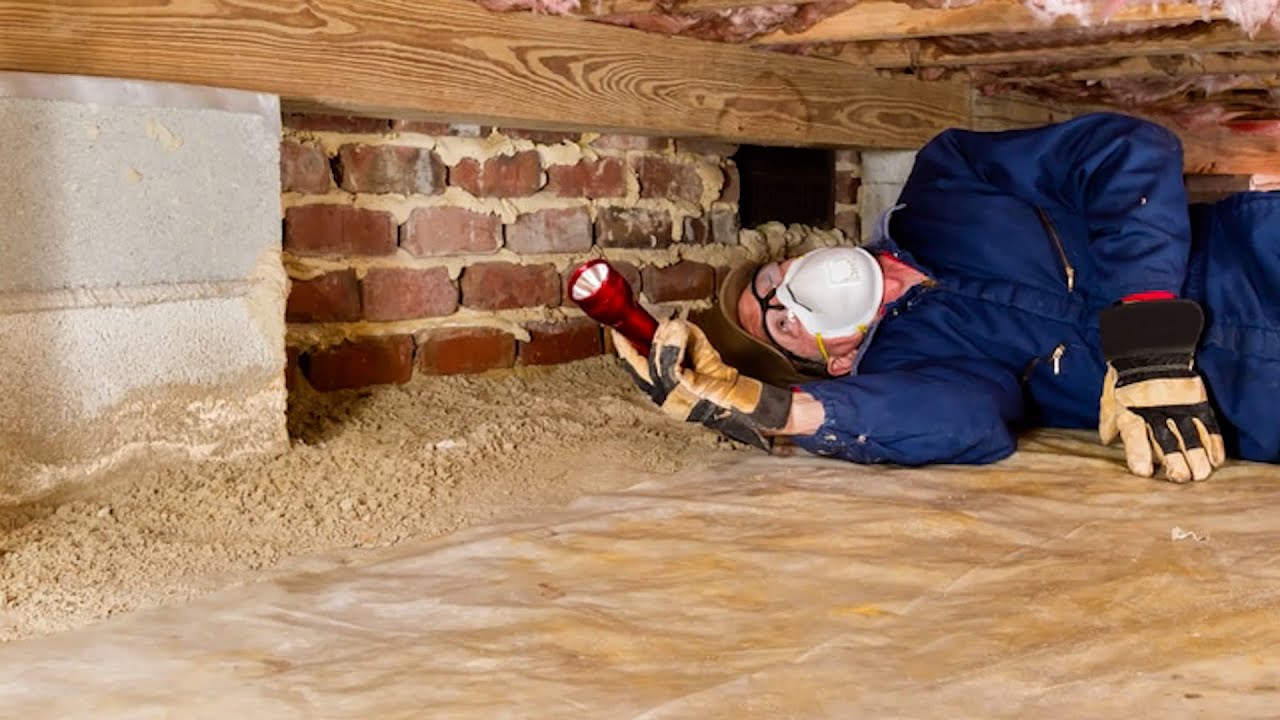
    a mold inspector identifying mold in a crawl space with a torch.

    3. Mold Treatment: Biocides / Fungicides & ClO₂ Tablets

    Now, you’ve assessed the scene and reduced moisture inputs. Next: treat the mold itself.

    Using traditional biocides/fungicides

    • After visible mold is identified, apply Biocide/fungicide solution following the manufacturer’s instructions. This breaks down mold hyphae and spores on contact and provide some residual protection.
    • Example: Spray emulsifiable on mold-infested wood, insulation, sub-floor, etc. Wait the recommended dwell time, then remove any residual mats or mold-damaged materials if necessary.
    • Important: Biocide/fungicide alone is not enough if moisture remains. Treat the mold, yes—but treat the cause.

    Enter the high-tech hero: ClO₂ tablets

    Here’s where your business angle (and eco-cleaning credibility) shines. Envirotab’s ClO₂ (chlorine dioxide) tablets offer a compelling, scientifically supported method to go beyond surface cleaning.

    • ClO₂ is a powerful oxidizing agent that can penetrate porous materials, attack mold spores and mycotoxins at the root, and reach hidden spaces that typical cleaners can’t. Mold Help For You+1
    • Compared to bleach, ClO₂ offers distinct advantages: penetrates porous surfaces, leaves no harmful residue, neutralizes odors and VOCs, and remains effective in challenging spaces. clo2tablets.com+1
    • Process (sample): Dissolve one or more tablets in warm water per label instructions → apply via spray, fogger, or controlled release in the crawl space → allow dwell time → ensure ventilation and safe re-entry. clo2tablets.com

    Application steps with ClO₂ tablets

    1. Prepare the solution: Follow the specific label for your tablet count to water ratio.
    2. Apply thoroughly: Use a sprayer or fogger and make sure to cover underside of the sub-floor, joists, foundation wall surfaces, insulation, and any accessible soil or vapor barrier surfaces.
    3. Wait for dwell time: Allow the solution or gas to penetrate and act as directed.
    4. Ventilate & purge: After application, allow fresh air into the crawl space to clear residual ClO₂ gas. Confirm safe re-entry.
    5. Repeat if needed: For heavy contamination, a second pass may be warranted.
    6. Post-treatment inspection: Use moisture/humidity meters, visual checks, and possibly air sampling (if professional) to confirm mitigation.

    The result? A crawl space where the mold risk is drastically reduced, odors eliminated, and future growth blocked out by the combination of moisture control + advanced chemistry.


    4. Improving Ventilation and Air Flow

    Even with moisture sources reduced and mold treated, if air is stagnant the space remains vulnerable. Ventilation is your next line of defense.

    Why ventilation matters

    • Good airflow helps remove moisture-laden air, reduces condensation, and limits the micro-climate mold thrives in.
    • Without adequate ventilation, even a dry crawl space may suffer from pockets of high humidity, hidden mold growth, and odor build-up.
    • For older homes or homes in high-humidity coastal zones (hello Maine tidal waters!), passive vents often don’t cut it.

    Practical upgrades

    • Install vents or upgrading existing ones: Ensure each vent opening is clear of debris, graded such that fresh air enters and stale air exits.
    • Add mechanical ventilation: In some cases a small fan or crawl-space blow-through system (ideally linked to a humidity sensor) is ideal.
    • Install a dehumidifier: In enclosed or encapsulated crawl spaces, a dedicated dehumidifier can maintain relative humidity under ~55%.
    • Encapsulate the crawl space: Lining the floor and walls with a heavy-duty vapor barrier, sealing perimeter walls, insulating rim joists and potentially turning the crawl into a conditioned space.
    • Ensure insulation and ductwork are properly managed: Insulate cold ducts and ensure no leaks dump cool air into warm crawl space causing condensation.
    • Maintain ongoing monitoring: Set a schedule (monthly/quarterly) to check humidity, visible signs of moisture, and ensure vents/fans remain unblocked and functional.

    When airflow, moisture management and remediation are all integrated, you’re moving from “fixing a problem” to “securing the system” for long-term health.


    5. Monitoring & Preventive Maintenance

    Remediation is not a “one-and-done” event—it’s a system that requires monitoring and regular care. Here’s how to stay ahead of mold in your crawl space.

    Key metrics & checks

    • Relative humidity (RH) in the crawl space—ideally under ~55% in most climates; <60% at minimum.
    • Surface moisture or standing water—check after heavy rain, spring thaws, or major storms.
    • Vapor barrier integrity—inspect for tears, displacement, or mold growth on or behind the liner.
    • Ventilation efficacy—are the vents open, clear, fans working, ductwork sealed?
    • Visual inspections—biannual walk-throughs to check for new growth, discoloration, musty odors, insulation issues, piping condensation.
    • Record-keeping—maintain logs of inspections, humidity readings, actions taken. This is especially valuable if you manage multiple properties or will look to scale this as part of your eco-cleaning service offering.

    Preventive actions

    • After any significant leak or flooding event, do an immediate inspection and treatment if needed.
    • Annual application of ClO₂ or other maintenance chemical treatment in high-risk zones may prevent re-growth of hidden spores.
    • Ensure landscaping and grading stay effective—remove vegetation near foundation that may trap moisture; keep downspouts extended away.
    • If you discover new plumbing or HVAC runs under the house, ensure they are insulated, sealed, and installed without introducing new condensation risk.
    • Educate occupants or maintenance teams: no storing cardboard, wood, or other moisture-absorbing items directly on crawl space floor; keep it as clear and breathable as possible.

    By turning your crawl space into a monitored, managed environment, you protect your home, health and investment.


    6. Why This Matters for Homeowners — and for Your Business

    As the owner of Synergy‑Americas and marketing manager for eco-cleaning products, you know that educating your market is key. Here’s why tackling crawl space mold is a strategic win:

    • Health & safety: Mold in crawl spaces can unleash spores and mycotoxins into the home’s HVAC and living spaces—impacting indoor air quality, allergies, asthma and general health.
    • Property value & longevity: A dry, mold-free crawl space protects structural materials—joists, sub-floor, insulation—from rot and degradation. That means fewer repairs, longer lifespan, higher resale value.
    • Eco-friendly cleaning credibility: Using advanced solutions like ClO₂ tablets positions your brand as forward-thinking, scientifically grounded and eco-responsible—key differentiators in today’s market.
    • Market expansion opportunity: Homeowners with older homes, homes in humid zones, or rental/management properties all represent ideal segments for your message. The crawl space is an often overlooked “frontier” for cleaning/remediation services.
    • Content marketing & thought leadership: This deep dive article positions you as a subject-matter expert. It can be repurposed into LinkedIn posts, Google Business Profile articles, email newsletters and campaign landing pages.

    Conclusion: From Hidden Threat to Healthy Home 🌱✨

    A crawl space might be out of sight — but it should never be out of mind. Beneath your home lies an ecosystem that directly impacts your air quality, structural integrity, and long-term investment. Mold doesn’t just “happen”; it thrives when we ignore the warning signs — moisture, poor ventilation, and neglect.

    By following the steps we’ve outlined — assessment, moisture control, treatment with ClO₂, improved ventilation, and continuous monitoring — you’re not just cleaning a space; you’re restoring balance to your home’s foundation. You’re eliminating health risks before they spiral, protecting your property from decay, and setting a new standard for how we care for our living environments.

    Using ClO₂ tablets transforms mold remediation from a reactive cleanup into a proactive science. It’s eco-friendly, powerful, and forward-thinking — a perfect reflection of what modern home care should be. Traditional methods may mask the problem, but ClO₂ tackles it at the molecular level — neutralizing mold, bacteria, and odors while leaving no harsh residues behind. That’s clean technology meeting real-world need.

    Remember:

    The health of your home begins where you rarely look.
    Don’t wait for musty smells, soft floors, or allergies to tell you something’s wrong.

    If you suspect crawl space mold — act fast. Inspect. Treat. Protect. And keep your home’s underbelly as clean and cared for as the rooms you live in.

    Whether you’re a homeowner safeguarding your family or a cleaning professional elevating your service standards, it’s time to move from surface-level cleaning to structural health. The difference is lasting, measurable, and worth every bit of effort.

    Take back control.
    Take back the air you breathe.
    And let your home — from top to crawl space — truly shine. 🌎✨


    10 Frequently Asked Questions About Model Remediation in Crawl Spaces (FAQs)

    1. Q: How do I know if my crawl space has mold?
      A: Look for visible discoloration or fuzzy growth on walls, joists or sub-floor, musty odors, elevated humidity readings (>60 %), or health symptoms in occupants (allergy, respiratory issues). A professional inspection can include air sampling.

    2. Q: Can I treat crawl space mold myself or do I need a professional?
      A: For small, isolated patches and when you can manage moisture sources and safety gear, a homeowner can treat it. But if the infestation is large (>10 sq.ft.), structural damage is present, or you detect black-mold/mycotoxin risk, a professional is advised.

    3. Q: Why do we address moisture first? Is that really that important?
      A: Absolutely. Mold needs moisture to grow. If you remove visible mold but leave the moisture source intact (leaks, high RH, poor drainage), the mold will likely return. Fixing moisture is fundamental.

    4. Q: How do ClO₂ tablets differ from bleach or standard fungicides?
      A: ClO₂ is a strong oxidizing agent that penetrates porous materials, kills spores and can eliminate mycotoxins and odors. Bleach often only acts on surface mold, leaves residue and doesn’t reach hidden spaces well. clo2tablets.com+1

    5. Q: Is ClO₂ safe to use in a crawl space?
      A: Yes—when used according to label instructions, with proper ventilation and safety gear. It leaves no harmful residues and has been shown effective for mold remediation. That said, always follow manufacturer guidelines and local regulations.

    6. Q: How often should I monitor my crawl space after remediation?
      A: At minimum, inspect twice a year (spring and fall). Also check after major weather events or plumbing/HVAC changes. Maintain humidity logs monthly if possible.

    7. Q: What level of relative humidity is safe for a crawl space?
      A: Aim for RH < 55% in most climates. If it remains above ~60% long-term, you are at increased risk of mold growth.

    8. Q: Will drywall or insulation need to be replaced after mold remediation?
      A: Possibly. If mold has penetrated insulation or drywall to the point where removal is more cost-efficient than cleaning, replacement is often the best choice. Treated materials should be approved/cleared for reuse.

    9. Q: What’s the difference between passive venting and encapsulation of a crawl space?
      A: Passive venting uses air-vents to allow outdoor air flow; works sometimes in cooler, dry climates. Encapsulation involves sealing the crawl space, installing a vapor barrier, often a dehumidifier and turning the space into a more managed environment. Encapsulation is typically more effective in humid zones.

    10. Q: Can I include this crawl space remediation service in my marketing for eco-cleaning?
      A: Yes—and strongly should. Highlight the hidden risks of crawl space mold, the health benefit, the structural protection, and your use of advanced tools like ClO₂ tablets. Use case-studies, before/after photos and emphasize your holistic approach: moisture control → remediation → monitoring.

  • The Science of Safe Air | How ClO₂ Purifies Without Harm

    The Science of Safe Air | How ClO₂ Purifies Without Harm

    The Science of Safe Air — How ClO₂ Neutralizes Airborne Pathogens Without Harming Your Lungs

    The Hidden Problem in “Clean” Air

    Let’s start with an uncomfortable truth: most air fresheners and cleaners aren’t cleaning at all. They’re disguising.
    That citrus “burst of freshness” or “mountain breeze” is often a cocktail of synthetic fragrances and volatile organic compounds (VOCs) — chemicals that can irritate lungs, trigger allergies, and even disrupt hormones.

    The irony? We use them to feel safe and clean, yet we’re often filling our homes and workplaces with the very contaminants we’re trying to avoid.

    Our bodies weren’t made to breathe chemical residue. They were made to breathe air that’s crisp, light, and naturally clean — the kind of air you can almost taste after a summer rain.

    That’s where chlorine dioxide (ClO₂) steps in — not as a masking agent, but as a true neutralizer of what doesn’t belong in your air.


    What Is ClO₂ and Why Does It Work So Well?

    ClO₂, or chlorine dioxide, is a small but mighty molecule with an impressive resume. It’s been used for decades to disinfect hospitals, purify municipal drinking water, sanitize food surfaces, and control mold in agricultural settings.

    Unlike chlorine bleach (which corrodes, stains, and leaves harsh residues), ClO₂ acts with surgical precision. It oxidizes harmful microorganisms by targeting their cell walls, breaking down their internal structure, and neutralizing them completely — all without producing toxic byproducts.

    This precision makes it incredibly effective yet surprisingly gentle.

    When you drop a ClO₂ tablet into water, it activates a slow-release gas that permeates air and surfaces, seeking out unwanted contaminants — bacteria, viruses, mold spores, VOCs, and odors — and dismantles them at the molecular level.

    It doesn’t mask.
    It doesn’t overpower.
    It simply restores your air to what it’s meant to be: pure, clean, breathable.


    Here’s a myth worth clearing up: chlorine dioxide is not chlorine bleach. Yes, they sound similar, but their chemistry couldn’t be more different.ClO₂ Is Not Bleach — It’s Better Science

    Here’s a myth worth clearing up: chlorine dioxide is not chlorine bleach.
    Yes, they sound similar, but their chemistry couldn’t be more different.

    • Bleach (Sodium Hypochlorite) – Highly reactive, corrosive, and can produce harmful chlorinated byproducts.

    • Chlorine Dioxide (ClO₂) – A stable gas that releases controlled oxidation energy, eliminating pathogens without damaging materials or producing toxic residue.

    This distinction is crucial. ClO₂ doesn’t corrode metals, stain fabrics, or irritate lungs — making it a favorite for sensitive environments like hospitals, schools, and food production facilities.

    In short: bleach cleans surfaces; ClO₂ cleans environments.


    How ClO₂ Cleans the Air You Breathe

    Most cleaning products stop at the surface. ClO₂ goes beyond.

    When released into the air, it diffuses evenly throughout the space — a property that makes it ideal for neutralizing airborne pathogens in areas traditional cleaning can’t reach.

    🦠 Destroys airborne bacteria and viruses: ClO₂ ruptures cell walls and disrupts viral protein structures, eliminating threats before they reach your lungs.
    🌿 Removes odors at their source: From smoke to pet smells to musty basements — ClO₂ breaks down odor molecules instead of masking them.
    🌫️ Reduces mold spores and allergens: It penetrates deep into porous materials and HVAC systems, preventing regrowth.
    💨 Leaves zero toxic residue: After doing its job, ClO₂ naturally breaks down into trace salts and oxygen.

    This makes it a game-changer for people with asthma, allergies, or chemical sensitivities — and a breath of relief for anyone tired of trading “clean scent” for coughing fits.


    Hospitals HAIs protocals are failing and here's what CLO2 can do about it.Real-World Applications: Clean Air Everywhere

    ClO₂ isn’t a lab-only concept. It’s trusted in every industry that values true sterilization:

    🏥 Hospitals & Clinics: For disinfecting surgical rooms, patient areas, and medical tools without residue.
    🚜 Agriculture & Farming: Used to sanitize irrigation lines, livestock areas, and food storage facilities safely.
    🏠 Homes: Neutralizes musty basements, post-flood mildew, pet odors, and everyday bacteria on surfaces and in air.
    🚗 Vehicles & Boats: Removes smoke smell, mold, and bacteria in enclosed cabins.
    🏢 Businesses & Hotels: Keeps indoor air fresh for guests and employees without relying on synthetic fragrances.

    Every environment that demands true clean benefits from ClO₂.


    The Human Side of Clean Air

    Clean air isn’t just about science — it’s about comfort, health, and peace of mind.

    Think of the last time you walked into a freshly cleaned hotel room. You probably smelled “clean.” But did it feel clean?
    ClO₂ removes that uncertainty. There’s a psychological calm in knowing that the air around you isn’t just perfumed — it’s purified.

    For families, it means your kids can play on the carpet without inhaling chemical residues.
    For allergy sufferers, it means waking up without that tight, scratchy feeling in your chest.
    For business owners, it means customers walk in and actually notice the freshness — not an artificial cover-up.

    That’s what real clean air does. It lets you breathe differently.


    Safety First: Why ClO₂ Is Trusted Globally

    When it comes to air purification, safety isn’t optional. That’s why organizations like the EPA and WHO recognize ClO₂ as a powerful yet safe disinfectant when used properly.

    Its track record spans over half a century of use in sensitive environments — including water treatment facilities and food plants — because it leaves no harmful residues and no bioaccumulation risk.

    At ClO₂ Tablets, we’ve adapted that same industrial-grade chemistry into an easy, home-safe formula that puts scientific control in your hands.

    Each tablet is carefully measured to release the perfect concentration for household and commercial use, providing long-lasting purification without risk.


    Cure Gels is one of our newest line of air purifications to help aid during flu seasonHow to Use ClO₂ Tablets for Air Purification

    The process is elegantly simple:

    1️⃣ Drop a tablet into the recommended amount of water (based on room size).
    2️⃣ Place the container in the center of the room and allow the gas to circulate for several hours.
    3️⃣ Let the magic happen. ClO₂ gas molecules seek and destroy airborne and surface-level contaminants.
    4️⃣ Return to a truly fresh space — one that smells like nothing at all.

    Also try our NEW product Clean Air Cure Starter Kit!

    No wiping, no spraying, no harsh aftereffects.
    Just clean air the way nature intended it.


    Eco-Friendly by Design

    The beauty of ClO₂ lies in its minimal footprint. It breaks down into harmless compounds and doesn’t pollute waterways, fabrics, or air systems.

    In an age where sustainability and safety must go hand in hand, ClO₂ stands as the gold standard for responsible cleaning. It’s proof that effective doesn’t have to mean aggressive — and that chemistry, when done right, can actually heal instead of harm.


    Breathe Easy — The Future of Clean Is Already Here

    At ClO₂ Tablets, we believe “clean” should mean safe, effective, and sustainable.

    We’re proud to lead the movement toward better indoor air quality and to bring hospital-grade purification into homes, offices, farms, and businesses everywhere.

    Because when you change the air you breathe, you change the way you live.

    It’s not bleach.
    It’s not perfume.
    It’s not another chemical cocktail.

    It’s ClO₂ — chemistry with a conscience.
    And it’s the clean your lungs have been waiting for.

    Other Questions People Ask:

    1️⃣ What exactly are ClO₂ Tablets?
    ClO₂ tablets are small, solid tablets that dissolve in water to produce chlorine dioxide gas, a highly effective and scientifically proven disinfectant for air, surfaces, and water. They are eco-friendly, non-toxic, and safe for daily use in homes, offices, and agricultural settings. Unlike bleach or harsh chemical cleaners, they neutralize pathogens at the molecular level, providing real cleaning power rather than just masking odors.

    2️⃣ Is chlorine dioxide safe for humans and pets?
    Yes! When used according to directions, ClO₂ is non-toxic, non-irritating, and safe for humans, pets, and even plants. It has been trusted in hospitals, schools, and farms for decades because it kills bacteria, viruses, and mold without leaving harmful residues, making it ideal for households with children and animals.

    3️⃣ Can I use ClO₂ Tablets to purify drinking water?
    Absolutely. ClO₂ is widely used worldwide for municipal water treatment to safely eliminate bacteria, viruses, and biofilms. At home, it can be used to purify well water, emergency water supplies, and even water used for gardening or livestock, when dosed according to instructions. This makes it a practical and safe option for families and small businesses.

    4️⃣ How do ClO₂ Tablets work to clean the air?
    When dissolved in water, ClO₂ tablets release a controlled gas that circulates throughout the room, targeting bacteria, viruses, mold spores, and odor molecules at the molecular level. Unlike traditional air fresheners that mask smells, ClO₂ eliminates the source of contamination, leaving the air truly clean. It works in homes, offices, vehicles, and other enclosed spaces, improving indoor air quality naturally.

    5️⃣ Do ClO₂ Tablets have a smell?
    No. ClO₂ is odorless at the concentrations used for air and surface purification. You won’t notice any chemical smell, perfume, or harsh odor — just the difference in how fresh and clean the space feels. This makes it ideal for sensitive individuals, allergy sufferers, and anyone seeking a non-toxic, natural cleaning solution.

    6️⃣ How long does it take for a room to be purified?
    Typically, ClO₂ tablets take 2–6 hours to fully purify a room, depending on size, ventilation, and the number of tablets used. For example, a medium-sized office may take around 3 hours, while a larger basement might need closer to 6. Following the manufacturer’s dosage instructions ensures maximum effectiveness and safety for all indoor spaces.

    7️⃣ Can ClO₂ Tablets remove mold and mildew?
    Yes. ClO₂ effectively neutralizes mold spores and prevents regrowth on surfaces, HVAC systems, and hidden corners where mold often hides. Unlike harsh chemical sprays, ClO₂ penetrates deep without corroding materials or leaving stains, making it perfect for basements, bathrooms, kitchens, and even boats. This is a green cleaning solution for anyone seeking safe, lasting mold control.

    8️⃣ Are ClO₂ Tablets environmentally friendly?
    Absolutely. ClO₂ breaks down into harmless salts and oxygen after use, leaving no pollutants, chemical residues, or long-term environmental impact. It’s considered an eco-friendly disinfectant and a responsible choice for home, office, and agricultural applications. Using ClO₂ helps reduce reliance on toxic cleaning chemicals that harm the planet and indoor air quality.

    9️⃣ Can I use ClO₂ Tablets around children?
    Yes, they are safe when used as directed. The controlled release of ClO₂ gas ensures effective air and surface purification without exposure to harmful chemicals. Parents can feel confident using it in bedrooms, playrooms, and nurseries, knowing it neutralizes bacteria, viruses, and allergens safely.

    🔟 Can ClO₂ Tablets be used in offices and vehicles?
    Yes! ClO₂ tablets are perfect for enclosed spaces like offices, cars, RVs, and boats, eliminating odors, bacteria, and mold without leaving toxic residue or chemical fumes. Many businesses use ClO₂ to improve indoor air quality for employees and clients, creating a healthier, more productive environment that feels fresh naturally.

  • 3-Step Flu Defense Plan for Home & Workplace

    3-Step Flu Defense Plan for Home & Workplace

    What is the best ways to defend against the flu this year?

    Flu season can be overwhelming, but prevention doesn’t have to be complicated. The most effective approach is a layered strategy that addresses flu germs at every point of exposure—from high-touch surfaces to the air you breathe, and even personal habits.

    This 3-step flu defense plan is designed for home and workplace environments, combining practical actions with eco-friendly solutions like chlorine dioxide (ClO₂) to create a safer, healthier environment for your family and coworkers.


    Keeping surfaces clean with clo2 stays ahead of the game, keeping germs down and the transmission of the flu low.Step 1: Clean & Disinfect Surfaces

    The first line of defense is high-touch surface disinfection. Germs on doorknobs, keyboards, phones, light switches, and kitchen appliances are primary vectors for flu transmission.

    • Daily cleaning routine: Focus on frequently touched items.

    • Use ClO₂ disinfectant: Kills bacteria, viruses, and flu pathogens quickly and safely.

    • Deep clean weekly: Don’t forget soft surfaces like pillowcases, couch arms, and curtains—they can harbor viruses too.

    Quick tip: Keep ClO₂ wipes or sprays in common areas to make daily disinfection effortless.


    Step 2: Purify the Air

    Flu viruses are airborne, making air quality a critical factor. Poor ventilation can trap viral droplets and increase infection risk.

    • Ventilate your space: Open windows or use fans to improve airflow.

    • Use ClO₂ air solutions or purifiers: Neutralizes airborne germs and odors, creating a cleaner, safer indoor environment.

    • Control humidity: Keep indoor humidity around 40–60% to reduce virus survival.

    Combining these steps ensures germs are removed from both surfaces and the air, tackling flu threats from multiple angles.


    washing hands is an important part of preventing the spread of the flu virus.Step 3: Personal Hygiene & Behavioral Habits


    The third step is personal prevention. Even with clean surfaces and air, flu viruses can still spread through hands and close contact.

    • Frequent handwashing: Wash for at least 20 seconds, especially after public exposure.

    • Cover coughs and sneezes: Use tissues or elbows to prevent droplets from spreading.

    • Avoid touching your face: Germs enter through eyes, nose, and mouth.

    • Educate family and coworkers: Awareness and consistent habits reduce transmission.

    Bonus: Encourage mask use in crowded indoor spaces if someone is symptomatic.


    Cure Gels is one of our newest line of air purifications to help aid during flu seasonWhy ClO₂ Is Central to Your Flu Defense

    Chlorine dioxide is eco-friendly, fast-acting, and effective against both surface and airborne viruses:

    • Kills flu viruses on contact

    • Neutralizes odors indicating bacterial or viral buildup

    • Safe for children, pets, and office environments

    • Works in multiple applications: surfaces, fabrics, and air

    Using ClO₂ as part of this 3-step plan creates a protective barrier around your home or workplace, making flu prevention simple and effective.


    Putting It All Together

    1. Clean & disinfect surfaces daily with ClO₂.

    2. Purify the air and improve ventilation to eliminate airborne germs.

    3. Practice strong personal hygiene and teach others to do the same.

    Consistency is key. Implementing these steps together builds a layered defense that dramatically lowers your risk of catching or spreading the flu.

    By addressing every route of exposure, you create a flu-safe environment that protects your family, coworkers, and visitors alike.

    💡 Tip: Keep ClO₂ products readily available for easy, eco-friendly application throughout your home or office.


    Questions People Ask

    1. Q: What is the simplest way to start a flu defense plan at home?
    A: Begin with daily cleaning and disinfection of high-touch surfaces using ClO₂.

    2. Q: How does air purification help prevent flu?
    A: It removes airborne virus droplets and reduces the chance of inhaling flu viruses.

    3. Q: Can ClO₂ be used safely around children and pets?
    A: Yes! It’s eco-friendly and safe when used according to instructions.

    4. Q: How often should I disinfect surfaces during flu season?
    A: Daily for high-touch surfaces, weekly for soft surfaces like pillows and curtains.

    5. Q: Does ventilation really make a difference?
    A: Absolutely. Fresh air reduces the concentration of flu viruses indoors.

    6. Q: How important is personal hygiene in flu prevention?
    A: Critical. Handwashing, covering coughs, and avoiding face-touching significantly reduce transmission.

    7. Q: Can I combine ClO₂ with other cleaning methods?
    A: Yes, it works alongside regular cleaning for enhanced germ control.

    8. Q: How do I teach my coworkers or family about flu prevention?
    A: Provide clear routines, signage, and reminders about hygiene and surface cleaning.

    9. Q: Are soft surfaces a significant flu risk?
    A: Yes. Viruses can linger on fabrics, so regular washing or ClO₂ treatment is recommended.

    10. Q: What makes a layered flu defense plan more effective?
    A: Addressing surfaces, air quality, and personal habits together provides multiple barriers against flu viruses.CLO2 is a healthy alternative to Bleach and other chemical household cleaners

  • How to Remove Wildfire Smoke Smell Indoors—Effectively

    How to Remove Wildfire Smoke Smell Indoors—Effectively

    When Wildfire Smoke Lingers, Here’s What You Can Do 🏡💨

    It’s hard to feel at peace when your home smells like last week’s bonfire. Wildfires raging across the country have left countless homes—and lungs—suffocating in the aftermath of thick smoke and lingering toxins. If you’ve tried candles, sprays, or open windows with no luck, you’re not alone.

    That’s why today, we’re getting straight to the good stuff. No gimmicks. Just powerful, proven ways to get your indoor air clean again using chlorine dioxide (ClO₂)—your new best friend in odor elimination. 💛


    💧 Step One: Deep Clean All Hard Surfaces with 1g ClO₂ Tablets

    Our 1g ClO₂ Tablets are a wildfire odor’s worst nightmare. Mix a tablet in a bowl of water and use it to:

    🧽 Wipe down walls, floors, countertops, and door frames
    🚪 Deodorize entryways, furniture legs, and baseboards
    🌀 Add to humidifiers (in a separate room with proper ventilation!) to purify the air

    It doesn’t just mask odors—it neutralizes smoke particles, mold spores, and bacteria at the molecular level. 🧪🚫


    wildfires👕 Step Two: Deodorize Clothing, Curtains & Bedding the Safe Way

    Smoke clings to fabric like a bad memory. But our Fragrance-Free Laundry Detergent can lift it away—without fake fragrances or harmful ingredients. 🌱🧴

    Perfect for:
    🛏️ Bedding and blankets
    🪟 Drapes and curtains
    👚 Favorite shirts, jackets, and soft furnishings

    Safe for sensitive skin. Eco-friendly. And engineered to fight the funk like a pro.


    🌬️ Step Three: Purify the Air Itself

    Smoke doesn’t just settle—it floats. So we recommend running an air purifier AND placing a bowl of activated ClO₂ in key rooms (high shelves or corners) for 6–12 hours with good airflow.

    💡Pro Tip: Close the room during treatment. Come back to crisp, odorless air—like it never happened.


    🛠️ Your Wildfire Odor-Fighting Toolkit

    1g ClO₂ Tablets for Walls, Floors, Air & More
    Fragrance-Free Laundry Detergent for Soft Goods
    ✅ Air Purifier or Open Windows (as conditions allow)
    ✅ Microfiber Cloths & a Mop for Surface Cleaning


    🧘‍♀️ Breathe Easy Again—You’ve Got This!

    Wildfire smoke can rattle your nerves, affect your sleep, and take a toll on your health. But you have safe, powerful tools at your fingertips. ClO₂ works quickly, cleanly, and leaves no toxic residue. It’s what we use in hospitals, agriculture, and even to sanitize drinking water.

    Now it’s ready for your home, too. 🌿💪

    If you’re feeling overwhelmed, you’re not alone. Our team is here to help—with videos, tutorials, expert tips, and real answers at clo2tablets.com 💬


    🛒 Shop Smart. Clean Naturally.

    Your home deserves better than chemical coverups. Let’s replace the smoke with fresh starts and peace of mind. ✨💛

    Other articles you might want to check out!

    Is Chlorine Dioxide Safe To Use To Remove Odors?

    How Do I Get Rid of Strange Odors in My Clothes for Good?