Tag: safer bleach alternative

  • Bleach Test Strips – Is Your Water Contaminated?

    Bleach Test Strips – Is Your Water Contaminated?

    Bleach Test Strips – Is Your Water Contaminated?

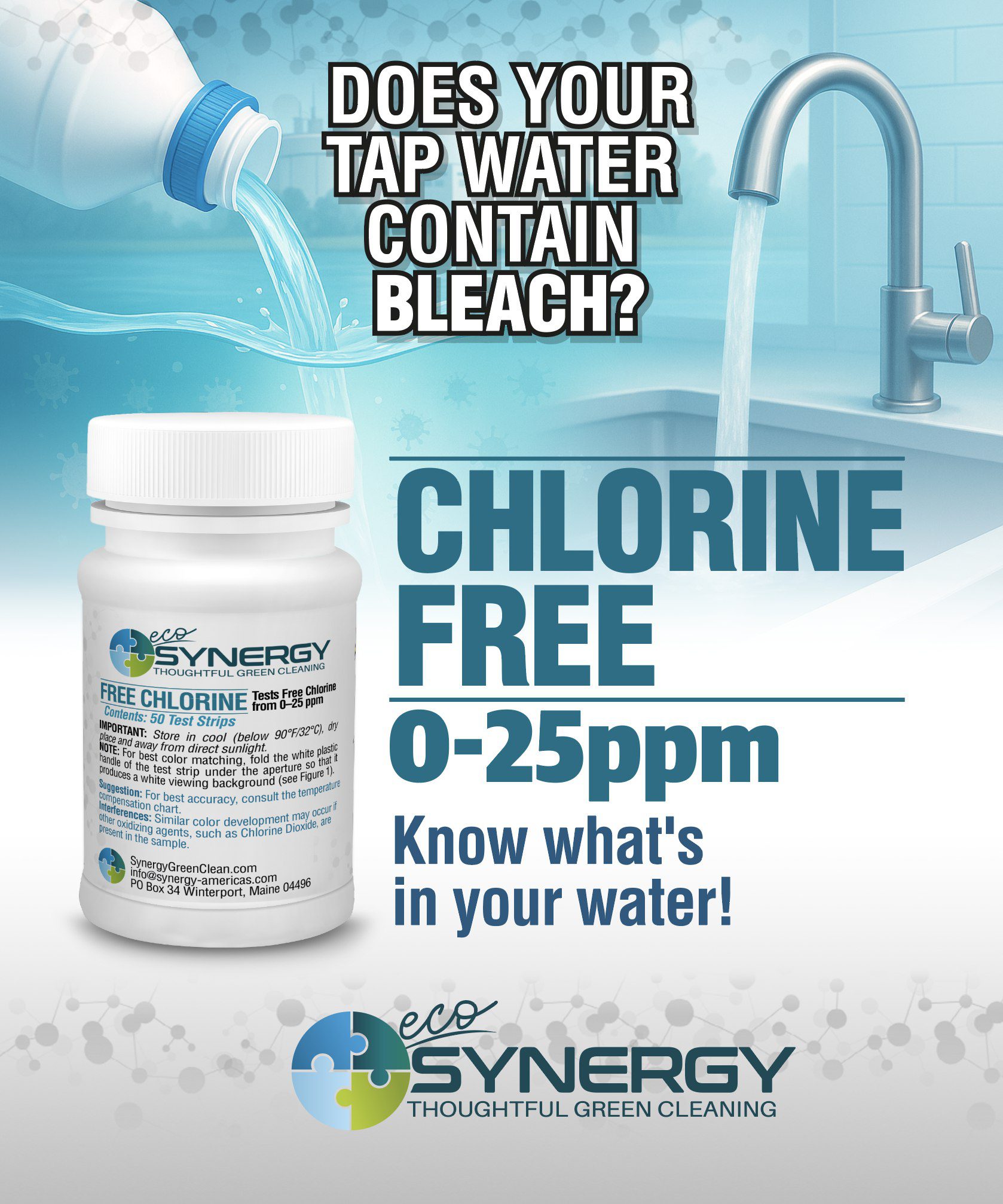
    Does your tap water contain bleach? Bleach, when used by wastewater treatment facilities for sanitizing can sometimes leave behind trace elements of this chemical. As the bleach comes into contact with organic matter, it can form very hazardous byproducts, and well as interact with other products you use in your home.

    ClO2 Concentrations Values Are Important: Read our Specification Sheet Here.
    Bleach Test Strips – Is Your Water Contaminated?

    Your Price: $ 18.95

    Each Container holds 50 Bleach Test Strips

    Product Specifications:
    Testing Your Public Water Supply for Bleach & Its Potentially Toxic Byproducts.

    Our FAC Low-Range Test Strips are designed to accurately measure the free available chlorine levels in water, specifically in the range of 0-25ppm. These test strips are essential for ensuring that water is properly disinfected and safe for use in various applications such as swimming pools, spas, and drinking water.

    Bleach, which is commonly used as a disinfectant to kill bacteria and other harmful microorganisms, can leave behind residue in water if not properly diluted or neutralized. This residue can react with other compounds in the water to form potentially toxic byproducts such as chloramines and trihalomethanes. These byproducts can pose serious health risks if consumed or inhaled, leading to issues such as respiratory problems, skin irritation, and even cancer in the long term.

    Regularly testing the free available chlorine levels in water using our FAC Low-Range Test Strips can help prevent the buildup of harmful chlorine byproducts and ensure that water remains safe for use. By monitoring and maintaining proper chlorine levels, you can protect yourself and others from the potential hazards associated with bleach residue in water.

    Want to Learn More? Consider Reading these Latest Posts:

    You May Also Like:
  • Is CLO2 Safer Sanitation for The Food & Beverage Industry?

    Is CLO2 Safer Sanitation for The Food & Beverage Industry?

    Revolutionizing Food Industry Sanitation: Why Chlorine Dioxide Is the Safer, Smarter Choice for Breweries, Food Plants, and Restaurants

    Across the food industry, from high-capacity production plants to single-location restaurants, sanitation isn’t just about meeting compliance. It’s about safeguarding public health, preserving product integrity, and protecting your brand’s reputation. But traditional solutions like bleach and quaternary ammonium compounds (quats) come with significant downsides—corrosiveness, harsh odors, and chemical byproducts.

    Today’s leaders in food safety are switching to chlorine dioxide (ClO₂)—a powerful, selective oxidizer that offers broad-spectrum disinfection with minimal risk, higher efficiency, and full EPA and FDA compliance.


    Why Chlorine Dioxide Is Outperforming Traditional Disinfectants

    ClO₂ eliminates a wide range of pathogens—including E. coli, Listeria, Salmonella, fungi, and viruses—even in the presence of organic matter, where bleach often fails. According to PureLine, ClO₂ is effective at low concentrations, leaves no harmful residues, and doesn’t produce toxic byproducts like trihalomethanes (THMs) or haloacetic acids (HAAs).

    Additional advantages:

    • Non-corrosive: Preserves the lifespan of equipment

    • Versatile: Used for water treatment, surface disinfection, air purification, and produce sanitation

    • Biofilm penetration: ClO₂ gas breaks down microbial colonies that resist standard cleaners

    • Residue-free: Breaks down into non-toxic byproducts


    How the Restaurant Industry Is Using ClO₂
    Restaurants and commercial kitchens rely on ClO₂ for:

    • Surface disinfection: Cutting boards, food-contact surfaces, conveyors, drains, ceilings

    • Water treatment: Ensuring safe rinse water and cleaning systems

    • Air purification: Reducing airborne pathogens in prep areas

    • Produce sanitation: Washing raw fruits and vegetables

    • Odor control: Neutralizes persistent smells without fragrances

    ClO₂ delivers safety without sacrificing effectiveness—an ideal balance for health inspections and high-volume service.

    Also Read: How Can I Eliminate Odors & Bacteria from My Cutting Board?


    ClO₂ in Breweries and Vintner Operations

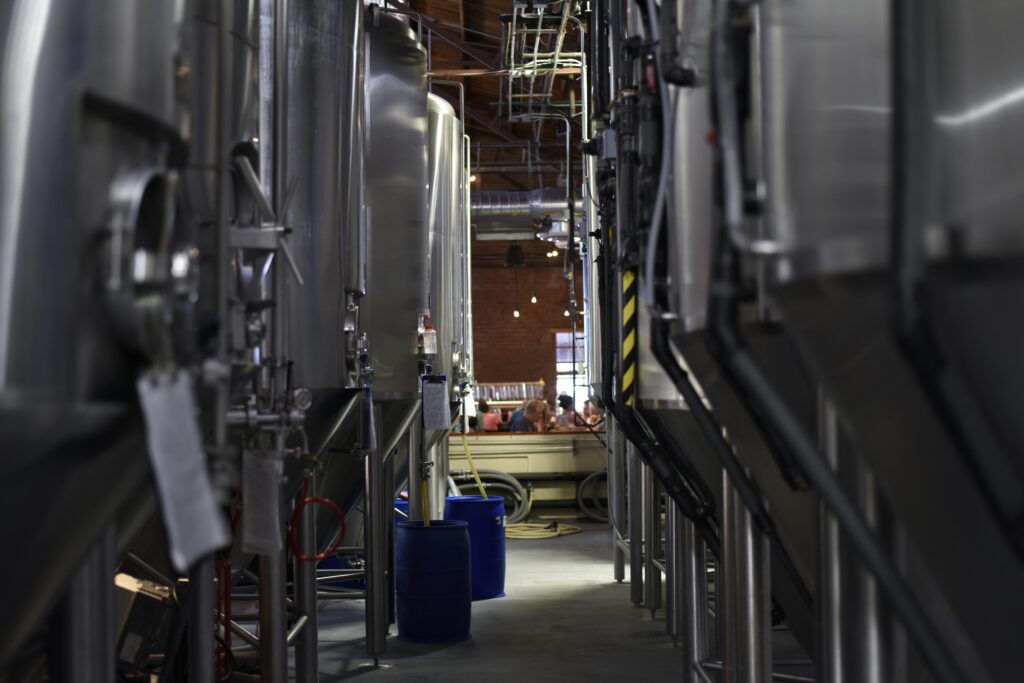
    Brewery managers face unique challenges: biofilms in tanks, wild yeast contamination, and the need to sanitize without affecting taste profiles. As shared on Synergy-Americas, ClO₂ solves these problems by offering:

    • Non-tainting sanitization

    • Final rinse or leave-in options

    • Lower water and energy usage

    • No rinse cycles required

    Brewers are reporting faster turnaround times, less tank downtime, and higher product consistency with ClO₂.


    Compliance, Safety, and Where to Get Started

    ClO₂ must be used within regulatory guidelines. When applied correctly:

    • It complies with FDA and EPA regulations

    • Safe for food-contact surfaces and human exposure (when ventilated)

    • Requires basic PPE and standard safe handling practices

    Interested businesses can purchase professional-grade ClO₂ tablets and systems at:

    You can also connect with certified ClO₂ sanitation professionals through synergygreenclean.com, where decades of industry-specific experience is just a conversation away.


    One-on-One Consultation: Let’s Build Your Plan

    If you own or operate a restaurant, brewery, or food production facility and are considering switching to a safer, more advanced sanitation system, our commercial representatives are available to meet with you directly. We’ll help you evaluate your current process, identify risks, and design a tailored ClO₂ program that meets your goals.


    Cleaner environments. Safer products. Smarter sanitation.
    Now is the time to elevate your cleaning program with chlorine dioxide.

    Also Read: How Can CLO2 Tablets Improve Factory Cleaning Efficiency?