
Institutional Cleaning Demands Precision: Understanding Proper ClO₂ PPM Ranges for Public Health Environments.
Why Institutions Rely on Chlorine Dioxide (ClO₂)
In environments where high-traffic and high-risk converge, disinfection isn’t just a task—it’s a public duty. From infection-prone hospital surfaces to crowded school gymnasiums and tightly packed transit systems, institutional cleaning protocols must meet high standards of efficacy, safety, and consistency.
Chlorine dioxide (ClO₂) is rapidly becoming the disinfectant of choice in these sectors due to its:
-
Broad-spectrum pathogen elimination (viruses, bacteria, mold, spores)
-
Minimal toxic byproduct formation (unlike bleach or quats)
-
Compatibility with HVAC, fabrics, hard surfaces, and fogging systems
But its effectiveness depends on using the correct concentration (PPM) for the job at hand.
📊 Acceptable ClO₂ Ranges for Institutional Applications
Based on institutional use cases and ClO₂ performance benchmarks, here are the ideal ranges:
 ✅ Low-Level Applications (0.5–25 PPM)
Best for:
-
Routine surface disinfection in classrooms, cafeterias, hospital rooms
-
Low-risk touchpoint cleaning (desks, tables, chairs)
-
Equipment wipe-downs (wheelchairs, walkers, gym gear)
Benefits:
- Safe for daily use around sensitive populations
-
Non-corrosive to most surfaces
-
Effective against common pathogens with longer dwell time
Tools:
Use Low-Range ClO₂ Test Strips (0–100 PPM) for quick validation.
🔶 Mid-Level Applications (25–500 PPM)
Best for:
-
Locker rooms, gyms, and athletic equipment
-
Hospital curtains, beds, and patient transfer equipment
-
Fogging in correctional facility dorms or intake areas
-
Deep sanitation of public restrooms or waiting areas
Benefits:
-
Penetrates porous surfaces and soft goods
-
Higher kill rates with shorter contact time
-
Ideal for weekly deep-cleans or post-outbreak treatment
Tools:
Use Low- or High-Range ClO₂ Test Strips depending on your target zone.
 🔴 High-Level Applications (500–2500 PPM)
 🔴 High-Level Applications (500–2500 PPM)
Best for:
-
Emergency decontamination (MRSA, C. diff, norovirus outbreaks)
-
HVAC misting/fogging in high-risk units or transit vehicles
-
Floor-to-ceiling fogging between patient or prisoner turnover
-
Disinfection after flooding or sewage backups
Benefits:
-
Rapid kill rate on hard-to-reach pathogens
-
Neutralizes biofilm and odor-causing bacteria
-
Essential for infection control and regulatory compliance
Safety Notice:
-
Always use in unoccupied spaces with proper ventilation
-
Personal Protective Equipment (PPE) required during application
-
Confirm solution strength with High-Range Test Strips (0–2500 PPM)
🧪 Test First. Trust Always.
Our Envirotab™ test strips are engineered for institutions who require evidence-based cleaning:
-
Low-Range Strips (0–100 PPM) – Daily maintenance and drinking water
-
High-Range Strips (0–2500 PPM) – Outbreak response, fogging, emergency cleanup
No more guesswork. No more oversaturation. Just precision cleaning with every application.
🏛️ Institutions That Benefit from ClO₂ Precision:
 🏛️ Institutions That Benefit from ClO₂ Precision:
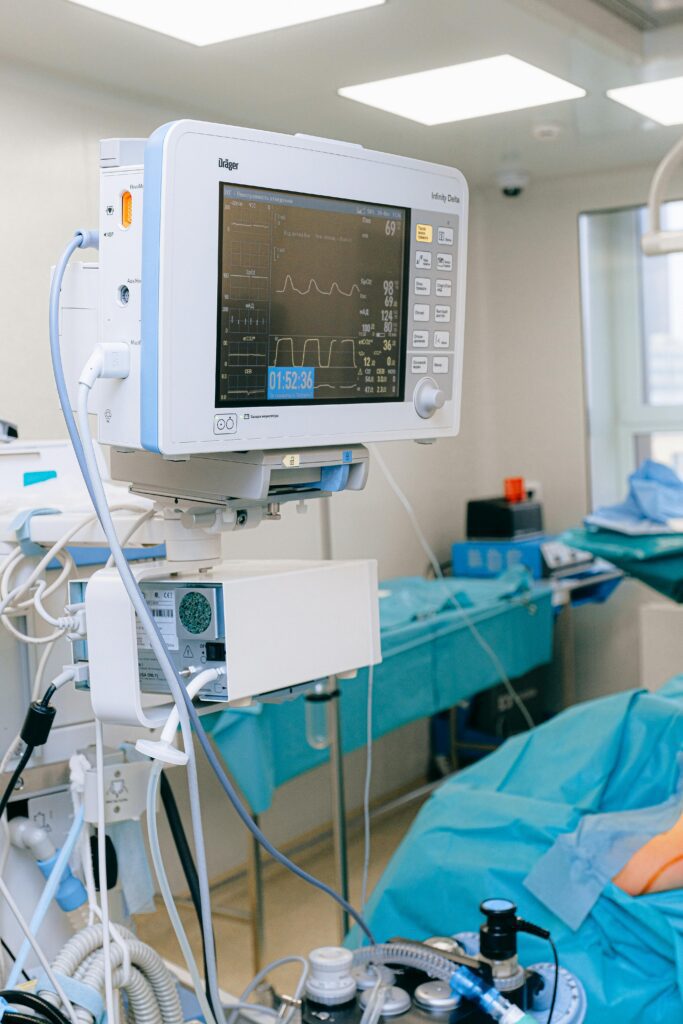
Hospitals and Clinics – Infection control and terminal cleaning
Schools and Universities – Safe classroom fogging and gym sanitation
Correctional Facilities – Cellblock disinfection, kitchen hygiene
Public Transit Systems – Sanitizing buses, trains, and terminals
Government Buildings – Fogging public offices, courtrooms, and lobbies
✅ Final Word: Safety Starts with Knowing Your Numbers
Chlorine dioxide is a powerful tool in your sanitation arsenal—but like any tool, it must be used correctly. For institutions serving our most vulnerable and high-volume populations, monitoring ClO₂ levels is essential to protect public health, comply with sanitation standards, and extend the life of facility systems.
Let science—not guesswork—guide your cleaning.
🔗 Learn more or shop test kits at https://clo2tablets.com for Low Range Test Strips
📩 Interested in institutional pricing or bulk orders?
Email us at info@synergy-americas.com