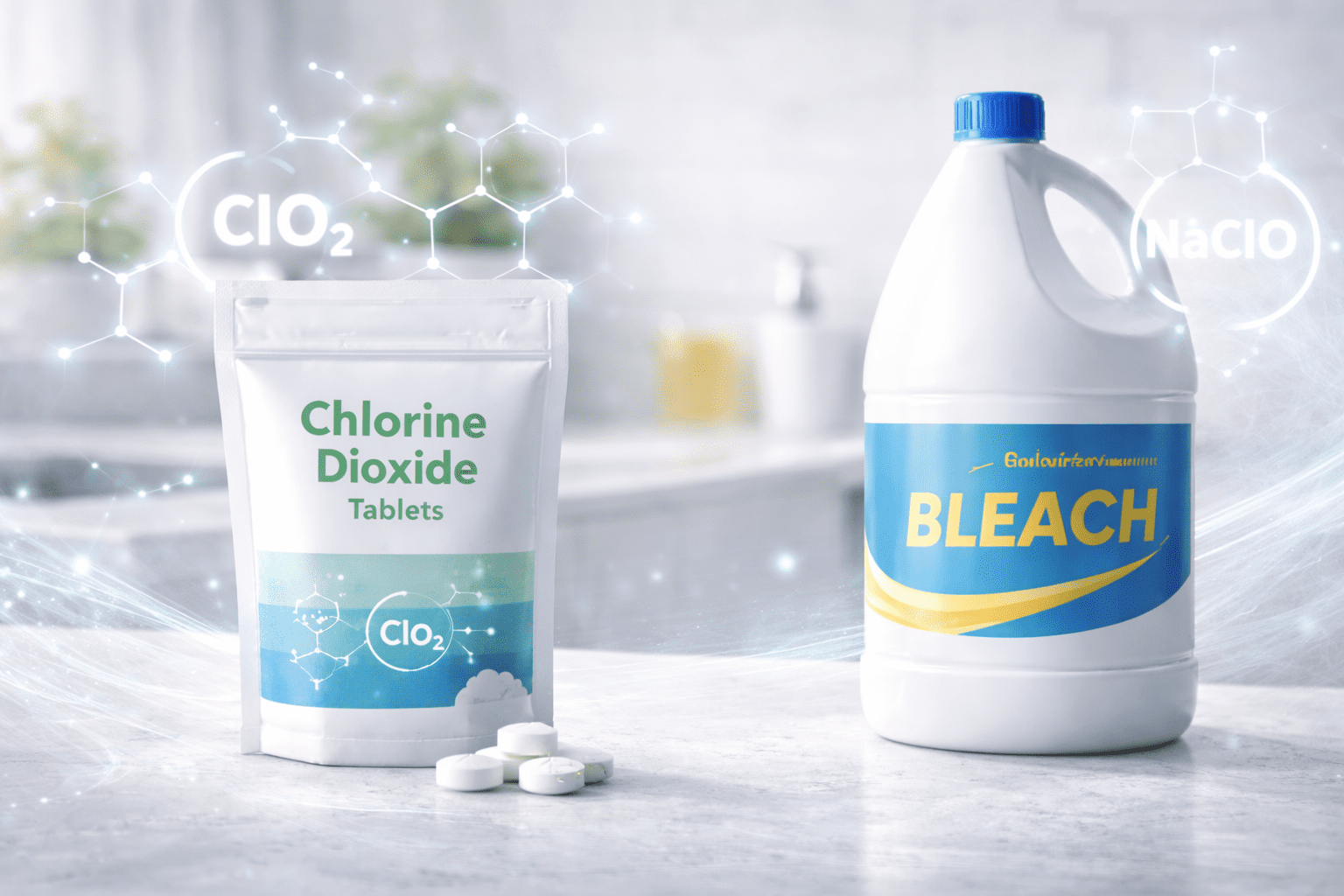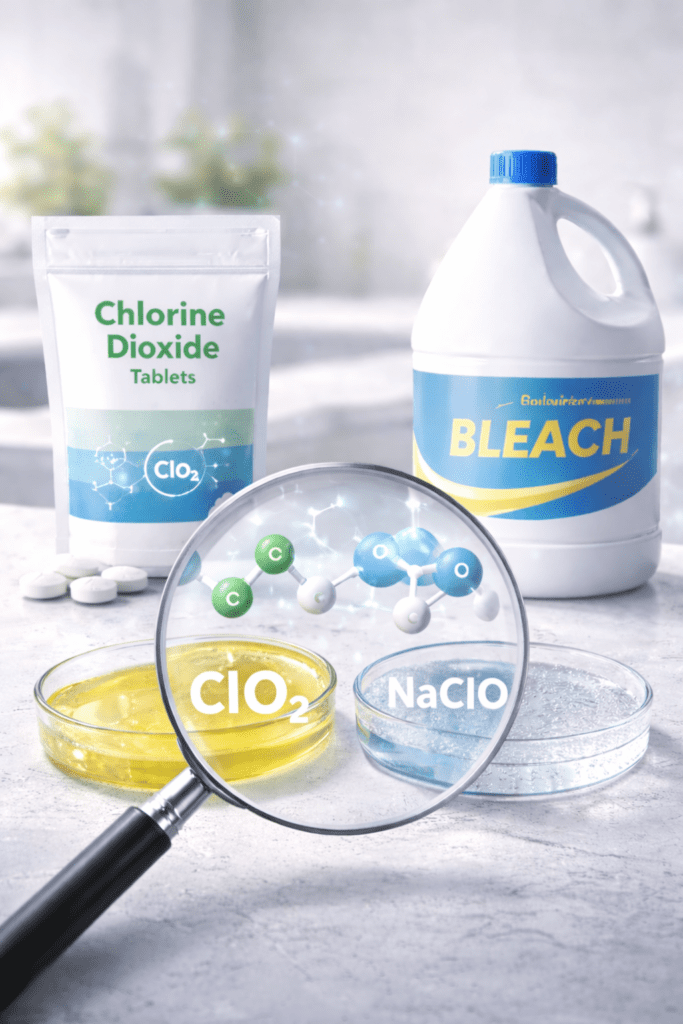
The Smell Usually Starts Long Before You Notice It

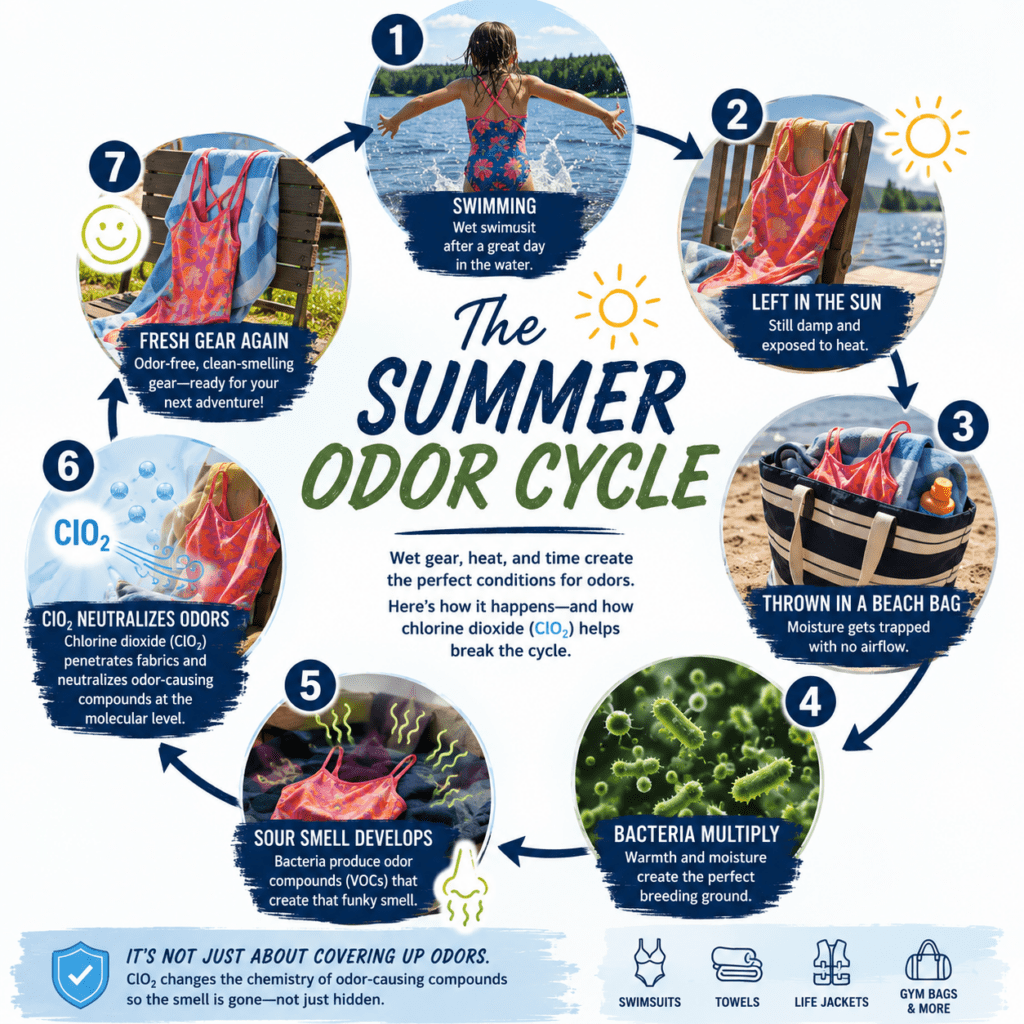
You spend the day on the lake.
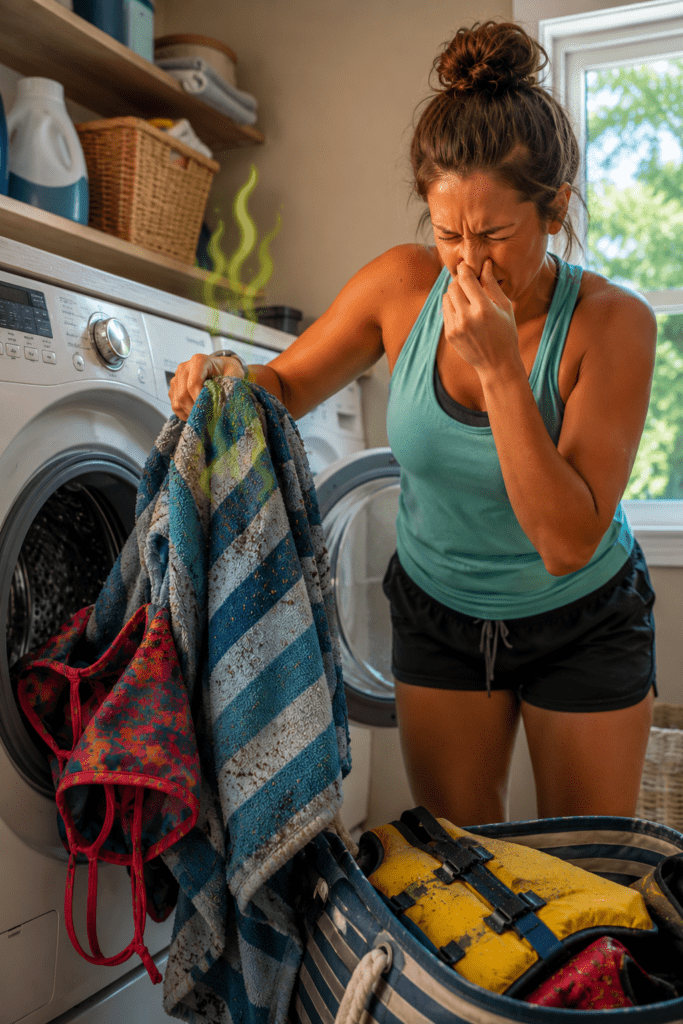
The kids jump off the dock all afternoon. Towels get tossed into the back of the SUV. Life jackets dry in a pile beside the camper. Wet swimsuits end up hanging over folding chairs while everyone enjoys dinner around the campsite.
Everything seems normal.
A day or two later, however, something changes.
The towels smell sour.
The life jackets have a strange stale odor.
The swimsuit that seemed perfectly clean suddenly smells like it has been sitting in a gym locker for weeks.
Most people assume these odors are simply caused by moisture.
But moisture is only part of the story.
The real source of many summer odors is a complex mixture of bacterial activity, organic residue, and odor-producing compounds that develop as microorganisms begin breaking down organic material trapped within wet fabrics and porous surfaces.
Understanding how those odor compounds form is the first step toward understanding why chlorine dioxide works so differently than traditional odor-control products.

What Actually Creates Summer Odors?
Many summer odors begin when moisture combines with:
- Sweat
- Skin oils
- Organic debris
- Environmental contaminants
- Bacteria naturally present on surfaces
When these materials remain trapped inside damp fabrics or porous materials, microorganisms begin feeding on the available organic matter.
As they do, they release byproducts known as volatile organic compounds (VOCs).
These VOCs are what your nose detects as odor.
Common examples include:
- Sour towel smell
- Locker room odor
- Stale fabric odor
- Wet life jacket smell
- Musty gear odor
In many cases, the odor is not the bacteria itself.
The odor comes from the compounds produced by microbial activity.
Why Odors Get Stronger in Summer
Summer conditions accelerate odor formation.
Higher temperatures increase microbial activity.
Humidity slows drying.
Enclosed vehicles, campers, storage compartments, and gear bags trap moisture longer.
As temperatures rise, VOCs become more active and are released into the air more rapidly.
This is why a towel that seemed fine yesterday can suddenly smell terrible after sitting in a hot vehicle for a few hours.
The compounds were already present.
The heat simply increased their release into the surrounding air.
Also Read ☀️The Hidden Science of Mold and Odor Growth in Enclosed Spaces
Why Traditional Odor Solutions Often Fail
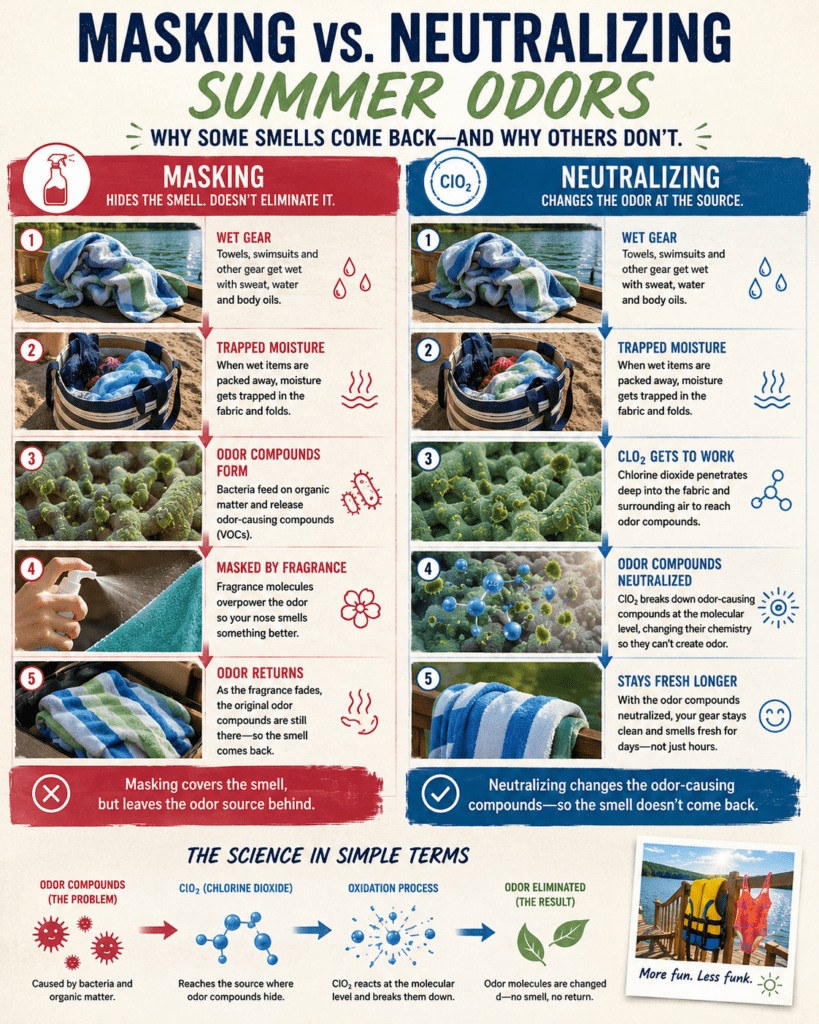
Many odor-control products focus on masking odor rather than eliminating it.
Common approaches include:
- Fragrances
- Air fresheners
- Scent boosters
- Perfumed sprays
While these products may temporarily improve the smell, they often leave the underlying odor compounds untouched.
As the fragrance fades, the original odor returns.
This cycle leads many people to repeatedly wash, spray, and deodorize the same items without ever addressing the source of the problem.
How Chlorine Dioxide Works Differently
Chlorine dioxide operates through oxidation.
Unlike fragrances that attempt to cover odor, chlorine dioxide interacts directly with many odor-causing compounds.
At the molecular level, chlorine dioxide helps alter and neutralize the chemical structures responsible for offensive odors.
Instead of adding another scent to the environment, chlorine dioxide targets the compounds producing the smell.
This distinction is important because odor molecules cannot continue producing the same odor once their molecular structure has been altered.
Why Chlorine Dioxide Is Effective on Wet Gear Odors
Check out this article over at FreshTent ☀️https://freshtent.com/how-to-stop-wet-towels-swimsuits-and-lake-gear-from-smelling/
Wet gear creates the perfect environment for odor development because moisture allows microbial activity to continue deep within materials.
Chlorine dioxide is particularly useful because it can move through airspaces and penetrate difficult-to-reach environments where odor compounds often remain trapped.
Examples include:
- Towels
- Swimsuits
- Life jackets
- Camping gear
- Storage totes
- Athletic equipment
- RV fabrics
- Marine upholstery
These materials often contain small fibers, pores, and airspaces that allow odors to persist long after surfaces appear dry.
Also Read ☀️Why Campfire Smoke Odor Stays in Gear for Months
The Science of Molecular Odor Neutralization
How This Helps Summer Activities
Summer means:
- Camping
- Boating
- Swimming
- Fishing
- Lake trips
- RV travel
- Outdoor recreation
All of these activities create moisture.
And moisture creates opportunities for odor development.
The sooner odor compounds are addressed, the easier it becomes to prevent them from becoming deeply embedded within fabrics and porous materials.
Wrapping Things Up…
Most summer odors begin long before anyone notices them.
What starts as a damp towel, wet swimsuit, or moisture-filled life jacket quickly becomes a breeding ground for the chemical compounds responsible for unpleasant smells.
While traditional fragrance products attempt to cover those odors temporarily, chlorine dioxide works differently.
By helping neutralize odor-causing compounds at the molecular level, chlorine dioxide addresses the chemistry behind the smell itself rather than simply masking it.
As summer activities increase and wet gear becomes part of everyday life, understanding the science behind odor formation can help explain why some odor-control approaches provide only temporary relief while others deliver more lasting results.
Because the goal isn’t to make odors smell different.
It’s to eliminate the compounds creating them in the first place.
Also Read ☀️Why Odors Stay Trapped in Fabric, Foam, and Porous Materials
Have More Questions?
1. Why do wet towels develop a sour smell?
Wet towels can develop a sour smell when moisture combines with sweat, skin oils, bacteria, and organic residue. As microorganisms break down these materials, they release odor-causing compounds that create unpleasant smells.
2. What causes wet swimsuits to smell bad?
Wet swimsuits often trap moisture, body oils, sunscreen residue, and bacteria. When left damp for extended periods, these materials can produce odor compounds that create stale or sour smells.
3. Why do odors seem stronger during summer?
Warm temperatures and humidity accelerate microbial activity and increase the release of volatile organic compounds (VOCs), making odors more noticeable during the summer months.
4. What are VOCs and how do they create odors?
Volatile Organic Compounds (VOCs) are molecules released by bacteria, mold, mildew, and decomposing organic matter. These compounds are often responsible for the odors people associate with damp fabrics, lockers, and wet gear.
5. Why does odor return after washing?
Odor can return when odor-causing compounds remain trapped inside porous materials or when moisture allows microbial activity to continue after washing.
6. How is chlorine dioxide different from fragrance sprays?
Fragrance sprays temporarily cover odors with stronger scents. Chlorine dioxide works differently by helping neutralize odor-causing compounds at the molecular level rather than simply masking them.
7. Can chlorine dioxide help with locker room odors?
Yes. Locker room odors are commonly caused by bacteria, sweat, and trapped moisture. Chlorine dioxide helps neutralize many of the compounds responsible for these persistent odors.
8. Why do life jackets and water gear develop odors so quickly?
Life jackets, wetsuits, and water gear often stay damp longer than expected. Trapped moisture combined with organic residue creates ideal conditions for odor-producing microorganisms.
9. What types of summer gear commonly develop odor problems?
Common items include:
- Towels
- Swimsuits
- Life jackets
- Water shoes
- Gym bags
- Camping gear
- RV fabrics
- Boat upholstery
These materials frequently encounter moisture and limited airflow.
10. How does chlorine dioxide neutralize odor compounds?
Chlorine dioxide works through an oxidation process that helps alter odor-causing compounds at the molecular level. By changing the chemistry of these compounds, chlorine dioxide helps eliminate odors at their source rather than simply covering them up.