Tag: Chlorine Dioxide Vs. Bleach

  • Why Isn’t Chlorine Dioxide the Same as Bleach? A Chemistry Explanation

    Why Isn’t Chlorine Dioxide the Same as Bleach? A Chemistry Explanation

    Same Family Name, Very Different Behavior

    It’s a common assumption:

    “If it has ‘chlorine’ in the name, it must work like bleach.”

    Chemically speaking, that’s a bit like assuming carbon dioxide behaves like charcoal because both contain carbon. Names can be misleading. What matters is molecular structure and how a compound reacts.

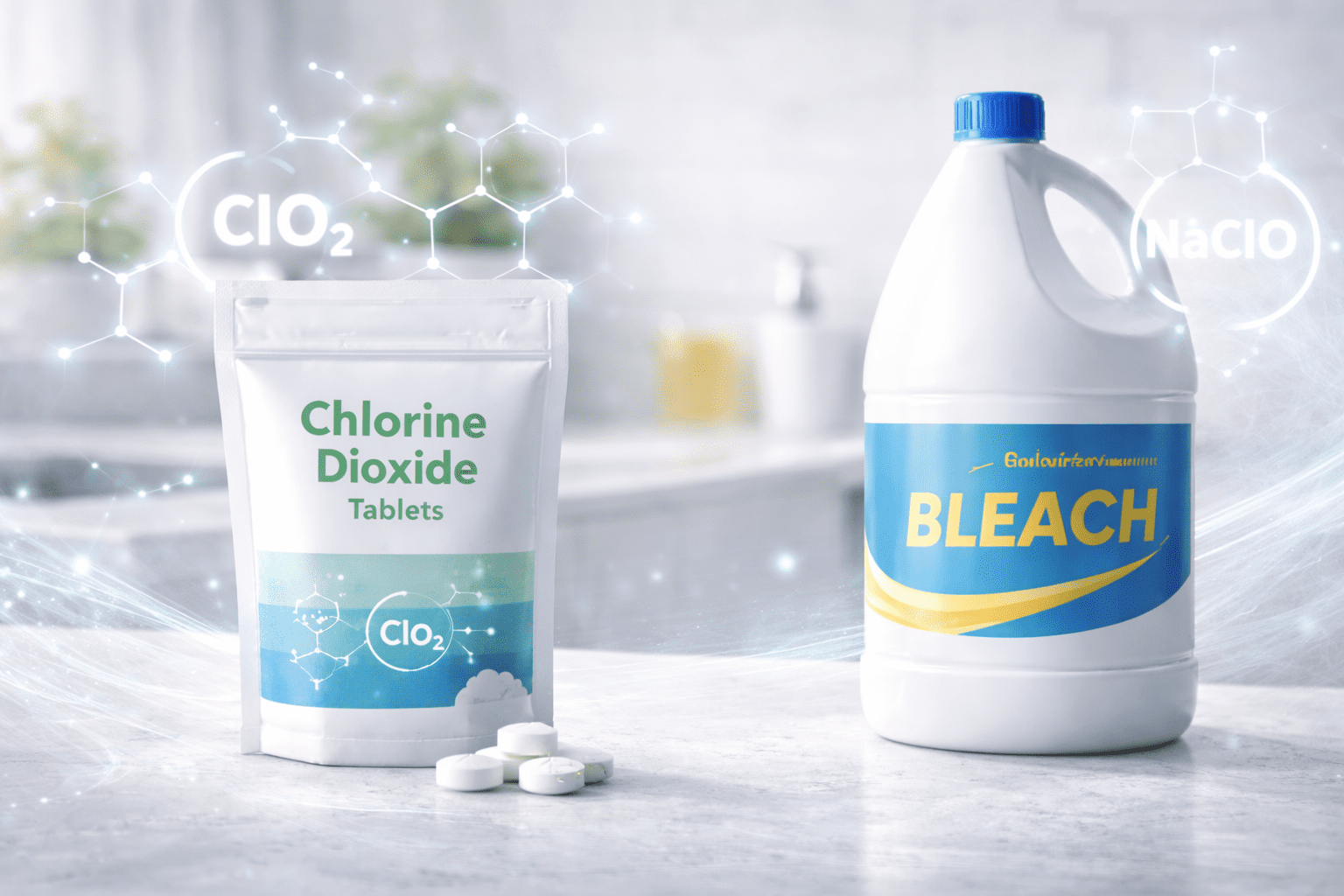
    Chlorine dioxide (ClO₂) and household bleach (commonly sodium hypochlorite) are fundamentally different substances. Understanding why they behave differently doesn’t require a chemistry degree—just a look at how molecules interact.


    A Quick Clarification: Names vs. Chemistry
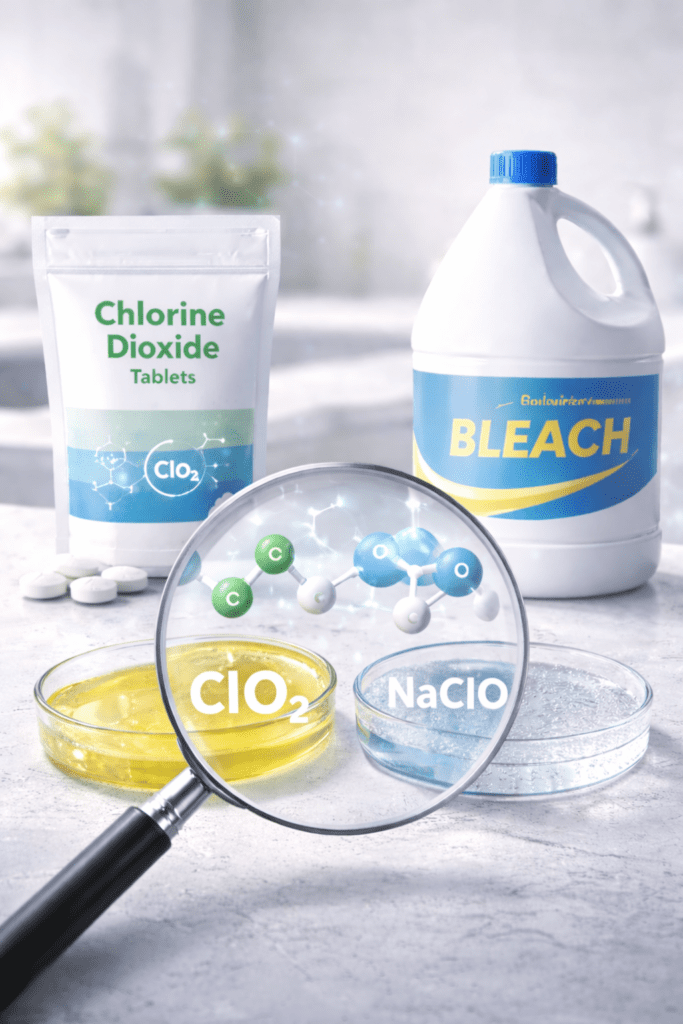
     

    Bleach is typically a chlorine-based compound dissolved in water, forming hypochlorous-related species. It reacts readily with many substances and tends to leave behind secondary compounds as it breaks down.

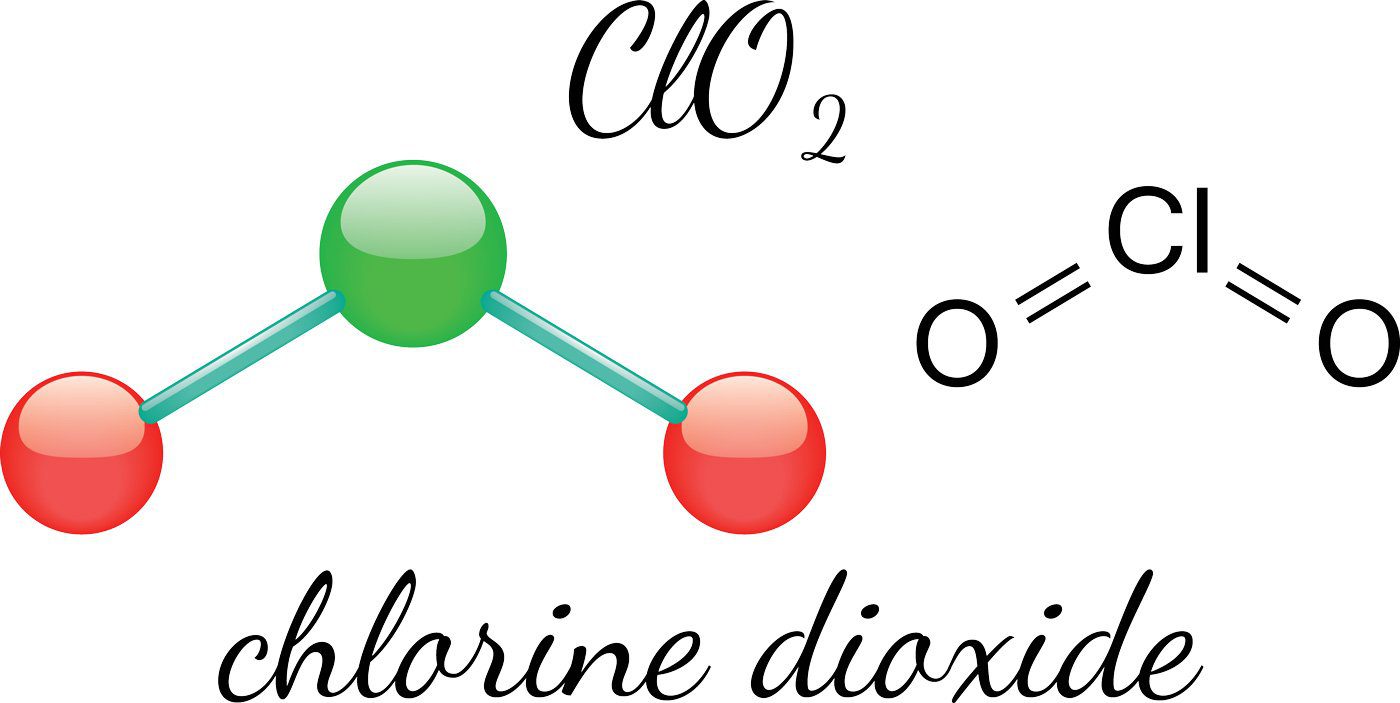
    Chlorine dioxide, by contrast, is a neutral gas dissolved in water. Its structure and behavior are different from elemental chlorine or hypochlorite solutions.

    The shared word “chlorine” describes an element involved—not how the chemistry actually works.


    Molecular Structure: Why Shape Matters

    At the molecular level, structure determines behavior.

    Bleach-related compounds:

    • React broadly
    • Tend to bind quickly
    • Can leave residues or secondary reaction products

    Chlorine dioxide:

    • Has a smaller, neutral molecular form
    • Acts primarily through oxidation reactions
    • Does not behave like a “sticky” chlorine compound

    This difference in structure helps explain why the two substances interact with surfaces, residues, and organic material in different ways.


    Reaction Style: Broad vs. Selective Chemistry

    A helpful way to think about this is reaction style.

    Some chemicals react with almost everything they touch. Others interact more selectively with certain types of compounds.

    Bleach chemistry tends to:

    • React quickly and broadly
    • Alter a wide range of materials
    • Produce noticeable chemical signatures

    Chlorine dioxide chemistry tends to:

    • Focus on specific reactive sites
    • Change certain organic compounds at the molecular level
    • Break down without forming the same kinds of chlorine-based residues

    This distinction matters when the goal is understanding why outcomes feel different, not making performance claims.

    Also Read 👉🏻From Bleach to Breakthrough: Why Smart Cleaners Are Choosing CLO₂


    Residue, Smell, and “Chemical Footprints”

    Many people associate bleach with a strong, lingering smell. That scent isn’t just “clean”—it’s a sign of reactive chemistry and byproducts.

    Chlorine dioxide behaves differently. Because it follows a different oxidation pathway, it doesn’t leave the same type of chemical footprint behind.

    Again, this isn’t about “better” or “worse.”
    It’s about different chemistry doing different things.


    Why This Difference Matters for Everyday Understanding

    For everyday users, the takeaway isn’t technical—it’s practical understanding:

    • Not all chlorine-containing compounds behave the same
    • Strong smell doesn’t equal stronger chemistry
    • Molecular structure shapes how substances interact with residue and odor
    • Different tools exist because different problems exist

    Once people understand that, cleaning stops feeling like guesswork and starts feeling logical.


    Where Chlorine Dioxide Fits Into the Bigger Picture

    Chlorine dioxide sits in a category of chemistry focused on controlled oxidation rather than blanket reaction. That’s why it’s often discussed separately from traditional chlorine-based cleaners.

    If you’d like a simple overview of what chlorine dioxide is (without technical jargon), this page covers the basics:
    What is chlorine dioxide? https://clo2tablets.com/what-is-chlorine-dioxide/

    FAQs

    1. Is chlorine dioxide the same thing as bleach?
    No. They are chemically different substances with different molecular structures and reaction behaviors.

    2. Why do both contain the word “chlorine”?
    They both involve the element chlorine, but the element behaves differently depending on how it’s bonded in a molecule.

    3. Why does bleach have such a strong smell?
    The smell comes from reactive chlorine-related compounds and byproducts formed during reactions.

    4. Does chlorine dioxide smell the same as bleach?
    No. Chlorine dioxide follows a different chemical pathway and does not produce the same chlorine-type odor.

    5. Are these chemicals interchangeable?
    They serve different purposes and behave differently due to their chemistry.

    6. Why does molecular structure matter in cleaning chemistry?
    Structure determines how a molecule reacts, what it interacts with, and what byproducts form.

    7. Is oxidation the same as chlorination?
    No. Oxidation refers to electron transfer reactions, while chlorination involves chlorine bonding directly to compounds.

    8. Do stronger smells mean stronger chemistry?
    Not necessarily. Smell reflects volatility and byproducts, not overall chemical effectiveness.

    9. Why is chlorine dioxide discussed separately from bleach?
    Because its chemistry, structure, and reaction behavior are fundamentally different.

    10. What’s the benefit of understanding these differences?
    It helps people make informed choices and understand why different products behave differently.

  • How To Use Chlorine Dioxide Tablets For Effective Cleaning?

    How To Use Chlorine Dioxide Tablets For Effective Cleaning?

    How Should Chlorine Dioxide Tablets Be Used for Effective Cleaning in 2026?

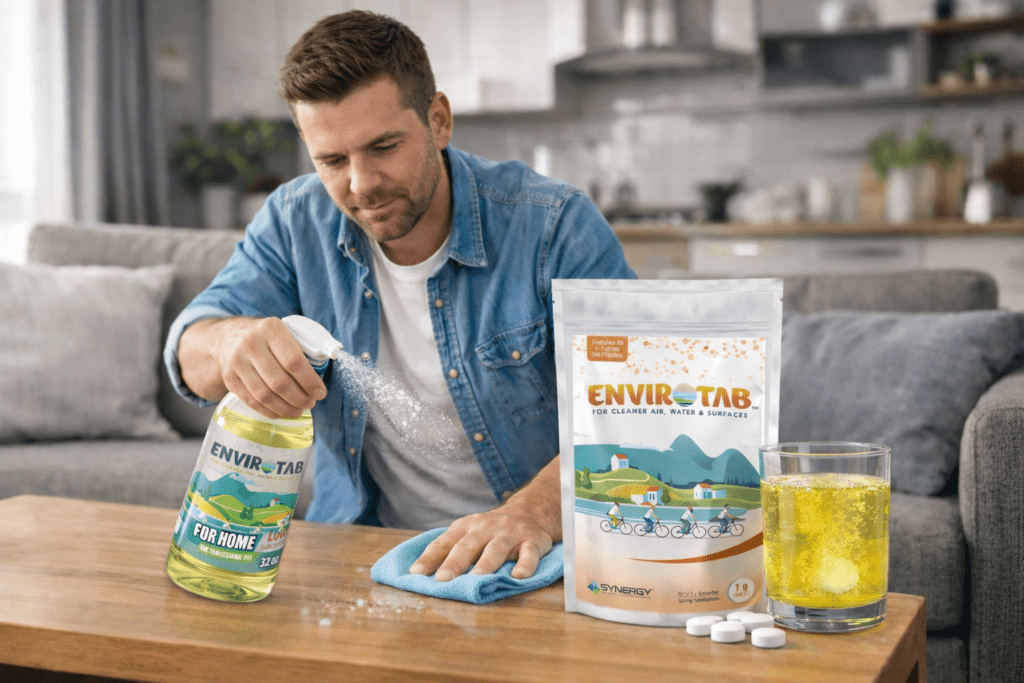
    Chlorine dioxide tablets should be used by dissolving them in water at manufacturer-specified concentrations, applying the activated solution to pre-cleaned surfaces, allowing proper contact time for oxidation to occur, and then rinsing if required—especially on food-contact areas. In 2026, chlorine dioxide tablets are recognized as a precision disinfectant that neutralizes microbes, biofilms, and odors without leaving harmful residues when used correctly.


    The Cleaning Landscape Has Changed—Chemistry Now Matters

    Cleaning in 2026 is no longer about making surfaces look clean. It’s about measurable microbial reduction, odor neutralization at the molecular level, and compliance with evolving health, safety, and sustainability expectations.

    Traditional disinfectants often rely on harsh chlorination, fragrance masking, or surface-level sanitizing. These approaches can leave residues, create resistant biofilms, and introduce unnecessary chemical exposure.

    Chlorine dioxide (ClO₂) tablets represent a different class of cleaner altogether.

    Used globally in water treatment, food sanitation, healthcare environments, and industrial hygiene programs, chlorine dioxide operates through selective oxidation—a mechanism that targets microorganisms and odor-causing compounds directly without breaking down into harmful chlorinated byproducts.

    That difference is exactly why ClO₂ tablets have moved from niche industrial use into mainstream professional and household cleaning strategies.

    Learn more about the science behind chlorine dioxide at
    👉 https://clo2tablets.com


    What Makes Chlorine Dioxide Tablets Scientifically Different?

    Chlorine dioxide is not bleach. While both contain chlorine atoms, their chemistry—and behavior—are fundamentally different.

    Bleach disinfects through chlorination, which can create trihalomethanes and other residual compounds. Chlorine dioxide disinfects through electron transfer oxidation, disrupting microbial cell walls, viral protein coats, and biofilm matrices without forming persistent residues.

    This makes chlorine dioxide particularly effective against:

    • Bacteria
    • Viruses
    • Fungi and mold spores
    • Biofilms
    • Sulfur-based and nitrogen-based odor molecules

    Because it works in both liquid and gaseous phases, ClO₂ can reach microscopic crevices where conventional cleaners fail.


    Step-by-Step: How to Use Chlorine Dioxide Tablets Correctly

    Step 1: Always Review Product-Specific Instructions

    Before activating any tablet, read the manufacturer’s dilution and use instructions carefully. Chlorine dioxide effectiveness depends entirely on correct concentration.

    Too weak and it won’t disinfect properly.
    Too strong and it can be wasteful or potentially damage sensitive materials.

    Each clo2tablets.com product includes concentration guidance designed for safe, effective use.


    Step 2: Activate the Tablets with Clean Water

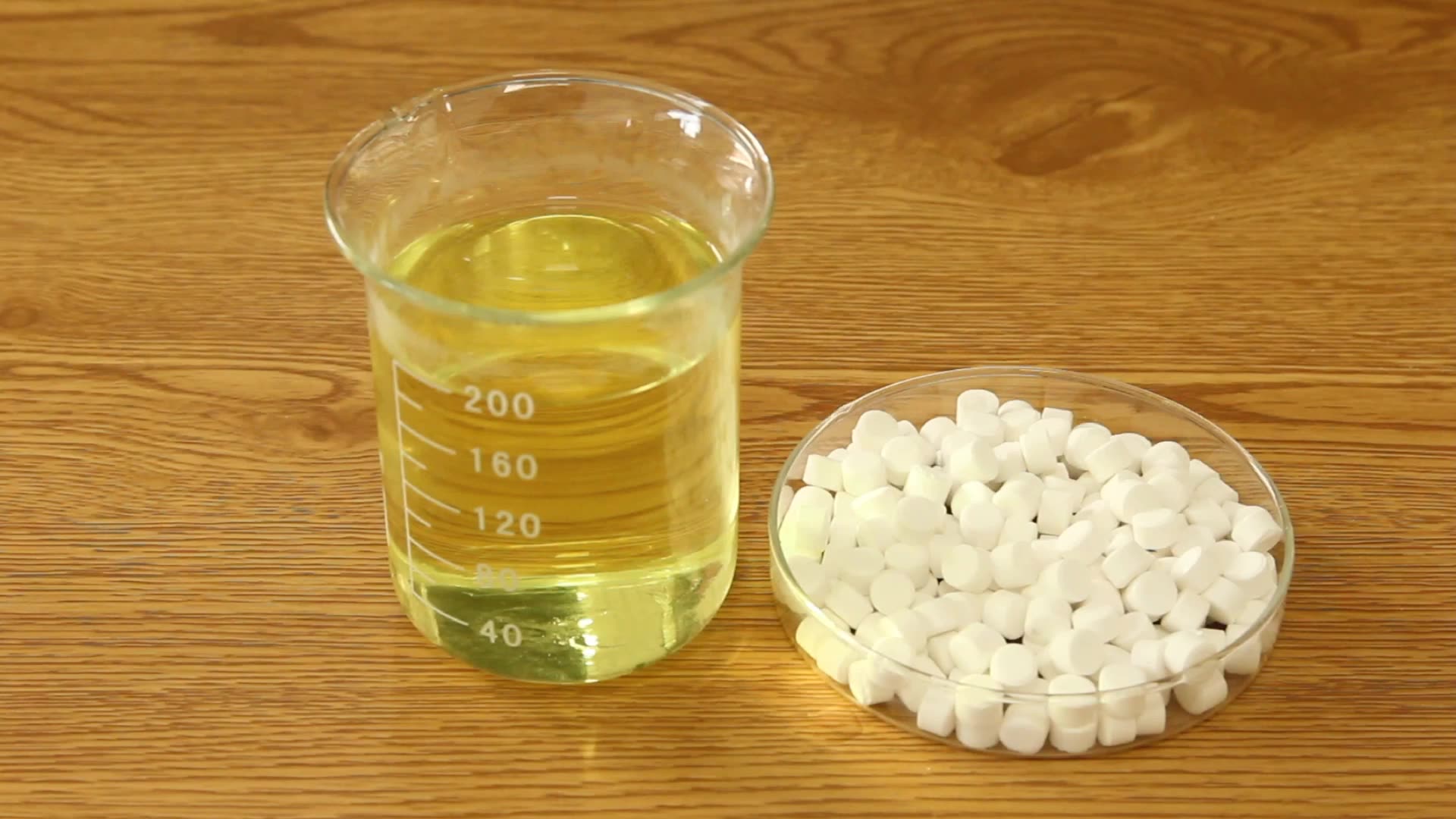
    Place the recommended number of tablets into clean water. As the tablets dissolve, chlorine dioxide is released into the solution.

    This activation process creates a freshly generated disinfectant—one of the reasons ClO₂ is so effective compared to pre-mixed chemical cleaners that degrade over time.

    Use the solution shortly after mixing for best results.


    Step 3: Pre-Clean Heavily Soiled Surfaces

    Chlorine dioxide is a disinfectant, not a degreaser. If surfaces are visibly dirty, remove grease, dirt, or organic matter first.

    This ensures the ClO₂ solution can directly contact microbes rather than being consumed by surface debris.


    Step 4: Apply the Solution Thoroughly

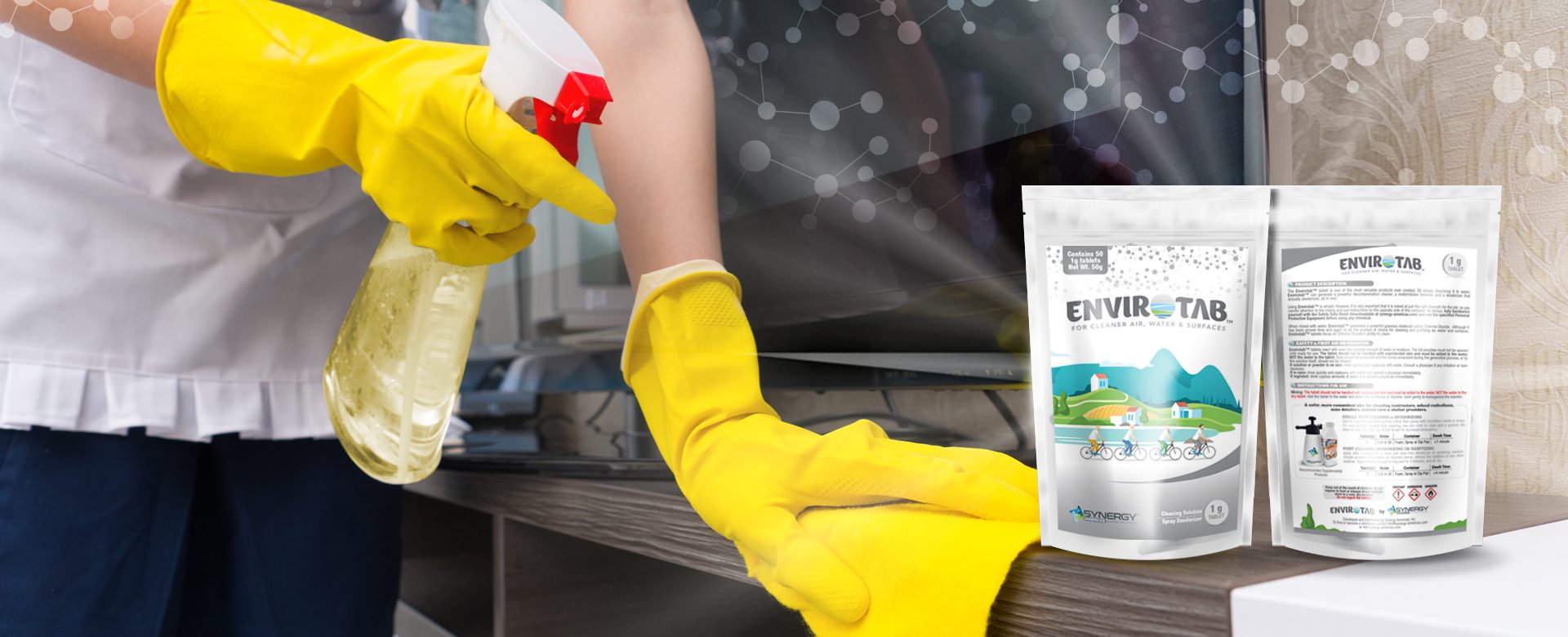
    Apply the activated solution using:

    • Spray bottles
    • Microfiber cloths
    • Mops
    • Sponges

    Ensure full surface coverage. Chlorine dioxide works on contact, so even distribution matters.

    Allow the solution to remain on the surface for the recommended contact time. This dwell period allows oxidation to disrupt microbial structures and neutralize odors completely.


    Step 5: Rinse When Required and Allow to Dry

    For food-contact surfaces such as countertops, cutting boards, or processing equipment, rinse with clean water after disinfection.

    Non-food surfaces can typically air dry without rinsing, depending on application guidelines.


    Step 6: Dispose of Remaining Solution Safely

    Unused solution can be safely poured down a drain with running water. Store unused tablets in a cool, dry location, sealed and away from children or pets.


    Safety Considerations in 2026: Respect the Chemistry

    When used correctly, chlorine dioxide tablets are safe and effective. Still, best practices matter.

    • Never mix chlorine dioxide with bleach, ammonia, acids, or other cleaners
    • Use in well-ventilated areas
    • Wear gloves and eye protection when working with higher concentrations
    • Store tablets properly to prevent premature activation

    These guidelines are not about fear—they’re about precision.


    Where Chlorine Dioxide Tablets Excel

    Unlike fragrance-based cleaners, ClO₂ eliminates odors by destroying the molecules that cause them.

    Chlorine dioxide tablets are uniquely versatile. They perform exceptionally well in:

    • Kitchens and food-prep areas
    • Bathrooms and high-moisture environments
    • High-touch surfaces (handles, switches, railings)
    • Commercial and institutional facilities
    • Odor remediation without masking fragrances
    • Mold-prone and biofilm-heavy areas

    Unlike fragrance-based cleaners, ClO₂ eliminates odors by destroying the molecules that cause them.


    The Future of Cleaning Is Measurable, Targeted, and Smarter

    As regulations tighten and consumers demand safer, more effective sanitation, chlorine dioxide tablets are positioned as a cornerstone technology in modern cleaning.

    They offer:

    • Broad-spectrum efficacy
    • Minimal residue
    • Reduced chemical load
    • Proven industrial and municipal adoption
    • Scalable use from home to enterprise

    In 2026 and beyond, effective cleaning isn’t about harsher chemicals—it’s about better chemistry.

    Explore chlorine dioxide tablets and application guidance at
    👉 https://clo2tablets.com


    FAQs

    1. Are chlorine dioxide tablets safe for home use?
    Yes, when used according to manufacturer instructions, they are safe and effective for household cleaning.

    2. Is chlorine dioxide the same as bleach?
    No. Chlorine dioxide disinfects through oxidation, not chlorination, and does not produce the same byproducts as bleach.

    3. Can chlorine dioxide tablets remove odors permanently?
    Yes. They neutralize odor-causing molecules instead of masking them.

    4. Do I need to rinse after using chlorine dioxide?
    Rinsing is recommended for food-contact surfaces but often unnecessary for non-food areas.

    5. How long does the solution remain effective?
    Freshly mixed solutions are most effective and should be used shortly after activation.

    6. Can chlorine dioxide kill mold?
    It can neutralize mold spores and disrupt biofilms when used at proper concentrations.

    7. Is chlorine dioxide environmentally friendly?
    When used correctly, it breaks down into harmless components and leaves minimal residue.

    8. Can I mix chlorine dioxide with other cleaners?
    No. It should only be mixed with water.

    9. What industries use chlorine dioxide tablets?
    Water treatment, healthcare, food processing, hospitality, and industrial sanitation.

    10. Why are chlorine dioxide tablets gaining popularity in 2026?
    Because they combine effectiveness, safety, sustainability, and precision cleaning in one solution.


  • Why DIY Mold Remedies Like Baking Soda, Vinegar & Oils Fail!

    Why DIY Mold Remedies Like Baking Soda, Vinegar & Oils Fail!

    DIY Mold Remedies vs. Science: Why Vinegar & Baking Soda Don’t Work

    🍋 The Myth of the Magic Pantry Fix

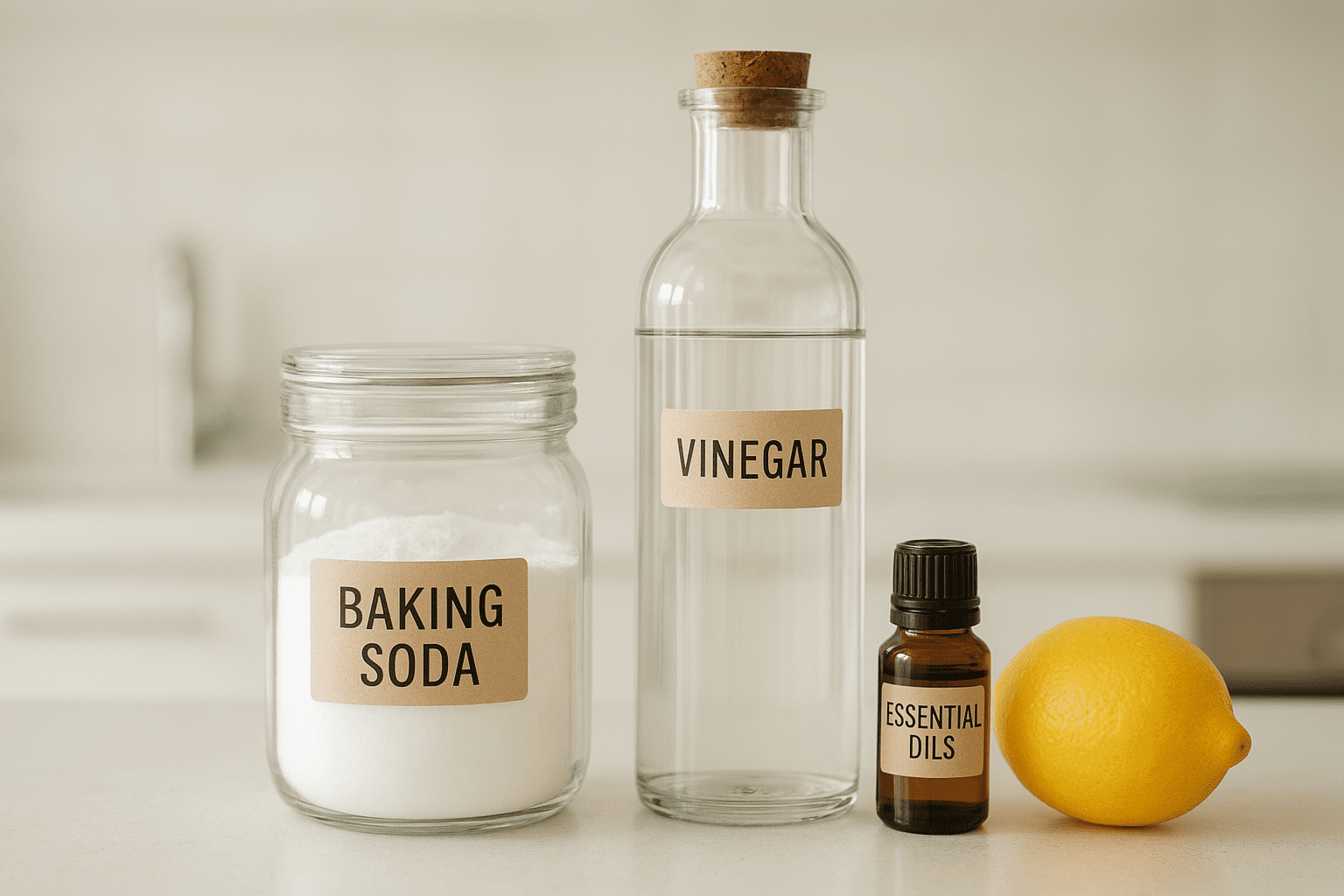
    It’s the rainy season, and you notice that all-too-familiar musty smell in the basement. You do what many homeowners do: grab a box of baking soda, a jug of vinegar, or maybe a bottle of essential oils. After all, Grandma swore by vinegar for everything, and Pinterest promises that a few drops of tea tree oil will keep mold away forever.

    It feels good, right? A quick fix you already have in your kitchen. You sprinkle, you spray, you dab, and for a moment—it smells fresh again.

    But here’s the truth: that’s surface-level comfort. Beneath the smell, the mold spores are still alive, active, and ready to spread.


    Backing soda is a great rubbing compound and excellent tooth polish but has no benefits to removing mold.🧂 Baking Soda – The Odor Absorber, Not the Mold Slayer
    Baking soda has a reputation for being a cure-all. People use it in refrigerators, laundry, even as toothpaste. When it comes to mold, though, baking soda is more of a band-aid than a cure.

    • Why people believe it works: Baking soda absorbs odors and creates a less hospitable environment for some microbes.

    • The science: While it can temporarily reduce musty smells, it doesn’t kill mold spores or penetrate porous surfaces. Mold isn’t just on the surface—it roots deep into wood, drywall, fabric, and insulation.

    • What is it good for: While not all is lost, Baking soda is good for making a paste with water to scrub sinks, tubs, or stovetops, Combine with vinegar to help clear minor clogs, Adds extra cleaning power to regular laundry, and makes for a great natural toothpaste powder.

    Bottom line: baking soda can freshen your fridge, but it won’t stop mold colonies from growing behind your walls.


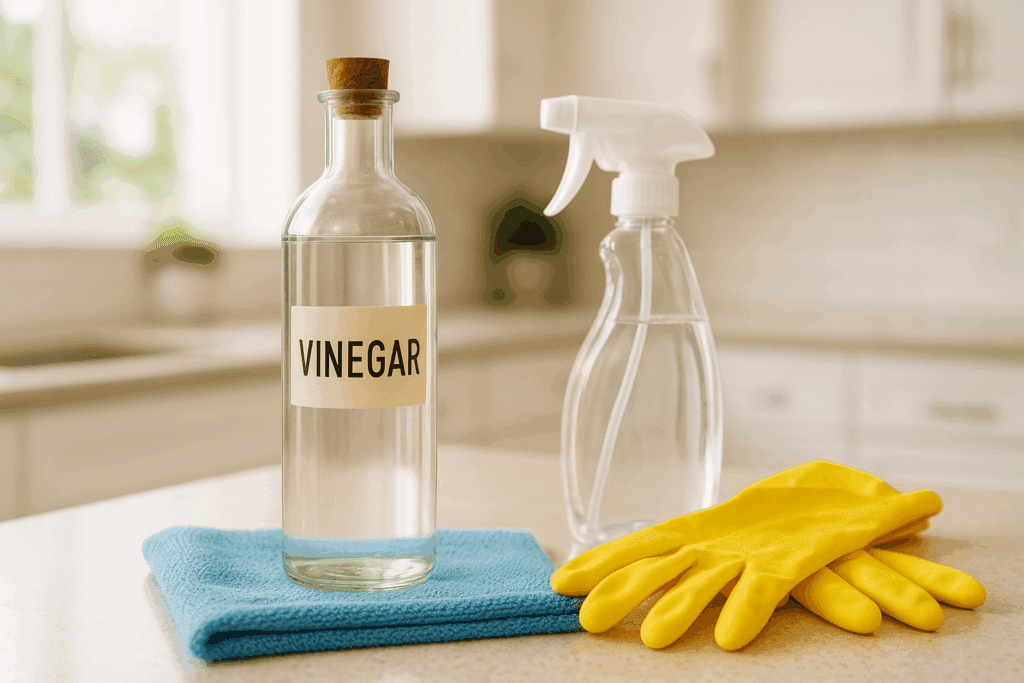
    Vinegar is excellent for removing grease and gives a great shine to surfaces but won't cut to the core to remove bacteria and mold that makes you sick.🧴 Vinegar – The Half-Truth Cleaner
    Vinegar is the most popular DIY mold solution floating around the internet. “Just spray vinegar, and the mold dies!” sounds convincing.

    • Why people believe it works: Vinegar is acidic, and in some lab conditions, it can slow down certain types of mold.

    • The science: Vinegar can reduce surface-level mold but doesn’t neutralize all strains, especially the tougher, allergenic, or toxic molds. Plus, vinegar doesn’t stop spore regrowth. Think of it like mowing the lawn—the blades look gone, but the roots are still there, ready to return.

    • What is it good for: Mix with water for streak-free shine on glass and mirrors, Cuts grease and grime (avoid natural stone like marble) on countertops and sinks,  Steam vinegar to loosen gunk in your microwave, and add it to your laundry as it naturally softens without chemicals.

    That’s why a week after your vinegar spray-down, the same black spots creep back on the bathroom ceiling.


    🌿 Essential Oils – The Feel-Good Fix

    Who doesn’t love the smell of eucalyptus or tea tree oil? They make a house smell spa-like and clean. But when it comes to mold? The benefits are more myth than reality.

    • Why people believe it works: Essential oils have antimicrobial properties in controlled conditions and lab tests. Plus, they smell amazing, so we associate them with cleanliness.

    • The science: Oils might mask musty odors and offer some temporary inhibition, but they cannot reach deep-rooted mold colonies. Mold spores also thrive in places oils can’t reach—inside drywall, insulation, vents, or carpets.

    • What is it good for: Create a calming or uplifting home atmosphere, Combine oils with water in a spray bottle for a natural room spray. Add a few drops to laundry or dryer balls for a pleasant scent. and adding lavender or cedar oils in drawers are an excellent Natural moth repellant.

    At best, oils are mood-lifters, not mold-busters.

    essential oils smell good, promote inner balance and are just expensive!


    🧪 The Reality: Mold is Tougher Than Your Pantry

    Here’s the truth that often gets lost in the DIY advice cycle: mold spores are microscopic, resilient, and thrive in damp, hidden places. To truly eliminate mold, you need something that can:

    ✔ Penetrate porous surfaces
    ✔ Kill spores at their source
    ✔ Prevent regrowth

    That’s why baking soda, vinegar, and essential oils just don’t measure up. They may give you peace of mind for a day or two, but they don’t deliver long-term safety for your family’s health.


    🌊 The Science-Backed Solution: Chlorine Dioxide

    Unlike DIY hacks, chlorine dioxide (ClO₂) is scientifically proven to destroy mold spores at the molecular level. It works differently than bleach or vinegar—it penetrates, oxidizes, and eliminates mold without leaving harmful residues.

    • Safe for homes, basements, HVAC systems, and storage areas

    • Breaks down into salt and water, leaving no toxic leftovers

    • Effective against hidden mold growth and lingering odors

    When mold becomes a household guest, you don’t just want to cover up the smell—you want to show it the door for good.

    CLO2 is a healthy alternative to Bleach and other chemical household cleaners


    ⚖️ The Final Reality Check

    DIY remedies are comforting, but comfort doesn’t equal safety.
    The musty smell returning week after week isn’t just annoying—it’s a warning sign.

    Reality in one sentence: Vinegar, baking soda, and oils can make your home smell better, but only chlorine dioxide makes your home healthier.

    👉 Ready to ditch DIY myths and tackle mold at the source? Discover our eco-friendly chlorine dioxide tablets today.

    ❓ FAQ: Home Remedies vs. Real Protection

    Q: Do vinegar and baking soda really disinfect my home?
    👉 They can help clean surfaces, but they don’t fully kill bacteria, mold, or viruses. Vinegar can cut grease and reduce odors, and baking soda is great for scrubbing—but together, they’re more about shine than true sanitation.


    Q: What about lemon juice—doesn’t its acidity kill germs?
    🍋 Lemon juice has some antibacterial properties, but it’s not strong enough to eliminate pathogens that cause illness. It’s better at deodorizing and leaving a fresh scent than providing full protection.


    Q: Can essential oils replace disinfectants?
    🌿 Essential oils like tea tree, eucalyptus, or lavender smell wonderful and may inhibit some microbes in lab settings. But in real-world home use, they’re not broad-spectrum killers of viruses, mold spores, or dangerous bacteria.


    Q: Why should I be cautious about DIY remedies?
    ⚠️ Many DIY “green cleaning hacks” leave behind a false sense of security. Your counters may look and smell clean, but microscopic threats can still linger—and those are the ones that affect your family’s health.


    Q: So, what’s the safer alternative?
    ✅ For true peace of mind, use a proven solution like Chlorine Dioxide (ClO₂). It’s scientifically backed, eco-friendly, and powerful enough to handle the germs, odors, and mold that vinegar or lemons simply can’t touch.

    Other articles to check out!

    How Can I Kill Mold and Eliminate Musty Odors at Home

    https://clo2tablets.com/%f0%9f%a7%aa-how-safe-is-chlorine-dioxide-for-indoor-use-around-people-and-pets/

  • Bleach Test Strips – Is Your Water Contaminated?

    Bleach Test Strips – Is Your Water Contaminated?

    Bleach Test Strips – Is Your Water Contaminated?

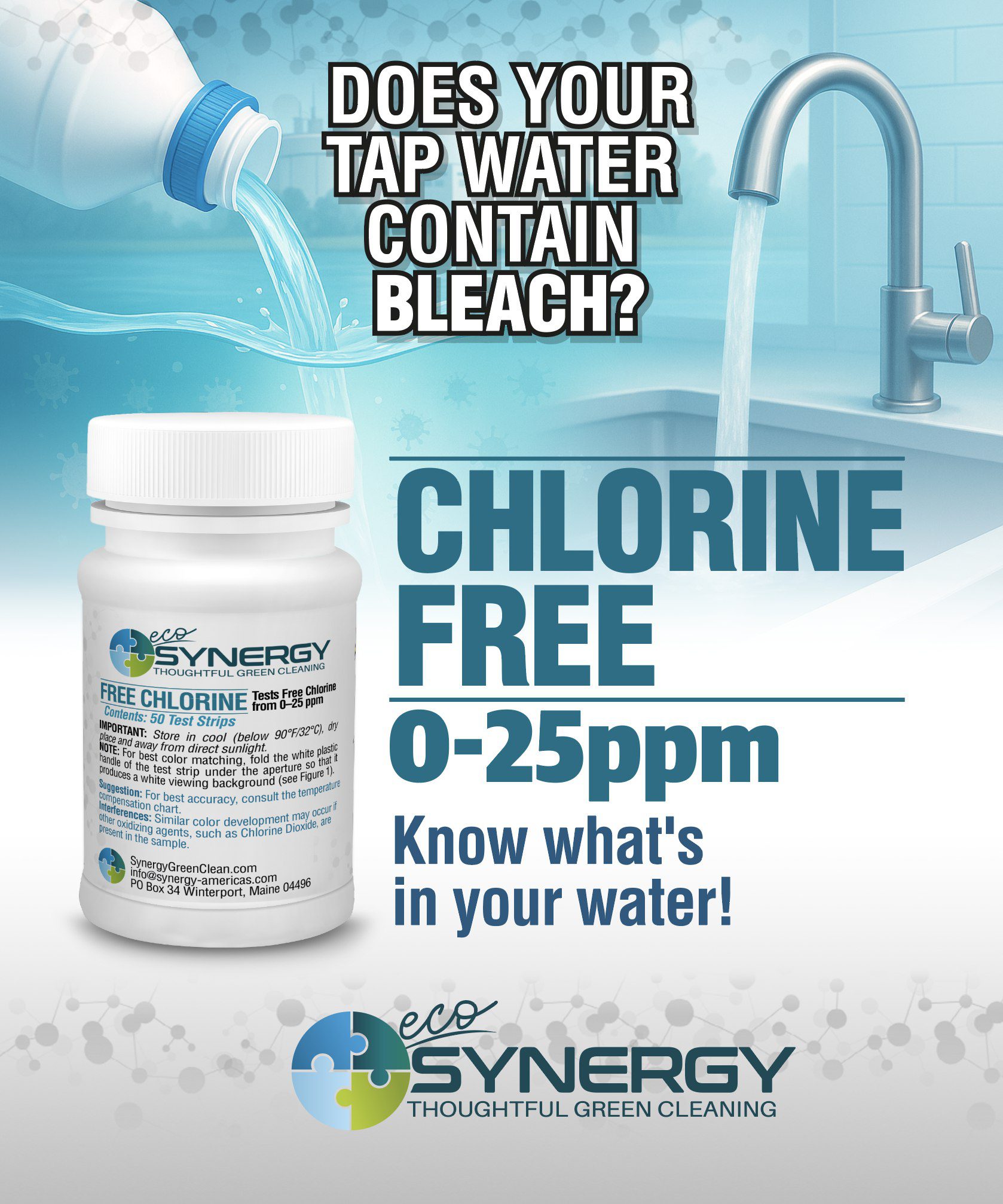
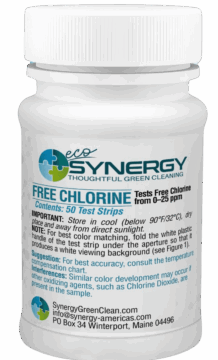
    Does your tap water contain bleach? Bleach, when used by wastewater treatment facilities for sanitizing can sometimes leave behind trace elements of this chemical. As the bleach comes into contact with organic matter, it can form very hazardous byproducts, and well as interact with other products you use in your home.

    ClO2 Concentrations Values Are Important: Read our Specification Sheet Here.

    Bleach Test Strips – Is Your Water Contaminated?

    Your Price: $ 18.95

    Each Container holds 50 Bleach Test Strips

    Product Specifications:

    Testing Your Public Water Supply for Bleach & Its Potentially Toxic Byproducts.

    Our FAC Low-Range Test Strips are designed to accurately measure the free available chlorine levels in water, specifically in the range of 0-25ppm. These test strips are essential for ensuring that water is properly disinfected and safe for use in various applications such as swimming pools, spas, and drinking water.

    Bleach, which is commonly used as a disinfectant to kill bacteria and other harmful microorganisms, can leave behind residue in water if not properly diluted or neutralized. This residue can react with other compounds in the water to form potentially toxic byproducts such as chloramines and trihalomethanes. These byproducts can pose serious health risks if consumed or inhaled, leading to issues such as respiratory problems, skin irritation, and even cancer in the long term.

    Regularly testing the free available chlorine levels in water using our FAC Low-Range Test Strips can help prevent the buildup of harmful chlorine byproducts and ensure that water remains safe for use. By monitoring and maintaining proper chlorine levels, you can protect yourself and others from the potential hazards associated with bleach residue in water.

    Want to Learn More? Consider Reading these Latest Posts:

    You May Also Like:

  • Is Chlorine Dioxide Safe To Use To Remove Odors?

    Is Chlorine Dioxide Safe To Use To Remove Odors?

    The Science Behind Chlorine Dioxide And The Removal Of Odors

    Scientifically speaking, Chlorine dioxide (ClO2) destroys odor molecules through oxidation. When ClO2 encounters odorous compounds, it acts as a powerful oxidizing agent, breaking down the molecular structure of these volatile organic compounds (VOCs) by removing electrons, thus neutralizing the odors without merely masking them. This process converts the smelly molecules into less harmful or odorless substances, effectively eliminating the source of the odor.

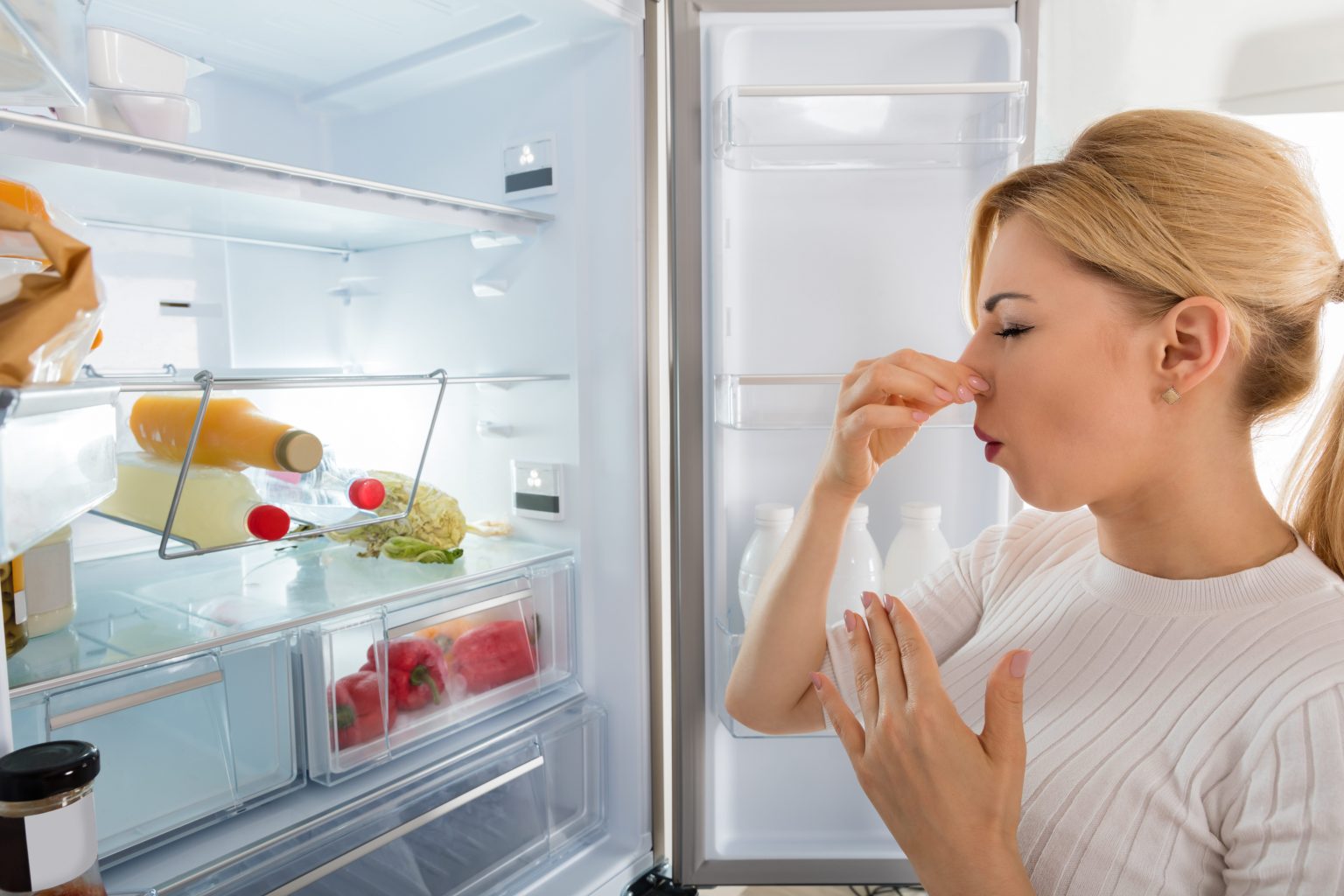
    When you think about bad smells, you know how uncomfortable and unpleasant they can be. Whether it’s a stinky trash can at home, a smelly office, or even bad odors in large factories, everyone wants to get rid of them. Odor removal is important because it can make our homes and workplaces more pleasant and healthy. There are many ways to remove bad smells, but one of the methods that are gaining attention is chlorine dioxide, or CLO2.

    What is ClO2 used for? Chlorine dioxide is a chemical that people use for cleaning and disinfecting. It’s not only helpful for removing germs, but it can also help get rid of odors.

    Let’s take a closer look at Chlorine dioxide (CLO2) and see if it’s truly safe and effective.

    What Is Chlorine Dioxide?

    Chlorine dioxide is a chemical made up of chlorine and oxygen. It is different from regular chlorine, which is often used in cleaning. Chlorine dioxide is a yellow or greenish gas that can be dissolved in water to make a solution. It has strong cleaning and disinfecting abilities, making it useful in many industries.

    Bleach Vs CLO2, What’s the Difference?

    Bleach, commonly known as sodium hypochlorite, and chlorine dioxide (ClO2) are both powerful disinfectants, but they differ significantly in their chemical composition and effectiveness.

    • Bleach works by releasing chlorine, which reacts with organic and inorganic substances to produce hypochlorous acid, a compound that penetrates and destroys the cell structure of bacteria and viruses. However, bleach can produce harmful byproducts like trihalomethanes (THMs) and halo acetic acids (HAAs) and its efficacy can diminish in the presence of organic material.
    • Chlorine dioxide is a yellow-green gas infused liquid that disinfects by oxidation, breaking down the cell membrane of microorganisms without producing harmful chlorinated byproducts. ClO2 is also known for its broad-spectrum efficacy against bacteria, viruses, fungi, and spores, and remains effective in various pH levels and organic loads. Additionally, chlorine dioxide is less corrosive than bleach and is considered safer for disinfection and water treatment.

    Common Everyday Uses Of Chlorine Dioxide:

    • Water Treatment: CLO2 is often used in water treatment plants to clean drinking water. It kills bacteria and other germs.
    • Disinfection In Healthcare Settings: Hospitals and clinics use CLO2 to clean surfaces.
    • Industrial Applications: ClO2 is also used in industries like food processing to control bacteria.
    • Household Applications: ClO2 is used in homes to control viruses, bacteria, mold, odor and overall healthier cleaner environment.
    • Farming: CLO2 can be used to disinfect barns, calf pens, and feeding equipment. Its use in water treatment systems also ensures that livestock have access to clean, pathogen-free water, which is crucial for their health and productivity.

    It’s not just useful in cleaning; chlorine dioxide cleaning products are also available for use at home and in businesses. But how exactly does it work to remove odors?

    How Does Chlorine Dioxide Work For Odor Removal?

    Mechanism Of Action:

    Chlorine dioxide tablets work by breaking down the molecules that cause bad smells. Many odors are created by tiny particles, such as those from food, smoke, pets, or mold. These particles can be difficult to get rid of. Chlorine dioxide can react with these particles, neutralizing them and turning them into substances that do not smell bad.

    Chlorine dioxide, unlike some chemicals, doesn’t mask odors. It eliminates the source of the smell. It can be especially helpful for tough odors, like the smell of smoke or pet accidents, because it works at a chemical level to remove the odor molecules.

    Effectiveness:

    Chlorine dioxide is effective at removing many types of odors. Here are a few examples:

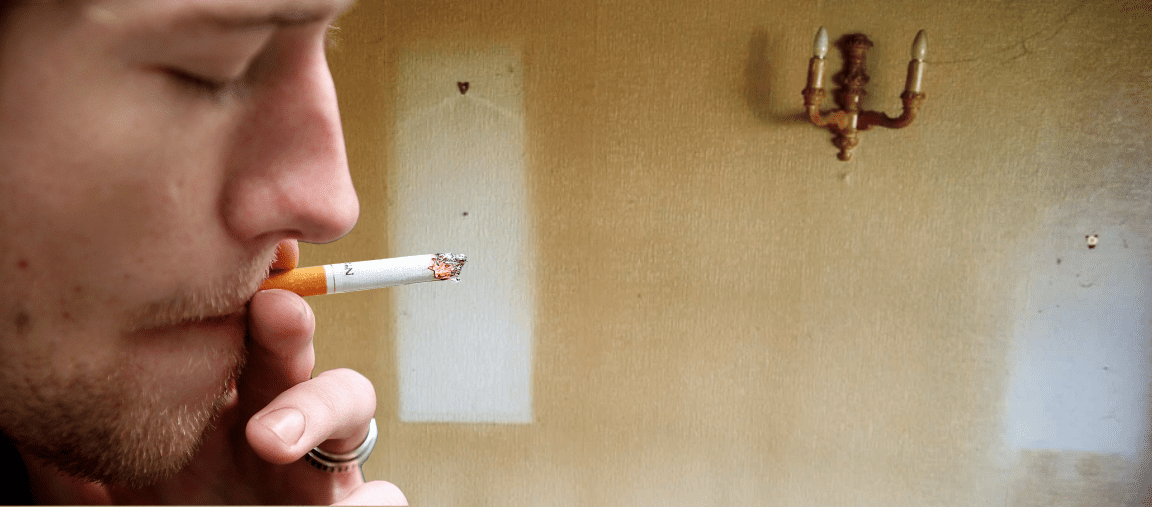
    • Smoke Odor: Chlorine dioxide can neutralize smoke smells caused by fire or cigarettes. It’s often used to help clean up after house fires or in places where people smoke.
    • Pet Odor: Pets, especially cats and dogs, can leave behind strong smells in homes. Chlorine dioxide can help eliminate these odors by breaking down the chemicals in pet urine or feces.
    • Mold and Mildew: Chlorine dioxide is also effective in removing the musty smell caused by mold and mildew. It can kill the spores that cause the odor and stop them from growing.

    Chlorine dioxide for odor removal is a powerful and effective option for getting rid of many common household odors.

    Safety Considerations Of Chlorine Dioxide

    What are the safety considerations when handling and using ClO2 tablets? While chlorine dioxide can help remove odors, it’s important to understand that it can also be dangerous if not used correctly. Chlorine dioxide is a strong chemical, and like all chemicals, it must be handled carefully.

    Precautions And Handling:

    When using higher concentrate chlorine dioxide for cleaning or odor removal, make sure the area is well-ventilated—open windows and doors to help the chemical dissipate. You may also want to wear gloves or other protective gear to avoid skin contact. It’s important to read and follow the safety instructions on the product you are using.

    Related: Effective Odor Removal Techniques With ClO2 Tablets

    Toxicity Levels:

    Chlorine dioxide is extremely safe at low concentrations, but it can be harmful if used in high amounts – so following mixing instructions carefully is your insurance against accidents. The concentration of chlorine dioxide should be controlled to make sure it doesn’t cause any harm. It’s always a good idea to use chlorine dioxide products that are designed for safe household use. Industrial-strength products are much stronger and should be handled by professionals only.

    What Is the Difference of Chlorine Dioxide VS. Other Commercial Chemicals

    Comparison with Other Odor removal Chemicals:

    There are many different ways to remove odors, and chlorine dioxide is just one option. Here’s how it compares to other common odor-removal methods:

    • Ozone: Ozone generators are sometimes used to remove odors, but they can be dangerous to breathe. Ozone can irritate the lungs and cause other health problems. Chlorine dioxide is often considered a safer alternative for odor removal.
    • Activated Charcoal: Activated charcoal works by trapping odor particles in its tiny pores. While it’s effective, it does not remove the source of the odor like chlorine dioxide does.
    • Air Fresheners: Many air fresheners mask odors with strong scents, which might not be helpful for tough smells like smoke or pet accidents. Chlorine dioxide gets rid of the odor completely.

    Related: Easy Cleaning Hacks With Chlorine Dioxide Tablets

    Advantages And Disadvantages:

    • Advantages Of Chlorine Dioxide:
      • It breaks down the molecules that cause bad smells, so it completely removes odors.
      • It is effective for a wide variety of odors, including tough ones like smoke and mold.
      • It’s safer than ozone and other harsh chemicals.
    • Disadvantages Of Chlorine Dioxide:
      • It can be harmful if not used correctly, so safety precautions must be taken.
      • It may not be as easily available for home use as some other products, and it might be more expensive.


    Is Chlorine Dioxide Safe for Home use?

    Chlorine dioxide for home cleaning is also available in consumer-friendly chlorine dioxide cleaning products. Some products are designed to be used in homes to remove odors from carpets, fabrics, and air. These products are typically diluted and safe to use in small amounts. However, it’s important to follow the instructions carefully to ensure safe and effective use.

    Some products that use chlorine dioxide for odor removal include:

    Air Purifiers and Odor Neutralizers: These products help remove odors from the air in your home.

    Deodorizers for Carpets and Upholstery: Chlorine dioxide-based deodorizers can freshen carpets and furniture. They break down odor-causing moleculesClO2 Tablets For Odor Removal

    Chlorine Dioxide Is The Best Way to Remove Tough Odors

    Chlorine dioxide tablets are great for removing stubborn odors from homes, vehicles, and other spaces. These tablets neutralize odors from smoke, pets, and mold. They break down odor molecules at their source. ClO2 tablets, unlike traditional deodorizers, don’t mask smells. They remove them, leaving the environment fresh and clean. Their versatility and safety make them ideal for use in residential and commercial settings.

    We take pride in offering the best chlorine dioxide cleaners. They are tailored to remove odors. You can trust our expertise and quality to deliver results. If you’re wondering where to buy chlorine dioxide, we make it easy—our products are available online for convenient sale. Experience the difference with our top-rated ClO2 tablets and enjoy a cleaner, fresher environment.