Tag: eliminating mildew

  • How Do I Use Chlorine Dioxide Tablets for Mold Removal?

    How Do I Use Chlorine Dioxide Tablets for Mold Removal?

    🚫 Mold and Mildew: The Hidden Threat in Your Home

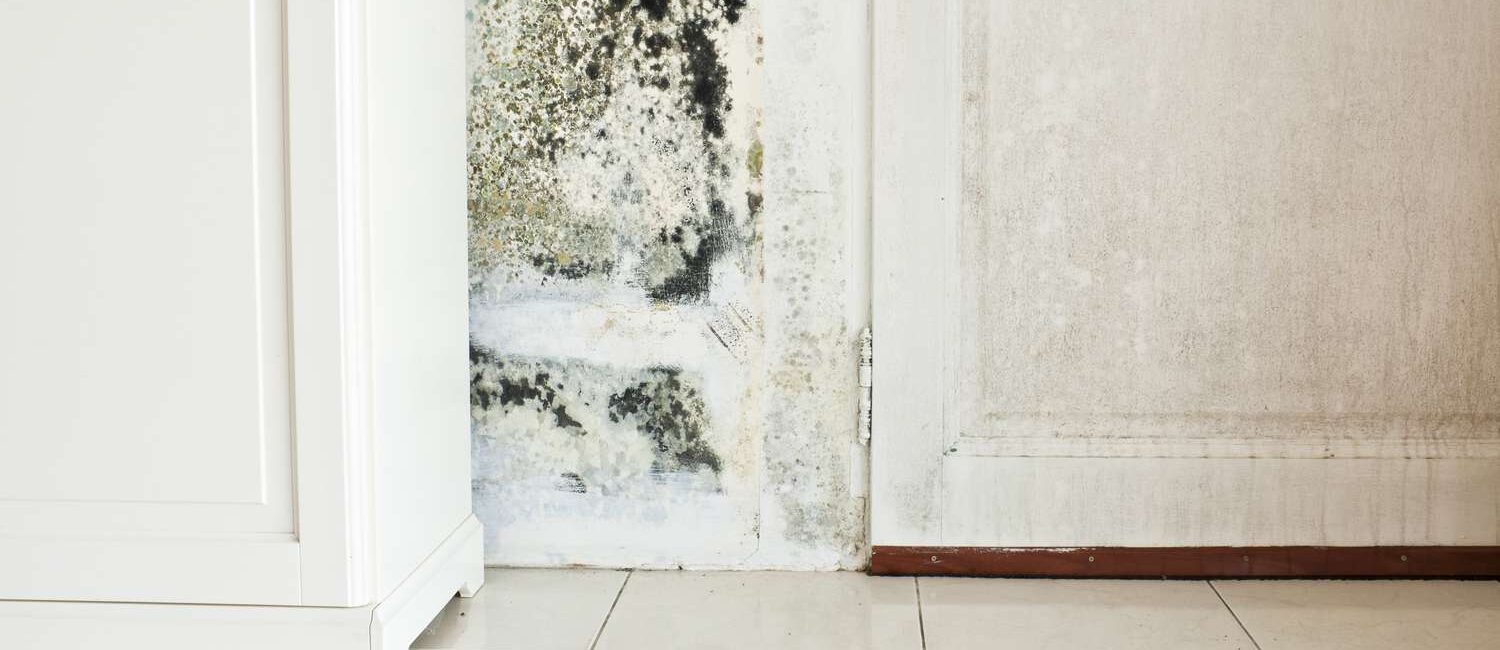
    Mold and mildew love hiding in warm, moist spaces—basements, bathrooms, crawlspaces, closets. And when they show up, they bring more than an ugly stain.

    They can:

    • Damage walls, ceilings, wood, and insulation

    • Trigger allergies, skin irritation, and respiratory issues

    • Create musty, lingering odors that regular cleaners just can’t touch

    Standard bleach? It bleaches the surface, but leaves spores behind—allowing mold to return with a vengeance.

    Want real results? Time to meet chlorine dioxide tablets.


    🌟 What Makes Chlorine Dioxide Tablets So Effective?

    Chlorine Dioxide (ClO₂) is a powerful oxidizing agent—not just a surface cleaner. It penetrates porous materials and targets mold and mildew at their roots, killing spores and eliminating odors at the molecular level.

    Kills mold, mildew, AND the spores that cause regrowth
    Neutralizes musty odors completely
    Safe for use around families, pets, and fabrics
    Eco-friendly—no bleach, no fumes, no harsh residue


    🧪 Why ClO₂ Beats Bleach Every Time

    Feature Chlorine Dioxide Bleach
    Penetrates porous materials ✅ Yes ❌ No
    Kills mold and spores ✅ Yes ❌ No
    Eliminates odors permanently ✅ Yes ❌ No
    Safe around people/pets ✅ Yes ❌ No
    Eco-friendly & biodegradable ✅ Yes ❌ No

    💡 How to Use Chlorine Dioxide Tablets for Mold & Mildew Removal

    Simple. Safe. Effective. Here’s the basic process:

    1. Dissolve: Drop 1–2 tablets in warm water (follow label for ratio).

    2. Apply: Use a spray bottle, sponge, or cloth on moldy surfaces.

    3. Wait: Let sit for the recommended time (5–15 minutes).

    4. Rinse or Wipe Clean: Especially on kitchen/bathroom surfaces.

    5. Dry the Area Thoroughly: Prevent future growth with airflow.

    ✔️ Pro Tip: For larger infestations or stubborn spots, seal off the area and use an enclosed gas release method with a container and lid. Always follow safety guidelines.


    🏠 Safe for Use On:

    • Tile, grout, drywall

    • Wood and subfloor

    • Clothing and upholstery

    • HVAC systems

    • Boats, campers, and RVs

    • Attics, basements, and crawlspaces


    💨 Bonus Benefit: No More Musty Smell

    ClO₂ doesn’t just mask the odor—it neutralizes the actual molecules responsible for that classic “moldy” smell. Your space will not only look cleaner but smell like a fresh start.


    🧼 Use ClO₂ for Prevention, Too

    Want to stop mold before it starts?
    Add chlorine dioxide tablets to your monthly cleaning routine in moisture-prone areas. Regular use creates a hostile environment for mold and mildew, keeping them from taking hold.


    🛒 Ready to Get Rid of Mold for Good?

    👉 Try Our Professional-Grade Tablets Today:
    ✔️ Buy Chlorine Dioxide Tablets – Fast Mold & Odor Removal

    • Trusted by restoration pros and homeowners alike

    • Ships fast and easy to store

    • Multiple sizes available for small or large jobs


    💬 Final Word

    Mold and mildew don’t have to be a constant battle. With chlorine dioxide tablets, you can win the war at the source—safely, effectively, and without harsh chemicals. Whether you’re remediating after a leak or proactively protecting a basement, ClO₂ tablets offer an advanced, eco-conscious way to keep your home fresh and fungus-free.

    Ditch the bleach. Kill the mold. Reclaim your air.
    👉 Shop now at clo2tablets.com

  • Why DIY Mold Remedies Like Baking Soda, Vinegar & Oils Fail!

    Why DIY Mold Remedies Like Baking Soda, Vinegar & Oils Fail!

    DIY Mold Remedies vs. Science: Why Vinegar & Baking Soda Don’t Work

    🍋 The Myth of the Magic Pantry Fix

    It’s the rainy season, and you notice that all-too-familiar musty smell in the basement. You do what many homeowners do: grab a box of baking soda, a jug of vinegar, or maybe a bottle of essential oils. After all, Grandma swore by vinegar for everything, and Pinterest promises that a few drops of tea tree oil will keep mold away forever.

    It feels good, right? A quick fix you already have in your kitchen. You sprinkle, you spray, you dab, and for a moment—it smells fresh again.

    But here’s the truth: that’s surface-level comfort. Beneath the smell, the mold spores are still alive, active, and ready to spread.
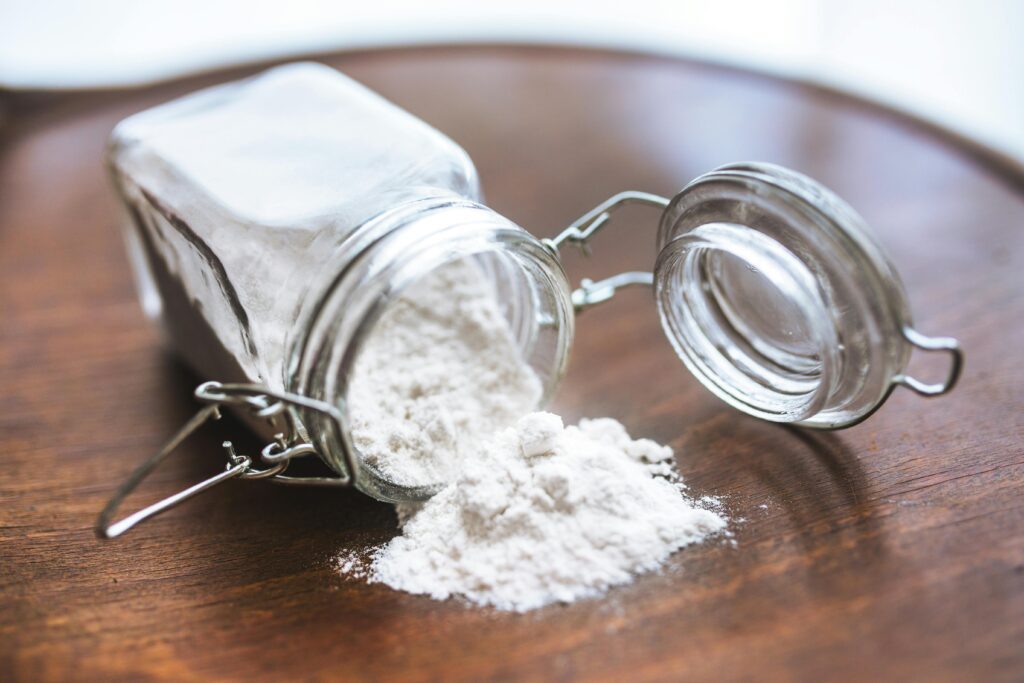

    Backing soda is a great rubbing compound and excellent tooth polish but has no benefits to removing mold.🧂 Baking Soda – The Odor Absorber, Not the Mold Slayer

    Baking soda has a reputation for being a cure-all. People use it in refrigerators, laundry, even as toothpaste. When it comes to mold, though, baking soda is more of a band-aid than a cure.

    • Why people believe it works: Baking soda absorbs odors and creates a less hospitable environment for some microbes.

    • The science: While it can temporarily reduce musty smells, it doesn’t kill mold spores or penetrate porous surfaces. Mold isn’t just on the surface—it roots deep into wood, drywall, fabric, and insulation.

    • What is it good for: While not all is lost, Baking soda is good for making a paste with water to scrub sinks, tubs, or stovetops, Combine with vinegar to help clear minor clogs, Adds extra cleaning power to regular laundry, and makes for a great natural toothpaste powder.

    Bottom line: baking soda can freshen your fridge, but it won’t stop mold colonies from growing behind your walls.
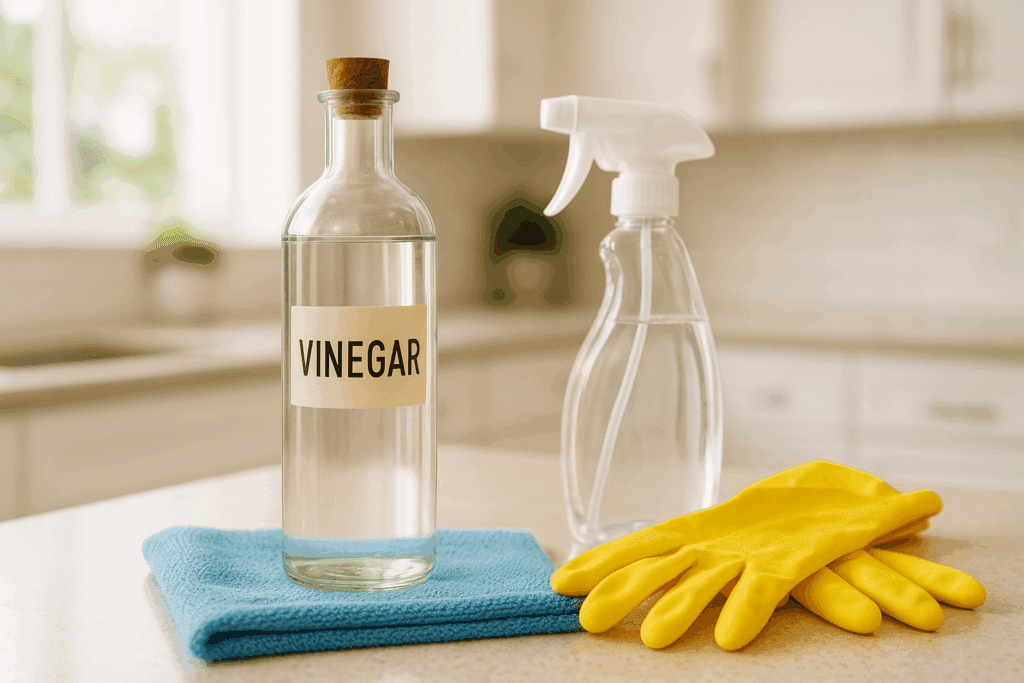

    Vinegar is excellent for removing grease and gives a great shine to surfaces but won't cut to the core to remove bacteria and mold that makes you sick.🧴 Vinegar – The Half-Truth Cleaner

    Vinegar is the most popular DIY mold solution floating around the internet. “Just spray vinegar, and the mold dies!” sounds convincing.

    • Why people believe it works: Vinegar is acidic, and in some lab conditions, it can slow down certain types of mold.

    • The science: Vinegar can reduce surface-level mold but doesn’t neutralize all strains, especially the tougher, allergenic, or toxic molds. Plus, vinegar doesn’t stop spore regrowth. Think of it like mowing the lawn—the blades look gone, but the roots are still there, ready to return.

    • What is it good for: Mix with water for streak-free shine on glass and mirrors, Cuts grease and grime (avoid natural stone like marble) on countertops and sinks,  Steam vinegar to loosen gunk in your microwave, and add it to your laundry as it naturally softens without chemicals.

    That’s why a week after your vinegar spray-down, the same black spots creep back on the bathroom ceiling.


    🌿 Essential Oils – The Feel-Good Fix

    Who doesn’t love the smell of eucalyptus or tea tree oil? They make a house smell spa-like and clean. But when it comes to mold? The benefits are more myth than reality.

    • Why people believe it works: Essential oils have antimicrobial properties in controlled conditions and lab tests. Plus, they smell amazing, so we associate them with cleanliness.

    • The science: Oils might mask musty odors and offer some temporary inhibition, but they cannot reach deep-rooted mold colonies. Mold spores also thrive in places oils can’t reach—inside drywall, insulation, vents, or carpets.

    • What is it good for: Create a calming or uplifting home atmosphere, Combine oils with water in a spray bottle for a natural room spray. Add a few drops to laundry or dryer balls for a pleasant scent. and adding lavender or cedar oils in drawers are an excellent Natural moth repellant.

    At best, oils are mood-lifters, not mold-busters.
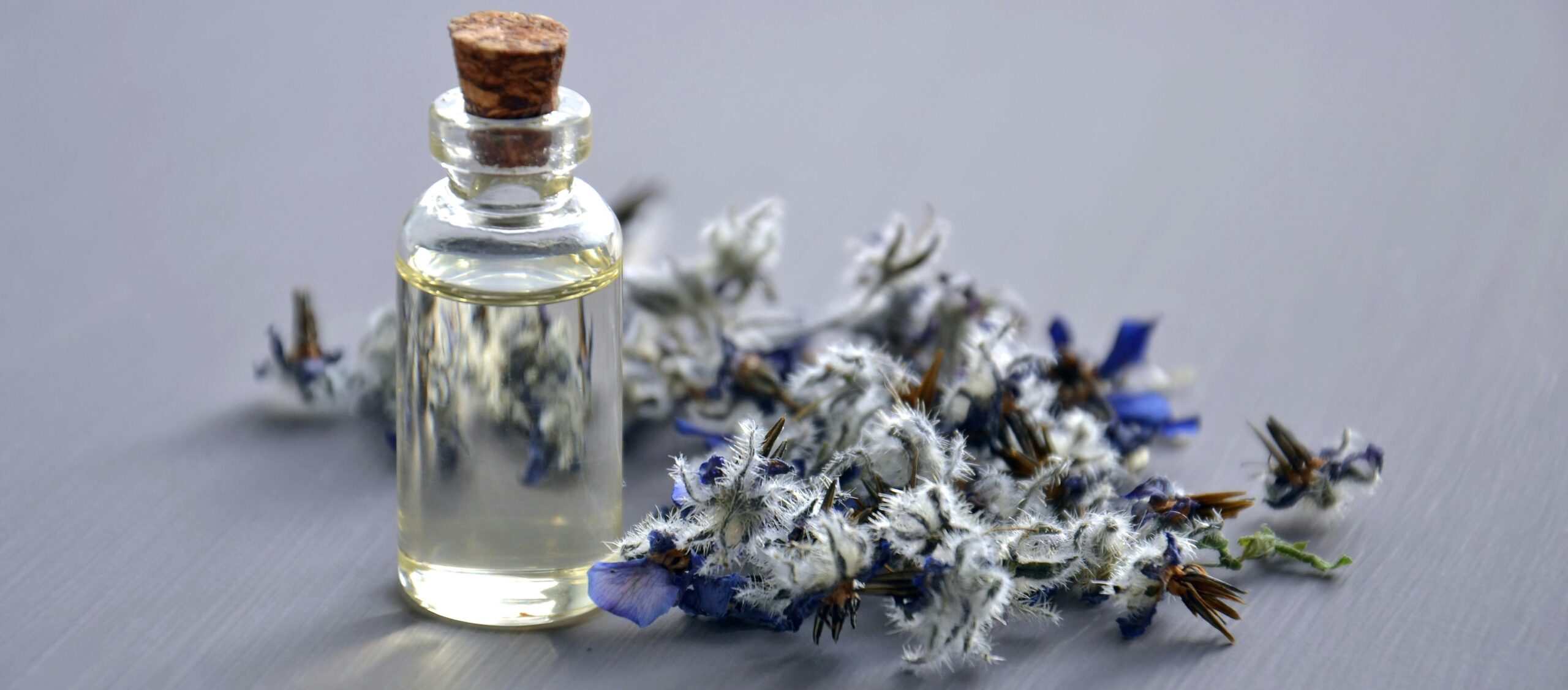
    essential oils smell good, promote inner balance and are just expensive!


    🧪 The Reality: Mold is Tougher Than Your Pantry

    Here’s the truth that often gets lost in the DIY advice cycle: mold spores are microscopic, resilient, and thrive in damp, hidden places. To truly eliminate mold, you need something that can:

    ✔ Penetrate porous surfaces
    ✔ Kill spores at their source
    ✔ Prevent regrowth

    That’s why baking soda, vinegar, and essential oils just don’t measure up. They may give you peace of mind for a day or two, but they don’t deliver long-term safety for your family’s health.


    🌊 The Science-Backed Solution: Chlorine Dioxide

    Unlike DIY hacks, chlorine dioxide (ClO₂) is scientifically proven to destroy mold spores at the molecular level. It works differently than bleach or vinegar—it penetrates, oxidizes, and eliminates mold without leaving harmful residues.

    • Safe for homes, basements, HVAC systems, and storage areas

    • Breaks down into salt and water, leaving no toxic leftovers

    • Effective against hidden mold growth and lingering odors

    When mold becomes a household guest, you don’t just want to cover up the smell—you want to show it the door for good.

    CLO2 is a healthy alternative to Bleach and other chemical household cleaners


    ⚖️ The Final Reality Check

    DIY remedies are comforting, but comfort doesn’t equal safety.
    The musty smell returning week after week isn’t just annoying—it’s a warning sign.

    Reality in one sentence: Vinegar, baking soda, and oils can make your home smell better, but only chlorine dioxide makes your home healthier.

    👉 Ready to ditch DIY myths and tackle mold at the source? Discover our eco-friendly chlorine dioxide tablets today.

    ❓ FAQ: Home Remedies vs. Real Protection

    Q: Do vinegar and baking soda really disinfect my home?
    👉 They can help clean surfaces, but they don’t fully kill bacteria, mold, or viruses. Vinegar can cut grease and reduce odors, and baking soda is great for scrubbing—but together, they’re more about shine than true sanitation.


    Q: What about lemon juice—doesn’t its acidity kill germs?
    🍋 Lemon juice has some antibacterial properties, but it’s not strong enough to eliminate pathogens that cause illness. It’s better at deodorizing and leaving a fresh scent than providing full protection.


    Q: Can essential oils replace disinfectants?
    🌿 Essential oils like tea tree, eucalyptus, or lavender smell wonderful and may inhibit some microbes in lab settings. But in real-world home use, they’re not broad-spectrum killers of viruses, mold spores, or dangerous bacteria.


    Q: Why should I be cautious about DIY remedies?
    ⚠️ Many DIY “green cleaning hacks” leave behind a false sense of security. Your counters may look and smell clean, but microscopic threats can still linger—and those are the ones that affect your family’s health.


    Q: So, what’s the safer alternative?
    ✅ For true peace of mind, use a proven solution like Chlorine Dioxide (ClO₂). It’s scientifically backed, eco-friendly, and powerful enough to handle the germs, odors, and mold that vinegar or lemons simply can’t touch.

    Other articles to check out!

    How Can I Kill Mold and Eliminate Musty Odors at Home

    https://clo2tablets.com/%f0%9f%a7%aa-how-safe-is-chlorine-dioxide-for-indoor-use-around-people-and-pets/
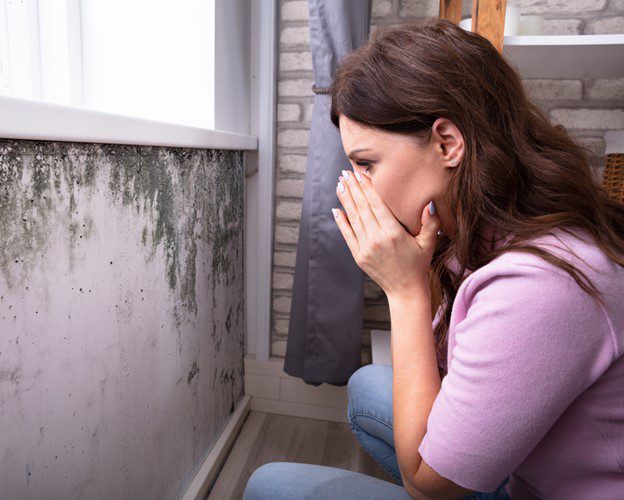
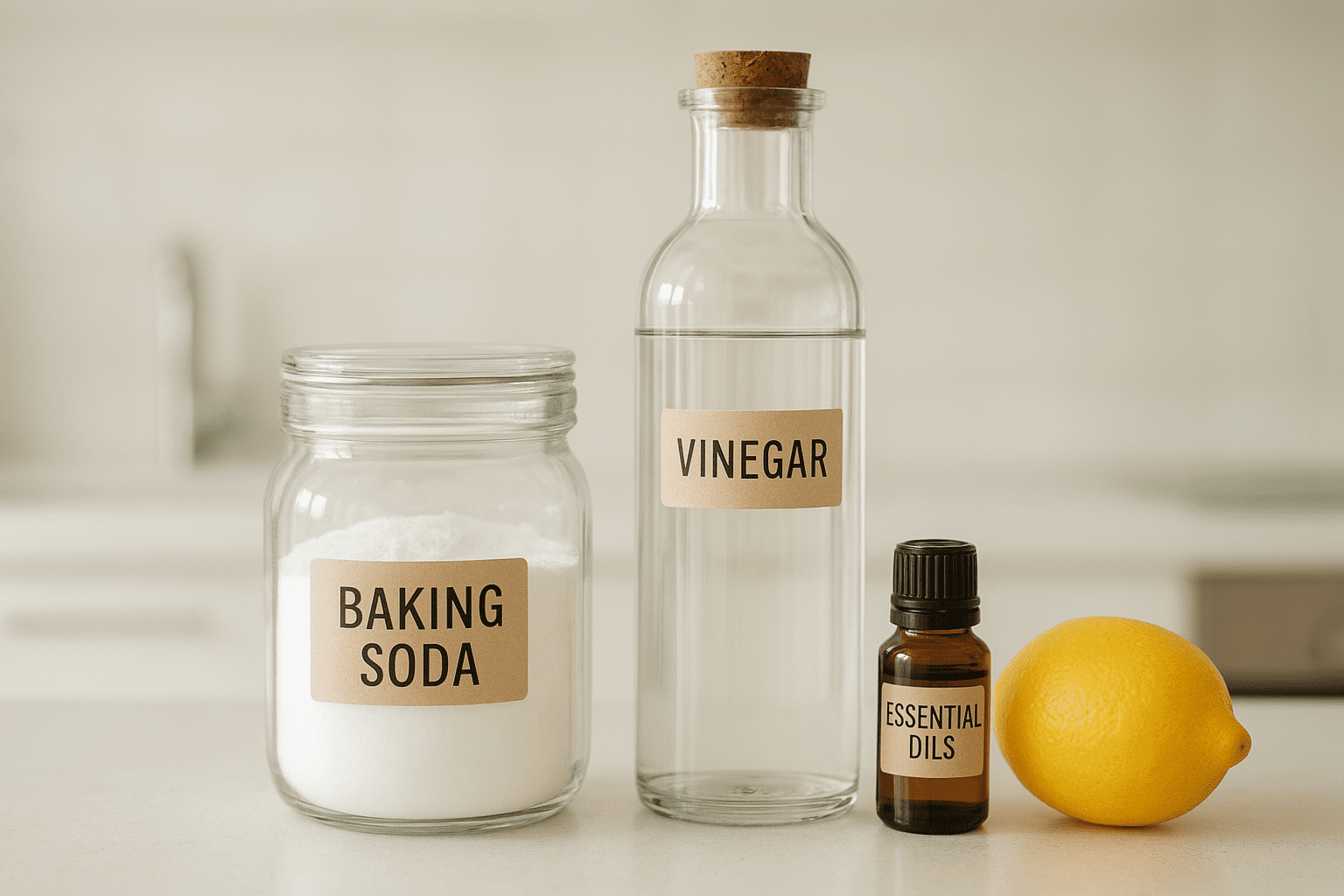
  • Removing Mildew Stains from Home Surfaces with ClO2

    Removing Mildew Stains from Home Surfaces with ClO2

    Taking quick, proactive action against the early onset of mildew is simple, safe and easy with Chlorine Dioxide. Envirotab Tablets make it a breeze!

    Efficiently Removing Early Onset Mildew Using Microfiber Cloths and Chlorine Dioxide Solution made with Envirotab

    Early onset mildew growth on walls and other surfaces is a common household problem that needs immediate attention. If left unaddressed, mildew can spread rapidly, causing damage to the affected areas and potentially posing health risks. Fortunately, there are effective methods to combat this issue using microfiber cloths and a chlorine dioxide solution made with Envirotab. This article outlines the steps involved in safely and efficiently removing early onset mildew.

    1. Understanding the Problem: Mildew, a type of fungus, thrives in damp and poorly ventilated areas. It often appears as dark spots or patches on walls, ceilings, or other surfaces, accompanied by a musty odor. Early intervention is crucial to preventing further damage and health hazards.
    2. Gather the Necessary Materials: To successfully tackle mildew growth, gather the following materials:
    3. Microfiber cloths: These highly absorbent, reusable cloths are designed to capture and hold onto debris, including mildew spores.
    4. Chlorine dioxide solution made with Envirotab: Envirotab is eco-friendly, chlorine dioxide-generating cleaning solution tablet that effectively eliminates odors, bacteria, mold, and mildew.
    5. Personal protective equipment (PPE): Wear gloves, safety goggles, and a mask to protect yourself from mold spores and chemicals.
    6. Identify the Affected Areas: Examine your walls, ceilings, or other surfaces for signs of early onset mildew. Pay close attention to areas that are consistently damp or poorly ventilated, such as bathrooms, basements, or crawl spaces.
    7. Removing Mildew with Microfiber Cloths: Begin by gently wiping the affected areas with a dry microfiber cloth. This step helps remove loose mildew spores and prevents the spread of mold during the cleaning process. Dispose of the cloth properly after use.
    8. Preparing the Chlorine Dioxide Solution: Ensure that you wear appropriate PPE during this stage. In a container of 32 fluid ounces of clean water – a pail, PET Trigger or Pump-up Sprayer, add (1) 4g Envirotab Tablet, apply the trigger or cover and allow to dissolve for 1-2 minutes.
    9. Applying the Chlorine Dioxide Solution: Spray the solution on the affected area: walls, trim, doors, windowsills, etc. Allow to set for 2-3 minutes and wipe with a microfiber cloth. Some paints. especially flat and eggshell latex paints may not come completely clean, but rest assured that the treated mildew will not regrow. If you are applying this to carpets, fabrics, upholstery, clothing or other soft surfaces, please test the material against the solution before treatment to ensure its colorfastness.

    Related: Cleaning Mildew from Patio Furniture & Awnings

    Related: Effectively Tackle Mildew on Vinyl Siding: A Comprehensive Guide

    What You Can Do to Keep Mustiness, Mildew and Mold from Invading your Home

    Mildew, a common problem in many households, is a type of fungus that thrives in warm, damp, and poorly ventilated areas. It can be found on various surfaces, such as walls, ceilings, fabrics, and even food. Mildew forms when microscopic spores land on moist surfaces and start to grow and spread. The presence of mildew not only causes an unpleasant musty odor but can also lead to health issues like allergies, respiratory problems, and skin irritation.

    To prevent mildew from forming and ensure it does not return, there are several proactive steps you can take. First and foremost, it is crucial to reduce moisture and increase ventilation in your living environment. Proper ventilation can be achieved by opening windows, using exhaust fans, or investing in a dehumidifier. Additionally, regular cleaning and maintenance are key to controlling mildew growth. Pay attention to areas prone to moisture, such as bathrooms, kitchens, and basements, as they can be breeding grounds for mildew. Use a mildew remover or a mixture of bleach and water to clean affected surfaces thoroughly.

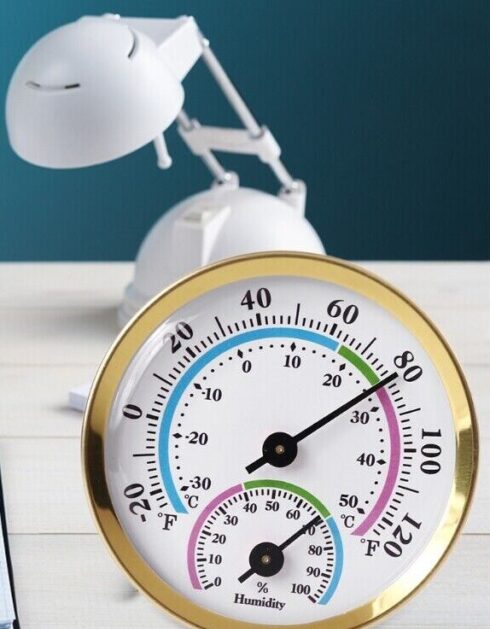
    Another strategy to inhibit mildew growth is to control the humidity levels in your home. Keep the humidity below 50% by using air conditioners or dehumidifiers, especially during humid seasons. Additionally, fixing any water leaks promptly, whether it’s from pipes or a roof, is essential as it prevents moisture buildup and the development of mildew.

    Properly drying and airing out fabrics, such as clothes and towels, is also crucial in preventing mildew. Avoid leaving wet or damp fabrics sitting for an extended period. If possible, hang them outside in the sunlight, which not only helps to dry them but also kills the mildew spores.

    Mildew is a persistent fungus that thrives in moist environments. To prevent its formation and avoid its return, it is essential to maintain proper ventilation, control humidity levels, and promptly address any water leaks. Regular cleaning, especially in moisture-prone areas, along with proper drying and airing out of fabrics, will help keep mildew at bay. By taking these preventative measures, you can create a healthier and mold-free living environment for you and your family. And when you need to remove it, use Envirotab!

    Related: Chlorine Dioxide Tablets for Mold Removal

    Shop Envirotab Tablets and Get the Best Value in Cleaning & Deodorizing Available

    Who Needs Envirotab Tablets & What Size Fits Your Applications Best?

    To put it simply EVERYONE needs the simplicity, efficiency, power and efficacy of our Simply the BEST Chlorine Dioxide Tablets Available Anywhere!

    • Homeowners: Take a quick look at all of the applications below to see what you can do with just our 1 gram tablets and be AMAZED!.
    • Contract Cleaners: Every contract cleaner should stock and use our 4 gram tablets for cleaning, odor remediation, toilet reclamation, mold & mildew .
    • Hotel Housekeeping: Deep cleaning rooms after a long-term stay or pet stay will eliminate odors, freshen the air and reduce pet stress from past tenants.
    • Auto Dealers & Detailers: Detailers use the 1 gram tablets for washing down the dash, doors, headliner and upholstery, then gas the car with 20g.
    • Marinas & Campgrounds: Resell 1g tablets & 20g kits for deodorizing musty tents, campers and boats. Eliminate the odors and keep mildew from forming.
    • Veterinary Clinics & Kennels: 1 gram tablets are perfect for cleaning exam rooms while 10 gram tablets make a great 3 gallon solution for kennels.
    • Farmers & Homesteaders: The uses around the farm are endless! 1 gram tablets for udder wash before milking, removing black spots from plant follage and cleaning tools. 4 gram, 10 gram and 20 gram for treating water, cleaning greenhouses and sanitizing stalls after cleaning.