Tag: odor removal

  • Ways to Prevent Persistent Odors From Returning for Good In 2026

    Ways to Prevent Persistent Odors From Returning for Good In 2026

    Making Sure Odors Stay Away In 2026

    Your home is your sanctuary. It should smell clean, calm, and unmistakably healthy.
    Yet nothing breaks that illusion faster than conquering an odor—only to have it creep back days later like it never got the memo.

    Here’s the truth that still holds in 2026:

    The presence of an odor is the presence of a problem.

    Odor behaves like the check engine light of your home. You can ignore it. You can cover it up. But it will not turn off until the underlying issue is addressed. And just like your car, homes now require preventative maintenance, not emergency reactions.

    The good news? With modern IAQ (Indoor Air Quality) strategies, advanced chlorine dioxide technology, and smarter household habits, odors don’t have to be recurring guests.

    Below are the 2026-aligned, science-supported ways to stop odors from returning—permanently.


    1. Prioritize Continuous Air Circulation, Not Just “Fresh Scents”

    Fresh air is not a luxury—it’s a necessity for odor prevention.

    Opening windows and doors regularly allows stale, odor-laden air to escape and brings in oxygen-rich outdoor air. This simple habit dramatically reduces the concentration of airborne odor-causing compounds.

    For days when outdoor airflow isn’t practical, fans and modern air circulation systems keep air moving so odor molecules don’t stagnate and settle into fabrics, walls, and soft surfaces.

    Scented candles and air fresheners may provide temporary relief, but in 2026 they are widely recognized as masking agents—not solutions. Overuse can actually worsen indoor air quality by adding VOCs (volatile organic compounds) into the environment.

    Rule of thumb:
    If something needs to be covered up, it hasn’t been resolved.

    Also Read 👉🏼Winter IAQ Solutions: Stop Wood Smoke, Dry Air & Stale Indoor Odors

    a woman opening curtains with a smiling face.


    2. Build Daily Cleaning Into Your Odor-Prevention Strategy

    Odors don’t start as smells.
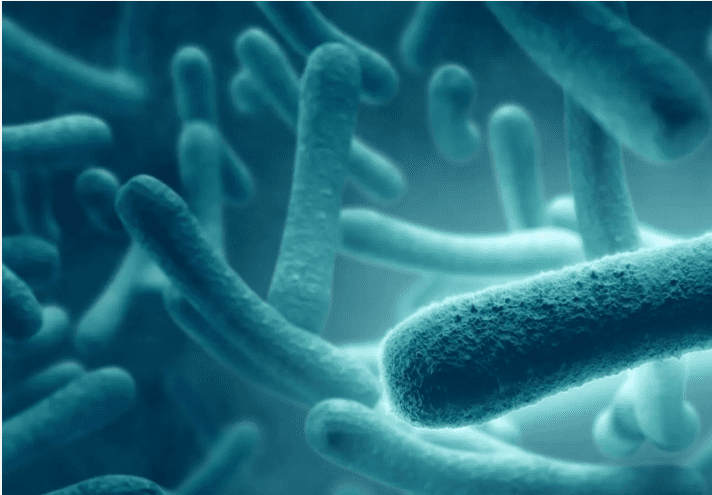
    They start as bacteria, mold spores, and organic residue.

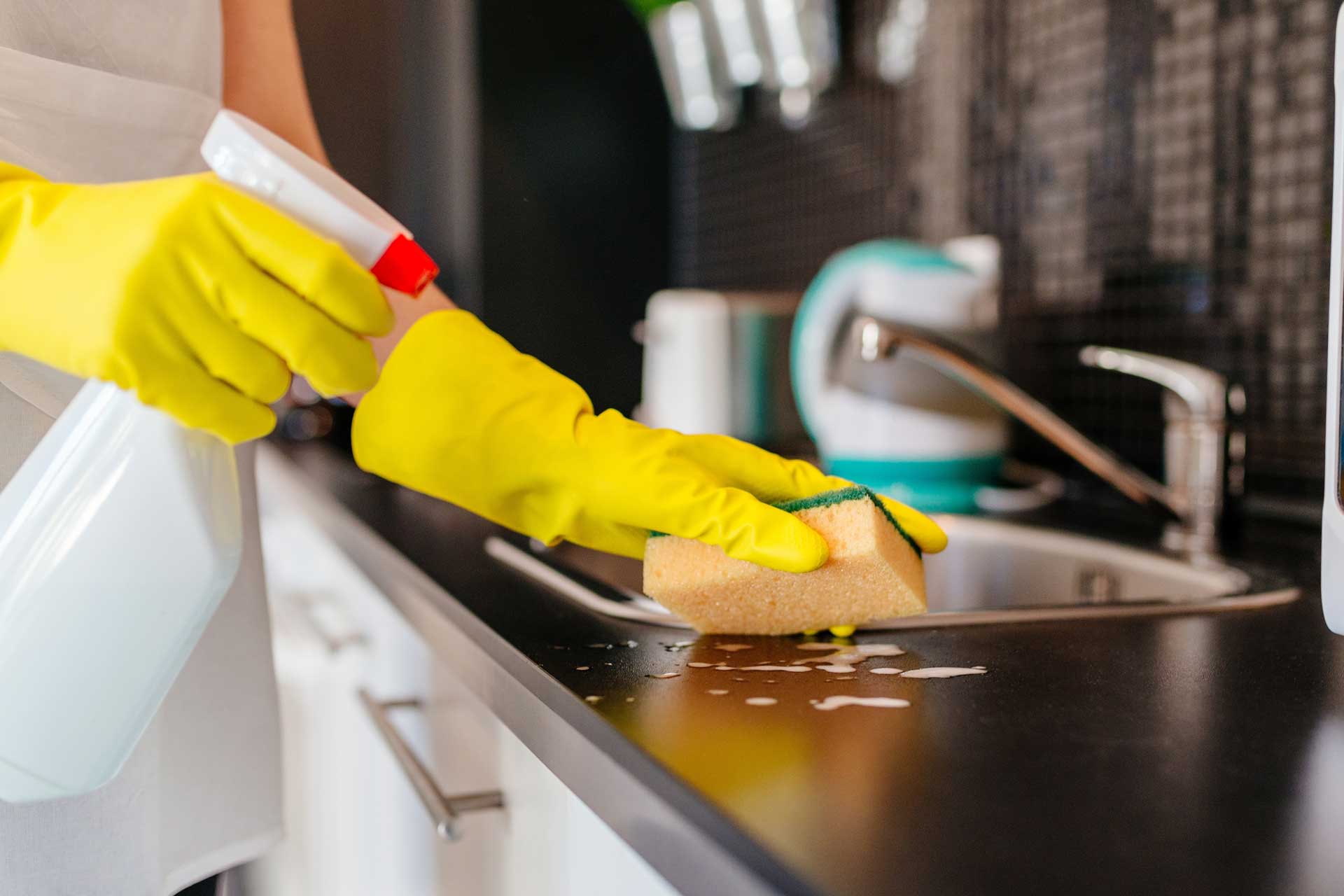
    Daily cleaning routines—wiping surfaces, removing food debris, managing laundry—interrupt odor formation before it begins. Consistency matters more than intensity.

    Modern chlorine dioxide (ClO₂) cleaning solutions are particularly effective because they neutralize odor-causing microbes at the molecular level instead of simply disinfecting surfaces.

    Using microfiber cloths enhances this process by reaching microscopic surface imperfections where bacteria and mold love to hide.

    In 2026, the goal is no longer “clean enough to look good.”
    It’s clean enough to disrupt microbial ecosystems.


    3. Control Moisture to Eliminate Mold and Mildew Odors at the Source

    Moisture is the silent enabler of persistent odor problems.

    Mold and mildew thrive in damp environments—bathrooms, kitchens, basements, crawl spaces—and once established, they continuously emit musty odors even after visible growth is removed.

    Dehumidifiers help maintain optimal humidity levels, while prompt repairs of leaks, drips, and condensation prevent moisture accumulation in the first place.

    Targeted chlorine dioxide mold-remediation products go a step further by destroying mold spores and preventing regrowth, rather than simply cleaning visible residue.

    Dry air is hostile air—to mold.

    Also Read 👉🏼Mold Remediation in Crawl Spaces | Identify, Remediate & Protect with ClO₂


    4. Manage Pet Hygiene as an IAQ Issue, Not a Cosmetic One

    Pet odors are not “just part of having animals.”
    They are biological odors caused by bacteria, dander, oils, and moisture.

    Regular pet bathing, brushing, and bedding sanitation dramatically reduce odor load. In controlled concentrations, chlorine dioxide solutions (such as 100 ppm formulations) are safe and effective for neutralizing pet-related odors without masking or irritation.

    Cleaning pet bedding and toys with fragrance-free, biodegradable detergents prevents odor buildup while protecting sensitive respiratory systems—both human and animal.

    In 2026, pet-friendly homes are defined by odor neutrality, not perfume.


    5. Dispose of Garbage Strategically—Not Passively
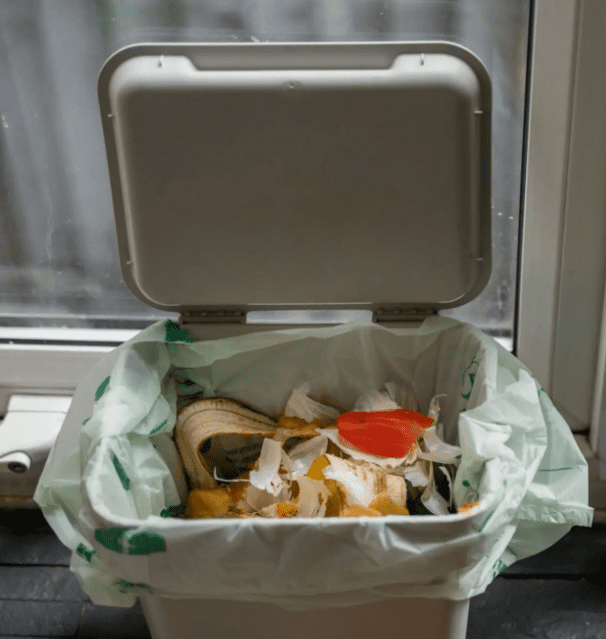
    Using CLO2 on your trash can can not only kill the odor but also break down the biome that is creating the odor.

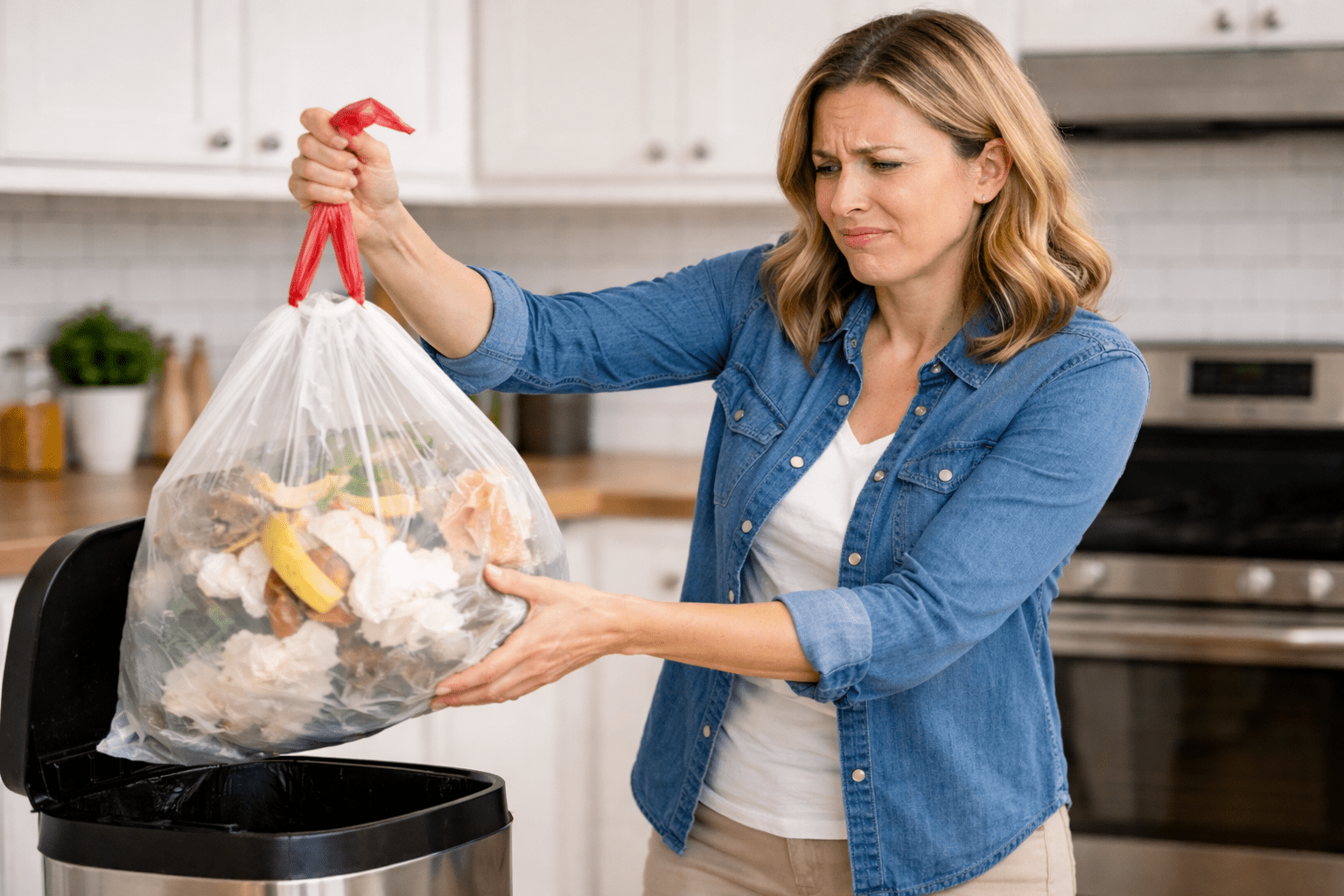
    Trash odors escalate quickly because decomposing organic matter produces sulfur compounds and microbial gases.

    Best practices include:

    • Prompt disposal after meals
    • Sealing trash bags before removal
    • Routine cleaning of trash cans and surrounding areas

    Chlorine dioxide tablets are especially effective here, as they eliminate odor-causing microbes rather than layering fragrance on top of decay.

    Odors ignored in waste areas rarely stay contained.


    6. Designate and Maintain Smoking Areas With Intentional Remediation

    Smoke and nicotine residues are notoriously persistent. They bond to walls, fabrics, ceilings, and ventilation systems.

    Designated smoking areas reduce cross-contamination, but only if those areas are actively cleaned and remediated. Chlorine dioxide products are uniquely effective at breaking down nicotine residues and smoke-related soils at the molecular level.

    In 2026, smoke odor management is about containment, neutralization, and prevention—not ventilation alone.

    Also Read 👉🏼Why Does My Leather Sofa Smell & How Do I Get Rid of It for Good?


    7. Use ClO₂ Tablets and Granules in High-Risk Odor Zones

    Certain areas act as odor reservoirs: closets, basements, storage rooms, trash areas, and utility spaces.

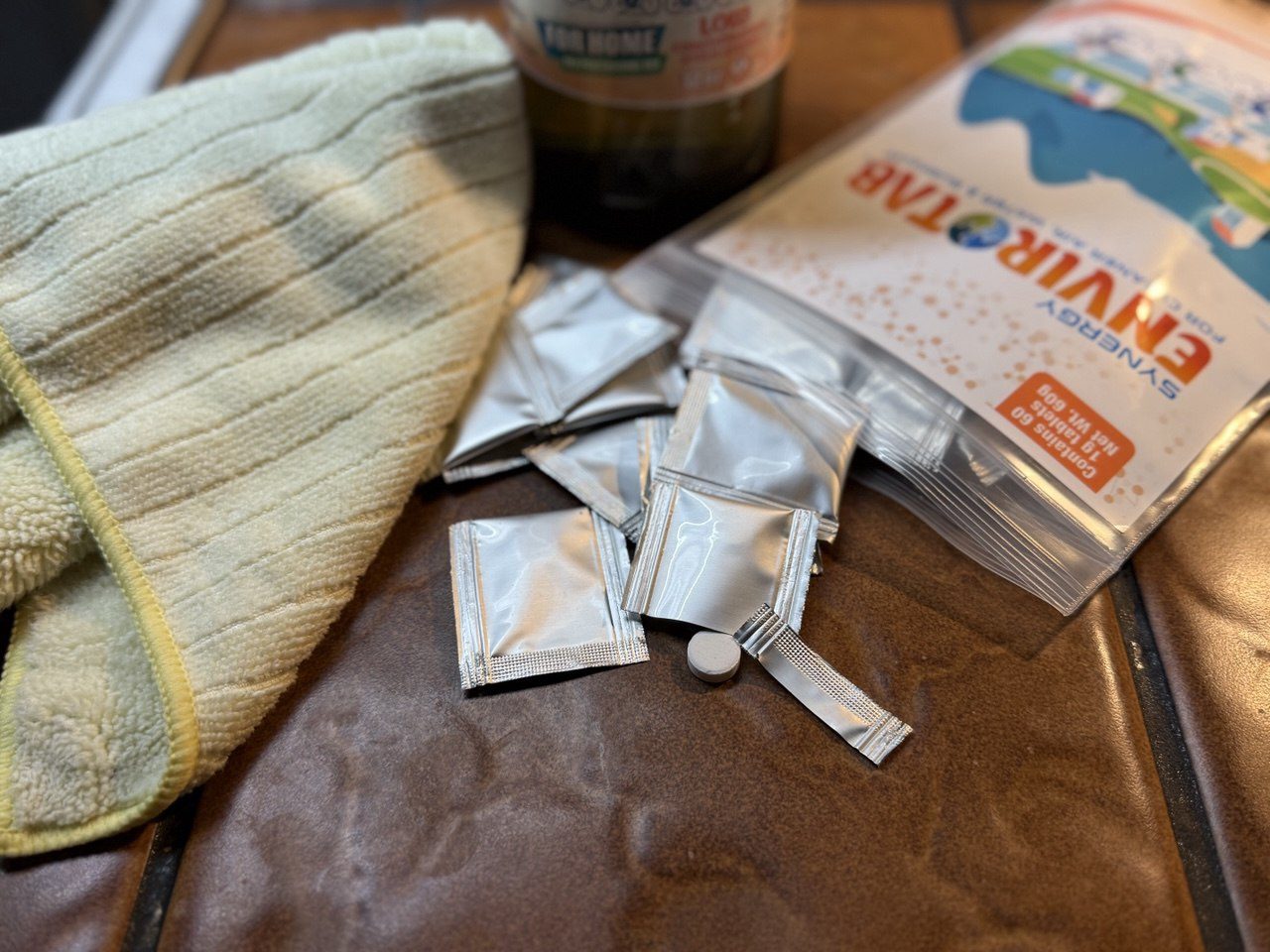
    Dissolving a 1-gram Envirotab tablet in water and allowing it to off-gas safely creates a powerful, residue-free deodorization environment that works without introducing new fragrances.

    Chlorine dioxide is effective precisely because it does not smell like a “cover-up.”
    It eliminates the problem rather than announcing its presence.


    8. Improve Whole-Home Air Quality With Modern Air Purification

    Air purifiers are no longer optional accessories—they are foundational IAQ tools.

    High-quality systems remove airborne particulates, allergens, microbial fragments, and odor molecules before they settle. Granule and powder deodorization technologies add another layer by absorbing persistent odors in larger spaces.

    Clean air smells like…nothing.
    That’s the goal.


    9. Schedule Periodic Inspections to Catch Hidden Odor Sources Early

    Some odor problems are invisible.

    Leaks behind walls, microbial growth in HVAC systems, or organic buildup in rarely accessed spaces can quietly sabotage your efforts. Periodic professional inspections—often using tools like UV or black-light detection—identify problems before odors become entrenched.

    Addressing issues early is always easier, healthier, and less expensive than reactive remediation.


    Take Back Your Home—And Keep It That Way

    A consistently fresh-smelling home isn’t achieved through one-time fixes.
    It’s built through systems, habits, and preventative strategies that work together to maintain healthy indoor air.

    In 2026, odor control is no longer about fighting smells.
    It’s about engineering an environment where odors can’t survive.

    When the source is addressed, the smell doesn’t return—and your sanctuary stays exactly that.

    FAQS

    1. Why do household odors keep coming back after cleaning?
    Household odors return when the underlying source—such as bacteria, mold, moisture, or trapped organic residue—was not fully eliminated. Cleaning alone removes surface soil but may not neutralize odor-causing microbes.

    2. What is the most effective way to prevent persistent odors?
    The most effective approach is source control combined with airflow management, moisture regulation, and microbial neutralization using technologies like chlorine dioxide.

    3. Are air fresheners effective for long-term odor control?
    No. Air fresheners only mask odors temporarily and can add VOCs to indoor air. Long-term odor control requires eliminating the odor source rather than covering it.

    4. How does moisture contribute to recurring odors?
    Excess moisture allows mold and bacteria to grow, which continuously release odor-causing compounds. Controlling humidity prevents these organisms from thriving.

    5. Can chlorine dioxide permanently remove odors?
    Yes. Chlorine dioxide neutralizes odor-causing microbes and organic compounds at the molecular level, preventing odors from returning when used correctly.

    6. Are pet odors preventable without strong fragrances?
    Yes. Regular pet hygiene, bedding sanitation, and microbial odor control eliminate pet odors without relying on perfumes or masking agents.

    7. How often should air purifiers be used to control odors?
    Air purifiers should run daily, especially in high-traffic or enclosed spaces, to continuously remove airborne odor particles before they settle.

    8. Why do trash areas smell even after the garbage is removed?
    Odors linger because bacteria and residue remain on trash cans and surrounding surfaces. These areas require cleaning and microbial neutralization, not just emptying.

    9. Do smoking odors require professional treatment?
    Often, yes. Smoke residues bond to surfaces and require targeted remediation using advanced deodorization methods such as chlorine dioxide for full removal.

    10. When should a professional odor inspection be considered?
    Professional inspections are recommended when odors persist despite cleaning, as hidden sources like leaks, HVAC contamination, or microbial growth may be present.
  • Why Use Chlorine Dioxide Tablets for Cleaning | ClO₂ Benefits & Uses Guide

    Why Use Chlorine Dioxide Tablets for Cleaning | ClO₂ Benefits & Uses Guide

    Why Use Chlorine Dioxide Tablets for Cleaning — 8 Science-Backed Reasons & How They Outperform Traditional Cleaners

    When you clean, you want more than just “looks clean.” You want real sanitization — deep deodorizing, pathogen elimination, biofilm disruption, and minimal residue. Chlorine dioxide (ClO₂) tablets deliver exactly that. Whether for a home kitchen, commercial facility, or industrial site, ClO₂ gives you powerful, versatile cleaning that works — and is safe when used properly.


    Quorum sensing (QS) is a cell-to-cell communication system used by bacteria (and some fungi) to coordinate collective behavior based on population density. Microbes produce and release small chemical signaling molecules called autoinducers.What Makes ClO₂ Cleaning Different

    Chlorine dioxide is a proven oxidizing biocide used across water treatment, food-processing sanitation, environmental disinfection, and microbial control worldwide.

    Unlike bleach or conventional disinfectants, ClO₂ acts through selective oxidation rather than chlorination. It oxidizes microbial cells — bacteria, viruses, fungi, even biofilms — without leaving harmful or sticky residues, and without creating toxic chlorinated byproducts.

    Because of its chemistry and versatility, ClO₂ tablets stand out as a premium choice for cleaning, sanitizing, odor control, and sanitation across multiple environments. Below are the primary reasons many professionals and households trust them.


    8 Key Advantages of Using Chlorine Dioxide Tablets for Cleaning

    1. Broad-Spectrum Microbial Disinfection

    ClO₂ is effective against a wide range of harmful organisms — bacteria, viruses, mold, fungi, spores — making it a “universal disinfectant.”

    What is that terrible odor in my Washing Machine?2. Biofilm Penetration & Deep Sanitization
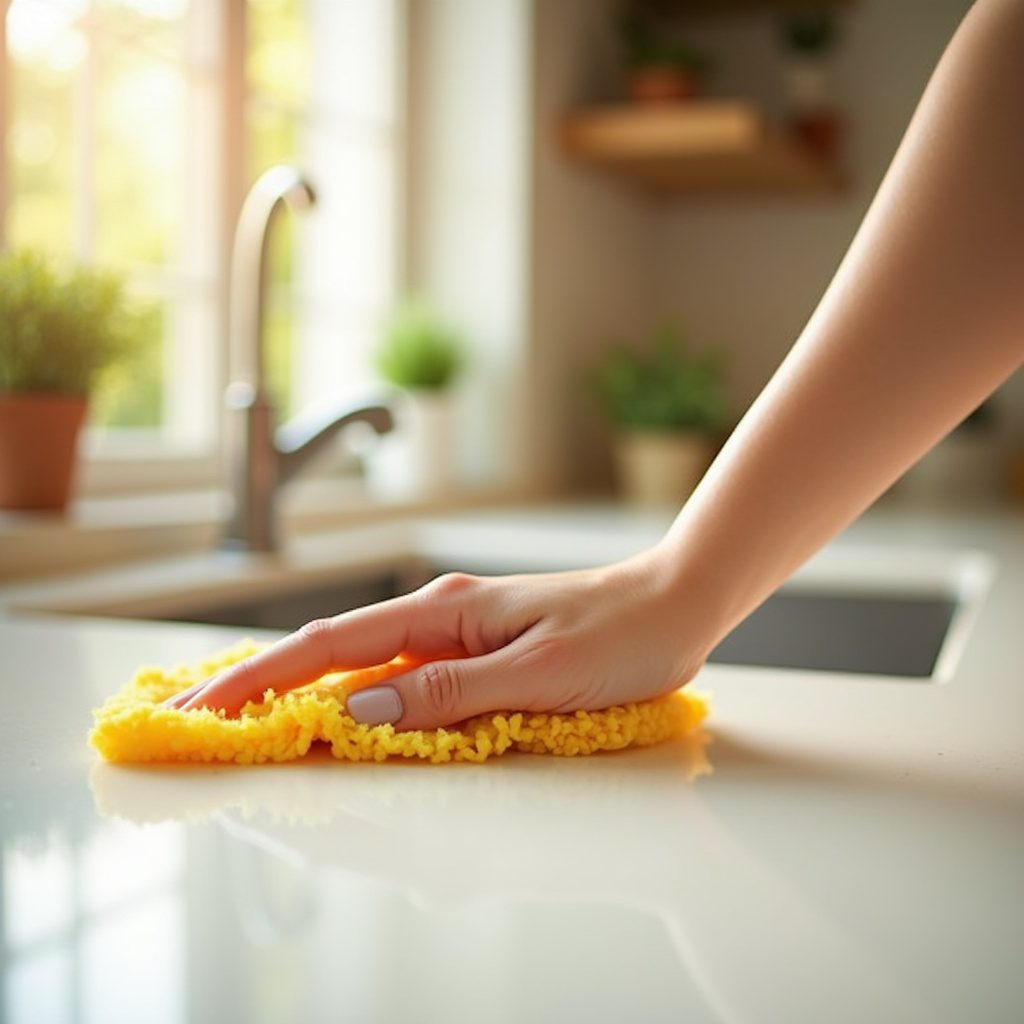
    Biofilms protect microbes on surfaces. ClO₂’s oxidizing nature allows it to penetrate and destroy biofilms — eliminating hidden pathogens that many standard cleaners miss. This makes ClO₂ especially effective in challenging environments: hospitals, food-prep zones, industrial equipment, etc.

    3. Residue-Free & Safe for Many Surfaces

    Once dissolved and used correctly, ClO₂ leaves no sticky film, no crust, no white residue, unlike bleach or some quats. That makes it ideal for sensitive surfaces — stainless steel, food-contact surfaces, equipment, tools, and more.

    4. Odor Neutralization (Not Masking)

    ClO₂ doesn’t simply cover up smells — it oxidizes odor-causing molecules. Whether it’s pet smells, moldy basements, garbage odors, or stale air, ClO₂ can neutralize odors at their molecular source.

    5. Wide Versatility & Use Cases

    ClO₂ tablets are one of the few disinfectants that adapt across multiple environments and use-cases: homes, commercial buildings, hospitals, food processing, water treatment, odor control, mold remediation, tools, equipment sanitization — even water purification.

    6. Convenient, Shelf-Stable, Easy to Use

    Unlike liquid disinfectants with shelf-life concerns or complicated dosing, ClO₂ tablets are compact, stable, portable, and simple: dissolve to the correct concentration and go. That makes them ideal for janitorial closets, travel kits, small businesses, and remote work sites.

    7. Lower Corrosivity and Safer Fumes Compared to Bleach

    ClO₂ is generally less corrosive than bleach and does not release harsh chlorine fumes. This improves safety, comfort, and surface longevity — especially important in spaces with frequent cleaning, sensitive equipment, or frequent human presence.

    ClO₂ degrades more cleanly than many traditional disinfectants. It doesn’t produce harmful chlorinated byproducts (when used properly) and breaks down without creating long-lasting chemical residue — making it a more environmentally conscious cleaning option.


    Think your home is clean? Think again! Remote controls, light switches, fridge interiors, and door handles are germ magnets. With ClO₂ , you can sanitize safely, effectively, and eco-friendly:When & Where to Use Chlorine Dioxide Tablets

    ClO₂ tablets excel in a wide range of environments. Consider using them for:

    • Kitchens (countertops, appliances, food-contact surfaces)
    • Bathrooms (tile, grout, fixtures)
    • Institutional & commercial facilities (offices, hospitals, schools, gyms)
    • Industrial equipment and tools
    • Water treatment or water-contact systems
    • Odor-prone environments — basements, trash areas, pet zones
    • Mold or mildew-prone areas (bathrooms, basements, storage)
    • Travel, RV, or remote sanitation kits
    • Pet bedding, cages, kennels — after drying

    Because of their adaptability and broad effectiveness, ClO₂ tablets can replace multiple cleaning products in a standard cleaning arsenal — simplifying supply, reducing chemical load, and boosting cleaning efficacy.


    Safety & Best-Practice Essentials When Using ClO₂ Tablets

    To maximize benefits while ensuring safety:

    • Always dissolve tablets in the correct water volume per instructions. Over-concentrating can lead to unnecessary chemical exposure.
    • Use freshly prepared solutions. Don’t store mixed solutions long-term — potency decreases, and stability can drift.
    • Avoid mixing with other cleaners (bleach, acids, ammonia, peroxides) — ClO₂ should be used alone.
    • For food-contact surfaces or sensitive materials, rinse after treatment (especially if higher strength was used).
    • Ventilate when using higher concentrations or in enclosed spaces.
    • Wear gloves or PPE if handling concentrated solutions that are higher than 200 ppm.
    • Store tablets dry, sealed, and away from children/pets.

    When used responsibly, ClO₂ tablets deliver powerful cleaning with minimal risk.


    Comparison — ClO₂ Tablets vs Traditional Cleaning Products

    Feature / Use-Case ClO₂ Tablets Bleach Quats / Standard Disinfectants
    Biofilm Penetration ✅ Excellent ❌ Poor ❌ None or weak
    Odor Neutralization ✅ Strong (molecular) ❌ Weak (masking or chlorine smell) ❌ Weak or masking
    Residue / Film ✅ None ❌ Often sticky or corrosive ⚠️ Residue or buildup possible
    Surface Compatibility ✅ Very broad ⚠️ Corrosive / can discolor ⚠️ Varies by formulation
    Ease of Storage & Use ✅ High (tablet form) Moderate (liquid bleach) Moderate to high
    Fumes / Irritation ✅ Low (when used properly) ❌ High (chlorine fumes) ⚠️ Moderate
    Environmental Impact ✅ Lower (degrades cleanly) ❌ Creates chlorinated byproducts ⚠️ Variable chemical load

    Chlorine dioxide tablets combine powerful disinfection, odor neutralization, biofilm penetration, and surface-safe cleaning — all in a simple, portable, and environmentally friendly format. From kitchens to industrial facilities, from water treatment to odor mitigation — ClO₂ offers unmatched versatility and efficacy. When used correctly, it’s one of the smartest, most flexible cleaning tools available today.

    Ready to experience smarter, safer, and more effective cleaning? Explore our full range of chlorine dioxide tablets at Clo2Tablets.com — from everyday surface cleaning to heavy-duty sanitation and odor removal. Clean smarter, not harder.

    🔗 Grab your tablets today at clo2tablets.com and step into a cleaner, safer world!


    Frequently Asked Questions (FAQ)

    1. Are ClO₂ tablets better than bleach for everyday cleaning?

    Yes — thanks to lower residue, wide surface compatibility, biofilm penetration, and fewer harmful fumes, ClO₂ is often a safer and more thorough option.

    cutting board2. Is ClO₂ safe for food-contact surfaces?
    Yes — especially when diluted correctly. Always rinse when using higher concentrations to ensure food safety.

    3. Can ClO₂ tablets remove odors instead of masking them?

    Yes — ClO₂ oxidizes odor molecules, destroying them rather than simply covering the smell.

    4. Do I need special equipment to use ClO₂ tablets?

    No. Just clean water, a container or spray bottle, and basic PPE (gloves) if desired. Tablets are straightforward and user-friendly.

    5. Will ClO₂ damage surfaces like stainless steel, tile, or sealed surfaces?

    No — when used at recommended concentrations, ClO₂ is gentle and surface-safe, unlike bleach which can corrode or discolor some materials.

    6. Can ClO₂ tablets replace multiple cleaning products?

    Yes. Because of their versatility, ClO₂ tablets often replace multiple cleaners — disinfectants, odor removers, water sanitizers — simplifying cleaning routines.

    7. Are ClO₂ tablets environmentally friendly?

    Yes. They degrade cleanly with minimal chemical byproducts, reducing long-term environmental impact compared to many traditional cleaners.

    8. Are they safe to use around pets and children?

    When mixed and used correctly (ventilated area, proper concentration, allowed to dry), ClO₂ is generally considered safe for household use around people and pets.

    9. Can ClO₂ tablets handle tough jobs — mold, mildew, heavy contamination?

    Yes — at appropriate concentrations and with correct contact time, ClO₂ penetrates biofilms and sanitizes heavy contamination zones, mold-prone areas, and industrial equipment.

    10. How do I store and handle ClO₂ tablets for best safety and longevity?

    Keep them sealed, dry, and away from moisture, heat, and direct sunlight. Store out of reach of children and pets.


  • How to Use Chlorine Dioxide Tablets for Cleaning | Mixing, Safety & Application

    How to Use Chlorine Dioxide Tablets for Cleaning | Mixing, Safety & Application

    How to Use Chlorine Dioxide Tablets for Cleaning: A Complete Scientific & Practical Guide

    Cleaning products come in every shape and scent, yet few actually solve the root problem: microbial contamination, biofilm, and odor-causing compounds. Chlorine dioxide tablets offer a modern, science-driven solution that’s safer, stronger, and more versatile than traditional cleaners. This guide shows you exactly how to use ClO₂ tablets correctly—whether you’re cleaning your home, business, equipment, tools, or high-touch surfaces.


    Understanding Chlorine Dioxide in Modern Cleaning

    Chlorine dioxide (ClO₂) is an oxidizing biocide used worldwide for sanitization, odor removal, and pathogen control. Unlike bleach or quaternary ammonium compounds (quats), it destroys microorganisms by oxidizing biomolecules, including those hidden inside biofilms, where pathogens typically shelter.

    Regulatory agencies including the EPA, CDC, and global water treatment authorities recognize ClO₂ as a powerful disinfectant for food-contact surfaces, industrial sanitation, water purification, odor mitigation, and mold remediation.

    This article breaks down how ClO₂ tablets work, how to mix them safely, how to apply them, and when to use which concentration for optimal results.


    What exactly is a biofilm? A structured microbial community encased in a self-produced matrix of polymers, adhering to surfaces.What Problem Are We Solving?

    Surfaces collect bacteria, viruses, mold spores, organic residues, grease, and odor-causing compounds. Traditional cleaners often mask or smear contaminants without truly destroying them—especially when biofilms protect microorganisms.

    ClO₂ solves this by:

    • Penetrating and oxidizing biofilm layers
    • Eliminating microorganisms at a molecular level
    • Leaving no harmful or sticky residues
    • Neutralizing odors directly instead of masking them
    • Remaining effective across a wide pH range

    This makes ClO₂ ideal for homes, businesses, food prep areas, restrooms, industrial tools, and odor-prone spaces.


    How Chlorine Dioxide Works

    Chlorine Dioxide Mechanism in a nutshell:
    ClO₂ penetrates microbial cell walls, oxidizes amino acids and vital cellular components, collapses metabolic pathways, and destroys biofilms while preventing regrowth. Because it acts via selective oxidation (not chlorination), it does not create harmful chlorinated byproducts.


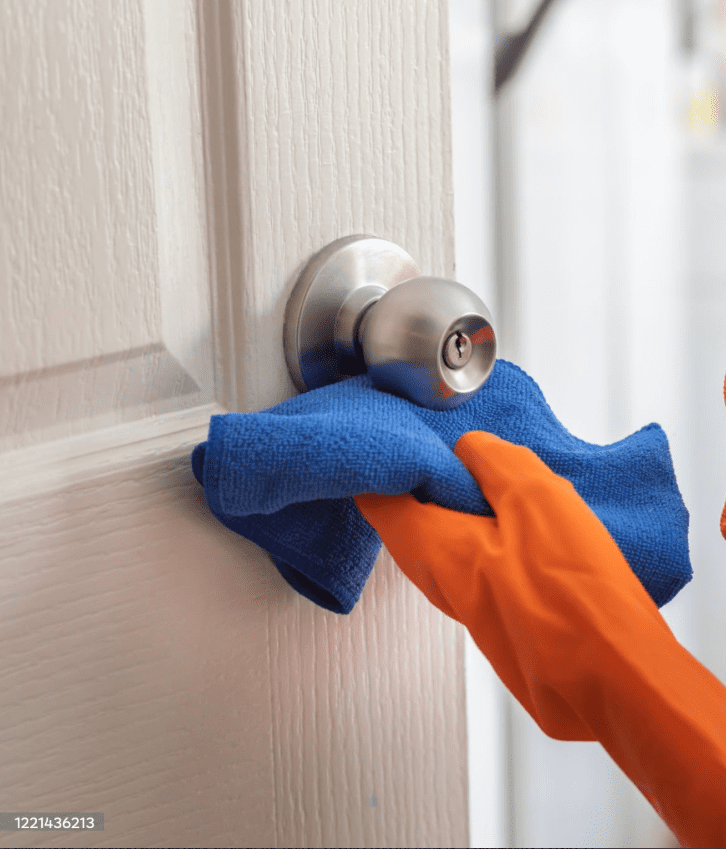
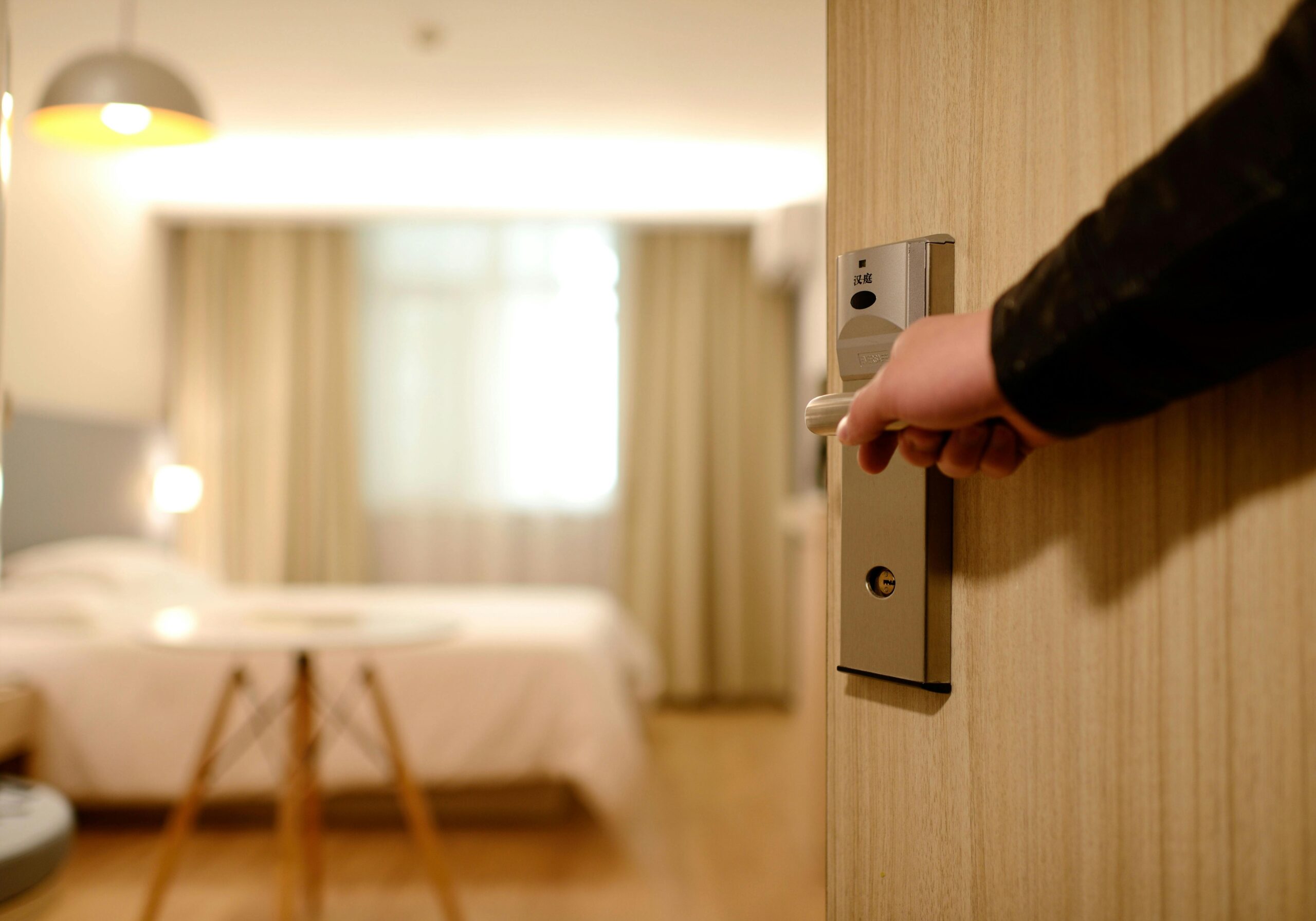
    wiping door handles daily will cut down significantly on colds and fever.Why Chlorine Dioxide Tablets Are Superior for Cleaning
    ClO₂ tablets outperform bleach and quats in several key areas:

    • Powerful Broad-Spectrum Action
      Effective against bacteria, viruses, mold, mildew, and spores.
    • Biofilm Penetration
      Pierces protective layers where pathogens hide.
    • No Harmful Residues
      Evaporates cleanly — ideal for food-contact surfaces.
    • Neutralizes Odors at the Source
      Destroys odor-causing molecules rather than masking them.
    • Stable, Portable, and Easy to Mix
      Tablets produce accurate, consistent concentrations.
    • Non-Corrosive at Use Strength
      Safe for most surfaces when properly mixed.

    Step-by-Step: How to Use Chlorine Dioxide Tablets for Cleaning

    1. Gather Your Supplies

    You’ll need:

    • CLO2 tablets from Clo2Tablets.com
    • Clean container, spray bottle or mop bucket.
    • Water (distilled or tap)
    • Gloves (optional for sensitive skin)

    2. Choose Your Strength (Mixing Instructions)

    Below is the ideal quick-reference mixing table.


    Chlorine Dioxide Mixing & Dosage Table

    Cleaning Strength Tablet Size Water Amount Ideal For
    50–100 ppm (Light Cleaning) 1g 1–2 liters Daily cleaning, wiping surfaces, counters, glass, tools
    100–200 ppm (General Cleaning) 1g 1 liter Kitchens, bathrooms, odor removal, household disinfection
    500 ppm (Heavy Cleaning) 4g tablet 1 liter Mold, mildew, organic contamination, pet odors, grime
    1,000 ppm (Shock Cleaning) 4g 500 mL Severe odors, equipment sanitation, professional use

    Tip: Higher concentrations should never be used without ventilation and responsible handling.

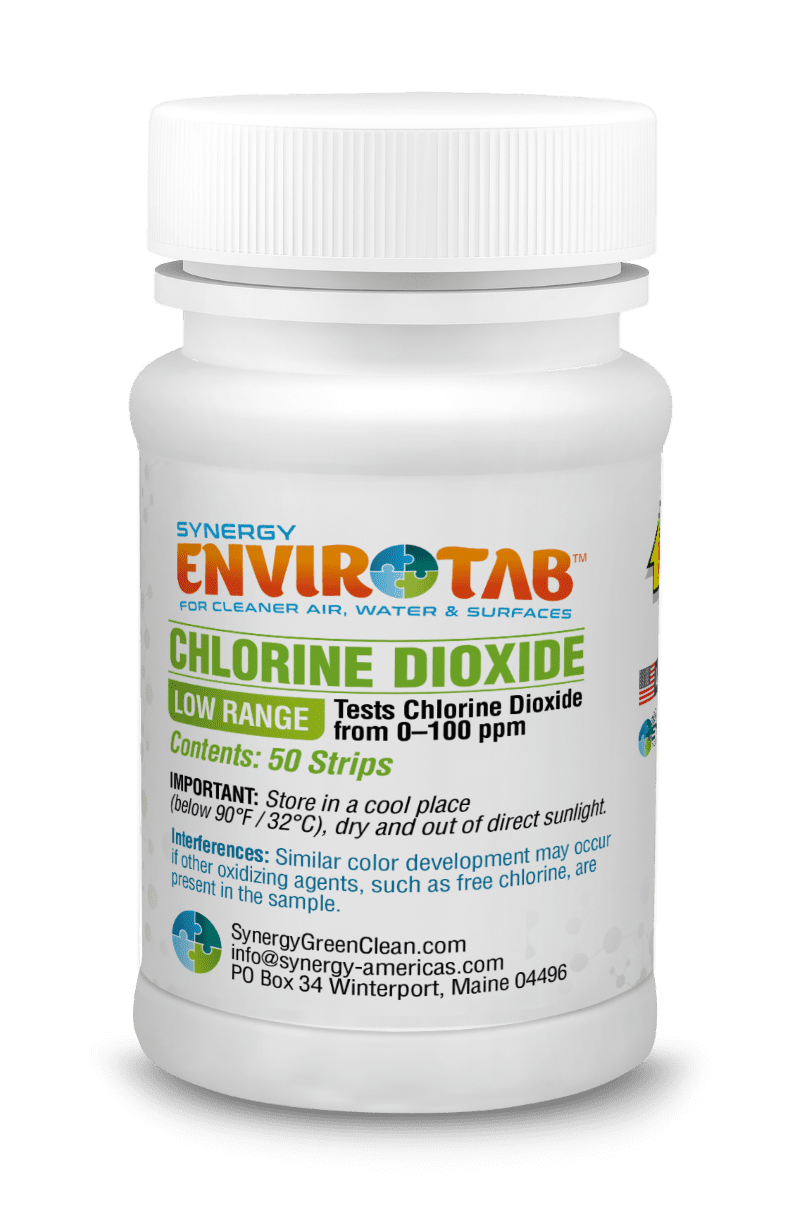
    Low Range Test Strip BottleBuy our CLO2 testing strips for accurate measurements here 👉🏻 0-2500 ppm


    3. Allow the Tablet to Activate

    ClO₂ tablets activate in less than a minute, depending on strength.
    Solution turns amber-yellow when ready.


    4. Apply to Surfaces

    Use: Allow 5–10 minutes of surface contact time for routine cleaning, longer (10–30 minutes) for odor or contamination-heavy areas.


    5. Rinse (Only If Needed)

    Most surfaces do not require rinsing after ClO₂ use.
    Rinse only on:

    • Food-contact surfaces when using >200 ppm
    • Sensitive electronics (use minimal dampness)

    Comparison Table — ClO₂ vs. Other Cleaners

    Feature ClO₂ Tablets Bleach Quats Peroxides
    Biofilm Removal ✔️ Excellent ❌ Poor ❌ None ⚠️ Limited
    Odor Removal ✔️ Neutralizes at source ❌ Masking only ❌ Weak ⚠️ Mild
    Surface Residue ✔️ None ❌ High ❌ Sticky ✔️ Low
    Corrosiveness Low High Low Medium
    Mix Stability Very stable Unstable Stable Moderate
    Application Versatility Extremely versatile Limited Limited Moderate

    Safety, Compliance & Regulatory Notes

    • ClO₂ is recognized by the EPA as an effective disinfectant when used within regulated concentrations.
    • Safe for use on food-contact surfaces when rinsed at high concentrations.
    • Always store tablets in a dry, cool location.
    • Do not mix activated solutions with other chemicals.
    • Ventilate when using high-strength solutions (>500 ppm).

    Best Practices for Optimal Results

    • Mix fresh solutions every 48–72 hours for maximum potency.
    • Higher contamination levels require higher ppm and longer contact times.
    • Pre-clean visibly dirty surfaces before disinfecting.
    • Always allow ClO₂ to fully activate (yellow color).
    • Store unused tablets in their original packaging.

    Chlorine dioxide tablets provide powerful, residue-free cleaning through selective oxidation. Mix 50–200 ppm for daily cleaning, 500 ppm for heavy contamination, or 1,000 ppm for shock treatments. Apply via spray or cloth, allow 5–10 minutes contact time, and rinse only on food-contact surfaces when using high concentrations. Safe, stable, and effective on odors, bacteria, mold, and biofilms.


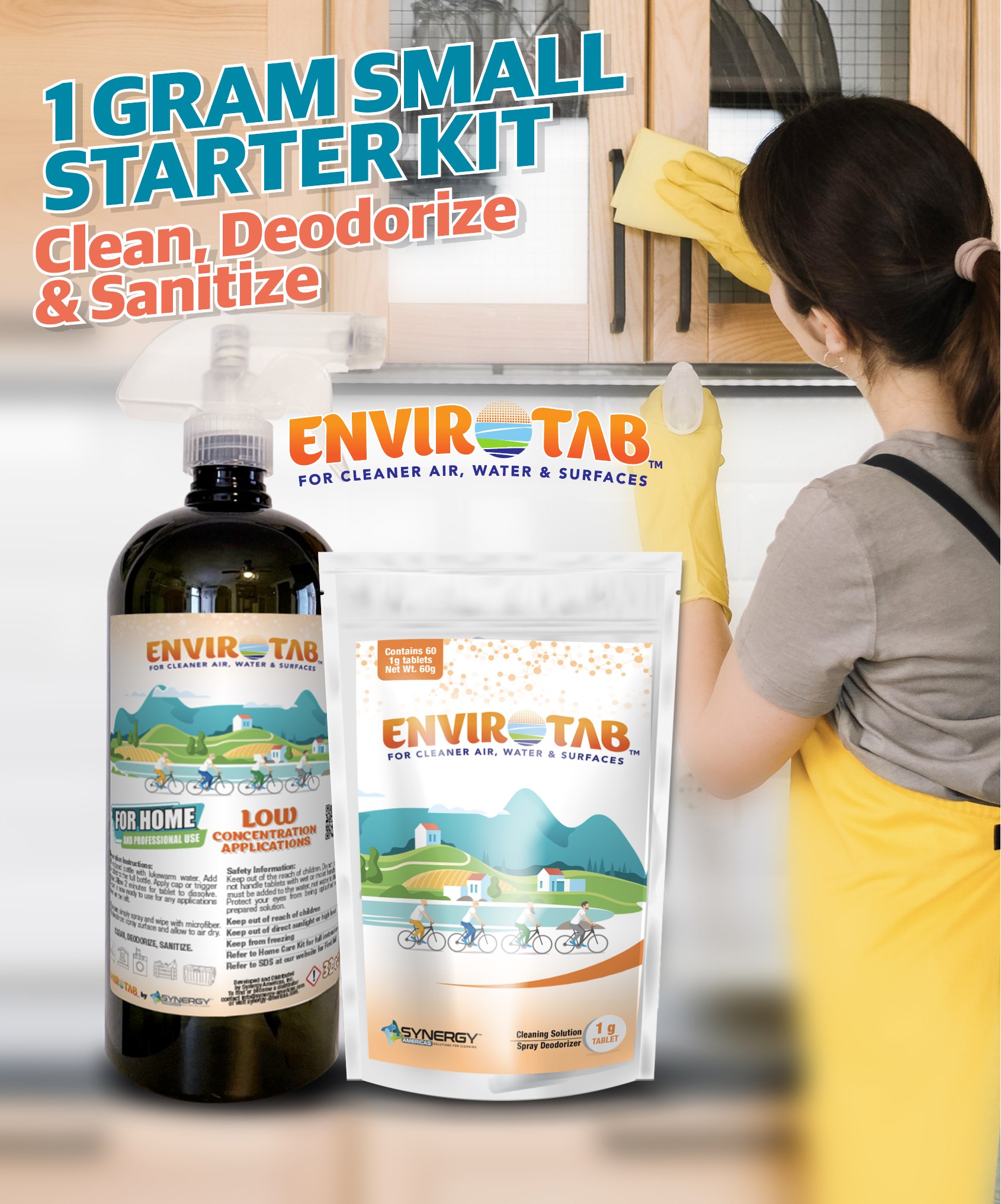
    1g Small Starter Kit PanelFrequently Asked Questions

    1. How long does chlorine dioxide stay active once mixed?

    Typically 48–72 hours when stored in a sealed container away from sunlight.

    2. Do ClO₂ tablets leave residue?

    No — they evaporate cleanly and leave surfaces residue-free.

    3. Can I use ClO₂ on food-contact surfaces?

    Yes, but rinse if you used concentrations above 200 ppm.

    4. Is ClO₂ safe around pets?

    Yes when used correctly and allowed to dry before pets re-enter the area.

    5. Does it discolor fabrics?

    No — unlike bleach, ClO₂ is non-chlorinating and non-bleaching.

    6. Can I mix ClO₂ with bleach or peroxide?

    Never mix ClO₂ with other chemicals.

    7. Does ClO₂ remove mold?

    Yes. Higher ppm solutions (500–1,000) penetrate and oxidize mold and mildew.

    8. Does it eliminate odors permanently?

    Yes — ClO₂ chemically destroys odor molecules.

    9. What happens if the solution doesn’t turn yellow?

    Either the activation time isn’t complete or the water quality interfered. Wait longer or use a clean container.

    10. Can I store activated solution?

    Yes for up to 72 hours, though potency slowly declines.


    Call to Action

    Upgrade your cleaning routine with professional-grade chlorine dioxide tablets from Clo2Tablets.com. Whether you need daily cleaning strength or powerful odor-removal concentrations, our tablets deliver dependable, science-backed results every time.


    Michele writes for Envirotab and synergy-americas.About the Author

    Michele Matthews creates scientific, practical sanitation guides for commercial and residential cleaners. Her work focuses on chlorine dioxide chemistry, industrial hygiene workflows, odor-remediation science, and environmental safety best practices.

  • 7 Ways ClO₂ Saves Time for Commercial Cleaning Crews

    7 Ways ClO₂ Saves Time for Commercial Cleaning Crews

    Running a commercial cleaning operation is all about efficiency.

    You’re managing tight schedules, fast turnarounds, picky clients, and constant pressure to deliver perfect results every single time. Time wasted is money lost — and in this industry, every minute counts.

    That’s exactly why so many cleaning companies are turning to ClO₂ (chlorine dioxide) as their secret weapon. It doesn’t just clean better — it shortens the entire workflow from start to finish.

    Let’s break down exactly how chlorine dioxide saves cleaning teams time while improving results.


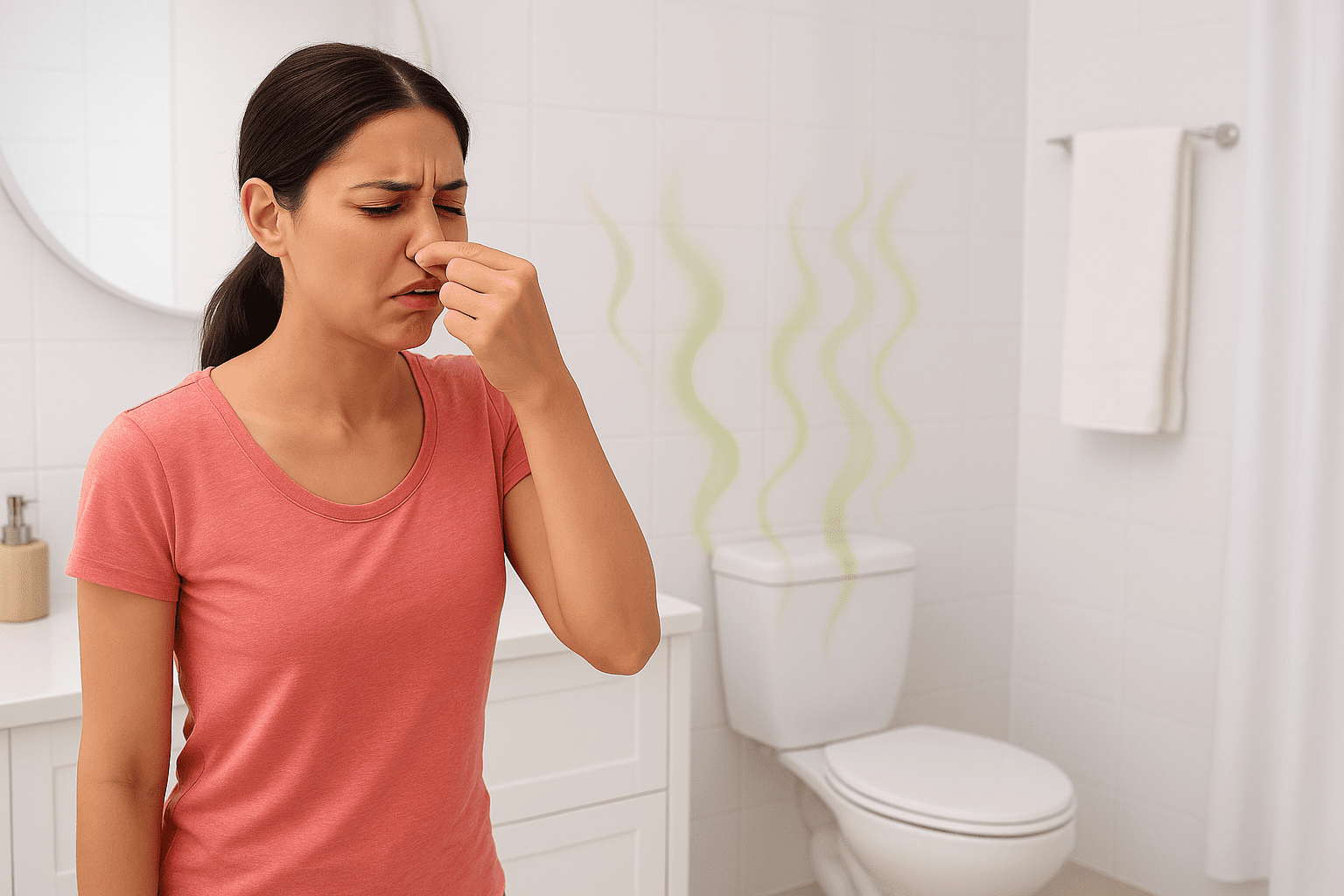
    A clean, fresh-smelling bathroom isn’t just pleasant—it signals health, care and good home hygiene.⏱️ 1. ClO₂ Eliminates Odors Instead of Masking Them — Saving Hours of Repeat Work
    Traditional deodorizing?
    Spray… hope… repeat.

    And repeat.
    And repeat again when clients complain the smell “came back.”

    ClO₂ oxidizes odor molecules at the source. That means:
    ✔ No follow-up visits
    ✔ No multi-step deodorizing routines
    ✔ No need to “re-clean” rooms with lingering smells

    What used to take hours becomes a simple, effective, one-step treatment.


    ⏱️ 2. Faster Turnover for Hotels, Offices, Rentals & Schools

    Commercial cleaners understand this pain:
    Slow turnover = lost revenue… and frustrated clients.

    With chlorine dioxide, crews can:
    ✔ Treat entire rooms in less time
    ✔ Freshen occupied spaces overnight
    ✔ Reduce scrubbing time with fewer products
    ✔ Get in-and-out without delays

    For hotels, this is a game-changer — especially when dealing with:
    • Smoke odor
    • Food smells
    • Pet rooms
    • Musty suites

    ClO₂ wipes out the odors that normally slow down cleaning crews.


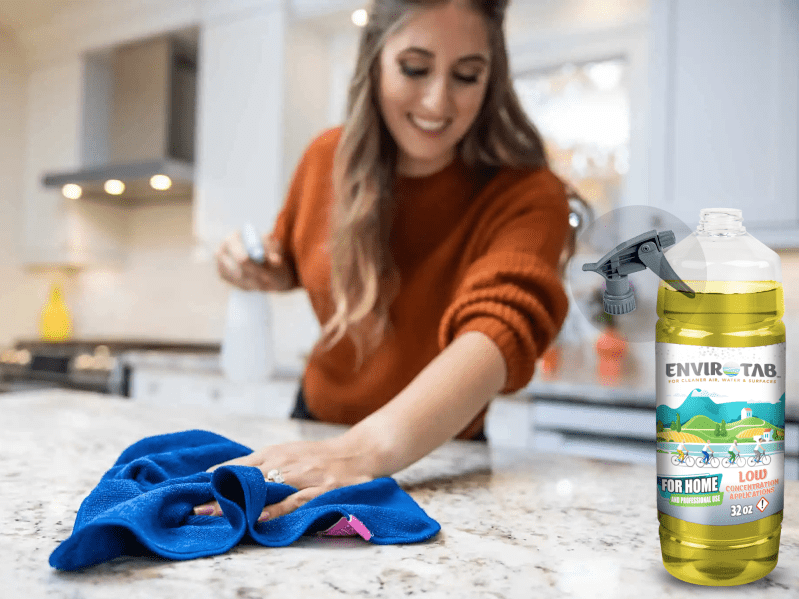
    All surface cleaner with Envirotab ClO2 Solution⏱️ 3. One Product Replaces Five (Or More)

    Most commercial teams carry way too many products:
    🚫 Odor neutralizers
    🚫 Mold sprays
    🚫 Disinfectants
    🚫 Surface sprays
    🚫 Bathroom cleaners

    With ClO₂, one solution does the heavy lifting of multiple chemicals.

    Fewer products =
    ✔ Less setup time
    ✔ Faster workflow
    ✔ Lower supply costs
    ✔ Simpler training for staff

    Commercial cleaning crews love anything that eliminates complexity — and ClO₂ does exactly that.


    ⏱️ 4. Less Scrubbing, Less Labor, Less Backtracking

    Chlorine dioxide breaks down organic matter, biofilm, bacteria, and odors quickly — which means cleaning crews aren’t fighting with stubborn surfaces or “mystery smells.”

    This translates to:
    ✔ Less manual labor
    ✔ Shorter cleaning cycles
    ✔ Fewer deep-clean sessions
    ✔ Reduced re-clean call-backs

    Instead of spending 20 minutes scrubbing “that one spot,” ClO₂ handles it in a fraction of the time.


    ⏱️ 5. Lower Training Time for New Staff

    Commercial teams deal with high turnover. Training new staff can drain productivity fast.

    By switching to ClO₂ systems, training becomes far easier:
    ✔ Straightforward instructions
    ✔ Safe when used properly
    ✔ Repeatable processes
    ✔ Less room for error

    Crews can get up to speed faster — which means more jobs completed and fewer mistakes.


    a woman opening curtains with a smiling face.⏱️ 6. Fewer Customer Complaints = Fewer Costly Callbacks

    Callbacks eat up time. Clients demand fixes, rooms must be re-cleaned, and crews lose precious hours.

    ClO₂ dramatically reduces:
    • Odor complaints
    • Musty rooms
    • Smoke-smell returns
    • Mold smell issues
    • Pet odor challenges

    Fewer complaints means:
    ✔ More satisfied clients
    ✔ Better reviews
    ✔ More contracts
    ✔ More efficiency
    ✔ More profits


    ⏱️ 7. Works While You Work — Passive Cleaning Power

    One of the biggest advantages?

    ClO₂ works while the crew handles other tasks.
    Set up a treatment ➝ Clean another area ➝ Return to a fresh room.

    This creates:
    ✔ Overlapping cleaning cycles
    ✔ Faster building-wide sanitation
    ✔ Higher job throughput

    Commercial crews instantly gain an efficiency multiplier.


    🚀 Final Thought: ClO₂ Makes Cleaning Crews Faster, Better, and More Profitable

    In the commercial cleaning world, the most valuable currency is time.
    And the biggest advantage is efficiency.

    Chlorine dioxide delivers both.

    If cleaning companies want to:
    ✔ Reduce labor
    ✔ Speed up turnover
    ✔ Win more clients
    ✔ Deliver consistent results
    ✔ Eliminate odors for good

    Then ClO₂ isn’t just an upgrade — it’s a competitive advantage.

    CLO2 is a healthy alternative to Bleach and other chemical household cleaners

  • Hotel & Commercial Cleaning Solutions | Odor & Germ Removal With ClO₂

    Hotel & Commercial Cleaning Solutions | Odor & Germ Removal With ClO₂

    🏨 The Secret to Higher Guest Satisfaction: Cleanliness That Goes Beyond the Surface

    Hotels, office buildings, gyms, and commercial properties are under constant pressure to keep spaces clean, odor-free, and consistently welcoming.

    Guests, employees, and tenants might not always say it directly, but cleanliness shapes their entire experience — and your reviews, referrals, and reputation reflect it.

    Traditional chemicals can only take you so far.
    Masking odors doesn’t solve the problem.
    Using harsh products slows down teams and irritates guests.
    And tight turnovers leave little room for error.

    That’s why commercial cleaners worldwide are turning to chlorine dioxide (ClO₂) for a faster, safer, and more reliable clean.

    👉🏻 Also Read: Airbnb Cleaning & Odor Removal


    ✨ Why Hotels & Commercial Cleaners Choose ClO₂

    ClO₂ is used in hospitals, food plants, cruise ships, and high-traffic environments because it’s:

    ✓ Fast-acting

    Works in minutes to eliminate odors and sanitize air & surfaces.

    ✓ Safe & eco-friendly

    No harsh bleach fumes, no residue, no fabric damage.

    ✓ Perfect for high-turnover environments

    Cleaning teams move faster and finish stronger.

    ✓ Effective against the toughest challenges

    Odors
    Germs
    Biofilm
    Mold & mildew
    Allergens
    Smoke
    Mustiness

    ✓ Enhances the guest experience

    Cleaner air. Cleaner rooms. Cleaner facilities.

    When commercial spaces smell fresh and feel clean, people notice.


    💨 The Problems ClO₂ Solves in Hotels & Commercial Facilities

    1. Persistent Room Odors

    Smoke, food, perfume, body odor — gone at the molecular level.

    2. Musty HVAC & AC Smells

    ClO₂ treats air systems and eliminates microbials where they hide.

    3. Bathroom & Drain Odors

    It breaks down organic waste causing recurring smells.

    4. High-Touch Surface Contamination

    Door handles
    Remote controls
    Elevator buttons
    Gym equipment
    Desks & countertops

    ClO₂ sanitizes without heavy chemical load.

    5. Laundry Odors & Towel Funk

    Perfect for hotel linens, bedding, uniforms, and spa towels.

    6. Public Areas With Heavy Traffic

    Lobbies, conference rooms, hallways, gyms, locker rooms.


    🧹 How ClO₂ Improves Cleaning Team Efficiency

    Janitorial and housekeeping teams love ClO₂ because it:

    • Simplifies their workflow
    • Reduces chemical usage
    • Eliminates odor callbacks
    • Speeds up room turnover
    • Prevents recurring problem areas
    • Works in both small rooms and large open spaces

    ClO₂ becomes a high-impact, low-effort cleaning system for teams that need results fast.


    🛎 Step-by-Step: Using ClO₂ in Hotels

    Step 1 — Room Reset Treatment

    Run a mini ClO₂ vapor treatment after checkout.
    ✔ Removes odors
    ✔ Freshens air
    ✔ Leaves rooms truly neutral

    This alone dramatically improves guest satisfaction.


    Step 2 — Hard Surface Sanitizing

    Use diluted ClO₂ spray solution for surfaces:

    • Desks
    • Bed frames
    • Nightstands
    • Phones
    • Remotes
    • Bathrooms
    • Countertops

    It kills odor-causing bacteria and leaves no sticky residue.


    Step 3 — Fabric Freshening

    Safe on:

    • Bedding
    • Pillows
    • Curtains
    • Upholstery
    • Carpets
    • Gym mats
    • Conference chairs

    Stops odors where they start.


    Step 4 — Hallways & Common Areas

    Fogging or vapor treatments keep public areas smelling fresh and clean without heavy fragrances.


    Step 5 — Gym & Fitness Center Sanitation

    A must for commercial spaces where odors form quickly.
    ClO₂ breaks down sweat odor, bacteria, and locker room smells at the source.

    👉🏻 Also Read: Airbnb Cleaning & Odor Removal


    💡 Why Guests Instantly Notice the Difference

    Most hotel cleaners rely on perfumes and coverups.
    But guests are sensitive. They notice when:

    • A room doesn’t smell “clean”
    • The air feels stale
    • Odors linger in carpets
    • Bathrooms have a faint mustiness
    • The AC smells off

    ClO₂ makes rooms feel naturally clean — no scents, no masking.

    This leads to:
    ✔ Fewer odor complaints
    ✔ Higher cleanliness ratings
    ✔ Better reviews
    ✔ Repeat bookings
    ✔ Stronger brand reputation


    🔥 Recommended ClO₂ Products for Hotels & Commercial Spaces

    ✔ Room Treatment Tablets — for guest rooms, offices, hallways
    ✔ Spray Solution Tablets — for daily cleaning
    ✔ Fogger-Compatible Tablets — for large spaces & deep sanitation
    ✔ Laundry Boost Tablets — for linens, uniforms, towels

    Available at:
    👉 CLO2Tablets.com


    ❓ FAQs (Featured Snippet Optimized)

    What is the best way to remove hotel room odors?

    A ClO₂ vapor treatment eliminates odors at the molecular level — far more effective than masking sprays.

    Is ClO₂ safe for hotel housekeeping teams?

    Yes. It’s eco-friendly, non-bleaching, and leaves no harmful residue.

    Can ClO₂ clean both air and surfaces?

    Yes — ClO₂ is one of the few solutions that disinfects air, water, and surfaces safely.

    Does ClO₂ help improve hotel cleanliness ratings?

    Absolutely. Hotels using ClO₂ report fewer complaints and significantly fresher rooms.


    🎯 Final CTA

    Create a cleaner, fresher, guest-approved facility today.
    Discover the ClO₂ solutions trusted by hotels and commercial cleaners:
    👉 Shop ClO₂ Products

  • Biofilm Research & Odor Control: Breaking the Invisible Barriers with Chlorine Dioxide

    Biofilm Research & Odor Control: Breaking the Invisible Barriers with Chlorine Dioxide

    Understanding Biofilms: Complex Microbial Fortresses

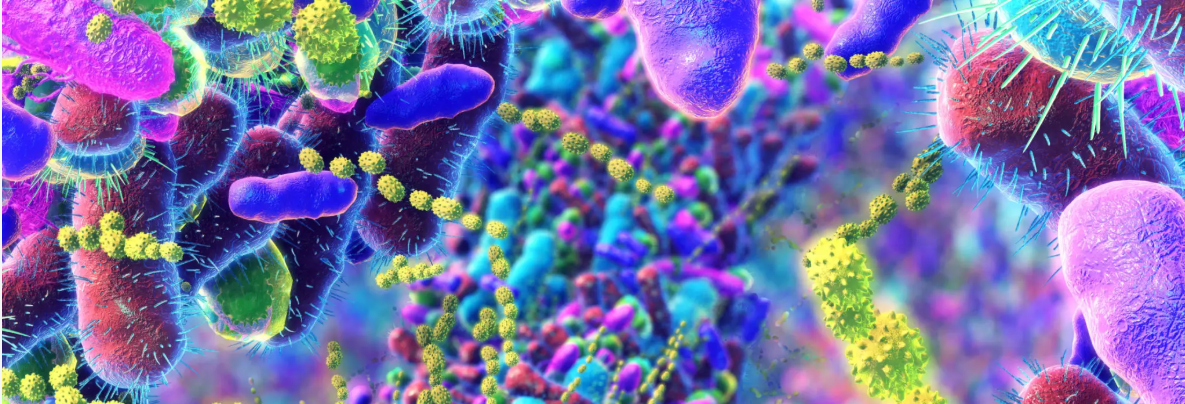
    Biofilms are highly organized microbial ecosystems in which bacteria, fungi, and archaea attach to surfaces and embed themselves within a self-secreted matrix known as the extracellular polymeric substance (EPS). This matrix, composed of polysaccharides, proteins, lipids, and extracellular DNA, forms a highly resilient barrier that protects resident microbes from environmental stressors, chemical disinfectants, and even physical abrasion.

    Unlike planktonic (free-floating) microbes, biofilm communities engage in quorum sensing, communicating chemically to coordinate metabolic activity, resistance gene transfer, and structural reinforcement. This communication allows biofilms to dynamically respond to threats, making them far more resistant than surface-level contamination.

    Biofilms are ubiquitous. In industrial systems, they form on pipelines, storage tanks, and cooling towers. In hospitality and clinical settings, biofilms colonize drains, sinks, HVAC systems, and even medical equipment. Once established, they are a persistent source of contamination and operational risk.


    The Odor-Biofilm Connection

    Biofilms are not only a microbial threat but also a primary source of persistent odors. Microbial metabolism within biofilms produces volatile organic compounds (VOCs) and reduced sulfur species, such as hydrogen sulfide, dimethyl sulfide, and methanethiol. These compounds generate characteristic odors ranging from musty and rotten to sulfurous and pungent.

    Traditional cleaning and masking agents fail because they primarily address surface residues. The biofilm’s EPS matrix shields underlying microbial populations, allowing them to continue producing VOCs long after surface cleaning. In food service, industrial, and healthcare environments, this hidden odor source can indicate ongoing microbial contamination with implications for hygiene, safety, and regulatory compliance.


    chlorine dioxide tablets in pictureBreaking the Biofilm Barrier — Why Structural Disruption Is Critical
    Biofilms are not static. They grow, shed cells, and spread, creating a reservoir of pathogenic and odor-producing microbes. To truly sanitize a surface, one must dismantle the EPS matrix to prevent recolonization.

    Breaking down biofilms is essential because:

    • The EPS barrier protects microbes from chemical sanitizers.
    • Microbial shedding spreads contamination to other surfaces.
    • Odor molecules are trapped within the matrix and remain after superficial cleaning.

    Mechanical scrubbing alone is often insufficient. Chemical disruption is required at the molecular level to oxidize and destabilize the matrix, allowing full microbial inactivation.


    Chlorine Dioxide vs. Traditional Sanitation Methods

    Chlorine dioxide (ClO₂) is a true molecular oxidant, unlike chlorine bleach or peroxides, which function primarily through chlorination or free radical generation. Its neutral charge and small molecular size allow it to penetrate deep into biofilms, attacking both the microbial cells and the structural EPS network.

    Mechanism of Action

    • Electron Transfer Oxidation: ClO₂ disrupts cellular components, oxidizes sulfur and nitrogen bonds, and neutralizes VOCs.
    • Deep Penetration: Its neutral molecular charge enables diffusion through dense biofilm matrices.
    • Non-Corrosive: At operational concentrations, ClO₂ does not degrade metals, plastics, or surfaces.
    • Broad Spectrum: Effective against bacteria (Gram-positive and Gram-negative), fungi, viruses, and spores.

    Comparative Analysis

    Sanitizer Mechanism Biofilm Penetration Residue/Corrosivity Odor Neutralization Environmental Profile
    Bleach (NaOCl) Chlorination Surface only High, corrosive Poor Low
    Quats Membrane disruption Limited Residual buildup Masking only Moderate
    Hydrogen Peroxide Free radical oxidation Moderate Oxidative damage possible Partial High
    Alcohols Protein denaturation Surface only Evaporates Ineffective Moderate
    Chlorine Dioxide (ClO₂) Electron oxidation Deep Non-corrosive Excellent Excellent

    ClO₂’s ability to oxidize EPS and VOCs simultaneously sets it apart as a complete biofilm and odor elimination tool, rather than a surface-level sanitizer.


    Applications Across Industries

    Industrial

    • ClO₂ penetrates cooling towers, pipelines, and tanks, eliminating microbial biofilms that threaten operational efficiency and safety.
    • Gas-phase application ensures treatment of interior surfaces unreachable by liquids.

    Hospitality

    • Drains, kitchens, and HVAC systems often harbor biofilms causing persistent odors.
    • ClO₂ disrupts microbial matrices, neutralizing odors and improving sanitation without damaging surfaces or leaving harmful residues.

    Clinical & Medical

    • High-touch surfaces, surgical instruments, and ventilation systems can harbor resistant biofilms.
    • ClO₂ eliminates pathogens and reduces infection risk while being safe for sensitive equipment.

    Public Infrastructure

    • Wastewater treatment, plumbing, and restrooms benefit from biofilm removal.
    • ClO₂ prevents biofilm-related corrosion and VOC release.

    Molecular-Level Sanitation and Microbiome Reset

    ClO₂ does more than kill microbes—it resets microbial ecosystems. By breaking down biofilms:

    • Quorum sensing collapses, halting microbial communication.
    • Biofilm fragments are oxidized, preventing regrowth.
    • Odor-causing VOCs are neutralized, leaving environments both biologically and olfactorily clean.

      This precision cleaning ensures that sanitation is effective, sustainable, and measurable, redefining modern standards in industrial, hospitality, and medical environments.

    What does this all mean?


    Quorum sensing (QS) is a cell-to-cell communication system used by bacteria (and some fungi) to coordinate collective behavior based on population density. Microbes produce and release small chemical signaling molecules called autoinducers.What is Quorum Sensing?

    Quorum sensing (QS) is a cell-to-cell communication system used by bacteria (and some fungi) to coordinate collective behavior based on population density. Microbes produce and release small chemical signaling molecules called autoinducers. When these molecules reach a threshold concentration—indicating a critical mass of microbes—the bacteria collectively alter gene expression to activate group behaviors.

    In biofilms, quorum sensing regulates:

    • EPS (extracellular polymeric substance) production: Builds and maintains the biofilm “matrix” that shields microbes.
    • Virulence factor expression: Makes pathogens more resistant to immune responses or chemical disinfectants.
    • Sporulation and stress responses: Increases survival under adverse conditions.
    • Biofilm expansion and detachment: Allows cells to spread to new surfaces.

    Essentially, QS is how microbial colonies “coordinate” like a city, deciding when to grow, defend, or send out microbial “explorers.”


    What Does “Quorum Sensing Collapses” Mean?

    When a biofilm is treated with chlorine dioxide (ClO₂), its EPS matrix and microbial cells are oxidized. This has several consequences for quorum sensing:

    1. Signaling molecules are destroyed or diluted

      • ClO₂ oxidizes small chemical autoinducers, so bacteria can no longer “hear” each other.

    2. Cell death disrupts population density

      • Quorum sensing requires a critical population. Killing microbes reduces numbers below the threshold, preventing collective behavior.

    3. EPS degradation prevents localized concentration

      • Autoinducers are often concentrated within the biofilm matrix. When ClO₂ breaks down the EPS, these molecules diffuse away or are oxidized, collapsing the localized communication network.

    The result:

    • Microbes cannot coordinate defense mechanisms.
    • Production of protective EPS and virulence factors halts.
    • Biofilm structural integrity weakens.
    • Dispersal and recolonization are significantly reduced.

    In short, quorum sensing collapse is like cutting off the city’s power grid—microbes become disorganized, vulnerable, and unable to maintain their protective stronghold. This is why ClO₂ doesn’t just kill surface microbes—it dismantles the entire biofilm community at a molecular and behavioral level.


    Biofilm Fragments Explained

    Biofilms are not static—they’re dynamic communities. During growth or after partial disruption, pieces of the biofilm can detach. These are called biofilm fragments or planktonic clumps, and they carry living bacteria capable of colonizing new surfaces.

    Even if you kill microbes on the surface, these fragments can travel via air, water, or equipment and reattach elsewhere, forming new biofilms. This is a key reason why many cleaning methods fail—biofilms spread even after initial sanitation, making contamination persistent.


    What “Oxidized” Means in This Context

    Chlorine dioxide (ClO₂) is a powerful oxidizing agent. When biofilm fragments are exposed to ClO₂:

    1. The extracellular polymeric substance (EPS) is chemically broken down

      • Proteins, polysaccharides, and DNA in the EPS are oxidized. This destroys the “scaffolding” holding the microbes together.

    2. Microbial cells within fragments are disrupted

      • Cell membranes, enzymes, and metabolic molecules are oxidized, killing or inactivating the microbes.

    3. Signaling molecules (autoinducers) are neutralized

      • Fragments lose the ability to coordinate quorum sensing, so they cannot organize into new biofilms effectively.


    Why This Prevents Regrowth

    • No structural foundation: Oxidation destroys the EPS, so fragments cannot reattach to surfaces in an organized biofilm.
    • Microbes are inactivated: Bacteria within fragments are killed or severely weakened, so even if they settle somewhere new, they cannot establish a healthy colony.
    • Disruption of quorum sensing: Without communication, surviving cells cannot coordinate biofilm formation, halting regrowth at the molecular level.

    Think of it like removing the bricks from a building and scattering the occupants—they can’t rebuild without structure or coordination. ClO₂ does this at the molecular scale, ensuring that fragments are no longer a threat for recolonization and odor production.


    What Are Odor-Causing VOCs?

    VOCs, or volatile organic compounds, are small molecules that easily vaporize at room temperature. In biofilms, microbes metabolize nutrients anaerobically (without oxygen) and produce VOCs as byproducts. Common examples include:

    • Sulfur compounds: hydrogen sulfide (H₂S), methanethiol, dimethyl disulfide — responsible for rotten egg or sewage-like odors.
    • Nitrogen compounds: ammonia, amines — responsible for pungent, urine-like smells.
    • Organic acids: acetic, butyric acids — sour or musty odors.

    These VOCs are trapped inside the biofilm matrix, slowly releasing over time and causing persistent odors that traditional cleaners cannot eliminate.


    What Does “Neutralized” Mean?

    Chlorine dioxide (ClO₂) is a selective oxidizing agent, meaning it reacts with and chemically alters VOC molecules. This neutralization involves:

    1. Breaking molecular bonds

      • Sulfur, nitrogen, and carbon bonds in VOCs are oxidized, rendering them chemically inert.

    2. Preventing volatilization

      • Once oxidized, these compounds no longer vaporize and produce odors.

    3. Removing the source of smell, not masking it

      • Unlike air fresheners or masking agents, ClO₂ eliminates the odor molecules themselves, rather than just covering them up.


    Why This Leaves Environments Biologically and Olfactorily Clean

    • Biologically clean: Microbes in biofilms are disrupted or destroyed, halting further VOC production.
    • Olfactorily clean: Existing VOCs are chemically neutralized, so the environment no longer smells.

    Effectively, ClO₂ attacks both the microbial source and the chemical byproducts simultaneously. This is why it is so effective in:

    • Industrial settings (pipes, cooling towers, tanks)
    • Hospitality (drains, kitchens, HVAC systems)
    • Clinical and medical environments (surgical rooms, restrooms, equipment)

    The result is an environment that is scientifically sanitized and free from lingering odors, not just superficially “fresh.”


    Chlorine dioxide (ClO₂) represents a fundamental shift in sanitation science. It penetrates biofilms at the molecular level, dismantling the extracellular polymeric substance (EPS) that protects microbial communities.Conclusion — The Paradigm Shift in Sanitation


    Traditional disinfectants often address only the surface symptoms of contamination and odors, leaving the underlying biofilm intact. This incomplete approach allows microbial fortresses to persist, continually producing odor-causing volatile compounds (VOCs) and seeding new contamination sites through biofilm fragments.

    Chlorine dioxide (ClO₂) represents a fundamental shift in sanitation science. It penetrates biofilms at the molecular level, dismantling the extracellular polymeric substance (EPS) that protects microbial communities. In the process, quorum sensing collapses: microbial communication networks fail, halting the coordinated defense and virulence behaviors that allow pathogens to survive and regrow.

    At the same time, biofilm fragments are oxidized, destroying both their structural framework and the microbes contained within. This prevents detached fragments from establishing new colonies elsewhere, effectively blocking the propagation and regrowth of biofilms.

    Additionally, ClO₂ neutralizes odor-causing VOCs. Sulfur, nitrogen, and carbon-based volatile molecules are chemically oxidized, eliminating odors at their source rather than merely masking them. The result is an environment that is not only biologically clean—with the microbial population reset—but also olfactorily neutral, free from persistent and harmful odors.

    For industrial managers, hospitality operators, and healthcare professionals, ClO₂ is more than a cleaner: it is a comprehensive biofilm-level eradication system, delivering molecular-level microbial disruption, prevention of regrowth, and total odor neutralization. This scientifically validated solution provides risk mitigation, regulatory compliance, and operational reliability, transforming sanitation from a superficial practice into a precision, evidence-based process that addresses contamination at its structural and chemical roots.


    15 Frequently Asked Questions About Biofilms & ClO₂

    1. What exactly is a biofilm?
      A structured microbial community encased in a self-produced matrix of polymers, adhering to surfaces.
    2. Why are biofilms resistant to regular cleaning?
      Their matrix blocks disinfectants, allowing bacteria to survive and regrow.
    3. What causes biofilm-related odors?
      Anaerobic metabolism releases sulfur compounds and VOCs.
    4. Can bleach remove biofilms?
      No. It disinfects surface bacteria but doesn’t penetrate the biofilm matrix.
    5. How does chlorine dioxide penetrate biofilms?
      As a neutral gas, it diffuses through the matrix, oxidizing cells and bonds internally.
    6. Is ClO₂ safe for food-contact surfaces?
      Yes, when used correctly; it decomposes into non-toxic byproducts.
    7. Does it remove VOC-based odors permanently?
      Yes, by oxidizing the compounds themselves rather than masking them.
    8. What industries benefit most from ClO₂?
      Industrial sanitation, food processing, hospitality, healthcare, and wastewater management.
    9. Can ClO₂ replace bleach or quats?
      Yes, it outperforms them in both efficacy and environmental safety.
    10. Is ClO₂ corrosive to metals or plastics?
      No, it’s non-corrosive at operational concentrations.
    11. Does ClO₂ harm beneficial microbes?
      It resets microbial balance rather than sterilizing completely.
    12. Can it be used in HVAC or duct systems?
      Yes, as a gas-phase treatment, it removes microbial and odor buildup.
    13. How fast does it work?
      Within minutes for odors; biofilm breakdown may require extended exposure depending on thickness.
    14. Is ClO₂ eco-friendly?
      Extremely. It breaks down into oxygen, water, and simple salts.
    15. Where can I learn more or purchase ClO₂ tablets?
      Visit https://clo2tablets.com for scientific data and products.CLO2 is a healthy alternative to Bleach and other chemical household cleaners
  • How to Remove Wildfire Smoke Smell Indoors—Effectively

    How to Remove Wildfire Smoke Smell Indoors—Effectively

    When Wildfire Smoke Lingers, Here’s What You Can Do 🏡💨

    It’s hard to feel at peace when your home smells like last week’s bonfire. Wildfires raging across the country have left countless homes—and lungs—suffocating in the aftermath of thick smoke and lingering toxins. If you’ve tried candles, sprays, or open windows with no luck, you’re not alone.

    That’s why today, we’re getting straight to the good stuff. No gimmicks. Just powerful, proven ways to get your indoor air clean again using chlorine dioxide (ClO₂)—your new best friend in odor elimination. 💛


    💧 Step One: Deep Clean All Hard Surfaces with 1g ClO₂ Tablets

    Our 1g ClO₂ Tablets are a wildfire odor’s worst nightmare. Mix a tablet in a bowl of water and use it to:

    🧽 Wipe down walls, floors, countertops, and door frames
    🚪 Deodorize entryways, furniture legs, and baseboards
    🌀 Add to humidifiers (in a separate room with proper ventilation!) to purify the air

    It doesn’t just mask odors—it neutralizes smoke particles, mold spores, and bacteria at the molecular level. 🧪🚫


    wildfires👕 Step Two: Deodorize Clothing, Curtains & Bedding the Safe Way
    Smoke clings to fabric like a bad memory. But our Fragrance-Free Laundry Detergent can lift it away—without fake fragrances or harmful ingredients. 🌱🧴

    Perfect for:
    🛏️ Bedding and blankets
    🪟 Drapes and curtains
    👚 Favorite shirts, jackets, and soft furnishings

    Safe for sensitive skin. Eco-friendly. And engineered to fight the funk like a pro.


    🌬️ Step Three: Purify the Air Itself

    Smoke doesn’t just settle—it floats. So we recommend running an air purifier AND placing a bowl of activated ClO₂ in key rooms (high shelves or corners) for 6–12 hours with good airflow.

    💡Pro Tip: Close the room during treatment. Come back to crisp, odorless air—like it never happened.


    🛠️ Your Wildfire Odor-Fighting Toolkit

    ✅ 1g ClO₂ Tablets for Walls, Floors, Air & More
    ✅ Fragrance-Free Laundry Detergent for Soft Goods
    ✅ Air Purifier or Open Windows (as conditions allow)
    ✅ Microfiber Cloths & a Mop for Surface Cleaning


    🧘‍♀️ Breathe Easy Again—You’ve Got This!

    Wildfire smoke can rattle your nerves, affect your sleep, and take a toll on your health. But you have safe, powerful tools at your fingertips. ClO₂ works quickly, cleanly, and leaves no toxic residue. It’s what we use in hospitals, agriculture, and even to sanitize drinking water.

    Now it’s ready for your home, too. 🌿💪

    If you’re feeling overwhelmed, you’re not alone. Our team is here to help—with videos, tutorials, expert tips, and real answers at clo2tablets.com 💬


    🛒 Shop Smart. Clean Naturally.

    Your home deserves better than chemical coverups. Let’s replace the smoke with fresh starts and peace of mind. ✨💛

    Other articles you might want to check out!

    Is Chlorine Dioxide Safe To Use To Remove Odors?

    How Do I Get Rid of Strange Odors in My Clothes for Good?

  • 10g Chlorine Dioxide Tablets for Heavy-Duty Cleaning & Deodorizing (Professional Strength)

    10g Chlorine Dioxide Tablets for Heavy-Duty Cleaning & Deodorizing (Professional Strength)

    10g Chlorine Dioxide Tablets for Heavy-Duty Cleaning & Deodorizing (Professional Strength)

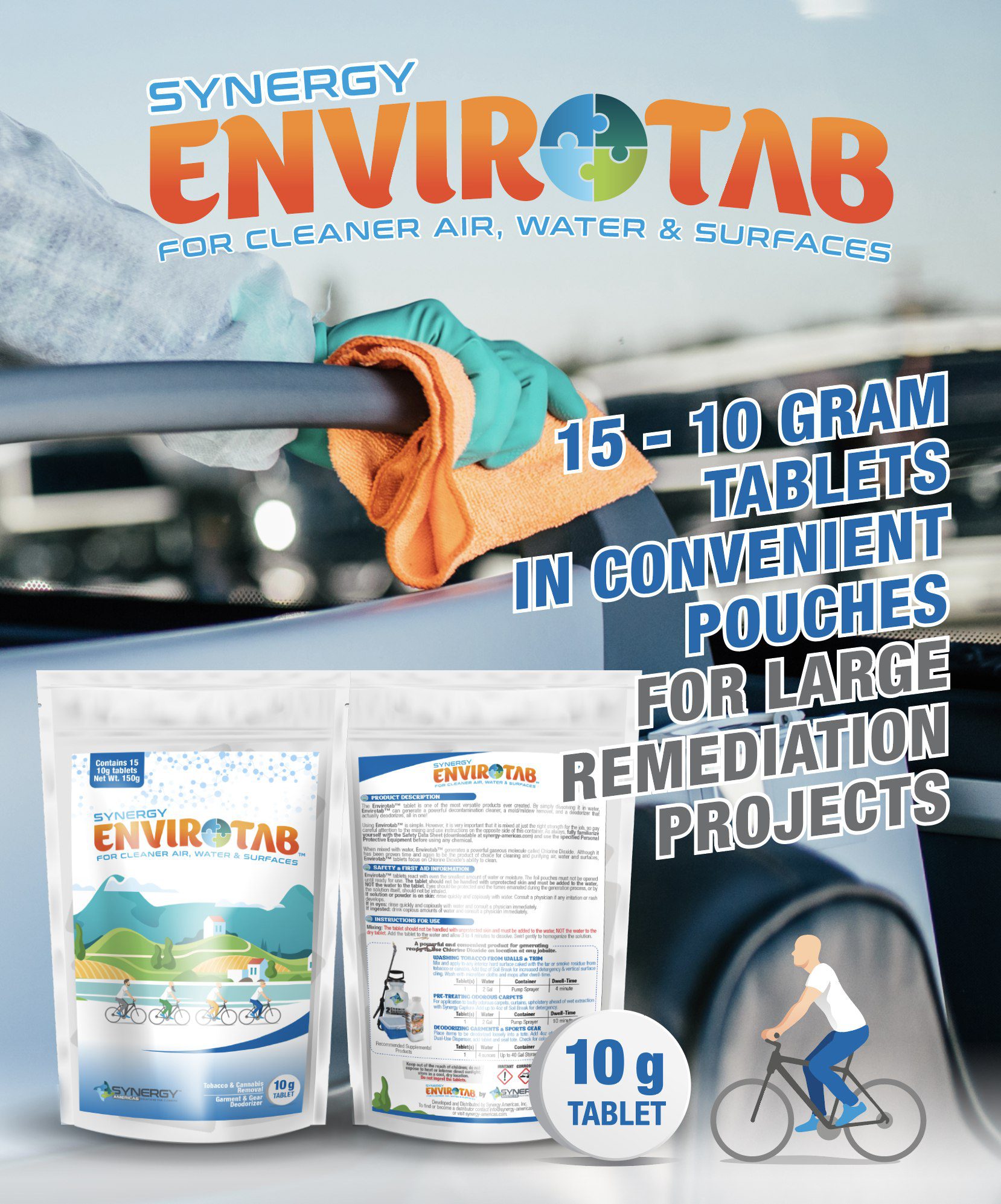
    Designed for demanding cleaning and odor challenges, 10g Chlorine Dioxide Tablets generate a high-strength, residue-free solution ideal for large surfaces, severe odors, and deep cleaning applications. When dissolved in one gallon of water, each tablet produces a powerful ClO₂ solution that deodorizes, oxidizes organic soils, and supports professional-grade sanitation—without harsh residues or corrosive byproducts.

    ClO2 Concentration in Use: This Tablet will Create 280ppm in 1 Gal of Water. Handle with Care.

    10g Chlorine Dioxide Tablets for Heavy-Duty Cleaning & Deodorizing (Professional Strength)

    Your Price: $ 39.95

    Use at any concentration up to 250ppm!

    Buy in Bulk & Save!

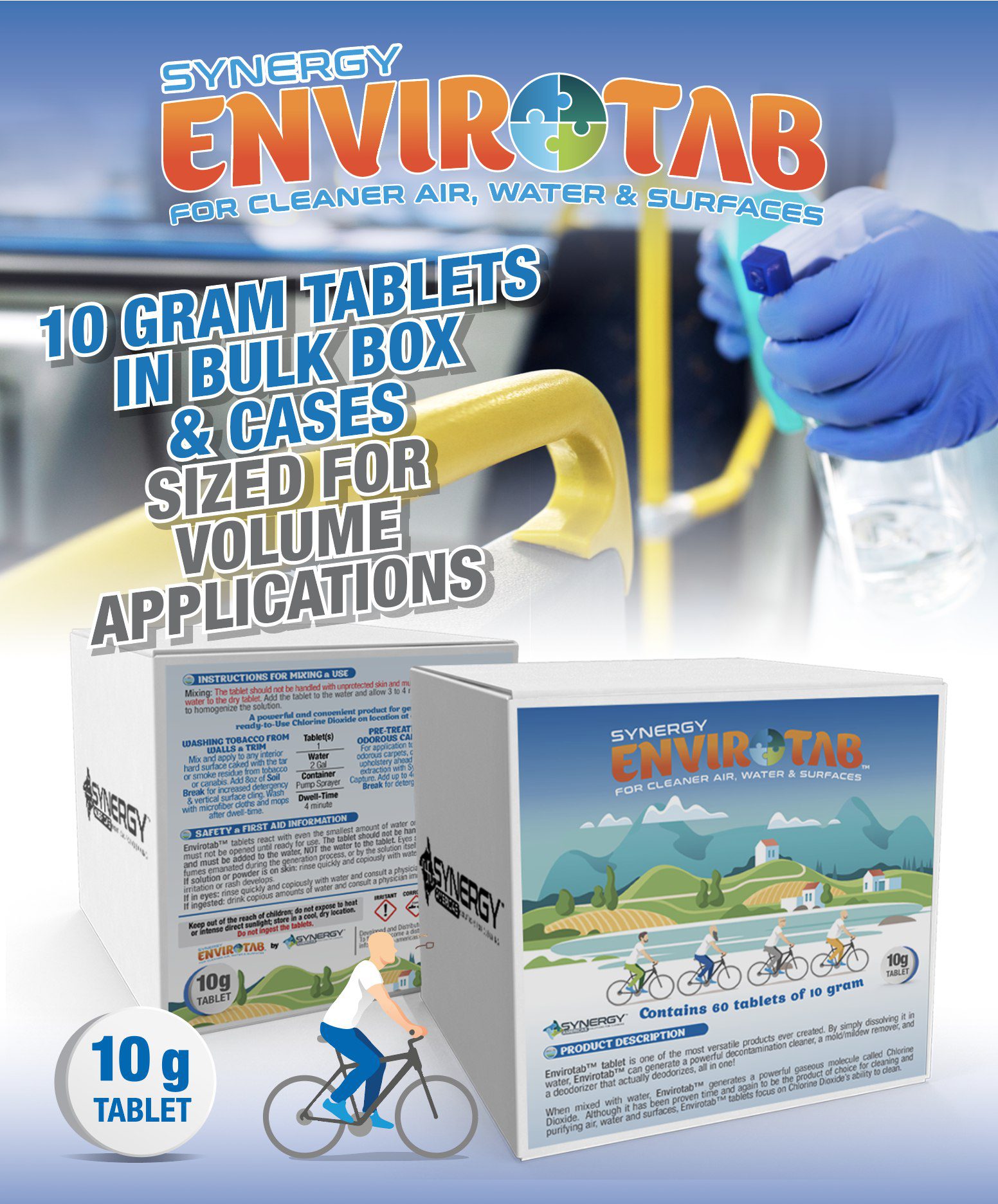
    Get 60 x 10g Tablets in a Convenient Box for just…

    $ 119.95

    Professional-Strength Cleaning for Serious Challenges

    The 10g Chlorine Dioxide Tablet is built for situations where smaller tablets simply aren’t enough. Whether you’re addressing stubborn organic odors, large surface areas, or heavy soil loads, this tablet delivers the strength and consistency professionals need—while maintaining the safety and residue-free benefits that make chlorine dioxide unique.

    Each 10g tablet is formulated to be dissolved in one gallon of water, creating a high-ppm ClO₂ solution suitable for deep cleaning, deodorization, and advanced sanitation workflows.

    What Makes 10g Chlorine Dioxide Different

    Unlike traditional disinfectants that rely on surfactants or leave chemical residues behind, chlorine dioxide works through selective oxidation. It targets odor-causing molecules, microbial contamination, and organic soils—then dissipates back into simple salts, leaving surfaces clean, fresh, and residue-free.

    Key advantages include:

    • No sticky surfactants or chemical films
    • No bleach salts or corrosive residues
    • Effective at low concentrations compared to many traditional chemicals
    • Compatible with microfiber cleaning systems

    Mixing & Use Guidelines

    • Tablet Size: 10 grams
    • Water Volume: 1 gallon (add 1 tablet for each gallon of water)
    • Typical Applications: Spray-and-wipe cleaning, damp wiping, mopping systems, deodorizing porous and non-porous surfaces

    Once dissolved, the solution develops a light-yellow tint—an indicator of active chlorine dioxide. Use within the recommended time window for maximum effectiveness.

    Ideal Applications

    The 10g tablet is best suited for:

    • Heavy-duty surface cleaning
    • Severe odor remediation (organic odors, decay, waste, smoke residue)
    • Large rooms and open spaces
    • Commercial and industrial cleaning environments
    • Restoration and deep-clean projects
    • Floor care, wall washing, and large-area wipe downs

    This tablet is commonly chosen by cleaning contractors, restoration professionals, facility managers, and industrial users who need consistent performance at scale.

    Safe When Used as Directed

    When mixed and applied according to instructions, chlorine dioxide is recognized for its favorable safety profile compared to many traditional disinfectants and oxidizers. Always follow label directions and standard PPE practices appropriate for professional cleaning environments.

    Want to learn more about these tablets? Listen here:

    0:00

    0:00