Tag: sanitizing

  • Sanitizing & Deodorizing Horse Tack with Chlorine Dioxide

    Sanitizing & Deodorizing Horse Tack with Chlorine Dioxide

    Don’t Saddle Your Horse with Bacterial Contamination

    Taking care of your horse’s tack is an essential part of being a responsible horse owner. Tack, including bridles, saddles, girths, and reins, can accumulate dirt, sweat, and bacteria over time. Regular cleaning and disinfection not only ensure the longevity of your tack but also help maintain your horse’s health. One effective method for sanitizing and deodorizing horse tack is using chlorine dioxide (ClO2). Chlorine Dioxide Tablets for a Pet-Friendly Cleaning Solutions

    Chlorine dioxide is a powerful disinfectant and deodorizer that has been widely used in various industries, including healthcare, food processing, and water treatment. When active, it is a gas that is dissolved in water to create ClO2 solution.

    Here are the steps to safely and effectively sanitize and deodorize your horse tack using ClO2:

    1. Preparation:

    •    Start by removing all debris and excess dirt from your tack. Use a soft brush or cloth to wipe away any loose particles.
    •    In a pail, prepare a strong solution of aqueous ClO2 by (1) 4g Envirotab Tablet to 62 oz of warm water and adding 1oz of Synergy Soil Break.
    • In a second PET Trigger spray bottle, prepare a 32oz bottle of Sanitizer by filling the bottle with a quart of warm water and adding (1) 1g Envirotab Tablet.
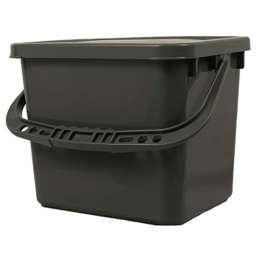
    •    Locate a suitable clean pail, clean brushes and microfiber cloths for cleaning your tack.
    • Wear protective gloves and goggles to prevent direct contact with the solution.

    2. Washing with the ClO2 solution:

    •   Using a combination of dampened bushes and cloths, followed by dry microfiber cloths, wash and dry small areas of the tack without thoroughly wetting the leather.

    3. Sanitizing the tack with ClO2:

     If there are reasonable, pressing concerns for infection or cross-contamination, then follow the above step with a final mist of sanitizer to the underside of the saddle, straps and harnesses.

    Here are some tips for deodorizing pet bedding with ClO2.

    4. Drying and Deodorizing:

     Allow the entire tack to air dry in direct sunlight if possible.

    5. Remoisturizing the Leather:

     Apply a clean application of your favorite tack treatment to the topside of all your gear to moisturize and revitalize the leather.

    Shop Envirotab Tablets and Get the Best Value in Cleaning & Deodorizing Available

    Who Needs Envirotab Tablets & What Size Fits Your Applications Best?

    To put it simply EVERYONE needs the simplicity, efficiency, power and efficacy of our Simply the BEST Chlorine Dioxide Tablets Available Anywhere!

    • Homeowners: Take a quick look at all of the applications below to see what you can do with just our 1 gram tablets and be AMAZED!.
    • Contract Cleaners: Every contract cleaner should stock and use our 4 gram tablets for cleaning, odor remediation, toilet reclamation, mold & mildew .
    • Hotel Housekeeping: Deep cleaning rooms after a long-term stay or pet stay will eliminate odors, freshen the air and reduce pet stress from past tenants.
    • Auto Dealers & Detailers: Detailers use the 1 gram tablets for washing down the dash, doors, headliner and upholstery, then gas the car with 20g.
    • Marinas & Campgrounds: Resell 1g tablets & 20g kits for deodorizing musty tents, campers and boats. Eliminate the odors and keep mildew from forming.
    • Veterinary Clinics & Kennels: 1 gram tablets are perfect for cleaning exam rooms while 10 gram tablets make a great 3 gallon solution for kennels.
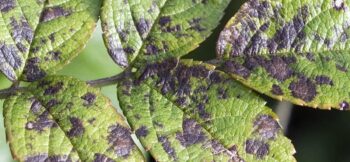
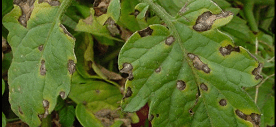
    • Farmers & Homesteaders: The uses around the farm are endless! 1 gram tablets for udder wash before milking, removing black spots from plant follage and cleaning tools. 4 gram, 10 gram and 20 gram for treating water, cleaning greenhouses and sanitizing stalls after cleaning.
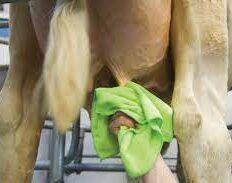
  • Cleaning & Sanitizing Cow & Goat Udders

    Cleaning & Sanitizing Cow & Goat Udders

    Udder Wipes & Chlorine Dioxide: A Powerful Tool for Dairy Hygiene

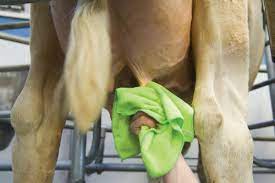
    Maintaining a high level of hygiene is crucial in dairy farming. In order to ensure the health and productivity of dairy cows, farmers have a variety of tools at their disposal. One such tool that has gained significant importance in recent years is udder wipes, and now you can produce them at home with sustainable microfiber cloths and an aqueous chlorine dioxide solution.

    The udder is an essential part of a dairy cow’s body, producing and storing milk. However, it is also vulnerable to bacterial infections, which can cause mastitis – an inflammation of the udder that can lead to reduced milk production and even the culling of affected cows. To prevent such infections, proper cleaning and sanitization of the udder before milking is essential.

    This is where udder wipes come into play. Microfibers are great because they are durable, won’t harbor pathogens and are made from soft, non-abrasive materials that are gentle on the cow’s udder. When added to 50ppm of aqueous ClO2 (a 4g Envirotab Tablet in 2 Gal of warm water) and Synergy Soil Break, functioning as an antiseptic agent and moisturizer, which help remove dirt, grime, and bacteria while keeping the skin healthy and moisturized.

    The use of ClO2 udder wipes brings multiple benefits for both the cows and the farmers. Firstly, regular udder cleaning helps reduce the risk of mastitis, promoting better udder health and increasing milk quality. Clean udders also promote faster milk let-down, making the milking process more efficient and less time-consuming. ClO2 is perfectly safe for udder contact at this concentration and will break down dried proteins, while the Soil Break will clean and moisturize the skin.

    Additionally, udder wipes are convenient and easy to use. They can be prepared at a significantly lower cost than pre-packaged even when used one cloth for every cow. Farmers can quickly wipe down the udder before milking, saving time and effort during the busy farm routine.

    Another advantage of udder wipes is their versatility. They can be used not only for cleaning the udder but also for sanitizing milking equipment, such as teat cups and clusters. This helps prevent cross-contamination between cows, further reducing the risk of infections.

    Moreover, ClO2 udder wipes promote a safer working environment for farm workers. By reducing the presence of harmful bacteria on the udder, the risk of zoonotic diseases, which can be transmitted from animals to humans, is minimized. This is particularly relevant as farmers and farm workers are in direct contact with cows and their milk on a daily basis.

    Creating Sustainable, Sanitizing Udder Wipes with Chlorine Dioxide

    Producing your own launderable, sustainable udder wipes is simple and easy, and takes only a few moments to prepare.

    Step 1:

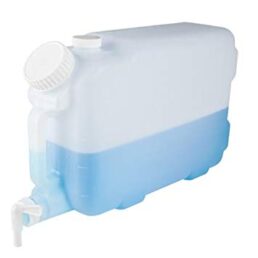
    Take any PET or HDPE SEALABLE container that holds at least 2 gallons of liquid and to this add 2 gallons of warm water, (1) 4g Envirotab Tablet and 1oz of Soil Break.

    Step 2:

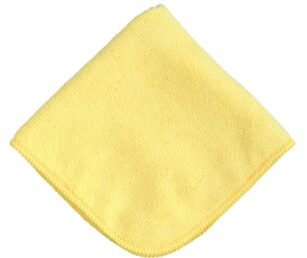
    Select as many microfiber cloths as udders to wipe. Our high-quality cloths are good for 400-500 launderings, making them far less costly than disposable dairy wipes.

    Step 3:

    Place these cloths into a sealable pail and dampen all cloths with the solution from the storage container. They need only be wet enough to remove soil and clean the udder.

    Step 4:

    Use both sides of the cloth to both loosen the soil from the udder and clean the teat thoroughly. Be certain to give special attention to the tip of the teat.

    Shop Envirotab Tablets and Get the Best Value in Cleaning & Deodorizing Available

    Who Needs Envirotab Tablets & What Size Fits Your Applications Best?

    To put it simply EVERYONE needs the simplicity, efficiency, power and efficacy of our Simply the BEST Chlorine Dioxide Tablets Available Anywhere!

    • Homeowners: Take a quick look at all of the applications below to see what you can do with just our 1 gram tablets and be AMAZED!.
    • Contract Cleaners: Every contract cleaner should stock and use our 4 gram tablets for cleaning, odor remediation, toilet reclamation, mold & mildew .
    • Hotel Housekeeping: Deep cleaning rooms after a long-term stay or pet stay will eliminate odors, freshen the air and reduce pet stress from past tenants.
    • Auto Dealers & Detailers: Detailers use the 1 gram tablets for washing down the dash, doors, headliner and upholstery, then gas the car with 20g.
    • Marinas & Campgrounds: Resell 1g tablets & 20g kits for deodorizing musty tents, campers and boats. Eliminate the odors and keep mildew from forming.
    • Veterinary Clinics & Kennels: 1 gram tablets are perfect for cleaning exam rooms while 10 gram tablets make a great 3 gallon solution for kennels.
    • Farmers & Homesteaders: The uses around the farm are endless! 1 gram tablets for udder wash before milking, removing black spots from plant follage and cleaning tools. 4 gram, 10 gram and 20 gram for treating water, cleaning greenhouses and sanitizing stalls after cleaning.
  • Why & How to Sanitize Garden Tools with ClO2

    Why & How to Sanitize Garden Tools with ClO2

    Yes, Garden Tools Need to be Cleaned & Sanitized to Protect Your Greenhouse & Garden Plants

    Garden tools are essential for maintaining a healthy and thriving garden. Just like you clean and sanitize your kitchen utensils, it is equally important to pay attention to the cleanliness of your garden tools. Regular sanitization eliminates harmful pathogens, prevents the spread of diseases between plants, and helps ensure the longevity of your tools. In this article, we will explore the importance of sanitizing garden tools and provide you with the best practices to keep your tools in tip-top shape.

    The Importance of Sanitizing Garden Tools:

    Preventing the Spread of Pathogens: Garden tools can harbor various pathogens that can be detrimental to plant health. Fungal spores, bacteria, viruses, and other disease-causing agents can easily adhere to your tools. When using contaminated tools, you risk spreading these pathogens from one plant to another, causing widespread plant infections. Regular sanitization helps eliminate these risks and ensures a healthy garden ecosystem.

    Aiding Plant Health: Cleaning and sanitizing your garden tools significantly contribute to the overall health of your plants. By removing any contaminants, you prevent the introduction of harmful substances that can hinder plant growth, development, and productivity. Healthy plants are more resilient against pests and diseases, leading to more successful gardening endeavors.

    Best Practices for Sanitizing Garden Tools:

    1. Clean Before Sanitizing: Begin the tool sanitization process by thoroughly cleaning your garden tools. Remove any dirt, soil, or plant debris using a brush or hose. Pay close attention to corners and crevices, as pathogens tend to accumulate in these hard-to-reach areas. A great product for cleaning anywhere inside or outside your house is Synergy BioClean Plus


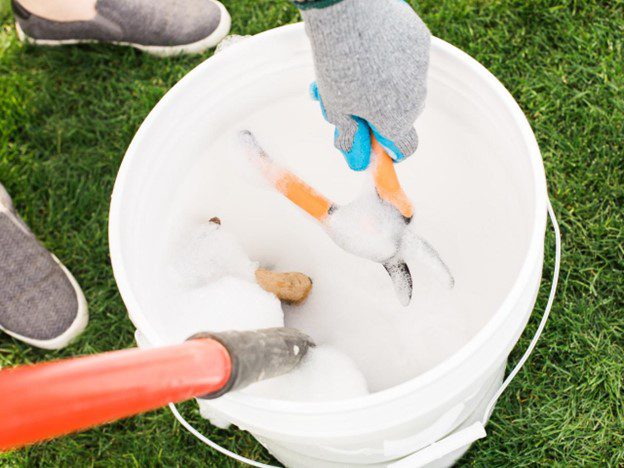
    1. How do I Choose the Right Sanitizer?: There are several effective sanitizing agents available for garden tools. We heartily recommend for your consideration our 4g Envirotab tablets in a gallon of warm water for soaking or spraying after cleaning. 3-5 minutes of wet dwell-time is sufficient. 


    1. Should I Immerse or Should I Spray the Tools?: Depending on the tool’s size, you can either immerse it in the sanitizing solution or use a spray bottle to apply the solution directly to the tool’s surfaces. Ensure that all parts and blades are adequately treated and allowed to sit in the solution for at least 3-5 minutes, as already stated.


    1. Scrubbing and Wiping: After soaking, scrub the tool’s surfaces, especially blades and cutting edges, using a stiff brush or cloth to remove any remaining pathogens or residue. Wipe down the tool with a clean cloth or paper towel or clean rag.

    What Microbes Commonly Attack Garden Plants?

    Plant Fungal Pathogens

    Fungal pathogens are among the most common microbes that attack garden plants. Some common garden plant diseases caused by fungi include powdery mildew, rust, and various root rots. These pathogens often thrive in humid conditions and can cause wilting, discoloration, and deformities in plants.

    Plant Bacterial Disease

    Bacterial pathogens can also severely affect garden plants. For instance, bacterial spot, bacterial blight, and crown gall are common diseases caused by bacterial microbes. They can cause leaf spots, wilting, cankers, and often spread rapidly in wet conditions.

    Plant Viral Infection

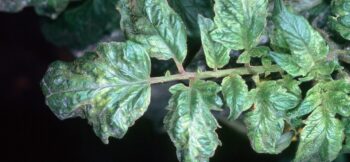
    Viruses are another group of microbes that can infect garden plants, often transmitted by aphid or other insect vectors. Viral infections can cause stunted growth, leaf curling, mosaic patterns on leaves, and even death in affected plants. Common examples include tomato mosaic virus and cucumber mosaic virus.

    Plant Nemotodes

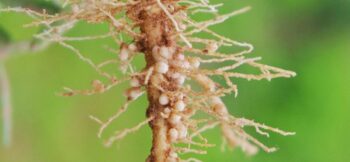
    Although not technically microbes, nematodes are microscopic roundworms that can seriously damage garden plants. Root-knot nematodes are particularly notorious, as they invade plant roots and form characteristic galls, hampering nutrient uptake and causing wilting.

    Phytoplasmas Infestation

    Phytoplasmas are specialized bacteria-like organisms that infect garden plants. They are often transmitted by insects and can cause plant diseases known as yellows. Symptoms include stunted growth, yellowing of foliage, and abnormal flower development.

    Shop Envirotab Tablets and Get the Best Value in Cleaning & Deodorizing Available

    Who Needs Envirotab Tablets & What Size Fits Your Applications Best?

    To put it simply EVERYONE needs the simplicity, efficiency, power and efficacy of our Simply the BEST Chlorine Dioxide Tablets Available Anywhere!

    • Homeowners: Take a quick look at all of the applications below to see what you can do with just our 1 gram tablets and be AMAZED!.
    • Contract Cleaners: Every contract cleaner should stock and use our 4 gram tablets for cleaning, odor remediation, toilet reclamation, mold & mildew .
    • Hotel Housekeeping: Deep cleaning rooms after a long-term stay or pet stay will eliminate odors, freshen the air and reduce pet stress from past tenants.
    • Auto Dealers & Detailers: Detailers use the 1 gram tablets for washing down the dash, doors, headliner and upholstery, then gas the car with 20g.
    • Marinas & Campgrounds: Resell 1g tablets & 20g kits for deodorizing musty tents, campers and boats. Eliminate the odors and keep mildew from forming.
    • Veterinary Clinics & Kennels: 1 gram tablets are perfect for cleaning exam rooms while 10 gram tablets make a great 3 gallon solution for kennels.
    • Farmers & Homesteaders: The uses around the farm are endless! 1 gram tablets for udder wash before milking, removing black spots from plant follage and cleaning tools. 4 gram, 10 gram and 20 gram for treating water, cleaning greenhouses and sanitizing stalls after cleaning.
  • Chlorine Dioxide Tablets for Laundry Use

    Chlorine Dioxide Tablets for Laundry Use

    Can You Use Chlorine Dioxide for Fabric Cleaning?

    When it comes to maintaining clean and fresh laundry, we often rely on a range of detergents and cleaning agents. However, there’s one powerful yet often misunderstood solution that deserves a spotlight in the world of laundry care – chlorine dioxide tablets. While chlorine dioxide has garnered a reputation as a potent disinfectant, it’s essential to understand how to use it safely and effectively for laundry and fabric cleaning.

    Understanding Chlorine Dioxide

    Chlorine dioxide (ClO2) is a chemical compound known for its remarkable ability to clean bacteria, viruses and fungi. It has been widely used in various industries, including water treatment, food processing, and medical applications, for its powerful disinfection properties.

    Chlorine dioxide tablets are a popular option for laundry and fabric cleaning due to their convenience and effectiveness. When dissolved in water, these tablets release chlorine dioxide gas, which acts as a strong oxidizing agent, breaking down organic stains and killing microbes on fabrics.

    Benefits of Chlorine Dioxide Tablets for Laundry

    Using chlorine dioxide tablets for laundry and fabric cleaning offers several benefits

    1. Powerful Disinfection: Chlorine dioxide effectively kills bacteria, viruses, and fungi that may be present in fabrics, leaving your laundry hygienically clean.
    2. Odor Removal: Chlorine dioxide helps eliminate stubborn odors caused by bacteria and molds, leaving your laundry smelling fresh.
    3. Color-Safe: Chlorine dioxide is generally safe for most colored fabrics when used according to instructions, as it doesn’t cause significant fading or color loss.
    4. Effective Stain Removal: Its powerful oxidizing properties help break down and remove tough stains like wine, blood, and grass.
    5. Laundry Machine Cleaning: Chlorine dioxide tablets can also be used to clean and disinfect your washing machine, ensuring it remains free from harmful bacteria and molds.

    Alternative Uses

    Apart from laundry and fabric cleaning, chlorine dioxide tablets can be utilized for other purposes:

    1. Surface Disinfection: Use chlorine dioxide to sanitize countertops, cutting boards, and bathroom surfaces.
    2. Water Treatment: Chlorine dioxide tablets can purify water for camping or emergency situations, making it safe to drink

    Safety Precautions

    1. Follow Instructions Carefully: Always read and follow the manufacturer’s instructions on the packaging of chlorine dioxide tablets. The instructions will provide guidance on the appropriate dosage and usage guidelines.
    2. Use in Well-Ventilated Areas: Chlorine dioxide gas can be harmful when inhaled in large quantities. Ensure you use it in a well-ventilated area, preferably outdoors or in a room with open windows and good airflow.
    3. Protective Gear: Take proper care when handling chlorine dioxide tablets to avoid direct contact with the skin or eyes.
    4. Keep Away from Children and Pets: Store chlorine dioxide tablets in a secure location, out of reach of children and pets. Accidental ingestion or exposure can lead to serious health risks.
    5. Avoid Mixing with Other Chemicals: Take precautions to not mix chlorine dioxide with other cleaning agents, it makes for a great cleaner, deodorizer and sanitizer all on its own!
    6. Proper Dilution: Follow the recommended dilution ratios to ensure that the concentration of chlorine dioxide in the water is safe for fabric cleaning.

    Method Application: Adding it to Your Front Load Washer

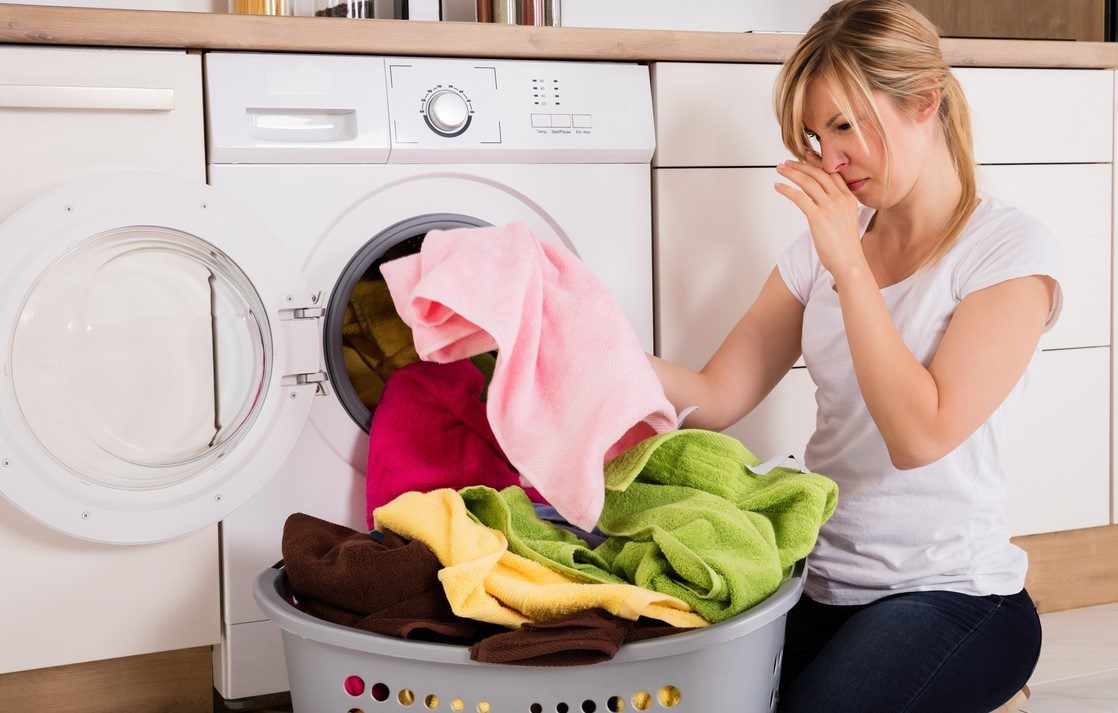
    A smelly washing machine can't produce fresh-smelling clothes.

    1. Consider using our Synergy Micro Wash Detergent (a fragrance-free detergent that is fully compatible with ClO2). This product is highly concentrated and requires only 1.5oz for a full load of laundry. Place this product in the dispenser tray of your washer.
    2. Drop a 1g Synergy Envirotab Tablet into 16oz of warm water in a PET Bottle with cap.
    3. As the water is filling and diluting your detergent, pour the ClO2 solution in with the detergent.
    4. Wait for the cycle to run and expect odor-free cloths with it is done!

    Chlorine dioxide tablets are a powerful tool for achieving fresh, hygienic, and stain-free laundry. When used with caution and following the recommended guidelines, they can provide effective disinfection and stain removal. However, it’s vital to prioritize safety and ensure proper handling to avoid any adverse effects. With chlorine dioxide tablets as part of your laundry routine, you can enjoy clean and fresh-smelling fabrics without compromising on safety.