Author: Michele Matthews

  • How Do I Get Rid of Strange Odors in My Clothes for Good?

    How Do I Get Rid of Strange Odors in My Clothes for Good?

    😳 How Embarrassing When Your Clothes Have Strange Odors!

    Wearing clothes with funky or persistent odors isn’t just annoying—it can be downright mortifying. Whether it’s in a boardroom, a social gathering, or just running errands, no one wants to be “that person” people remember for the wrong reasons. 👃

    Odor in clothing isn’t just a laundry issue—it’s a confidence killer. But with the right tools and a little know-how, it doesn’t have to be. Let’s dive into why clothes smell and how CLO2 can eliminate those odors for good—so your clothes are just as fresh as you are. 🌿


    🧼 Why Clothes Develop Persistent Odors

    There’s science behind the stink. 👨‍🔬

    • Sweat and body oils can seep deep into fabric fibers
    • Environmental smells like smoke or food odors can cling to clothes
    • Mold and mildew love damp clothes and laundry left too long
    • Regular detergents often mask rather than eliminate odors

    The worst part? Once bacteria settle into your clothes, they can keep producing odors long after the fabric feels “clean.” That’s where CLO2 changes the game. It targets the source, not the scent.


    🌬️ How CLO2 Gets the Job Done

    CLO2 tablets dissolve in water, releasing chlorine dioxide gas—a powerful yet fabric-safe disinfectant. Unlike sprays or scented detergents, CLO2 neutralizes odor-causing molecules by breaking them down at the molecular level.

    It reaches deep into fabric fibers, removing:

    • Sweat
    • Smoke
    • Pet smells
    • Mold and mildew
    • That musty gym-bag funk that never seems to go away

    Plus, it leaves no heavy perfumes, just clean, breathable fabric. 👕


    🧺 How to Wash Clothes With CLO2 Tablets

    Step 1: Prep Your Laundry

    ✔️ Sort clothes by color and fabric type
    ✔️ Rinse lightly to remove debris
    ✔️ Pre-treat any visible stains with detergent

    This pre-wash routine allows the CLO2 to target what really matters—odor molecules hidden deep inside the fabric.


    Step 2: Dissolve CLO2 Tablets

    Fill a clean container or sink with water, then drop in the CLO2 tablets per the instructions. As they dissolve, chlorine dioxide gas is released into the water, creating a deep-penetrating odor eliminator.

    Tip: Stir gently. Use the solution immediately for best results.


    Step 3: Soak the Clothes

    Submerge your garments fully. Ensure every inch is soaked—this is how the magic happens. 🪄 Let them sit for the recommended amount of time so the CLO2 can break down those stubborn molecules.

    For stronger smells, gently agitate the clothes in the solution.


    Step 4: Rinse and Dry Thoroughly

    Rinse clothes in cold water until the water runs clear. Gently squeeze (don’t wring!) and hang dry or tumble dry on a low setting.

    Important: Make sure garments are fully dry before storing to avoid any returning odors. ✅


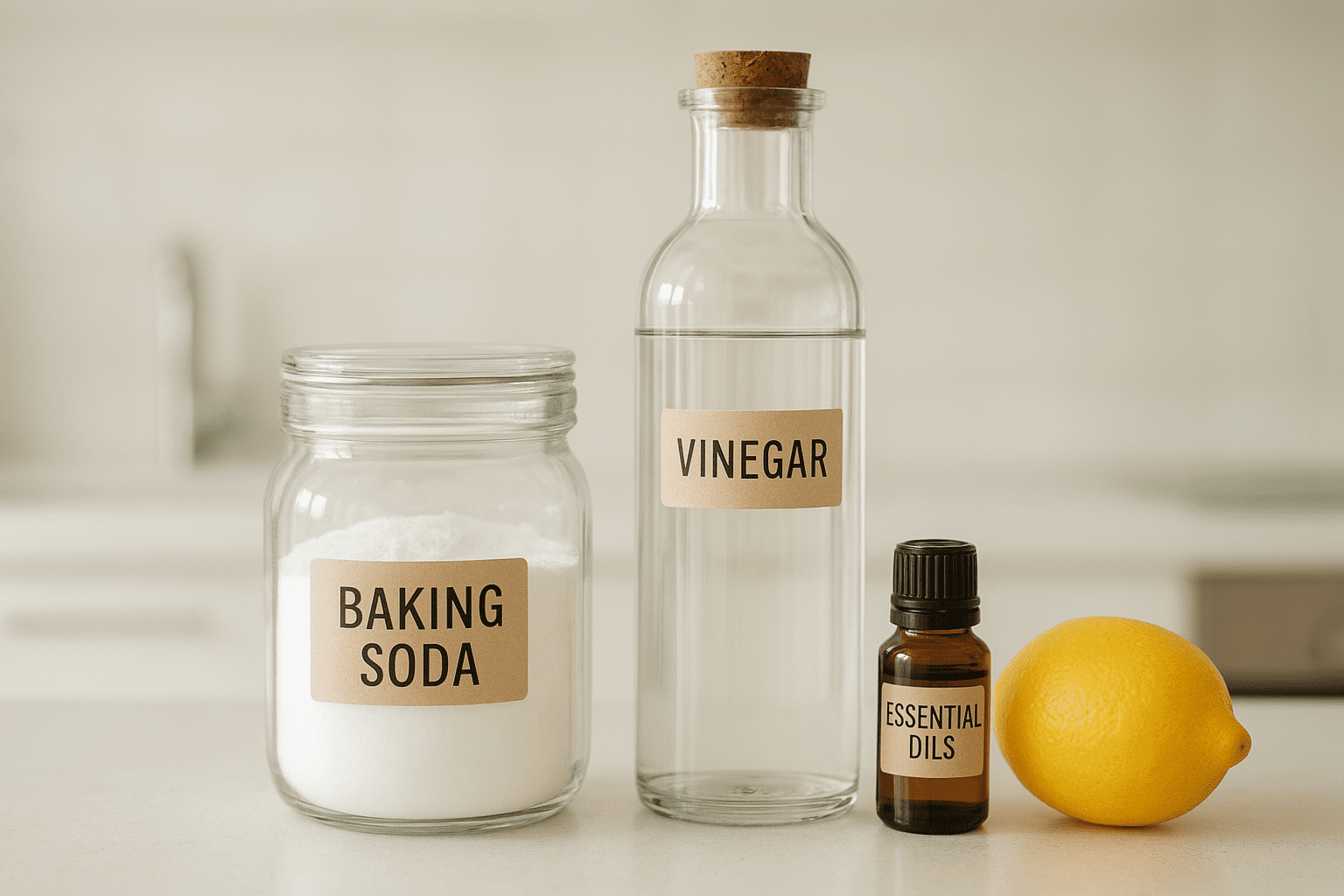
    🧪 Can Vinegar and Baking Soda Compete?

    Short answer: not really.

    • Vinegar can reduce some odors but leaves its own behind 👃
    • Baking soda helps a little, but doesn’t eliminate bacteria
    • Traditional detergents can clean dirt—but may leave odor molecules behind

    When it comes to deep, persistent smells, CLO2 tablets are the gold standard. They don’t just mask odors—they obliterate them. 💥

    Want even better results? Pair with our Micro Wash detergent—specially formulated to work with CLO2 for long-lasting freshness.


    🛡️ How to Prevent Odors from Returning

    Keep your clothes fresher, longer, with a few simple habits:

    • Always air out sweaty or damp clothing promptly
    • Wash after strong exposure to food, smoke, or sweat
    • Store in dry, ventilated spaces
    • Use a dehumidifier if you’re in a humid climate
    • Use CLO2 for occasional deep cleans
    • Switch to Micro Wash, our detergent that keeps working deep in fabric fibers to eliminate odor at the source

    Your clothes deserve to stay as clean as the day you bought them—and your peace of mind does too.


    ✅ Final Thoughts: Say Goodbye to Embarrassing Odors

    Whether it’s gym gear, everyday outfits, or that favorite shirt that never smells right, you don’t have to live with embarrassing odors anymore. CLO2 is your secret weapon to deep-cleaning success—paired with Micro Wash detergent, it’s the ultimate tag team for fresh, odor-free laundry.

    No more rewashing. No more cover-ups. Just confidence, comfort, and clean clothes. 💪👕


  • Chlorine Dioxide for Advanced Water Treatment: A Safer, Smarter Alternative to Bleach

    Chlorine Dioxide for Advanced Water Treatment: A Safer, Smarter Alternative to Bleach

    Chlorine Dioxide vs. Bleach in Water Treatment – Scientific & Industrial Guide

    Walk into any treatment plant control room and you’ll hear the same refrain: “Safe water isn’t negotiable.” From municipal utilities supplying millions of gallons per day to private wells tucked behind rural homes, the stakes are identical—water free of pathogenic risk, harmful by-products, and off-flavors.

    Yet chlorine dioxide (ClO₂) still prompts the inevitable question: “Isn’t that just bleach?”
    The chemistry—and decades of industrial data—say otherwise. This article hopefully demystifies ClO₂ for water professionals, explains the disinfection pathway, contrasts it with sodium hypochlorite, and explores when a homeowner might legitimately look beyond simple filtration.

    For decades, sodium hypochlorite—household bleach—was the default answer to microbial control in municipal and industrial water. It was inexpensive, familiar, and good enough for the regulatory standards of its time. But “good enough” is a dangerous comfort in an era of stricter discharge limits, higher uptime expectations, and infrastructure lifespans measured in decades.

    Plant operators across the U.S. are now asking harder questions: Are we doing more harm than good to our pipes? Are we leaving compliance gaps with our current chemistry? Around those questions, a quiet revolution has been building. Chlorine dioxide (ClO₂), once considered exotic, is fast becoming the benchmark for serious water professionals.

    1. Why This Comparison Matters

    Clean, microbially safe water is the heartbeat of municipalities, food processors, cooling towers, and commercial buildings. For decades, sodium hypochlorite (NaOCl – “bleach”) has been the go-to oxidant, yet its pH sensitivity, corrosiveness, and carcinogenic by-products are driving operators to search for a better way. Enter chlorine dioxide (ClO₂), a selective oxidant lauded by regulators, utilities, and innovators like Scotmas, FILTEC, and ProMinent for its broad-spectrum kill, low by-product profile, and biofilm-busting prowess.


    2. Chemistry at a Glance

    Property Chlorine Dioxide (ClO₂) Sodium Hypochlorite (NaOCl)
    Oxidation Mechanism Selective, single-electron transfer Non-selective, forms HOCl
    Effective pH Range 4–10 (broad) Narrow, best 6–7
    By-Products Minimal chlorinated organics THMs, HAAs, chloramines
    Volatility Gas, generated on-site Liquid, decays in storage
    Odor/Taste Clean, neutral “Chlorinous,” medicinal

    ClO₂ is a neutral free radical. It attacks cell walls via one-electron oxidation, sparing many organic molecules yet obliterating microbial enzymes. Bleach produces hypochlorous acid, a blunt multi-electron oxidant that reacts indiscriminately, raising by-product risk.


    3. What Each Kills – and How Fast

    Microbe / Challenge Chlorine Dioxide (ClO₂) Sodium Hypochlorite (Bleach)
    Gram-negative bacteria Pseudomonas, E. coli, Legionella – rapid 4-6 log kill Effective but slower at high pH
    Gram-positive bacteria Staphylococcus, Listeria – high susceptibility Good kill, but inhibited by organics
    Protozoa / Cysts Giardia, Cryptosporidium – inactivation documented (AWWA) Poor Cryptosporidium control
    Viruses Enteric, rotavirus, norovirus – high log reductions Broad activity, slower at pH >7.5
    Biofilms Penetrates EPS matrix, dismantles colonies Surface kill only, penetration poor
    Sulfide / Iron / Mn slime Oxidizes & strips films, reduces staining Partial oxidation, precipitates form
    Taste & Odor Neutralizes phenols, sulfides, algae compounds Produces chlorophenols (“swimming pool”)

    Bottom line: ClO₂ consistently achieves 3–6 log reductions of bacteria and viruses even in turbid water, and retains power at alkaline pH where bleach falters.


    4. By-Products & Safety

    • ClO₂ → chlorite, chlorate (non-carcinogenic; EPA MCL 1.0 mg/L).
    • Bleachtrihalomethanes (THMs), halo acetic acids (HAAs), chloramines—regulated DBPs linked to bladder cancer risk.

    Peer-reviewed studies show THM levels 14–30× higher with chlorine than with ClO₂ at equal microbial kill.


    5. Operational & Environmental Factors

    Factor ClO₂ Advantage Bleach Limitation
    Corrosivity Mild; minimal impact on metals Aggressive; escalates pipe degradation
    pH Sensitivity Stable 4–10 Efficacy plunges >7.5
    Storage Generated on demand (no long decay curve) Shelf-life shortens with heat & light
    Residual Control Predictable ppm dosing Unstable residuals in ammonia/organics
    Environmental Breaks to chlorite/chlorate Chlorinated organics persist

    6. Providers & Technology Landscape

    Scotmas (UK/Global) – modular ClO₂ generators for municipal, food, and cooling towers.

    FILTEC – advanced disinfection skids for drinking, process, and wastewater.

    Purita Water (TERSUS®) – compact 3 g/h–120 kg/h units, plug-and-play.

    International Dioxcide (Anthium™) – NSF-certified chemistries for municipal & industrial.

    Nalco Water (PURATE™) – onsite ClO₂ from sodium chlorate + peroxide; tight process control.

    ProMinent (Bello Zon) – healthcare & hotel Legionella programs.

    Dioxide Pacific, ZI-CHEM, SVS Aqua – niche and engineered systems for industrial, food, and agriculture.

    Industrial-scale ClO₂ systems cost $25k–$250k depending on flow (g/h capacity), but pay back via lower chemical consumption, less corrosion, and DBP compliance.


    7. Residential Perspective

    Dedicated home ClO₂ generators are rare today. Small kits (~$30) sanitize cisterns, RVs, or odor issues but do not provide continuous metered residuals. Industrial “mini” generators exist ($2k–$6k) yet lack NSF/UL consumer approvals. Expect compact, smart-metered ClO₂ systems to reach residential wells within the next 3–5 years as regulators formalize standards.


    8. Case Applications

    • Municipal – distribution network DBP compliance, nitrification control.
    • Cooling Towers – biofilm & Legionella prevention without pH swings.
    • Food & Beverage – produce wash, CIP, and membrane protection.
    • Industrial Wastewater – oxidizes phenols, cyanides, sulfides at low dose.

    9. Quick Reference Table

    Feature Chlorine Dioxide (ClO₂) Sodium Hypochlorite
    Microbial Efficacy High, broad, cysticidal Good, pH-limited
    DBP Formation Minimal High THMs/HAAs
    Biofilm Control Excellent (penetrates) Poor (surface only)
    Corrosivity Low Higher
    Residual Stability Predictable Unstable in organics
    Infrastructure Gentle Accelerates decay
    Environmental Risk Low Higher, persistent

    10. Conclusion

    When weighed scientifically, chlorine dioxide outperforms bleach in log kill, DBP avoidance, biofilm penetration, and long-term asset protection. Bleach still “works,” but its chemical baggage makes compliance harder and infrastructure costlier. Forward-leaning utilities, processors, and building engineers are pivoting to ClO₂ for regulatory confidence and cleaner chemistry.


    11. Next Steps

    Pilot, don’t ponder. Contact Envirotab and Synergy Green Clean,  to model ClO₂ dosing on your site. From Legionella mitigation to DBP-free municipal compliance, we’ll discuss the right move forward.


  • Hospital-Acquired Infections: How CLO₂ Can Help Healthcare Facilities Save Lives and Costs

    Hospital-Acquired Infections: How CLO₂ Can Help Healthcare Facilities Save Lives and Costs

    Preventing HAIs with CLO₂ – Safer Hospitals, Smarter ESG Compliance

    🏥 Hospital-Acquired Infections (HAIs): A Billion-Dollar Challenge

    Every year, hospital-acquired infections (HAIs) silently claim thousands of lives and cost the healthcare system billions of dollars. From surgical site infections to deadly bloodstream pathogens, these infections are not just statistics—they are lives lost, recoveries prolonged, and reputations jeopardized.

    Healthcare facilities are under relentless scrutiny: regulators demand compliance, insurers tighten coverage, and patients expect hospitals to be safe. Yet, even with standard infection control protocols in place, gaps remain—and every unprotected surface, every missed pathogen is a risk your hospital cannot afford.

    The question is no longer if your facility will face these challenges—it’s when—and the decisions you make today can mean the difference between preventable outbreaks and lives saved.
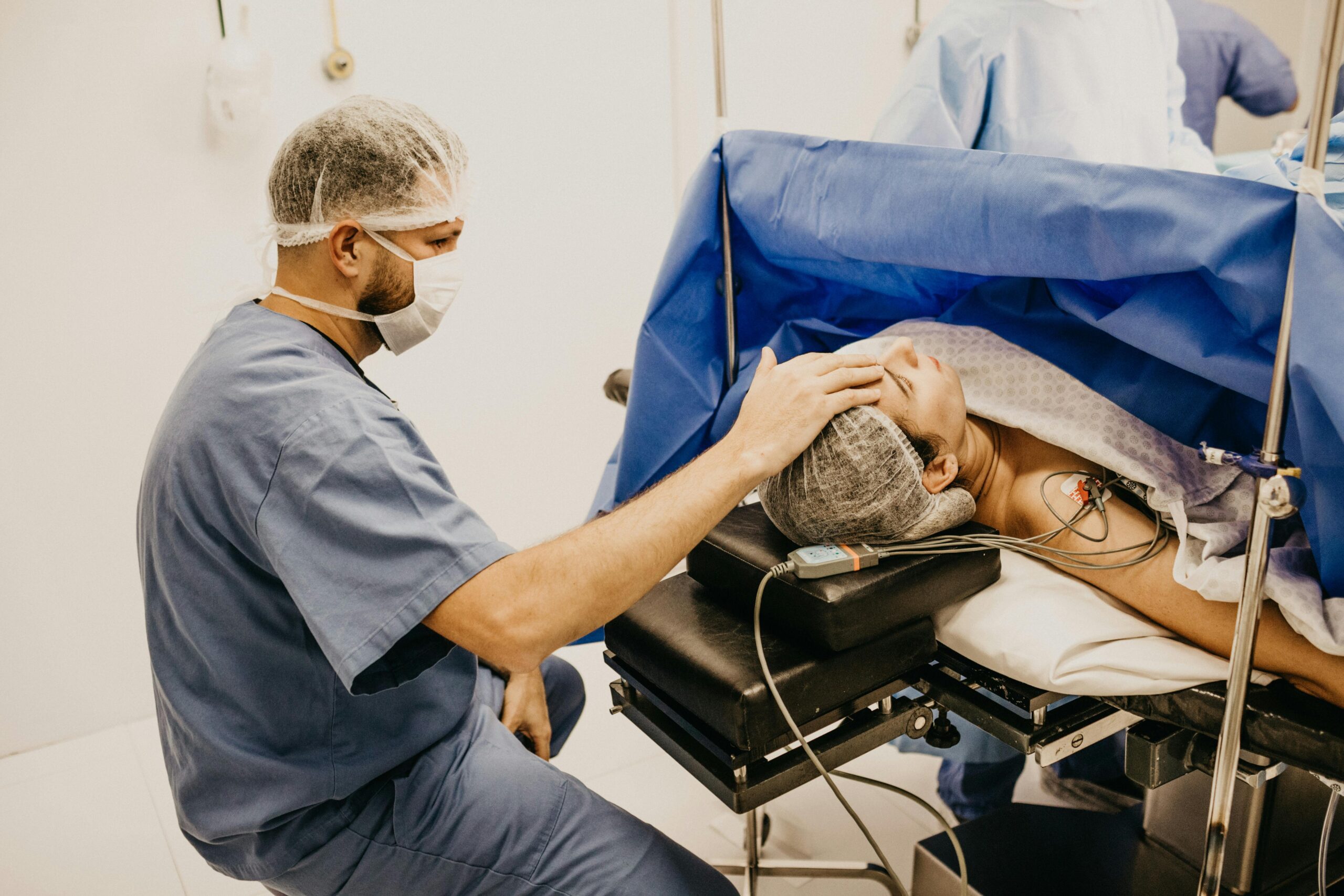
    HAIs are one of the top killers in the healthcare feild.📊 HAI Statistics

    • Prevalence: On any given day, about one in 31 hospital patients has at least one healthcare-associated infection.

    • Surgical Site Infections (SSIs): In 2023, there was a 2% increase in the standardized infection ratio (SIR) related to all National Healthcare Safety Network (NHSN) operative procedure categories combined compared to the previous year.

    • Catheter-Associated Urinary Tract Infections (CAUTIs): In 2023, 17,370 CAUTIs were reported across 3,774 general acute care hospitals.

    • Central Line-Associated Bloodstream Infections (CLABSIs): Data on CLABSI rates can be found in the CDC’s HAI Progress Reports.

    • Methicillin-Resistant Staphylococcus aureus (MRSA) Bloodstream Infections: Information on MRSA bloodstream infections is available in the CDC’s HAI Progress Reports.

    • Clostridioides difficile (C. difficile) Infections: Data on C. difficile infections can be found in the CDC’s HAI Progress Reports.

    🧼 Current Infection Control Standards

    The Centers for Disease Control and Prevention (CDC) provides guidelines for infection control in healthcare settings. Key components include:

    • Standard Precautions: These are infection prevention practices that apply to all patients, regardless of their diagnosis or presumed infection status. They include hand hygiene, use of personal protective equipment (PPE), safe injection practices, and environmental cleaning.

    • Core Infection Prevention and Control Practices: These practices are designed to reduce the risk of healthcare-associated infections and include education and training of healthcare personnel, injection and medication safety, and the use of appropriate personal protective equipment.

    • Environmental Infection Control: Recommendations for environmental cleaning and disinfection in healthcare facilities to prevent the spread of infections.
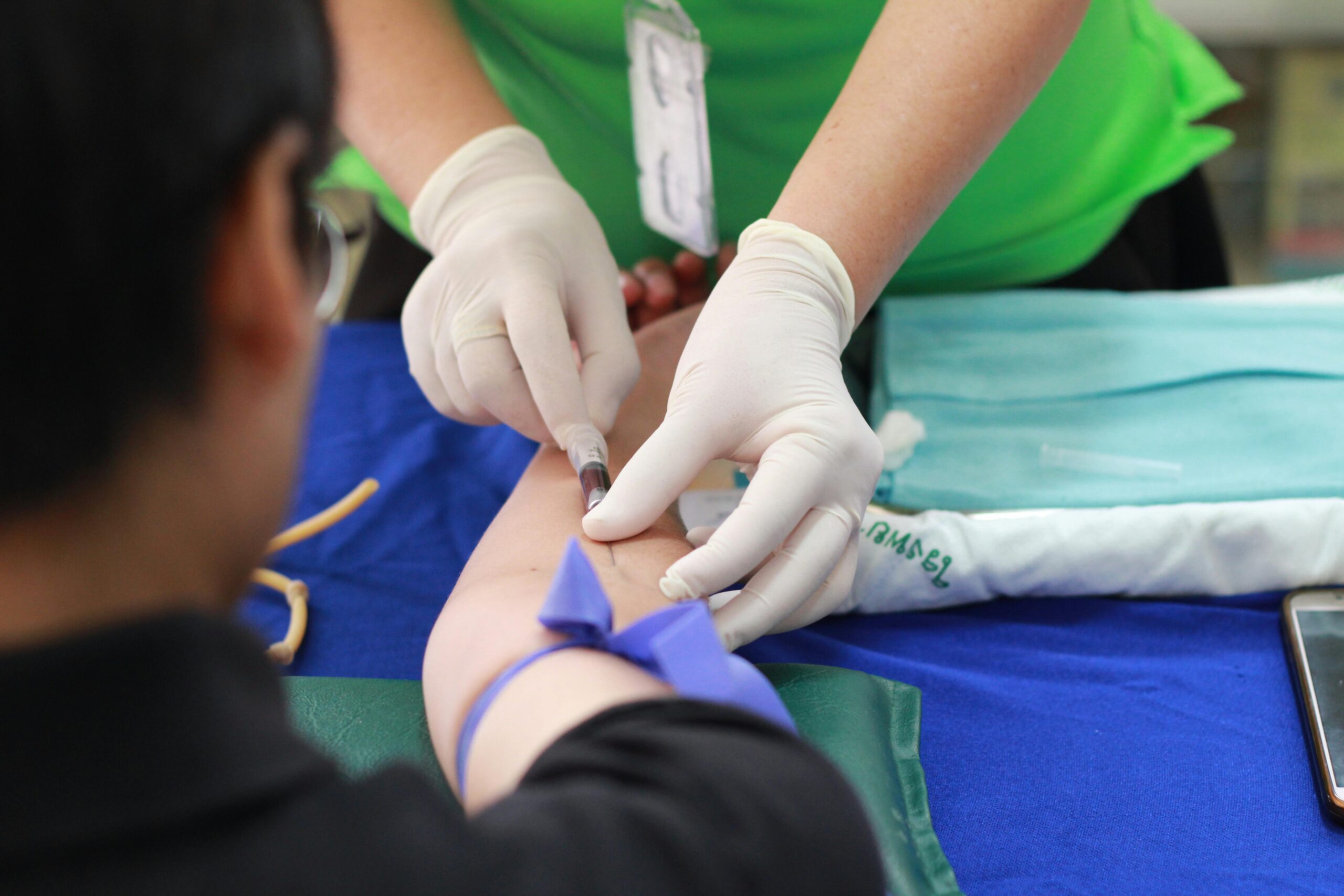
    Giving blood and intravenous infections

    ⚠️ Why Current Standards May Be Falling Short

    Despite the implementation of these standards, several factors contribute to the persistence of HAIs:

    • Antimicrobial Resistance: The overuse and misuse of antibiotics have led to the development of resistant pathogens, making infections more difficult to treat.

    • Inadequate Environmental Cleaning: Traditional cleaning methods may not effectively eliminate all pathogens, especially in high-risk areas.

    • Staffing Challenges: High turnover rates and insufficient training can lead to lapses in infection control practices.

    • Increased Patient Acuity: More complex patient conditions can increase the risk of infections.


     Enter Chlorine Dioxide (CLO₂): Science-Backed Protection

    Chlorine dioxide isn’t just another disinfectant—it’s a precision tool for hospitals. Here’s how it specifically supports healthcare organizations and enhances infection control where existing standards sometimes fall short:

    1️⃣ High-Touch Surfaces

    • Problem: Door handles, bed rails, light switches, and nurse stations are notorious for harboring pathogens. Even with standard cleaning protocols, these areas can remain contaminated between cleanings.

    • CLO₂ Advantage: Its rapid action kills bacteria, viruses, and fungi within minutes, providing continuous protection in high-traffic areas. Hospitals can drastically reduce surface contamination, lowering the risk of HAIs.

    2️⃣ Medical Equipment

    • Problem: Reusable medical devices (like stethoscopes, blood pressure cuffs, and surgical tools) are often vectors for infection. Traditional disinfectants may leave residues or require long contact times, making them impractical for fast-paced clinical environments.

    • CLO₂ Advantage: CLO₂ disinfects effectively with shorter dwell times and leaves no harmful residue, ensuring medical equipment is both safe and ready for immediate use—critical in operating rooms and ICUs.

    3️⃣ Critical Care and Isolation Areas

    • Problem: ICU and immunocompromised patient units are high-risk zones. Airborne pathogens and surface microbes can spread rapidly, and conventional cleaning may miss microscopic reservoirs.

    • CLO₂ Advantage: Chlorine dioxide gas or solution can penetrate hard-to-reach areas, including air-handling systems and tight crevices, reducing microbial load in environments where vulnerable patients are at greatest risk.

    4️⃣ Water Systems and Biofilm Control

    • Problem: Hospital plumbing systems and cooling towers can harbor biofilms, which are resistant to many disinfectants and can cause outbreaks (e.g., Legionella).

    • CLO₂ Advantage: CLO₂ is highly effective against biofilms, keeping water systems safer for both patients and staff, while preventing costly outbreaks that traditional disinfectants often fail to control.

    5️⃣ Gap-Filling Where Standards Are Falling Short

    Hospitals HAIs protocals are failing and here's what CLO2 can do about it.Even with CDC-recommended protocols, hospitals still struggle with:

    • Missed micro-contaminated areas due to manual cleaning limitations

    • Pathogen resistance to traditional chemical disinfectants

    • Time constraints for repeated cleaning in high-traffic zones

    CLO₂ fills these gaps by:

    • Offering broad-spectrum, rapid disinfection with minimal labor

    • Reaching areas standard cleaning cannot, including airborne pathogens and biofilms

    • Being eco-friendly and non-toxic, supporting staff and patient safety while reducing chemical exposure

    🌱 ESG and Compliance Goals Aligned

    Healthcare organizations are increasingly measured on ESG standards. CLO₂ supports these goals by:

    • Reducing chemical waste compared to traditional disinfectants

    • Lowering environmental toxicity

    • Maintaining regulatory compliance for infection control

    • Supporting staff and patient safety with a non-toxic alternative

    🏥 Strict Current ESG Standards for Healthcare Organizations

    Healthcare providers are under intense scrutiny to meet ESG standards, which encompass:

    • Environmental Impact: Reducing greenhouse gas emissions, energy consumption, and waste generation.

    • Social Responsibility: Ensuring equitable access to care, promoting patient safety, and fostering a diverse and inclusive workforce.

    • Governance: Upholding ethical standards, transparency, and accountability in operations and decision-making.

    These standards are enforced through various regulations and reporting requirements, such as the Corporate Sustainability Reporting Directive (CSRD) in Europe and proposed climate disclosure requirements from the U.S. Securities and Exchange Commission (SEC) .

    Infectious control and preventing the spread of HAIs is top on the list for healthcare organizations.⚠️ Challenges in Meeting ESG Standards

    Hospitals face several challenges in achieving ESG compliance:

    • Complex Regulatory Landscape: Navigating diverse and evolving regulations across regions can be overwhelming.

    • Resource Constraints: Limited budgets and staffing can hinder the implementation of comprehensive ESG initiatives.

    • Data Management: Collecting, analyzing, and reporting ESG data accurately requires robust systems and processes.

    • Stakeholder Expectations: Balancing the demands of patients, regulators, and investors can be challenging.

    📅 Frequency of ESG Audits and Potential Fines

    Hospitals are subject to regular audits to assess ESG compliance:

    • Internal Audits: Conducted periodically to evaluate adherence to internal policies and procedures.

    • External Audits: Performed by regulatory bodies or third-party organizations to ensure compliance with legal and industry standards.

    Non-compliance can result in:

    • Fines and Penalties: Regulatory bodies may impose financial penalties for violations.

    • Reputational Damage: Negative publicity can erode public trust and patient confidence.

    • Legal Consequences: In severe cases, legal actions may be taken against the organization .


    🌿 How CLO₂ Helps Exceed ESG Expectations

    Implementing CLO₂ in healthcare settings offers several benefits:

    • Environmental Impact: CLO₂ is effective in reducing chemical waste and lowering environmental toxicity compared to traditional disinfectants.

    • Regulatory Compliance: CLO₂’s efficacy supports infection control standards, aiding in meeting regulatory requirements.

    • Social Responsibility: By providing a non-toxic alternative, CLO₂ enhances staff and patient safety.

    • Governance: Demonstrating a commitment to sustainable practices can improve transparency and accountability.

    By integrating CLO₂ into cleaning protocols, healthcare organizations can not only meet but exceed ESG standards, positioning themselves as leaders in sustainability and patient care.

    🔹 Partnering with Synergy Green Clean and Envirotab: Your Strategic Advantage in Infection Control

    In today’s healthcare environment, every infection avoided is a life saved—and every outbreak prevented is a financial win measured in millions. At Synergy, we don’t just provide cleaning products; we deliver science-backed, results-driven solutions that help hospitals reduce healthcare-acquired infections, protect vulnerable patients, and ensure staff safety.

    CLO₂ isn’t a “nice-to-have” addition—it’s a strategic tool for hospitals that want to stay ahead of regulatory pressures, ESG mandates, and operational risks. Unlike traditional disinfectants that leave gaps in protection, CLO₂ provides broad-spectrum, rapid action, penetrates areas standard cleaning can’t reach, and reduces chemical waste—all while maintaining a safe, sustainable environment.

    Choosing Synergy means choosing a partner who understands that infection control is not just compliance—it’s a competitive advantage. Protect your patients, safeguard your staff, enhance your ESG profile, and secure your facility’s reputation with a solution trusted by science.

    CTA:
    💧 Take the next step toward safer, smarter healthcare.
    Explore our hospital-grade CLO₂ solutions and discover how Synergy can help your facility exceed infection control standards, achieve ESG goals, and redefine patient safety.


    Bottom Line for Hospitals:

    Integrating CLO₂ into routine cleaning and disinfection programs doesn’t replace current standards—it enhances and strengthens them, giving healthcare organizations a science-backed advantage in infection prevention, ESG compliance, and patient safety.

    CLO2 is a healthy alternative to Bleach and other chemical household cleaners

    🏥 FAQ: Hospital-Acquired Infections (HAIs) & Prevention

    Q: What exactly are Hospital-Acquired Infections (HAIs)?
    A: HAIs are infections patients contract while receiving medical treatment in a hospital or healthcare facility. They often involve bacteria, fungi, or viruses that thrive in clinical settings.

    Q: How serious are HAIs?
    A: Extremely. HAIs cause thousands of preventable deaths annually and cost the U.S. healthcare system billions of dollars. They also extend hospital stays and increase readmission rates.

    Q: Which infections are most common in hospitals?
    A: Surgical site infections, respiratory infections, bloodstream infections, and urinary tract infections rank among the most frequent.

    Q: Why are HAIs such a major concern for hospitals?
    A: Beyond the human cost, HAIs bring regulatory fines, lawsuits, and damaged reputations—making infection prevention a financial and ethical priority.

    Q: Aren’t hospitals already disinfecting regularly?
    A: Yes, but many traditional disinfectants fall short against biofilms, resistant pathogens, and hidden contamination hotspots.

    Q: What role does chlorine dioxide (ClO₂) play in prevention?
    A: ClO₂ is a powerful, eco-friendly disinfectant that penetrates biofilms, kills pathogens at the source, and works across surfaces and air without leaving toxic residues.

    Q: Is ClO₂ safer than bleach or harsh chemicals?
    A: Absolutely. Unlike bleach, ClO₂ breaks down into salt and water, leaving no harmful byproducts—making it safer for patients, staff, and sensitive equipment.

    Q: Can ClO₂ help reduce costs for hospitals?
    A: Yes. By preventing infections and reducing outbreaks, ClO₂ lowers patient readmissions, saves on extended care costs, and protects hospitals from regulatory penalties.

    Q: How quickly does ClO₂ work?
    A: In minutes. ClO₂ rapidly eliminates bacteria, viruses, and spores—even those resistant to conventional disinfectants.

    Q: How can hospitals adopt ClO₂ solutions effectively?
    A: Partnering with trusted providers ensures EPA-compliant ClO₂ protocols for room treatments, surface disinfection, and air quality control—delivering measurable reductions in HAIs.

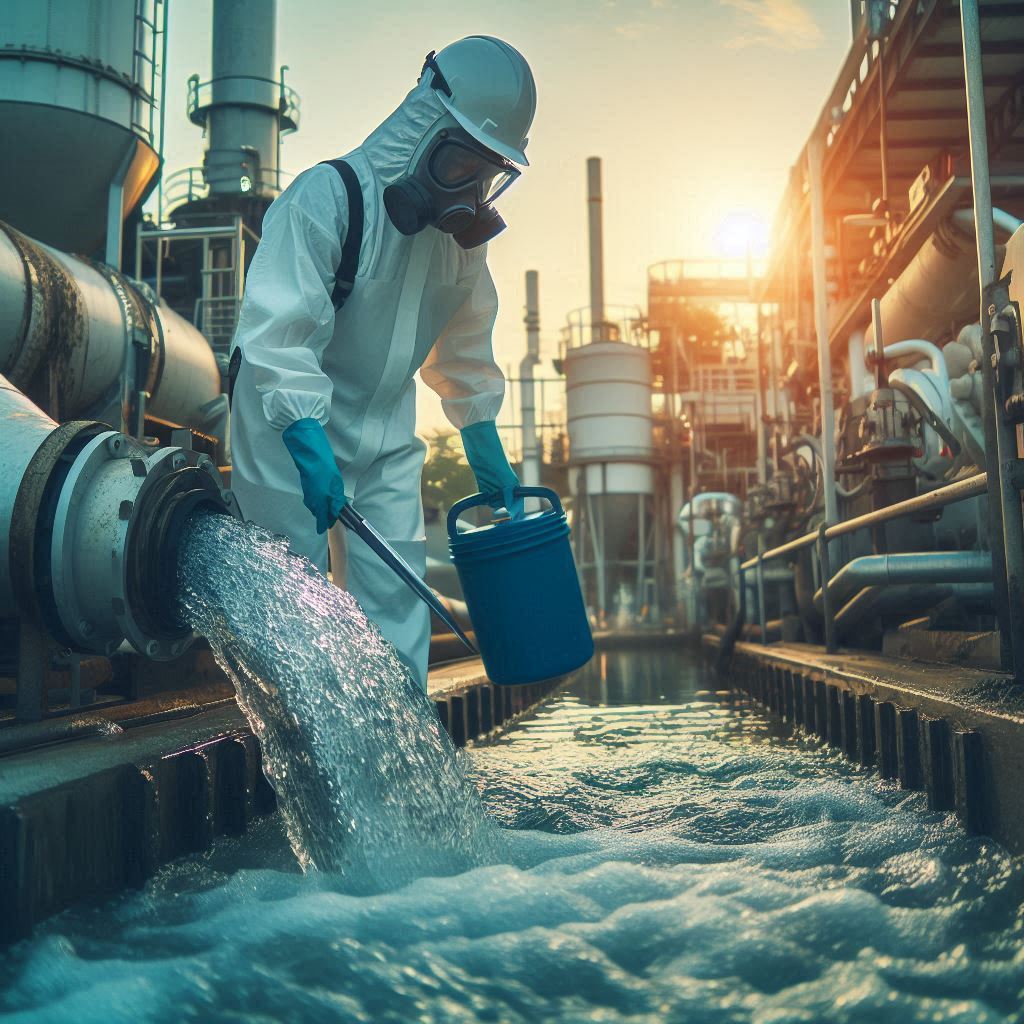
  • Why DIY Mold Remedies Like Baking Soda, Vinegar & Oils Fail!

    Why DIY Mold Remedies Like Baking Soda, Vinegar & Oils Fail!

    DIY Mold Remedies vs. Science: Why Vinegar & Baking Soda Don’t Work

    🍋 The Myth of the Magic Pantry Fix

    It’s the rainy season, and you notice that all-too-familiar musty smell in the basement. You do what many homeowners do: grab a box of baking soda, a jug of vinegar, or maybe a bottle of essential oils. After all, Grandma swore by vinegar for everything, and Pinterest promises that a few drops of tea tree oil will keep mold away forever.

    It feels good, right? A quick fix you already have in your kitchen. You sprinkle, you spray, you dab, and for a moment—it smells fresh again.

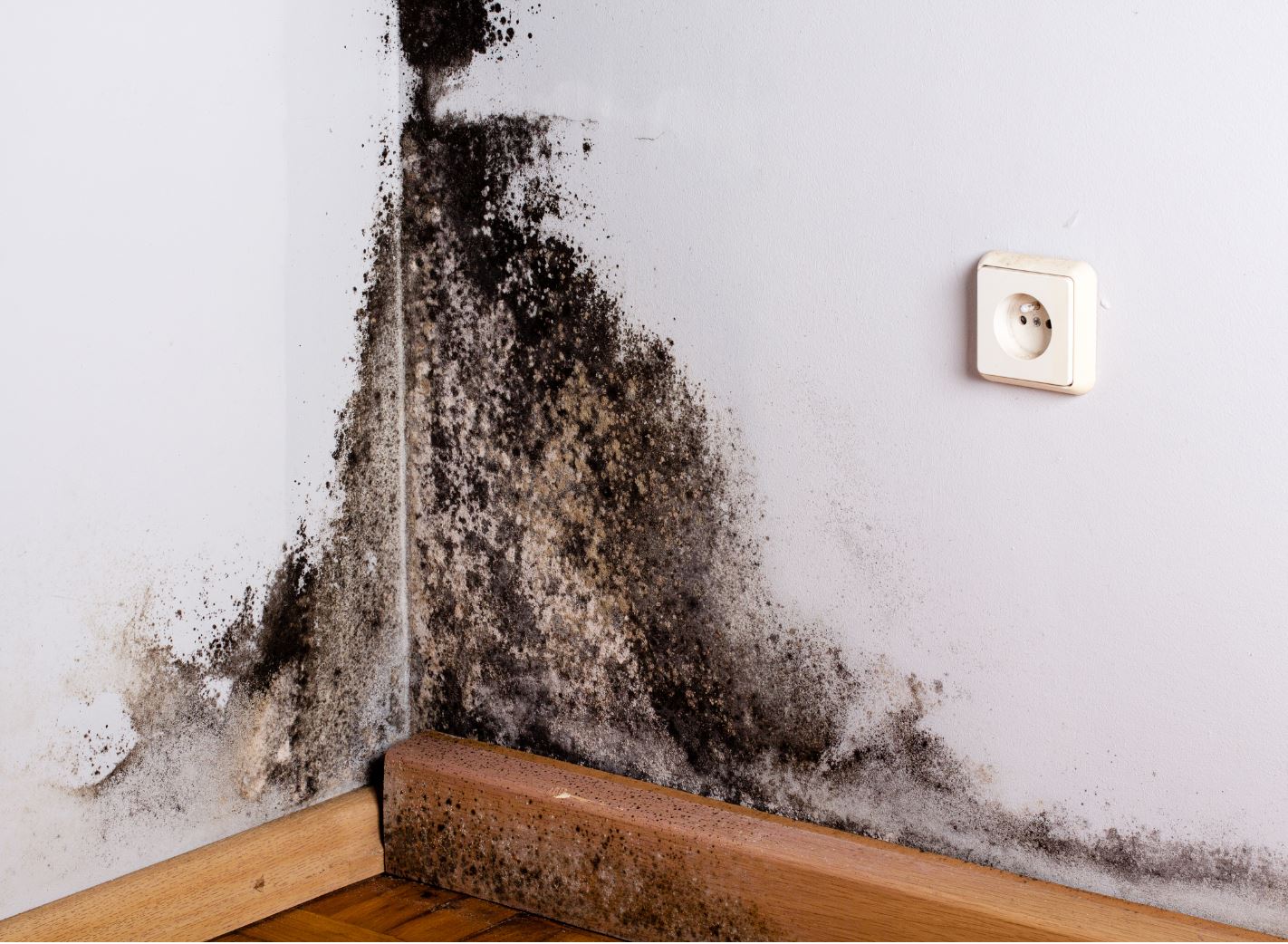
    But here’s the truth: that’s surface-level comfort. Beneath the smell, the mold spores are still alive, active, and ready to spread.


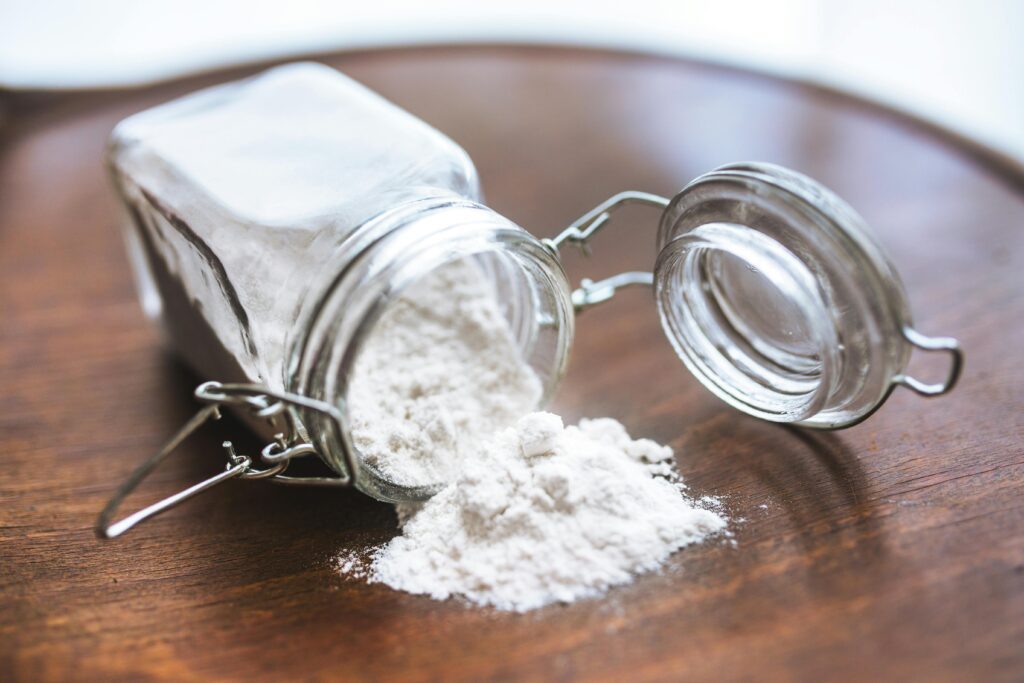
    Backing soda is a great rubbing compound and excellent tooth polish but has no benefits to removing mold.🧂 Baking Soda – The Odor Absorber, Not the Mold Slayer
    Baking soda has a reputation for being a cure-all. People use it in refrigerators, laundry, even as toothpaste. When it comes to mold, though, baking soda is more of a band-aid than a cure.

    • Why people believe it works: Baking soda absorbs odors and creates a less hospitable environment for some microbes.

    • The science: While it can temporarily reduce musty smells, it doesn’t kill mold spores or penetrate porous surfaces. Mold isn’t just on the surface—it roots deep into wood, drywall, fabric, and insulation.

    • What is it good for: While not all is lost, Baking soda is good for making a paste with water to scrub sinks, tubs, or stovetops, Combine with vinegar to help clear minor clogs, Adds extra cleaning power to regular laundry, and makes for a great natural toothpaste powder.

    Bottom line: baking soda can freshen your fridge, but it won’t stop mold colonies from growing behind your walls.


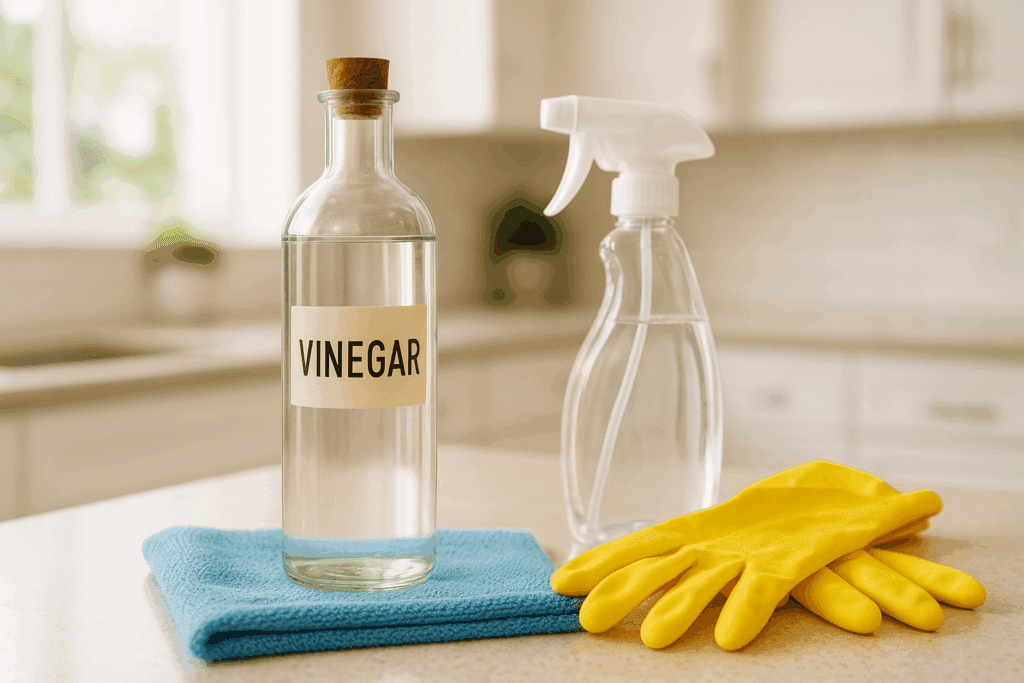
    Vinegar is excellent for removing grease and gives a great shine to surfaces but won't cut to the core to remove bacteria and mold that makes you sick.🧴 Vinegar – The Half-Truth Cleaner

    Vinegar is the most popular DIY mold solution floating around the internet. “Just spray vinegar, and the mold dies!” sounds convincing.

    • Why people believe it works: Vinegar is acidic, and in some lab conditions, it can slow down certain types of mold.

    • The science: Vinegar can reduce surface-level mold but doesn’t neutralize all strains, especially the tougher, allergenic, or toxic molds. Plus, vinegar doesn’t stop spore regrowth. Think of it like mowing the lawn—the blades look gone, but the roots are still there, ready to return.

    • What is it good for: Mix with water for streak-free shine on glass and mirrors, Cuts grease and grime (avoid natural stone like marble) on countertops and sinks,  Steam vinegar to loosen gunk in your microwave, and add it to your laundry as it naturally softens without chemicals.

    That’s why a week after your vinegar spray-down, the same black spots creep back on the bathroom ceiling.


    🌿 Essential Oils – The Feel-Good Fix

    Who doesn’t love the smell of eucalyptus or tea tree oil? They make a house smell spa-like and clean. But when it comes to mold? The benefits are more myth than reality.

    • Why people believe it works: Essential oils have antimicrobial properties in controlled conditions and lab tests. Plus, they smell amazing, so we associate them with cleanliness.

    • The science: Oils might mask musty odors and offer some temporary inhibition, but they cannot reach deep-rooted mold colonies. Mold spores also thrive in places oils can’t reach—inside drywall, insulation, vents, or carpets.

    • What is it good for: Create a calming or uplifting home atmosphere, Combine oils with water in a spray bottle for a natural room spray. Add a few drops to laundry or dryer balls for a pleasant scent. and adding lavender or cedar oils in drawers are an excellent Natural moth repellant.

    At best, oils are mood-lifters, not mold-busters.

    essential oils smell good, promote inner balance and are just expensive!


    🧪 The Reality: Mold is Tougher Than Your Pantry

    Here’s the truth that often gets lost in the DIY advice cycle: mold spores are microscopic, resilient, and thrive in damp, hidden places. To truly eliminate mold, you need something that can:

    ✔ Penetrate porous surfaces
    ✔ Kill spores at their source
    ✔ Prevent regrowth

    That’s why baking soda, vinegar, and essential oils just don’t measure up. They may give you peace of mind for a day or two, but they don’t deliver long-term safety for your family’s health.


    🌊 The Science-Backed Solution: Chlorine Dioxide

    Unlike DIY hacks, chlorine dioxide (ClO₂) is scientifically proven to destroy mold spores at the molecular level. It works differently than bleach or vinegar—it penetrates, oxidizes, and eliminates mold without leaving harmful residues.

    • Safe for homes, basements, HVAC systems, and storage areas

    • Breaks down into salt and water, leaving no toxic leftovers

    • Effective against hidden mold growth and lingering odors

    When mold becomes a household guest, you don’t just want to cover up the smell—you want to show it the door for good.

    CLO2 is a healthy alternative to Bleach and other chemical household cleaners


    ⚖️ The Final Reality Check

    DIY remedies are comforting, but comfort doesn’t equal safety.
    The musty smell returning week after week isn’t just annoying—it’s a warning sign.

    Reality in one sentence: Vinegar, baking soda, and oils can make your home smell better, but only chlorine dioxide makes your home healthier.

    👉 Ready to ditch DIY myths and tackle mold at the source? Discover our eco-friendly chlorine dioxide tablets today.

    ❓ FAQ: Home Remedies vs. Real Protection

    Q: Do vinegar and baking soda really disinfect my home?
    👉 They can help clean surfaces, but they don’t fully kill bacteria, mold, or viruses. Vinegar can cut grease and reduce odors, and baking soda is great for scrubbing—but together, they’re more about shine than true sanitation.


    Q: What about lemon juice—doesn’t its acidity kill germs?
    🍋 Lemon juice has some antibacterial properties, but it’s not strong enough to eliminate pathogens that cause illness. It’s better at deodorizing and leaving a fresh scent than providing full protection.


    Q: Can essential oils replace disinfectants?
    🌿 Essential oils like tea tree, eucalyptus, or lavender smell wonderful and may inhibit some microbes in lab settings. But in real-world home use, they’re not broad-spectrum killers of viruses, mold spores, or dangerous bacteria.


    Q: Why should I be cautious about DIY remedies?
    ⚠️ Many DIY “green cleaning hacks” leave behind a false sense of security. Your counters may look and smell clean, but microscopic threats can still linger—and those are the ones that affect your family’s health.


    Q: So, what’s the safer alternative?
    ✅ For true peace of mind, use a proven solution like Chlorine Dioxide (ClO₂). It’s scientifically backed, eco-friendly, and powerful enough to handle the germs, odors, and mold that vinegar or lemons simply can’t touch.

    Other articles to check out!

    How Can I Kill Mold and Eliminate Musty Odors at Home

    https://clo2tablets.com/%f0%9f%a7%aa-how-safe-is-chlorine-dioxide-for-indoor-use-around-people-and-pets/

  • Are Chlorine Dioxide Tablets Effective For Mold Removal?

    Are Chlorine Dioxide Tablets Effective For Mold Removal?

    🧪 What Are Chlorine Dioxide Tablets?

    A Smart, Powerful Way to Eliminate Mold and Keep Your Home Fresh and Clean

    Chlorine dioxide (ClO₂) tablets are compact, solid tablets that release chlorine dioxide gas when dissolved in water. This gas is a potent disinfectant, capable of killing bacteria, viruses, mold, and mildew. Safe and easy to use, these tablets are a top choice for mold remediation in homes, basements, bathrooms, kitchens, crawl spaces, and more.

    Once mixed with water, the ClO₂ gas disperses into the air and penetrates surfaces—reaching areas that traditional cleaning methods miss. Whether you’re dealing with hidden mold or preventing a comeback, chlorine dioxide tablets are the clear solution.

    👉 Try chlorine dioxide tablets today for safe, powerful mold removal.


    💥 How Chlorine Dioxide Works Against Mold

    Unlike basic cleaners that just wipe the surface, chlorine dioxide penetrates deep into porous materials—such as drywall, carpet, insulation, and wood. It breaks down mold cells by attacking their cell walls, killing the spores at the root and preventing regrowth.

    Plus, as a gas, ClO₂ gets into cracks, corners, and tight spots where mold loves to hide. This makes it far more effective than bleach, vinegar, or ammonia-based cleaners.

    🔗 Discover Effective Solutions to Kill Mold Odor →


    🛡️ Safe Application of Chlorine Dioxide

    Safety is key. Follow these steps for a worry-free mold removal process:

    • 🧤 Wear gloves and a mask
    • 💧 Mix tablets with water per package instructions
    • 🌬️ Ensure good ventilation
    • 📦 Remove moisture-sensitive items before treatment
    • 🕒 Let the area air out completely post-treatment

    Used properly, ClO₂ tablets offer a safe and eco-friendly mold removal solution—without the harsh fumes or surface damage of bleach.

    👉 Shop Mold Removal Tablets Now →
    Fast-Dissolving ClO₂ Tablets for Safe Use at Home


    🧽 ClO₂ vs. Traditional Mold Cleaners

    Feature Chlorine Dioxide Bleach/Vinegar
    Penetrates porous materials ✅ Yes ❌ No
    Kills mold at the source ✅ Yes ❌ No
    Leaves no toxic residue ✅ Yes ❌ No
    Safe for most household surfaces ✅ Yes ❌ No
    Effective in air & on surfaces ✅ Yes ❌ No

    Bleach can’t match the depth or thoroughness of chlorine dioxide. For serious or recurring mold issues, ClO₂ is the trusted choice.


    🦠 Effectiveness on Different Mold Types

    From black mold to green, white, or fuzzy varieties, chlorine dioxide tablets are effective across the board. ClO₂ gas reaches deep into materials to eliminate spores, making it a critical tool for handling stubborn or dangerous mold infestations.

    Whether you’re cleaning out a basement, crawl space, RV, or rental property, these tablets handle it all—safely and thoroughly.

    🔗 How to Remediate Mold in Crawl Space →


    🧪 How to Use ClO₂ Tablets for Mold Removal (Step-by-Step)

    1. Identify Mold-Affected Areas – Common areas include bathrooms, basements, closets, attics, and HVAC systems.
    2. Prepare the Area – Remove personal items, open windows, and turn off HVAC systems to contain treatment.
    3. Wear Protection – Gloves and a mask are recommended.
    4. Dissolve Tablets in Water – Follow dosage directions for space size and severity.
    5. Apply or Expose Area to Gas – Place solution in an open container or spray it directly onto surfaces.
    6. Allow Proper Contact Time – Let the gas work its magic (several hours or overnight).
    7. Ventilate Thoroughly – Open windows and let the treated space air out before re-entry.
    8. Repeat If Needed – For large or heavily infested areas, a second treatment may be helpful.

    Tip: Use a ClO₂ room kit for total area saturation.


    ⏱️ How Fast Do ClO₂ Tablets Work?

    ClO₂ gas begins neutralizing mold spores within minutes of activation. Smaller jobs may show results in 2–6 hours, while larger infestations may require up to 24 hours. The key is proper concentration, contact time, and ventilation.

    👉 Always follow label instructions for best results.


    🛑 Preventing Mold After Treatment

    Mold thrives in damp, stagnant environments. After ClO₂ treatment, keep it away for good with these tips:

    • 🛠️ Fix leaks and water damage ASAP
    • 🌬️ Improve airflow in damp areas
    • 💧 Use dehumidifiers in basements or crawl spaces
    • 🧽 Clean regularly with ClO₂ tablets for maintenance

    🔁 Routine use of chlorine dioxide keeps mold from coming back.


    🔁 Long-Term Mold Control Strategies

    ✔️ Monitor moisture levels
    ✔️ Clean often, especially in hidden areas
    ✔️ Use ClO₂ tablets monthly in bathrooms or basements
    ✔️ Keep an eye on ventilation and humidity

    🧼 Prevent mold before it becomes a problem—with the same solution that removed it.

    🔗 8 Reasons to Choose Chlorine Dioxide Tablets for Cleaning →


    🏡 Final Thoughts: Breathe Easier with ClO₂

    Chlorine dioxide tablets deliver fast, effective, and lasting mold removal—without the toxic fumes or surface damage of traditional cleaners.

    From one-time remediation to regular prevention, ClO₂ is the modern way to fight mold where it hides and keep your home fresh, healthy, and mold-free.

    👉 Explore Our ClO₂ Products Now
    Shop Tablets, Kits & More at Clo2Tablets.com »


  • What Is The Best Natural Remedy for Skunk Spray, Pet Odors, and Hot Spots?

    What Is The Best Natural Remedy for Skunk Spray, Pet Odors, and Hot Spots?

    From Skunks to Hot Spots: How ClO₂ Tablets Keep Pets Fresh, Healthy, and Odor-Free This Summer

    Pets Bring Love—And Sometimes Stinky, Itchy Problems

    Summer means long walks, camping trips, and muddy paws—but it can also mean fleas, skunk encounters, skin infections, and endless pet odors in your home. Instead of harsh chemicals or old-fashioned remedies, pet owners are turning to chlorine dioxide (ClO₂)—a safe, eco-friendly solution trusted in healthcare, food safety, and now, pet care.

    Here’s how a simple 1 gram tablet can solve some of the biggest pet problems this summer:


    A dog sleeps in a pet bed, keep it deodorized with ClO2.1. Fleas & General Pet Odors

    • The Problem: Pets pick up fleas, bacteria, and that infamous “doggy smell.”

    • The Solution:

      • Dissolve 1 gram ClO₂ tablet in 1 gallon of water.

      • Lightly mist pet bedding, carpets, and crates.

      • Air dry—leaving no residue, just fresh, odor-free fabrics.


    2. Skunk Spray Neutralization

    • The Problem: Skunk spray is made of sulfur compounds that stick to fur and resist normal cleaning.

    • The Solution:

      • Dissolve 1 gram tablet in 32 oz of water (spray bottle).

      • Apply to affected fur (avoid eyes/nose).

      • Let sit 5–10 minutes, rinse, repeat if needed.

      • ClO₂ neutralizes the odor at its source—no tomato juice baths required!


    3. Paw Fungus & Yeast Infections

    • The Problem: Warm weather = yeast buildup and fungal infections in paws and skin folds.

    • The Solution:

      • Dissolve 1 gram tablet in 1 gallon of water.

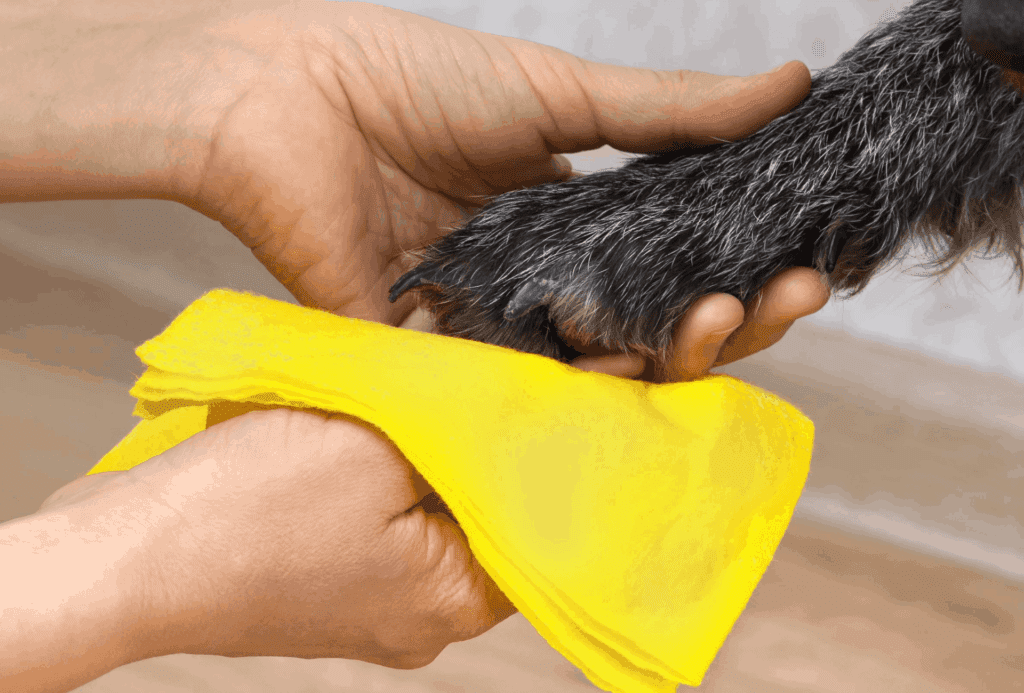
      • Soak a cloth and wipe paws or folds daily.

      • For persistent cases, do a 1–2 minute paw soak until clear.cleaning, deodorizing and sanitizing pet paw and fur takes a clo2


    4. Hot Spots & Skin Bacteria

    • The Problem: Moist, irritated skin patches quickly turn into infected hot spots.

    • The Solution:

      • Prepare a gentle solution (1 gram in 1 gallon water).

      • Spray or dab on the hot spot 2x daily.

      • Helps reduce bacteria and speed up recovery.


    Why Pet Owners Trust ClO₂Anyone with pets will need to regularly clean and deodorize their furniture

    ✅ Safe & Eco-Friendly – Breaks down into simple salts and water.
    Vet-Friendly Support – Not a replacement for treatment, but a powerful support tool.
    Fast & Effective – Works in minutes, not days.
    Versatile – One tablet tackles odors, bacteria, fungus, and tough stains.


    Final Word for Pet Parents

    Whether it’s fleas, funky odors, or the dreaded skunk spray, ClO₂ tablets give you a safe, natural way to keep your pets fresh, comfortable, and healthy this summer.

    👉 Keep a pack on hand for your four-legged family—because fresh paws and snuggly fur make summer even better.

    More FAQ:

    Q: Can my dog or cat lick treated areas?If used at the correct dilution (1 gram tablet in 1 gallon of water), ClO₂ is safe if a pet licks their fur or paws after treatment. However, we recommend letting the area dry before your pet grooms themselves.

    Q: Can I spray ClO₂ directly on my pet?
    For most uses, yes—especially for skunk odor, hot spots, or paw soaks. Just ensure the solution is mild (1 gram in 1 gallon). Avoid eyes, nose, and mouth.

    Q: Does ClO₂ help with fleas?
    ClO₂ isn’t a flea medication, but it does disinfect bedding, carpets, and furniture where fleas hide—reducing the risk of reinfestation and removing the odor fleas are attracted to.

    Q: How often can I use ClO₂ on my pet?
    For odor control and paw cleaning, daily use is safe. For skin issues like hot spots, use twice daily until symptoms improve. Always consult your vet for persistent conditions.

    Q: Is ClO₂ safe for cats as well as dogs?
    Yes—when diluted properly, ClO₂ is safe for both cats and dogs. Since cats are more sensitive to strong smells, use lighter misting or wiping methods instead of soaking.

  • Are Your Waterlines Making People Sick? The Untold Risk Lurking in Pipes

    Are Your Waterlines Making People Sick? The Untold Risk Lurking in Pipes

    The Hidden Danger in Facility Waterlines & How Chlorine Dioxide Stops It

    Waterlines are everywhere—hospitals, dental offices, schools, restaurants, gyms. Yet behind the clean-looking faucets and taps lies an invisible threat: biofilm buildup.

    Biofilm is a slimy layer of bacteria, fungi, and other microorganisms that clings to pipes and water systems. It thrives in stagnant or low-flow areas—and once established, it’s incredibly hard to remove.

    The result? Outbreaks of Legionella, Pseudomonas, and even fungal infections traced directly to contaminated waterlines.

    Real Outbreaks, Real Consequences

    • Dental Waterlines – Studies show that dental unit waterlines often exceed safe microbial counts, putting patients and staff at risk.

    • Hospital Systems – Legionella outbreaks tied to waterlines have caused serious illness and even death in vulnerable patients.

    • Schools & Public Facilities – Aging pipes + seasonal stagnation = ideal breeding ground for pathogens.

    💡 When biofilm forms, flushing with water or using basic cleaners doesn’t work—it only peels the surface, leaving the colony alive and well beneath.

    Recent Outbreaks That Changed Communities

    • New Orleans, 2023: Legionella bacteria spread through waterlines, sparking public health alerts.

    • Jackson, Mississippi, 2022: Infrastructure failure left thousands without safe drinking water.

    • Camden, New Jersey, 2021: Contaminated distribution lines resulted in residents advised to boil water.

    These stories are not distant headlines—they’re warnings. Every family, school, hospital, and facility is vulnerable if their water isn’t properly treated.

    Exposure to contaminated waterWhat Happens If Someone Drinks or Uses Contaminated Water?
    Exposure to unsafe water can cause serious health risks, often without immediate warning. Symptoms depend on the contaminant but may include:

    • Gastrointestinal issues: nausea, vomiting, diarrhea, stomach cramps

    • Fever and fatigue: signs of infection from bacteria or parasites

    • Skin rashes or irritation: from bathing or washing in contaminated water

    • Respiratory problems: cough, chest tightness, or pneumonia if inhaling vaporized contaminated water (e.g., Legionella)

    • Neurological symptoms: in severe cases, parasites or toxins can cause headaches, confusion, or seizures

    What Should They Do If They Suspect Water Contamination?

    1. Stop drinking the water immediately. Switch to bottled or properly treated water until safety is confirmed.

    2. Boil water if advised. Heat to a rolling boil for at least 1 minute (3 minutes at higher altitudes) to kill most microbes.

    3. Use chlorine dioxide treatment. ClO₂ tablets are effective at killing bacteria, viruses, and parasites in water sources.

    4. Seek medical care. If symptoms appear, especially diarrhea, fever, or breathing issues, contact a healthcare provider.

    5. Report concerns. Notify your local health department so testing and community alerts can be issued.

    Why Traditional Methods Fail

    Bleach, harsh chemicals, or routine flushing are temporary at best—and damaging at worst. They either:

    • Fail to penetrate biofilm,

    • Leave harmful residues, or

    • Corrode pipes, faucets, and sensitive equipment.

    This is why outbreaks keep happening: facilities rely on methods that don’t actually solve the problem.

    Why Chlorine Dioxide Is Different

    Unlike chlorine bleach, which leaves harmful byproducts, chlorine dioxide is selective and powerful. It destroys dangerous pathogens—including those resistant to chlorine—without creating toxic residues. That means safer water for families, businesses, and communities.

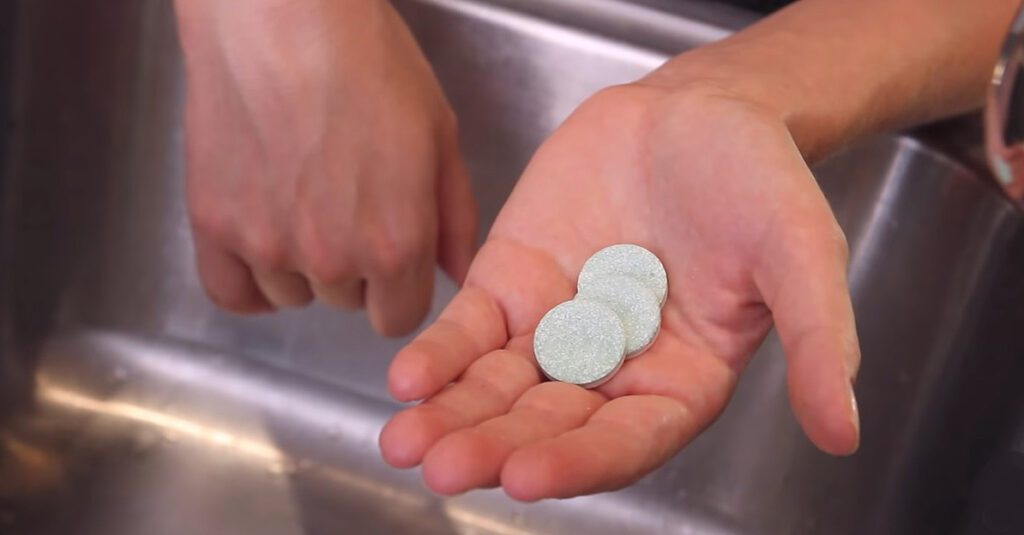
    chlorine dioxide tablets in hand.The Power of Chlorine Dioxide (ClO₂)

    Unlike bleach or chlorine, ClO₂ penetrates biofilm at the molecular level, dismantling the slimy structure and neutralizing pathogens.

    Here’s why facilities worldwide are turning to ClO₂ for waterline safety:

    • Biofilm Penetration – Destroys hidden colonies where pathogens multiply.

    • Broad-Spectrum Kill – Effective against bacteria, fungi, viruses, and spores.

    • Eco-Friendly – Breaks down into salt and water, leaving no harmful residue.

    • Non-Corrosive – Safe for pipes, fittings, and sensitive equipment.

    What Businesses Can Do Now

    If your facility relies on clean, safe waterlines—waiting until an outbreak isn’t an option.

    🔑 Steps to Protect Your Facility:

    1. Audit your waterline maintenance protocols.

    2. Test microbial levels regularly.

    3. Replace bleach-based cleaners with ClO₂ solutions.

    4. Train staff on proper use and compliance.

    5. Establish a preventative treatment plan.

    Protecting Families, Protecting Their Future

    Every outbreak is a reminder: safe water is never guaranteed. But with awareness, preparedness, and science-backed tools like ClO₂ tablets, you can stay ahead of contamination risks.

    👉 Be proactive. Educate your community. And never take “clean water” for granted.

    The Bottom Line 💧

    Whether you manage a dental practice, hospital, gym, or public facility—your reputation and people’s health are on the line.

    ClO₂ tablets are a proven, safe, and eco-friendly way to eliminate biofilm and protect your water systems from dangerous outbreaks.

    👉 Don’t wait for a headline-making outbreak. Protect your facility today.

    is your water really clean?

  • How Do I Eliminate Stains & Odors from My Kids Sports Uniforms & Gear?

    How Do I Eliminate Stains & Odors from My Kids Sports Uniforms & Gear?

    🏆 Say Goodbye to Stinky Sports Gear! How CLO2 + Laundry Detergent Saves the Day

    Youth SOccer

    Back-to-school sports season is here—⚽ cleats, 🏈 jerseys, and socks that practically stand up on their own. But if your laundry smells like a locker room nightmare, don’t worry—we’ve got you covered! Combine CLO2 Tablets with our Fragrance-Free Laundry Detergent and you can actually eliminate odors, tackle stains, and protect your kids’ skin—all at the same time!

    How It Works 🧪

    1️⃣ Break Down Biofilm – Odors hide in bacterial biofilm, which regular detergent can’t remove. CLO2 attacks the biofilm, neutralizing the source of stink.
    2️⃣ Wash Away Stains & Dirt – Our enzyme-powered laundry detergent sweeps away grass stains, mud, and sweat while remaining gentle on fabrics and skin.
    3️⃣ Fresh, Ready-to-Wear Gear – No harsh chemicals, no bleach, no fragrance—just clean, fresh sports uniforms that kids can actually wear without complaints.

    happy momStep-by-Step Laundry Guide for Parents 👕

    • Step 1: Pre-treat tough stains (grass, mud, or sweat) with a amount of laundry detergent directly on the stain.

    • Step 2: Add one 1gram CLO2 Tablet to the washing machine according to instructions. This attacks bacteria and biofilm in every crevice of cleats, socks, and jerseys.

    • Step 3: Add one pump of our Simply Clean Clothes laundry detergent (1 oz) to your washing machines soap dispenser.
    • Step 4: Wash on warm (or cold for delicate fabrics) and let the enzyme detergent work its magic.

    • Step 5: Dry as usual—gear will come out fresh, soft, and odor-free!

    Note: If the Uniform has been sitting around undiscovered for a bit and smells extra funky don’t be afraid to repeat the process.

    Twice will usually do the trick on even the worst odors.

    Why It Works ✅

    • Tough on stains 💪, gentle on skin 🌿

    • No harsh chemicals, bleach, or artificial fragrances

    • Safe for kids and sensitive skin

    • Science-backed CLO2 + enzyme detergent combo eliminates odors at the source, not just on the surface

    Say goodbye to the “locker room smell” and hello to fresh, ready-to-play sports gear! 🧦🏆 Make laundry day easy and effective this season—grab your CLO2 Tablets and Fragrance-Free Laundry Detergent today.

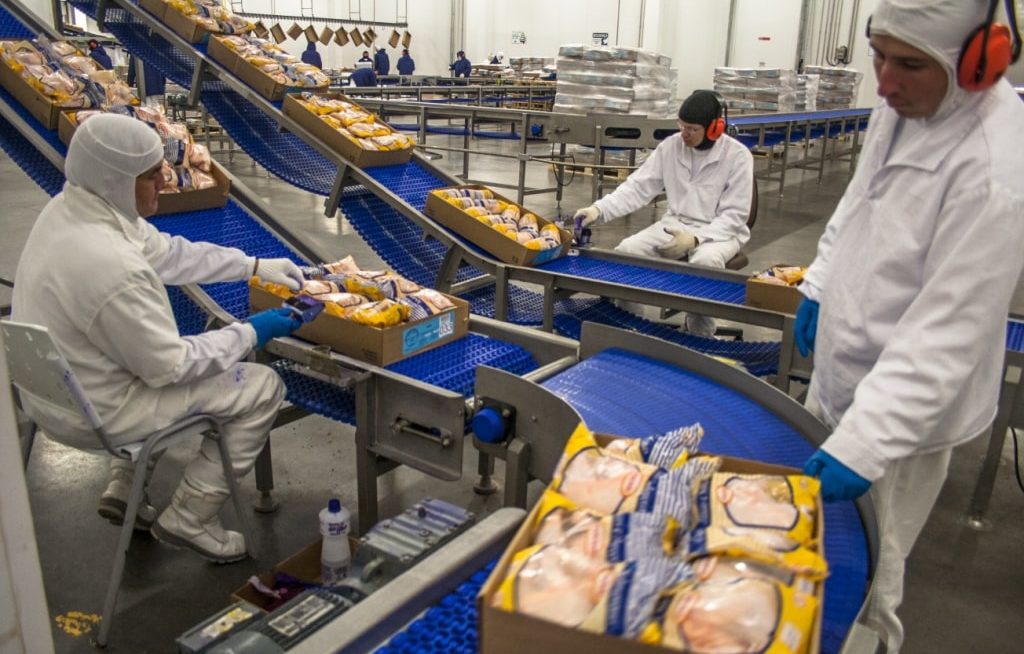
  • How Can CLO2 Tablets Improve Factory Cleaning Efficiency?

    How Can CLO2 Tablets Improve Factory Cleaning Efficiency?

    How Do CLO2 Tablets Supercharge Factory Cleaning Efficiency? 🏭✨

    Cleaning a factory is no small feat. It requires speed, safety, and serious power to tackle grime, germs, and odors — all while staying eco-friendly and budget-wise. Enter CLO2 tablets, your new secret weapon. These tiny chlorine dioxide tablets pack a mighty punch when dissolved in water, transforming your cleaning routine from tedious to turbocharged. 🚀

    Let’s dive into how CLO2 tablets revolutionize factory cleaning, making your workspace safer, fresher, and more efficient.


    What Are CLO2 Tablets & Why Are They Game Changers? 🔬💥

    CLO2 tablets release chlorine dioxide — a powerful disinfectant recognized worldwide for its ability to kill bacteria, viruses, and stubborn grime. Unlike traditional harsh chemicals, these tablets:

    • Work on a wide variety of surfaces: floors, walls, machinery, and more
    • Penetrate tiny cracks and crevices for a deep clean
    • Are simple to use — just dissolve in water and you’re ready to go!

    The result? A potent cleaning solution that saves time and reduces chemical use — keeping your factory cleaner and greener. 🌿


    Surface Cleaning Made Effortless 🧽✨

    When dissolved, the chlorine dioxide released by CLO2 tablets forms a solution strong enough to cut through dirt, grease, and bacteria on every surface imaginable. Whether it’s factory floors, walls, or equipment, the solution reaches places scrubbing brushes simply can’t, ensuring no hidden germs survive.

    Regular use helps prevent buildup of grime and germs, reducing contamination risks and improving hygiene standards — key for any factory committed to safety and compliance. 🧴✅


    Slash Cleaning Time ⏱️ & Boost Productivity 💼

    In fast-paced factory environments, time is a precious commodity. CLO2 tablets break down dirt and bacteria quickly, so workers spend less time cleaning and more time on core tasks. No complicated mixing or measuring — just drop the tablet in water, and boom, you’ve got a ready-to-use powerhouse cleaner.

    Less cleaning time means more production time. It’s a win-win for efficiency and profitability. 📈


    Safe for Workers & the Environment 🌍🛡️

    One of the biggest advantages of CLO2 tablets is their safety profile. They don’t release harmful fumes or toxic residues, unlike many harsh chemicals. This helps maintain better indoor air quality, keeping workers healthier and happier.

    Plus, reducing chemical usage minimizes hazardous waste, supporting your factory’s sustainability goals. Store the tablets properly — in a dry, shaded place — and always follow instructions to ensure maximum safety. 👷‍♀️👍


    Cost-Effective Cleaning Without Compromise 💰🔧

    Think powerful cleaning has to break the bank? Think again. One CLO2 tablet can produce a large amount of cleaning solution, meaning you buy less product and save on storage and shipping costs.

    Faster cleaning reduces labor hours, lowering overall expenses. It’s a smart investment that pays for itself by cutting costs while improving results. Budget-friendly and effective — what’s not to love? 💵✨


    Say Goodbye to Factory Odors 👃❌

    Factories often struggle with persistent odors caused by bacteria and chemical residues. The chlorine dioxide in CLO2 tablets tackles odor-causing bacteria head-on, breaking them down to leave the air fresh and clean.

    A fresher environment means better worker morale and a more pleasant workplace for everyone — a subtle but powerful boost to productivity and satisfaction. 🌬️😊


    Environmentally Friendly & Sustainable 🌱♻️

    Unlike many traditional cleaners that linger as harmful residues, CLO2 tablets break down into harmless substances after use. This reduces pollution and chemical waste, helping your factory tread lighter on the planet.

    Using fewer chemicals also means less water contamination and safer disposal practices. Choosing CLO2 tablets is not just good for your factory — it’s good for the earth too. 🌏💚


    Summary: Why Every Factory Needs CLO2 Tablets

    • Powerful germ-killer: Keeps your factory hygienic and safe
    • Easy to use: Just dissolve in water — no hassle, no fuss
    • Surface safe: Tough on dirt, gentle on equipment
    • Odor control: Eliminates bad smells fast
    • Cost-efficient: Saves money on supplies and labor
    • Eco-friendly: Breaks down safely, protects the environment

    Final Thought: Make the Smart Switch Today 💡✨

    In today’s fast-paced, eco-conscious world, sticking with outdated, harsh cleaning methods just doesn’t cut it anymore. CLO2 tablets offer a smart, sustainable solution that protects your workers, your bottom line, and the planet—all while delivering unmatched cleaning power. Don’t wait for problems to pile up. Take charge of your factory’s cleanliness and efficiency now, and watch how CLO2 transforms your workspace into a safer, fresher, and more productive environment. Your future self—and your team—will thank you. Ready to make the switch? Let’s get cleaning smarter, not harder! 🚀🧼🌿


    Ready to Upgrade Your Factory Cleaning? 🔥

    If you want to cut cleaning time, improve worker safety, and boost your factory’s environmental credentials — it’s time to embrace CLO2 tablets. Powerful, safe, and budget-friendly, these tablets are the future of industrial cleaning.

    Take the step towards a cleaner, healthier, and more efficient factory today. Your team and the planet will thank you! 🙌🌟

  • How Can I use Chlorine Dioxide on My Farm?

    How Can I use Chlorine Dioxide on My Farm?

    Chlorine Dioxide for Agriculture: Livestock Water Treatment, Disease Prevention & Crop Protection

    Low-Range Test Strip PanelShort Answer; Absolutely and the sooner you start using it the healthier you animals and crops will be!

    Water is life on any farm. But it can also be a source of hidden harm. Parasites, mold, algae, and biofilms frequently develop inside livestock water lines, troughs, and tanks, exposing your herd to infections and chronic health stress.

    ClO₂ breaks the cycle.

    • Water Line Treatment: When used at safe, controlled PPM levels, chlorine dioxide destroys harmful microorganisms, removes biofilm buildup, and keeps water fresh and palatable.
    • Parasite Reduction: By eliminating biofilm and organic waste in water lines, you cut off breeding grounds for parasites that impact digestion, growth, and immunity.

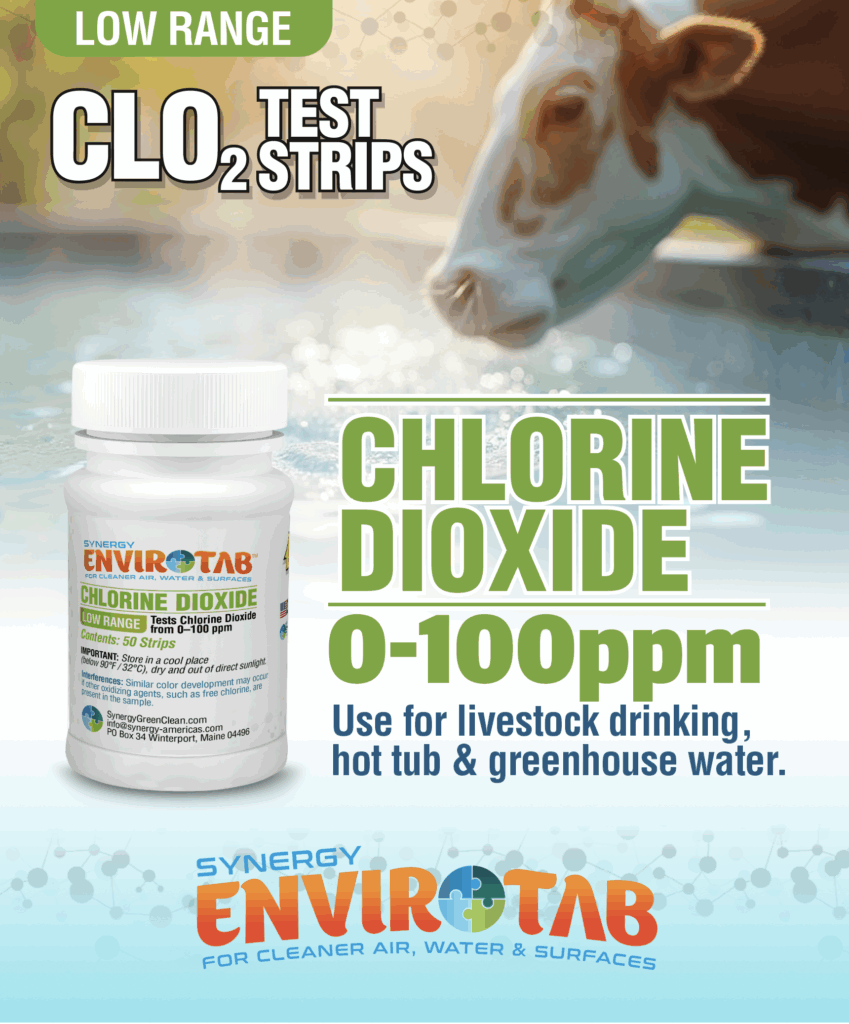
    Safety First: We offer easy-to-use test strips so you can always monitor your water’s ClO₂ levels to stay within safe ranges for animal consumption.


    LivestockLivestock Care: From Hoof Health to Wound Support

    On dairy farms and livestock operations, ClO₂ isn’t just for water:

    Hoof Washing Systems: ClO₂ can be added to hoof baths to kill infectious bacteria and fungi that cause lameness and spread rapidly through herds.

    Wound Cleansing: While not a substitute for a veterinarian, a properly diluted ClO₂ solution can be used to rinse superficial wounds and skin infections safely and effectively.

    Equipment Sanitation: ClO₂ works wonders on tools, feeders, and transport equipment that can carry pathogens from pen to pen or farm to farm.

    Common diseases that ClO₂ protocols can help reduce the spread of:

    • Foot rot
    • Salmonella
    • E. coli
    • Mastitis pathogens
    • Avian Influenza (indirect control via sanitation)
    • Bovine Respiratory Disease (via improved biosecurity)

    Crop Protection: Stop Mold Before It Startswheat rot

    Every growing season comes with uncertainty—but especially during humid or wet spells, mold and mildew can devastate yields before harvest even arrives.

    Here’s how ClO₂ supports crop growers:

    • Pre-Harvest Wash: A low-PPM ClO₂ rinse removes fungal spores and surface pathogens from fruits and vegetables.
    • Post-Harvest Storage: Use ClO₂ gas or solution to sanitize storage bins, packaging areas, and transport equipment.
    • Soil & Coil Management: Using ClO₂ in irrigation water can help balance pH, reduce biofilm in lines, and minimize fungal root rot risks.

    Important: As always, knowing your PPM is critical to avoid plant stress or damage. Our team can help set you up with safe dilution guides and test kits tailored to your crop type and local conditions.


    Our Commitment to Farmers

    At Synergy Americas, we care deeply about the agricultural community. You provide food, security, and economic stability for families everywhere. It’s not just a business—it’s a responsibility.

    That’s why we focus on delivering products and protocols that are:

    • Safe for animals, crops, and workers
    • Effective against pathogens, without harsh residues
    • Sustainable, supporting long-term soil and water health

    Whether you’re in Nebraska, Northern California, or the UK countryside, we’re here to help.

    If you’re facing ongoing issues with livestock infections, biofilm in water lines, poor hoof health, or mold-impacted crops, we can help you develop a plan that works.

    We have professionals in the U.S. ready to consult with you and answer any questions you might have.


    Ready to Take the Next Step?

    Explore our line of agriculture-grade chlorine dioxide tablets, test strips, and professional protocols at https://clo2tablets.com. We’re here to answer questions, guide setup, and help make your job easier.

    Because at the end of the day, a cleaner farm is a healthier farm.

    Let’s protect your animals, your crops, and your future—together.

    If you need help with specific Agricultural needs our professionals are ready for your questions and are happy to help. You can reach out to us Mon-Friday at the numbers provided on our contact page or VIA email.

    We look forward to working with you and helping you keeping your farm healthy.