Author: Michele Matthews

  • The Hidden Role of Air Quality in Flu Prevention

    The Hidden Role of Air Quality in Flu Prevention

    Flu Season & Air Quality: Why Indoor Air Matters

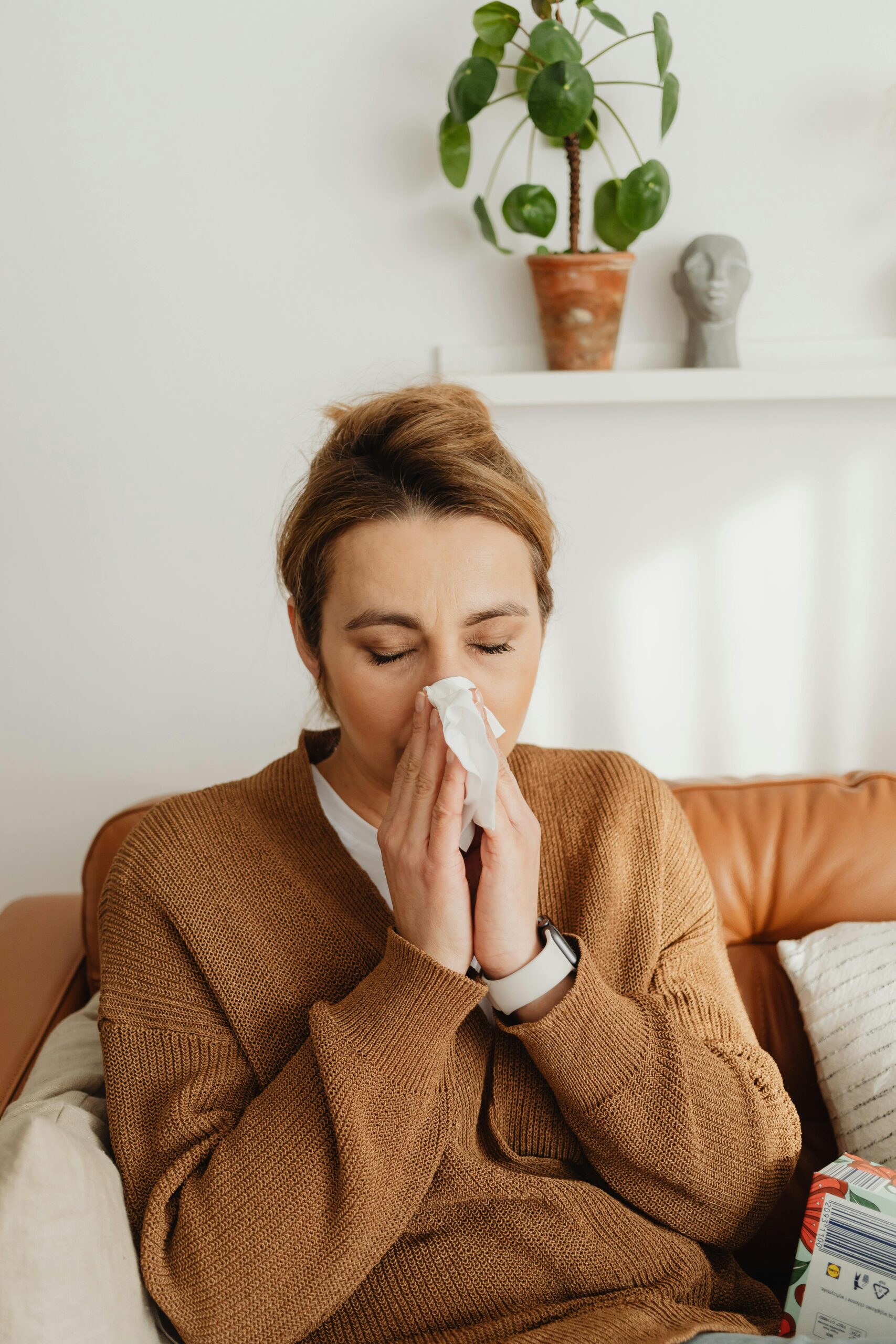
    When flu season hits, most people focus on washing hands and cleaning surfaces. But there’s one hidden factor that’s often overlooked: the air we breathe. Influenza viruses are airborne pathogens, which means they can linger in enclosed spaces for hours. Poor indoor air quality not only spreads flu germs more effectively but can also make your home and office environments unhealthy for everyone.

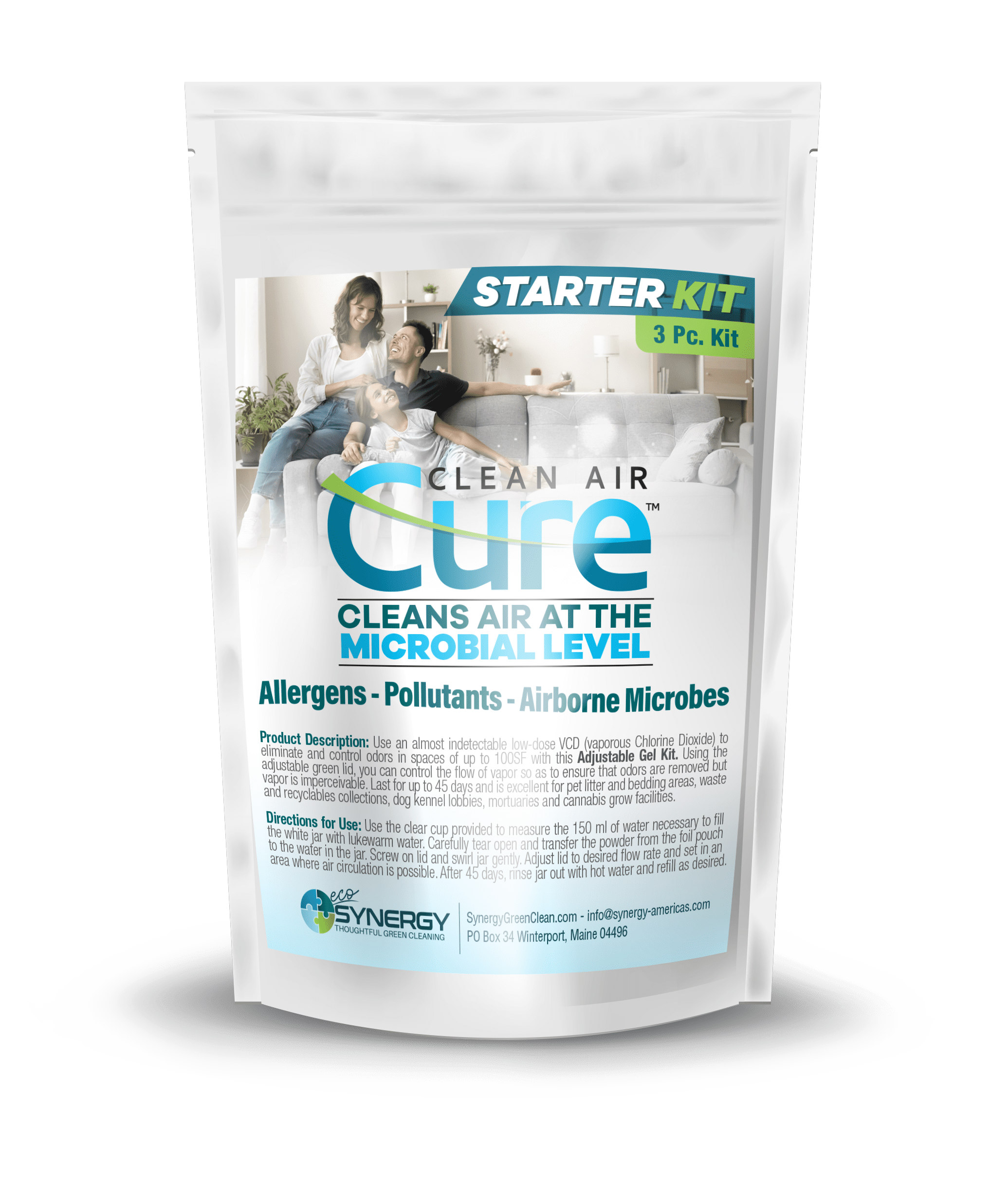
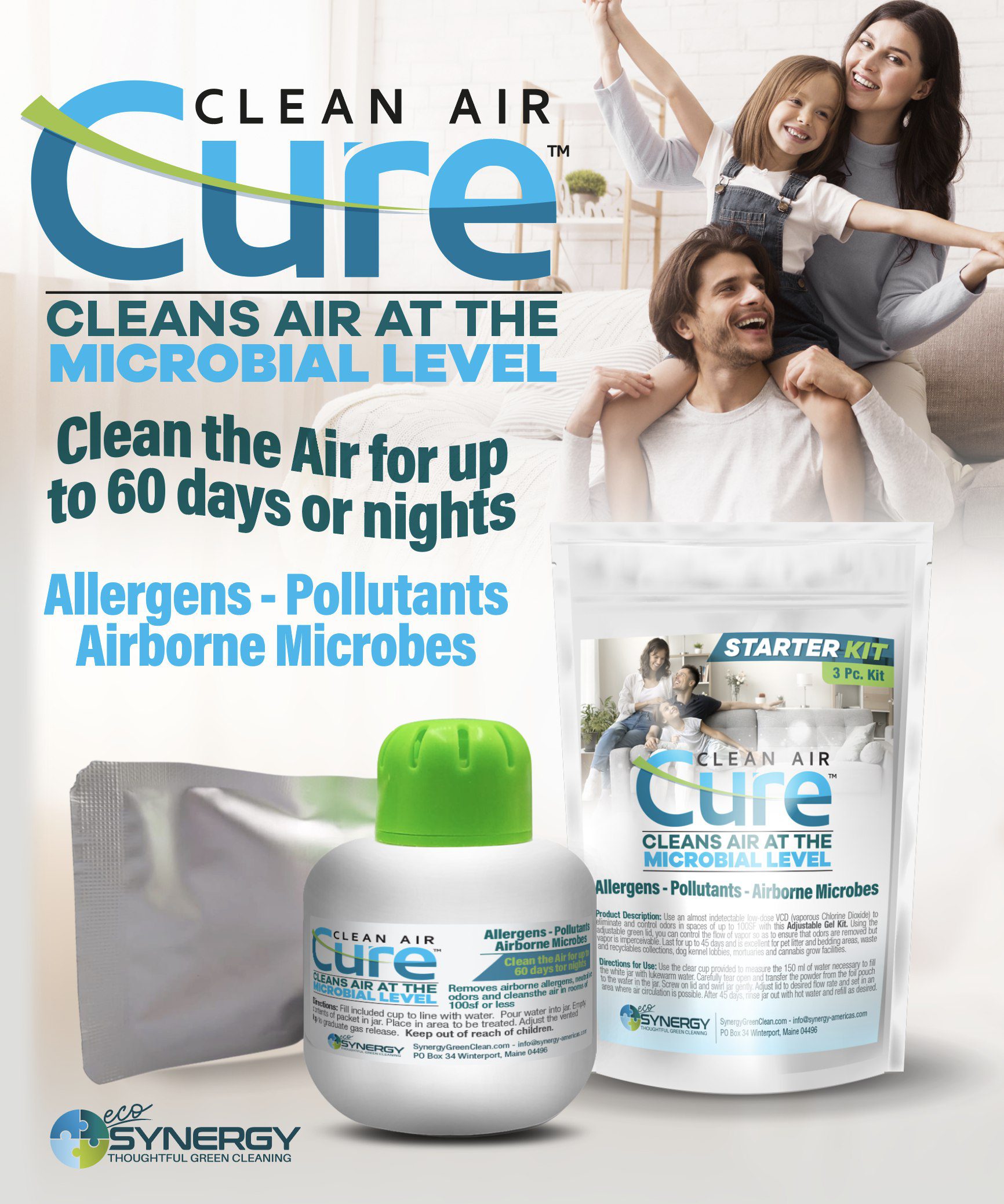
    Using eco-friendly disinfectants like our new CURE chlorine dioxide (ClO₂) clean air system can neutralize germs in the air and reduce the risk of airborne transmission. Combined with proper ventilation and cleaning routines, you can dramatically cut your exposure to flu viruses.


    How Air Quality Affects Flu Transmission

    Airborne flu viruses are tiny droplets released when someone sneezes, coughs, or even talks. These droplets can:

    • Stay suspended in the air for several hours

    • Travel distances beyond 6 feet, especially in poorly ventilated rooms

    • Settle on surfaces later, contributing to indirect transmission

    High-risk indoor areas include:

    • Offices and classrooms with limited airflow

    • Densely populated apartments or homes

    • Small meeting rooms and break areas

    Poor air circulation not only allows viruses to linger, but also traps dust, allergens, and odors, creating a breeding ground for bacteria and additional pathogens.


    Cure Gels is one of our newest line of air purifications to help aid during flu seasonPractical Steps to Improve Air Quality

    1. Ventilation is Key

    Open windows and doors whenever possible to create cross-ventilation. Even 15–30 minutes a day can reduce indoor flu virus concentrations.

    2. Use Air Purifiers

    HEPA filters capture airborne particles, including virus-laden droplets. Adding ClO₂ solutions like our newest like of clean air Cure can neutralize odors and disinfect the air simultaneously.

    3. Reduce Indoor Contaminants

    Dust, mold, and allergens worsen indoor air quality. Regular cleaning of vents, ducts, and filters combined with ClO₂ treatments keeps air fresh and safe.

    4. Control Humidity

    Flu viruses thrive in dry air. Maintaining humidity around 40–60% can reduce viral survival while keeping respiratory passages healthy.


    Clean Air CURE with ClO₂ Benefits for Air Quality

    Chlorine dioxide is a versatile disinfectant for indoor environments:

    • Eliminates viruses and bacteria in the air and on surfaces

    • Neutralizes odors from cooking, pets, and stale air

    • Eco-friendly and safe for daily use around children and pets

    Adding ClO₂ tablets or sprays in offices, classrooms, and homes creates a layer of protection against flu germs that goes beyond handwashing and surface cleaning.


    CURE cleans the air up to 60 days and nights for clean pure air.Combining Surface & Air Protection

    For full flu prevention, it’s not enough to clean surfaces alone. Combine:

    • Daily high-touch surface cleaning with ClO₂

    • Regular air purification using ClO₂ solutions or HEPA filters

    • Good personal hygiene, including handwashing and mask use in high-risk situations

    Together, these steps dramatically lower the likelihood of flu transmission at home, school, or the workplace.


    Conclusion

    Flu prevention is more than handwashing and disinfecting surfaces—it’s about creating a healthy indoor environment. By improving ventilation, controlling humidity, and using ClO₂ for air purification, you can reduce airborne flu germs and protect your family and coworkers.

    Remember: healthy air = healthy people. Make your home and office safe this flu season


    Questions People Ask

    1. Q: Can flu viruses stay airborne for hours?
    A: Yes, influenza viruses can linger in the air for several hours, especially in poorly ventilated spaces.

    2. Q: How does indoor air quality affect flu transmission?
    A: Poor air quality allows flu viruses to remain airborne, increasing the risk of infection.

    3. Q: Are air purifiers effective against flu viruses?
    A: HEPA filters capture virus-laden droplets, and adding ClO₂ solutions can further disinfect the air.

    4. Q: How often should I ventilate my home?
    A: Even 15–30 minutes a day of cross-ventilation helps reduce airborne virus concentrations.

    5. Q: Can ClO₂ be used safely in offices and classrooms?
    A: Yes, ClO₂ is safe for daily use and eco-friendly, making it ideal for shared indoor spaces.

    6. Q: Does humidity affect flu virus survival?
    A: Yes, maintaining indoor humidity between 40–60% can reduce flu virus viability.

    7. Q: What indoor areas are high-risk for airborne flu?
    A: Offices, classrooms, meeting rooms, and small, crowded spaces with limited airflow.

    8. Q: How does ClO₂ improve indoor air?
    A: It eliminates airborne germs, neutralizes odors, and disinfects surfaces.

    9. Q: Should air purification replace surface cleaning?
    A: No. Air purification complements surface cleaning to provide a complete flu prevention strategy.

    10. Q: How can I make my home air flu-safe?
    A: Ventilate regularly, control humidity, clean surfaces with ClO₂, and consider ClO₂ air treatments.

  • Top 5 Germ Hotspots in Your Home (and How to Keep Them Clean)

    Top 5 Germ Hotspots in Your Home (and How to Keep Them Clean)

    Your home is supposed to be a safe haven—but during flu season, it can quickly become a hotspot for germs. Many people clean the obvious areas like floors and counters, but the flu virus thrives on everyday objects that we touch constantly.

    Studies show that high-touch surfaces like door handles, remotes, and keyboards harbor viruses and bacteria, increasing the risk of transmission. The good news is that with proper cleaning, you can reduce germs significantly. One of the most effective solutions is chlorine dioxide (ClO₂), an eco-friendly, fast-acting disinfectant that works on surfaces, fabrics, and even in the air.


    Laptops, cellphone and remote controls are all germ hotspots that we forget to wipe down!The Top 5 Germ Hotspots in Your Home

    1. Remote Controls

    Your living room remote control is handled by every member of the family and often never cleaned. Studies have found that these small devices carry more bacteria than a toilet seat. Wipe down daily with ClO₂ disinfectant to keep viruses at bay.

    2. Light Switches

    Often ignored during cleaning, light switches are touched multiple times a day by different household members. Daily disinfection with a ClO₂ spray or wipe prevents germ buildup.

    3. Refrigerator & Microwave Handles

    Handles in your kitchen are high-traffic areas. They are touched before and after food prep, which can easily transfer flu viruses. Clean handles at least once a day using eco-friendly ClO₂ solutions.

    4. Smartphones & Tablets

    Our devices travel with us everywhere—shopping carts, work desks, public transport. Regular cleaning with ClO₂ wipes or sprays kills lingering viruses without damaging electronics.

    5. Keyboards & Desks

    Whether you work from home or have children doing homework, keyboards, desks, and office equipment are loaded with germs. A weekly ClO₂ disinfectant routine is essential.


    Additional Tips for Reducing Home Germs

    • Establish a routine: Create a weekly cleaning checklist targeting high-touch areas.

    • Use ClO₂ regularly: Beyond surfaces, ClO₂ eliminates odors and airborne germs.

    • Encourage family participation: Teaching children to sanitize their hands and devices helps reduce spread.

    • Don’t forget fabrics: Phones, remotes, and handles are obvious, but soft surfaces like couch arms, pillowcases, and curtains also harbor germs.


    ClO₂ Advantages for Home Cleaning

    • Kills 99.9% of bacteria and viruses: Fast-acting and effective against flu viruses.

    • Eco-friendly: Safe for children, pets, and surfaces.

    • Versatile: Can be used on kitchen surfaces, electronics, bathroom fixtures, and even laundry.


    Conclusion

    Flu prevention starts at home, and targeting high-touch surfaces is one of the most effective ways to protect your family. By combining consistent cleaning routines with the power of ClO₂ (chlorine dioxide), you can create a healthier, germ-reduced environment that keeps flu viruses from taking hold.

    Stay vigilant, stay consistent, and keep your home flu-safe all season long.


    CLO2 is a healthy alternative to Bleach and other chemical household cleanersWhat People Also Ask

    1. Q: What are the most common germ hotspots in the home?
    A: Remote controls, light switches, fridge handles, smartphones, and keyboards are the top five.

    2. Q: How often should I clean remote controls?
    A: Daily during flu season using a ClO₂-based disinfectant.

    3. Q: Are kitchen handles really that dirty?
    A: Yes! Handles are touched before and after food prep and often harbor flu viruses.

    4. Q: Can ClO₂ be used safely on electronics?
    A: Yes! It’s safe for phones, tablets, and keyboards when applied as directed.

    5. Q: Should I disinfect my desk at home?
    A: Absolutely. Desks are high-touch areas and can harbor bacteria from multiple sources.

    6. Q: Do soft surfaces need ClO₂ cleaning?
    A: Yes. Couch arms, pillows, and curtains can carry germs. ClO₂ disinfects safely and effectively.

    7. Q: Can kids help with home disinfection?
    A: Yes! Teach them to wipe high-touch surfaces and sanitize devices under supervision.

    8. Q: How long does ClO₂ take to kill germs?
    A: ClO₂ works in minutes, rapidly eliminating viruses and bacteria on contact.

    9. Q: Can ClO₂ prevent flu at home?
    A: While no product guarantees 100% prevention, ClO₂ significantly reduces the presence of flu viruses on surfaces and in the air.

    10. Q: How do I create a cleaning routine that works?
    A: Focus on high-touch areas daily, soft surfaces weekly, and supplement with ClO₂ for consistent protection.

  • Flu Season Germs: How They Spread & How to Stop Them

    Flu Season Germs: How They Spread & How to Stop Them

    Why Flu Season Hits So Hard

    Flu season is here, and it’s not just a minor inconvenience—it’s a reminder of how easily germs can infiltrate every part of our lives. Whether it’s at home, in the office, or at your child’s school, flu viruses spread faster than most people realize. According to the CDC, influenza viruses can survive on surfaces for up to 48 hours, meaning the doorknob someone touched yesterday could infect someone today. That’s why understanding how flu spreads is critical for protecting your family and yourself.

    You might think washing your hands is enough, but flu prevention is a multi-layered process. From airborne droplets to high-touch surfaces to the unseen germs lingering in the air, flu viruses exploit every weakness in our daily routines.

    Fortunately, with eco-friendly cleaning methods, air purification, and effective disinfectants like chlorine dioxide (ClO₂), you can dramatically reduce the risk of infection.


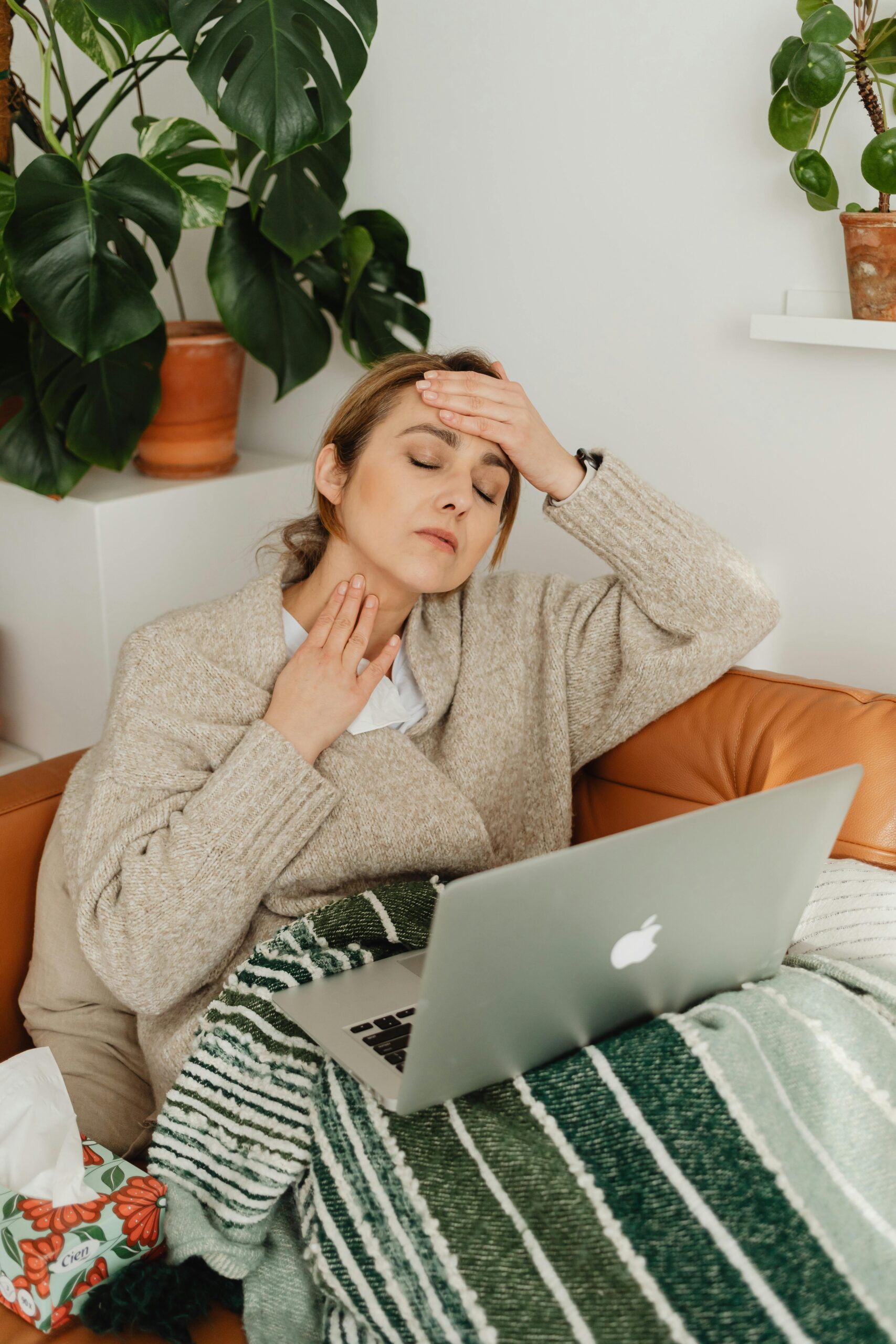
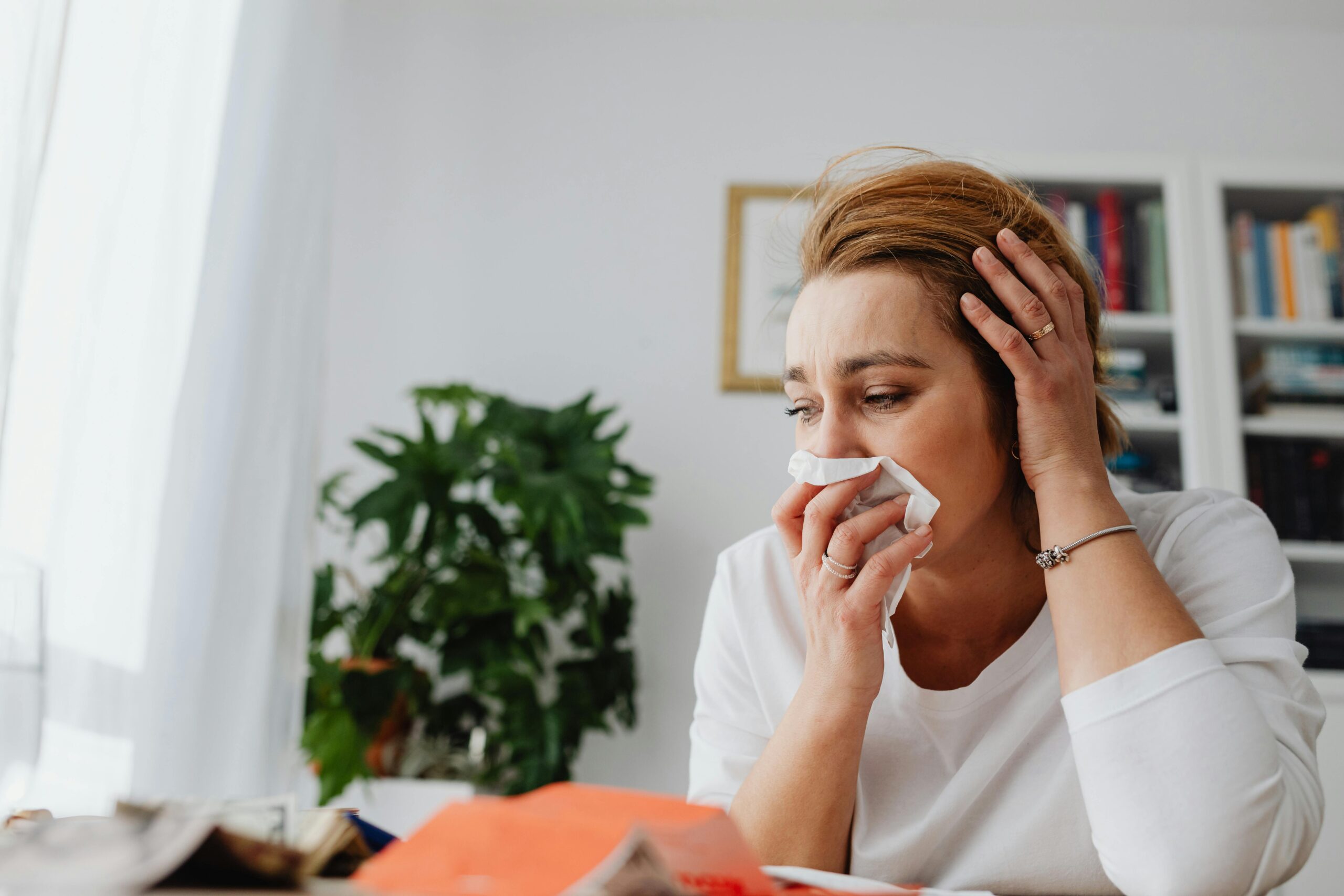
    Staying home when you are not feeling well is an important part of not spreading the virus.How Flu Germs Spread

    Understanding the pathways of flu transmission is essential for effective prevention. There are three main ways flu germs move from person to person:

    1. Airborne Transmission

    When someone sneezes, coughs, or even talks, they release tiny droplets carrying the influenza virus. These droplets can travel several feet and linger in the air for hours, especially in enclosed, poorly ventilated spaces. That’s why offices, classrooms, and public transportation are high-risk zones during flu season.

    2. Surface Transmission

    Flu viruses are resilient. They can live on hard surfaces like doorknobs, light switches, counters, and keyboards for up to two days. That means even if you avoid sick people, touching contaminated surfaces can spread germs quickly.

    3. Direct Contact

    Handshakes, hugs, or shared objects like pens, cups, or phones can transfer flu germs from person to person. Kids are particularly susceptible because they touch surfaces constantly and often forget to wash their hands.

    Pro Tip: Think of flu prevention as building layers of defense. Handwashing, surface cleaning, and air purification all work together to keep germs at bay.


    The Home: Your First Line of Defense

    Your home can either be a safe haven or a germ hotspot. To protect your family during flu season:

    • High-touch surfaces: Wipe down doorknobs, light switches, refrigerator handles, faucets, and remote controls with ClO₂ disinfectant.

    • Shared electronics: Phones, tablets, and laptops are notorious germ carriers—sanitize them daily.

    • Kitchen and dining areas: Clean counters, cutting boards, and sinks thoroughly after food prep.

    • Bathrooms: Beyond the obvious, pay attention to faucet handles and toilet flush levers.

    Daily cleaning routines combined with targeted disinfecting can cut down the flu’s ability to spread. Even better, ClO₂ is eco-friendly, fast-acting, and effective against flu viruses and bacteria alike.


    Office & Workplace Flu Prevention

    Workplaces are prime environments for flu virus transmission. Offices often have high-density spaces, shared equipment, and limited ventilation. Key strategies include:

    1. Disinfecting high-touch areas: Phones, keyboards, desks, conference tables, and door handles.

    2. Promoting hand hygiene: Encourage employees to wash hands frequently and provide sanitizer stations.

    3. Air quality control: Use ClO₂ solutions to neutralize airborne germs and odors in meeting rooms and break areas.

    4. Flexible sick policies: Encourage employees to stay home when sick—reducing the risk of an outbreak.


    Common Misconceptions About Flu Prevention

    Many people underestimate the importance of airborne prevention or think that a quick wipe is enough. Here are some myths:

    • Myth 1: Handwashing alone prevents flu.

      • Truth: Handwashing is essential but must be combined with surface disinfection and air purification.

    • Myth 2: Only visibly dirty surfaces carry germs.

      • Truth: Flu viruses can survive on clean-looking surfaces for days.

    • Myth 3: Masks are only for sick people.

      • Truth: Wearing a mask in crowded indoor spaces can significantly reduce exposure to airborne flu viruses.


    Using Chlorine Dioxide (ClO₂) for Flu Protection

    Chlorine dioxide is a powerful, eco-friendly disinfectant that eliminates flu viruses on surfaces and in the air. Here’s why it works:

    • Rapid action: Kills bacteria, viruses, and mold in minutes.

    • Safe for home use: Non-toxic when used as directed and environmentally friendly.

    • Versatile applications: Works on hard surfaces, fabrics, and even in odor control solutions.

    Whether it’s your kitchen counters, your child’s backpack, or the office breakroom, ClO₂ provides a layer of protection that ordinary cleaners can’t match.


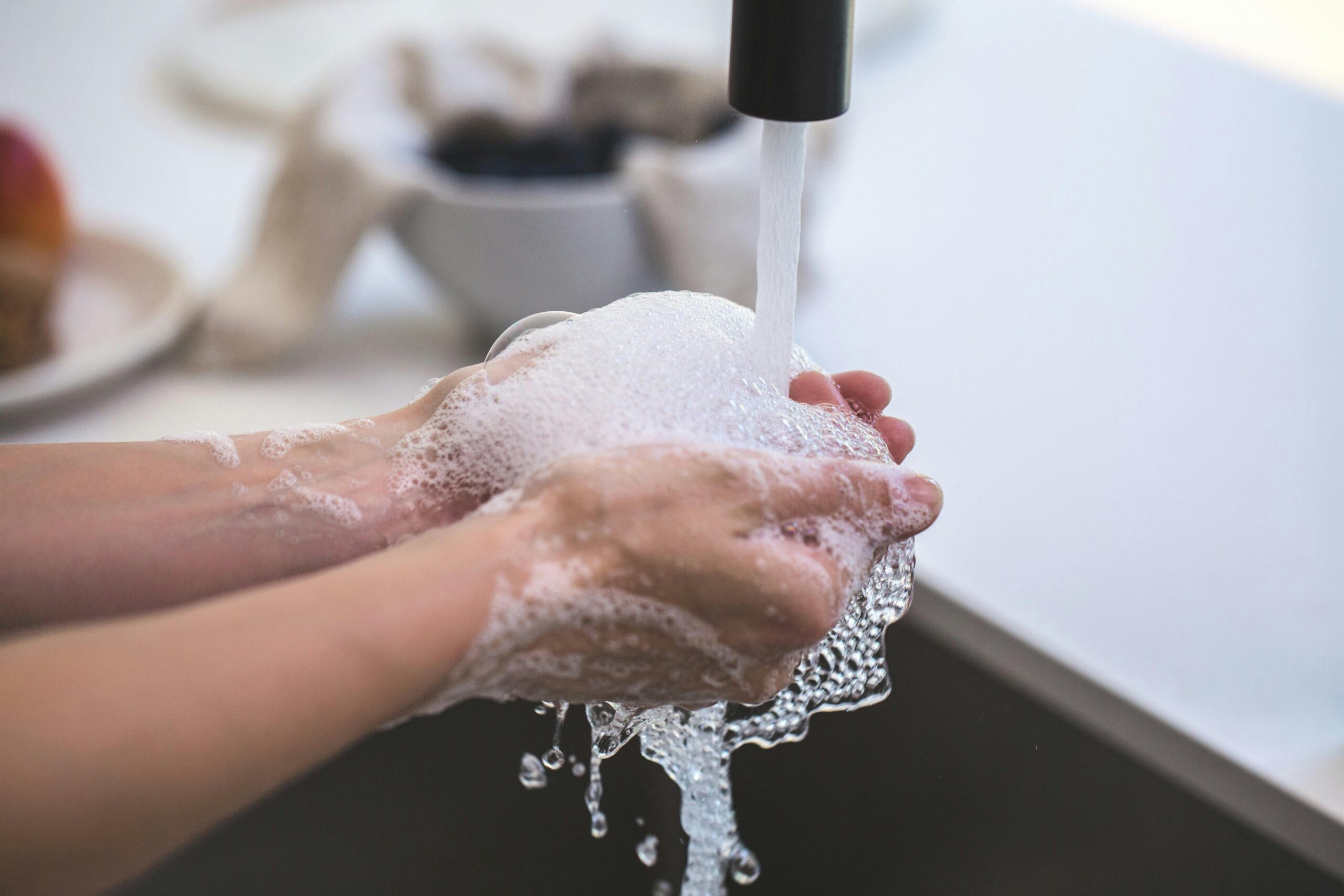
    washing hands is an important part of preventing the spread of the flu virus.Practical Flu Prevention Checklist

    Here’s a simple checklist to keep your home and workplace flu-safe:

    1. Wash hands regularly with soap and water for at least 20 seconds.

    2. Wipe high-touch surfaces daily with ClO₂ disinfectant.

    3. Use air purifiers or ClO₂ solutions to keep indoor air clean.

    4. Encourage proper respiratory hygiene (covering sneezes and coughs).

    5. Maintain healthy habits: sleep, nutrition, hydration, and exercise.

    6. Keep sick family members or employees isolated until fully recovered.


    Conclusion: Building a Flu-Safe Environment

    Flu season doesn’t have to dominate your life. By understanding how germs spread, creating cleaning routines, and leveraging eco-friendly disinfectants like ClO₂, you can protect your home, family, and workplace effectively.

    Remember: flu prevention is about layers, not luck. Combine surface cleaning, air quality control, and healthy habits, and you’ll dramatically reduce your risk this season.

    What People Also ask

    1. Q: How do flu germs spread so quickly?
    A: Flu germs spread through airborne droplets, contaminated surfaces, and direct contact. Even small sneezes or touching shared objects can transmit the virus.

    2. Q: How long can flu viruses survive on surfaces?
    A: Flu viruses can survive on hard surfaces for up to 48 hours, which is why disinfecting high-touch areas is critical.

    3. Q: Can I get the flu from the air in my home?
    A: Yes, especially in poorly ventilated areas. Airborne droplets from coughs or sneezes can linger for hours. Using ClO₂ solutions helps purify the air and reduce germs.

    4. Q: Which household surfaces carry the most germs?
    A: Common hotspots include doorknobs, light switches, keyboards, remote controls, fridge handles, and faucet handles.

    5. Q: Are natural cleaning products effective against flu germs?
    A: Some natural cleaners work, but chlorine dioxide (ClO₂) is proven to eliminate flu viruses and bacteria efficiently, making it ideal for home and office use.

    6. Q: How often should I disinfect my home during flu season?
    A: Focus on daily disinfection of high-touch surfaces and weekly deep cleaning of larger areas. Consistency is key.

    7. Q: Can ClO₂ be used safely around children and pets?
    A: Yes! When used as directed, ClO₂ is safe for homes with kids and pets, making it a practical eco-friendly solution.

    8. Q: Does washing hands alone prevent the flu?
    A: Handwashing is crucial, but flu prevention also requires cleaning surfaces, purifying air, and avoiding contact with sick individuals.

    9. Q: How can I protect my workplace from flu outbreaks?
    A: Disinfect shared equipment, provide sanitizer stations, improve ventilation, and encourage sick employees to stay home. Adding ClO₂ air solutions can further reduce airborne germs.

    10. Q: Are there signs my home’s air quality is contributing to flu risk?
    A: Musty odors, poor airflow, or stagnant air can indicate bacteria or virus buildup. Using ClO₂ tablets for air purification helps keep your environment healthier.

  • How Do I Get Rid of Food Odors in My Car Fast?

    How Do I Get Rid of Food Odors in My Car Fast?

    🚗 Tips to Eliminate Food Odors From Your Car

    Owning a vehicle offers convenience and freedom—but let’s be honest, it also comes with some funky side effects. One of the most common? Lingering food odors. From fast food drive-thru runs to spilled lattes or that forgotten leftovers container (we’ve all been there), these smells can quickly settle into your car’s fabric, vents, and carpets.

    Luckily, reclaiming that “new car smell” doesn’t have to be a mystery. With regular cleaning and the right odor eliminators—especially CLO₂—you can restore freshness and breathe easy on every drive.


    🔍 Step 1: Identify the Source of the Odor

    Before you reach for sprays or purifiers, it’s essential to track down the source of the smell. Food odors can seep deep into your car’s upholstery, floor mats, or even air vents.

    Start by:

    • Inspecting under seats and in between cushions
    • Checking the trunk and glove box
    • Looking for forgotten containers, wrappers, or spills

    Once identified, remove the culprit. Cleaning becomes far more effective once the odor source is eliminated.


    🧼 Step 2: Clean the Interior Thoroughly

    Now it’s time to give your vehicle the deep clean it deserves.

    Start by:

    • Removing all trash and clutter
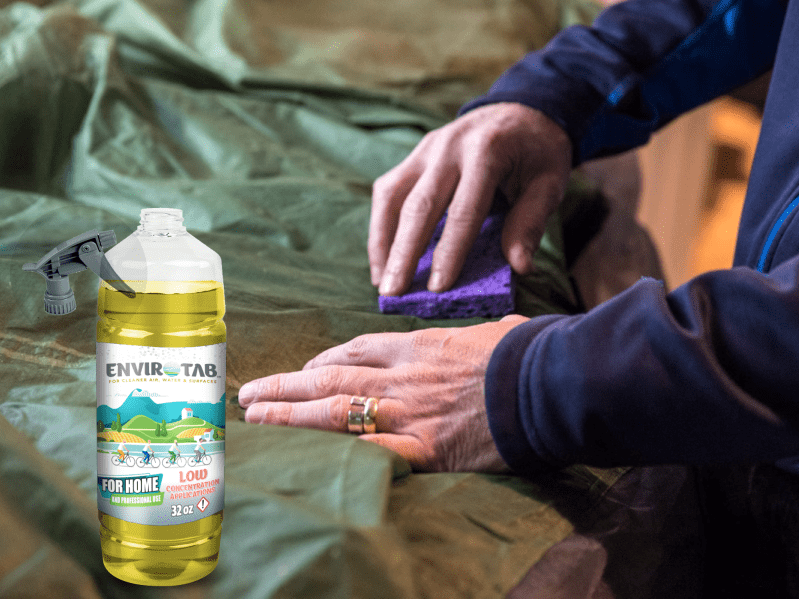
    • Wiping down dashboards, door panels, and cup holders using our car-friendly Envirotab CLO₂ cleaner
    • Using microfiber cloths, which trap dirt and grime without scratching surfaces—a sustainable, eco-friendly choice

    Pay special attention to:

    Once cleaned, let the car dry fully. A dry surface ensures that your CLO₂ tablets can perform at their peak effectiveness.


    🧹 Step 3: Vacuum Like You Mean It

    Vacuuming isn’t just for looks—it’s critical to odor control. Our Synergy ERGO Lite Hip Vacuum (FP-VACHV1) is a game-changer here. Lightweight at only 6.5 lbs and boasting 1,200 watts of power, it delivers 71 CFM to make sure no crumb gets left behind.

    Tips:

    • Remove floor mats and vacuum both sides
    • Use a brush attachment for seats and tight areas
    • Focus on seams, under seats, and around the console

    This step removes food particles and prevents odors from recurring.


    🌬️ Step 4: Use an Air Purifier

    Air purifiers designed for cars help filter out odor-causing particles in the air. Look for models with HEPA filters to capture even the tiniest offenders.

    While not a complete solution for strong odors, they’re a great supplemental tool—especially after vacuuming and surface cleaning.


    🧪 Step 5: Place an Envirotab Deodorizing Kit in the Car

    This is where the real magic happens. Our Envirotab Deodorizing Kit is specifically designed to obliterate tough odors like food, smoke, or mildew—at the molecular level.

    Here’s how to use it:

    • Avoid using in direct, hot sunlight
    • Open compartments, pull out seat belts, and drop visors to expose all surfaces
    • Follow the directions on the jar carefully
    • In just 4–6 hours, your car will smell brand new again

    This method doesn’t mask odors—it destroys them with the power of Chlorine Dioxide.


    🌤️ Step 6: Air Out the Car

    Good airflow is your ally in the fight against lingering smells.

    • Open all windows and doors on a dry, sunny day
    • Let fresh air replace stale air trapped inside
    • Sunlight can also help dry out moisture that might harbor odor

    Even 1–2 hours of airing out can make a noticeable difference.


    ✅ Why CLO₂ Tablets Are the Best for Odor Removal

    When odors refuse to budge, there’s no better tool than CLO₂ tablets. These tablets release a gas that penetrates deep into fabrics and surfaces, neutralizing odors at their source.

    Benefits:

    • Kills odor-causing bacteria and mold
    • Penetrates vents, carpet, and foam
    • Leaves no harsh residue
    • Safe and eco-conscious when used as directed

    ⚠️ Using CLO₂ Tablets Safely

    Always follow label instructions when using any CLO₂ product.

    • Use gloves when handling
    • Do not inhale the gas directly
    • Ensure the car remains sealed while treatment is in progress
    • Ventilate afterward before driving

    🚘 In Conclusion

    Maintaining a fresh-smelling vehicle isn’t just about aesthetics—it’s about creating a healthier, more enjoyable space for you and your passengers. By combining routine cleaning, targeted vacuuming, air purification, and the odor-destroying power of CLO₂ tablets, you’ll keep your car smelling as clean as it looks.

    So next time the fries go rogue or the smoothie takes a spill, you’ll know exactly what to do.

    🛒 Ready to freshen up your ride? Order your Envirotab Deodorizing Kit today and say goodbye to food odors—for good.


    Let me know if you’d like to turn this into a downloadable guide, email campaign, or short social media post next!

  • How To Remove Bad Odor From Refrigerator?

    How To Remove Bad Odor From Refrigerator?

    Maintain a Fresh-Smelling Refrigerator

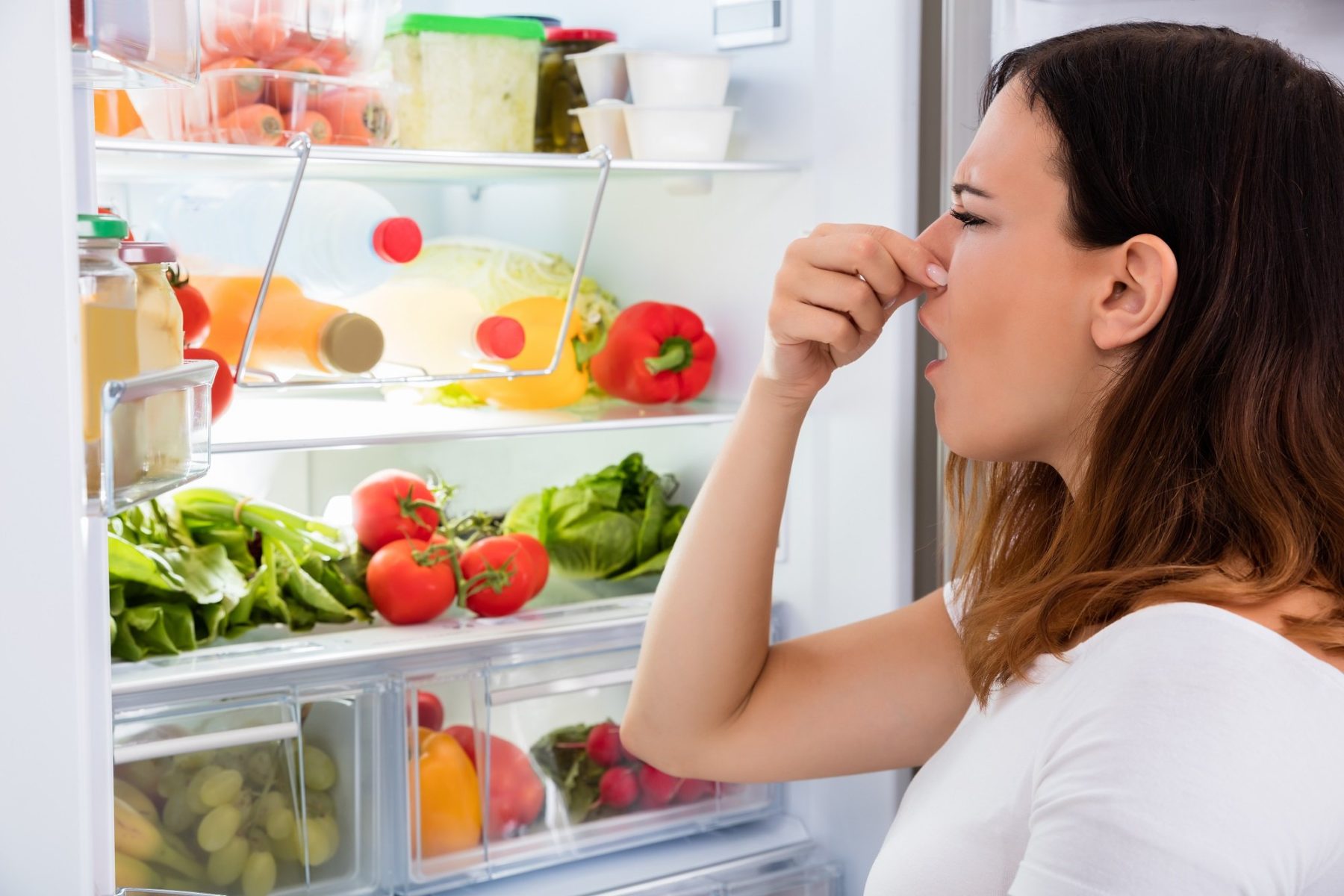
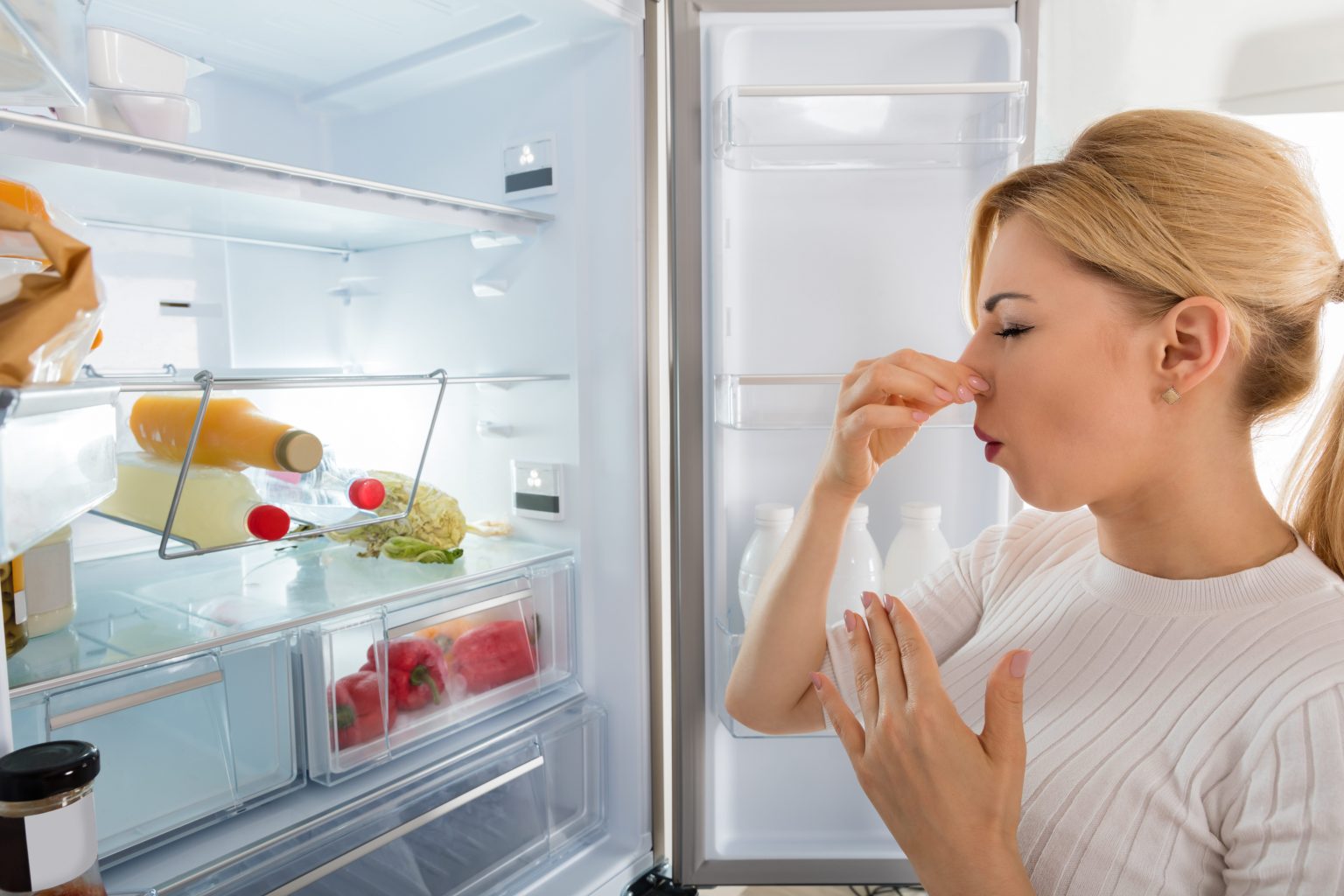
    Imagine opening your refrigerator and being greeted with the crisp, clean scent of freshness instead of a wall of funk. Your fridge is the heart of your kitchen—it protects your food, preserves your family’s meals, and keeps your ingredients tasting just right. But when odors take over, it’s more than just unpleasant—it’s a red flag for spoiled food, hidden spills, and germs that can affect your family’s health and the flavor of everything inside.

    The good news? With the right cleaning routine—and the power of Chlorine Dioxide (ClO₂)—you can banish odors, protect your food, and enjoy a refrigerator that smells as fresh as it should.


    Keeping your refrigerator fresh with chlorine dioxide helps keep your produce fresh and mold free.Common Causes of Bad Odors in Refrigerators

    Identifying the Source of the Odor

    When something smells “off,” the first step is detective work. Sniff around the shelves and drawers until you locate the strongest odor zone—it often points directly to the culprit.

    Checking for Spoiled or Expired Food

    Odors often come from expired or spoiled food hiding in plain sight. Sour milk, moldy leftovers, or produce that’s past its prime are all common offenders. Toss anything questionable right away.

    Inspecting for Spills and Leaks

    Spills can seep into drawers, under shelves, and behind containers. Liquids like meat juices, sauces, or dairy often cause lingering odors if not cleaned promptly.


    Importance of Removing All Items for Thorough Cleaning

    A truly fresh fridge starts with a blank slate. Take everything out—yes, everything. This gives you a chance to check expiration dates, wipe down containers, and clean every inch of the refrigerator without missing hidden odor sources.


    Cleaning Process with ClO₂

    For a deep, effective clean, use ClO₂ tablets:

    1. Dissolve a 1-gram tablet into a bowl of water.

    2. Dip a sponge or cloth in the solution and wipe every surface—shelves, drawers, walls, and corners.

    3. Rinse your cloth often in the solution to keep it active.

    4. Once done, give surfaces a final wipe with clean water.

    This method doesn’t just mask odors—it eliminates them at the source.


    close shot of a hand with magnifying glass seeing vegetables.Using a ClO₂ Cabinet for Continuous Odor Absorption

    Want ongoing freshness without the hassle? Place a ClO₂ Cabinet or Odor Bag inside your fridge. These powerful odor absorbers work around the clock, neutralizing smells before they spread. Simply place them on shelves or drawers, and enjoy long-lasting freshness that protects your food’s taste.


    Why ClO₂ Works Better Than Anything Else

    Chlorine Dioxide isn’t just another air freshener—it’s a professional-grade deodorizer that neutralizes odor-causing molecules instead of covering them up. As a gas, it moves freely throughout your fridge, reaching hidden corners and crevices where odors like to hide. The result? A refrigerator that smells like nothing at all—exactly as it should.


    Conclusion: Take Control of Your Refrigerator’s Freshness

    Don’t let a stinky fridge take over your kitchen or ruin the taste of your food. A clean, fresh-smelling refrigerator means healthier meals, happier family members, and peace of mind every time you open the door.

    👉 Upgrade your cleaning routine today with the proven power of ClO₂ tablets and odor control products—and say goodbye to fridge funk for good.

  • Fall Mold Prevention with ClO₂ | Envirotab Solutions

    Fall Mold Prevention with ClO₂ | Envirotab Solutions

    Fall Mold Season: Why Autumn Is the Perfect Storm for Mold (and How ClO₂ Protects Your Home)

    Autumn is a magical season: the leaves turn brilliant shades of red, orange, and gold, the air grows crisp, and the scent of apple cider and pumpkin spice fills the home. Yet beneath the beauty lies a hidden danger: mold season is upon us. As trees shed their leaves, temperatures drop, and moisture increases, your home becomes a perfect breeding ground for mold spores.

    Mold isn’t just unsightly — it can damage structures, furniture, fabrics, and even impact your health. From sneezing and allergies to respiratory issues, mold can silently compromise your living environment. But here’s the good news: with the right approach, you can prevent mold before it starts.

    ClO₂ (chlorine dioxide) is a powerful, safe, and environmentally-friendly solution that helps homeowners keep mold at bay, especially during the fall. In this comprehensive guide, we’ll cover why fall is prime mold season, how mold spreads, and step-by-step prevention strategies using ClO₂ for a clean, safe home.


    Why Fall is the Perfect Mold Season

    Several factors converge in autumn to create ideal mold conditions:

    1. Falling Leaves and Decay
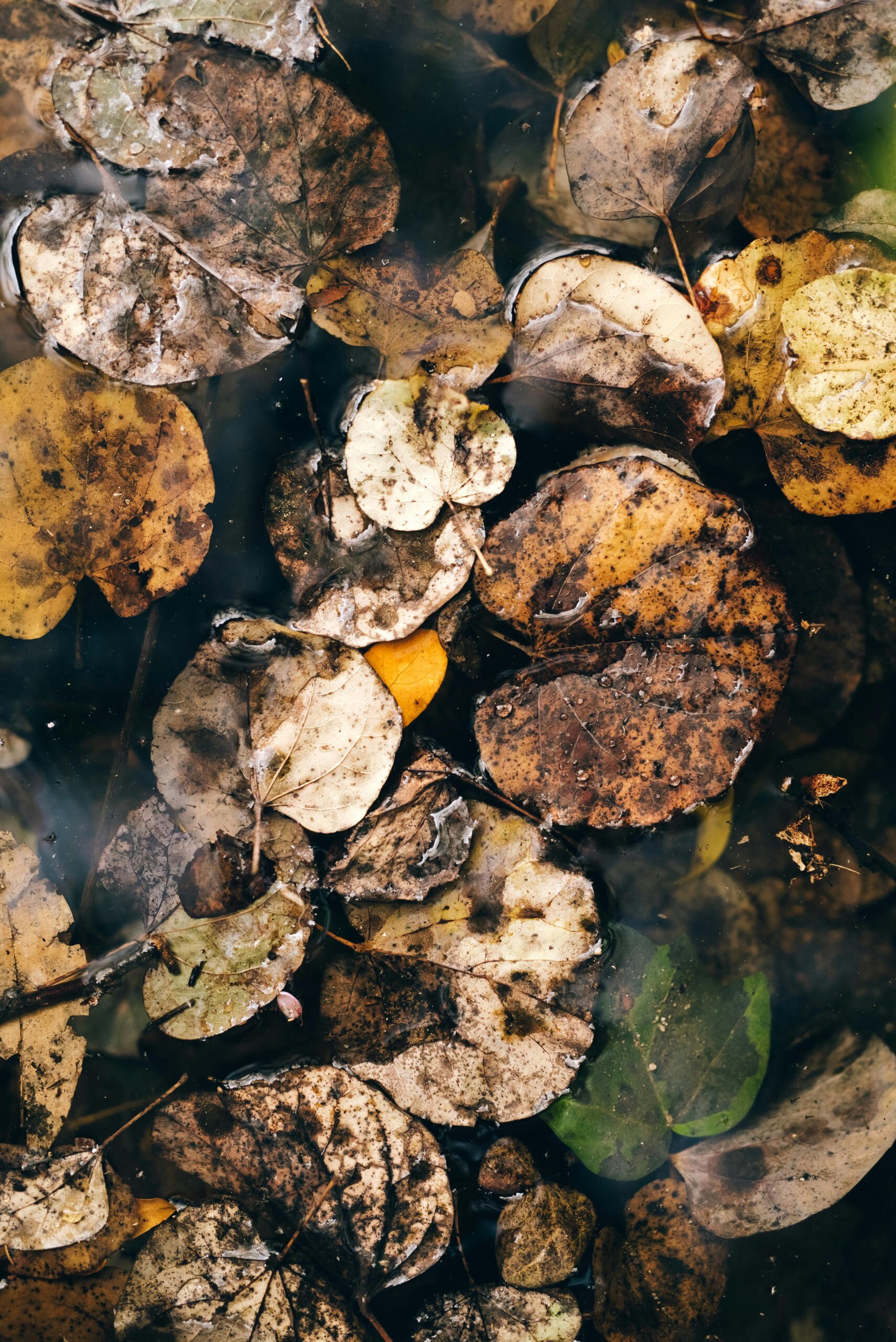
      The carpet of leaves in your yard or around gutters doesn’t just look beautiful — it’s organic matter that retains moisture. Mold loves decomposing leaves and can migrate indoors if not managed.

    2. Cooler Temperatures and Higher Humidity
      As temperatures drop, condensation increases on windows, in basements, and on other cold surfaces. The combination of moisture and cooler air triggers mold spores to germinate.

    3. Shorter Days, Less Sunlight
      Sunlight naturally inhibits mold growth. With shorter fall days, indoor areas like basements and attics get less natural light, creating dark, damp environments perfect for spores.

    4. Seasonal Gear and Storage
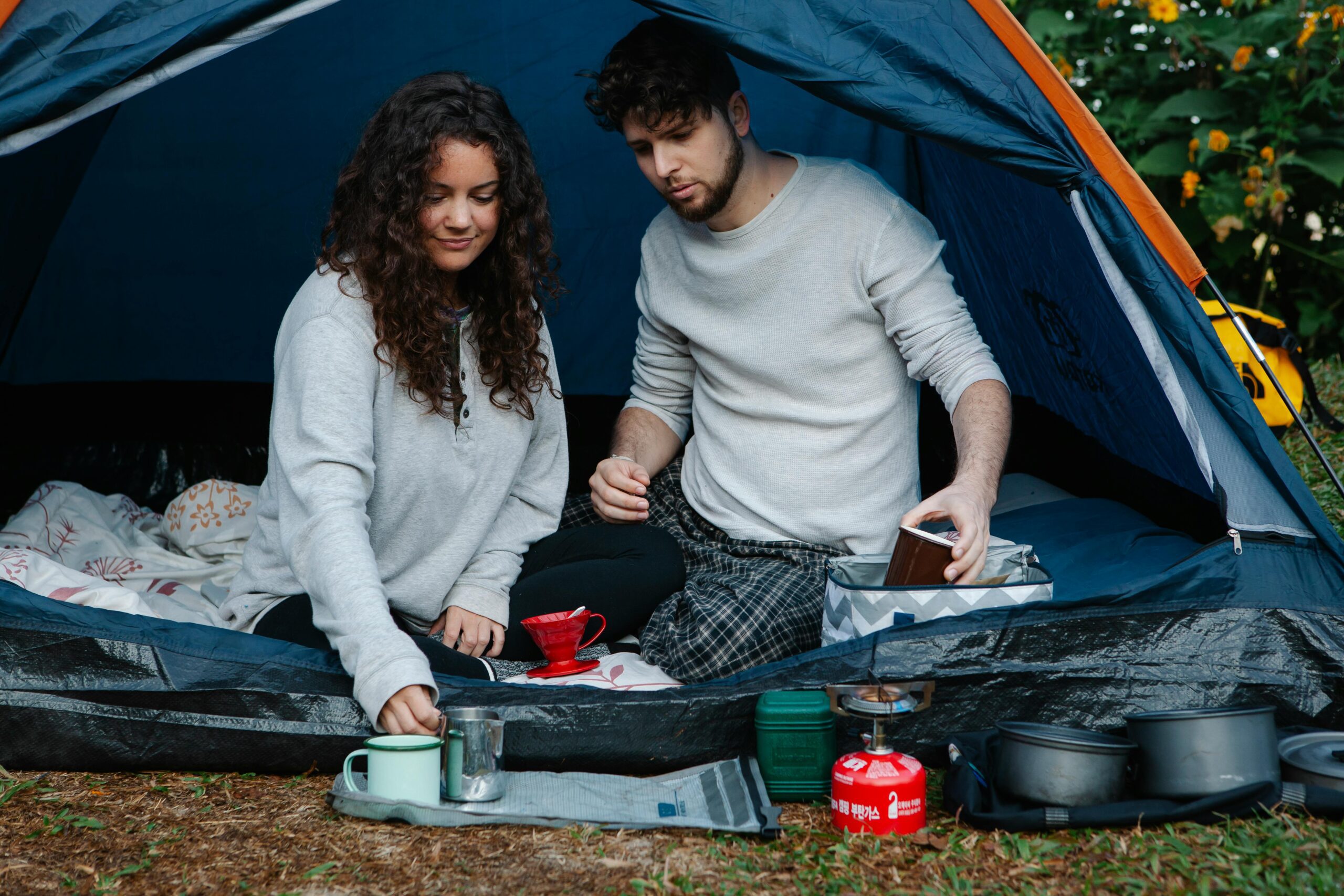
      Fall means sleeping bags, tents, coats, and outdoor gear are being put away. If stored damp, these items can harbor mold and spread it indoors when unpacked.

    5. HVAC Systems
      Heating systems are often turned on for the first time in fall. Dust and moisture in ducts can contribute to indoor mold growth if filters or ducts aren’t properly maintained.


    Fall always is greeted with awe and splendor as we admire the colors, but with it comes mold.Understanding Mold: What You Need to Know

    Mold is a type of fungus that reproduces via microscopic spores. These spores are everywhere — in the air, soil, and even on surfaces in your home. When they find a moist, dark, and nutrient-rich environment, they germinate and multiply. Common indoor molds include Aspergillus, Cladosporium, and Penicillium, each with its own characteristics.

    Health risks vary depending on exposure and sensitivity:

    • Mild: sneezing, congestion, itchy eyes, skin irritation

    • Moderate: persistent allergies, fatigue, headaches

    • Severe: respiratory infections, asthma exacerbation, immune system complications

    Mold can also compromise the structure of your home, slowly eating away at drywall, insulation, wood, and fabrics. Early prevention is critical — and that’s where ClO₂ comes in.


    Why ClO₂ is Your Best Fall Mold Defense

    Chlorine dioxide (ClO₂) is a potent oxidizer that neutralizes mold spores before they can grow. Unlike bleach, ClO₂ penetrates porous materials, kills bacteria, and leaves surfaces safe and residue-free.

    Key advantages of ClO₂ for fall mold prevention:

    • Versatile: Use on floors, walls, fabrics, and outdoor gear

    • Safe: Non-toxic at proper concentrations, safe around pets and children

    • Effective: Targets spores at the source, stopping mold before it spreads

    • Eco-Friendly: Breaks down into harmless compounds after use


    Step-by-Step Fall Mold Prevention Plan

    1. Inspect Your Home Thoroughly

    • Check basements, attics, crawl spaces, and garages for moisture or visible mold

    • Look behind furniture, under sinks, and around windows

    2. Manage Moisture

    • Use dehumidifiers in damp areas

    • Fix leaks promptly (roof, plumbing, windows)

    • Ensure proper ventilation in bathrooms and kitchens

    3. Clean Organic Debris

    • Remove fallen leaves, sticks, and debris from gutters, yards, and walkways

    • Keep areas around the home dry and aerated

    4. Treat Surfaces with ClO₂

    • Dissolve Envirotab ClO₂ tablets in water as directed

    • Wipe down hard surfaces, fabrics, and stored gear

    • For tough areas (basements, crawl spaces), spray lightly to penetrate cracks

    5. Proper Storage of Seasonal Gear

    • Ensure tents, sleeping bags, and jackets are completely dry before storing

    • Use breathable containers rather than plastic bags for moisture control

    • Apply ClO₂ treatment to fabrics if stored for extended periods

    6. Monitor and Maintain HVAC Systems

    • Replace filters regularly

    • Clean ducts to prevent mold spores from circulating indoors

    7. Regularly Check and Reapply ClO₂ as Needed

    • Maintain a fall schedule: biweekly or monthly depending on humidity

    • Keep treated surfaces dry to maximize effectiveness


    Case Studies: Real-World Fall Mold Prevention with ClO₂

    Basement Success Story:
    A Maine homeowner noticed dampness and a musty smell in her basement every fall. Using Envirotab ClO₂ solution, she cleaned the foundation walls, floors, and storage bins. Within days, the musty odor disappeared, and no visible mold grew during the season.

    Outdoor Gear Protection:
    A camping enthusiast applied ClO₂ to sleeping bags and tents before winter storage. The items remained fresh, mold-free, and ready for spring adventures — no more mildew or odors.

    HVAC System Maintenance:
    A small business used ClO₂ to treat air ducts during fall startup. Mold spores and bacteria were neutralized, improving indoor air quality for employees and customers.


    Mold in the fall is the most over looked idea. With the fall rains and decaying leaves mold can really mess with your allergies.FAQs – Fall Mold Season & ClO₂

    1. What causes mold to grow more in fall?
      Increased moisture, decaying leaves, cooler temperatures, and shorter sunlight hours all create ideal conditions.

    2. Is ClO₂ safe around kids and pets?
      Yes, when used according to instructions, ClO₂ is non-toxic and safe for households.

    3. How often should I treat my basement with ClO₂?
      Typically every 2–4 weeks during fall, or after periods of heavy rain or humidity.

    4. Can ClO₂ remove existing mold or just prevent it?
      ClO₂ can both prevent and eliminate early-stage mold growth; severe infestations may require professional remediation.

    5. What’s the best way to store autumn gear to avoid mold?
      Ensure all items are dry, store in breathable containers, and consider a light ClO₂ treatment for long-term storage.

    6. Are leaves near my home a real risk factor for mold?
      Yes, wet leaves can retain moisture and become a breeding ground for spores.

    7. How does ClO₂ compare to bleach for mold prevention?
      ClO₂ penetrates porous surfaces, doesn’t leave harmful residues, and works at lower concentrations without harsh fumes.

    8. Can ClO₂ be used on fabrics and clothing?
      Yes, ClO₂ is safe on most fabrics and helps prevent mildew during storage.

    9. How quickly does mold appear in damp fall conditions?
      Mold can start growing within 24–48 hours under ideal conditions.

    10. Can ClO₂ improve indoor air quality while preventing mold?
      Yes, by neutralizing spores and bacteria, ClO₂ contributes to a healthier, fresher indoor environment.


    Stay Ahead of Fall Mold with ClO₂

    Autumn’s beauty comes with hidden risks — damp leaves, cooler temperatures, and dark corners create the perfect environment for mold. Left unchecked, mold can damage your home, your belongings, and your health.

    The good news? You don’t have to wait until mold appears. By taking proactive steps — from proper cleaning and storage to using ClO₂ for safe, effective prevention — you can protect your home and family all season long.

    💡 Action Steps:

    1. Inspect and clean damp areas regularly

    2. Keep seasonal gear dry and treated

    3. Apply ClO₂ to surfaces and fabrics to neutralize spores before they spread

    This fall, don’t just admire the changing leaves — take control of mold before it takes control of your home. A clean, safe, and healthy environment is just a few steps (and a ClO₂ treatment) away.

  • Camping Gear Storage Tips | Prevent Mold with ClO2 Tablets

    Camping Gear Storage Tips | Prevent Mold with ClO2 Tablets

    10 Smart Storage Tips to Keep Your Camping Gear Fresh & Mold-Free This Off-Season

    As summer winds down and crisp autumn mornings creep in, it’s time to pack away your camping gear until next year. But if you’ve ever opened up your tent in the spring only to be greeted by that dreaded musty smell, you know the struggle is real. Mold, mildew, and odors don’t just ruin the outdoor vibe — they can damage your investment.

    The good news? With a little prep work and the power of chlorine dioxide (ClO2), you can make sure your camping gear comes out of storage fresh, clean, and ready for adventure. Here are 10 expert tips to properly store your gear this off-season.

    1. Clean Before You Store

    Dirt, sweat, and food crumbs are a mold buffet. Wash sleeping bags, air out tents, and wipe down hiking gear. A quick clean now saves big headaches later.

    2. Dry Thoroughly

    Moisture is mold’s best friend. Always dry tents, tarps, and sleeping bags completely before storage. A sunny day is your best dryer.

    3. Store Sleeping Bags Loosely

    Never keep sleeping bags compressed long-term. Store them in breathable cotton sacks or hang them in a closet to keep insulation fluffy and fresh.

    4. Treat Tents with ClO2 Before Storage

    Slip a small ClO2 tablet into your tent bag to eliminate odors and prevent mold spores from surviving winter.

    5. Don’t Forget Backpacks

    Hiking packs collect sweat and rain. Wash straps, wipe interiors, and add a ClO2 sachet before zipping up.

    6. Camper & RV Storage Made Easy

    Before sealing up your RV or camper, place a few ClO2 tablets inside. They’ll circulate and keep the air fresh all winter long.

    7. Protect Cooking Gear

    Scrub cook sets thoroughly. Store them dry with a ClO2 tablet to eliminate any lingering food odors.

    8. Use Breathable Storage Containers

    Plastic bins trap moisture. Opt for breathable bags or containers, paired with ClO2 tablets to ensure freshness.

    9. Check Seasonal Storage Spaces

    Garages, attics, and basements are notorious for dampness. Place ClO2 tablets strategically to keep the whole space odor-free.

    10. Fresh Start for Spring

    When you unpack in the spring, everything will smell clean and be ready to use. ClO2 keeps mold and mildew at bay while you enjoy the off-season.

    👉 Don’t let your gear turn into a science experiment this winter. Stock up on ClO2 tablets and give your camping gear the long, fresh life it deserves.

    Cleaning camping gear with clo2 before packing away reduced mildew and odors

    Quick Reference FAQs – Camping Gear Storage

    1. How do I keep my camping gear from smelling musty after storage?
    Clean and dry everything thoroughly, then use ClO2 tablets to prevent odors.

    2. Can I store sleeping bags in plastic bins?
    It’s better to use breathable cotton bags — plastic bins can trap moisture and cause mold.

    3. How should I store my tent in the off-season?
    Dry it completely, fold loosely, and place a ClO2 tablet in the bag to keep it fresh.

    4. Are ClO2 tablets safe for camping gear fabric?
    Yes, ClO2 eliminates odor-causing bacteria and mold spores without damaging materials.

    5. What’s the best way to store hiking boots?
    Clean mud and dirt, dry fully, and place them in a breathable bag with a ClO2 tablet nearby.

    6. How do I prevent mold in my camper or RV over winter?
    Place several ClO2 tablets inside the camper before sealing it up for the season.

    7. Should I wash sleeping bags before storage?
    Yes — washing removes sweat and oils that attract bacteria and odors.

    8. Can ClO2 tablets be used in plastic totes?
    Yes, but leave a little airflow. Sealed damp totes can trap condensation.

    9. Where should I store camping gear in the winter?
    A cool, dry area like a closet or basement — with ClO2 protection to prevent mildew.

    10. Do ClO2 tablets work through the whole off-season?
    Yes, tablets can provide lasting odor control for months at a time.

  • Food Safety & Produce Washing with ClO₂ | Seasonal Guide

    Food Safety & Produce Washing with ClO₂ | Seasonal Guide

    🍎 Keep Your Fall Harvest Safe: The Smarter Way to Wash Produce

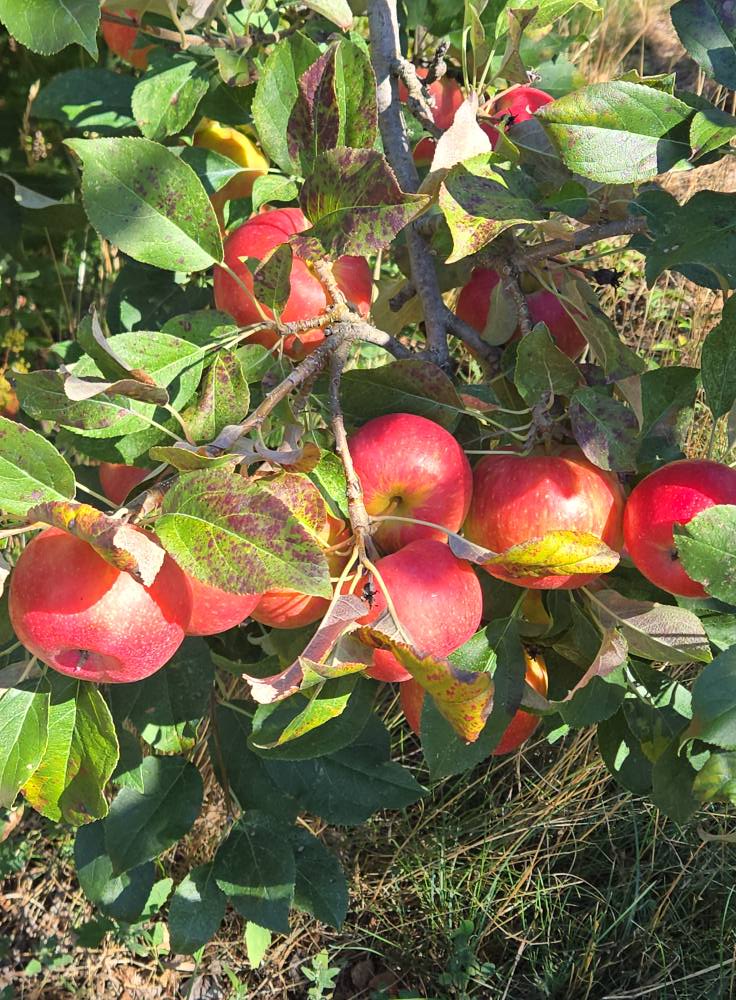
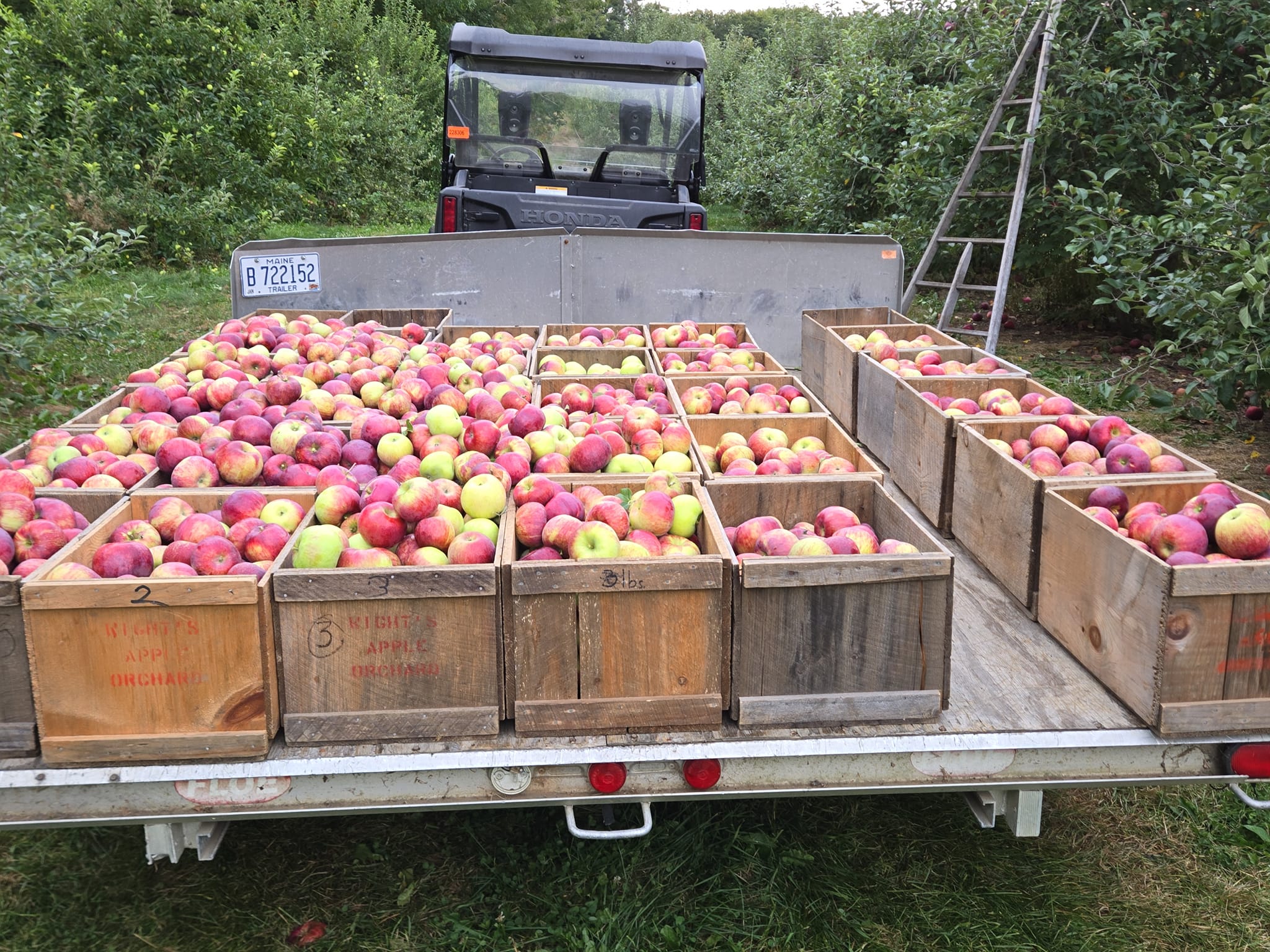
    Crates of apples fresh off the tree are getting ready for the seasons apple customers.

    🍎 A Romantic Maine Autumn

    There’s nothing quite like fall in Maine. The air carries a crisp edge, the leaves shimmer in fiery shades of red and gold, and tucked along the quiet stretch of Route 46 in Bucksport sits a quaint little apple orchard that feels like stepping back in time. For many local residents, this orchard stirs childhood memories — climbing wooden ladders, filling bushel baskets, and breathing in the sweet perfume of ripened apples on cool afternoons.

    The simple joy of plucking a Macintosh apple straight from the branch is unforgettable. Its skin cool to the touch, its fragrance sharp and sweet. That very first bite of the season — tart, juicy, and bursting with flavor — is an annual ritual that connects us to the land, to tradition, and to each other.

    But beneath that perfect shine lies a reality most of us never pause to consider. While one apple fresh from the tree may seem harmless, eating unwashed fruit over and over can expose our bodies to hidden biohazards: bacteria, mold spores, or pesticide residues invisible to the eye. It’s not just one apple that can harm your system — it’s the accumulation from enjoying many over the season without proper washing.

    🚜ClO2 for Farmers & Homesteaders


    Why Rinsing Isn’t Enough

    Most of us rinse our produce under tap water and feel confident it’s clean. But pathogens like E. coli, Salmonella, and Listeria are notorious for clinging tightly to surfaces — sometimes hiding in natural waxes, tiny pores, or microscopic biofilms.

    Apples, for example, often have a natural protective coating that looks beautiful but can trap unwanted contaminants. Water simply can’t break through these layers.

    🍎ClO2 for Greenhouses, Grow Rooms & Garden Sanitation


    The Smart Solution: Chlorine Dioxide (ClO₂)

    For decades, farmers worldwide have relied on chlorine dioxide to keep fruits and vegetables safe. Unlike bleach or harsh chemicals, ClO₂ works in low, food-safe concentrations and leaves behind no harmful residue, odor, or aftertaste.

    What makes ClO₂ different?

    • ✅ Breaks through biofilms where pathogens hide
    • ✅ Gentle on delicate produce like apples, berries, and leafy greens
    • ✅ Maintains taste, texture, and nutrients
    • ✅ Eco-friendly and safe when used as directed

    This means you can protect your family without compromising the farm-fresh flavor you love.

    Also Read 📖Chlorine Dioxide Safety: Myths vs. Science | Complete Safe-Use Guide

    🥕 How to Wash Produce Properly with ClO₂ Tablets

    Step 1: Prepare Your Solution
    Fill a clean bowl, sink, or container with the recommended amount of lukewarm water. Drop in the correct number of tablets (1 gram CLO2 to 4 gallon water, a maximum of 25PPM). Allow them to fully dissolve.

    Step 2: Add Your Produce
    Place fruits or vegetables directly into the solution, making sure all surfaces are submerged.

    Step 3: Soak Briefly
    Let produce sit for 1–2 minutes (berries/greens) or up to 5 minutes (apples, squash, root vegetables).

    Step 4: Light Agitation
    Gently move produce around so the solution reaches all sides and crevices.

    Step 5: Rinse & Dry
    Remove produce, give a quick rinse under cool water, then pat dry or air-dry.

    Step 6: Discard Solution
    Always use a fresh batch for your next wash to ensure maximum effectiveness.

    Also Read 📖Food Safety & Produce Washing with ClO₂ | Seasonal Guide

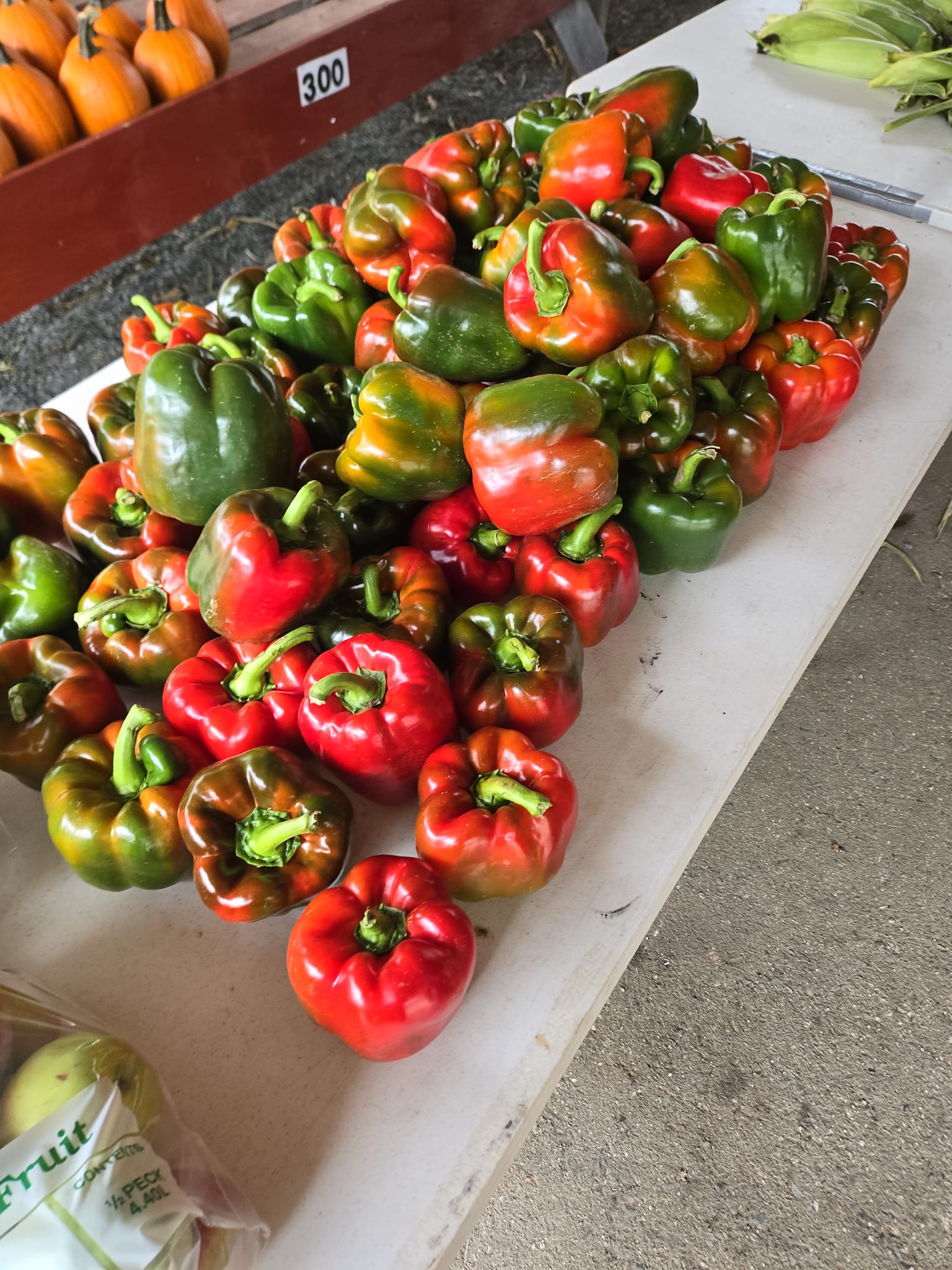
    Bell peppers straight from Wight's farm in MaineA Maine Harvest Example

    Picture this: You’ve just returned from a local orchard with a bushel of apples. Before baking that pie or packing school lunches, you give the apples a quick ClO₂ rinse. In seconds, you’ve reduced risk from harmful microbes, while keeping that orchard-fresh crispness intact.

    It’s a small step that ensures your fall traditions are not just delicious, but safe.

    🍎ClO2 & Post-Harvest Sanitation


    Beyond Produce: Whole-Kitchen Safety

    One of the biggest advantages of ClO₂ tablets is versatility. The same solution that cleans your apples can also sanitize:

    • Cutting boards
    • Kitchen counters
    • Reusable shopping bags
    • Food storage containers
    • Water bottles

    It’s a full-circle solution for a healthier, safer home.

    Also Read 📖Chlorine Dioxide Tablets for Kitchen & Bathroom Cleaning

    ❓ Frequently Asked Questions

    Q1: Why isn’t rinsing produce with water enough?
    A: Water can’t fully remove bacteria, viruses, or pesticide residues that cling to surfaces or hide in natural waxes and biofilms.

    Q2: Is chlorine dioxide (ClO₂) safe for washing fruits and vegetables?
    A: Yes. At proper food-safe concentrations, ClO₂ is widely used worldwide for produce sanitation and leaves no harmful residue.

    Q3: Will ClO₂ change the taste or texture of my apples or other produce?
    A: No. Unlike bleach, ClO₂ preserves the natural flavor, crispness, and nutrients of fresh fruits and vegetables.

    Q4: How is ClO₂ different from bleach or chlorine washes?
    A: Bleach can leave harmful by-products and odors. ClO₂ breaks through biofilms, works at lower concentrations, and evaporates without residue.

    Q5: Can I use ClO₂ on delicate produce like berries or leafy greens?
    A: Absolutely. ClO₂ is gentle enough for fragile produce while still being powerful against pathogens.

    Q6: How do I use ClO₂ tablets for produce washing?
    A: Simply dissolve a tablet in water, soak or rinse your produce, then enjoy farm-fresh safety and peace of mind.

    Q7: Does ClO₂ also remove pesticides from fruits and vegetables?
    A: ClO₂ can help reduce pesticide residues on surfaces, in addition to eliminating microbes and mold spores.

    Q8: Can I reuse the ClO₂ solution after washing produce?
    A: It’s best to use fresh solution each time to ensure maximum effectiveness and safety.

    Q9: Is ClO₂ eco-friendly?
    A: Yes. ClO₂ breaks down into simple salts and water, leaving no toxic by-products in your sink or soil.

    Q10: Besides produce, what else can I sanitize with ClO₂?
    A: Cutting boards, countertops, water bottles, reusable bags, and food storage containers — making it a versatile kitchen solution.

    Also Read 📖How Can I Eliminate Odors & Bacteria from My Cutting Board?

    Final Thought

    This season, when you’re filling baskets at the farmers’ market or apple orchard, remember: food safety starts before the first bite.

    With ClO₂ tablets, you can wash smarter, protect your family, and enjoy every crisp apple, hearty squash, and leafy green with peace of mind.

    🍎 Make this fall your safest — and tastiest — yet and visit your local apple orchard and slow do and smell the apples!!!

    👉 Shop ClO₂ Tablets Now


  • Why Does My Leather Sofa Smell & How Do I Get Rid of It for Good?

    Why Does My Leather Sofa Smell & How Do I Get Rid of It for Good?

    🛋️ What Causes Odors in Leather Sofas – And How to Remove Them for Good!

    There’s nothing quite like the look and feel of a beautiful leather sofa—until it starts to smell. 😬 Whether it’s the result of daily use, pet mishaps, or mystery odors that seem to come out of nowhere, a funky-smelling couch can turn your cozy space into a place you’d rather avoid.

    If you’ve tried cleaning, airing it out, even spraying it with those “odor removers” (that only cover up the problem)… and the smell still lingers—it’s time for something better. Let’s break down why this happens and how to fix it for good using safe, effective solutions like our CLO2 products.


    🤔 Why Does My Leather Sofa Smell?

    Even the highest-quality leather can start to smell over time. Here are a few common culprits:

    • Spills and food residue 🍷🍗
      Drinks, sauces, or snacks can seep into the leather and linger if not cleaned up quickly.
    • Pet accidents and fur 🐾
      Our furry friends leave behind dander, oils, and occasional accidents—hello, stubborn smells!
    • Airborne odors 🍳🚬
      Smoke, cooking grease, or musty air can get trapped in the leather and foam over time.
    • Lack of cleaning 🧼
      Dirt, sweat, and body oils build up, especially in seams and cushions. Over time, that turns into a not-so-fresh fragrance.

    🧽 Step 1: Wipe It Down Right

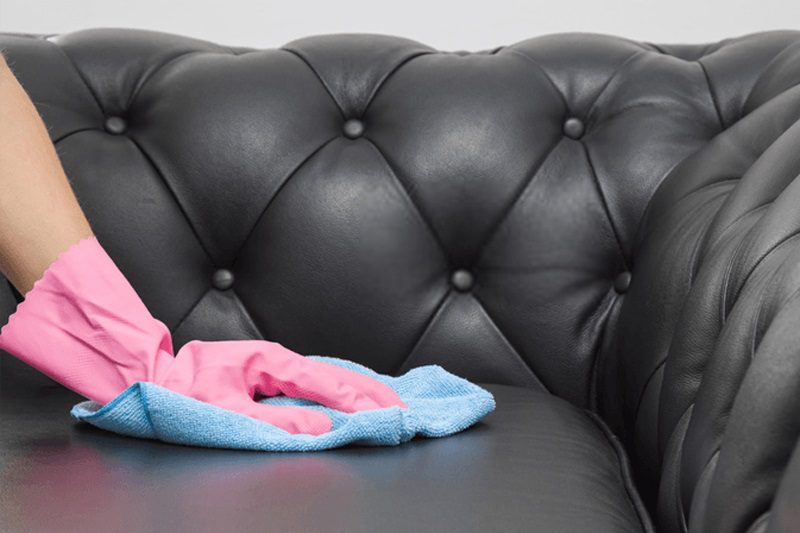
    The first step to stopping odors is surface cleaning. Use a soft microfiber cloth lightly dampened with water, and give your sofa a once-over to remove visible grime.

    Next, go deeper with our CLO2 Starter Cleaning Kit. It safely wipes away odor-causing particles trapped in the leather without drying it out or damaging the surface.

    Pro Tip: Always let the leather dry completely before sitting down or continuing with other treatments. Moisture left behind can invite odors right back in.


    🔁 Routine Cleaning = Odor Prevention

    Think of your leather sofa like skin—it needs regular care to stay clean and fresh. Here’s how:

    • Dust weekly with a dry microfiber cloth 🧼
    • Vacuum crevices with a brush attachment
    • Wipe down monthly with our CLO2 cleaner to neutralize unseen buildup
    • Treat spills immediately (don’t let liquids sink in!)

    This easy routine helps prevent smells from settling into the leather in the first place. Your future self will thank you!


    🛡️ Use Leather-Safe Products Only

    Let’s get this straight: Bleach and ammonia don’t belong anywhere near your leather sofa. 🙅‍♀️

    Harsh chemicals dry out the leather and cause cracking over time. Instead, stick with solutions that are tough on odor—but gentle on your furniture. Our Chlorine Dioxide products are designed to be leather-safe and effective. They get the job done without damaging your investment.


    🐶 Got Pet or Food Stains? Act Fast!

    When it comes to odor-causing stains, speed is everything. Follow these quick steps:

    1. Blot, don’t rub – soak up any liquid with a clean microfiber cloth
    2. Clean with CLO2 – gently treat the area using our odor-neutralizing solution
    3. Let it dry – don’t sit or place anything on it until the leather is fully dry

    Catching it early can mean the difference between a fresh sofa… and one that smells like wet dog and pizza.


    💨 How CLO2 Works to Eliminate Odors

    Unlike scented sprays that just mask odors, CLO2 gets to the root of the problem. When activated, it releases a powerful gas that breaks apart odor-causing molecules—eliminating them completely.

    That means no lingering “funk” and no heavy fragrances that make you feel like you’re sitting in a perfume bottle. Just clean, breathable freshness.


    🧪 How to Use CLO2 Tablets Safely for Leather

    Using CLO2 tablets is easy and safe, as long as you follow directions:

    • 💧 Activate the tablet in a small container with water
    • 🚪 Place it near (not on) the sofa in a well-ventilated room
    • ⏳ Let it work for 4–6 hours
    • 🐕 Keep kids and pets out of the room during treatment
    • 🌬 Air out the space afterward to clear out remaining gas

    This hassle-free method does the deep deodorizing work without any scrubbing or elbow grease.


    💡 Top Benefits of Using CLO2 for Leather Furniture

    Removes strong odors like pet accidents, smoke, and mustiness
    Safe for leather – won’t strip oils or discolor the surface
    Prevents mold and mildew in humid environments
    No heavy labor – just set it and let it work
    Long-lasting freshness – keeps leather smelling clean for weeks


    ✨ Final Thoughts: Freshen Up and Fall in Love With Your Leather Sofa Again

    No one should have to choose between beautiful furniture and a fresh-smelling home. With regular maintenance and the help of CLO2 tablets, your leather sofa can be both luxurious and odor-free.

    So don’t give up on your leather piece—treat it right, and it’ll treat your nose right, too. 😉


  • Farm Animal Health & Water Sanitation | ClO₂ Tablets for Livestock

    Farm Animal Health & Water Sanitation | ClO₂ Tablets for Livestock

    From Barn to Herd Health: How Chlorine Dioxide Protects Farm Animals and Prevents Disease

    Clean water. Strong hooves. Healthy herds. Safe barns. Sanitized farm equipment. Every farmer knows that animal health is the backbone of productivity. Yet on farms large and small, pathogens lurk in water, equipment, soil, and even in the air. These invisible threats don’t just reduce performance—they cost time, money, and sometimes entire herds.

    Enter Chlorine Dioxide (ClO₂): a powerful, eco-friendly, and versatile disinfectant that has become the gold standard for livestock sanitation. Unlike harsh chemicals or antibiotics, ClO₂ works safely across the farm—from drinking water to wound care—without toxic residues.

    Below, we’ll dive deep into seven vital areas where ClO₂ and farming work hand in hand to protect animals, reduce disease risk, and create healthier, more productive farms.

    A Global Farming Standard—But New to the U.S.

    Worldwide, farmers have been relying on chlorine dioxide for decades to keep livestock healthy, water clean, and barns disease-free. From Europe to South America, ClO₂ is already a trusted tool in the agriculture industry, valued for its ability to reduce antibiotic use while improving herd productivity. Yet here in the United States, adoption has been slow—meaning our agriculture sector is significantly missing out on one of the most effective, natural ways to protect our greatest investment: healthy animals. By embracing ClO₂, U.S. farmers can finally catch up with a global best practice that is safer, smarter, and long overdue.
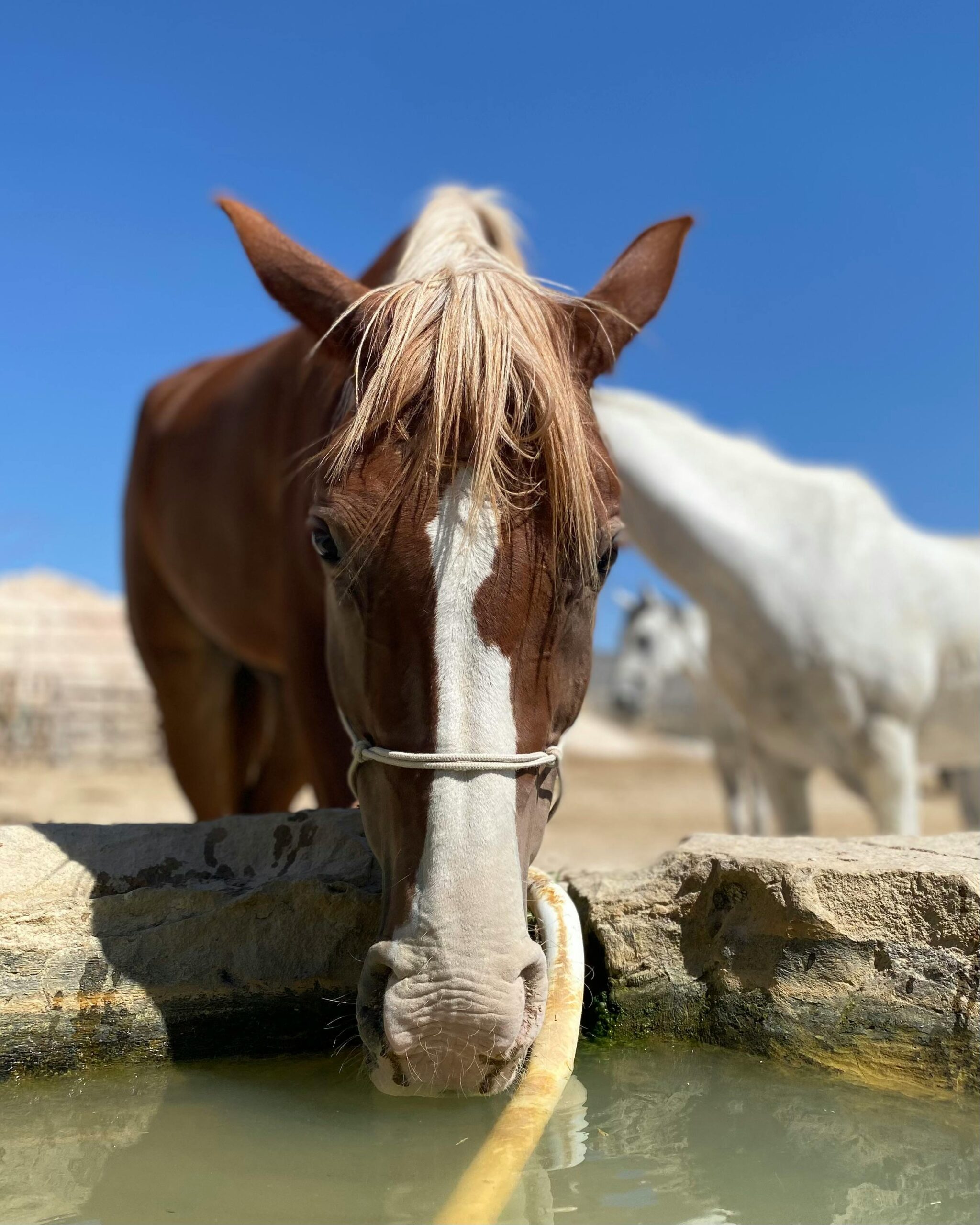

    Sanitized drinking water ensures that livestock maintains a healthy gut and prevents pathogens and pests from entering the animals system.1. Clean Water, Healthy Herd

    Why It Matters

    Water is the most important nutrient for livestock, yet it’s often the most overlooked. Contaminated troughs, lines, and ponds can harbor bacteria, algae, protozoa, and viruses. These waterborne pathogens lead to diarrhea, weight loss, reproductive problems, and even death in severe cases.

    • Cattle & Dairy Herds: Poor water quality reduces milk production and body condition.

    • Poultry: Dirty water lines quickly spread infections like Salmonella.

    • Swine: Stale water reduces feed intake and growth rates.

    • Horses & Goats: Algae and biofilm discourage drinking, leading to dehydration.

    How ClO₂ Helps

    When ClO₂ tablets are added to water, they release chlorine dioxide gas, which destroys bacteria, algae, fungi, protozoa, and biofilm. Unlike bleach, it doesn’t produce harmful byproducts like trihalomethanes (THMs).

    • Safe & Effective: Works at low concentrations (ppm level).

    • Taste Neutral: Animals don’t detect bitter or chemical flavors.

    • Biofilm Killer: Penetrates slimy buildup inside pipes and troughs.

    Result: Animals drink more, stay healthier, and perform better—without risk of chemical residues.
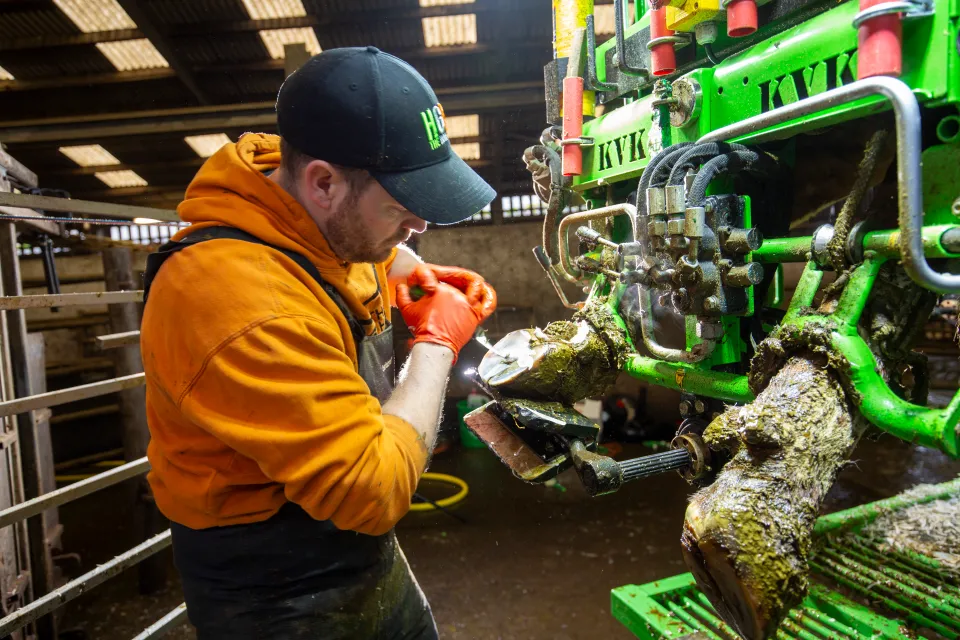

    Proper cleaning and sanitation is very important on farming equipment so as to not spread pathogens and disease from one animal to the next.

    2. Farm Equipment & Surface Sanitation

    Why It Matters

    Milking machines, feeding buckets, handling tools, hoof trimming crushes, and even tractor cabs can be reservoirs for pathogens. When not cleaned properly, equipment spreads infections from animal to animal—or even from farm to farm.

    Common culprits include:

    • Mastitis-causing bacteria living in milking clusters.

    • Swine influenza viruses hitching a ride on tools.

    • Fungal spores contaminating feed bins.


    How ClO₂ Helps

    ClO₂ is effective as a broad-spectrum surface sanitizer that kills pathogens on contact without corroding equipment or leaving toxic residues. Farmers can:

    • Spray down pens, stalls, and poultry houses.

    • Disinfect feeding and watering equipment.

    • Sanitize transport vehicles between herds.

    Result: Improved biosecurity, reduced farm-to-farm transmission, and peace of mind for producers.
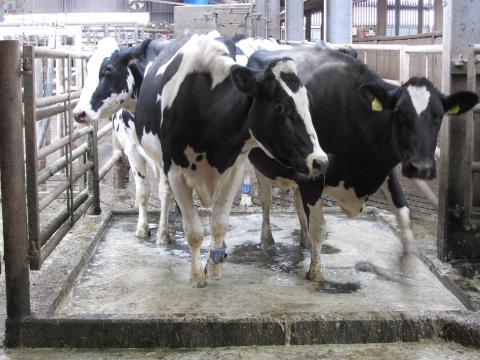

    Hoof baths in CLO2 prevent infections, clean out the manure from cracks and crevasses and help to maintain healthy hoof formation and structure.3. Foot Baths for Hoof Health

    Why It Matters

    Hoof problems are one of the most costly and painful conditions in livestock. Diseases like hoof rot, sole ulcers, toe necrosis and digital dermatitis cause lameness, weight loss, and lower fertility. In dairy cows, lameness is the second most costly health issue after mastitis.

    How ClO₂ Helps

    Farmers use ClO₂ in foot baths to disinfect hooves and prevent infections from spreading in moist, manure-rich environments. Unlike copper sulfate or formalin—which can be harmful to both animals and handlers—ClO₂ is safer, more effective, and environmentally friendly.

    Benefits:

    • Kills pathogens that cause hoof rot.

    • Reduces the spread of contagious hoof diseases.

    • Promotes healing in small cracks and lesions.

    Result: Stronger hooves, fewer lame animals, and reduced culling rates.
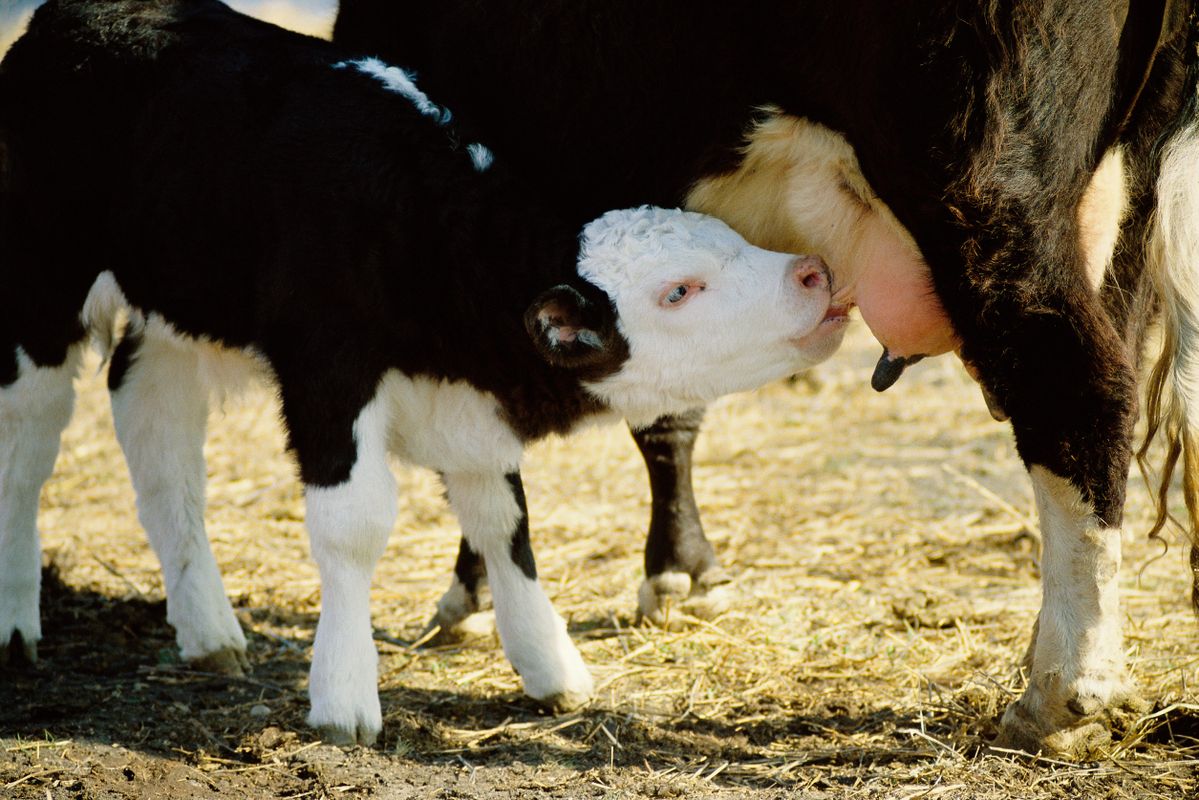

    mastitis is the #2 most common disease amongst cattle. proper care and cleaning is important.4. Mastitis Prevention in Nursing Cows

    Why It Matters

    Mastitis is one of the most expensive and common diseases in dairy cows, causing pain, milk loss, and sometimes early culling. It’s often spread by dirty udders, bedding, or contaminated milking equipment.

    How ClO₂ Helps

    ClO₂ works as a sanitizing solution for udders and milking equipment. Farmers use it to:

    • Wash udders pre- and post-milking.

    • Disinfect teat dips.

    • Sanitize bedding areas.

    Because ClO₂ leaves no harmful residues, it doesn’t affect milk quality or taste. Its fast kill rate against mastitis-causing pathogens (like Staphylococcus aureus and Streptococcus agalactiae) makes it a safer, greener alternative to iodine or harsh chemicals.

    Result: Lower infection rates, healthier cows, higher milk quality, and less antibiotic use.
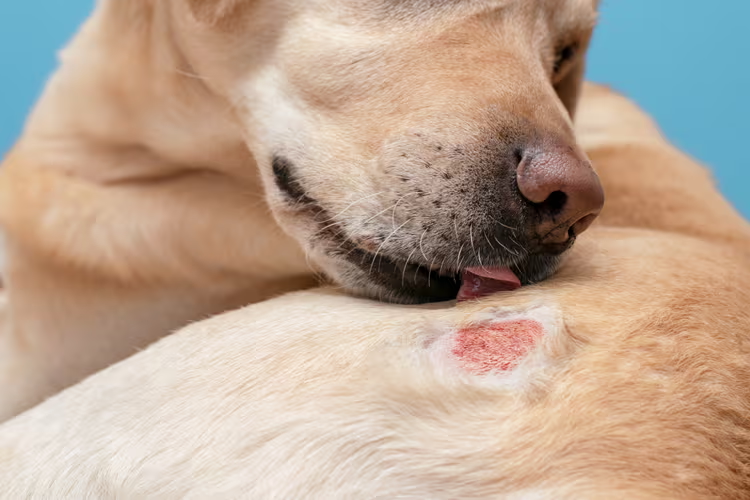

    Clo2 can help ease wounds like hotspots and infections. 5. Wound Care on the Farm

    Why It Matters

    On a farm, cuts and abrasions are part of daily life—for both animals and humans. Left untreated, small wounds become entry points for bacteria, leading to infections, abscesses, or systemic illness.

    How ClO₂ Helps

    As a gentle disinfectant, ClO₂ can be applied to animal wounds to clean, deodorize, and promote healing. Farmers use ClO₂ sprays or diluted solutions for:

    • Cuts and scrapes on cattle, goats, and horses.

    • Injuries from fencing, equipment, or rough terrain.

    • Cleaning surgical sites or post-dehorning wounds.

    Because it’s non-cytotoxic at proper dilutions, ClO₂ doesn’t damage healthy tissue—making it safer than iodine or alcohol-based treatments.

    Result: Faster healing, reduced infections, healthier animals, and fewer vet calls.


    Using CLO2 to sanitize your clothing and wash down your boots at the end of the day will further prevent pathogens from entering your home.6. Barn-to-House Biosecurity

    Why It Matters

    Farms are dynamic ecosystems. Pathogens don’t stop at the barn—they hitchhike on boots, clothes, tools, and even pet fur. Without proper sanitation, farmers risk bringing infections from one barn—or farm—into another.

    How ClO₂ Helps

    ClO₂ can be applied across the farm-to-home environment:

    • Boot & Tool Dips: Farmers use ClO₂ at entrances to barns or between pens.

    • Air & Surface Sanitization: Deodorize and disinfect barns, poultry houses, or stables.

    • Pet & Companion Animal Care: Keep kennels, runs, and pet dishes odor- and bacteria-free.

    • Household Safety: Use ClO₂ to sanitize farm clothes, boots, and equipment before entering the home.

    Result: A complete biosecurity shield that protects livestock, pets, and family members.


    7. Cyst Cleansing & Skin Wash for Animals

    Why It Matters

    Just like humans, animals are vulnerable to skin irritations, fungal infections, and cyst buildup. Moist environments, mud, manure, sweat, and tight living conditions can cause yeast, fungus, and bacterial growth on the skin. Left untreated, these conditions can lead to discomfort, hair loss, odor, and secondary infections.

    This is especially common in:

    • Dogs & Cats: Ear yeast, hot spots, and skin folds.

    • Cattle & Goats: Moist skin under udders or in creases around the legs.

    • Horses: Rain rot, mud fever, and fungal dermatitis.

    • Poultry: Feather loss and fungal growth around skin folds.

    How ClO₂ Helps

    As a cleansing skin wash, diluted ClO₂ solutions can be applied directly to affected areas to:

    • Gently cleanse cysts and abscesses.

    • Reduce yeast and fungal buildup on skin and hair.

    • Soothe irritations without stinging or harming tissue.

    • Eliminate unpleasant odors caused by microbial growth.

    Farmers and pet owners can use ClO₂ washes during routine grooming or targeted treatments. It’s safe when used correctly and far less harsh than iodine, hydrogen peroxide, or alcohol-based solutions, which can damage tissue.

    Benefits

    • Pets: Keeps coats shiny, reduces itching, and prevents yeast overgrowth.

    • Livestock: Prevents fungal dermatitis, improves skin health, and supports wound healing.

    • Show Animals: Maintains a healthy, clean appearance without strong chemical odors.

    Result: Healthier skin, fewer infections, happier animals—from the family dog to the dairy herd.


    farmers trust CLO2 because of it's dependability to keep their farms pathogen free. Why Farmers Trust ClO₂

    • Kills 99.9% of pathogens including bacteria, viruses, fungi, and protozoa.

    • Residue-free & eco-friendly: Breaks down into simple salts.

    • Safe for animals & humans when used correctly.

    • Multi-use: Works for water, surfaces, wounds, skin, and air.

    • Proven worldwide: Used in agriculture, healthcare, and water treatment for decades.


    The Gold Standard in Farm Sanitation

    From hoof baths to hydration, from mastitis prevention to wound and skin care, ClO₂ covers every corner of the farm. It’s more than just a disinfectant—it’s a proactive farming strategy that improves animal health, reduces costs, and increases productivity.

    👉 Ready to protect your animals from waterborne pathogens, hoof rot, mastitis, skin infections, and farm-to-farm diseases? Explore our ClO₂ tablets today and experience the gold standard in farm sanitation.


    CLO2 is a healthy alternative to Bleach and other chemical household cleaners