Author: Michele Matthews

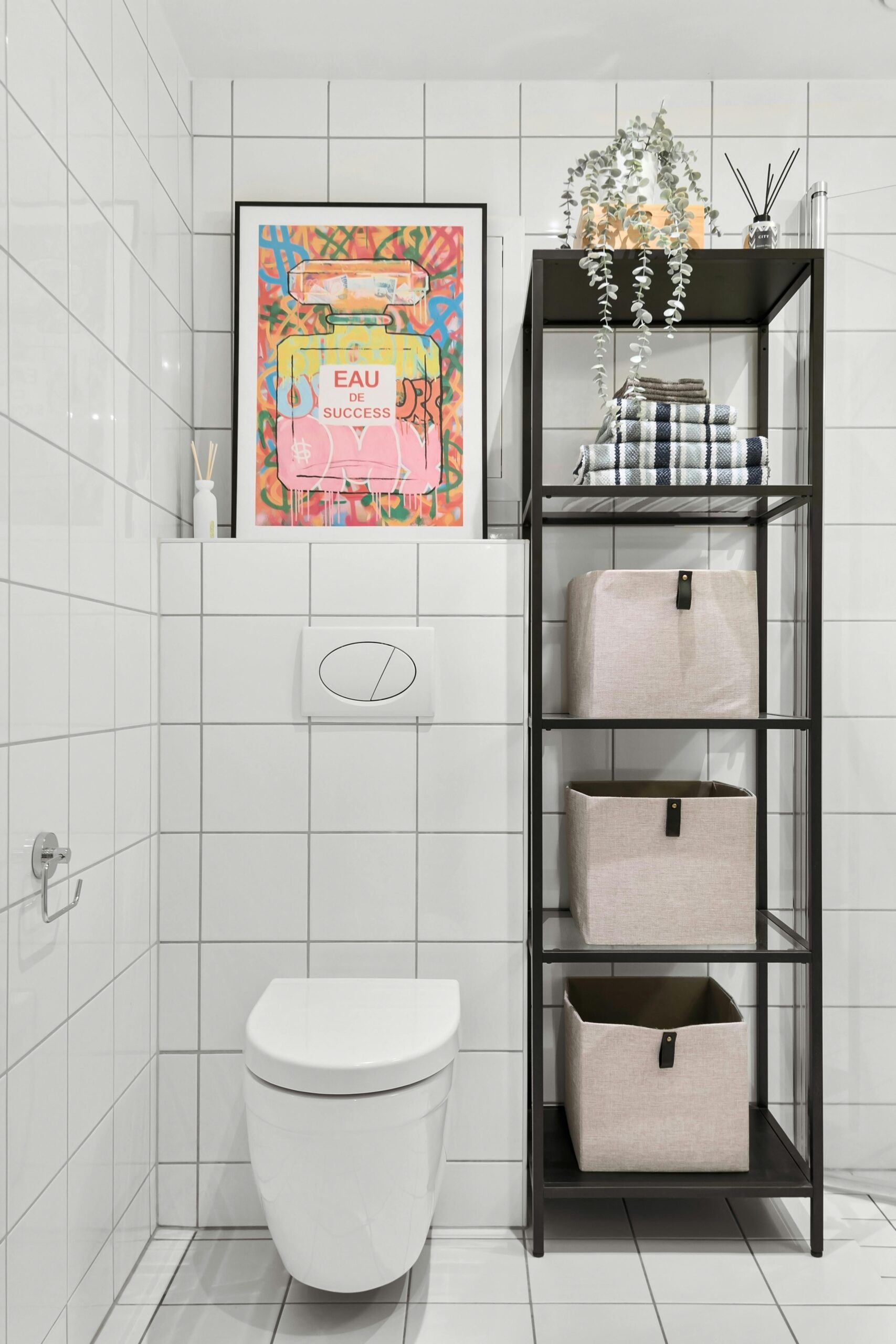
  • Cleaning Your Toilet the Smart Way with ClO₂—Septic-Safe & Fresh-Smelling

    Cleaning Your Toilet the Smart Way with ClO₂—Septic-Safe & Fresh-Smelling

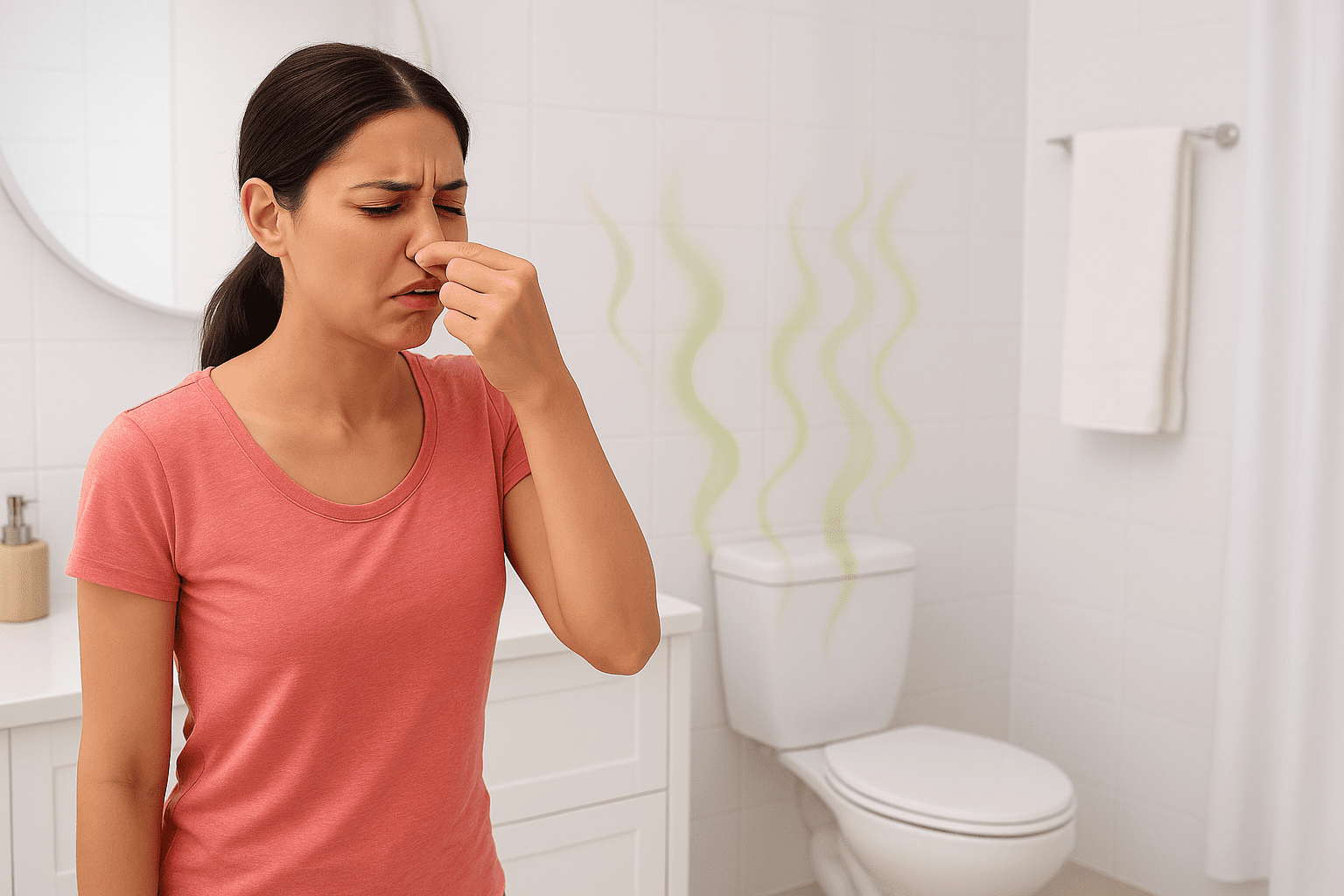
    A clean, fresh-smelling bathroom isn’t just pleasant—it signals health, care and good home hygiene.Flush with Confidence: How to Clean Your Toilet with ClO₂ & Keep Your Septic System Smiling

    Let’s face it—no one ever hops into a bathroom and thinks, “Oh yes, I absolutely love the lingering funk.” A fresh-smelling, hygienic bathroom says more than “I clean often”—it says “I care.” And when your toilet is handled the smart way, the whole house feels better.
    Today, I’m taking you through how to clean your toilet using ClO₂, an eco-smart, septic-system-friendly solution that gives you the “Now that’s clean” confidence—without the worry that you’ve just nuked all the beneficial bacteria in your septic tank like bleach tends to do.


    Why a Fresh-Smelling Bathroom Matters

    When the bathroom smells clean, people feel good using it. A stinky bathroom?… not so much. It affects your mood, your guests, your house. Plus, odors can migrate—bad smells don’t stay politely in the bathroom. They drift into corridors, living spaces, even closets. Keeping the bathroom fresh helps the whole home vibe fresh.
    And here’s the kicker: if you use harsh cleaners (like traditional bleach-heavy toilet bowl products), you may fix the smell temporarily—but risk damage to your septic system and create more hassle in the long run. According to plumbing-industry sources, heavy use of bleach and other disinfectants can kill the beneficial bacteria in a septic system, leading to backups and slow drains.

    Here’s a myth worth clearing up: chlorine dioxide is not chlorine bleach. Yes, they sound similar, but their chemistry couldn’t be more different.Why Use ClO₂ Instead of Bleach?

    Here’s where we get into the “science lite” but real deal.

    • Bleach (sodium hypochlorite, e.g.) is a powerful oxidizer. It kills germs and helps stains—but it’s also harsh on septic tanks because it doesn’t discriminate between bad bacteria and the good bacteria that keep your system working.
    • With a septic system, the key is balance. The tank relies on live bacteria to break down waste, treat it, move it on. If you wipe out your microbial workforce, you may end up with backups or worse.
    • ClO₂ (chlorine dioxide) offers a smarter path: at properly low doses, it works to sanitize and deodorize, but without the same level of destructive impact on septic bacteria—if used correctly. (And yes, you still use with care.)
    • And—in case you’re wondering—yes, you still follow safety rules (we’ll cover them).
      In short: ClO₂ gives you a fresh, sanitized toilet and better peace of mind for your septic system.

    Setting Up Your Cleaning Routine with ClO₂

    Here’s your step-by-step guide to integrate ClO₂ into your toilet cleaning routine. We’ll cover regular cleaning, then ClO₂ treatment, then maintenance.

    Regular Cleaning

    Before you drop in your ClO₂ tablet, maintain a basic clean routine:

    • Put on gloves.
    • Use 1 0z of our Bio-clean into the bowl; let it sit a few minutes.
    • Use the toilet brush: scrub under the rim, all around the bowl, water line, and into the inner curve.
    • Wipe down the seat, lid, hinges, underside of the seat, outer tank and base with a CLO2 solution like our small Starter Kit .
    • Give the floor and area around the toilet a quick wipe as well.
    • Flush.
      This keeps the obvious grime away so your ClO₂ treatment can work better.

    ClO₂ Treatment – The Heavy-Hitter

    Here’s where we really shine. Use one of your tablets in the right dose for your setup.

    What you’ll need:

    • One 10 gram ClO₂ tablet (we’ll use the product line from your brand, e.g., the Envirotab 10g ClO₂ Tablets)
    • Gloves
    • Good ventilation (open window or fan)
    • A moment of time (go grab coffee, read something, come back)
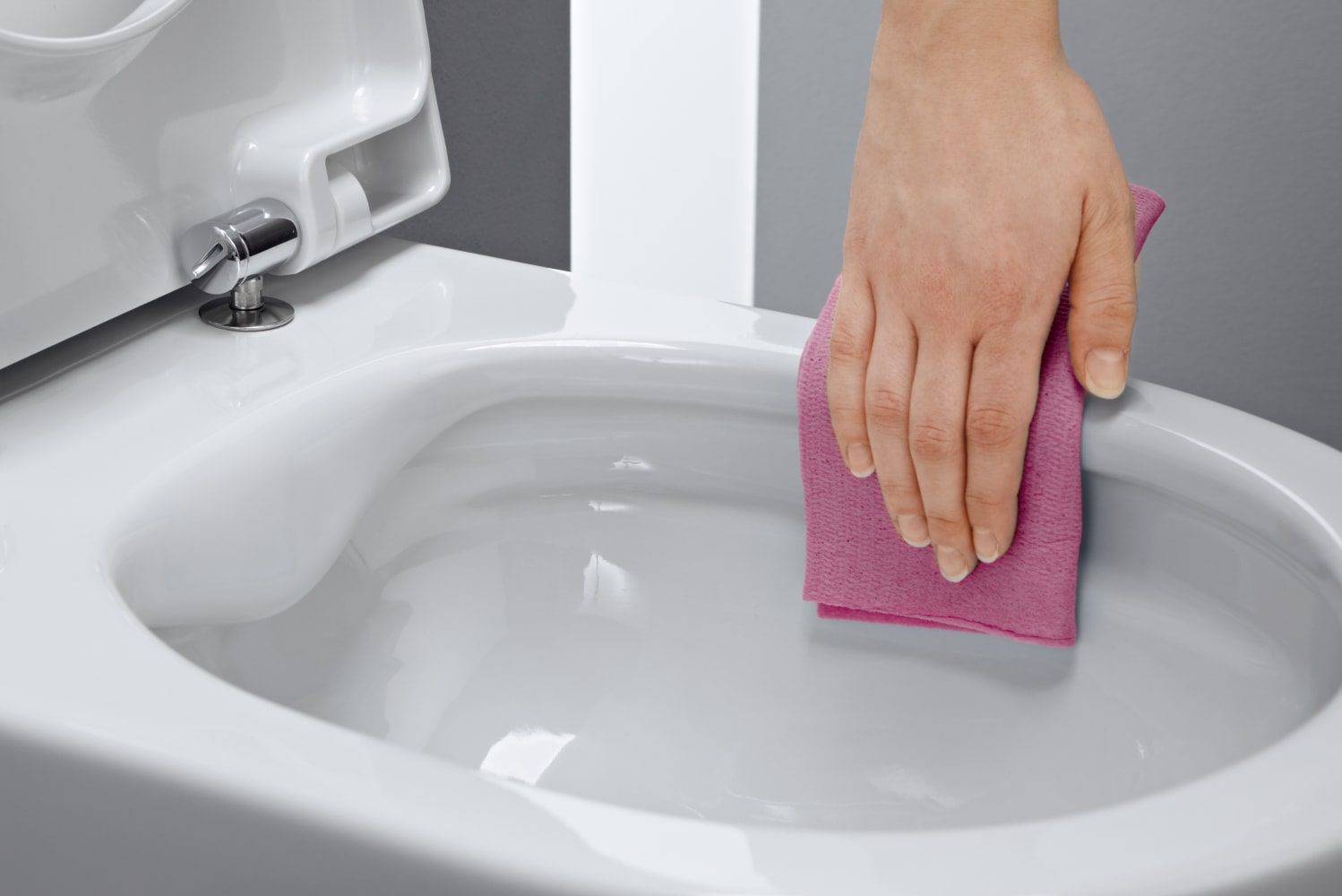
    Wipe down the seat, lid, hinges, underside of the seat, outer tank and base.Instructions:

    • Remove the toilet tank lid carefully. Lift and place safely.
    • Drop one 10 gram ClO₂ tablet into the back of the tank (behind the overflow tube, out of direct visible water line if possible).
    • Replace the tank lid.
    • Drop one 4 gram ClO2 tablet into the bowl and close the lid.
    • Walk away (go to work, relax, sleep)—let it sit. If you have a high-traffic bathroom (lots of flushes) you can treat once a week; for normal traffic, treat every other week (twice a month).
    • After the dwell time, flush the toilet to move treated water through the bowl and water lines—let the treated water travel into all the nooks: the rim holes, the curve, the trap.
    • If someone uses the bathroom during the dwell time: you might see tinted water (sometimes a reddish hue)—don’t panic! That color is a harmless sign of the ClO₂ interacting with biofilm or mineral deposits. It isn’t a health hazard. Just flush when you can.
    • After flush, you’re set. Your toilet bowl, water lines, and tank are benefiting.

    What it does for you:

    • Cuts down on hard-water stains and mineral build-up (the ClO₂ penetrates the deposits).
    • Reduces mold and biofilm (“gunk you don’t see”).
    • Makes your job easier—less frequent scrubbing.
    • Gives you genuine sanitization confidence.
    • Keeps your septic system happier than bleach-loaded treatments would.

    Extra Maintenance Tips

    • Once a month: treat the toilet brush holder. Drop a 1 gram ClO₂ tablet (e.g., using the same product line in a smaller dose) into the holder with water, let sit, rinse. Helps sanitize the brush itself (yes, that’s important).
    • If you haven’t done the initial ClO₂ treatment in a while and you have visible build-up, run a moderate scrub first (use  bio-clean ) before beginning the ClO₂ regime. It pre-breaks proteins and biofilm making the ClO₂ more effective.
    • Ventilate your bathroom. Keep moisture down—less moisture means fewer mold and mildew scent problems.
    • Don’t mix ClO₂ with other strong cleaners during the treatment dwell time. Keep it simple and safe.

    Safety Considerations & Precautions

    Here are your “Don’t panic—just be safe” rules:

    • Always read the label/instructions on your ClO₂ tablet product.
    • Wear gloves when handling tablets. Never touch the tablet directly.
    • Ensure decent ventilation (open window/fan).
    • If you accidentally splash the tablet dust or solution on skin: rinse thoroughly with water. Avoid contact with eyes.
    • Do not mix ClO₂ tablets with other cleaning chemicals—especially bleach or strong acids.
    • Don’t treat with huge concentrations thinking “more is better.” For septic systems, low-dose, proper interval use is key. According to one user experience: “Chlorine Dioxide is safe for septic systems as long as you’re not consistently pouring high concentrations (PPM) into the tank on a daily basis.”
    • Know your septic system: while ClO₂ in moderate amount is safer than repeated heavy bleach doses, you should still monitor. Plumbing-industry advice indicates that bleach and harsh chemicals do cause damage when overused.

    Why Your Septic System Will Thank You

    When you use harsh bleach-based toilet cleaners frequently, you risk killing off the very bacteria your septic system relies upon. That can lead to slow drains, backups, and costly repairs.

    With a properly managed ClO₂ program:

    • You avoid the frequent “shock” to the microbial ecosystem in the septic tank.
    • You still achieve sanitization and odor control without over-killing the beneficial organisms.
    • You reduce cleaning frequency and build-up, so your system doesn’t have to work as hard or get challenged with extra gunk.
      Bottom line: You get a cleaner toilet and a healthier septic life.

    Cleaning Timeline Snapshot

    Interval Action Benefit
    Weekly basic Brush bowl, wipe seat/hinges/base Keeps visible grime and smell down
    Every other week (normal traffic) or every week (high traffic) Drop a 10 g ClO₂ tablet in tank, 4 g ClO2 in bowl, sit, flush after dwell Deep clean, biofilm reduction, sanitizing
    Monthly Treat toilet brush holder with 1 g ClO₂ tablet Keeps brush fresh, prevents cross-contamination
    Ongoing Ventilate room, keep moisture down Fewer mold/mildew odors, less strain on system

    Closing Encouragement

    A clean, fresh-smelling bathroom isn’t just pleasant—it signals health, care and good home hygiene. Using a smart, septic-safe method like ClO₂ tablet treatment (rather than relying solely on bleach) gives you sanitization power and protection for your septic system. With a simple routine, you cut down on stains, biofilms and odors, while maintaining system balance and cleaning efficiency.

    You’re not just cleaning a toilet—you’re raising the bar on home hygiene, protecting your septic system, and creating a fresh-smelling sanctuary in your bathroom. With this ClO₂-based approach, you’re stepping into a smarter, more forward-thinking cleaning routine. Go ahead—give it a try this week and watch your bathroom sparkle (and breathe easier). Your septic system will send you a silent “thank you,” trust me.
    Let’s get cleaning! 🚿✨


    10 Frequently Asked Questions (FAQ)

    1. Once a month treat the brush holder with a 1 gram ClO₂ tablet in water, let it sit, rinse. Helps keep cross-contamination down.Is ClO₂ really safe for my septic system?
      Yes — when used in the correct dosage and intervals. Unlike heavy repeated bleach use, ClO₂ in low-dose treatments is far less disruptive to the beneficial bacteria in your septic tank.

    2. Can I drop a ClO₂ tablet in the bowl instead of the tank?
      For full system benefit (tank + water lines + bowl), placing the tablet in the tank allows treated water to circulate. Dropping in the bowl is less effective for ring buildup and water line penetration.

    3. What strength tablet should I use?
      Use one 10 gram ClO₂ tablet for the tank every other week (or weekly in high-traffic restrooms). For brush-holder or smaller applications, 1 gram is suitable.

    4. Will the toilet water change color after treatment?
      Possibly—if anything is reacting (biofilm, mineral deposits) you might see a tinted or reddish hue. It’s harmless, just flush when you’re ready.

    5. Can I still use my regular toilet cleaner along with ClO₂?
      No—use a mild cleaner for your weekly wipe and brush. But do not combine strong chemical cleaners with bleach with your ClO₂ treatment during the dwell period.

    6. How often should I clean the toilet brush and holder?
      Once a month treat the brush holder with a 1 gram ClO₂ tablet in water, let it sit, rinse. Helps keep cross-contamination down.

    7. Does ClO₂ remove hard water stains and rings?
      Yes—one of the benefits is that ClO₂ helps break down mineral and biofilm deposits that traditional cleaners struggle with, making your bowl cleaner with less elbow grease.

    8. My home has a septic tank—what happens if I use bleach often?
      Frequent bleach use can kill the good bacteria in the tank, leading to slower breakdown of waste, backups and expensive drain field problems.

    9. Is ventilation really necessary when using ClO₂?
      Yes—it’s always a good practice when using any chemical treatment. Fresh air helps disperse any gases and ensures comfort during treatment. Crack a window or running a fan will be sufficient enough ventilation.

    10. What if someone uses the bathroom during the ClO₂ treatment dwell time?
      It’s okay. The water may be tinted. Just ensure they flush after, and move on. It won’t have the same intense reaction as a full-bleach treatment might, and your system remains safe.


    CLO2 is a healthy alternative to Bleach and other chemical household cleaners


  • Hidden Germ Zones in Your Home & Natural ClO₂ Cleaning Solutions

    Hidden Germ Zones in Your Home & Natural ClO₂ Cleaning Solutions

    Did you Know Your Home Isn’t as Clean as You Think?

    You might be cleaning your home daily, but are you really reaching the places where germs hide? Remote controls, light switches, and even your fridge interior are breeding grounds for bacteria and viruses. Traditional cleaners can be harsh, toxic, and still miss these hotspots. That’s where ClO₂ comes in — a safe, eco-friendly solution that effectively sanitizes without harmful fumes or residues.

    Here’s a step-by-step guide to disinfecting the most overlooked germ zones in your home using ClO₂ solutions.


    remote controls are always over looked for cleaning and not de-germing.1. Remote Controls — Quick Wipes for Maximum Sanitation

    Solution: ClO₂ Wipe Solution (prepared from 1g ClO₂ tablet and 32oz water)
    Steps:

    1. Mix a small batch of ClO₂ solution and soke our Quick wipes till solution is fully absorbed.
    2. Remove from solution and unwrap the towelette.
    3. Gently wipe all buttons and surfaces of the remote control.
    4. Allow to air dry. Safe for electronics and highly effective against germs.

    2. Light Switches & Other High-Touch Hard Surfaces

    Solution: ClO₂ Spray (from 1g ClO₂ tablet and 1 32oz spray bottle Starter Kit)
    Steps:

    1. Prepare ClO₂ spray according to your starter kit instructions.
    2. Spray directly onto a clean cloth.
    3. Wipe down thoroughly, paying special attention to edges and corners.
    4. Let dry naturally — no rinsing required.

    3. Refrigerator Interior

    Solution: ClO₂ Refrigerator Kit (found on our Synergy Green Clean website) , 1 CLO2 32oz spray bottle solution
    Steps:

    1. Empty the refrigerator and remove shelves/trays.
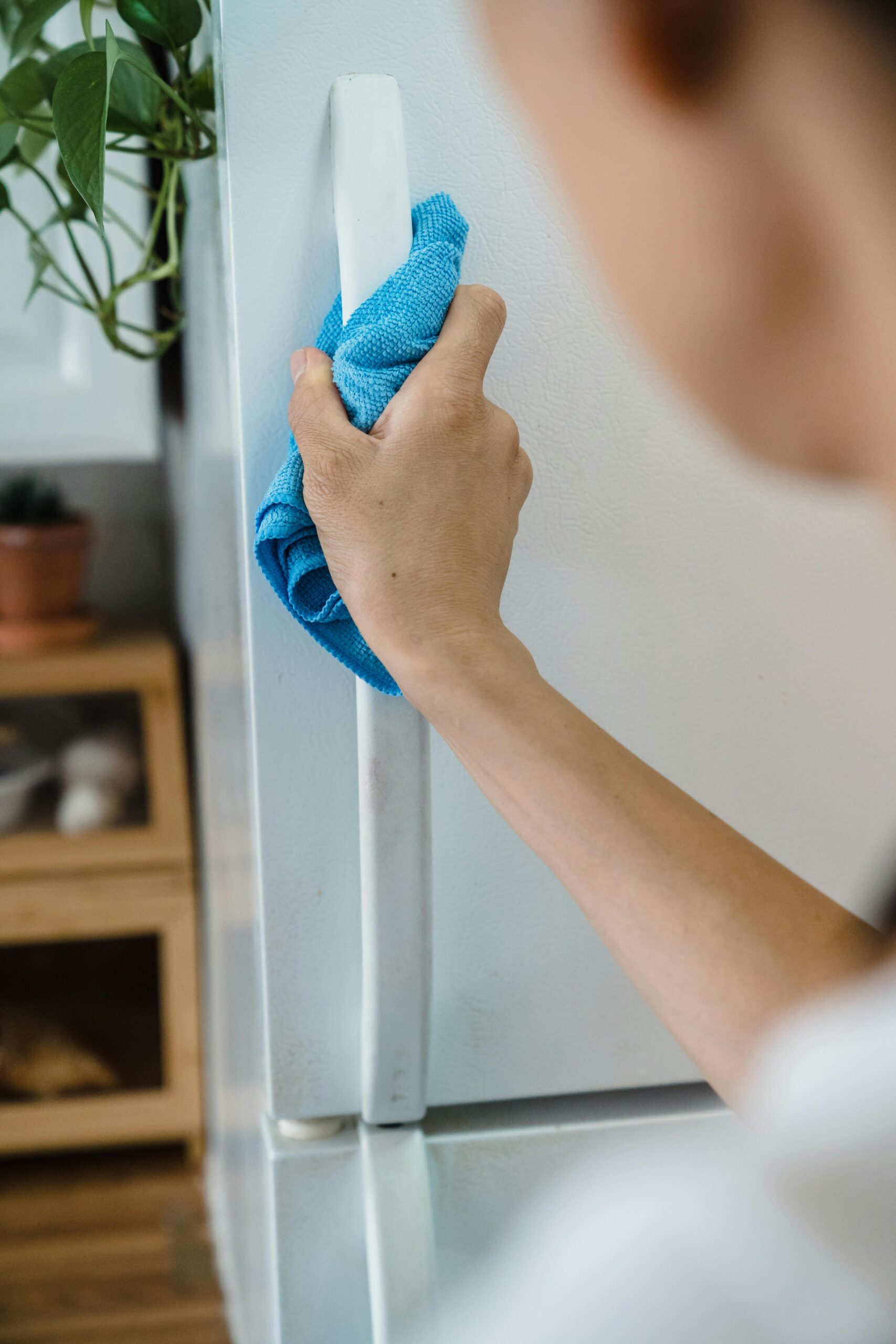
    2. Use a ClO₂ solution in your 32oz spray bottle and a microfiber cloth.
    3. Wipe all surfaces, trays, and compartments with the dampened cloth.
    4. Rinse shelves with clean water if desired, then return items.
    5. Open the silver packet and place the CLO2 bag into the white cabinet.
    6. Place in the back of the refrigerator or in a crisper drawer to absorb any new odors.
    7. Leave the fridge door open briefly to air dry and refresh the interior.

    Today’s cleaning standards demand smart, safe, and sustainable solutions — products that protect health without sacrificing performance. Enter CLO₂ — the breakthrough alternative that’s redefining what clean truly means.4. Kitchen Countertops & Dining Tables

    Solution: ClO₂ Spray Bottle Solution and Microfiber Cloth
    Steps:

    1. Spray ClO₂ solution directly onto the surface.
    2. Let it sit for 2–3 minutes to kill germs effectively.
    3. Wipe with a clean cloth or paper towel.
    4. Safe for food prep areas, including cutting boards and gentle on all countertops.

    5.  Door Handles & Faucets

    Solution: ClO₂ Solution in a 32oz Spray Bottle

    Steps:

    1. Keep a small, ready-to-use ClO₂ spray near entrances and sinks.
    2. Spray handles and faucets lightly, wipe with a cloth.
    3. Repeat daily or after heavy use to prevent bacterial buildup.

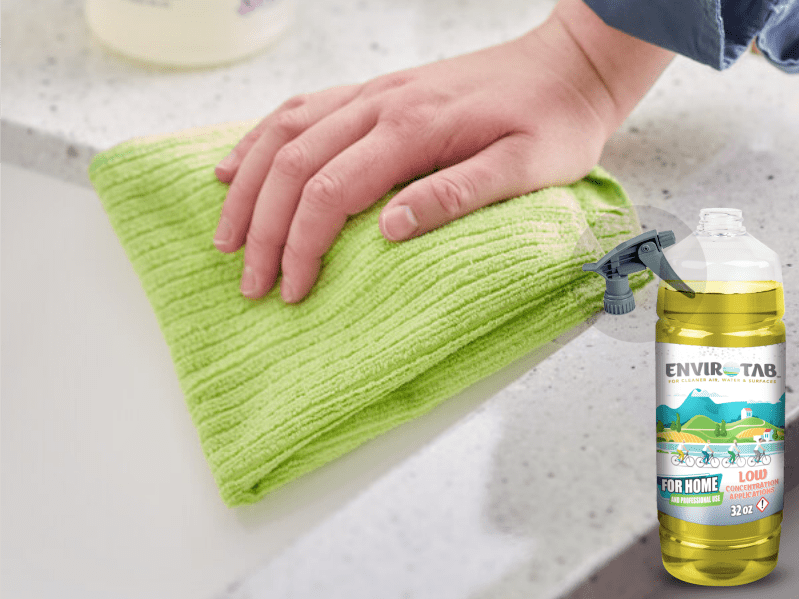
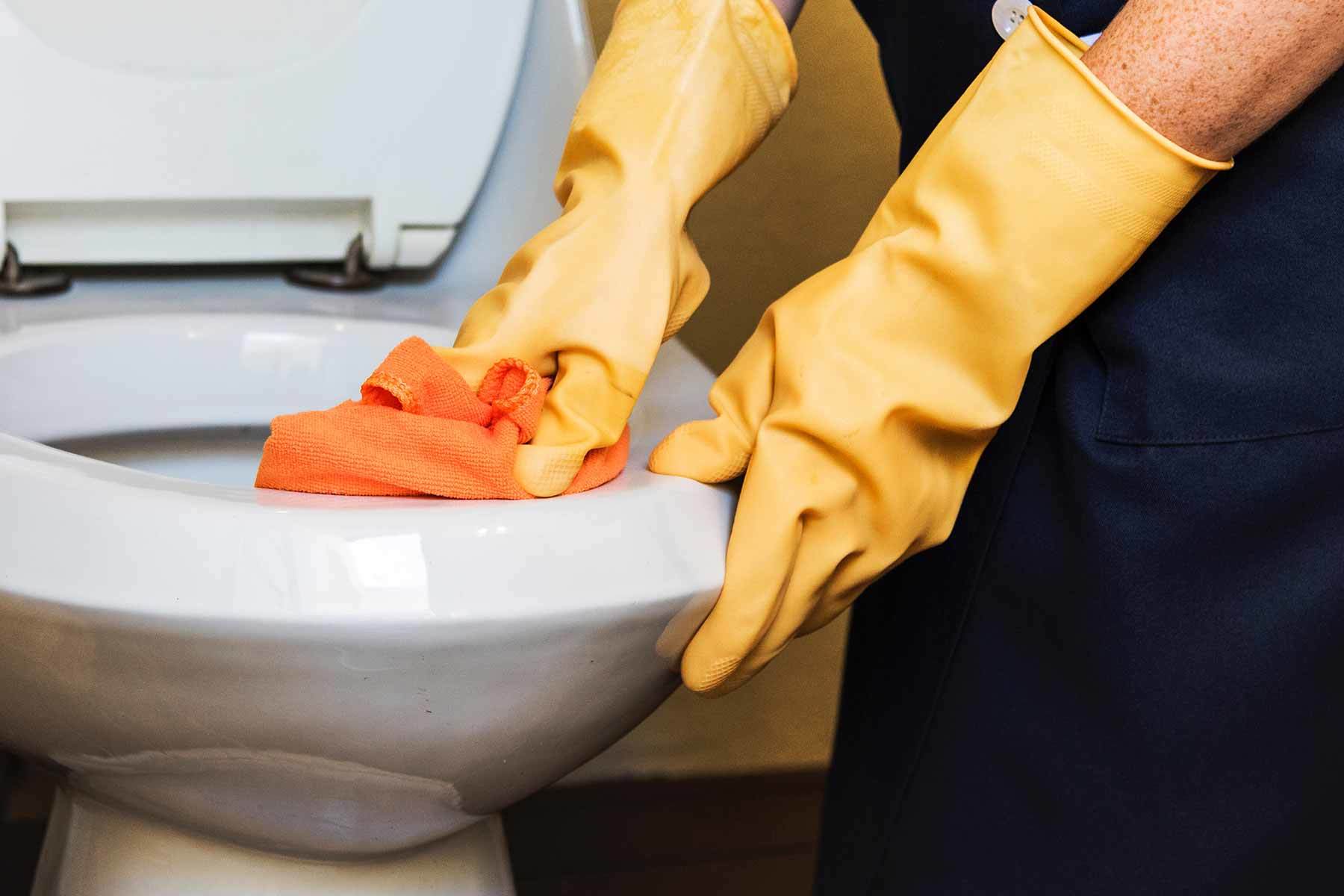
    bathroom cleaning with ClO2 and microfiber both cleans and deodorizes6. Bathroom Surfaces (Sink, Toilet, Shower)

    Solution: ClO₂ Cleaner in a 32oz Spray Bottle
    Steps:

    1. Apply ClO₂ solution to sink, faucet, and shower handles.
    2. Wipe or scrub lightly as needed.
    3. For toilets, put a 1 gram ClO₂ tablet inside the bowl, let sit 5–10 minutes, swish then flush.
    4. No harsh chemicals, bleach, or ammonia needed.
    5. Safe on Septic tanks

    Conclusion

    Cleaning doesn’t have to be harsh, complicated, or toxic. By targeting the hidden germ zones in your home with ClO₂, you can keep your family safe, healthy, and surrounded by a fresh, eco-friendly environment.

    Pro Tip: Keep a small ClO₂ spray bottle in high-traffic areas for quick, daily touch-ups. Small steps lead to a cleaner, healthier home — naturally.


    cutting board10 FAQs About Cleaning with ClO₂

    Is ClO₂ safe for all surfaces?
    Yes! When diluted according to instructions, ClO₂ is safe for electronics, countertops, stainless steel, plastics, and more.

    Can I use ClO₂ around pets and children?
    Absolutely. ClO₂ is non-toxic at proper concentrations, making it safe for households with kids and pets.

    Do I need to rinse after using ClO₂?
    For most surfaces, no. It evaporates safely. For food-contact surfaces like cutting boards, a quick rinse is optional.

    How long does ClO₂ stay effective?
    Freshly prepared solutions work best. Typically, solutions remain active for several hours to a day depending on storage.

    Can ClO₂ replace bleach?
    Yes! ClO₂ is a safer, eco-friendly alternative that disinfects effectively without harsh fumes or residues.

    Is ClO₂ suitable for electronics like remotes?
    Yes. Use a cloth dampened with the solution, never pour directly.

    Can I use ClO₂ for mold and mildew?
    Yes! It’s effective on surfaces prone to mold and mildew, including bathrooms and basements.

    How often should I clean high-touch areas?
    Daily touch-ups are ideal for light switches, handles, and faucets; weekly deep cleans for appliances like fridges.

    Does ClO₂ leave any smell?
    No. It’s virtually odorless and won’t leave chemical residues.

    Can I mix ClO₂ with other cleaners?
    No. Use ClO₂ alone to maintain effectiveness and safety.

    CLO2 is a healthy alternative to Bleach and other chemical household cleaners

  • From Bleach to Breakthrough: Why Smart Cleaners Are Choosing CLO₂

    From Bleach to Breakthrough: Why Smart Cleaners Are Choosing CLO₂

    The Era of Smart Cleaning is Here

    The days of harsh, chemical-laden bleach are fading fast — and for good reason. Studies now show that prolonged bleach exposure can lead to respiratory damage, immune system stress, and even neurological effects from poor indoor air quality. Those “clean” fumes that sting your nose and eyes are actually chlorine vapors irritating your lungs and airways, and the residues left behind can disrupt your body’s natural balance. It’s no wonder that homes, schools, and businesses are saying enough is enough.

    Today’s cleaning standards demand smart, safe, and sustainable solutions — products that protect health without sacrificing performance. Enter CLO₂ — the breakthrough alternative that’s redefining what clean truly means. Whether you’re a facility manager safeguarding staff, a homeowner protecting family, or a sustainability advocate driving change, the message is clear: your cleaning choices matter — to your people, your air, and your planet.


    Here’s a myth worth clearing up: chlorine dioxide is not chlorine bleach. Yes, they sound similar, but their chemistry couldn’t be more different.1. The Evolution of Cleaning: From Harsh Chemicals to Smart Solutions

    Traditional bleach has been the industry standard for decades. But here’s the problem: it’s toxic, corrosive, and harsh on surfaces — not to mention the lingering chemical smell that no one enjoys.

    Trends today show:

    • Consumers and businesses are moving toward eco-conscious alternatives.

    • Regulations are tightening around chemical use in homes, schools, hospitals, and food handling.

    • Employees and families are demanding safer environments — without compromising cleanliness.

    The shift is no longer optional. It’s a necessity. And CLO₂ is leading the charge.


    2. Green Cleaning 2025: What Makes a Product Truly Sustainable

    Smart cleaners are not just replacing bleach — they are rethinking cleaning itself.

    Here’s what makes a modern cleaning solution truly sustainable:

    • Non-toxic ingredients: Safe for children, pets, and staff.

    • Versatile application: Works on glass, metal, ceramic, fabrics — all without damage.

    • Minimal environmental footprint: Reduced packaging, biodegradable components, and lower water usage.

    • Proven efficacy: Effective against bacteria, viruses, mold, and biofilm without harsh chemicals.

    CLO₂ ticks every box. It’s non-toxic, safe, environmentally friendly, and highly effective — the complete green cleaning solution.


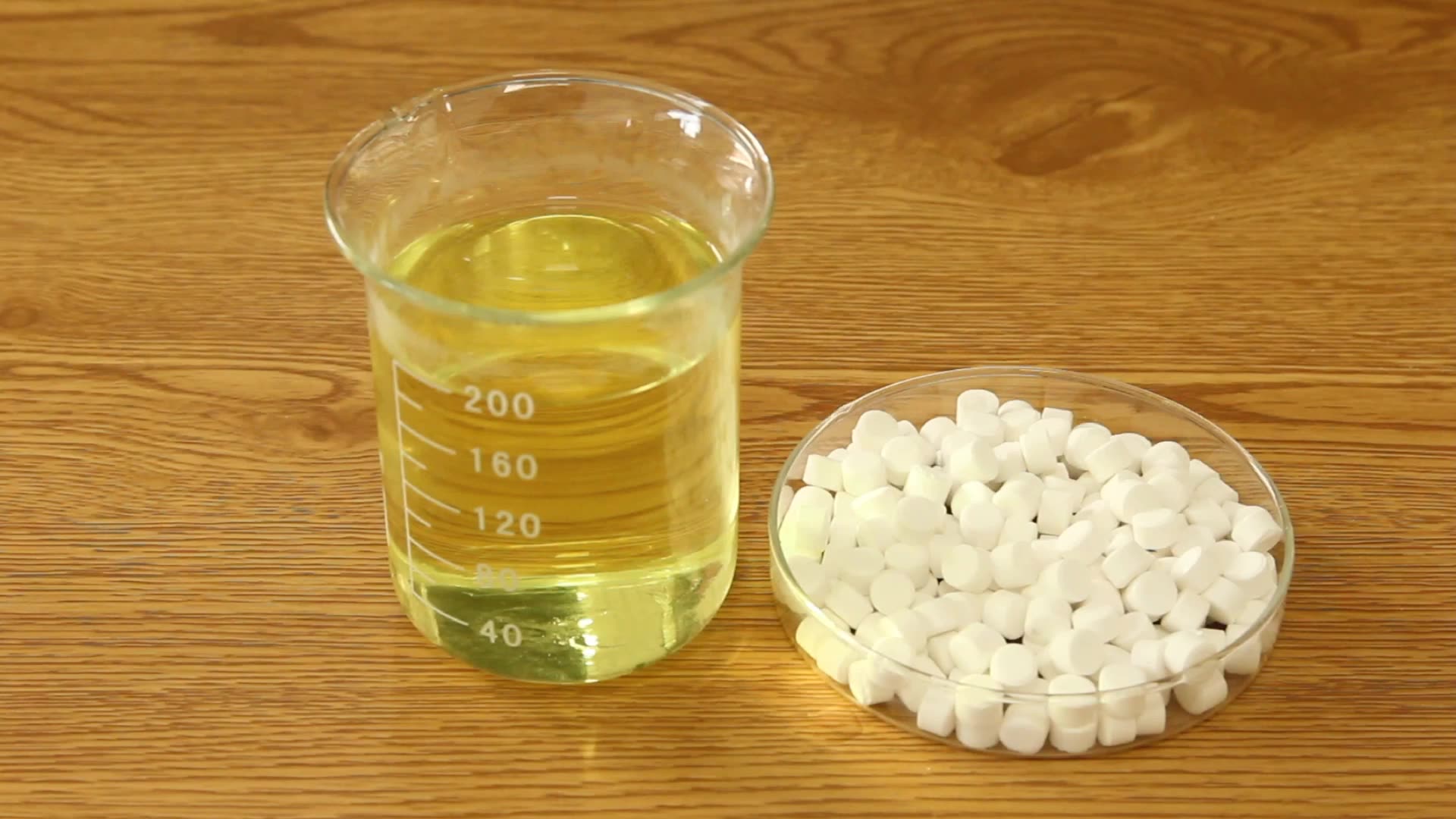
    chlorine dioxide tablets and glass of water on table surface3. Meet CLO₂: The Science Behind the Breakthrough

    Chlorine dioxide (CLO₂) is a powerhouse disinfectant used in hospitals, food industries, and now, modern homes. Here’s why smart cleaners are making the switch:

    • Potent yet safe: Unlike bleach, CLO₂ is non-corrosive and won’t release toxic fumes.

    • Multi-surface use: From countertops to fabrics, it handles cleaning and disinfecting in one step.

    • Environmentally responsible: Breaks down into harmless compounds after use — no chemical residue.

    • Economical: Tablets dissolve into solution on demand, reducing storage and transport costs.

    In short: CLO₂ isn’t just a cleaner. It’s a revolution in hygiene and sustainability.


    4. How Businesses and Homes Can Adopt CLO₂ Today

    Switching from bleach to CLO₂ doesn’t have to be complicated. Here’s a practical roadmap:

    1. Start small: Replace bleach in high-touch areas — kitchens, bathrooms, and office spaces.

    2. Educate staff or household members: Share safety and efficacy benefits to encourage adoption.

    3. Leverage multi-purpose applications: Use CLO₂ for laundry, glass, and sanitizing surfaces.

    4. Market your eco-conscious shift: If you’re a business, showcase your commitment to green cleaning in your social media, website, and store signage.

    5. Monitor and optimize: Track results and feedback to fine-tune your cleaning program.

    By adopting CLO₂ today, you’re leading your industry, protecting health, and supporting the planet — all at once.


    CLO2 can be safely used around Children and pets if used as directed.5. Why Now? The Urgency of Going Green

    Every day that businesses or households continue using harsh chemicals is a day lost in credibility, safety, and sustainability. Early adopters of green cleaning solutions are gaining trust, recognition, and even regulatory compliance advantages.

    Act now, because:

    • Green certifications and eco-friendly branding influence customer choice.

    • Safety concerns are rising — especially in public spaces and schools.

    • Competitive advantage is gained by being the first to switch to safe, effective, modern disinfectants.

    The future of cleaning is here, and it’s chlorine dioxide.


    Conclusion: From Bleach to Breakthrough

    The world is evolving — and so must the way we clean it. Bleach may have written the first chapter of modern sanitation, but its story has reached the end. The future belongs to solutions that clean deeply without compromise — solutions that protect people, preserve surfaces, and respect the environment.

    CLO₂ stands at the crossroads of science and sustainability — a product born from innovation, refined by necessity, and chosen by those who refuse to trade health for hygiene. Every drop used, every surface restored, and every breath of cleaner air represents a quiet revolution in how we define “clean.”

    So as you close this page and look around your space — your home, your business, your world — ask yourself: Is my cleaning helping me move forward, or keeping me stuck in the past?

    Smart cleaners already know the answer. The breakthrough isn’t coming — it’s here. Choose EnviroTab CLO₂ tablets and be part of the movement that’s changing clean for good.

    CLO2 is a healthy alternative to Bleach and other chemical household cleaners

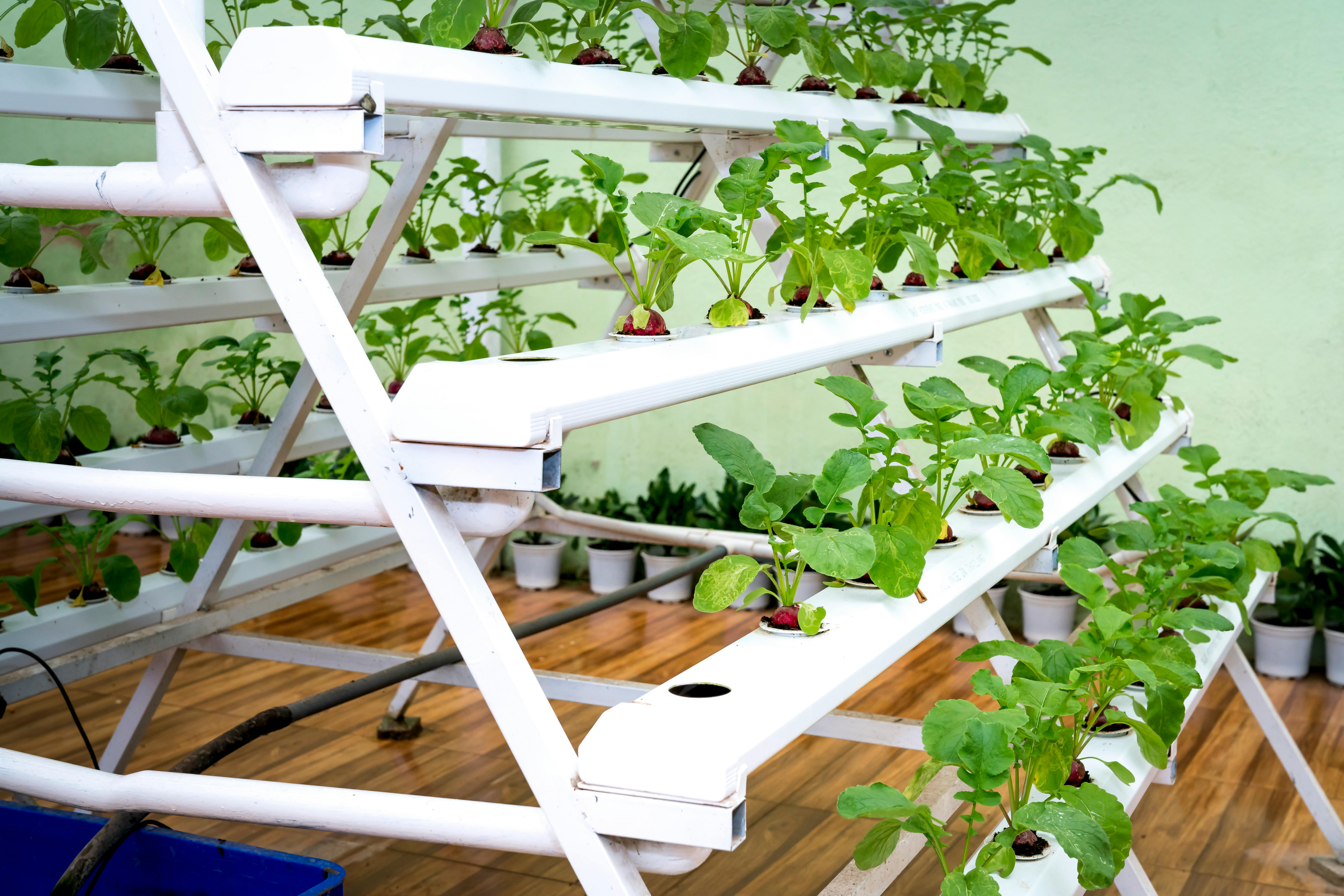
  • Hydroponics with ClO₂ — Cleaner Water, Healthier Crops

    Hydroponics with ClO₂ — Cleaner Water, Healthier Crops

    The Hidden Challenges of Hydroponic Growing

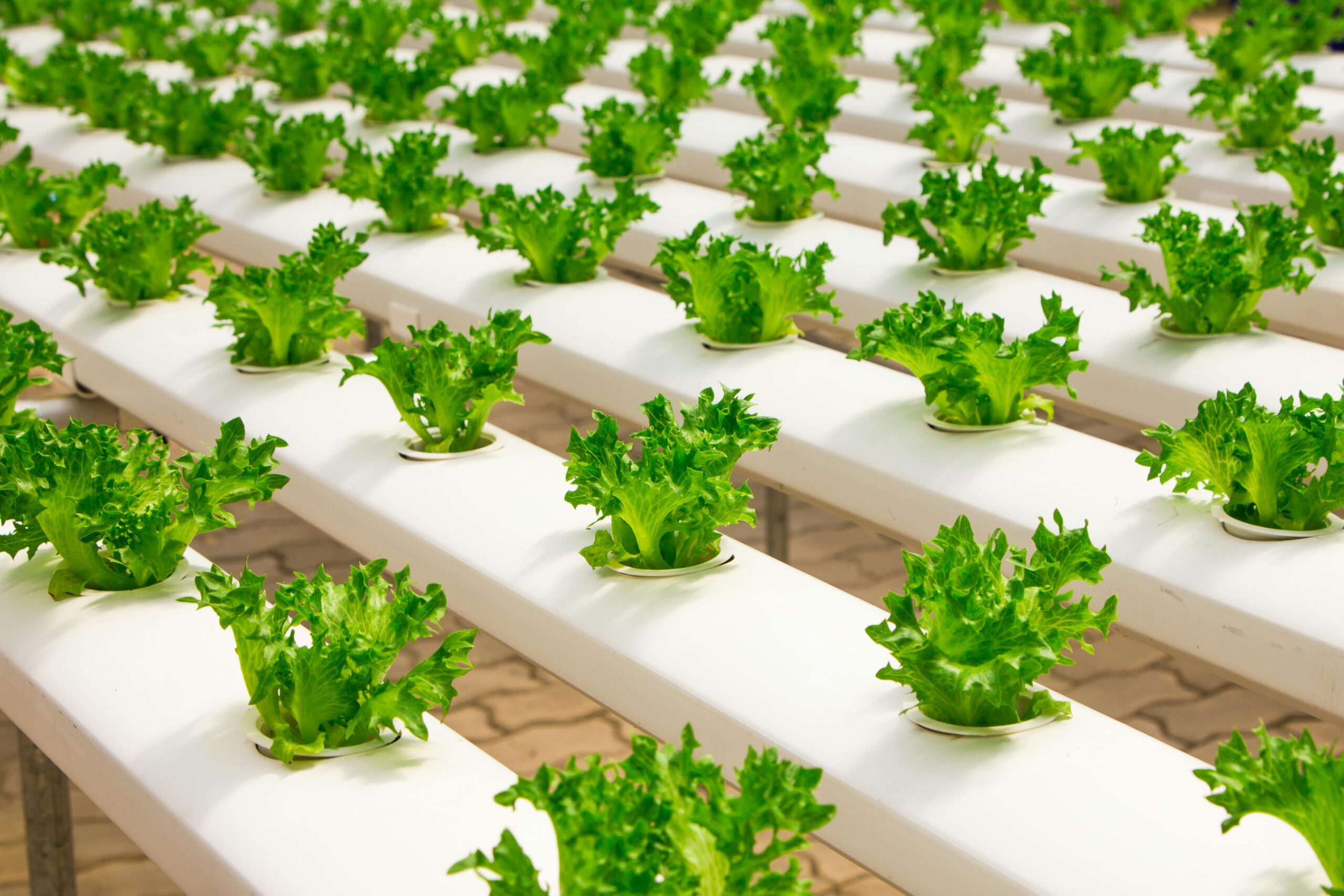
    Hydroponics has transformed modern agriculture. By growing plants in nutrient-rich water rather than soil, growers achieve faster growth, higher yields, and precise control over plant nutrition.

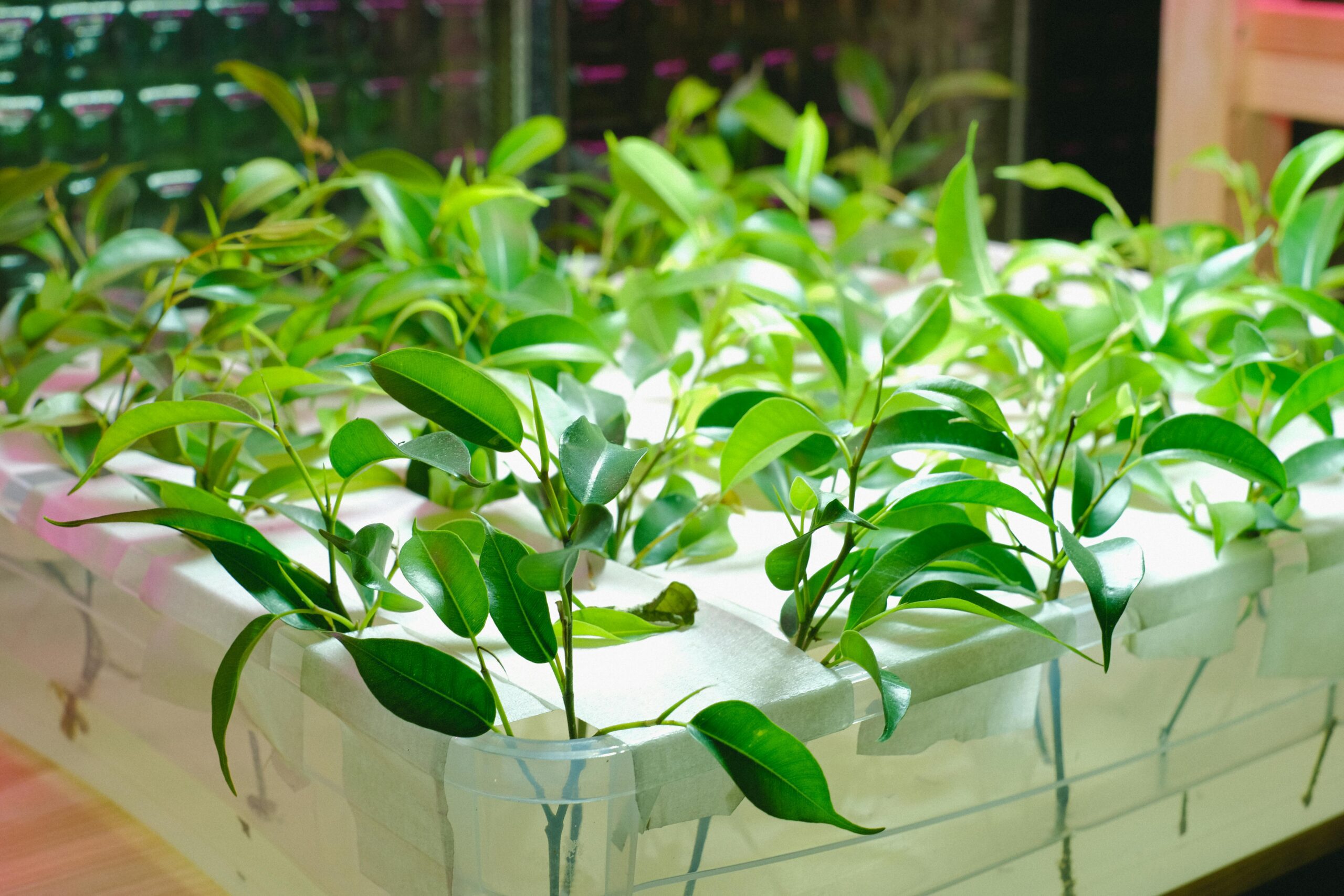
    But hydroponics comes with unique challenges: biofilm, algae, mold, root rot, and bacterial contamination can spread quickly through a closed water system, threatening the entire crop. One contaminated reservoir can compromise weeks of work.

    Enter chlorine dioxide (ClO₂) — a powerful, safe, and eco-friendly solution that ensures clean water, healthy roots, and robust plant growth in hydroponic systems. From seedlings to harvest, ClO₂ is revolutionizing hydroponic cultivation.


    Seedling Stage: Clean Water from the Start

    The first step in hydroponics is establishing a healthy root zone. Seeds and seedlings are especially vulnerable to bacterial or fungal contamination in water reservoirs.

    ClO₂ provides:

    • Pathogen control: Eliminates harmful bacteria, fungi, and algae in nutrient water.

    • Enhanced germination: Healthy seedlings sprout uniformly without early stress.

    • Root protection: Prevents damping-off and other waterborne diseases.

    Starting with clean water ensures the roots grow strong and healthy, creating the foundation for a successful hydroponic cycle.


    During vegetative growth, plants demand constant oxygen and nutrient delivery. Contaminated water slows growth, reduces nutrient absorption, and can lead to root stress.Vegetative Stage: Maintaining a Healthy Hydroponic System
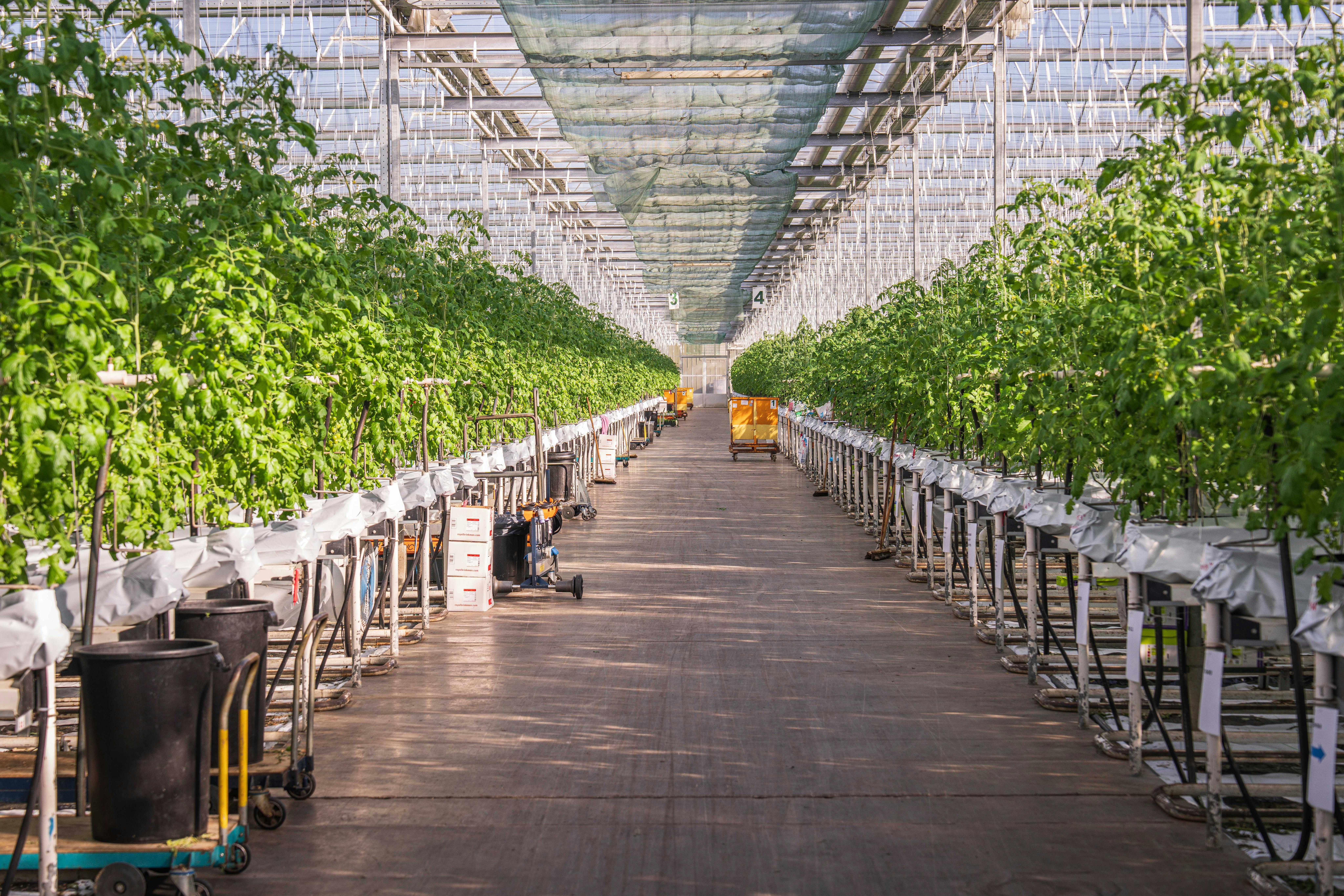
    During vegetative growth, plants demand constant oxygen and nutrient delivery. Contaminated water slows growth, reduces nutrient absorption, and can lead to root stress.

    Using ClO₂ in hydroponic reservoirs helps:

    • Break down biofilm: Removes buildup on pipes, tanks, and tubing.

    • Prevent algae and bacteria: Stops pathogens from spreading through the system.

    • Support root health: Promotes oxygenation and nutrient uptake.

    Unlike chlorine, ClO₂ does not create harmful chloramines and leaves no chemical residues, making it ideal for edible crops, medicinal plants, and high-value vegetables.


    Flowering/Production Stage: Protecting Buds and Fruits

    As plants transition to flowering or fruit production, they become more sensitive to water quality issues. Pathogens can stunt growth, reduce yield, or compromise product safety.

    ClO₂ provides:

    • Air and water sanitation: Reduces airborne spores and eliminates microbes in the water.

    • Bud and fruit protection: Prevents mold, mildew, and bacterial growth.

    • Sustained growth: Ensures plants receive consistent nutrients without contamination risk.

    By maintaining clean water and equipment, growers can maximize both yield and quality, protecting the investment in hydroponic systems.


    Hydroponic systems require careful maintenance — tanks, tubing, and reservoirs are all susceptible to microbial growth.System Maintenance: Clean, Safe, and Sustainable
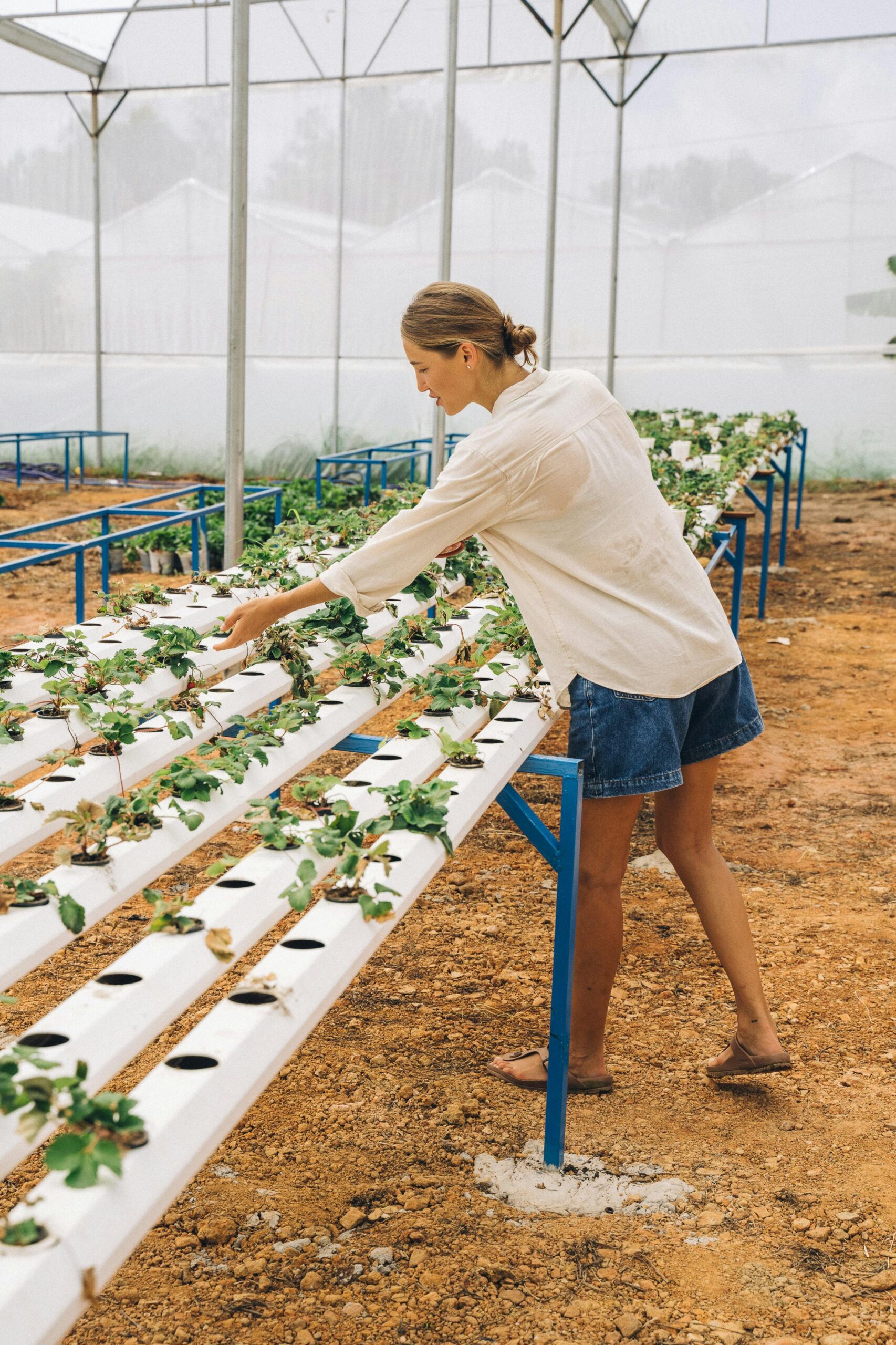
    Hydroponic systems require careful maintenance — tanks, tubing, and reservoirs are all susceptible to microbial growth.

    ClO₂ simplifies ongoing care:

    • Reservoir treatment: Periodic ClO₂ dosing keeps water free of pathogens.

    • Equipment sanitation: Keeps pumps, tubing, and tanks free from biofilm.

    • Environmental safety: Non-toxic and biodegradable, leaving no harmful residues.

    By integrating ClO₂ into routine hydroponic maintenance, growers reduce system failures, protect crops, and optimize yields sustainably.


    Benefits of Using ClO₂ in Hydroponics

    • Eliminates bacteria, fungi, and algae without harming plants

    • Supports consistent nutrient delivery and root oxygenation

    • Prevents root rot and damping-off disease

    • Safe for edible crops, medicinal plants, and high-value produce

    • Reduces biofilm buildup in closed systems

    • Eco-friendly, leaving no harmful residues


    Traditional agricultural disinfectants often rely on harsh chemicals that damage soil health and pollute waterways. ClO₂ breaks that pattern — it’s biodegradable, eco-friendly, and sustainable.More Questions About Hydroponics with ClO₂
    1️⃣ Is ClO₂ safe for hydroponic plants?
    Yes, at proper concentrations, ClO₂ targets pathogens without harming roots or leaves.

    2️⃣ Can ClO₂ prevent algae in hydroponic reservoirs?
    Absolutely. ClO₂ breaks down biofilm and prevents algae from proliferating.

    3️⃣ How often should ClO₂ be added to the system?
    Frequency depends on water volume and system type; generally, a low dose every 1–2 weeks or continuous low-level treatment is effective.

    4️⃣ Will ClO₂ affect nutrient solutions?
    No. ClO₂ does not react negatively with standard hydroponic nutrients.

    5️⃣ Can ClO₂ improve crop yields?
    Yes. Healthier roots and cleaner water contribute to stronger plant growth and higher-quality yields.

    6️⃣ Is it safe for edible or medicinal crops?
    Yes, ClO₂ leaves no harmful residues and is safe for human consumption.

    7️⃣ Can ClO₂ be used in NFT, DWC, and drip systems?
    Yes, it is compatible with all hydroponic system types when properly dosed.

    8️⃣ Does ClO₂ replace all cleaning protocols?
    It complements routine cleaning and disinfection, reducing pathogen buildup between cycles.

    9️⃣ Is ClO₂ environmentally friendly?
    Yes, it degrades into harmless salts and is biodegradable.

    🔟 Can ClO₂ be used for seedlings and mature plants?
    Yes, it is effective at all stages, protecting both young and mature crops.


    Conclusion: Cleaner Water, Stronger Hydroponic Growth

    Hydroponic cultivation is only as strong as the water that feeds it. Chlorine dioxide (ClO₂) empowers growers to eliminate hidden pathogens, prevent algae and biofilm, and maintain healthy roots throughout every growth stage. By integrating ClO₂, cultivators protect their crops, improve yields, and grow sustainably — without harsh chemicals or residual toxins. Stronger roots, cleaner systems, and higher-quality harvests aren’t just possible; they’re achievable. Hydroponic growers can finally focus on what matters most: healthy plants and thriving crops, every cycle. 💧🌱

    Call today for your Free consult!

  • Growing Cleaner Cannabis — How ClO₂ Protects Your Crop from Seedling to Harvest

    Growing Cleaner Cannabis — How ClO₂ Protects Your Crop from Seedling to Harvest

    The Hidden Threats in Cannabis Cultivation

    Cannabis cultivation is an art and a science. Growers carefully manage light cycles, nutrients, humidity, and airflow to produce the healthiest plants and the most potent buds. Yet, even with perfect conditions, invisible enemies lurk beneath the surface: root rot, mold, mildew, and bacterial infestations.

    A single outbreak can compromise an entire crop, costing weeks of care, hundreds of dollars in lost yield, and months of frustration. Many cultivators focus on visible signs — adjusting water, nutrients, and airflow — but often, the real problem begins before a leaf turns yellow or a bud shows signs of mold.

    Enter chlorine dioxide (ClO₂) — a safe, eco-friendly, and highly effective solution trusted in agriculture, food safety, and water treatment, now revolutionizing cannabis cultivation. From seedling protection to post-harvest storage, ClO₂ eliminates the pathogens that threaten plant health, giving growers stronger roots, healthier foliage, and cleaner, higher-quality yields.


    The journey to a thriving cannabis crop begins at the seed. Even a healthy-looking seed can harbor bacterial or fungal spores on its surface. Without intervention, these pathogens can attack roots, stunt growth, and reduce germination success.

    Seedling Stage: Starting Clean

    The journey to a thriving cannabis crop begins at the seed. Even a healthy-looking seed can harbor bacterial or fungal spores on its surface. Without intervention, these pathogens can attack roots, stunt growth, and reduce germination success.

    Using ClO₂ at this stage provides a simple yet powerful advantage:

    • Surface sterilization: A gentle ClO₂ solution eliminates bacteria, mold, and fungi without harming the seed.

    • Improved germination: Healthy seeds sprout faster and more uniformly, giving seedlings a strong start.

    • Disease prevention: Early exposure to pathogens is minimized, reducing the risk of root rot and damping-off disease.

    ClO₂ treatment allows growers to start with a clean slate, ensuring plants can thrive without early microbial interference.


    Vegetative Stage: Strengthening Roots and Leaves

    During the vegetative stage, cannabis plants are especially sensitive to pathogens in soil and water. Pythium, Fusarium, and other root pathogens can silently attack, weakening plants before any symptoms appear above ground.

    Integrating ClO₂ into irrigation water or misting systems provides:

    • Root protection: Eliminates waterborne pathogens without harming beneficial microbes.

    • Leaf and foliage safety: Prevents mold and mildew on leaves in humid grow environments.

    • Consistent growth: Plants develop strong, healthy roots and foliage, reducing stress and vulnerability.

    Unlike chlorine bleach or other harsh chemicals, ClO₂ breaks down safely into non-toxic salts, leaving no residue that could harm plants or the environment.


    The flowering stage is critical — buds are forming, and plants are most susceptible to bud rot (Botrytis), mold, and mildew. A single outbreak can destroy weeks of work.

    Flowering Stage: Protecting Your Yield

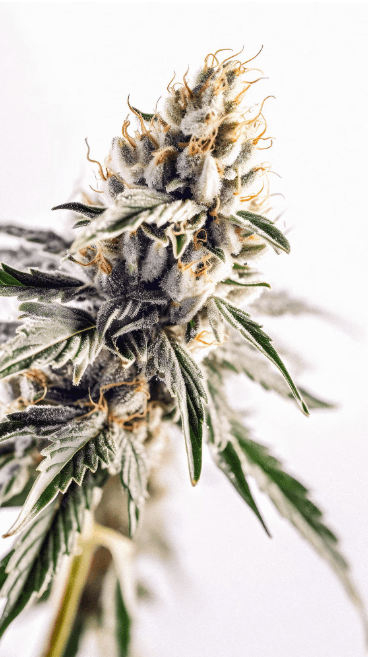
    The flowering stage is critical — buds are forming, and plants are most susceptible to bud rot (Botrytis), mold, and mildew. A single outbreak can destroy weeks of work.

    ClO₂ provides:

    • Airborne pathogen control: Treating the grow space reduces spores in the air that can land on buds.

    • Surface sanitation: Tools, trellises, and greenhouse surfaces are disinfected safely.

    • Humidity management: ClO₂ mitigates mold growth in high-humidity zones without toxic chemical sprays.

    By using ClO₂ during flowering, growers protect the crop’s integrity, potency, and market value — all while maintaining compliance with eco-friendly and sustainable growing practices.


    Post-Harvest: Storage and Sanitation

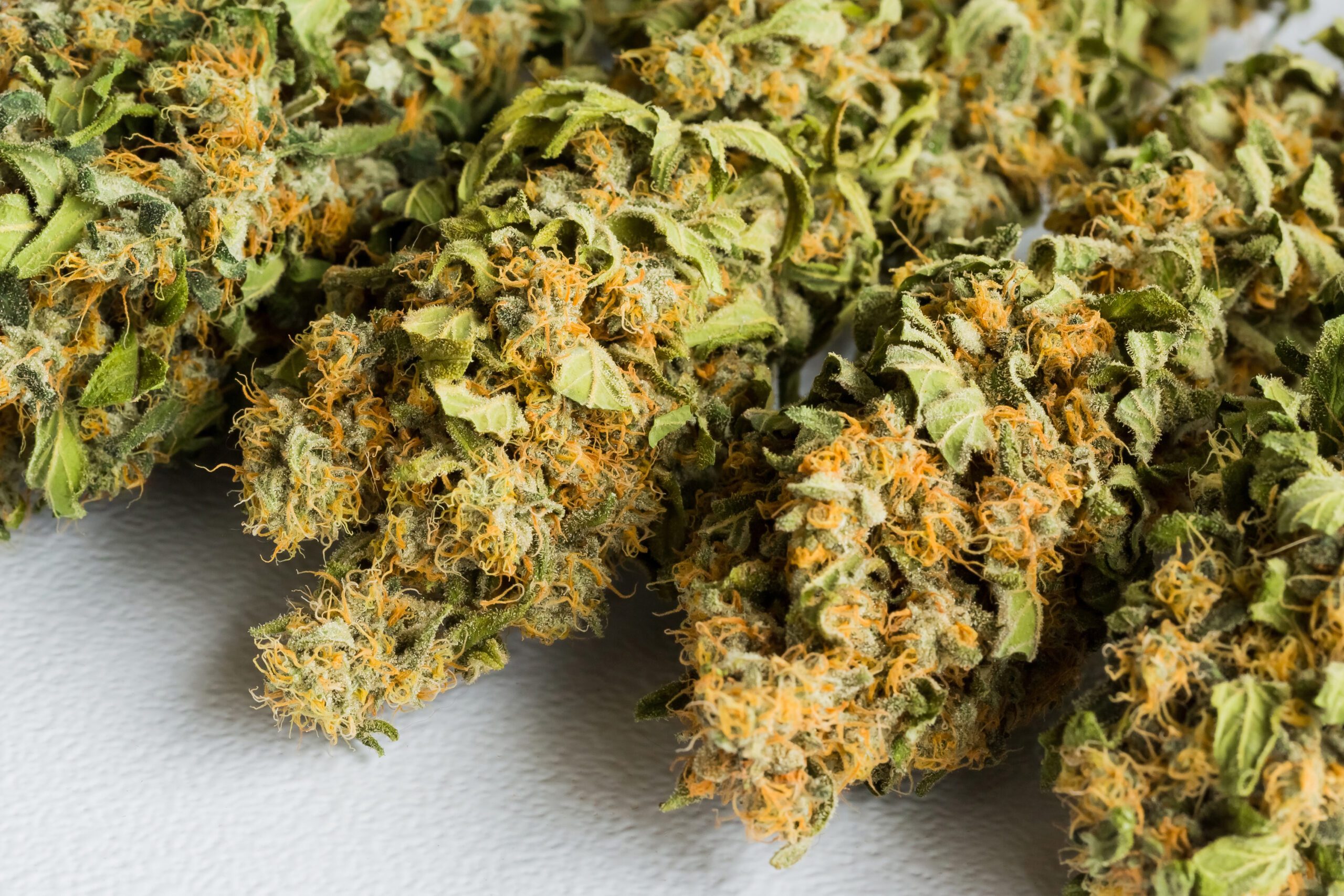
    Even after harvest, cannabis is vulnerable. Buds can develop mold during drying, curing, or storage, reducing potency and shelf life. ClO₂ ensures:

    • Storage protection: Treating storage rooms with controlled ClO₂ eliminates residual spores.

    • Tool and container sanitation: Harvesting equipment stays clean without leaving chemical residues.

    • Extended shelf life: Cannabis remains fresh and potent, free from microbial contamination.


    Benefits of ClO₂ in Cannabis Cultivation

    • Non-toxic to plants and safe for humans

    • Highly effective against mold, mildew, fungi, and bacteria

    • Supports sustainable and organic cultivation practices

    • Improves germination and plant growth rates

    • Extends shelf life and quality of harvested buds

    • Reduces the need for harsh chemical treatments


    By using ClO₂ during flowering, growers protect the crop’s integrity, potency, and market value — all while maintaining compliance with eco-friendly and sustainable growing practices.Questions That Cannabis Cultivators Have About ClO₂

    1️⃣ Is ClO₂ safe for cannabis plants?
    Yes. At proper concentrations, ClO₂ targets pathogens without harming roots, leaves, or buds.

    2️⃣ Can ClO₂ prevent root rot?
    Absolutely. It disinfects irrigation water and soil, reducing waterborne pathogens like Pythium.

    3️⃣ How should ClO₂ be applied during growth?
    Diluted solutions can be used for seed soaking, irrigation, foliar misting, and environmental air treatment.

    4️⃣ Does it affect plant taste or potency?
    No, ClO₂ leaves no residue, maintaining natural flavor, aroma, and cannabinoid content.

    5️⃣ Can ClO₂ be used in hydroponic systems?
    Yes. It keeps nutrient lines and water reservoirs free of slime and pathogens.

    6️⃣ How often should ClO₂ be used?
    Frequency depends on system type and environmental conditions; generally once every 1–2 weeks for irrigation and continuous low-level air treatment.

    7️⃣ Is ClO₂ compatible with organic cultivation?
    Yes. It is a safe, non-toxic solution suitable for organic operations when used correctly.

    8️⃣ Can ClO₂ help prevent bud mold during flowering?
    Yes. Air and surface treatments reduce spores and minimize bud rot risk.

    9️⃣ Is ClO₂ harmful to workers?
    No. When used per manufacturer instructions, it’s safe for humans and animals.

    🔟 Can ClO₂ improve overall crop yield?
    Yes. By preventing disease and promoting healthy growth, ClO₂ contributes to stronger plants, better yields, and higher-quality buds.


    In Conclusion

    From seedling to harvest, the path to a thriving cannabis crop is full of potential threats — root rot, mold, mildew, and bacterial contamination. But with chlorine dioxide (ClO₂), growers now have a safe, effective, and eco-friendly tool to protect their plants at every stage. By starting clean, maintaining healthy roots, and sanitizing the environment, ClO₂ empowers cultivators to maximize yields, enhance bud quality, and grow with confidence. This isn’t just a matter of plant health — it’s about sustainable, responsible cultivation that respects both the crop and the planet. Embracing ClO₂ means embracing a cleaner, smarter, and more resilient future for cannabis cultivation. 🌱✨

    Call today for your Free Consult!

    clo2 is safe when used in proper dilutions.

  • Farming with ClO₂: From Seed to Harvest | The Smart, Sustainable Revolution

    Farming with ClO₂: From Seed to Harvest | The Smart, Sustainable Revolution

    🌱  Farming with ClO₂ — From Seed to Harvest

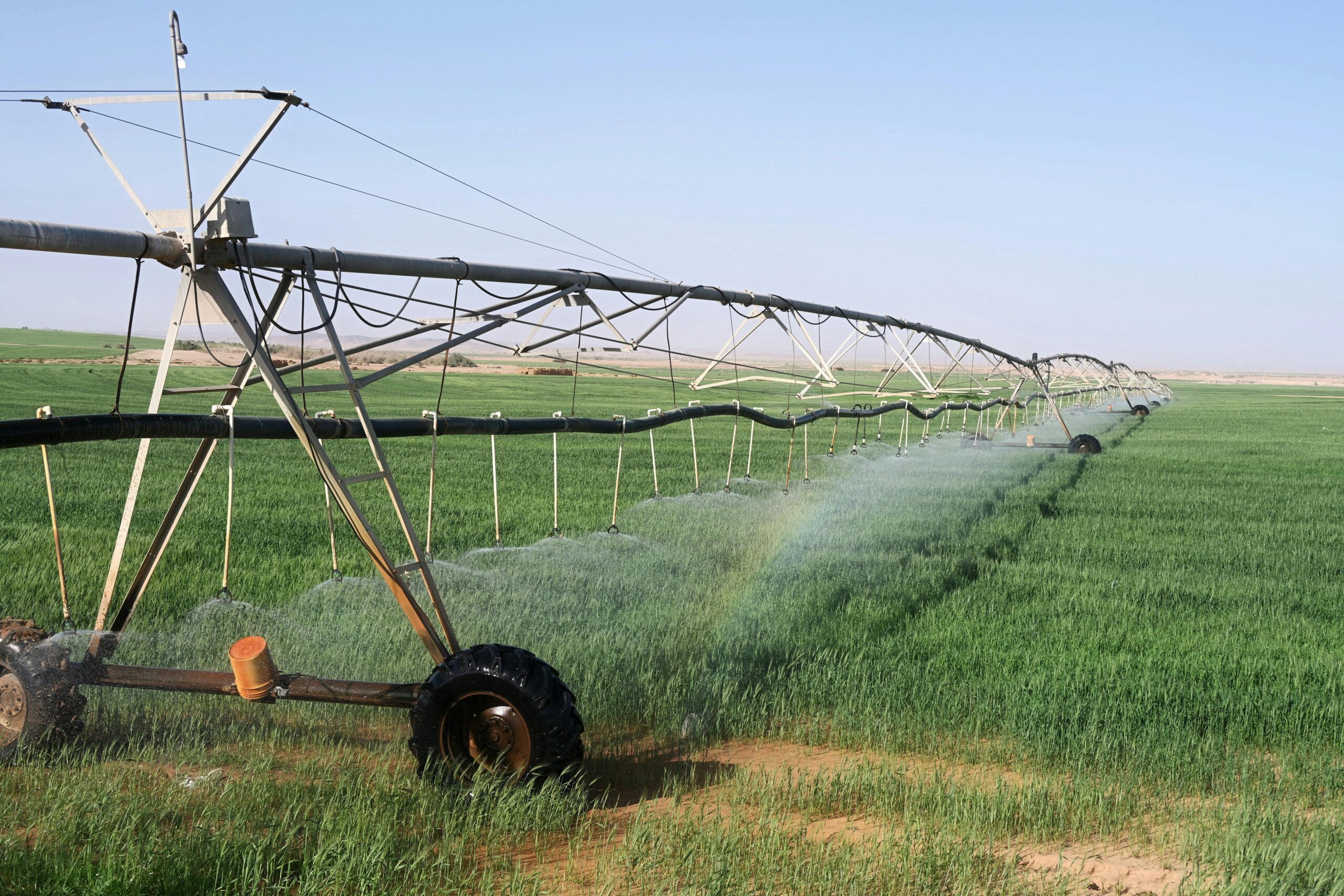
    The world of agriculture is evolving, and at the heart of this quiet revolution is a golden rule: healthy soil and clean water equal healthy crops.
    Yet, modern farming faces persistent enemies — mold, bacteria, fungus, and biofilm that thrive in soil, irrigation systems, and storage areas.

    The solution? A simple, powerful molecule with a big job: chlorine dioxide (ClO₂).
    Known for its ability to purify, sanitize, and protect, ClO₂ is fast becoming a trusted tool for farmers who want cleaner crops, healthier soil, and sustainable harvests.


    The world of agriculture is evolving, and at the heart of this quiet revolution is a golden rule: healthy soil and clean water equal healthy crops.The Seed of Success: Starting Clean

    Every farmer knows — a contaminated seed leads to a compromised harvest.
    By treating seeds with a ClO₂ solution, growers can eliminate bacterial and fungal pathogens before they ever hit the soil.

    • Prevents damping-off disease (caused by Pythium and Fusarium)

    • Eliminates surface mold spores on seed coatings

    • Improves germination rates through a clean start

    Even a mild 5 ppm ClO₂ rinse can drastically reduce contamination risk, ensuring a strong, uniform crop emergence.

    It’s a quiet step with massive impact — one that sets the stage for healthier growth all season long.


    Irrigation water is a lifeline, but it’s often a hidden source of pathogens. Biofilm buildup in lines and tanks can harbor E. coli, Pythium, or even algae that stifle plant roots.Clean Water, Strong Roots

    Irrigation water is a lifeline, but it’s often a hidden source of pathogens. Biofilm buildup in lines and tanks can harbor E. coli, Pythium, or even algae that stifle plant roots.

    Using ClO₂ in irrigation systems:

    • Breaks down biofilm without harming equipment

    • Keeps lines and nozzles free of blockages

    • Reduces root rot and soil-borne diseases

    • Enhances nutrient absorption and oxygen flow

    Unlike chlorine or bleach, ClO₂ doesn’t form harmful chloramines — it purifies while protecting soil microbiology. The result is balanced ecosystems and healthier root zones.


    Protecting the Harvest

    After months of labor, nothing is worse than losing your yield to mold or bacterial spoilage.
    ClO₂ Tablets offer farmers a non-toxic way to sanitize harvest bins, cold storage, and greenhouses — extending freshness naturally.

    • Post-harvest rinses prevent mold on fruits and vegetables

    • Storage air treatment eliminates odors and airborne bacteria

    • Equipment sanitation keeps packing lines clean and safe

    Because ClO₂ gas dissipates naturally into harmless salts, it leaves no chemical residue and maintains the organic integrity of the produce.


    Traditional agricultural disinfectants often rely on harsh chemicals that damage soil health and pollute waterways. ClO₂ breaks that pattern — it’s biodegradable, eco-friendly, and sustainable.Safe for Soil, Safe for People

    Traditional agricultural disinfectants often rely on harsh chemicals that damage soil health and pollute waterways.
    ClO₂ breaks that pattern — it’s biodegradable, eco-friendly, and sustainable.

    Farmers using ClO₂ report:

    • Cleaner irrigation lines

    • Healthier soil ecosystems

    • Reduced mold pressure

    • Fewer crop losses

    It’s not just a product; it’s a movement toward cleaner farming for a cleaner planet.


    The Future of Farming Is Clean

    As global agriculture faces pressure to produce more with less, farmers are realizing the value of ClO₂ as a chemical with conscience.

    From seed treatment to storage, it ensures every phase of production is safe, sustainable, and smart.

    Farming with ClO₂ isn’t just science — it’s stewardship.
    It’s about protecting the earth that feeds us, one harvest at a time.


    Questions Farmers Ask:

    1️⃣ What makes chlorine dioxide safe for agriculture?
    ClO₂ is a selective oxidizer — it targets harmful microorganisms without harming plants, beneficial microbes, or soil chemistry.

    2️⃣ Can it replace traditional fungicides?
    In many cases, yes. ClO₂ reduces fungal pressure naturally, lowering dependency on harsh chemical fungicides.

    3️⃣ Is ClO₂ approved for use on food crops?
    Yes, chlorine dioxide is EPA-registered for food contact surfaces and is used globally in post-harvest and irrigation applications.

    4️⃣ Will ClO₂ affect soil pH or fertility?
    No. It doesn’t alter soil structure or pH, making it ideal for both organic and conventional farms.

    5️⃣ How often should irrigation lines be treated?
    Typically once every 2–4 weeks, or as needed to prevent biofilm and microbial buildup.

    6️⃣ Can ClO₂ help with hydroponic systems?
    Absolutely. It keeps nutrient lines clean, reduces root slime, and prevents waterborne pathogens.

    7️⃣ Does ClO₂ affect crop taste or appearance?
    No, it leaves zero chemical residue or odor. Produce retains its natural taste and quality.

    8️⃣ How does ClO₂ compare to bleach or chlorine?
    It’s 10x more effective and far less corrosive, without creating harmful byproducts like chloramines.

    9️⃣ Is it safe for organic farming?
    Yes, when used as directed and within approved concentrations, ClO₂ supports organic farming standards.

    🔟 Can ClO₂ be used for livestock or poultry sanitation?
    Yes. It’s safe for animal housing, watering systems, and feed areas when properly diluted.


    🌿 Conclusion: A Cleaner, Smarter Tomorrow

    As we stand at the intersection of science and sustainability, both farming and cleaning are being reimagined through the power of chlorine dioxide. From nurturing healthy crops to creating safer living spaces, ClO₂ represents the evolution of modern chemistry — precise, eco-conscious, and incredibly effective. It’s not just about cleaner fields or spotless surfaces; it’s about a cleaner future, free from harsh residues and harmful chemicals. Whether you’re a farmer protecting your harvest or a business owner protecting your customers, embracing ClO₂ means choosing progress with purpose — one tablet, one crop, one clean space at a time.

    The future of farming and cleaning is already here — and it’s powered by ClO₂. 🌎✨

  • Chlorine Dioxide Tablets: Revolutionizing Food Safety & Shelf Life

    Chlorine Dioxide Tablets: Revolutionizing Food Safety & Shelf Life

    Redefining Food Safety with Smart Sanitation

    The food industry is in constant motion — processing, packaging, transporting, and serving millions of meals every single day. With every step, the stakes are high: foodborne illnesses, spoilage, and contamination are risks that can cost lives and reputations. Enter chlorine dioxide tablets — the next-generation sanitation powerhouse that’s rewriting the rules of hygiene and safety across the global food sector.

    Unlike traditional chlorine bleach or quaternary disinfectants, chlorine dioxide (ClO₂) offers targeted, residue-free, and highly effective sanitization. It neutralizes pathogens like Salmonella, E. coli, Listeria, and viruses — all while being gentle on surfaces, safe for food contact, and environmentally friendly.

    In this comprehensive guide, we’ll explore how ClO₂ tablets are transforming food safety, prolonging shelf life, enhancing compliance, and protecting public health from farm to fork.


    1. Pathogen Control with Chlorine Dioxide Tablets

    Foodborne pathogens are microscopic invaders that can cause serious illness and massive recalls. From Listeria monocytogenes in ready-to-eat foods to E. coli in fresh produce, contamination risks are everywhere.

    Chlorine dioxide tablets deliver a clean, simple solution. When dissolved in water, they release a precise dose of ClO₂ gas — a broad-spectrum oxidizing agent that destroys bacteria, fungi, and viruses at the cellular level. It works by rupturing the microbial cell wall and disrupting metabolic processes, ensuring full disinfection without resistance buildup.

    This powerful yet safe action makes ClO₂ ideal for:

    • Fresh produce washing

    • Poultry and seafood processing

    • Food contact surface sanitation

    • Beverage and ice machine disinfection

    ClO₂ even targets biofilms, those slimy, invisible layers that bacteria form on processing equipment. Eliminating biofilms means eliminating hidden contamination threats that often go unnoticed.


    2. Extending Shelf Life in Food Processing

    Every day, tons of food are lost to spoilage — not because it wasn’t stored properly, but because microbes worked faster than we could. Chlorine dioxide tablets change that timeline.

    By drastically reducing microbial load, ClO₂ helps keep produce fresher, meats safer, and packaged goods more stable during transit. It minimizes oxidation and bacterial degradation, extending product life without the need for artificial preservatives.

    For example:

    • Fresh-cut fruit processors use ClO₂ rinses to prevent browning and extend freshness.

    • Meat packers apply ClO₂ solutions to eliminate spoilage bacteria before packaging.

    • Cold storage operators use ClO₂ gas treatments to keep stored apples, citrus, and berries mold-free.

    This smart technology means fewer recalls, longer shelf life, and greater profit margins — all while reducing waste.

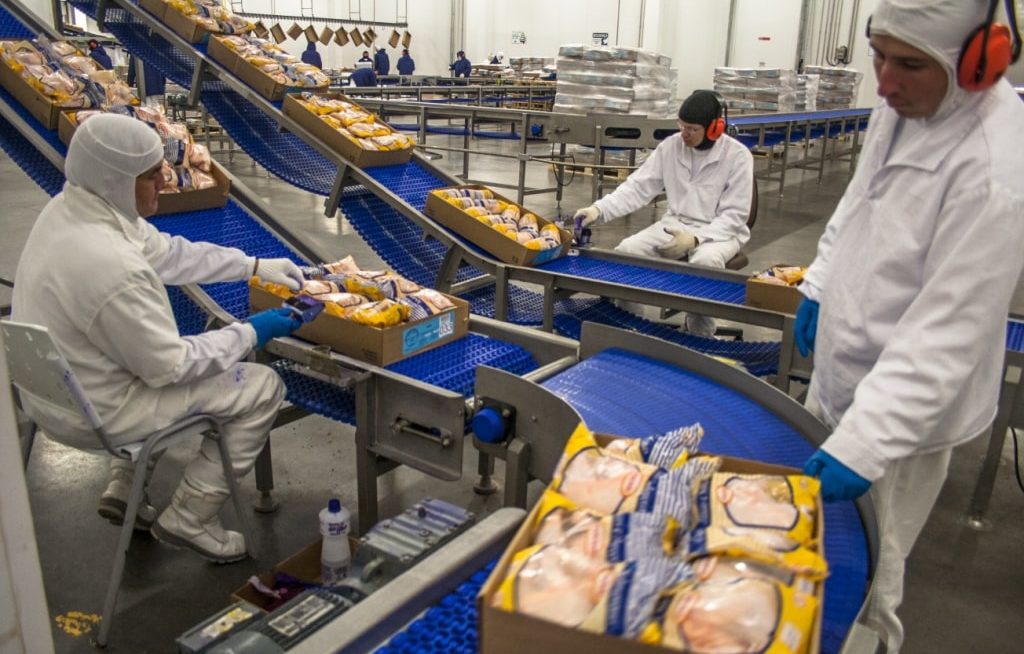
    three workers wearing safety gear and processing and packing breads.

    3. Residue-Free Disinfection for Food Safety

    Traditional disinfectants often leave chemical residues that can alter taste, corrode equipment, and pose regulatory challenges. Chlorine dioxide doesn’t.

    ClO₂ breaks down into chloride ions and water, leaving no harmful by-products or lingering taste. It’s recognized by regulatory bodies, including the FDA and EPA, as a safe and effective sanitizer for food and beverage contact surfaces.

    In practice, this means your sanitation process doesn’t compromise flavor, fragrance, or compliance. Consumers get food that’s safe and natural-tasting — a major trust factor in today’s clean-label market.


    4. Improving Standards with ClO₂’s Consistent Performance

    Food safety isn’t just about cleaning; it’s about consistency. Chlorine dioxide provides that reliability.

    When you use ClO₂ tablets in your daily sanitation routine, you achieve measurable results every time — whether it’s a fruit rinse, floor sanitation, or clean-in-place (CIP) system. It ensures microbial kill rates remain above 99.9%, helping companies meet HACCP, FDA, and USDA standards effortlessly.

    The uniform release and easy-to-measure dose of tablet-based ClO₂ eliminate guesswork, ensuring that safety protocols are repeatable and audit-friendly.


    5. Preserving Taste and Odor Naturally

    Unlike bleach or quaternary sanitizers that can leave chemical smells, ClO₂ neutralizes odors at the molecular level without covering them up. It eliminates volatile organic compounds (VOCs) and sulfur compounds responsible for spoilage odors.

    The result? Fruits, vegetables, and packaged foods maintain their natural aroma and fresh taste. This is why many beverage companies and produce processors prefer ClO₂ — it safeguards both quality and sensory experience.


    The versatility of chlorine dioxide tablets makes them indispensable in multiple food environments. They can be used for produce washing and sanitation.6. Versatile Applications in the Food Industry

    The versatility of chlorine dioxide tablets makes them indispensable in multiple food environments.
    They can be used for:

    • Produce washing and storage sanitation

    • Meat, poultry, and seafood processing

    • Bakery, dairy, and beverage production

    • Equipment, conveyor, and container disinfection

    • Water purification and CIP systems

    • Air and surface sanitation in cold storage facilities

    Beyond food, ClO₂ tablets are widely used in hospitals, farms, and hospitality settings, showcasing their broad disinfection potential.


    7. Cost-Effective Sanitization that Saves Time and Money

    Efficiency meets economy with ClO₂. The tablets dissolve quickly, produce controlled-release ClO₂ gas, and deliver superior microbial kill rates using less product than most traditional sanitizers.

    Benefits include:

    • Lower labor costs (no complicated mixing or dosing systems)

    • Reduced chemical waste

    • Less equipment corrosion

    • Longer operational uptime

    • Compact storage and low shipping weight

    ClO₂ tablets like Envirotab for Surfaces and Envirotab for Odor Elimination deliver industrial performance at an affordable cost — making them ideal for farms, processing plants, restaurants, and catering facilities.


    8. Ensuring Regulatory Compliance with Ease

    In today’s food sector, compliance is the golden rule. From HACCP and FSMA to ISO and FDA guidelines, facilities must demonstrate safe handling and documentation of every sanitation step.

    Chlorine dioxide simplifies that process. Because it’s already recognized as a safe and approved sanitizer, facilities using ClO₂ align naturally with global standards. The residue-free profile also makes export and certification processes smoother, eliminating delays due to residual testing.

    By adopting ClO₂, companies not only stay compliant — they elevate their credibility in the marketplace.


    9. Boosting Food Quality Through Science and Safety

    At its core, chlorine dioxide is not just a sanitizer — it’s a quality assurance tool. It ensures that food remains microbiologically safe, visually appealing, and organoleptically consistent.

    The science is clear: ClO₂ effectively inactivates microbial contaminants while maintaining texture, flavor, and color integrity. This makes it a preferred sanitization solution for brands that value both safety and sensory quality.

    When consumers see “processed using chlorine dioxide sanitation,” it communicates advanced care, cleanliness, and transparency — three traits that define modern food brands.


    10. Supporting Sustainable and Eco-Friendly Operations

    ClO₂ is part of a greener sanitation future.

    • It reduces chemical waste and water consumption.

    • It biodegrades safely into natural ions.

    • It replaces harsh, corrosive sanitizers with a cleaner chemistry.

    For companies pursuing ESG goals, sustainability certifications, or carbon footprint reduction, chlorine dioxide offers measurable progress toward eco-friendly manufacturing.


    Conclusion: The Smart Future of Food Safety

    The food industry’s success depends on trust — and trust begins with safety.
    Chlorine dioxide tablets have emerged as the modern answer to an age-old challenge: how to keep food safe, fresh, and compliant without sacrificing quality or sustainability.

    Whether you’re a grower, packer, processor, or distributor, integrating ClO₂ into your sanitation program can deliver cleaner food, longer shelf life, and stronger brand confidence.

    👉 Learn more or order your supply today at clo2tablets.com — where science meets sustainability in food protection.


    10 Frequently Asked Questions About Chlorine Dioxide Tablets in the Food Sector

    1. What are chlorine dioxide tablets made of?
    They’re composed of stabilized sodium chlorite and activators that generate ClO₂ gas when mixed with water.

    2. Are ClO₂ tablets safe for food contact?
    Yes, when used as directed. ClO₂ is approved by the EPA and FDA for disinfecting food contact surfaces and produce washes.

    3. Can chlorine dioxide affect the taste of food?
    No. It neutralizes odor-causing compounds without leaving chemical residues or altering taste.

    4. How do chlorine dioxide tablets kill germs?
    They oxidize and destroy microbial cell walls and disrupt DNA synthesis, leading to complete inactivation of pathogens.

    5. Is chlorine dioxide better than bleach?
    Yes. ClO₂ is more effective at lower concentrations, leaves no residue, and doesn’t produce harmful chlorinated by-products.

    6. Can ClO₂ tablets be used to wash fruits and vegetables?
    Absolutely. Many farms and processors use ClO₂ washes to eliminate bacteria and extend produce shelf life.

    7. Are ClO₂ tablets environmentally friendly?
    Yes. They decompose into harmless ions and water, making them safe for the environment.

    8. How long does chlorine dioxide remain active after mixing?
    Typically, 24–48 hours depending on storage conditions, concentration, and exposure to light.

    9. Is chlorine dioxide safe for workers to handle?
    Yes, when handled according to safety instructions — always use in well-ventilated areas and avoid direct inhalation of concentrated vapors.

    10. Where can I buy chlorine dioxide tablets?
    You can order directly from clo2tablets.com — available in various tablet sizes and packaging for industrial and household applications.

  • The Science of Safe Air | How ClO₂ Purifies Without Harm

    The Science of Safe Air | How ClO₂ Purifies Without Harm

    The Science of Safe Air — How ClO₂ Neutralizes Airborne Pathogens Without Harming Your Lungs

    The Hidden Problem in “Clean” Air

    Let’s start with an uncomfortable truth: most air fresheners and cleaners aren’t cleaning at all. They’re disguising.
    That citrus “burst of freshness” or “mountain breeze” is often a cocktail of synthetic fragrances and volatile organic compounds (VOCs) — chemicals that can irritate lungs, trigger allergies, and even disrupt hormones.

    The irony? We use them to feel safe and clean, yet we’re often filling our homes and workplaces with the very contaminants we’re trying to avoid.

    Our bodies weren’t made to breathe chemical residue. They were made to breathe air that’s crisp, light, and naturally clean — the kind of air you can almost taste after a summer rain.

    That’s where chlorine dioxide (ClO₂) steps in — not as a masking agent, but as a true neutralizer of what doesn’t belong in your air.


    What Is ClO₂ and Why Does It Work So Well?

    ClO₂, or chlorine dioxide, is a small but mighty molecule with an impressive resume. It’s been used for decades to disinfect hospitals, purify municipal drinking water, sanitize food surfaces, and control mold in agricultural settings.

    Unlike chlorine bleach (which corrodes, stains, and leaves harsh residues), ClO₂ acts with surgical precision. It oxidizes harmful microorganisms by targeting their cell walls, breaking down their internal structure, and neutralizing them completely — all without producing toxic byproducts.

    This precision makes it incredibly effective yet surprisingly gentle.

    When you drop a ClO₂ tablet into water, it activates a slow-release gas that permeates air and surfaces, seeking out unwanted contaminants — bacteria, viruses, mold spores, VOCs, and odors — and dismantles them at the molecular level.

    It doesn’t mask.
    It doesn’t overpower.
    It simply restores your air to what it’s meant to be: pure, clean, breathable.


    Here’s a myth worth clearing up: chlorine dioxide is not chlorine bleach. Yes, they sound similar, but their chemistry couldn’t be more different.ClO₂ Is Not Bleach — It’s Better Science

    Here’s a myth worth clearing up: chlorine dioxide is not chlorine bleach.
    Yes, they sound similar, but their chemistry couldn’t be more different.

    • Bleach (Sodium Hypochlorite) – Highly reactive, corrosive, and can produce harmful chlorinated byproducts.

    • Chlorine Dioxide (ClO₂) – A stable gas that releases controlled oxidation energy, eliminating pathogens without damaging materials or producing toxic residue.

    This distinction is crucial. ClO₂ doesn’t corrode metals, stain fabrics, or irritate lungs — making it a favorite for sensitive environments like hospitals, schools, and food production facilities.

    In short: bleach cleans surfaces; ClO₂ cleans environments.


    How ClO₂ Cleans the Air You Breathe

    Most cleaning products stop at the surface. ClO₂ goes beyond.

    When released into the air, it diffuses evenly throughout the space — a property that makes it ideal for neutralizing airborne pathogens in areas traditional cleaning can’t reach.

    🦠 Destroys airborne bacteria and viruses: ClO₂ ruptures cell walls and disrupts viral protein structures, eliminating threats before they reach your lungs.
    🌿 Removes odors at their source: From smoke to pet smells to musty basements — ClO₂ breaks down odor molecules instead of masking them.
    🌫️ Reduces mold spores and allergens: It penetrates deep into porous materials and HVAC systems, preventing regrowth.
    💨 Leaves zero toxic residue: After doing its job, ClO₂ naturally breaks down into trace salts and oxygen.

    This makes it a game-changer for people with asthma, allergies, or chemical sensitivities — and a breath of relief for anyone tired of trading “clean scent” for coughing fits.


    Hospitals HAIs protocals are failing and here's what CLO2 can do about it.Real-World Applications: Clean Air Everywhere
    ClO₂ isn’t a lab-only concept. It’s trusted in every industry that values true sterilization:

    🏥 Hospitals & Clinics: For disinfecting surgical rooms, patient areas, and medical tools without residue.
    🚜 Agriculture & Farming: Used to sanitize irrigation lines, livestock areas, and food storage facilities safely.
    🏠 Homes: Neutralizes musty basements, post-flood mildew, pet odors, and everyday bacteria on surfaces and in air.
    🚗 Vehicles & Boats: Removes smoke smell, mold, and bacteria in enclosed cabins.
    🏢 Businesses & Hotels: Keeps indoor air fresh for guests and employees without relying on synthetic fragrances.

    Every environment that demands true clean benefits from ClO₂.


    The Human Side of Clean Air

    Clean air isn’t just about science — it’s about comfort, health, and peace of mind.

    Think of the last time you walked into a freshly cleaned hotel room. You probably smelled “clean.” But did it feel clean?
    ClO₂ removes that uncertainty. There’s a psychological calm in knowing that the air around you isn’t just perfumed — it’s purified.

    For families, it means your kids can play on the carpet without inhaling chemical residues.
    For allergy sufferers, it means waking up without that tight, scratchy feeling in your chest.
    For business owners, it means customers walk in and actually notice the freshness — not an artificial cover-up.

    That’s what real clean air does. It lets you breathe differently.


    Safety First: Why ClO₂ Is Trusted Globally

    When it comes to air purification, safety isn’t optional. That’s why organizations like the EPA and WHO recognize ClO₂ as a powerful yet safe disinfectant when used properly.

    Its track record spans over half a century of use in sensitive environments — including water treatment facilities and food plants — because it leaves no harmful residues and no bioaccumulation risk.

    At ClO₂ Tablets, we’ve adapted that same industrial-grade chemistry into an easy, home-safe formula that puts scientific control in your hands.

    Each tablet is carefully measured to release the perfect concentration for household and commercial use, providing long-lasting purification without risk.


    Cure Gels is one of our newest line of air purifications to help aid during flu seasonHow to Use ClO₂ Tablets for Air Purification

    The process is elegantly simple:

    1️⃣ Drop a tablet into the recommended amount of water (based on room size).
    2️⃣ Place the container in the center of the room and allow the gas to circulate for several hours.
    3️⃣ Let the magic happen. ClO₂ gas molecules seek and destroy airborne and surface-level contaminants.
    4️⃣ Return to a truly fresh space — one that smells like nothing at all.

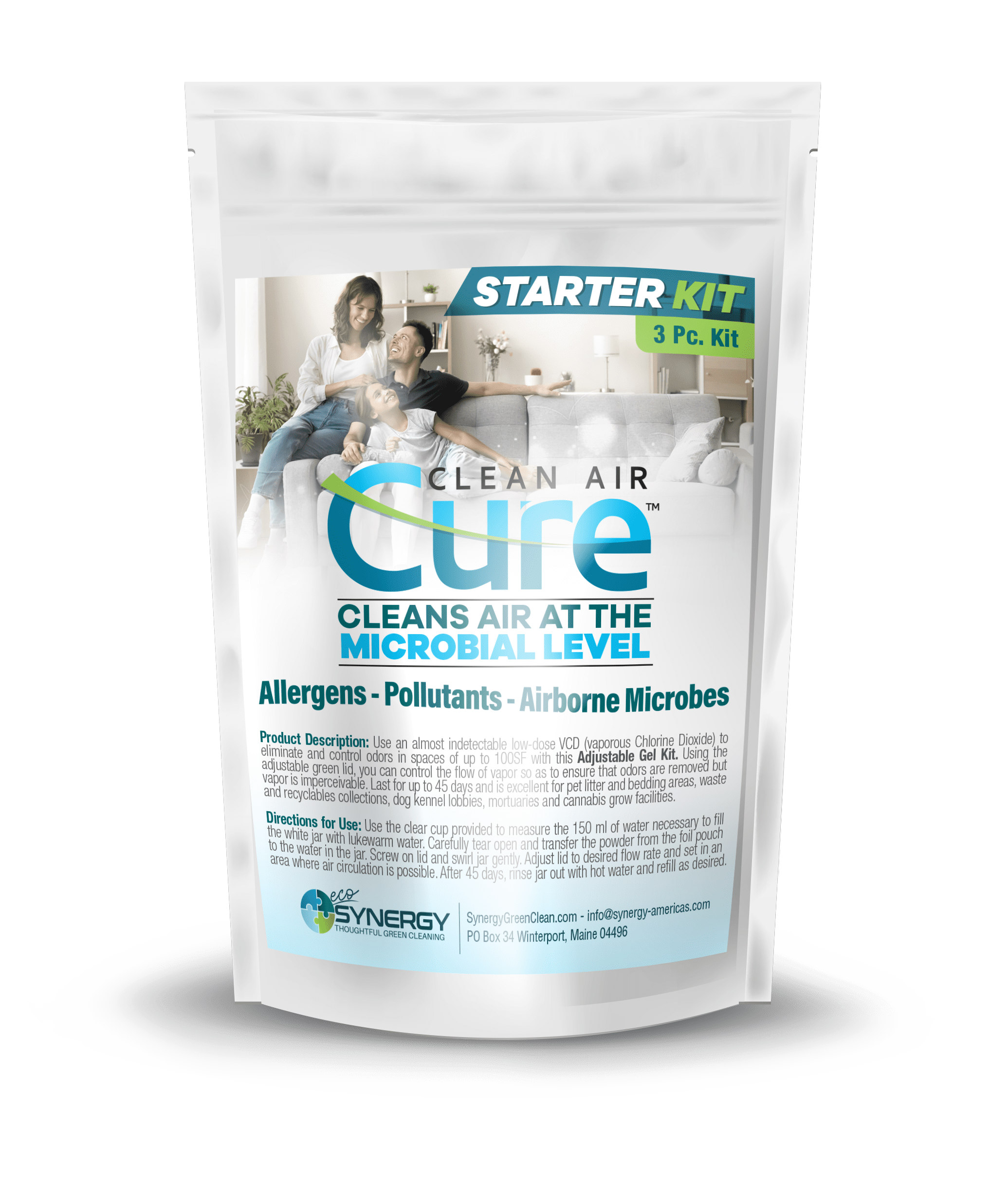
    Also try our NEW product Clean Air Cure Starter Kit!

    No wiping, no spraying, no harsh aftereffects.
    Just clean air the way nature intended it.


    Eco-Friendly by Design

    The beauty of ClO₂ lies in its minimal footprint. It breaks down into harmless compounds and doesn’t pollute waterways, fabrics, or air systems.

    In an age where sustainability and safety must go hand in hand, ClO₂ stands as the gold standard for responsible cleaning. It’s proof that effective doesn’t have to mean aggressive — and that chemistry, when done right, can actually heal instead of harm.


    Breathe Easy — The Future of Clean Is Already Here

    At ClO₂ Tablets, we believe “clean” should mean safe, effective, and sustainable.

    We’re proud to lead the movement toward better indoor air quality and to bring hospital-grade purification into homes, offices, farms, and businesses everywhere.

    Because when you change the air you breathe, you change the way you live.

    It’s not bleach.
    It’s not perfume.
    It’s not another chemical cocktail.

    It’s ClO₂ — chemistry with a conscience.
    And it’s the clean your lungs have been waiting for.

    Other Questions People Ask:

    1️⃣ What exactly are ClO₂ Tablets?
    ClO₂ tablets are small, solid tablets that dissolve in water to produce chlorine dioxide gas, a highly effective and scientifically proven disinfectant for air, surfaces, and water. They are eco-friendly, non-toxic, and safe for daily use in homes, offices, and agricultural settings. Unlike bleach or harsh chemical cleaners, they neutralize pathogens at the molecular level, providing real cleaning power rather than just masking odors.

    2️⃣ Is chlorine dioxide safe for humans and pets?
    Yes! When used according to directions, ClO₂ is non-toxic, non-irritating, and safe for humans, pets, and even plants. It has been trusted in hospitals, schools, and farms for decades because it kills bacteria, viruses, and mold without leaving harmful residues, making it ideal for households with children and animals.

    3️⃣ Can I use ClO₂ Tablets to purify drinking water?
    Absolutely. ClO₂ is widely used worldwide for municipal water treatment to safely eliminate bacteria, viruses, and biofilms. At home, it can be used to purify well water, emergency water supplies, and even water used for gardening or livestock, when dosed according to instructions. This makes it a practical and safe option for families and small businesses.

    4️⃣ How do ClO₂ Tablets work to clean the air?
    When dissolved in water, ClO₂ tablets release a controlled gas that circulates throughout the room, targeting bacteria, viruses, mold spores, and odor molecules at the molecular level. Unlike traditional air fresheners that mask smells, ClO₂ eliminates the source of contamination, leaving the air truly clean. It works in homes, offices, vehicles, and other enclosed spaces, improving indoor air quality naturally.

    5️⃣ Do ClO₂ Tablets have a smell?
    No. ClO₂ is odorless at the concentrations used for air and surface purification. You won’t notice any chemical smell, perfume, or harsh odor — just the difference in how fresh and clean the space feels. This makes it ideal for sensitive individuals, allergy sufferers, and anyone seeking a non-toxic, natural cleaning solution.

    6️⃣ How long does it take for a room to be purified?
    Typically, ClO₂ tablets take 2–6 hours to fully purify a room, depending on size, ventilation, and the number of tablets used. For example, a medium-sized office may take around 3 hours, while a larger basement might need closer to 6. Following the manufacturer’s dosage instructions ensures maximum effectiveness and safety for all indoor spaces.

    7️⃣ Can ClO₂ Tablets remove mold and mildew?
    Yes. ClO₂ effectively neutralizes mold spores and prevents regrowth on surfaces, HVAC systems, and hidden corners where mold often hides. Unlike harsh chemical sprays, ClO₂ penetrates deep without corroding materials or leaving stains, making it perfect for basements, bathrooms, kitchens, and even boats. This is a green cleaning solution for anyone seeking safe, lasting mold control.

    8️⃣ Are ClO₂ Tablets environmentally friendly?
    Absolutely. ClO₂ breaks down into harmless salts and oxygen after use, leaving no pollutants, chemical residues, or long-term environmental impact. It’s considered an eco-friendly disinfectant and a responsible choice for home, office, and agricultural applications. Using ClO₂ helps reduce reliance on toxic cleaning chemicals that harm the planet and indoor air quality.

    9️⃣ Can I use ClO₂ Tablets around children?
    Yes, they are safe when used as directed. The controlled release of ClO₂ gas ensures effective air and surface purification without exposure to harmful chemicals. Parents can feel confident using it in bedrooms, playrooms, and nurseries, knowing it neutralizes bacteria, viruses, and allergens safely.

    🔟 Can ClO₂ Tablets be used in offices and vehicles?
    Yes! ClO₂ tablets are perfect for enclosed spaces like offices, cars, RVs, and boats, eliminating odors, bacteria, and mold without leaving toxic residue or chemical fumes. Many businesses use ClO₂ to improve indoor air quality for employees and clients, creating a healthier, more productive environment that feels fresh naturally.

  • 3-Step Flu Defense Plan for Home & Workplace

    3-Step Flu Defense Plan for Home & Workplace

    What is the best ways to defend against the flu this year?

    Flu season can be overwhelming, but prevention doesn’t have to be complicated. The most effective approach is a layered strategy that addresses flu germs at every point of exposure—from high-touch surfaces to the air you breathe, and even personal habits.

    This 3-step flu defense plan is designed for home and workplace environments, combining practical actions with eco-friendly solutions like chlorine dioxide (ClO₂) to create a safer, healthier environment for your family and coworkers.


    Keeping surfaces clean with clo2 stays ahead of the game, keeping germs down and the transmission of the flu low.Step 1: Clean & Disinfect Surfaces

    The first line of defense is high-touch surface disinfection. Germs on doorknobs, keyboards, phones, light switches, and kitchen appliances are primary vectors for flu transmission.

    • Daily cleaning routine: Focus on frequently touched items.

    • Use ClO₂ disinfectant: Kills bacteria, viruses, and flu pathogens quickly and safely.

    • Deep clean weekly: Don’t forget soft surfaces like pillowcases, couch arms, and curtains—they can harbor viruses too.

    Quick tip: Keep ClO₂ wipes or sprays in common areas to make daily disinfection effortless.


    Step 2: Purify the Air

    Flu viruses are airborne, making air quality a critical factor. Poor ventilation can trap viral droplets and increase infection risk.

    • Ventilate your space: Open windows or use fans to improve airflow.

    • Use ClO₂ air solutions or purifiers: Neutralizes airborne germs and odors, creating a cleaner, safer indoor environment.

    • Control humidity: Keep indoor humidity around 40–60% to reduce virus survival.

    Combining these steps ensures germs are removed from both surfaces and the air, tackling flu threats from multiple angles.


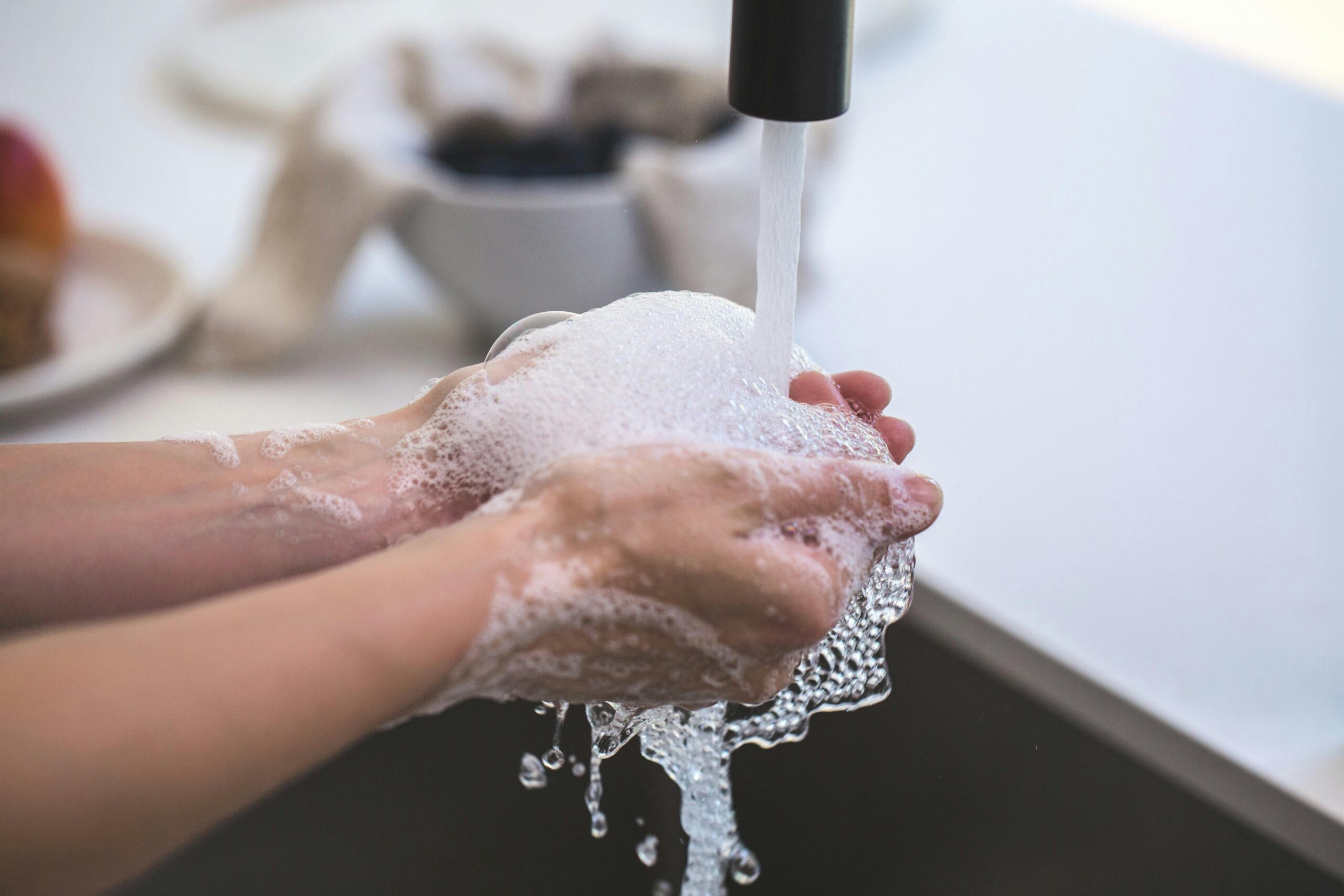
    washing hands is an important part of preventing the spread of the flu virus.Step 3: Personal Hygiene & Behavioral Habits

    The third step is personal prevention. Even with clean surfaces and air, flu viruses can still spread through hands and close contact.

    • Frequent handwashing: Wash for at least 20 seconds, especially after public exposure.

    • Cover coughs and sneezes: Use tissues or elbows to prevent droplets from spreading.

    • Avoid touching your face: Germs enter through eyes, nose, and mouth.

    • Educate family and coworkers: Awareness and consistent habits reduce transmission.

    Bonus: Encourage mask use in crowded indoor spaces if someone is symptomatic.


    Cure Gels is one of our newest line of air purifications to help aid during flu seasonWhy ClO₂ Is Central to Your Flu Defense

    Chlorine dioxide is eco-friendly, fast-acting, and effective against both surface and airborne viruses:

    • Kills flu viruses on contact

    • Neutralizes odors indicating bacterial or viral buildup

    • Safe for children, pets, and office environments

    • Works in multiple applications: surfaces, fabrics, and air

    Using ClO₂ as part of this 3-step plan creates a protective barrier around your home or workplace, making flu prevention simple and effective.


    Putting It All Together

    1. Clean & disinfect surfaces daily with ClO₂.

    2. Purify the air and improve ventilation to eliminate airborne germs.

    3. Practice strong personal hygiene and teach others to do the same.

    Consistency is key. Implementing these steps together builds a layered defense that dramatically lowers your risk of catching or spreading the flu.

    By addressing every route of exposure, you create a flu-safe environment that protects your family, coworkers, and visitors alike.

    💡 Tip: Keep ClO₂ products readily available for easy, eco-friendly application throughout your home or office.


    Questions People Ask

    1. Q: What is the simplest way to start a flu defense plan at home?
    A: Begin with daily cleaning and disinfection of high-touch surfaces using ClO₂.

    2. Q: How does air purification help prevent flu?
    A: It removes airborne virus droplets and reduces the chance of inhaling flu viruses.

    3. Q: Can ClO₂ be used safely around children and pets?
    A: Yes! It’s eco-friendly and safe when used according to instructions.

    4. Q: How often should I disinfect surfaces during flu season?
    A: Daily for high-touch surfaces, weekly for soft surfaces like pillows and curtains.

    5. Q: Does ventilation really make a difference?
    A: Absolutely. Fresh air reduces the concentration of flu viruses indoors.

    6. Q: How important is personal hygiene in flu prevention?
    A: Critical. Handwashing, covering coughs, and avoiding face-touching significantly reduce transmission.

    7. Q: Can I combine ClO₂ with other cleaning methods?
    A: Yes, it works alongside regular cleaning for enhanced germ control.

    8. Q: How do I teach my coworkers or family about flu prevention?
    A: Provide clear routines, signage, and reminders about hygiene and surface cleaning.

    9. Q: Are soft surfaces a significant flu risk?
    A: Yes. Viruses can linger on fabrics, so regular washing or ClO₂ treatment is recommended.

    10. Q: What makes a layered flu defense plan more effective?
    A: Addressing surfaces, air quality, and personal habits together provides multiple barriers against flu viruses.CLO2 is a healthy alternative to Bleach and other chemical household cleaners

  • Stopping Germs at the Source: Protecting Your Family and Workplace

    Stopping Germs at the Source: Protecting Your Family and Workplace

    Stop Germs at the Source: Home & Workplace Flu Prevention

    Flu season isn’t just about avoiding sick coworkers or handwashing. The most effective flu prevention starts at the source. Germs spread quickly through shared surfaces, close contact, and even airborne droplets.

    Whether it’s your home or workplace, targeting germs at the source is the best strategy for keeping your family, employees, and yourself healthy. Using chlorine dioxide (ClO₂) for eco-friendly cleaning adds a powerful layer of protection.


    Why Germs Spread So Quickly

    Germs thrive where humans congregate. Even small actions—touching a doorknob, opening a fridge, or sharing a keyboard—can spread viruses rapidly. In workplaces, high-density areas, shared devices, and breakrooms increase flu transmission risk. At home, everyday objects like remote controls, phones, and backpacks carry germs across surfaces and into hands.

    Airborne germs also contribute. Sneezes, coughs, and even talking can release droplets that linger in the air for hours, making it critical to combine surface cleaning with air purification.


    Keeping high touch surfaces clean with clo2 lowers the transmission of germs,Top Strategies to Stop Germs at the Source

    1. Home Protection

    • High-touch surfaces: Disinfect doorknobs, faucets, remote controls, and kitchen handles daily using ClO₂ sprays or wipes.

    • Shared devices: Clean smartphones, tablets, and laptops frequently.

    • Laundry & fabrics: Wash pillowcases, towels, and kids’ backpacks weekly; ClO₂ can safely sanitize some fabrics.

    • Hands-on hygiene: Encourage family members to wash hands after coming in from public spaces.

    2. Workplace Protection

    • Shared equipment: Phones, copiers, and conference tables should be disinfected daily.

    • Break rooms & kitchens: Clean counters, refrigerator handles, and microwaves frequently.

    • Air quality: Use ClO₂ air solutions or purifiers to reduce airborne germs in offices and classrooms.

    • Flexible sick policies: Encourage employees to stay home when ill to prevent workplace outbreaks.


    Why ClO₂ Works for Source Prevention

    • Eliminates bacteria and viruses on surfaces and in the air – including flu viruses.

    • Safe for homes and offices – children, pets, and employees are protected.

    • Eco-friendly – avoids harsh chemicals while maintaining maximum germ-killing power.

    • Odor neutralization – removes musty or stale smells that indicate germs.


    Practical Home & Workplace Routine

    1. Daily cleaning: Focus on high-touch surfaces with ClO₂.

    2. Weekly deep cleaning: Target less obvious germ areas like keyboards, vents, and window sills.

    3. Air purification: Open windows or use ClO₂-based air solutions.

    4. Personal hygiene: Wash hands frequently, cover coughs, and encourage proper mask use if needed.

    5. Educate family or employees: Awareness is a crucial defense against flu spread.


    Conclusion

    Stopping flu germs at the source is all about proactive habits. Target high-touch surfaces, purify indoor air, and leverage the power of ClO₂ (chlorine dioxide) for a germ-safe environment at home and at work.

    Flu season doesn’t have to mean disruption or illness. By building a layered prevention strategy, you protect your family, coworkers, and yourself effectively and safely.

    💡 Next in our series: Learn how to stay healthy this flu season with a simple 3-step germ defense plan that’s practical and actionable.


    Keeping surfaces clean with clo2 stays ahead of the game, keeping germs down and the transmission of the flu low.Questions People Ask

    1. Q: What does “stopping germs at the source” mean?
    A: It means targeting areas where viruses and bacteria are most likely to spread—high-touch surfaces, shared devices, and airborne germs.

    2. Q: How often should I clean high-touch surfaces at home?
    A: Daily during flu season, especially doorknobs, kitchen handles, faucets, and electronics.

    3. Q: Can ClO₂ be used in offices safely?
    A: Yes! ClO₂ is eco-friendly and safe for children, pets, and employees when used as directed.

    4. Q: Should air purification be part of source control?
    A: Absolutely. Airborne flu viruses can linger, and ClO₂ solutions help neutralize them effectively.

    5. Q: How do I prevent flu spread in break rooms?
    A: Clean shared surfaces, disinfect appliances, and provide hand sanitizer. Consider ClO₂ sprays for additional protection.

    6. Q: Are fabrics a source of germs?
    A: Yes. Wash pillowcases, towels, and backpacks regularly. ClO₂ can also safely disinfect some fabrics.

    7. Q: How can flexible sick policies reduce flu in the workplace?
    A: Encouraging employees to stay home when ill prevents spreading germs to coworkers.

    8. Q: Can ClO₂ eliminate both surface and airborne germs?
    A: Yes. It’s effective against bacteria, viruses, and mold in multiple environments.

    9. Q: How do I teach family members about germ prevention?
    A: Create simple, clear routines for handwashing, surface cleaning, and proper etiquette for sneezing/coughing.

    10. Q: Is source control more effective than handwashing alone?
    A: Yes. Handwashing is essential but works best alongside surface cleaning, air purification, and ClO₂ disinfection.