Author: Michele Matthews

  • Cleaning and Sanitizing Hard Surfaces with ClO2

    Cleaning and Sanitizing Hard Surfaces with ClO2

    Cleaning & Disinfecting Hard Surfaces with Chlorine Dioxide Tablets: A Complete Guide

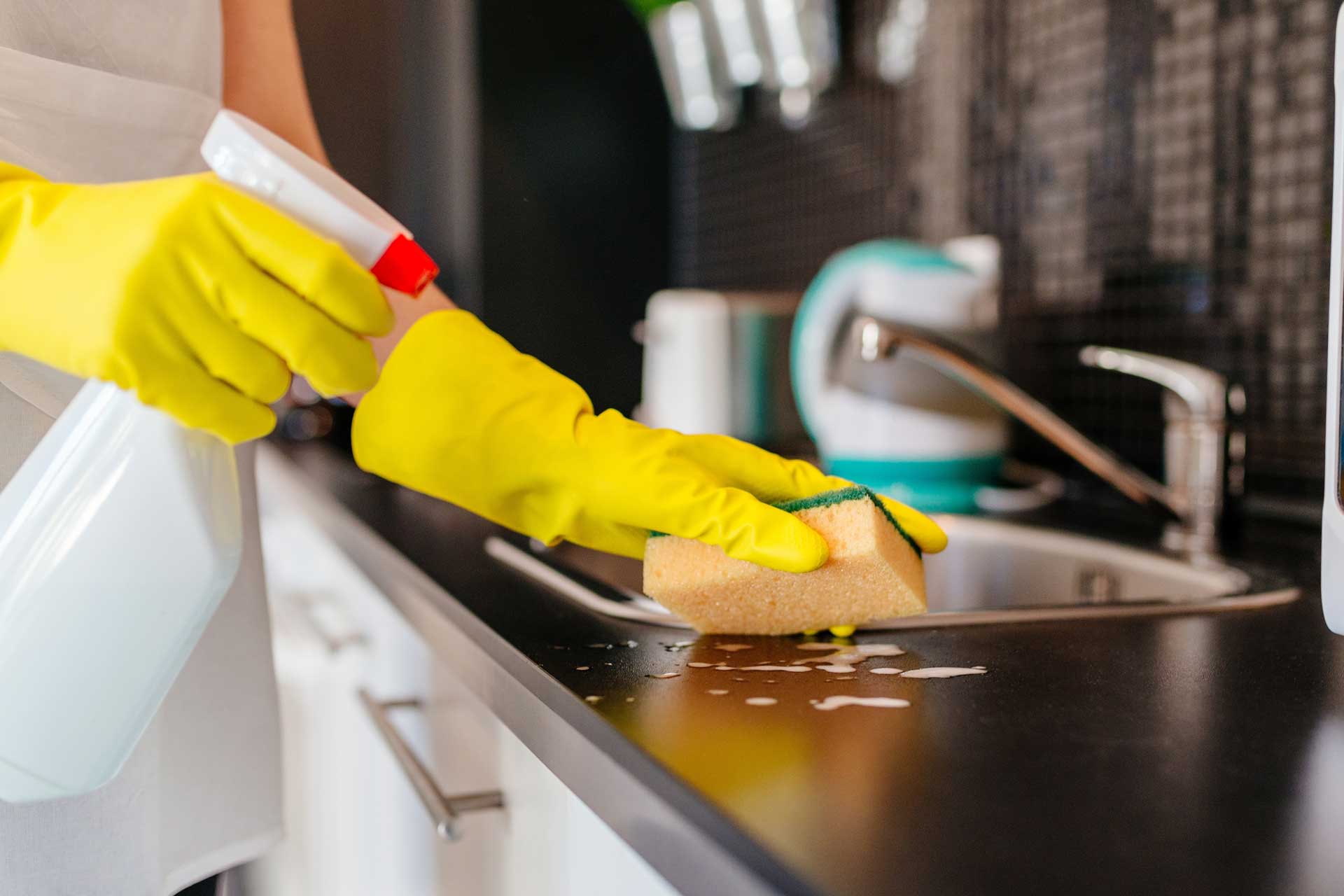
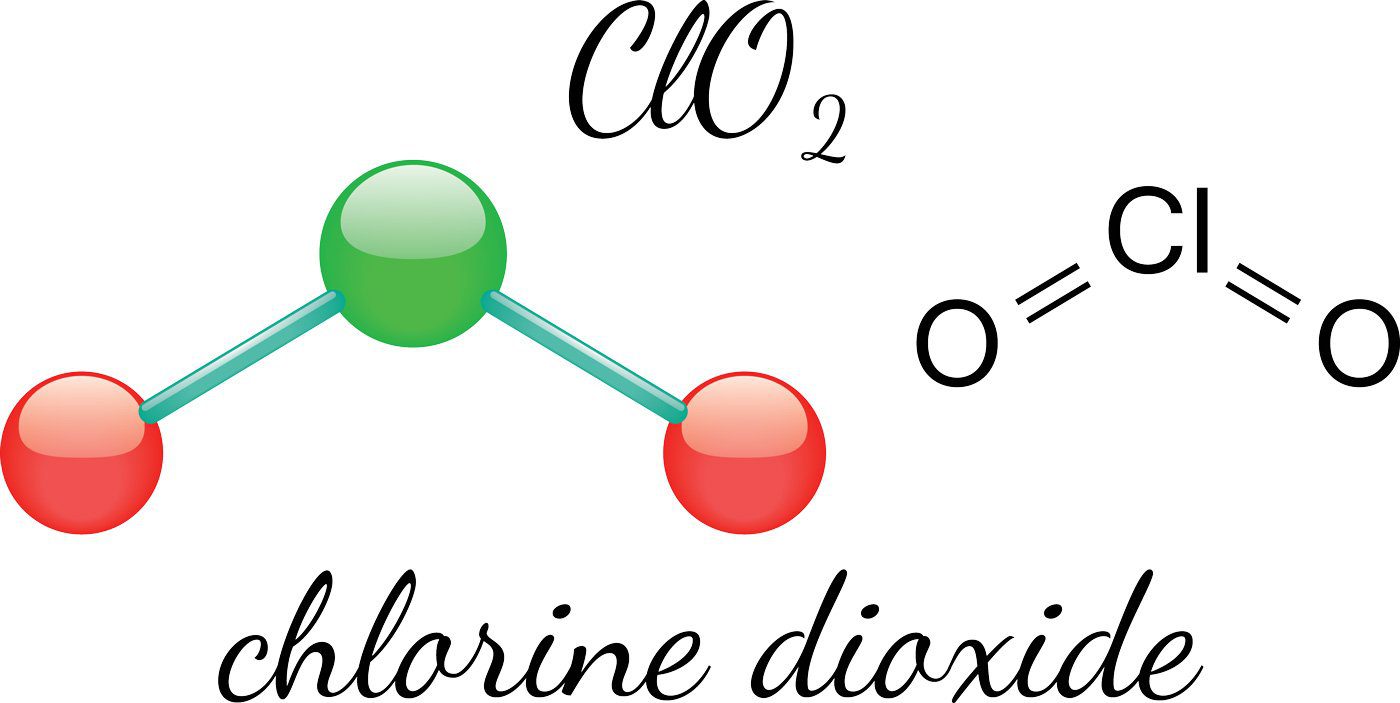
    Hard surfaces collect everything — bacteria, viruses, biofilms, grease, odors, and organic residue. Traditional cleaners often smear contamination around without fully eliminating it. Chlorine dioxide tablets offer a smarter, science-backed method for cleaning and disinfecting hard surfaces safely, effectively, and without residue. This guide shows exactly how to mix, apply, and optimize ClO₂ for any hard surface in your home or business.


    Why Chlorine Dioxide Is Ideal for Hard-Surface Cleaning

    Chlorine dioxide (ClO₂) is an EPA-recognized oxidizing biocide used worldwide for disinfecting food-processing equipment, hospital environments, water treatment systems, and odor remediation projects. Its ability to penetrate biofilms and destroy microbial contamination sets it apart from bleach, quats, and peroxides.

    Hard surfaces — countertops, stainless steel, tile, grout, appliances, tools, equipment, and sealed flooring — benefit from ClO₂’s residue-free cleaning power. This article breaks down how it works, how to use it, and why it’s one of the highest-performing sanitizers available.


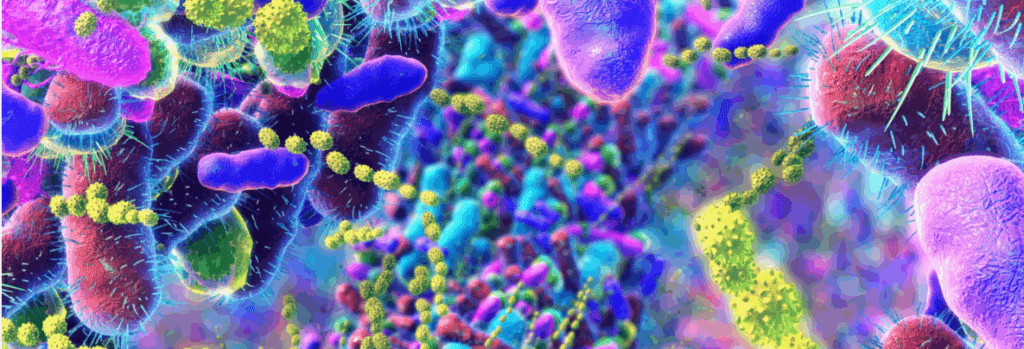
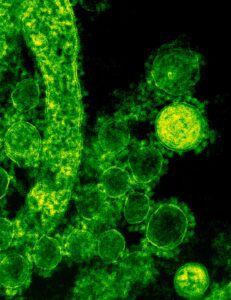
    What exactly is a biofilm? A structured microbial community encased in a self-produced matrix of polymers, adhering to surfaces.What Problem Are We Solving?

    Hard surfaces collect contaminants on a microscopic level. Even surfaces that look clean may hold:

    • Biofilms
    • Grease and organic deposits
    • Odor-causing bacteria
    • Mold spores
    • Viruses and allergens

    Most household cleaners struggle with biofilm, which acts as a protective layer for microorganisms.
    ClO₂ penetrates that layer, oxidizing the organisms and the film itself — leaving surfaces cleaner and safer.


    How Chlorine Dioxide Works

    ClO₂ penetrates microbial cell walls and biofilms, oxidizes amino acids and structural molecules, disrupts metabolic function, and leaves no harmful residues. Unlike bleach, it does not chlorinate surfaces or create toxic byproducts.

    This selective oxidation makes it ideal for hard surfaces that require both cleaning and disinfecting.
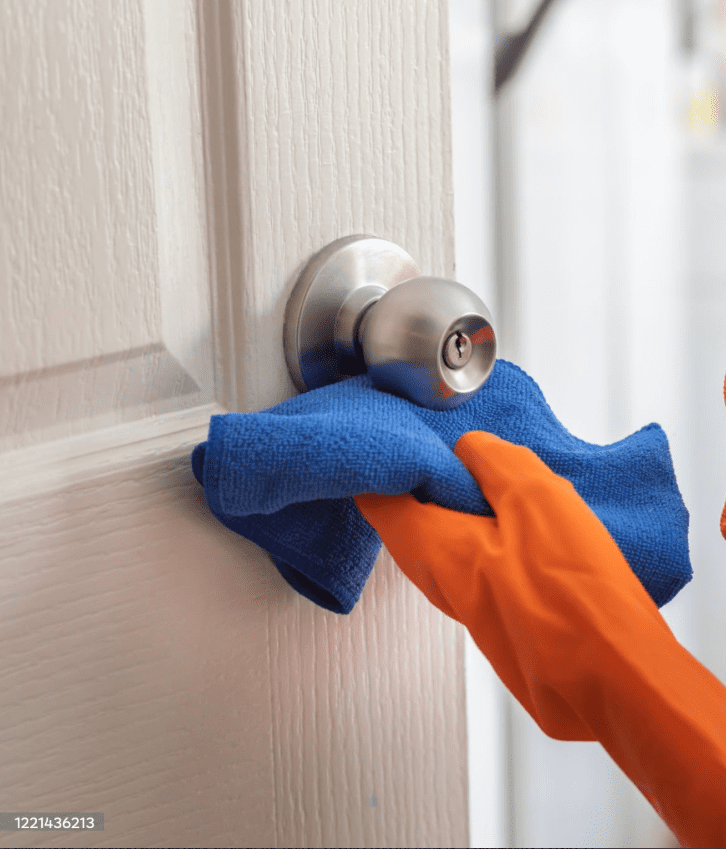

    wiping door handles daily will cut down significantly on colds and fever.Why ClO₂ Tablets Are Superior for Hard Surfaces

    Residue-Free Cleaning

    Evaporates cleanly with no sticky film or chemical buildup.

    Biofilm Penetration

    Destroys the protective layer that shields microorganisms.

    Odor Neutralization

    Eliminates odors at their molecular source.

    Surface Compatibility

    Safe for:

    • Stainless steel
    • Tile
    • Grout
    • Granite (sealed)
    • Plastic
    • Glass
    • Painted surfaces
    • Tools & equipment

    Low Corrosivity at Use Strength

    Won’t corrode metal or damage surfaces like bleach.

    Easy, Controlled Mixing

    Tablets produce precise, reliable concentrations every time.


    How to Clean & Disinfect Hard Surfaces with ClO₂ Tablets

    Step 1: Select the Correct Concentration

    Use the chart below for best results:

    Cleaning Need Recommended ppm Tablet Size Water Amount
    Daily Surface Cleaning 50–100 ppm 1g 1–2 liters
    General Disinfection 100–200 ppm 1g 1 liter
    Deep Cleaning (Odor, Biofilm, Grease) 500 ppm 4g 1 liter
    Serious Contamination or Heavy Odor 1,000 ppm 4g 500 mL

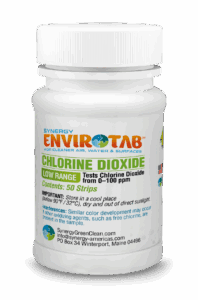
    Purchase our CLO2 Test Strips here 👉🏻0-2500 ppm
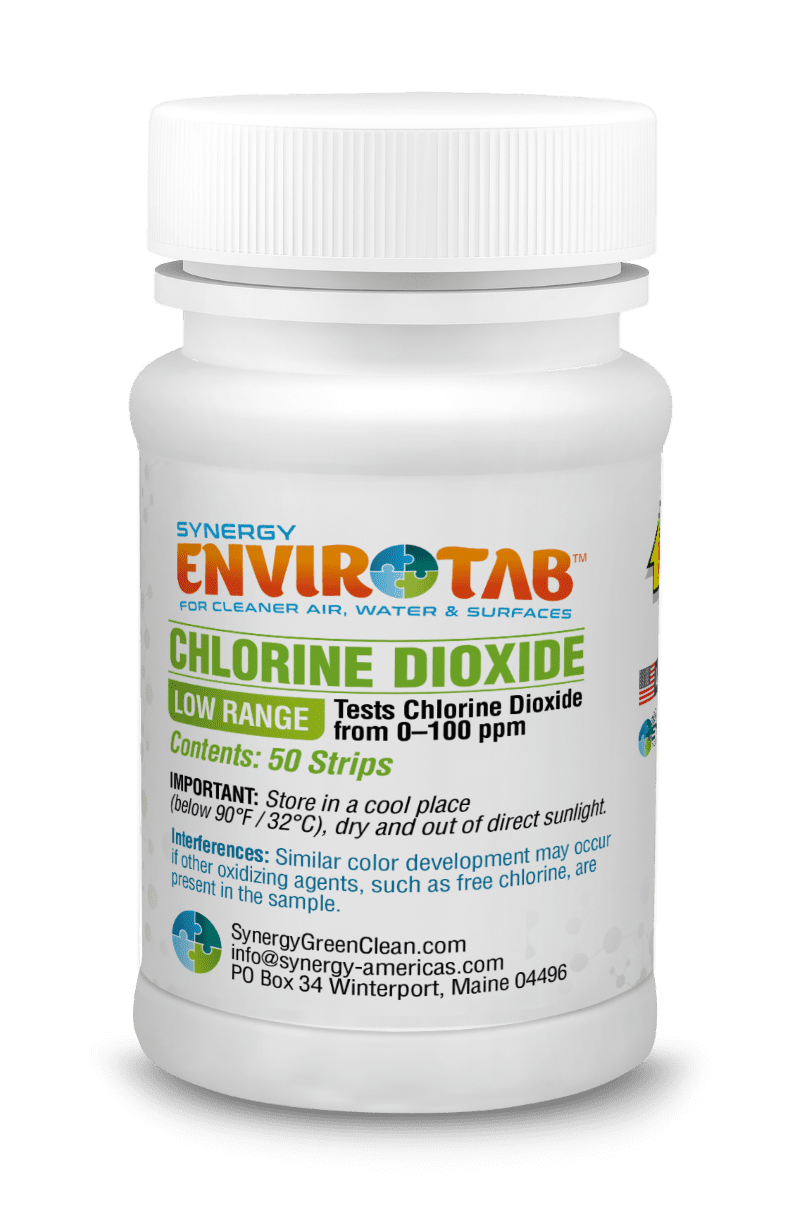

    Low Range Test Strip BottleStep 2: Activate the Solution

    • Place tablet in water

    • Allow 1 minute to fully activate

    • Solution turns amber-yellow when ready

    Do NOT tightly seal containers during activation.


    Step 3: Pre-Clean if Surface Is Visibly Dirty

    ClO₂ works best on surfaces free from heavy debris.
    Wipe or scrape off dirt, food, dust, or grease.


    Step 4: Apply ClO₂ Solution

    Use a:

    • Spray bottle
    • Microfiber cloth
    • Mop bucket
    • Pump sprayer

    Fully wet the surface. Do not oversaturate electronics.


    Step 5: Allow Contact Time

    For full disinfection:

    • 5–10 minutes for routine cleaning

    • 10–30 minutes for odors, biofilm, or deep contamination

    ClO₂ must remain in contact during this time.


    Step 6: Rinse Only When Necessary

    Rinse if:

    • You used above 200 ppm on food-contact surfaces

    • You’re cleaning extremely sensitive materials

    Otherwise, no rinse required — residue-free cleaning is a major benefit.


    Comparison Table — ClO₂ vs Other Hard-Surface Cleaners

    Feature ClO₂ Tablets Bleach Quats Peroxides
    Biofilm Removal ✔️ Excellent ❌ Poor ❌ None ⚠️ Limited
    Residue ✔️ None ❌ High ❌ Sticky ✔️ Low
    Surface Safety ✔️ Excellent ❌ Corrosive ⚠️ Leaves film ⚠️ Can discolor
    Odor Neutralization ✔️ Strong ❌ Weak ❌ Weak ⚠️ Mild
    User Comfort ✔️ Low fumes ❌ Strong fumes ⚠️ Chemical odor ✔️ Mild
    Compatibility Very high Low Medium Medium

    Here’s a myth worth clearing up: chlorine dioxide is not chlorine bleach. Yes, they sound similar, but their chemistry couldn’t be more different.Safety, Compliance & Regulatory Considerations

    • ClO₂ is approved by the EPA for disinfection when used according to label instructions.
    • At typical cleaning strengths, fumes are low and safe for indoor use.
    • For high concentrations (500–1,000 ppm), use ventilation.
    • Avoid mixing ClO₂ with any other chemicals — especially bleach, acids, or ammonia.
    • Rinse food-contact surfaces only when using higher strengths.

    Best Practices for Cleaning Hard Surfaces

    • Use microfiber cloths for maximum adhesion and dirt removal.
    • Allow proper contact time — wiping too soon reduces effectiveness.
    • For grout and tile, scrub lightly to help break up biofilm.
    • Store activated solution away from sunlight to maintain potency.
    • Use fresh solution every 48–72 hours.

    Chlorine dioxide tablets provide powerful, residue-free cleaning for hard surfaces through selective oxidation and biofilm penetration. Mix concentrations according to need, allow full activation, apply generously, and maintain proper contact time. ClO₂ outperforms bleach, quats, and peroxides while remaining surface-safe and easy to use.

    Experience residue-free, professional-grade hard-surface cleaning with chlorine dioxide tablets from Clo2Tablets.com. Choose the right concentration for your needs and enjoy unmatched cleaning performance in every room or facility.
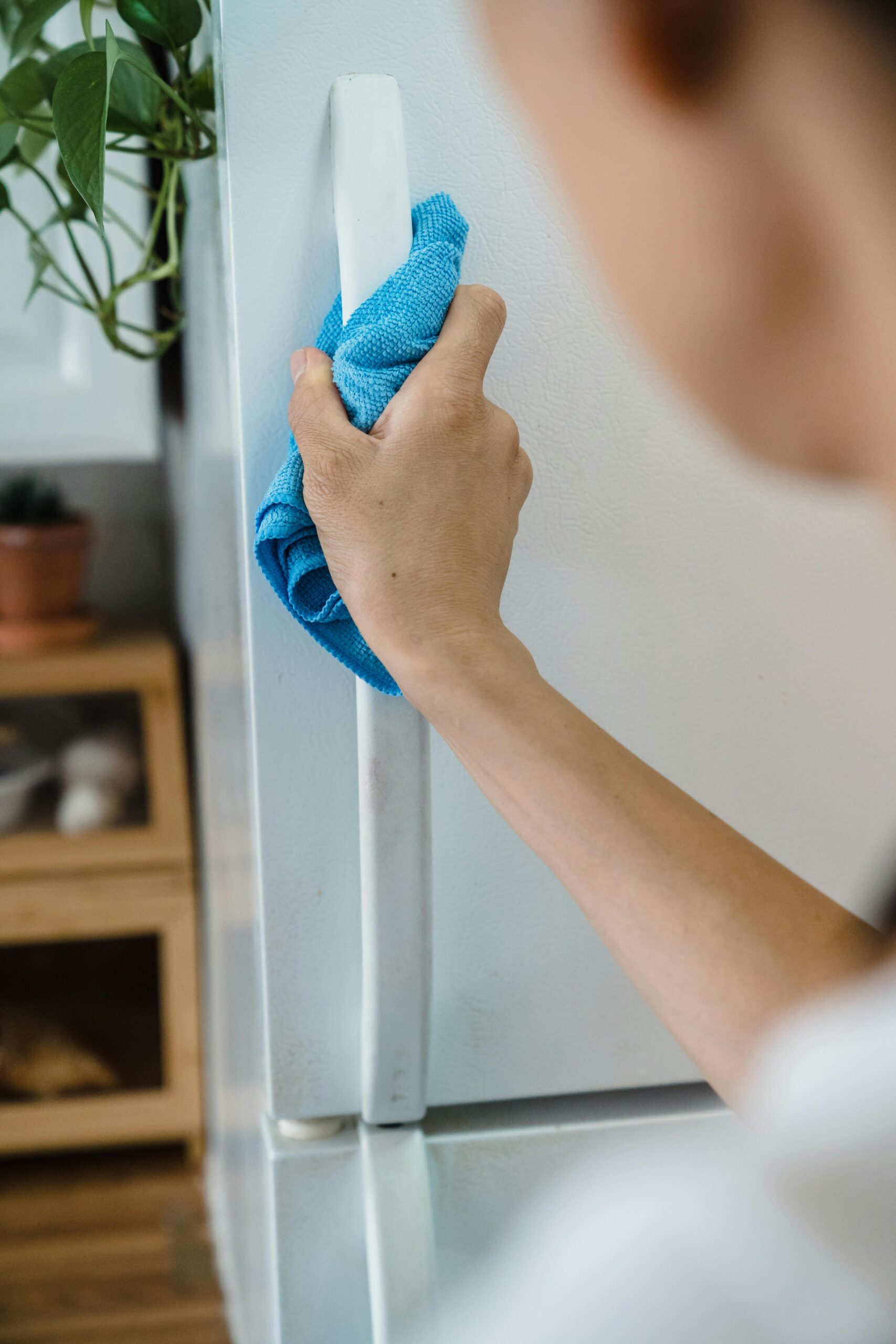

    Keeping high touch surfaces clean with clo2 lowers the transmission of germs,Frequently Asked Questions

    1. Can ClO₂ be used on kitchen counters?

    Yes — safe for granite, quartz, stainless steel, and most sealed surfaces.

    2. Will ClO₂ discolor grout or tile?

    No. It does not bleach or chlorinate materials.

    3. Is ventilation required?

    Not for 50–200 ppm. Higher ppm solutions benefit from airflow.

    4. Can ClO₂ remove mold from hard surfaces?

    Yes — especially at 500+ ppm. Contact time improves results.

    5. Does ClO₂ kill viruses?

    Yes. It is effective against a broad range of viruses when used at disinfecting concentrations.

    6. Is rinsing required after cleaning?

    Only for food-contact surfaces when using above 200 ppm.

    7. Can I use ClO₂ on stainless steel appliances?

    Absolutely — it’s one of the safest disinfectants for stainless steel.

    8. Is it safe around pets once dry?

    Yes — allow surfaces to dry fully before re-entry.

    9. How long does activated solution remain effective?

    48–72 hours in a sealed, light-protected container.

    10. Can I mix ClO₂ with soap?

    No — ClO₂ must be used alone for full effectiveness.

  • Chlorine Dioxide Safety: Myths vs. Science | Complete Safe-Use Guide

    Chlorine Dioxide Safety: Myths vs. Science | Complete Safe-Use Guide

    Chlorine Dioxide Safety: Separating Real Science from Common Myths

    Chlorine dioxide (ClO₂) has been praised, misunderstood, feared, misrepresented, and misused — often all at the same time. Some people claim it’s too strong, others believe it’s dangerous, while professionals in water treatment and sanitation use it safely every single day. So where is the truth?
    This article breaks down the real science behind ClO₂ safety, clears away misinformation, and explains exactly how to use chlorine dioxide tablets responsibly and effectively.


    What Are The Quick Facts?

    • Chlorine dioxide is an EPA-recognized disinfectant widely used in water treatment, sanitation, and odor control.
    • At proper dilutions, ClO₂ is safe for residential and commercial cleaning, producing fewer harmful byproducts than bleach.
    • Most fears about ClO₂ come from misuse, misinformation, or confusion with chlorine bleach.
    • ClO₂ works through selective oxidation, not chlorination — which is why it leaves no residue or bleaching damage.
    • Safe use requires correct mixing, ventilation at higher concentrations, and never mixing with other chemicals.
    • ClO₂ is not meant for ingestion or high-concentration enclosed use.

    Also Read 👉🏻Chlorine Dioxide Tablets for House Cleaning | Complete FAQ & Safety Guide


    Here’s a myth worth clearing up: chlorine dioxide is not chlorine bleach. Yes, they sound similar, but their chemistry couldn’t be more different.Myth #1 — “Chlorine dioxide is just another form of bleach.”

    The Myth:

    ClO₂ sounds like “chlorine,” so many assume it behaves like bleach.

    The Science:

    Bleach (sodium hypochlorite) disinfects through chlorination, creating chlorinated byproducts and strong fumes.
    ClO₂ disinfects through selective oxidation, a completely different mechanism.

    Key Differences:

    Feature Chlorine Dioxide Chlorine Bleach
    Action Selective oxidation Chlorination
    Fumes Very low Strong, irritating
    Residue Evaporates cleanly Leaves film, can discolor
    Byproducts Minimal Chlorinated byproducts
    Surface safety Broad and gentle Corrosive to metals, fabrics

    Verdict:
    ClO₂ is not bleach — it is chemically and functionally different.

    Also Read 👉🏻From Bleach to Breakthrough: Why Smart Cleaners Are Choosing CLO₂


    Infectious control and preventing the spread of HAIs is top on the list for healthcare organizations.Myth #2 — “Chlorine dioxide is unsafe for indoor use.”
    The Myth:

    People hear “oxidizer” and assume ClO₂ is dangerous indoors.

    The Science:

    At proper cleaning dilutions, ClO₂ has extremely low vapor presence and evaporates cleanly, which is why it’s used in:

    • Hospitals
    • Food-processing sanitation
    • Drinking water treatment
    • Schools and commercial buildings

    ClO₂ becomes unsafe only when:

    • Concentrations are too high
    • Used in enclosed, unventilated spaces
    • Misused as vapor/gas treatments without controls

    With correct dilution and ventilation, ClO₂ is safe indoors.

    Also Read 👉🏻Improve Winter Indoor Air Quality with ClO₂


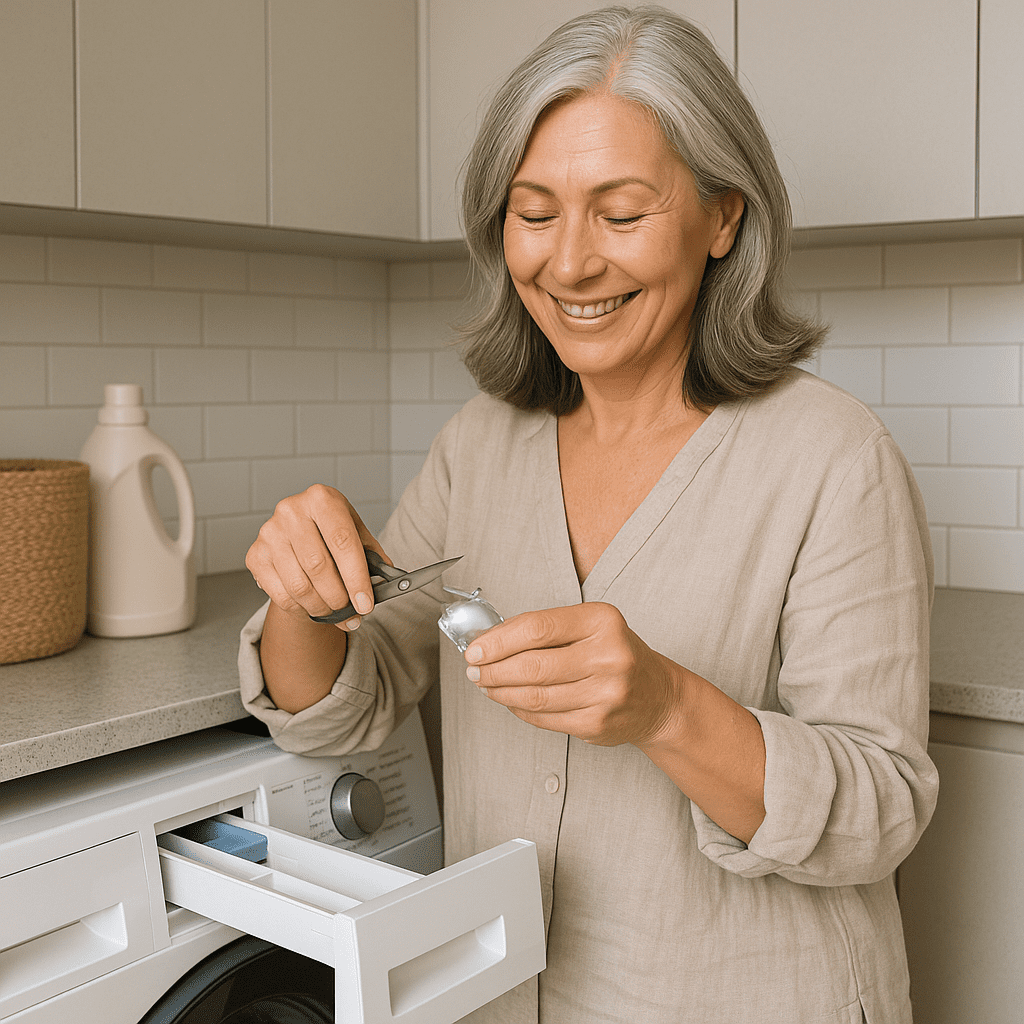
    Deodorizing your washing machine with CLO2Myth #3 — “Chlorine dioxide is toxic even in small amounts.”
    The Myth:

    Because concentrated industrial ClO₂ gas is hazardous, people think all ClO₂ is dangerous.

    The Science:

    High-concentration ClO₂ gas = dangerous.
    Low-concentration ClO₂ water solutions = safe when used correctly.

    Everyday safe uses include:

    • Cleaning kitchen counters
    • Disinfecting hard surfaces
    • Neutralizing odors
    • Removing mold/mildew
    • Sanitizing restrooms
    • Treating drinking water in emergencies

    Dose matters.
    Concentration matters.
    Context matters.

    Also Read 👉🏻Chlorine Dioxide for Advanced Water Treatment: A Safer, Smarter Alternative to Bleach


    How Chlorine Dioxide Actually Works

    ClO₂ penetrates microbial cells and oxidizes essential amino acids and biomolecules. This disrupts metabolic function and destroys pathogens — including those protected by biofilms. Unlike chlorine bleach, ClO₂ does not chlorinate surfaces or form harmful trihalomethanes.

    This makes ClO₂ both powerful and clean to use when mixed properly.


    Real Science Behind ClO₂ Safety

    Regulatory bodies worldwide approve controlled ClO₂ use, including:

    • EPA — for surface disinfection and water treatment
    • CDC — acknowledges ClO₂ as an effective disinfectant
    • WHO — supports ClO₂ for drinking-water disinfection within safe limits
    • Food-processing industry — uses ClO₂ for sanitizing produce, equipment, and surfaces

    ClO₂ used at 50–200 ppm for cleaning is well below thresholds used in industrial sanitation.


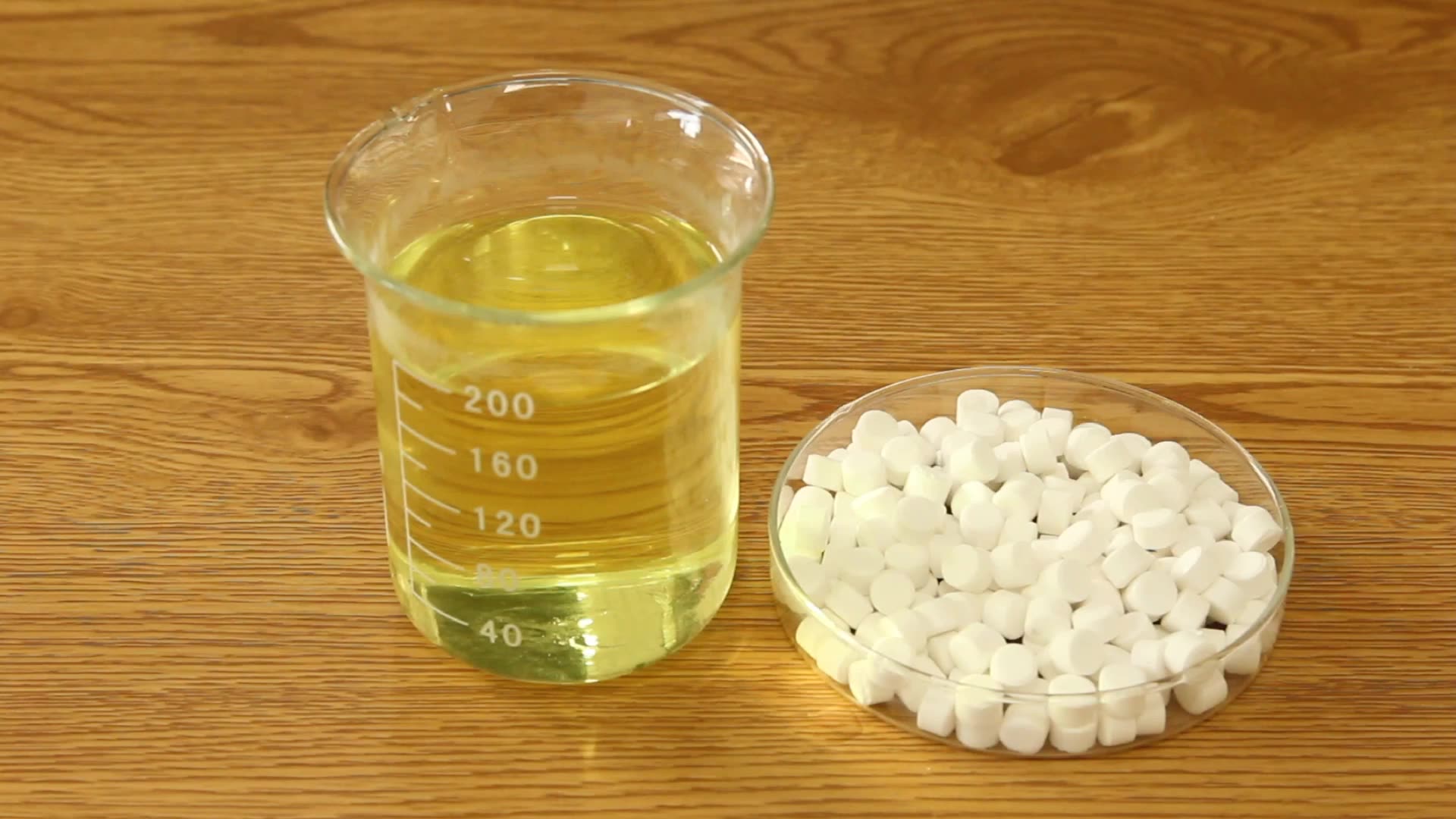
    chlorine dioxide tablets and glass of water on table surfaceWhen Chlorine Dioxide Is NOT Safe to Use
    ClO₂ is not recommended for:

    • Ingestion (never consume ClO₂)
    • Undiluted use or overly strong concentrations
    • Enclosed rooms without ventilation
    • CPAP machines
    • Mixing with any other chemical (bleach, acids, ammonia, peroxide)
    • Sensitive fabrics without patch testing
    • Heavy chemical contamination (non-microbial pollutants)

    Using ClO₂ safely requires respecting concentration and context.


    Do’s & Don’ts for Safe ClO₂ Use

    ✔️ DO

    • Mix exactly as directed
    • Allow full activation (water turns yellow/amber)
    • Use gloves for higher concentrations
    • Ventilate when using strong solutions
    • Patch-test delicate surfaces
    • Store tablets dry & sealed
    • Rinse food-contact surfaces when needed

    ❌ DON’T

    • Mix with bleach, acids, vinegar, ammonia, or peroxide
    • Seal activation containers tightly
    • Use in humidifiers or misting devices
    • Apply high concentrations in small enclosed spaces
    • Use expired (deactivated) solutions
    • Allow kids or pets access to concentrated solutions

    Summary — Science Wins, Myths Don’t

    Chlorine dioxide is a powerful, safe, and clean disinfectant when used correctly.
    Fear-based myths arise from misunderstanding chemistry or confusing ClO₂ with bleach.
    The truth: ClO₂ is used globally in water treatment, sanitation, and food safety — because it works and produces fewer harmful byproducts than many common cleaners.

    Use it responsibly, and it becomes one of the safest, most effective cleaning tools available.

    Ready to experience safe, science-backed cleaning with ClO₂?
    Browse our disinfecting tablets at Clo2Tablets.com and upgrade your cleaning confidence today.


    Frequently Asked Questions

    1. Is chlorine dioxide safe to use indoors?

    Yes — at proper cleaning concentrations with basic ventilation.

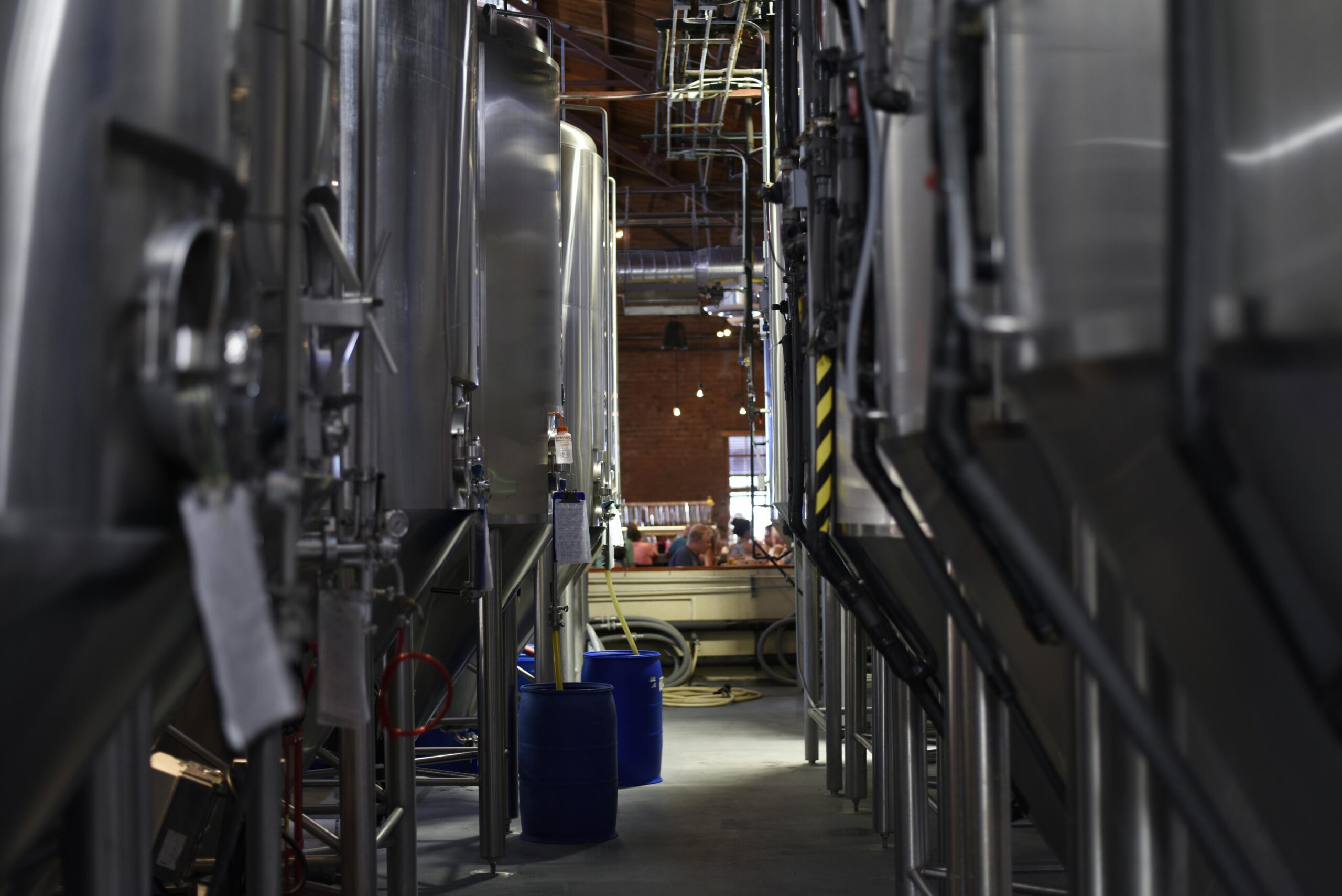
    using clo2 in the sanitation process at distilleries breaks down and biofilms that can cause who batches to spoil.2. Does it bleach surfaces?

    No — ClO₂ does NOT bleach or chlorinate.

    3. Is it safe for pets?

    Yes, once surfaces are dry. Keep pets away from concentrated mixtures.

    4. Can I use ClO₂ on food surfaces?

    Yes — rinse if using above 200 ppm.

    5. Is ClO₂ safe to breathe?

    Not in high concentrations. Normal cleaning dilutions pose minimal vapor exposure.

    6. Can I mix ClO₂ with other cleaners?

    No — never mix ClO₂ with bleach, acids, ammonia, or peroxide.

    7. How long does activated solution stay potent?

    A couple weeks when stored away from light and heat.

    8. Will ClO₂ remove mold?

    Yes — especially effective at 500+ ppm with proper contact time.

    9. Is ClO₂ environmentally friendly?

    Yes — it breaks down into harmless salts and oxygen-related compounds.

    10. Is ClO₂ safe for septic systems?

    Yes — diluted ClO₂ does not disrupt septic biology.


  • Safe Use of Chlorine Dioxide Tablets | Guidelines, PPE & Mixing Instructions

    Safe Use of Chlorine Dioxide Tablets | Guidelines, PPE & Mixing Instructions

    Safe Use of Chlorine Dioxide Tablets: Science-Based Guidelines for Home & Commercial Cleaning

    Chlorine dioxide tablets offer one of the safest and most effective ways to clean, deodorize, and sanitize surfaces — but like any professional cleaning tool, they work best when used correctly. Whether you’re a homeowner, facility manager, remediation contractor, or industrial cleaner, understanding how to use ClO₂ safely ensures maximum performance with minimal risk.
    Let’s break safety down scientifically, clearly, and confidently.


    What Makes Chlorine Dioxide Safe When Used Properly?

    Chlorine dioxide (ClO₂) is an EPA-recognized oxidizing biocide used in drinking water treatment, food-contact sanitizing, industrial disinfection, odor elimination, and environmental cleaning. Unlike bleach, which forms chlorinated byproducts and can react dangerously with other chemicals, ClO₂ works through selective oxidation, a controlled process that destroys pathogens without damaging most surfaces or leaving harmful residues.

    Safe use depends on choosing the right concentration, applying solutions responsibly, and following basic ventilation and handling principles — all of which we outline here.


    Biofilms are the microbial equivalent of fortified cities—complex, slimy structures where bacteria, fungi, and other microorganisms encase themselves in a protective extracellular matrix.Understanding Chlorine Dioxide Safety

    Here is the essential science behind ClO₂ safety:

    Chlorine Dioxide Mechanism Summary:
    ClO₂ penetrates microbial cells, oxidizes amino acids and structural biomolecules, and collapses metabolic processes while leaving no chlorinated byproducts. It does not chlorinate surfaces and is far less reactive than bleach in typical cleaning applications.

    Because ClO₂ evaporates cleanly and breaks down into non-toxic byproducts, it is considered safe for surface cleaning, odor removal, and controlled environmental treatments when mixed and applied properly.


    Benefits of Using ClO₂ Tablets Safely

    Using ClO₂ correctly provides:

    • Low-residue, food-safe sanitization
    • Powerful odor elimination without masking
    • Broad-spectrum pathogen reduction
    • Biofilm penetration
    • Low corrosivity at use strength
    • Stable and precise dosing
    • No bleach fumes, no quats, no sticky residues

    Safe handling transforms ClO₂ into one of the most dependable disinfectants available.

    Also Read 👉🏼Why Use Chlorine Dioxide Tablets for Cleaning | ClO₂ Benefits & Uses Guide


    Safe Handling Guidelines for Chlorine Dioxide Tablets

    Below is the official recommended safety protocol.


    1. Store Tablets Properly

    • Keep tablets dry, sealed, and out of direct sunlight.
    • Avoid storing near acids or reactive chemicals.
    • Keep out of reach of children and pets.

    2. Use the Correct Concentration for the Job

    Improper concentration is the #1 cause of misuse.

    Here is the updated dosage chart:

    Chlorine Dioxide Safety Mixing Guide

    Application Type Recommended ppm Tablet Size Water Amount Notes
    Light Cleaning / General Use 50–100 ppm 1g 1–2 liters Safe for daily wiping, glass, counters
    Standard Surface Disinfection 100–200 ppm 1g 1 liter Suitable for home & commercial surfaces
    Heavy Cleaning / Mold / Odors 500 ppm 4g 1 liter Requires ventilation; avoid long skin contact
    Shock Treatments 1000 ppm 4g 500 mL Professional-level; avoid enclosed spaces

    Buy our ClO2 Test strips here 👉🏻0-2500 ppm


    3. Allow Proper Activation Time

    ClO₂ tablets activate within 1 minute.
    A fully active solution turns amber-yellow.

    Never seal containers tightly during activation — mild gas expansion is normal.


    4. Use in Well-Ventilated Areas

    At typical cleaning concentrations (50–200 ppm), ClO₂ has extremely low vapor presence.
    For stronger mixtures:

    • Open windows or doors
    • Use fans in enclosed rooms
    • Avoid inhaling vapors directly from the container

    Ventilation = comfort and safety.


    5. Avoid Mixing With Other Chemicals

    Never mix ClO₂ with:

    • Bleach (sodium hypochlorite)
    • Acids
    • Vinegar
    • Hydrogen peroxide
    • Ammonia
    • Quats

    ClO₂ is meant to work alone, not in chemical cocktails.


    6. Personal Protective Equipment (Optional but Recommended)

    At normal cleaning strengths:

    • Gloves are recommended
    • Eye protection is optional unless splashing is possible
    • No respirator needed unless using shock concentrations in enclosed areas

    For high-concentration odor or mold remediation:

    • Use gloves
    • Provide room ventilation
    • Avoid prolonged skin exposure

    7. Application Safety Tips

    • Do not spray ClO₂ toward pets or people.
    • Always allow surfaces to dry before re-entering.
    • Rinse food-contact equipment if using >200 ppm.
    • Store activated solution properly (away from sunlight).

    Comparison Table — ClO₂ Safety vs Other Cleaners

    Safety Feature ClO₂ Tablets Bleach Quats Peroxides
    Fume Severity Very low High Low Moderate
    Residue Left None High Sticky Low
    Surface Compatibility Excellent Can stain/corrode Leaves film Can etch
    Reactivity Risk Low High Moderate Moderate
    Odor Safety Neutral Strong chlorine Chemical Mild
    Ease of Handling High Moderate High Moderate

    Regulatory & Compliance Notes

    • The EPA recognizes chlorine dioxide as a powerful disinfectant when used as directed within approved concentrations.

    • ClO₂ has long-standing use in drinking water treatment, meaning it has one of the strongest safety profiles among disinfectants when used at correct levels.

    • For food-contact surfaces, follow industry guidelines:

    • Below 200 ppm → no rinse required
    • Above 200 ppm → rinse recommended
    • Always follow local safety protocols for chemical handling.


    Today’s cleaning standards demand smart, safe, and sustainable solutions — products that protect health without sacrificing performance. Enter CLO₂ — the breakthrough alternative that’s redefining what clean truly means.Best Practices for Safe Use

    • Activate ClO₂ away from children and pets.
    • Label spray bottles clearly (“Chlorine Dioxide Solution – Do Not Mix”).
    • Use the right strength for the task — more is not always better.
    • Dispose of unused solution after 48–72 hours if mixed in open containers.
    • Never store activated solution in airtight glass bottles.

    Also Read 👉🏼Chlorine Dioxide Safety: Myths vs. Science | Complete Safe-Use Guide


    Chlorine dioxide tablets are safe for home, commercial, and industrial cleaning when mixed and applied at proper concentrations. They work through selective oxidation, leaving no harmful residues and producing minimal fumes. Safe use requires correct dosing, ventilation at higher strengths, and avoiding chemical mixing. When these simple guidelines are followed, ClO₂ is one of the most effective and user-friendly disinfectants available.


    Frequently Asked Questions

    1. Are chlorine dioxide fumes dangerous?

    Not at typical cleaning levels (50–200 ppm). Use ventilation for high-strength solutions.

    2. Can I use ClO₂ around pets?

    Yes. Allow surfaces to dry before pets re-enter.

    3. Does ClO₂ irritate skin?

    Mild irritation is possible at high concentrations. Gloves recommended.

    4. Can I use it on food-contact surfaces?

    Yes — rinse only if using above 200 ppm.

    5. Can ClO₂ discolor fabrics?

    No. It does not bleach like chlorine.

    6. What happens if I breathe in vapors?

    Low concentrations typically cause no harm; high concentrations may cause throat irritation. Step back and ventilate.

    7. Is it safe to dispose of ClO₂ solution down the drain?

    Yes — diluted ClO₂ breaks down harmlessly.

    8. How should I store unused tablets?

    Keep them dry, sealed, and away from direct heat.

    9. Can ClO₂ be used in enclosed spaces?

    Yes, but only at appropriate concentrations and with ventilation.

    10. Is ClO₂ safer than bleach?

    Yes in most applications — fewer fumes, no chlorinated byproducts, no bleaching.


    Call to Action

    For safe, reliable, and science-backed cleaning solutions, explore our full line of chlorine dioxide tablets at Clo2Tablets.com. From light home cleaning to industrial sanitation, we provide the right tablet strength for every job.


  • Why Use Chlorine Dioxide Tablets for Cleaning | ClO₂ Benefits & Uses Guide

    Why Use Chlorine Dioxide Tablets for Cleaning | ClO₂ Benefits & Uses Guide

    Why Use Chlorine Dioxide Tablets for Cleaning — 8 Science-Backed Reasons & How They Outperform Traditional Cleaners

    When you clean, you want more than just “looks clean.” You want real sanitization — deep deodorizing, pathogen elimination, biofilm disruption, and minimal residue. Chlorine dioxide (ClO₂) tablets deliver exactly that. Whether for a home kitchen, commercial facility, or industrial site, ClO₂ gives you powerful, versatile cleaning that works — and is safe when used properly.


    Quorum sensing (QS) is a cell-to-cell communication system used by bacteria (and some fungi) to coordinate collective behavior based on population density. Microbes produce and release small chemical signaling molecules called autoinducers.What Makes ClO₂ Cleaning Different

    Chlorine dioxide is a proven oxidizing biocide used across water treatment, food-processing sanitation, environmental disinfection, and microbial control worldwide.

    Unlike bleach or conventional disinfectants, ClO₂ acts through selective oxidation rather than chlorination. It oxidizes microbial cells — bacteria, viruses, fungi, even biofilms — without leaving harmful or sticky residues, and without creating toxic chlorinated byproducts.

    Because of its chemistry and versatility, ClO₂ tablets stand out as a premium choice for cleaning, sanitizing, odor control, and sanitation across multiple environments. Below are the primary reasons many professionals and households trust them.


    8 Key Advantages of Using Chlorine Dioxide Tablets for Cleaning

    1. Broad-Spectrum Microbial Disinfection

    ClO₂ is effective against a wide range of harmful organisms — bacteria, viruses, mold, fungi, spores — making it a “universal disinfectant.”

    What is that terrible odor in my Washing Machine?2. Biofilm Penetration & Deep Sanitization
    Biofilms protect microbes on surfaces. ClO₂’s oxidizing nature allows it to penetrate and destroy biofilms — eliminating hidden pathogens that many standard cleaners miss. This makes ClO₂ especially effective in challenging environments: hospitals, food-prep zones, industrial equipment, etc.

    3. Residue-Free & Safe for Many Surfaces

    Once dissolved and used correctly, ClO₂ leaves no sticky film, no crust, no white residue, unlike bleach or some quats. That makes it ideal for sensitive surfaces — stainless steel, food-contact surfaces, equipment, tools, and more.

    4. Odor Neutralization (Not Masking)

    ClO₂ doesn’t simply cover up smells — it oxidizes odor-causing molecules. Whether it’s pet smells, moldy basements, garbage odors, or stale air, ClO₂ can neutralize odors at their molecular source.

    5. Wide Versatility & Use Cases

    ClO₂ tablets are one of the few disinfectants that adapt across multiple environments and use-cases: homes, commercial buildings, hospitals, food processing, water treatment, odor control, mold remediation, tools, equipment sanitization — even water purification.

    6. Convenient, Shelf-Stable, Easy to Use

    Unlike liquid disinfectants with shelf-life concerns or complicated dosing, ClO₂ tablets are compact, stable, portable, and simple: dissolve to the correct concentration and go. That makes them ideal for janitorial closets, travel kits, small businesses, and remote work sites.

    7. Lower Corrosivity and Safer Fumes Compared to Bleach

    ClO₂ is generally less corrosive than bleach and does not release harsh chlorine fumes. This improves safety, comfort, and surface longevity — especially important in spaces with frequent cleaning, sensitive equipment, or frequent human presence.

    ClO₂ degrades more cleanly than many traditional disinfectants. It doesn’t produce harmful chlorinated byproducts (when used properly) and breaks down without creating long-lasting chemical residue — making it a more environmentally conscious cleaning option.


    Think your home is clean? Think again! Remote controls, light switches, fridge interiors, and door handles are germ magnets. With ClO₂ , you can sanitize safely, effectively, and eco-friendly:When & Where to Use Chlorine Dioxide Tablets

    ClO₂ tablets excel in a wide range of environments. Consider using them for:

    • Kitchens (countertops, appliances, food-contact surfaces)
    • Bathrooms (tile, grout, fixtures)
    • Institutional & commercial facilities (offices, hospitals, schools, gyms)
    • Industrial equipment and tools
    • Water treatment or water-contact systems
    • Odor-prone environments — basements, trash areas, pet zones
    • Mold or mildew-prone areas (bathrooms, basements, storage)
    • Travel, RV, or remote sanitation kits
    • Pet bedding, cages, kennels — after drying

    Because of their adaptability and broad effectiveness, ClO₂ tablets can replace multiple cleaning products in a standard cleaning arsenal — simplifying supply, reducing chemical load, and boosting cleaning efficacy.


    Safety & Best-Practice Essentials When Using ClO₂ Tablets

    To maximize benefits while ensuring safety:

    • Always dissolve tablets in the correct water volume per instructions. Over-concentrating can lead to unnecessary chemical exposure.
    • Use freshly prepared solutions. Don’t store mixed solutions long-term — potency decreases, and stability can drift.
    • Avoid mixing with other cleaners (bleach, acids, ammonia, peroxides) — ClO₂ should be used alone.
    • For food-contact surfaces or sensitive materials, rinse after treatment (especially if higher strength was used).
    • Ventilate when using higher concentrations or in enclosed spaces.
    • Wear gloves or PPE if handling concentrated solutions that are higher than 200 ppm.
    • Store tablets dry, sealed, and away from children/pets.

    When used responsibly, ClO₂ tablets deliver powerful cleaning with minimal risk.


    Comparison — ClO₂ Tablets vs Traditional Cleaning Products

    Feature / Use-Case ClO₂ Tablets Bleach Quats / Standard Disinfectants
    Biofilm Penetration ✅ Excellent ❌ Poor ❌ None or weak
    Odor Neutralization ✅ Strong (molecular) ❌ Weak (masking or chlorine smell) ❌ Weak or masking
    Residue / Film ✅ None ❌ Often sticky or corrosive ⚠️ Residue or buildup possible
    Surface Compatibility ✅ Very broad ⚠️ Corrosive / can discolor ⚠️ Varies by formulation
    Ease of Storage & Use ✅ High (tablet form) Moderate (liquid bleach) Moderate to high
    Fumes / Irritation ✅ Low (when used properly) ❌ High (chlorine fumes) ⚠️ Moderate
    Environmental Impact ✅ Lower (degrades cleanly) ❌ Creates chlorinated byproducts ⚠️ Variable chemical load

    Chlorine dioxide tablets combine powerful disinfection, odor neutralization, biofilm penetration, and surface-safe cleaning — all in a simple, portable, and environmentally friendly format. From kitchens to industrial facilities, from water treatment to odor mitigation — ClO₂ offers unmatched versatility and efficacy. When used correctly, it’s one of the smartest, most flexible cleaning tools available today.

    Ready to experience smarter, safer, and more effective cleaning? Explore our full range of chlorine dioxide tablets at Clo2Tablets.com — from everyday surface cleaning to heavy-duty sanitation and odor removal. Clean smarter, not harder.

    🔗 Grab your tablets today at clo2tablets.com and step into a cleaner, safer world!


    Frequently Asked Questions (FAQ)

    1. Are ClO₂ tablets better than bleach for everyday cleaning?

    Yes — thanks to lower residue, wide surface compatibility, biofilm penetration, and fewer harmful fumes, ClO₂ is often a safer and more thorough option.

    cutting board2. Is ClO₂ safe for food-contact surfaces?
    Yes — especially when diluted correctly. Always rinse when using higher concentrations to ensure food safety.

    3. Can ClO₂ tablets remove odors instead of masking them?

    Yes — ClO₂ oxidizes odor molecules, destroying them rather than simply covering the smell.

    4. Do I need special equipment to use ClO₂ tablets?

    No. Just clean water, a container or spray bottle, and basic PPE (gloves) if desired. Tablets are straightforward and user-friendly.

    5. Will ClO₂ damage surfaces like stainless steel, tile, or sealed surfaces?

    No — when used at recommended concentrations, ClO₂ is gentle and surface-safe, unlike bleach which can corrode or discolor some materials.

    6. Can ClO₂ tablets replace multiple cleaning products?

    Yes. Because of their versatility, ClO₂ tablets often replace multiple cleaners — disinfectants, odor removers, water sanitizers — simplifying cleaning routines.

    7. Are ClO₂ tablets environmentally friendly?

    Yes. They degrade cleanly with minimal chemical byproducts, reducing long-term environmental impact compared to many traditional cleaners.

    8. Are they safe to use around pets and children?

    When mixed and used correctly (ventilated area, proper concentration, allowed to dry), ClO₂ is generally considered safe for household use around people and pets.

    9. Can ClO₂ tablets handle tough jobs — mold, mildew, heavy contamination?

    Yes — at appropriate concentrations and with correct contact time, ClO₂ penetrates biofilms and sanitizes heavy contamination zones, mold-prone areas, and industrial equipment.

    10. How do I store and handle ClO₂ tablets for best safety and longevity?

    Keep them sealed, dry, and away from moisture, heat, and direct sunlight. Store out of reach of children and pets.


  • Chlorine Dioxide Tablets for House Cleaning | Complete FAQ & Safety Guide

    Chlorine Dioxide Tablets for House Cleaning | Complete FAQ & Safety Guide

    Chlorine Dioxide (ClO₂) Tablets for House Cleaning — Complete FAQ, Safety Guide & Usage Checklist

    Keeping your home clean shouldn’t require a shelf full of harsh chemicals or complicated systems. Chlorine dioxide (ClO₂) tablets offer an efficient, science-backed way to kill germs, neutralize odors, and sanitize surfaces — all while leaving no sticky residues or overpowering smells. This guide brings you every essential detail: safety, usage, surface compatibility, limitations, storage, and best practices.


    Chlorine dioxide dissolves in water and releases reactive oxidative molecules that penetrate microbial cell walls and biofilms. It oxidizes amino acids and essential biomolecules, disrupting cellular metabolism and causing rapid microbial inactivation. Because it oxidizes rather than chlorinates, it avoids creating harmful chlorinated byproducts and breaks down cleanly after use.What Are Chlorine Dioxide Tablets and Why Do They Work So Well?
    Chlorine dioxide (ClO₂) is an oxidizing biocide used around the world for:

    • Water treatment
    • Food-processing sanitation
    • Medical facility disinfection
    • Mold remediation
    • Odor neutralization
    • Household cleaning and deodorizing

    Unlike bleach, which disinfects through chlorination, ClO₂ works through selective oxidation — targeting and destroying bacteria, viruses, mold spores, and odor-causing molecules without damaging most surfaces or creating harmful byproducts.

    When ClO₂ tablets dissolve in water, they create a controlled-release solution that:

    • Penetrates biofilms (where germs hide)
    • Neutralizes odors at the molecular level
    • Leaves no sticky residue
    • Evaporates cleanly
    • Performs well across surface types

    This combination makes them uniquely effective for home cleaning.


    Mechanism of Action

    Chlorine dioxide dissolves in water and releases reactive oxidative molecules that penetrate microbial cell walls and biofilms. It oxidizes amino acids and essential biomolecules, disrupting cellular metabolism and causing rapid microbial inactivation. Because it oxidizes rather than chlorinates, it avoids creating harmful chlorinated byproducts and breaks down cleanly after use.

    This is why ClO₂ is trusted in high-stakes environments like hospitals and water treatment plants — and why it’s safe and effective for home cleaning when used properly.


    Frequently Asked Questions (FAQ)

    1. Are chlorine dioxide tablets safe for house cleaning?

    Yes — when mixed at the correct concentrations, ClO₂ is safe and highly effective for general household cleaning. Provide ventilation for higher-strength solutions and avoid enclosed spaces.

    Also Read 👉🏻 How Safe Is Chlorine Dioxide for Indoor Use Around People and Pets?


    cleaning with sponge near sink in kitchen2. What surfaces can ClO₂ be used on?

    ClO₂ is safe for most non-porous household surfaces, including:

    • Countertops
    • Tile, grout, sinks, and tubs
    • Stainless steel
    • Sealed wood
    • Plastic and laminate
    • Appliances
    • High-touch surfaces

    Always patch-test delicate materials first.

    Also Read 👉🏻Cleaning and Sanitizing Hard Surfaces with ClO2


    3. Does ClO₂ remove odors?

    Yes — unlike fragrance-based cleaners, ClO₂ neutralizes odor molecules from:

    • Mold & mildew
    • Pets
    • Smoke
    • Bathrooms
    • Trash areas
    • Damp or stale rooms

    It removes the source of the smell instead of masking it.

    Also Read 👉🏻Biofilm Research & Odor Control: Breaking the Invisible Barriers with Chlorine Dioxide


    a person cleaning toilet seat wearing yellow gloves and cleaning toilet seat with orange color cloth.4. Will ClO₂ disinfect surfaces?

    Yes. When mixed at disinfecting strength, ClO₂ kills:

    • Bacteria
    • Viruses
    • Fungi
    • Mold spores
    • Biofilm-protected microorganisms

    This is why ClO₂ is used in hospitals and water treatment.

    Also read 👉🏻Is Chlorine Dioxide Safe to Use at Home for Disinfecting Surfaces & Air?


    close shot of a hand with magnifying glass seeing vegetables.5. Can I use ClO₂ tablets to clean dishes, produce, or food?
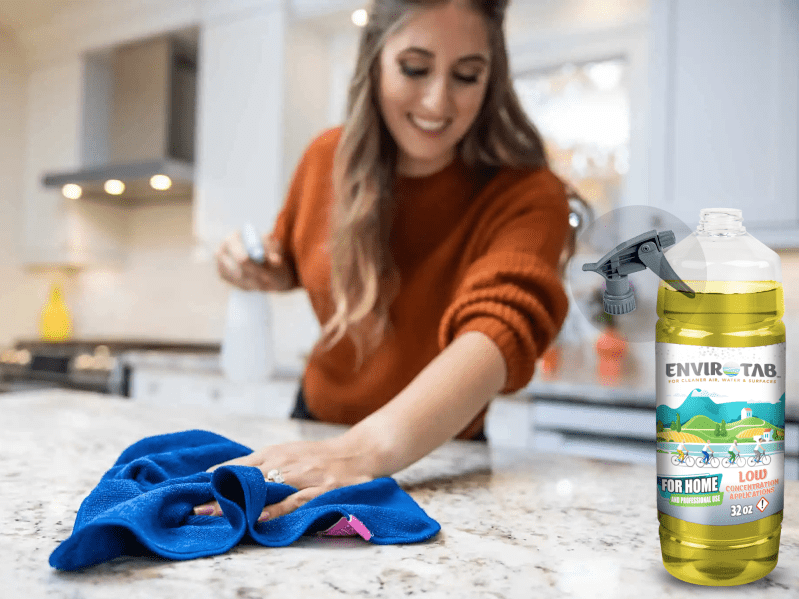
    ClO₂ is used commercially in food sanitation, but home use requires caution. Avoid using concentrated ClO₂ directly on produce or ingestible items. For high concentrations, always rinse thoroughly.

    Also Read 👉🏻Food Safety & Produce Washing with ClO₂ | Seasonal Guide


    6. Do chlorine dioxide tablets harm the environment?

    No — ClO₂ breaks down into simple salts and oxygen-related compounds, producing far fewer chemical residues than bleach or ammonia-based cleaners.

    Also Read 👉🏻Are Chlorine Dioxide Tablets Eco-Friendly?


    7. Can ClO₂ replace all household cleaners?

    No. It is a disinfectant and odor eliminator, not a grease-cutter or stain remover. You may still need degreasers or detergents for heavy grime.

    Also Read 👉🏻How To Clean a Building Effectively Using Eco-Friendly ClO₂ Solutions


    8. How should I store ClO₂ tablets?

    Store tablets:

    • In a cool, dry place
    • In sealed original packaging
    • Away from heat or moisture
    • Out of reach of children and pets

    Moisture exposure will degrade the tablet before use.

    Also read 👉🏻Safe Use of Chlorine Dioxide Tablets | Guidelines, PPE & Mixing Instructions


    Here’s a myth worth clearing up: chlorine dioxide is not chlorine bleach. Yes, they sound similar, but their chemistry couldn’t be more different.9. Can I mix ClO₂ with other cleaners?

    Never.
    Do not mix with:

    • Bleach
    • Vinegar or acids
    • Ammonia
    • Hydrogen peroxide
    • Any other cleaning chemical

    Mixing can cause dangerous reactions.

    Also read 👉🏻From Bleach to Breakthrough: Why Smart Cleaners Are Choosing CLO₂


    10. Can I use ClO₂ tablets in humidifiers or diffusers?

    Yes — But, only use  ClO₂ solutions of 1gram per 1 gallon. Do not mix it any stronger as these machines are not meant to have higher amounts run through them.

    Also Read 👉🏻How to Remove Wildfire Smoke Smell Indoors—Effectively


    All surface cleaner with Envirotab ClO2 SolutionDo’s & Don’ts — Safe Home Use Checklist

    ✔️ DO

    • Mix tablets exactly as directed
    • Allow full activation (solution turns yellow)
    • Wear gloves for concentrated solutions
    • Ventilate enclosed rooms
    • Patch-test sensitive surfaces
    • Rinse food-contact surfaces when needed
    • Use plastic or glass containers
    • Store tablets dry and sealed
    • Dispose of old solution after 48–72 hours

    ❌ DON’T

    • Don’t mix ClO₂ with bleach, acids, vinegar, ammonia, or peroxide
    • Don’t activate solution in an airtight container
    • Don’t use in humidifiers, diffusers, or CPAP machines
    • Don’t use excessive concentrations in small rooms
    • Don’t use on fabrics without testing
    • Don’t allow kids or pets near concentrated solutions
    • Don’t expect ClO₂ to remove heavy stains or grease

    Rule of Thumb:

    Use the right concentration, never mix chemicals, and ventilate when needed — ClO₂ becomes one of the safest, most effective cleaners you own.


    Chlorine dioxide tablets are an effective, residue-free way to clean, disinfect, and deodorize household surfaces. They work through selective oxidation — killing pathogens and neutralizing odors at their source. Safe when diluted properly, ClO₂ is ideal for kitchens, bathrooms, pet areas, mold-prone rooms, and high-touch cleaning. Never mix with other chemicals, and always provide ventilation for stronger solutions.

    Ready for a safer, smarter way to clean your home? Explore high-quality chlorine dioxide tablets at Clo2Tablets.com — powerful, effective cleaning made simple.


    Michele writes for Envirotab and synergy-americas.About the Author

    Michele Matthews develops science-based sanitation and cleaning guides for consumers, commercial cleaners, and industrial operators. Her expertise includes chlorine dioxide chemistry, environmental hygiene, odor remediation, and safe-use procedures for disinfectants.

  • Why Use Chlorine Dioxide Tablets in Your Cleaning Routine | ClO₂ Cleaning Guide

    Why Use Chlorine Dioxide Tablets in Your Cleaning Routine | ClO₂ Cleaning Guide

    Why Include Chlorine Dioxide (ClO₂) Tablets in Your Regular Cleaning Routine — A Smart, Science-Backed Approach

    Most cleaning routines rely on quick-spray wipes, bleach, or generic disinfectants — but those often mask odors, leave residues, or fail to touch embedded microbes and biofilms. Incorporating chlorine dioxide tablets into your regular cleaning regimen gives you an easy, powerful, and scientifically superior way to keep surfaces truly clean, safe, and odor-free over the long haul.


     The Unique Power of Chlorine Dioxide for Routine Cleaning

    Chlorine dioxide (ClO₂) is a well-established oxidizing biocide — used globally in water treatment, food-service sanitation, industrial hygiene, and odor control.

    What sets ClO₂ apart for regular cleaning: when dissolved correctly, it oxidizes and neutralizes microbes, odor-causing molecules, and biofilms — all without leaving sticky residues or harsh chemical smell. That’s why a consistent cleaning schedule using ClO₂ tablets can double as surface cleaning, sanitization, and odor neutralization in one step.

    Below you’ll find a comprehensive guide to how, when, and why to incorporate ClO₂ into your regular cleaning routine — optimized for home, commercial, or institutional environments.


    What Regular Cleaning Often Misses — And How ClO₂ Fixes It

    Many standard cleaning products focus on visible dirt, surface grease, or superficial wiping. But real contaminants often lurk in places you can’t easily see:

    • Microbial growth (bacteria, fungi, viruses) embedded in biofilms
    • Odor-causing organic residues from food, pets, mold, or moisture
    • Hard-to-reach nooks — grout lines, seams, equipment crevices, high-touch surfaces
    • Recontamination between cleanings due to incomplete microbial kill

    Because ClO₂ works via selective oxidation and penetrates biofilms, it addresses those “invisible” contamination problems — making regular cleaning more thorough and lasting.


    How Chlorine Dioxide Works

    ClO₂ dissolves in water to form a reactive oxidizer. When applied to surfaces, it penetrates microbial membranes and biofilms, oxidizes amino acids and structural biomolecules, disrupting metabolic function and leading to microbial inactivation — all without leaving chlorinated byproducts or sticky residues.

    Because of this mode of action, ClO₂ remains effective across a variety of temperatures, surface types, and application scenarios — making it ideal for regular cleaning protocols rather than one-time deep cleans.


    Why ClO₂ Tablets Are a Smart Addition to Any Cleaning Regimen

    • Broad-Spectrum Efficacy & Sanitization: Effective against bacteria, viruses, fungi, and spores under proper conditions.
    • Odor Neutralization at Molecular Level: Instead of masking smells, ClO₂ oxidizes odor-causing compounds — helping keep spaces truly fresh. Envirotab+1
    • Residue-Free, Surface-Safe Cleaning: No sticky residues, no harsh chlorinated film — safe for most sealed surfaces, counters, appliances, and common home/commercial fixtures.
    • Versatile Across Spaces and Surfaces: Kitchens, bathrooms, floors, tools, equipment, food-contact zones, high-touch surfaces — ClO₂ works broadly. Envirotab+1
    • Simplified Inventory & Supply-Chain: One tablet type can replace multiple cleaners — disinfectant, odor neutralizer, deodorizer — reducing storage clutter and simplifying procurement.
    • Eco-Friendly & Low Impact (when used responsibly): Because ClO₂ doesn’t produce heavy chlorinated byproducts the way bleach might, and residues are minimal, it aligns well with environmentally conscious cleaning philosophies.

    How to Build a Regular ClO₂ Cleaning Routine — Step by Step

    Cleaning a building might sound like a huge chore, but with the right strategy, tools, and eco-friendly cleaning products, it can actually be efficient, satisfying, and even enjoyable.Step 1: Determine Use-Case & Frequency

    Decide which areas/surfaces need daily, weekly, or monthly attention — e.g.:

    • Daily: Kitchen countertops, high-touch surfaces (door handles, light switches), bathroom fixtures
    • Weekly: Floors, appliances, hard-to-reach corners, pet areas
    • Monthly (or as needed): Deep cleaning zones, odor-prone areas, mold-prone spots

    Step 2: Mix ClO₂ Solution Appropriately

    Use a fresh batch of ClO₂ solution — approximate guideline:

    • 50–200 ppm: light cleaning & disinfection
    • 500 ppm: deeper cleaning, odor- or contamination-prone areas

    Ensure correct tablet-to-water ratio per instructions (use manufacturer guidance).

    Step 3: Apply & Allow Proper Contact Time

    Spray, mop, or wipe — then allow at least 5–10 minutes contact time before drying or rinsing (rinse only when surface is food-contact or sensitive).

    Step 4: Rinse if Required

    For food-contact surfaces or if higher concentrations were used — rinse with clean water. Otherwise, residue-free drying is acceptable.

    Step 5: Record & Rotate

    Keep basic logs, especially for commercial or institutional cleaning: dates, surfaces cleaned, concentration used, any notes (e.g. odors, stubborn spots). Rotate deep-clean protocols monthly to avoid buildup or blind spots.


    Comparison — ClO₂-Based Routine vs Traditional Cleaning Methods

    Issue / Attribute Traditional Cleaners (Bleach, Quats, Multi-Purpose Sprays) ClO₂ Tablet Routine
    Visible Dirt & Grease ✅ Handles surface dirt & grease ✅ Handles grease & organic residue
    Hidden Microbial & Biofilm Removal ❌ Often misses biofilms ✅ Penetrates & oxidizes biofilms
    Odor Masking vs Elimination ❌ Often masks — smell returns ✅ Oxidizes odor molecules — lasting freshness
    Residue & Chemical Film ❌ Residues, sticky film, potential corrosion ✅ No residue or film when used properly
    Surface Versatility ⚠️ Some surfaces sensitive ✅ Safe on most sealed surfaces when used properly
    Number of Products Needed High (multiple specific cleaners) Low — one tablet type does many jobs
    Environmental/Chemical Load High — repeated chemical exposure Lower when used responsibly

    Safety, Compliance & Best-Practices for Routine Use

    • Always mix ClO₂ tablets to the recommended concentration. Avoid “eyeballing.”
    • Use fresh solution for each cleaning session — do not store long-term.
    • Ventilate enclosed spaces if using stronger concentrations.
    • Rinse food-contact surfaces or areas used for food preparation when higher concentrations are used.
    • Store tablets sealed, dry, and away from children/pets.

    ClO₂ — when used correctly — remains one of the safest, most effective disinfecting agents available for routine cleaning.

    Buy our CLO2 Test Strips here👉🏻0-2500 ppm


    ClO₂ tablets give you a powerful, broad-spectrum cleaning tool that dissolves stubborn organic residue, neutralizes odors, sanitizes surfaces, and penetrates hidden microbial layers. By mixing to the correct concentration, applying properly, and following basic safety, you can make ClO₂ the cornerstone of your daily/weekly cleaning routine — cutting down on products, chemical load, and guesswork while boosting hygiene.

    Make cleaning easier, safer, and more effective — switch to chlorine dioxide tablets for your home or facility’s regular cleaning routine. Browse our selection at Clo2Tablets.com and find the right tablets for your cleaning needs.


    Deodorizing your washing machine with CLO2Frequently Asked Questions (FAQ)

    1. Can I use ClO₂ for daily cleaning tasks like wiping countertops and floors?

    Yes — diluted solutions (50–200 ppm) are ideal for everyday cleaning and surface sanitization.

    2. Will ClO₂ replace all my current cleaners?

    Often yes — ClO₂ can act as a disinfectant, deodorizer, and general surface cleaner, reducing the need for multiple separate products.

    3. Does it handle odors, pet smells, or mildew smells better than regular cleaners?

    Yes — ClO₂ oxidizes odor-causing compounds, rather than merely masking them, resulting in deeper, longer-lasting odor elimination.

    4. Is ClO₂ safe around pets and children?

    When used at proper concentration, applied correctly, and allowed to dry, ClO₂ is generally safe for regular household use.

    5. Do I need special PPE for everyday use?

    For light cleaning (low concentrations), minimal PPE (gloves, maybe eye protection) is sufficient. For larger or deeper cleaning — good ventilation and gloves recommended.

    6. How often should I use ClO₂ in a regular cleaning regimen?

    That depends on environment and use: daily for high-touch surfaces, weekly for general cleaning, and deeper cleaning monthly or as needed depending on contamination or odor levels.

    7. Does ClO₂ work on all surface types?

    When used properly and with appropriate concentration, ClO₂ is safe for sealed surfaces like metal, sealed tile, laminate, plastic, glass, and most household finishes.

    8. Will ClO₂ leave a residue or smell like chemicals?

    No — ClO₂ evaporates cleanly and does not leave a sticky film or chlorine smell typical of bleach-based cleaners.

    9. Is mixing complicated?

    No — tablets dissolve in water per instructions. Use clean water, proper ratio, activate fully before use, and label the solution.

    10. Can I use the same ClO₂ solution for multiple cleaning sessions?

    No — it’s best to prepare a fresh batch for each cleaning session. Potency declines over time, and reuse increases risk of reduced effectiveness.


    Michele writes for Envirotab and synergy-americas.About the Author

    Michele Matthews writes practical, science-grounded sanitation guides for homeowners, commercial cleaners, and facility operators. She specializes in chlorine dioxide applications, environmental hygiene, odor remediation, and efficient cleaning protocols.

  • How Safe Is Chlorine Dioxide for Indoor Use Around People and Pets?

    How Safe Is Chlorine Dioxide for Indoor Use Around People and Pets?

    How Safe Is Chlorine Dioxide (ClO₂) for Indoor Use Around People and Pets?

    Cleaning indoors — whether at home, in an office, or commercial space — shouldn’t force you to choose between germ control and the health of your family, coworkers, or pets. Chlorine dioxide (ClO₂) tablets offer powerful sanitation with a safety profile that, when used correctly, is highly compatible with occupied spaces. This article explains the science, safety guidelines, regulatory backing, and practical use of ClO₂ around people and animals — no hype, no guesswork.


    What This Article Covers

    Chlorine dioxide is a widely used oxidizing disinfectant in water treatment, food processing, and institutional cleaning. Its mechanism of action — selective oxidation — distinguishes it from harsher or more reactive chemicals. Knowing how ClO₂ behaves helps you use it effectively and safely indoors around humans and pets.

    We’ll explore the science behind its safety, safe concentration ranges, how to use it responsibly, and common misconceptions.


    What exactly is a biofilm? A structured microbial community encased in a self-produced matrix of polymers, adhering to surfaces.The Science of Safety — How ClO₂ Works

    Chlorine dioxide dissolves in water and forms reactive oxidative species that attack microbial cells by oxidizing essential amino acids and biomolecules. Unlike chlorine bleach, ClO₂ doesn’t chlorinate surfaces, doesn’t produce the same kinds of harmful byproducts, and evaporates cleanly when applied at appropriate concentrations.

    This mechanism allows ClO₂ to inactivate bacteria, viruses, fungi, and odor-causing compounds without leaving a sticky or harmful chemical coat — a key reason it can be used safely in indoor spaces when mixed correctly.

    Also Read 👉🏻Chlorine Dioxide Safety: Myths vs. Science | Complete Safe-Use Guide


    ClO₂ vs. Common Cleaning Chemicals — Safety Comparison

    Safety Aspect ClO₂ Tablets Bleach (Sodium Hypochlorite) Quats Peroxide-Based Cleaners
    Fume Severity Very low at use strength High Moderate Low to moderate
    Residue None High Sticky Low
    Surface Corrosivity Low at proper concentration High Moderate Variable
    Odor Neutralization Strong (oxidation) Masking/chemical smell Mild Mild
    Indoor Safety Around People & Pets High when diluted correctly Needs ventilation Moderate Moderate
    Biofilm Penetration Excellent Poor Weak Moderate
    By-Product Risk Minimal Chlorinated byproducts Variable Moderate

    This comparison shows that when ClO₂ is used at recommended concentrations, it tends to be gentler, less odorous, and less likely to cause irritation than many traditional cleaners.

    Also Read 👉🏻From Bleach to Breakthrough: Why Smart Cleaners Are Choosing CLO₂


    Regulatory Context & Safety Standards

    Chlorine dioxide’s safety profile is not based on marketing — it’s grounded in regulatory acceptance:

    • The EPA recognizes ClO₂ as an effective disinfectant when used at appropriate concentrations for surfaces and water treatment.
    • The CDC includes ClO₂ among effective sanitizing agents in healthcare and institutional settings.
    • Water treatment authorities globally use ClO₂ in controlled doses to disinfect drinking water — a real-world safety testament.

    These regulatory endorsements suggest that, when used according to instructions, ClO₂ is safe for applications where humans and pets are present.


    What are the best ways to keep my family safe from the virus that linger outside my home?How Safe Is It Around People? What the Data Says
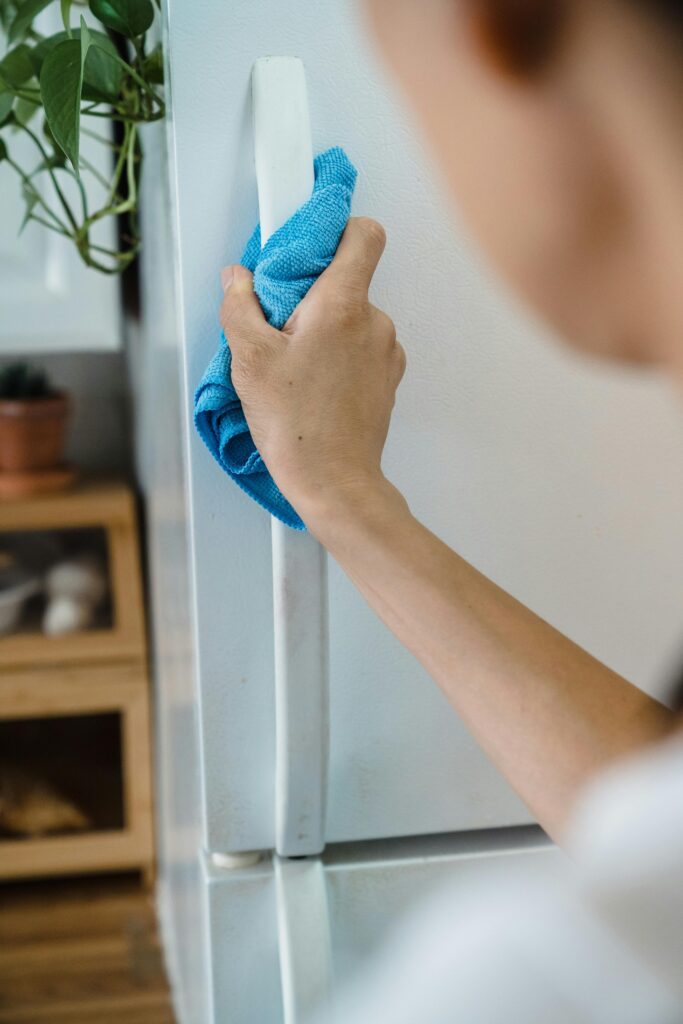
    ClO₂ gas at high concentration (industrial levels) is dangerous — but that’s not how ClO₂ tablets are used. When tablets are dissolved in water at typical cleaning concentrations, the amount of free ClO₂ gas in the air is extremely low.

    In essence:

    At cleaning strengths (e.g., 50–200 ppm), ClO₂ does not pose measurable respiratory risk to most people in well-ventilated indoor areas.
    • Unlike bleach, it doesn’t produce irritating chlorine fumes that can trigger coughing, chest tightness, or asthma symptoms.
    • The minimal vapor presence is one reason ClO₂ is used in hospitals and commercial buildings where people are present.

    Also Read 👉🏻Is Chlorine Dioxide Safe to Use at Home for Disinfecting Surfaces & Air?


    How Safe Is It Around Pets?

    Pets have smaller airways and different sensitivities than humans, so caution is good. However:

    ✔ ClO₂ solutions at recommended dilutions are safe around pets once applied and allowed to dry.
    ✔ Pet areas can benefit from ClO₂’s odor neutralization and microbial control.
    ✔ Always keep pets away from wet applications — not because of ClO₂’s toxicity, but to prevent ingestion or wet chemical contact.

    Key point: ClO₂ tablets do not need to be harmful to pets when used properly — and many pet owners use ClO₂ to neutralize pet odors and sanitize pet spaces with no issues.

    Also Read 👉🏻Safe Use of Chlorine Dioxide Tablets | Guidelines, PPE & Mixing Instructions


    Proper Indoor Use — Safe Practices You Must Follow

    Keeping high touch surfaces clean with clo2 lowers the transmission of germs,1. Use Correct Dilutions

    Preparing ClO₂ solution at recommended ppm (e.g., 50–200 ppm for routine cleaning) is essential.

    2. Allow Full Activation

    Let tablets dissolve fully (solution becomes amber/yellow) before use.

    3. Ventilate When Using Higher Strengths

    For odor control or deep cleaning (e.g., 500 ppm), open windows or turn on fans — especially in smaller spaces.

    4. Inform People & Pets

    If possible, let people and pets leave the room briefly during application — helpful for comfort, not because of inherent danger.

    5. Avoid Direct Inhalation

    Don’t spray the solution directly toward people or pets’ faces. Typical room applications cause minimal vapor.

    6. Rinse Sensitive Surfaces

    For food contact or delicate materials, rinse after cleaning.

    7. Never Mix Chemicals

    Never combine ClO₂ solution with bleach, acids, ammonia, or other cleaners.


    Limitations — Balanced & Transparent Context

    ClO₂ is powerful, but it’s not perfect in every scenario:

    Not intended for ingestion. ClO₂ tablets are not food or drinking water additives unless explicitly labeled for water use with safe dosing guidelines.
    Not for sealed, high-pressure diffusion. Devices such as humidifiers or foggers can create small droplets or micro-aerosols that differ from surface cleaning applications.
    Not a replacement for ventilation. Even at safe dilutions, fresh air improves comfort.
    Not effective on all stains. ClO₂ sanitizes and deodorizes — it does not replace mechanical scrubbing for heavy grime or stubborn stains.


    Do’s & Don’ts — Indoor Safety Checklist

    ✔️ DO

    • Mix tablets according to instructions
    • Activate solution fully (amber color)
    • Ventilate for higher strength uses
    • Patch-test delicate surfaces
    • Rinse food-contact areas when needed
    • Store tablets sealed and dry

    ❌ DON’T

    • Mix ClO₂ with other chemicals (bleach, acids, ammonia)
    • Spray directly at people or pets
    • Use in humidifiers or household diffusers
    • Apply high concentrations in unventilated spaces
    • Leave wet solution accessible to pets

    Chlorine dioxide (ClO₂) is safe for indoor use around people and pets when mixed and applied at proper cleaning concentrations. It works through selective oxidation, producing minimal fumes and leaving no harmful residues. At 50–200 ppm, ClO₂ is suitable for routine indoor cleaning, odor control, and surface disinfection with lower irritation risk than bleach or harsh chemicals.

    Safe indoor use requires:
    • Correct dilution
    • Basic ventilation (especially at higher strengths)
    • Avoiding chemical mixing
    • Keeping pets and children away from wet solution
    • Allowing surfaces to dry before re-entry

    ClO₂ becomes unsafe only when misused — such as at high concentrations, in sealed unventilated spaces, or when mixed with other chemicals. When used correctly, it is one of the most effective and surface-safe disinfectants available for homes and commercial spaces.

    Ready for powerful, safe indoor cleaning? Explore our range of chlorine dioxide tablets at Clo2Tablets.com — confidence in every clean.


    Frequently Asked Questions

    1. Is chlorine dioxide safe to use around children?

    Yes — at recommended concentrations and with ventilation, it’s safe around kids. Keep them away until surfaces are dry.

    Chlorine Dioxide is safe around children at recommended concentrations and with ventilation, it’s safe around kids. Keep them away until surfaces are dry.2. Can pets be in the room while I clean with ClO₂?
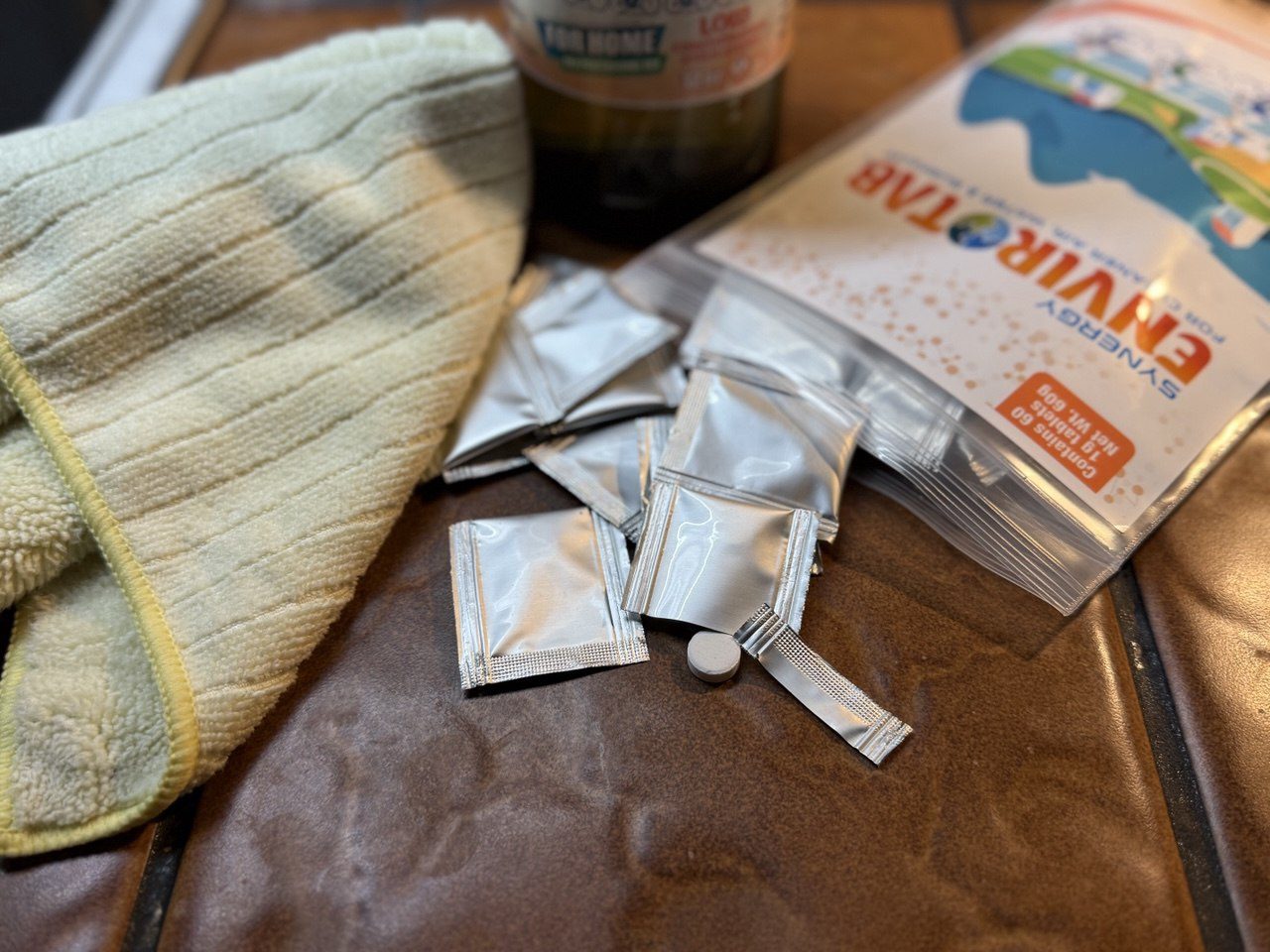
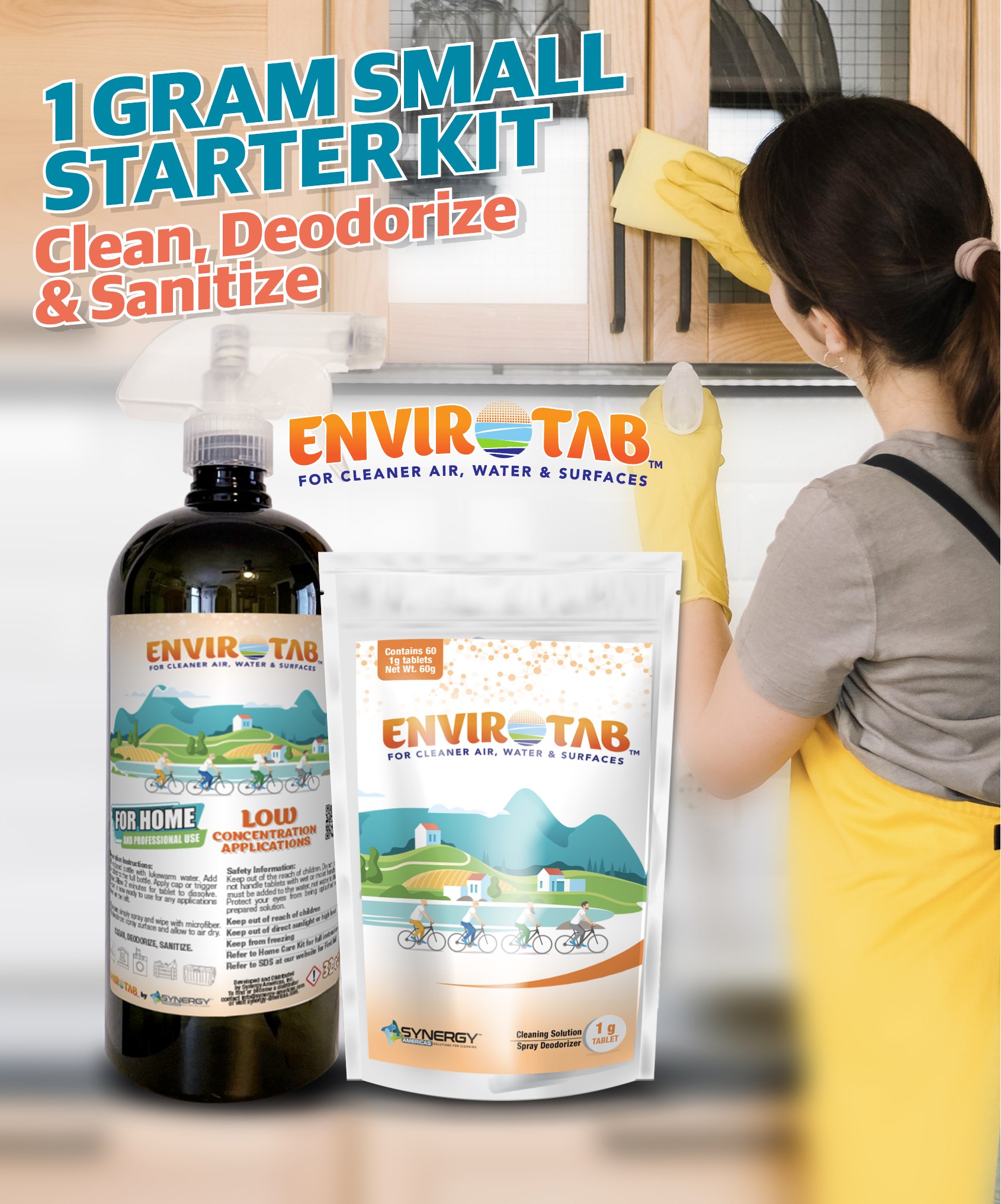
    Yes, at normal cleaning strengths, though it’s best to avoid direct wet spray on pets.

    3. Does ClO₂ produce strong fumes?

    Not at typical cleaning dilutions — much less than bleach.

    4. Will ClO₂ damage my furniture or floors?

    No — when used at recommended strength and rinsed when needed.

    5. How long should I air a room after cleaning?

    5–10 minutes of ventilation is usually sufficient.

    6. Do I need a respirator to use ClO₂ indoors?

    No — not at normal concentrations.

    7. Can I use ClO₂ in small apartments?

    Yes — just maintain basic ventilation.

    8. Can ClO₂ help with pet odor?

    Yes — ClO₂ oxidizes odor molecules, not just masks them.

    9. Is it safe near food prep areas?

    Yes — rinse if using higher concentrations.

    10. Does ClO₂ accumulate in air?

    No — it dissipates quickly once solution dries.


    Michele writes for Envirotab and synergy-americas.About the Author

    Michele Matthews creates science-forward sanitation guides for homeowners, commercial cleaners, and facility managers. Her expertise bridges practical cleaning applications with rigorous safety science, making complex chemistry accessible and useful.

  • How to Use Chlorine Dioxide Tablets for Cleaning | Mixing, Safety & Application

    How to Use Chlorine Dioxide Tablets for Cleaning | Mixing, Safety & Application

    How to Use Chlorine Dioxide Tablets for Cleaning: A Complete Scientific & Practical Guide

    Cleaning products come in every shape and scent, yet few actually solve the root problem: microbial contamination, biofilm, and odor-causing compounds. Chlorine dioxide tablets offer a modern, science-driven solution that’s safer, stronger, and more versatile than traditional cleaners. This guide shows you exactly how to use ClO₂ tablets correctly—whether you’re cleaning your home, business, equipment, tools, or high-touch surfaces.


    Understanding Chlorine Dioxide in Modern Cleaning

    Chlorine dioxide (ClO₂) is an oxidizing biocide used worldwide for sanitization, odor removal, and pathogen control. Unlike bleach or quaternary ammonium compounds (quats), it destroys microorganisms by oxidizing biomolecules, including those hidden inside biofilms, where pathogens typically shelter.

    Regulatory agencies including the EPA, CDC, and global water treatment authorities recognize ClO₂ as a powerful disinfectant for food-contact surfaces, industrial sanitation, water purification, odor mitigation, and mold remediation.

    This article breaks down how ClO₂ tablets work, how to mix them safely, how to apply them, and when to use which concentration for optimal results.


    What exactly is a biofilm? A structured microbial community encased in a self-produced matrix of polymers, adhering to surfaces.What Problem Are We Solving?

    Surfaces collect bacteria, viruses, mold spores, organic residues, grease, and odor-causing compounds. Traditional cleaners often mask or smear contaminants without truly destroying them—especially when biofilms protect microorganisms.

    ClO₂ solves this by:

    • Penetrating and oxidizing biofilm layers
    • Eliminating microorganisms at a molecular level
    • Leaving no harmful or sticky residues
    • Neutralizing odors directly instead of masking them
    • Remaining effective across a wide pH range

    This makes ClO₂ ideal for homes, businesses, food prep areas, restrooms, industrial tools, and odor-prone spaces.


    How Chlorine Dioxide Works

    Chlorine Dioxide Mechanism in a nutshell:
    ClO₂ penetrates microbial cell walls, oxidizes amino acids and vital cellular components, collapses metabolic pathways, and destroys biofilms while preventing regrowth. Because it acts via selective oxidation (not chlorination), it does not create harmful chlorinated byproducts.


    wiping door handles daily will cut down significantly on colds and fever.Why Chlorine Dioxide Tablets Are Superior for Cleaning

    ClO₂ tablets outperform bleach and quats in several key areas:

    • Powerful Broad-Spectrum Action
      Effective against bacteria, viruses, mold, mildew, and spores.
    • Biofilm Penetration
      Pierces protective layers where pathogens hide.
    • No Harmful Residues
      Evaporates cleanly — ideal for food-contact surfaces.
    • Neutralizes Odors at the Source
      Destroys odor-causing molecules rather than masking them.
    • Stable, Portable, and Easy to Mix
      Tablets produce accurate, consistent concentrations.
    • Non-Corrosive at Use Strength
      Safe for most surfaces when properly mixed.

    Step-by-Step: How to Use Chlorine Dioxide Tablets for Cleaning

    1. Gather Your Supplies

    You’ll need:

    • CLO2 tablets from Clo2Tablets.com
    • Clean container, spray bottle or mop bucket.
    • Water (distilled or tap)
    • Gloves (optional for sensitive skin)

    2. Choose Your Strength (Mixing Instructions)

    Below is the ideal quick-reference mixing table.


    Chlorine Dioxide Mixing & Dosage Table

    Cleaning Strength Tablet Size Water Amount Ideal For
    50–100 ppm (Light Cleaning) 1g 1–2 liters Daily cleaning, wiping surfaces, counters, glass, tools
    100–200 ppm (General Cleaning) 1g 1 liter Kitchens, bathrooms, odor removal, household disinfection
    500 ppm (Heavy Cleaning) 4g tablet 1 liter Mold, mildew, organic contamination, pet odors, grime
    1,000 ppm (Shock Cleaning) 4g 500 mL Severe odors, equipment sanitation, professional use

    Tip: Higher concentrations should never be used without ventilation and responsible handling.

    Low Range Test Strip BottleBuy our CLO2 testing strips for accurate measurements here 👉🏻 0-2500 ppm


    3. Allow the Tablet to Activate

    ClO₂ tablets activate in less than a minute, depending on strength.
    Solution turns amber-yellow when ready.


    4. Apply to Surfaces

    Use: Allow 5–10 minutes of surface contact time for routine cleaning, longer (10–30 minutes) for odor or contamination-heavy areas.


    5. Rinse (Only If Needed)

    Most surfaces do not require rinsing after ClO₂ use.
    Rinse only on:

    • Food-contact surfaces when using >200 ppm
    • Sensitive electronics (use minimal dampness)

    Comparison Table — ClO₂ vs. Other Cleaners

    Feature ClO₂ Tablets Bleach Quats Peroxides
    Biofilm Removal ✔️ Excellent ❌ Poor ❌ None ⚠️ Limited
    Odor Removal ✔️ Neutralizes at source ❌ Masking only ❌ Weak ⚠️ Mild
    Surface Residue ✔️ None ❌ High ❌ Sticky ✔️ Low
    Corrosiveness Low High Low Medium
    Mix Stability Very stable Unstable Stable Moderate
    Application Versatility Extremely versatile Limited Limited Moderate

    Safety, Compliance & Regulatory Notes

    • ClO₂ is recognized by the EPA as an effective disinfectant when used within regulated concentrations.
    • Safe for use on food-contact surfaces when rinsed at high concentrations.
    • Always store tablets in a dry, cool location.
    • Do not mix activated solutions with other chemicals.
    • Ventilate when using high-strength solutions (>500 ppm).

    Best Practices for Optimal Results

    • Mix fresh solutions every 48–72 hours for maximum potency.
    • Higher contamination levels require higher ppm and longer contact times.
    • Pre-clean visibly dirty surfaces before disinfecting.
    • Always allow ClO₂ to fully activate (yellow color).
    • Store unused tablets in their original packaging.

    Chlorine dioxide tablets provide powerful, residue-free cleaning through selective oxidation. Mix 50–200 ppm for daily cleaning, 500 ppm for heavy contamination, or 1,000 ppm for shock treatments. Apply via spray or cloth, allow 5–10 minutes contact time, and rinse only on food-contact surfaces when using high concentrations. Safe, stable, and effective on odors, bacteria, mold, and biofilms.


    1g Small Starter Kit PanelFrequently Asked Questions

    1. How long does chlorine dioxide stay active once mixed?

    Typically 48–72 hours when stored in a sealed container away from sunlight.

    2. Do ClO₂ tablets leave residue?

    No — they evaporate cleanly and leave surfaces residue-free.

    3. Can I use ClO₂ on food-contact surfaces?

    Yes, but rinse if you used concentrations above 200 ppm.

    4. Is ClO₂ safe around pets?

    Yes when used correctly and allowed to dry before pets re-enter the area.

    5. Does it discolor fabrics?

    No — unlike bleach, ClO₂ is non-chlorinating and non-bleaching.

    6. Can I mix ClO₂ with bleach or peroxide?

    Never mix ClO₂ with other chemicals.

    7. Does ClO₂ remove mold?

    Yes. Higher ppm solutions (500–1,000) penetrate and oxidize mold and mildew.

    8. Does it eliminate odors permanently?

    Yes — ClO₂ chemically destroys odor molecules.

    9. What happens if the solution doesn’t turn yellow?

    Either the activation time isn’t complete or the water quality interfered. Wait longer or use a clean container.

    10. Can I store activated solution?

    Yes for up to 72 hours, though potency slowly declines.


    Call to Action

    Upgrade your cleaning routine with professional-grade chlorine dioxide tablets from Clo2Tablets.com. Whether you need daily cleaning strength or powerful odor-removal concentrations, our tablets deliver dependable, science-backed results every time.


    Michele writes for Envirotab and synergy-americas.About the Author

    Michele Matthews creates scientific, practical sanitation guides for commercial and residential cleaners. Her work focuses on chlorine dioxide chemistry, industrial hygiene workflows, odor-remediation science, and environmental safety best practices.

  • How to Clean Your Electric Tea Kettle | Remove Mineral Buildup & Restore Flavor

    How to Clean Your Electric Tea Kettle | Remove Mineral Buildup & Restore Flavor

    How to Clean Your Electric Tea Kettle (and Protect the Flavor of Every Beautiful Cup of Tea)

    Did you know that tea was a happy mistake that is over 2700 years old?Did you know that tea has one of the most fascinating histories of any beverage. According to legend, it was discovered in 2737 BCE when dried leaves accidentally blew into Emperor Shen Nong’s boiling water — a happy mistake that launched thousands of years of tea culture. Archaeologists even found tea leaves buried with Emperor Jing of Han, proving tea was enjoyed by royalty over 2,000 years ago. The world’s most expensive tea, Da-Hong Pao, can sell for over $1 million per kilogram, making it literally worth more than gold. From ancient rituals to modern mugs, tea has always been a treasure.

    Tea has a way of slowing life down. There’s something comforting about listening to that soft rumble as the kettle warms, feeling the steam rise, and finally taking that first sip. Whether you’re a full–blown tea connoisseur who can identify delicate notes of jasmine or bergamot, or you simply enjoy a quiet cup before the world wakes up, the experience depends on more than just good tea leaves.

    It depends on the water
    And the truth is… your electric tea kettle might be quietly sabotaging your tea.

    If your kettle has mineral rings, chalky buildup on the bottom, white flakes floating in the water, or a slightly “metallic” smell that wasn’t there before — your tea is already paying the price.
    Fortunately, restoring your kettle to its pristine, tea-honoring glory is easier than you think. And you don’t need harsh chemicals or aggressive scrubbing. A chlorine dioxide cleaning tablet handles the dirty work for you, leaving your kettle fresh, clean, and ready to brew something delicious.


    The Secret Influence Your Tea Kettle Has on Flavor

    Tea drinkers know that flavor is delicate. High-quality teas — the ones with floral, earthy, woody, or fruity notes — can shift dramatically depending on water purity. Even casual tea drinkers notice when something tastes “off,” “flat,” or strangely bitter.

    Mineral buildup inside a kettle does far more than look unpleasant:

    • It changes the mineral balance of the water itself.
    • Scale can introduce metallic or chalky flavors.
    • Deposits cause uneven heating, which affects extraction.
    • Biofilm (yes, it forms even in kettles) can create odor contamination.

    Tea enthusiasts spend good money on loose-leaf blends, herbal infusions, green teas, and specialty oolongs. But if the water comes from a kettle coated with scale, the most exquisite tea becomes mediocre. Imagine pairing an expensive wine with a plastic cup — technically it works, but it doesn’t honor the experience.

    A clean kettle brings the water back to neutral — pure, balanced, flavorless — the ideal canvas for your tea.


    Why Electric Tea Kettles Build Up Mineral Deposits

    Most households and small businesses use water that contains a mix of dissolved minerals such as:

    • Calcium
    • Magnesium
    • Silica
    • Iron trace minerals

    When the kettle heats water, these minerals separate and harden into the chalky, crusty layer commonly known as “scale.” Over time, scale can:

    • Form thick white or brown patches
    • Create cloudy films along the inner walls
    • Slow the kettle’s heating efficiency
    • Reduce the lifespan of the heating element
    • Make water taste metallic, stale, or dusty

    If you run a small café, spa, boutique hotel, or office breakroom, a poorly maintained kettle isn’t just a nuisance — it affects customer experience. And if you’re brewing tea for yourself at home, it can dull the magic of a peaceful moment.

    Luckily, you can easily reverse all of this.


    Traditional Ways People Try to Clean Mineral Buildup — and Why They Fail

    Most households (and plenty of small businesses) fight mineral deposits using whatever’s already in the pantry: vinegar, lemon juice, baking soda, citric acid — the usual suspects. They can help a little, but they rarely solve the deeper problem. Here’s why.


    1. Vinegar

    Vinegar is the go-to method because it’s cheap and mildly acidic, so it dissolves surface minerals.

    Why it falls short:

    • It only removes the top layer of scale.
    • Thick chalky rings often stay behind, especially in hard-water areas.
    • It does nothing to break down biofilm, the invisible slimy layer bacteria create that traps new minerals.
    • The smell lingers inside the kettle — and no one wants vinegar-steamed tea.
    • Repeated vinegar use can wear down rubber seals in some appliances.

    Result:
    The buildup comes back fast, sometimes within just a few boil cycles.


    2. Lemon Juice

    A natural acid that smells better than vinegar and loosens light deposits.

    Why it falls short:

    • It’s too weak for dense scale.
    • It doesn’t sanitize.
    • It can’t penetrate stubborn mineral layers.
    • It leaves a sticky residue if not rinsed thoroughly.

    Result:
    Great for freshening, not great for true descaling.


    3. Baking Soda

    People love it because it deodorizes and feels safe, but baking soda is alkaline — the opposite of what dissolves mineral scale.

    Why it falls short:

    • It doesn’t dissolve minerals at all.
    • It can actually react with mineral deposits to create a gritty paste that’s harder to rinse out.
    • It also has zero sanitizing power.

    Result:
    Your kettle might smell better… but it won’t be cleaner.


    4. Citric Acid Powder

    Citric acid is stronger than lemon juice and more effective at loosening scale.

    Why it falls short:

    • It still won’t tackle biofilm.
    • It struggles with thick, layered mineral buildup.
    • It doesn’t neutralize odors.
    • Multiple treatments are often needed.

    Result:
    Better than vinegar, but still incomplete.


    5. Harsh Chemical De-scalers

    Some people use commercial descaling liquids meant for coffee machines.

    Why they fall short:

    • Many contain corrosive chemicals that aren’t ideal for kettles with exposed heating elements.
    • They smell strong and require excessive rinsing.
    • They sanitize somewhat but still don’t break through biofilm effectively.

    Result:
    They work, but they’re messy, smelly, and not always kettle-safe.


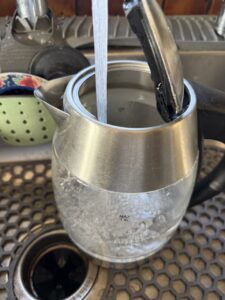
    Traditional methods fail to properly clean the minerals out of tea pots, souring the beautiful flavors of the tea leaves.So What’s the Real Problem With These Methods?
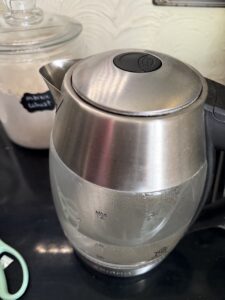
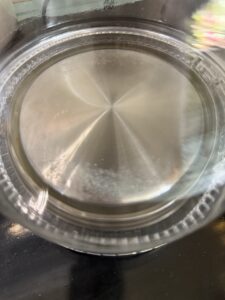
    Traditional cleaners — even acidic ones — only address mineral scale, not the biofilm underneath.
    Biofilm is the thin, invisible layer where bacteria cling and minerals reattach. If you don’t break it down:

    • scale returns
    • odors return
    • discoloration remains
    • heating efficiency drops again

    Think of biofilm like double-sided tape:
    You can peel off the outer stuff, but if the sticky layer stays behind, everything sticks right back on.

    That’s why you clean your kettle… and the buildup comes back like it never left.


    Why Chlorine Dioxide Succeeds Where Others Fail

    Chlorine dioxide penetrates both:

    • the mineral layers
    • the biofilm underneath

    It oxidizes the residue at a molecular level, leaving surfaces clean, odor-free, and smooth — so minerals have nothing to cling to next time.

    It’s not just cleaning.
    It’s resetting the kettle to like-new condition.


    How to Clean Your Electric Tea Kettle Using a Chlorine Dioxide Tablet

    This method is safe, simple, and highly effective because chlorine dioxide (CLO₂) works differently than vinegar, citric acid, or typical de-scalers. It penetrates mineral buildup, dissolves biofilm, neutralizes odors, and sanitizes surfaces — all without the harshness of bleach or fumes.

    Let’s walk through it step by step.


    Let the Kettle Cool and Empty It Completely You will be able to see the mineral deposit build up on the bottom very easily at this point.

    Step 1 — Let the Kettle Cool and Empty It Completely

    Unplug the kettle and make sure it’s not warm. Pour out any remaining water.
    This ensures the cleaning tablet dissolves evenly and safely.

    You will be able to see the mineral deposit build up on the bottom very easily at this point.


    Fill the Kettle Halfway with Warm Water

    Step 2 — Fill the Kettle Halfway with Warm Water

    Warm water activates the tablet faster, helping it dissolve evenly and boosting cleaning strength.
    Avoid boiling water — that’s too hot and unnecessary.


    All you need is 1 gram tablet of CLO2 to remove months of mineral build up. Drop in One Chlorine Dioxide Cleaning Tablet and let it dissolve

    Step 3 —Drop in One Chlorine Dioxide Cleaning Tablet

    A 1 gram CLO₂ tablet begins working immediately. As it dissolves, it releases active oxygen that breaks apart:

    • Mineral scale
    • Cloudy deposits
    • Tea tannin stains
    • Biofilm layers
    • Odors and organic residue

    You don’t need to stir. You don’t need to scrub.
    Just let the science do the heavy lifting.

    🛒Buy your 1gram tablets today!


    set a timer for 5 minutes and let sit.

    Step 4 — Let the Kettle Soak for 5 Minutes

    This is the part where the magic happens. You may even see bits of scale lifting and floating upward — a strangely satisfying sight.
    For severe buildup, you can let it soak longer without damaging the kettle.

    If this is the first time and you have heavy build up I would suggest 20 – 30 minutes to soak.


    Dump the Solution and Rinse Thoroughly Rinse thoroughly.

    Step 5 — Dump the Solution and Rinse Thoroughly

    Pour out the solution and rinse several times with fresh water.
    If any loose mineral flakes remain, they’ll wash right out.


    Wipe Away Remaining Residue

    Step 6 — Wipe Away Remaining Residue

    If you’ve had years of scale buildup, use a soft cloth or sponge to wipe the interior.
    No abrasives. No metal scrapers.
    The tablet already loosened everything — consider this just a finishing touch.


    Do a Fresh-Water Boil and Pour It Out This final step resets the kettle and prepares it for perfect, flavor-neutral brewing.

    Step 7 — Do a Fresh-Water Boil and Pour It Out

    Fill the kettle with clean water, bring it to a boil, then discard it.
    This final step resets the kettle and prepares it for perfect, flavor-neutral brewing.

    Your kettle is now:

    • Clean
    • Descaled
    • Odor-free
    • Sanitized
    • Ready to bring out the true character of your tea

    👉🏼Also Read How to Clean a Keurig with a 1-Gram ClO₂ Tablet | Fast, Safe & No Aftertaste


    A Cozy Little Tea Moment (Because Cleaning Should Also Inspire Brewing)

    Imagine this: It’s early morning. The house is quiet. You fill your newly cleaned kettle, and instead of that faint metallic smell, all you notice is the soft scent of steam. You scoop your favorite loose-leaf tea — maybe something fruity, maybe something deep and earthy — and as it steeps, the aroma fills the room in a way it hasn’t in months.

    Tea lovers know the nuances: grassy green teas, buttery oolongs, floral whites, smokey lapsang souchong.
    Some can taste mineral notes. Some detect the terroir — the soil and climate where the leaves grew. Some can even tell the difference between spring and autumn harvests.

    But no matter how sophisticated (or simple!) your tea preferences are, one truth remains beautifully universal:

    If your water isn’t clean, your tea can never reach its full potential.

    A clean kettle brings back those delicate flavors — the crispness, the clarity, the purity — letting every tea leaf shine exactly the way nature intended.


    How Often Should You Clean Your Tea Kettle?

    For home use:
    Every 2-4 weeks depending on your water hardness.

    For small businesses:
    Weekly is ideal, especially for cafés, salons, spas, and offices where the kettle runs multiple times a day.

    For hard-water regions:
    You may need light descaling every 5–7 days.
    (Your kettle will start telling you — heating slows, and white spots return.)


    Why CLO₂ Tablets Beat Vinegar or Citric Acid

    Vinegar leaves a strong smell and often requires repeat rinsing.
    Citric acid is gentler but doesn’t fully sanitize or break down biofilm.

    Chlorine dioxide offers a deeper, more complete clean because:

    • It destroys odor-causing molecules
    • Breaks apart tough mineral scale
    • Penetrates microscopic layers of residue
    • Sanitizes without corrosive bleaching
    • Leaves no aftertaste

    Your kettle returns to “like new” condition — fast.


    Small Business Bonus: Impress Customers With Better Tea & Coffee

    If you’re in hospitality, a clean kettle means:

    • Better tasting customer beverages
    • Longer appliance lifespan
    • Improved sanitation standards
    • Fewer complaints about “odd tasting water”

    It’s a tiny maintenance task with a surprisingly large impact on customer satisfaction.


    Conclusion

    Tea is one of life’s simplest pleasures — and it deserves clean, pure water. With a quick soak using a chlorine dioxide cleaning tablet, your kettle stays bright, odorless, scale-free, and fully ready to elevate every cup you brew. Whether you’re making tea for yourself, your family, or your customers, a clean kettle protects flavor, supports appliance health, and turns every sip into something worth savoring.

    And now that your kettle is freshly refreshed… what tea are you brewing next?

    🛒Buy your 1gram tablets today!


    10 Frequently Asked Questions 

    Tea drinkers know that flavor is delicate. High-quality teas — the ones with floral, earthy, woody, or fruity notes — can shift dramatically depending on water purity. Even casual tea drinkers notice when something tastes “off,” “flat,” or strangely bitter.1. Can I use chlorine dioxide tablets in stainless steel kettles?
    Yes! CLO₂ is safe for stainless steel, glass, silicone, and most modern kettle interiors.

    2. Will the tablet leave a smell or taste?
    No — once rinsed and boiled once, your kettle will be neutral and clean.

    3. Is this safe for kettles with heating elements inside?
    Yes. The solution works on internal elements without harming them.

    4. How often should I descale my kettle?
    Most households: every 1–2 weeks.
    Heavy use or hard water: weekly.

    5. Is CLO₂ better than vinegar?
    It removes odors, biofilm, and heavy scale more completely — without the lingering vinegar smell.

    6. Can this method help with rust spots?
    It can lighten them if they’re mineral-related, but true corrosion needs manufacturer care.

    7. Will it sanitize my kettle?
    Yes — CLO₂ is an excellent sanitizer for surfaces and food-contact appliances.

    8. Can I use cold water instead of warm?
    Yes, but warm water helps dissolve the tablet faster.

    9. Can I soak it overnight?
    Absolutely — it won’t harm the kettle and may help with severe buildup.

    10. Is this safe for households with children and pets?
    Yes, as long as tablets are used according to instructions and stored out of reach.

  • How to Clean a Keurig with a 1-Gram ClO₂ Tablet | Fast, Safe & No Aftertaste

    How to Clean a Keurig with a 1-Gram ClO₂ Tablet | Fast, Safe & No Aftertaste

    Exposure to contaminated waterWhen Was the Last Time You Cleaned Your Keurig?
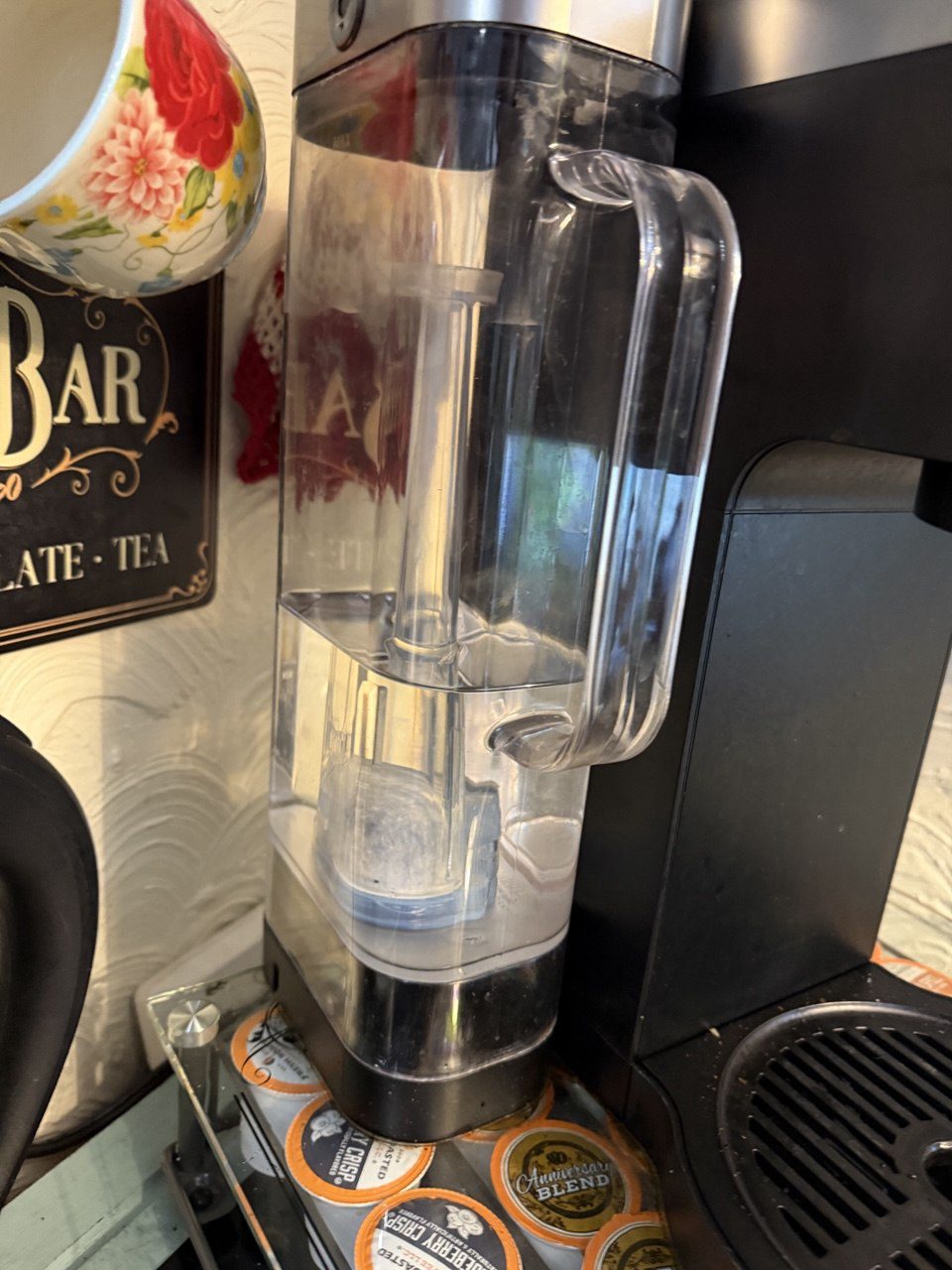
    Most of us don’t even think about it. We push the button, hear the familiar whirr, grab that warm cup of motivation, and carry on with our day.
    Then — weeks later — that little “DESCALE” light blinks at us like a disappointed teacher. Guilty? Probably. Surprised? Maybe. Motivated? Rarely.

    But here’s the part hardly anybody talks about: the water sitting inside your Keurig, coffee pot, or tea kettle doesn’t stay as fresh as you think. When water sits stagnant inside those narrow waterlines, a type of bacteria known as Pseudomonas aeruginosa can begin to grow. It thrives in moist, low-light environments — like, you guessed it, your coffee machine’s tubing.

    What can it cause?
    Symptoms can range from mild to “am I dying?” depending on immune health. These may include nausea, vomiting, fever, diarrhea, and even respiratory irritation. The medical costs of treating persistent bacterial infections can easily set the average person back months financially — and all because of something as simple as… not cleaning the coffee maker.

    Hot Water Isn’t Doing What You Think It’s Doing

    There’s a common myth floating around kitchens everywhere.

    “If hot water runs through it every day, it has to be clean… right?”

    Not quite.

    Coffee makers spend far more time cool than hot. And when the water cools, those tiny mineral deposits, coffee oils, and biofilms cling to the inside of the lines like they’re building a microscopic campsite.
    Add lingering moisture, and suddenly you’ve created the perfect Airbnb for bacteria.

    Mineral buildup can also coat the heating elements, meaning your machine can’t heat properly — which affects not just safety, but taste, flavor strength, and the life of the machine.

    A Quick Reality Check

    Every single day, every one of us — whether we’re wealthy or scraping by, living in a high-rise or on a small farm — reaches for a hot drink. Coffee, tea, cocoa, broth. It’s universal.

    And that universal habit means we’re all equally vulnerable to dirty machines.

    Which brings us to the good news…


    The Simple Solution: Cleaning Your Keurig with a 1-Gram ClO₂ Tablet

    You don’t need harsh chemical de-scalers.
    You don’t need boiling vinegar (or the week-long vinegar aftertaste in your cup).
    You don’t need to be a mechanic, plumber, or scientist.

    A 1-gram chlorine dioxide (ClO₂) tablet, like Envirotab, makes it a fast, gentle, non-corrosive cleaning process with zero aftertaste and no leftover chemicals.

    Step-by-Step: How to Clean a Keurig Using Envirotab

    This is the “you can do this before work” version:

    Empty the water reservoir.

    1. Empty the water reservoir.
    Dump out any old water.


    Remove the water filter.

    2. Remove the water filter.
    Completely remove the inside water filter and set aside.


    Fill the reservoir with fresh warm water

    3. Fill the reservoir with fresh warm water.
    Warm helps the tablet dissolve faster, but cold works too.


    Drop in ONE 1-gram Envirotab tablet Let it fully dissolve. You will know it's activated because of the tiny bubbles it will make when it starts dissolving ClO₂ activates into a solution that breaks down biofilm, bacteria, and mineral residue

    4. Drop in ONE 1-gram Envirotab tablet.
    Let it dissolve fully.


    Remember to remove the brew pods or coffee filters Remember to remove the brew pods or coffee filters

    5. Run the machine without a pod.
    Remember to remove the brew pods or coffee filters. We don’t want to do a cleaning and realize we forgot to remove these items.


    Run the machine on full pot brew mode, 12 cups.
    12 Cups Full Pot Brewing
    2minutes
    2 Minutes in cleaning mode
    5Minutes
    5 minutes in cleaning mode.
    7 minutes
    7 minutes in cleaning mode

    6. Run the machine of full pot brew (12 cups).
    This method takes only 10 minutes. If it’s been a while I will stop the brew half way through and let it sit for 5minutes to really get that deep clean in those lines.


    Once it's done it's cleaning mode I dump it into a clean bowl to see how much "Yuck" comes out of my machine.

    7. Check to see how “dirty” your machine is.
    Once it has finished it’s clean mode, I pour the “dirty” water into a bowl so I can see if I should clean it again.


    Now run a clean tank of water for a final rinse.

    8. Run a full tank of clean water through for a rinse.
    Now just fill the tank again and run one last time. This will only take 10 minutes.


    Don't forget to change your filter.

    I wouldn't want this in my clean coffee machine, would you?
    Yikes! Don’t want that going through my clean coffee machine!
    Soak your filter to remove charcoal.
    First Soak
    rinsing your filter till it comes clean is important.
    Second soak.
    When it finally rinses with no color in the water it is safe to use.
    Finally Clean and ready to use!

    9. Don’t forget to change your filter.
    Now is a good time to change out your filter. If it’s a charcoal filter, don’t forget to rinse it till the water is clear. You don’t want your coffee or tea tasting like charcoal!


    Give the tank a good scrub to get the yuck out of the bottom.

    10. Now that it’s rinsed dump out the leftover water in the reservoir and give it a good scrub .
    Even though you think just water is in these little tanks, they do collect slug on the bottom. Give the tank a good scrub.


    put your clean filter back in.

    11. Fill with clean water and put your filter back in .
    After scrubbing, fill the tank with clean water and put your clean filter back in.


    Now is a good time to clean the exterior of the machine.

    12. Give the whole machine a good spray down.
    Now is a good time to clean the exterior of the machine. I use the Envirotab starter kit in my kitchen on everything!


    Enjoy a fresher, safer cup. You’ve just cleared out bacteria, mineral buildup, and machine funk in under 10 minutes.

    13. Enjoy a fresher, safer cup.
    You’ve just cleared out bacteria, mineral buildup, and machine funk in under 10 minutes!


    Why ClO₂ Works So Well

    Chlorine dioxide is widely used in hospitals, food processing plants, and water treatment because it destroys bacteria and biofilm without damaging equipment.
    It doesn’t leave residue, it doesn’t corrode, and it doesn’t cling to plastic or metal like vinegar or traditional cleaners.

    Think of it as a tiny, polite but extremely efficient cleaning crew for your Keurig’s insides.


    The Story Comes Full Circle

    We all love our morning ritual, and keeping your coffee or tea machine clean shouldn’t feel like a chore or a chemistry exam.
    When buildup grows inside your machine, it quietly affects your health, wallet, and the taste of the drink you look forward to every day.

    A single 1-gram ClO₂ tablet solves that problem without effort, without harsh chemicals, and without the dreaded vinegar aftermath.

    Conclusion

    Keeping your Keurig clean shouldn’t feel like a chore, a chemistry lab assignment, or something that only matters once a warning light flashes at you. Your daily cup of coffee or tea deserves better — and so does your health. When bacteria, mineral buildup, and stale water start taking over the inside of your machine, it quietly affects flavor, safety, and even the life of the appliance.

    The good news is you don’t need fancy tools, messy vinegar tricks, or expensive store-bought chemicals to fix the problem. A single 1-gram ClO₂ tablet does the hard work for you — fast, safely, and without leaving a trace. It reaches the spots you can’t scrub, breaks down the grime you can’t see, and restores your machine to the fresh, clean state it should’ve been in all along.

    Whether you drink one cup a month or three cups a morning, this tiny step keeps your routine healthier, your machine happier, and your coffee tasting the way it was meant to. A cleaner cup really does start with a cleaner machine — and now you’ve got the simplest way to make it happen.

    Your future cup will thank you.


    10 Frequently Asked Questions About Cleaning a Keurig with 1-Gram ClO₂ Tablets

    1. What exactly is a 1-gram ClO₂ tablet?

    A 1-gram chlorine dioxide tablet is a tiny dissolvable tablet that activates in water to create a powerful cleaning and sanitizing solution. It’s not chlorine bleach, and it isn’t harsh or corrosive. It’s actually used in hospitals, food plants, and even municipal drinking water systems because it kills bacteria, wipes out biofilm, and breaks down residue — all without damaging equipment or leaving a chemical taste behind.


    2. Is chlorine dioxide safe to use in a coffee maker?

    Yes — when used at the proper dilution (like dropping one tablet into a full Keurig water reservoir), it is safe and extremely effective. ClO₂ doesn’t stick to surfaces or leave residue, and after a quick rinse cycle your machine is ready to brew. It’s much gentler than vinegar or commercial de-scalers that leave strong odors or aftertastes.


    3. Will ClO₂ change the taste of my coffee afterward?

    Not at all. One of the biggest perks of ClO₂ is that it doesn’t leave behind any flavor, smell, or chemical film. After running a rinsing cycle with fresh water, your next cup tastes clean and normal — not sour, tangy, or “chemical” like with vinegar or store-bought cleaners.


    4. How often should I clean my Keurig?

    A good rule of thumb is every 2–4 weeks, depending on how often you use it. If you’re a multiple-cups-a-day person, monthly cleaning keeps your water lines clear and prevents bacteria from settling in. If you only use it occasionally, every 4–6 weeks is fine. Cleaning consistently also extends the life of your machine.


    5. Can bacteria really grow inside a coffee maker?

    Yes — and it happens more often than people realize. Water sitting inside the internal lines, especially overnight or for days at a time, becomes stagnant. Bacteria like Pseudomonas aeruginosa thrive in moist, dark tubing. Add mineral buildup, leftover coffee oils, and warm/cool cycles, and it becomes a perfect environment for biofilm to grow.


    6. Isn’t hot water enough to keep my Keurig clean?

    Hot water only passes through the machine for a few seconds. The rest of the time the internal water sits cool and stagnant. Bacteria and minerals aren’t bothered by brief heat; they attach to the wall of the tubing and hang on. That’s why you still need a periodic cleaning solution that can break up buildup and sanitize the inside.


    7. How long does the cleaning process take?

    About 10 minutes total.
    Drop in the tablet → Let it dissolve → Run cycles → Rinse.
    It’s much faster than vinegar (which can take hours) and way quicker than the process recommended by many chemical descalers. You can literally do it while getting ready for work.


    8. Will this help with slow brewing or weak coffee?

    Yes — mineral buildup often restricts water flow and prevents proper heating. When ClO₂ clears the lines and dissolves residue inside the heating element chamber, your machine can push water through normally again. That means stronger brews, better temperature, and a faster drip.


    9. Can I use the same tablet to clean other appliances?

    Absolutely. A 1-gram ClO₂ tablet works great for:
    • Tea kettles
    • Drip coffee makers
    • Iced tea machines
    • Water pitchers
    • Reusable water bottles
    • Humidifiers
    • Ice machines
    Anywhere water sits, bacteria and mineral buildup can form — and ClO₂ wipes it out quickly.


    10. Do I need to take my Keurig apart to clean it?

    Nope. That’s the beauty of this method. The ClO₂ solution flows through the internal lines and sanitizes the hard-to-reach places you can’t take apart. You may still want to wipe down the removable drip tray and pod holder, but the water-line cleaning happens automatically when you run the brew cycles.