Author: Michele Matthews

  • Ways to Prevent Persistent Odors From Returning for Good In 2026

    Ways to Prevent Persistent Odors From Returning for Good In 2026

    Making Sure Odors Stay Away In 2026

    Your home is your sanctuary. It should smell clean, calm, and unmistakably healthy.
    Yet nothing breaks that illusion faster than conquering an odor—only to have it creep back days later like it never got the memo.

    Here’s the truth that still holds in 2026:

    The presence of an odor is the presence of a problem.

    Odor behaves like the check engine light of your home. You can ignore it. You can cover it up. But it will not turn off until the underlying issue is addressed. And just like your car, homes now require preventative maintenance, not emergency reactions.

    The good news? With modern IAQ (Indoor Air Quality) strategies, advanced chlorine dioxide technology, and smarter household habits, odors don’t have to be recurring guests.

    Below are the 2026-aligned, science-supported ways to stop odors from returning—permanently.


    1. Prioritize Continuous Air Circulation, Not Just “Fresh Scents”

    Fresh air is not a luxury—it’s a necessity for odor prevention.

    Opening windows and doors regularly allows stale, odor-laden air to escape and brings in oxygen-rich outdoor air. This simple habit dramatically reduces the concentration of airborne odor-causing compounds.

    For days when outdoor airflow isn’t practical, fans and modern air circulation systems keep air moving so odor molecules don’t stagnate and settle into fabrics, walls, and soft surfaces.

    Scented candles and air fresheners may provide temporary relief, but in 2026 they are widely recognized as masking agents—not solutions. Overuse can actually worsen indoor air quality by adding VOCs (volatile organic compounds) into the environment.

    Rule of thumb:
    If something needs to be covered up, it hasn’t been resolved.

    Also Read 👉🏼Winter IAQ Solutions: Stop Wood Smoke, Dry Air & Stale Indoor Odors

    a woman opening curtains with a smiling face.


    2. Build Daily Cleaning Into Your Odor-Prevention Strategy

    Odors don’t start as smells.
    They start as bacteria, mold spores, and organic residue.

    Daily cleaning routines—wiping surfaces, removing food debris, managing laundry—interrupt odor formation before it begins. Consistency matters more than intensity.

    Modern chlorine dioxide (ClO₂) cleaning solutions are particularly effective because they neutralize odor-causing microbes at the molecular level instead of simply disinfecting surfaces.

    Using microfiber cloths enhances this process by reaching microscopic surface imperfections where bacteria and mold love to hide.

    In 2026, the goal is no longer “clean enough to look good.”
    It’s clean enough to disrupt microbial ecosystems.


    3. Control Moisture to Eliminate Mold and Mildew Odors at the Source

    Moisture is the silent enabler of persistent odor problems.

    Mold and mildew thrive in damp environments—bathrooms, kitchens, basements, crawl spaces—and once established, they continuously emit musty odors even after visible growth is removed.

    Dehumidifiers help maintain optimal humidity levels, while prompt repairs of leaks, drips, and condensation prevent moisture accumulation in the first place.

    Targeted chlorine dioxide mold-remediation products go a step further by destroying mold spores and preventing regrowth, rather than simply cleaning visible residue.

    Dry air is hostile air—to mold.

    Also Read 👉🏼Mold Remediation in Crawl Spaces | Identify, Remediate & Protect with ClO₂


    4. Manage Pet Hygiene as an IAQ Issue, Not a Cosmetic One

    Pet odors are not “just part of having animals.”
    They are biological odors caused by bacteria, dander, oils, and moisture.

    Regular pet bathing, brushing, and bedding sanitation dramatically reduce odor load. In controlled concentrations, chlorine dioxide solutions (such as 100 ppm formulations) are safe and effective for neutralizing pet-related odors without masking or irritation.

    Cleaning pet bedding and toys with fragrance-free, biodegradable detergents prevents odor buildup while protecting sensitive respiratory systems—both human and animal.

    In 2026, pet-friendly homes are defined by odor neutrality, not perfume.


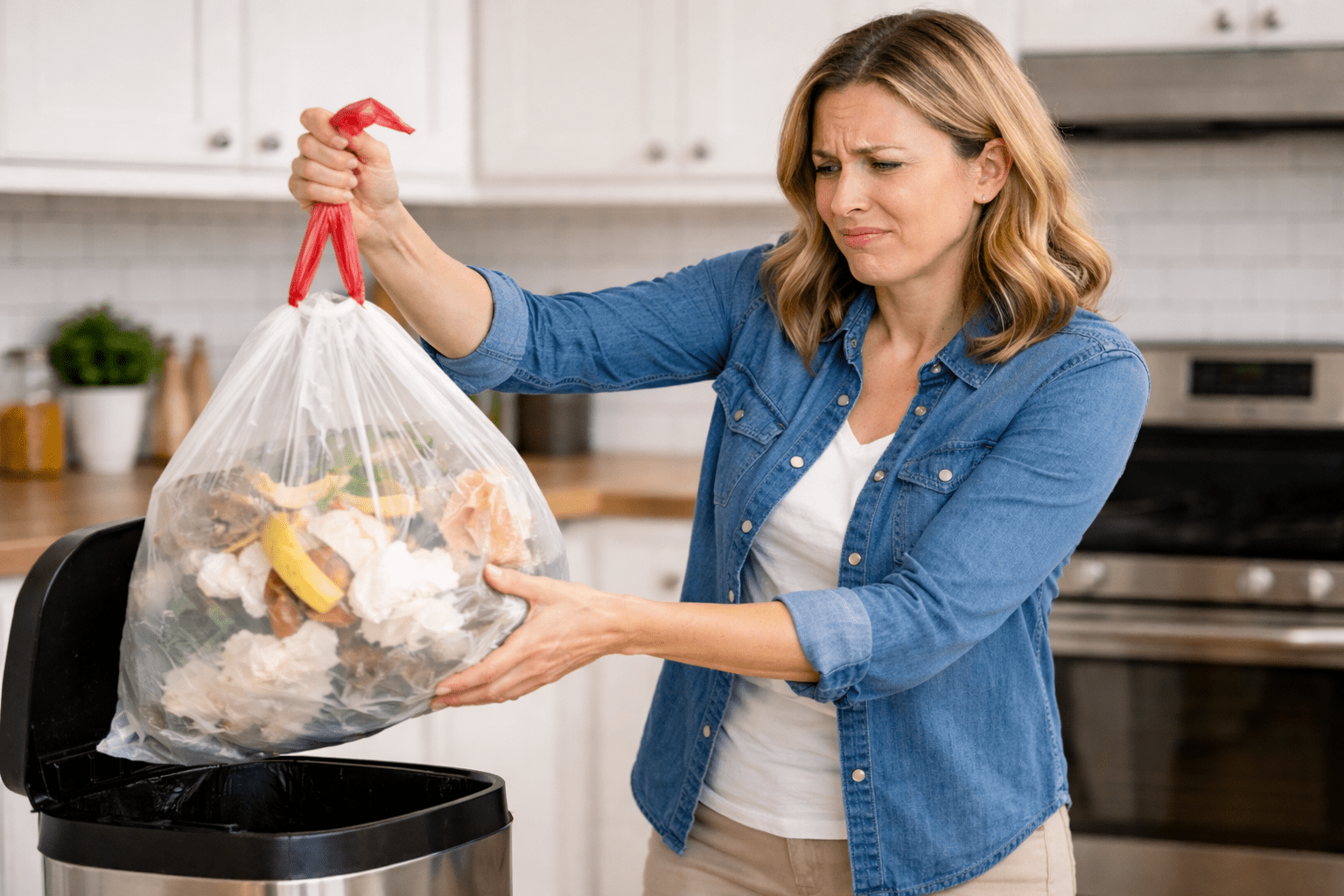
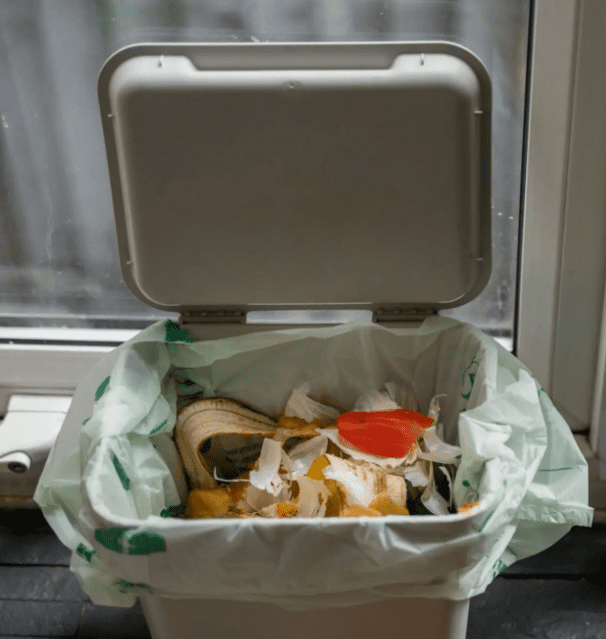
    5. Dispose of Garbage Strategically—Not Passively

    Using CLO2 on your trash can can not only kill the odor but also break down the biome that is creating the odor.

    Trash odors escalate quickly because decomposing organic matter produces sulfur compounds and microbial gases.

    Best practices include:

    • Prompt disposal after meals
    • Sealing trash bags before removal
    • Routine cleaning of trash cans and surrounding areas

    Chlorine dioxide tablets are especially effective here, as they eliminate odor-causing microbes rather than layering fragrance on top of decay.

    Odors ignored in waste areas rarely stay contained.


    6. Designate and Maintain Smoking Areas With Intentional Remediation

    Smoke and nicotine residues are notoriously persistent. They bond to walls, fabrics, ceilings, and ventilation systems.

    Designated smoking areas reduce cross-contamination, but only if those areas are actively cleaned and remediated. Chlorine dioxide products are uniquely effective at breaking down nicotine residues and smoke-related soils at the molecular level.

    In 2026, smoke odor management is about containment, neutralization, and prevention—not ventilation alone.

    Also Read 👉🏼Why Does My Leather Sofa Smell & How Do I Get Rid of It for Good?


    7. Use ClO₂ Tablets and Granules in High-Risk Odor Zones

    Certain areas act as odor reservoirs: closets, basements, storage rooms, trash areas, and utility spaces.

    Dissolving a 1-gram Envirotab tablet in water and allowing it to off-gas safely creates a powerful, residue-free deodorization environment that works without introducing new fragrances.

    Chlorine dioxide is effective precisely because it does not smell like a “cover-up.”
    It eliminates the problem rather than announcing its presence.


    8. Improve Whole-Home Air Quality With Modern Air Purification

    Air purifiers are no longer optional accessories—they are foundational IAQ tools.

    High-quality systems remove airborne particulates, allergens, microbial fragments, and odor molecules before they settle. Granule and powder deodorization technologies add another layer by absorbing persistent odors in larger spaces.

    Clean air smells like…nothing.
    That’s the goal.


    9. Schedule Periodic Inspections to Catch Hidden Odor Sources Early

    Some odor problems are invisible.

    Leaks behind walls, microbial growth in HVAC systems, or organic buildup in rarely accessed spaces can quietly sabotage your efforts. Periodic professional inspections—often using tools like UV or black-light detection—identify problems before odors become entrenched.

    Addressing issues early is always easier, healthier, and less expensive than reactive remediation.


    Take Back Your Home—And Keep It That Way

    A consistently fresh-smelling home isn’t achieved through one-time fixes.
    It’s built through systems, habits, and preventative strategies that work together to maintain healthy indoor air.

    In 2026, odor control is no longer about fighting smells.
    It’s about engineering an environment where odors can’t survive.

    When the source is addressed, the smell doesn’t return—and your sanctuary stays exactly that.

    FAQS

    1. Why do household odors keep coming back after cleaning?
    Household odors return when the underlying source—such as bacteria, mold, moisture, or trapped organic residue—was not fully eliminated. Cleaning alone removes surface soil but may not neutralize odor-causing microbes.

    2. What is the most effective way to prevent persistent odors?
    The most effective approach is source control combined with airflow management, moisture regulation, and microbial neutralization using technologies like chlorine dioxide.

    3. Are air fresheners effective for long-term odor control?
    No. Air fresheners only mask odors temporarily and can add VOCs to indoor air. Long-term odor control requires eliminating the odor source rather than covering it.

    4. How does moisture contribute to recurring odors?
    Excess moisture allows mold and bacteria to grow, which continuously release odor-causing compounds. Controlling humidity prevents these organisms from thriving.

    5. Can chlorine dioxide permanently remove odors?
    Yes. Chlorine dioxide neutralizes odor-causing microbes and organic compounds at the molecular level, preventing odors from returning when used correctly.

    6. Are pet odors preventable without strong fragrances?
    Yes. Regular pet hygiene, bedding sanitation, and microbial odor control eliminate pet odors without relying on perfumes or masking agents.

    7. How often should air purifiers be used to control odors?
    Air purifiers should run daily, especially in high-traffic or enclosed spaces, to continuously remove airborne odor particles before they settle.

    8. Why do trash areas smell even after the garbage is removed?
    Odors linger because bacteria and residue remain on trash cans and surrounding surfaces. These areas require cleaning and microbial neutralization, not just emptying.

    9. Do smoking odors require professional treatment?
    Often, yes. Smoke residues bond to surfaces and require targeted remediation using advanced deodorization methods such as chlorine dioxide for full removal.

    10. When should a professional odor inspection be considered?
    Professional inspections are recommended when odors persist despite cleaning, as hidden sources like leaks, HVAC contamination, or microbial growth may be present.


  • What Is the Most Effective Method for Removing Odors From Old Furniture?

    What Is the Most Effective Method for Removing Odors From Old Furniture?

    Why Old Furniture Odors Are So Difficult to Remove

    Odors in old furniture are not “trapped smells.” They are volatile organic compounds (VOCs) and microbial byproducts that have penetrated porous materials such as:

    • Upholstery foam
    • Fabric fibers
    • Wood grain
    • Adhesives and padding

    Once embedded, these compounds bind at a molecular level. Time does not weaken them—it stabilizes them.

    This is why many traditional home remedies fail.


    Why Baking Soda and Vinegar Don’t Actually Work

    Baking Soda: Adsorption Without Elimination

    Baking soda works through adsorption, meaning odor molecules temporarily cling to its surface.

    What it does not do:
    • Destroy odor molecules
    • Penetrate foam or wood
    • Neutralize VOCs
    • Kill odor-causing microbes

    Once the baking soda is removed, unbound odor molecules remain inside the furniture and slowly re-release into the air. This is why odors “come back.”


    Vinegar: Acid Neutralization With Structural Limitations

    Vinegar can neutralize certain alkaline odors, but furniture odors are rarely simple acid–base reactions.

    Its limitations include:
    • Inability to penetrate deep porous materials
    • No effect on most VOCs
    • Excess moisture that can worsen mold-related odors
    • Temporary suppression, not elimination

    In some cases, vinegar introduces additional moisture that reactivates microbial growth, making odors worse over time.


    Why Odor Removal Requires Oxidation, Not Absorption or Masking

    Permanent odor removal requires chemical alteration of odor-causing compounds.

    This process is called oxidation.

    Oxidation breaks the molecular structure of VOCs so they can no longer be detected by the human nose. Absorption and neutralization cannot achieve this at depth.


    Understanding Chlorine Dioxide (ClO₂)

    Chlorine dioxide is a selective oxidizing gas used globally in:

    • Hospitals
    • Water treatment facilities
    • Food processing plants
    • Professional odor remediation

    Unlike chlorine bleach, ClO₂ does not chlorinate surfaces, leave residues, or produce lingering chemical smells. It reacts, neutralizes, and dissipates.


    The Correct Two-Step Method for Odor Removal Using ClO₂

    The most effective method for removing odors from old furniture is a two-stage process: thorough surface cleaning followed by chlorine dioxide (ClO₂) gas treatment.

    Step 1: Surface Cleaning (Preparation Phase)

    Surface cleaning removes oils, dust, and organic debris that block gas penetration.

    Recommended actions:
    • Vacuum upholstery thoroughly
    • Wipe hard surfaces with mild detergent and water
    • Allow furniture to dry completely

    This step does not remove odors—it exposes odor reservoirs for treatment.


    Step 2: Controlled ClO₂ Gas Treatment (Elimination Phase)

    When activated, ClO₂ tablets release chlorine dioxide gas that:

    • Penetrates fabric, foam, wood, and internal cavities
    • Oxidizes VOCs at the molecular level
    • Neutralizes bacteria, mold spores, and biofilms
    • Eliminates odors permanently without masking

    Gas treatment reaches areas sprays and wipes never can.


    Step-by-Step: Using ClO₂ Tablets on Old Furniture

    Always follow manufacturer instructions.

    • Place furniture in a sealed, unoccupied room or enclosure
    • Activate ClO₂ tablets according to dosage guidelines
    • Allow the gas to circulate for the specified treatment time
    • Ventilate the space thoroughly after treatment

    No scrubbing. No fragrances. No residue.


    Why ClO₂ Succeeds Where Other Methods Fail

    ClO₂ works because it:

    • Targets odor molecules directly
    • Penetrates deep porous structures
    • Destroys microbial odor sources
    • Leaves nothing behind to “re-smell” later

    This is why ClO₂ is used professionally while baking soda and vinegar remain consumer myths.


    Achieving Long-Term Odor Elimination

    Once odors are oxidized, they cannot return unless new contamination occurs.

    For lasting results:
    • Maintain humidity below 50%
    • Ensure proper ventilation
    • Address water intrusion promptly

    Odor prevention begins with eliminating the molecular source.


    Indoor Air Quality Benefits

    Odor-free furniture improves indoor air quality by reducing airborne VOCs and microbial fragments.

    ClO₂ treatment contributes to:
    • Cleaner indoor air
    • Reduced allergen load
    • Improved occupant comfort
    • Healthier living environments

    This is remediation, not deodorizing.


    Conclusion: The Professional Standard for Furniture Odor Removal

    Surface cleaning prepares the material.
    Oxidation eliminates the problem.

    Baking soda absorbs.
    Vinegar suppresses.
    Chlorine dioxide neutralizes.

    When odor molecules are chemically destroyed, freshness isn’t temporary—it’s permanent.


    People Also Ask (FAQs)

    1. Why don’t home remedies permanently remove furniture odors?
    They do not chemically alter odor-causing molecules.

    2. Can ClO₂ remove smoke odors from furniture?
    Yes. Smoke odors are VOC-based and respond well to oxidation.

    3. Is ClO₂ safe for furniture materials?
    Yes, when used according to manufacturer guidelines.

    4. Does ClO₂ leave a chemical smell?
    No. It dissipates completely after ventilation.

    5. Can ClO₂ reach inside cushions and foam?
    Yes. Gas penetration is its primary advantage.

    6. Will odors come back after ClO₂ treatment?
    No, unless new contamination occurs.

    7. Is ClO₂ better than ozone?
    Yes. ClO₂ is selective, effective at lower concentrations, and material-safe.

    8. Can ClO₂ remove mold-related odors?
    Yes. It oxidizes both spores and microbial byproducts.

    9. Can ClO₂ be used in occupied spaces?
    No. Spaces must be unoccupied during treatment.

    10. Why do professionals prefer ClO₂?
    Because it eliminates odors instead of masking them.


  • How To Use Chlorine Dioxide Tablets For Effective Cleaning?

    How To Use Chlorine Dioxide Tablets For Effective Cleaning?

    How Should Chlorine Dioxide Tablets Be Used for Effective Cleaning in 2026?

    Chlorine dioxide tablets should be used by dissolving them in water at manufacturer-specified concentrations, applying the activated solution to pre-cleaned surfaces, allowing proper contact time for oxidation to occur, and then rinsing if required—especially on food-contact areas. In 2026, chlorine dioxide tablets are recognized as a precision disinfectant that neutralizes microbes, biofilms, and odors without leaving harmful residues when used correctly.


    The Cleaning Landscape Has Changed—Chemistry Now Matters

    Cleaning in 2026 is no longer about making surfaces look clean. It’s about measurable microbial reduction, odor neutralization at the molecular level, and compliance with evolving health, safety, and sustainability expectations.

    Traditional disinfectants often rely on harsh chlorination, fragrance masking, or surface-level sanitizing. These approaches can leave residues, create resistant biofilms, and introduce unnecessary chemical exposure.

    Chlorine dioxide (ClO₂) tablets represent a different class of cleaner altogether.

    Used globally in water treatment, food sanitation, healthcare environments, and industrial hygiene programs, chlorine dioxide operates through selective oxidation—a mechanism that targets microorganisms and odor-causing compounds directly without breaking down into harmful chlorinated byproducts.

    That difference is exactly why ClO₂ tablets have moved from niche industrial use into mainstream professional and household cleaning strategies.

    Learn more about the science behind chlorine dioxide at
    👉 https://clo2tablets.com


    What Makes Chlorine Dioxide Tablets Scientifically Different?

    Chlorine dioxide is not bleach. While both contain chlorine atoms, their chemistry—and behavior—are fundamentally different.

    Bleach disinfects through chlorination, which can create trihalomethanes and other residual compounds. Chlorine dioxide disinfects through electron transfer oxidation, disrupting microbial cell walls, viral protein coats, and biofilm matrices without forming persistent residues.

    This makes chlorine dioxide particularly effective against:

    • Bacteria
    • Viruses
    • Fungi and mold spores
    • Biofilms
    • Sulfur-based and nitrogen-based odor molecules

    Because it works in both liquid and gaseous phases, ClO₂ can reach microscopic crevices where conventional cleaners fail.


    Step-by-Step: How to Use Chlorine Dioxide Tablets Correctly

    Step 1: Always Review Product-Specific Instructions

    Before activating any tablet, read the manufacturer’s dilution and use instructions carefully. Chlorine dioxide effectiveness depends entirely on correct concentration.

    Too weak and it won’t disinfect properly.
    Too strong and it can be wasteful or potentially damage sensitive materials.

    Each clo2tablets.com product includes concentration guidance designed for safe, effective use.


    Step 2: Activate the Tablets with Clean Water

    Place the recommended number of tablets into clean water. As the tablets dissolve, chlorine dioxide is released into the solution.

    This activation process creates a freshly generated disinfectant—one of the reasons ClO₂ is so effective compared to pre-mixed chemical cleaners that degrade over time.

    Use the solution shortly after mixing for best results.


    Step 3: Pre-Clean Heavily Soiled Surfaces

    Chlorine dioxide is a disinfectant, not a degreaser. If surfaces are visibly dirty, remove grease, dirt, or organic matter first.

    This ensures the ClO₂ solution can directly contact microbes rather than being consumed by surface debris.


    Step 4: Apply the Solution Thoroughly

    Apply the activated solution using:

    • Spray bottles
    • Microfiber cloths
    • Mops
    • Sponges

    Ensure full surface coverage. Chlorine dioxide works on contact, so even distribution matters.

    Allow the solution to remain on the surface for the recommended contact time. This dwell period allows oxidation to disrupt microbial structures and neutralize odors completely.


    Step 5: Rinse When Required and Allow to Dry

    For food-contact surfaces such as countertops, cutting boards, or processing equipment, rinse with clean water after disinfection.

    Non-food surfaces can typically air dry without rinsing, depending on application guidelines.


    Step 6: Dispose of Remaining Solution Safely

    Unused solution can be safely poured down a drain with running water. Store unused tablets in a cool, dry location, sealed and away from children or pets.


    Safety Considerations in 2026: Respect the Chemistry

    When used correctly, chlorine dioxide tablets are safe and effective. Still, best practices matter.

    • Never mix chlorine dioxide with bleach, ammonia, acids, or other cleaners
    • Use in well-ventilated areas
    • Wear gloves and eye protection when working with higher concentrations
    • Store tablets properly to prevent premature activation

    These guidelines are not about fear—they’re about precision.


    Where Chlorine Dioxide Tablets Excel

    Unlike fragrance-based cleaners, ClO₂ eliminates odors by destroying the molecules that cause them.

    Chlorine dioxide tablets are uniquely versatile. They perform exceptionally well in:

    • Kitchens and food-prep areas
    • Bathrooms and high-moisture environments
    • High-touch surfaces (handles, switches, railings)
    • Commercial and institutional facilities
    • Odor remediation without masking fragrances
    • Mold-prone and biofilm-heavy areas

    Unlike fragrance-based cleaners, ClO₂ eliminates odors by destroying the molecules that cause them.


    The Future of Cleaning Is Measurable, Targeted, and Smarter

    As regulations tighten and consumers demand safer, more effective sanitation, chlorine dioxide tablets are positioned as a cornerstone technology in modern cleaning.

    They offer:

    • Broad-spectrum efficacy
    • Minimal residue
    • Reduced chemical load
    • Proven industrial and municipal adoption
    • Scalable use from home to enterprise

    In 2026 and beyond, effective cleaning isn’t about harsher chemicals—it’s about better chemistry.

    Explore chlorine dioxide tablets and application guidance at
    👉 https://clo2tablets.com


    FAQs

    1. Are chlorine dioxide tablets safe for home use?
    Yes, when used according to manufacturer instructions, they are safe and effective for household cleaning.

    2. Is chlorine dioxide the same as bleach?
    No. Chlorine dioxide disinfects through oxidation, not chlorination, and does not produce the same byproducts as bleach.

    3. Can chlorine dioxide tablets remove odors permanently?
    Yes. They neutralize odor-causing molecules instead of masking them.

    4. Do I need to rinse after using chlorine dioxide?
    Rinsing is recommended for food-contact surfaces but often unnecessary for non-food areas.

    5. How long does the solution remain effective?
    Freshly mixed solutions are most effective and should be used shortly after activation.

    6. Can chlorine dioxide kill mold?
    It can neutralize mold spores and disrupt biofilms when used at proper concentrations.

    7. Is chlorine dioxide environmentally friendly?
    When used correctly, it breaks down into harmless components and leaves minimal residue.

    8. Can I mix chlorine dioxide with other cleaners?
    No. It should only be mixed with water.

    9. What industries use chlorine dioxide tablets?
    Water treatment, healthcare, food processing, hospitality, and industrial sanitation.

    10. Why are chlorine dioxide tablets gaining popularity in 2026?
    Because they combine effectiveness, safety, sustainability, and precision cleaning in one solution.


  • Benefits Of Using Chlorine Dioxide Tablets For Home Environment

    Benefits Of Using Chlorine Dioxide Tablets For Home Environment

    Can Chlorine Dioxide Tablets Transform Your Home Environment in 2026?

    Answer: When used properly and in the right concentrations, chlorine dioxide (ClO₂) tablets can significantly improve home sanitation, disinfect water, neutralize odors, and inhibit mold growth — all while minimizing harmful residues and environmental impact compared to many traditional cleaners. clo2tablets.com+1


    Why Chlorine Dioxide Matters in Today’s Clean­ing Landscape

    As cleaning science advances, homeowners are demanding solutions that balance powerful microbial control with environmental and occupant safety. Chlorine dioxide (ClO₂) is not just another “bleach alternative.” It’s a selective oxidizing agent — meaning it disrupts microbial cells through oxidation rather than by simple chlorination — and leaves minimal residues on treated surfaces and in water. clo2tablets.com


    What Chlorine Dioxide Tablets Are and How They Work

    Chlorine dioxide tablets are solid forms of a chemical precursor that, once dissolved in water, generate ClO₂. That gas dissolves into a disinfecting solution that:

    • Oxidizes and destroys bacteria, viruses, fungi, and spores.
    • Neutralizes volatile organic compounds (VOCs) and odors instead of just masking them.
    • Breaks down without forming hazardous chlorinated by-products common to bleach. clo2tablets.com

    This mechanism makes ClO₂ highly effective across multiple sanitation tasks while remaining gentle on materials and air quality when used as directed. clo2tablets.com


    Realistic, Science-Backed Benefits for Home Environments

    1. Broad-Spectrum Water Disinfection
    Chlorine dioxide is used worldwide in municipal water treatment due to its ability to kill a wide range of waterborne pathogens, including bacteria, viruses, and protozoa — often more reliably than simple chlorine alone.
    In homes with private wells or during travel/camping, tablets allow you to purify water on demand, making it safe to drink and use without heavy chemical odor or taste.

    2. Effective Odor Neutralization
    Unlike many fragrances or masking sprays, ClO₂ breaks down odor molecules at the chemical level. This means foul smells from trash bins, pet areas, or humidity don’t just disappear temporarily — they’re neutralized. clo2tablets.com

    3. Mold & Mildew Control
    Mold thrives in humidity and porous materials. ClO₂’s oxidative action reaches beyond surface dirt into spore structures, helping suppress mold growth and reducing associated allergens when used correctly. clo2tablets.com

    4. Versatility Across Cleaning Tasks
    From surface sanitation in kitchens and bathrooms to neutralizing air contaminants and deodorizing fabrics, ClO₂ tablets can tackle diverse home needs with one chemistry rather than dozens of different products. clo2tablets.com

    5. Cost-Effective & Eco-Friendly
    Tablets are lightweight, easy to store, and require minimal packaging. Because ClO₂ dissolves cleanly and degrades into salt and water after use — unlike many harsher disinfectants — its environmental footprint is smaller when responsibly applied. clo2tablets.com


    The best trend is to use natural cleaning products. Include ClO2 among that list.

    Safe Use: What Every Homeowner Should Know

    Chlorine dioxide is a powerful antimicrobial, but that power comes with responsibility:

    • Always follow manufacturer instructions on dilution and contact time.
    • Use in well-ventilated areas, especially when deploying solutions for air or surface sanitation.
    • Do not mix with other chemicals, which can inadvertently generate hazardous compounds.
    • Store tablets securely and dry to preserve potency and prevent accidental exposure. clo2tablets.com

    ClO₂’s safety is rooted in proper application, not in casual or unsupervised use — especially not ingestion. Regulatory agencies have warned against internal consumption of concentrated chlorine dioxide products, which can cause serious health effects if misused.


    Everyday Scenarios Where ClO₂ Tablets Shine

    Imagine you’re prepping for a summer BBQ and notice a musty basement smell from last winter’s leaks — a properly diluted ClO₂ solution can help break down airborne odor molecules. Or you’re filling your emergency water supply: tablets give you broad-spectrum disinfection without a heavy chemical taste. These are practical, scientifically grounded use cases that make ClO₂ a modern home sanitation tool rather than a gimmick. clo2tablets.com+1


    Bottom Line for 2026 Homeowners

    Chlorine dioxide tablets offer real, measurable benefits for home sanitation when used intelligently and safely. They bring together wide-range microbial control, odor neutralization, mold mitigation, and environmental care in a compact, cost-effective format. For anyone serious about a cleaner, healthier home — without heavy chemistry or harsh fumes — ClO₂ tablets deserve a spot on your cleaning shelf. clo2tablets.com

    woman standing in akimbo posture, she has one chlorine dioxide tablet spray in a spray bottle in her hand and a cleaning cloth in her second hand.

    FAQs

    1. What are chlorine dioxide tablets used for in homes?
    Chlorine dioxide tablets are used to disinfect water, sanitize surfaces, neutralize odors, and help control mold and mildew in residential environments when diluted and applied according to instructions.

    2. Are chlorine dioxide tablets safe to use indoors?
    Yes, when used at proper concentrations and with adequate ventilation, chlorine dioxide solutions are considered safe for indoor use and leave minimal chemical residue.

    3. How do chlorine dioxide tablets differ from bleach?
    Chlorine dioxide disinfects through oxidation rather than chlorination, making it effective at lower concentrations and less likely to form harmful by-products compared to bleach.

    4. Can chlorine dioxide tablets kill viruses and bacteria?
    Yes. Chlorine dioxide is effective against a wide range of bacteria, viruses, fungi, and spores, which is why it is used in municipal water treatment and healthcare settings.

    5. Do chlorine dioxide tablets remove odors or just mask them?
    They remove odors at the molecular level by breaking down odor-causing compounds rather than masking smells with fragrances.

    6. Are chlorine dioxide tablets effective against mold?
    Chlorine dioxide can inhibit mold growth and neutralize mold odors by oxidizing mold spores and organic material when used properly.

    7. Can chlorine dioxide tablets be used for drinking water?
    Yes, when used specifically for water purification and following manufacturer dosage instructions, they can disinfect drinking water in homes, wells, and emergency situations.

    8. Is chlorine dioxide environmentally friendly?
    When used responsibly, chlorine dioxide breaks down into salt and water, making it more environmentally friendly than many persistent chemical disinfectants.

    9. Do chlorine dioxide tablets leave residue on surfaces?
    No significant residue is left when properly diluted, making them suitable for kitchens, bathrooms, and frequently touched surfaces.

    10. Who should use chlorine dioxide tablets at home?
    Homeowners looking for effective sanitation, odor control, mold management, or water purification — especially those seeking alternatives to harsher chemical cleaners — can benefit from chlorine dioxide tablets.

  • How Can Chlorine Dioxide Tablets Sanitize & Deodorize Carpets Safely?

    How Can Chlorine Dioxide Tablets Sanitize & Deodorize Carpets Safely?

    The Hidden Reality Inside Carpets and Upholstery

    Carpets and upholstered furnishings are comfort features, acoustic buffers, and design anchors—but from a microbial perspective, they are also high-surface-area reservoirs. Every footstep, pet nap, spill, and airborne particle embeds itself into fibers where conventional cleaners often fail to reach.

    Independent indoor air quality studies consistently show that carpets can harbor:

    • Bacteria and viruses tracked in from shoes
    • Mold spores and mildew in humid environments
    • Dust mites and allergens bound to fibers
    • Organic odor compounds from pets, food, and smoke

    By 2026, cleaning standards are shifting away from appearance-only metrics toward microbial load reduction and air quality outcomes. This is where chlorine dioxide becomes uniquely relevant.


    Why Traditional Carpet Deodorizers Fall Short

    Most carpet cleaning products rely on one of three outdated strategies:

    1. Fragrance masking, which adds volatile compounds without removing odor sources
    2. Surfactant cleaning, which lifts soil but does not neutralize microbes
    3. Quaternary disinfectants, which struggle to penetrate dense fibers and may leave residues

    These approaches often improve appearance temporarily while leaving odor-causing chemistry intact. As consumer expectations evolve and regulatory scrutiny increases, these methods are increasingly viewed as insufficient.


    The Chemistry Behind Chlorine Dioxide (ClO₂)

    Chlorine dioxide is not chlorine. It is a selective oxidizing gas with a well-documented history in water treatment, healthcare sanitation, food processing, and industrial hygiene.

    When chlorine dioxide tablets are activated in water:

    • They release ClO₂ gas in controlled, low-concentration levels
    • The gas penetrates porous materials, including carpet fibers and upholstery foam
    • It oxidizes microorganisms and odor molecules at the molecular level

    Unlike bleach or fragrances, chlorine dioxide destroys odor sources instead of covering them.

    Also Read 👉🏼Why Use Chlorine Dioxide Tablets for Cleaning | ClO₂ Benefits & Uses Guide


    How Chlorine Dioxide Sanitizes Carpet Fibers

    Sanitization occurs through oxidative disruption. Chlorine dioxide breaks down:

    • Bacterial cell walls
    • Viral protein coats
    • Mold and mildew structures
    • Biofilms that protect odor-producing microbes

    Because ClO₂ is a gas in solution, it reaches areas that liquid disinfectants cannot, making it particularly effective for thick pile carpets and upholstered cushions.

    This mechanism aligns with emerging 2026 cleaning frameworks emphasizing true sanitization over cosmetic cleaning.


    Deodorization Without Fragrance or Residue


    Odors persist because organic compounds remain chemically intact. Chlorine dioxide neutralizes odors by altering their molecular structure, rendering them non-odorous.

    This makes it exceptionally effective for:

    • Pet urine and dander odors
    • Smoke and cooking smells
    • Musty or mildew-related odors
    • Commercial spaces with heavy foot traffic

    The result is a clean-neutral scent, not a perfumed one—an increasingly preferred outcome in healthcare, hospitality, and eco-conscious environments.


    Step-by-Step: Using Chlorine Dioxide Tablets on Carpets & Upholstery

    1. Thoroughly vacuum to remove loose debris and particulate matter
    2. Activate chlorine dioxide tablets according to manufacturer specifications
    3. Apply the solution evenly using a fine mist sprayer
    4. Allow proper dwell time for oxidation to occur
    5. Extract or blot excess moisture as needed

    This process supports both sanitization and odor neutralization without damaging fibers when used as directed.


    Safety, Compliance, and Best Practices

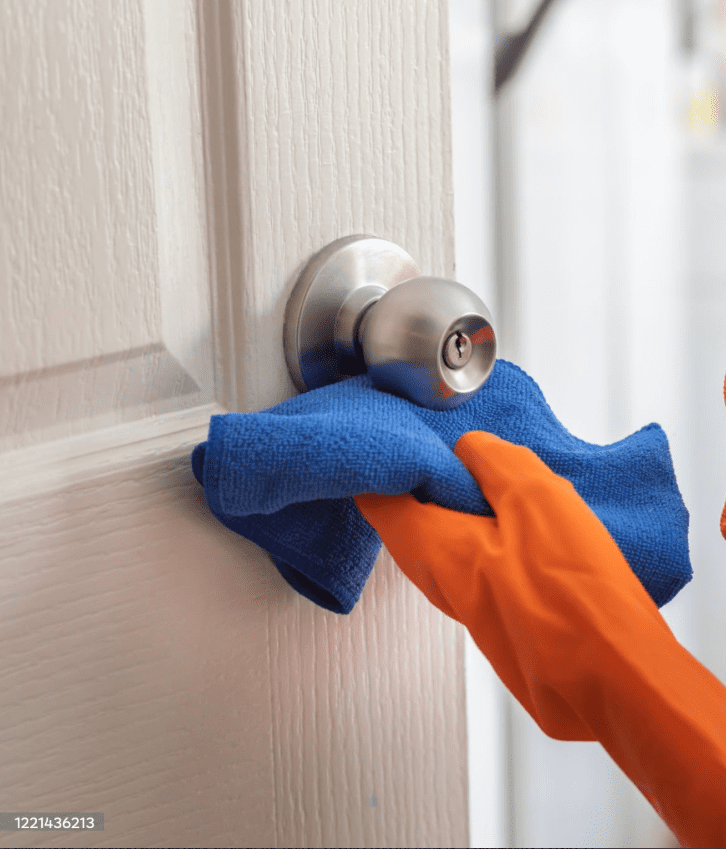
    Think your home is clean? Think again! Remote controls, light switches, fridge interiors, and door handles are germ magnets. With ClO₂ , you can sanitize safely, effectively, and eco-friendly:

    Chlorine dioxide is safe when used correctly, but professional standards matter.

    Best practices include:

    • Ensuring adequate ventilation during application
    • Avoiding direct inhalation of concentrated gas
    • Spot-testing delicate or dyed fabrics
    • Following precise dilution ratios

    From a regulatory standpoint, chlorine dioxide aligns well with future-proof cleaning strategies, particularly as agencies move away from persistent chemical residues.

    Also Read👉🏼Safe Use of Chlorine Dioxide Tablets | Guidelines, PPE & Mixing Instructions


    Why Chlorine Dioxide Is a 2026-Ready Solution

    Cleaning professionals and informed homeowners are no longer asking, “Does it smell clean?”
    They are asking, “Is it actually clean?”

    Chlorine dioxide answers that question with:

    • Broad-spectrum efficacy
    • No fragrance masking
    • No harmful residues
    • Compatibility with green and low-VOC programs

    It represents a shift from traditional carpet care toward science-based indoor hygiene.


    Conclusion: A Smarter Way to Care for Soft Surfaces

    Chlorine Dioxide is safe around children at recommended concentrations and with ventilation, it’s safe around kids. Keep them away until surfaces are dry.

    Carpets and upholstery require more than soap and scent. They demand chemistry that can penetrate fibers, neutralize microbes, and eliminate odors at their source.

    Chlorine dioxide tablets offer a modern, effective, and responsible solution—one aligned with where cleaning standards are heading, not where they have been.

    By integrating chlorine dioxide into carpet and upholstery care routines, spaces become cleaner, healthier, and genuinely refreshed—without compromise.


    FAQ 

    1. Is chlorine dioxide safe for carpets?
    Yes, when properly diluted and applied according to instructions, it is safe for most carpet fibers.

    2. Will chlorine dioxide bleach or discolor carpets?
    It does not bleach like chlorine but spot-testing is always recommended for dyed fabrics.

    3. Does chlorine dioxide leave a scent behind?
    No. It neutralizes odors rather than masking them with fragrance.

    4. Can it remove pet urine odors permanently?
    Yes, it oxidizes the odor-causing compounds rather than covering them.

    5. Is chlorine dioxide effective against mold in carpets?
    It is effective against mold spores and mildew when properly applied.

    6. Can homeowners use chlorine dioxide tablets?
    Yes, provided they follow safety and dilution guidelines.

    7. How long does the deodorizing effect last?
    Because odors are chemically neutralized, results are long-lasting.

    8. Is chlorine dioxide environmentally friendly?
    It breaks down into benign byproducts and leaves no persistent residues.

    9. Can it be used in commercial carpet cleaning?
    Absolutely. It is increasingly used in hospitality, healthcare, and facilities management.

    10. How does it compare to traditional carpet cleaners?
    Traditional cleaners clean surfaces; chlorine dioxide sanitizes and deodorizes at a molecular level.


  • Is Chlorine Dioxide EPA, OSHA, CDC and WHO Compliant?

    Is Chlorine Dioxide EPA, OSHA, CDC and WHO Compliant?

    Short answer is Yes. Chlorine dioxide is compliant with EPA, OSHA, and CDC-aligned standards when used according to approved labeling, exposure limits, and environmental sanitation guidelines. Properly generated chlorine dioxide—especially in tablet form—supports regulatory compliance across commercial, institutional, and industrial sanitation applications.

    Compliance Is the Invisible Backbone of Professional Cleaning

    In professional cleaning, sanitation, and environmental hygiene, effectiveness alone is never enough. A disinfectant must also be legally defensible, regulator-approved, and operationally controllable. The most successful facilities are not those using the strongest chemicals—but those using the smartest ones.

    Chlorine dioxide (ClO₂) sits at a unique intersection of science, regulation, and real-world practicality. It is powerful, fast-acting, and deeply researched—yet often misunderstood due to confusion between improper gas applications and modern, controlled delivery systems like chlorine dioxide tablets.

    This article breaks down how chlorine dioxide aligns with EPA regulations, OSHA safety requirements, and CDC-referenced public health guidance, and what compliance truly means for professionals using ClO₂ responsibly.


    Why Does Regulatory Compliance Matters in Modern Sanitation?

    Answer: Regulatory compliance matters in modern sanitation because sanitation is a public-health control system governed by EPA, OSHA, and CDC rules to protect workers, communities, and the environment—not just a cleaning activity.

    Facilities that fail to meet regulatory expectations face:

    • Increased liability exposure
    • Failed audits and inspections
    • Worker safety violations
    • Insurance complications
    • Loss of client trust

    Compliance is not a bureaucratic hurdle. It is a risk-management strategy.

    The uncomfortable truth.
    In modern sanitation, compliance is not the opposite of innovation. It’s the framework that allows innovation to survive contact with reality. New tools, new chemistries, and new delivery systems only become widely usable when they fit inside regulatory logic.

    So why does regulatory compliance matter?
    Because sanitation today is a form of applied public health engineering. Compliance ensures it protects people, workers, ecosystems, and organizations at the same time. Anything less isn’t modern sanitation—it’s just risk with good intentions.

    Also Read Safe Use of Chlorine Dioxide Tablets | Guidelines, PPE & Mixing Instructions


    How Is Chlorine Dioxide Regulated With The EPA?

    Answer: The EPA regulates chlorine dioxide under FIFRA when it is used as an antimicrobial, requiring EPA registration and strict compliance with label-approved uses, concentrations, and application methods.

    What the EPA Evaluates

    Before approval, chlorine dioxide undergoes evaluation for:

    • Antimicrobial efficacy
    • Human health risk
    • Environmental impact
    • Residual byproducts

    Chlorine dioxide is approved for specific uses, including:

    • Drinking water disinfection
    • Surface sanitation
    • Odor remediation
    • Biofilm control in regulated systems

    Why Label Compliance Matters

    Under FIFRA, the product label is legally binding. The EPA doesn’t just approve chlorine dioxide as a substance; it approves specific formulations for specific applications. Concentration, contact time, method of application, target organisms, and use environments are all locked in. Using a registered chlorine dioxide product outside its label directions—even with good intentions—is considered a violation.

    This is where many compliance failures occur: assuming that because chlorine dioxide is EPA-registered for one use, it’s acceptable for all uses. It isn’t.

    EPA compliance is use-specific. Products must be:

    • Applied only as labeled
    • Used at approved concentrations
    • Generated according to instructions

    Chlorine dioxide tablets offer a compliance advantage by providing controlled, pre-measured generation, reducing the risk of improper dosing or misuse.

    Drinking water is regulated under a different EPA authority.
    When chlorine dioxide is used for potable water treatment, it falls under the Safe Drinking Water Act (SDWA) instead of FIFRA. In this context, the EPA regulates both chlorine dioxide and its byproducts, particularly chlorite and chlorate. The EPA sets Maximum Residual Disinfectant Levels (MRDLs) and Maximum Contaminant Levels (MCLs) to protect public health over long-term exposure.

    This distinction matters. A chlorine dioxide concentration that is perfectly acceptable for surface disinfection would be illegal in drinking water. Same chemical, different exposure pathway, different regulation.

    EXAMPLE:
    EPA Drinking Water Reference Levels for Chlorine Dioxide
    Parameter EPA Category Limit
    Chlorine dioxide (ClO₂) MRDL / MRDLG 0.8 mg/L
    Chlorite (byproduct) MCL 1.0 mg/L
    Chlorite (byproduct) MCLG 0.8 mg/L

    Source: EPA National Primary Drinking Water Regulations (40 CFR §141.64–141.65)

    The EPA also regulates claims—hard.  You cannot market chlorine dioxide with medical, therapeutic, or internal-use claims. The EPA has taken aggressive enforcement action against companies that blur the line between environmental hygiene and human treatment. From the EPA’s perspective, unapproved claims are not just misleading; they undermine the regulatory system itself.

    Why chlorine dioxide continues to pass EPA scrutiny.
    Despite its reactive chemistry, chlorine dioxide remains widely accepted by the EPA because it is predictable. Its breakdown products are well-characterized. Its antimicrobial efficacy is strong at low doses. Its environmental persistence is limited when properly applied. In regulatory science, predictability beats novelty every time.

    The big takeaway.
    Chlorine dioxide isn’t loosely regulated by the EPA—it’s tightly scoped. The agency doesn’t ask whether the molecule is good or bad. It asks whether the use case is defined, controlled, and defensible. When professionals respect that framework, chlorine dioxide fits comfortably within EPA regulation. When they don’t, enforcement follows quickly.

    That’s not ambiguity. That’s regulatory clarity.


    How Does OSHA Monitor Worker Safety and Exposure Control?

    Answer: OSHA monitors worker safety through enforceable standards, employer-required exposure assessments, written safety programs, recordkeeping, and inspections rather than continuous workplace surveillance.

    The Occupational Safety and Health Administration (OSHA) focuses on employee exposure and workplace safety.

    Permissible Exposure Limits (PEL)


    OSHA & NIOSH Workplace Exposure Limits for Chlorine Dioxide
    Limit Type Agency Value Averaging Time
    PEL (TWA) OSHA 0.1 ppm (0.3 mg/m³) 8 hours
    STEL NIOSH 0.3 ppm (0.9 mg/m³) 15 minutes
    IDLH NIOSH 5 ppm Immediate

    Source: CDC/NIOSH Pocket Guide to Chemical Hazards – Chlorine Dioxide 

    OSHA establishes exposure limits for chlorine dioxide gas to protect workers from respiratory or mucosal irritation. Compliance depends on:

    • Concentration control
    • Proper ventilation
    • Controlled generation
    • Staff training

    Worker rights are built into the system.
    Employees can request OSHA inspections, report unsafe conditions without retaliation, review exposure records, and access Safety Data Sheets. This creates a distributed monitoring system where workers act as real-time sensors. OSHA doesn’t just rely on employers to tell the truth; it gives workers legal leverage to force visibility.

    Improper bulk generation or uncontrolled gas release creates compliance risks. Tablet-based chlorine dioxide systems:

    • Reduce handling of reactive chemicals
    • Minimize accidental overgeneration
    • Support consistent, predictable output

    When used properly, chlorine dioxide tablets help facilities remain well within OSHA safety margins.

    For chemical hazards, OSHA expects exposure assessments using recognized industrial hygiene methods. This often involves personal air sampling pumps worn by workers, area monitoring, and laboratory analysis. Results must be compared against OSHA PELs and documented. If exposure exceeds limits, employers must act—engineering controls first, then administrative controls, and PPE only as a last resort. OSHA calls this the “hierarchy of controls,” and they take it very seriously.

    In short: OSHA monitors worker safety through enforceable standards, mandatory exposure assessments, inspections, recordkeeping, and worker participation. It’s not omniscient, but it is methodical, legally armed, and increasingly data-driven. The workplaces that get into trouble are almost always the ones that treat safety as theater instead of engineering.

    If you zoom out, OSHA’s real power isn’t surveillance—it’s consequence.

    Also Read How Can CLO2 Tablets Improve Factory Cleaning Efficiency?


    What is The CDC’s Alignment With CLO2 & Public Health & Environmental Hygiene?

    Answer: The Centers for Disease Control and Prevention (CDC) does not “approve” disinfectants but provides science-based guidance for sanitation and infection control.

    At the highest level, the CDC aligns with risk-based hygiene, not ideology.
    The CDC’s mission is to prevent disease, not to champion or demonize specific substances. When it comes to disinfectants, the CDC asks a few relentless questions: Does it inactivate pathogens effectively? Can it be used safely when applied correctly? Does it reduce disease transmission in real-world conditions? Chlorine dioxide clears those hurdles in specific, tightly defined use cases.
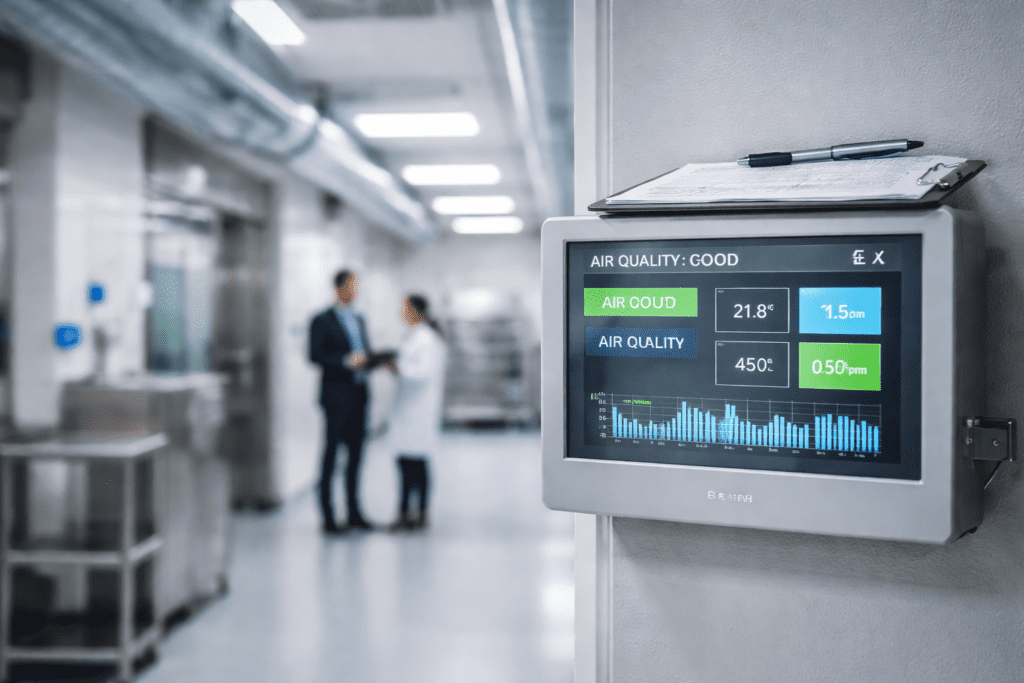
    Regulatory alignment ensures that sanitation protocols protect people, property, and reputation—not just surfaces.

    Chlorine dioxide appears in CDC-aligned contexts for:

    • Drinking water treatment
    • Environmental decontamination
    • Emergency sanitation scenarios
    • Biofilm disruption in water systems

    Why Is ClO₂ Often Preferred?

    Unlike chlorine bleach, chlorine dioxide:

    • Penetrates biofilms more effectively
    • Does not chlorinate organic matter
    • Leaves minimal residual odor
    • Is effective at lower concentrations

    These properties align with CDC principles of effective, controlled environmental hygiene.

    The CDC aligns with ClO₂ conditionally, not blindly.
    That conditional alignment is the key philosophical point. The CDC supports chlorine dioxide when it is:
    • Used for environmental or water disinfection
    • Applied within regulated concentration limits
    • Managed with proper ventilation and exposure controls
    • Part of a broader hygiene and infection-prevention strategy

    When those conditions are met, ClO₂ is treated as a public health tool, not a threat.

    Also Read: Hospital-Acquired Infections: How CLO₂ Can Help Healthcare Facilities Save Lives and Costs


    What is The World Health Organization Perspective of CLO2?

    Answer: The World Health Organization recognizes chlorine dioxide as a controlled disinfectant for water and environmental hygiene when used within defined health-based limits and regulated exposure pathways.

    In its Guidelines for Drinking-water Quality, the WHO evaluates chlorine dioxide, chlorite, and chlorate as water treatment disinfectants, establishing guideline values based on toxicological data, exposure limits, and long-term safety considerations. These assessments acknowledge chlorine dioxide’s effectiveness in controlled sanitation and water disinfection systems when generated and applied correctly. At the same time, the WHO and its regional offices explicitly warn against the ingestion or therapeutic use of chlorine dioxide products, emphasizing that such applications fall outside approved public-health practice and present documented health risks. This distinction reinforces a central compliance principle: chlorine dioxide is a regulated environmental sanitation tool, not a medical treatment, and its safety and legitimacy depend entirely on controlled, purpose-appropriate use aligned with established guidelines.

    Also Read Purifying Water With Chlorine Dioxide

    WHO Guidance on Chlorine Dioxide

    The World Health Organization evaluates chlorine dioxide within the context of
    water quality and environmental sanitation, establishing guideline values
    for its safe and effective use in controlled disinfection systems. WHO guidance also clearly
    distinguishes these approved applications from non-approved uses, emphasizing that chlorine
    dioxide is not intended for ingestion or medical treatment. Safe use depends
    on adherence to established guidelines, controlled generation, and purpose-appropriate application.


    WHO Drinking Water Guideline Context for Chlorine Dioxide

    Parameter WHO Guideline Value
    Chlorine dioxide (ClO₂) No formal GV established
    Taste/odor threshold 0.2–0.4 mg/L
    Chlorite (provisional GV) 0.7 mg/L
    Chlorate (provisional GV) 0.7 mg/L

    Source: WHO – Guidelines for Drinking-water Quality (Fourth Edition with Addenda)

    WHO’s position on chlorine dioxide reflects a foundational public-health principle: there are no universally “safe” substances—only safe systems. Chlorine dioxide is acceptable when the system controlling it is designed, monitored, and enforced. When those controls disappear, WHO’s support disappears with them.

    So what is WHO’s perspective, in plain terms?
    Chlorine dioxide is a legitimate, scientifically supported disinfectant for water and environmental hygiene when used within strict health-based limits. It is not a therapeutic agent, not a supplement, and not something to be improvised. WHO neither demonizes nor romanticizes it—it regulates it through evidence, exposure science, and long-term population health outcomes.

    That’s not ambiguity. That’s public health doing its job.


    What About Documentation, SOPs, and Audit Readiness?

    Answer: Documentation, SOPs, and audit readiness are essential to sanitation compliance because they provide verifiable evidence that hazards were identified, controls were implemented, and regulatory requirements were met.

    • Documentation is how compliance becomes real.
    • SOPs turn chemistry into repeatable behavior.
    • Strong SOPs also demonstrate intent and control.
    • Audit readiness is a mindset, not a scramble.
    • Consistency is what auditors actually test.
    • Documentation also protects you when something goes wrong.

    Regulatory Documentation & Evidence References

    • EPA FIFRA product registration and approved label directions
    • Safety Data Sheets (SDS) maintained under OSHA Hazard Communication Standard
    • WHO drinking-water guideline documentation for international alignment

    Regulators don’t just inspect outcomes—they inspect processes.

    Facilities using chlorine dioxide should maintain:

    • Standard Operating Procedures (SOPs)
    • Concentration and contact-time logs
    • Safety data documentation
    • Employee training records

    Tablet-based systems simplify compliance by standardizing generation and reducing variability, making audits cleaner, faster, and defensible.

    Why ClO₂ raises the bar.
    Because chlorine dioxide sits at the crossroads of EPA regulation, OSHA exposure limits, and public health oversight, documentation must satisfy multiple regulatory logics at once. SOPs help unify those requirements into a single operational reality. Audit readiness ensures that unity holds under pressure.

    The quiet professional truth.
    Good documentation and SOPs don’t slow operations—they stabilize them. They reduce variability, improve training outcomes, and make compliance boring. And boring is exactly what regulators want to see.

    In modern sanitation, documentation isn’t paperwork. It’s governance. SOPs aren’t red tape. They’re control systems. And audit readiness isn’t paranoia—it’s professionalism that assumes scrutiny and still sleeps well at night.


    What Are The Common Compliance Mistakes With CLO2 (and How Professionals Avoid Them)?

    Answer: Common chlorine dioxide compliance mistakes involve misclassification, inadequate exposure controls, poor documentation, and misuse of EPA-registered products, which professionals avoid by applying OSHA exposure standards, EPA label requirements, and documented SOPs.

    • Assuming “natural” equals unregulated
    • Ignoring ventilation requirements
    • Using industrial gas systems improperly
    • Failing to train staff on generation basics
    • Overconcentrating “just to be safe”

    The professionals who avoid these mistakes share a pattern.
    They treat chlorine dioxide as a system, not a product. They integrate regulatory requirements into design, training, and operations instead of bolting them on later. They respect the chemistry, but they prioritize the compliance framework—because that’s what regulators enforce.

    In short, ClO₂ compliance failures usually aren’t about the molecule. They’re about mindset. Professionals succeed by assuming oversight, designing for exposure control, and documenting reality—not intentions.


    Why Do Chlorine Dioxide Tablets Offer a Compliance Advantage?

    Answer: Chlorine dioxide tablets offer a compliance advantage because they provide controlled dosing, reduced handling risk, and predictable exposure profiles that simplify EPA, OSHA, and public-health compliance.

    • Pre-measured dosing accuracy
    • Reduced chemical handling
    • Lower risk of overexposure
    • Easier documentation
    • Predictable, repeatable results

    The quiet compliance truth.
    Chlorine dioxide tablets don’t win on chemistry alone. They win because they engineer compliance into the delivery system. They reduce variability, minimize exposure pathways, simplify documentation, and support the regulatory logic that OSHA, EPA, and public health agencies already use.

    Professionals don’t choose tablets because they’re trendy. They choose them because when regulators ask hard questions, tablets produce clean, boring, defensible answers—and in compliance, boring is beautiful.


    Compliance Is Control, Not Fear

    Chlorine dioxide’s value does not come from ambiguity or extremes—it comes from precision, regulation, and scientific discipline. When evaluated through the combined lenses of the EPA, OSHA, CDC-aligned guidance, and the World Health Organization, chlorine dioxide emerges as what it has always been: a controlled environmental sanitation tool, validated for specific uses and governed by clear boundaries.

    Global public-health authorities, including the WHO, make an essential distinction that defines modern compliance: chlorine dioxide is effective and appropriate when used for water treatment, surface sanitation, and environmental hygiene, and unsafe when misapplied outside those contexts. Facilities that understand and respect this distinction are not merely compliant—they are operating at a professional standard rooted in science, documentation, and accountability.

    Compliance is not about fear of regulation. It is about mastery of it. And chlorine dioxide, when applied correctly, remains one of the most controlled, studied, and defensible tools available in professional sanitation today.

    Also Read How to Use Chlorine Dioxide Tablets for Cleaning | Mixing, Safety & Application


    FAQ

    1. Is chlorine dioxide EPA approved?

    Yes. Chlorine dioxide is regulated by the EPA and approved for specific antimicrobial uses, including drinking water treatment and surface sanitation, when applied according to EPA-registered product labeling and concentration limits.


    2. Does OSHA allow chlorine dioxide use indoors?

    Yes. OSHA permits indoor use of chlorine dioxide when airborne concentrations remain within established exposure limits, including an 8-hour time-weighted average of 0.1 ppm and appropriate ventilation and safety controls are in place.


    3. Is chlorine dioxide safer than bleach for workers?

    When properly generated and controlled, chlorine dioxide can present lower irritation risk than bleach, as it is effective at lower concentrations and does not chlorinate organic matter when used within regulated exposure limits.


    4. Can chlorine dioxide be used legally in food facilities?

    Yes. Chlorine dioxide is permitted for specific food facility sanitation and water treatment applications when used according to EPA regulations, approved concentrations, and applicable food safety and environmental guidelines.


    5. Does the CDC recommend chlorine dioxide?

    The CDC does not “approve” disinfectants but recognizes chlorine dioxide in public-health contexts such as drinking water treatment and environmental sanitation when applied within established safety and regulatory parameters.


    6. Are chlorine dioxide tablets regulated differently than gas systems?

    Regulations focus on use and exposure, not format. However, tablet-based chlorine dioxide systems support compliance by enabling controlled generation, predictable dosing, and easier adherence to OSHA and EPA safety thresholds.


    7. What documentation is required for chlorine dioxide compliance?

    Facilities should maintain EPA label instructions, Safety Data Sheets (SDS), Standard Operating Procedures (SOPs), concentration and contact-time records, and employee training documentation to support audit and inspection readiness.


    8. Can chlorine dioxide be used for odor control legally?

    Yes. Chlorine dioxide may be used for odor remediation when applied according to approved labeling and within regulated concentration limits, particularly in environmental sanitation and air quality management applications.


    9. What happens if chlorine dioxide exposure limits are exceeded?

    Exceeding OSHA or NIOSH exposure limits may result in worker safety risks and regulatory violations, underscoring the importance of controlled generation, ventilation, monitoring, and adherence to established permissible exposure limits.


    10. Why do auditors prefer tablet-based chlorine dioxide systems?

    Auditors often favor tablet-based systems because they reduce variability, simplify documentation, support consistent dosing, and make it easier to demonstrate compliance with EPA labeling and OSHA exposure requirements.

  • Hotel Room Air Quality: The Silent KPI in Housekeeping

    Hotel Room Air Quality: The Silent KPI in Housekeeping

    Air Quality as a Silent KPI in Hotel Room Management

    Quick Answer: Air quality is a measurable operational factor that affects guest satisfaction, room turnover efficiency, and complaint rates. Chlorine dioxide (ClO₂) supports air and surface hygiene by neutralizing odor-causing compounds and reducing microbial spread when integrated into housekeeping workflows.


    Why Is Air Quality a “Silent KPI”?

    Question: Why does air quality matter if guests never mention it?

    Answer: Guests evaluate air quality subconsciously within seconds of entering a room. Negative perception often appears later as “cleanliness” complaints.


    What Affects Air Quality in Hotel Rooms?

    Question: Why do rooms smell stale after cleaning?

    Answer: Odors and airborne contaminants persist due to:

    • Microbial activity on soft surfaces
    • VOCs from furnishings and cleaners
    • Residual guest odors
    • Humidity-driven microbial growth

    How Does ClO₂ Fit Into Housekeeping?

    Question: How is ClO₂ used operationally?

    Answer: ClO₂ is used as a supplemental hygiene step, not a replacement for cleaning.

    Applications include:

    • Post-checkout room resets
    • Surface wipe-downs at 50–100 ppm
    • Odor neutralization without fragrance
    • Reducing cross-contamination risk

    Safety for Staff and Guests

    Question: Is ClO₂ safe in occupied environments?

    Answer:
    Chlorine dioxide (ClO₂) can be used safely in hotel settings when solutions are prepared and applied at approved concentrations, with appropriate ventilation and handling procedures in place.

    Key safety principles:

    • Chlorine dioxide in aqueous form releases ClO₂ gas and solutions that can be irritating at higher vapor concentrations; uncontrolled gas exposure should be avoided. OSHA limits workplace exposure to 0.1 ppm in air averaged over an 8-hour shift. CDC

    • Housekeeping and cleaning staff should use basic personal protective equipment (PPE) such as gloves and, where splash risk exists, eye protection. clo2tablets.com

    • Higher-concentration treatments (e.g., shock or heavy odor work) should be executed with controlled access and mechanical ventilation to ensure guest and staff safety. clo2tablets.com

    • Chlorine dioxide solutions prepared for housekeeping should not be mixed with other disinfectants or cleaners (e.g., bleach, acids, ammonia, peroxide), as chemical interactions can create hazardous byproducts or reduce efficacy. clo2tablets.com

    Best practices for hotel use:

    • Ventilate treated rooms before guest re-entry
    • Store tablets dry and secure to prevent premature activation
    • Train staff to recognize irritation signs and respond appropriately

    This framing clarifies how safe usage is not just assumed but achieved.


    Limitations in Housekeeping Use

    Question: What should staff not expect ClO₂ to do?

    Answer:
    ClO₂ is a tool within a broader cleaning and hygiene system; it has defined boundaries.

    ClO₂ does not:

    • Replace mechanical cleaning (scooping debris, vacuuming, detergent degreasing) — physical removal still matters.
    • Substitute for laundering processes, which require thermal and mechanical agitation.
    • Fix HVAC mechanical issues, structural leaks, or moisture intrusion that contribute to odor persistence.
    • Provide sterilization in the absence of proper concentration and contact time protocols.

    ClO₂ performs best when integrated with housekeeping routines that include microfiber workflows, sequential cleaning steps, and ventilation planning. Misuse — especially over-concentration in confined spaces without ventilation — can result in irritation or ineffective results


    Hotel Application Examples

    Question: How does ClO₂ apply to specific hotel operational scenarios?

    Answer:
    ClO₂ supports a variety of hotel housekeeping and facility needs beyond the baseline room wipe-down. Below are practical use cases showing where and how it can be integrated:

    Room Turnover & Guest Satisfaction

    • Use a controlled ClO₂ surface solution (50–100 ppm, verified with low-range strips) to neutralize body odors, musty smells, and perfume residues during routine turnover.

    • For rooms that trigger repeat complaints, a targeted refresh with verified ppm and ventilation can reduce re-clean cycles.

    High-Traffic Guest Zones

    • In lobbies or shared spaces where odor and microbial load accumulate, site-appropriate ClO₂ surface cleaning at verified ppm provides a hygiene boost without heavy fragrances.

    Fitness & Spa Areas

    • ClO₂ solutions, when verified for correct ppm, help remove sweat-related odors from fitness equipment, mats, and floor surfaces — improving guest experience and reducing cross-contamination.

    Post-Incident Reset

    • After bio-incidents (vomit, sick guests, food spills), a controlled ClO₂ protocol with appropriate concentration and contact time can reduce residual odors and microbial bioburden as part of a structured reset workflow.

    Common Area Upholstery & Soft Surfaces

    • ClO₂ can assist with odor neutralization on upholstered furniture or carpets when used with microfiber and verified ppm to prevent over-saturation.

    Water Treatment (Pools/Spas) — Regulatory Note

    • ClO₂ is used in some potable water and industrial water systems, but hotel pools and spas are regulated environments. Any ClO₂ application in these systems must comply with local aquatic health and safety codes.

    FAQ

    Is ClO₂ safe for guests to breathe?
    At approved housekeeping concentrations and with adequate ventilation, vapor levels are below occupational limits and generally pose minimal risk. Verification and ventilation are key. CDC

    Can ClO₂ replace all cleaning chemicals?
    No; ClO₂ augments environmental hygiene but does not replace mechanical cleaning, detergents, or laundry processes. clo2tablets.com

    Does ClO₂ damage hotel surfaces?
    When mixed and applied at verified concentrations, ClO₂ has low corrosivity compared to some oxidizers and is designed to disappear into harmless byproducts. Still, spot testing delicate materials is good practice. clo2tablets.com

    Should ClO₂ treatments be ventilated before guests return?
    Yes — especially for higher-concentration applications. Ventilation helps ensure air quality meets safety and comfort expectations. clo2tablets.com

    Can ClO₂ be used around food or kitchen areas?
    ClO₂ is used in sanitation of food-contact surfaces in many commercial settings, but kitchens have separate codes: surfaces should be rinsed if used near food prep. Verify against your local health code.


    Also Read 👉🏼Chlorine Dioxide Safety: Myths vs. Science | Complete Safe-Use Guide

    Also Read 👉🏼Chlorine Dioxide Tablets for House Cleaning | Complete FAQ & Safety Guide


  • How Do You Eliminate Odors Safely & Effectively With CLO2?

    How Do You Eliminate Odors Safely & Effectively With CLO2?

    Chlorine Dioxide for Odor Removal — The Complete Guide to Eliminating Odors at the Molecular Level

    Some odors don’t just linger — they fight back. Pet urine, mildew, smoke, body odors, musty basements, mold, trash rooms, and vehicles often smell bad because the odor molecules are trapped inside porous materials or protected by microbial biofilms. Traditional cleaners mask these smells. Chlorine dioxide (ClO₂) tablets eliminate odors at the molecular level. This guide breaks down how ClO₂ works, what odors it can remove, how to use it safely indoors, and why it outperforms conventional odor products.


    Why Chlorine Dioxide Is the Gold Standard in Odor Removal

    Chlorine dioxide is a selective oxidizer recognized by the EPA for disinfection and used in water treatment, hospitals, food-processing facilities, and large-scale odor remediation projects. Unlike enzyme cleaners, perfumes, ozone machines, baking soda, or bleach, ClO₂ targets the odor at the chemical structure.

    ClO₂ doesn’t mask. It doesn’t cover.
    It oxidizes odor-causing molecules and neutralizes them completely.

    This makes it highly effective for homes, businesses, kennels, HVAC systems, storage units, rental properties, vehicles, and more.

    Also Read 👉🏻ClO₂ Tablets Uses: Water, Mold, Surface Cleaning, Odor & More | Full Guide


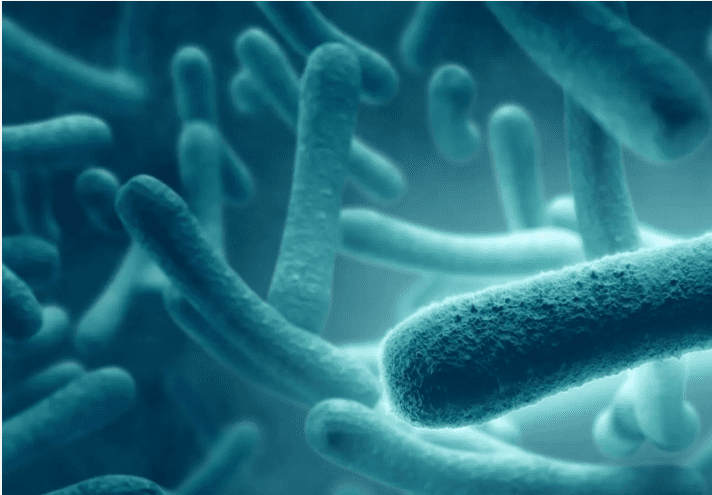
    What exactly is a biofilm? A structured microbial community encased in a self-produced matrix of polymers, adhering to surfaces.How Chlorine Dioxide Actually Removes Odors
    Odors come from volatile organic compounds (VOCs) — molecules released by bacteria, mold, smoke, and organic material.
    ClO₂ works through selective oxidation:

    • It penetrates organic residues
    • Oxidizes odor-causing molecules
    • Breaks their chemical bonds
    • Neutralizes bacterial and fungal sources
    • Penetrates biofilm layers (where microbes and odors hide)

    Because ClO₂ is non-chlorinating, it doesn’t produce harmful chlorinated byproducts or leave chemical residue. Once the reaction is complete, ClO₂ breaks down into salts and oxygen-related compounds.


    What Types of Odors Can ClO₂ Remove?

    ClO₂ is one of the few odor solutions effective across all major odor categories:

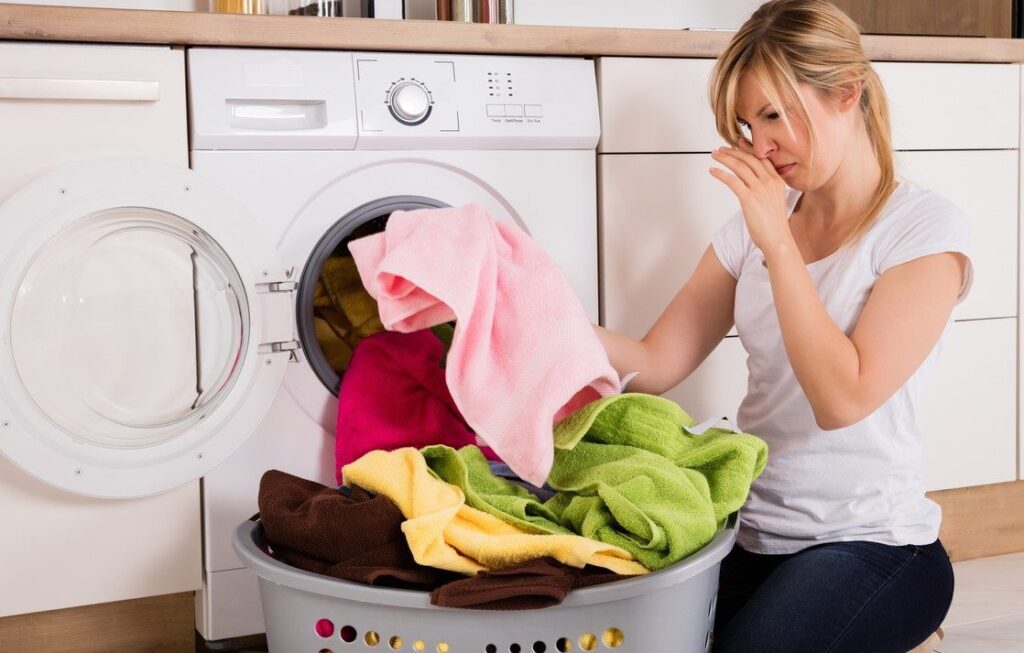
    Removing odors from laundry has never been easier with CLO2. ✔ Pet Odors

    • Cat urine
    • Dog accidents
    • Kennel smells
    • Pet bedding odors

    ✔ Smoke Odors

    • Cigarette
    • Cigar
    • Cannabis
    • Fire damage residue

    ✔ Musty & Moldy Odors

    • Mildew in bathrooms
    • Damp basements
    • Flooded areas
    • Crawlspaces
    • Storage units
    • Laundry Odors

    ✔ Food & Organic Odors

    • Rotten food
    • Trash cans
    • Fridge/freezer odors
    • Compost smells

    ✔ Body & Lifestyle Odors

    • Gym bags
    • Shoes
    • Sports equipment
    • Sweat odors

    ✔ Vehicle & RV Odors

    • Cars
    • Trucks
    • Boats
    • RVs
    • Campers

    ✔ Commercial Odors

    Restaurants, gyms, hospitals, hotels, kennels, rental homes, apartments — anywhere persistent odors arise.

    Also Read 👉🏻Is CLO2 Safer Sanitation for The Food & Beverage Industry?


    Why ClO₂ Works Better Than Traditional Odor Products

    Odor Product How It Works Why It Fails ClO₂ Advantage
    Perfumes / Air Fresheners Mask smells Odor returns; VOCs unchanged ClO₂ eliminates VOCs
    Enzyme Cleaners Break down organic material Slow; doesn’t kill microbes fully ClO₂ penetrates biofilm quickly
    Bleach Chlorinates surfaces Doesn’t neutralize odor molecules; strong fumes ClO₂ oxidizes odors without residue
    Activated Charcoal / Baking Soda Absorb odors Limited range ClO₂ neutralizes odors at source
    Ozone Generators Oxidize air-borne odors Dangerous, must be used with evacuation ClO₂ works safely at lower concentrations

    ClO₂ is the only method that:
    ✔ Neutralizes odors chemically
    ✔ Penetrates hidden sources
    ✔ Kills microbes that generate odors
    ✔ Works safely in occupied buildings (at correct ppm)


    How to Use Chlorine Dioxide for Odor Removal

    ClO₂ can be used in three primary ways depending on odor severity.


    Method 1 — Light-to-Moderate Odors (Surface Deodorizing)

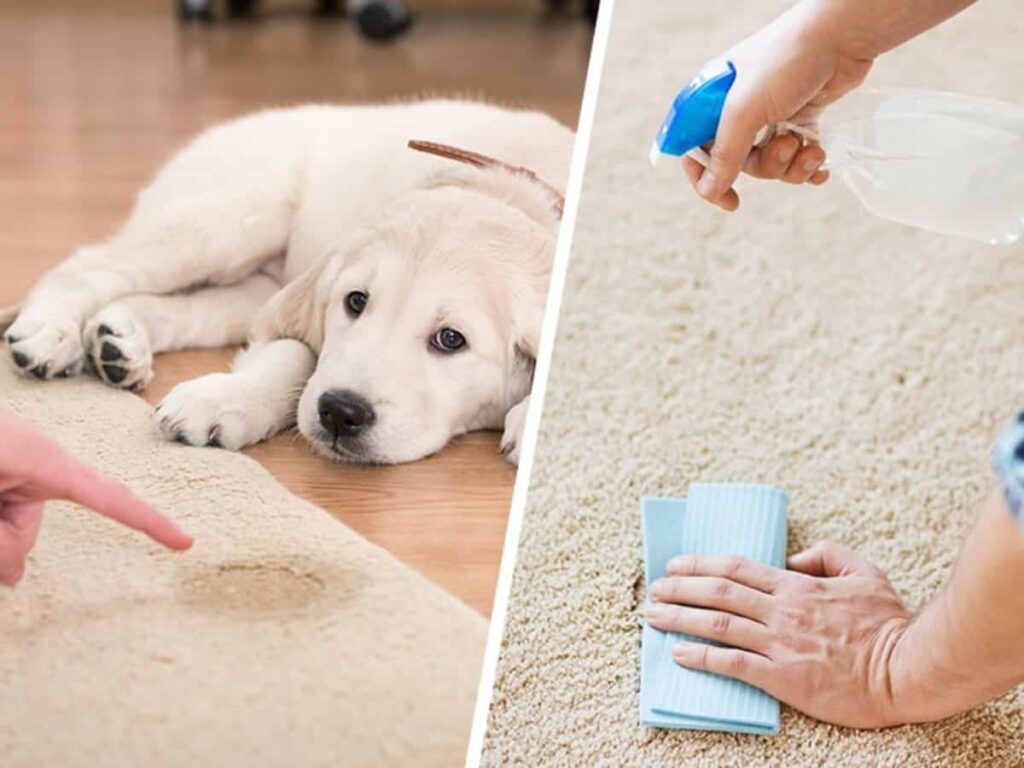
    two parts of picture, on the left side, a urine stain on carpet and a dog sitting sad and a hand pointing finger to the urine stain and on the right side, a close shot of hands with a cloth and spraying on urine stain.Use concentration: 50–200 ppm
    Ideal for:

    • Pet accidents
    • Bathroom smells
    • Small odor patches
    • Kitchen surfaces

    How to Apply:

    • Mix tablet to correct ppm
    • Allow full activation (solution turns amber/yellow)
    • Spray directly on odor source
    • Let sit 5–10 minutes
    • Rinse if needed (food surfaces)

    Also Read 👉🏻Deodorizing Pet Bedding with ClO2


    Method 2 — Deep Odor Penetration (Heavy Surfaces & Porous Materials)

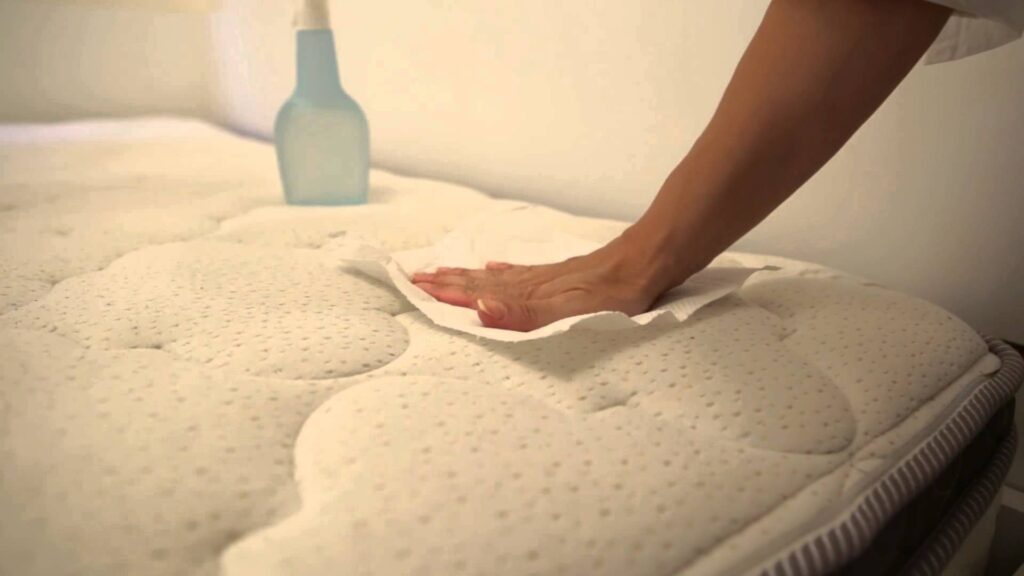
    sanitizing-mattress-with-sanitizer.Use concentration: 500 ppm
    Ideal for:

    • Carpets (spot treatment)
    • Mattresses
    • Gym gear
    • Pet bedding
    • Moldy areas
    • Trash cans

    How to Apply:

    • Spray or wipe affected area
    • Allow 10–30 minutes dwell time
    • Repeat if needed
    • Allow drying & ventilation

    Also Read 👉🏻 How to Sanitize Your Mattress After the Flu | Envirotab ClO₂ Solutions


    Method 3 — Room Shock Treatment (Severe Odor Remediation)

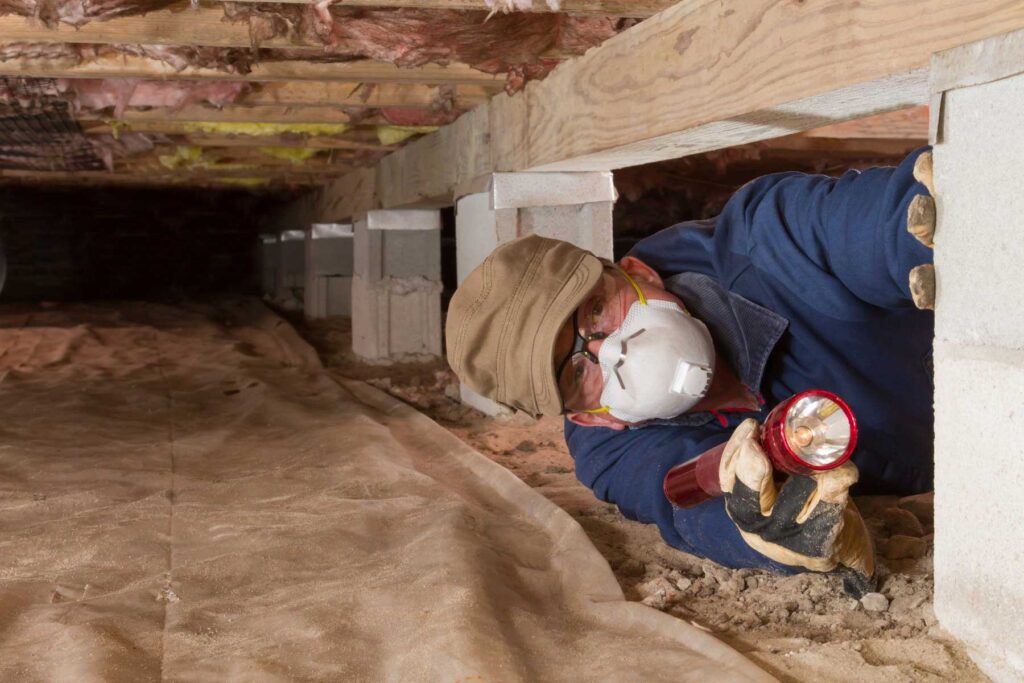
    mold inspector looking for mold in a crawl space and a torch in his hand.Use concentration: Based on tablet type
    Ideal for:

    • Smoke-damaged rooms
    • Musty basements
    • Vacant rentals
    • Storage units
    • Cars & RVs

    How Shock Treatment Works:
    ClO₂ slowly releases vapor into the air in a controlled way — safe when done properly.

    Procedure:

    • Place activated solution in a bowl or container
    • Seal room or vehicle
    • Leave 2–6 hours depending on intensity
    • Ventilate space for 10–20 minutes before re-entry

    NEVER:
    – Perform shock treatments in occupied rooms
    – Use ClO₂ gas aggressively without ventilation
    – Combine shock concentrations with ozone

    Also Read 👉🏻Airbnb & Short-Term Rental Cleaning | Odor Removal & Sanitizing With ClO₂


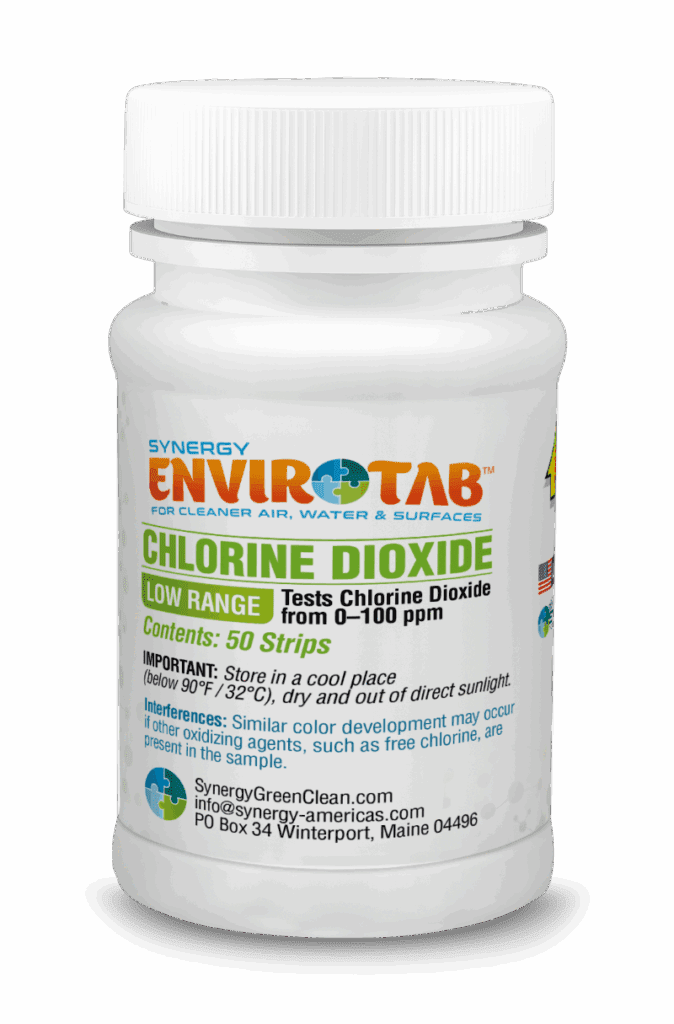
    Low Range Test Strip BottleSafety Guidelines for Indoor Odor Removal

    ClO₂ is safe indoors when:

    ✔ Used at correct ppm
    ✔ Basic ventilation is provided
    ✔ Room is unoccupied during shock treatments
    ✔ Pets and children avoid wet solution
    ✔ Solutions are not mixed with other chemicals
    ✔ Activation containers are not sealed tightly

    ClO₂ is less irritating than bleach and produces minimal fumes at cleaning levels.

    Order CLO2 Test strips here 👉🏻https://clo2tablets.com/clo2-test-strips-low-range-0-100ppm-50-bottle/

    Also Read 👉🏻How Safe Is Chlorine Dioxide for Indoor Use Around People and Pets?


    When NOT to Use ClO₂ for Odor Removal

    ClO₂ is not suitable for:

    • Diffusers
    • Devices that aerosolize chemicals
    • Fully enclosed, unventilated spaces
    • Highly porous materials (very old carpets, insulation) without testing
    • Removing non-organic chemical odors (solvents, gasoline)
    • Using concentrations above recommended levels in occupied spaces


    Always remember that CLO2 is highly affective if use properly.Quick Summary Box — Odor Removal With ClO₂
    • ClO₂ neutralizes odors at the molecular level through selective oxidation
    • Safe for indoor use when diluted properly
    • Effective on pet, smoke, mold, mildew, food, and musty odors
    • Works on surfaces, fabrics (spot treatment), and in enclosed shock treatments
    • Requires ventilation for stronger applications
    • Far safer and more versatile than ozone or bleach for odor remediation

    Ready to eliminate stubborn odors safely and effectively? Discover professional-grade chlorine dioxide tablets at Clo2Tablets.com and restore freshness to any space — without harsh chemicals.

    Order Here 👉🏻http://Clo2Tablets.com


    Frequently Asked Questions

    1. Does chlorine dioxide remove cat urine smell?

    Yes — ClO₂ oxidizes the uric acid crystals responsible for cat urine odor.

    2. Is ClO₂ safe for pets during odor removal?

    Yes, once surfaces are dry; keep pets away from wet applications.

    3. Can ClO₂ remove smoke smell from walls?

    Yes — both surface cleaning and shock treatments work well.

    4. How long does it take to remove odors?

    Anywhere from a few minutes (surface odors) to several hours (room shock).

    5. Will ClO₂ discolor fabrics?

    No — it is non-chlorinating and does not bleach fabrics at proper ppm.

    6. Can it remove moldy or musty smells?

    Yes — ClO₂ destroys both mold spores and musty VOCs.

    7. Is ClO₂ better than ozone for odor removal?

    Yes — because it is effective at lower concentrations and safer indoors.

    8. Does ClO₂ leave any after-smell?

    No — once dry, no chemical odor remains.

    9. Can I use ClO₂ in my car?

    Yes — both surface cleaning and vehicle cabin shock treatments work well.

    10. Can I spray ClO₂ on furniture?

    Yes, on non-porous surfaces. Test fabrics first.


  • Easy, Safe Cleaning Hacks Using Chlorine Dioxide Tablets

    Easy, Safe Cleaning Hacks Using Chlorine Dioxide Tablets

    Easy Cleaning Hacks With Chlorine Dioxide Tablets — Fast, Safe, and Surprisingly Powerful

    Cleaning shouldn’t feel like a battle — or require a cabinet full of harsh chemicals. Chlorine dioxide (ClO₂) tablets make everyday cleaning simpler, safer, and more effective. Whether you’re tackling kitchen counters, bathroom odors, pet messes, or musty fabrics, these tablets turn into a powerful oxidizing solution that cuts through microbes, odors, and organic grime with almost zero effort. Here are the easiest ClO₂ cleaning hacks you can use at home, at work, or on the go.

    Why ClO₂ Is Perfect for Easy Cleaning Hacks

    ClO₂ tablets dissolve into a controlled-dose cleaning solution known for its selective oxidation — meaning it targets odor-causing molecules, bacteria, viruses, and organic buildup without damaging surfaces or leaving harsh residues.

    Unlike bleach or quats:

    • No sticky residue
    • No harsh chemical fumes
    • Neutralizes odors and microbes
    • Breaks down into simple salts after use
    • Safe for most household surfaces

    How Chlorine Dioxide Works (Mechanism of Action)

    What exactly is a biofilm? A structured microbial community encased in a self-produced matrix of polymers, adhering to surfaces.Scientific summary: ClO₂ molecules penetrate biofilms and oxidize proteins, amino acids, and organic molecules responsible for odors, stains, and microbial contamination. This oxidation process breaks apart chemical bonds in bacteria, viruses, mold spores, and VOCs, eliminating the source of odors — not just masking them.
    Hack #1 — The Ultimate All-Purpose Cleaning Spray

    Best for: countertops, sinks, appliances, floors, trash cans, bathrooms, pet areas, door handles.

    Instructions:

    • Mix one 1g tablet in 1–2 liters of water (50–100 ppm).
    • Allow 1 minute for full activation.
    • Pour into a spray bottle and use as needed.
    • Or Fill one 32oz spray bottle with lukewarm water.
    • Drop 1 gram CLO2 tablet into bottle and place pray nozzle on bottle.
    • Wait 1 minute for tablet to dissolve and use.
    • Will last up to 1 month if stored in a cool dark area.

    We recommend our 1 Gram CLO2 Starter Kit

    a person cleaning toilet seat wearing yellow gloves and cleaning toilet seat with orange color cloth.Hack #2 — Bathroom Refresh Spray (Odor + Mildew Control)
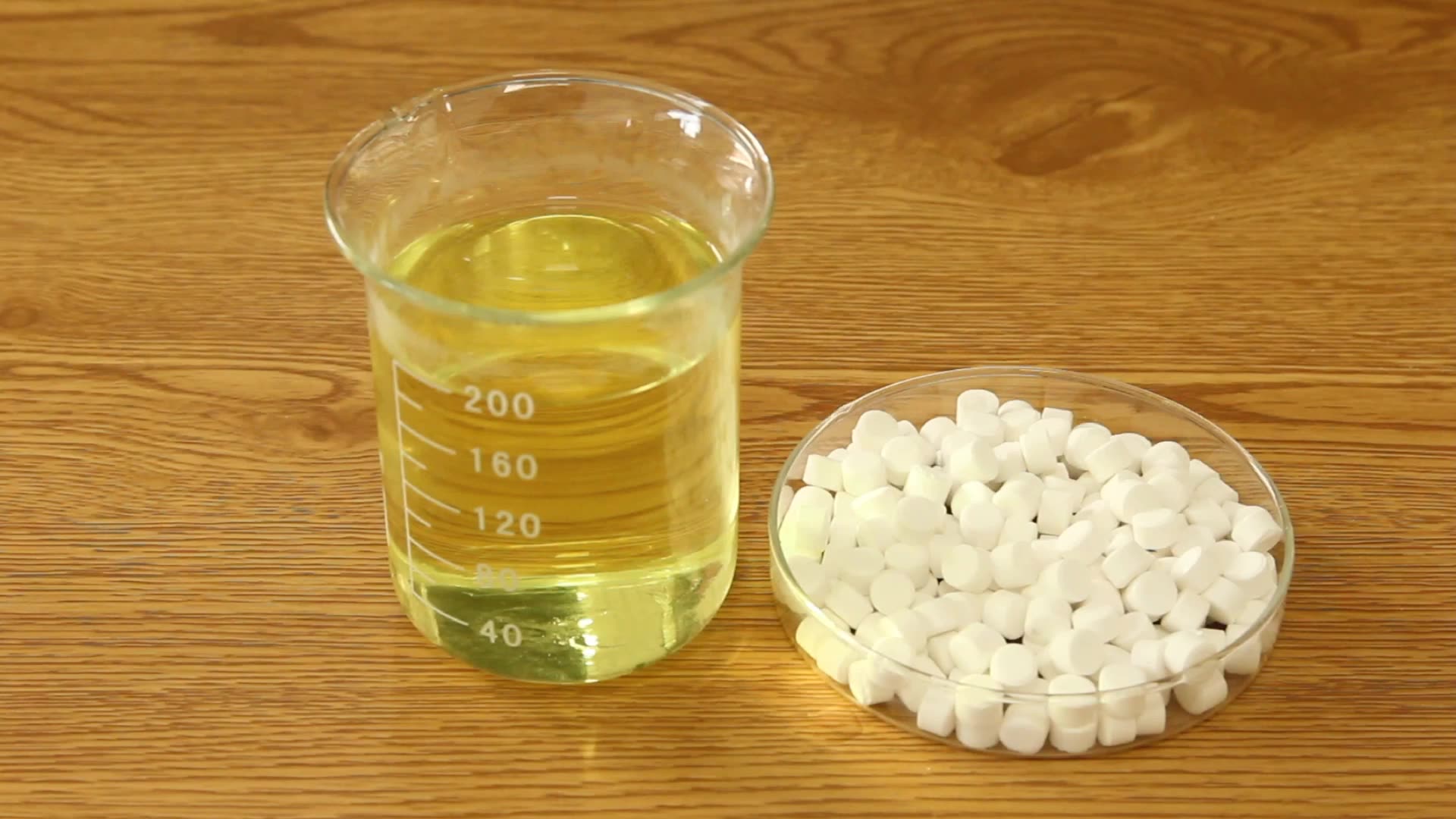
    • Mix a stronger solution at 100–200 ppm.
    • Spray tile, grout, and odor-prone surfaces.
    • Allow 10 minutes of contact time.
    • Rinse thoroughly.
    • Allow for proper ventilation on higher ppm.

    We recommend our 4 Gram CLO2 Starter Kit

    Also Read 👉🏻Cleaning bathrooms with ClO2 & Microfiber

    Hack #3 — Quick Pet Odor Eliminator

    Best for: dog beds, carpets (spot treatment), crates, litter box areas.

    Instructions:

    • Mix 50–100 ppm solution.
    • (1gram tablet/one 32oz spray bottle of water)
    • Spray directly onto odor source.
    • Allow to dry completely before pets return.

    We recommend our 1 Gram CLO2 Starter Kit

    Hack #4 — Kitchen Deodorizing & Sanitizing Pad Soak

    • Soak sponges, scrubbers, and dishcloths in 100–200 ppm solution.
    • Let rest for 15–20 minutes.
    • Rinse lightly if desired.

    We recommend our 1 Gram CLO2 Starter Kit

    Also Read 👉🏻 How Can I Eliminate Odors & Bacteria from My Cutting Board?

    Hack #5 — Shoe, Gym Bag & Sports Gear Refresher

    • Lightly mist inside shoes or gear with 50–100 ppm solution.
    • Allow items to fully air dry.

    We recommend our 1 Gram CLO2 Starter Kit

    Using CLO2 on your trash can can not only kill the odor but also break down the biome that is creating the odor. Hack #6 — Trash Can & Refrigerator Deodorizer

    • Spray surfaces with 100 ppm solution.
    • Let sit 5–10 minutes, then wipe.

    We recommend our 1 Gram CLO2 Starter Kit

    Hack #7 — The “Room Freshening Bowl” Trick

    • Fill bowl with 8–16 oz warm water water.
    • Add 1 gram clo2 tablet to the water.
    • Let sit in small room for 1–3 hours.

    We recommend Our 1 Gram Convenient Pouch- PKG 60

    Also Read 👉🏻 Improve Winter Indoor Air Quality with ClO₂

    Safety Tips for Using ClO₂ Cleaning Hacks

    • Mix at correct dilution — do not guess.
    • Always add tablet to water. Never add water to the tablet.
    • Allow full activation before use.
    • Ventilate during higher-strength uses.
    • Keep pets away from wet surfaces.
    • Never mix ClO₂ with bleach, acids, ammonia, or peroxide.
    • Store tablets sealed and dry.

    When NOT to Use ClO₂

    • Do not use ClO₂ in humidifiers or diffusers.
    • Do not apply in small enclosed unventilated rooms.
    • Avoid using on sensitive porous materials without testing.
    • Do not aerosolize ClO₂ in devices not designed for it.

    Quick Summary

    CLO₂ tablets make cleaning easy, fast, and effective. Use 50–200 ppm for everyday household cleaning hacks, odor elimination, and surface disinfection. ClO₂ is residue-free, low-fume, and safe for most surfaces — making it far superior to bleach or scented cleaners for simple day-to-day cleaning.

    Ready to simplify your cleaning routine? Explore high-quality chlorine dioxide tablets at Clo2Tablets.com and experience professional-grade results at home.

    FAQ

    1. Is chlorine dioxide safe for everyday cleaning?

    Yes — when diluted to 50–100 ppm, it’s safe for daily use.

    2. Will ClO₂ leave a smell?

    No — it evaporates cleanly with no chemical odor.

    3. Can I use ClO₂ on fabrics?

    Yes at low ppm; always patch-test first.

    4. Is ClO₂ safe around pets?

    Yes — once surfaces are dry.

    5. Does ClO₂ clean or just deodorize?

    Both — it sanitizes and removes odors at the molecular level.

    6. How long does mixed solution last?

    48–72 hours when stored out of sunlight.

    Also Read 👉🏻Chlorine Dioxide Tablets for House Cleaning | Complete FAQ & Safety Guide


  • ClO₂ Tablets Uses: Water, Mold, Surface Cleaning, Odor & More | Full Guide

    ClO₂ Tablets Uses: Water, Mold, Surface Cleaning, Odor & More | Full Guide

    All Uses of Chlorine Dioxide (ClO₂) Tablets — Water, Mold, Surface Cleaning, Odor & More

    From tap water to mold-prone basements, from kitchen counters to musty closets — many of today’s sanitation challenges are invisible. Chlorine Dioxide (ClO₂) tablets offer a versatile, science-backed cleaning solution that works across water treatment, surface disinfection, odor control, mold remediation, and more. This guide walks you through every major use case — what works, how to use it safely, and why ClO₂ often outperforms traditional cleaners or disinfectants.


    Why ClO₂ Tablets Are Unique & Universally Useful

    ClO₂ is a powerful oxidizing biocide recognized globally for disinfection, odor neutralization, water treatment, mold mitigation, and sanitation in industrial, commercial, and household settings. clo2tablets.com

    When used correctly, ClO₂ tablets release a controlled dose of disinfectant that kills bacteria, viruses, mold spores, and other pathogens — often more effectively than bleach or quats — while producing minimal harmful by-products.

    Below: a detailed “use-case spectrum” showing how one simple tablet can handle many sanitation needs.


    water from the tapUse Cases — Where ClO₂ Tablets Shine

    – Water Purification & Safety

    If you have questionable water — from wells, remote sources, or during travel / camping — ClO₂ tablets can disinfect water by neutralizing bacteria, viruses, and protozoan pathogens without leaving heavy chlorine taste or dangerous byproducts.

    Ideal for: emergencies, hiking/travel, stored water, remote cabins, or any situation where water safety is uncertain.

    Also Read 👉🏻Purifying Water With Chlorine Dioxide


    – Hard Surface & High-Touch Surface Disinfection

    ClO₂ works exceptionally well on countertops, sinks, door-handles, appliances, bathroom surfaces, and other surfaces where germs accumulate. It kills microbes directly and — when mixed properly — does not leave sticky residue or strong chemical smells. clo2tablets.com

    Great for: homes, offices, schools, commercial kitchens, hospitals, restrooms.

    Also Read 👉🏻Hospital-Acquired Infections: How CLO₂ Can Help Healthcare Facilities Save Lives and Costs


    – Mold & Mildew Remediation (and Prevention of Recurrence)

    Mold and mildew often hide in cracks, grout lines, porous surfaces, and damp areas. ClO₂’s oxidizing gas penetrates porous materials — more effectively killing spores and preventing regrowth than surface-only cleaners like bleach. clo2tablets.com

    Use ClO₂ tablets during cleanup after leaks or floods, in basements, bathrooms, crawlspaces — or anytime mold is a concern.

    Also Read 👉🏻Are Chlorine Dioxide Tablets Effective For Mold Removal?


    – Odor Neutralization (Not Just Masking)

    Unlike air fresheners or masking agents, ClO₂ chemically neutralizes odor-causing molecules (organic compounds, mold byproducts, pet/stale smells). This makes it effective in musty basements, pet areas, closed vehicles, or stale rooms — delivering real odor elimination. clo2tablets.com

    Ideal for: basements, attics, storage rooms, cars, boats, pet spaces, garbage/ trash zones, renovation post-cleanup.

    Also Read 👉🏻Biofilm Research & Odor Control: Breaking the Invisible Barriers with Chlorine Dioxide


    – Air or Ambient Sanitization (When Ventilated Properly)

    In situations like post-renovation, musty rooms, musty storage, ClO₂ — when applied carefully — can disinfect air and surfaces, reducing airborne bacteria, mold spores, and odors. clo2tablets.com

    Used properly with ventilation — a useful tool for remediation, cleanup, or refresh cycles in closed spaces.

    Also Read 👉🏻The Science of Safe Air | How ClO₂ Purifies Without Harm


    – Laundry & Fabrics (Odor & Microbial Reduction — With Caution)

    1 gram ClO₂ tablets can safely assist in laundry for odor-prone items (gym clothes, pet bedding, musty fabrics) — helping kill microbes and remove odor molecules, without the harsh chemical residues of bleach or strong detergents. clo2tablets.com

    Recommend rinsing thoroughly after use, especially on fabrics intended for skin contact.

    Also Read 👉🏻How Do I Get Rid of Strange Odors in My Clothes for Good?


    How Chlorine Dioxide Works – Mechanism & Why It’s Effective Across Use Cases

    ClO₂ dissolves in water to form a reactive oxidizing agent. When applied to water, surfaces, or air (in low-concentration vapor), it attacks microbial cells — oxidizing amino acids and key biomolecules, compromising cell integrity rapidly. Because ClO₂ acts via oxidation rather than chlorination, it avoids many harmful chlorinated by-products and remains effective even in challenging conditions (biofilms, high pH, organic load).

    This is why a single 1 gram ClO₂ tablet — properly prepared — can serve as water sanitizer, surface disinfectant, odor eliminator, or mold/germ mitigator depending on concentration and application method.


    How to Use ClO₂ Tablets for Each Use Case (Mixing & Application Guide)

    General Safety & Mixing Principles

    • Always use clean water (tap or distilled depending on use).
    • Dissolve tablet fully before application.
    • For water treatment: follow dosage instructions and let the tablet react fully before using water.
    • For surface use: apply, allow contact time, rinse when needed (e.g. food-contact surfaces).
    • For odor/mold/air-treatment: ensure ventilation, avoid enclosed spaces with high concentration, allow evaporation or airing out.

    Below is a quick-reference guide:

    Use Case Typical Strength / Preparation Notes
    Water Purification (emergency / camping) 1 gram tablet per 1 gallon (follow packaging) Wait recommended dwell time before consuming
    Everyday Surface Cleaning Low-strength solution (as per mixing chart) Try our Small Starter Kit  Safe for counters, appliances, sinks
    Mold / Mold-Prone Areas Medium to higher strength — allow full contact time- Try this kit here Ensure ventilation, rinse if needed
    Odor Neutralization / Air Treatment Moderate solution, sprayed or diffused, then ventilate – Try our Airspace deodorizer Use in closed-off rooms, then air out
    Laundry / Fabrics Mild solution, rinse thoroughly 1gram tablet per load Avoid over-concentration, test a small piece first

    Here’s a myth worth clearing up: chlorine dioxide is not chlorine bleach. Yes, they sound similar, but their chemistry couldn’t be more different.Safety & Regulatory Notes You Must Know

    • ClO₂ is widely accepted for water treatment, surface disinfection, and industrial sanitation.
    • Because ClO₂ is a reactive oxidizer, never mix it with other cleaning chemicals (bleach, acids, ammonia, peroxides). Mixing oxidizers or oxidizers + acids can produce dangerous reactions.
    • For air or odor-remediation treatments: always ventilate spaces before re-entry. Avoid enclosed spaces when using high concentration or gas release.
    • Always store tablets in a dry, sealed container, away from heat, acids, and direct sunlight, to preserve stability and safety.

    When ClO₂ Tablets Are Not the Right Solution

    While ClO₂ is versatile, there are situations where it might not be optimal:

    • Heavy chemical contamination or unknown chemical pollutants in water — ClO₂ disinfects microbes/organic contaminants, but does not filter out heavy metals, chemical toxins, or sediment. In those cases, filtration or specialized treatment may be required.
    • Very sensitive fabrics or materials — always test a small area first before full-scale application, especially for porous or old materials.
    • Poor ventilation + high-concentration application — avoid using ClO₂ gas or high ppm solutions in enclosed spaces without air flow.
    • Large-scale mold infestations — severe structural mold may need professional remediation alongside ClO₂ treatment to address moisture sources and structural repairs.

    ClO₂ Tablets: One Tool, Many Uses

    ClO₂ tablets offer a multi-functional cleaning and sanitation solution: water disinfection, surface cleaning, mold remediation, odor neutralization, air sanitation, and even laundry assistance. When mixed and used correctly, they give powerful microbial kill, biofilm penetration, and odor elimination — all without the downsides of bleach or other harsh chemicals. As long as safety, dosage, and application guidelines are followed, ClO₂ tablets serve as a versatile, eco-friendly, and effective tool for virtually any cleaning or sanitation need.

    Want a single, powerful solution for water safety, surface cleaning, mold control, odor removal, and more? Try chlorine dioxide tablets from Clo2Tablets.com — one tablet, many uses, true cleaning power.

    👉 Visit Clo2Tablets.com to explore your options and start cleaning smarter, safer, and fresher today.


    Clo2 is safe around family and pets.Frequently Asked Questions (FAQ)

    1. Can I use ClO₂ tablets to purify drinking water?

    Yes — ClO₂ is effective at disinfecting pathogens in water when dosed properly and allowed the correct contact time. Great for emergency water, camping, or questionable sources.

    2. Will ClO₂ tablets kill mold and prevent regrowth?

    Yes. ClO₂ penetrates porous surfaces and kills mold spores — more effective than surface-only cleaners. Used correctly, it helps prevent recurrence. clo2tablets.com

    3. Are ClO₂ tablets safe for surfaces and household items?

    When diluted and used correctly, yes — safe for many surfaces including counters, tile, sealed flooring, plastics, and appliances. As always, do a small test if surface is sensitive or old.

    4. Can I use ClO₂ in my bathroom, basement, or laundry room safely?

    Absolutely. ClO₂’s versatility makes it suitable for kitchens, bathrooms, basements, laundry — especially where odor, moisture or microbial growth is a concern — as long as ventilation is adequate when needed.

    5. Does ClO₂ eliminate odors completely or just mask them?

    It eliminates odors at the molecular level by oxidizing odor-causing compounds. The result: real odor removal, not masking.

    6. Is it safe to use around pets, children, or food surfaces?

    Yes — if you follow dosage instructions, rinse food surfaces when required, and allow solutions to dry before re-entry.

    7. Can one type of ClO₂ tablet really serve so many uses (water, mold, cleaning, air)?

    Yes — ClO₂’s oxidizing mechanism works across water treatment, surface disinfection, air sanitation, mold remediation, and odor removal when prepared according to use case and concentration.

    8. What precautions should I take when using ClO₂ tablets?

    Use clean water, follow mixing instructions, ensure ventilation for gas or high-concentration use, avoid mixing with other chemicals, store tablets properly, and patch-test sensitive surfaces.

    9. Can ClO₂ treat water if heavy metals or chemical pollutants are present?

    No — ClO₂ disinfects biological contaminants (bacteria, viruses, protozoa) and some organic contaminants/odors, but it does not remove heavy metals, chemical toxins, or physical sediment. Use filtration for those needs.

    10. How do I store ClO₂ tablets safely?

    Store them sealed, dry, away from moisture, heat, acids, and sunlight. Keep out of reach of children and pets.