Author: Michele Matthews

  • Improve Winter Indoor Air Quality with ClO₂

    Improve Winter Indoor Air Quality with ClO₂

    Winter Indoor Air Quality: Why Most Homes and Small Businesses Get It Wrong — And How ClO₂ Can Change Everything

    Winter feels cozy. Hot drinks, warm blankets, fireplaces glowing… the perfect time to stay indoors.

    But here’s the truth most people don’t realize: winter is the worst enemy of indoor air quality (IAQ).

    As soon as the first frost hits, homes and small businesses across the northern hemisphere start suffering from:

    • Mud, snow, and salt tracked in from outside.
    • Dust accumulation kicked up by heaters and forced air systems.
    • Lingering odors from cooking, pets, or closed-up spaces.
    • Poor ventilation trapping bacteria, mold spores, and volatile organic compounds (VOCs) inside.

    For homeowners, that means your favorite leafy greens or fresh berries could spoil faster, your living space may feel “stale,” and odors can linger despite hours of cleaning.

    For small business owners, poor IAQ can impact employees, customers, and even revenue. No one enjoys a musty break room or a workspace that smells like yesterday’s lunch.

    Here’s the shocking part: most people think the solution is cleaning more or spraying fragrances. But that’s not just ineffective — it’s masking the problem, not solving it.


    The Top 1% Expert Perspective: What Most People Don’t Know

    I spoke to an expert in indoor environmental hygiene — someone in the top 0.1% of professionals in this field worldwide — and their insight is eye-opening:

    “Winter indoor air quality is not a surface problem. Most homeowners and small businesses fight the symptoms — dust, odors, and spoilage — but ignore the root cause: airborne microbial load and chemical contamination trapped inside cold, closed spaces. Cleaning alone only scratches the surface. To truly solve the problem, you need a continuous, micro-level solution that neutralizes contaminants at the source.”

    In other words, the reason your home or small business still smells stale in winter isn’t because you’re lazy or your cleaners are ineffective — it’s because most winter IAQ problems happen in the air, not on the surfaces.

    This changes everything. If you understand this, you’ll stop wasting hours on repetitive cleaning and start investing in solutions that actually target the problem.


    Why Ordinary Winter Cleaning Fails

    Let’s break it down. You might:

    • Mop floors daily.
    • Wipe counters and cabinets.
    • Spray disinfectants or air fresheners.
    • Run your HVAC filters on high.

    And yet, by February, that same musty odor returns. Your produce spoils faster. Your office break room smells stale again.

    Why? Because:

    1. Odors are airborne: They linger in invisible bacteria, mold spores, and VOCs — not just on the floor or fridge shelves.
    2. Fragrances mask, don’t remove: Sprays cover odors with chemicals that don’t neutralize the microbial or chemical sources.
    3. Cold weather traps contaminants: Windows are closed. Ventilation is reduced. Heating systems spread dust and allergens rather than eliminating them.
    4. Surface cleaning can’t reach everywhere: HVAC ducts, fridge compartments, and enclosed storage areas harbor unseen bacteria and mold that release odors constantly.

    You’re basically fighting an invisible opponent with only 50% of the weapons. That’s why so many people feel like they’re cleaning twice for the same result.


    Reframing the Problem: What If You Could Solve It Once?

    Here’s where most homeowners and small business owners shift from frustration to control:

    Imagine a solution that works continuously, quietly, and invisibly — neutralizing odors and reducing bacteria without your constant intervention.

    Instead of:

    • Cleaning the fridge every few days
    • Re-wiping counters constantly
    • Replacing filters weekly

    You could:

    • Set up a micro-level solution that works 24/7
    • Reduce spoilage in your fridge and pantry
    • Keep break rooms and workspaces smelling fresh
    • Cut hours off your repetitive cleaning schedule

    That’s not a pipe dream. That’s exactly what ClO₂ (chlorine dioxide) does.


    How ClO₂ Changes Winter Indoor Air Quality

    ClO₂ is a low-dose oxidizing gas that targets the root causes of odors and poor IAQ:

    • Airborne bacteria and mold spores: ClO₂ neutralizes them at the molecular level, stopping odors before they reach your nose.
    • Volatile Organic Compounds (VOCs): Common in closed winter environments, these are broken down instead of just masked.
    • Surface contamination: Even surfaces that appear clean can harbor microorganisms that contribute to spoilage and odors.

    The beauty of ClO₂ is that it works continuously. Once installed in a fridge, HVAC vent, break room, or enclosed area, it quietly purifies the air and neutralizes odors for weeks at a time, drastically reducing the need for repetitive cleaning.


    Practical Applications for Homeowners and Small Businesses
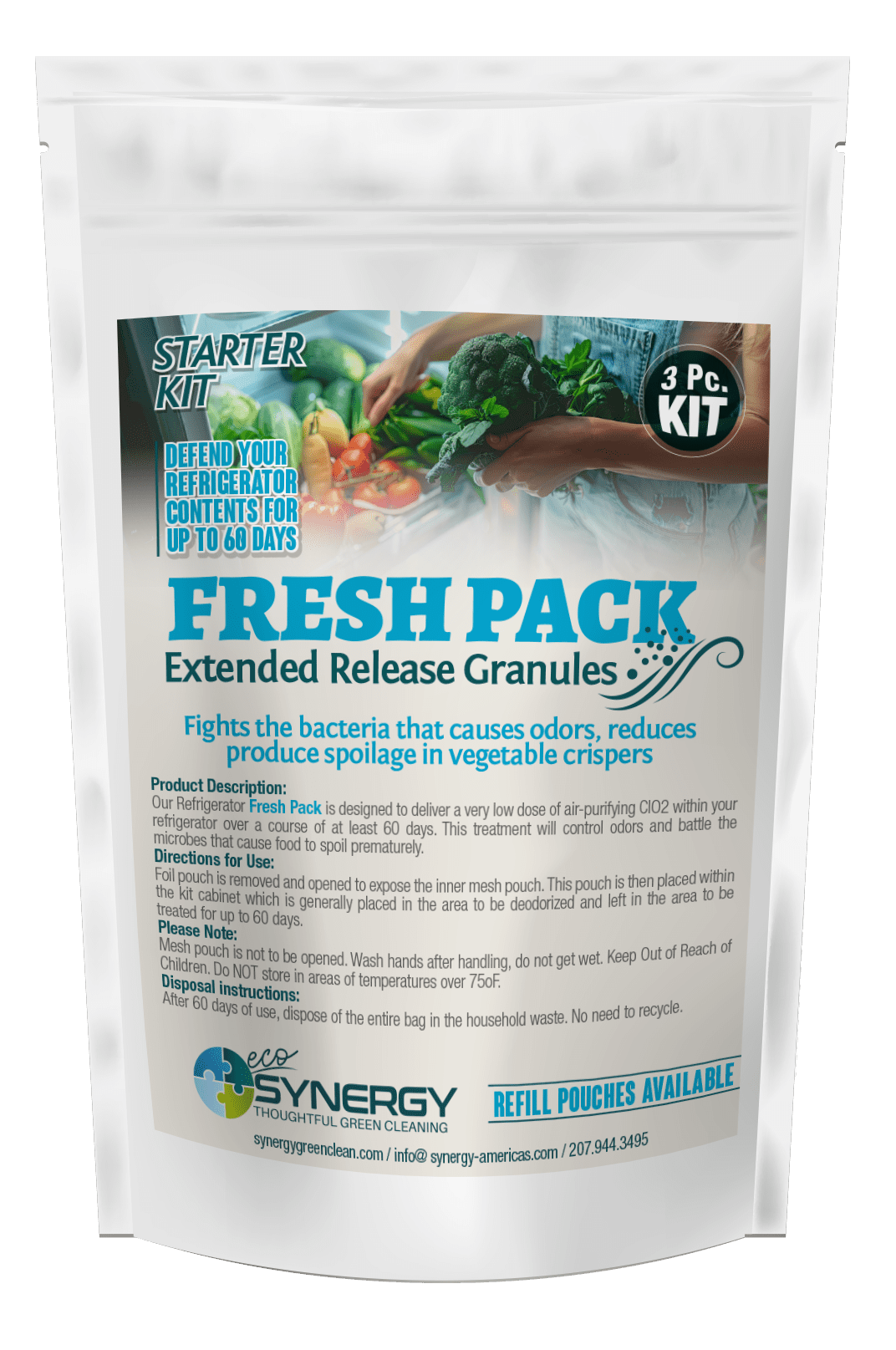
    1. Refrigerators & Freezers

    • Winter is peak time for produce, dairy, and leftovers.
    • ClO₂ stops odors before they mingle — so pumpkin pie doesn’t taste like last night’s stuffing.
    • Use our Refrigerator Fresh Pack and place in the crispers and at the back of the Frig.

    Also Read 👉🏻How To Remove Bad Odor From Refrigerator?

    2. Kitchens & Pantries

    • Tracks in mud, salt, and pet dander.
    • ClO₂ neutralizes bacteria and airborne contaminants that can cause lingering smells.
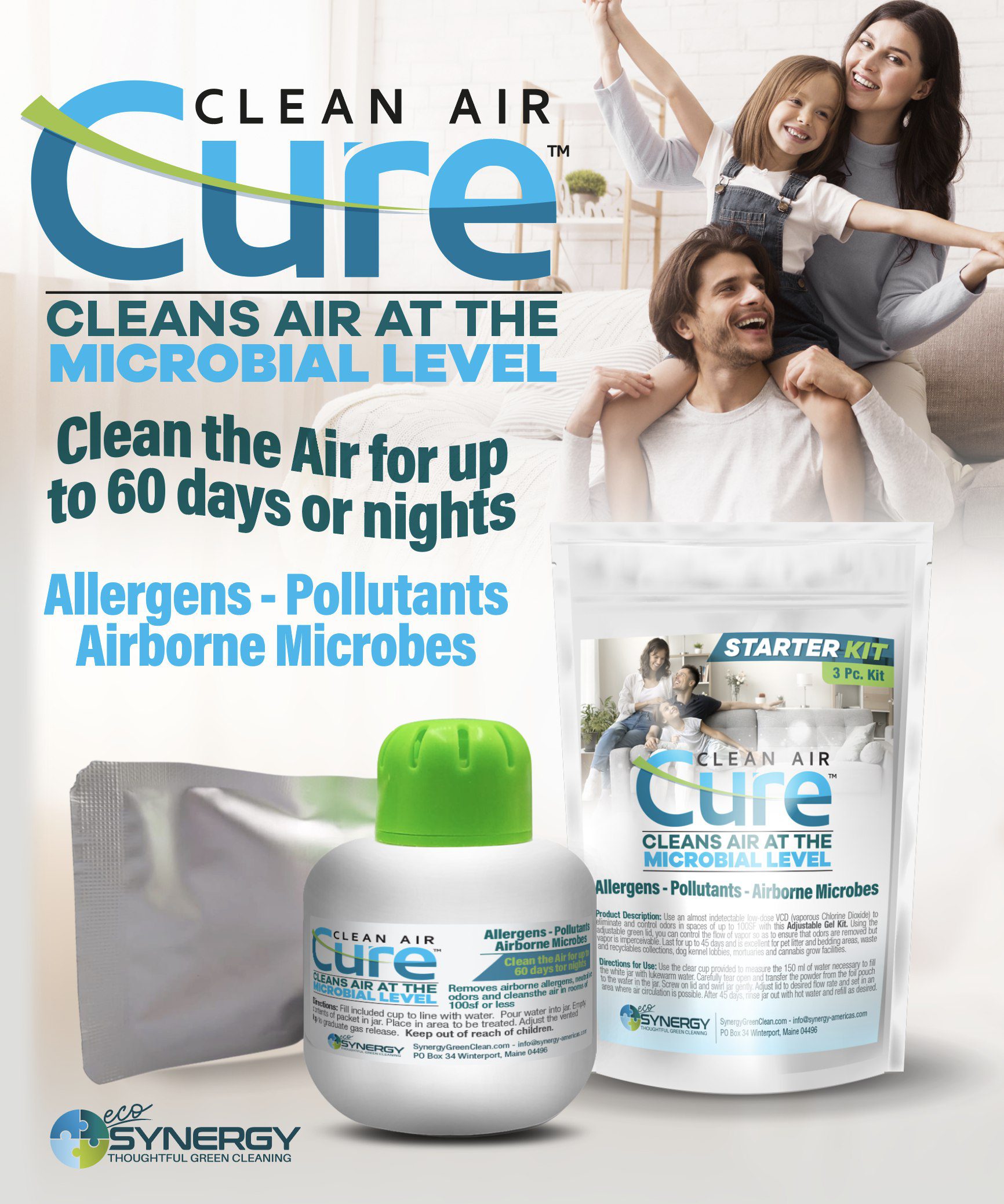
    • Use our Clean Air Cure and place strategically in the cabinets and in your pantry.

    3. HVAC Systems

    • Cold weather reduces airflow and traps contaminants.
    • A small ClO₂ unit in the system or vent eliminates microbial buildup.
    • Place a CLO2 fresh pack pouch in the ventilation system or near a vent for continued freshness.

    Also Read 👉🏻“How do I Use Chlorine Dioxide Tablets to Clean & Sanitize HVAC Systems, Ducts, & Drain Lines”

    4. Break Rooms & Small Offices

    • Coffee, snacks, and closed windows = stale smells.
    • ClO₂ keeps air clean and employees happier.
    • Use our Clean Air Cure and Place strategically through out the office or in the breakroom where heavy odors persist.

    5. Small Storage Spaces or Closets

    • Perfect for lockers, supply closets, and pantries that stay closed for days.
    • Use our Clean Air Cure by placing it on a closet shelf or on the closet floor.

    Also Read 👉🏻How do I Use CLO₂ Tablets for Cleaning, Odor Removal & Mold?
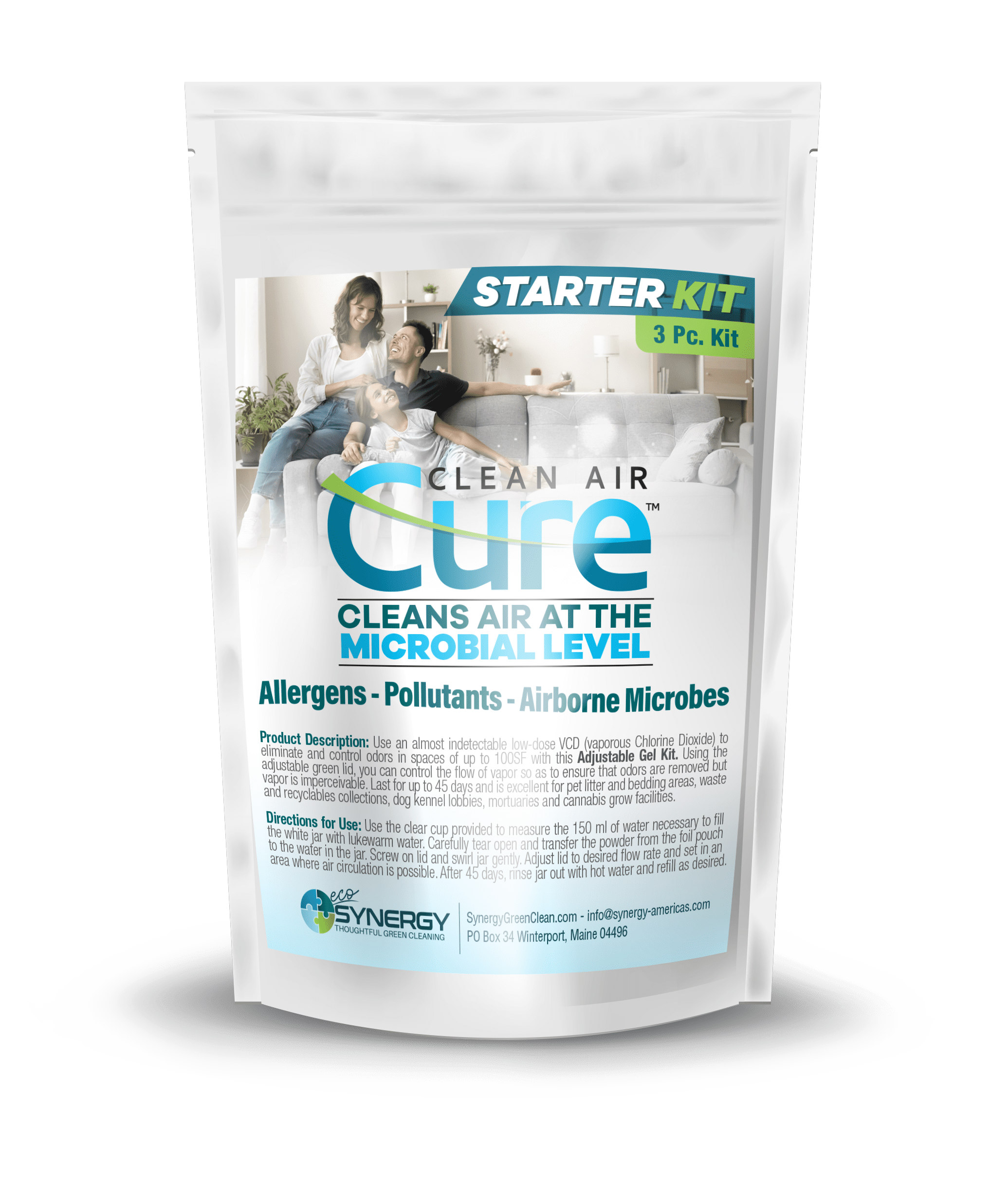

    Cure Gels is one of our newest line of air purifications to help aid during flu seasonCURE cleans the air up to 60 days and nights for clean pure air.


    The Secret to Doing It Once and Being Done

    This is the part most people miss. You don’t need to clean more often; you need to clean smarter.

    • Deploy ClO₂ in key problem areas
    • Let it neutralize odors at the source
    • Reduce repetitive scrubbing, spraying, and masking scents

    In other words, winter cleaning stops being a chore and becomes a set-it-and-forget-it solution — your air stays fresh, your food lasts longer, and your space feels healthier.


    Why This Matters

    • Health: Reduces exposure to bacteria, mold, and VOCs that can trigger allergies or respiratory issues.
    • Efficiency: Less repetitive cleaning means more time for what matters — family, work, or running your business.
    • Economics: Less spoilage, less waste, fewer cleaning supplies.
    • Comfort: A fresher environment keeps everyone happy and productive.

    Final Thought: The Winter IAQ Shift You Can Make Today

    Winter doesn’t have to be a battle against stale air, spoiled produce, or constant cleaning. Understanding the root causes of odors and poor IAQ — and using ClO₂ strategically — completely reframes the problem.

    No more fighting the same battle twice. No more masking smells. No more wasted hours.

    By investing in a ClO₂ solution for your home or small business, you can finally:

    • Neutralize odors at the source
    • Reduce microbial contamination
    • Extend the freshness of foods
    • Save time on winter cleaning
    • Maintain a healthier, more pleasant environment for everyone

    It’s a simple, smart, and proven way to take winter indoor air quality into your own hands — without endless effort.

    Winter may be cold outside, but inside your home or business, freshness is now under your control.

    CLO2 is a healthy alternative to Bleach and other chemical household cleaners

    F&Q

    1. What causes indoor air quality problems during winter?

    During winter, homes and businesses tend to be more sealed, with windows and doors closed to retain heat. This reduces ventilation, allowing dust, mold spores, bacteria, and volatile organic compounds (VOCs) to accumulate in the air. In addition, mud, snow, salt, and debris tracked inside, combined with heating systems that stir up particles, contribute to poor air quality. Without proper mitigation, these conditions lead to lingering odors, faster spoilage of perishable foods, and potential respiratory irritants.


    2. Why do refrigerators and enclosed spaces smell worse in winter?

    Cold temperatures slow air circulation and trap odors, while moisture from produce, leftovers, and condensation increases bacterial growth. Closed spaces, like fridges, freezers, or storage closets, create microenvironments where odor-causing bacteria and mold thrive. Even frequent cleaning often doesn’t fully remove these airborne contaminants, which is why odors tend to persist.


    3. How does chlorine dioxide (ClO₂) improve winter indoor air quality?

    ClO₂ is a low-dose oxidizing agent that neutralizes airborne bacteria, mold spores, and VOCs without masking them with fragrances. Unlike traditional cleaners or air fresheners, ClO₂ targets the root cause of odors and microbial contamination. It works continuously, creating a safer, fresher indoor environment while reducing repetitive cleaning tasks.


    4. Is ClO₂ safe to use around food and pets?

    Yes. When used according to manufacturer instructions, ClO₂ emits ultra-low doses specifically formulated for enclosed spaces, including refrigerators, kitchens, and break rooms. It’s residue-free, fragrance-free, and safe for food storage areas. Many homeowners and small businesses use it to protect perishables without concern for contamination or harsh chemical exposure.


    5. How long does a single ClO₂ unit last in a refrigerator or small space?

    Most ClO₂ deodorizing kits, like the Fresh Pack™, provide continuous odor control for up to 60 days. The controlled-release system gradually emits ClO₂ vapor, neutralizing odors and reducing microbial load over time. This means you don’t need to constantly check, refill, or manually scrub — one installation lasts for weeks.


    6. Can ClO₂ help extend the shelf life of food?

    Yes. Odor-causing bacteria and mold spores often contribute to premature spoilage of sensitive foods like berries, leafy greens, herbs, vegetables, and dairy. By reducing these microorganisms in the air and on surfaces, ClO₂ supports longer freshness and reduces waste, helping homeowners and small businesses save money and maintain healthier food.


    7. Will ClO₂ replace my regular cleaning routine?

    Not entirely. ClO₂ complements cleaning, rather than replacing it. Surface cleaning is still necessary to remove visible dirt, spills, and debris. However, ClO₂ reduces the frequency and intensity of cleaning needed to maintain freshness and odor control, saving time and preventing the frustration of “cleaning the same space twice.”


    8. Can ClO₂ be used in small offices or business break rooms?

    Absolutely. Enclosed areas such as break rooms, pantries, and storage rooms often suffer from lingering odors caused by food, moisture, and poor ventilation. ClO₂ units neutralize odors without masking scents, creating a fresher, healthier environment for employees and customers, while requiring minimal maintenance.


    9. How do I install a ClO₂ deodorizing system in my home or small business?

    Most systems are simple to install. For example, the Fresh Pack™ includes a mountable cabinet and pre-measured granule pouches. Simply mount the cabinet in a refrigerator, small pantry, or enclosed space, insert the pouch, and let the controlled-release system do its work. No power source or complex setup is required.


    10. Why should I invest in ClO₂ solutions instead of relying on air fresheners or fragrances?

    Air fresheners and scented sprays only mask odors — they do not remove the root cause: bacteria, mold, or VOCs. ClO₂ works at the source, neutralizing contaminants and maintaining continuous freshness. This leads to long-lasting odor control, healthier air, and extended food shelf life, making it a smarter investment for both homeowners and small businesses.

    Also Read 👉🏻Winter IAQ Solutions: Stop Wood Smoke, Dry Air & Stale Indoor Odors

  • Winter IAQ Solutions: Stop Wood Smoke, Dry Air & Stale Indoor Odors

    Winter IAQ Solutions: Stop Wood Smoke, Dry Air & Stale Indoor Odors

    When The Temps Drop in The North, The Wood Stoves Fire Up……

    When the temperatures drop and the wood stoves fire up, something else quietly arrives for winter… bad indoor air. You can’t see it, but you feel it — the scratchy throat in the morning, the dryness in your sinuses, the faint smell of smoke that sneaks into the house even when your stove is behaving perfectly.

    And if you’re surrounded by neighbors who love their wood boilers more than their snowblowers, well… congratulations, you now live in a small, seasonal smoke dome.

    But here’s the good news: You’re not powerless. Winter IAQ issues are predictable, preventable, and surprisingly easy to fix with a few smart tools, a bit of routine, and one incredibly effective solution most homeowners don’t know exists — ultra-low-dose chlorine dioxide (ClO₂).

    To make this personal, let’s start with a story so many families know all too well.


    Staying home when you are not feeling well is an important part of not spreading the virus.A Winter Evening That Feels… Off

    It’s the first truly cold Saturday night of the season. You’ve got a fire going, a big pot of soup simmering on the stove, and the house feels warm and cozy. But after an hour, something doesn’t feel right.

    The air feels heavy. Your eyes are a little irritated. The house smells slightly smokier than usual — not full-on campfire, but just enough to be annoying. You crack a window… it gets cold fast. You shut it. Now you’re stuck between freezing air or breathing stale air.

    This is the moment where most homeowners shrug and say:
    “Well… that’s winter.”

    But here’s the truth — this is fixable, and far easier than you imagine.


    Why Winter Wrecks Your Indoor Air Quality

    When we button up our homes for winter, three problems jump out immediately:

    1. Wood Smoke Particles (Even When You Don’t See Smoke)

    Even with a well-running stove, tiny particulates escape into your living space — especially when you open the stove door or when the draft dips for a second.
    If neighbors use outdoor boilers or burn lower-grade wood, their emissions drift straight toward your house and cling to your indoor air.

    2. Dry Air + Heat = Respiratory Trouble

    Your home becomes a desert.
    Dry air makes particulates linger longer and irritates your throat, sinuses, and lungs.

    3. Closed-Up Homes Trap Everything Inside

    Cooking odors, pet dander, dust, and seasonal viruses stay suspended longer because there’s nowhere for them to go.

    That’s the triple punch of winter IAQ — but homeowners have powerful, practical ways to restore fresh, clean air without freezing the house or constantly venting heat.


    Step-by-Step Solutions to Improve Winter IAQ Immediately

    Step 1: Control Humidity the Smart Way

    A good humidifier helps dust settle, keeps your respiratory system functioning properly, and improves overall comfort. The ideal winter home humidity level is 35–45%.

    Here’s where the magic happens:

    Add ClO₂ to Your Humidifier Water (Game-Changer Tip)

    Using one 1g ClO₂ Tablet per gallon of water helps:

    • deodorize the water reservoir
    • prevent microbial buildup
    • gently release ultra-low-dose vapor that freshens air
    • reduce mold and bacterial growth inside the machine
    • keep the emitted humidity clean, not musty

    This is one of the simplest, most effective upgrades you can make — and it costs pennies per day.

    Also Read 👉🏻 The Science Of Safe Air| How CLO2 Purifies Without Harm


    Step 2: Use an Air Purifier, Then Supercharge It

    Use a purifier with HEPA filtration to capture wood-smoke particulates. Place it:

    • near your stove
    • in high-traffic living areas
    • in bedrooms if smoke odors linger

    But even the best purifier struggles with odor molecules and microbial contaminants that are too small for physical filters.

    That’s why so many homeowners combine their filtration with the Clean Air Cure Kit, a system that releases a precise, ultra-low ClO₂ vapor to eliminate stubborn odors and airborne microbes.

    Cure Gels is one of our newest line of air purifications to help aid during flu seasonClean Air Cure = The Missing Piece

    The Clean Air Cure Starter Kit works by:

    • releasing controlled micro-dose ClO₂ into the air
    • targeting smoke odors and VOCs
    • reducing airborne bacteria
    • helping your purifier work more efficiently
    • keeping the air fresh without perfumes or masking agents

    It’s simple, automatic, and safe when used as directed. You set it, forget it, and let it work quietly in the background.


    Step 3: Stop Odors at the Source

    If wood-smoke odors cling to your home, fabrics, or entryways:

    • Place a small open container with a 1g ClO₂ Tablet dissolved in water nearby.
    • Allow the solution to passively deodorize the air.
    • Use another Clean Air Cure unit near high-traffic areas.

    Your home will smell cleaner, fresher, and less “winter-stuffy.”


    A Winter Home That Finally Feels Fresh Again

    Imagine walking into your home after running errands on a cold day. Instead of stale, smoky winter air, you’re greeted with:

    • clean humidity
    • crisp, fresh airflow
    • zero lingering smoke
    • relaxed breathing
    • revived comfort

    This is what homeowners experience when they combine humidity, purification, and ClO₂ solutions with consistency. Winter suddenly becomes easier, cleaner, and healthier

    Also Read 👉🏻 Maintaining a Healthy Indoor Environment With CLO2


    you feel it — the scratchy throat in the morning, the dryness in your sinuses, the faint smell of smoke that sneaks into the house even when your stove is behaving perfectly.Quick Winter IAQ Checklist

    Daily

    • Maintain humidity 35–45%
    • Run air purifier on medium/high
    • Add 1g ClO₂ Tablet to each gallon of humidifier water

    Weekly

    • Replace humidifier water entirely
    • Check stove seals & airflow
    • Refresh Clean Air Cure cartridges as scheduled

    Monthly

    • Replace purifier filters as recommended
    • Deep clean humidifiers (ClO₂ does most of the work, but rinse anyway)

    You solve winter IAQ by building habits, not by opening a window and hoping for the best.


    Conclusion: Winter Air Doesn’t Have to Win

    Winter changes the air inside every home — but it doesn’t have to decide how your home feels. With a few smart choices, you can take control of your air quality, protect your family’s health, and create a home that feels clean, hydrated, and welcoming no matter how cold it gets outside.

    Simple tools like proper humidity, a trustworthy purifier, and the ultra-low-dose power of ClO₂ can transform your space from dry and smoky… to fresh and breathable. A single 1g tablet in your humidifier helps keep moisture clean and healthy. The Clean Air Cure Kit works quietly behind the scenes to neutralize odors and airborne microbes. Together, they give you the one thing every winter home deserves: confidence in your air.

    So this season, choose comfort. Choose clarity. Choose a home that smells clean, feels clean, and supports your well-being — even when the wood stoves are roaring and the cold settles in.
    Your indoor air should work for you, not against you. And now, it finally can.


     FAQ

    Does ClO₂ smell?

    No — at ultra-low doses used in home IAQ solutions, it’s virtually undetectable.

    Can I use ClO₂ tablets in any humidifier?

    Yes, as long as it uses a standard water reservoir. Always follow your unit’s instructions and use only one 1g tablet per gallon.

    Is this safe around pets and kids?

    Yes when used exactly as directed. Ultra-low-dose ClO₂ is used for IAQ in hospitals, food facilities, and water systems.

    Will this remove wood smoke odor?

    Yes — the Clean Air Cure Kit is specifically designed to handle stubborn odors, including smoke.

  • 7 Ways ClO₂ Saves Time for Commercial Cleaning Crews

    7 Ways ClO₂ Saves Time for Commercial Cleaning Crews

    Running a commercial cleaning operation is all about efficiency.

    You’re managing tight schedules, fast turnarounds, picky clients, and constant pressure to deliver perfect results every single time. Time wasted is money lost — and in this industry, every minute counts.

    That’s exactly why so many cleaning companies are turning to ClO₂ (chlorine dioxide) as their secret weapon. It doesn’t just clean better — it shortens the entire workflow from start to finish.

    Let’s break down exactly how chlorine dioxide saves cleaning teams time while improving results.


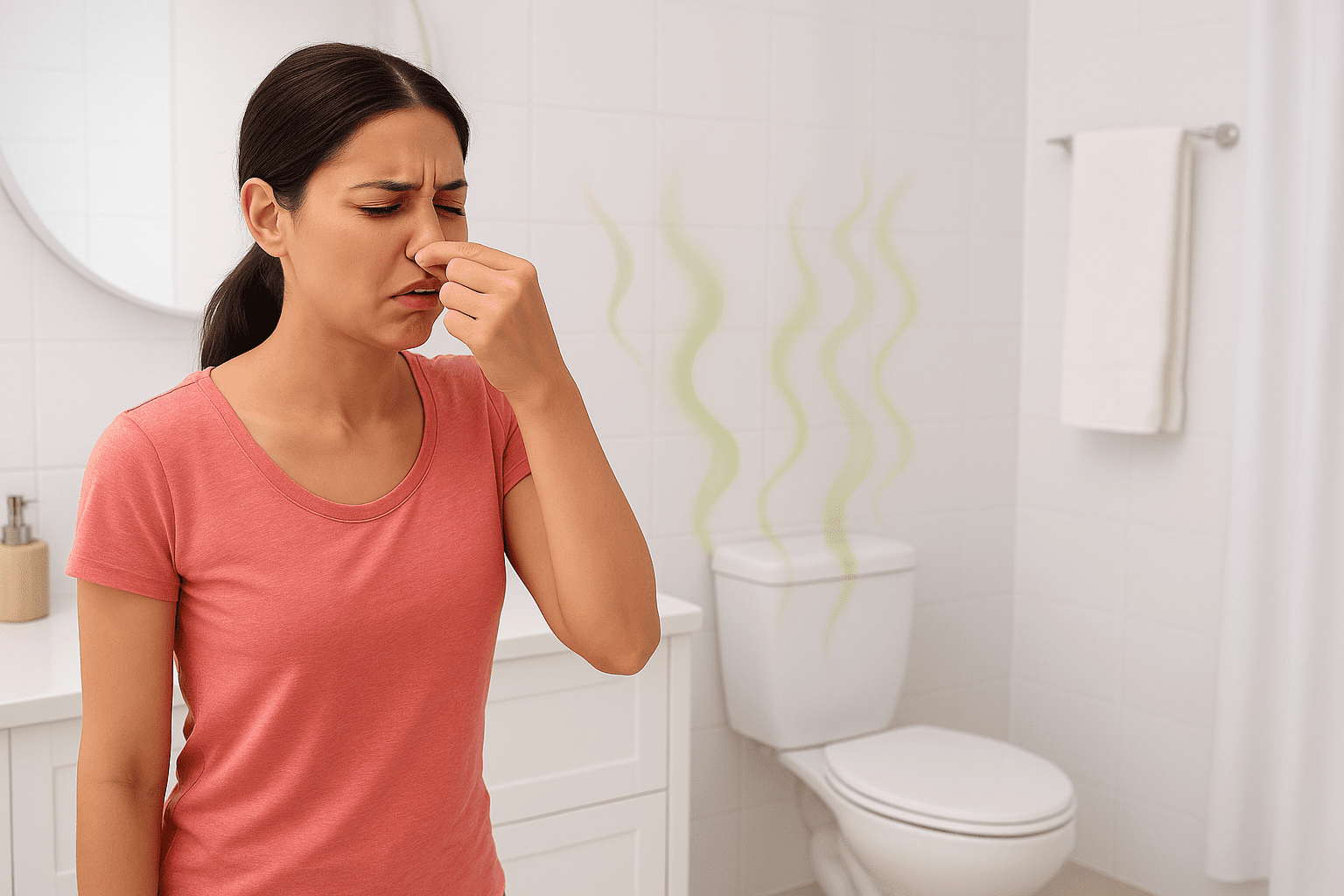
    A clean, fresh-smelling bathroom isn’t just pleasant—it signals health, care and good home hygiene.⏱️ 1. ClO₂ Eliminates Odors Instead of Masking Them — Saving Hours of Repeat Work
    Traditional deodorizing?
    Spray… hope… repeat.

    And repeat.
    And repeat again when clients complain the smell “came back.”

    ClO₂ oxidizes odor molecules at the source. That means:
    ✔ No follow-up visits
    ✔ No multi-step deodorizing routines
    ✔ No need to “re-clean” rooms with lingering smells

    What used to take hours becomes a simple, effective, one-step treatment.


    ⏱️ 2. Faster Turnover for Hotels, Offices, Rentals & Schools

    Commercial cleaners understand this pain:
    Slow turnover = lost revenue… and frustrated clients.

    With chlorine dioxide, crews can:
    ✔ Treat entire rooms in less time
    ✔ Freshen occupied spaces overnight
    ✔ Reduce scrubbing time with fewer products
    ✔ Get in-and-out without delays

    For hotels, this is a game-changer — especially when dealing with:
    • Smoke odor
    • Food smells
    • Pet rooms
    • Musty suites

    ClO₂ wipes out the odors that normally slow down cleaning crews.


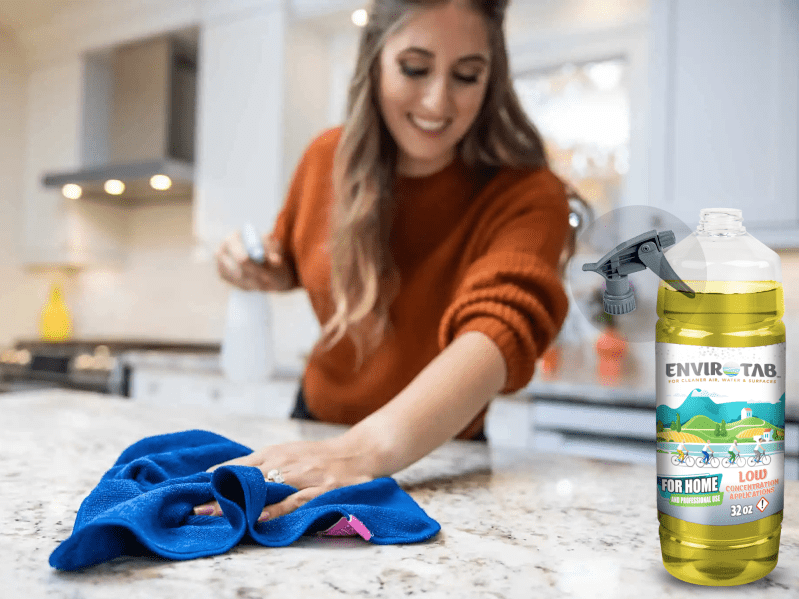
    All surface cleaner with Envirotab ClO2 Solution⏱️ 3. One Product Replaces Five (Or More)

    Most commercial teams carry way too many products:
    🚫 Odor neutralizers
    🚫 Mold sprays
    🚫 Disinfectants
    🚫 Surface sprays
    🚫 Bathroom cleaners

    With ClO₂, one solution does the heavy lifting of multiple chemicals.

    Fewer products =
    ✔ Less setup time
    ✔ Faster workflow
    ✔ Lower supply costs
    ✔ Simpler training for staff

    Commercial cleaning crews love anything that eliminates complexity — and ClO₂ does exactly that.


    ⏱️ 4. Less Scrubbing, Less Labor, Less Backtracking

    Chlorine dioxide breaks down organic matter, biofilm, bacteria, and odors quickly — which means cleaning crews aren’t fighting with stubborn surfaces or “mystery smells.”

    This translates to:
    ✔ Less manual labor
    ✔ Shorter cleaning cycles
    ✔ Fewer deep-clean sessions
    ✔ Reduced re-clean call-backs

    Instead of spending 20 minutes scrubbing “that one spot,” ClO₂ handles it in a fraction of the time.


    ⏱️ 5. Lower Training Time for New Staff

    Commercial teams deal with high turnover. Training new staff can drain productivity fast.

    By switching to ClO₂ systems, training becomes far easier:
    ✔ Straightforward instructions
    ✔ Safe when used properly
    ✔ Repeatable processes
    ✔ Less room for error

    Crews can get up to speed faster — which means more jobs completed and fewer mistakes.


    a woman opening curtains with a smiling face.⏱️ 6. Fewer Customer Complaints = Fewer Costly Callbacks

    Callbacks eat up time. Clients demand fixes, rooms must be re-cleaned, and crews lose precious hours.

    ClO₂ dramatically reduces:
    • Odor complaints
    • Musty rooms
    • Smoke-smell returns
    • Mold smell issues
    • Pet odor challenges

    Fewer complaints means:
    ✔ More satisfied clients
    ✔ Better reviews
    ✔ More contracts
    ✔ More efficiency
    ✔ More profits


    ⏱️ 7. Works While You Work — Passive Cleaning Power

    One of the biggest advantages?

    ClO₂ works while the crew handles other tasks.
    Set up a treatment ➝ Clean another area ➝ Return to a fresh room.

    This creates:
    ✔ Overlapping cleaning cycles
    ✔ Faster building-wide sanitation
    ✔ Higher job throughput

    Commercial crews instantly gain an efficiency multiplier.


    🚀 Final Thought: ClO₂ Makes Cleaning Crews Faster, Better, and More Profitable

    In the commercial cleaning world, the most valuable currency is time.
    And the biggest advantage is efficiency.

    Chlorine dioxide delivers both.

    If cleaning companies want to:
    ✔ Reduce labor
    ✔ Speed up turnover
    ✔ Win more clients
    ✔ Deliver consistent results
    ✔ Eliminate odors for good

    Then ClO₂ isn’t just an upgrade — it’s a competitive advantage.

    CLO2 is a healthy alternative to Bleach and other chemical household cleaners

  • Hotel & Commercial Cleaning Solutions | Odor & Germ Removal With ClO₂

    Hotel & Commercial Cleaning Solutions | Odor & Germ Removal With ClO₂

    🏨 The Secret to Higher Guest Satisfaction: Cleanliness That Goes Beyond the Surface

    Hotels, office buildings, gyms, and commercial properties are under constant pressure to keep spaces clean, odor-free, and consistently welcoming.

    Guests, employees, and tenants might not always say it directly, but cleanliness shapes their entire experience — and your reviews, referrals, and reputation reflect it.

    Traditional chemicals can only take you so far.
    Masking odors doesn’t solve the problem.
    Using harsh products slows down teams and irritates guests.
    And tight turnovers leave little room for error.

    That’s why commercial cleaners worldwide are turning to chlorine dioxide (ClO₂) for a faster, safer, and more reliable clean.

    👉🏻 Also Read: Airbnb Cleaning & Odor Removal


    ✨ Why Hotels & Commercial Cleaners Choose ClO₂

    ClO₂ is used in hospitals, food plants, cruise ships, and high-traffic environments because it’s:

    ✓ Fast-acting

    Works in minutes to eliminate odors and sanitize air & surfaces.

    ✓ Safe & eco-friendly

    No harsh bleach fumes, no residue, no fabric damage.

    ✓ Perfect for high-turnover environments

    Cleaning teams move faster and finish stronger.

    ✓ Effective against the toughest challenges

    Odors
    Germs
    Biofilm
    Mold & mildew
    Allergens
    Smoke
    Mustiness

    ✓ Enhances the guest experience

    Cleaner air. Cleaner rooms. Cleaner facilities.

    When commercial spaces smell fresh and feel clean, people notice.


    💨 The Problems ClO₂ Solves in Hotels & Commercial Facilities

    1. Persistent Room Odors

    Smoke, food, perfume, body odor — gone at the molecular level.

    2. Musty HVAC & AC Smells

    ClO₂ treats air systems and eliminates microbials where they hide.

    3. Bathroom & Drain Odors

    It breaks down organic waste causing recurring smells.

    4. High-Touch Surface Contamination

    Door handles
    Remote controls
    Elevator buttons
    Gym equipment
    Desks & countertops

    ClO₂ sanitizes without heavy chemical load.

    5. Laundry Odors & Towel Funk

    Perfect for hotel linens, bedding, uniforms, and spa towels.

    6. Public Areas With Heavy Traffic

    Lobbies, conference rooms, hallways, gyms, locker rooms.


    🧹 How ClO₂ Improves Cleaning Team Efficiency

    Janitorial and housekeeping teams love ClO₂ because it:

    • Simplifies their workflow
    • Reduces chemical usage
    • Eliminates odor callbacks
    • Speeds up room turnover
    • Prevents recurring problem areas
    • Works in both small rooms and large open spaces

    ClO₂ becomes a high-impact, low-effort cleaning system for teams that need results fast.


    🛎 Step-by-Step: Using ClO₂ in Hotels

    Step 1 — Room Reset Treatment

    Run a mini ClO₂ vapor treatment after checkout.
    ✔ Removes odors
    ✔ Freshens air
    ✔ Leaves rooms truly neutral

    This alone dramatically improves guest satisfaction.


    Step 2 — Hard Surface Sanitizing

    Use diluted ClO₂ spray solution for surfaces:

    • Desks
    • Bed frames
    • Nightstands
    • Phones
    • Remotes
    • Bathrooms
    • Countertops

    It kills odor-causing bacteria and leaves no sticky residue.


    Step 3 — Fabric Freshening

    Safe on:

    • Bedding
    • Pillows
    • Curtains
    • Upholstery
    • Carpets
    • Gym mats
    • Conference chairs

    Stops odors where they start.


    Step 4 — Hallways & Common Areas

    Fogging or vapor treatments keep public areas smelling fresh and clean without heavy fragrances.


    Step 5 — Gym & Fitness Center Sanitation

    A must for commercial spaces where odors form quickly.
    ClO₂ breaks down sweat odor, bacteria, and locker room smells at the source.

    👉🏻 Also Read: Airbnb Cleaning & Odor Removal


    💡 Why Guests Instantly Notice the Difference

    Most hotel cleaners rely on perfumes and coverups.
    But guests are sensitive. They notice when:

    • A room doesn’t smell “clean”
    • The air feels stale
    • Odors linger in carpets
    • Bathrooms have a faint mustiness
    • The AC smells off

    ClO₂ makes rooms feel naturally clean — no scents, no masking.

    This leads to:
    ✔ Fewer odor complaints
    ✔ Higher cleanliness ratings
    ✔ Better reviews
    ✔ Repeat bookings
    ✔ Stronger brand reputation


    🔥 Recommended ClO₂ Products for Hotels & Commercial Spaces

    Room Treatment Tablets — for guest rooms, offices, hallways
    Spray Solution Tablets — for daily cleaning
    Fogger-Compatible Tablets — for large spaces & deep sanitation
    Laundry Boost Tablets — for linens, uniforms, towels

    Available at:
    👉 CLO2Tablets.com


    ❓ FAQs (Featured Snippet Optimized)

    What is the best way to remove hotel room odors?

    A ClO₂ vapor treatment eliminates odors at the molecular level — far more effective than masking sprays.

    Is ClO₂ safe for hotel housekeeping teams?

    Yes. It’s eco-friendly, non-bleaching, and leaves no harmful residue.

    Can ClO₂ clean both air and surfaces?

    Yes — ClO₂ is one of the few solutions that disinfects air, water, and surfaces safely.

    Does ClO₂ help improve hotel cleanliness ratings?

    Absolutely. Hotels using ClO₂ report fewer complaints and significantly fresher rooms.


    🎯 Final CTA

    Create a cleaner, fresher, guest-approved facility today.
    Discover the ClO₂ solutions trusted by hotels and commercial cleaners:
    👉 Shop ClO₂ Products

  • Airbnb & Short-Term Rental Cleaning | Odor Removal & Sanitizing With ClO₂

    Airbnb & Short-Term Rental Cleaning | Odor Removal & Sanitizing With ClO₂

    🧹 Airbnb & Short-Term Rental Cleaning With ClO₂: The Ultimate Odor & Sanitation Solution

    🏡 Keep Your Airbnb Guest-Ready With the Power of ClO₂

    Running an Airbnb or short-term rental means your next booking depends on your last guest’s experience. Cleanliness, freshness, and sanitation directly impact your reviews, rating, and repeat bookings.

    But here’s the challenge…
    Between fast turnovers, lingering odors, spills, pets, cooking smells, and “mystery odors,” keeping rentals fresh is HARD.

    That’s where chlorine dioxide (ClO₂) becomes the strongest tool in your cleaning arsenal.


    ✨ Why Airbnb Owners Trust ClO₂

    ClO₂ is a powerhouse:

    • Eliminates tough organic odors
    • Neutralizes allergens, mold, mildew, and bacteria
    • Works FAST — ideal for tight turnovers
    • Leaves NO residue
    • Safe for fabrics, hard surfaces, air, and water
    • Eco-friendly — no harsh chemicals

    Your guests get a clean, fresh, hotel-quality experience, and you get fewer complaints, fewer refunds, and higher ratings.


    Fish, curry, spices — all gone in minutes.🔥 What ClO₂ Can Handle in Short-Term Rentals

    1. Cooking Odors

    Fish, curry, spices — all gone in minutes.

    2. Pet Odors

    Dander, wet dog, bedding smells — neutralized at the molecular level.

    3. Smoke Smells

    Cigarettes, cigars, vape residue, wood smoke.

    4. Musty / Damp Odors

    Especially in basements, older homes, and coastal rentals.

    5. Body Odor & Laundry Funk

    Common after long-term guests or multiple consecutive bookings.

    6. Bathroom & Drain Odors

    ClO₂ breaks down the organic materials causing the smell.


    💡 Step-by-Step Airbnb Cleaning With ClO₂

    Step 1 — Air & Room Treatment

    Perfect for rental turnovers, musty spaces, or mystery odors.

    Use ClO₂ tablets to generate vapor in a closed room.
    Let it work 2–6 hours depending on odor severity.

    ✔ Neutralizes odors
    ✔ Sanitizes air
    ✔ Safe for surfaces
    ✔ No scrubbing required


    Step 2 — Hard Surface Cleaning

    Great for kitchens, bathrooms, high-touch areas.

    Dilute ClO₂ tablets into spray solution for:

    • Countertops
    • Appliances
    • Doorknobs
    • Light switches
    • Remote controls
    • Bathroom surfaces
    • Showers & tubs

    It kills microbes that cause smells and prevents buildup.


    Step 3 — Fabric & Upholstery Freshening

    Use diluted ClO₂ spray solution for:

    • Couches
    • Mattresses
    • Curtains
    • Rugs
    • Car seats (if you offer transportation)

    Safe, non-bleaching, and leaves no scent.


    Step 4 — Deep Odor Elimination for Problem Areas

    For severe issues like:

    • Smoke
    • Pets
    • Long-term guests
    • Spill smells
    • “Rental funk” no one can identify

    Use larger-space ClO₂ treatments overnight.

    Guests walk into a rental that smells like… nothing.
    Exactly what they want.


    ClO₂ is one of the most effective odor removal agents for organic odors including pets, smoke, and mustiness.🧭 Simple Airbnb Turnover Checklist Using ClO₂
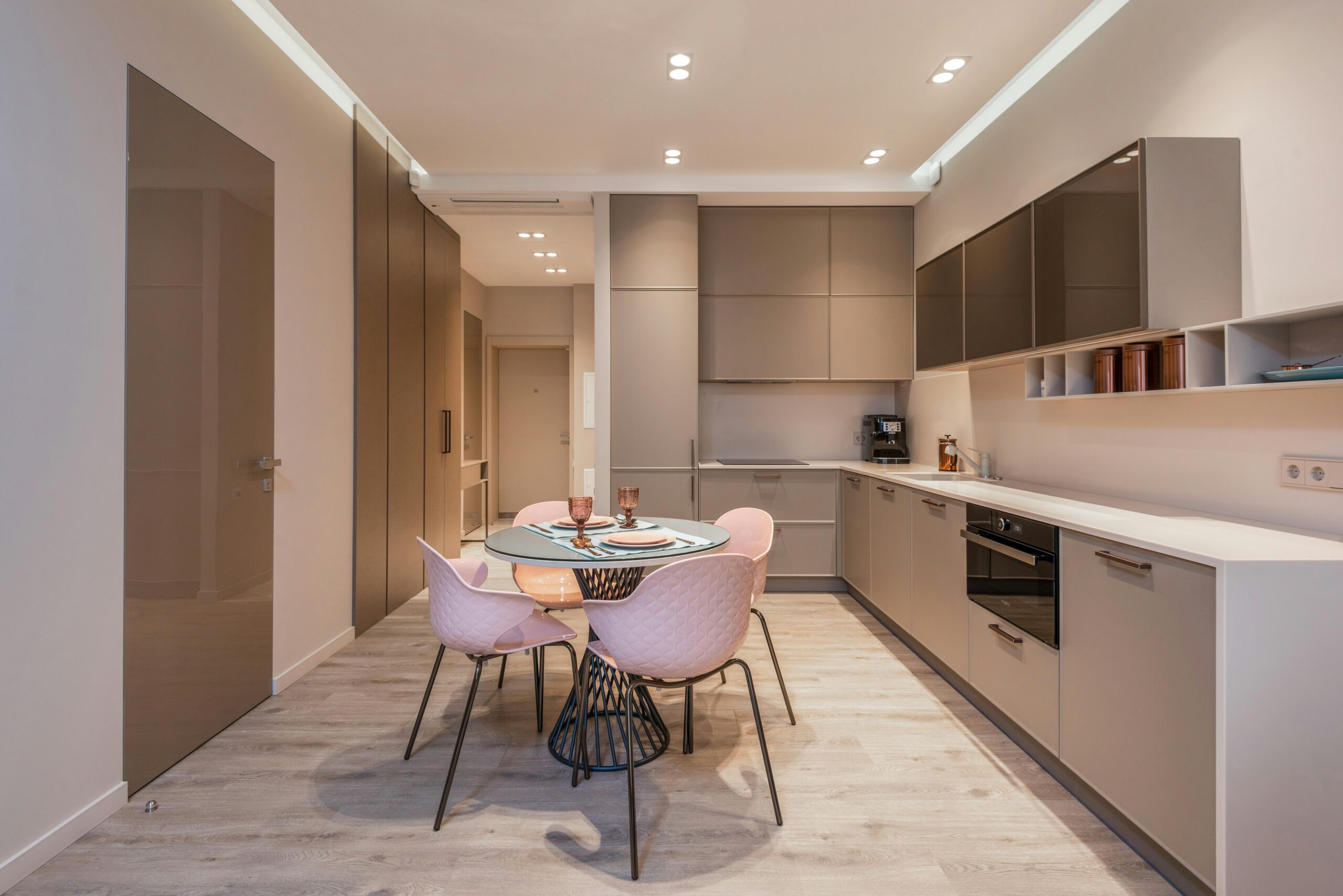

    • Open windows for 10 minutes
    • Run a ClO₂ mini room treatment
    • Spray all linens and soft surfaces
    • Wipe down high-touch areas
    • Treat bathroom and kitchen surfaces
    • Use ClO₂ deodorizing spray in closets & entryways
    • For strong odors: run a 4–6 hour ClO₂ treatment before new guests arrive

    Fast. Consistent. Guest-approved.


    📈 How ClO₂ Helps Boost Your Airbnb Rating

    • Fewer cleaning complaints → higher guest satisfaction
    • No odors → better first impression
    • Cleaner air & surfaces → improved comfort
    • Eco-friendly cleaning → huge hit with wellness travelers
    • Faster turnovers → more available booking days

    Smart hosts use tech that saves time and earns 5-star reviews.


    🔥 Recommended ClO₂ Products for Airbnb Hosts

    Room Treatment Tablets — for whole-room odor elimination
    Spray Solution Tablets — for daily turnovers
    Laundry Boost Tablets — for linens, towels, blankets
    Fogger-Compatible Tablets — for deep sanitizing treatments

    All available at:
    👉 CLO2Tablets.com


    🧠 FAQs

    How do I remove odors from my Airbnb?

    Use ClO₂ for whole-room treatments and surface cleaning. It neutralizes odors at the molecular level and works in minutes to hours.

    Is ClO₂ safe in rentals between guests?

    Yes — when used as directed. It leaves no residue, no fragrance, and breaks down into salt and water.

    Can ClO₂ remove pet and smoke smells from Airbnb units?

    Absolutely. ClO₂ is one of the most effective odor removal agents for organic odors including pets, smoke, and mustiness.

    Does ClO₂ help with cleaning ratings?

    Yes. Fresh, odor-free spaces significantly improve guest satisfaction and 5-star reviews.

    Running an Airbnb or short-term rental means your next booking depends on your last guest’s experience. Cleanliness, freshness, and sanitation directly impact your reviews, rating, and repeat bookings.


    🎯 Final CTA

    Ready to make your Airbnb smell like a 5-star stay?
    Shop your ClO₂ cleaning solutions now:
    👉 Visit CLO2Tablets.com

  • How to Sanitize Your Mattress After the Flu | Envirotab ClO₂ Solutions

    How to Sanitize Your Mattress After the Flu | Envirotab ClO₂ Solutions

    Why Mattress Sanitization Matters After the Flu

    We’ve all been there—the fever, the chills, the achy muscles, the upset stomach. All you want is to crawl into bed, pull the blankets up, and let sleep wash over you like a healing balm. Your bed becomes your sanctuary, your comfort zone, the place where your body fights back and slowly starts to feel like yourself again.

    But here’s the thing: while you’re resting and regaining your strength, your mattress is quietly holding onto more than just your dreams. Influenza viruses, bacteria, and allergens can linger on soft surfaces for hours—or even days—turning your sanctuary into a potential hotspot for reinfection. That’s why giving your mattress the proper care after the flu isn’t just a chore—it’s an act of self-care, a way to protect your health, your family, and your well-being.

    This is where Envirotab ClO₂ tablets come in. They offer a safe, modern, and highly effective way to disinfect your mattress, eliminating germs and odors without damaging fabrics or leaving harmful residues. Because a truly clean bed means a healthy, peaceful place to rest—and the comfort of knowing your sanctuary is safe.


    Start by stripping all bedding—sheets, blankets, pillowcases, and mattress protectors.Step 1: Prepping Your Mattress for Cleaning
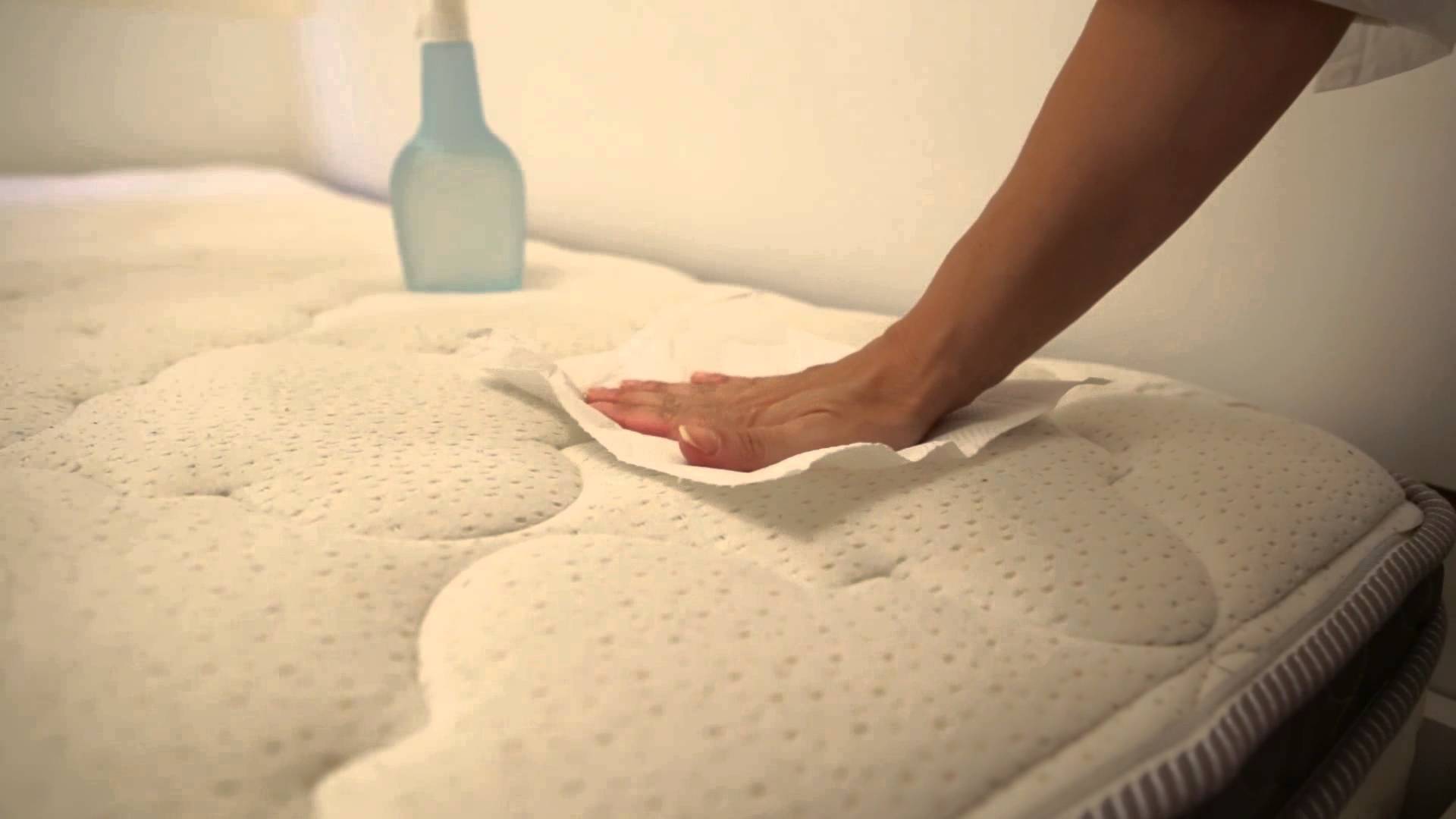

    Start by stripping all bedding—sheets, blankets, pillowcases, and mattress protectors. Wash these in hot water (at least 140°F / 60°C) to kill flu viruses and bacteria. For delicate fabrics, ensure you follow care labels but use the highest safe water temperature.

    Next, vacuum the mattress thoroughly. Use a vacuum with a clean nozzle and go over the entire surface, including seams, edges, and corners where dust, skin flakes, and viral particles tend to accumulate.

    If weather permits, place the mattress in a sunlit room or near a window for fresh air exposure. Sunlight’s natural UV rays can help reduce microbial load. A few hours in the sun can complement your ClO₂ treatment for maximum cleanliness.


    Step 2: Vacuuming to Remove Surface Dust

    Even minor dust accumulation can harbor germs and allergens. Vacuuming your mattress should be done carefully:

    1. Use slow, overlapping passes to cover every inch of the mattress.
    2. Flip the mattress to clean the opposite side.
    3. Focus on seams and edges where dust and viral particles tend to hide.

    Daily or weekly vacuuming is a preventive habit that keeps your bed fresh and reduces the risk of flu recurrence in your home.


    Step 3: Using Mattress Cleaning Sprays

    After vacuuming, a mattress disinfectant spray adds an extra layer of protection. Follow these steps:

    1. Shake the spray well and hold it approximately 6 inches from the mattress surface.
    2. Spray lightly and evenly; avoid soaking the mattress.
    3. Allow the spray to sit for 10–15 minutes to neutralize viruses and bacteria.
    4. Wipe the surface gently with a clean cloth to remove excess liquid and any dirt lifted by the spray.
    5. Ensure the mattress dries completely before reapplying bedding.

    For best results, use sprays compatible with chlorine dioxide treatments or eco-friendly disinfectants to maintain safe indoor air quality.


    Step 4: Deep Cleaning with Steam

    Steam cleaning is a highly effective way to disinfect a mattress without chemicals. Influenza viruses are sensitive to high temperatures, and steam penetrates soft surfaces where sprays may not reach.

    • Fill your steam cleaner with water and allow it to reach the recommended temperature.
    • Move the steam nozzle slowly over the mattress surface, ensuring full coverage.
    • Allow the mattress to dry completely before making the bed to prevent moisture-related mold or mildew growth.

    Steam cleaning is particularly valuable for memory foam or thick mattresses, where germs can hide deep in the material.


    sanitizing-mattress-with-sanitizer.

    Step 5: Introduction to Envirotab ClO₂ Tablets

    Envirotab chlorine dioxide (ClO₂) tablets provide an advanced, safe, and highly effective method to disinfect mattresses after flu exposure. When dissolved in water, these tablets generate a powerful cleaning solution capable of neutralizing viruses, bacteria, mold, and odor-causing microbes without leaving harmful residues.

    Key benefits of Envirotab ClO₂ solutions:

    • Effective Virus and Bacteria Neutralization: Kills influenza viruses and other common pathogens.
    • Safe on Fabrics: Gentle on all mattress types without discoloration or damage.
    • Versatile Use: Perfect for mattresses, bedding, toys, floors, and high-touch surfaces.
    • Environmentally Friendly: Breaks down into harmless byproducts, leaving no chemical footprint.
    • Convenient and Cost-Effective: Easy to prepare and store, saving time and money.

    Step 6: Using Envirotab ClO₂ Tablets for Mattress Sanitization

    Follow these steps for safe and effective mattress disinfection with Envirotab:

    1. Prepare the Solution: Dissolve one Envirotab ClO₂ tablet in the recommended amount of water. Allow it to fully activate according to the packet instructions.
    2. Apply Evenly: Pour or lightly spray the solution over the mattress surface. Ensure every inch, seam, and edge is treated.
    3. Dry Completely: Let the mattress air dry fully before replacing sheets or bedding.
    4. Safety Precautions: Wear gloves while handling the solution, and avoid direct skin or eye contact.

    This method ensures your mattress is disinfected at the molecular level, tackling flu viruses where other methods may fall short.


    Step 7: Additional Tips for Mattress Hygiene

    • Use a Mattress Protector: Washable protectors add a protective layer against viruses, bacteria, and allergens.
    • Frequent Washing: Clean bedding weekly, especially during flu season.
    • Maintain Airflow: Proper ventilation helps reduce microbial growth and keeps your mattress fresher longer.
    • Combine Methods: Use a combination of vacuuming, steam, and ClO₂ treatment for comprehensive sanitation.

    Why Envirotab ClO₂ Tablets Are a Smart Choice

    • Long-Lasting Protection: ClO₂ continues to inhibit microbial growth even after the initial cleaning.
    • Scientifically Proven: Research shows chlorine dioxide effectively neutralizes influenza viruses and other respiratory pathogens.
    • Eco-Conscious: Safer for you and your family than bleach or harsh chemical disinfectants.
    • User-Friendly: No complicated machinery or harmful fumes—just dissolve, spray, and disinfect.

    Conclusion

    Sanitizing your mattress after flu exposure is critical for maintaining a healthy home environment. While vacuuming, steam cleaning, and disinfectant sprays provide layers of protection, Envirotab ClO₂ tablets offer unmatched effectiveness, convenience, and safety. By incorporating ClO₂ treatments into your cleaning routine, you can confidently rest knowing your mattress is free of flu viruses, bacteria, and other harmful microbes.

    Healthy sleep starts with a clean bed—and with Envirotab, you can keep your home safe, fresh, and flu-free.

    Healthy sleep starts with a clean bed—and with Envirotab, you can keep your home safe, fresh, and flu-free.


    10 FAQs About Bedding, the Flu, and the Essential Role of ClO₂

    1. Can the flu virus survive on bedding?

    Yes. Influenza viruses can survive on soft surfaces like sheets, blankets, and mattresses for hours to days, depending on humidity, temperature, and fabric type. This makes bedding a potential source of reinfection or cross-contamination for family members. While washing sheets in hot water is effective, viruses can still hide in seams, folds, and mattress fibers, which is why surface disinfection using ClO₂ solutions like Envirotab is essential.

    2. Why is mattress sanitation important after someone has had the flu?

    Even after symptoms disappear, a mattress may harbor residual viruses, bacteria, and allergens. These microbes can affect your recovery or make others in the household sick. Sanitizing your mattress with ClO₂ not only eliminates these pathogens but also removes odors and restores your bed to a clean, safe state. It’s a proactive step in creating a healthy sleep environment.

    3. How does chlorine dioxide (ClO₂) work to kill flu viruses?

    Chlorine dioxide is a powerful oxidizing agent. It attacks the cell walls and genetic material of bacteria and viruses, including influenza viruses, effectively neutralizing them. Unlike bleach, ClO₂ is safe for fabrics, does not leave toxic residues, and is environmentally friendly. Using ClO₂ tablets like Envirotab ensures deep, molecular-level disinfection, reaching places that ordinary washing or sprays may miss.

    4. Can washing sheets alone get rid of flu viruses?

    Washing sheets in hot water (at least 140°F / 60°C) significantly reduces viral load, but it doesn’t sanitize the mattress itself. Influenza viruses can remain in mattress fibers and seams. Combining washing with a ClO₂ treatment ensures complete disinfection, making your entire bed safe and hygienic.

    5. Are ClO₂ tablets safe for all types of mattresses?

    Yes. ClO₂ solutions generated from Envirotab tablets are gentle on fabrics, including memory foam, pillow-top, latex, and hybrid mattresses. They sanitize without bleaching or damaging fibers, making them suitable for repeated use as part of regular mattress maintenance.

    6. Can ClO₂ help prevent future flu spread in the home?

    Absolutely. ClO₂ provides residual protection on treated surfaces, meaning it continues to inhibit microbial growth after application. Regular use on mattresses, bedding, and high-touch surfaces can significantly reduce household transmission of influenza and other respiratory viruses.

    7. How often should I use ClO₂ to sanitize my mattress and bedding?

    • After illness: Always disinfect the mattress after someone has had the flu.
    • Seasonal maintenance: During flu season, a monthly or biweekly treatment can help reduce viral load and allergens.
    • Routine hygiene: Combine ClO₂ treatments with regular washing of sheets and pillowcases for optimal protection.

    8. Can ClO₂ be used on pillows and other bedding items?

    Yes. ClO₂ solutions from Envirotab tablets are safe for use on pillows, duvets, blankets, and even mattress protectors. Simply apply a light, even mist and allow items to dry completely. This ensures comprehensive sanitation and reduces allergens, dust mites, and lingering viruses.

    9. How is ClO₂ different from traditional disinfectants like bleach or sprays?

    ClO₂ is more targeted and fabric-friendly than bleach. While bleach can damage fabrics, leave toxic residues, and cause fading, ClO₂:

    • Penetrates deep into fibers without harming them
    • Kills viruses, bacteria, and odor-causing microbes
    • Breaks down into harmless byproducts, making it safer for you and the environment
      This makes it ideal for mattresses and other soft surfaces where traditional disinfectants fall short.

    10. What are the additional benefits of using ClO₂ tablets beyond flu prevention?

    ClO₂ doesn’t just neutralize flu viruses—it also:

    • Eliminates odors caused by sweat, bacteria, or pets
    • Reduces allergens like dust mites and mold spores
    • Can be used safely throughout your home on toys, furniture, and floors
    • Supports a clean, healthy indoor environment, enhancing sleep quality and overall wellness

    Summary:
    Using ClO₂ (Envirotab) as part of your bedding and mattress sanitation routine is not optional—it’s essential for reducing flu spread, protecting family members, and maintaining a healthy home. Combined with routine washing and vacuuming, ClO₂ provides peace of mind, safety, and comfort.

  • Biofilm Research & Odor Control: Breaking the Invisible Barriers with Chlorine Dioxide

    Biofilm Research & Odor Control: Breaking the Invisible Barriers with Chlorine Dioxide

    Understanding Biofilms: Complex Microbial Fortresses

    Biofilms are highly organized microbial ecosystems in which bacteria, fungi, and archaea attach to surfaces and embed themselves within a self-secreted matrix known as the extracellular polymeric substance (EPS). This matrix, composed of polysaccharides, proteins, lipids, and extracellular DNA, forms a highly resilient barrier that protects resident microbes from environmental stressors, chemical disinfectants, and even physical abrasion.

    Unlike planktonic (free-floating) microbes, biofilm communities engage in quorum sensing, communicating chemically to coordinate metabolic activity, resistance gene transfer, and structural reinforcement. This communication allows biofilms to dynamically respond to threats, making them far more resistant than surface-level contamination.

    Biofilms are ubiquitous. In industrial systems, they form on pipelines, storage tanks, and cooling towers. In hospitality and clinical settings, biofilms colonize drains, sinks, HVAC systems, and even medical equipment. Once established, they are a persistent source of contamination and operational risk.


    The Odor-Biofilm Connection

    Biofilms are not only a microbial threat but also a primary source of persistent odors. Microbial metabolism within biofilms produces volatile organic compounds (VOCs) and reduced sulfur species, such as hydrogen sulfide, dimethyl sulfide, and methanethiol. These compounds generate characteristic odors ranging from musty and rotten to sulfurous and pungent.

    Traditional cleaning and masking agents fail because they primarily address surface residues. The biofilm’s EPS matrix shields underlying microbial populations, allowing them to continue producing VOCs long after surface cleaning. In food service, industrial, and healthcare environments, this hidden odor source can indicate ongoing microbial contamination with implications for hygiene, safety, and regulatory compliance.


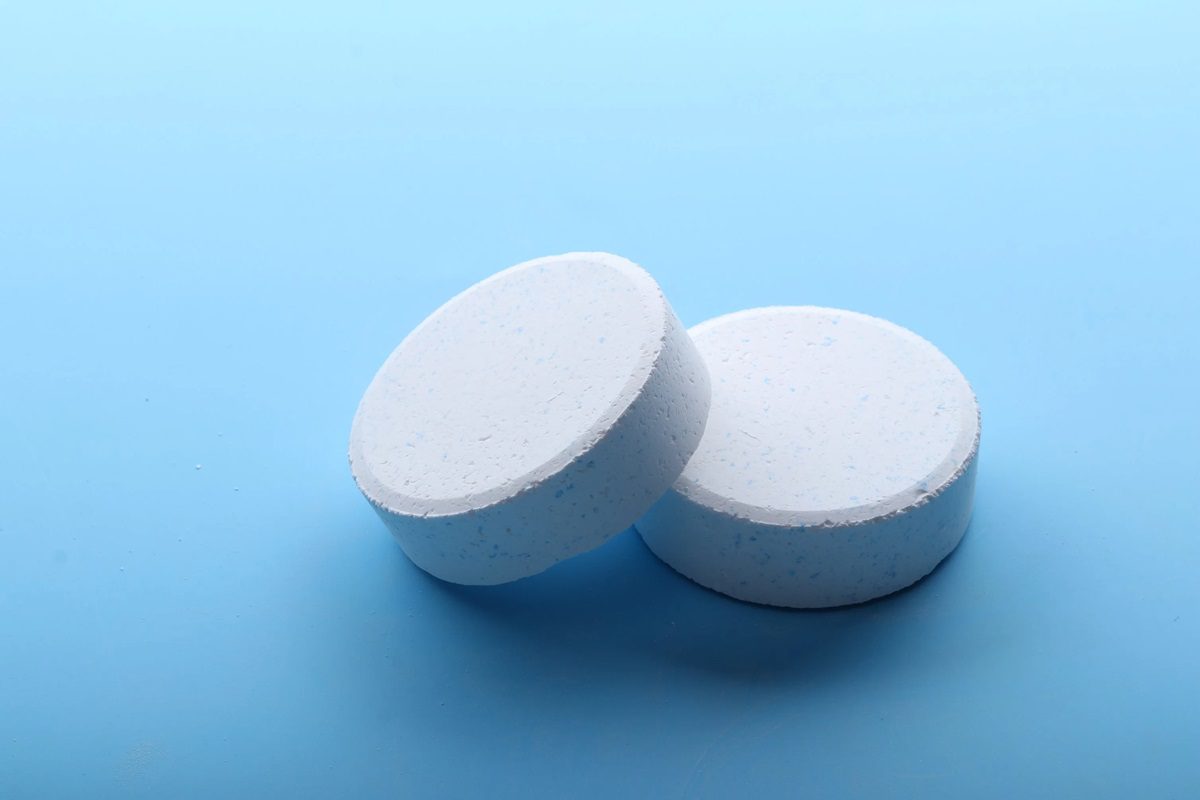
    chlorine dioxide tablets in pictureBreaking the Biofilm Barrier — Why Structural Disruption Is Critical
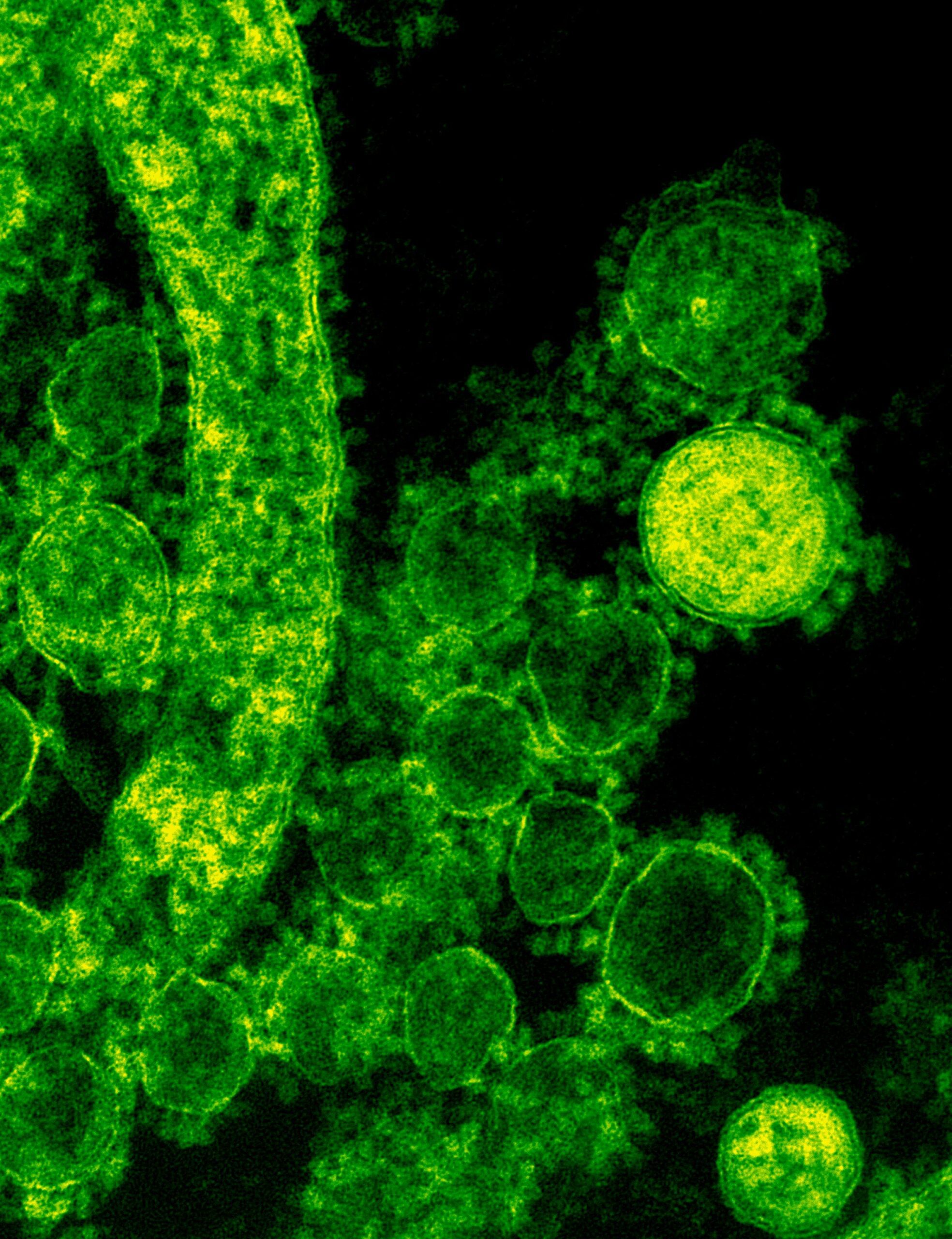
    Biofilms are not static. They grow, shed cells, and spread, creating a reservoir of pathogenic and odor-producing microbes. To truly sanitize a surface, one must dismantle the EPS matrix to prevent recolonization.

    Breaking down biofilms is essential because:

    • The EPS barrier protects microbes from chemical sanitizers.
    • Microbial shedding spreads contamination to other surfaces.
    • Odor molecules are trapped within the matrix and remain after superficial cleaning.

    Mechanical scrubbing alone is often insufficient. Chemical disruption is required at the molecular level to oxidize and destabilize the matrix, allowing full microbial inactivation.


    Chlorine Dioxide vs. Traditional Sanitation Methods

    Chlorine dioxide (ClO₂) is a true molecular oxidant, unlike chlorine bleach or peroxides, which function primarily through chlorination or free radical generation. Its neutral charge and small molecular size allow it to penetrate deep into biofilms, attacking both the microbial cells and the structural EPS network.

    Mechanism of Action

    • Electron Transfer Oxidation: ClO₂ disrupts cellular components, oxidizes sulfur and nitrogen bonds, and neutralizes VOCs.
    • Deep Penetration: Its neutral molecular charge enables diffusion through dense biofilm matrices.
    • Non-Corrosive: At operational concentrations, ClO₂ does not degrade metals, plastics, or surfaces.
    • Broad Spectrum: Effective against bacteria (Gram-positive and Gram-negative), fungi, viruses, and spores.

    Comparative Analysis

    Sanitizer Mechanism Biofilm Penetration Residue/Corrosivity Odor Neutralization Environmental Profile
    Bleach (NaOCl) Chlorination Surface only High, corrosive Poor Low
    Quats Membrane disruption Limited Residual buildup Masking only Moderate
    Hydrogen Peroxide Free radical oxidation Moderate Oxidative damage possible Partial High
    Alcohols Protein denaturation Surface only Evaporates Ineffective Moderate
    Chlorine Dioxide (ClO₂) Electron oxidation Deep Non-corrosive Excellent Excellent

    ClO₂’s ability to oxidize EPS and VOCs simultaneously sets it apart as a complete biofilm and odor elimination tool, rather than a surface-level sanitizer.


    Applications Across Industries

    Industrial

    • ClO₂ penetrates cooling towers, pipelines, and tanks, eliminating microbial biofilms that threaten operational efficiency and safety.
    • Gas-phase application ensures treatment of interior surfaces unreachable by liquids.

    Hospitality

    • Drains, kitchens, and HVAC systems often harbor biofilms causing persistent odors.
    • ClO₂ disrupts microbial matrices, neutralizing odors and improving sanitation without damaging surfaces or leaving harmful residues.

    Clinical & Medical

    • High-touch surfaces, surgical instruments, and ventilation systems can harbor resistant biofilms.
    • ClO₂ eliminates pathogens and reduces infection risk while being safe for sensitive equipment.

    Public Infrastructure

    • Wastewater treatment, plumbing, and restrooms benefit from biofilm removal.
    • ClO₂ prevents biofilm-related corrosion and VOC release.

    Molecular-Level Sanitation and Microbiome Reset

    ClO₂ does more than kill microbes—it resets microbial ecosystems. By breaking down biofilms:

    • Quorum sensing collapses, halting microbial communication.
    • Biofilm fragments are oxidized, preventing regrowth.
    • Odor-causing VOCs are neutralized, leaving environments both biologically and olfactorily clean.

      This precision cleaning ensures that sanitation is effective, sustainable, and measurable, redefining modern standards in industrial, hospitality, and medical environments.

    What does this all mean?


    Quorum sensing (QS) is a cell-to-cell communication system used by bacteria (and some fungi) to coordinate collective behavior based on population density. Microbes produce and release small chemical signaling molecules called autoinducers.What is Quorum Sensing?

    Quorum sensing (QS) is a cell-to-cell communication system used by bacteria (and some fungi) to coordinate collective behavior based on population density. Microbes produce and release small chemical signaling molecules called autoinducers. When these molecules reach a threshold concentration—indicating a critical mass of microbes—the bacteria collectively alter gene expression to activate group behaviors.

    In biofilms, quorum sensing regulates:

    • EPS (extracellular polymeric substance) production: Builds and maintains the biofilm “matrix” that shields microbes.
    • Virulence factor expression: Makes pathogens more resistant to immune responses or chemical disinfectants.
    • Sporulation and stress responses: Increases survival under adverse conditions.
    • Biofilm expansion and detachment: Allows cells to spread to new surfaces.

    Essentially, QS is how microbial colonies “coordinate” like a city, deciding when to grow, defend, or send out microbial “explorers.”


    What Does “Quorum Sensing Collapses” Mean?

    When a biofilm is treated with chlorine dioxide (ClO₂), its EPS matrix and microbial cells are oxidized. This has several consequences for quorum sensing:

    1. Signaling molecules are destroyed or diluted

      • ClO₂ oxidizes small chemical autoinducers, so bacteria can no longer “hear” each other.

    2. Cell death disrupts population density

      • Quorum sensing requires a critical population. Killing microbes reduces numbers below the threshold, preventing collective behavior.

    3. EPS degradation prevents localized concentration

      • Autoinducers are often concentrated within the biofilm matrix. When ClO₂ breaks down the EPS, these molecules diffuse away or are oxidized, collapsing the localized communication network.

    The result:

    • Microbes cannot coordinate defense mechanisms.
    • Production of protective EPS and virulence factors halts.
    • Biofilm structural integrity weakens.
    • Dispersal and recolonization are significantly reduced.

    In short, quorum sensing collapse is like cutting off the city’s power grid—microbes become disorganized, vulnerable, and unable to maintain their protective stronghold. This is why ClO₂ doesn’t just kill surface microbes—it dismantles the entire biofilm community at a molecular and behavioral level.


    Biofilm Fragments Explained

    Biofilms are not static—they’re dynamic communities. During growth or after partial disruption, pieces of the biofilm can detach. These are called biofilm fragments or planktonic clumps, and they carry living bacteria capable of colonizing new surfaces.

    Even if you kill microbes on the surface, these fragments can travel via air, water, or equipment and reattach elsewhere, forming new biofilms. This is a key reason why many cleaning methods fail—biofilms spread even after initial sanitation, making contamination persistent.


    What “Oxidized” Means in This Context

    Chlorine dioxide (ClO₂) is a powerful oxidizing agent. When biofilm fragments are exposed to ClO₂:

    1. The extracellular polymeric substance (EPS) is chemically broken down

      • Proteins, polysaccharides, and DNA in the EPS are oxidized. This destroys the “scaffolding” holding the microbes together.

    2. Microbial cells within fragments are disrupted

      • Cell membranes, enzymes, and metabolic molecules are oxidized, killing or inactivating the microbes.

    3. Signaling molecules (autoinducers) are neutralized

      • Fragments lose the ability to coordinate quorum sensing, so they cannot organize into new biofilms effectively.


    Why This Prevents Regrowth

    • No structural foundation: Oxidation destroys the EPS, so fragments cannot reattach to surfaces in an organized biofilm.
    • Microbes are inactivated: Bacteria within fragments are killed or severely weakened, so even if they settle somewhere new, they cannot establish a healthy colony.
    • Disruption of quorum sensing: Without communication, surviving cells cannot coordinate biofilm formation, halting regrowth at the molecular level.

    Think of it like removing the bricks from a building and scattering the occupants—they can’t rebuild without structure or coordination. ClO₂ does this at the molecular scale, ensuring that fragments are no longer a threat for recolonization and odor production.


    What Are Odor-Causing VOCs?

    VOCs, or volatile organic compounds, are small molecules that easily vaporize at room temperature. In biofilms, microbes metabolize nutrients anaerobically (without oxygen) and produce VOCs as byproducts. Common examples include:

    • Sulfur compounds: hydrogen sulfide (H₂S), methanethiol, dimethyl disulfide — responsible for rotten egg or sewage-like odors.
    • Nitrogen compounds: ammonia, amines — responsible for pungent, urine-like smells.
    • Organic acids: acetic, butyric acids — sour or musty odors.

    These VOCs are trapped inside the biofilm matrix, slowly releasing over time and causing persistent odors that traditional cleaners cannot eliminate.


    What Does “Neutralized” Mean?

    Chlorine dioxide (ClO₂) is a selective oxidizing agent, meaning it reacts with and chemically alters VOC molecules. This neutralization involves:

    1. Breaking molecular bonds

      • Sulfur, nitrogen, and carbon bonds in VOCs are oxidized, rendering them chemically inert.

    2. Preventing volatilization

      • Once oxidized, these compounds no longer vaporize and produce odors.

    3. Removing the source of smell, not masking it

      • Unlike air fresheners or masking agents, ClO₂ eliminates the odor molecules themselves, rather than just covering them up.


    Why This Leaves Environments Biologically and Olfactorily Clean

    • Biologically clean: Microbes in biofilms are disrupted or destroyed, halting further VOC production.
    • Olfactorily clean: Existing VOCs are chemically neutralized, so the environment no longer smells.

    Effectively, ClO₂ attacks both the microbial source and the chemical byproducts simultaneously. This is why it is so effective in:

    • Industrial settings (pipes, cooling towers, tanks)
    • Hospitality (drains, kitchens, HVAC systems)
    • Clinical and medical environments (surgical rooms, restrooms, equipment)

    The result is an environment that is scientifically sanitized and free from lingering odors, not just superficially “fresh.”


    Chlorine dioxide (ClO₂) represents a fundamental shift in sanitation science. It penetrates biofilms at the molecular level, dismantling the extracellular polymeric substance (EPS) that protects microbial communities.Conclusion — The Paradigm Shift in Sanitation
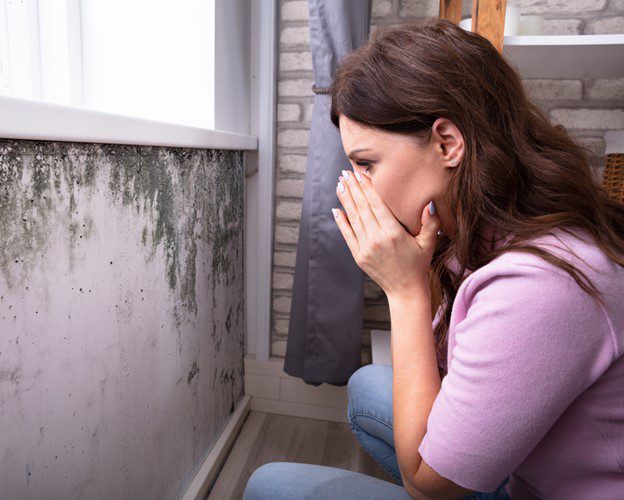

    Traditional disinfectants often address only the surface symptoms of contamination and odors, leaving the underlying biofilm intact. This incomplete approach allows microbial fortresses to persist, continually producing odor-causing volatile compounds (VOCs) and seeding new contamination sites through biofilm fragments.

    Chlorine dioxide (ClO₂) represents a fundamental shift in sanitation science. It penetrates biofilms at the molecular level, dismantling the extracellular polymeric substance (EPS) that protects microbial communities. In the process, quorum sensing collapses: microbial communication networks fail, halting the coordinated defense and virulence behaviors that allow pathogens to survive and regrow.

    At the same time, biofilm fragments are oxidized, destroying both their structural framework and the microbes contained within. This prevents detached fragments from establishing new colonies elsewhere, effectively blocking the propagation and regrowth of biofilms.

    Additionally, ClO₂ neutralizes odor-causing VOCs. Sulfur, nitrogen, and carbon-based volatile molecules are chemically oxidized, eliminating odors at their source rather than merely masking them. The result is an environment that is not only biologically clean—with the microbial population reset—but also olfactorily neutral, free from persistent and harmful odors.

    For industrial managers, hospitality operators, and healthcare professionals, ClO₂ is more than a cleaner: it is a comprehensive biofilm-level eradication system, delivering molecular-level microbial disruption, prevention of regrowth, and total odor neutralization. This scientifically validated solution provides risk mitigation, regulatory compliance, and operational reliability, transforming sanitation from a superficial practice into a precision, evidence-based process that addresses contamination at its structural and chemical roots.


    15 Frequently Asked Questions About Biofilms & ClO₂

    1. What exactly is a biofilm?
      A structured microbial community encased in a self-produced matrix of polymers, adhering to surfaces.
    2. Why are biofilms resistant to regular cleaning?
      Their matrix blocks disinfectants, allowing bacteria to survive and regrow.
    3. What causes biofilm-related odors?
      Anaerobic metabolism releases sulfur compounds and VOCs.
    4. Can bleach remove biofilms?
      No. It disinfects surface bacteria but doesn’t penetrate the biofilm matrix.
    5. How does chlorine dioxide penetrate biofilms?
      As a neutral gas, it diffuses through the matrix, oxidizing cells and bonds internally.
    6. Is ClO₂ safe for food-contact surfaces?
      Yes, when used correctly; it decomposes into non-toxic byproducts.
    7. Does it remove VOC-based odors permanently?
      Yes, by oxidizing the compounds themselves rather than masking them.
    8. What industries benefit most from ClO₂?
      Industrial sanitation, food processing, hospitality, healthcare, and wastewater management.
    9. Can ClO₂ replace bleach or quats?
      Yes, it outperforms them in both efficacy and environmental safety.
    10. Is ClO₂ corrosive to metals or plastics?
      No, it’s non-corrosive at operational concentrations.
    11. Does ClO₂ harm beneficial microbes?
      It resets microbial balance rather than sterilizing completely.
    12. Can it be used in HVAC or duct systems?
      Yes, as a gas-phase treatment, it removes microbial and odor buildup.
    13. How fast does it work?
      Within minutes for odors; biofilm breakdown may require extended exposure depending on thickness.
    14. Is ClO₂ eco-friendly?
      Extremely. It breaks down into oxygen, water, and simple salts.
    15. Where can I learn more or purchase ClO₂ tablets?
      Visit https://clo2tablets.com for scientific data and products.CLO2 is a healthy alternative to Bleach and other chemical household cleaners
  • How Do I Use Chlorine Dioxide Tablets for Mold Removal?

    How Do I Use Chlorine Dioxide Tablets for Mold Removal?

    🚫 Mold and Mildew: The Hidden Threat in Your Home

    Mold and mildew love hiding in warm, moist spaces—basements, bathrooms, crawlspaces, closets. And when they show up, they bring more than an ugly stain.

    They can:

    • Damage walls, ceilings, wood, and insulation

    • Trigger allergies, skin irritation, and respiratory issues

    • Create musty, lingering odors that regular cleaners just can’t touch

    Standard bleach? It bleaches the surface, but leaves spores behind—allowing mold to return with a vengeance.

    Want real results? Time to meet chlorine dioxide tablets.


    🌟 What Makes Chlorine Dioxide Tablets So Effective?

    Chlorine Dioxide (ClO₂) is a powerful oxidizing agent—not just a surface cleaner. It penetrates porous materials and targets mold and mildew at their roots, killing spores and eliminating odors at the molecular level.

    Kills mold, mildew, AND the spores that cause regrowth
    Neutralizes musty odors completely
    Safe for use around families, pets, and fabrics
    Eco-friendly—no bleach, no fumes, no harsh residue


    🧪 Why ClO₂ Beats Bleach Every Time

    Feature Chlorine Dioxide Bleach
    Penetrates porous materials ✅ Yes ❌ No
    Kills mold and spores ✅ Yes ❌ No
    Eliminates odors permanently ✅ Yes ❌ No
    Safe around people/pets ✅ Yes ❌ No
    Eco-friendly & biodegradable ✅ Yes ❌ No

    💡 How to Use Chlorine Dioxide Tablets for Mold & Mildew Removal

    Simple. Safe. Effective. Here’s the basic process:

    1. Dissolve: Drop 1–2 tablets in warm water (follow label for ratio).

    2. Apply: Use a spray bottle, sponge, or cloth on moldy surfaces.

    3. Wait: Let sit for the recommended time (5–15 minutes).

    4. Rinse or Wipe Clean: Especially on kitchen/bathroom surfaces.

    5. Dry the Area Thoroughly: Prevent future growth with airflow.

    ✔️ Pro Tip: For larger infestations or stubborn spots, seal off the area and use an enclosed gas release method with a container and lid. Always follow safety guidelines.


    🏠 Safe for Use On:

    • Tile, grout, drywall

    • Wood and subfloor

    • Clothing and upholstery

    • HVAC systems

    • Boats, campers, and RVs

    • Attics, basements, and crawlspaces


    💨 Bonus Benefit: No More Musty Smell

    ClO₂ doesn’t just mask the odor—it neutralizes the actual molecules responsible for that classic “moldy” smell. Your space will not only look cleaner but smell like a fresh start.


    🧼 Use ClO₂ for Prevention, Too

    Want to stop mold before it starts?
    Add chlorine dioxide tablets to your monthly cleaning routine in moisture-prone areas. Regular use creates a hostile environment for mold and mildew, keeping them from taking hold.


    🛒 Ready to Get Rid of Mold for Good?

    👉 Try Our Professional-Grade Tablets Today:
    ✔️ Buy Chlorine Dioxide Tablets – Fast Mold & Odor Removal

    • Trusted by restoration pros and homeowners alike

    • Ships fast and easy to store

    • Multiple sizes available for small or large jobs


    💬 Final Word

    Mold and mildew don’t have to be a constant battle. With chlorine dioxide tablets, you can win the war at the source—safely, effectively, and without harsh chemicals. Whether you’re remediating after a leak or proactively protecting a basement, ClO₂ tablets offer an advanced, eco-conscious way to keep your home fresh and fungus-free.

    Ditch the bleach. Kill the mold. Reclaim your air.
    👉 Shop now at clo2tablets.com

  • How To Clean a Building Effectively Using Eco-Friendly ClO₂ Solutions

    How To Clean a Building Effectively Using Eco-Friendly ClO₂ Solutions

    ✨ How To Clean A Building Effectively — The Smart, Eco-Friendly Way with ClO₂

    Cleaning a building might sound like a huge chore, but with the right strategy, tools, and eco-friendly cleaning products, it can actually be efficient, satisfying, and even enjoyable. 🧹✨ From offices and schools to retail stores and multi-use facilities, a clean building is more than just appearances—it’s a health safeguard.

    At the center of modern, safe, and eco-friendly cleaning is chlorine dioxide (ClO₂), a powerful disinfectant that not only eliminates germs and bacteria but also neutralizes odors, volatile organic compounds (VOCs), and allergens. 🌿

    This guide will give you a step-by-step system for cleaning any building effectively, along with detailed instructions on using ClO₂ tablets safely, advanced tips for floors, windows, and dusting, and answers to the most common questions about eco-friendly cleaning.


    🧺 Step 1: Declutter and Prep the Space

    Before you pick up a mop or spray a single cleaner, prep is key. Removing clutter not only makes cleaning easier but also reduces dust accumulation and allows cleaning solutions to reach every surface.

    Decluttering Checklist:

    • Empty trash and recycling bins. ♻️
    • Remove old paperwork, boxes, and items blocking surfaces.
    • Store personal items, office supplies, or decorative pieces safely.

    💡 Pro Tip: Create a “cleaning station” with your tools, ClO₂ tablets, spray bottles, and microfiber cloths. Having everything organized saves time and keeps cleaning efficient.


    🧹 Step 2: Dusting — The Unsung Hero of Clean Buildings

    Dust might look harmless, but it carries bacteria, allergens, and mold spores. Regular dusting with eco-friendly products is essential for a healthy indoor environment.

    Effective Dusting Techniques:

    • Top-Down Approach: Start with ceiling fans, high shelves, and light fixtures. Dust falls downward, so you can finish with lower surfaces last.
    • Use Microfiber Cloths: These trap dust instead of spreading it around. For added cleaning power, lightly spray with a ClO₂ solution, which kills microbes on contact.
    • Don’t Forget Baseboards & Corners: Dirt collects here, often out of sight. A damp cloth or a vacuum with an attachment works well.
    • Hard-to-Reach Areas: Long-handled dusters or extendable microfiber wands help reach vents, blinds, and the tops of tall furniture.

    Pro Tip: Regularly launder your dusting cloths and vacuum attachments to prevent redistributing dust and germs.

    Advanced Tip: Use a ClO₂ misting solution in areas prone to bacteria accumulation (break rooms, bathrooms, conference rooms). It’s safe for surfaces and the air, helping maintain a fresher environment throughout the day.


    🧼 Step 3: Smart Floor Cleaning

    Floors see the most traffic, which means they accumulate dirt, bacteria, and organic matter quickly. Using ClO₂ for floors gives you a thorough clean while remaining gentle on surfaces.

    Step-by-Step Floor Cleaning:

    • Sweep or Vacuum: Remove loose debris first. For hardwood floors, use a soft-bristled broom to avoid scratches.
    • Mix ClO₂ Solution: One tablet per recommended amount of warm water dissolves to create a safe, effective cleaner.
    • Mop Thoroughly: Use a figure-eight motion for even coverage. Pay extra attention to high-traffic areas.
    • Dry Floors Completely: Allowing floors to dry reduces streaks and prevents slips.

    Special Tips:

    • For tiles and stone floors, ClO₂ helps prevent mold and mildew in grout lines.
    • Use entrance mats or rugs to reduce the amount of dirt tracked inside. Clean these mats daily.
    • Place felt pads under furniture to prevent scratches when moving pieces for cleaning.

    Pro Tip: For stubborn stains or spills, let ClO₂ solution sit for 5–10 minutes before scrubbing—it oxidizes and neutralizes contaminants, giving a deep clean without harsh chemicals.


    🚻 Step 4: Bathroom Deep Cleaning

    Bathrooms are breeding grounds for germs, making effective disinfecting a priority. ClO₂ is ideal because it kills bacteria, mold, and viruses safely, without damaging surfaces or leaving chemical residues.

    Bathroom Cleaning Checklist:

    • Toilets: Scrub with ClO₂ solution; drop a tablet in the bowl and let it sit before flushing.
    • Sinks and Countertops: Spray and wipe; pay attention to faucets and handles.
    • Showers and Tubs: Use a non-abrasive sponge soaked in ClO₂ solution; rinse after cleaning.
    • Floors: Mop with ClO₂ solution to disinfect and remove odors.
    • Trash & Recyclables: Empty daily to prevent buildup.

    💡 Pro Tip: For odor control, spray ClO₂ solution in the air or on surfaces that often retain smells. It neutralizes odors at the molecular level rather than masking them.


    🪟 Step 5: Windows and Glass — Crystal Clear Every Time

    Windows are more than decorative—they let in natural light, which improves mood and energy in a building. But streaks, dust, and smudges can ruin the effect.

    Window Cleaning Tools:

    • Squeegee with a sharp rubber blade
    • Microfiber cloths for drying
    • Bucket with ClO₂ solution for frames and ledges only
    • Non-abrasive scrubber or sponge
    • Extension pole for tall windows

    Cleaning Steps:

    • Pre-clean windows by removing dust, cobwebs, and debris.
    • Apply ClO₂ cleaning solution with a sponge to window frames and ledges
    • Use the squeegee from top to bottom, slightly overlapping each stroke on the glass with a window cleaner (we recommend one from synergygreenclean.com).
    • Dry edges and frames with a microfiber cloth.

    Advanced Tip: Use ClO₂ solution for window frames and ledges—it disinfects hidden corners where germs thrive. Using CLO2 on the glass itself isn’t recommended.


    🌿 Step 6: Eco-Friendly Cleaning Products and ClO₂

    Switching to eco-friendly cleaners is not just a trend—it’s a smart health and sustainability choice.

    Why ClO₂ is Perfect:

    • Biodegradable and environmentally friendly
    • Kills 99.9% of bacteria, mold, viruses, and odor-causing compounds
    • Safe for children, pets, and people with chemical sensitivities
    • Does not corrode surfaces like bleach

    💡 Pro Tip: Always follow the tablet’s instructions for concentration. Too strong isn’t necessary, and too weak won’t disinfect properly.

    Recommended Uses:

    • Floors, counters, and tables
    • Bathrooms and showers
    • Kitchen areas and prep surfaces
    • HVAC vents and high-touch areas

    🧪 Step 7: How to Use ClO₂ Tablets for Building Cleaning

    You’ll need:

    • ClO₂ tablets
    • Water
    • Gloves
    • Bucket or spray bottle
    • Cleaning cloths

    Step-by-Step Instructions:

    • Wear gloves to protect skin.
    • Dissolve the tablet in water according to instructions.
    • Pour into a spray bottle for easy application.
    • Spray and wipe all surfaces—tables, counters, doorknobs, and more.
    • Allow surfaces to air dry to maximize disinfecting power.
    • Dispose of leftover solution safely; rinse containers after use.

    Safety Notes:

    • Never ingest ClO₂ solutions.
    • Avoid contact with eyes and mucous membranes.
    • Store tablets safely, away from children and pets.

    🧑‍🔧 Step 8: Professional Cleaning Services

    For larger facilities, hiring professional cleaning services that utilize ClO₂ can save time and provide consistent results.

    Benefits:

    • Access to specialized equipment like ClO₂ foggers
    • Experts who understand surface-specific cleaning
    • Thorough disinfecting and odor neutralization
    • Time-saving for building managers

    💡 Pro Tip: Regular professional cleanings combined with daily maintenance using ClO₂ tablets creates a healthier, longer-lasting clean.


    🌸 Step 9: Maintaining a Healthy Building Environment

    A clean building isn’t just about aesthetics; it’s about long-term health, productivity, and safety. Here’s how to maintain your building:

    • Daily: Empty trash, wipe high-touch surfaces with ClO₂ solution
    • Weekly: Mop floors, dust surfaces, clean bathrooms thoroughly
    • Monthly: Deep clean windows, vents, and hard-to-reach areas
    • Quarterly: Professional cleaning and HVAC inspection

    Extra Tip: Keep a supply of ClO₂ tablets in strategic areas—like kitchens, restrooms, and janitorial closets—for quick touch-ups.


    💬 Top 15 FAQs About Building Cleaning with ClO₂

    1. What is ClO₂?
      Chlorine dioxide is an eco-friendly disinfectant that oxidizes germs and neutralizes odors without toxic residues.

    2. Is ClO₂ safe for daily use?
      Yes, when used according to package instructions. It’s gentle on surfaces and safe for people.

    3. Can ClO₂ replace bleach?
      Absolutely. It disinfects more effectively without damaging surfaces or producing harsh fumes.

    4. Can I use ClO₂ on wood and metal?
      Yes, it is safe for most surfaces, including hardwood, metal, tile, and laminate.

    5. Does ClO₂ remove odors?
      Yes, it neutralizes odors at a molecular level, rather than just masking them.

    6. How long does a ClO₂ solution last?
      Use within 24 hours after activation for optimal efficacy.

    7. Can ClO₂ clean HVAC systems or vents?
      Yes, it’s excellent for deodorizing and disinfecting ductwork and ventilation.

    8. Is ClO₂ environmentally safe?
      Yes, it’s biodegradable and does not create harmful byproducts.

    9. Can ClO₂ be used around pets and children?
      Yes, when used properly in diluted form, it is safe.

    10. How do I store ClO₂ tablets?
      Store in a dry, cool place, away from sunlight, children, and pets.

    11. What concentration should I use for heavy-duty cleaning?
      Follow the tablet instructions; typical concentrations for buildings are 100–200 ppm.

    12. Can ClO₂ prevent mold growth?
      Yes, regular use on high-moisture areas reduces mold and mildew development.

    13. Is professional cleaning necessary if I use ClO₂ daily?
      Professional cleaning complements daily maintenance by reaching deeper or high-risk areas.

    14. Can I use ClO₂ on carpets or upholstery?
      Yes, in diluted form, it can sanitize fabrics without staining or damaging fibers.

    15. Where can I buy ClO₂ tablets?
      Visit clo2tablets.com for high-quality tablets and cleaning guides.


    🌟 Conclusion: Clean Smarter, Live Healthier

    Cleaning a building doesn’t have to be overwhelming. By combining smart preparation, regular maintenance, and eco-friendly ClO₂ solutions, you can maintain a building that’s safe, fresh, and welcoming.

    From dusting and mopping to disinfecting bathrooms and windows, ClO₂ simplifies the process, protects the environment, and keeps everyone healthier. 🌿💧

    Remember: a clean building is more than appearances—it’s a commitment to wellness, productivity, and peace of mind.

    a cleaner polishing tiles with a scrubbing machine in a commercial building.


  • Mold Remediation in Crawl Spaces | Identify, Remediate & Protect with ClO₂

    Mold Remediation in Crawl Spaces | Identify, Remediate & Protect with ClO₂

    Deep Dive & Defeat: Mold Remediation in Crawl Spaces That Actually Works 💪

    It’s time to face it: the dark, quiet crawl space under your home might look like a low-priority spot—but tucked away in that damp, hidden zone lies a real risk to your home’s health and your family’s wellness. Mold loves places that are damp, poorly ventilated, and rarely visited. Left unchecked, it can harm structural materials, trigger allergies or respiratory issues, and create lingering musty smells that just won’t go away.

    But here’s the good news: with the right strategy, you can take control, remediate the mold, and keep your crawl space dry, safe, and mold-free. And when you combine that with the power of Chlorine Dioxide (ClO₂) tablets from the team at Envirotab, you’re bringing a modern, scientifically supported tool into the fight. (Yes—you, the savvy business owner and eco-cleaning advocate, totally own this.)

    In this guide we’ll walk you through a full, step-by-step process: assessment and safety, identifying and eliminating moisture sources, chemical/ClO₂ treatment, improving ventilation, monitoring, and finally a proactive prevention plan—so you can stop the mold now and prevent it from coming back. Let’s get to it. 🧼🌱


    1. Assessment & Safety Precautions

    Before you break out your gear, it’s critical to take stock and set up for safety.

    What to inspect

    • Enter the crawl space (carefully!) and inspect all surfaces—underfloor joists, foundation walls, underside of the sub-floor, insulation, vapor barriers, ductwork and exposed soil. Note any visible mold growth (black/green/white fuzzy or slimy patches), water stains, discoloration, or musty odors.
    • Determine how widespread the problem is: is it a small isolated patch or is the entire space showing signs of mold? This will affect how aggressive your remediation plan needs to be.
    • Document conditions: take photos, measure relative humidity (with a moisture/hygrometer), check for signs of condensation, pooling water, or past leak damage.

    Safety first

    • Mold spores in crawl spaces can become airborne; disturbance without protection may exacerbate the issue or pose health risks.
    • Gear up with PPE: gloves (nitrile or heavy duty), goggles or face shield, respirator (NIOSH-rated N95 or better—especially if disturbance is high), protective coveralls or at least long sleeves/trousers.
    • Ensure proper ventilation while working and consider isolating the space if large remediation is required (i.e., sealing off access temporarily).
    • If structural damage is present (e.g., sagging joists, extensive rot) or contamination is severe (e.g., black-mold mycotoxin risk), consult a certified remediation professional.

    By starting with a thorough assessment ― and protecting yourself ― you’re laying the foundation for a safe, effective remediation effort.


    2. Identify the Source of Moisture

    Mold doesn’t just appear out of nowhere—it grows where there’s moisture, stagnation and darkness. To fix the mold, you’ve got to remove the moisture.

    Common moisture sources in crawl spaces

    • Leaking pipes or plumbing fixtures overhead or nearby.
    • Roof or gutter leaks leading to water intrusion.
    • Rainwater or groundwater seepage through foundation walls or an unsealed floor.
    • High humidity in the region intruding into the crawl space via vents or gaps.
    • Standing moisture or damp soil when there’s no vapor barrier or poor drainage.
    • Condensation on ductwork or sub-floor undersides due to inadequate insulation.

    Key steps to identify moisture sources

    1. Look for leaks – Check pipes, fittings, HVAC lines, especially in cooling mode (condensation lines), for signs of dripping, pooling, corrosion or stains.
    2. Inspect gutters & downspouts – Ensure water is being directed away from the foundation, and that no overflow or clog is dumping near the crawl space.
    3. Check for cracks/gaps – Inspect the foundation walls, sill plates, rim joists, and flooring for gaps where water or humid air can enter. Seal these with suitable caulk, concrete patch, or foam sealant.
    4. Examine ventilation – Ensure crawl space vents are clear of debris, not blocked by insulation, and that they enable airflow. If closed, consider mechanical ventilation or encapsulation.
    5. Assess drainage – The ground slope around your home should fall away from the foundation; if it doesn’t, water may pool and seep under. Fix grading or add a perimeter drain if necessary.
    6. Consider waterproofing – In more severe cases, installation of a sump pump, foundation interior drainage system, or heavy-duty vapor barrier may be required.
    7. Monitor moisture levels – Use a moisture meter or hygrometer to measure both surface moisture and air relative humidity. If relative humidity in the crawl space remains above ~60% long-term, mold will often take root.

    Unless you remove or significantly curb the moisture source, even the best remediation may fail—spot treatments will offer temporary relief, but the mold will likely return.

    a mold inspector identifying mold in a crawl space with a torch.

    3. Mold Treatment: Biocides / Fungicides & ClO₂ Tablets

    Now, you’ve assessed the scene and reduced moisture inputs. Next: treat the mold itself.

    Using traditional biocides/fungicides

    • After visible mold is identified, apply Biocide/fungicide solution following the manufacturer’s instructions. This breaks down mold hyphae and spores on contact and provide some residual protection.
    • Example: Spray emulsifiable on mold-infested wood, insulation, sub-floor, etc. Wait the recommended dwell time, then remove any residual mats or mold-damaged materials if necessary.
    • Important: Biocide/fungicide alone is not enough if moisture remains. Treat the mold, yes—but treat the cause.

    Enter the high-tech hero: ClO₂ tablets

    Here’s where your business angle (and eco-cleaning credibility) shines. Envirotab’s ClO₂ (chlorine dioxide) tablets offer a compelling, scientifically supported method to go beyond surface cleaning.

    • ClO₂ is a powerful oxidizing agent that can penetrate porous materials, attack mold spores and mycotoxins at the root, and reach hidden spaces that typical cleaners can’t. Mold Help For You+1
    • Compared to bleach, ClO₂ offers distinct advantages: penetrates porous surfaces, leaves no harmful residue, neutralizes odors and VOCs, and remains effective in challenging spaces. clo2tablets.com+1
    • Process (sample): Dissolve one or more tablets in warm water per label instructions → apply via spray, fogger, or controlled release in the crawl space → allow dwell time → ensure ventilation and safe re-entry. clo2tablets.com

    Application steps with ClO₂ tablets

    1. Prepare the solution: Follow the specific label for your tablet count to water ratio.
    2. Apply thoroughly: Use a sprayer or fogger and make sure to cover underside of the sub-floor, joists, foundation wall surfaces, insulation, and any accessible soil or vapor barrier surfaces.
    3. Wait for dwell time: Allow the solution or gas to penetrate and act as directed.
    4. Ventilate & purge: After application, allow fresh air into the crawl space to clear residual ClO₂ gas. Confirm safe re-entry.
    5. Repeat if needed: For heavy contamination, a second pass may be warranted.
    6. Post-treatment inspection: Use moisture/humidity meters, visual checks, and possibly air sampling (if professional) to confirm mitigation.

    The result? A crawl space where the mold risk is drastically reduced, odors eliminated, and future growth blocked out by the combination of moisture control + advanced chemistry.


    4. Improving Ventilation and Air Flow

    Even with moisture sources reduced and mold treated, if air is stagnant the space remains vulnerable. Ventilation is your next line of defense.

    Why ventilation matters

    • Good airflow helps remove moisture-laden air, reduces condensation, and limits the micro-climate mold thrives in.
    • Without adequate ventilation, even a dry crawl space may suffer from pockets of high humidity, hidden mold growth, and odor build-up.
    • For older homes or homes in high-humidity coastal zones (hello Maine tidal waters!), passive vents often don’t cut it.

    Practical upgrades

    • Install vents or upgrading existing ones: Ensure each vent opening is clear of debris, graded such that fresh air enters and stale air exits.
    • Add mechanical ventilation: In some cases a small fan or crawl-space blow-through system (ideally linked to a humidity sensor) is ideal.
    • Install a dehumidifier: In enclosed or encapsulated crawl spaces, a dedicated dehumidifier can maintain relative humidity under ~55%.
    • Encapsulate the crawl space: Lining the floor and walls with a heavy-duty vapor barrier, sealing perimeter walls, insulating rim joists and potentially turning the crawl into a conditioned space.
    • Ensure insulation and ductwork are properly managed: Insulate cold ducts and ensure no leaks dump cool air into warm crawl space causing condensation.
    • Maintain ongoing monitoring: Set a schedule (monthly/quarterly) to check humidity, visible signs of moisture, and ensure vents/fans remain unblocked and functional.

    When airflow, moisture management and remediation are all integrated, you’re moving from “fixing a problem” to “securing the system” for long-term health.


    5. Monitoring & Preventive Maintenance

    Remediation is not a “one-and-done” event—it’s a system that requires monitoring and regular care. Here’s how to stay ahead of mold in your crawl space.

    Key metrics & checks

    • Relative humidity (RH) in the crawl space—ideally under ~55% in most climates; <60% at minimum.
    • Surface moisture or standing water—check after heavy rain, spring thaws, or major storms.
    • Vapor barrier integrity—inspect for tears, displacement, or mold growth on or behind the liner.
    • Ventilation efficacy—are the vents open, clear, fans working, ductwork sealed?
    • Visual inspections—biannual walk-throughs to check for new growth, discoloration, musty odors, insulation issues, piping condensation.
    • Record-keeping—maintain logs of inspections, humidity readings, actions taken. This is especially valuable if you manage multiple properties or will look to scale this as part of your eco-cleaning service offering.

    Preventive actions

    • After any significant leak or flooding event, do an immediate inspection and treatment if needed.
    • Annual application of ClO₂ or other maintenance chemical treatment in high-risk zones may prevent re-growth of hidden spores.
    • Ensure landscaping and grading stay effective—remove vegetation near foundation that may trap moisture; keep downspouts extended away.
    • If you discover new plumbing or HVAC runs under the house, ensure they are insulated, sealed, and installed without introducing new condensation risk.
    • Educate occupants or maintenance teams: no storing cardboard, wood, or other moisture-absorbing items directly on crawl space floor; keep it as clear and breathable as possible.

    By turning your crawl space into a monitored, managed environment, you protect your home, health and investment.


    6. Why This Matters for Homeowners — and for Your Business

    As the owner of Synergy‑Americas and marketing manager for eco-cleaning products, you know that educating your market is key. Here’s why tackling crawl space mold is a strategic win:

    • Health & safety: Mold in crawl spaces can unleash spores and mycotoxins into the home’s HVAC and living spaces—impacting indoor air quality, allergies, asthma and general health.
    • Property value & longevity: A dry, mold-free crawl space protects structural materials—joists, sub-floor, insulation—from rot and degradation. That means fewer repairs, longer lifespan, higher resale value.
    • Eco-friendly cleaning credibility: Using advanced solutions like ClO₂ tablets positions your brand as forward-thinking, scientifically grounded and eco-responsible—key differentiators in today’s market.
    • Market expansion opportunity: Homeowners with older homes, homes in humid zones, or rental/management properties all represent ideal segments for your message. The crawl space is an often overlooked “frontier” for cleaning/remediation services.
    • Content marketing & thought leadership: This deep dive article positions you as a subject-matter expert. It can be repurposed into LinkedIn posts, Google Business Profile articles, email newsletters and campaign landing pages.

    Conclusion: From Hidden Threat to Healthy Home 🌱✨

    A crawl space might be out of sight — but it should never be out of mind. Beneath your home lies an ecosystem that directly impacts your air quality, structural integrity, and long-term investment. Mold doesn’t just “happen”; it thrives when we ignore the warning signs — moisture, poor ventilation, and neglect.

    By following the steps we’ve outlined — assessment, moisture control, treatment with ClO₂, improved ventilation, and continuous monitoring — you’re not just cleaning a space; you’re restoring balance to your home’s foundation. You’re eliminating health risks before they spiral, protecting your property from decay, and setting a new standard for how we care for our living environments.

    Using ClO₂ tablets transforms mold remediation from a reactive cleanup into a proactive science. It’s eco-friendly, powerful, and forward-thinking — a perfect reflection of what modern home care should be. Traditional methods may mask the problem, but ClO₂ tackles it at the molecular level — neutralizing mold, bacteria, and odors while leaving no harsh residues behind. That’s clean technology meeting real-world need.

    Remember:

    The health of your home begins where you rarely look.
    Don’t wait for musty smells, soft floors, or allergies to tell you something’s wrong.

    If you suspect crawl space mold — act fast. Inspect. Treat. Protect. And keep your home’s underbelly as clean and cared for as the rooms you live in.

    Whether you’re a homeowner safeguarding your family or a cleaning professional elevating your service standards, it’s time to move from surface-level cleaning to structural health. The difference is lasting, measurable, and worth every bit of effort.

    Take back control.
    Take back the air you breathe.
    And let your home — from top to crawl space — truly shine. 🌎✨


    10 Frequently Asked Questions About Model Remediation in Crawl Spaces (FAQs)

    1. Q: How do I know if my crawl space has mold?
      A: Look for visible discoloration or fuzzy growth on walls, joists or sub-floor, musty odors, elevated humidity readings (>60 %), or health symptoms in occupants (allergy, respiratory issues). A professional inspection can include air sampling.

    2. Q: Can I treat crawl space mold myself or do I need a professional?
      A: For small, isolated patches and when you can manage moisture sources and safety gear, a homeowner can treat it. But if the infestation is large (>10 sq.ft.), structural damage is present, or you detect black-mold/mycotoxin risk, a professional is advised.

    3. Q: Why do we address moisture first? Is that really that important?
      A: Absolutely. Mold needs moisture to grow. If you remove visible mold but leave the moisture source intact (leaks, high RH, poor drainage), the mold will likely return. Fixing moisture is fundamental.

    4. Q: How do ClO₂ tablets differ from bleach or standard fungicides?
      A: ClO₂ is a strong oxidizing agent that penetrates porous materials, kills spores and can eliminate mycotoxins and odors. Bleach often only acts on surface mold, leaves residue and doesn’t reach hidden spaces well. clo2tablets.com+1

    5. Q: Is ClO₂ safe to use in a crawl space?
      A: Yes—when used according to label instructions, with proper ventilation and safety gear. It leaves no harmful residues and has been shown effective for mold remediation. That said, always follow manufacturer guidelines and local regulations.

    6. Q: How often should I monitor my crawl space after remediation?
      A: At minimum, inspect twice a year (spring and fall). Also check after major weather events or plumbing/HVAC changes. Maintain humidity logs monthly if possible.

    7. Q: What level of relative humidity is safe for a crawl space?
      A: Aim for RH < 55% in most climates. If it remains above ~60% long-term, you are at increased risk of mold growth.

    8. Q: Will drywall or insulation need to be replaced after mold remediation?
      A: Possibly. If mold has penetrated insulation or drywall to the point where removal is more cost-efficient than cleaning, replacement is often the best choice. Treated materials should be approved/cleared for reuse.

    9. Q: What’s the difference between passive venting and encapsulation of a crawl space?
      A: Passive venting uses air-vents to allow outdoor air flow; works sometimes in cooler, dry climates. Encapsulation involves sealing the crawl space, installing a vapor barrier, often a dehumidifier and turning the space into a more managed environment. Encapsulation is typically more effective in humid zones.

    10. Q: Can I include this crawl space remediation service in my marketing for eco-cleaning?
      A: Yes—and strongly should. Highlight the hidden risks of crawl space mold, the health benefit, the structural protection, and your use of advanced tools like ClO₂ tablets. Use case-studies, before/after photos and emphasize your holistic approach: moisture control → remediation → monitoring.